plant tax lab quiz 6
 Call Kai
 Learn
Learn Practice Test
 Spaced Repetition
 Match
Match Flashcards
 Knowt Play
1/25

There's no tags or description
Looks like no tags are added yet.
Name | Mastery | Learn | Test | Matching | Spaced | Call with Kai |
|---|
No analytics yet
Send a link to your students to track their progress
26 Terms
How do you distinguish between Monocots and Dicots by seed leaves?
Dicots have 2 cotyledons
Monocots have 1
How do you distinguish between Monocots and Dicots by leaf venation?
Dicot leaves are oval/palmate with net-like veins
Monocot leaves are narrow with parallel veins
How do you distinguish between Monocots and Dicots by root structure?
Dicots have tap roots
Monocots have fibrous roots
How do you distinguish between Monocots and Dicots by flower part numbers?
Dicot flowers have 4-5 floral parts (or multiples of 4-5 floral parts)
Monocot flowers have 3 floral parts (or multiples of 3)
Primary Roots
Tap and storage
Adventitious Roots
Fibrous, prop, and haustorial
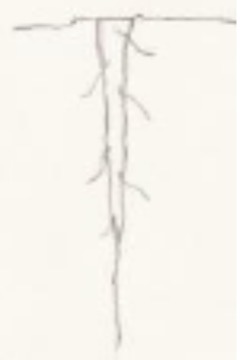
Root type and modification
Tap
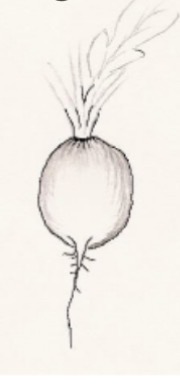
Root type and modification
Storage
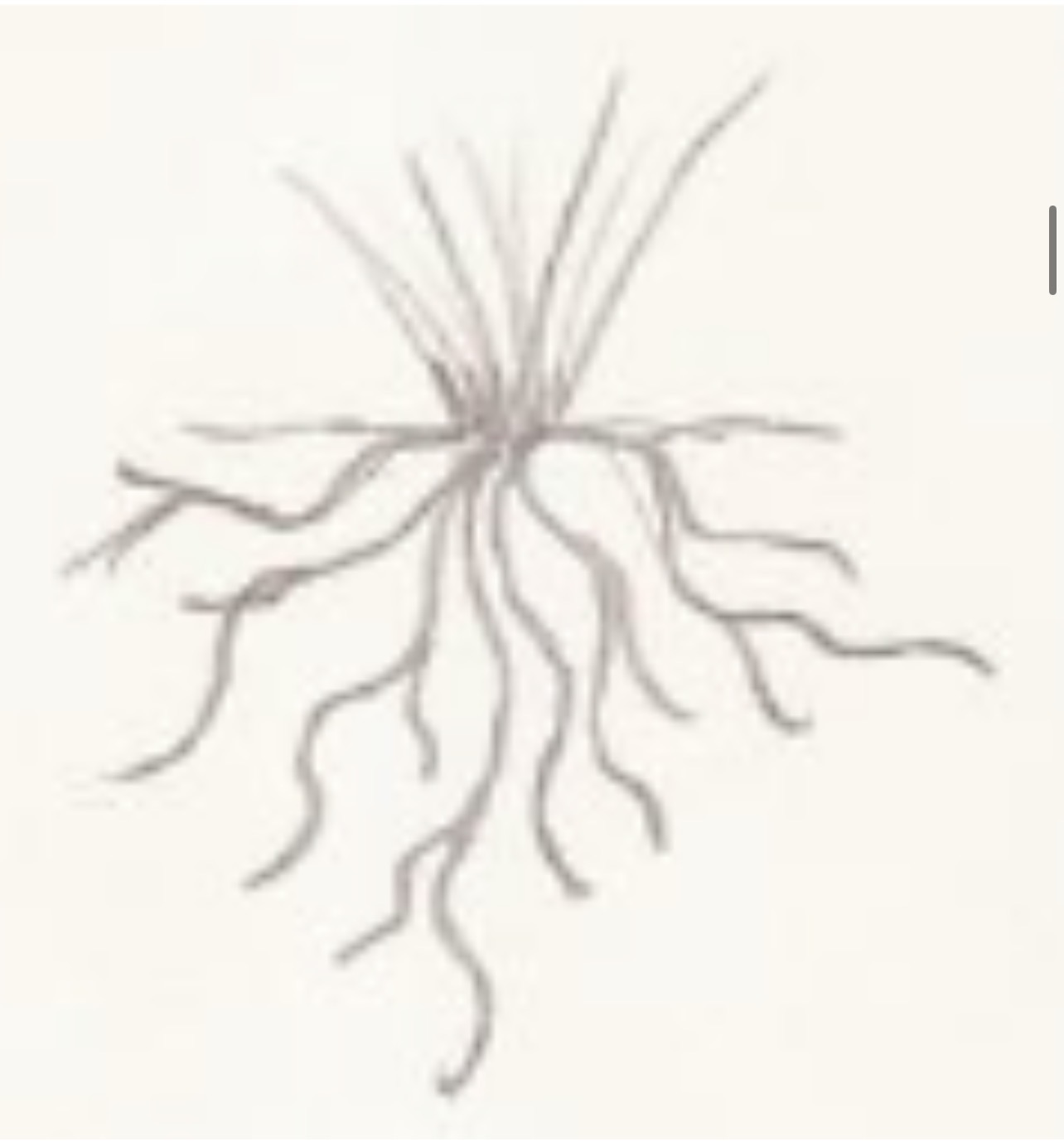
Root type and modification
Fibrous
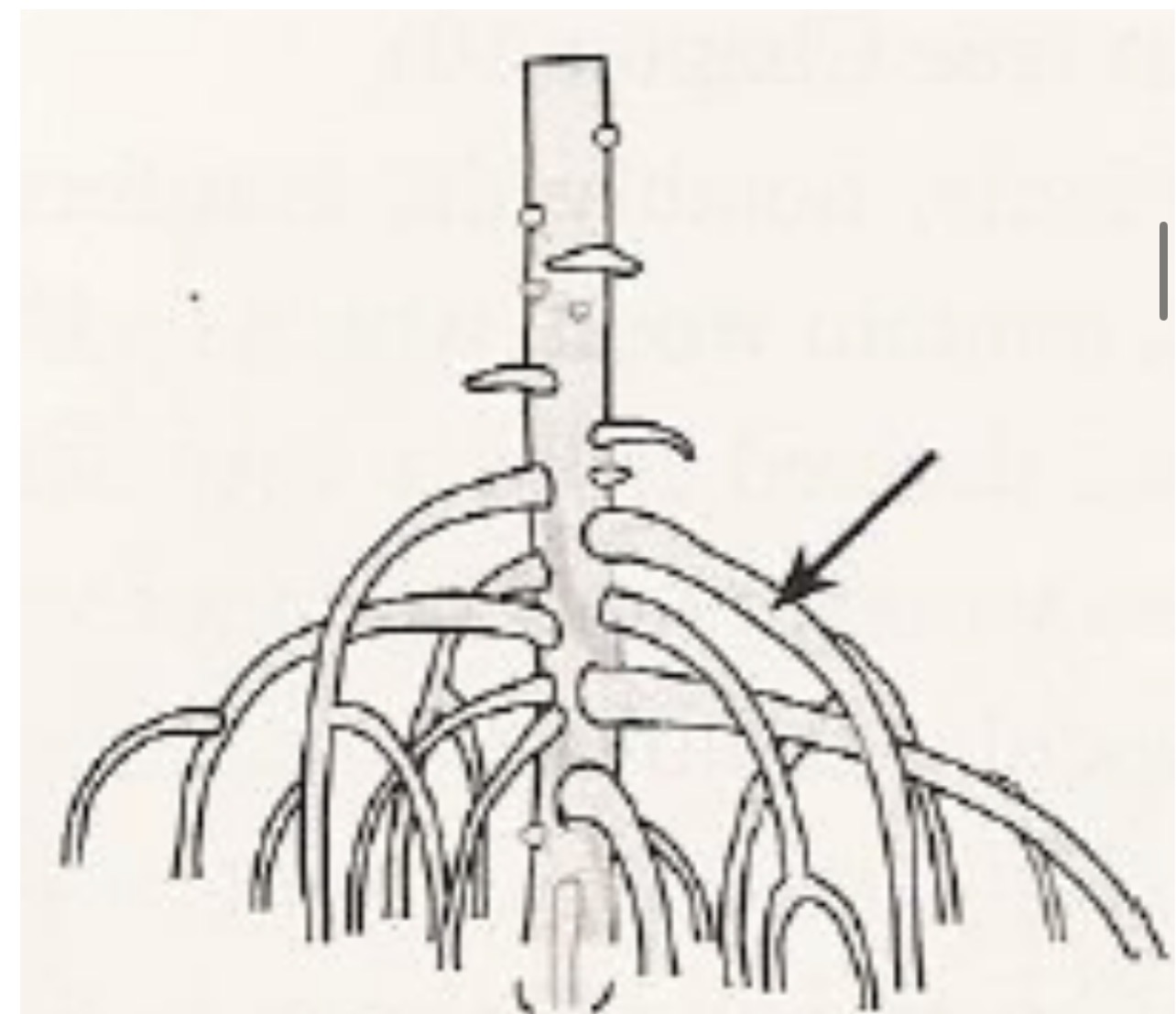
Root type and modification
Prop
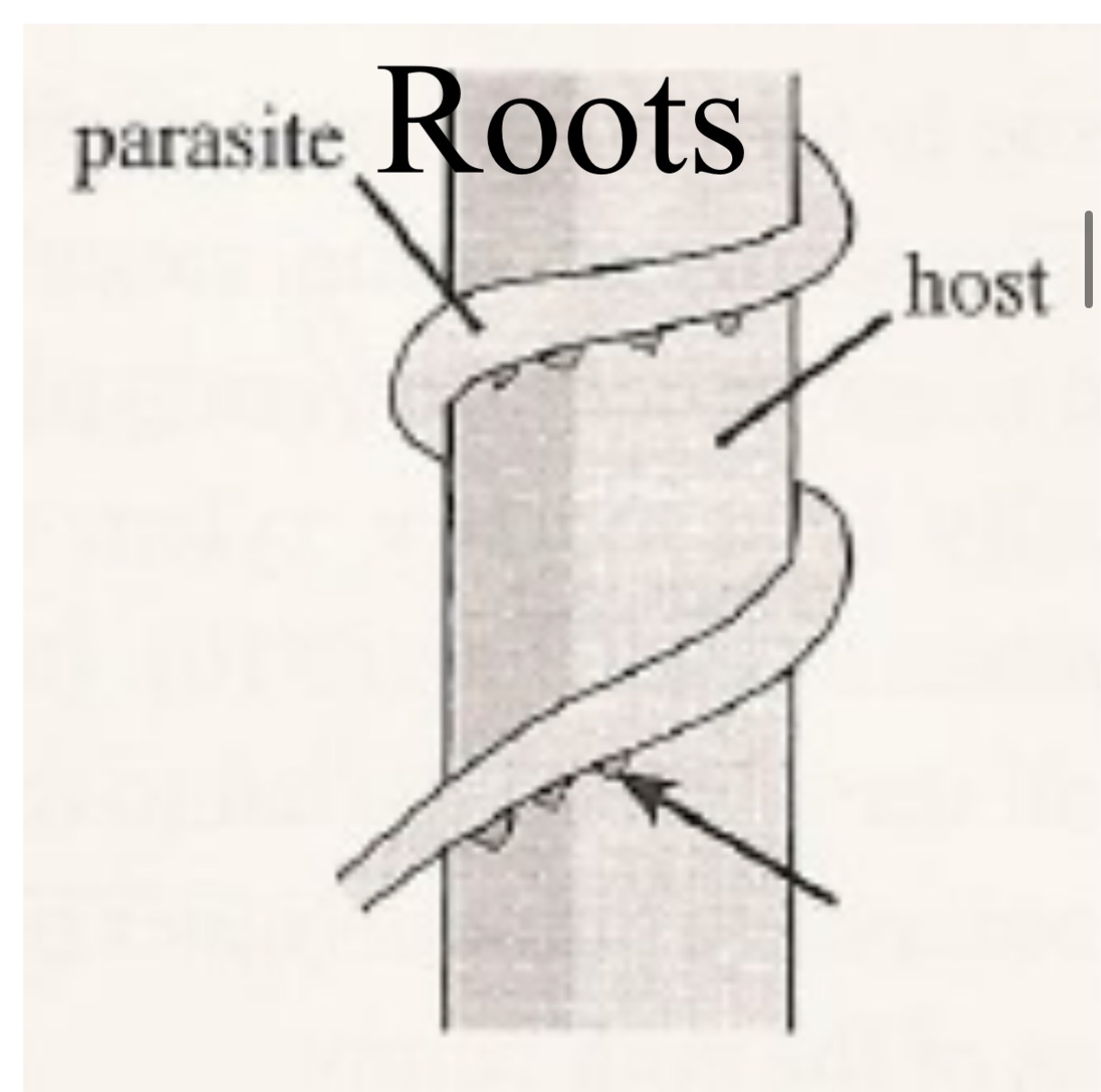
Root type and modification
Haustorial
Pneumatophores
Cypress Knees (help the cypress trees get oxygen and provide stability in swampy soil)
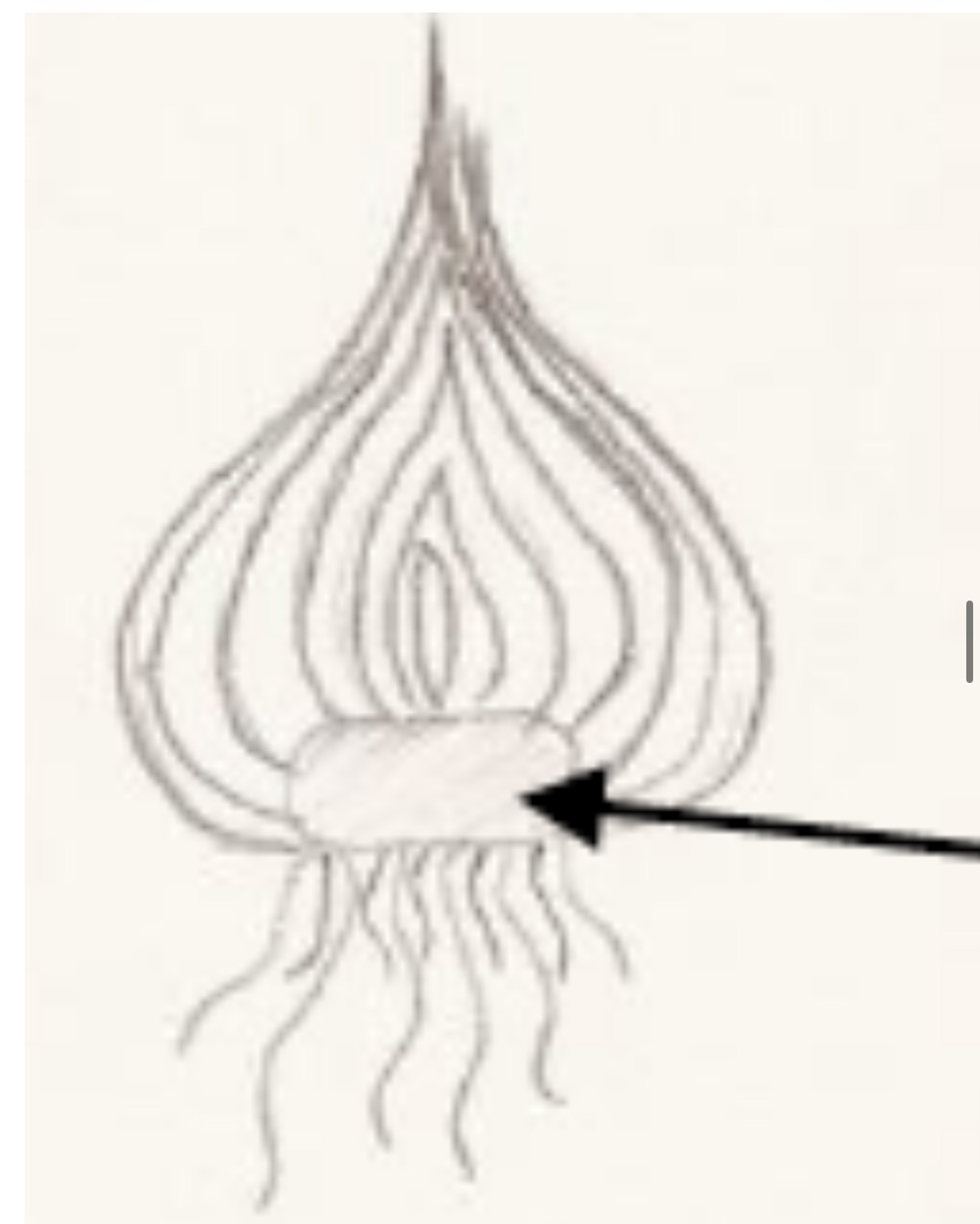
Type of Underground Stem Modification
Bulb
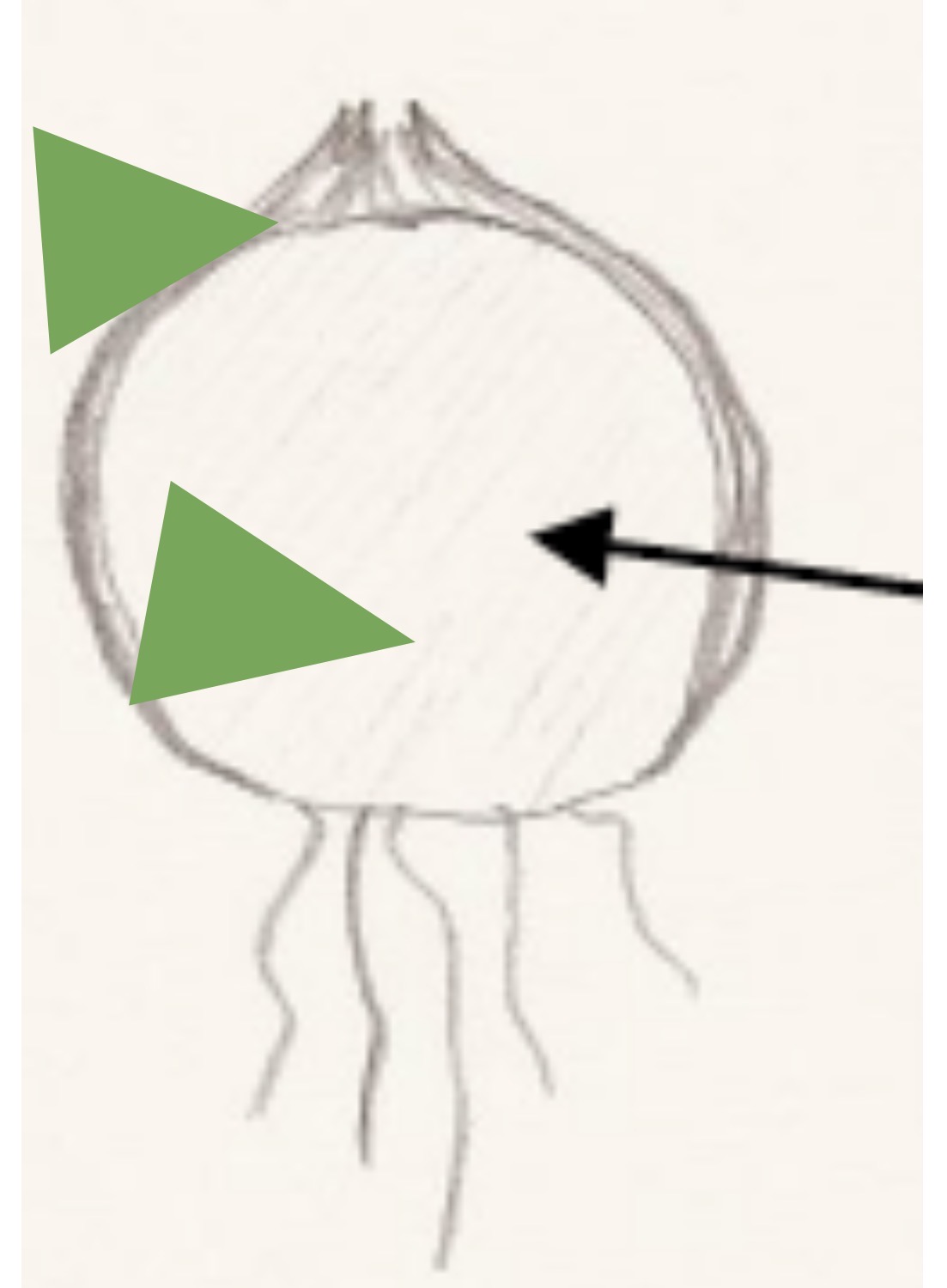
Type of Underground Stem Modification
Corm
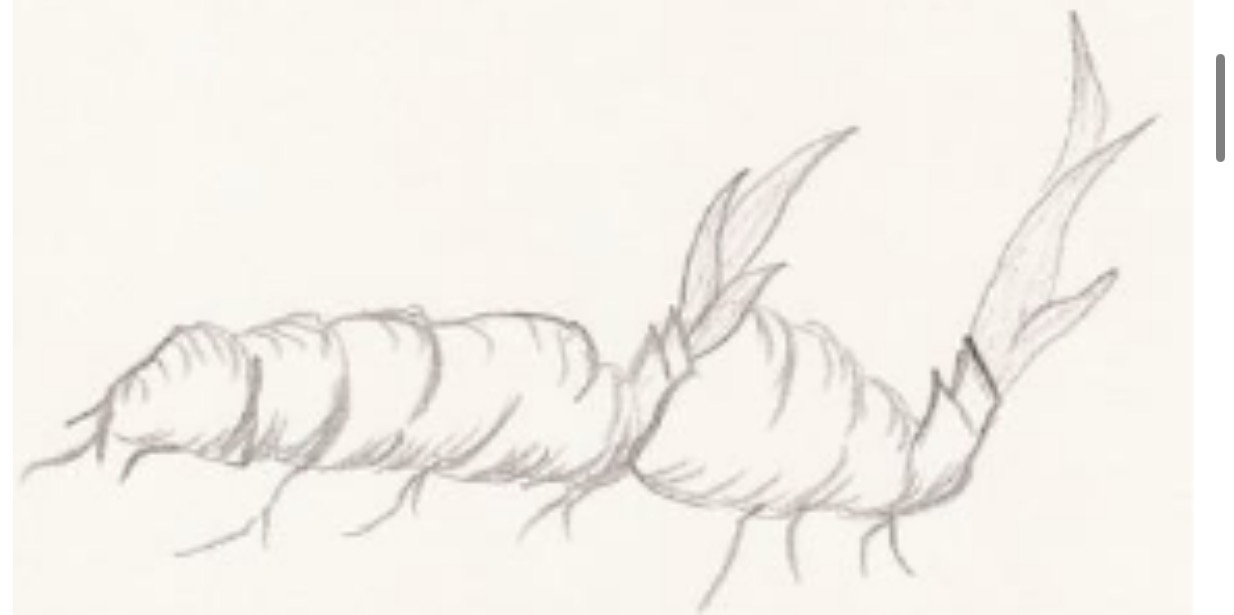
Type of Underground Stem Modification
Rhizome
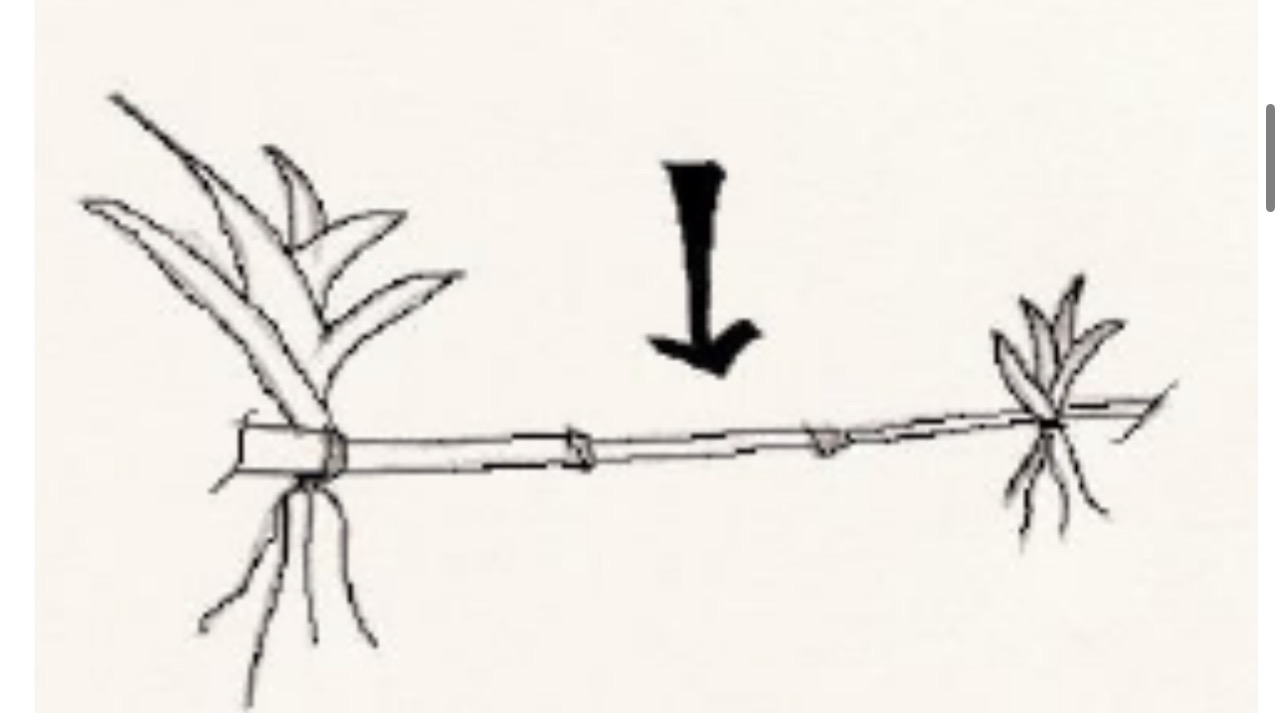
Type of Underground Stem Modification
Stolon/runner
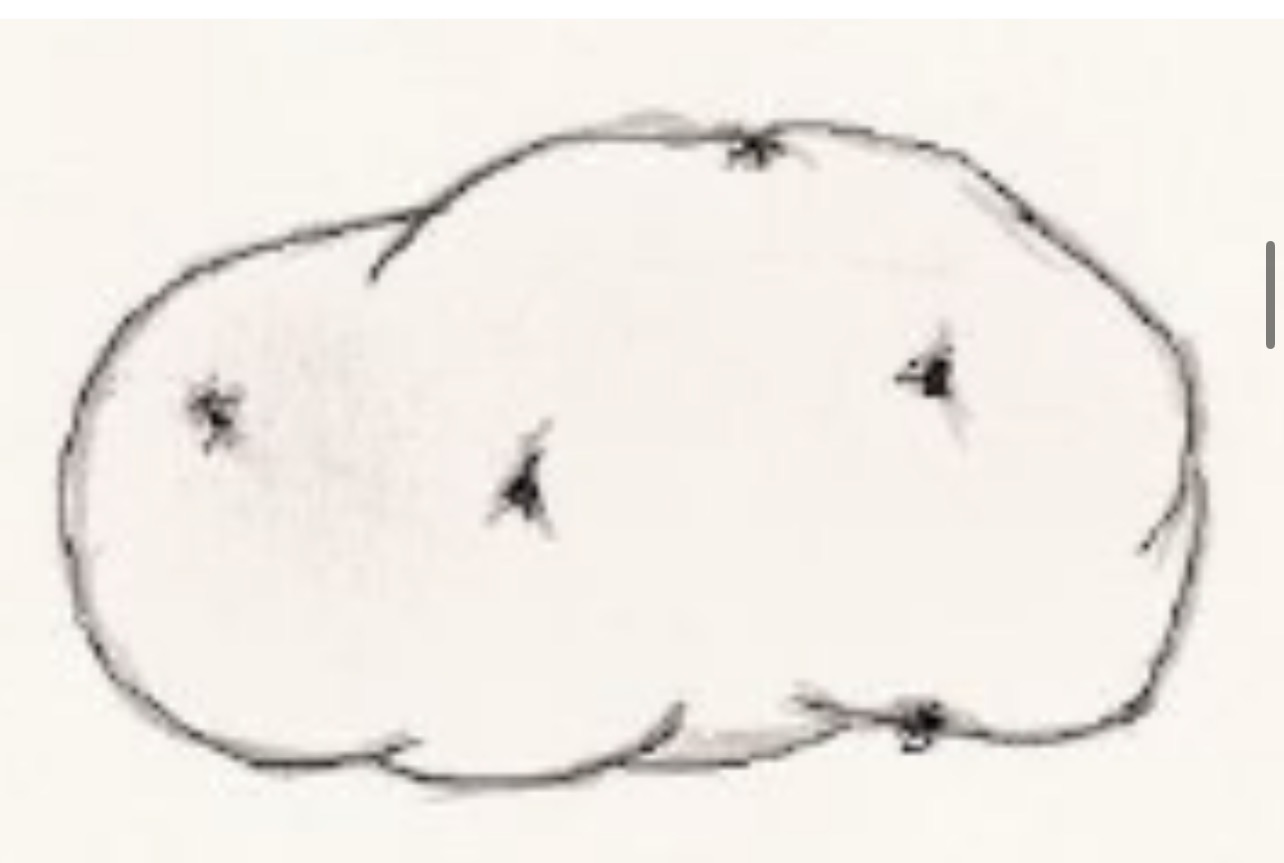
Type of Underground Stem Modification
Tuber
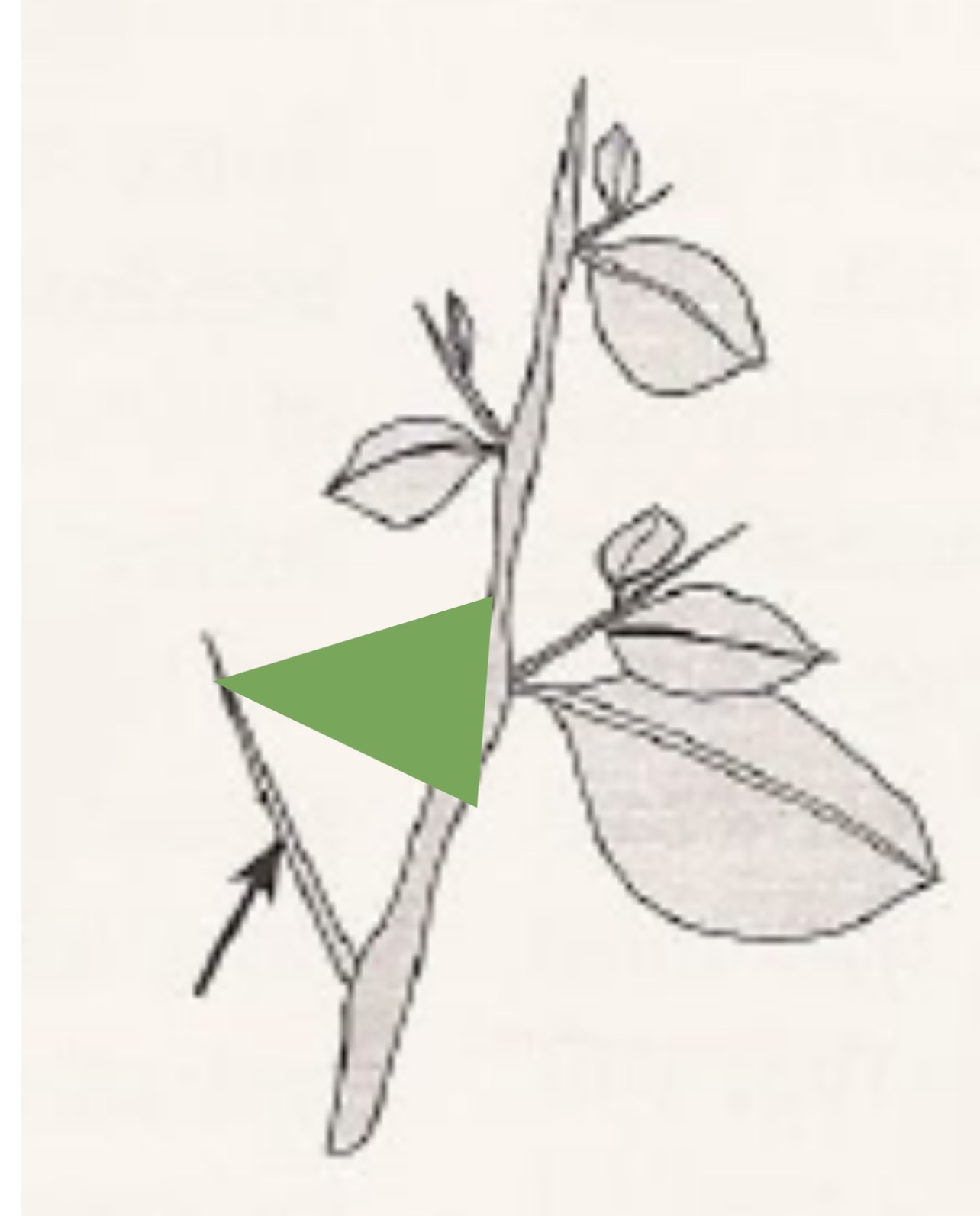
Type of Aboveground Stem Modification
Thorn
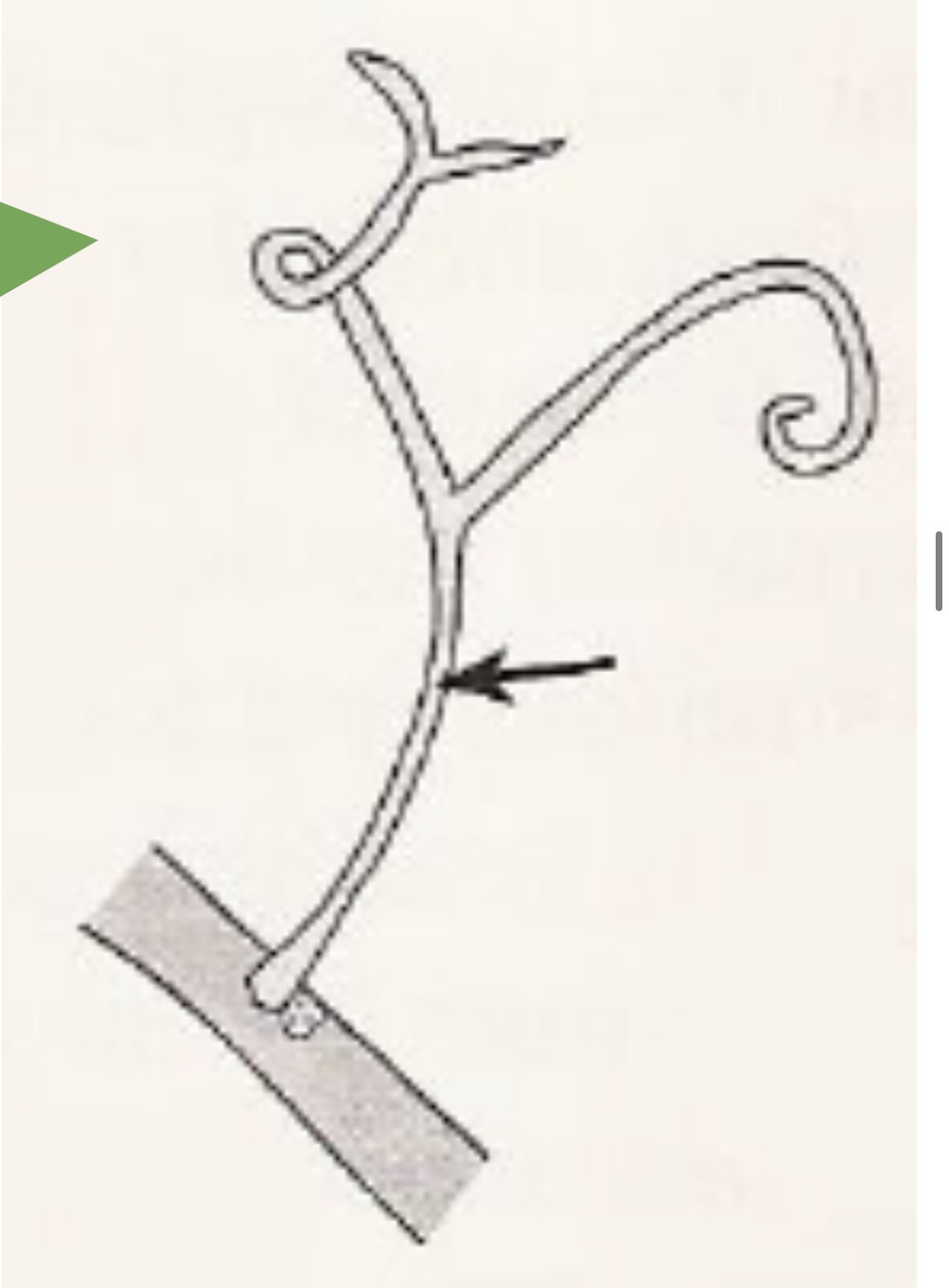
Type of Aboveground Stem Modification
Tendril
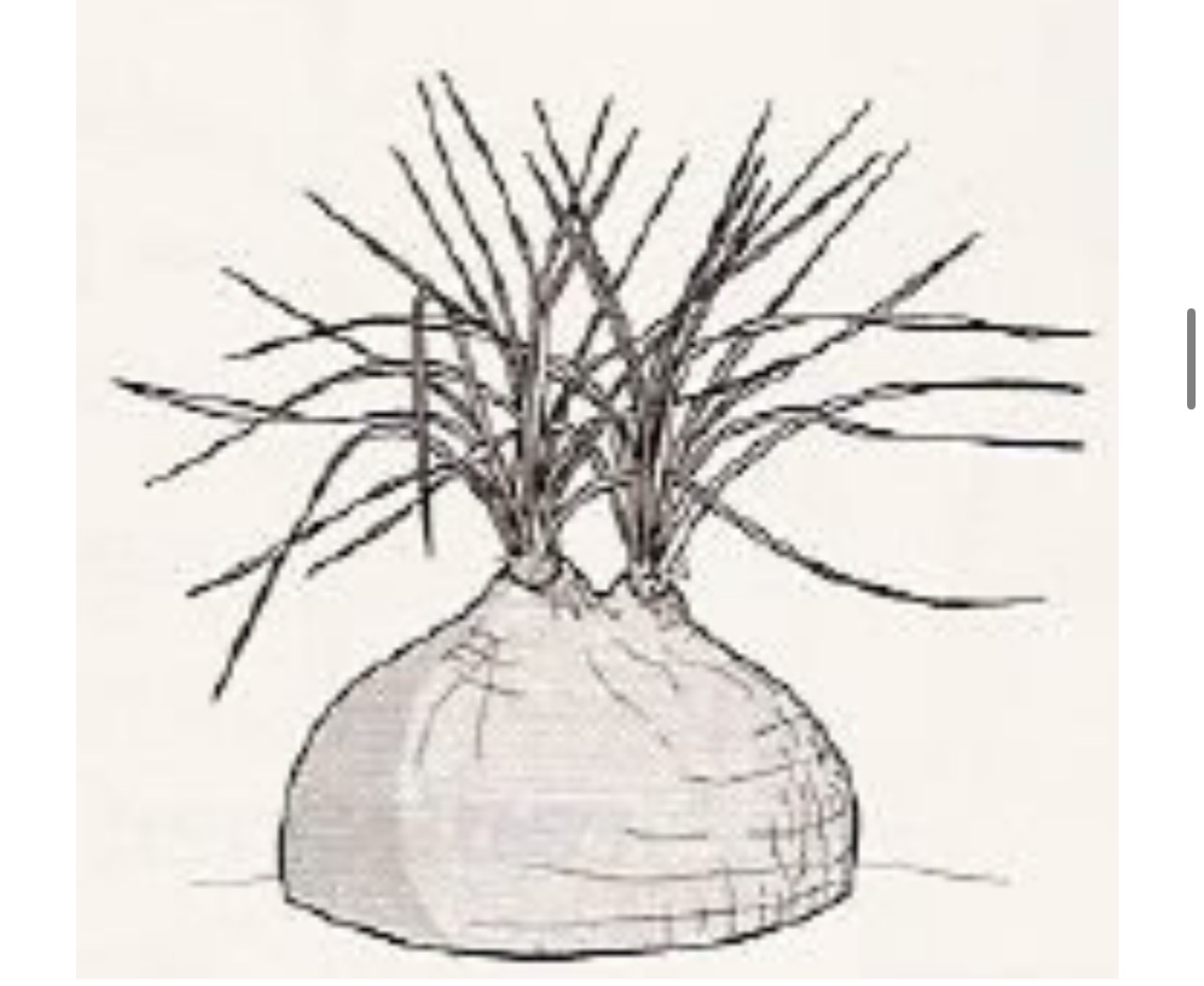
Type of Aboveground Stem Modification
Caudex
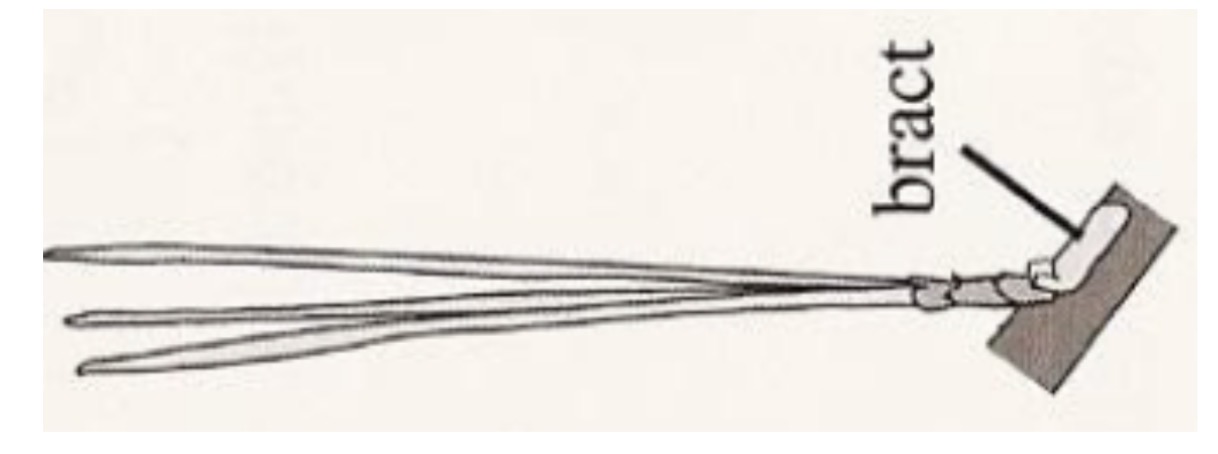
Type of Aboveground Stem Modification
Fascicle
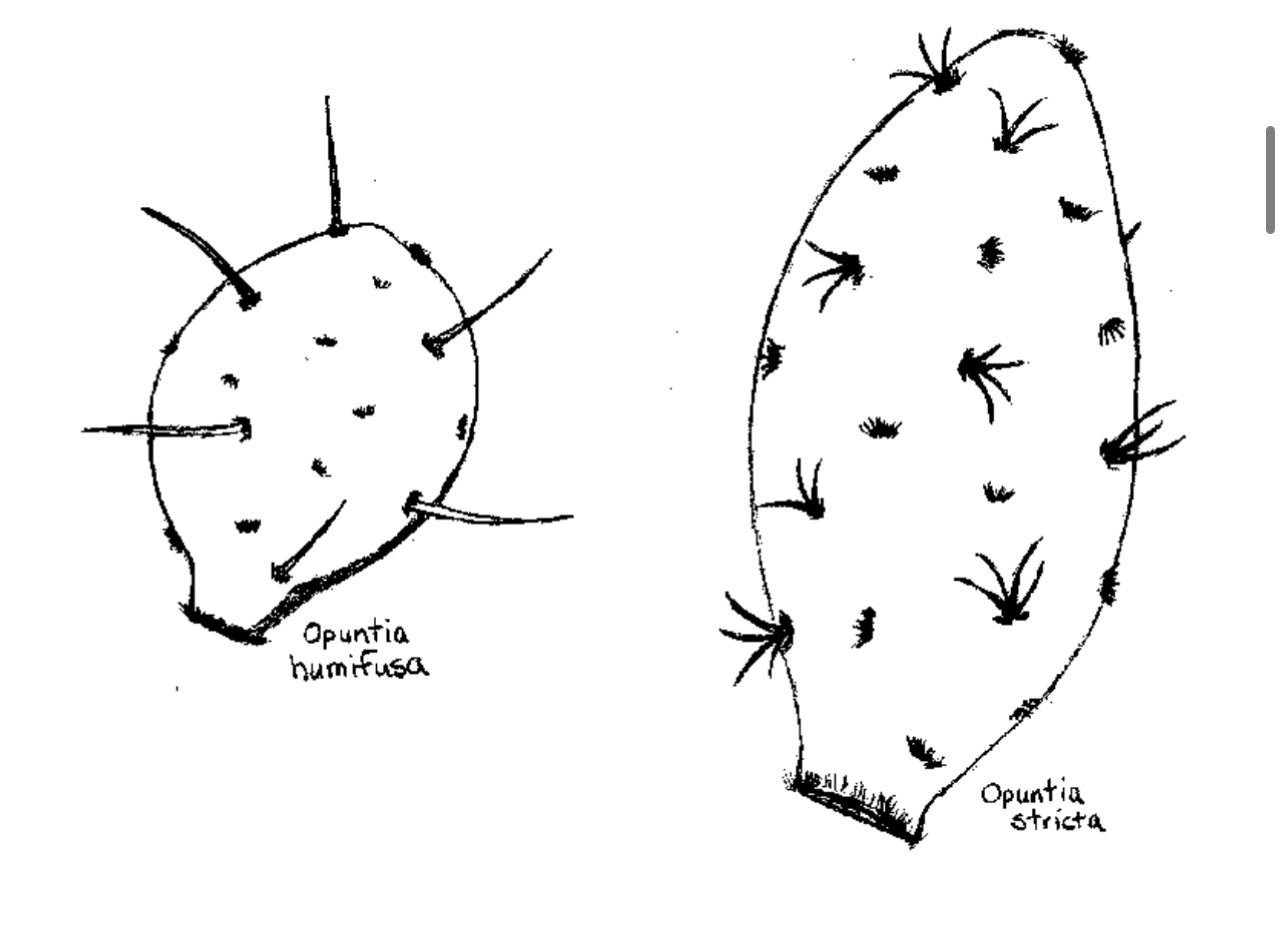
Type of Aboveground Stem Modification
Cladode
The Ant Plant
Has a tunnel-filled caudex adapted to host an ant colony. In return, the ants protect the plant from predators.
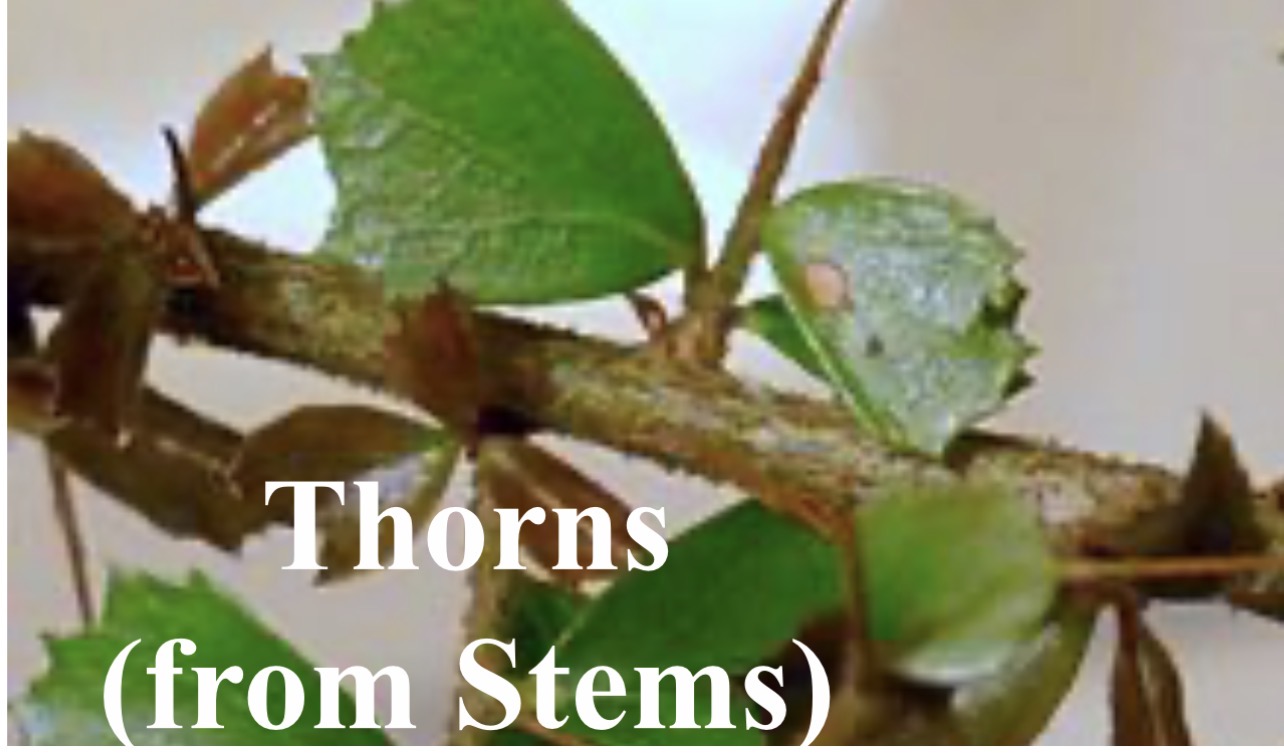
Thorns
modified stems or shoots (contain vascular tissue, thick/hard)
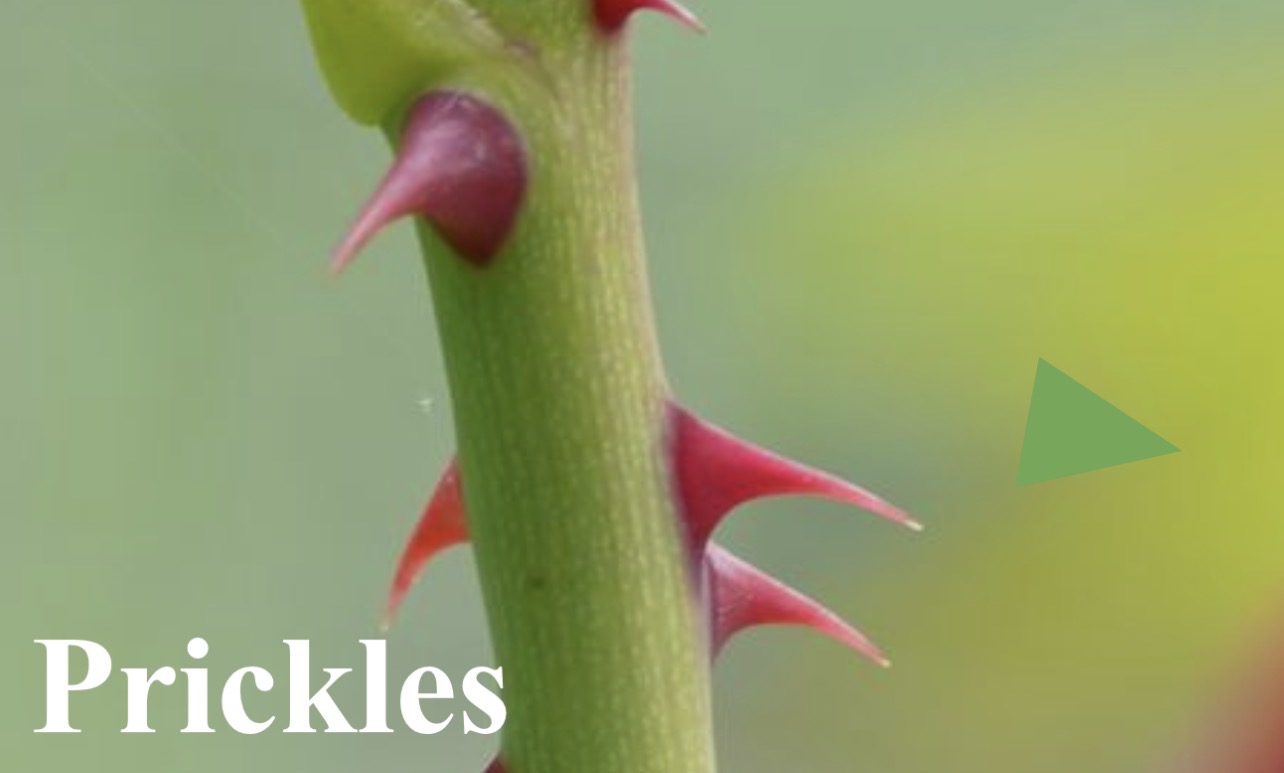
Prickles
outgrowth of the plant’s skin (no vascular tissue, wide bases)
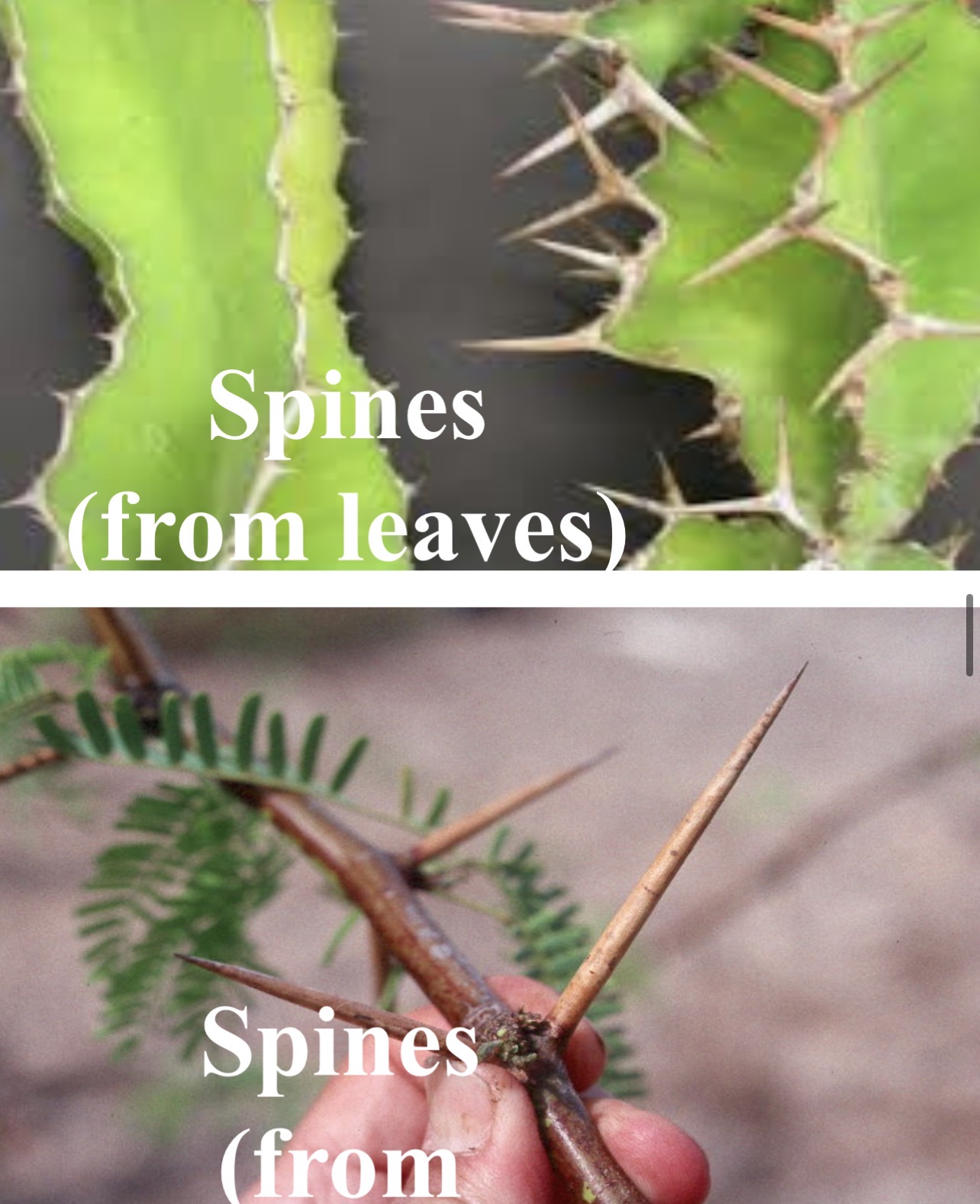
Spines
modified leaves or stipules (contain vascular tissue, thin)

