Goat Breeds
 Studied by 3 people
 Call Kai
 Learn
Learn Practice Test
 Spaced Repetition
 Match
Match Flashcards
 Knowt Play
1/8

There's no tags or description
Looks like no tags are added yet.
Name | Mastery | Learn | Test | Matching | Spaced |
|---|
No study sessions yet.
9 Terms
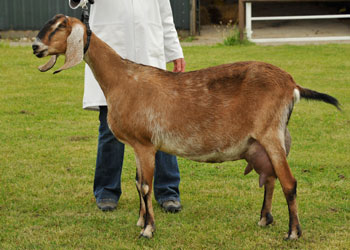
Nubian
•A very popular breed.
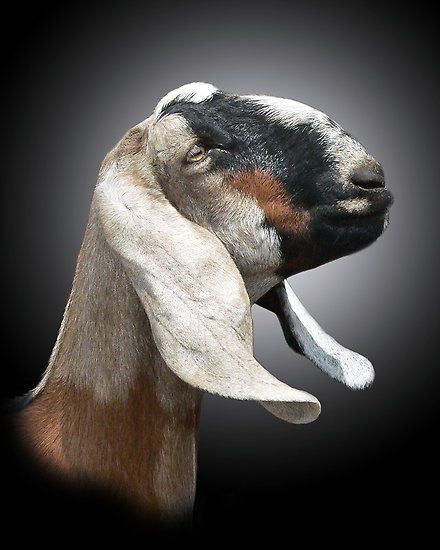
•Large breed of goat, has long, wide, pendulous ears, and a roman nose.
•Goats of this breed usually are brown, but can be almost any color.
•Milk breed
•The Nubian breed originated in the United Kingdom from British and Near-East descendants.
•Nubians have a high butterfat content in their milk and Nubian milk is therefore good for cheese making.
Alpines
•Alpines originated in Switzerland.
•They were later imported to France and England, and then to the United States.
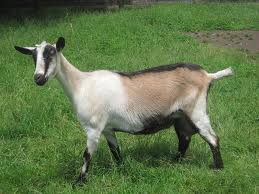
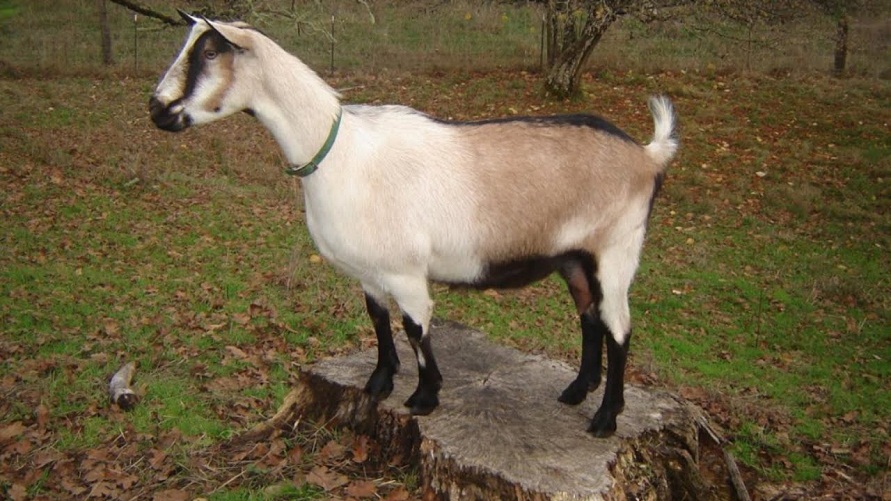
•Most Alpines are either black and white, brown and white, but can have various other color patterns.
•This breed has dished, or curved, noses, and upright ears.
•Milk breed

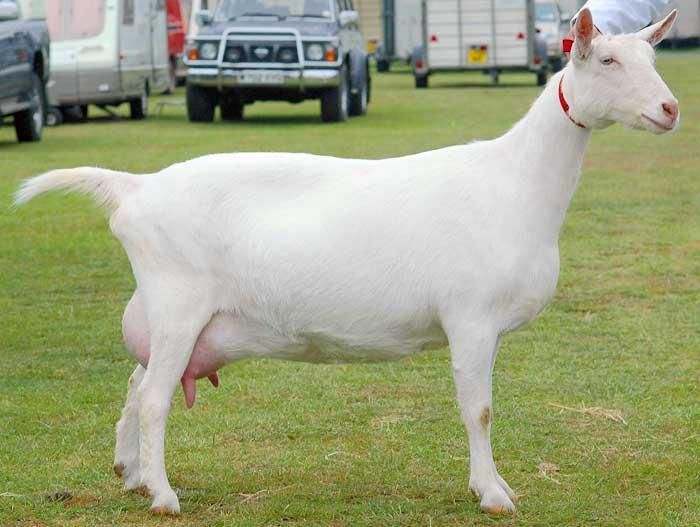
Saanen
•Saanens are another Swiss breed.
•Milk breed
•These goats are large, kind, and friendly.
•This breed of goats is generally all-white, with forward-facing ears.
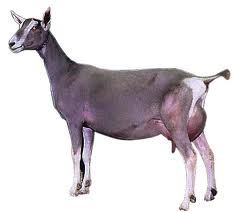
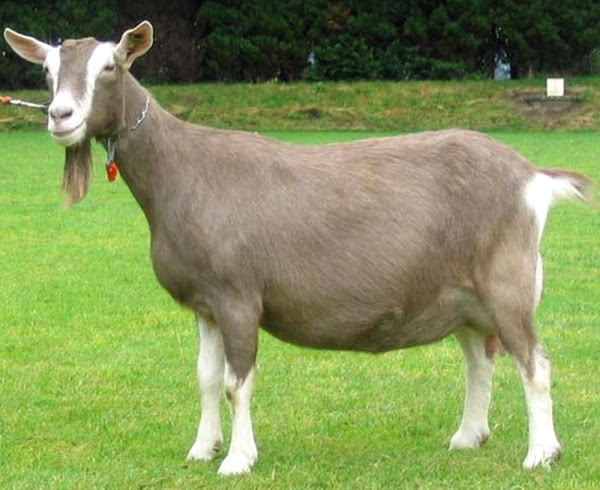
Toggenburg
•Toggs are medium-sized chocolate animals who also originated in Switzerland's Toggenburg Valley.
•Milk breeds
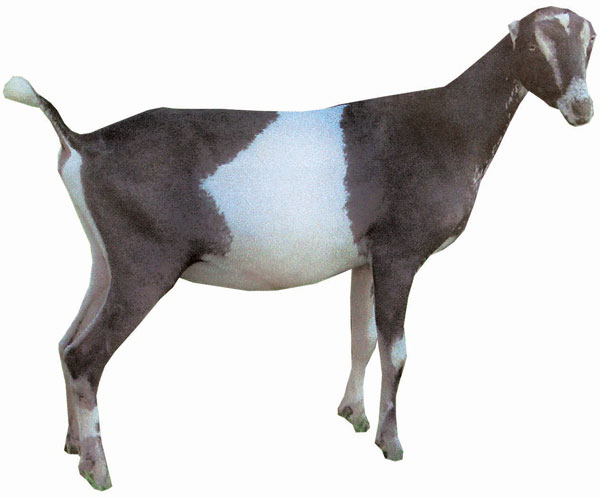
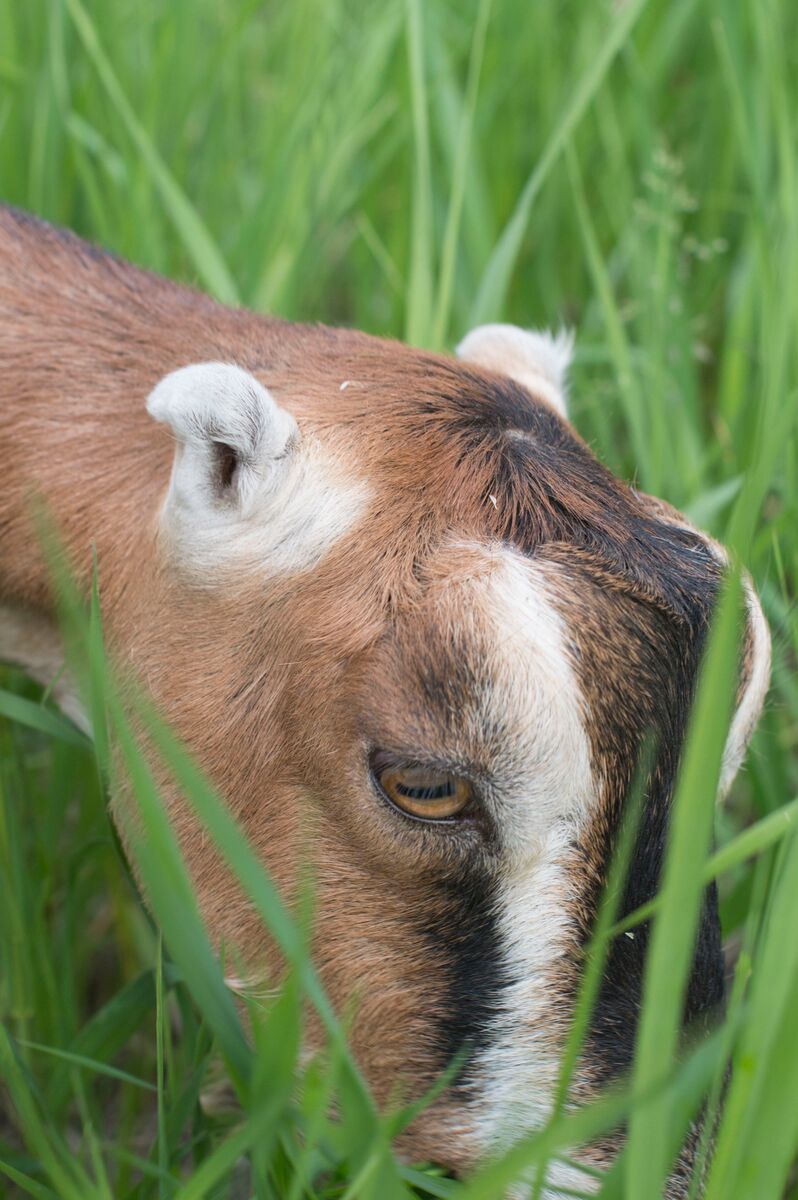
La Mancha
•This breed was developed in the United States of a Spanish breed that was crossbred with other breeds.
•This breed is distinguished by having very short ears
•Milk breed
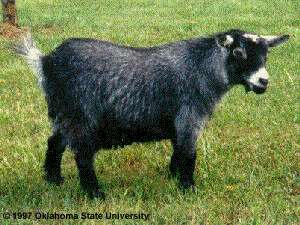
Pygmys
•The Cameroon goats were exported from Africa to zoos in Sweden and Germany where they were on display as exotic animals.
•The first Pygmys probably arrived in the United States in 1959 from Sweden.
•Pygmy goats are primarily kept as pets as they do not produce milk of any significant quantity.
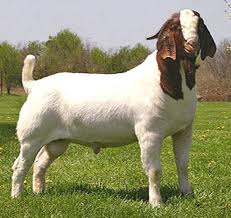
Boer
•The Boer was developed in South Africa as a breed meant solely for meat production.
•The Boer goat is considered far superior to any other goat for meat.

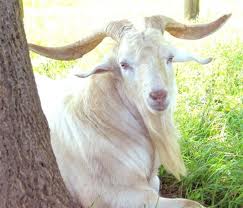
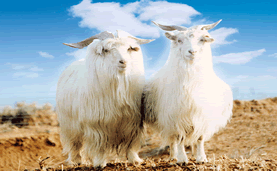
Cashmere
•Cashmere production is a relatively new industry for the United States.
•The first Cashmere goats were imported from Australia and New Zealand 1980's.
•The goats are sheared once a year
– a full grown adult buck will yield as much as 2.5 pounds of fleece.
•The fleece consists of two kinds of fiber: cashmere and guard hair (wool)
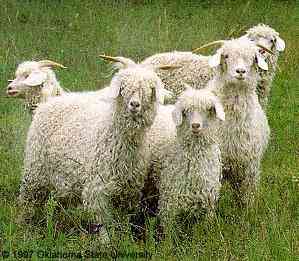
Angora
•The most valuable characteristic of the Angora as compared to other goats is the value of the mohair that is clipped.
•The average goat in the U.S. shears approximately 5.3 pounds of mohair per shearing and are usually sheared twice a year.
•The mohair is very similar to wool in chemical composition but differs from wool in that it is has a much smoother surface and very thin, smooth scale
•Consequently, mohair lacks the felting properties of wool
 Note
Note  Flashcards (50)