Paleo 419 Lab 5
 Call Kai
 Learn
Learn Practice Test
 Spaced Repetition
 Match
Match Flashcards
 Knowt Play
1/37

There's no tags or description
Looks like no tags are added yet.
Name | Mastery | Learn | Test | Matching | Spaced | Call with Kai |
|---|
No analytics yet
Send a link to your students to track their progress
38 Terms
Clade Diapsida groups
Carboniferous to Recent
Archosauromorpha and lepidosauromorpha
Archosauromorpha stance
erect stance reflected in a triradiate pelvis and decreased lateral flexure of the vertebral column
Clade Archosauromorpha characteristics
single rooted teeth
premaxilla extends behind naris
antorbital fenestrae (in most)
postfrontal bone is reduced or lost
tabulars absent
neomorphic laterosphenoid bone forming the anterolateral surface of the braincase
quadratojugal behind lower temporal fenestra
lateral mandibular fenestra in the lower jaw
Groups in Archosauromorpha
Archosauriformes, Prolacertiformes, Rhynchosauria, Trilophosauria, and possibly the Choristodera
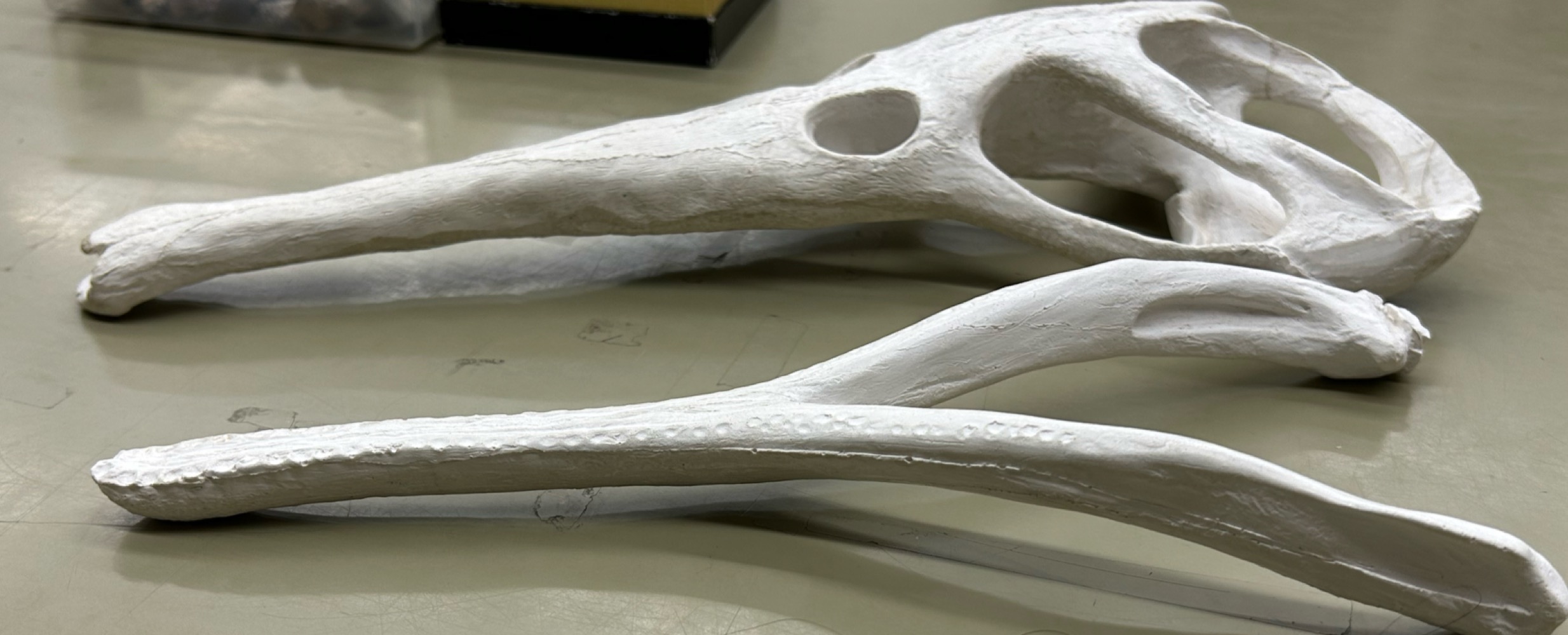
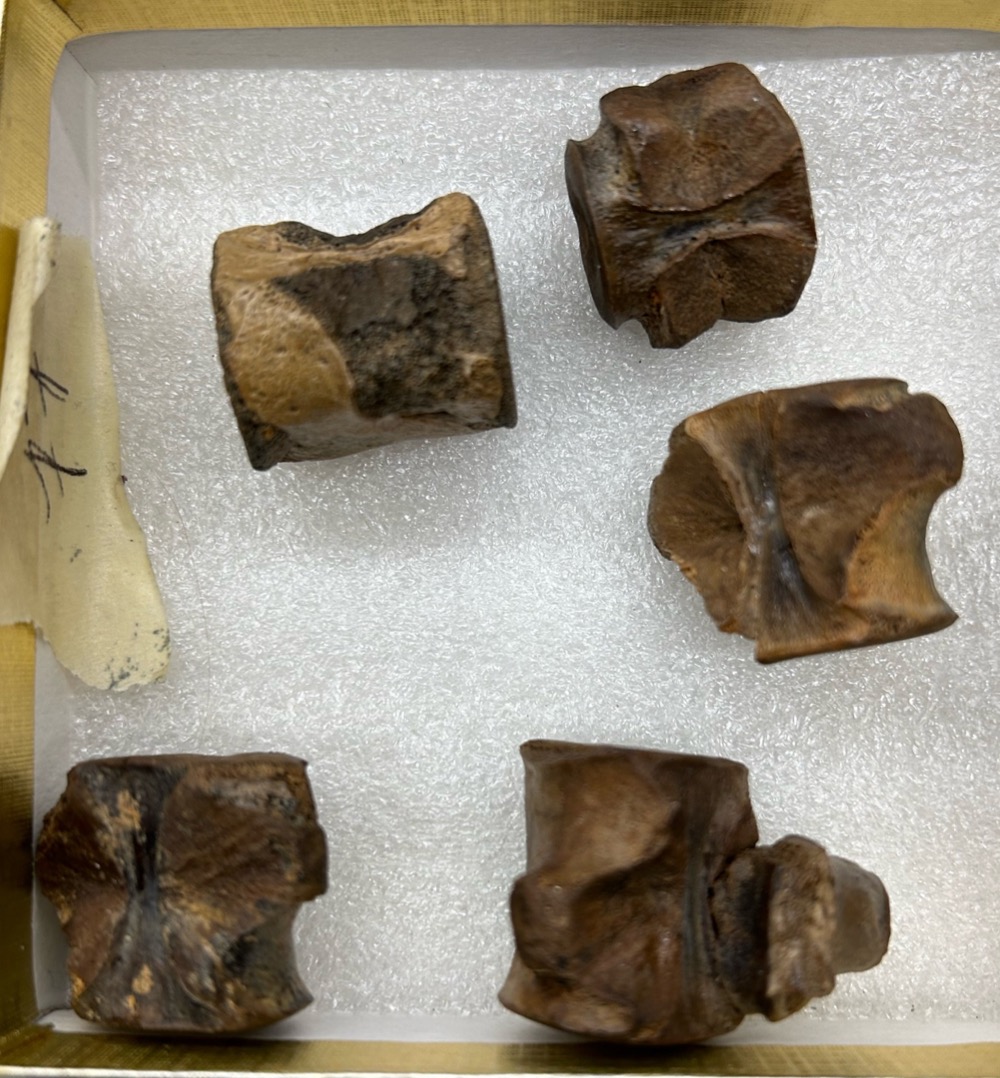
Choristodera (Archosauromorpha) characteristics
acoelous vertebrae with a characteristic hour-glass shaped neural canal floor on top of the centrum
?
Champsosaurus (Choristodera, Archosauromorpha)
?
Champsosaurus (Choristodera, Archosauromorpha) vertebrae
Clade Archosauriformes groups and characteristics
ossified laterosphenoid and serrated teeth
Archosauria proper, Phytosauria and several basal taxa like Vancleavea and Euparkeria
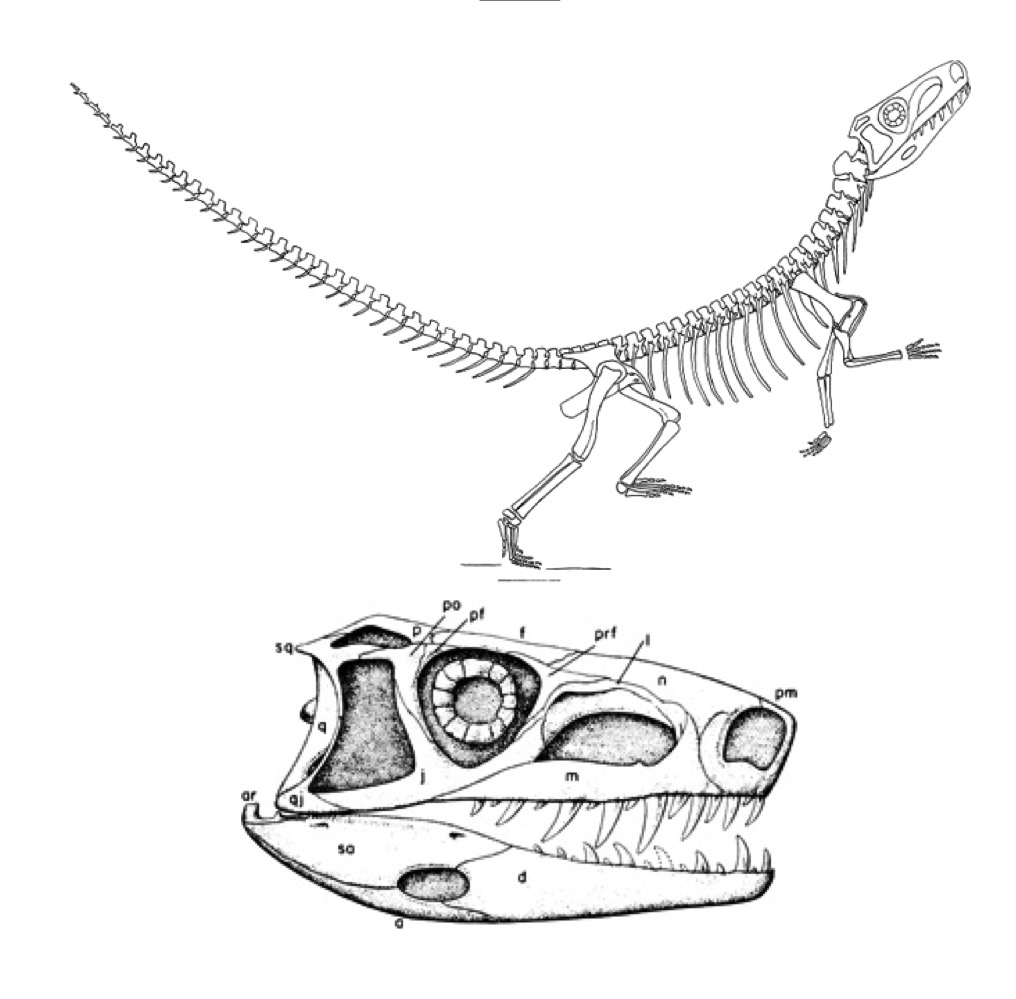
Euparkeria characteristics (Archosauriformes)
erect stance
antorbital fenestra
jugal-quadratojugal contact
lateral mandibular fenestra
?
Euparkeria (Archosauriformes)
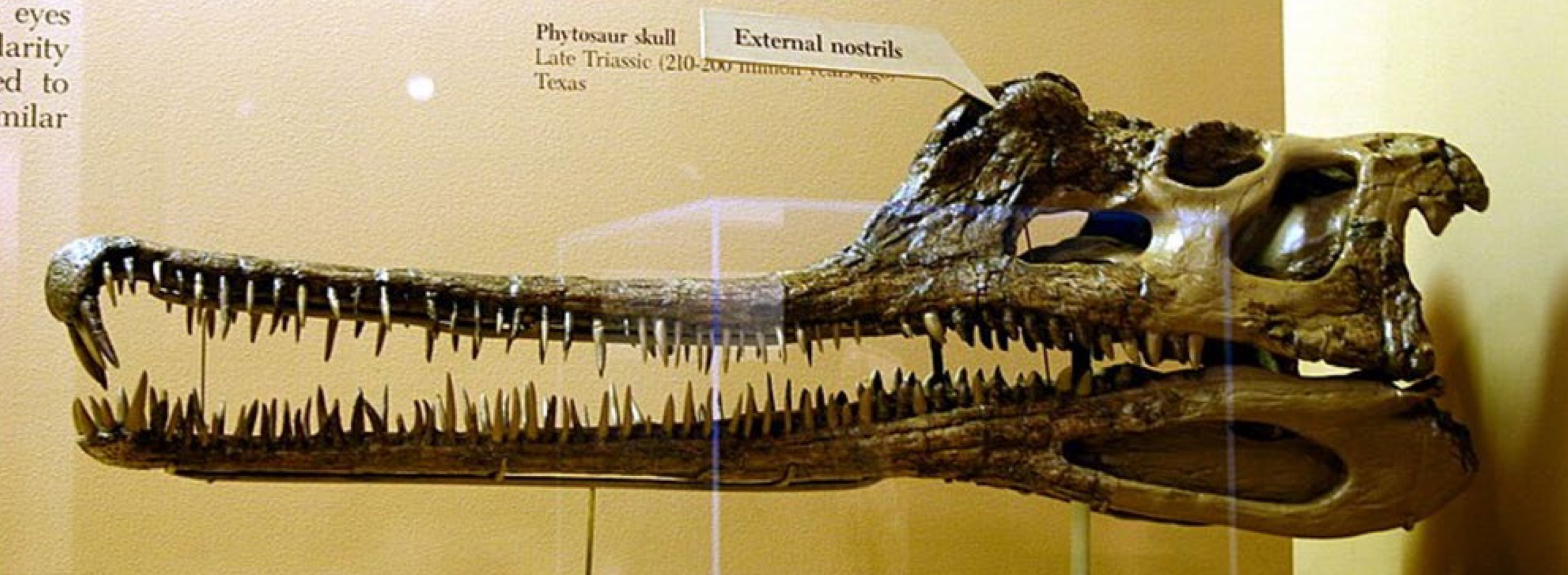
Order Phytosauria (Archosauriformes)
superficially resemble crocodilians
primitive ankle joint
external nares located near the orbits rather than at the tip of the snout
dorsoventrally taller skulls
?
Rutiodon (Order Phytosauria, Archosauriformes)
Clade Crocodylomorpha Groups
Protosuchia (“first” crocodiles)
Mesosuchia (“middle” crocodiles)
Eusuchia (“true” crocodiles, including extant crocodiles)
Thalattosuchia (“sea” crocodiles)
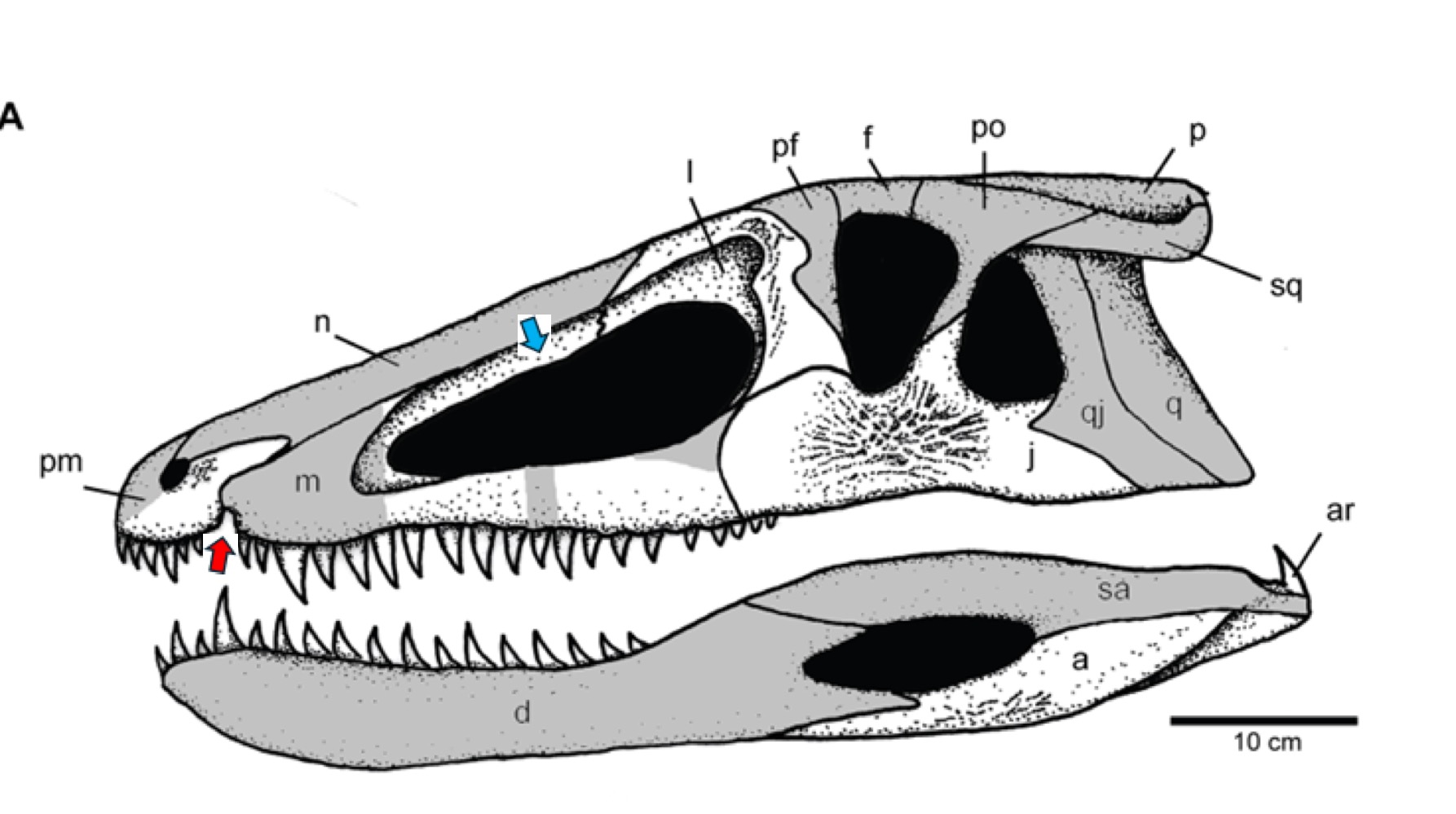
?
Clade Crocodylomorpha
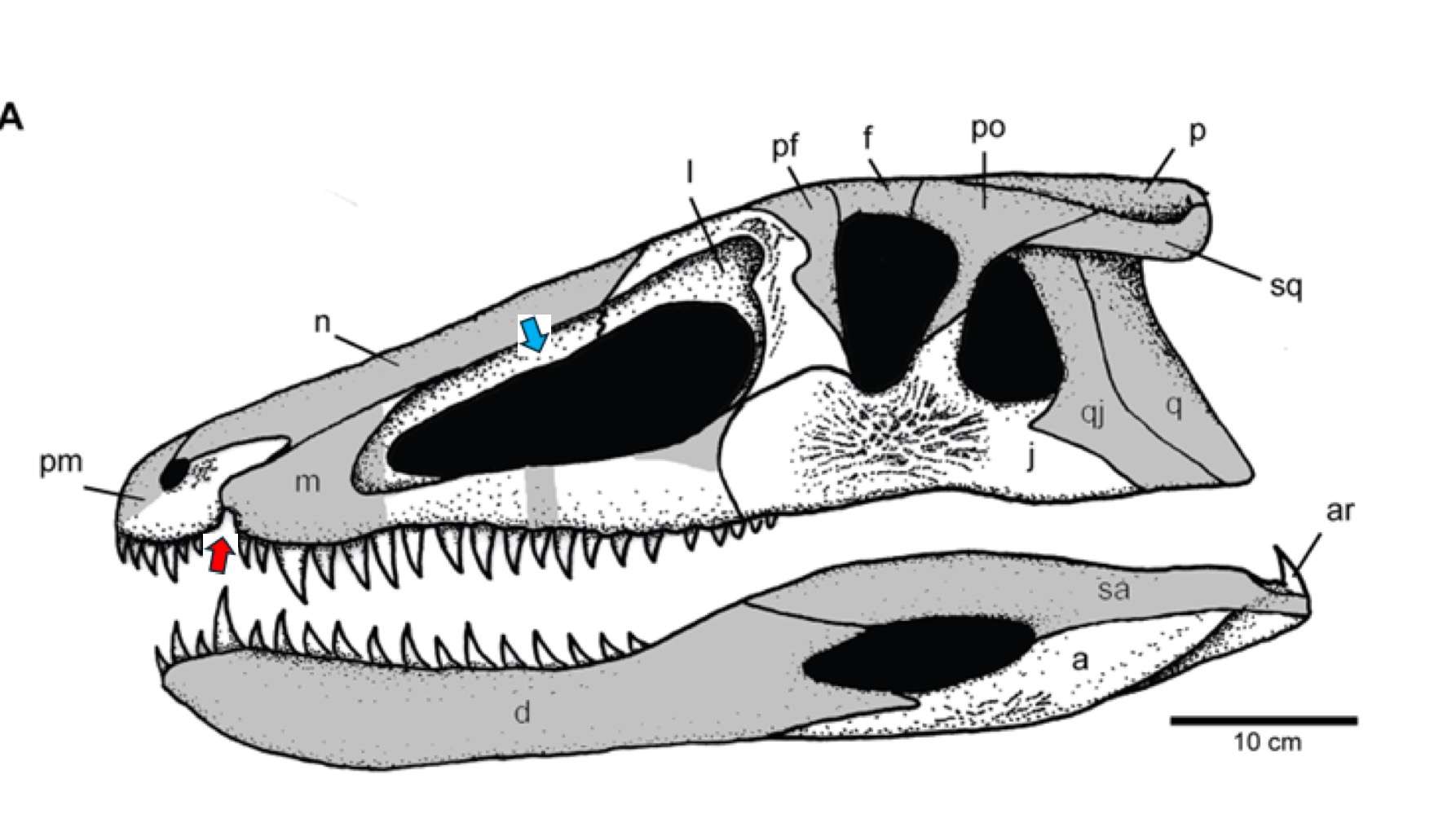
Red arrow?
subnarial gap
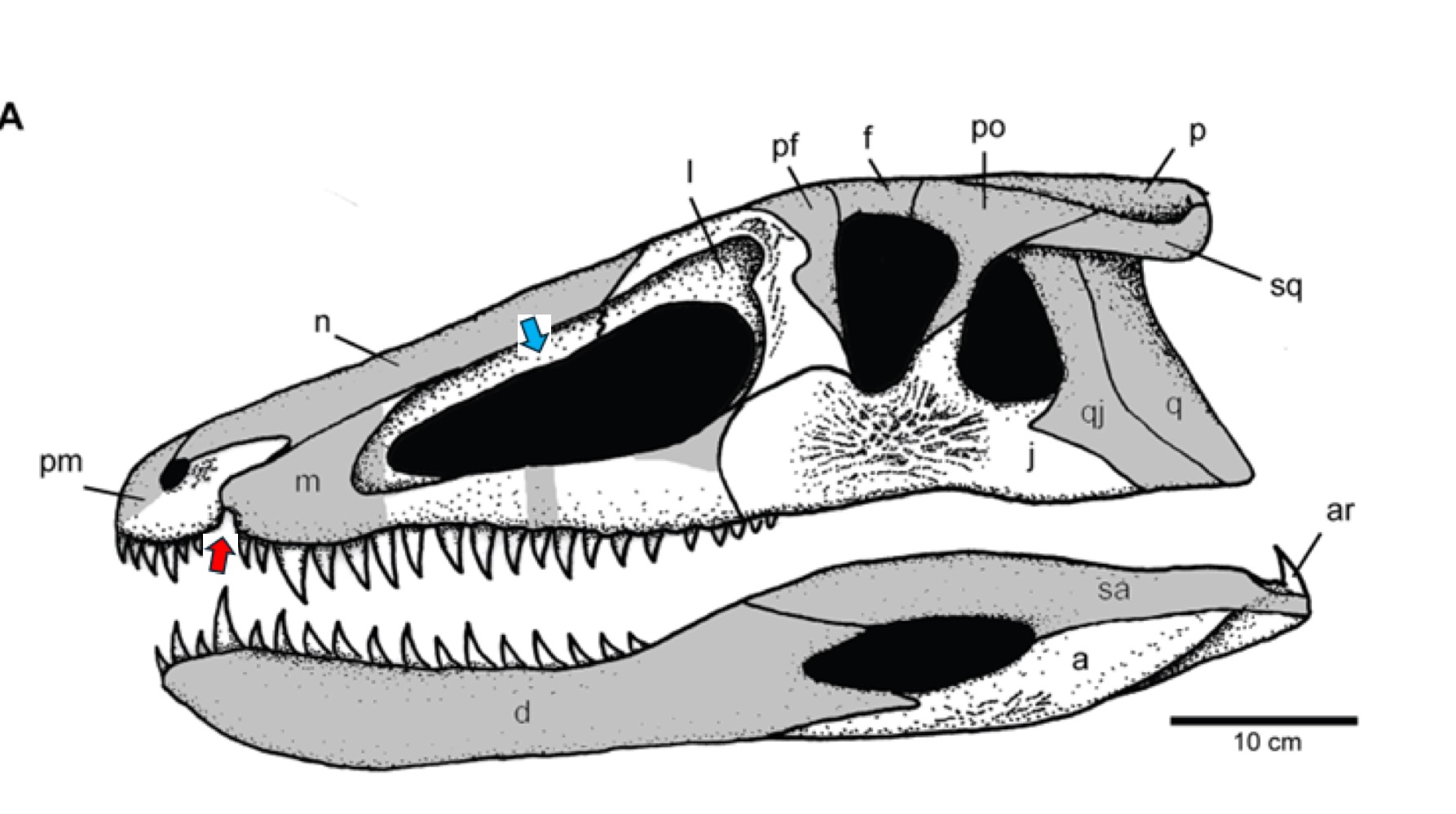
Blue arrow?
nasal and anteorbital fossa
Mesoeucrocodylia groups
mesosuchian, thalattosuchian, and eusuchian members
Clade Crocodylomorpha Synapomorphies
subnarial gap between premaxilla-maxilla
nasal forming part of the dorsal border of the antorbital fossa
loss of both the clavicles in the pectoral girdle and the postfrontal bone on the skullroof
Suborder Notosuchia (Crocodylomorpha)
fully terrestrial crocodilians
erect limb posture
heterodonty
smooth, unsculptured surface of skull
short preorbital region
naris anteriorly oriented
fewer than ten maxillary teeth
large denticles on teeth
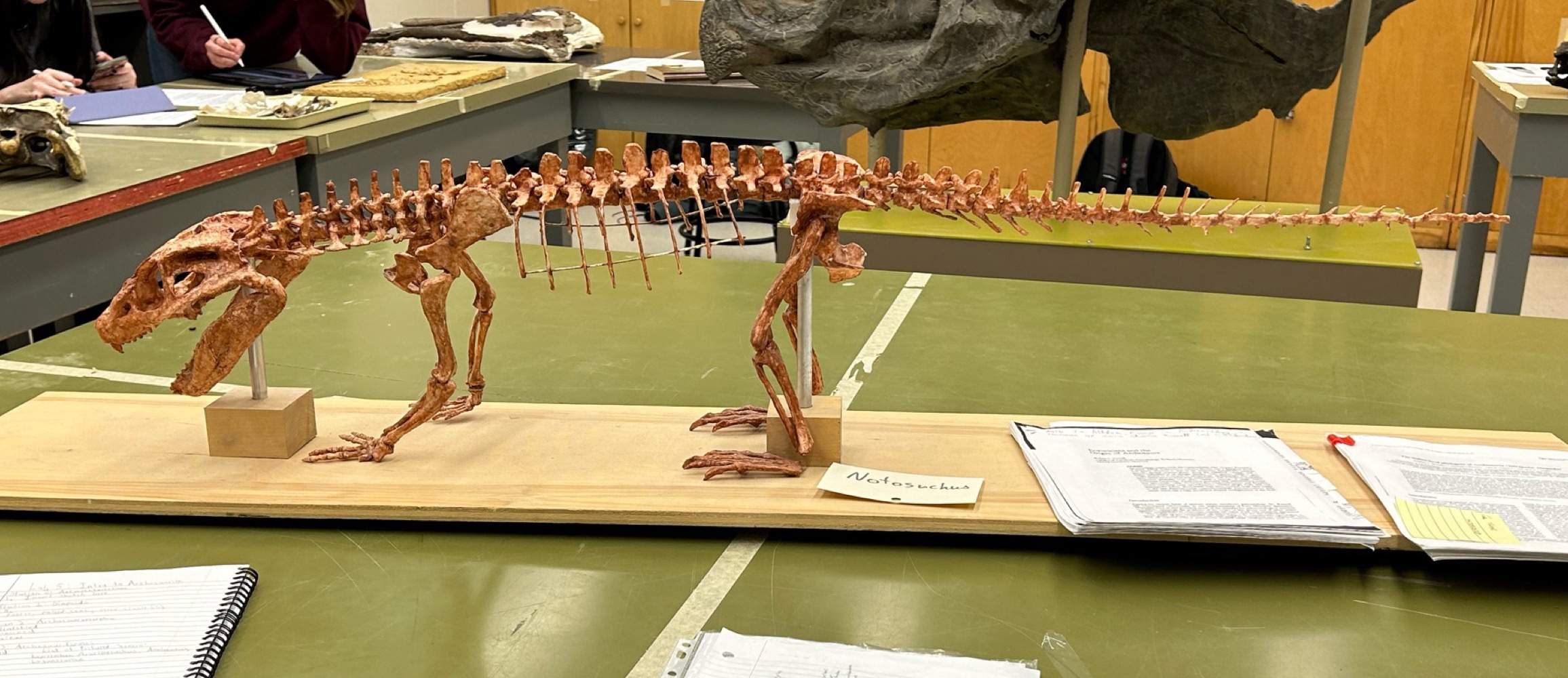
?
Notosuchus, Suborder Notosuchia (Crocodylomorpha)
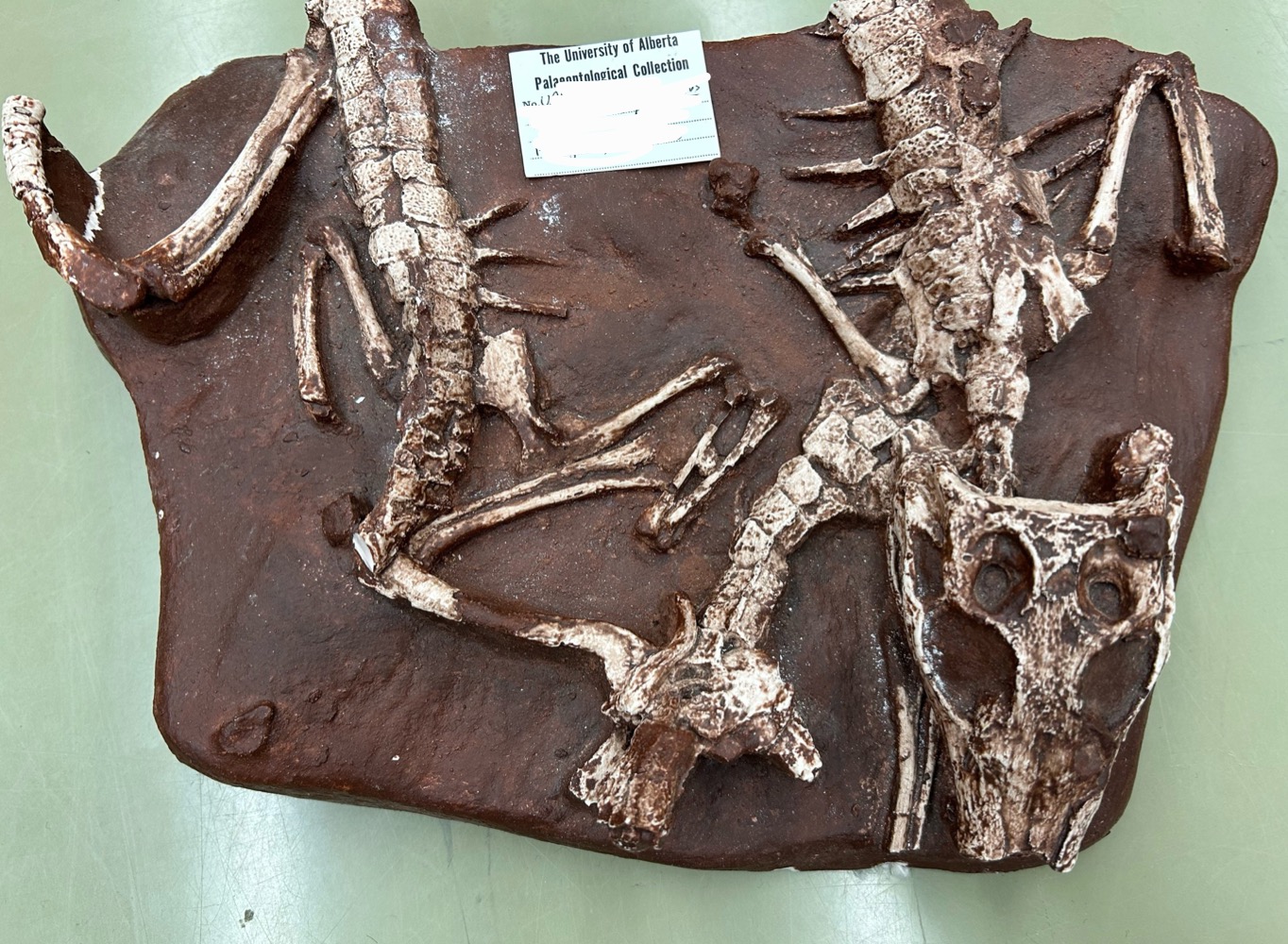
?
Araripesuchus, Suborder Notosuchia (Crocodylomorpha)
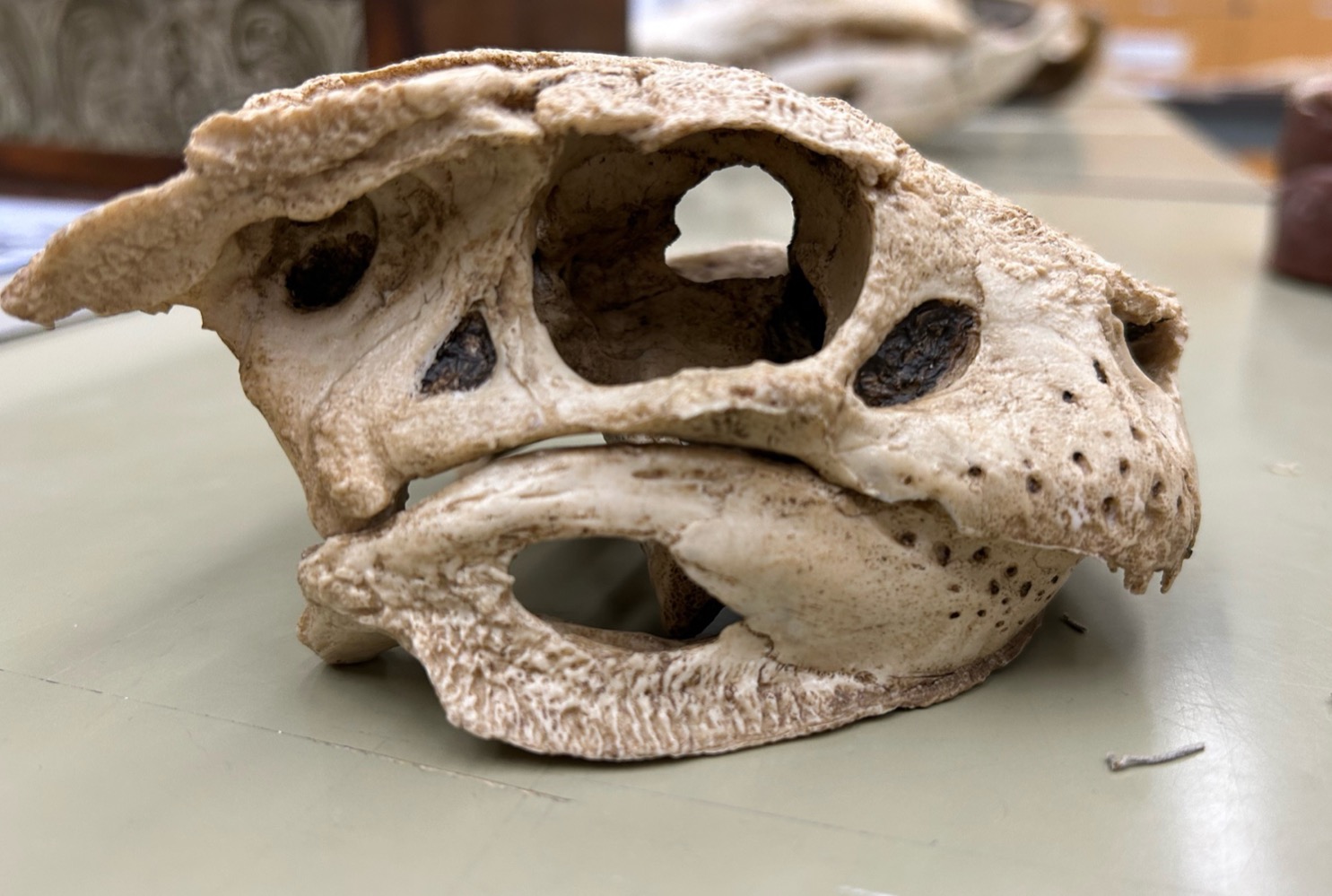
?
Simosuchus, Suborder Notosuchia (Crocodylomorpha)
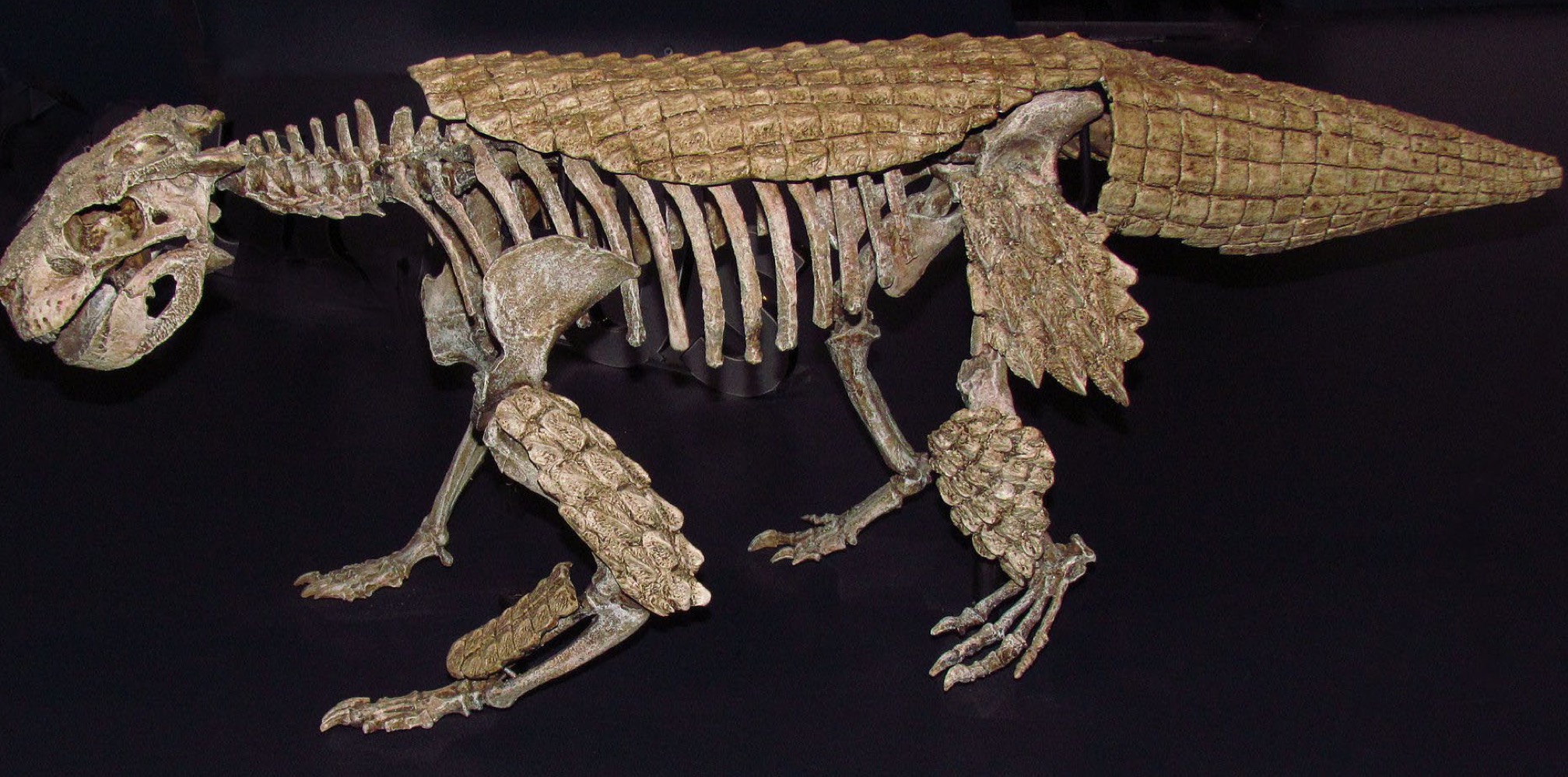
?
Simosuchus, Suborder Notosuchia (Crocodylomorpha)
Neosuchia (Crocodylomorpha) Synapomorphies
overhanging bony rims surrounding the fenestrae, except for the anteromedial corner of supratemporal fenestra
anterolateral projections from postorbital bar
enlarged fourth and fifth maxillary teeth are largest maxillary teeth
pubis excluded from acetabulum
sigmoidal (s-shaped) humerus
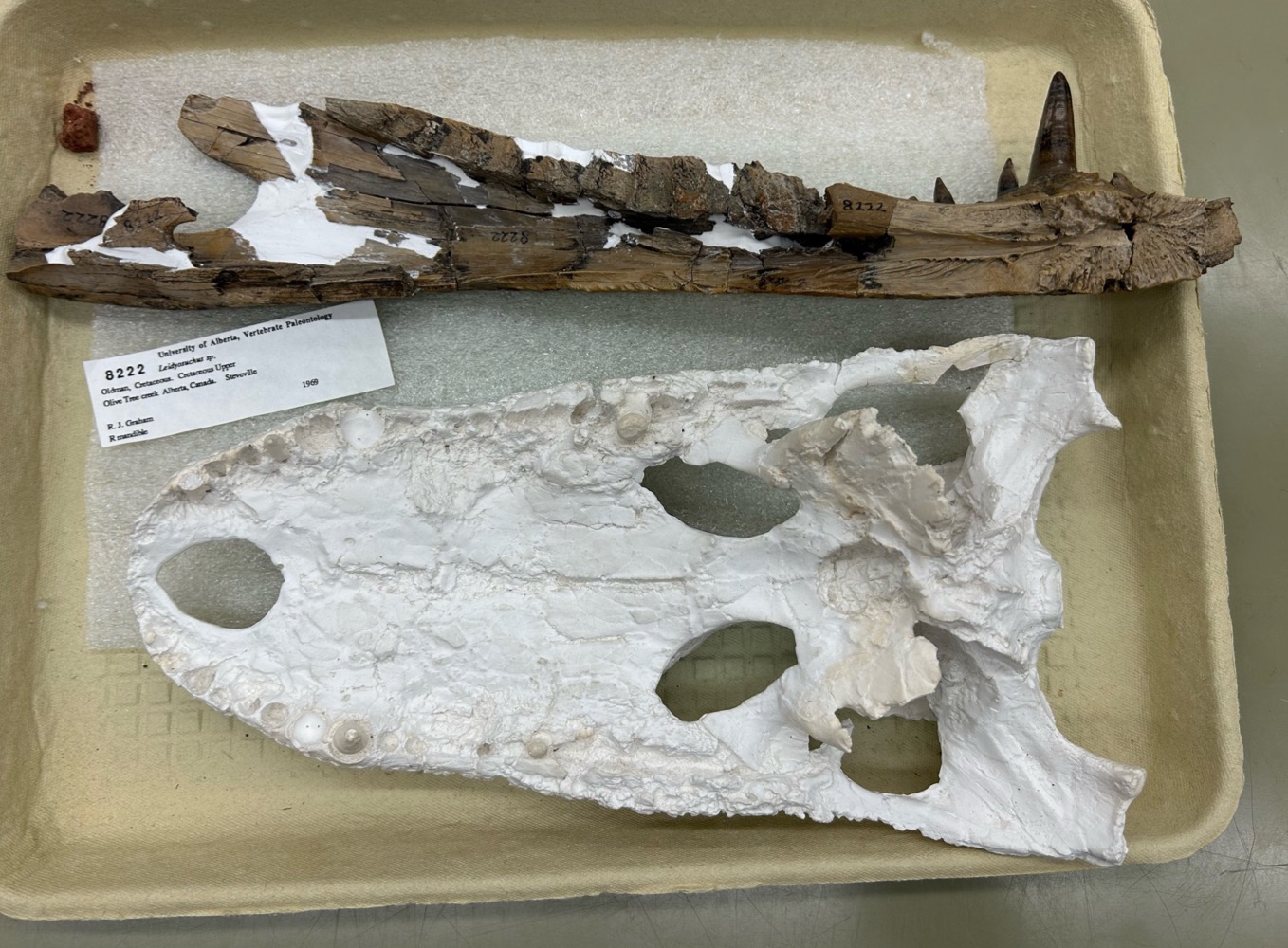
?
Leidyosuchus (Neosuchia, Crocodylomorpha)
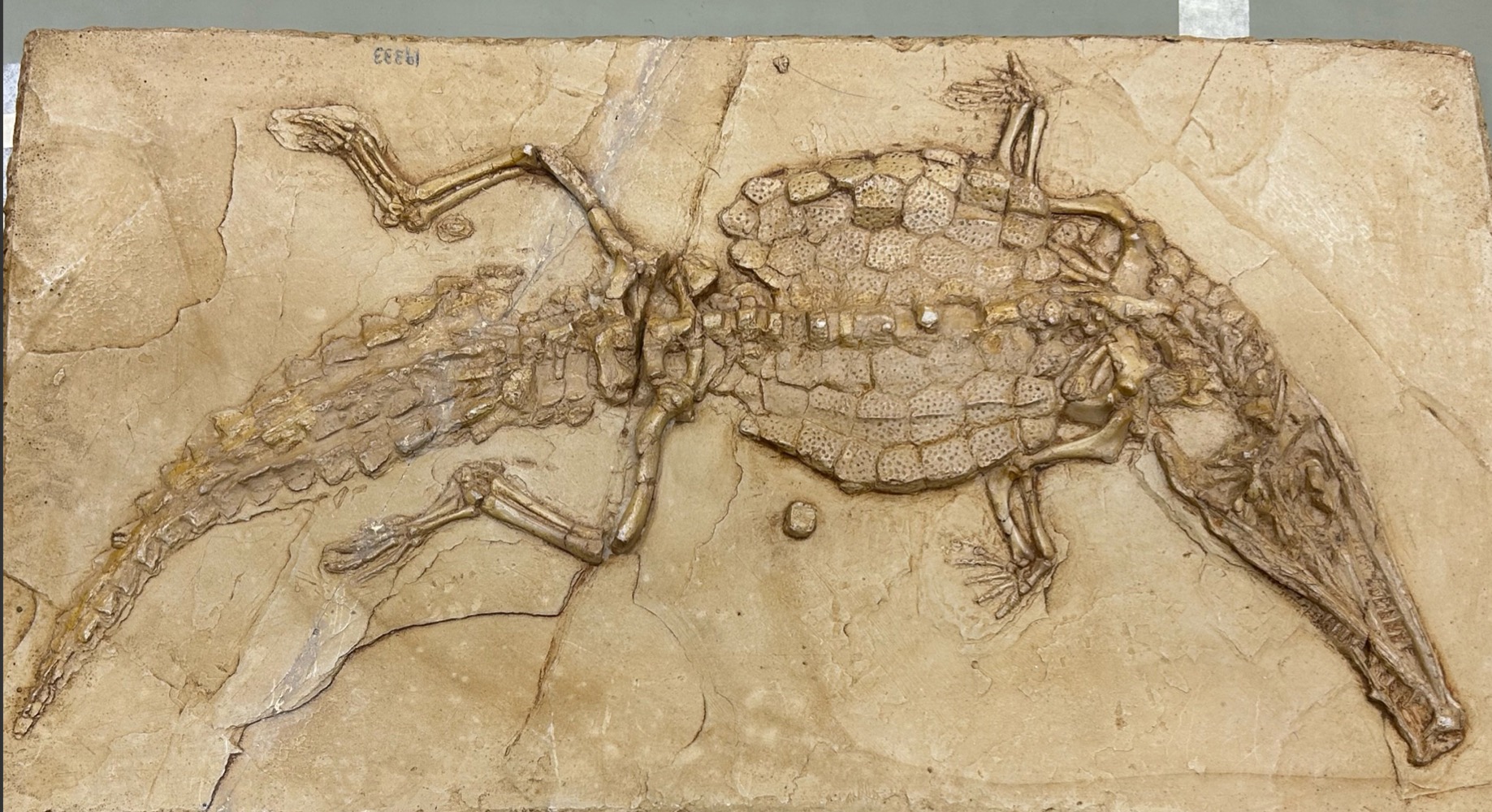
?
Crocodilaemus (Neosuchia, Crocodylomorpha)
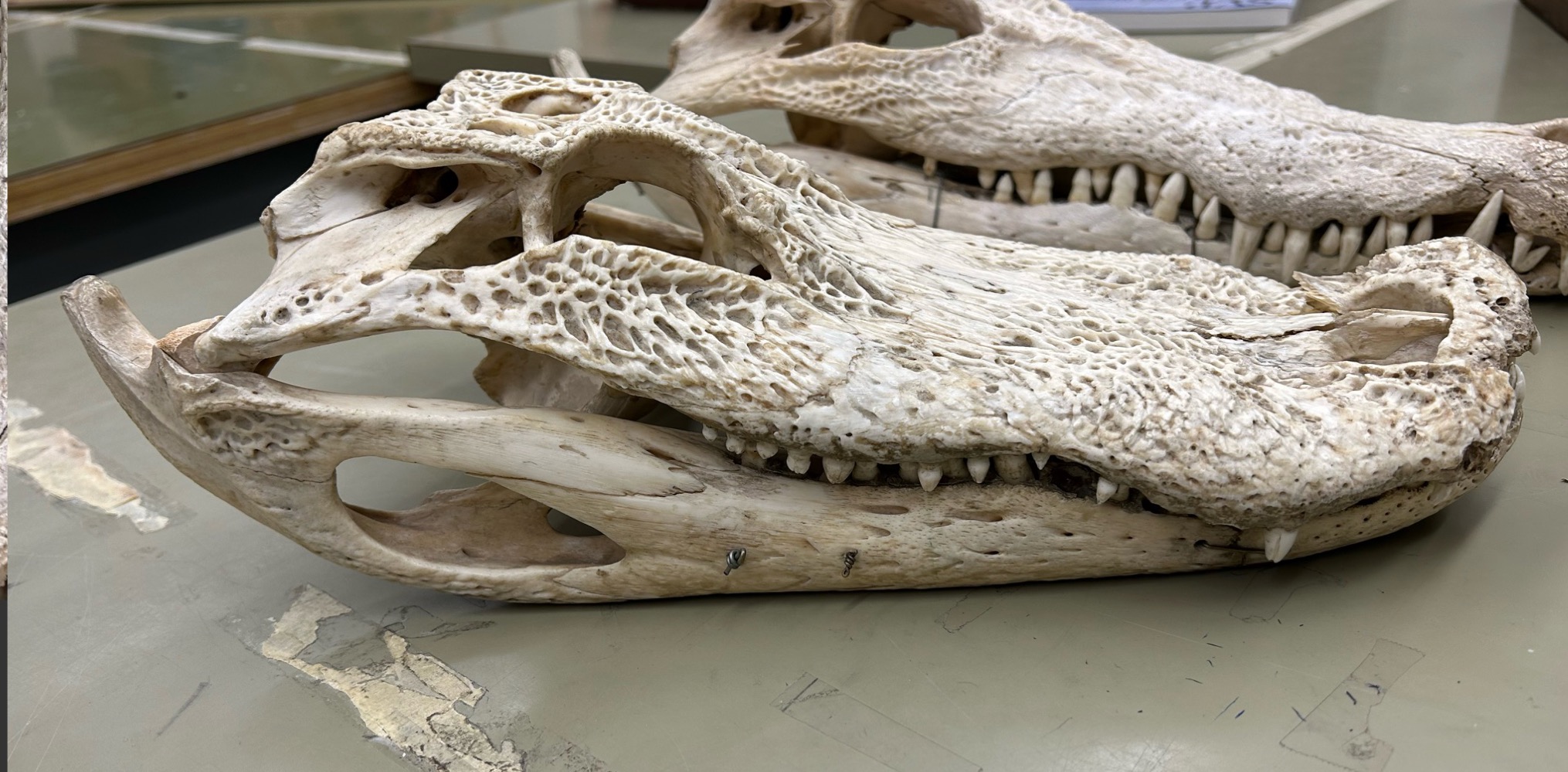
?
Alligatoroidea (Neosuchia, Crocodylomorpha)
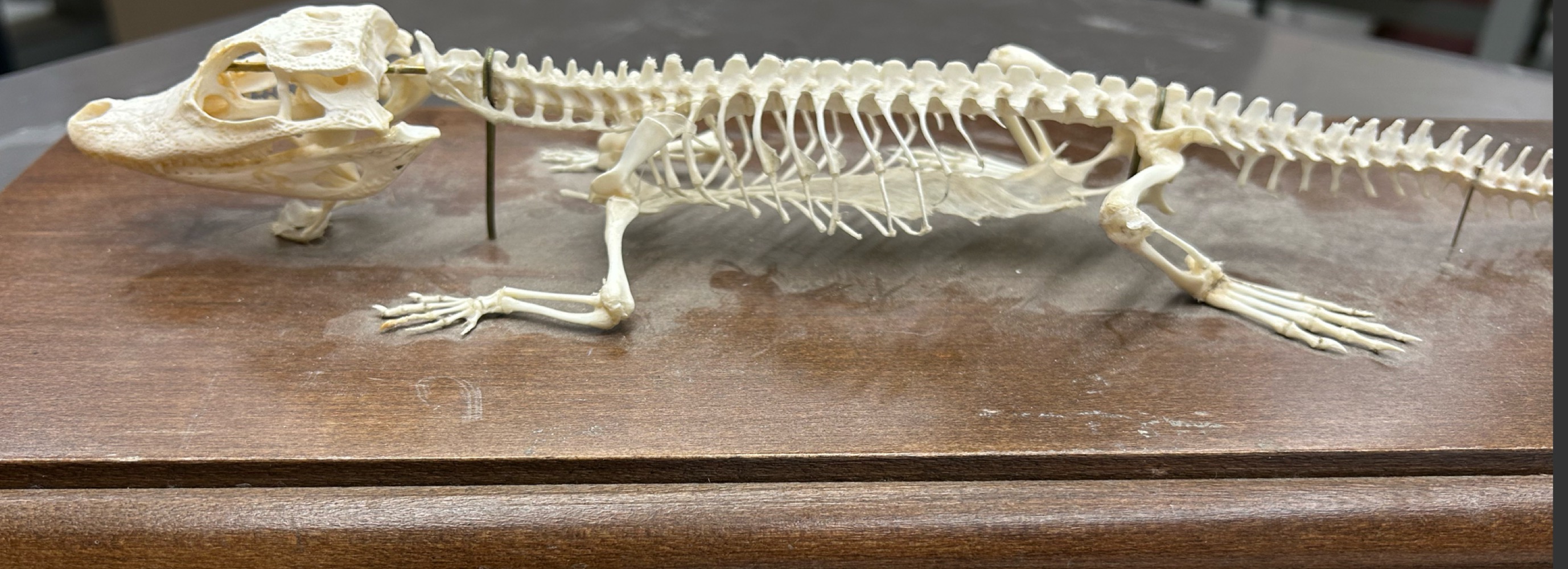
?
Alligatoroidea (Neosuchia, Crocodylomorpha)
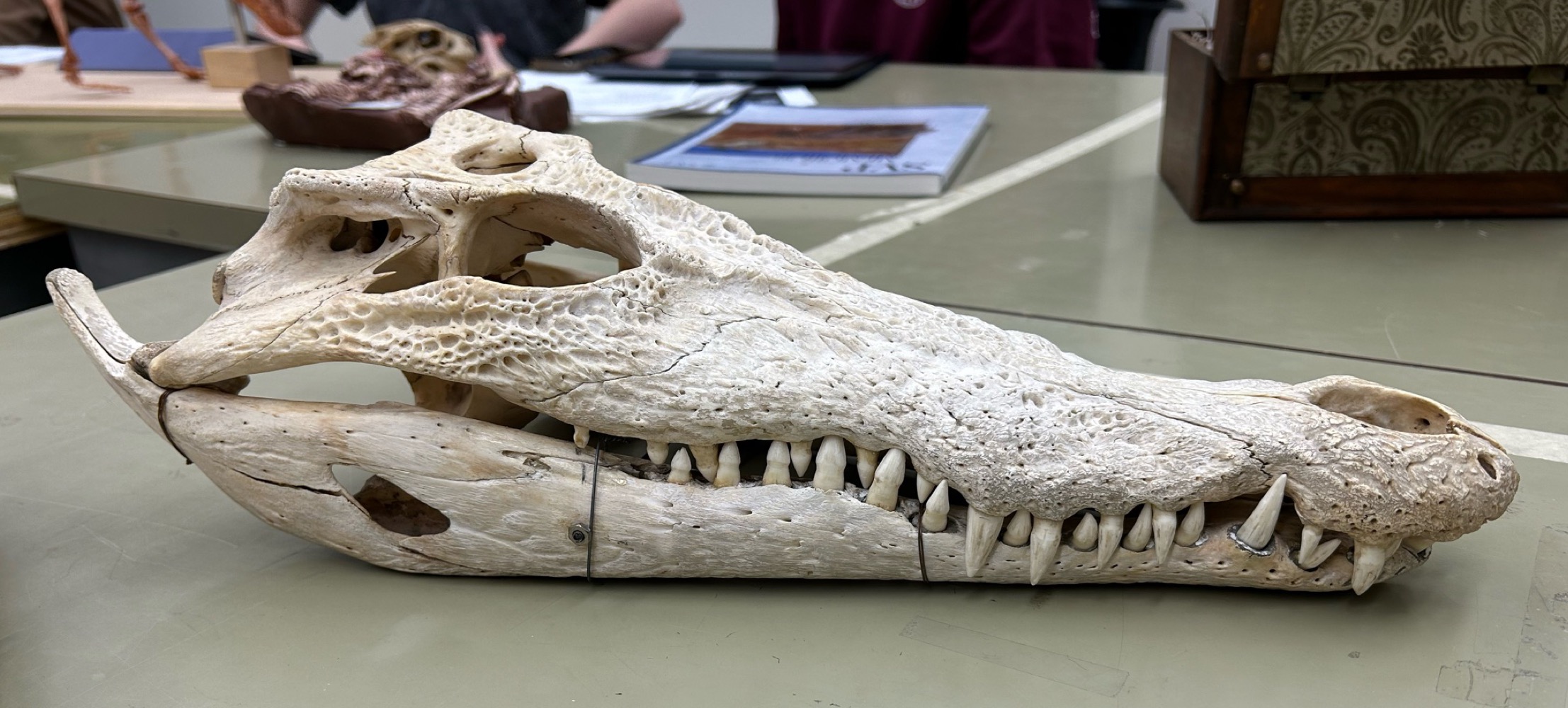
?
Crocodyloidea (Neosuchia, Crocodylomorpha)
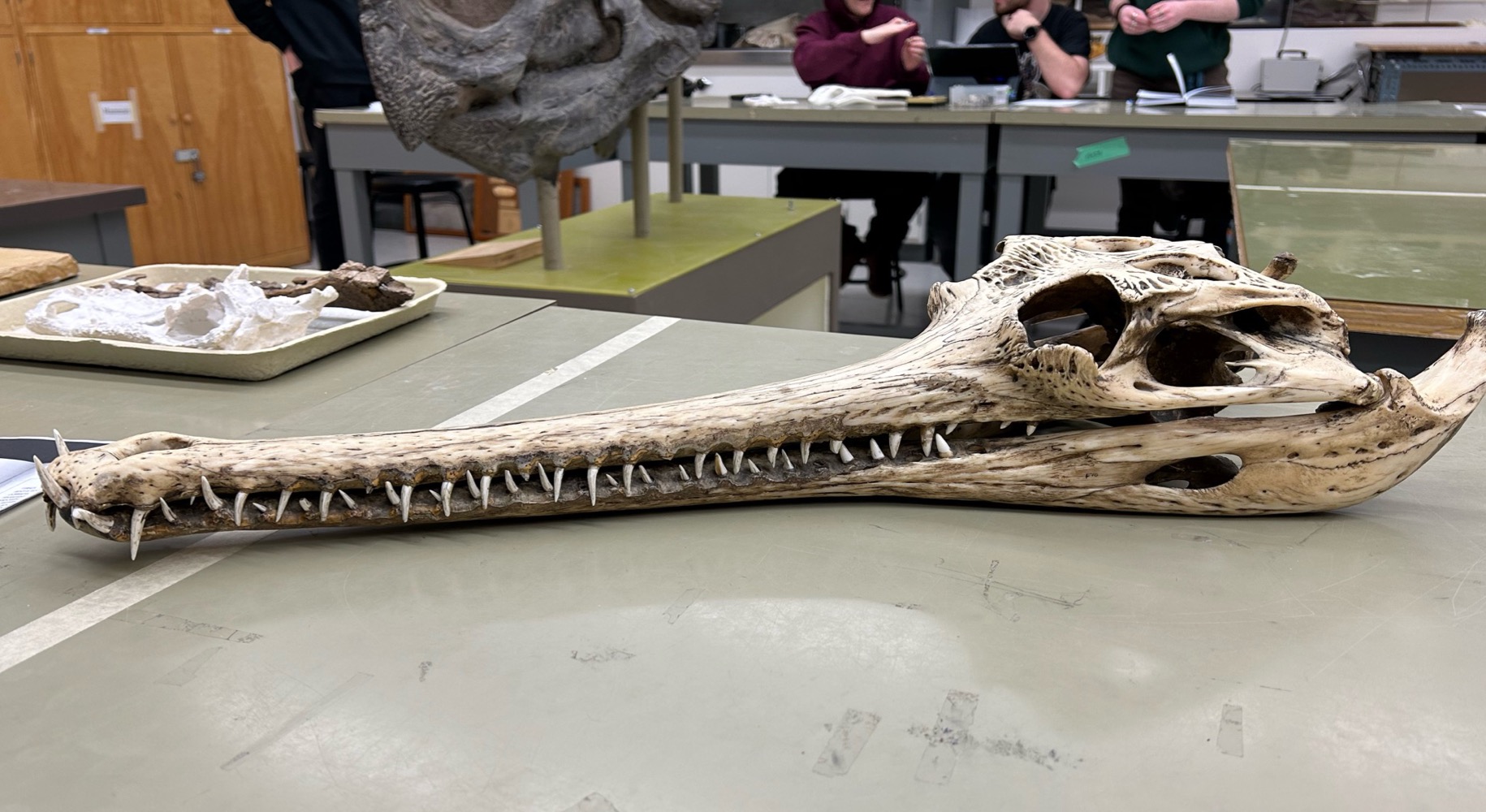
?
Gavialoidea (Neosuchia, Crocodylomorpha)
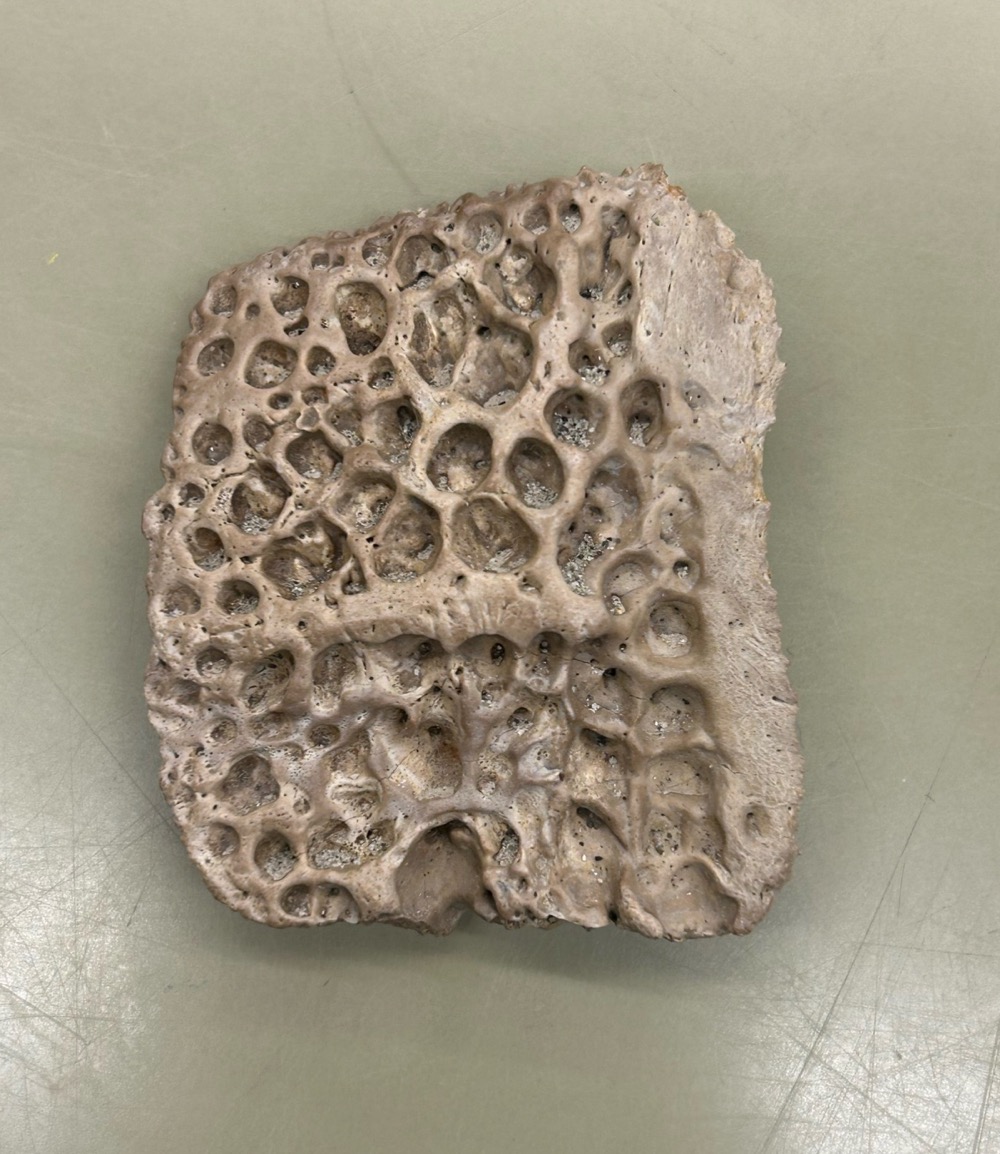
?
Crocodyloidea Scutes (Neosuchia, Crocodylomorpha)
Main difference Gavialoidea, Alligatoroidea and Crocodyloidea
Gharials are characterized by a narrow, elongate snout that is well adapted for trapping and holding on to fish, alligatoroids have blunt, U-shaped snouts, and crocodyloids have tapering, triangular snouts
Groups in Neosuchia (Crocodylomorpha)
Crocodilaemus
Pholidosaurs
Paralligator
Alligatoroidea, Gavialoidea, and Crocodyloidea
Groups in Crocodilia (Neosuchia)
Alligatoroidea, Gavialoidea, and Crocodyloidea
2 types of Crurotarsan (Crocodilian) ankle
ball and socket joints between the astragalus and calcaneum
“crocodile normal” - the astragalus bears a peg that fits into the socket of the calcaneum
“crocodile reversed” - the calcaneum bears a peg that fits into the socket of the astragalus
Avemetatarsalians/Ornithodirans Joint
distinct hinge-like joints between the paired astragalus-calcaneum and more distal elements of the foot
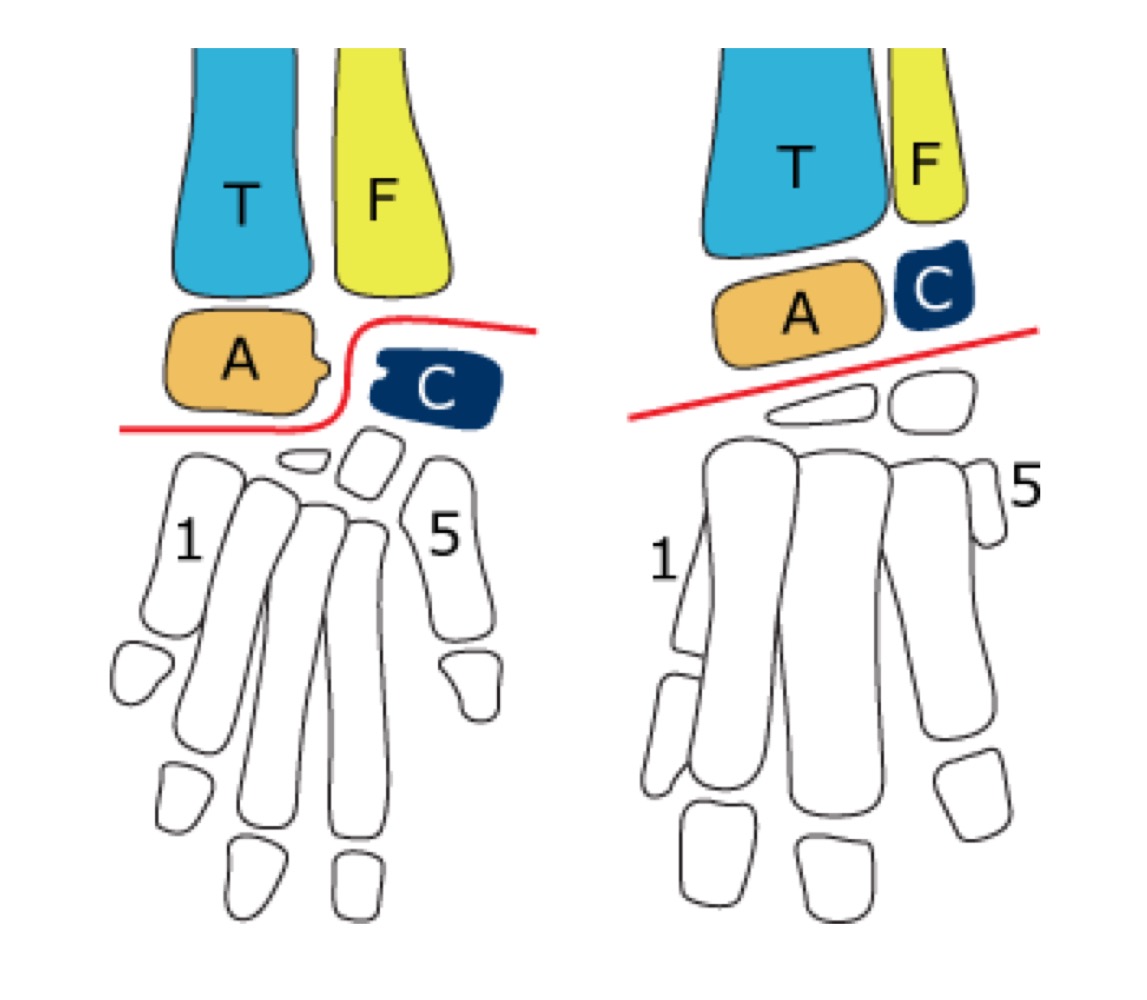
Which joint do Avemetatarsalians/Ornithodirans have?
Hinge joint on the right
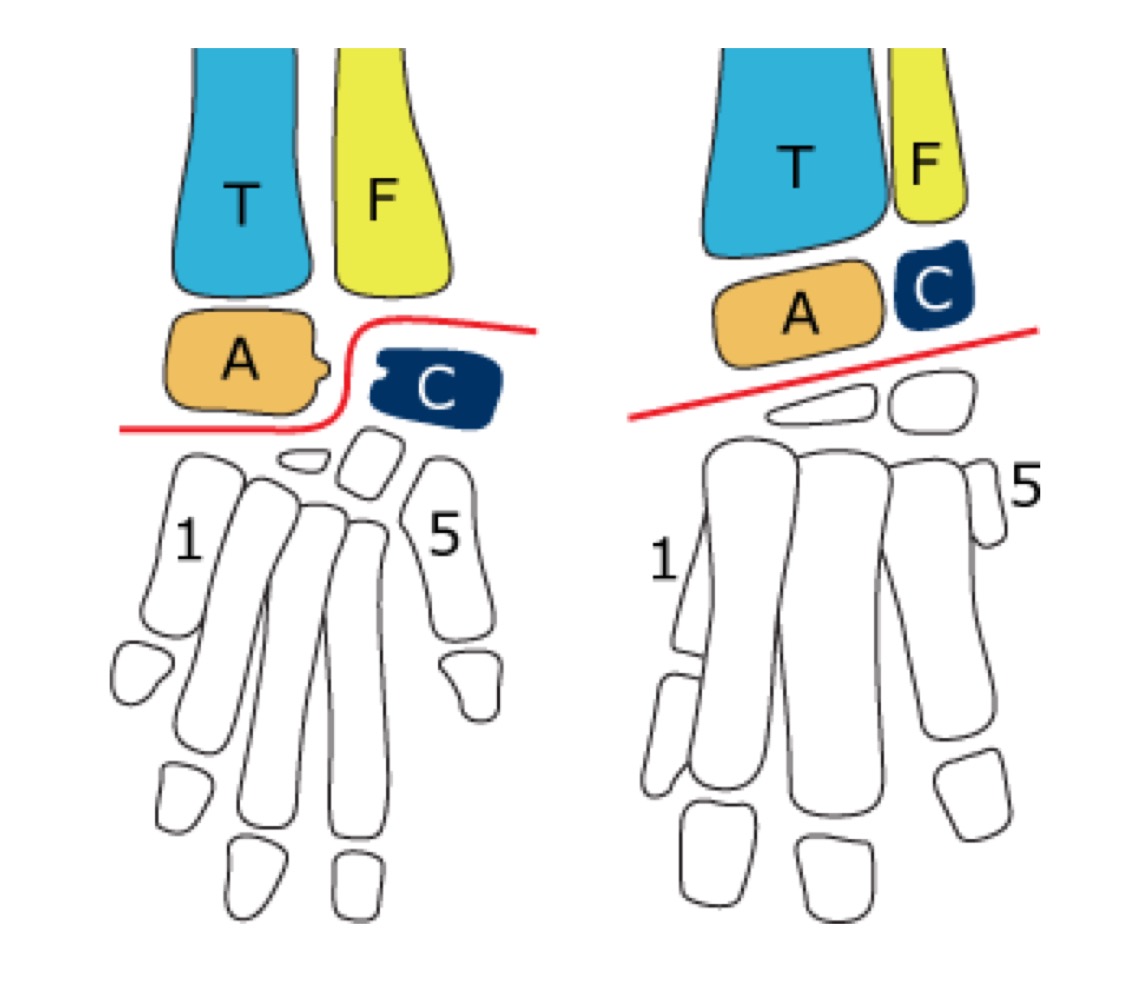
Which joint do Crurotarsan/Crocodylomorpha have?
Ball and socket on the left
Explore top notes

Explore top flashcards
