Bio103 Fall Final
 Call Kai
 Learn
Learn Practice Test
 Spaced Repetition
 Match
Match Flashcards
 Knowt Play
1/92

Earn XP
Description and Tags
covers topics: Nov.7- end
Name | Mastery | Learn | Test | Matching | Spaced | Call with Kai |
|---|
No analytics yet
Send a link to your students to track their progress
93 Terms
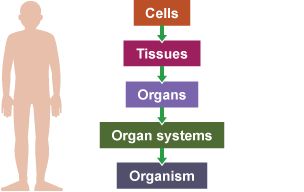
Cells are arranged in a hierarchical system
Individual Cell
Tissue
Organ
Organ System
What is Tissue
unite of many similar cells that perform a function together
e.g.) Enterocytes → Small intestine cells that absorb sugar
What is an Organ
Structure of several different kinds of tissues, which work as a group
e.g.) Stomach → Is large collection of acid-producing, muscle, and nerve cells
What is Organ System
Organ System = Organs + Tissues
e.g.) Cardiovascular system → Heart, veins, arteries, and lungs
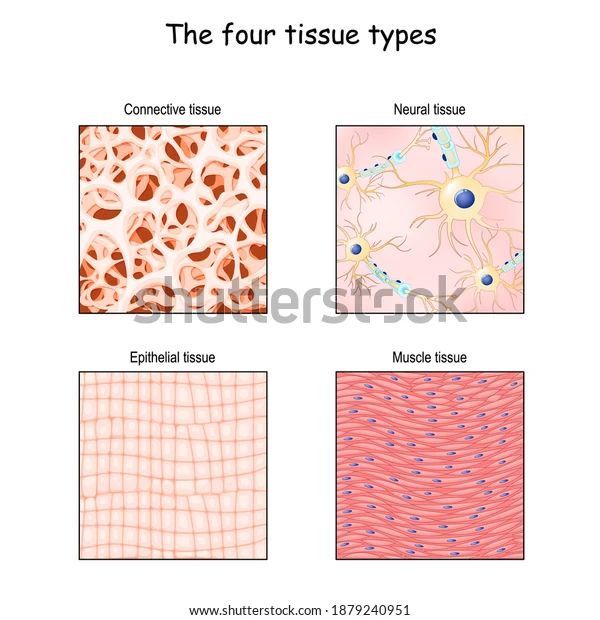
What are the four basic type of cells
Muscles
Nerve cells
Epithelial cells
Connective Tissues
Epithelial cells are what?
Categorized by shape and function
Examples of Epithelial cells
Simple squamous cells = Line your lungs
Thin shaped
Simple cuboidal cells = Line kidney tubes
Simple columnar cells = Line small intestine
Very long cells
Absorb sugar, small amino acids, vitamins, etc.
Stratified squamous cells
Connective tissues are what?
Function as a matrix (mesh) that forms and holds tissues in place
Examples of Connective tissues
Loose connective tissue = Holds skin in place
Adipose tissue cells = Fat
Fibrous connective tissue = Bundles of collagen fibers
Cartilage = White strong flexible connective tissue
Two types of adipose tissue cells
White adipose cell
Brown adipose cell
White Adipose Cell
20% of body weight → Stores energy + insulation for organs → too much white fat leads to obesity
Brown Adipose Cell
1% of body weight → Important for brown fat + blood sugar control + body temperature
3 types of Fibrous connective tissue
Tendons
Ligaments
ACL
Purpose of Digestion
Breakdown of food through chemical digestions
Converts food to molecules that the intestinal epithelial cells can breakdown
Males digest food faster than females
Four steps of digestion in order
Ingestion
Digestion
Absorption
Elimination
Process of Ingestion
The Breakdown of food via mechanical method (chewing) allows food to be broken down in smaller sizes
Human mouth contains two types of saliva to further break down food
Two types of saliva’s and their purpose
Amylase = Gene that mutated in most humans to copy multiple times which helps break down complex carbohydrates (large chain glucose molecules)
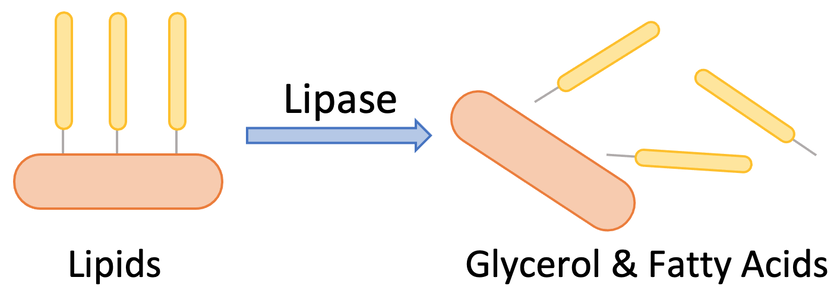
Lipase = Aids in the breakdown of fat
Process of Digestion
Utilization of acid digestion to dissolve food
Hydrochloric acid (HCl) = Created and released by cells in stomach
In the presence of water, enzymes, and HCl gurgling around in the stomach, protein polymers are slowly broken down into monomers
Mucus lines the stomach in order to prevent acid from eating away at it
Ulcers are caused by Helicobacter pylori bacteria
Prosses of Absorption
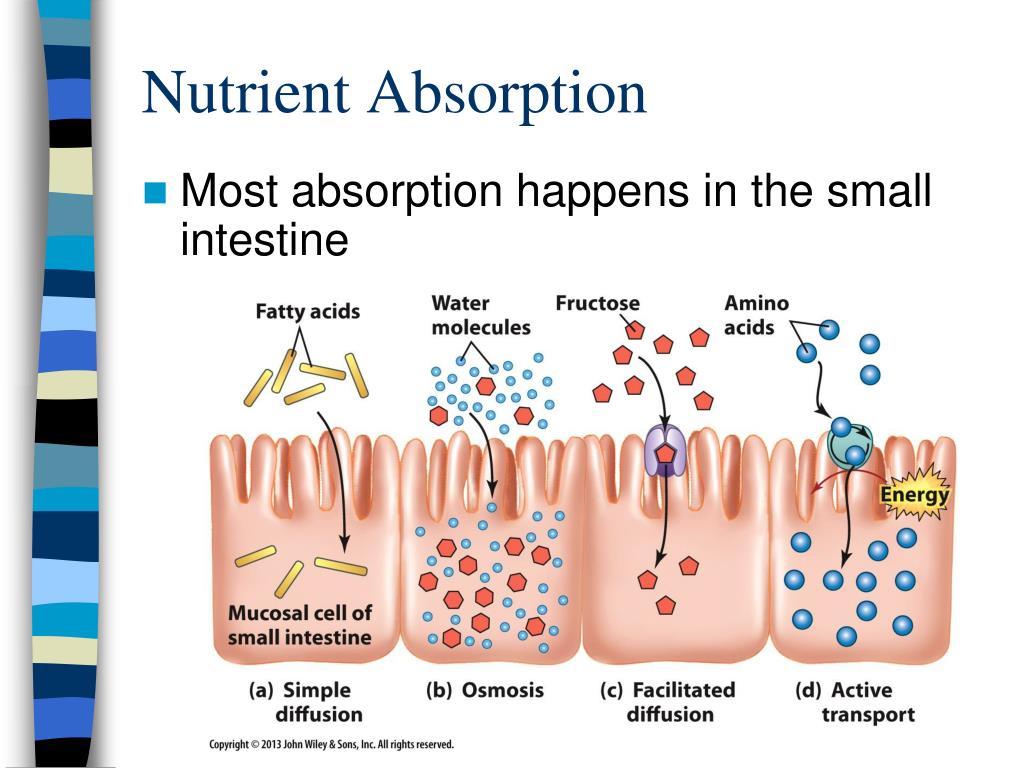
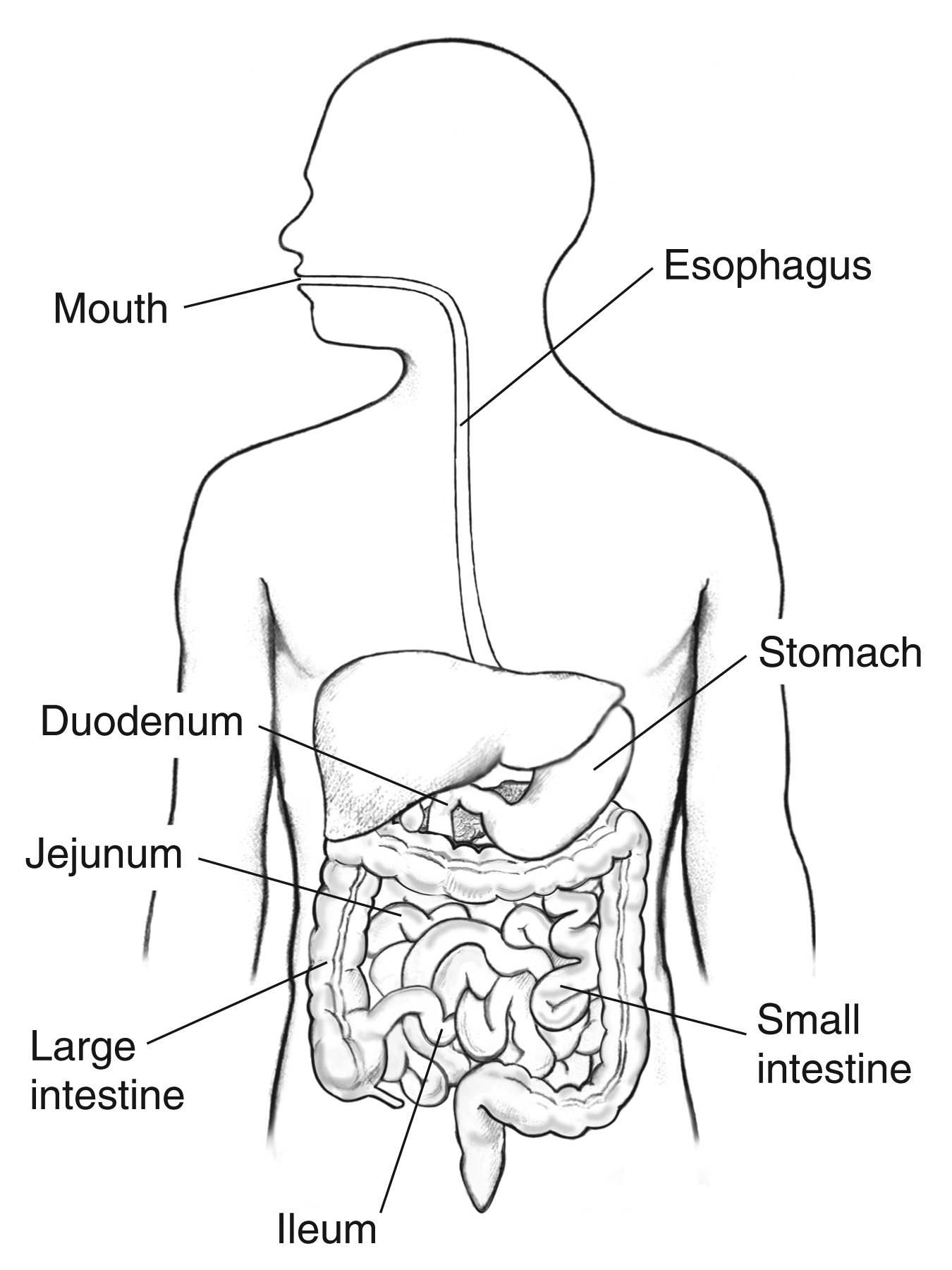
Occurs in the small intestine which contains three sections (duodenum, jejunum, and ileum)
First Section of the Small Intestine
Duodenum
First 10-15 inches of the small intestine which contains digestive enzymes (last stages of digestion) released by the bile and pancreas
Middle Section of the Small Intestine
Called the Jejunum
The 8 foot long middle section of the small intestine which specializes on the absorption of nutrients (glucose, amino acids, fructose, vitamins, irons, fatty acids)
End Section of the Small Intestines
Called the Ileum
The 10 foot final section of the small intestine which absorbs certain vitamins
Mainly absorbs vitamin B and water-soluble vitamins
Prosses of Elimination
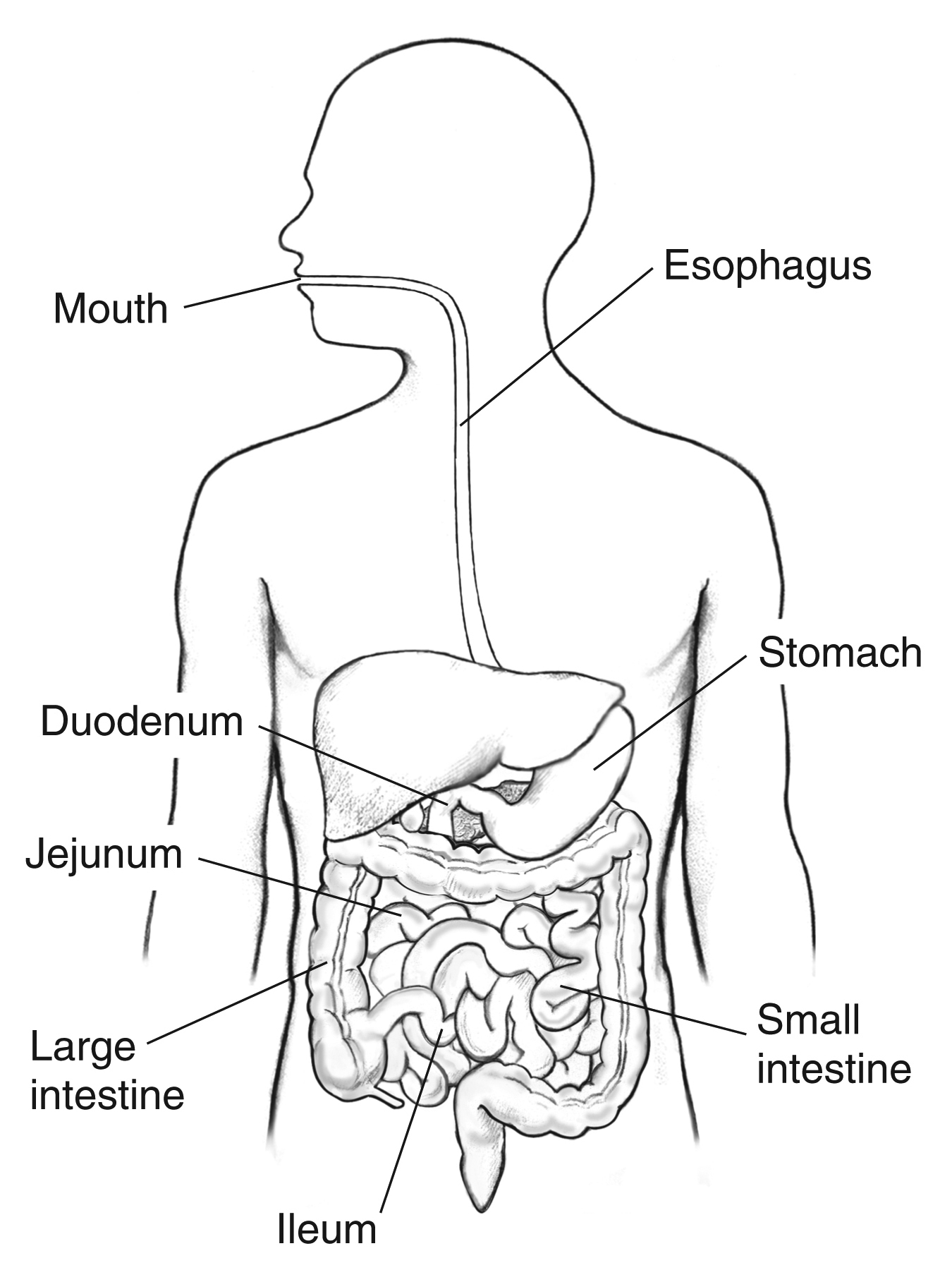
Occurs in the large intestine (colon), which specializes in the absorption of water (Large intestine = 5 ft. long, 3 in. in diameter)
The large intestine reabsorbs roughly 90% of fluid
Undigested material = Feces
Second Brain
Known as the Gut
Located in the enteric nervous system
12 different kinds of neurons in nervous system
IBS is?
Irritable Bowel Syndrome
Isolated in large intestines
Crohn’s Disease is?
Chronic inflammatory disease
Thickening of intestinal walls
Celiac Disease is?
Autoimmune disease triggered by gluten
Lactose Intolerance is?
Lack of lactase/lactose
lactose breaks down into glucose
Immune system definition
specializes in protecting the body from foreign invaders
(bacteria, viruses, parasites, allergens, fungi, cancer cells, old cells, and damaged/mutated cells)
Two Immune system “arms”
Non-specific (immediate) inflammatory response
Specific (delayed) immune response
General names of immune cells
White Blood Cells (WBCs)= Leukocytes
Red Blood Cells (RBCs)
6 types of white blood cells
Mast Cells
Neutrophils
Monocytes
Lymphocytes
Eosinophils
Basophils
Bacterial Proteins
allow the bacteria to “lock and key” on cell proteins
Red Blood Cells
When there is no infection occurring, RBC rates should be approximately 4.7-6.1 million cells/liter
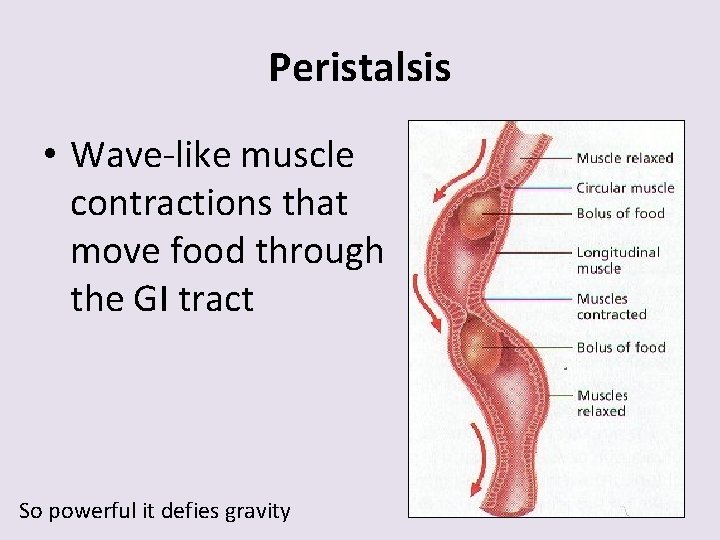
Peristalsis
series of wave-like muscle contractions that moves food through the digestive track
starts in the esophagus → stomach → small intestine → large intestine → anus
Cheese Burger vs. Sulfuric Acid
Where RBCs & WBCs are made
They are made within Bone Marrow
bone marrow makes all RBC & some WBC
Why are WBC important
they can move
they consume foreign invader
Brain facts
Brain is only about 2% of the average human's body weight
Despite this, the brain receives 28% of resting oxygen
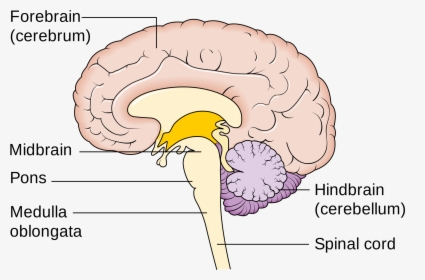
Three areas of the brain
Hindbrain, Midbrain, Forebrain
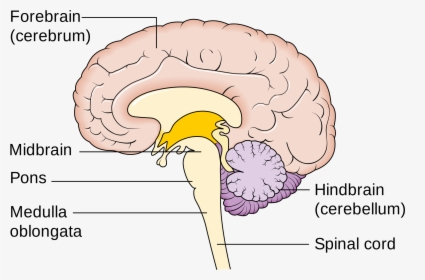
Hindbrain
connects the spinal cord
Cerebellum = Coordinates body movement
Pons = Huge conduit of nerve fibers
Medulla Oblongata = Contains all non-voluntary reflexes (e.g. breathing)
Midbrain
The Brainstem
Forebrain
Classic image of the brain (grey wrinkled part)
holds grey matter
Grey matter
All neuron cell bodies
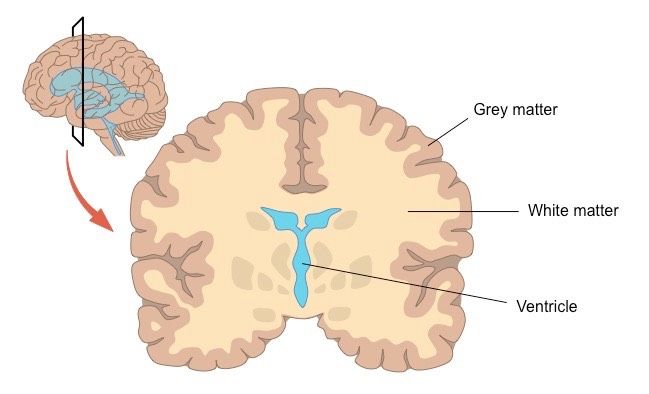
White matter
All axons (myelin sheath)
within the interior of the brain
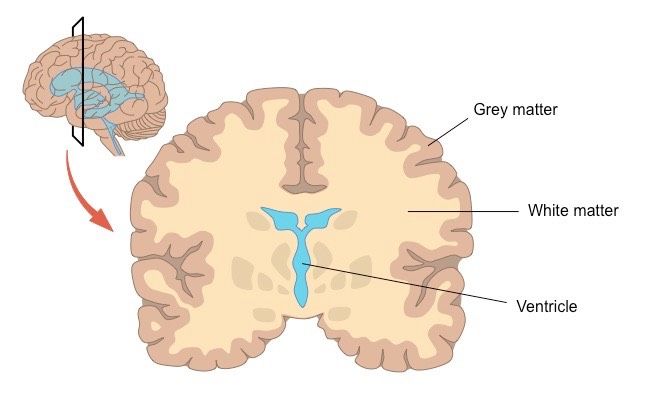
Cerebrum
mix of grey and white matter
When brain swells what occurs
many neurons die
surgeons remove the skull cap temporarily to allow brain to swell and expand without risk permanent damage
Reflexes are
Involuntary instantaneous movement (e.g. knee-jerk reflex)
The three main neurons involved in reflexed
Sensory neuron
Interneuron
Motor Neuron
Portions of the eye
Retina
Rods
Cones
Sensory adaptions
Retina
Contain photoreceptors which detects light and color
Rods
Sensitive to dim light
Cones
Three colors
red
blue
green
Sensory Adaptions to the eye
Process of getting used to uncomfortable sensations
Brain has two hemispheres
Left and Right
separated by axons
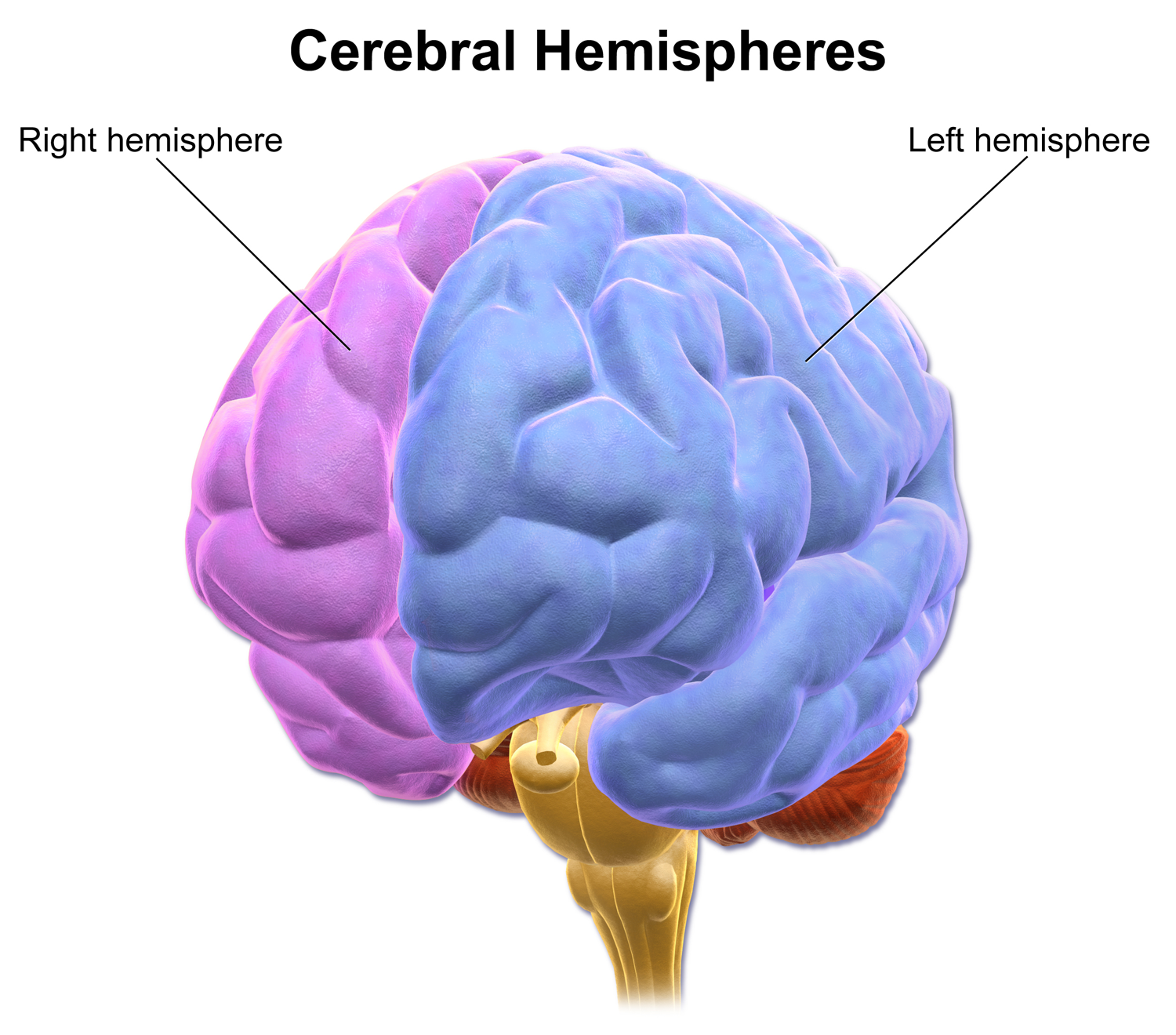
There are 4 lobes within the brain
Occipital lobe
Parietal lobe
Temporal lobe
Frontal lobe
(In addition is the Cerebellum)
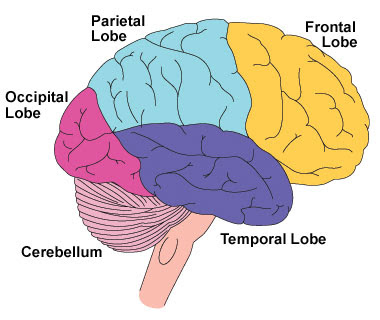
Occipital lobe
Visual center
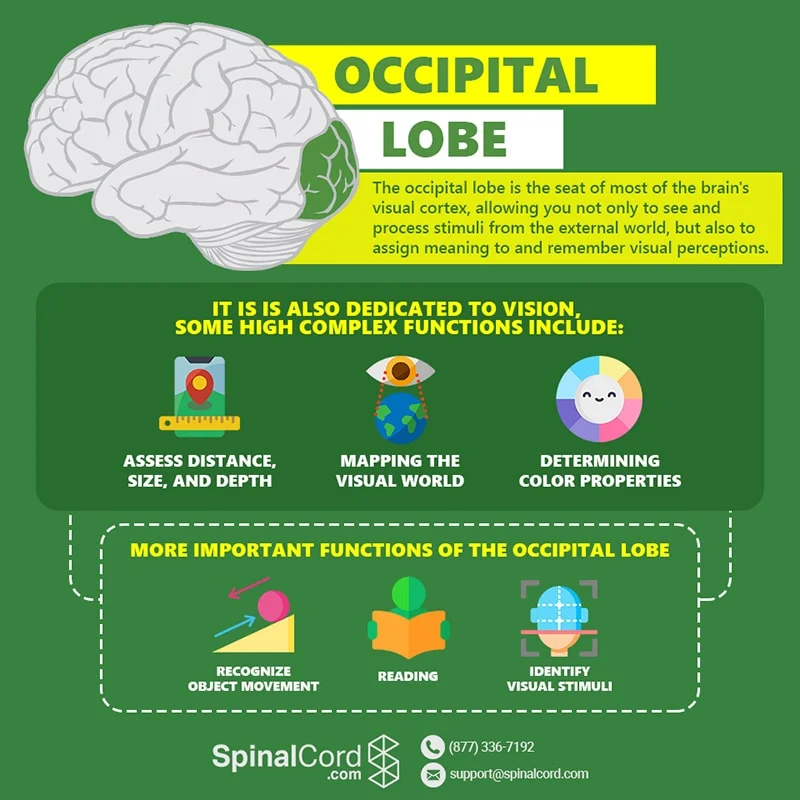
Parietal Lobe
Multisensory
Speach
Reading
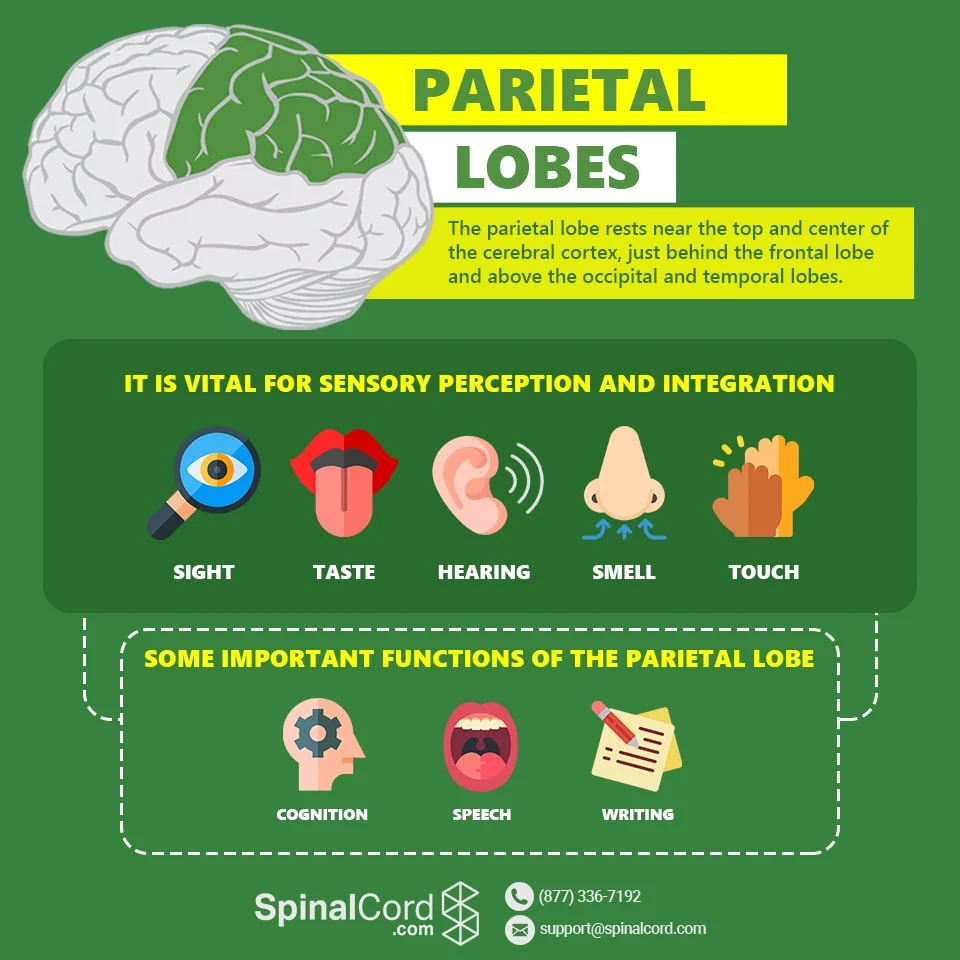
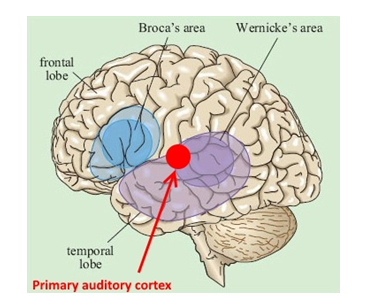
Temporal lobe
Auditory cortex
Frontal lobe
Last place for new neurons up till ~25 years old
Prefrontal cortex
Personality/ behavior
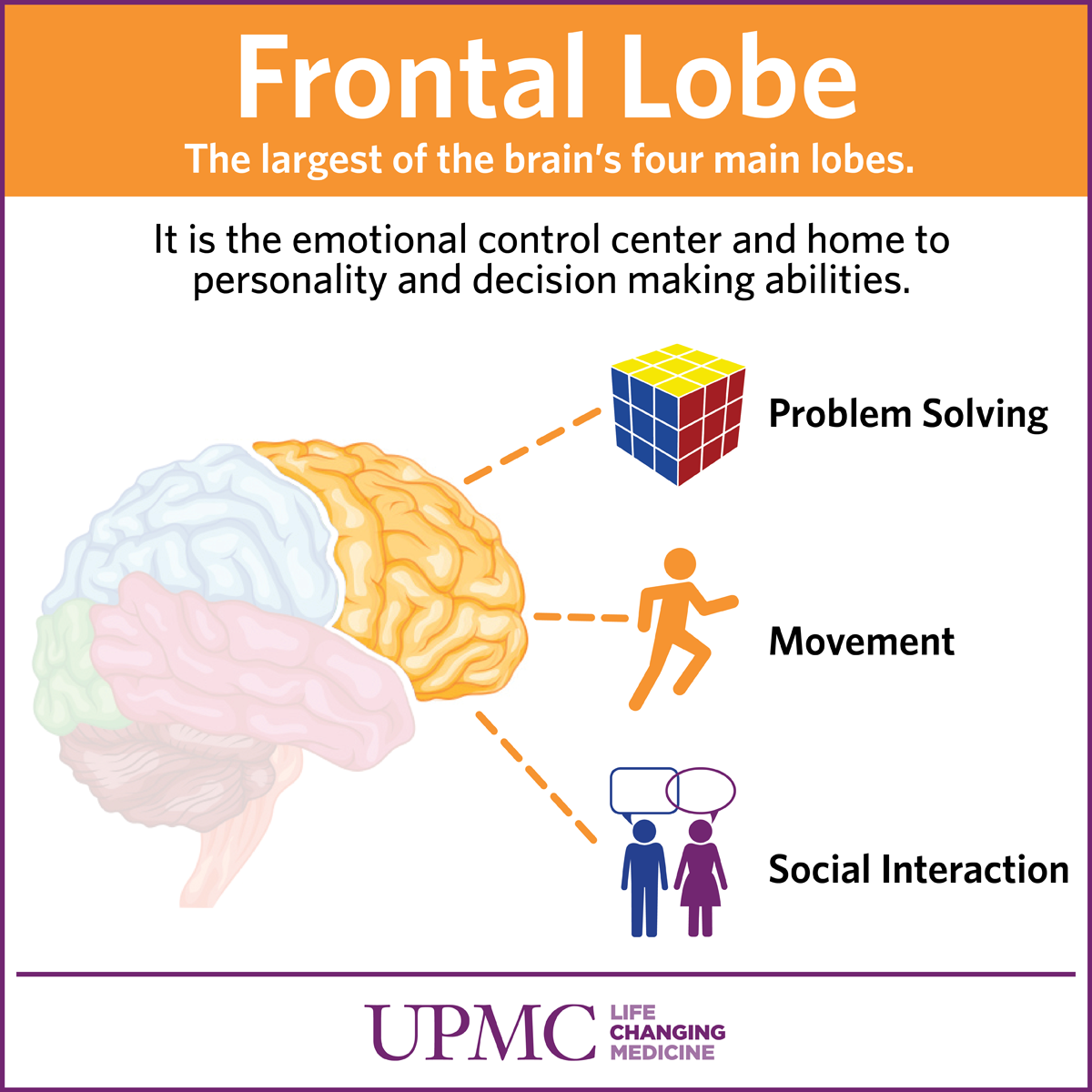
Lobotomy
Mashup prefrontal cortex due to illegal and inhumane medical practice
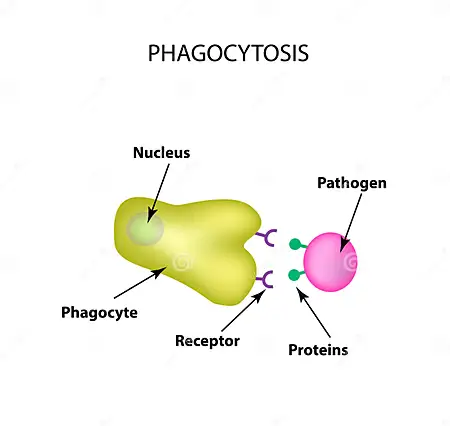
Phagocytosis does what
The consumption of foreign invaders in the body by WBCs
WBCs are able to recognize foreign invaders by differentiating the infectant from proteins
Normal Flora
Bacteria or Fungi that belong and line the exterior of the body
will not cause disease
Bacteria
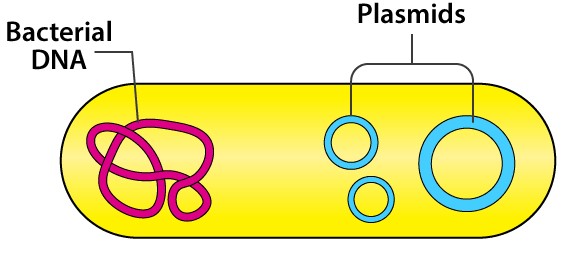
Bacteria is always Prokaryotic meaning no membrane inside (DNA is floating free)
Single Celled
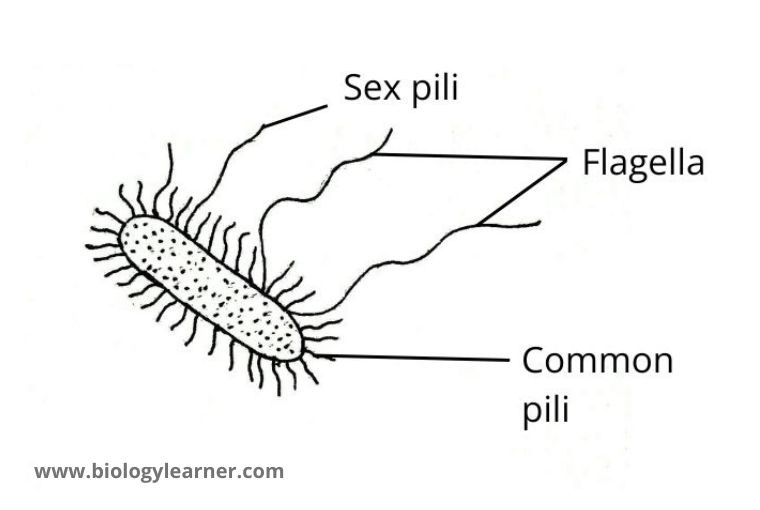
Pili= hair-like tentacles that allow them to stick to surfaces
How bacteria reproduce
asexually
the sex pilus is designed to pass on the circular plasmid
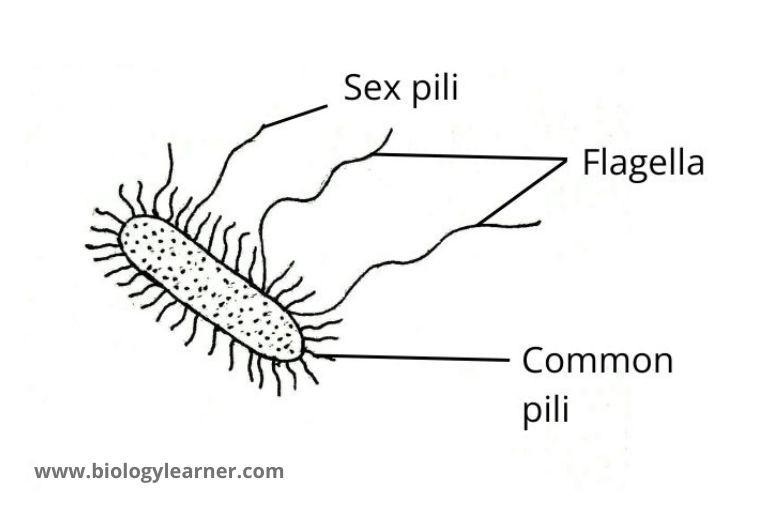
Circular Plasmid
DNA which is typically antibiotic resistant
Bacterial protein mutates into a different shape so penicillin cannot recognize it
Transferred between bacteria when sex pili touch
Category’s of Bacteria
Rods
Coccus
Spirochete
Category; Rod
Cylinder Shape
E. coli
Clostridium botulinum
C. Tetani
Yersinia pestis
Category; Coccus
Tiny circles grouped together
Staphylococcus
Streptococcus
Neisseria gonorrhoeae
Category; Spirochete
long squiggly line
Borrelia
Treponema pallidum
How to get bacteria infection
Ingestion
Open wounds
Nose
Inanimate objects
Ways bacteria spread disease
1. Attachment
the Pili of bacteria will attach to cell proteins
2. Secretion
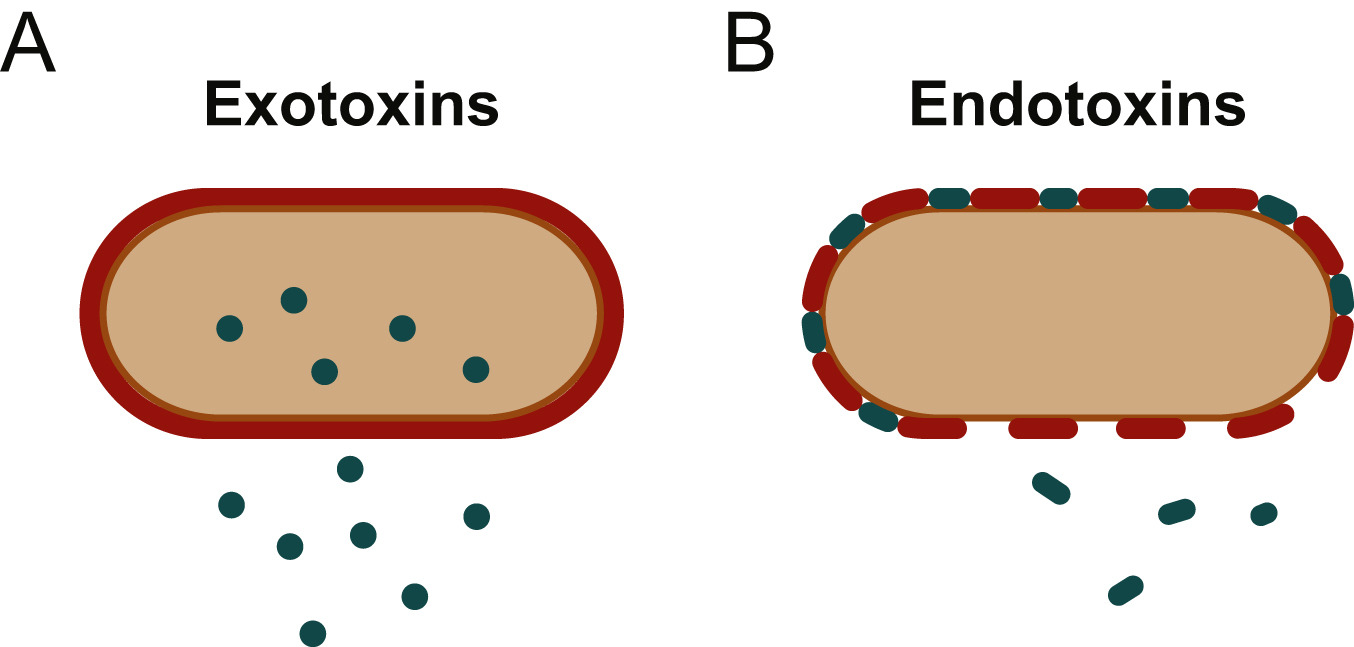
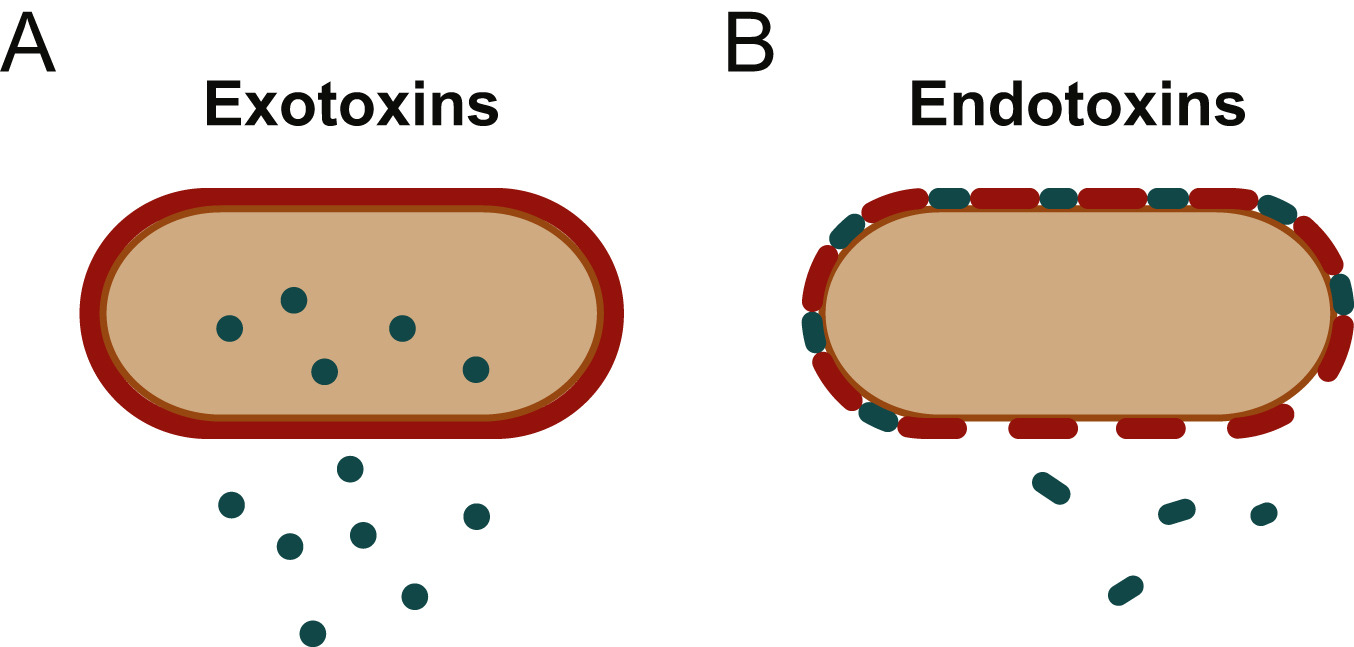
secreting either endotoxins or exotoxins
What do endotoxins do
Punches holes in epithelial cells, causing a leakage of cytoplasm (which the bacteria feed on)
limited area of infection
What do exotoxins do
Toxin enters bloodstream upon attachment
Incredibly dangerous, as it circulates throughout the body rapidly
Bodys defense against infection
mast cells
The death of many white blood cells send signal molecules called pyrogens (induces fever)
How to treat for infection
Antibiotics = Multiple receptors that act on many different types of bacteria
Works with antibodies to stop infection
Why are there more drugs against bacteria then viruses
Bacteria have unique bacterial proteins, that antibiotics can target
Viruses are indistinguishable from human cells once infected
Viral DNA = CTAG (same as humans!!)
Are Viruses Alive?
Viruses are not alive
Lack cell walls
Lack organelles
Do not grow
Can crystallize like a mineral
Viruses do not divide (no sexual, or asexual reproduction)
Whats within a virus
Viruses are incredibly small in size, and have one key shape
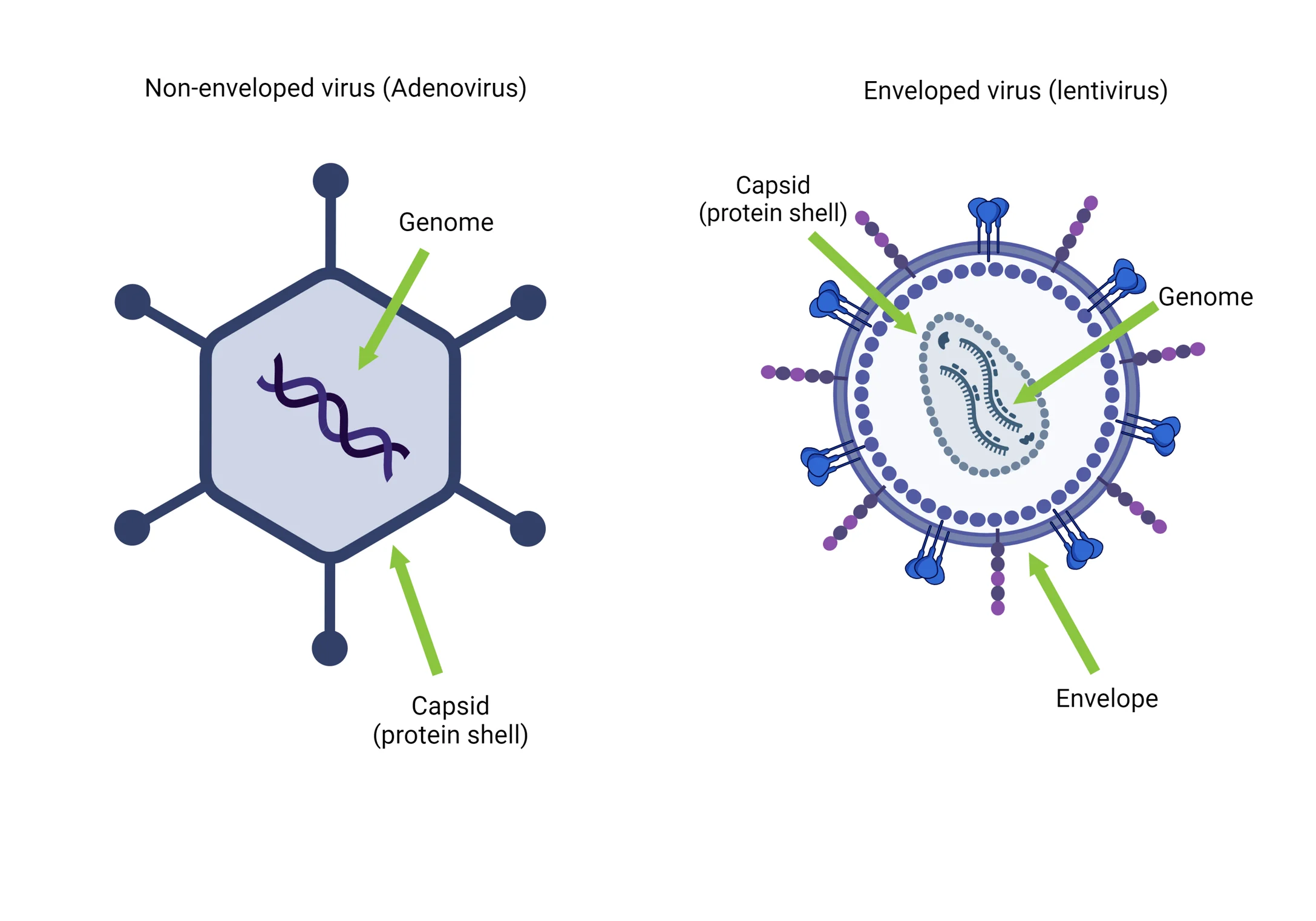
Capsid = Contains DNA and RNA
RNA viruses have to convert to DNA through enzymes (reverse transcriptase)
Two types of viruses
Non-envelope virus
Envelope virus
Non-Enveloped Viruses
last long durations on outside objects
Adenovirus
Papillomavirus
Parvovirus
Enveloped Virus
Delicate protein envelope surrounding the capsid
Cannot last on inanimate objects, needs cell-to-cell contact instead
Herpes
Hepatitis
HIV
Coronavirus
Virus; sequence of events
Attachment (first step for viral infections)
Once attached, viruses inject DNA or RNA into cells, emptying the capsid
virus enters the cell, and uses cells nucleus to generate more virus particles
After a certain amount of virus particles is reached, they burst out of the cell and use the cell membrane to make capsids
Known Viruses; HSU
Herpes Simplex Virus (HSU)
Double-stranded enveloped DNA virus
Appears as cold sores on the lips
Will remain in the body until host death as a latent virus
Known Viruses; Mononucleosis
Epstein-Barr virus (type of herpes)
Infect B-cells exclusively
Known Viruses; HIV
RNA Virus
Vaccine/drug works on RT enzyme
Infects CD4 T-cell
Gateway cell of the lymph node
Known Viruses; Human papillomavirus
Warts
Lives on exterior of skin
Avoids white blood cells
Transit time of the entire digestive tract
24-72 hrs.
NOTE: Males digest food faster than females
Transit time of Mouth in the digestive track
less than 1 min.
Transit time of Esophagus in the digestive track
4-8 sec.
Transit time of Stomach in the digestive track
4-6 hr.
Empty = < ⅓ cup
Full = 6-7 cups
Transit time of Small Intestines in the digestive track
4-6 hr.
Transit time of Large Intestines in the digestive track
10-59 hr.
Explore top notes

