entomology exam 2
 Call Kai
 Learn
Learn Practice Test
 Spaced Repetition
 Match
Match Flashcards
 Knowt Play
1/50

There's no tags or description
Looks like no tags are added yet.
Name | Mastery | Learn | Test | Matching | Spaced | Call with Kai |
|---|
No analytics yet
Send a link to your students to track their progress
51 Terms
orthopteroid orders
plecoptera (stoneflies)
phasmida (stick bugs)
orthoptera (grasshoppers, locusts, crickets, katydids)
dermaptera (earwigs)
isoptera (termites)
blattodea (roaches)
mantodea (mantids)
-primitive mouthparts
-complex wing venation
-pleated hindwings usually larger than leathery forewings
-male genitalia is external
-cerci present
-many malphigian tubules
-hemimetabolous
-trochanter is separated from epimeron by suture or membrane
hemipteroid orders
psocoptera/psocodea (lice)
mallophaga (chewing/biting lice)
anoplura (sucking lice)
thysanoptera (thrips)
hemiptera (bugs, leafhoppers)
homoptera (true bugs)
-mandibulate mouthparts; haustelate = adapted for sucking
-lacinia is slender; labial palps absent
-enlarged clypeus associated with cybarial pump
-cerci lacking
-fewer malphigian tubules
-fusion of ventral ganglia
-if hindwing present → no large anal lobe
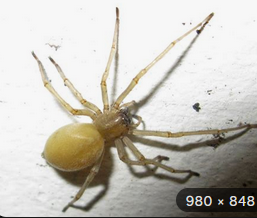
arachneae
class: arachnida
most abundant arachnids → over 40,000 described species
all spiders produce silk extruded by the spinnerets on the end of the abdomen
use it to trap insects in webs but there are many spiders that hunt freely
silk can aid in climbing, form smooth walls for burrows, build egg sacs, wrap prey, temporarily hold sperm, or even fly
only about 200 species have bites that can pose health problems to humans
larger species’ bites may be painful but will not produce lasting health problems
spiders are found all over the world (including the arctic) w/ some extreme species living underwater in silken domes that they supply with air or on the tops of the highest mountains
families:
theraphosidae (tarantulas)
salticidae (jumping spiders)
araneidae (orb weavers)
lycosidae (wolf spiders)
dangerous spiders:
Atrax robustus (Australian funnel web spider)
Loxosceles reclusa (brown recluse)
Lactodectus mactans (black widow)
Cheiralanthium mildei (yellow sac spider)
*brown recluse + black widow are only two medically significant spiders in N. America
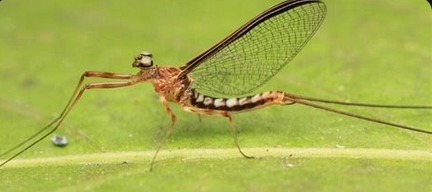
ephemeroptera
mayflies “for a day”
characters:
small-medium bodied
soft cuticle
nymphs have chewing mouthparts; adults are vestigial
compound eyes + 3 ocelli
setaceous antennae
forewings are triangular and hindwings are smaller; held over the body at rest
long filamentous cerci
3-5 segmented tarsi
-nymphs are aquatic
-most are general collecter-gatherers; some are filterers or scrapers; some are predators
-live in lotic (flowing) or lentic (still) water
-many body shapes (burrowers, sprawlers, climbers, swimmers, etc)
-important immediate consumers (fish food, water quality indicators, some nuisance emergences)
-external gills, especially along abdomen
odonata
dragonflies & damselflies
characters:
medium-large; elongate
chewing mouthparts
nymphs have prehensile labium
antennae are short and bristle-like
wings have complex venation, nodus, and stigma
males:
gonopore on 9th segment
complex penis on 2nd segment
cerci on 1st segment
-adults mate in flight → male uses secondary genitalia
-nymphs and adults are predaceous
-oviposition may take place w/ the pair still in tandem
-adults are long lived
-nymphs can use jet propulsion for predator avoidance
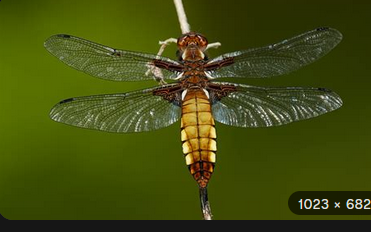
anisoptera: dragonflies (suborder of odonata)
eyes meet on head
wings are held flat at rest; hindwings are larger
strong fliers
no sexual dimorphism
nymphs have internal gills → do jet propulsion
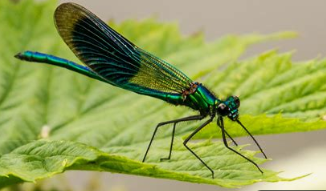
zygoptera: damselflies (suborder of odonata)
eyes are separated
wings are held over body at rest; forewing & hindwing are similarly sized
weak fliers
sexual dimorphism present
nymphs have 3 external gills
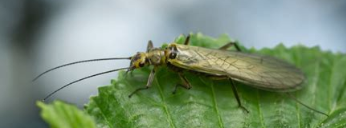
plecoptera “pleated wings”
stoneflies
characters:
small-medium; soft bodied
nymphs have chewing mouthparts; adults are vestigial
compound eyes & 3 ocelli
antennae are long & tapered
wings are membranous and folded at rest; complex venation
3 segmented tarsi
hemimetabolous
*minor order
-can be detritivores or carnivors
-nymphs are aquatic and look like adults
-good indicator species (intolerant of organic and thermal pollution)
-mate near water
-lotic: live in actively moving water
-lentic: living in calm water
-sprawlers & clingers
many are hyporheic (live in the region beneath and alongside a stream bed where there is mixing of shallow groundwater and surface water)
-fish food, predators of fish eggs and fry
-external gills
-campodeiform (elongated, flattended, and active)
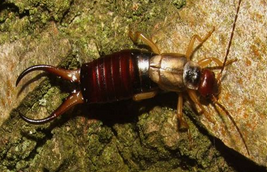
dermaptera
earwigs
characters:
small-medium; narrow & elongated
chewing mouthparts
moniliform antennae
wings are short, have truncate leathery tegmina; hindwings are semicircular & fan-like (folding wings)
cerci function in prey capture, defense, & mating
nocturnal; live in damp environments; omnivorous
females provide parental care
orthoptera
“straight wings”
grasshoppers, crickets, katydids, locusts
characters:
minute-large
chewing mouthparts; hypognathous + opistognathous
compound eyes, 0-3 ocelli
filiform antennae
forewings are narrower and hardened at the base; hindwings are folded/pleated
saltatorial (jumping) legs; enlarged hind femora on 3-4 tarsi
external male genitalia
cerci present
many malphigian tubules
hemimetabolous (nymphs resemble adults)
trochanter is separated from epimeron by suture/membrane
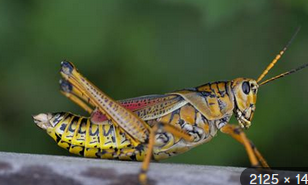
caelifera: grasshoppers (suborder of orthoptera)
short filiform antennae
short ovipositor
tympana on 1st segment
stridulate by hindleg + wing
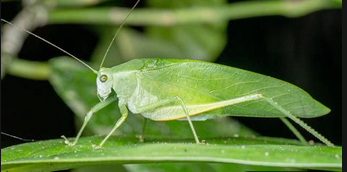
ensifera: crickets, katydids (suborder of orthoptera)
long antennae (>30 segments)
3-4 tarsi
long ovipositor
tympana on base of leg
stridulate by wing rubbing (file + scraper)
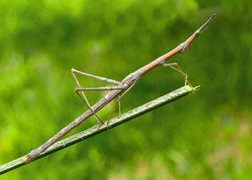
phasmatodea “phantom”
stick bugs/walking sticks
characters:
hind femora not enlarged → do not jump
wings are variable; in many leaf life forms, at least hindwing is well developed; wings may also be greatly reduced or absent
no stridulatory organs or tympana
cerci is short (1 segment)
ovipositor is short and concealed
tarsi 5-5-5 (sometimes 3-3-3)
plant feeders
eggs resemble seeds and adults resemble plant stem
move slowly so as not to attract predators
some squirt noxious chemicals at predators
-3000 species in the world (predominantly tropical; only ~30 species north of Mexico)
-usually on trees or shrubs
-can be knocked from vegetation to collect (easier than looking for one bc very well camoflaged)
-eggs are dropped on the ground; often don’t hatch until 2nd following spring; some species are more abundant in alternate years
mimicry in 2 forms: leaf like, stick like
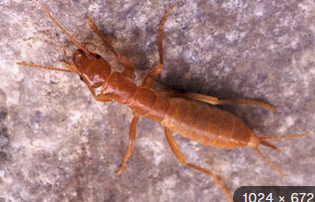
grylloblattodea
ice crawlers
one family from western North America and Eastern Asia
very common in the past → loss of alpine habitat from climate change means that ranges of some species are rapidly contracting
lifespan of five years in some species
feed on dead arthropods and organic material from surface of ice and snow during snow melt
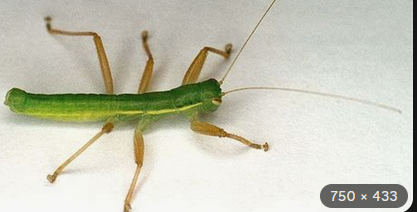
mantophasmatodea
heelwalkers & gladiators
predators like a cross between a mantid and a walking stick
new order discovered in the 21st century
found originally in amber and then museum specimens from Namibia and Tanzania → found living specimens in Namibia collected from Karoo
communicate through substrate vibrations from drumming the abdomen
may mate uninterruptedly for 3 days
eat molted skin
predaceous
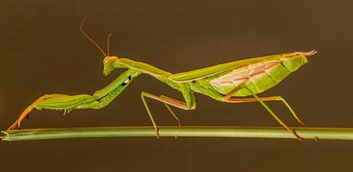
mantodea
mantids/praying mantids
characters:
elongate, cylindrical torso
elongated prothorax
mandibulate; hypognathous
compound eyes & 3 ocelli
filiform antennae
wings present in males; forewing leathery, hindwing membranous
single typmanum on metasternum
raptorial front legs
cerci and males styli on 9th abdomenal segment; females make ootheca (egg sac)
triangular head
young eat each other as soon as sac hatches (survival of the fittest)
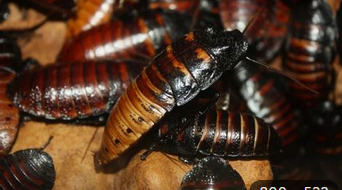
blattodea/blatteria
cockroaches
characters:
exopterygote (external wing development)
dorsoventrally flattened
small-large
highly darkened (melaninized)
mandibulate mouthparts
compound eyes & 2 ocelli
filiform antennae
forewings leathery; hindwings membranous
enlarged anal area
cursorial legs (large coxa)
styli on 9th segment in males
female ovipositor is reduced on 7th segment on abdomen
thorax is compressible
shield-like pronotum nearly covers head
mostly tropical & omnivorous
oviparous (egg-laying); ovoviparous (eggs hatch within the body); vivaparous (gives birth)
gradual metamorphosis (hemimetabolous)
female lays ootheca (occasionally)
*roach infestation is not related to socioeconomic status or cleanliness
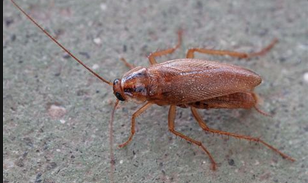
German cockroach Blatella germanica
small; can barely fly
most troublesome domestic pests (eats meats, starches, sugars, fatty foods - as well as some household items such as soap, glue, and toothpaste)
in famine conditions → turn cannibalistic and chew at each others legs and wings
*infestation is a major reason for asthma in inner city children (from cockroach frass)
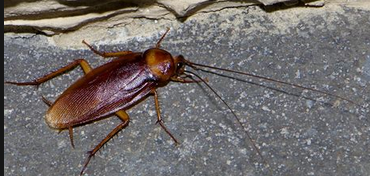
American cockroach Periplaneta americana
largest species of common cockroach and often a pest
produces odorous secretions that can alter the flavor of food
can pick up Salmonella bacteria on their legs and later deposit them on foods → cause food infections or poisoning
house dust containing frass or body parts can trigger allergic reactions and asthma
common in basements, crawl spaces, cracks, and crevices of porches, foundations, and walkways
in areas outside the tropics: live in basements and sewers, may move outdoors into yards in warmer weather
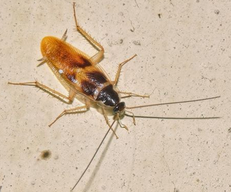
brown banded cockroach Supella longipalpa
eats anything that is organic
found in homes and apartments (less common in restaurants)
avoids daylight → not often found during the day
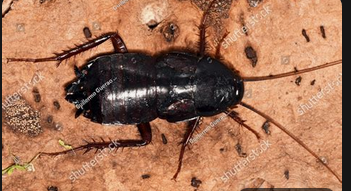
Oriental cockroach Blatta orientalis
large
may infest homes in summer but are primarily outdoor species
look like palmetto bugs
odiferous (smelly; like many roaches)
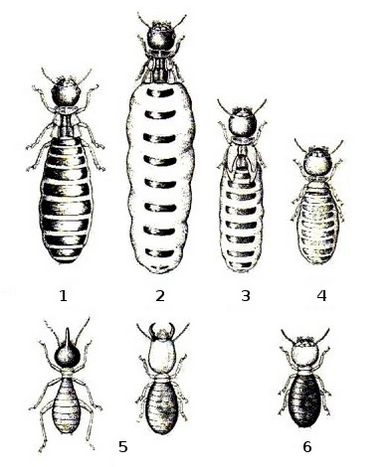
isoptera “equal wings”; sometimes grouped with blattodea
termites
characters:
minute to large
chewing mouthparts
compound eyes in winged forms
apterous forms may be lacking 0-2 ocelli
filiform or moniliform antennae
4-6 tarsi
fontanelle on dorsum of head = frontal gland pore/hole
have kings and queens
only one species in northeast USA: Reticulitermes flavipes
very important ecologically; eat all the dead/rotting wood
-2000 species worldwide (~40 species in North America)
-polymorphic with distinct castes
social living with limited # of reproductives
many sterile & wingless workers & soldiers
-wings (if present) are long, flat over body, about equal size and shape, may also be shed
-short cerci
-termites desiccate easily → live in mounds or underground
-adults shedding wings = autolyzed wings
-some queens lay 2000-3000 eggs/day for as long as 15-50 years
=54,750,000 eggs from one female
-termites convert 6-7 tons/year/hectare of plant matter = 50% of fall
-castes:
worker
mandibulate soldier
nasute soldier
winged reproductive
primary king
primary queen
secondary queen → daughter of primary queen; mates with king when the queen ages or dies
-tropholaxis (feed each other)
use this behavior as a control method
termites gain entry by:
timbers in direct contact with soil
openings in stone foundations
cracks in concrete foundations
expansion joints in concrete floors
earthen tubes (and tunnels) over foundations
hidden cracks and crevices in masonry, can be inside cinder blocks in basements
steps are a common location for entry
old stumps are a source of infestation (whenever a tree is cut down, the remaining wood is attractive)
methods for termite control:
**must call a reputable professional company (homeowner cannot do this themselves)
drill into cinderblocks, sidewalks, patios
set up trench drench and chemical barrier
bait stations (rely on tropholaxis) placed all around the house
contain treated wood
psocodea/psocoptera
lice
characters:
exopterygotes
soft bodied
swollen clypeus
chewing mandibles
maxilla with lacinia as a slender rod → scrapes food
prothorax is collarlike; meso and metathorax are subequal
filiform antennae
no cerci
walking legs → cannot jump
feed on algae, fungus, lichens
scavengers feed on stored products like books (book lice)
gregarious on bracket fungus
many are parthenogenic - may be controlled by endosymbionts
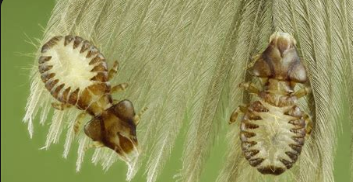
phthiraptera/mallophaga: chewing lice (suborder of psocodea)
chewing lice
feed on feathers, skin detritus, sometimes blood
all orders of birds and mammals are parasitized (except bats and monotremes)
irritation-emaciation in livestock and poultry
do not paracitize people (at least not for long)
head as wide or wider than prothorax
dorsoventrally flattened
filiform or capitate antennae loose from head (3-5 segments)
apterous
legs (1-2 segments)
no cerci
anoplura
sucking lice
feed on flood of host
three sucking stylets withdrawn into head
rostrum with teeth
head is narrower than prothorax
piercing-sucking mouthparts
eyes weak or lacking
antennae 3-5 segments
apterous
legs 1 segment
no cerci
one set of claws
common lice of humans:
body lice
head lice
crab lice
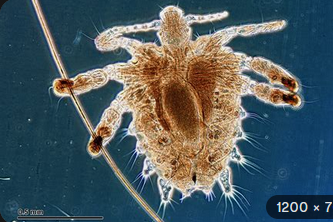
crab lice Pthirus pubis
“papillon de amour”
not just found on groin area → can be found on rest of body (not as common)
possible indication of abuse when found on children
don’t transmit disease
able to live off of host for at least 24 hours in bedding
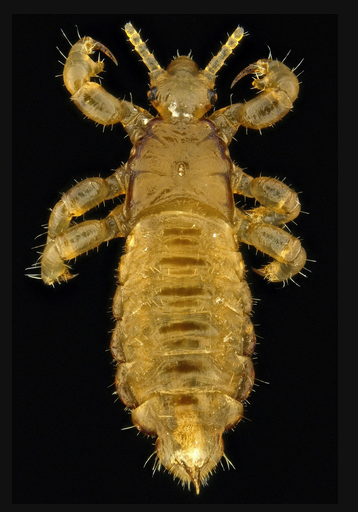
head lice Pediculus humanus capitus
not known to transmit disease but bacterial infection from scratching can occur from any lice infestation
infestation is not related to cleanliness of the person or their environment
head lice are mainly spread by direct contact with the hair of an infested person
greater prevalence among female children
some correlation between homelessness, hygiene, and health as far as contracting them
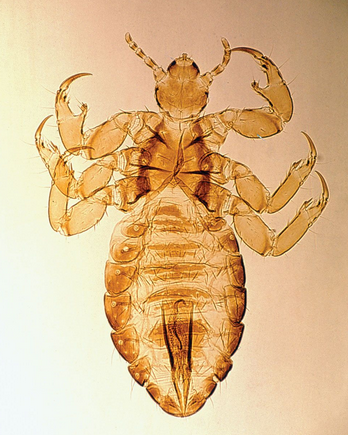
body lice Pediculus humanus humanus
eggs attached to clothing
disease carried:
relapsing fever
epidermic typhus
trench fever
*all bacterial disease: if untreated, can cause death
only transmitted by lice
indications that they may be able to transmit Yersenia pestis
how to control head lice:
1) prevention
head lice are spread by infested people → pets cannot get/spread head lice
children should not share combs, hats, or personal belongings
frequent inspections are a must
search entire head, especially back of head and neck
part hair section by section
remove lice with tweezers or with lice comb
be careful not to spread lice to others while inspecting
2) treatment
non-chemical treatment
1) remove lice & nits
2) place in soapy water or freeze
3) wash all belongings in hot soapy water and dry on high heat
shave childs head; even a short trim can aid in detection and removal
last resort; don’t want to traumatize children
chemical treatment (lice shampoo)
a) wash hair with household shampoo first
b) on completely wet hair, use lice shampoo
c) add warm water and leave product on head for recommended time (usually 10 min)
d) rinse thoroughly with warm water while removing any dead lice/nits
e) retreatment may be necessary in 7-10 days to kill hatching eggs
3) treatment of other items
bag all other items/wash laundry as previously described
4) post treatment inspection
individuals inspected up to 10 days following treatment
*classrooms should not be treated
lice live entire lifecycle on human body → will die within 24 hrs after falling off host
treatment of classrooms with insecticidal sprays is unnecessary and potentially hazardous
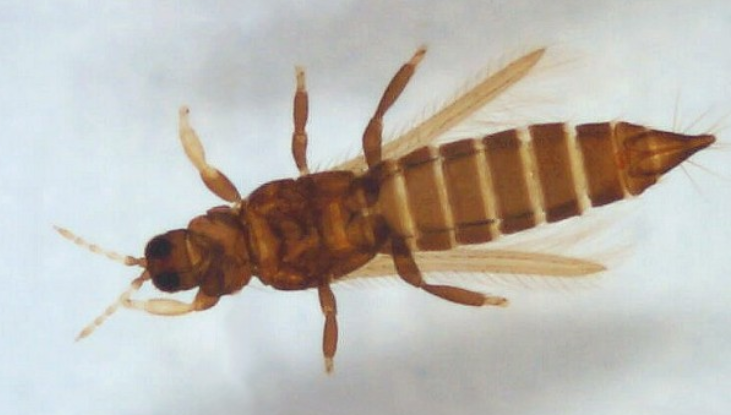
thysanoptera
thrips
characters:
very minute to small (1-3mm)
eggs are laid in plant tissue
½ of species feed on fungi
½ of species are primarily phytophagous
suck out contents of single cells
some plant feeders are damaging → often found in flowers and damage is often mistaken for something else (looks like wrinkled leaves)
problem pest in greenhouses
only insects with assymetrical mouthparts
egg, larval, prepupal, adults
argument for hemimetabolous or holometabolous → consensus is hemi but more like mix → missing link?
feathery wings
subsocial behavior such as parental care; some species are gregarious
*western flower thrips act as vectors of viruses that damage plants (Frankliniella occidentalis)
hemiptera
bugs; leaf hoppers
characters:
minute to large
piercing/sucking mouthparts
degenerate palpi
labial sheath arises from front of head
eyes are well developed
ocelli: 2 or more
4-5 segmented antennae
hemelytra (basal half of wing is sclerotized while the rest of the wing is membranous)
scutellum on mesothorax
-many families w/ nymphs and adults aquatic/semiaquatic
-mostly active swimmers (nektonic)
-neustonic in lentic or slow lotic situations (like some water striders on open ocean)
-voracious predators: piercing/sucking mouthparts; one family feeds on algae (Corixidae)
-control nuisance insects, feed on fish, human & pet food, fish food (corixids)
-breathe atmospheric oxygen at water surface
-triangular scutellum
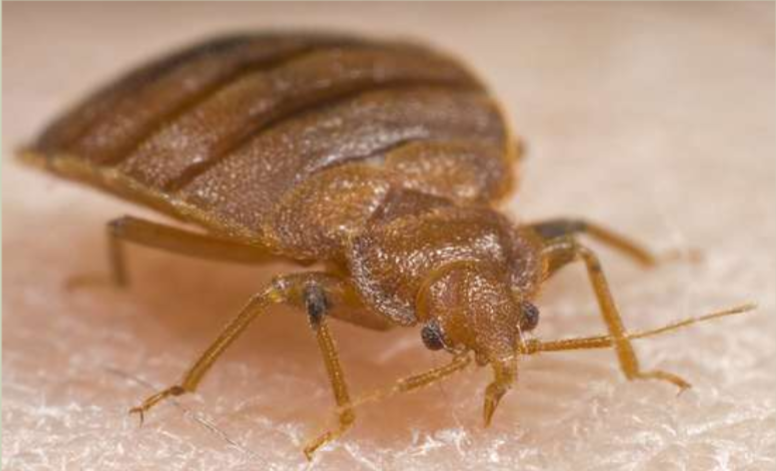
bed bugs; family cimicidae; order hemiptera
signs:
red spots on mattress or box springs
ammonia smell
bites on appendages
prevention:
don’t put suitcase on bed
close suitcase when not in use
look behind headboard
use UV light to examine rugs, drapes, bed, etc
stay at moderately price hotels/motels
don’t pick up used furniture along the road
*can survive 5 months without a blood meal
*reproduce using traumatic insemination
*insect repellents don’t work well - depends on how hungry they are
*reason why new mattresses are wrapped in plastic
***becoming more common due to international travel and resistance to pesticides
homoptera
uniform, winged
characters:
minute to large
piercing sucking mouthparts; degenerate palpi labial sheath positioning
eyes present
ocelli: 2-3
antennae are filiform to setaceous
1-3 segmented tarsi
cerci lacking
exclusively terrestrial
suborders:
auchenorruncha
antennae are short and bristlelike; arise from posterior of head
active
cicadas, leaf hoppers, spittle bugs, spotted lantern fly
sternorryncha
proboscis arises from between front coxa
antennae are long and filiform
sedentery
aphids, whiteflies, scale insects
neuroptera
lace wings, ant lions
“nerve winged”
holometabolous - endopterygotes
egg → larva → pupa → adult
can live in totally different habitats; broader selection pressure
characters:
simple biting mouthparts
long, multisegmented antennae
large compound eyes; no ocelli
hindwing is approximately = to forewing, many veins + cells
5mm-120mm
no or poor wing coupling; crude flyers
predaceous
larvae:
distinctive larval sucking mouthparts
pupation in silken cocoon
predaceous
campodeiform
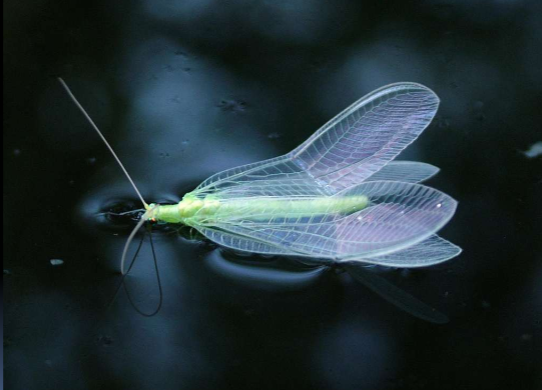
lace wings; family chrysopidae; order neuroptera
wings are similar shape
larvae have mandibulate sucking mouthparts
hindwing non folding anal region
larvae are terrestrial
eggs on stalks
larvae predatory, some with debris on backs
adults predatory or feeding on pollen (or rarely honeydew)
*green lacewings are beneficial
megaloptera
neuroptera
dobsonflies, alderflies, fishflies
most primitive endopterygote
aquatic larvae with prognathous mouthparts (predaceous)
decticious pupa
hindwing is broader than forewing
thorax is 3 subequal segments
metathoracic wings are pleated anal region folded over at rest
rhaphidioptera
neuroptera
snakeflies and mantidflies
elongate prothorax legs attached to end of prothorax
terrestrial larvae
adults have strong mandibles, maxillae, and labium
large compound eyes
wings are similar; forewing has pterstigma
long ovipositor
strikes prey in snakelike fashion because of shape of headcapsule and prothorax
woodlands larvae under loose bark, leaf litter
2 yr lifecycle
only US species is found in the west
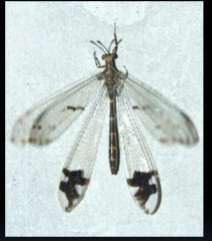
myrmeleontidae; order neuroptera
antlions
damselfly-like with long, clubbed antennae
feeble flying, attracted to lights
wings often spotted
larvae are doodlebugs; long, sicklelike mandibles, fast forward and back; some surface feed, others lay in wait or in pittfalls
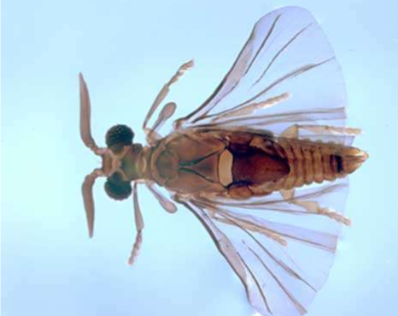
strepsiptera
twisted wing parasites
paracitize 7 other orders of insects
females are larviform
young are produced in the body of the female
larvae exit onto flowers to wait for a host, then enzymatically soften the host cuticle
females release pheromones to attract the males and males mate via brood canal; males live 5 hours and have vestigial mouthparts
most are observed in paper wasps
coleoptera
“leather winged” (elytra)
beetles
most diverse animals on earth; occupy every conceivable habitat, including water (largest order, 25% of all described animal species)
cam be beneficial or pests
characters:
endopterygote; holometabolous
minute to large; highly sclerotized
larvae can be campodeiform, eruciform (caterpillar), scarabeiform, vermiform
pupae exarate; appendages are not glued to the body
prognathous and hypognathous mouthparts
compound eyes; ocelli lacking; some larvae have lateral ocelli
legs can be cursorial, natatorial, saltitorial, or fossorial
wings: forewing highly sclerotized, hindwing membranous
pronotum single conspicuous sclerite
-400,000+ species
-mostly terrestrial herbivores, some predatory, some parasitic
-seed predation, leaf miners, leaf borers, stem borers, subcortical, leaf litter, fungivores, dung, carrion
-rare nectar feeders
aquatics:
larvae and/or adults of many groups are aquatic
many must surface to breathe as larvae and adults; some pierce plants for air; some have plastrons = array of hairs or bumps used to trap air next to the body of some aquatic insects where it forms a gill; many larvae have gills
many lentic, lotic, or both
many trophic roles (predators, algae feeders, omnivores, herbivores on vascular plants)
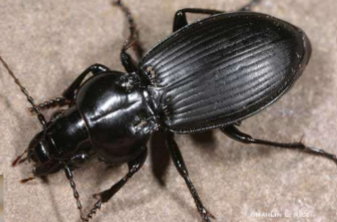
carabidae (family); suborder adephaga; order coleoptera
ground beetle
more than 2000 species in N. America
many shiny, rapid moving; more likely to run than take flight
abundant predators on ground, under stones and logs, in litter, etc
a few are plant or seed feeding
the first visible abdominal segment is interrupted by the hind coxae
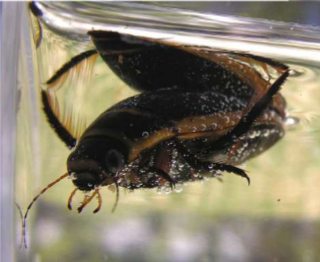
dystiscidae (family); suborder adephaga; order coleoptera
predaceous diving beetle
475 species in Mexico
common in ponds and streams
smooth, oval, with flattened hind legs fringed with long hairs
obtain air at surface of water, where they hang upside down
long antennae, short palps, hind legs move synchronously
polyphaga
suborder of coleoptera
most beetles
vary greatly
includes:
hydrophilidae (water scavenger beetles), staphylinidae (rove beetles), silphidae (burying beetles/carrion beetles), lucanidae (stag beetles), scarabaeidae (June beetles, Japanese beetles, grubs - scarabs), elateridae (click beetles), psephenidae (water penny), lampyridae (lightning bugs), chrysomelidae (leaf beetles), coccinellidae (lady bugs), curculionidae (weevils), scolytidae (bark beetles), buprestidae (woodboring beetles - emerald ash borer killed all the ash trees), cerambycidae (long horned beetle), ptinidae (spider beetle)
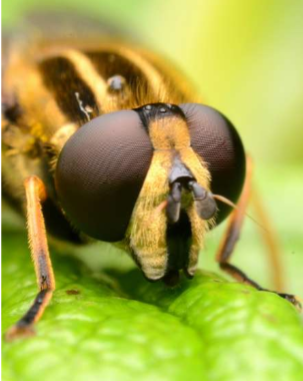
diptera “two winged”
flies
characters:
minute to large
adopous larvae; pupa obtect, exarate, or coarctate
mouthparts are haustellate (sucking and sponging)
compound eyes & 3 ocelli
antennae can be filiform, stylate, or aristate
1 pair of metathoracic halteres (wings)
5 segmented tarsi
cerci present
aquatic diptera:
lentic and lotic; many tightly attach to substrate (lotic) or actively mobile among detritus (lentic, lotic), some planktonic in lakes
scrapers, collectors, shredders, predators, plant minors, parasitoids
deep lakes, high salinity, thermal waters, marine; many in enriched water with depleted oxygen
very important plant and insect food, many economically or medically important groups
tracheal gills, surface breathers, cuticular breathers, etc
-mosquitos, botflies, black flies
hymenoptera
bees, wasps, ants, etc
“membrane winged”
characters:
chewing to lapping/sucking mouthparts
vast majority are beneficial to humans
very few “aquatic” species
essentially all “aquatic” species are parasitoids of aquatic larvae or the eggs of aquatic insects
eruciform larva, exarate (antennae, legs, and wings free) pupa
immatures are eruciform or apodous (grubs with reduced mouthparts)
pupa adecticious, exarate, maybe enclosed in a silkem cocoon (silk from labial glands)
*ants are the most numerous insects; probably more ants than anything else
lepidoptera
butterflies and moths
“scale wings”
frenatae and jugatae wing coupling mechanism
characters:
body covered with scales and modified hairs
eruciform larvae; obtect pupa
adults have coiled mouthparts, larvae have chewing mouthparts
large compound eyes; 0-2 ocelli
wings are large in proportion to body; forewings are larger than hindwings; few crossveins
adults 5 tarsi; larvae 3 pairs of true legs
-a few larvae are truly aquatic
-larvae associated with aquatic and semiaquatic vegetation
-shredders, herbivores, on aquatic vascular plants or scrape algae from rocks
-some used fixed air stores (plants) or tracheal gills
butterflies:
diurnal (during the day)
hold wings straight up at rest
small club on antennae
mimetic
enlarged humeral area of the hindwing that is widely overlapped by the forewing so the wings overlap and operate in phase
moths:
nocturnal
hold wings flat at rest
pinnate or moniliform antennae
microlepidoptera
small moths with a wingspan <20mm
not a true taxon'
many pests are classified within this group
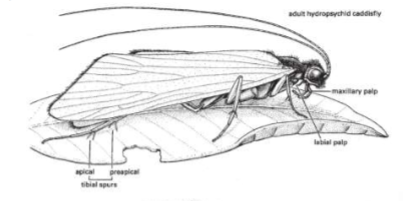
trichoptera
have aquatic larvae
make tube cases
some are terrestrial
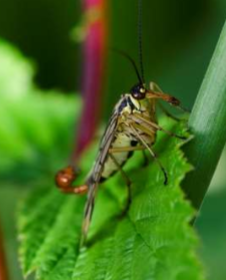
mecoptera
scorpion flies
dietary habits vary; some are scavengers, some are predaceous
males have modified genitalia on abdomen
thought to be primitive but are closely related to fleas
harmless
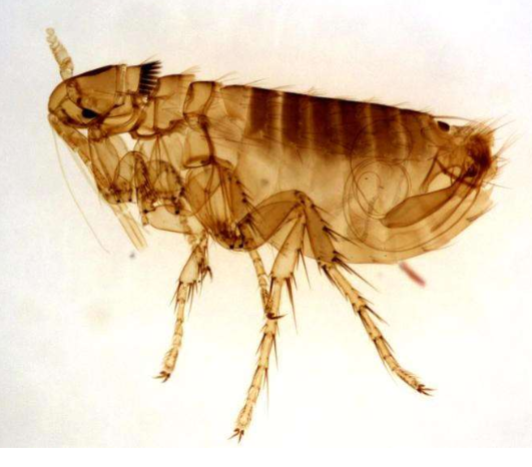
siphonaptera
fleas
adults are laterally compressed
ectoparasites of birds and primarily mammals
some hosts have over 20 different species of flea
oriental rat flea is the vector of bubonic plague
there is a species of human flea although it is rare
16 species in north america
locomotory behavior in adults
walking
running
jumping
important means of escape
way to reach hosts
jump using modification of flight mechanism from winged ancestors

