Nucelic Acids and General Macromolecules
 Call Kai
 Learn
Learn Practice Test
 Spaced Repetition
 Match
Match Flashcards
 Knowt Play
1/37

Earn XP
Description and Tags
Chapter 3
Name | Mastery | Learn | Test | Matching | Spaced | Call with Kai |
|---|
No analytics yet
Send a link to your students to track their progress
38 Terms
Majority of the cell’s dry mass is ________________
Majority of the cell’s dry mass is made up of macromolecules
enzymes to breakdown carbs
amylase
sucrase
lactase
maltase
enzymes to break down proteins
protease (such as pepsin and peptidase)
hydrochloric acid
enzyme that breaks down lipids
lipases
DNA is found
It is in the nucleus of eukaryotes and in the organelles, chloroplasts, and mitochondria.
In prokaryotes, the DNA is not enclosed in a membranous envelope.
DNA forms a complex with histone proteins to form _______________
chromatin, the substance of eukaryotic chromosomes
DNA function
DNA controls all of the cellular activities by turning the genes “on” or “off.”
protein synthesis involves
RNA
DNA molecules never ________________
The DNA molecules never leave the nucleus but instead use an intermediary to communicate with the rest of the cell (mRNA).
DNA and RNA are comprised of _______________________
DNA and RNA are composed of monomers that scientists call nucleotides
The nucleotides combine with each other to form a __________
The nucleotides combine with each other to form a polynucleotide, DNA or RNA
A nucleotides are composed of
nitrogenous base
a pentose (five-carbon) sugar
a phosphate group
Each nitrogenous base in a nucleotide is attached to a _________, which is attached to ___________________.
Each nitrogenous base in a nucleotide is attached to a sugar molecule, which is attached to one or more phosphate groups.
Anabolism
builds complex molecules from simpler ones, requiring energy (ATP) for growth, repair, and muscle building
Catabolism
breaks down complex molecules into simpler ones, releasing energy (ATP) to fuel cellular processes and exercise
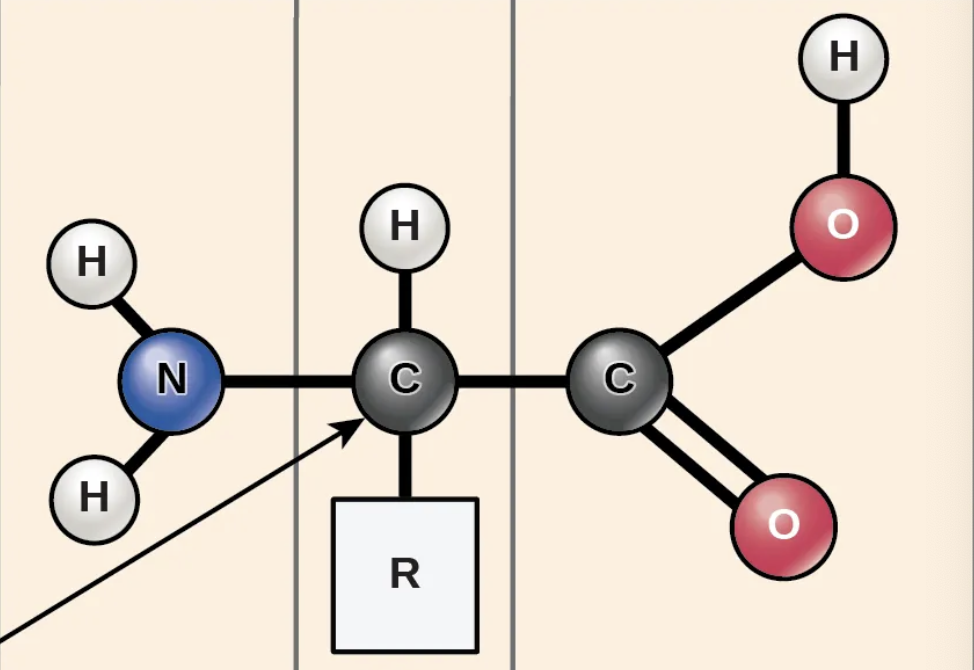
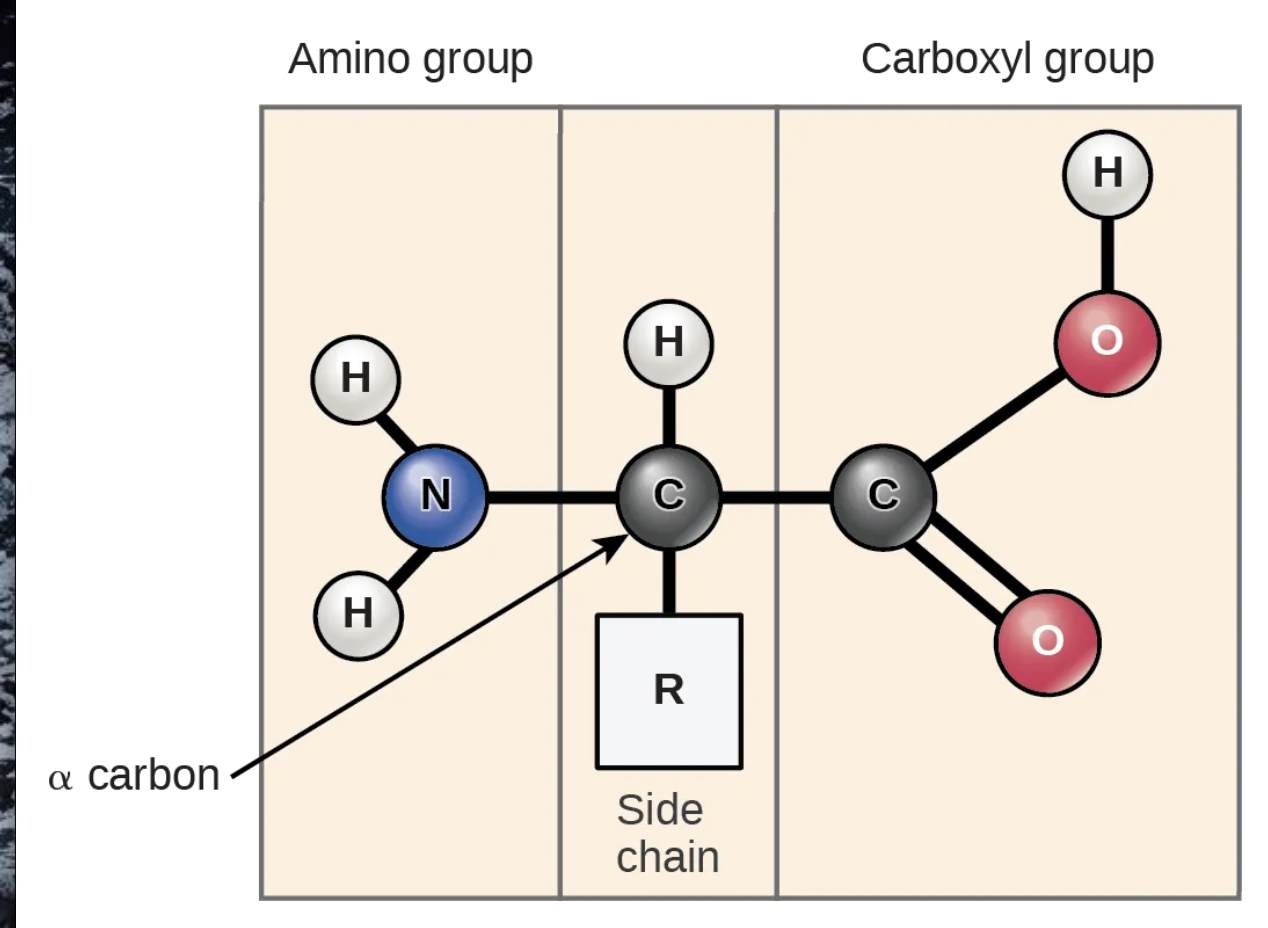
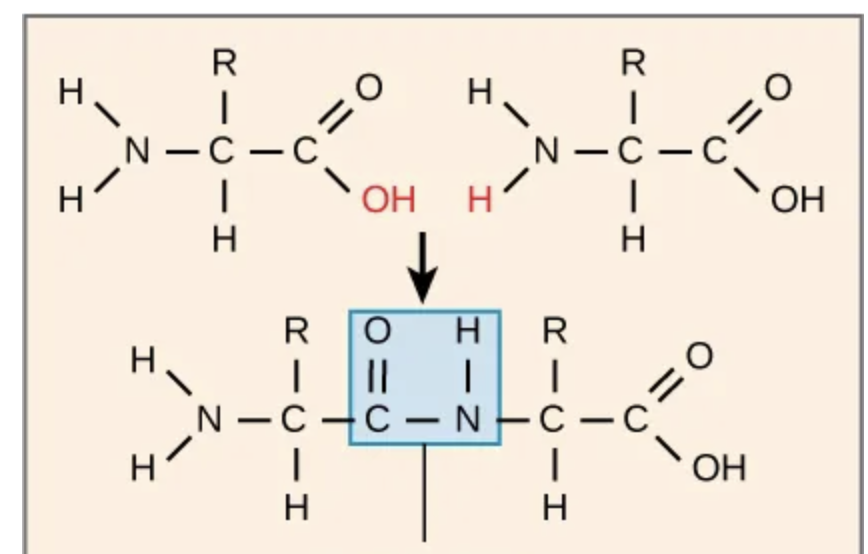
peptide bond
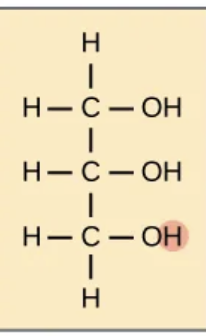
glycerol

fatty acids
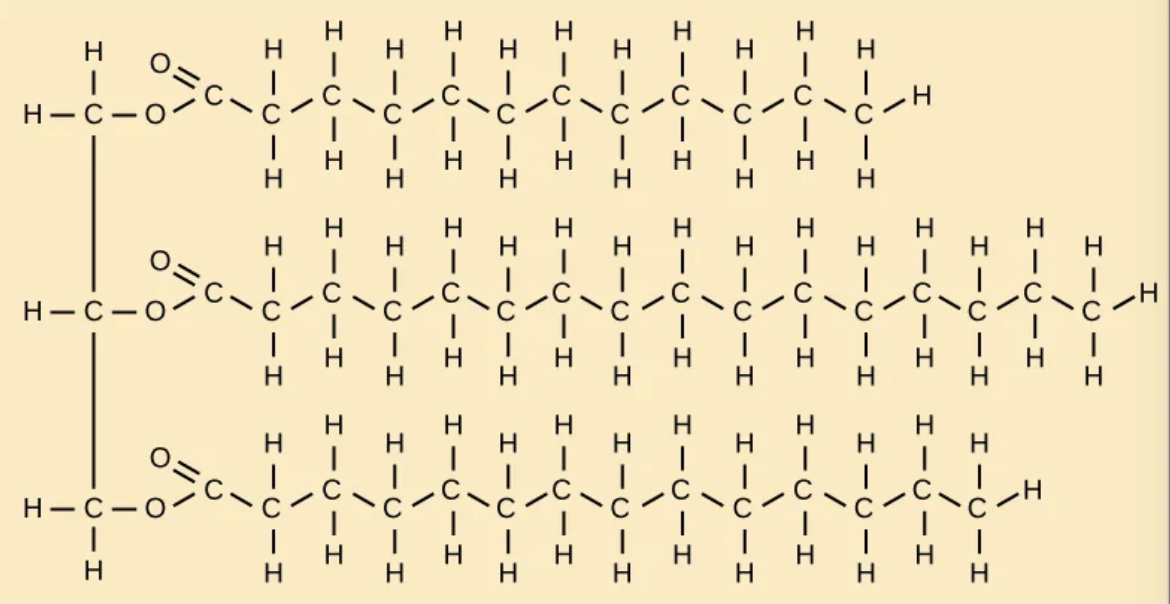
triacylgycerol

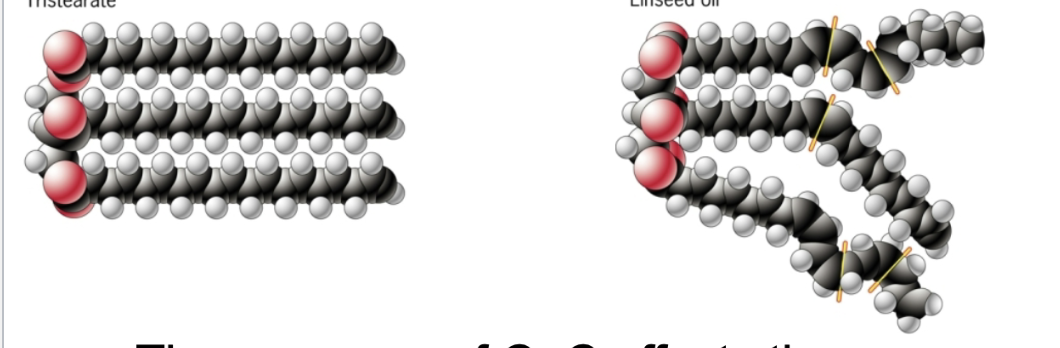
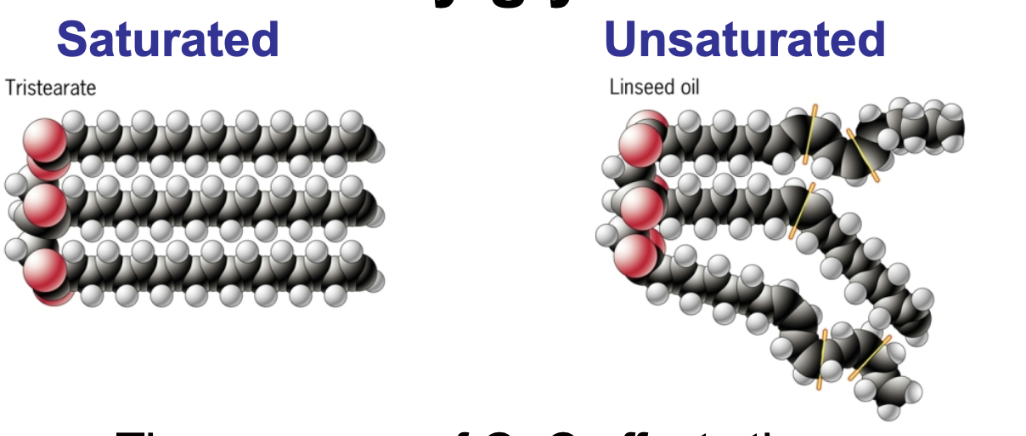
saturated fatty acid

unsaturated fatty acid
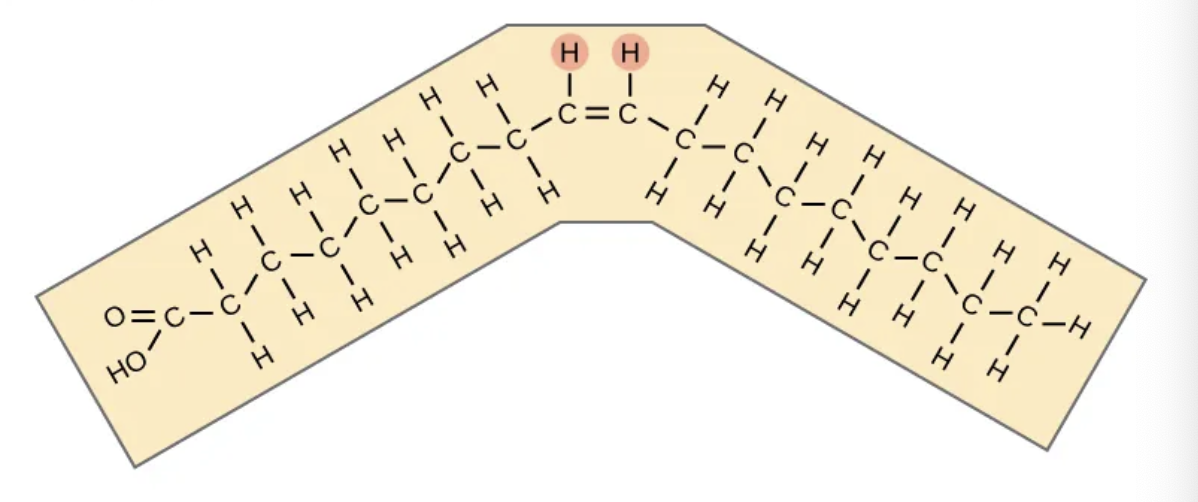
cis oleic acid

trans oleic acid
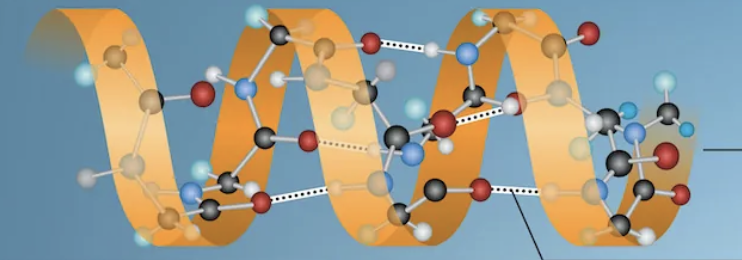
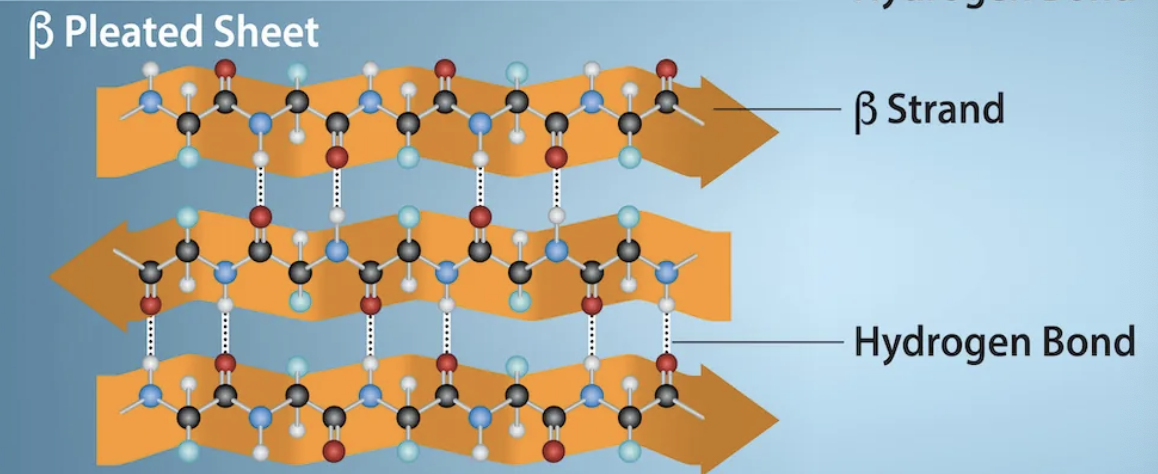
secondary structure
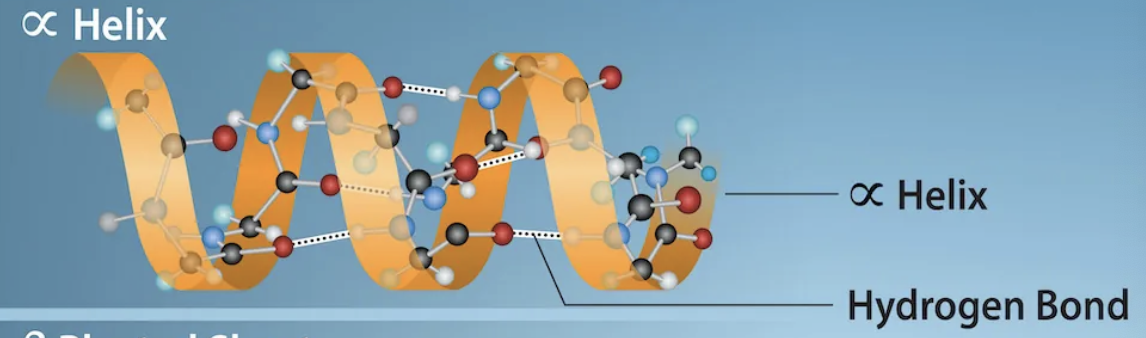
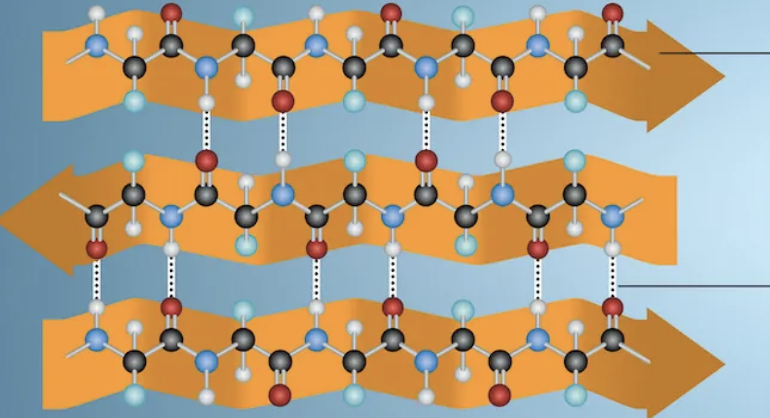
secondary structure
monomer of nucleic acid
nucleotide
types of nitrogenous bases
purines
adenine
guanine
pyrimidines
cytosine
thymine
uracil
purines
adenine and guanine
found in both RNA and DNA
Fused 6 sided and 5 sided rings
pryimidines
6-sided rings
Cytosine in DNA and RNA
Thymine in DNA only
Uracil in RNA only
two types of pentose sugar
Ribose (RNA)
Deoxyribose (DNA)
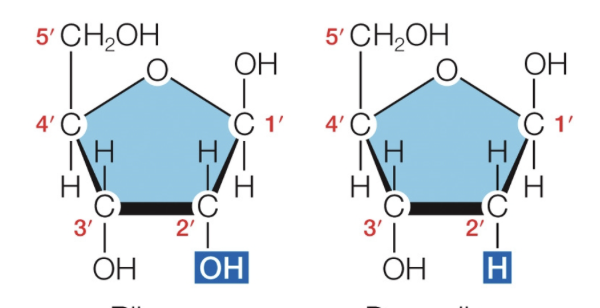
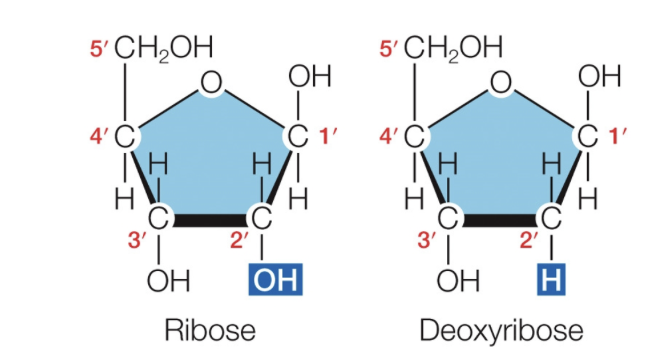
nucelotides are joined together through a
phosphodiester bond
nucleic acid polymer
asymetric (one side has a phosphate group one has an OH group)
DNA vs RNA
DNA
double stranded
deoxyribose pentose sugar
thymine in DNA
RNA
single stranded
ribose pentose sugar
uracil in RNA
bases are held together with
h bonding

