7.0 Cholelithiasis/ gallstones
 Studied by 0 people
 Call Kai
 Learn
Learn Practice Test
 Spaced Repetition
 Match
Match Flashcards
 Knowt Play
1/24

There's no tags or description
Looks like no tags are added yet.
Name | Mastery | Learn | Test | Matching | Spaced | Call with Kai |
|---|
No analytics yet
Send a link to your students to track their progress
25 Terms
cholelithiasis
the formation of gallstones in the gallbladder or biliary ducts
the gallbladder
a small pear shaped organ located beneath the liver which stores bile and digestive fluid produced by the liver which helps the digestion of fats
gall stones
solid participles that form from the components of bile, most commonly cholesterol or bilirubin
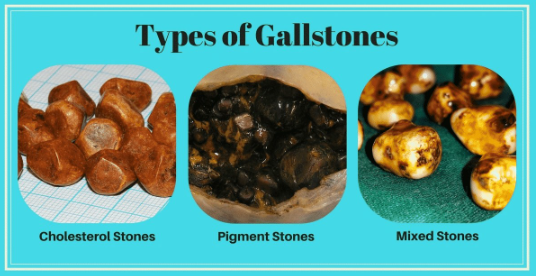
gallstones can vary in size from a grain of sand to the size of a large golf ball
some individuals with gallstones may never experience symptoms while others may suffer from significant discomfort, pain and complications
types of gallstones
cholesterol gallstones
pigment gallstones
cholesterol gallstones, most common type 80%
form when there’s too much cholesterol in the bile leading to the precipitation of solid cholesterol crystals that eventually grow into stones
pigment gallstones
form from excess bilirubin in the bile, associated with conditions that cause the breakdown of red blood cells leading to increased bilirubin levels
risk factors for gallstones
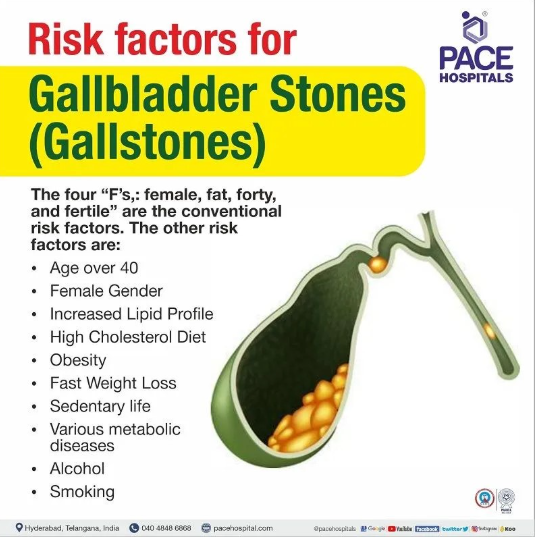
age + gender
obesity
rapid weight loss
pregnancy
family history/genetics
medical conditions
medications
age + gender
most common in women over 40, especially during reproductive years due to the influence of oestrogen which increases cholesterol saturation in bile
obesity
increases cholesterol production which raises risk
rapid weight loss
particularly from crash diets or bariatric surgery, can cause an imbalance in bile composition increasing likelihood
pregnancy
associated with high oestrogen levels which increases cholesterol levels in bile.
progesterone, another pregnancy hormone,
slows gall bladder motility leading to stasis of bile
family history and genetics
play a role in gallstone formation, family history increases likelihood
medical conditions
diabetes
liver cirrhosis
haemolytic anaemia
crohn’s disease- impar bile salt recycling increasing risk of pigment stones
haemolytic anaemia
premature destruction of red blood cells before their typical lifespan of 120 days.
bone marrow unable to sufficiently compensate for the loss of red blood cells
leading to a fall in RBC count and haemoglobin concentrations
medications
oral contraceptives/hormones replacement therapy increase risk due to influence on bile composition
gallstone symptoms
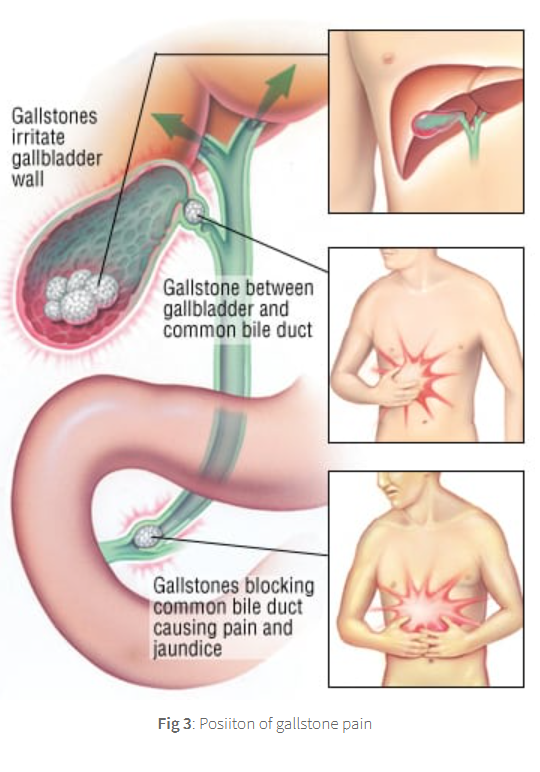
typically asymptomatic however there are symptoms that occur from obstruction of the bile ducts
symptoms
biliary colic
nausea + vomiting
jaundice
dark urine + pale stool
biliary colic, most common symptom of gallstones
characterised by a sudden intense pain in the upper right/center of the abdomen just before the breastbone
the pain may radiate to the right shoulder or the back and typically occurs after eating a fatty meal
the pain lasts from minutes-hours then subsides as the stone passes or moves
nausea + vomiting
acompanies biliary colic, related to the disruption of normal bile flow and digestion
jaundice
may occur if a gallstone blocks the common bile ducts, bile becomes backed up into the liver
dark urine + pale stool
occurs if the bile pigments cannot reach the intestines due to duct blockage
 Note
Note  Flashcards (31)