Landscape Painting in Song China
 Studied by 0 people
 Call Kai
 Learn
Learn Practice Test
 Spaced Repetition
 Match
Match Flashcards
 Knowt Play
1/19

There's no tags or description
Looks like no tags are added yet.
Name | Mastery | Learn | Test | Matching | Spaced |
|---|
No study sessions yet.
20 Terms
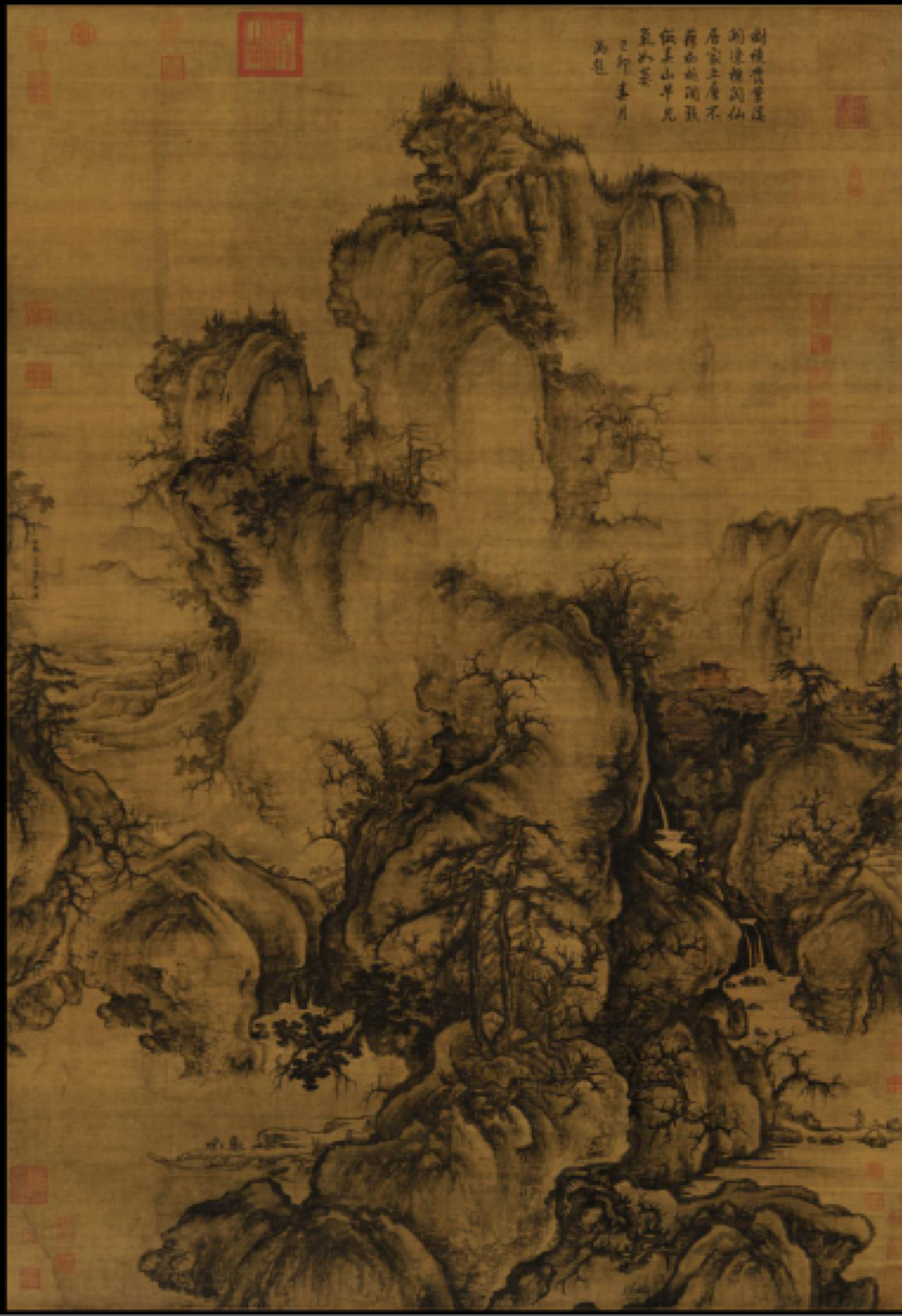
Guo Xi (ca. 1020-1090),
Early Spring, Northern Song, ink and light color on silk, hanging scroll, 1072
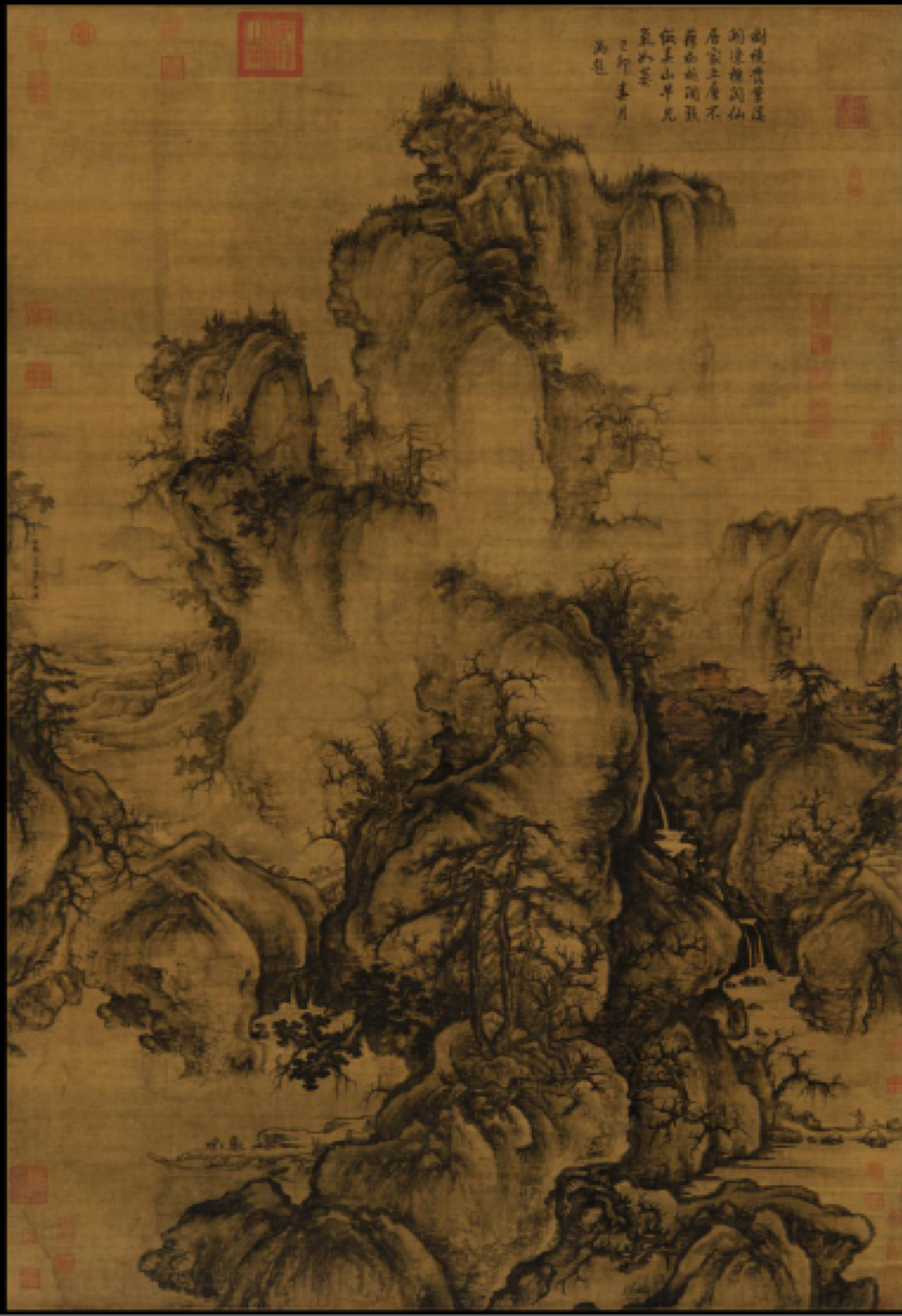
describe the context of Guo Xi and significance
failed to pass the imperial service exams, from a wealthy family, became art critic and left behind diaries
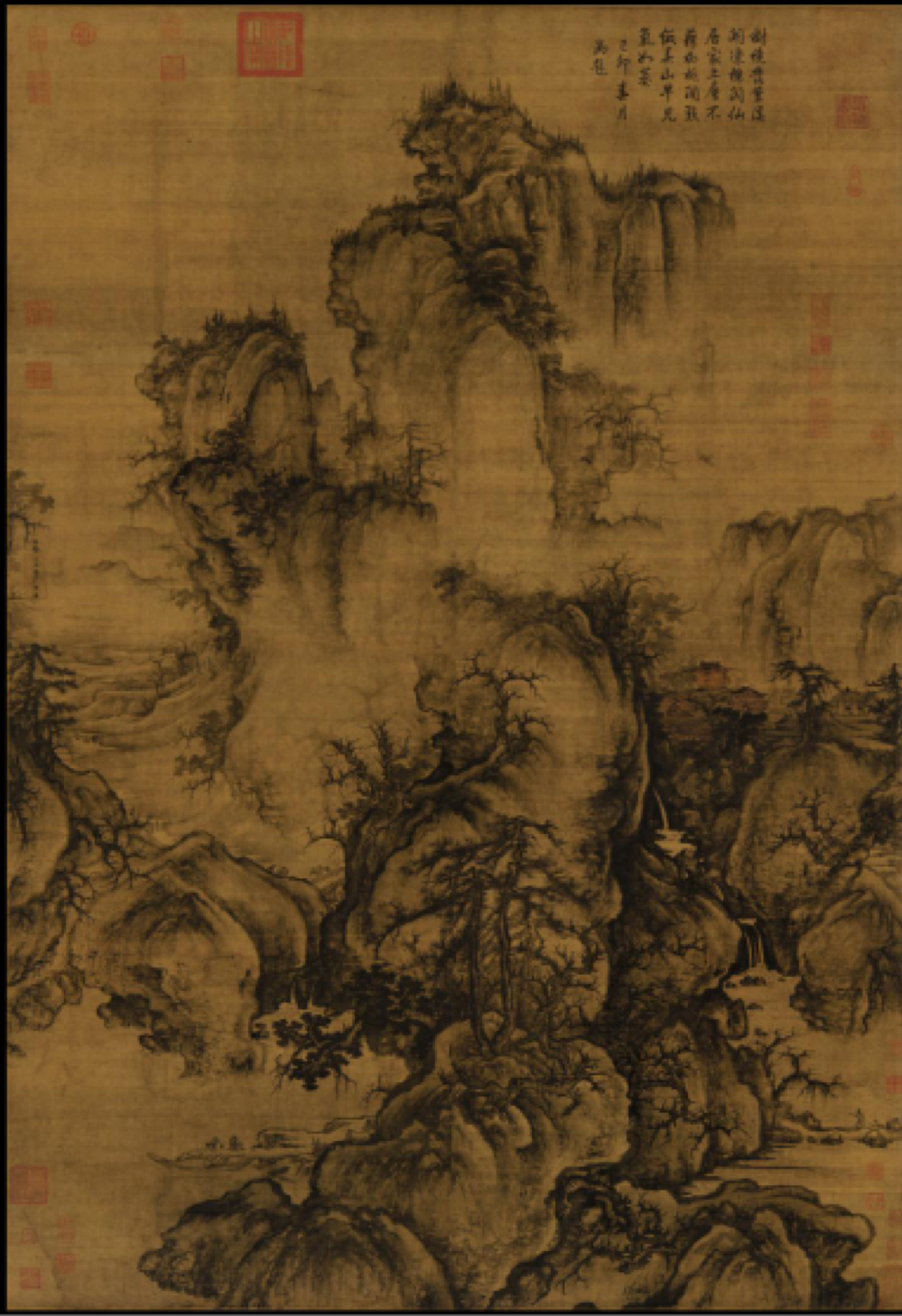
who is the viewer of Early Spring supposed to be and its purpose and significance
other scholars, shows the emotional state of scholar, an escape, painting viewed during gatherings of scholars, used for personal expression, commentary on the role of scholar who is dwarfed by the government and burdened by doing government tasks
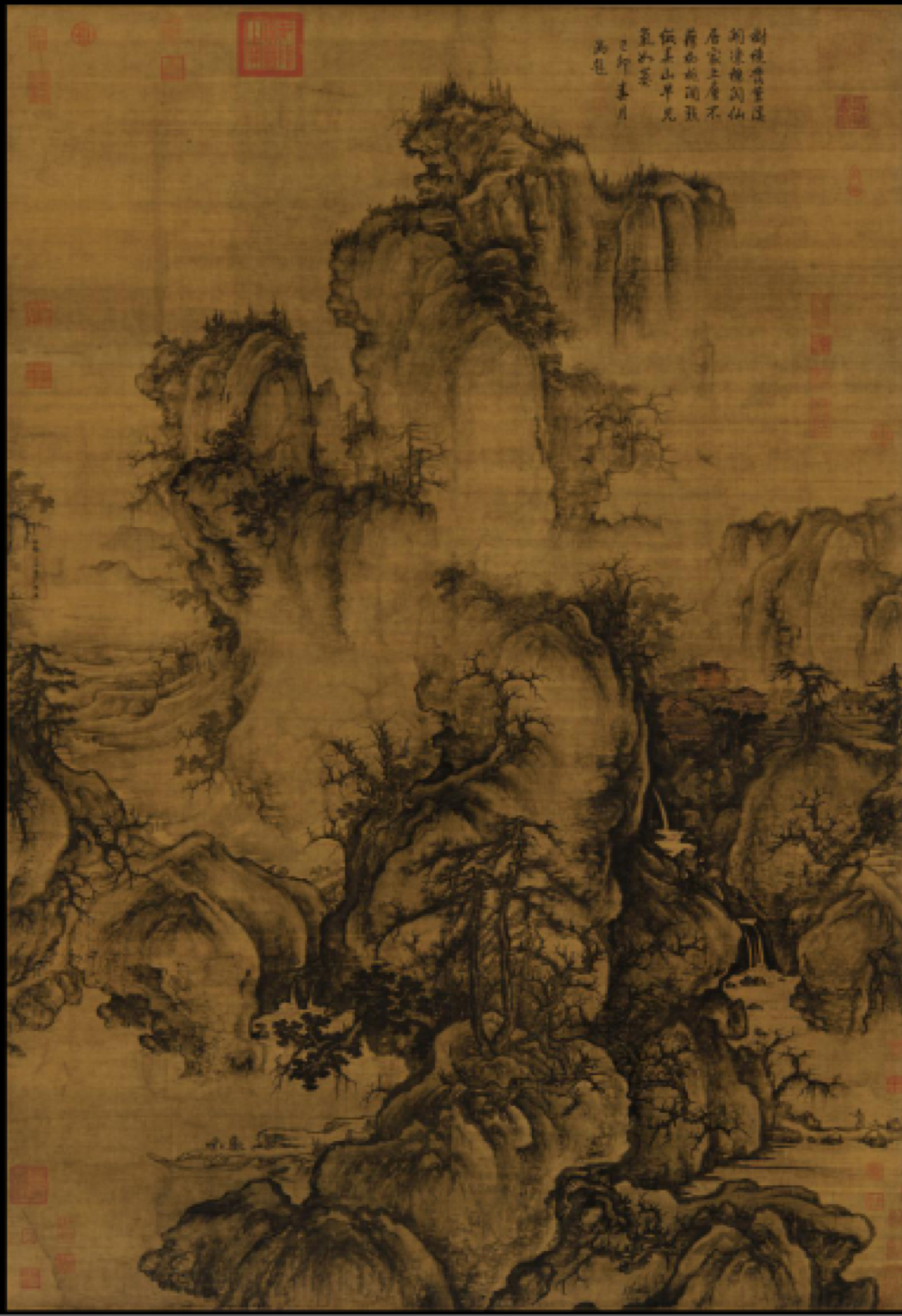
describe the perspective of Early Spring and its significance
rejected scientific observation, human eye displaced by human mind, paint not what they see but what they know and imagine= floating perspective: angle of totality
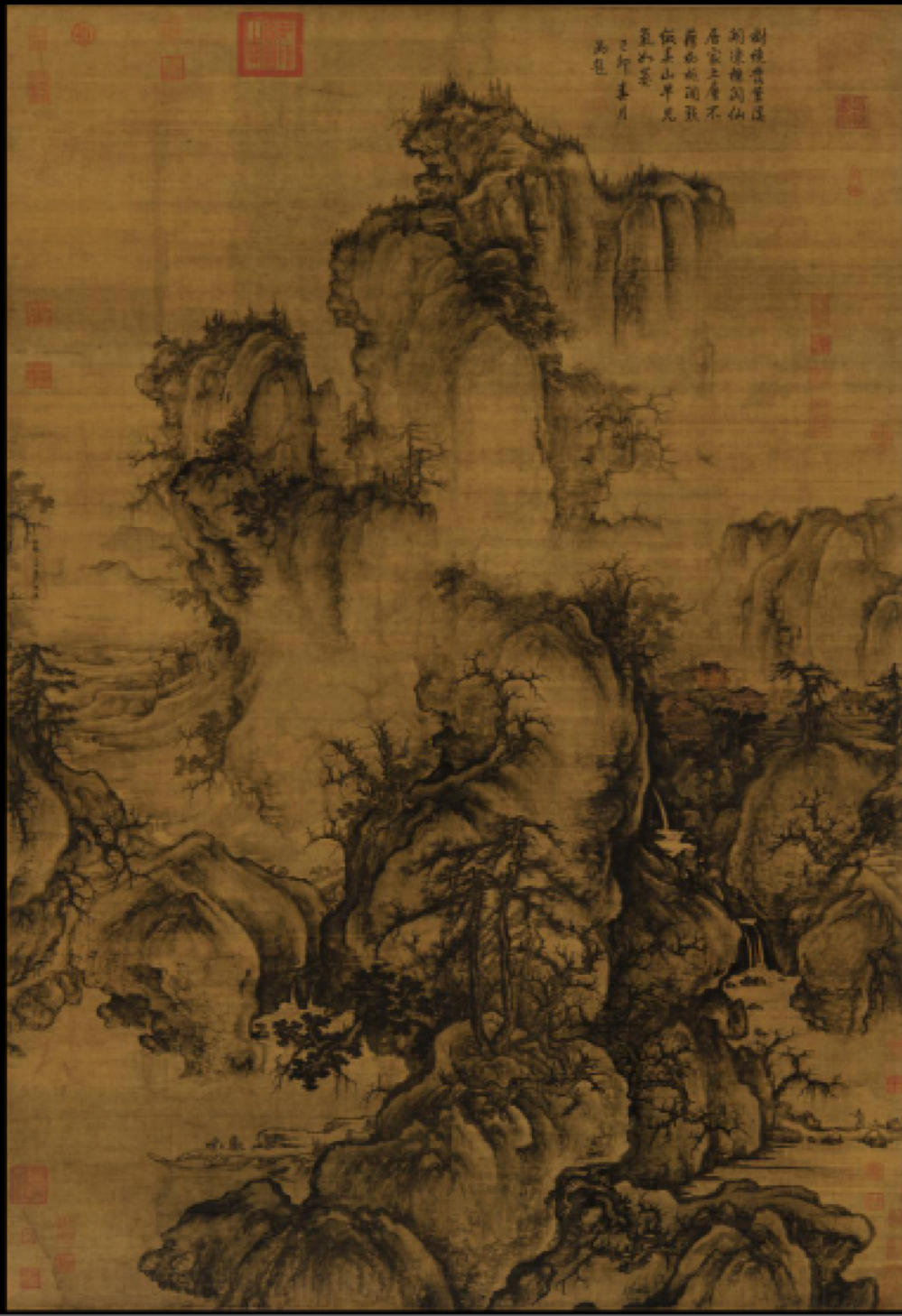
describe the composition and technique of Early Spring and its significance
tri-partide composition: defined crisp strokes in foreground, hazy water in the middle, dissipating mountains in the back, use brushstrokes: demand that art not rely on color because that means a lack of imagination, cropping: image what lies beyond
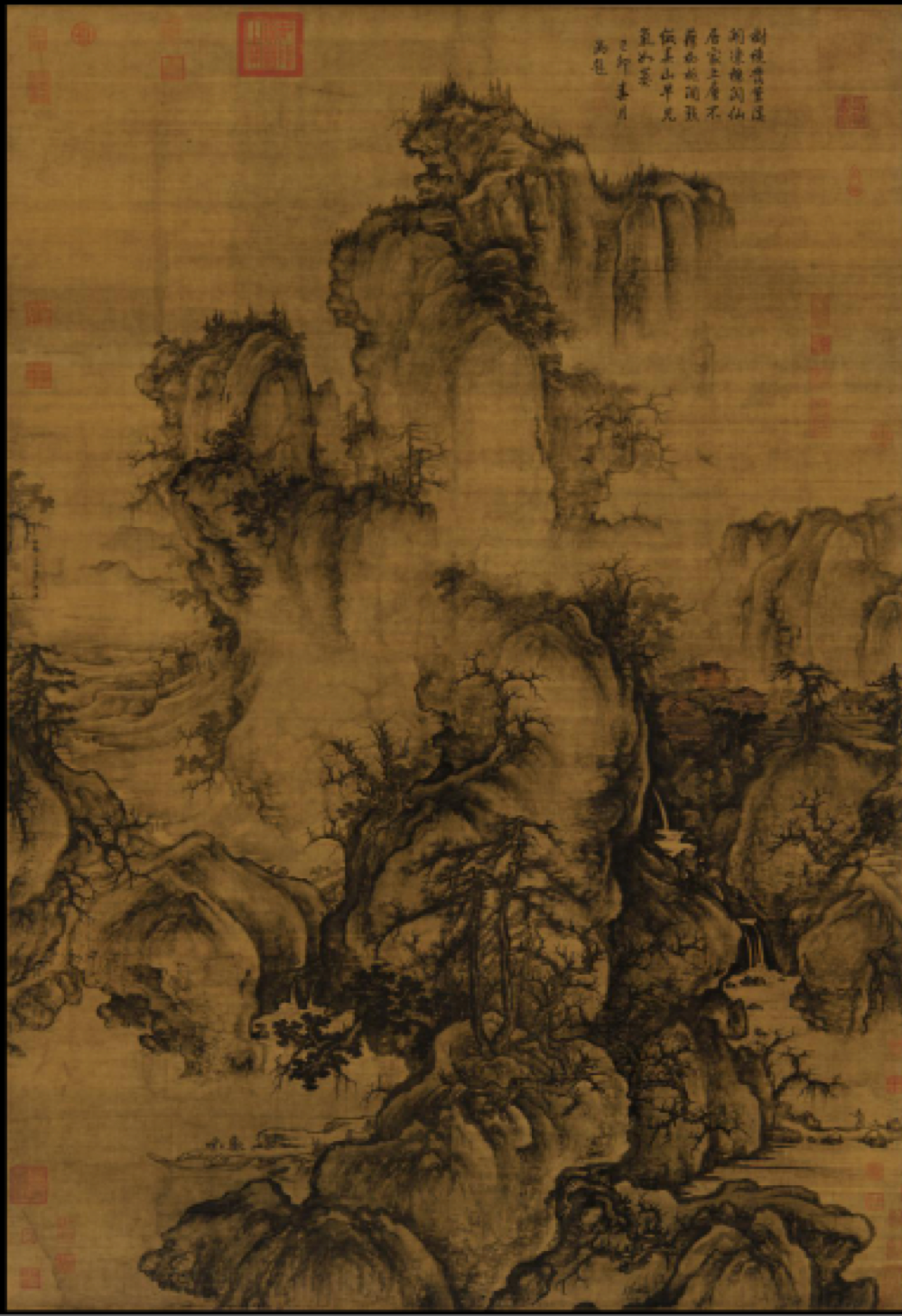
describe the depiction and images of Early Spring and its significance
celebrates advent of spring:set a challenge for himself of how to depict changes without color and only brushwork. Human figures never centered in the landscape: small figures, no individuality, not aware of each other, concealed/dwarfed by nature. Represents Neo-Confucian ideas about the relationship between nature and human: humans don’t matter in the grand scheme
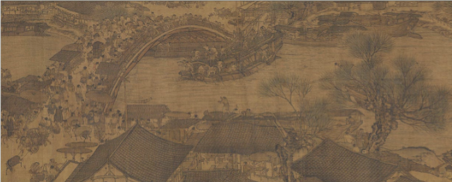
Zhang Zeduan (ca. 1085-1145),
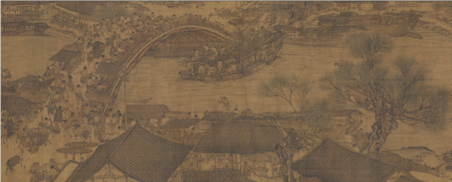
Along the River during the Qingming Festival (Qingming shanhe tu), ink and color on silk, handscroll, 11th century
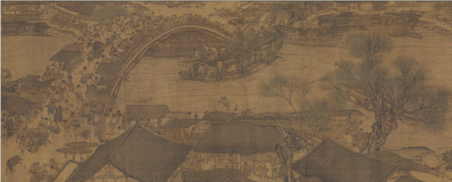
what does the Along the River depict and its significance
a panoramic painting showing urban life, rise of cities, and bustling economy. No longer celebration of confucian scholar: celebrate working class and urban life and its energetic nature with tea shops and restaurants. painter not working for court. festival became idiom: used to be about tomb sweeping which was confucian=can celebrate urban life while still being a good confucian
describe the Along the River and its significance
people look away, no individualism except for clothing and structures: emphasis on collective and enhance collective agenda. Read left to right: start with nature always: makes environment possible, goes to grand structure, center of painting-bridge, emphasis on water and boast because no silk roads=grand canal to export and import, emphasis on movement. Shows building a new China
Emperor Huizong (attributed) (1082-1135)
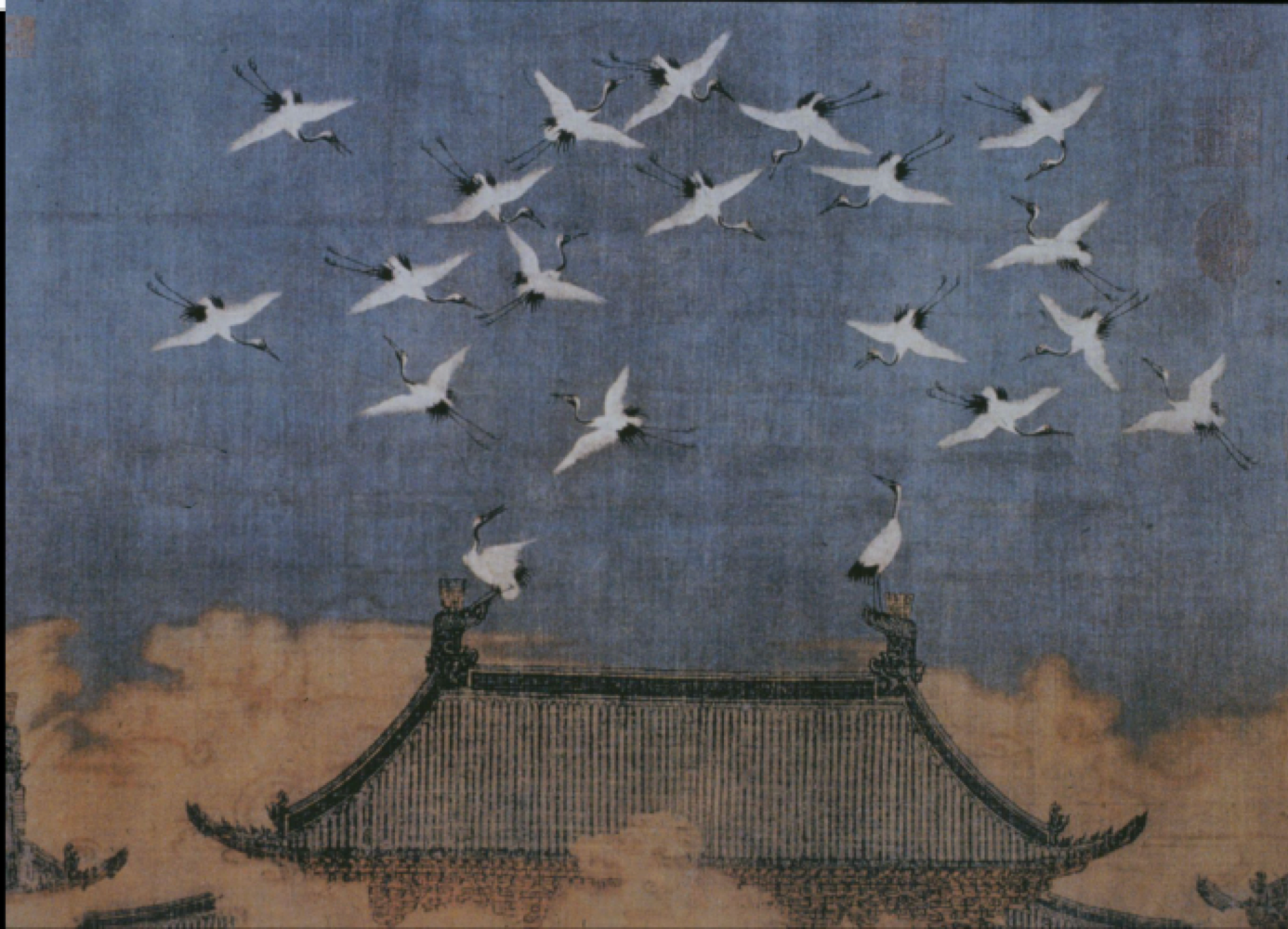
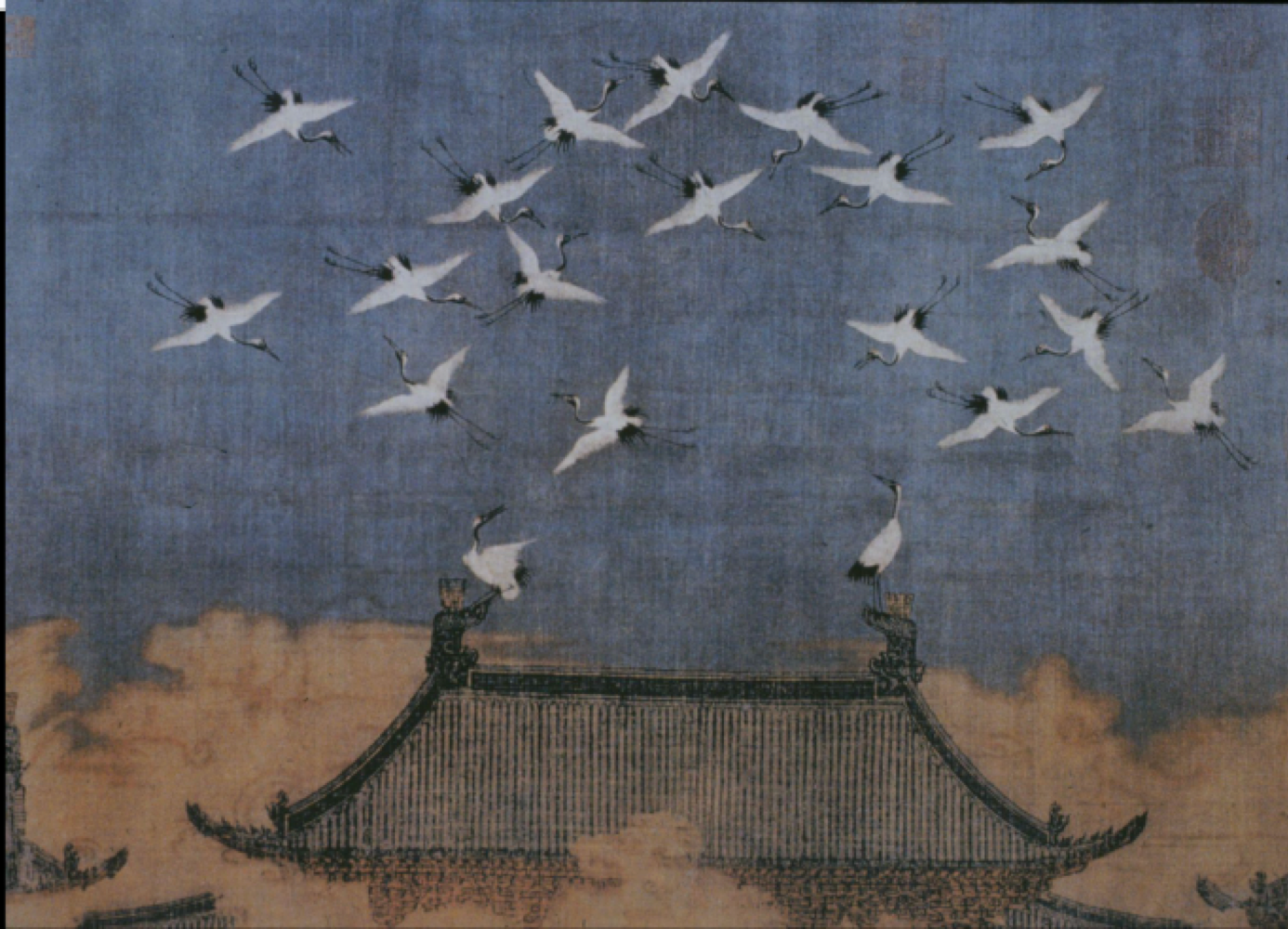
Cranes above Kaifeng, ink and color on silk, handscroll, Northern Song,
Describe the context of Cranes above Kaifeng and its significance
Political propaganda for one of the most incompetent emperors. He didn’t care about the economy and military so China was attacked and moved further South=Southern Song dynasty(more modest). He thought he was artistically talented, dictator when overseeing painting academy. Wanted shift from grand to more decorative art that celebrates color
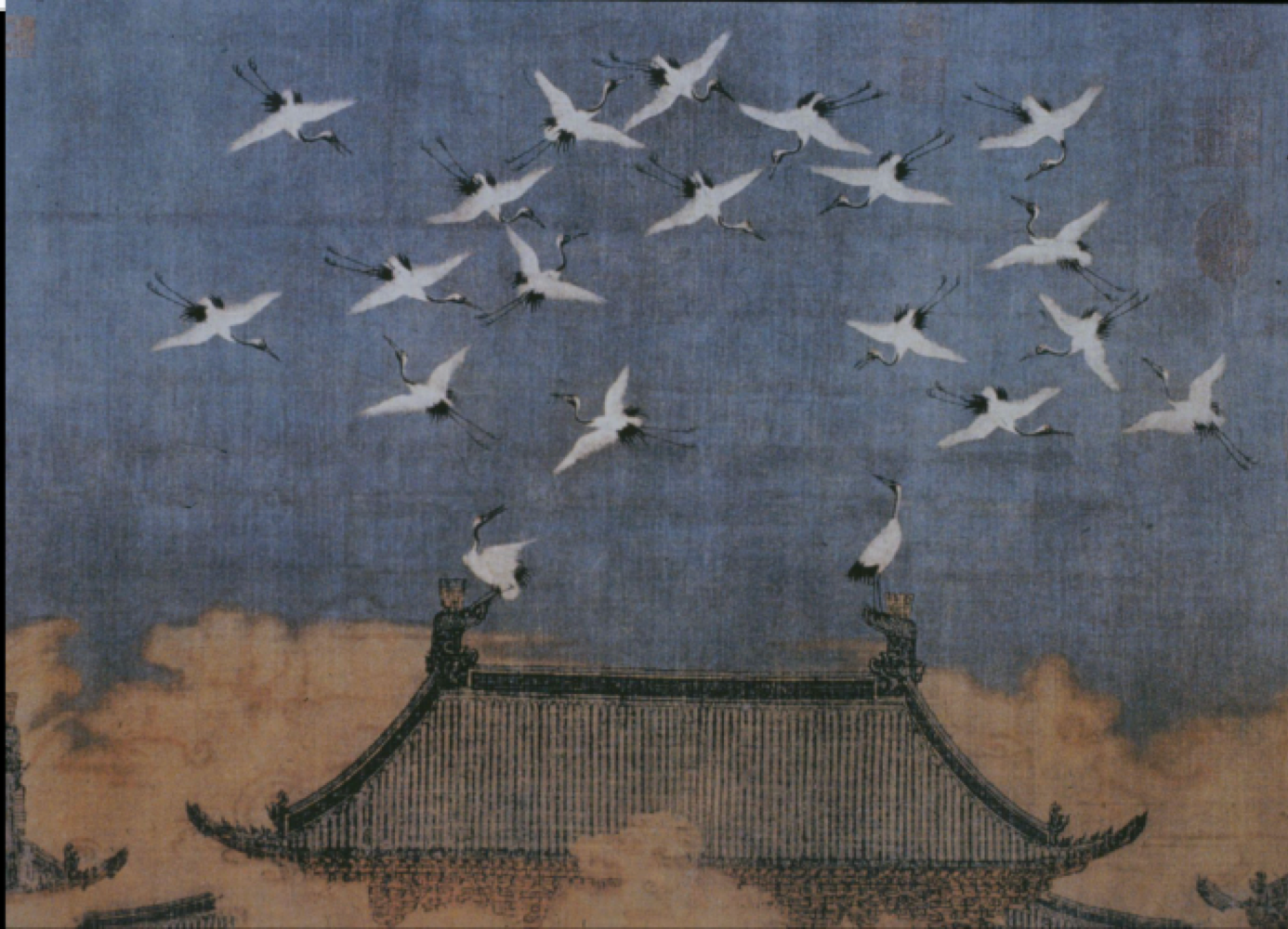
Describe the Cranes above Kaifeng and its significance
Political propaganda: Song dynasty palace, cranes symbolize longevity and immortality showing “I will last” advance political agenda during potential coup. Solid color, otherworldly quality:palace covered by clouds, separated from working class concerns=visual distance putting himself on a pedestal
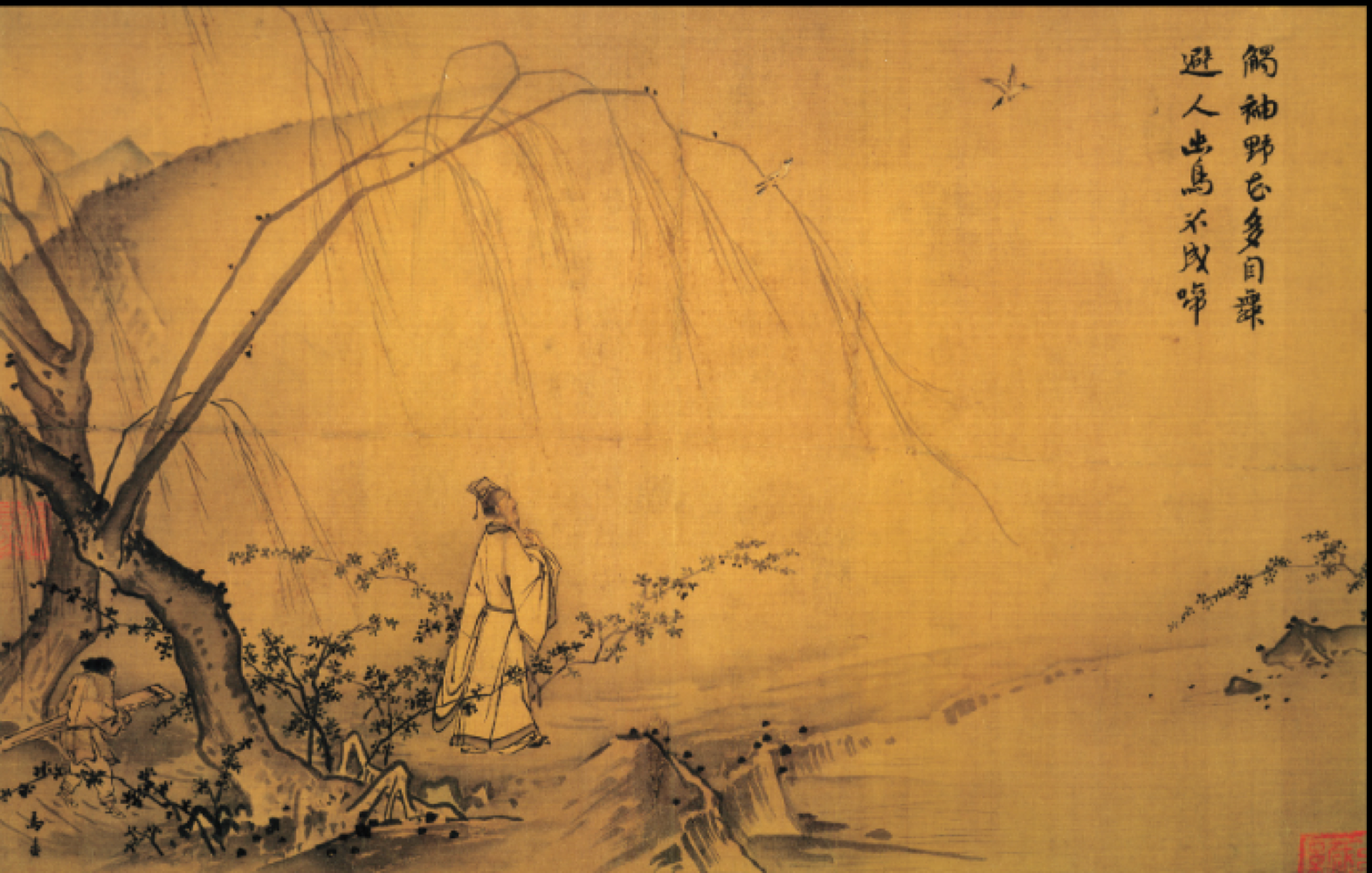
1112 Ma Yuan (ca. 1160-1225)
Walking on a Mountain Path in Spring, ink and light color on silk, handscroll, Southern Song, 12th century
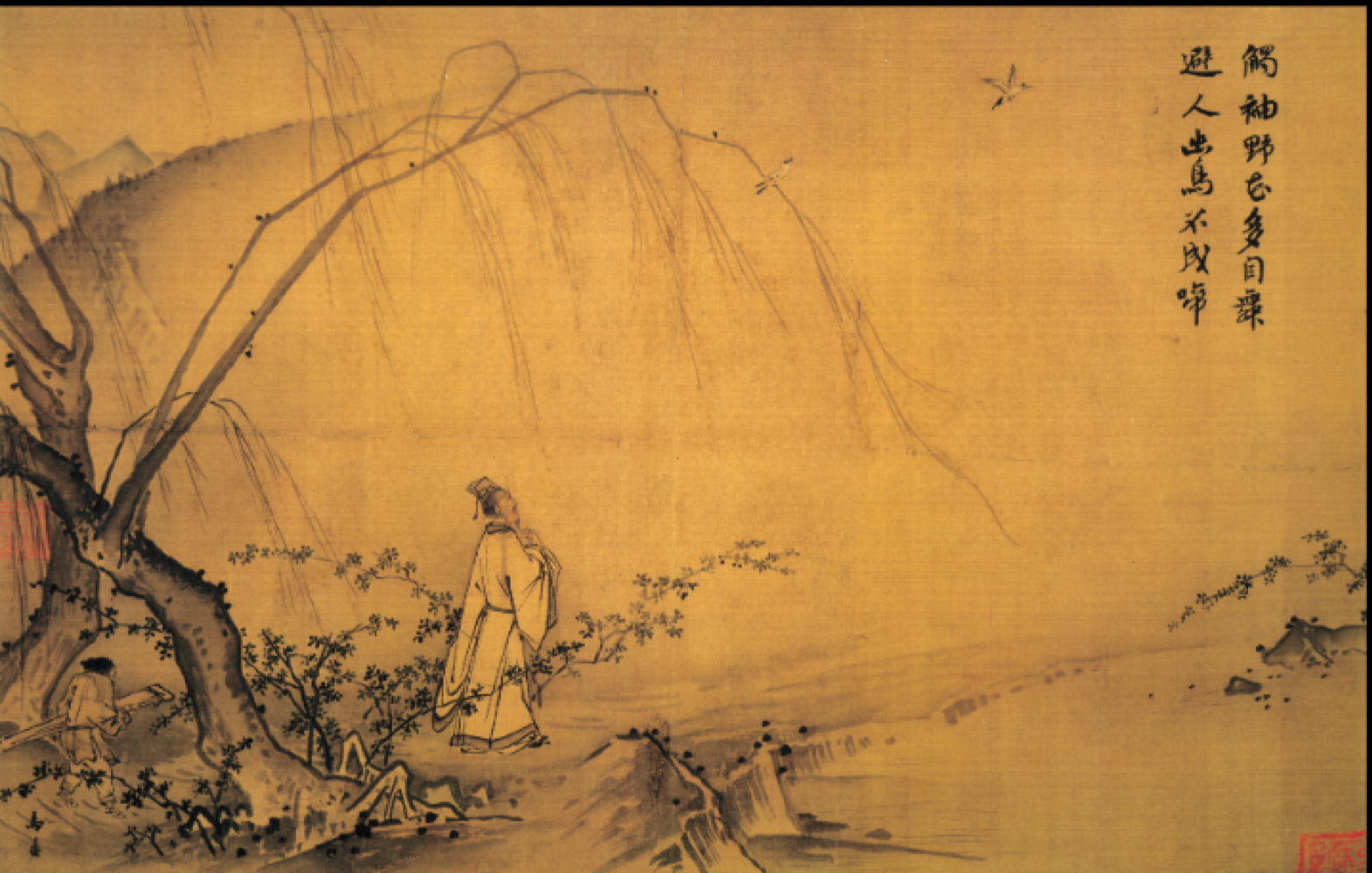
Describe the composition of Walking on a Mountain Path in Spring and its significance
floating perspective, diagonal line emphasis, separated composition: “one corner composition” - stuff everything into one corner=cheaper and more manageable
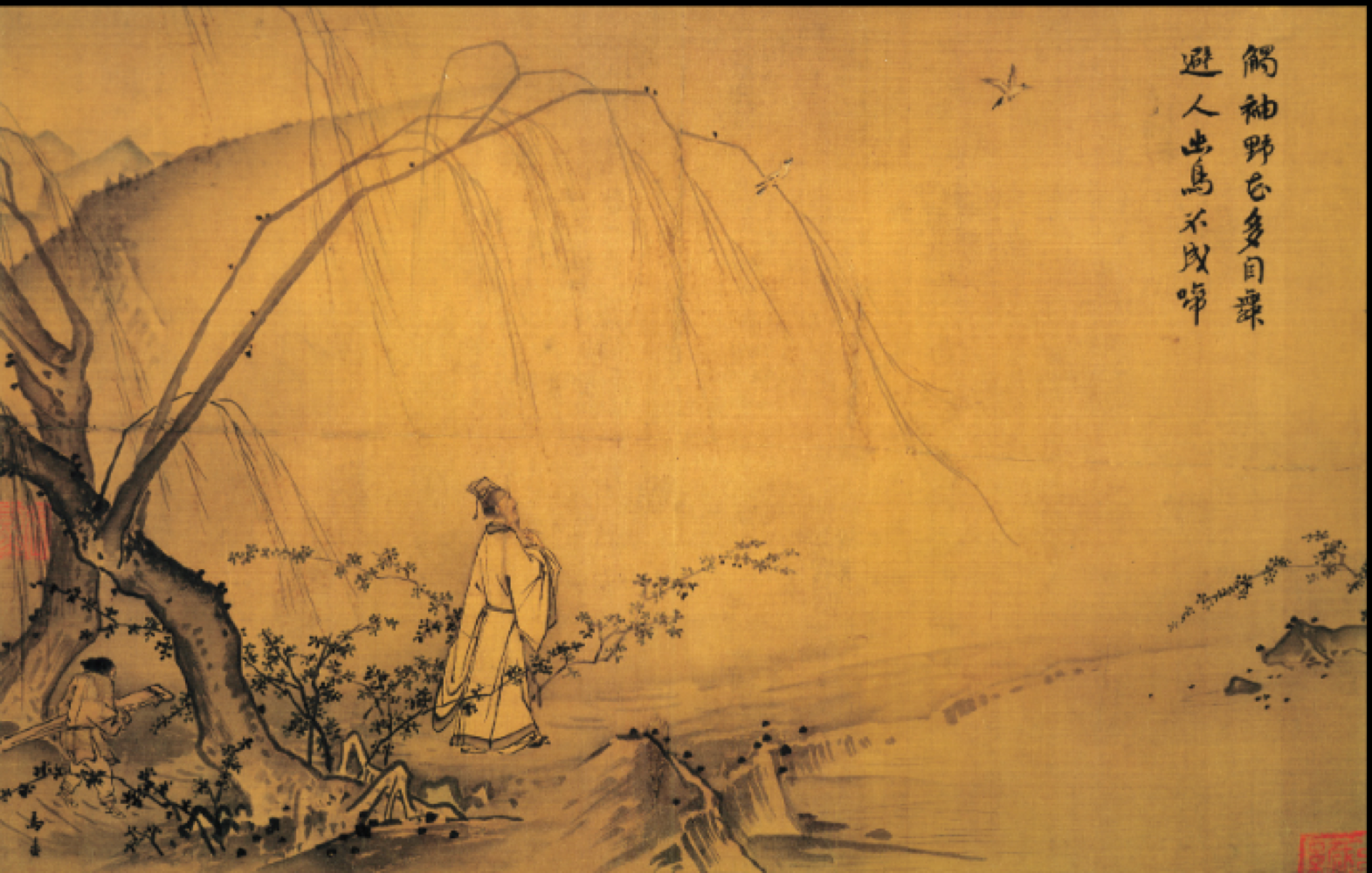
describe the appearance of Walking on a Mountain Path in Spring and its significance
person looking into the distance: self sufficient microcosm, human figure more central, more self contained. well defined brush strokes: thick ink, dissipates as you move outward, painters more able to experiment, dot like brushstrokes
Liang Kai (ca. 1140-1210)
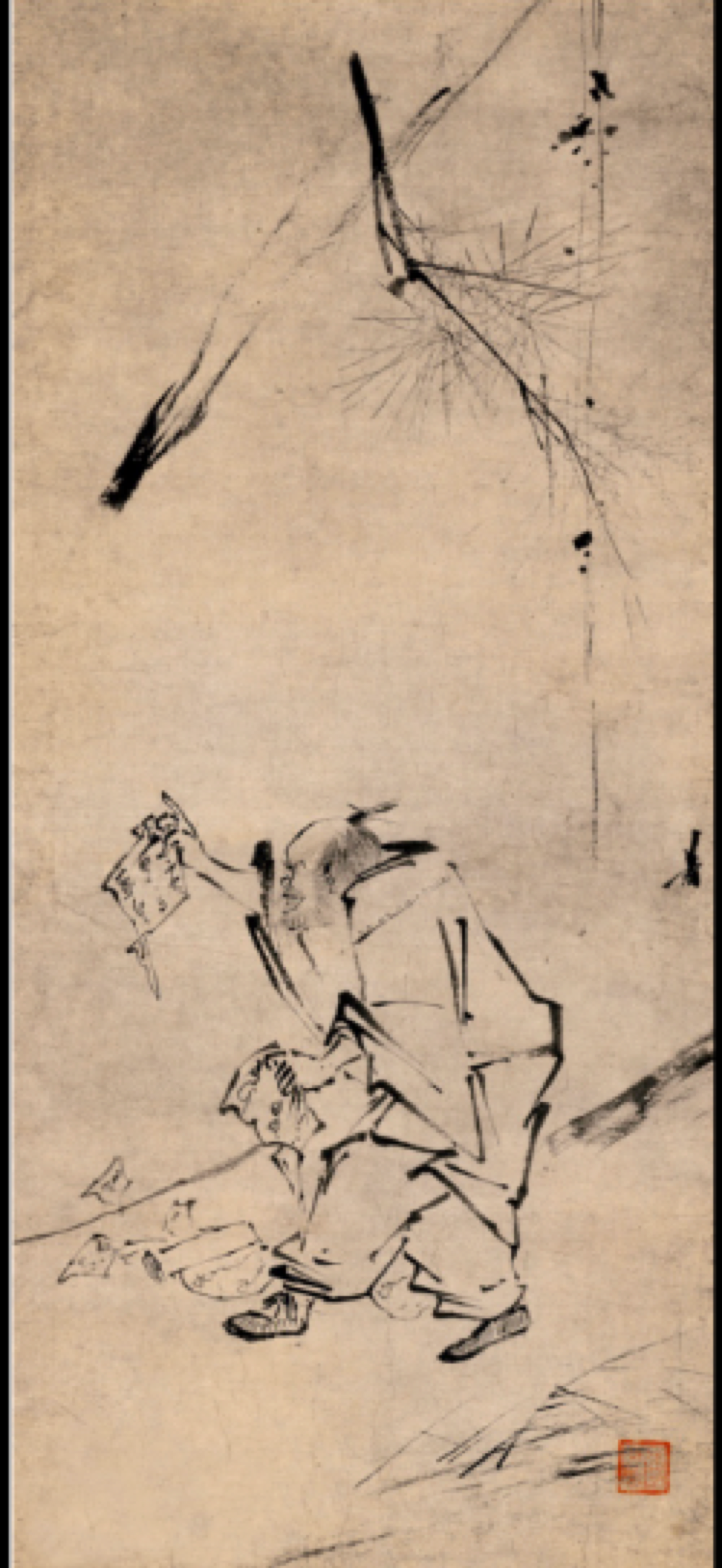
The Sixth Patriarch Tearing Down Sutras, ink on paper, hanging scroll, Southern Song, early 13th century
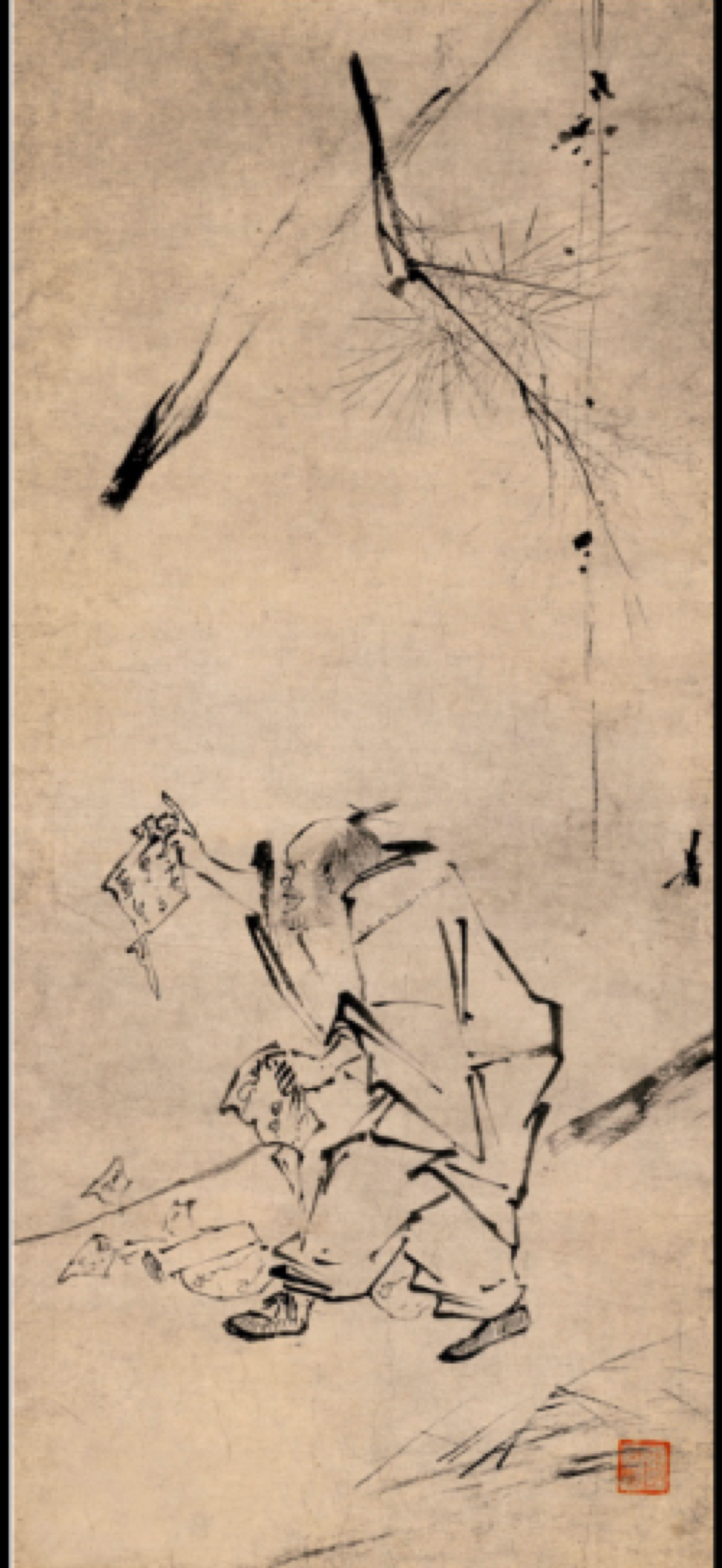
Describe the context around The Sixth Patriarch Tearing Down Sutras and its significance
crisis of identity, new branch of Buddhism emerge in China=Chan/Zen Buddhism, progressive and liberal about attaining enlightenment=cause disillusionment
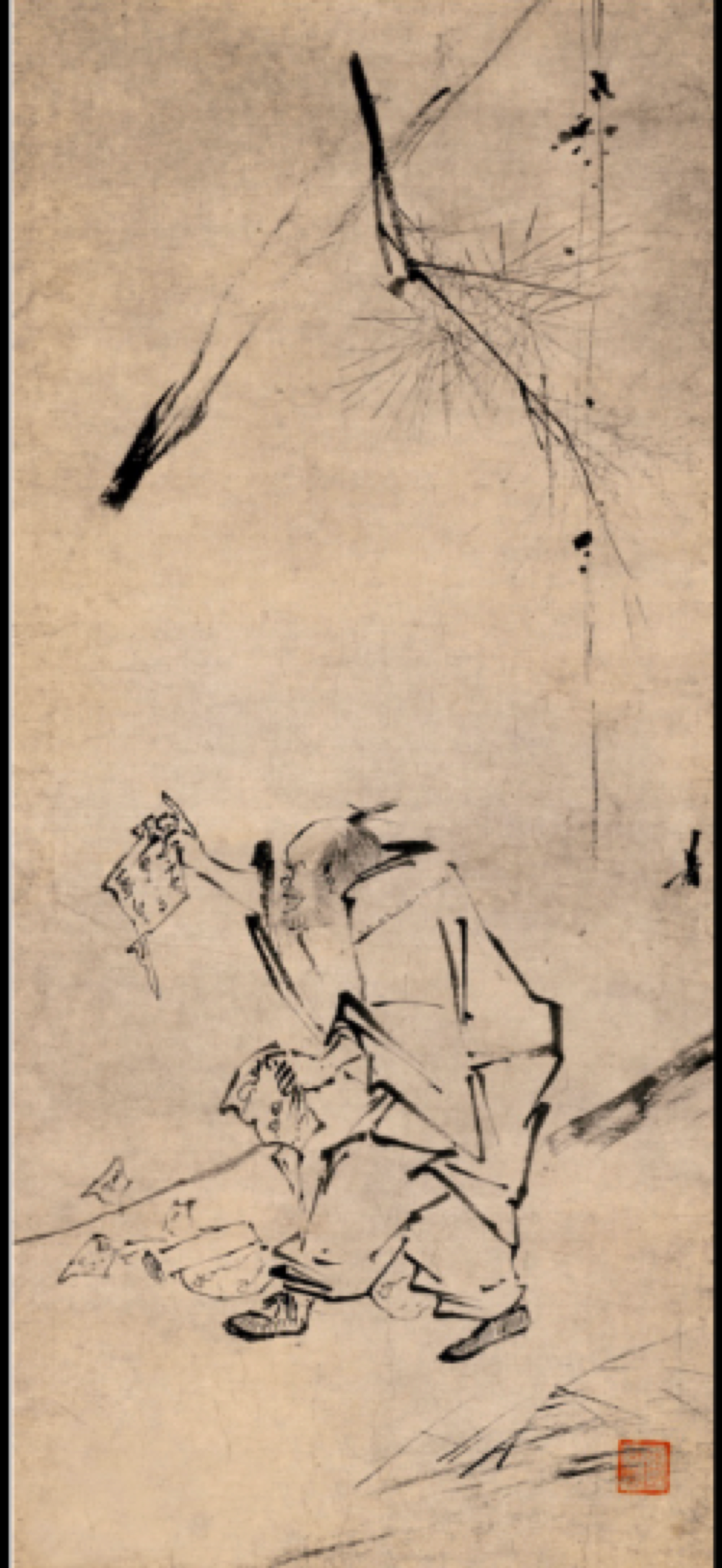
Describe the composition of The Sixth Patriarch Tearing Down Sutras and its significance
man tearing down texts because undesirable and enlightenment for everyone. Background unadorned: minimalism, simplicity, restraint, spontaneous and fast brushwork because painting is a vehicle to enlightenment and it trains the body and mind
Mu Qi (ca. 1210-1296)
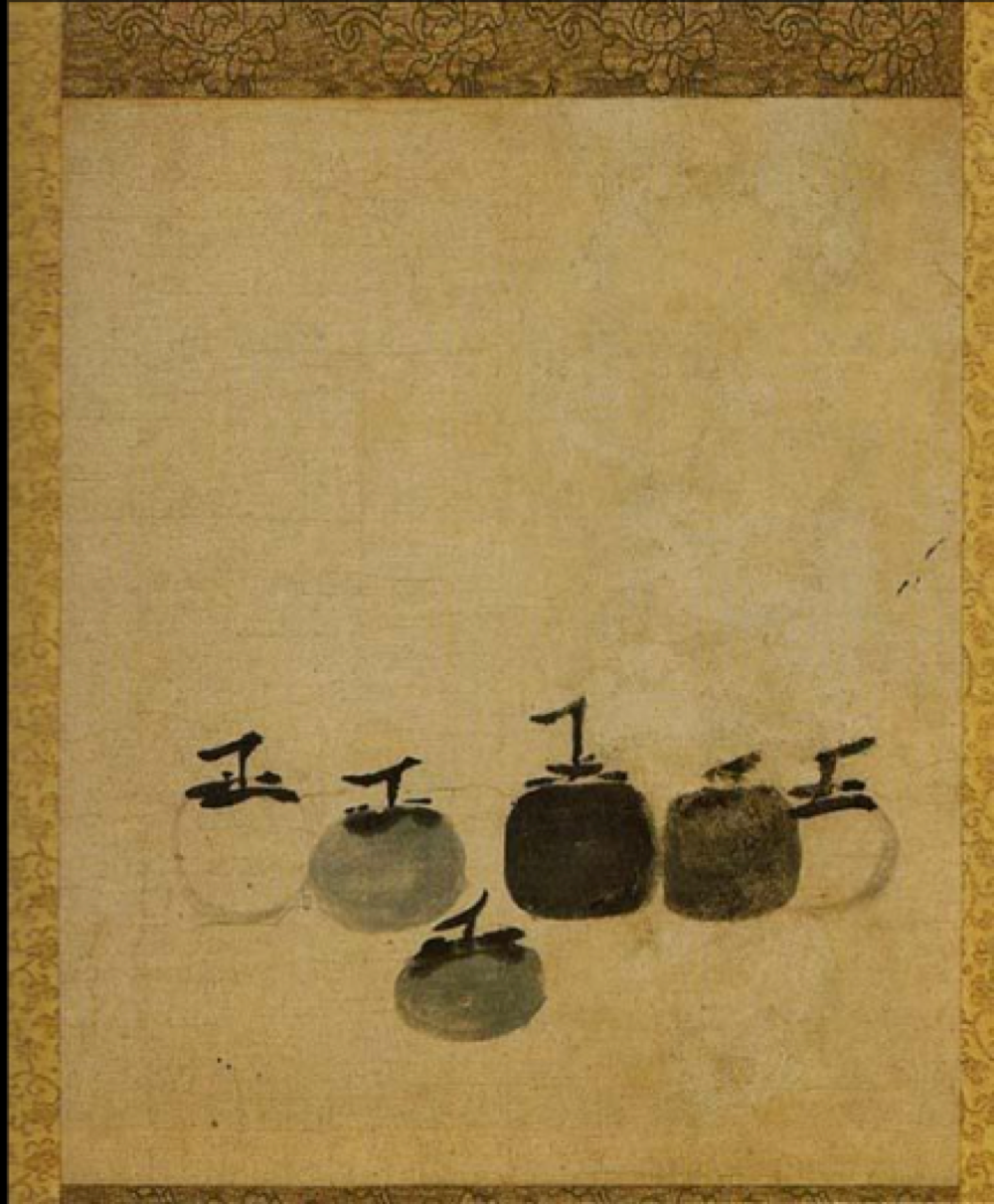
Six Persimmons, ink on paper, hanging scroll, Southern Song, 13th century (Daitoku-ji, Kyoto, Japan)
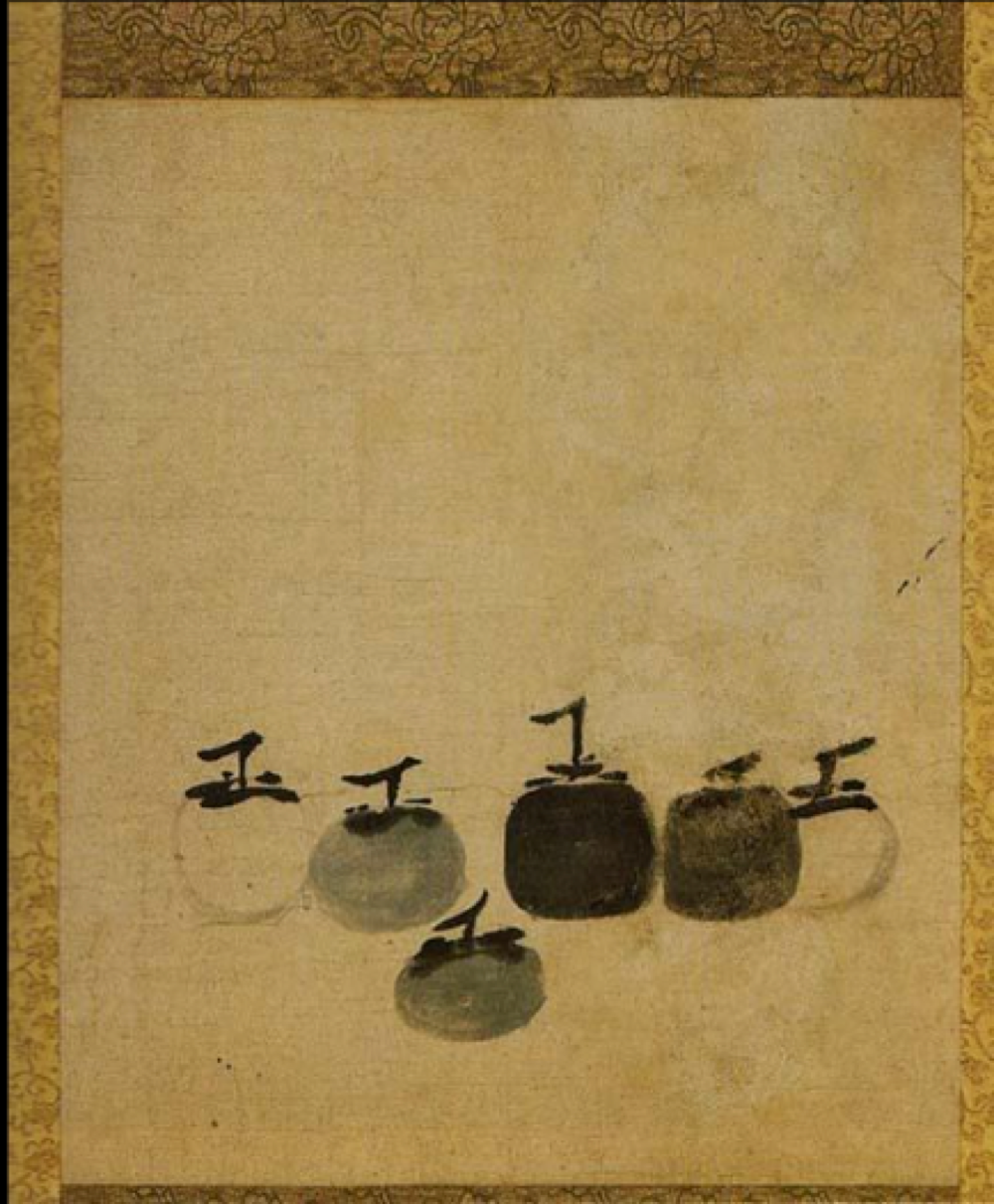
Describe the Six Persimmons and its significance
seasonal painting=opportunity to train the mind during transition. Symbol of perseverance, no background, tool of meditation to train mind and encourage observation=only paint in rudimentary, childlike manner because of spontaneity
 Note
Note  Flashcards (26)