Sumptuous Courts of the Mediterranean
 Studied by 2 people
 Call Kai
 Learn
Learn Practice Test
 Spaced Repetition
 Match
Match Flashcards
 Knowt Play
1/27

There's no tags or description
Looks like no tags are added yet.
Name | Mastery | Learn | Test | Matching | Spaced |
|---|
No study sessions yet.
28 Terms
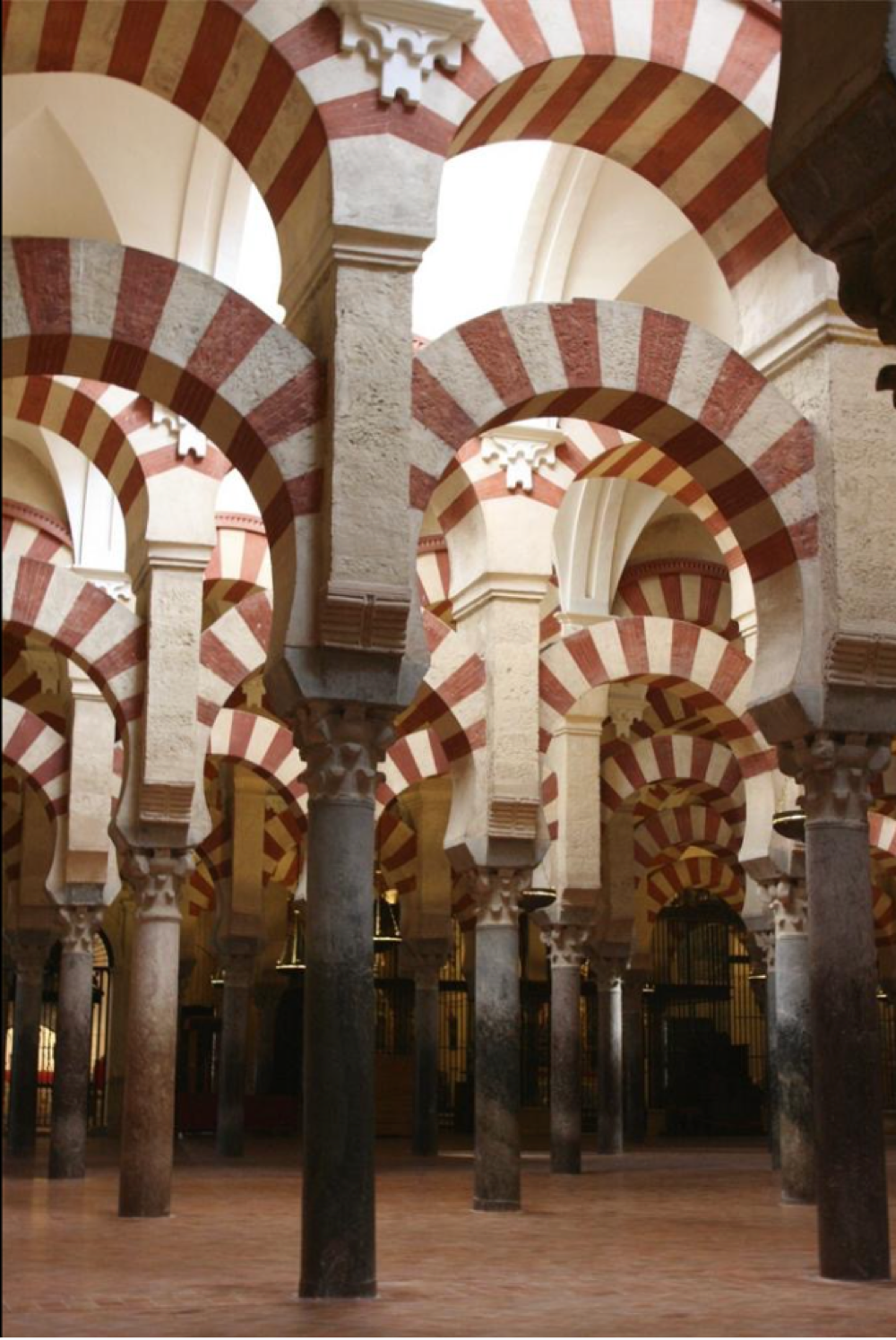
The Great Mosque of Cordoba, Cordoba, Spain, Umayyad, 785 - 987
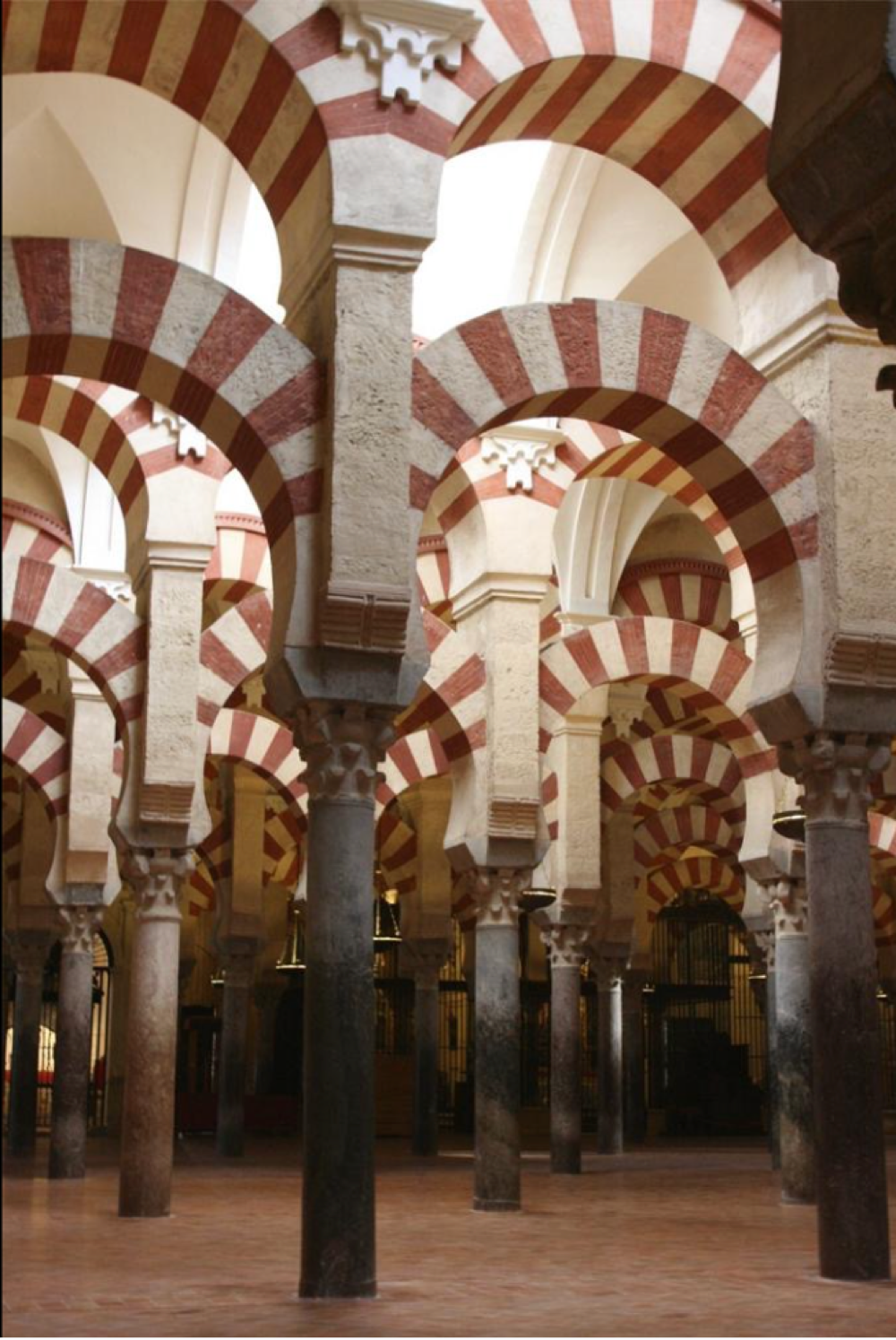
what is significant about the Great Mosque of Cordoba
most important monument of Umayyad Spain, constantly growing and changing, both look to the past and future
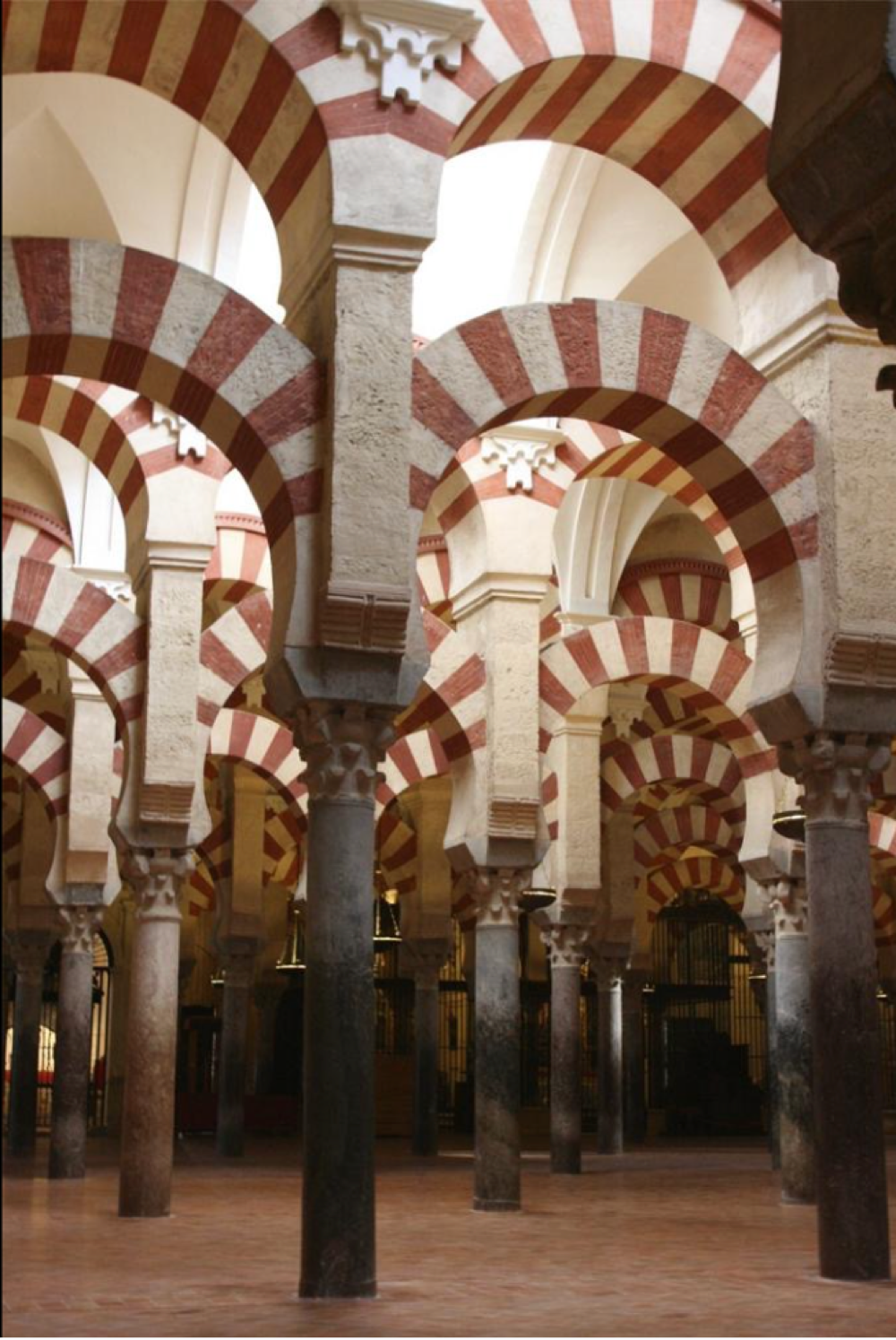
describe the structure of the Great Mosque of Cordoba and its significance
hypostyle hall with columns, tiny nich with wall to Mecca, courtyard, dizzying interior of red and white arches which blend of artistic traditions, multilayered horseshoe arches that dip in slightly
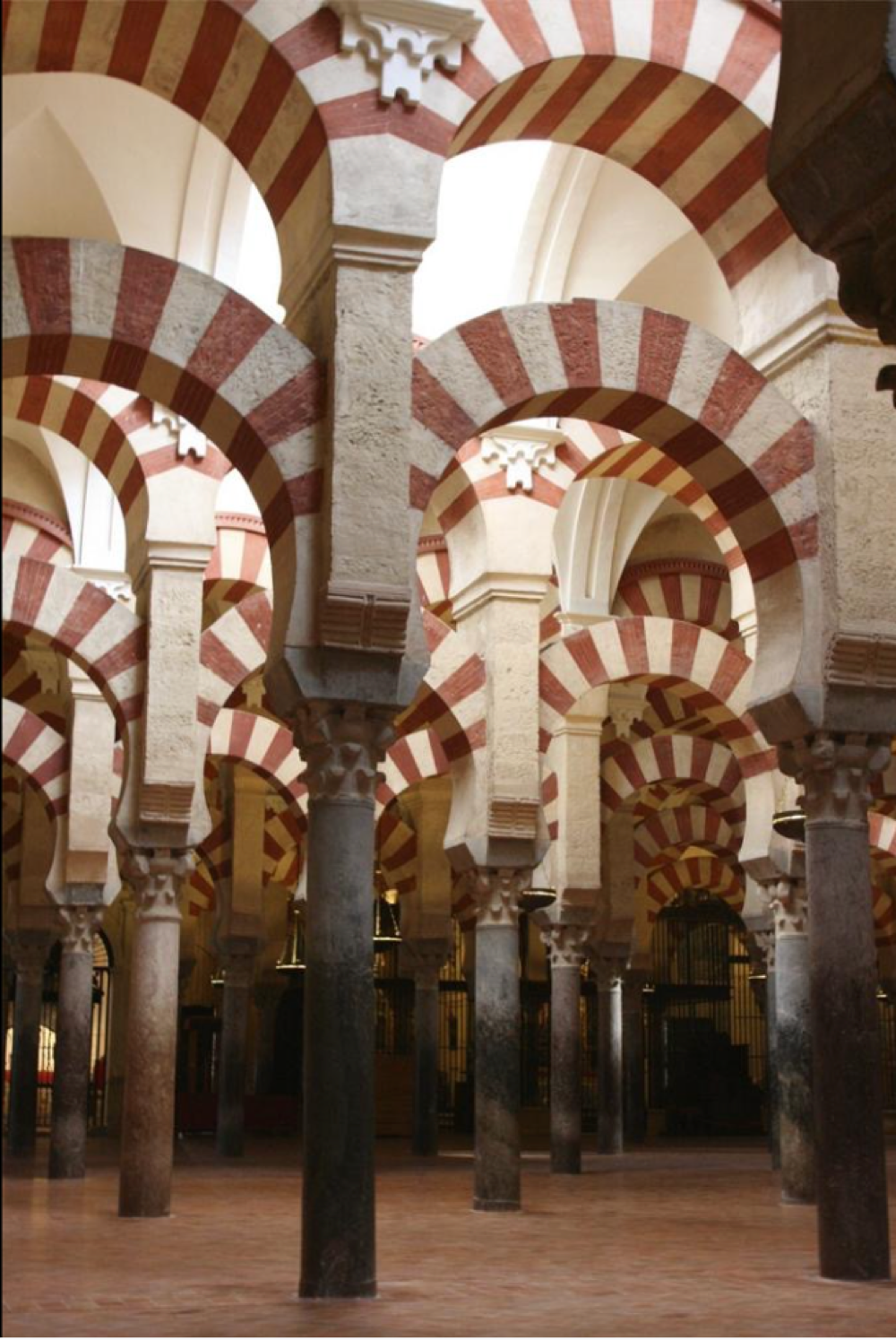
what is significant about the structure of the Great Mosque of Cordoba
creates a sense of nostalgia looking to past and Umayyad homeland, but no going back, combines feature from Umayyad and combines with features from Spain, adds features over time with successive rulers making it bigger and better

Great Mosque of Cordoba 962-965
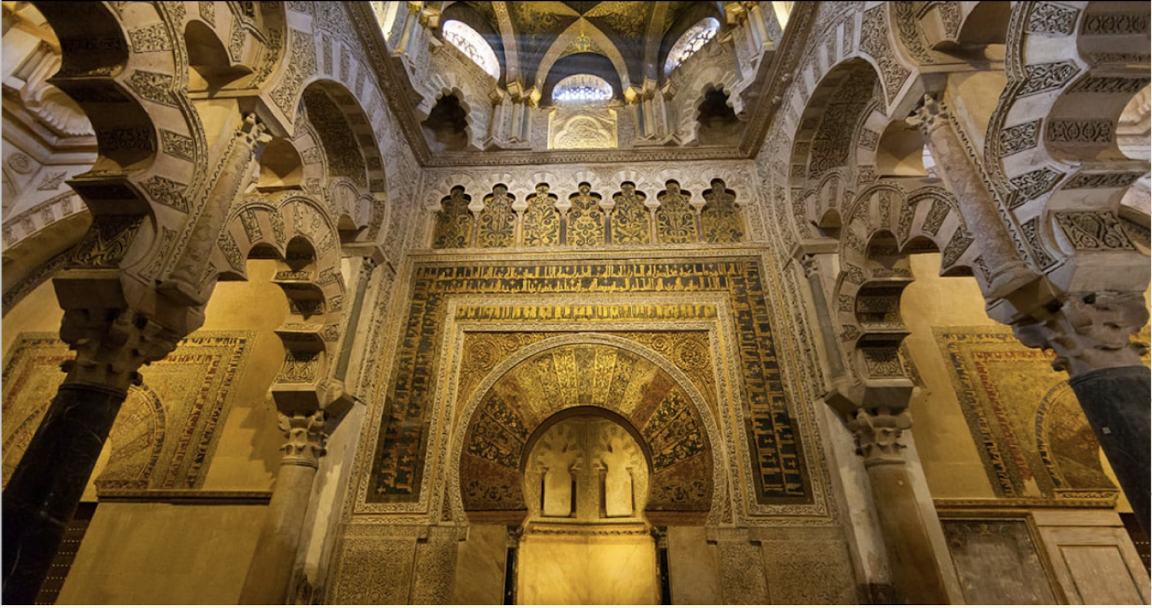
describe the changes to the Mosque
expands and pushes back the Qiblah wall, adds private space for ruler/”Maqsura”, overlap and intersect of exploding polylobed arches, intricate mosaics
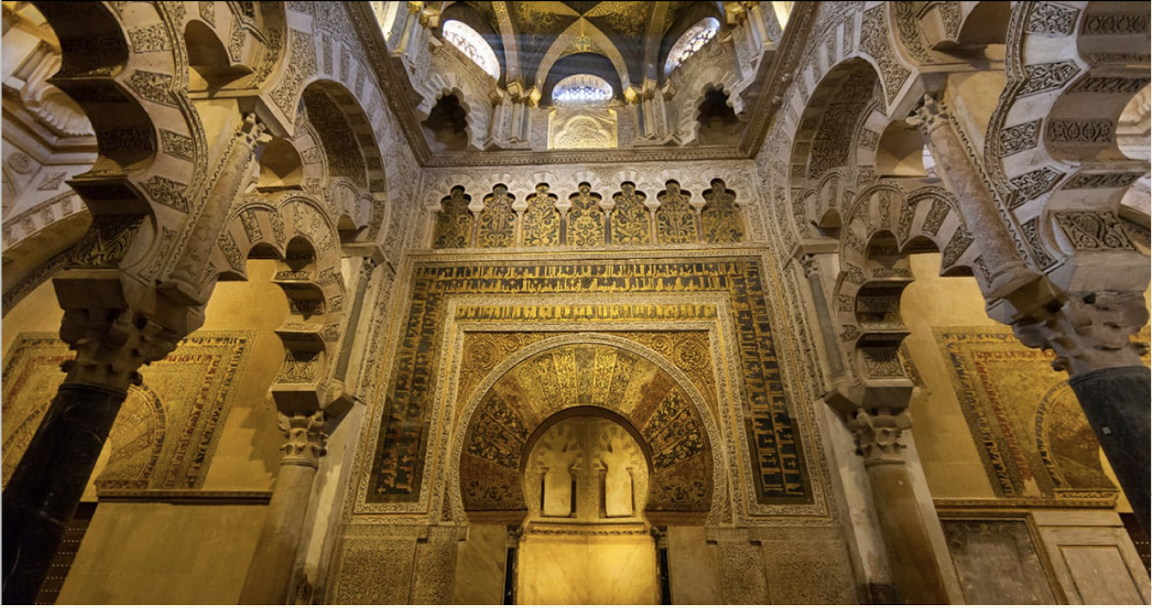
what is significant about the changes to the Mosque
Symbolic statement of power, people now directing prayer toward ruler/private space, strategic reference of Damascus and those rulers, not everyone was a fan making them uneasy that the community space became for rulers, they saw it as a harbinger of disaster
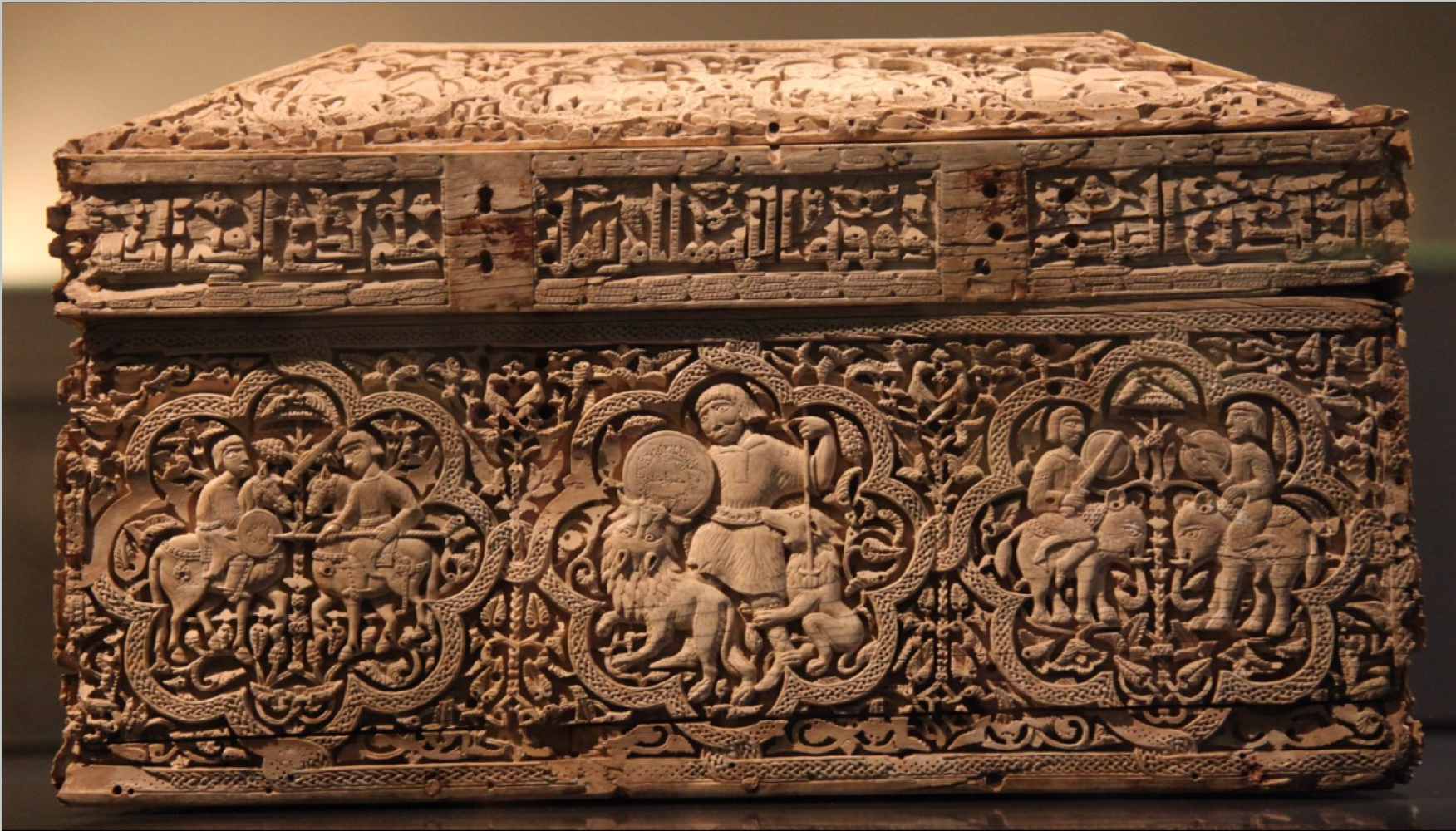
Pamplona Casket, Cordoba, Spain, Umayyad, 1004 - 1005, ivory (Museo de Navarra, Pamplona)
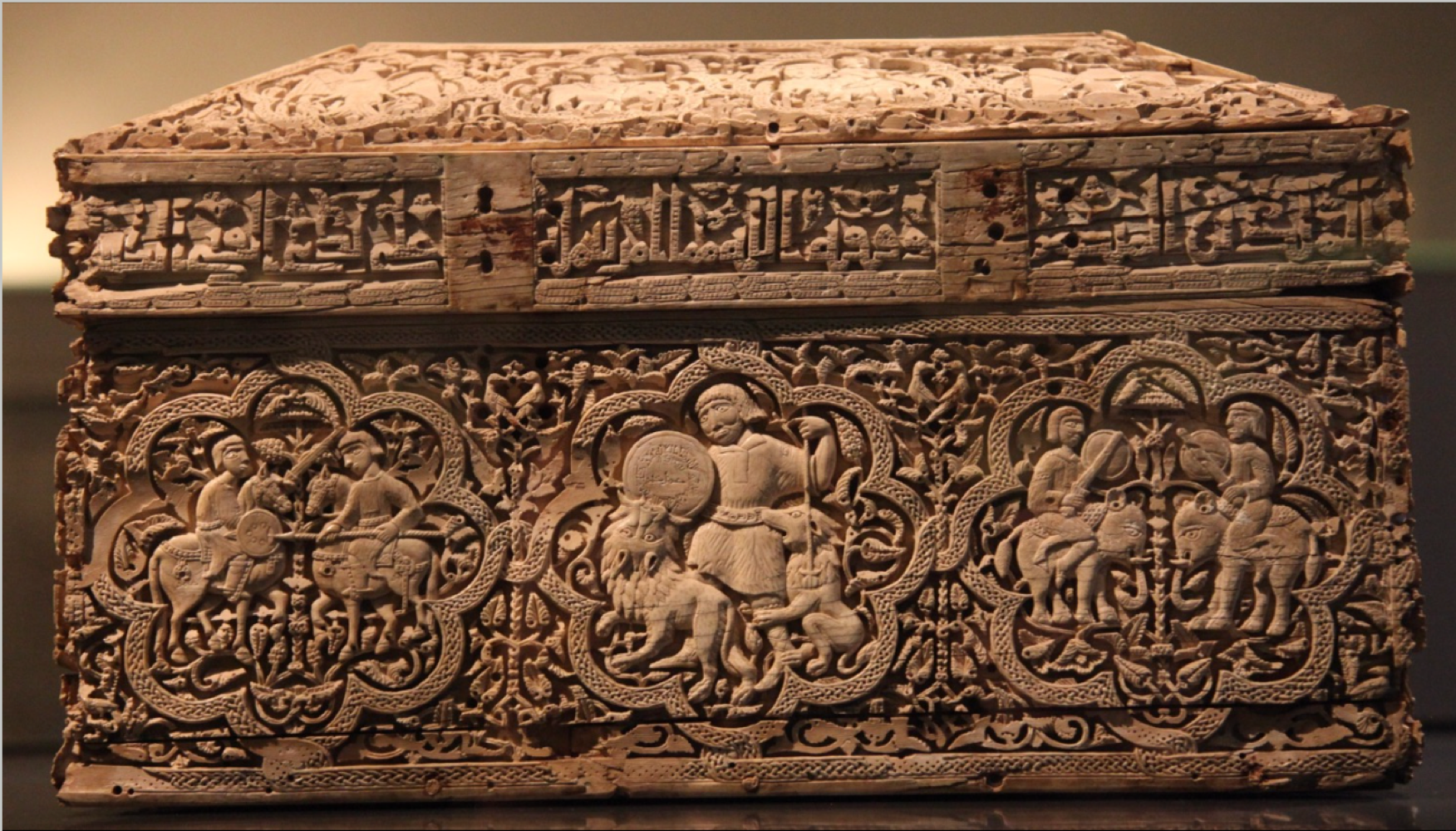
what is the significance of the Pamplona casket
denotes power because it was intimate and handheld with militant symbols, the Arabic around the lid is a marker of quality showing that it is befit for saints

describe the Pamplona casket and its significance
signature of 6 separate artists=value to artists, power over artistic production, made from ivory=expensive and valuable, intricate ornamentation:interlacing polylobed medallions, residential context:figures on box, militant (lions defeating gazels, horsemen, man vs. beast), reminder of power

Rock Crystal Ewer, Egypt, Fatimid, 11th century (Victoria and Albert Museum, London)

explain the significance of the Rock Crystal Ewer
aesthetic value, thought to have magical properties:ice that would never melt, power to neutralize poison, rulers want to drink out of it because of protective use
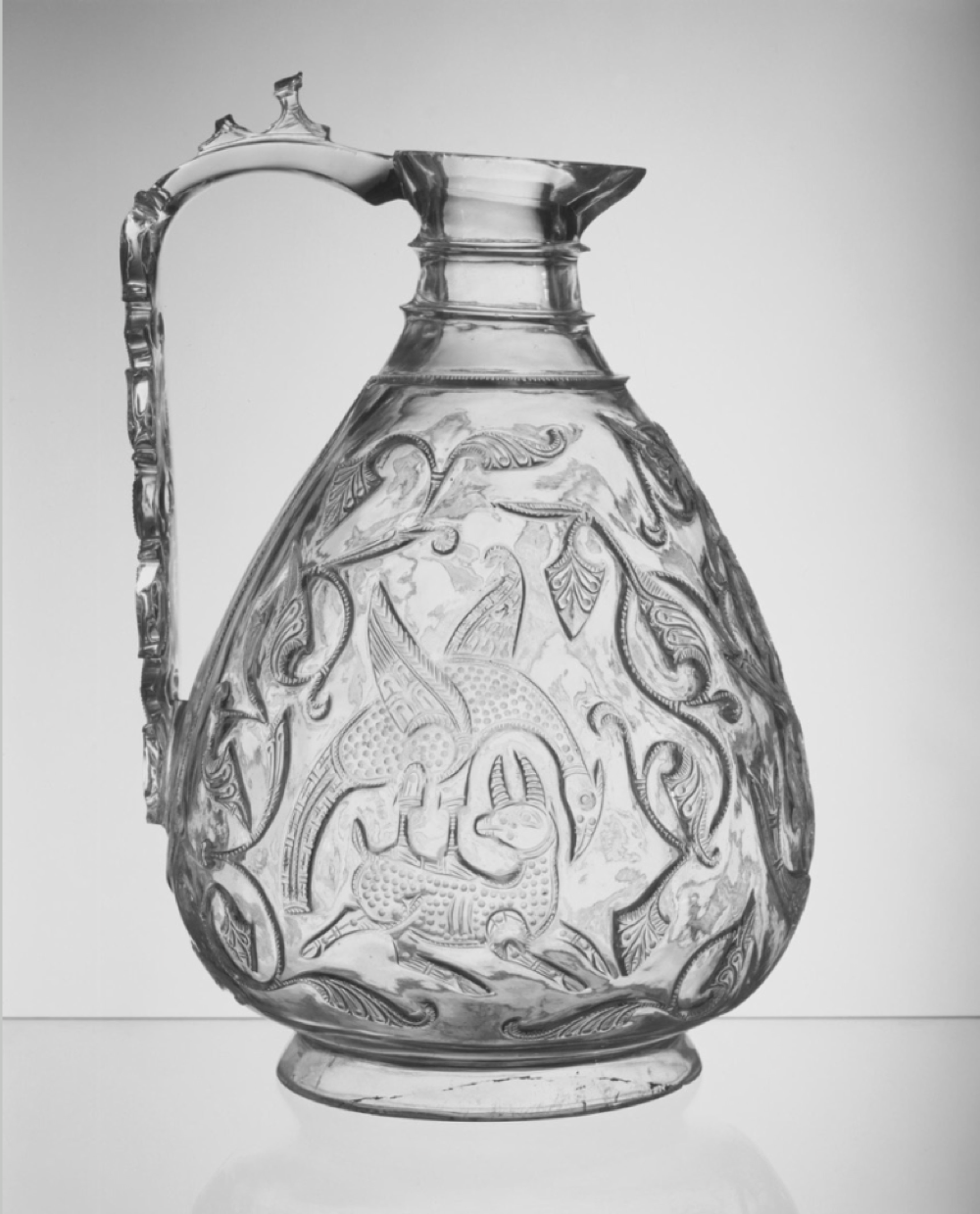
describe the Rock Crystal Ewer and its significance
difficult to carve and expensive, relief carving, functional pitcher, perfectly clear material, bird of prey defeating gazelle:predator vs. prey, impressed guests and represent the rulers power

Blue Qur’an, North Africa, Fatimid, mid-10th century (one folio in the Metropolitan Museum of Art, New York)

explain the significance of the Blue Qur’an
Byzantine court connection, symbolism of status, competition between medieval courts:out do each other through art
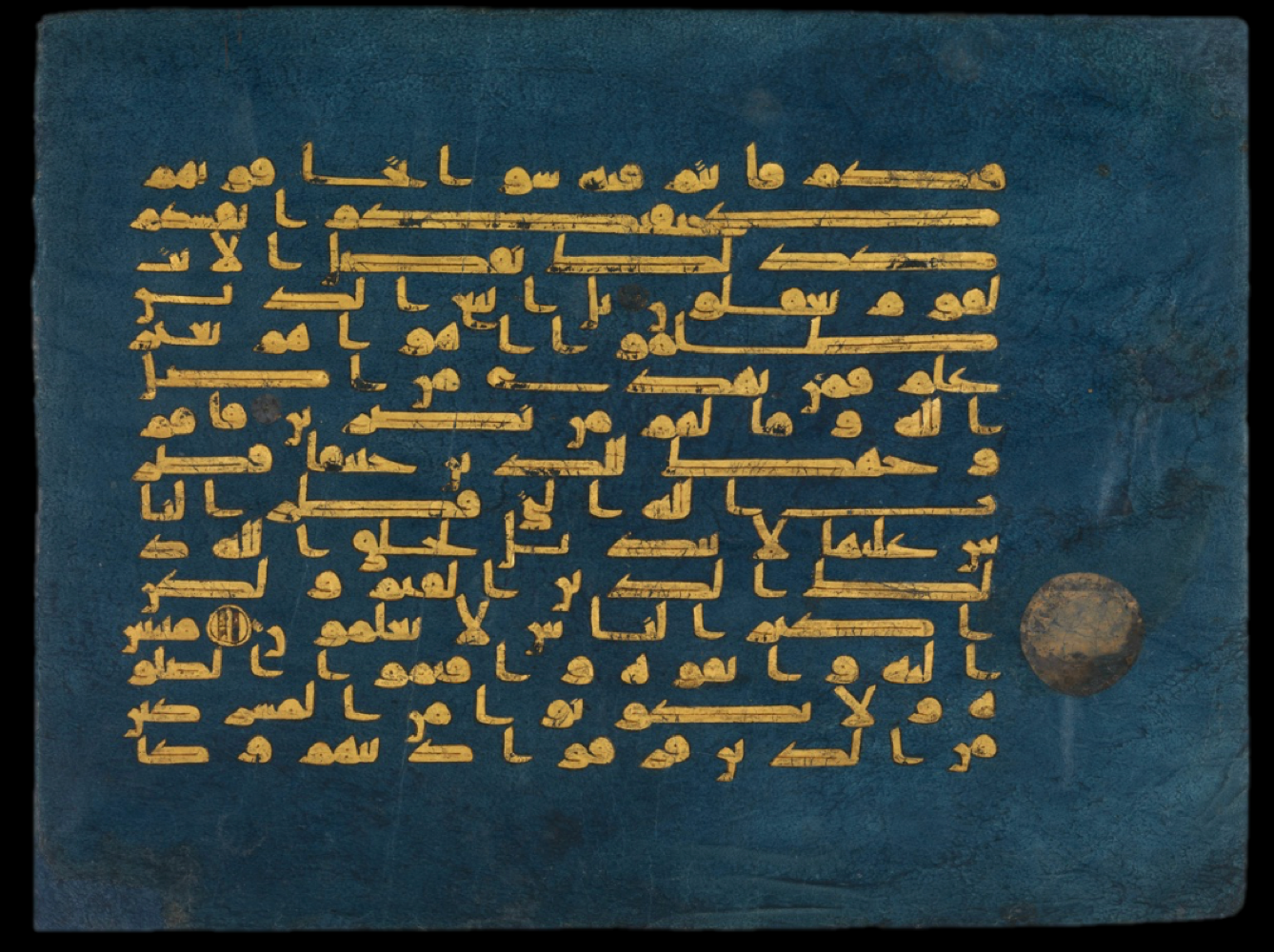
describe the Blue Qur’an and its significance
parchment dyed indigo blue like the royal purple, letters painted in gold:elongated(rhythm on page), aesthetic objects

Capella Palatina, Sicily, Norman, 1132 - 40
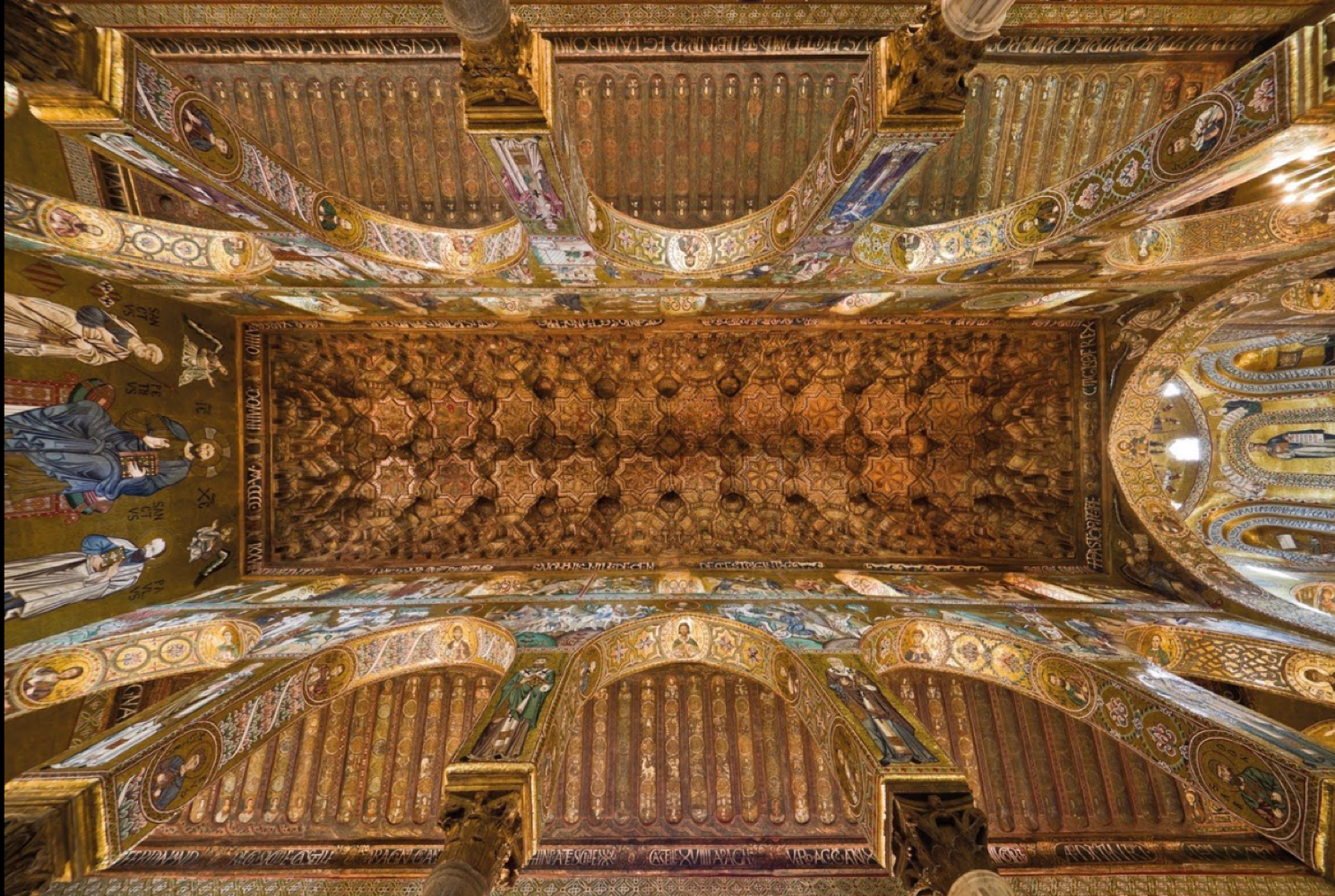
describe the significance of the Capella Palatina
competition, expression of out doing each other: blend of styles, system of imitation of a religious and sumptuous court
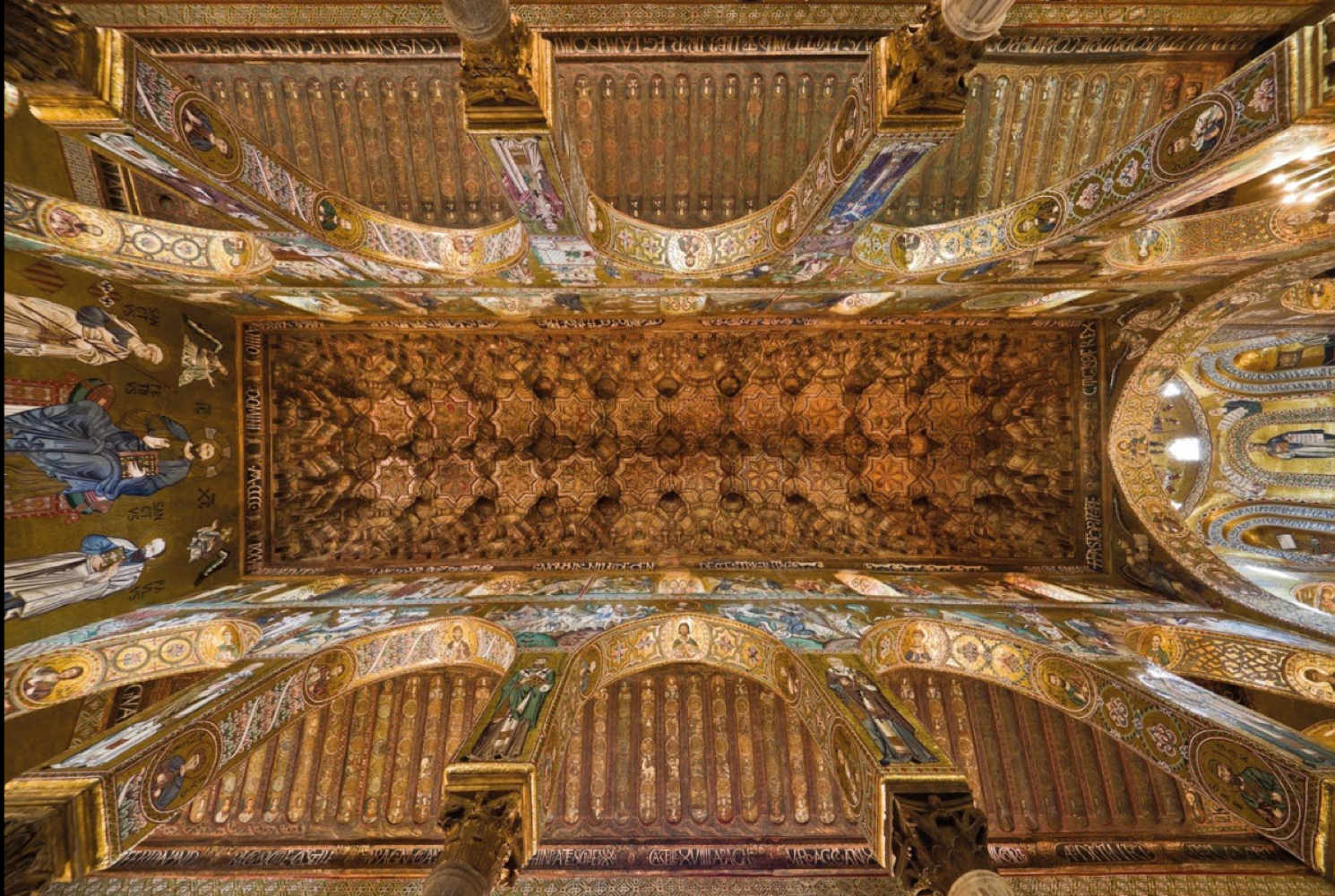
describe the Capella Palatina and its significance
byzantine mosaics, Fatimad ceiling, constructed by “Normans” :look to courts for inspiration, church, many side aisles, gold mosaics: Byzantine, images of holy figures, heavenly space for figures/activated by light
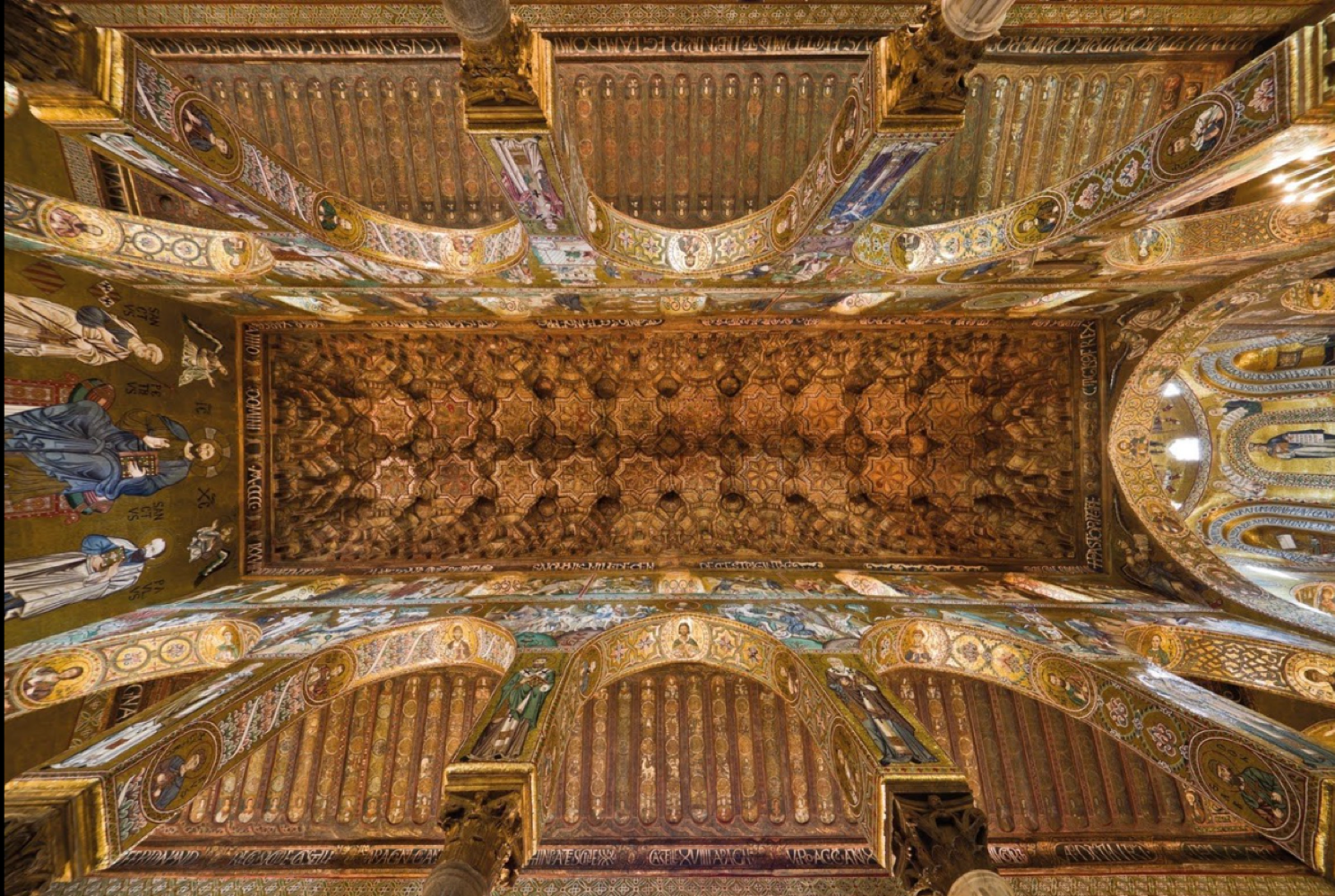
describe the ceiling of the Capella Palatina and its significance
wood, 3D: natural play of light and shadow, painted panels/stars: interlace, Arabic calligraphy (Stamp of quality), edges transition from 3D to flat walls and muqarnas adorns vaulting
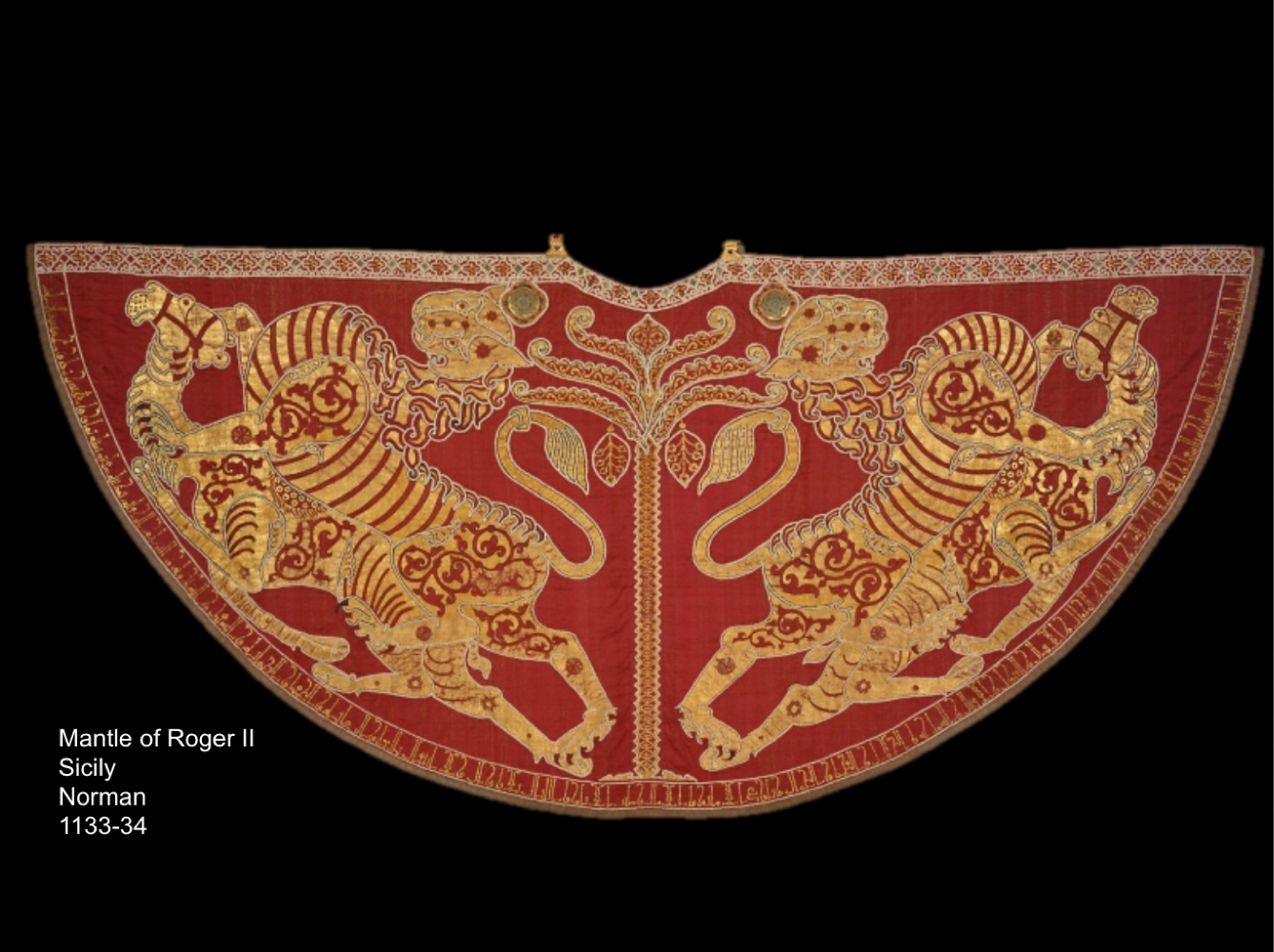
Mantle of Roger II, Sicily, Norman, 1133 - 34
what is the Mantle of Roger ll
a cloak for shoulders, made for king
what is the overall significance of the Mantle of Roger II
Proclaim a shift in balance of power between Muslims and Christians, validates the King’s authority, attributes of political and religious prerogative, passing the mantle of leadership: coronation robe, protective function: considered divine
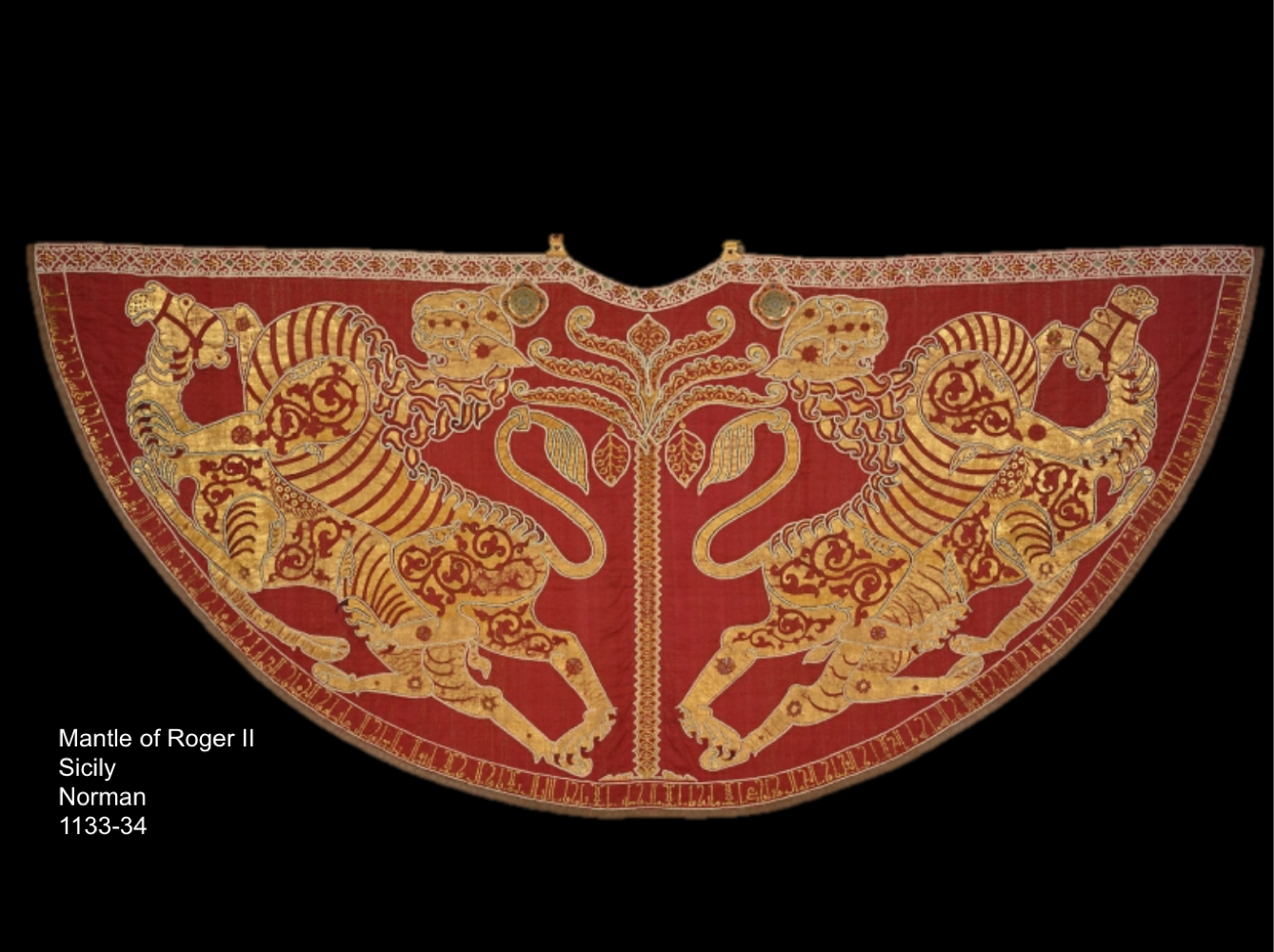
describe the Mantle of Roger ll and its significance
red silk, theme of dominance and submission: Strong animal dominating weak, lion=Norman, Camel=Islam, shows an image of a ruler/hunter, lion =royal symbol of Victory and Roger is an embodiment of that victory, camels show movement, mobility, domesticated (governable otherness)
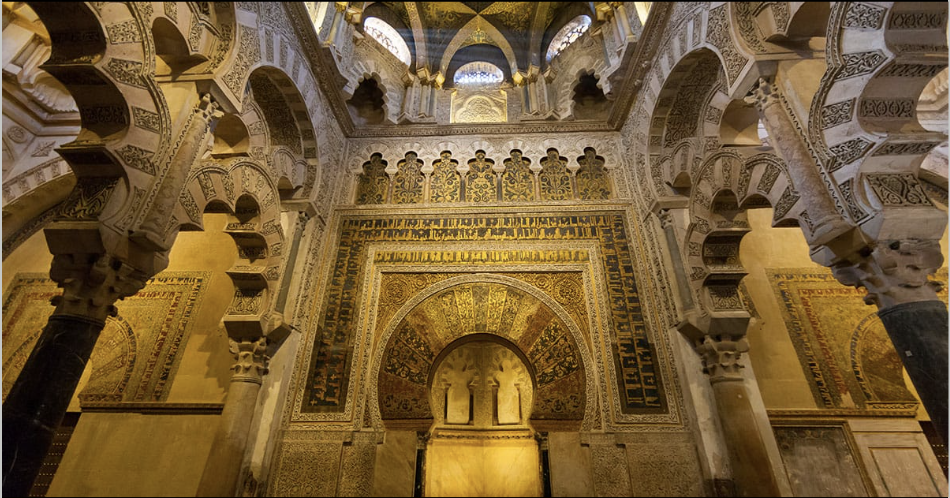
Maqsurav
private enclosure near the mihrab intended for a ruler
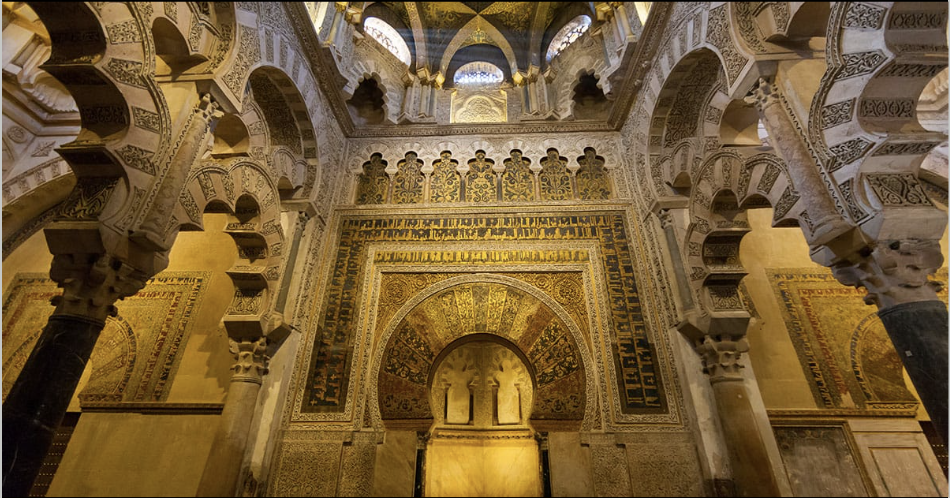
Polylobed arch
an arch ornamented with multiple lobes
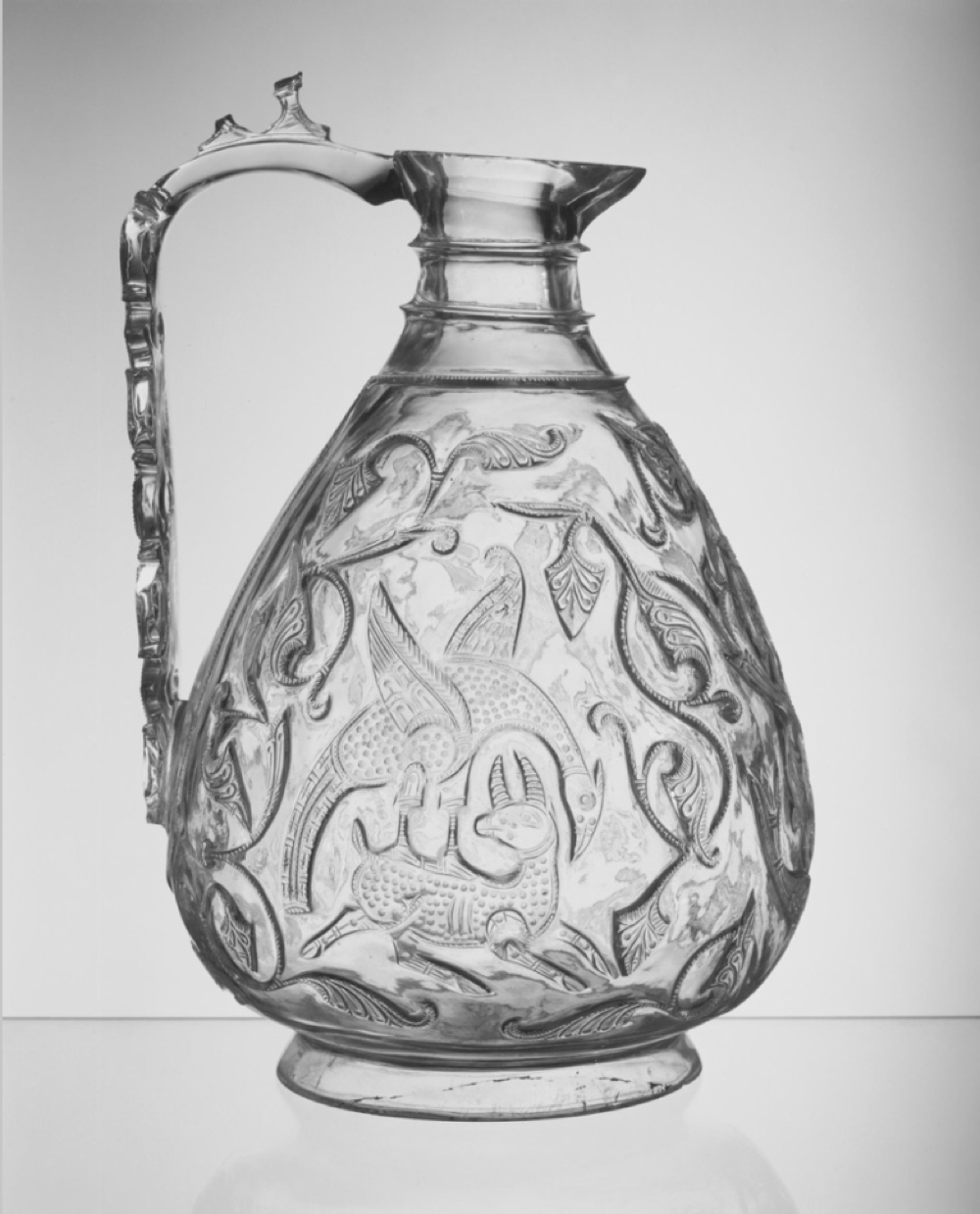
Ewer
a vase-shaped pitcher with a handle
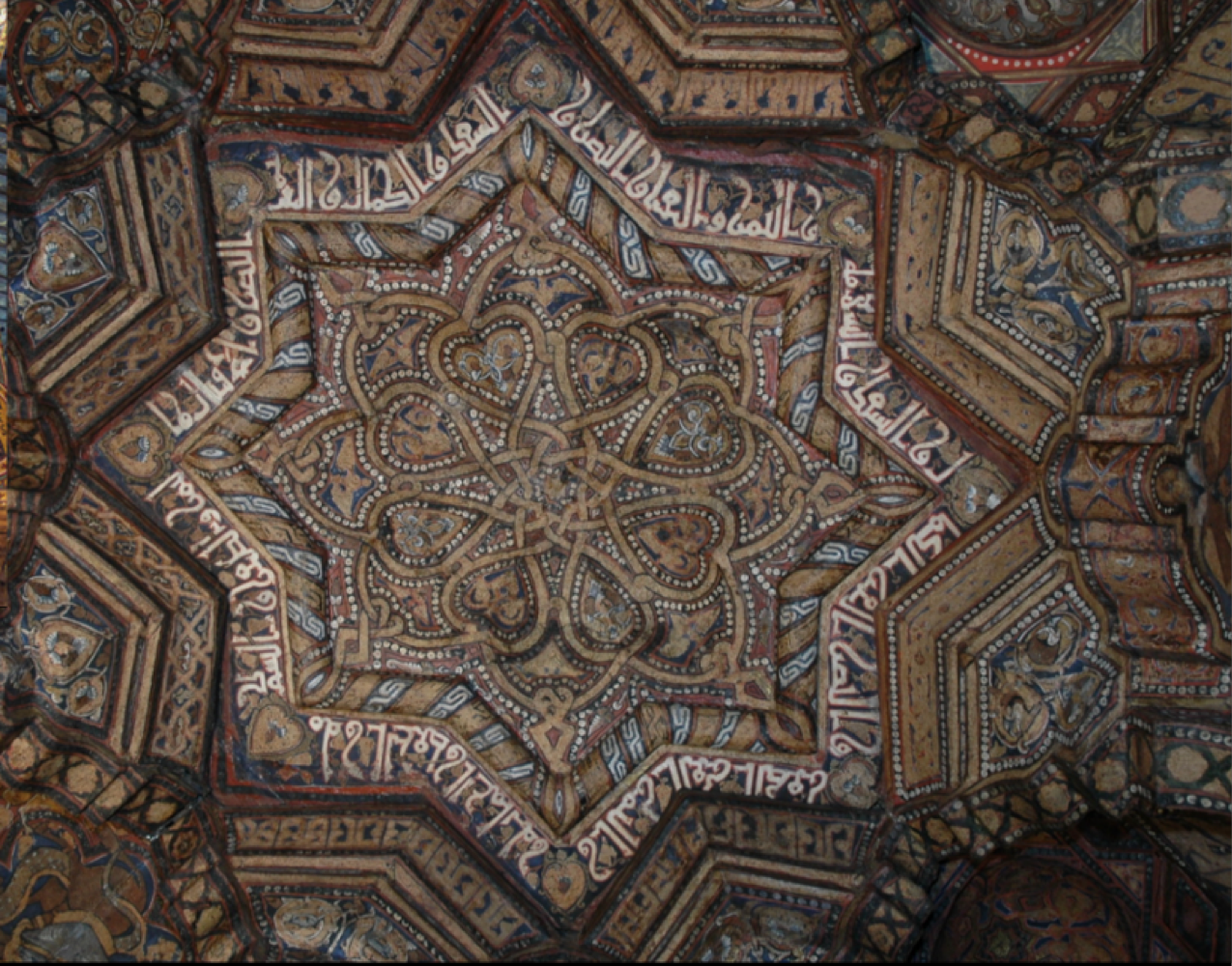
Muqarnas
three-dimensional decorative device often used to create a transition between different architectural zones
 Note
Note  Flashcards (37)