Neo-Classical
 Studied by 0 people
 Call Kai
 Learn
Learn Practice Test
 Spaced Repetition
 Match
Match Flashcards
 Knowt Play
1/10

Earn XP
Description and Tags
Baroque Style to Beaux Arts
Name | Mastery | Learn | Test | Matching | Spaced | Call with Kai |
|---|
No analytics yet
Send a link to your students to track their progress
11 Terms
Baroque Creators
Jesuits
Baroque charactersitics
Three-Dimensional
Emotional
Dramatic
Astonish
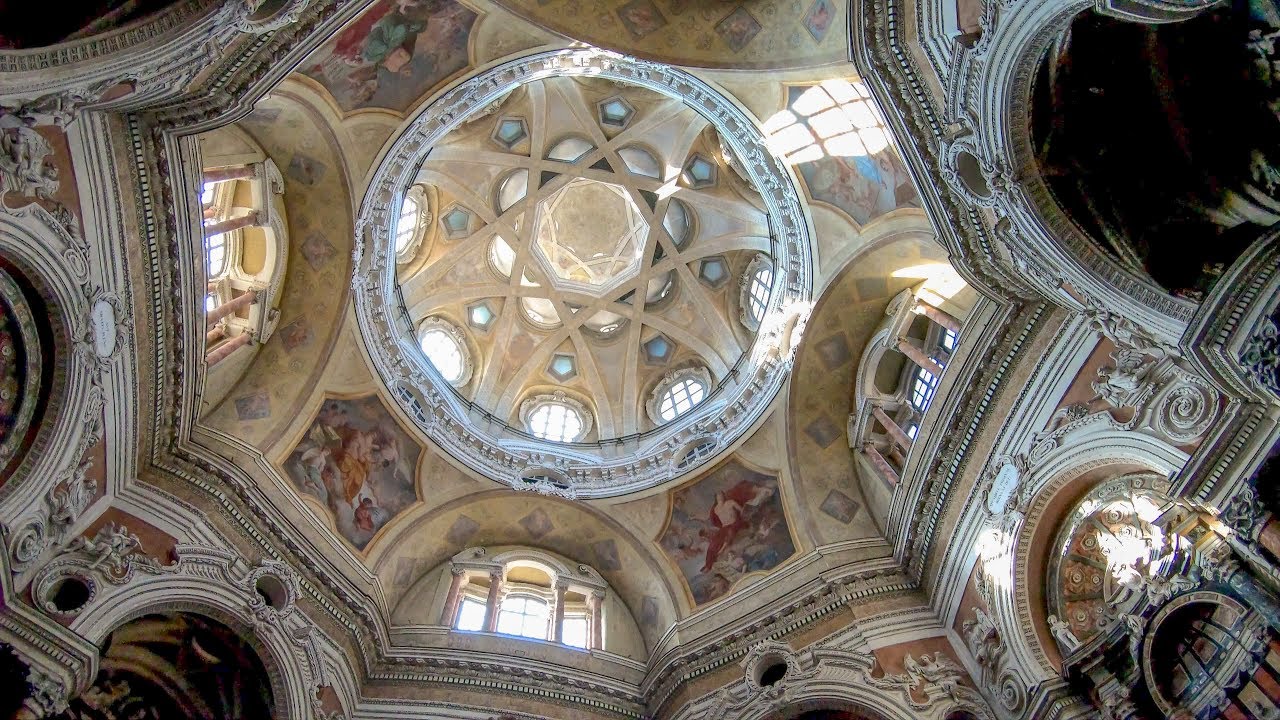
San Lorenzo, Turin
Guarino Guarini
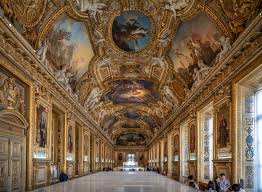
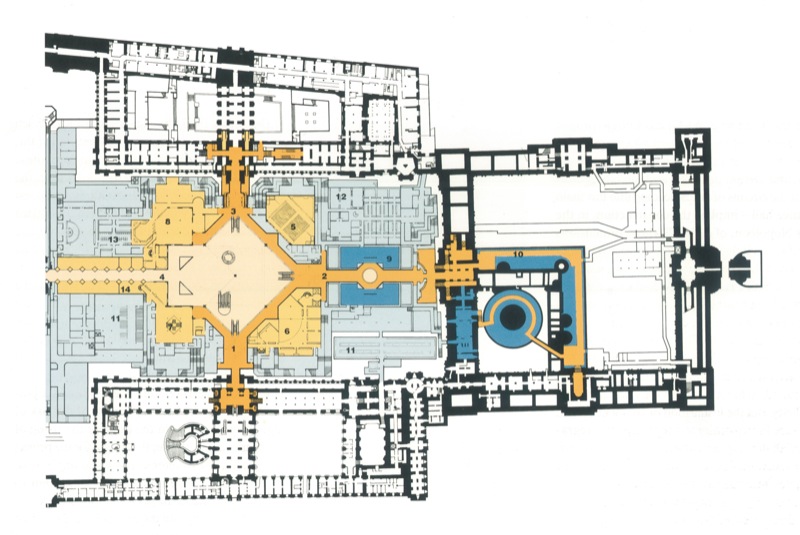
Louvre; Paris France
Enfilade: Series of rooms aligned with each other
Arquitecto: Pierre Lescot, Claude Perrault, Charles Le Brun
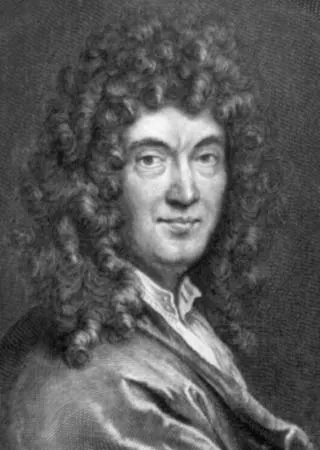
Claude Perralt
French Amateur arch
He believed in two concepts of beauty:
-Positive: Universal and Uncheangable
-Arbitrary: Relative and Variable
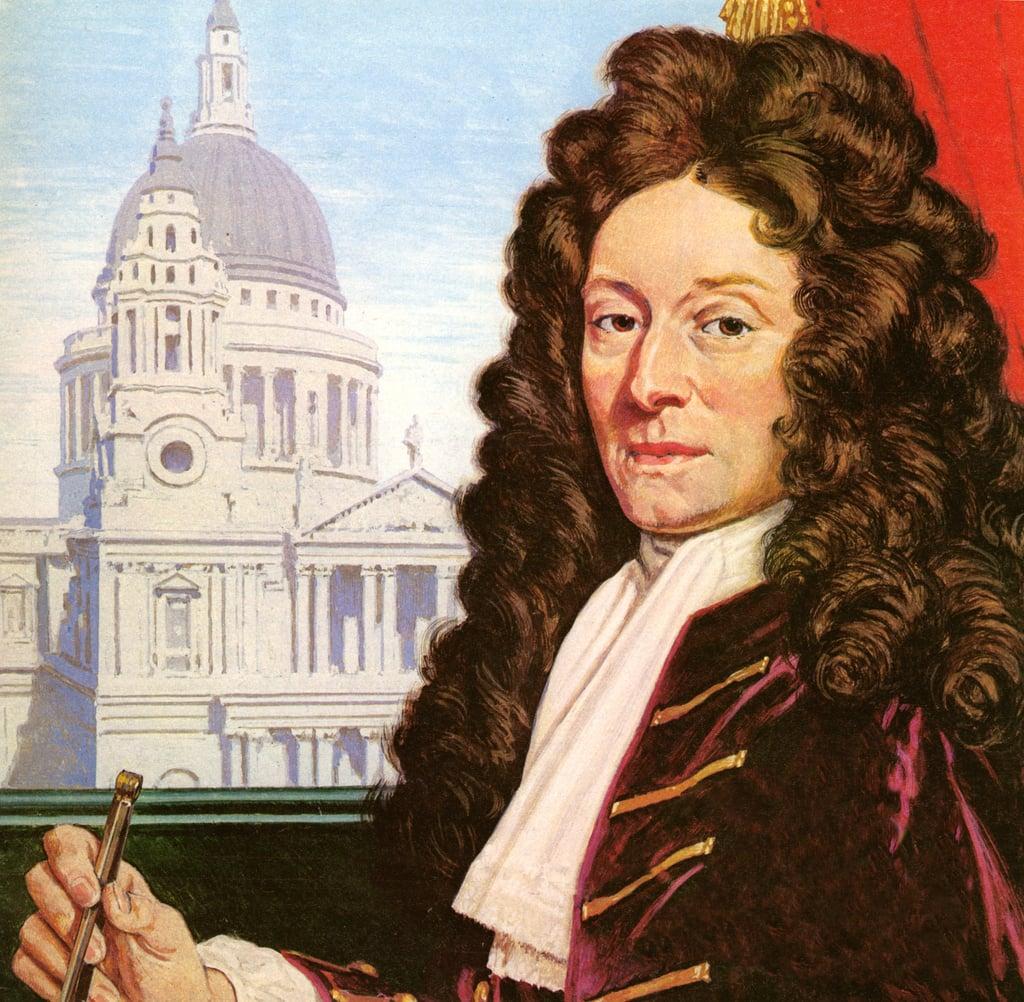
Cristopher Wren
the preeminent English architect who rebuilt London after the Great Fire of 1666, designing St. Paul's Cathedral and over 50 other city churches, showcasing the English Baroque style, and for his significant contributions as a scientist and founding member of the Royal Society
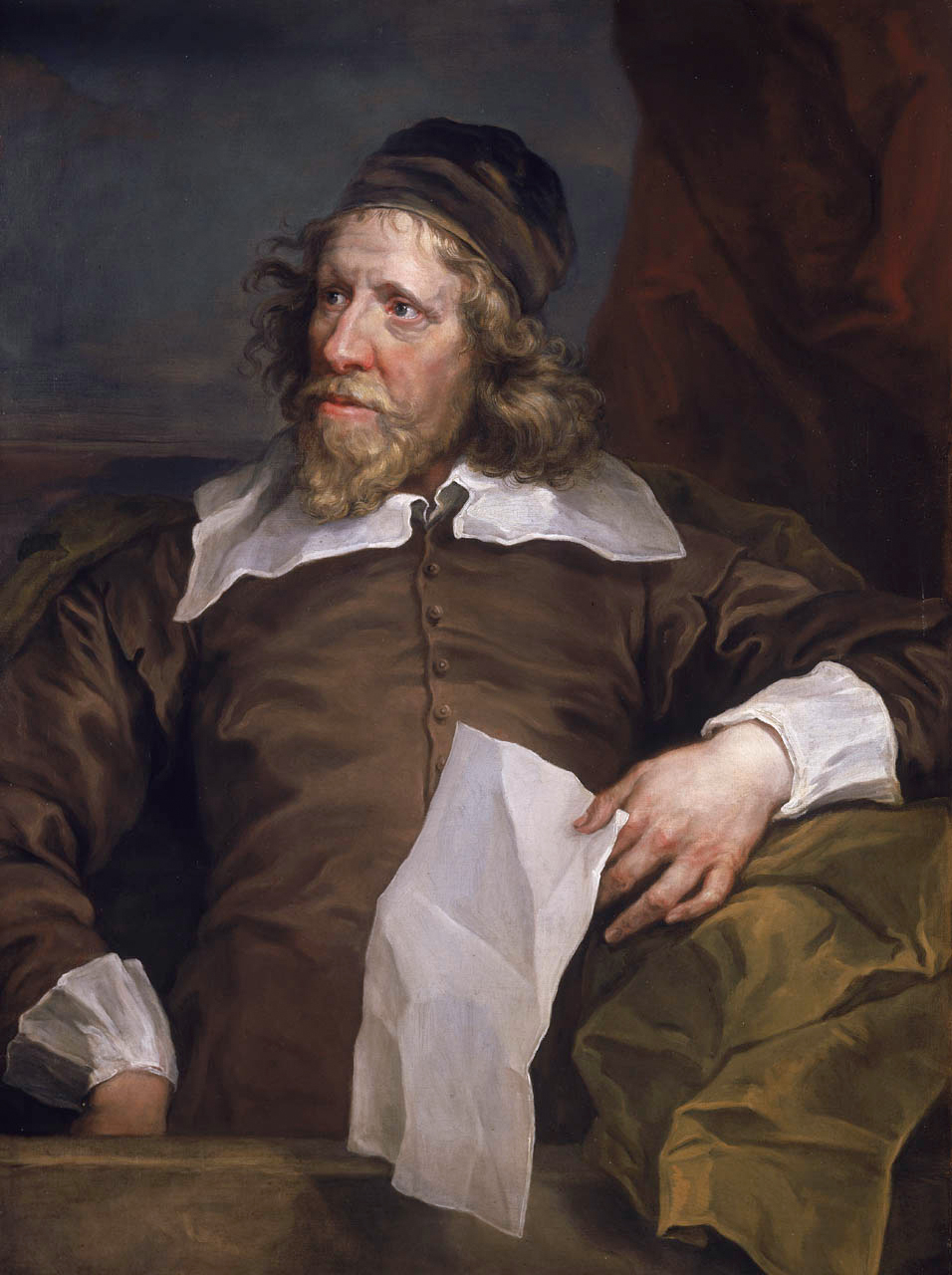
Inigo Jones
"Father of English Palladianism," introducing Italian Renaissance & Roman classical architecture (symmetry, proportion, classical orders) to Britain
Marc-Antonie Laugier
Jesuit
One of the first theorists of Neo-Classicism
“Although there are five elements in the General Principle of Architecture, only three, the column, the entablature, and the pediment, are the primary Order of Architecture that can create a complete architectur.e”
Grand Tour
Mainly for aristocrat british young men
Educative tripe that introduce people to FR and IT arch for the next 300 hundred years
Rome was the main place they visit
Neo-Classical
Arch movement in 18th-19th centuries to relive Greco-Roman principles of symmetry, simplicity, harmony and logic as a reaction against the Barroque sorpresive and uknown style
Beaux Art
Originated in Eccole des Beaux-Arts
Beaux-Arts (French for "fine arts") refers to an opulent, classical architectural style popular in the late 19th and early 20th centuries, characterized by grandeur, symmetry, elaborate ornamentation, and grand public statements, drawing from Greek, Roman, and Renaissance forms, seen in iconic buildings like New York's Grand Central Terminal and the Library of Congress, but also broadly to fine arts training and institutions
 Note
Note  Flashcards (70)