Material for the Sacred: Trading from Mali to France
 Studied by 1 person
 Call Kai
 Learn
Learn Practice Test
 Spaced Repetition
 Match
Match Flashcards
 Knowt Play
1/19

There's no tags or description
Looks like no tags are added yet.
Name | Mastery | Learn | Test | Matching | Spaced | Call with Kai |
|---|
No analytics yet
Send a link to your students to track their progress
20 Terms
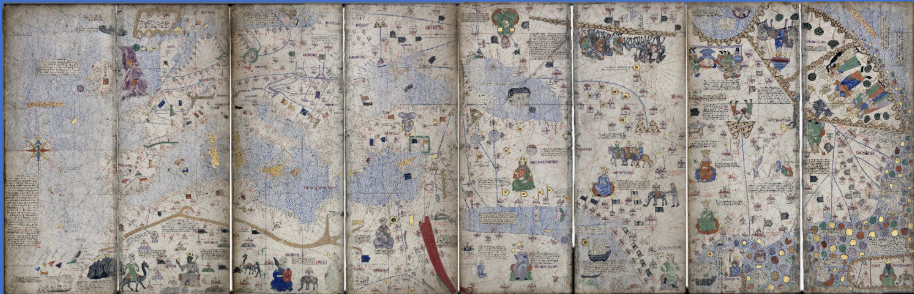
Catalan Atlas, Majorca, Spain, 1375, Abraham Cresques
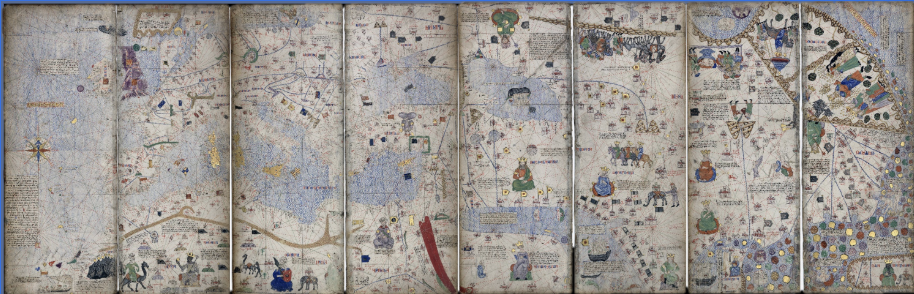
what is the context and placement of the Catalan Atlas and its significance
made by a jewish cartographer and commissioned as a gift for the King of France, laid out on a table to consult every side=no up or down because they knew the world was round
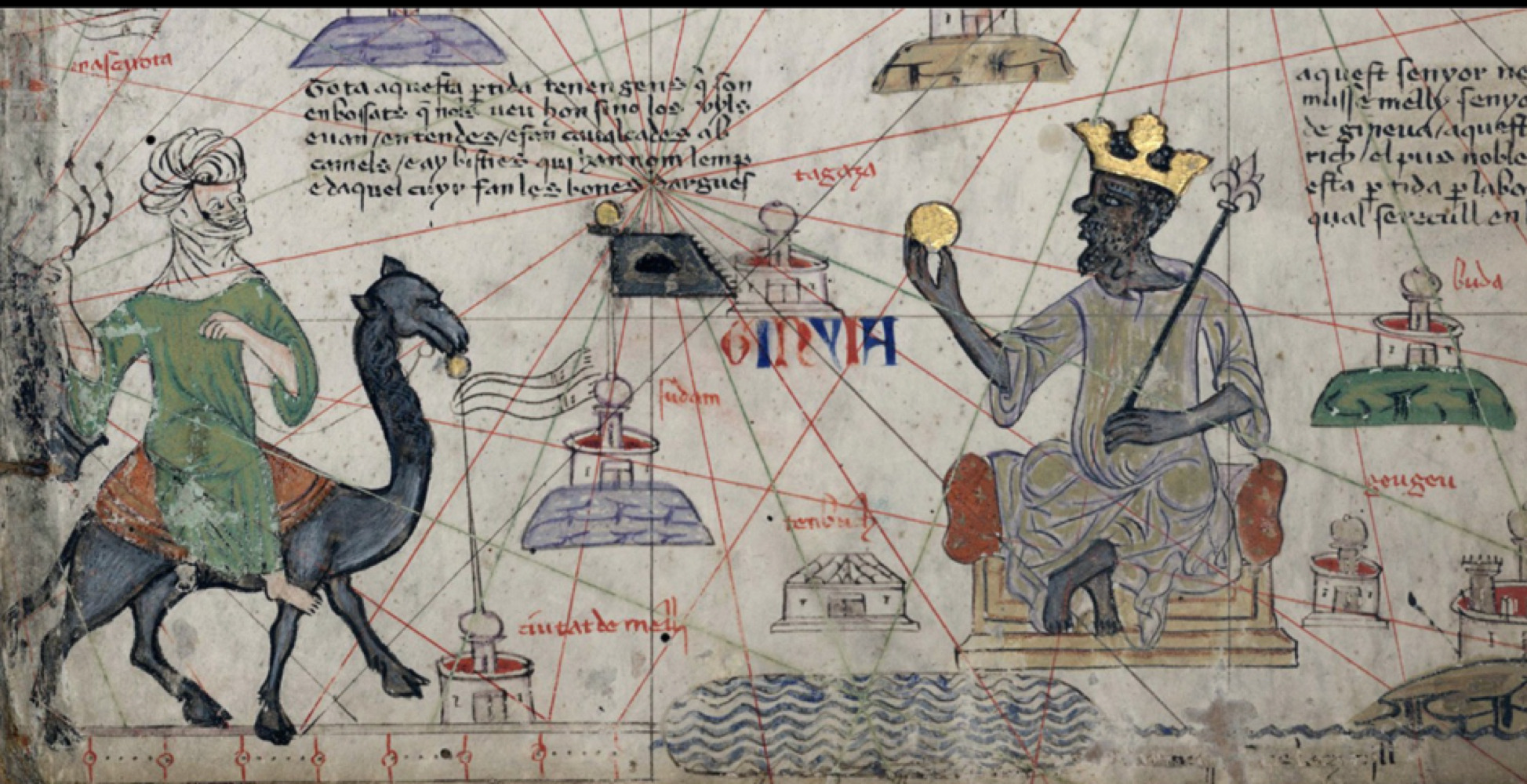
describe the Catalan Atlas images and its significance
Richness of figure Mansamusa: rich king of Mali who had many resources, he was famed for his wealth and pilgrimaged= gold permeate other parts of the world, he is approached by a merchant with a turban on a camel who wants resources from Mali, this shows the long running trade relationship as salt was traded for gold
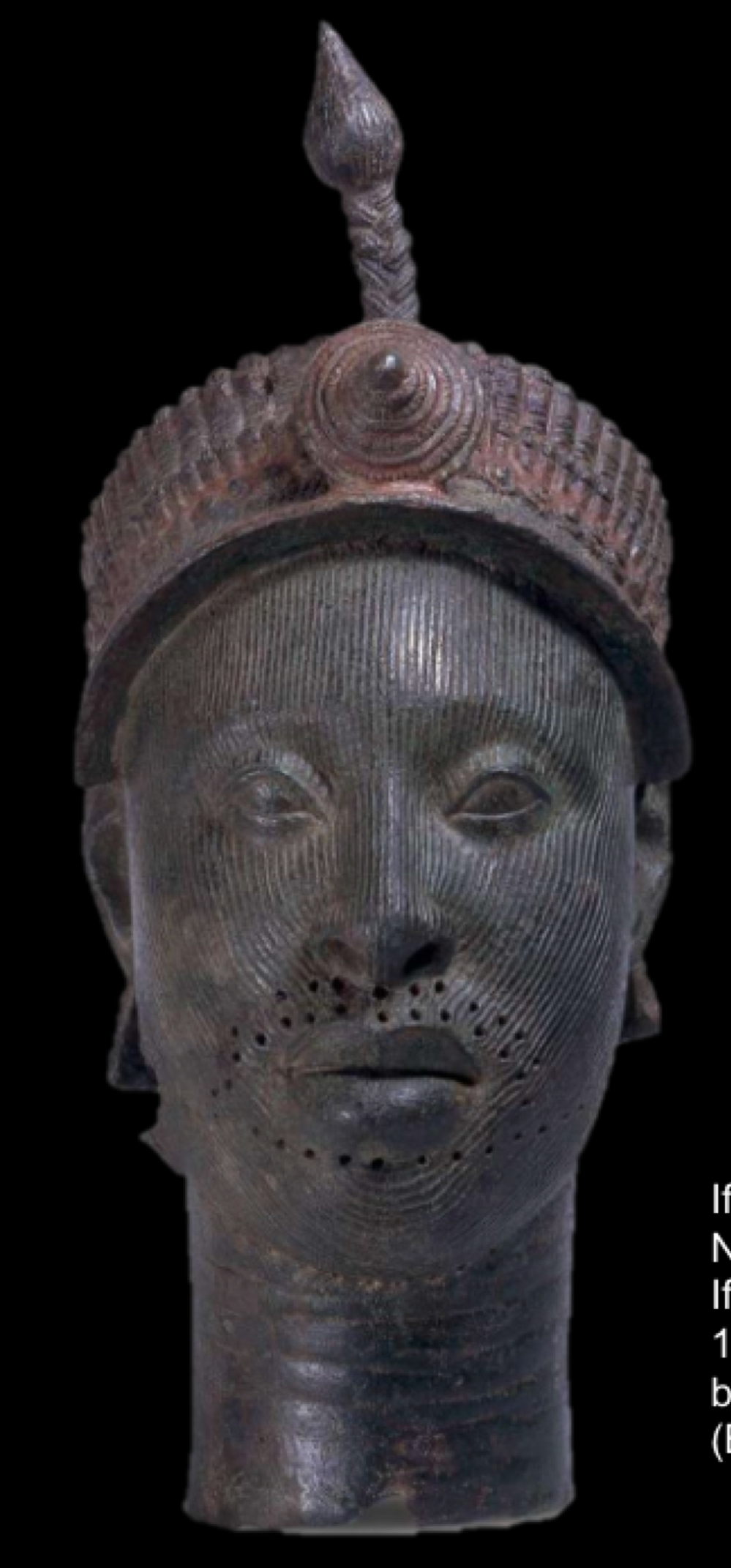
Ife Head, Nigeria, Ife, 14th or early 15th century, brass (British Museum, London)
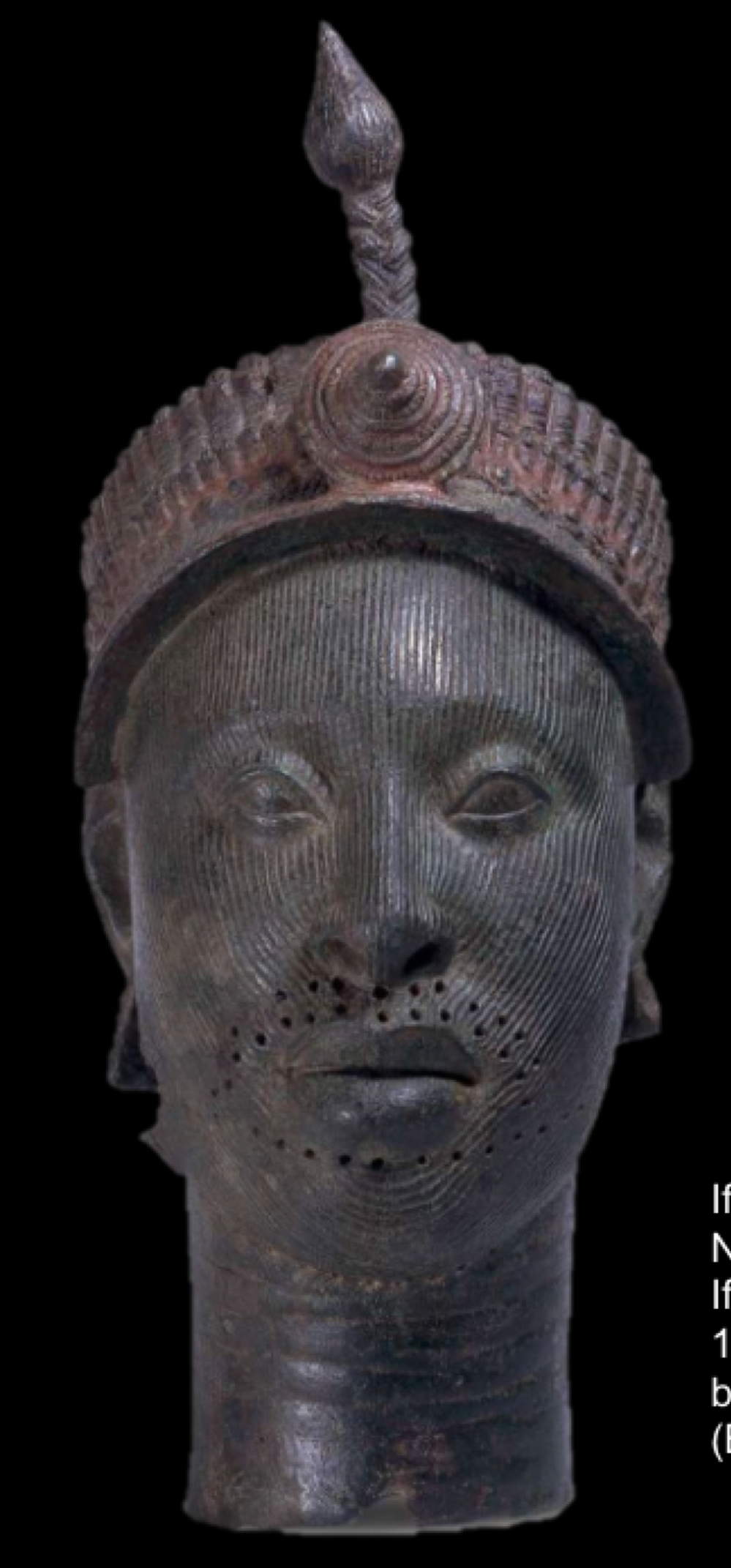
Where were the Ife Heads found and how were they made
buried in the ground, lost wax method
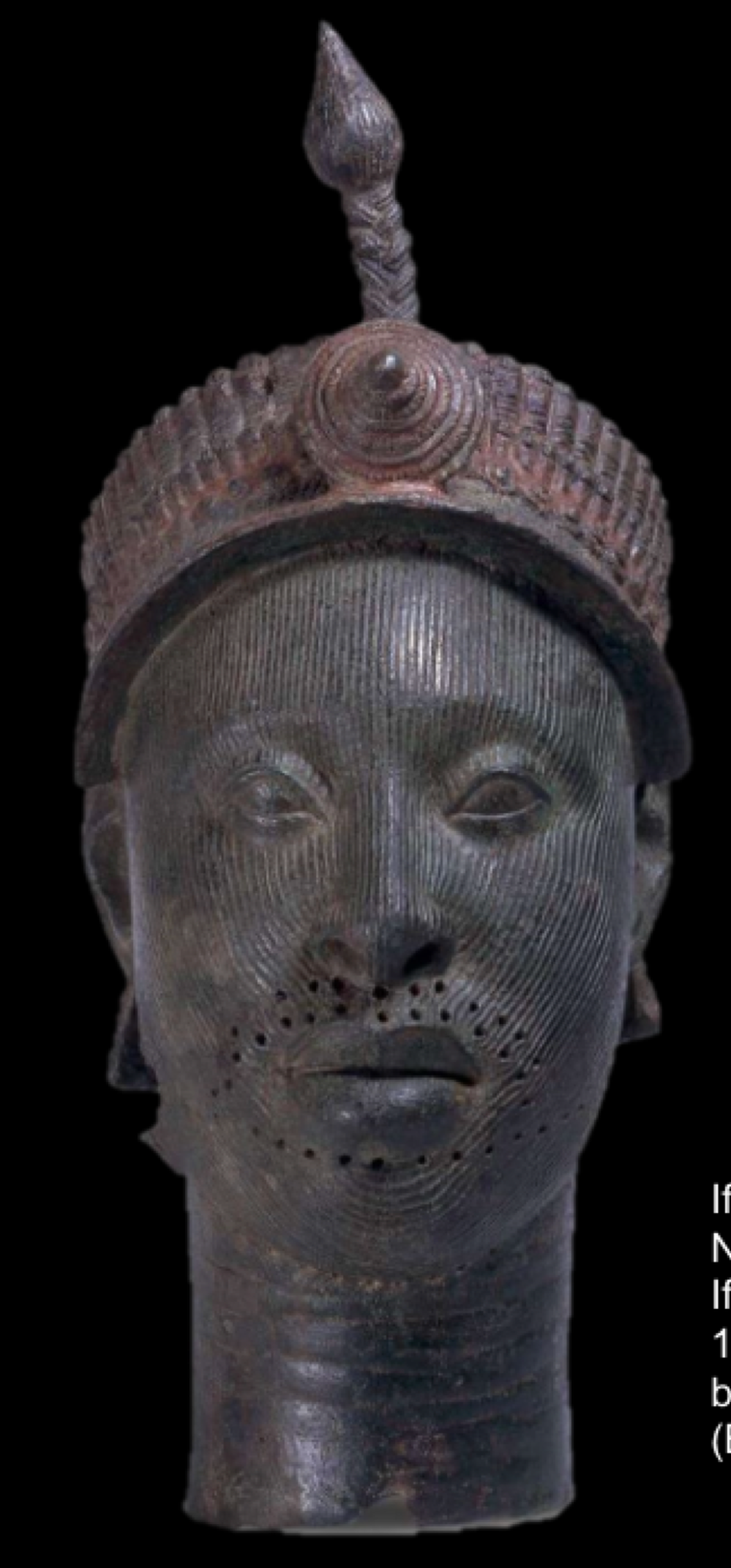
what does the Ife Head depict and its significance
a king/”Uni” wearing an elaborate headdress showing their status and divine heritage
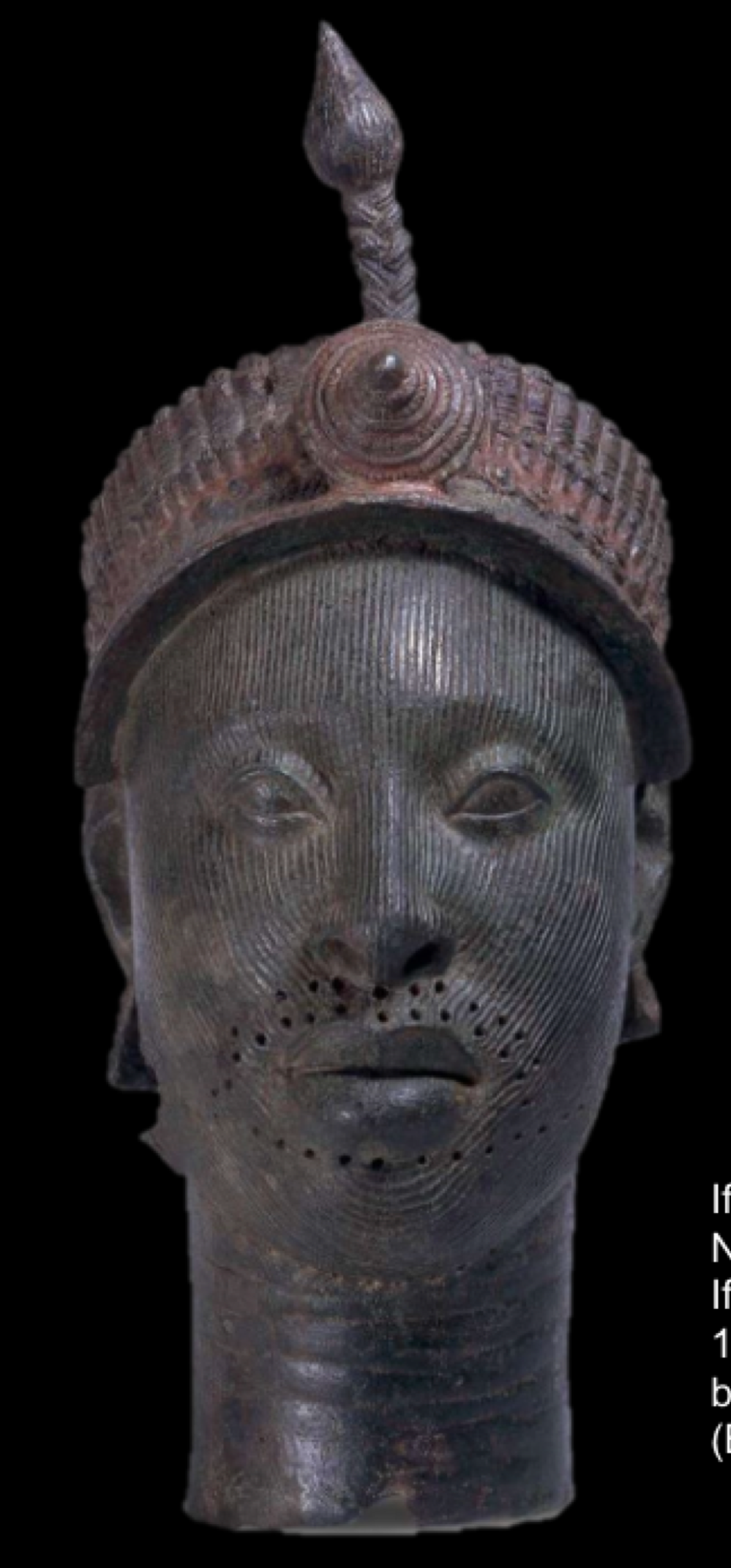
describe the Ife head and its significance
carefully constructed idealized naturalism: features accurate and gently modeled, sense of serenity and composure=divine kinship=set apart from citizens, holes in the mouth where beads would have been: added status? energy/”ashe” resides in the head so the mouth/lips are closed to protect the escape of “ashe,” power to head elevated the ruler, pattern of parallel lines denotes status? striations create a powerful rhythm and enhance the power of the figure
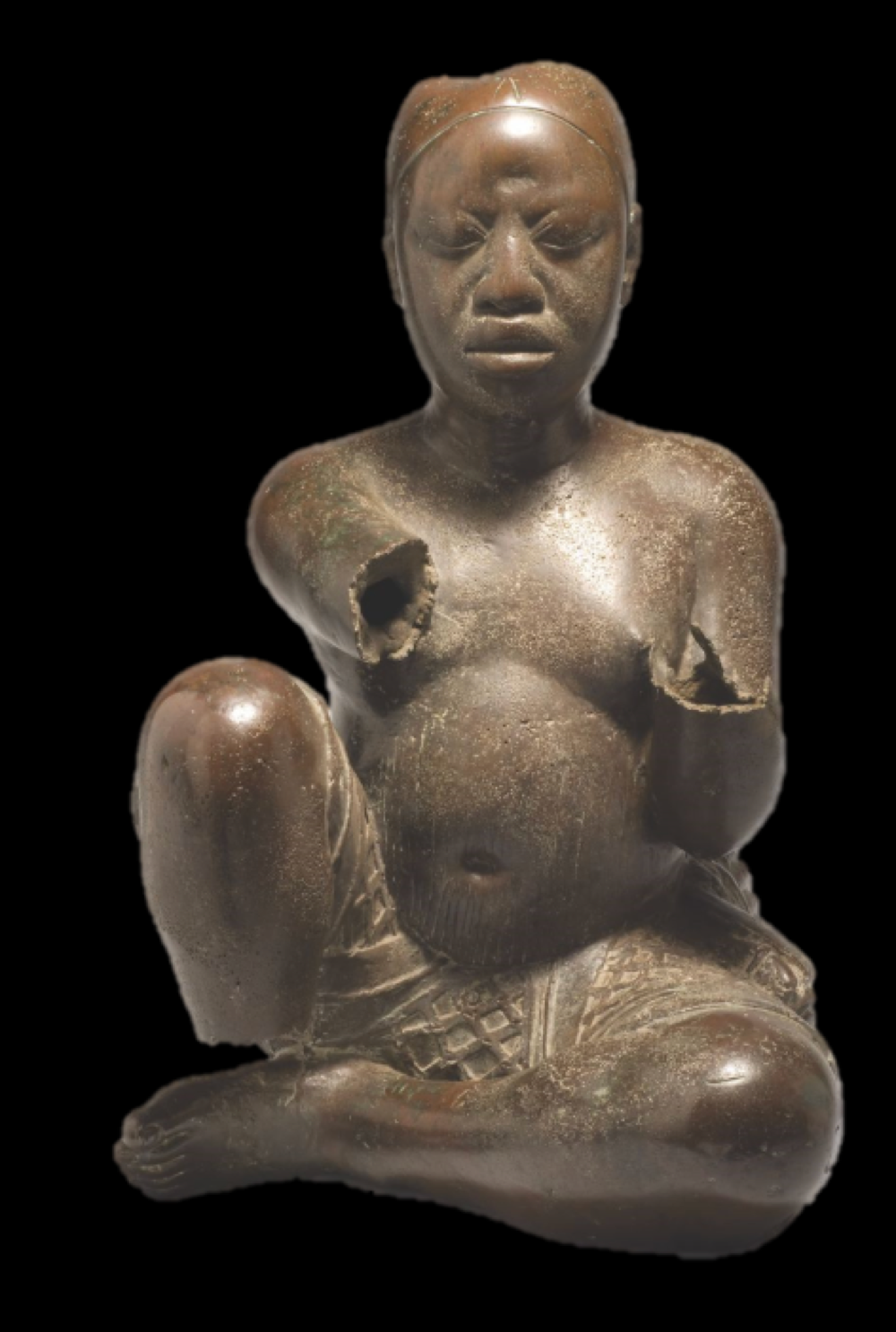
Seated Figure, Nigeria, possibly Ife, late 13th - 14th century, copper (National Museum, Lagos)
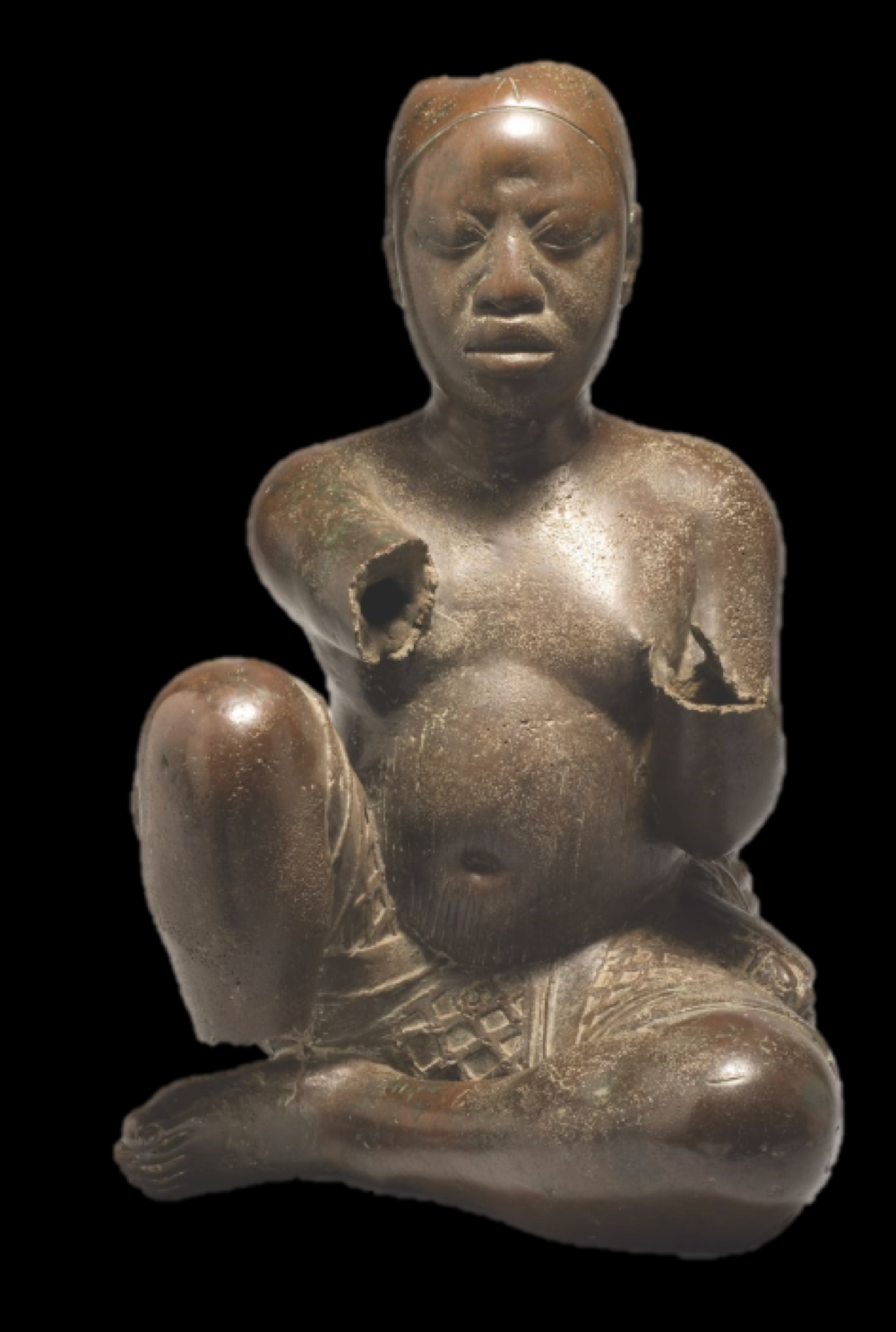
where was the seated figure found and its significance and what does it depict
found North of the capital at a trading post where copper was traded to make sacred objects, the copper came from France showing long distance trade, not a ruler
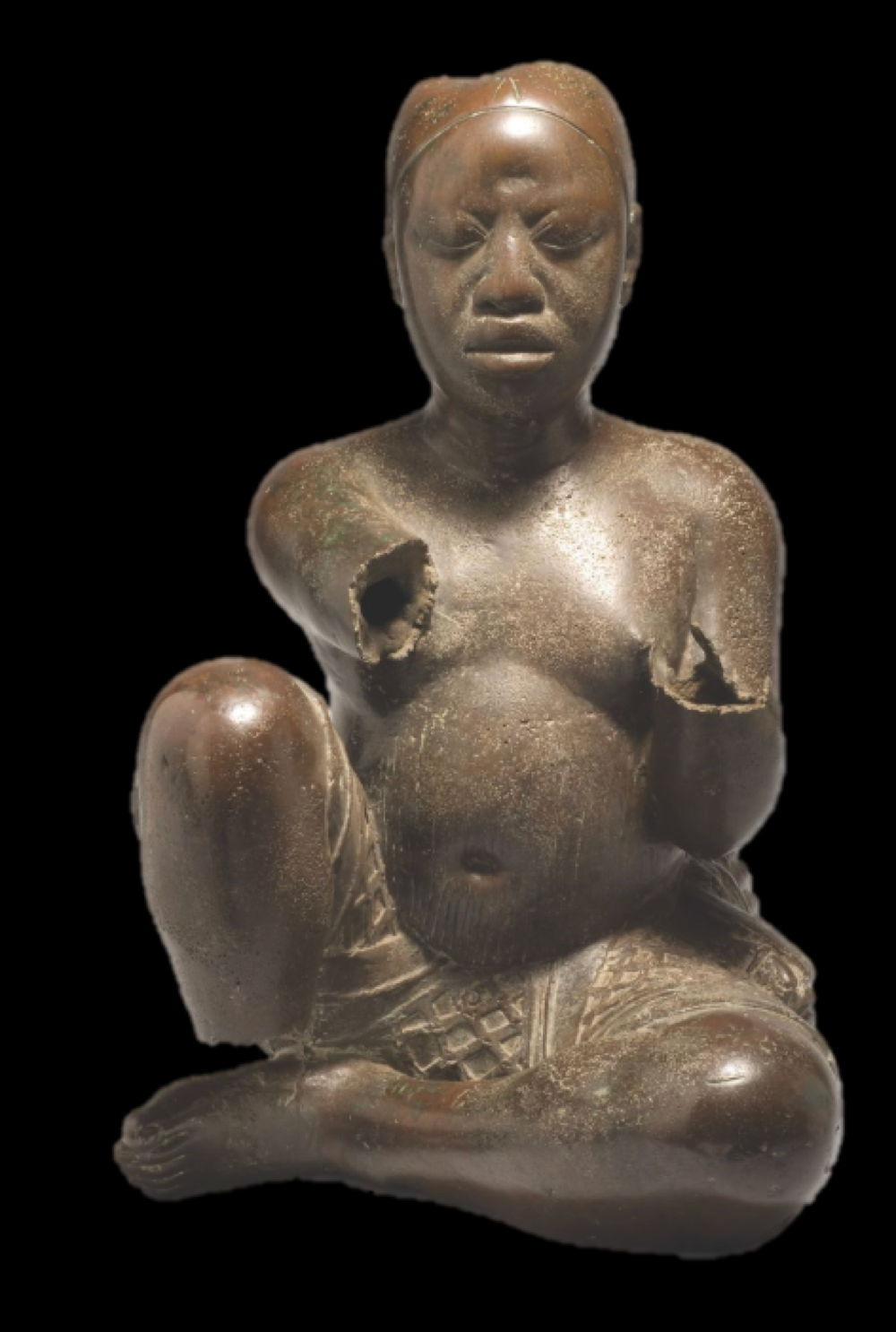
describe the Seated Figure
more naturalistic proportions, no ornate garments
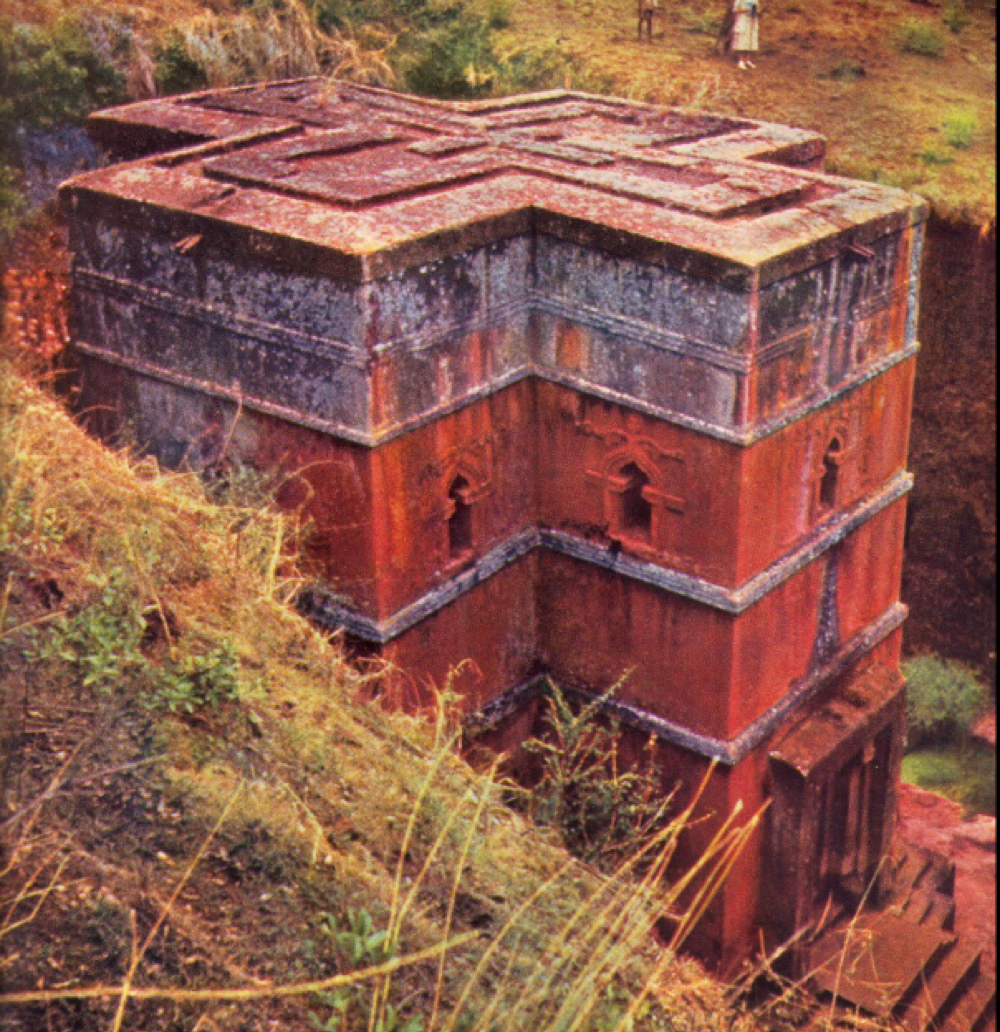
Lalibela, Ethiopia, late 12th - 13th century, Biete Ghiorgis (House of St. George)
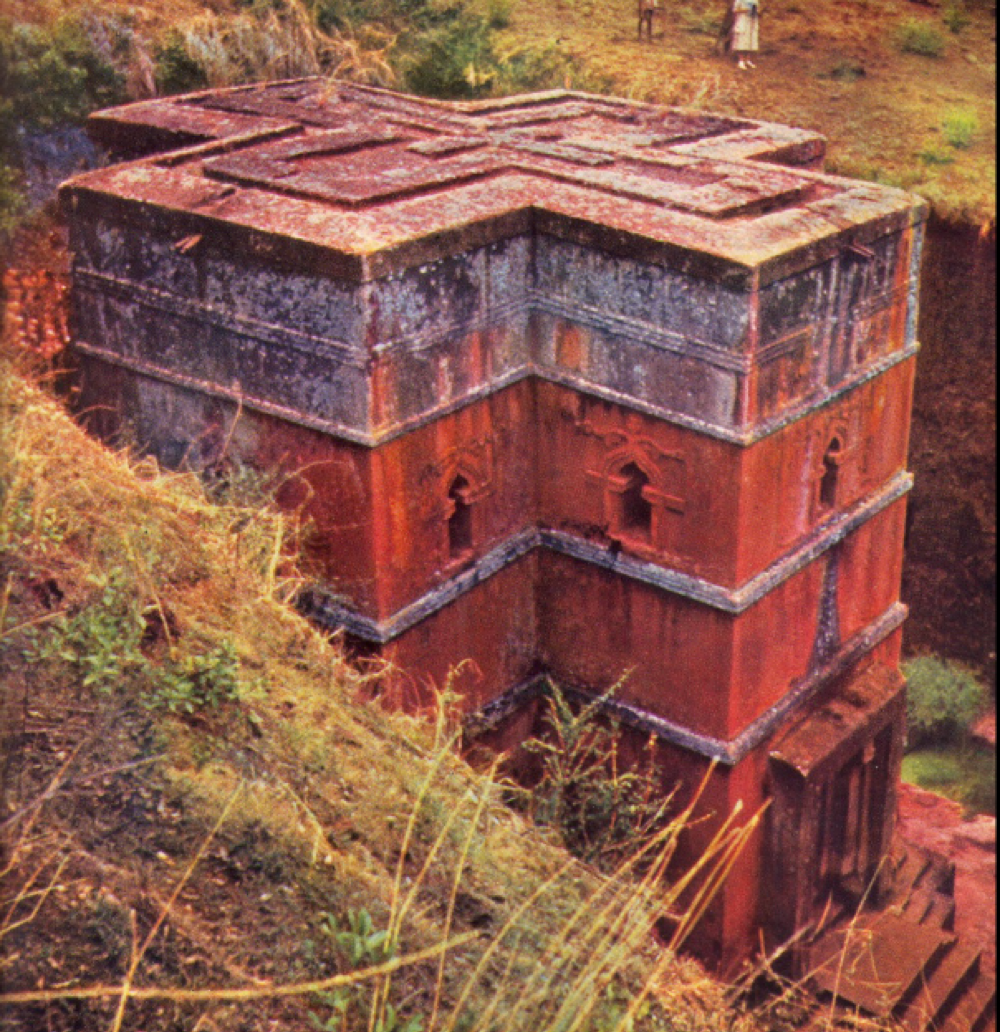
describe the structure of the Lalibela, Biete Ghiorgis
cross-shaped structure cut into the hillside/ “excavated”, carved out on inside: worship space, greek cross plan type: each arm equal length, exterior: stringcorses, carved windows and detail
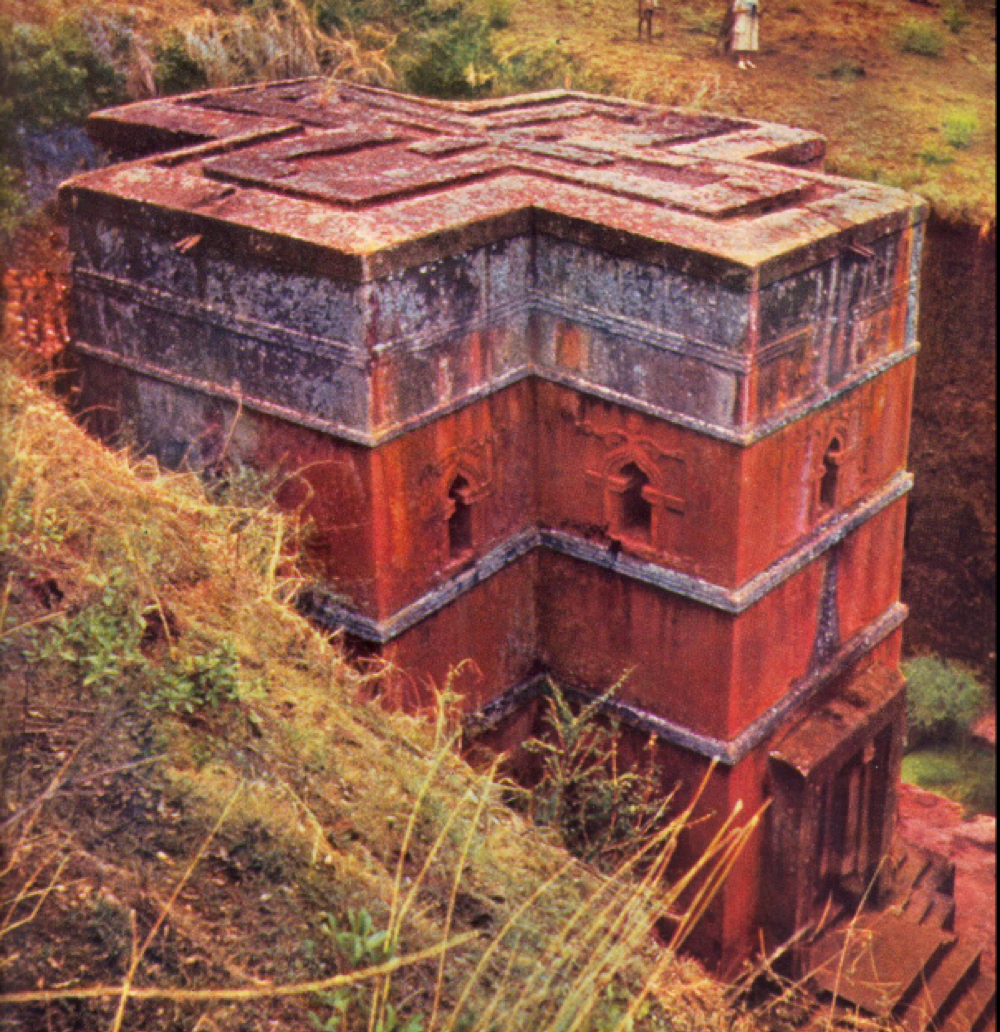
describe the environment of Lalibela and its significance
belong to sacred topography: emulate Jerusalem, Named after King: Lalibela, name features after those in Jerusalem to reinforce authority and ties to sacred figures, Pilgrimage site
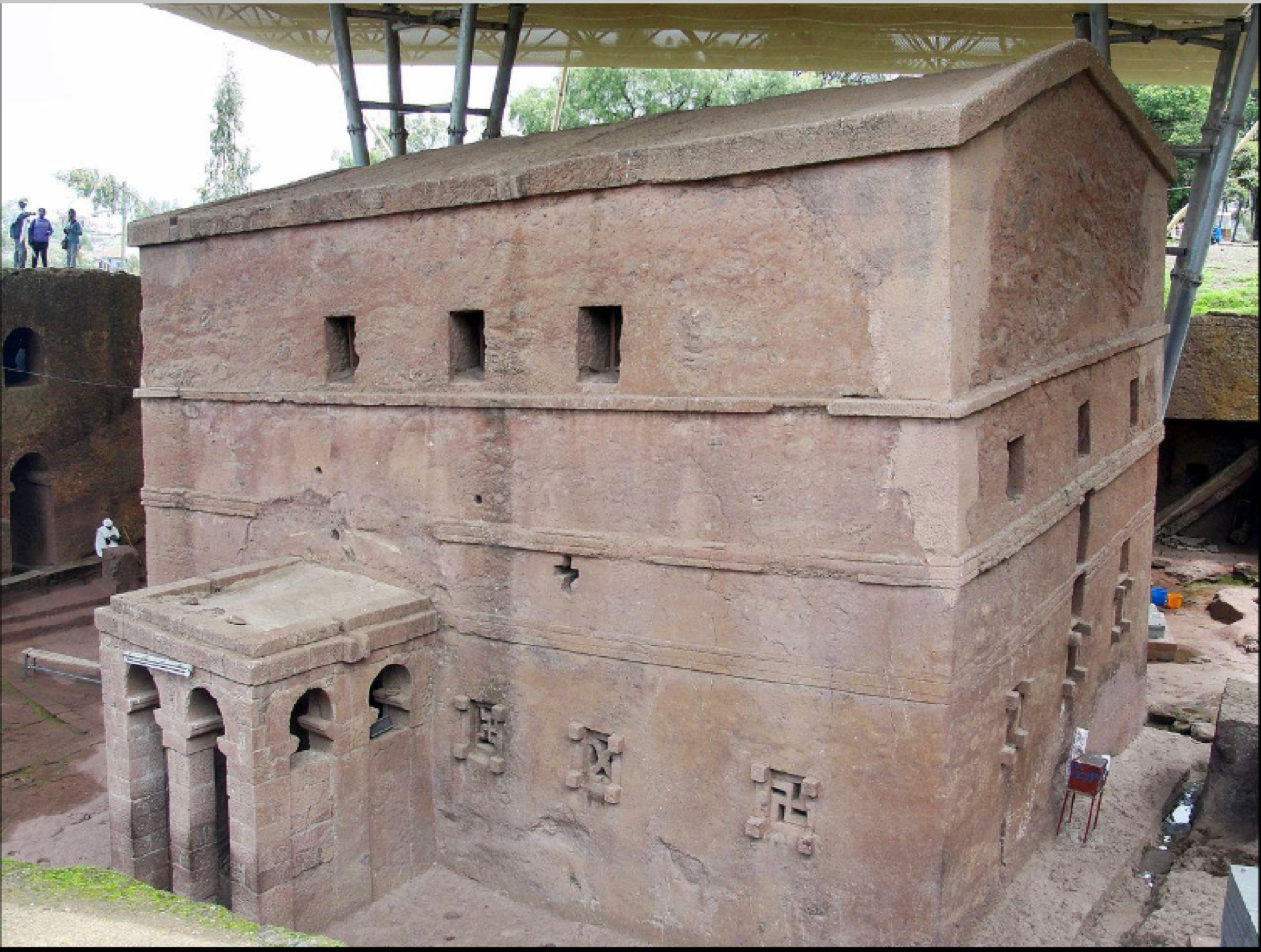
Lalibela, Ethiopia, late 12th - 13th century, Biete Mariam (House of Mary)
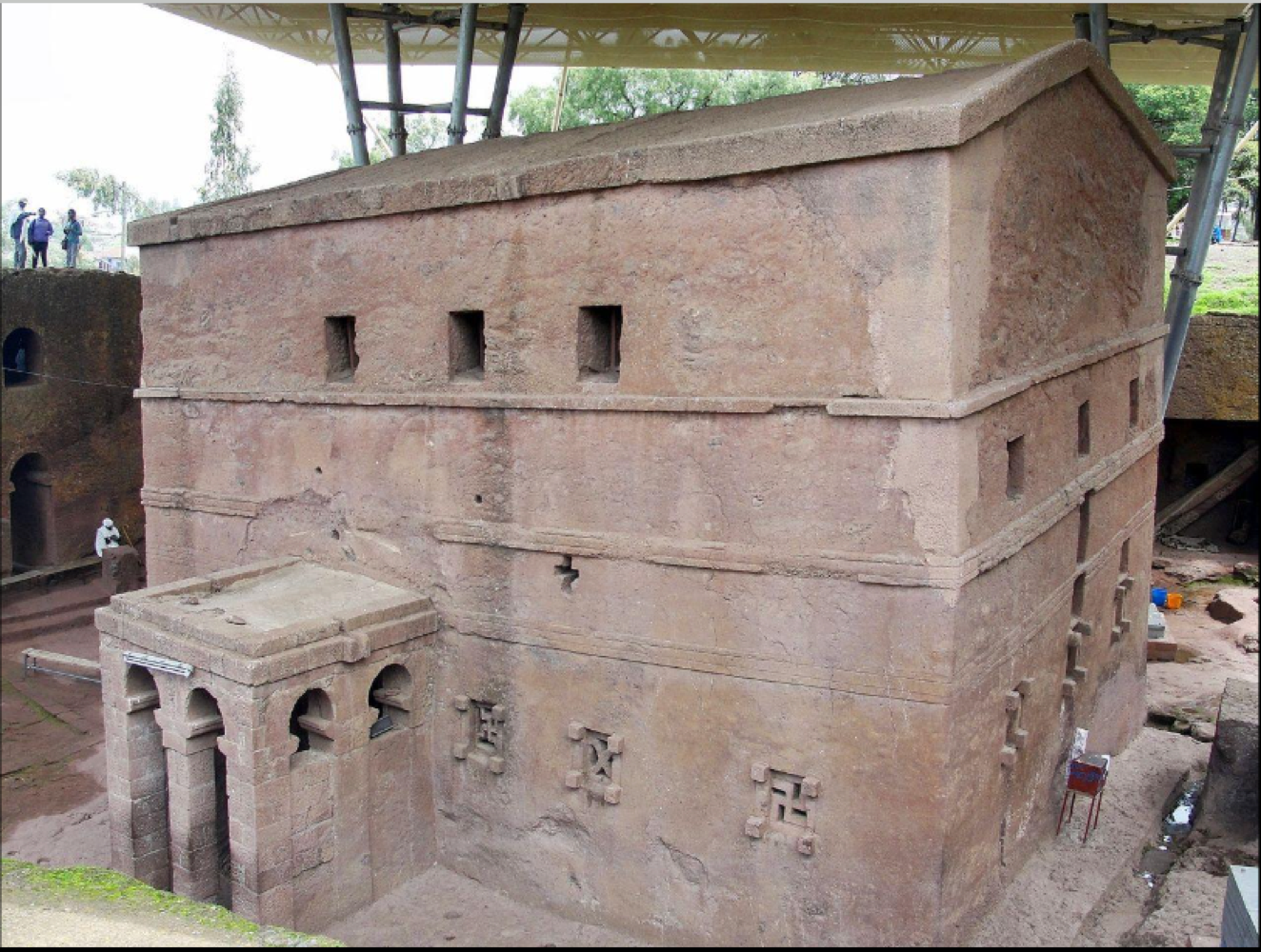
describe the composition of the House of Mary
decor similar to House of St.George, cross shape, stringcourses on walls, window articulation, 3 aisle basilica plan
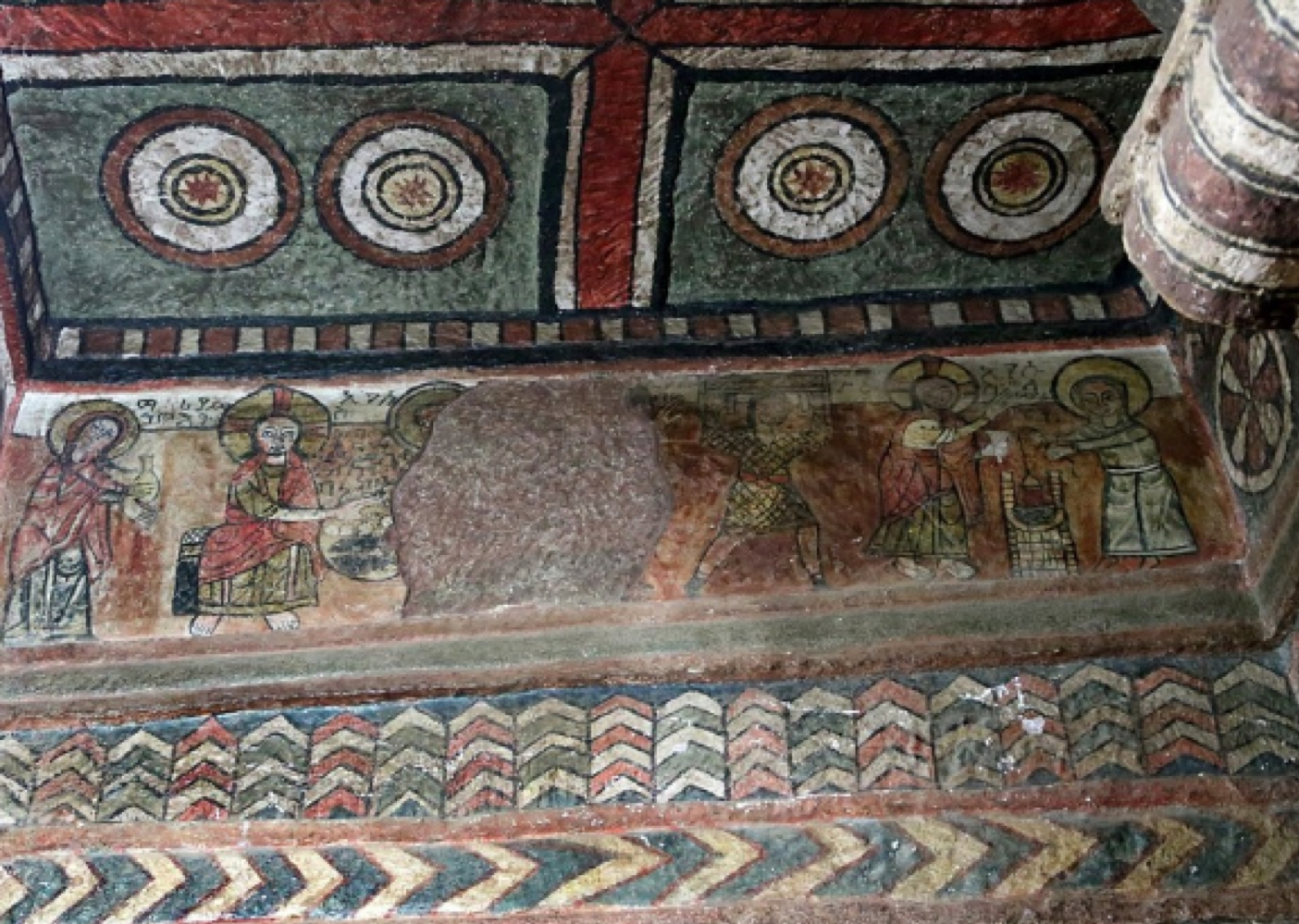
describe the interior of the House of St.Mary
brilliant geometric pattern paintings, narrative scenes: Christ with cross and halo, dark inside: few windows, sunk into ground, diffuse light, supplemented by candlelight=images flicker with light
Ooni
ruler of the Ife Kingdom
Ase
energy present in all things

Greek-cross plan
a church plan type characterized by a square central mass and four arms of equal length
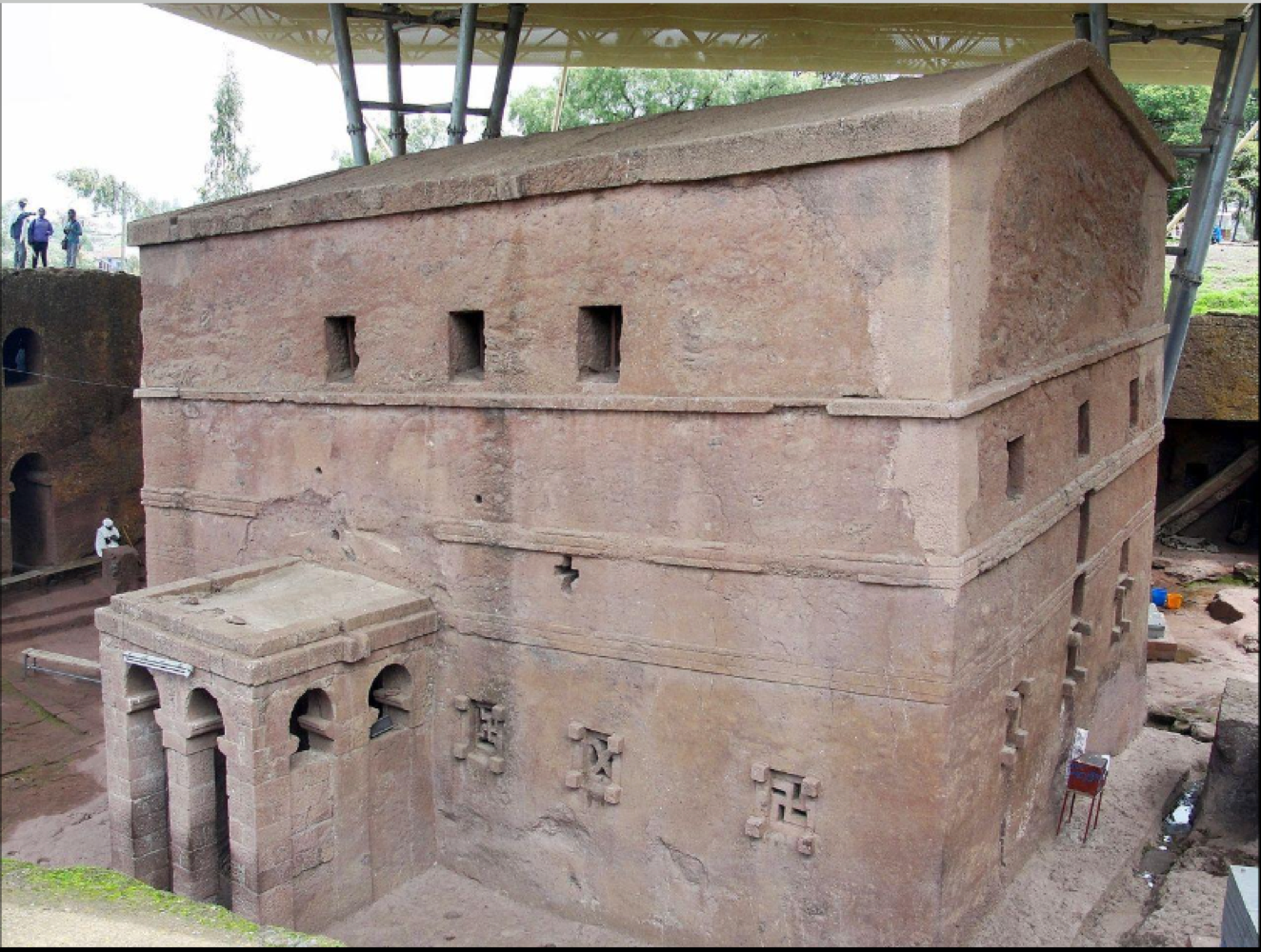
Stringcourse
a decorative horizontal band on the exterior of a building
 Note
Note  Flashcards (21)