Marine Ecology Exam 2
 Call Kai
 Learn
Learn Practice Test
 Spaced Repetition
 Match
Match Flashcards
 Knowt Play
1/82

There's no tags or description
Looks like no tags are added yet.
Name | Mastery | Learn | Test | Matching | Spaced | Call with Kai |
|---|
No analytics yet
Send a link to your students to track their progress
83 Terms
Deposit feeders
Ingest sediment and get most of their nutrition from microbes
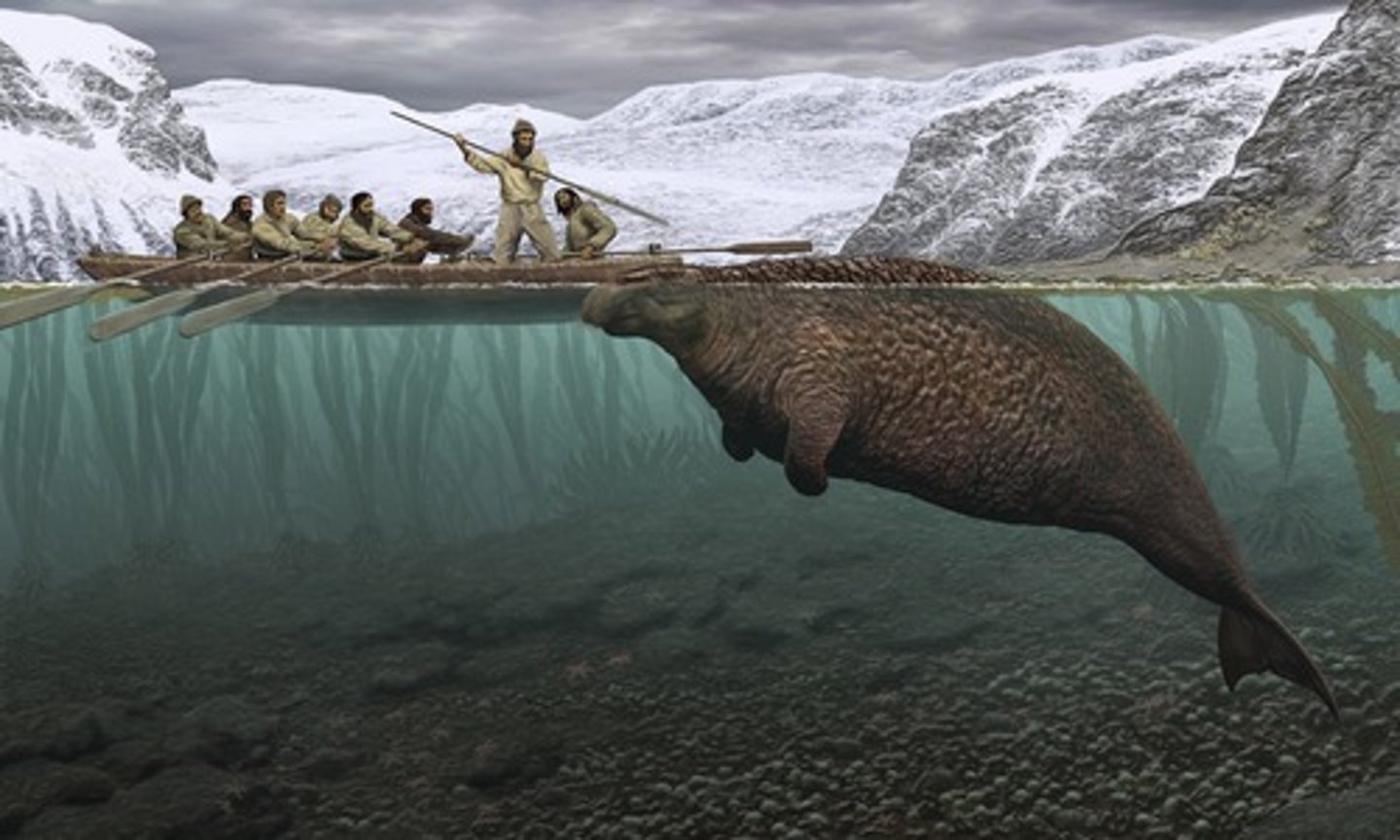
Steller's sea cow
Was hunted to extinction
Characteristics of Polar seas, Antarctic (subtidal/pelagic)
- There are diatoms and krill dominating the planktonic niche which is common in these cold regions
- Also the dominance of marine mammals is more common in cold regions, Specifically seal presence as well
Effects hunting of whales may have had on the rest of this food web
- Reduced nutrient cycling, Whales feed at depth and defecate at the surface, providing iron and nitrogen that fertilize phytoplankton. Reduced whale populations decreased this nutrient availability, resulting in less phytoplankton.
- Declining Krill and Food Web Collapse: In the Southern Ocean, the slaughter of baleen whales was linked to a decline in krill populations, contradicting the idea that more whales mean more food for other species.
- Loss of Deep-Sea Biodiversity ("Whale Falls")
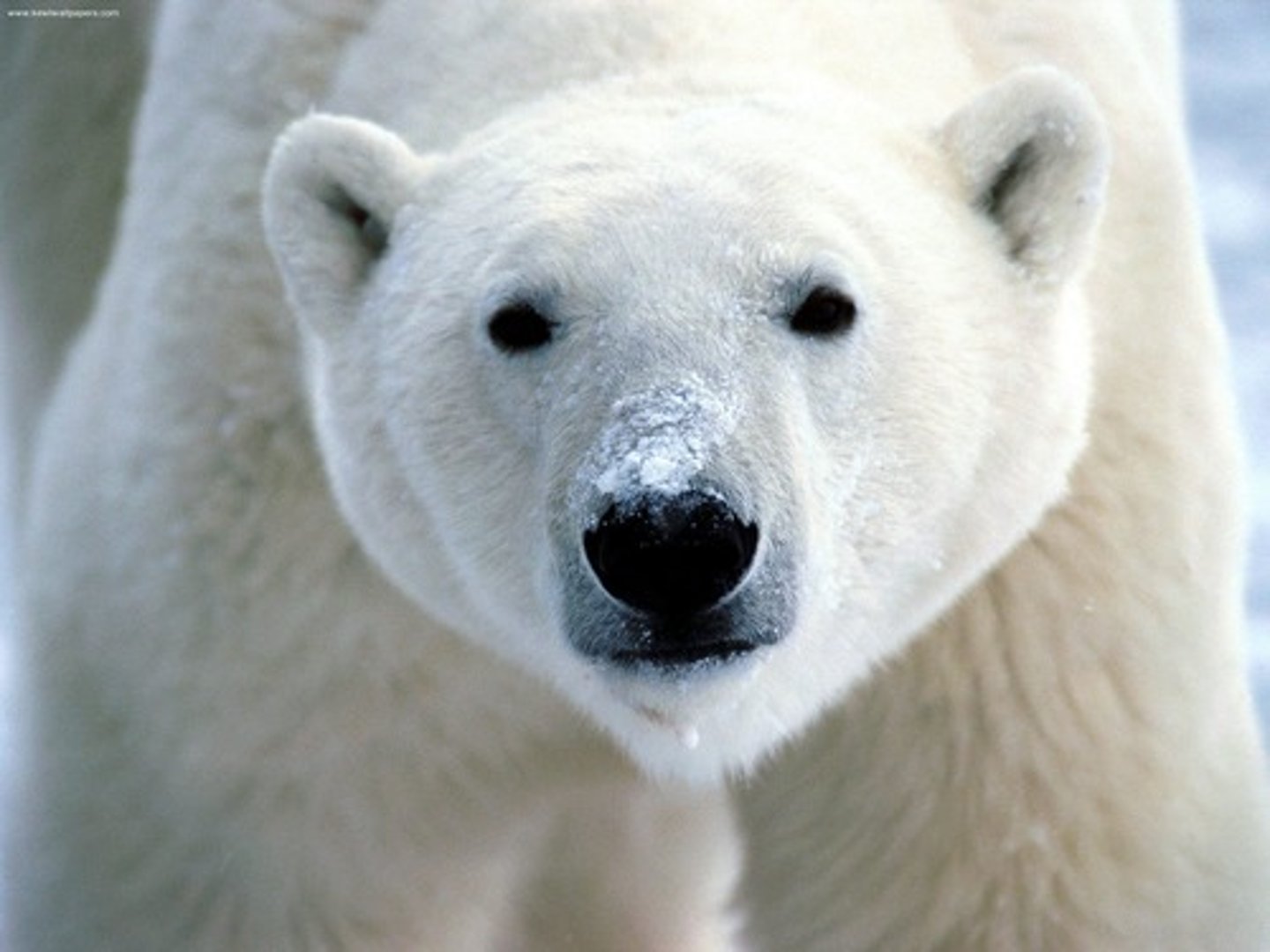
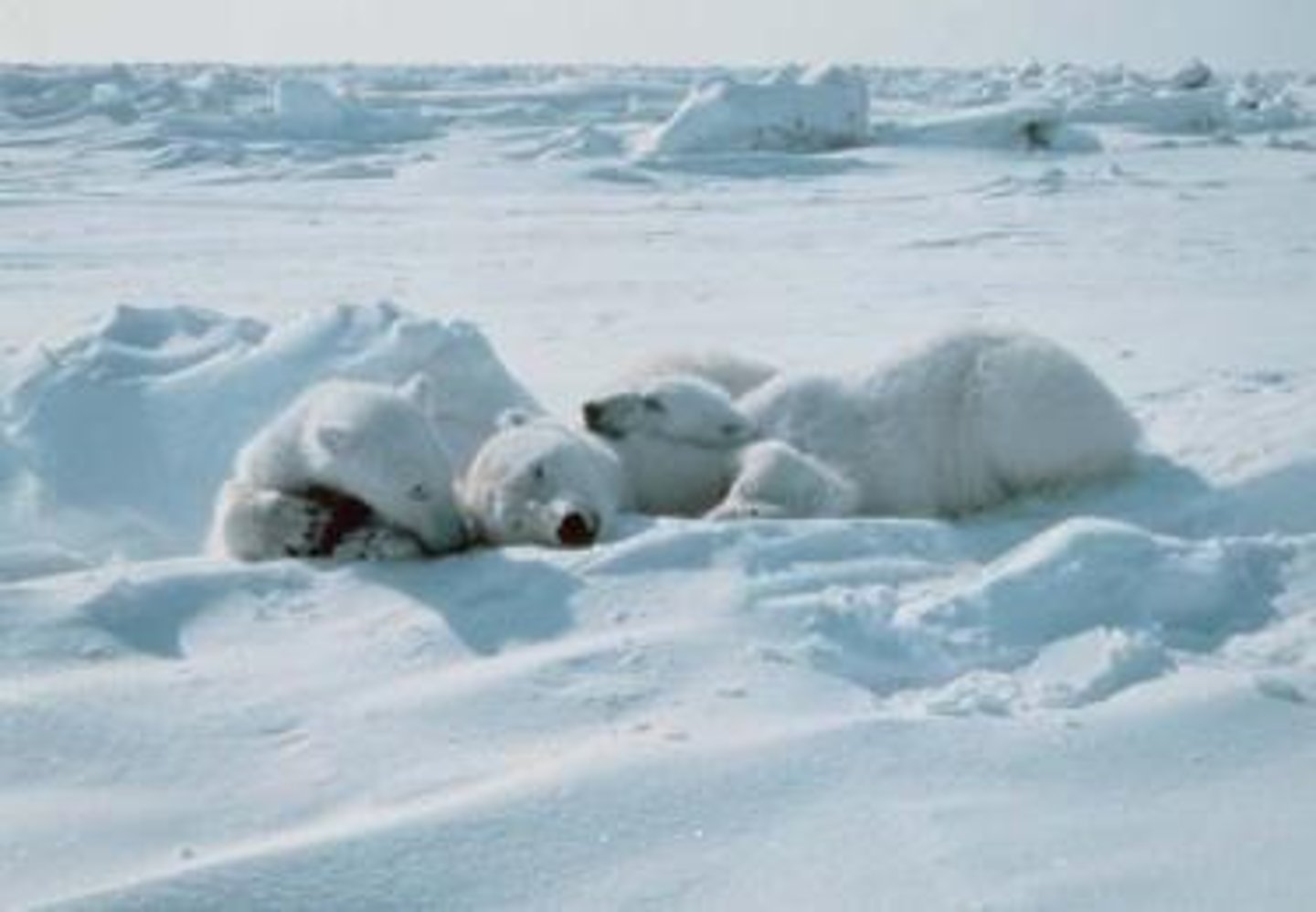
Polar bears
- Family Ursidae
- Polychlorinated biphenyls (PCBs), industrial chemicals that accumulate in marine life
- Threatened by habitat loss
- Blubber, semi-aquatic
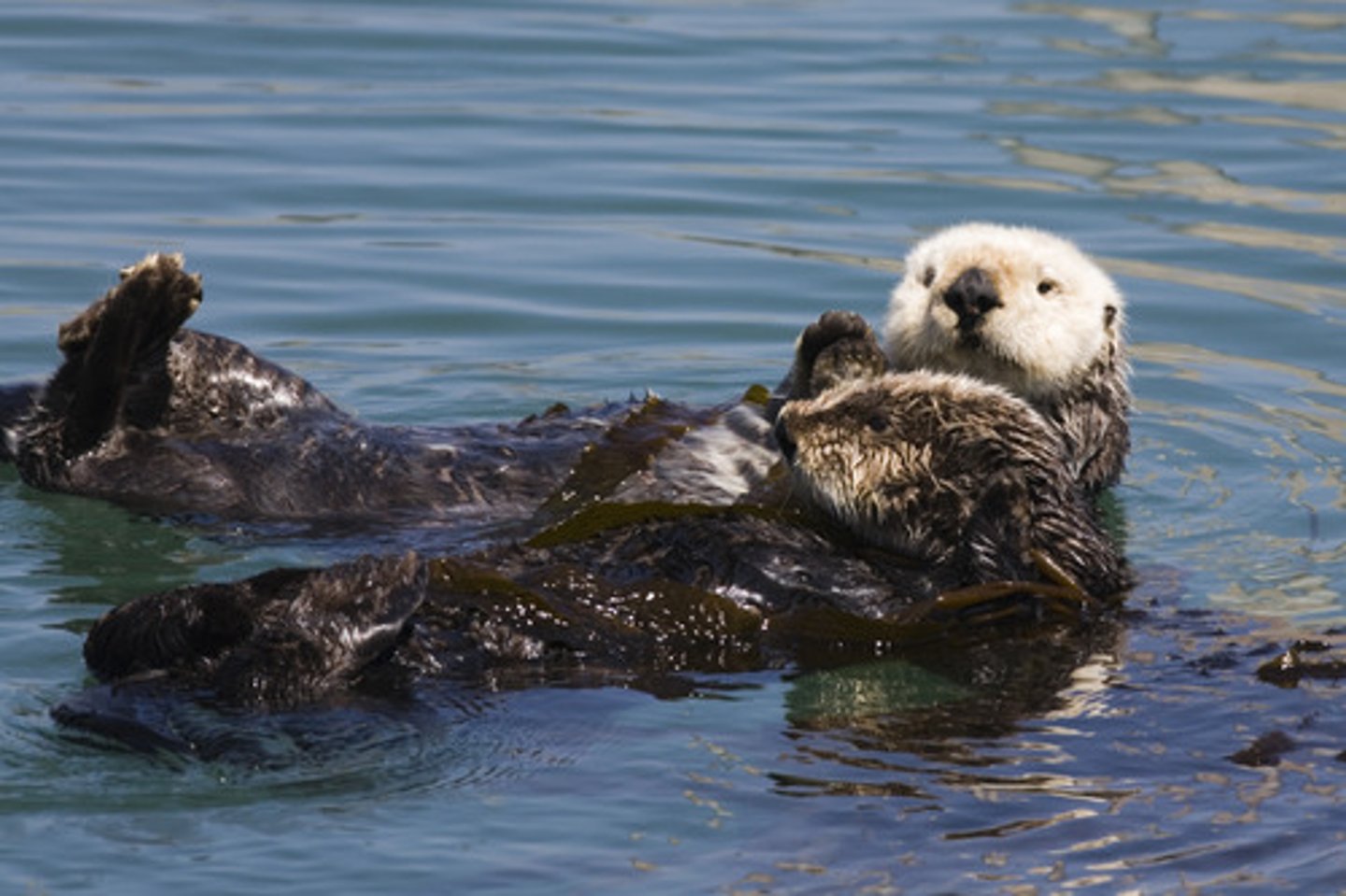
Sea Otter
- Most aquatic carnivore
- Family Mustelidae
- No blubber, relies on thick fur to keep warm, denser fur than any other mammal
- Nostrils and ears can close
Pinnipedia
- Seals and sea lions
- Layer of blubber
- Slow reproduction; long-lived adults
- Many are polygamous and territorial on breeding grounds - largest, most aggressive males collect a harem
- long eyes, optimized to see prey underwater
- short snout, maintains heat
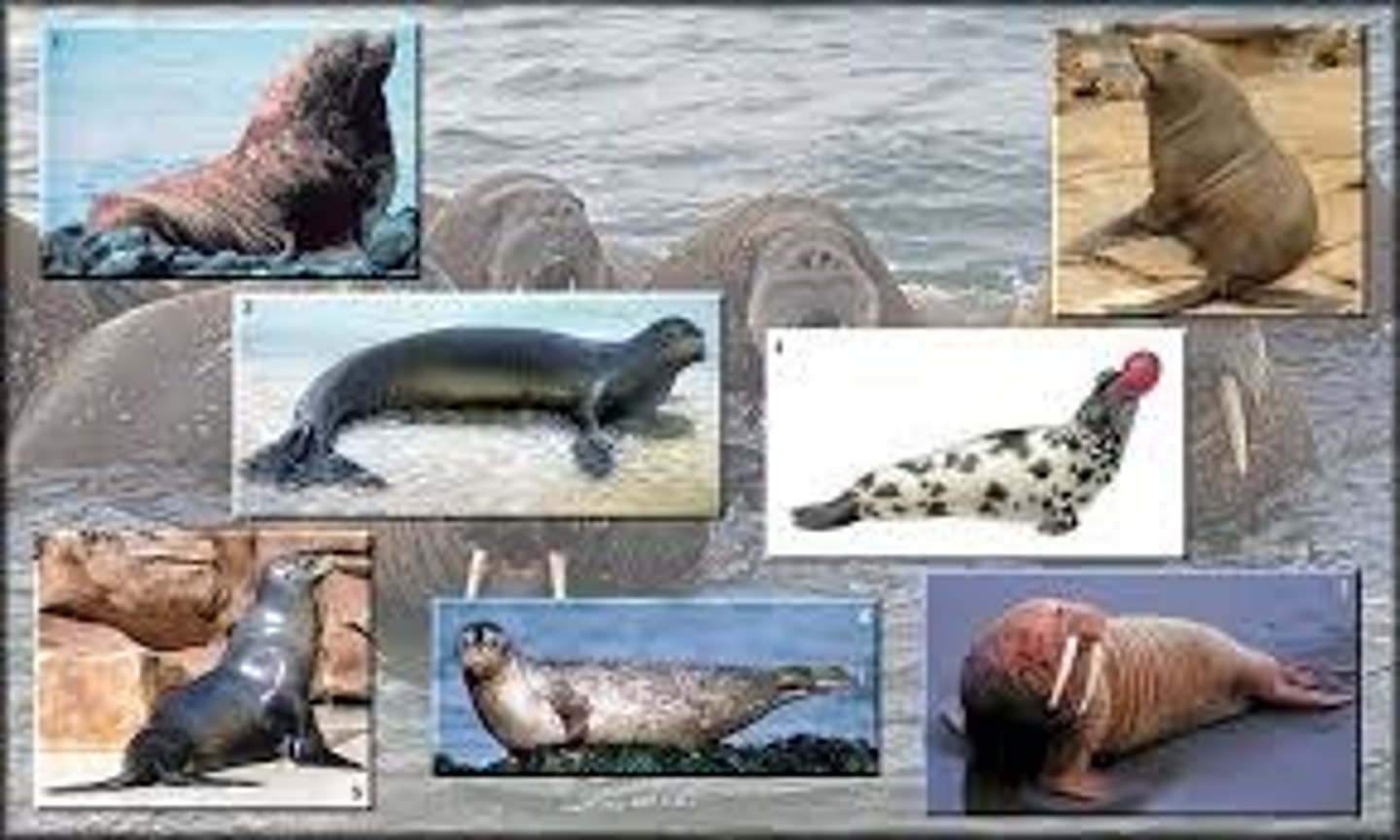
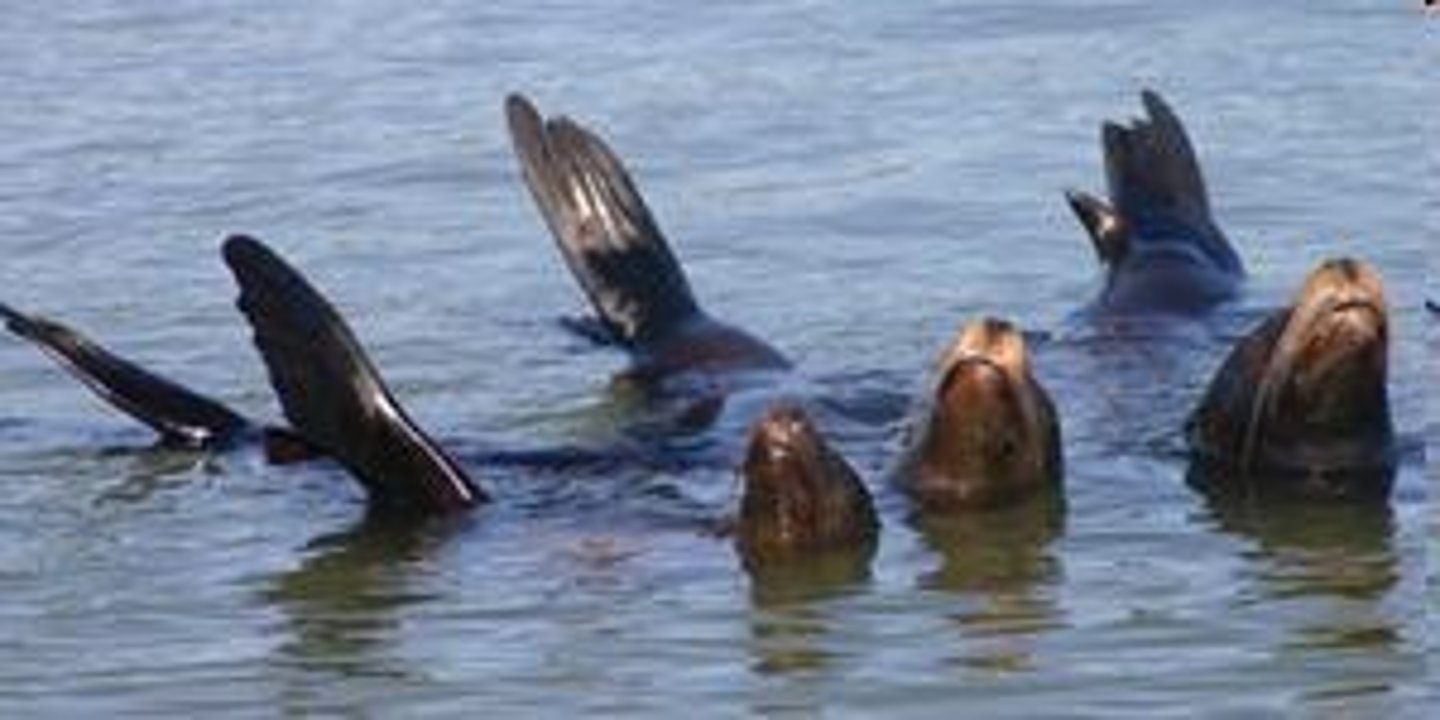
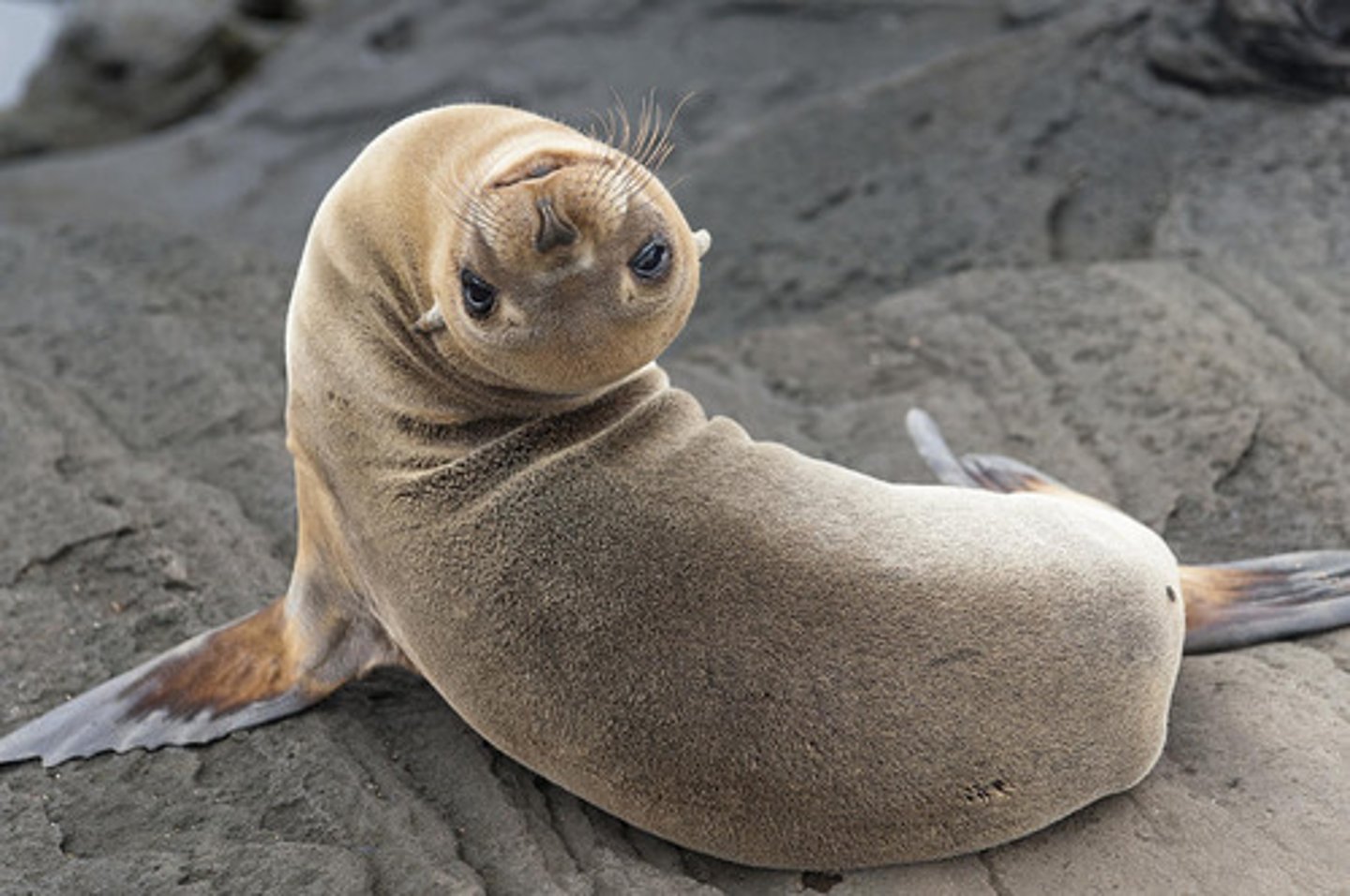
Sea lions and fur seals
- Have external ears
- Family Otariidae
- Have dense layer of hairs closeto the skin, Traps air, Waterproof
- Can move rear flippersforward (rotate pelvis), and front flippers forwardso can walk on land withall 4 limbs
Family Otariidae
Sea lions and fur seals
Family Phocidae
True or earless seals
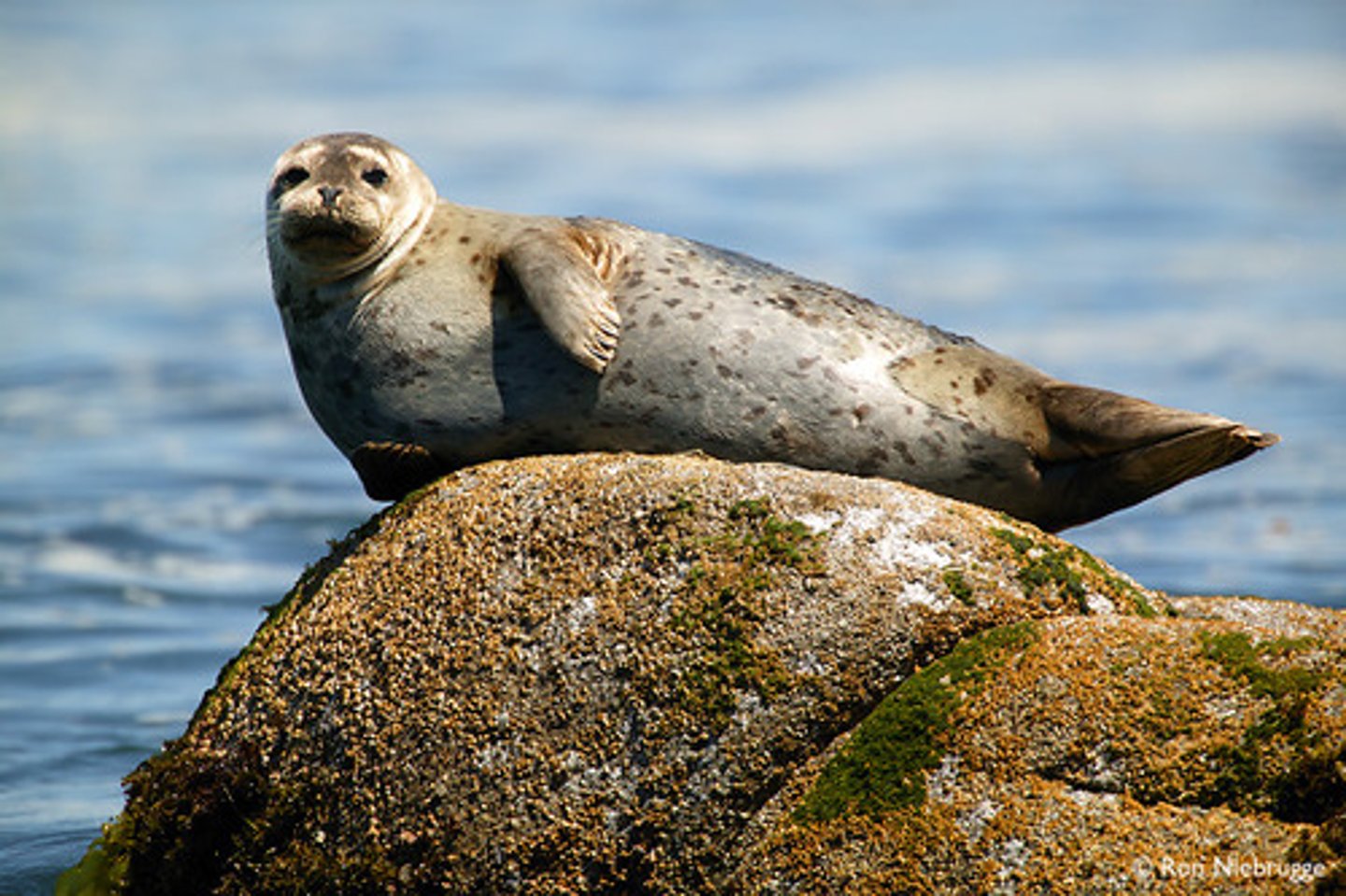
True or earless seals
- Eats mostly fish and squid
- Family Phocidae
- Have rear flippers that can not be moved forward On land
- Can overheat -- lose heat bywaving flippers in the air whileincreasing blood flow to theextremities
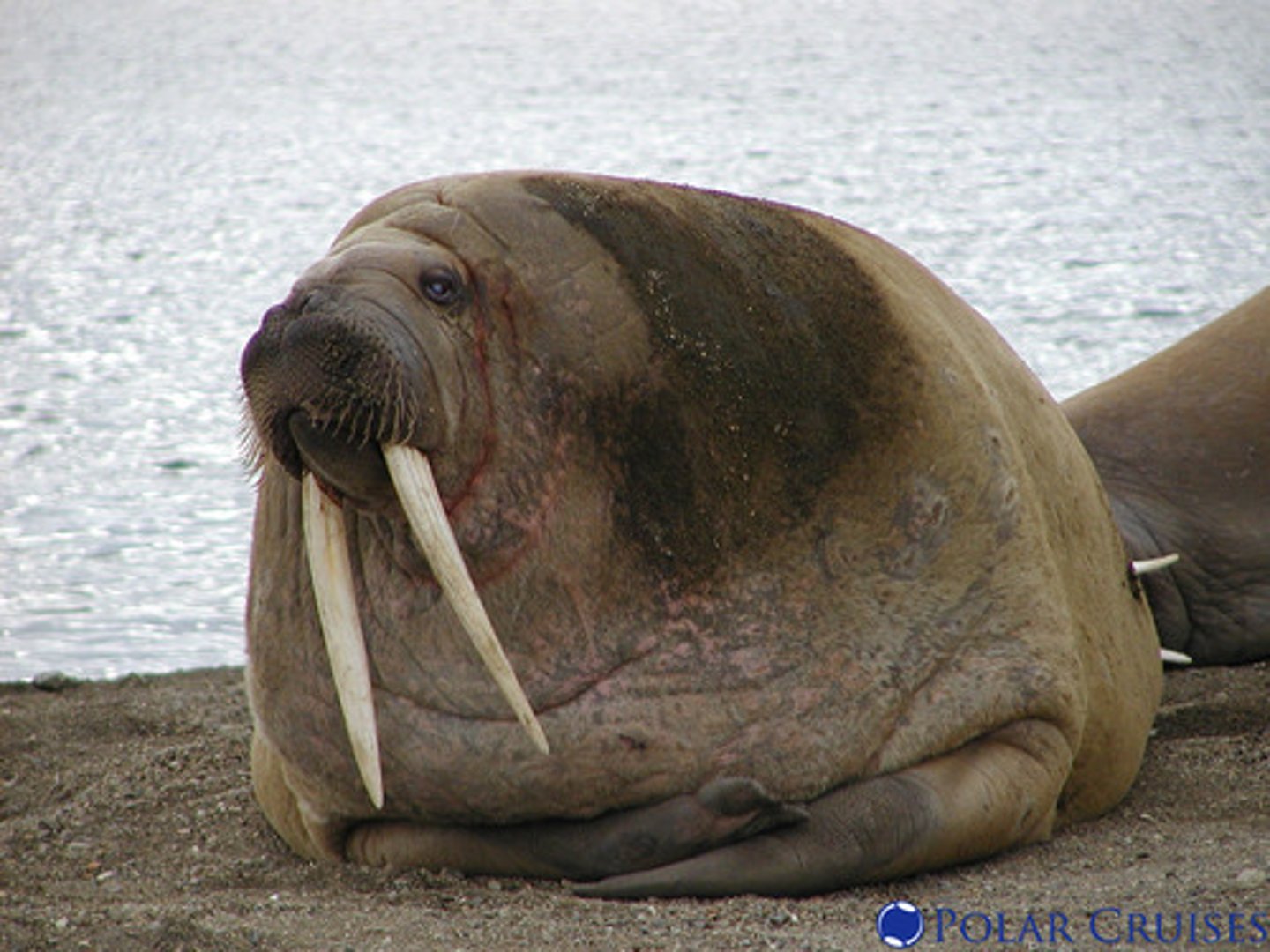
Family Odobenidae
Walruses
Walruses
- Huge body, sparse hair, coarse mustache, robust canines / tusks (sexual characteristic/ sediment probing)
- Feeds mostly on benthic invertebrates, like clams and worms
- Family Odobenidae
- Can use tusks to staysuspended at air hole
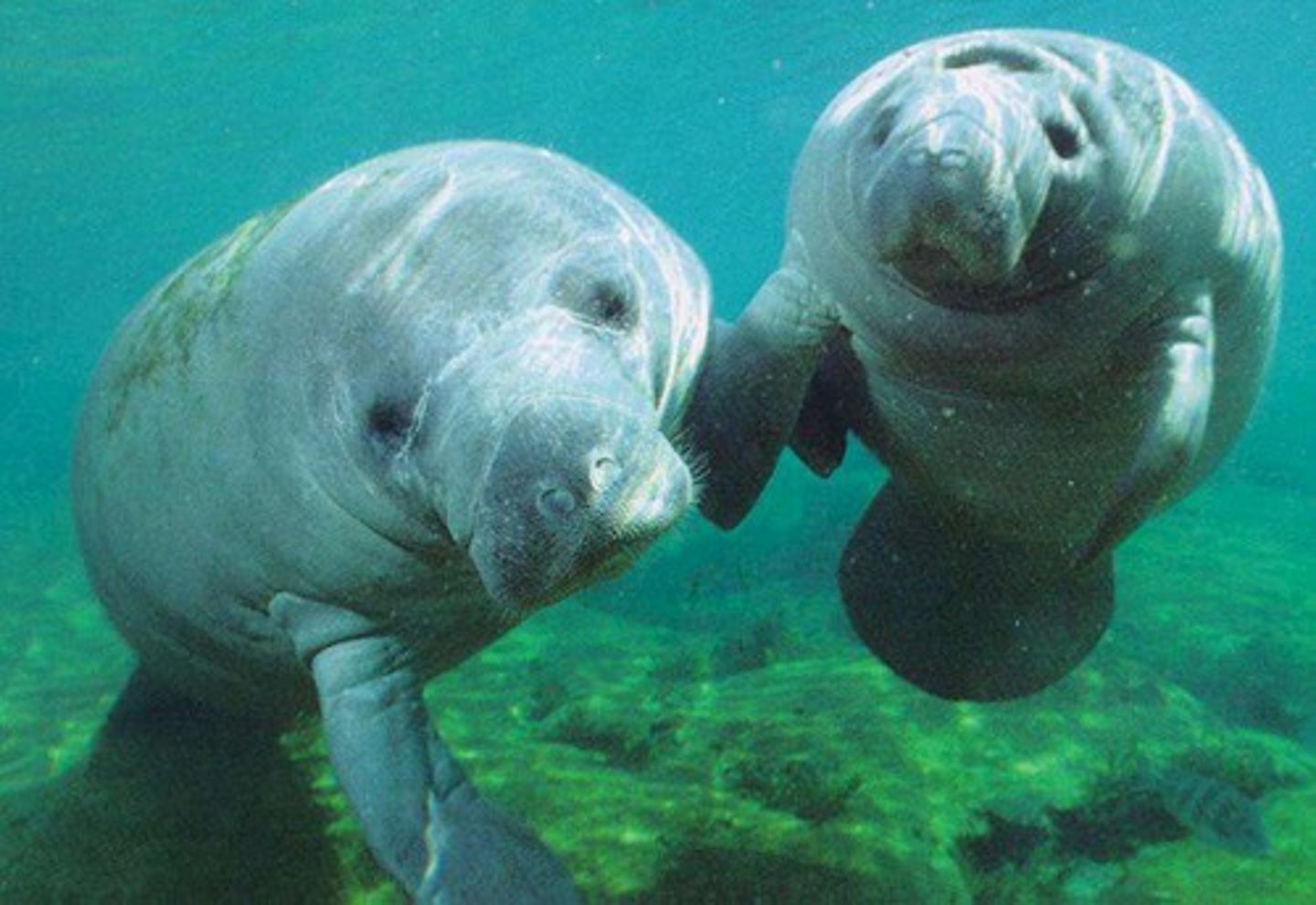
Order Sirenia
- Manatees, dugong, extinct Steller's sea cow
- Lots of blubber, Front flippers but no rear limbs
- Only 4 species left, and all are in danger of extinction
-
Vessel collisions, Cold weather, Poor water quality, Harmful algal blooms, Loss of seagrass beds
Reasons for Manatee population decease in Florida
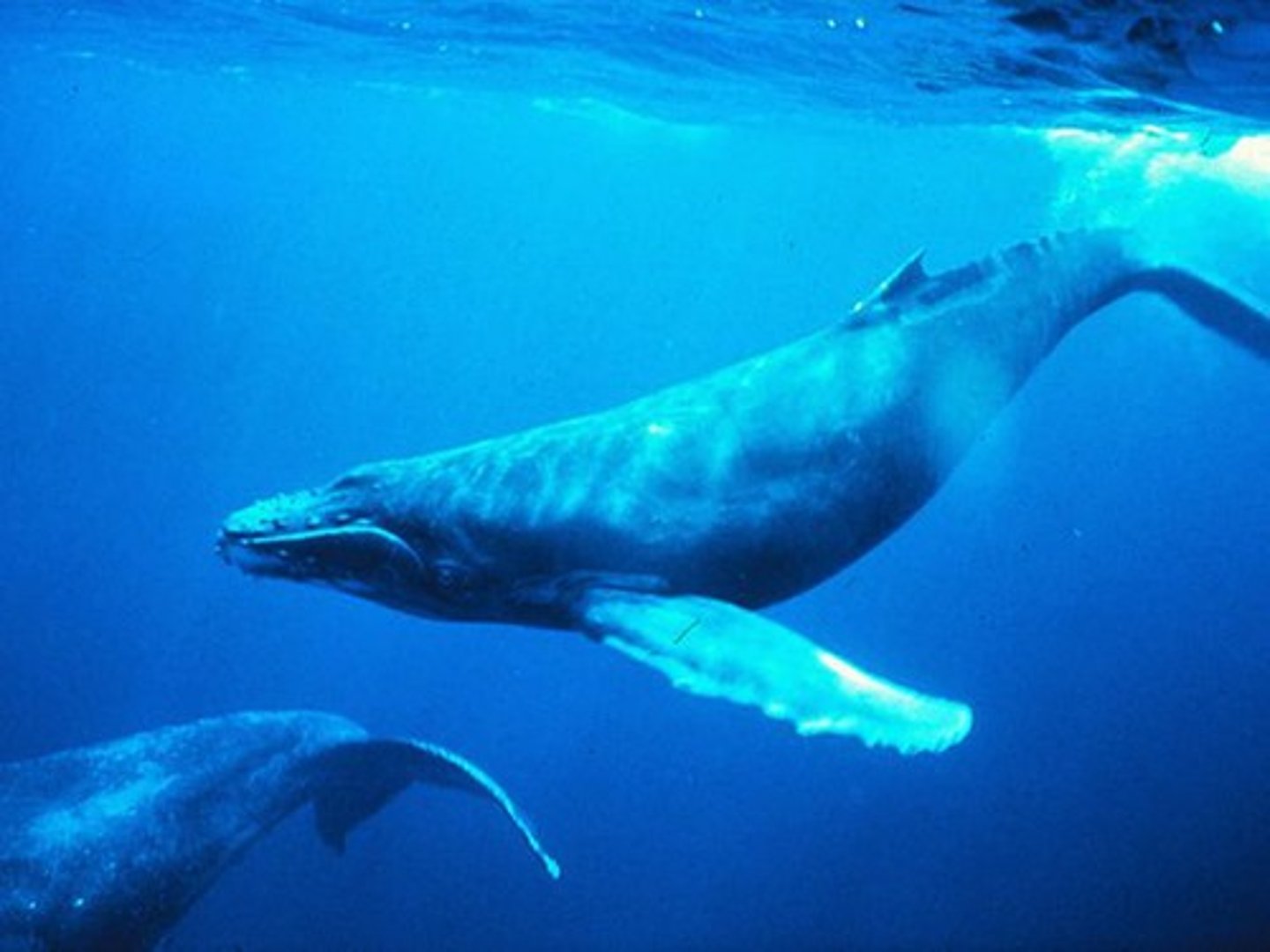
Order Cetacea
- Whales, dolphins and porpoises
- Muscular tail ends in a pair of fin-like horizontal flukes
- Nostrils are on top of the head
- larger animals have less SA/V and lose heat less quickly
- have a very thick layer of insulating blubber
- Bradycardia
Bradycardia
- Slowing of heartbeat during dives
- Order Cetacea
- The blood supply is cut off from some organs during dive (some muscles, digestive system, kidneys) blood is shunted to the CNS [brain]and heart)
![<p>- Slowing of heartbeat during dives</p><p>- Order Cetacea</p><p>- The blood supply is cut off from some organs during dive (some muscles, digestive system, kidneys) blood is shunted to the CNS [brain]and heart)</p>](https://knowt-user-attachments.s3.amazonaws.com/0ebe2ad5-a7b5-43fc-8331-59c96a735abc.jpg)
Diving and locomotion in Cetacea
- Higher oxygen capacity per volume of blood (more hemoglobin)
- Muscles contain myoglobin, better at storing oxygen than hemoglobin
- Dark color of whale meat is due to the presence of both myoglobin and hemoglobin, as well as lower amounts of fat within the muscle
Osmotic Regulation Cetacea
- Whales derive most of their water from metabolic break down of their prey
- Make very concentrated urine
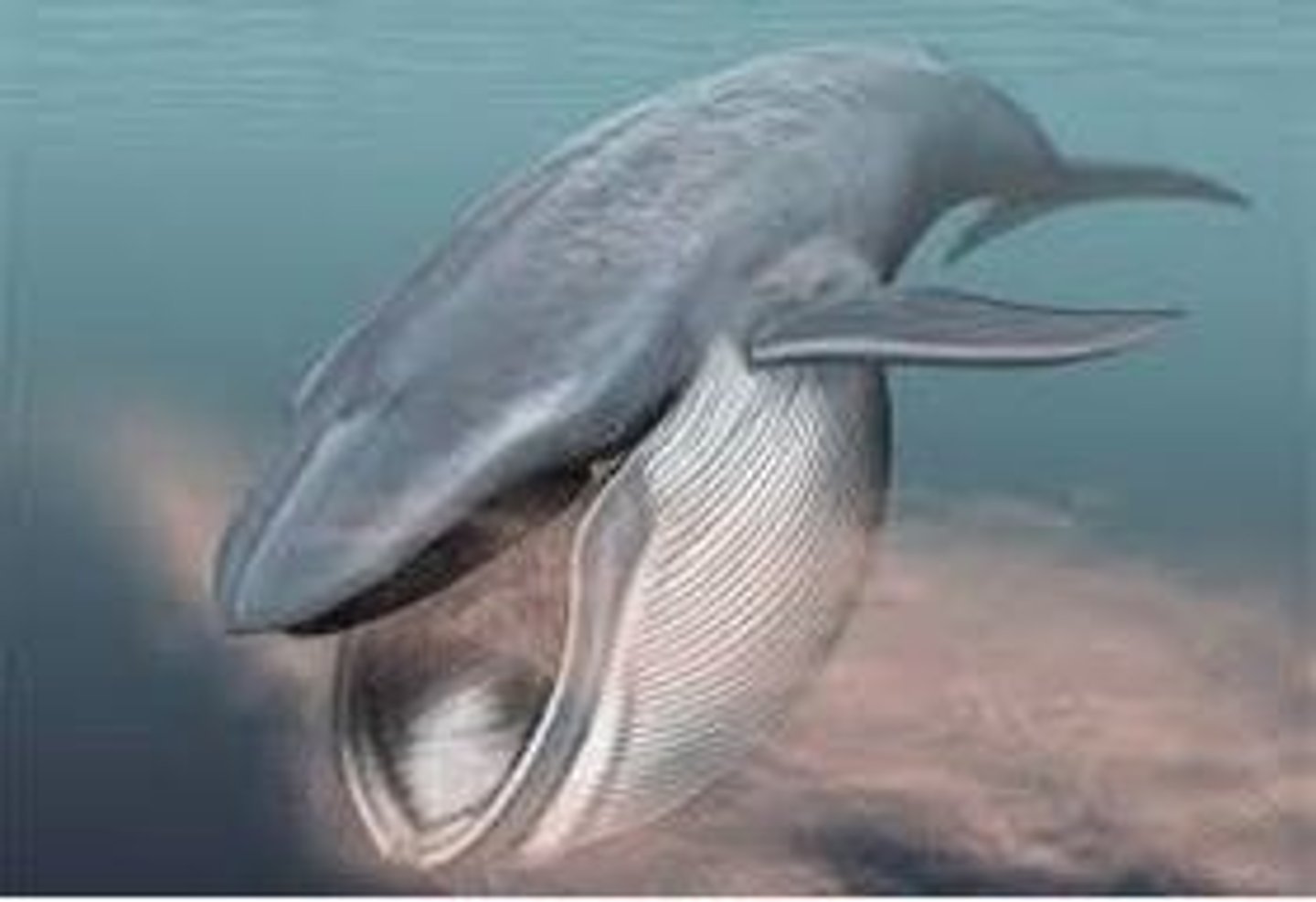
Toothless/Baleen Whales
- Have two nostrils and a symmetrical skull
- Have rows of flexible, fibrous plates (baleen) that hang from the upper jaws
-Myoglobin pigment better at sorting oxygen than hemoglobin
- Higher oxygen capacity per volume of blood allows to maximize oxygen for deep diving
- Mysticeti
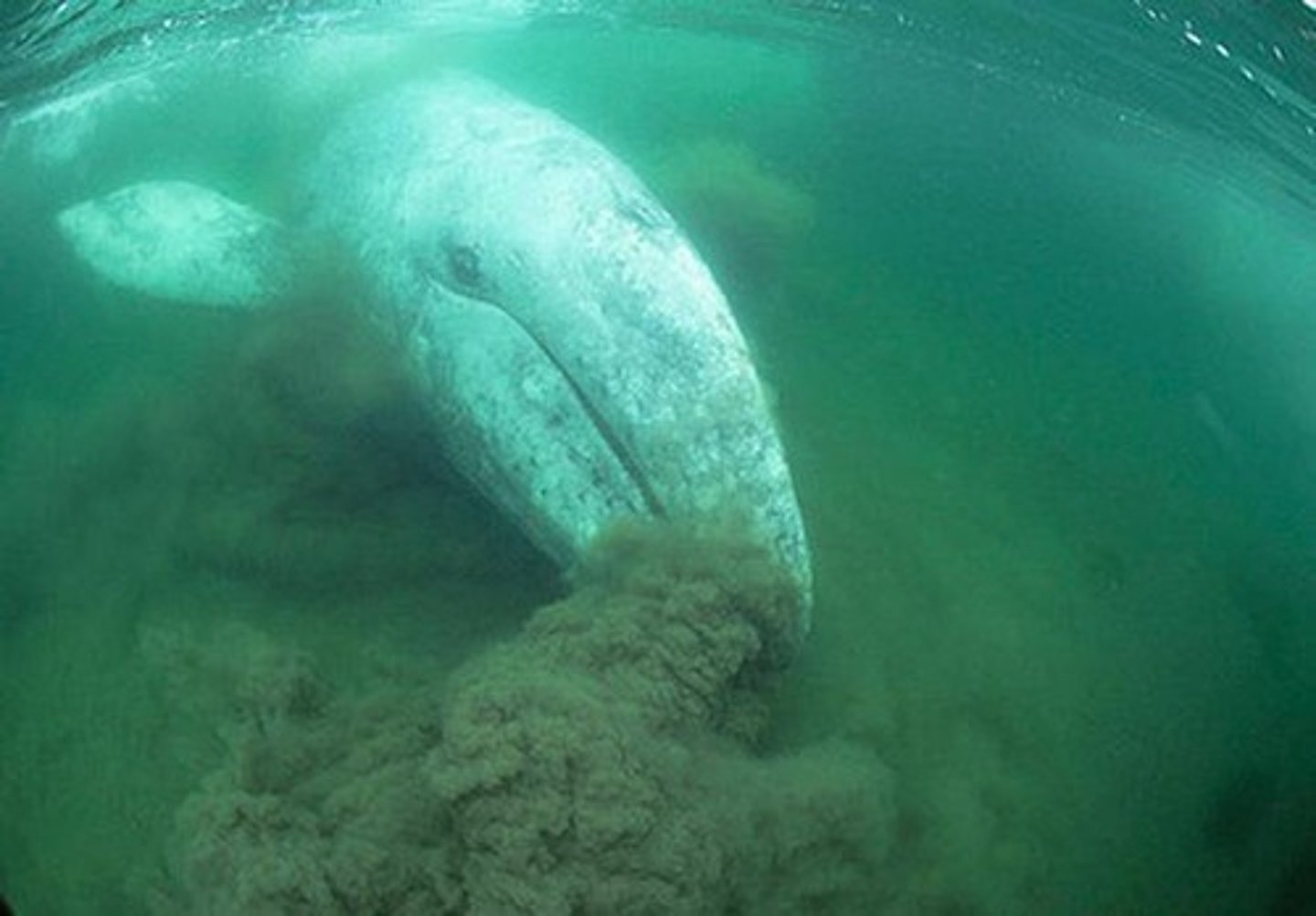
Grey whales Role in the Ecosystem
- When take mouthfuls of sediment leave large, irregular depressions and can be a major structuring force of benthic communities
- A baleen whale that feeds on benthos
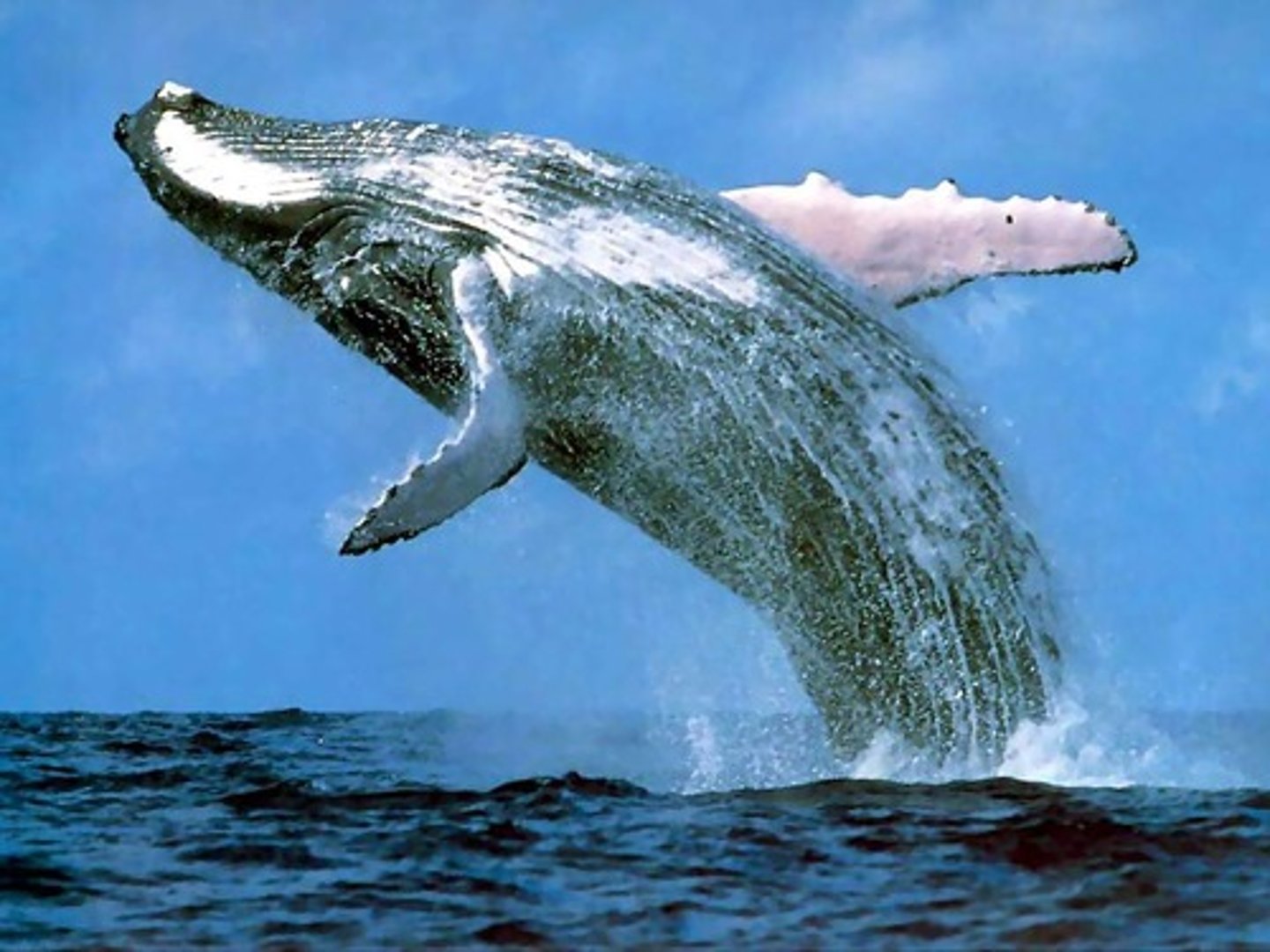
Cetacea vocalizations
- Some whales (humpbacks, finbacks and blue whales) create low frequency sounds that can be detected hundreds of km away
- Some humpback songs may be used to attract mates or mediate male-male interactions during breeding season
Cetacea Migration
- Many baleen whales feed in the summer in the polar regions; during winter they migrate to warmer water; breed and remain until calves put on blubber layer (grey whales - 11,200 miles round trip)
- Whales may have a geomagnetic sense
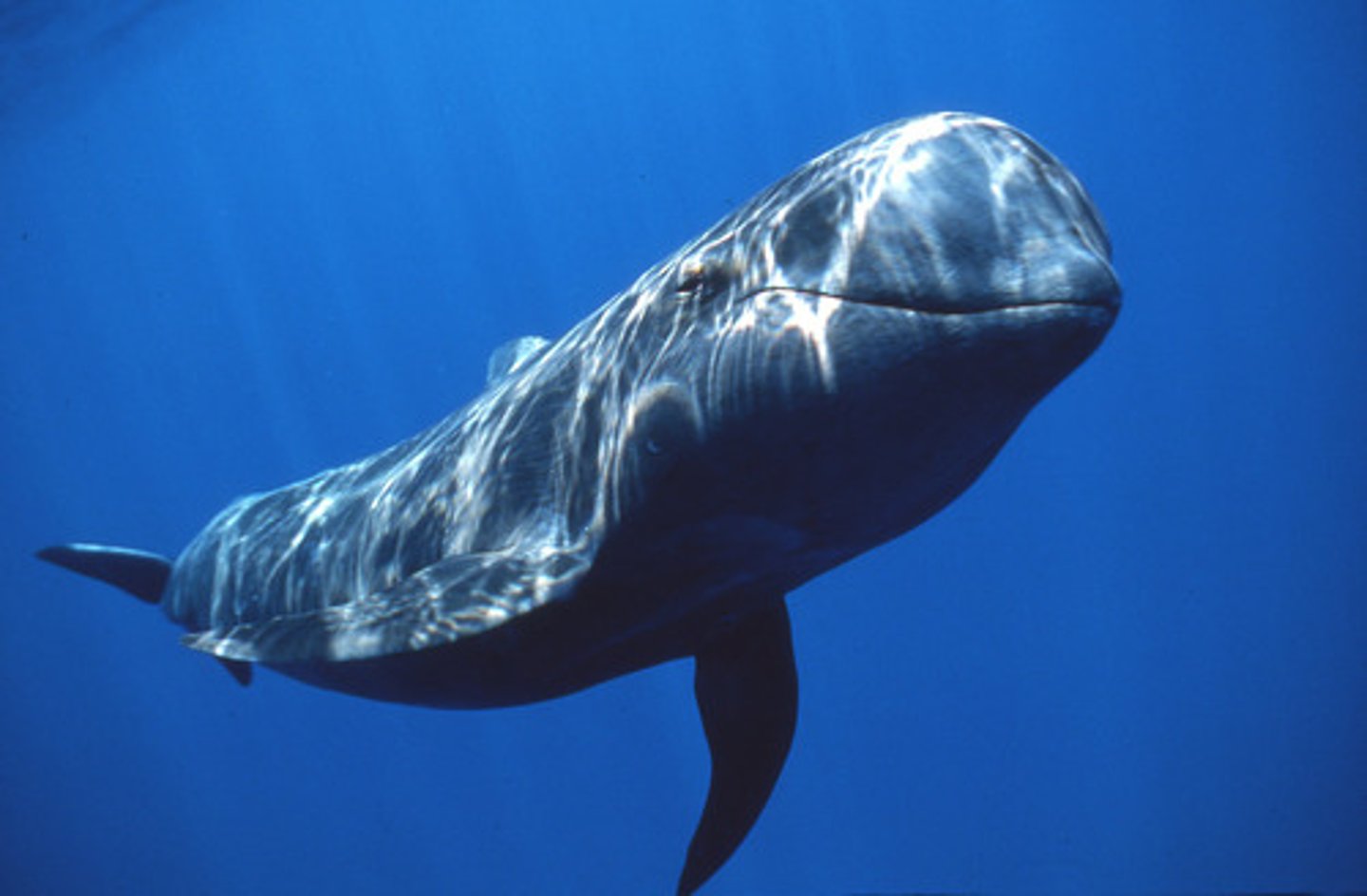
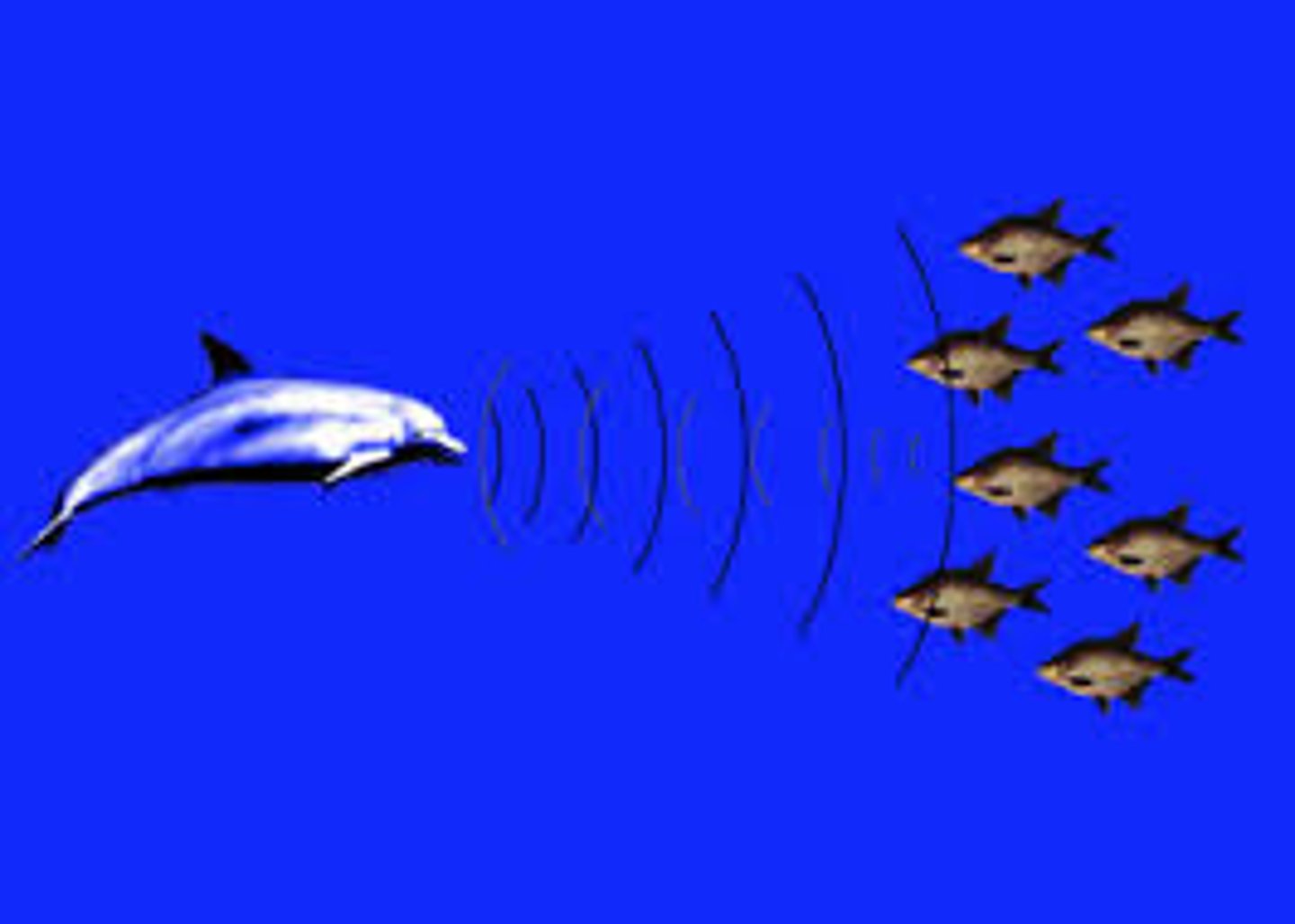
MELON
- fat-filled structure, acoustical lens
- 40% of body length in sperm whales
Echolocation
Sounds produced by movement of air through nasal passage and associated air sacs
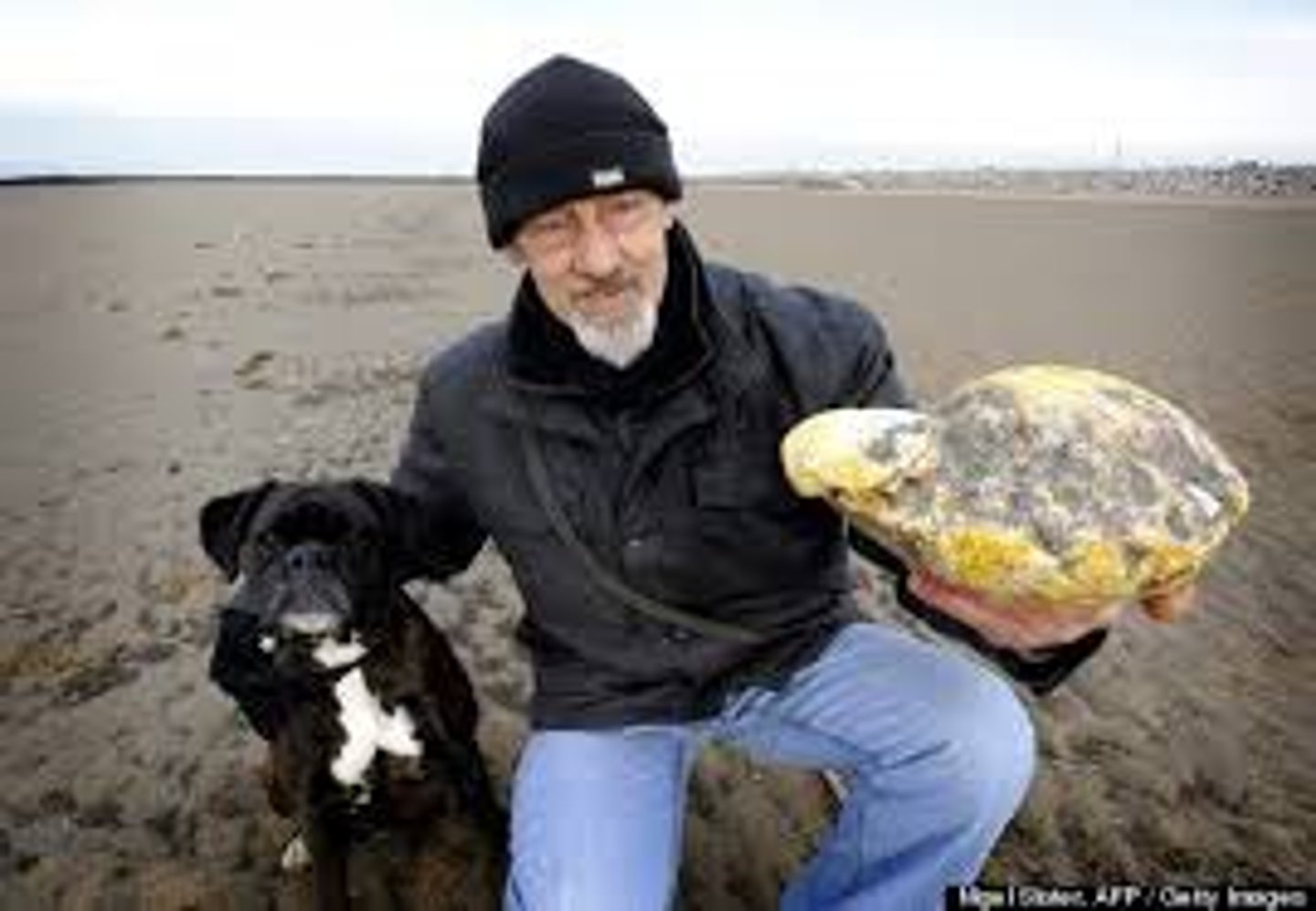
Ambergris
- Squid beaks and other undigested food accumulates in the gut of sperm whales as globs of sticky material
- An ingredient in fine perfumes
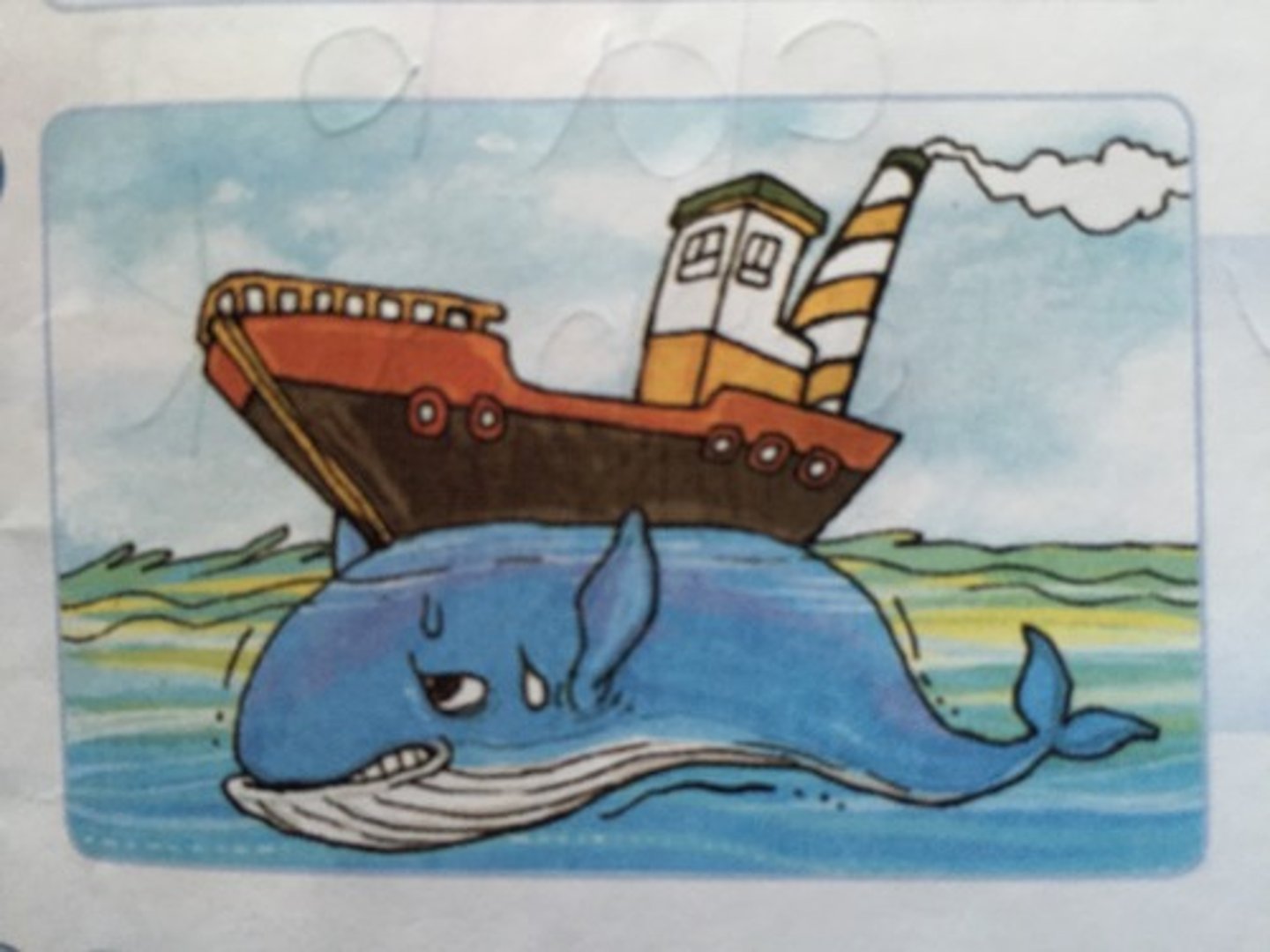
Whaling
- Products: blubber - 'train oil' for soap and lamp oil; baleen (whalebone); meat; ambergris, spermaceti
- First to be seriously depleted was the north Atlantic right whale
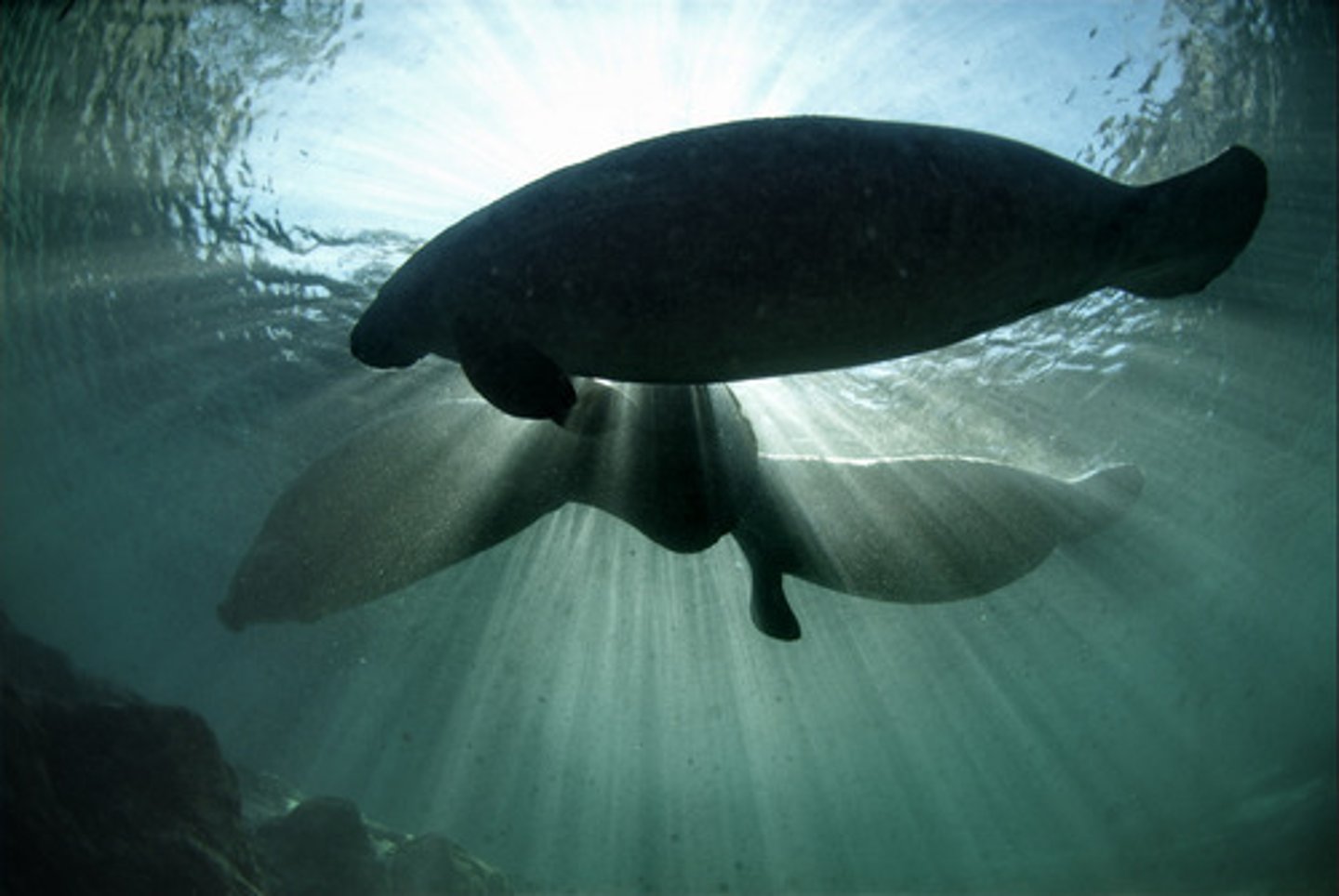
Marine Mammals Protection Act (MMPA)
- 1972 (US)
- Prevents taking (hunting, capturing, killing, harassing)and prohibits most importations of marine mammals and products using them
- Defined the objective of management not in terms of how many could be harvested, but how many were left in the wild
Status of Marine Mammals (IWC)
- Whaling in Japan and Norway
- Aboriginal subsistence whaling
- Grey whale, protected since 1947, has made a comeback
- Numbers of blue whales increasing
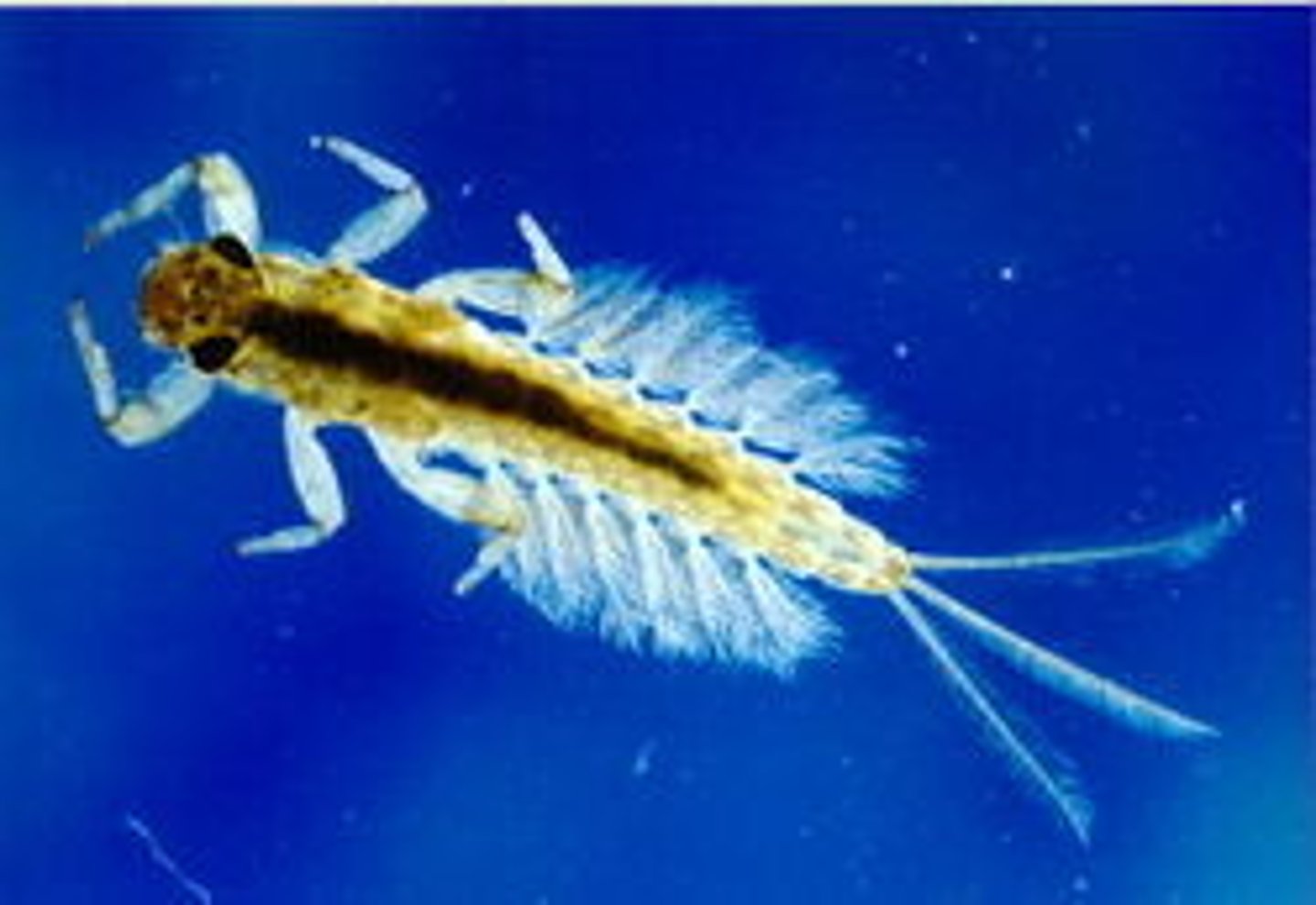
Macrobenthos
benthic organisms that are greater than 0.5 mm
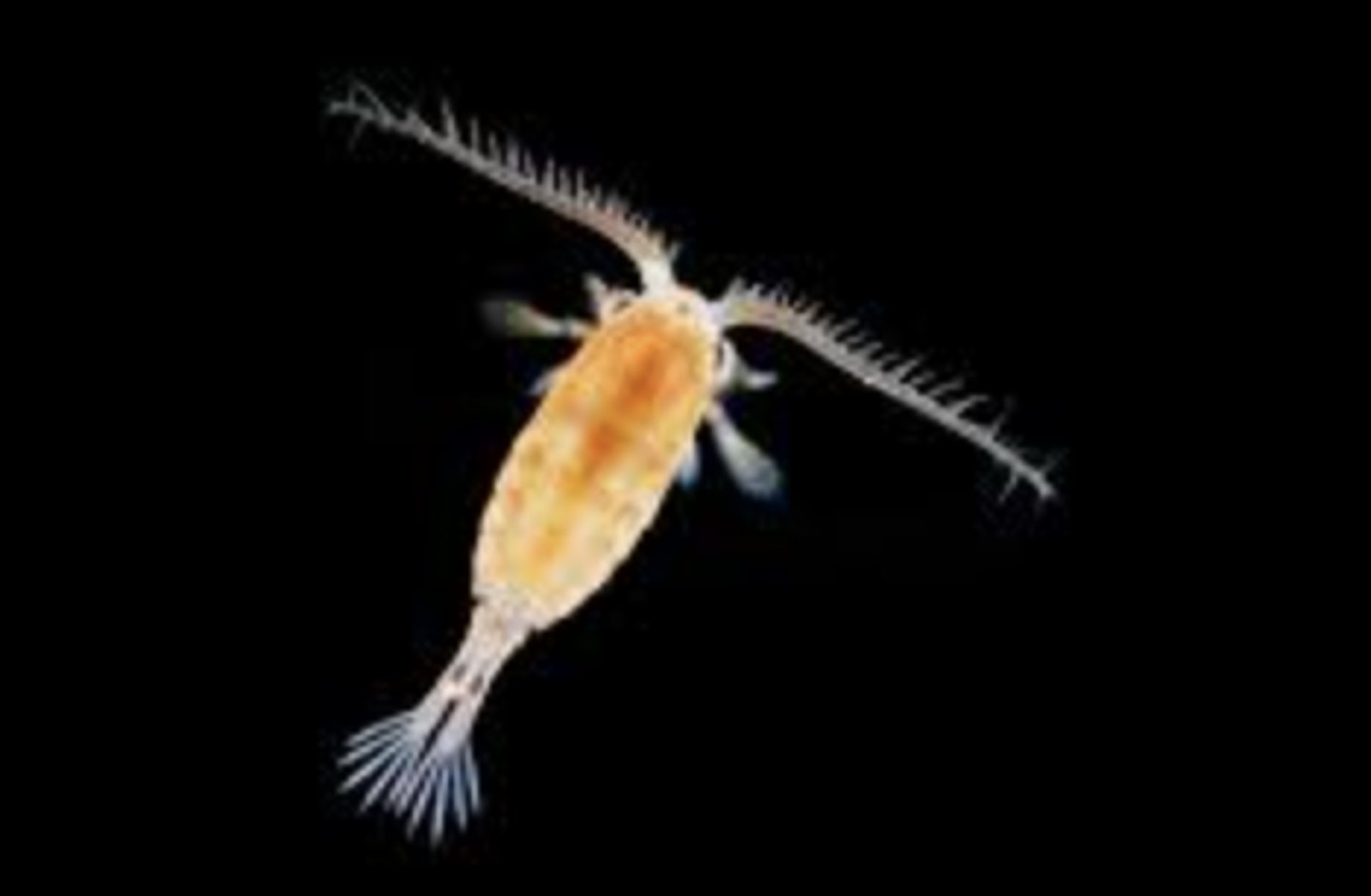
Meiobenthos
Benthic organisms (animals or plants) 0.1 to 0.5 mm in size
Microbenthos
less than 0.1 mm; protozoa and bacteria
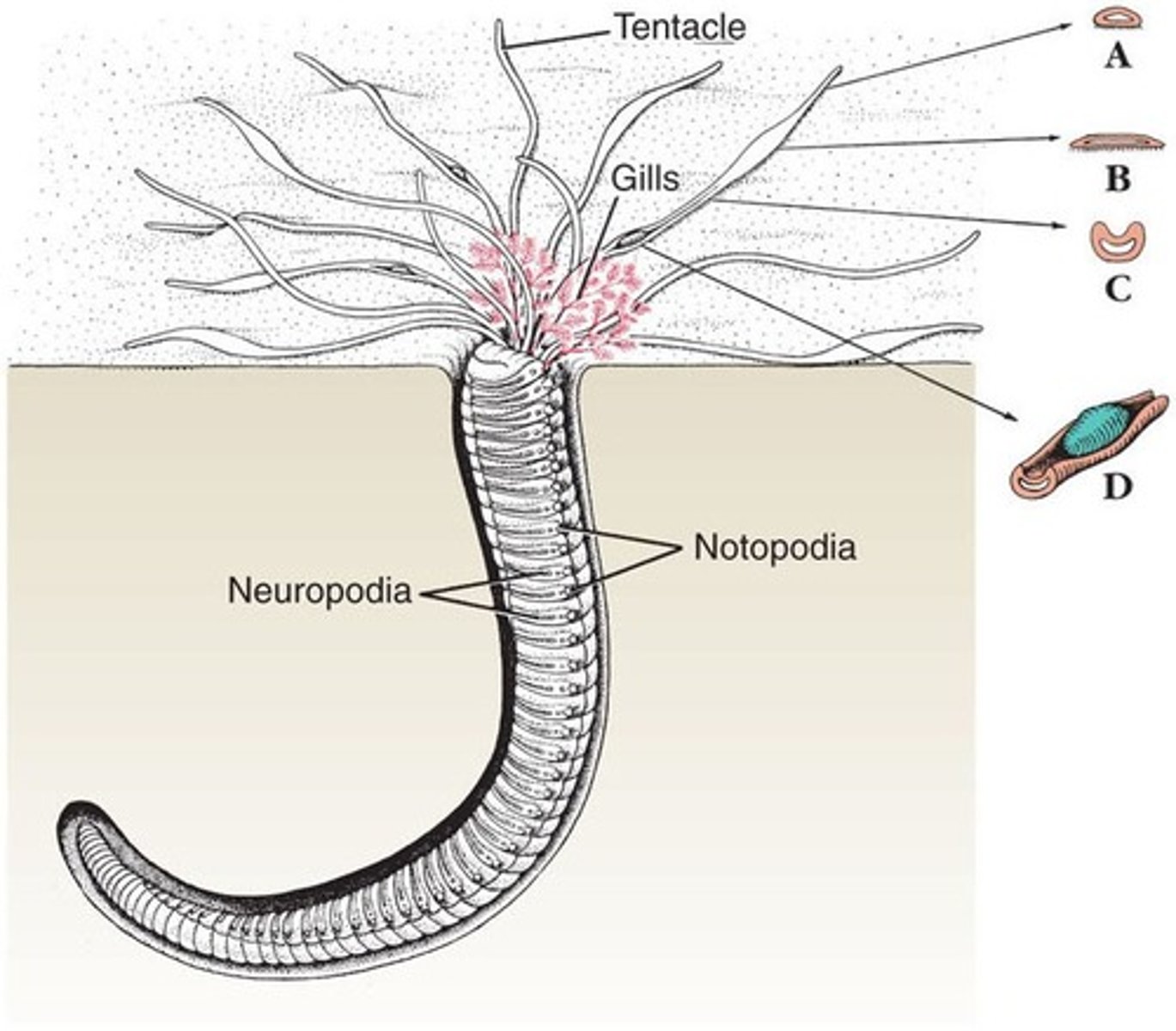
Deposit feeders
- Ingest sediment
- Digest organic matter and microbial organisms
- Abundant in areas with lots of organic carbon deposition (detritus)
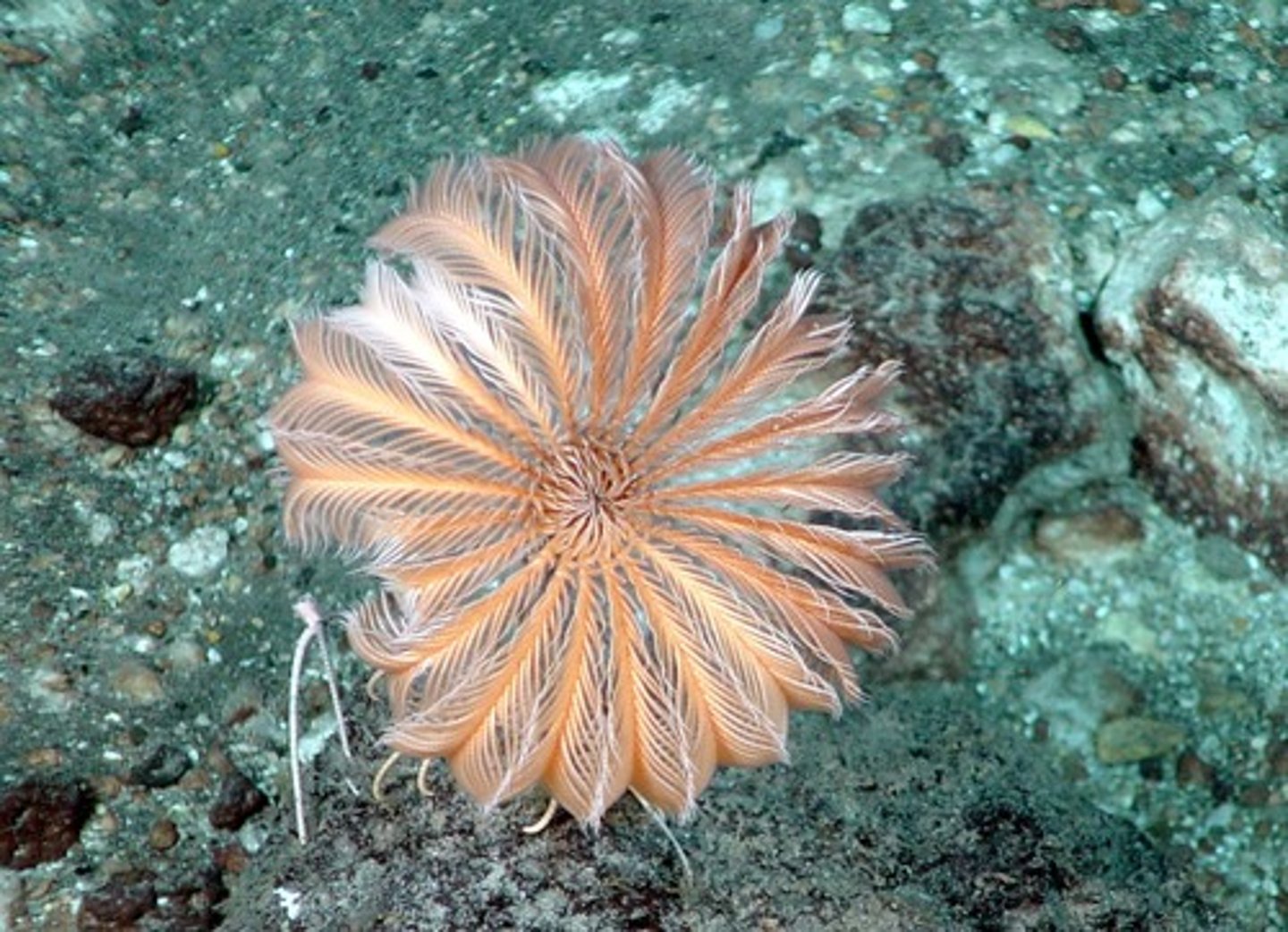
Suspension feeders
- Capture particles from the water
- Often in areas of higher flow
Sorting
Estimate of range of particle sizes
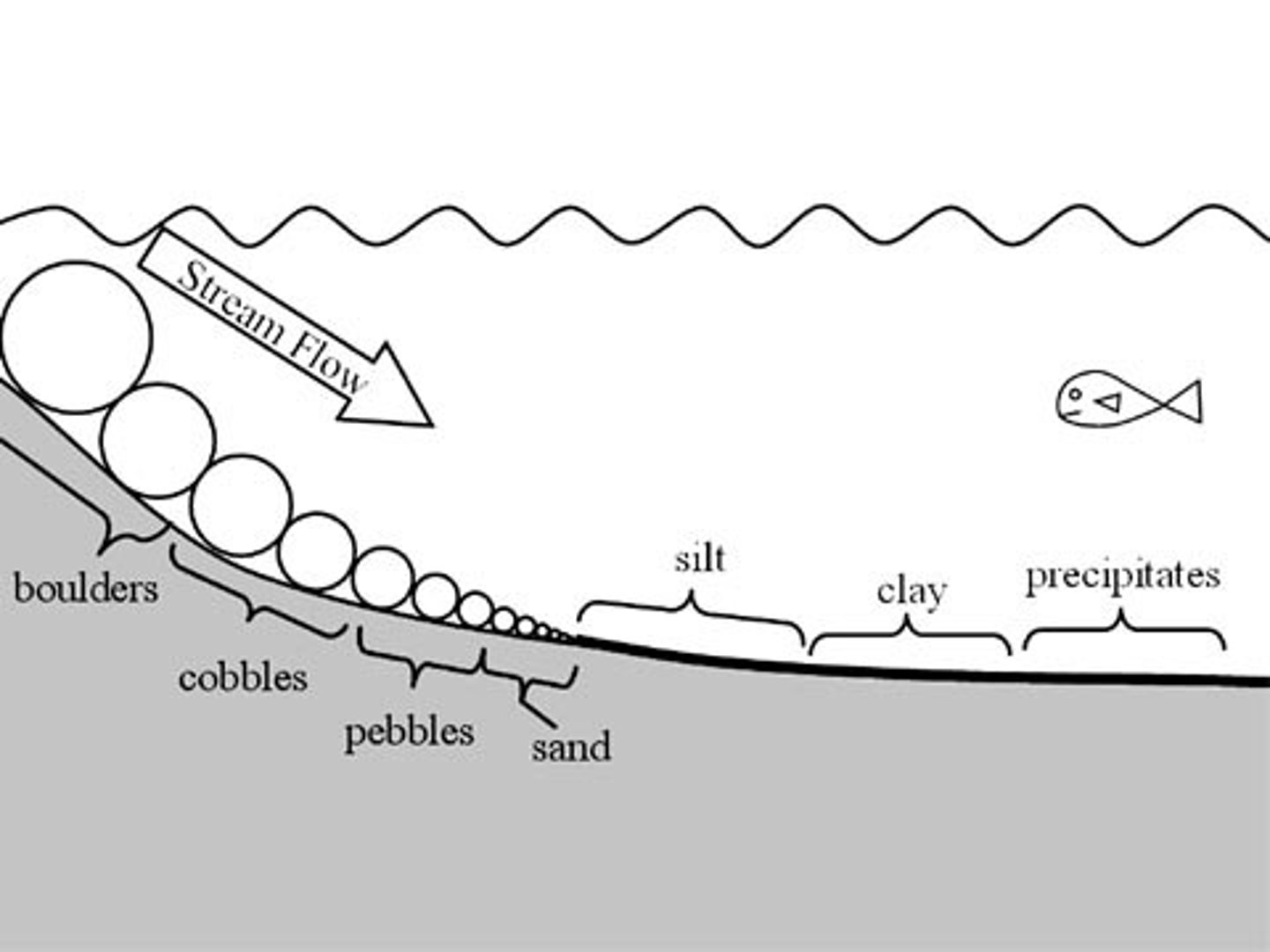
Sand Burrowing
not compressible; must push sand aside and compress water in interstices
Mud Burrowing
Particles often adhere to each other
Hydromechanical burrowing
- Muscle contraction working against rigid, fluid filled chamber (skeleton)
- Form penetration anchor first to allow further extension of body into sediment
- Form terminal anchor to allow pulling of rest of body into the sediment
- May propagate/continue cracks that form in sediment
Thixotropy
Physical phenomenon of a gel becoming liquid when pressure is applied or it is stirred - saturated sand agitated by a burrowing organism acts like a liquid and it takes less energy to burrow than one might expect
Mechanical displacement
digging
Oxygen profile in sediment
- Strong vertical chemical gradients
- Caused by lack of water flow in soft sediments and biological activity in sediments
- Oxygenated in surface; rapid decline due to aerobic respiration
RPD
- Redox (reduction/oxidation) potential discontinuity
- Chemical boundary between oxygenated and reduced sediments
Hydrogen sulfide
- In anoxic zone
- Produced by sulfate- reducing bacteria
Light brown oxidized layer
- Aerobic photosynthesizers and heterotrophic aerobic bacteria
- Near the surface of the sediment
Gray Layer
- Transition between light brown oxidized layer and reduced black layer in ocean floor sediment
- H_2S oxidizing bacteria at RPD
Reduced Black Layer
- Heterotrophic bacteria that use terminal electron acceptors other than oxygen below RPD including Sulfate reducing bacteria
- break down organic matter using sulfate as terminal electron acceptor and reducing it to H_2S
- In deeper sediments get methanogenic bacteria that produce methane as a byproduct of anaerobic respiration
- Surface
- Within sediment
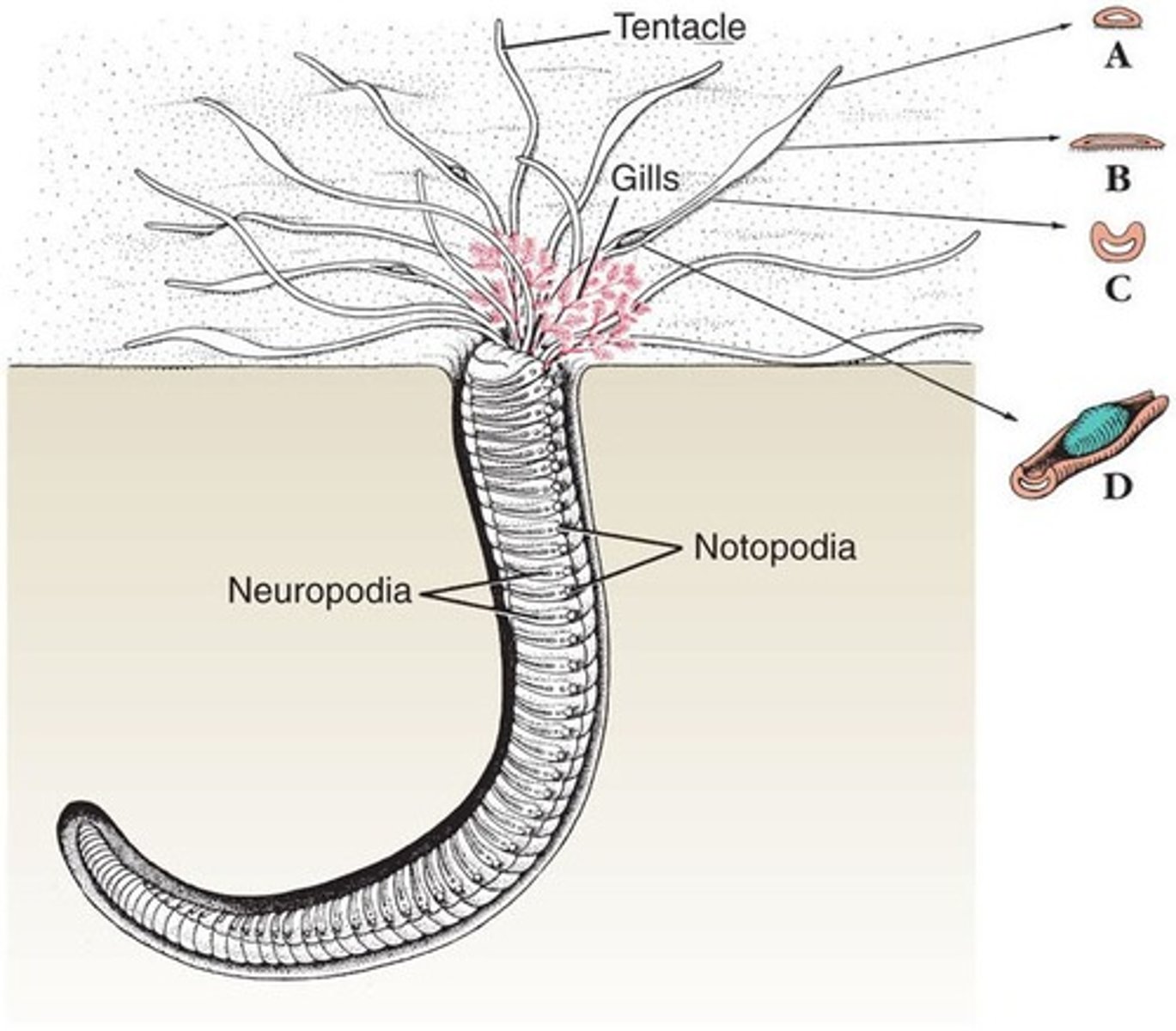
- Tentacles
- Swallowing sediment
- Siphoning
Types of deposit feeding
Microbial stripping hypothesis
- Deposit feeders are most efficient at digesting and assimilating benthic microbes (diatoms, bacteria)
- Some sediments have low amounts of living material, so deposit feeders may process large amounts of low quality sediment to get adequate nutrition
POM
- Particulate organic matter
- Fragmentation, Leaching, Microbial decay
- Deposit feeders help stimulate decomposition by fragmenting Particulate organic matter, and increasing microbial activity (even though they then eat the microbes)
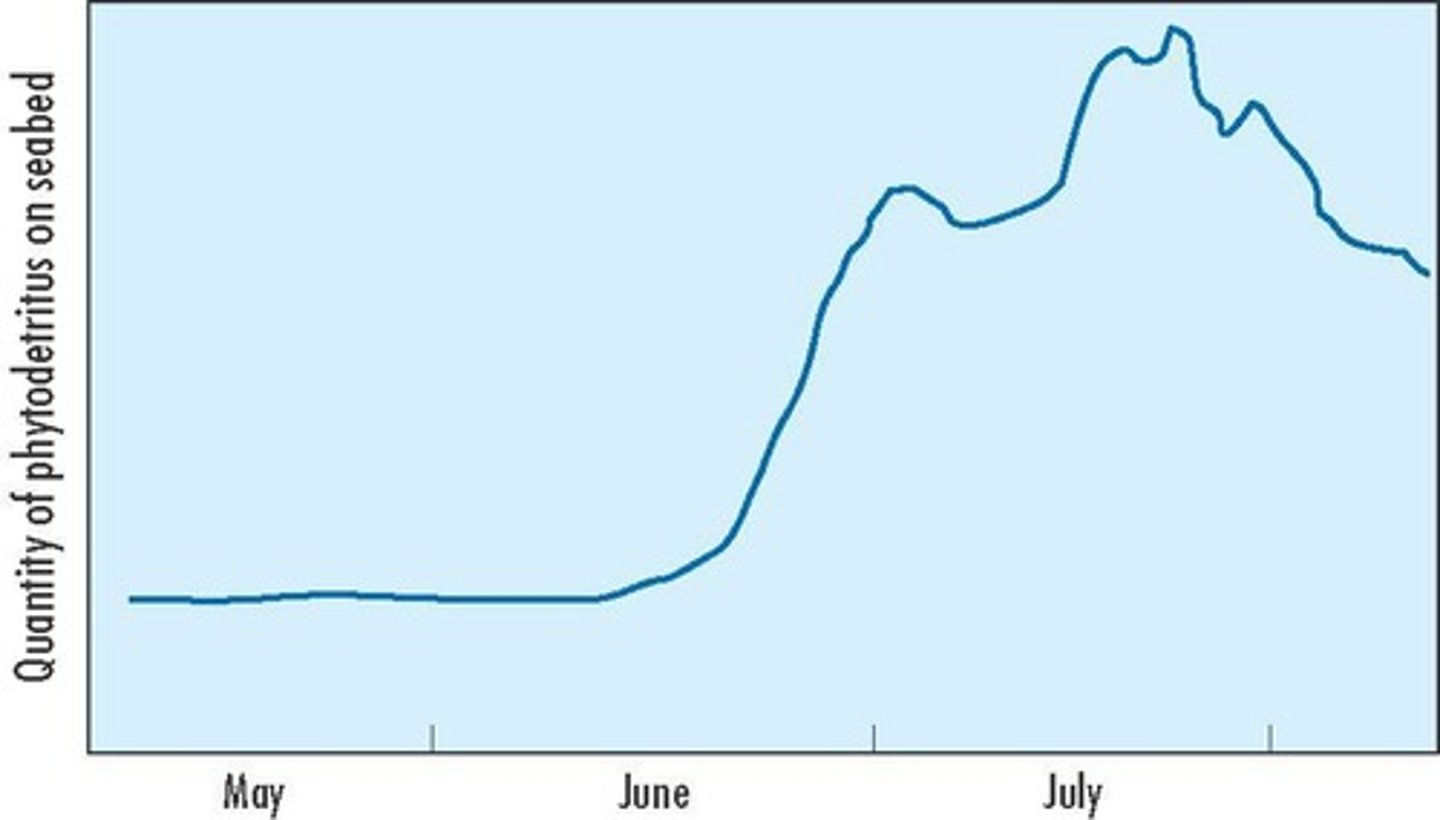
Phytodetritus
- Falls from surface water when phytoplankton die and sink
- Can be big seasonal pulse after spring blooms
- Easy to digest and high nutritional quality (high protein and lipid)
- Degrades over time
Coprophagy
consumption of feces

Biogenically graded beds
- Produced by actions of some deposit feeders
- select fine particles, leaving coarse behind
Passive suspension feeding
- Protrude feeding organ into current and collect particles
- e.g., some hydroid cnidarians
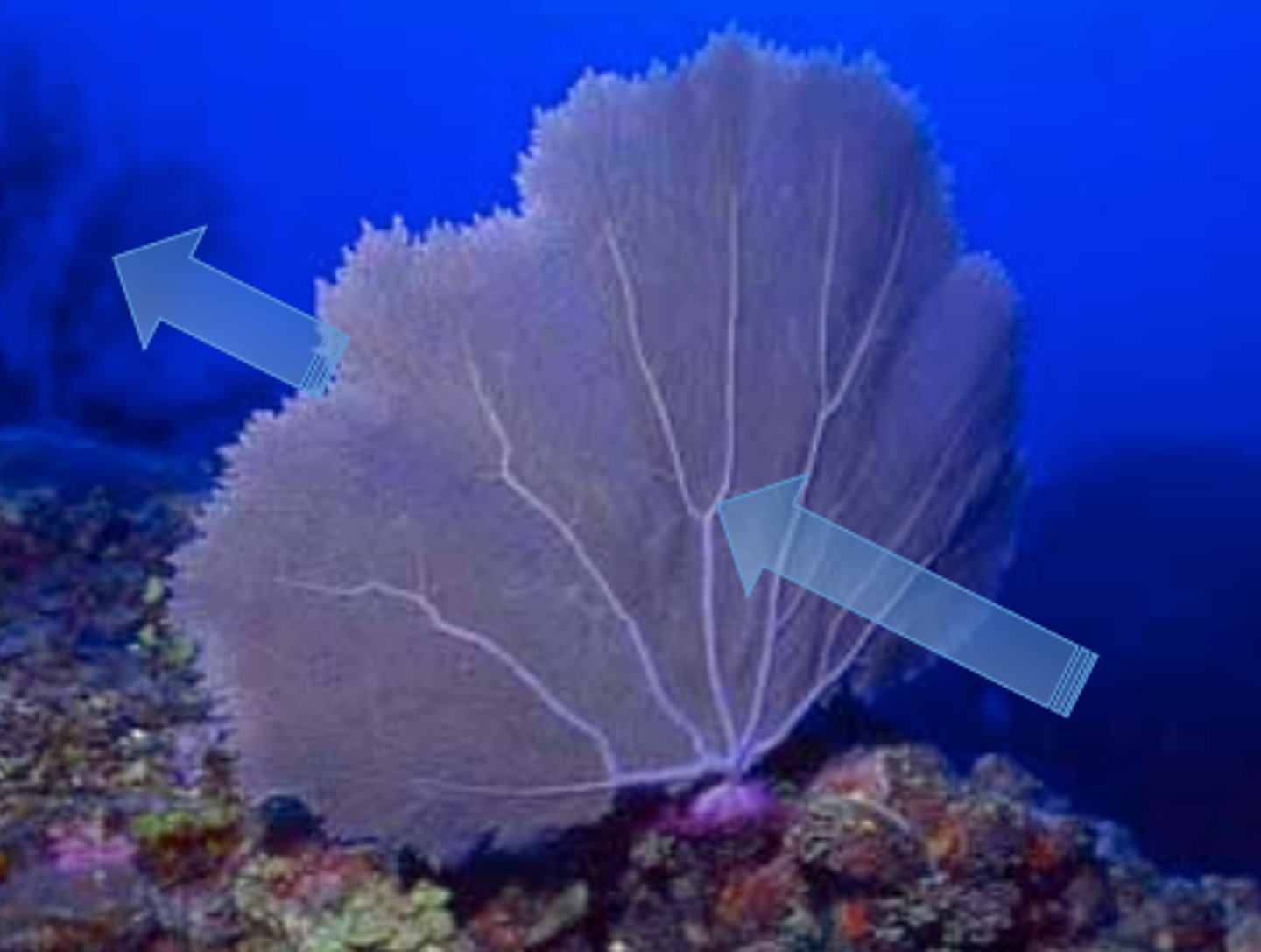
Active suspension feeding
- Create a feeding current
- Mostly a low Reynolds number situation
- e.g. Bivalve, Barnacle
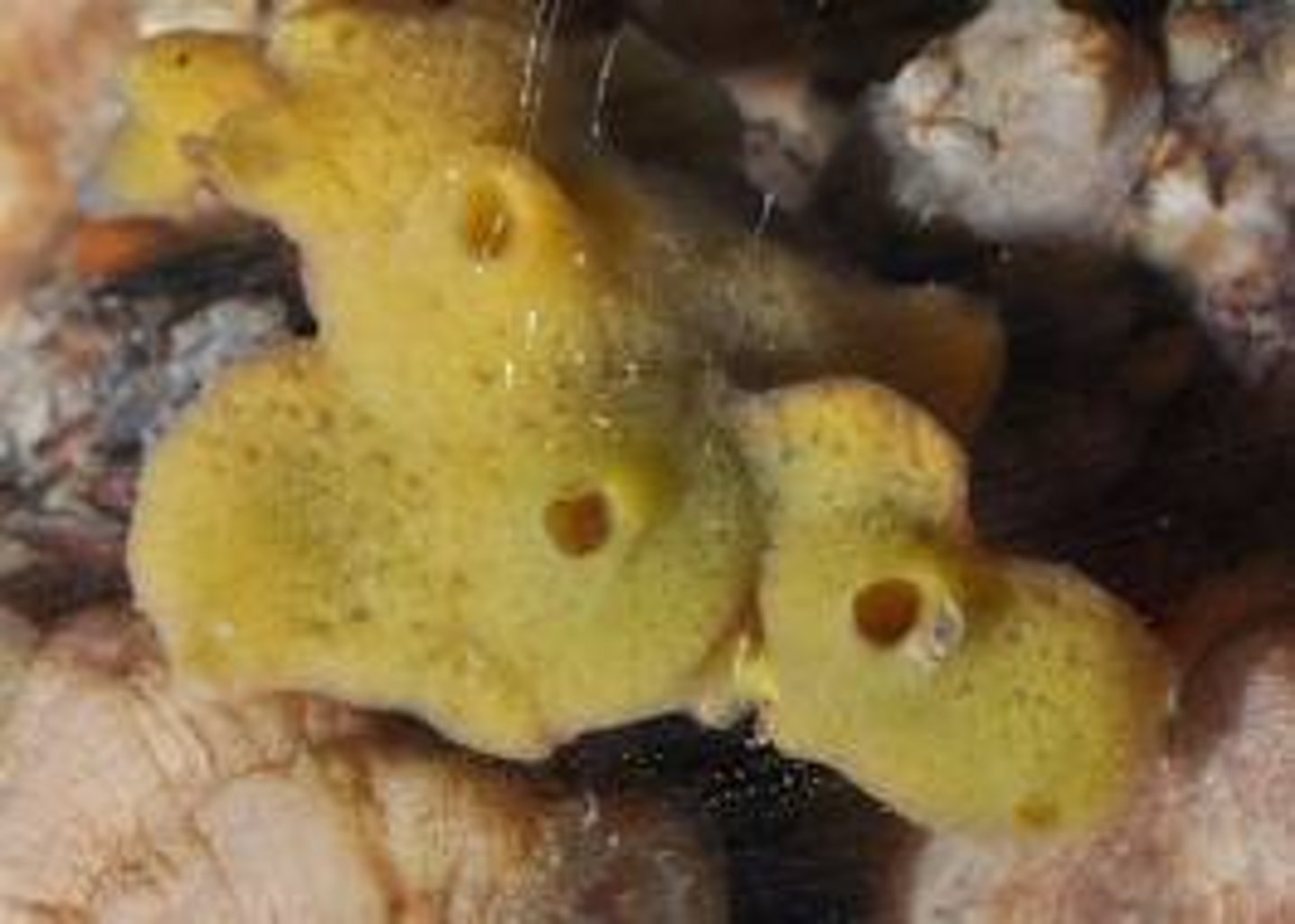
Infaunal Suspension Feeding
- Organism buried in sediment, but can create current and bring in water
- Burrowing polychaetes (use specialized parapodia) and mollusks (ciliated gill, inhalant siphon, ciliated palp)
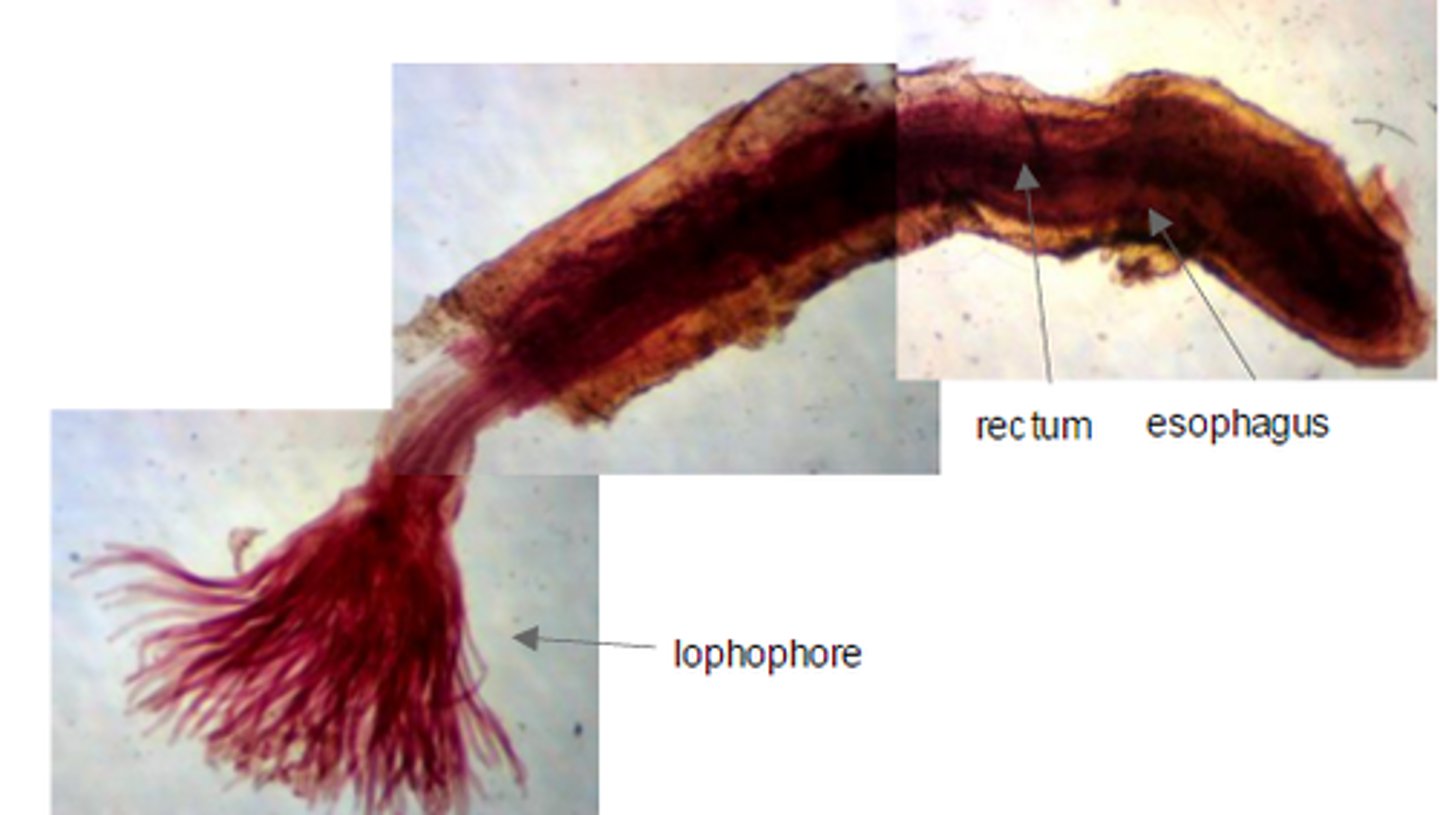
Hard surface benthic habitat Sampling Issues
- Harder to sample quantitatively
- Dredges that scrape the bottom
- Require direct observation and manipulation
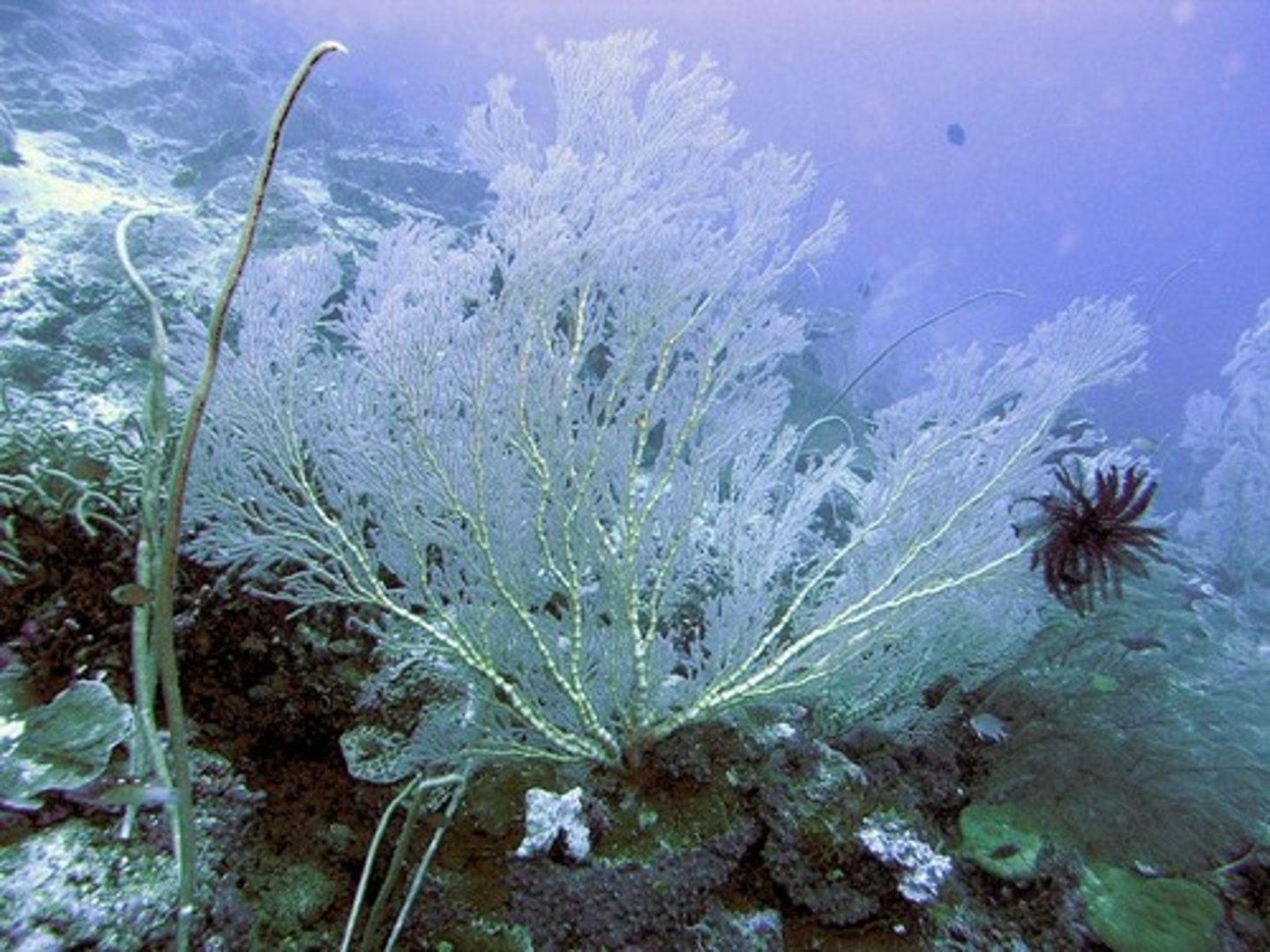
Borers
Rock boring clams, like Penitella, the flat-tipped piddock, can actually bore into rock along the rocky shores
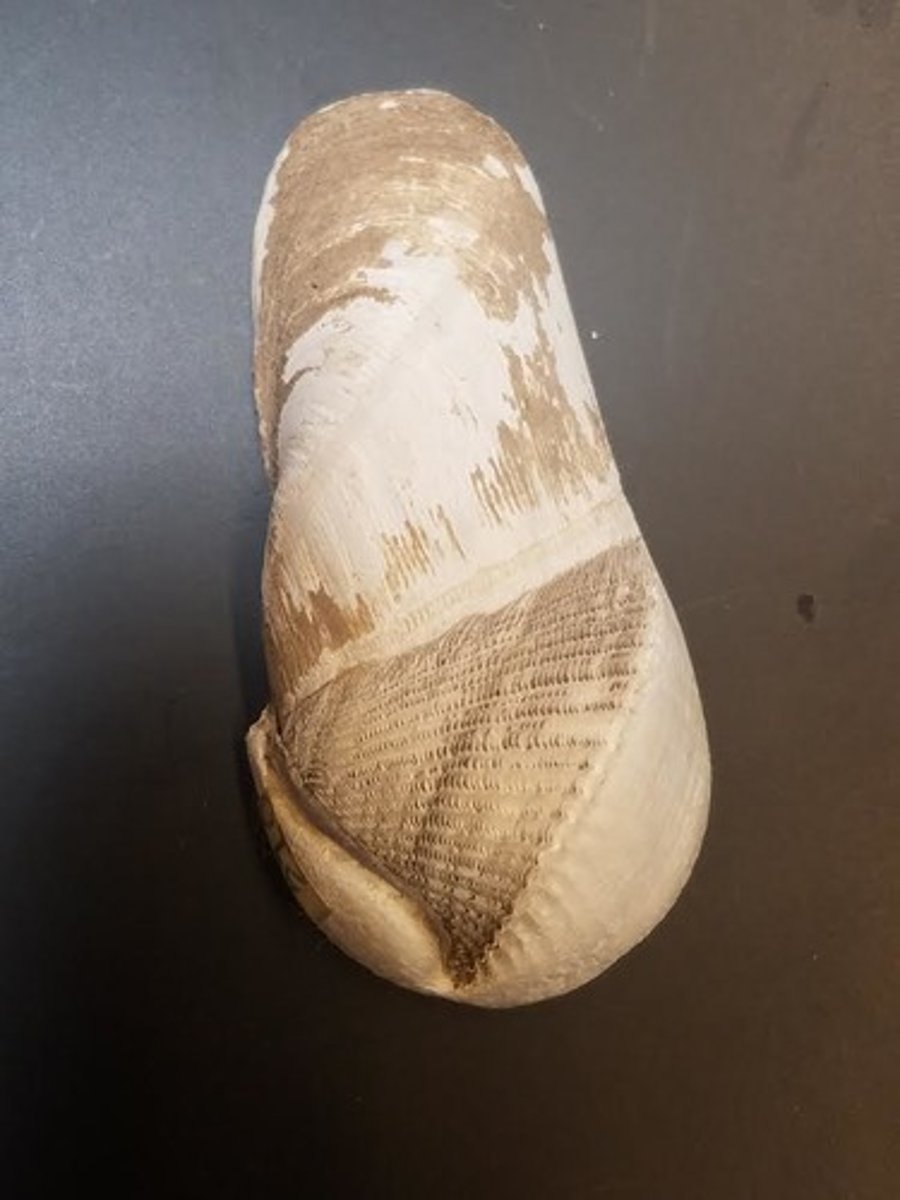
Hard surface benthic habitats
- Strong current and drag
- Organisms that inhabit this habitat must be able to Adjust position, have Flexibility, or be Mobile
- Angle of rocky substrate is important, more algae on horizontal (light); more invertebrates on vertical
- Amount and quality of water column particles is important for these habitats, may cause Sedimentation
- Many suspension feeders
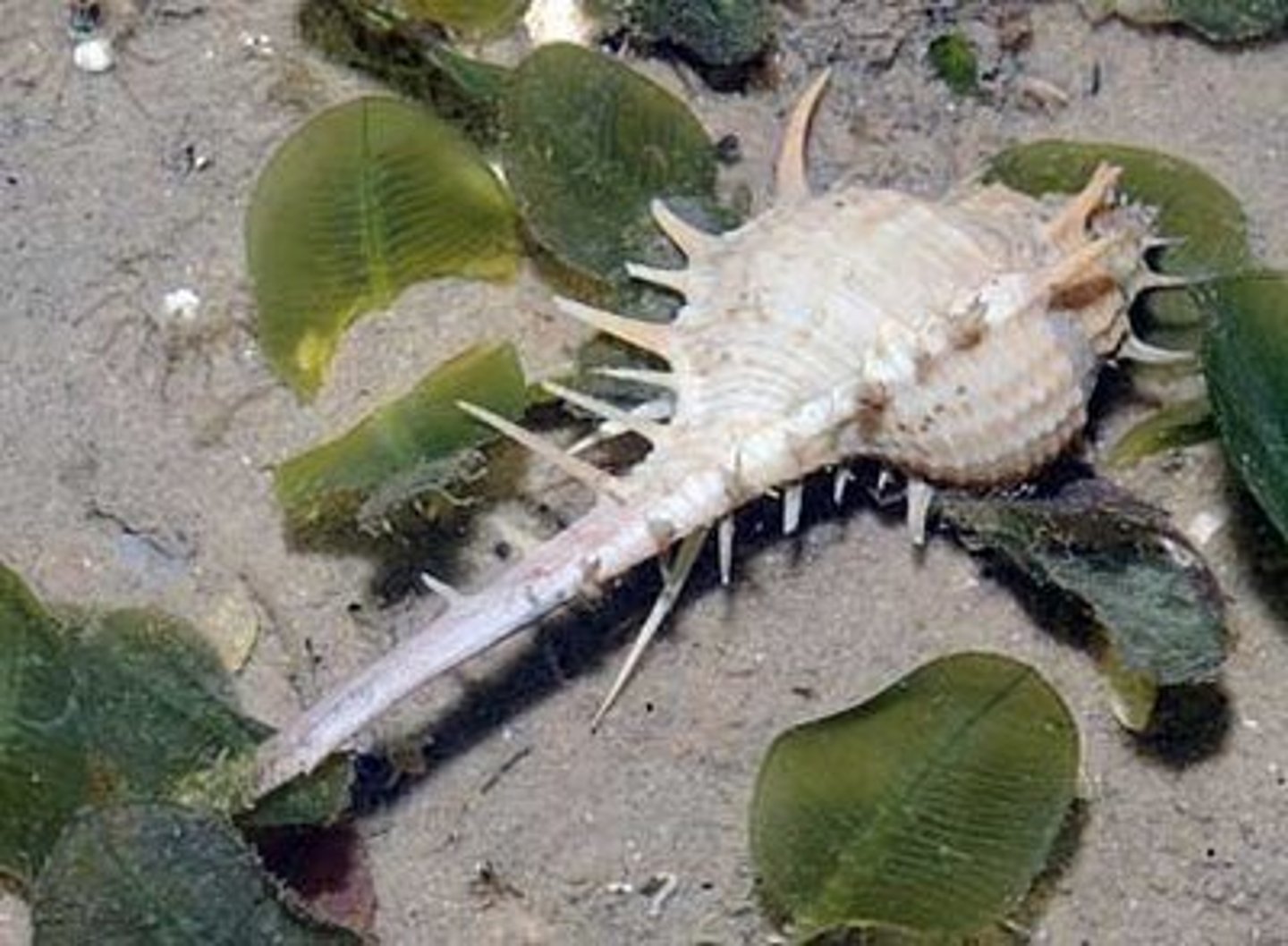
Microphages
Graze on benthic microalgae (e.g., diatoms, cyanobacteria....benthic biofilm)
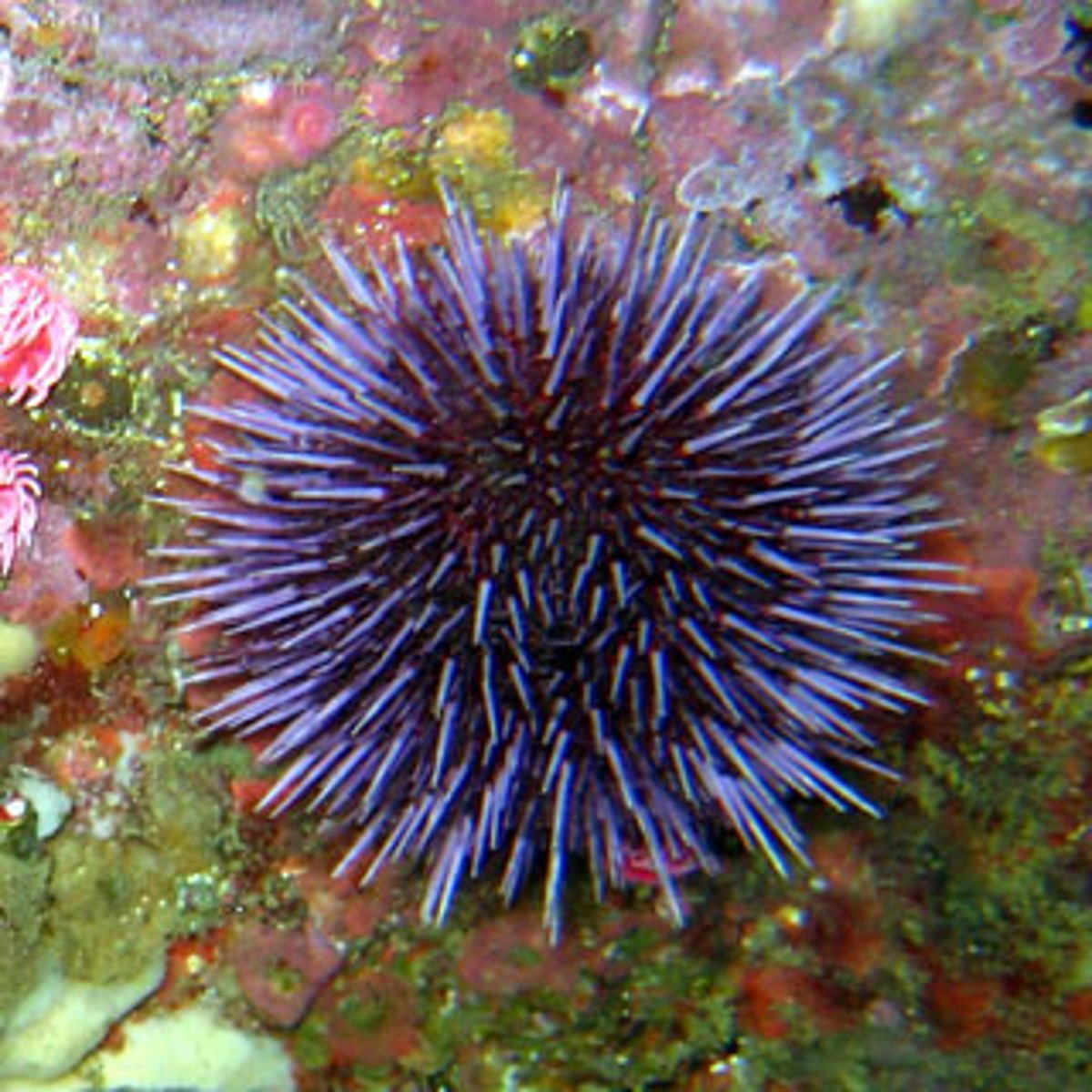
Macrophages
Graze on benthic macroalgae (e.g., seaweeds) and higher plants (e.g., sea grasses)
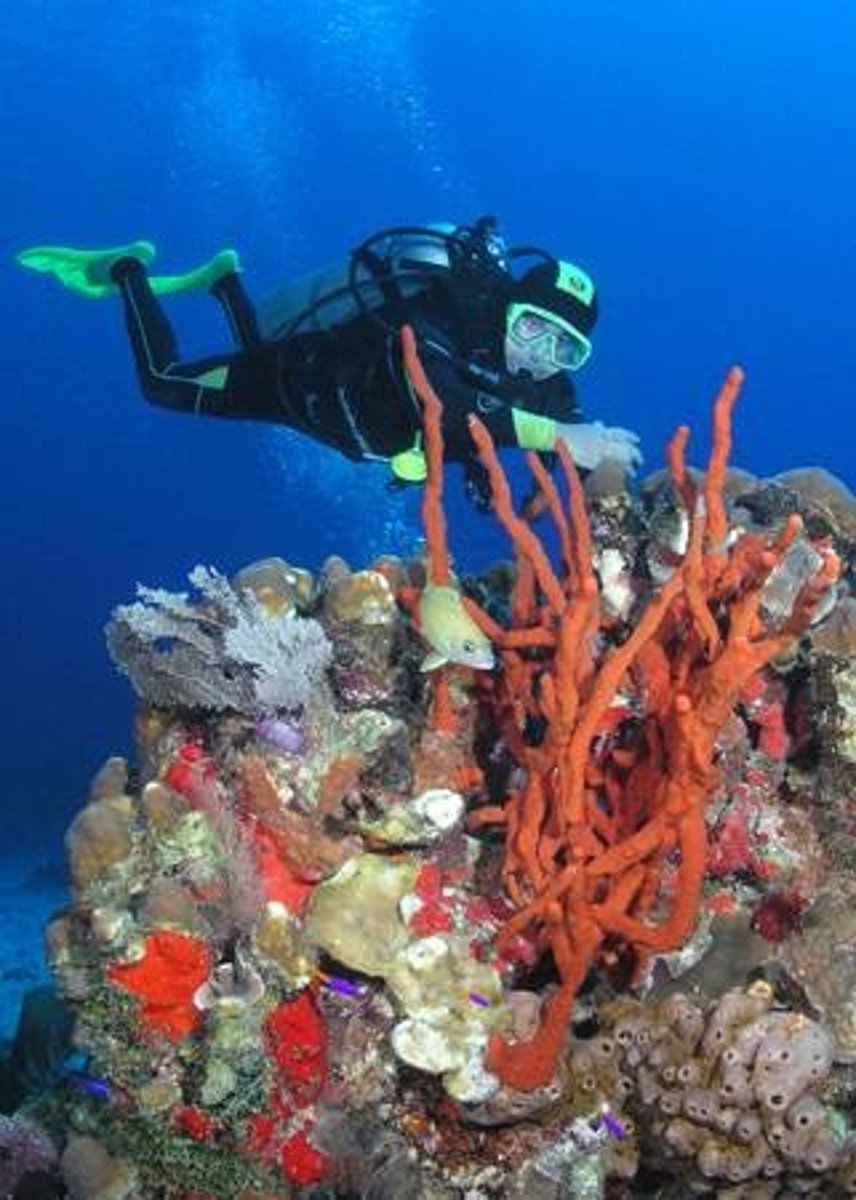
Neritic zone
The shallow, nutrient-rich, and sunlit part of the ocean extending from the low-tide mark to the edge of the continental shelf, typically reaching depths of up to 200 meters
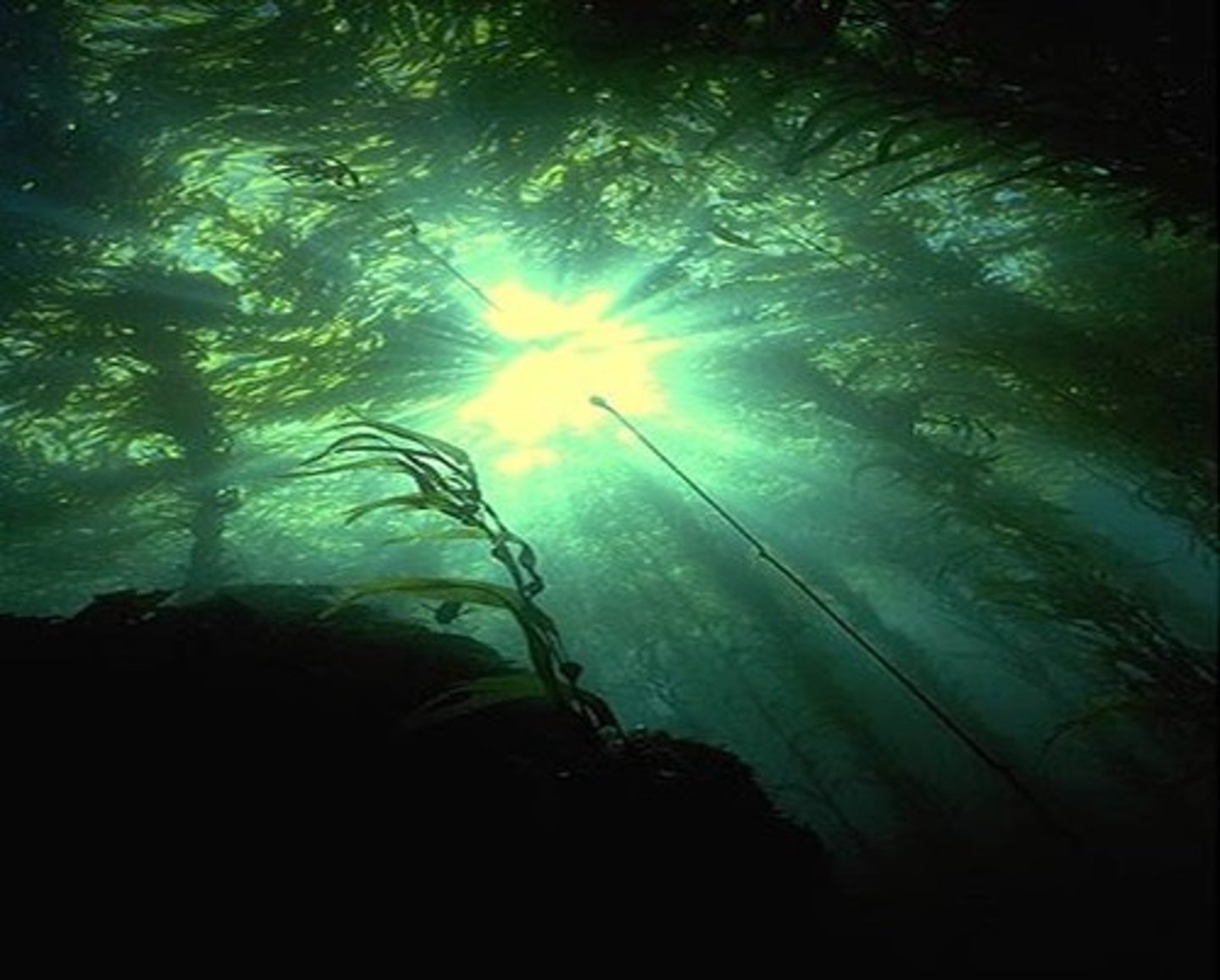
Subtidal Environmental Condition
- More variability than open ocean/deep sea; less than intertidal
- Very productive, high nutrients, little stratification, runoff from land
- Wave action (but less than in intertidal zone)
- Temperature, fully mixed water column; seasonal variation
- Debris, runoff, kelp, seagrass, high production of plankton can reduce light penetration
- High production of attached primary producers (kelp and seagrass)
Most subtidal benthic habitats
Are areas with soft sediment, dominated by infauna
Polar Seas
- Drastic changes in photoperiod over the year
- Physical conditions of the Arctic and Antarctic
- Wave action is not as important as in other benthic communities, b/c Ice scours the shoreline and benthos
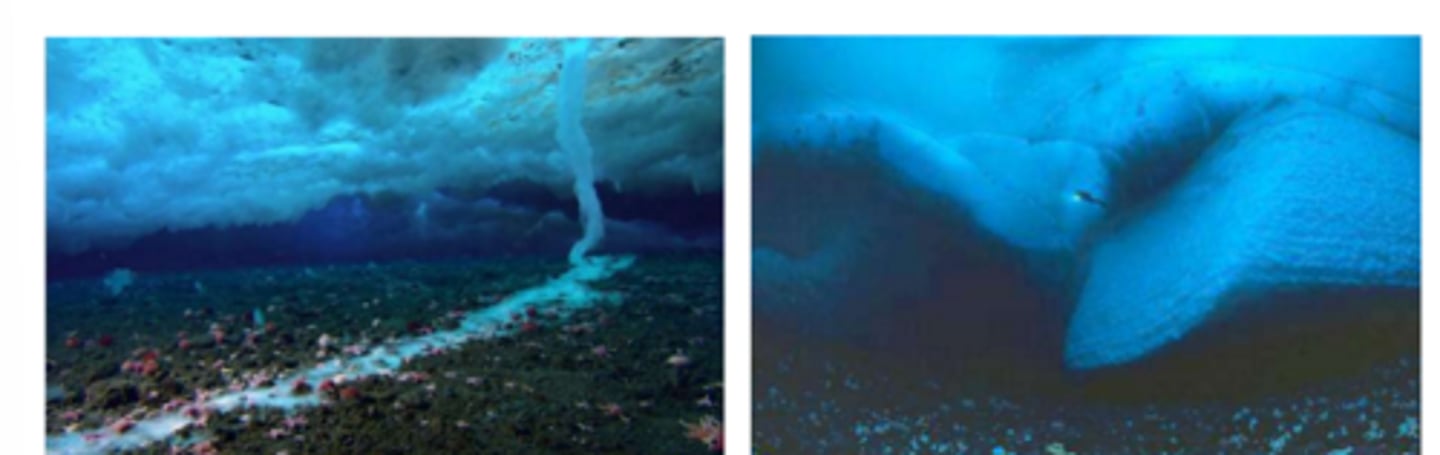
Anchor ice
- Forms on the bottom to about 30 m
- If it lifts from the bottom it can carry organisms up to the sea ice, where they become entrapped
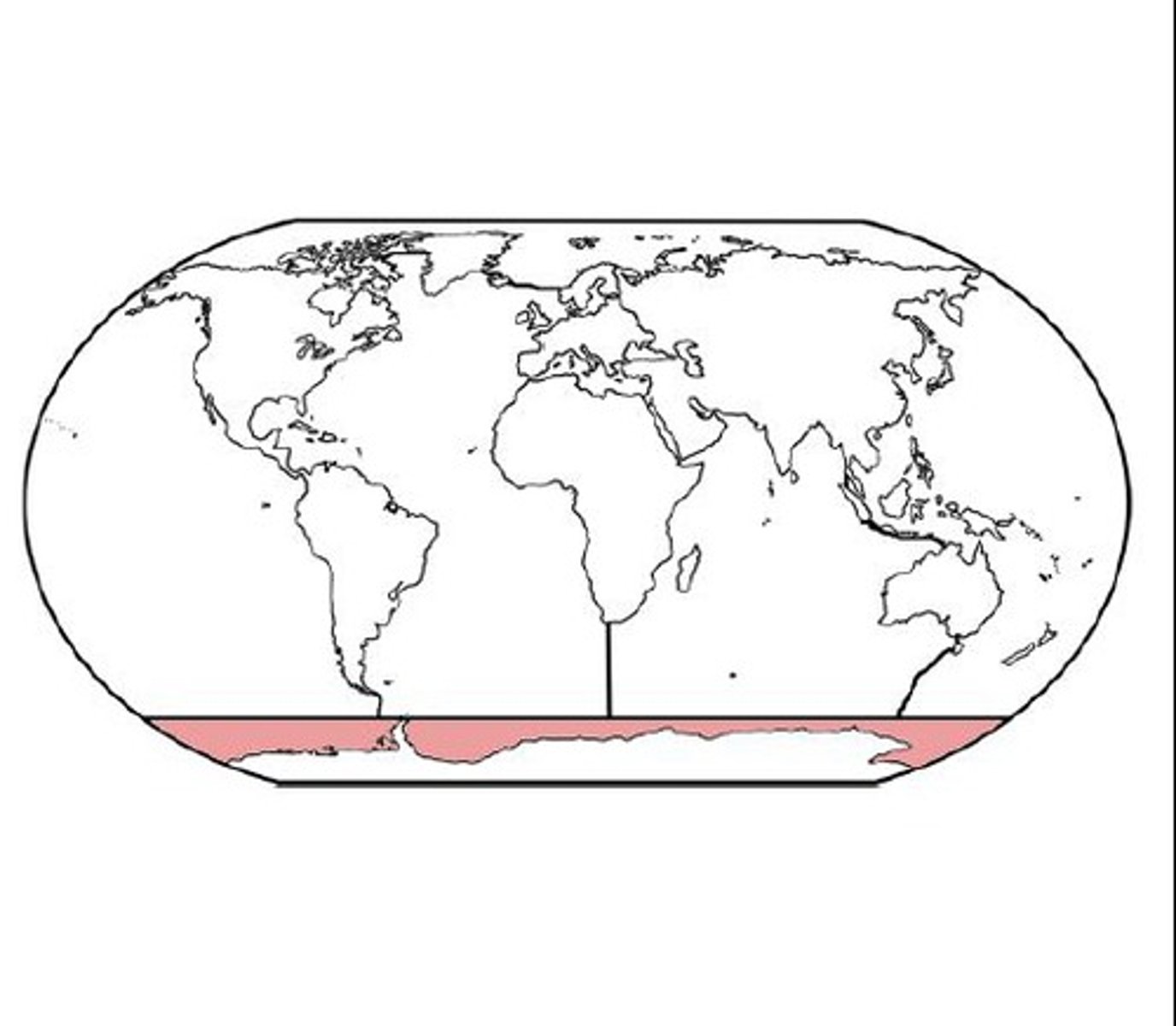
Antarctic
- High biomass (10-100X than in the arctic)
- Greater benthic species diversity and endemism than in the arctic
- Mostly epifauna (Mostly hard (rock) substrate)
- Fish less important, many fish are endemic
- Icefish have 'Antifreeze', Specialized physiological adaptations to cold
- Lack of shell crushing predators
- Many birds at sea ice edge
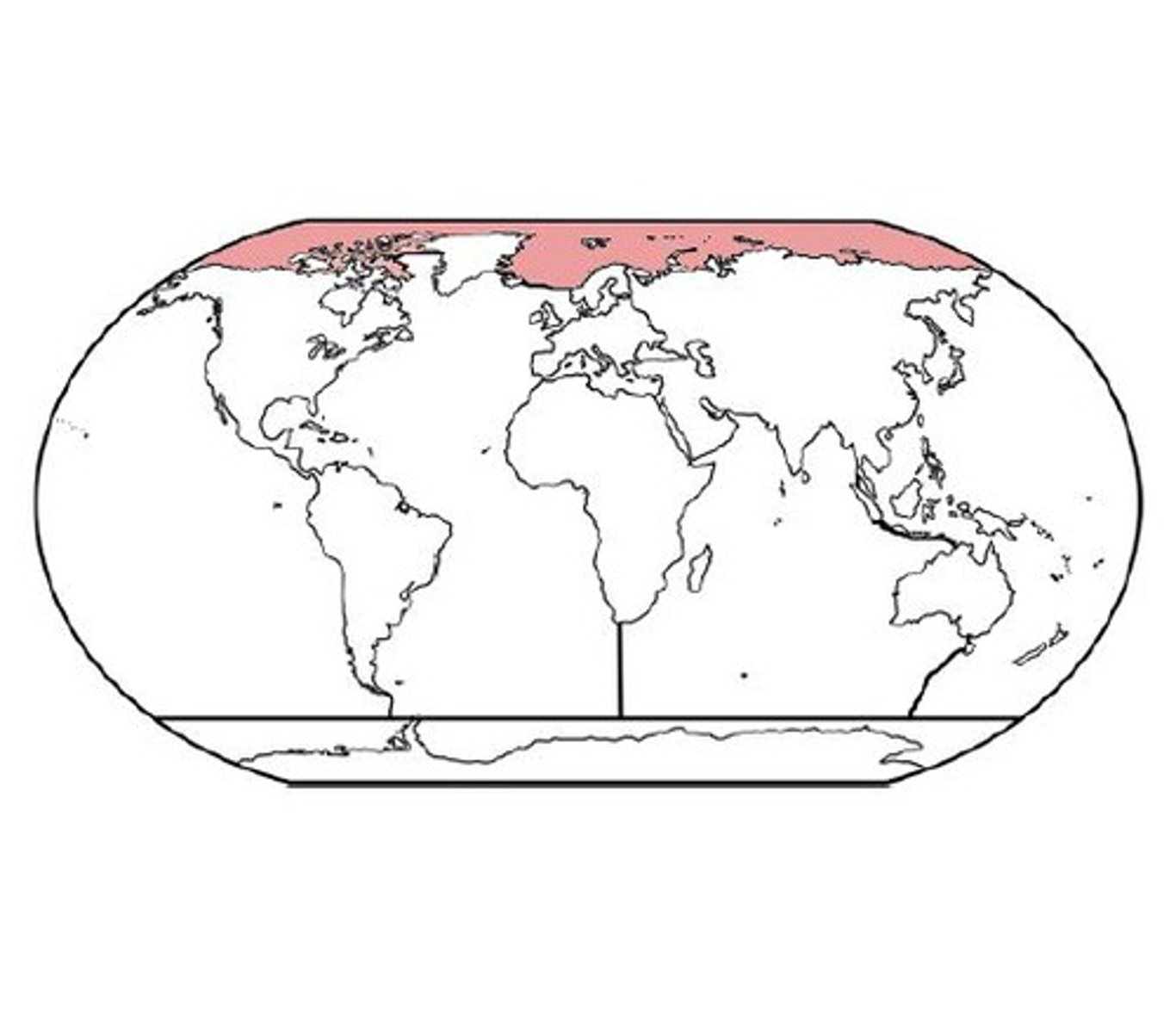
Arctic
- Has many forms of Atlantic origin
- Mostly infauna (lots of sediment)
- No specialized endemic fish
- Few birds at sea ice; birds differ longitudinally
- Lots of copepods
Mysticeti
Baleen whales
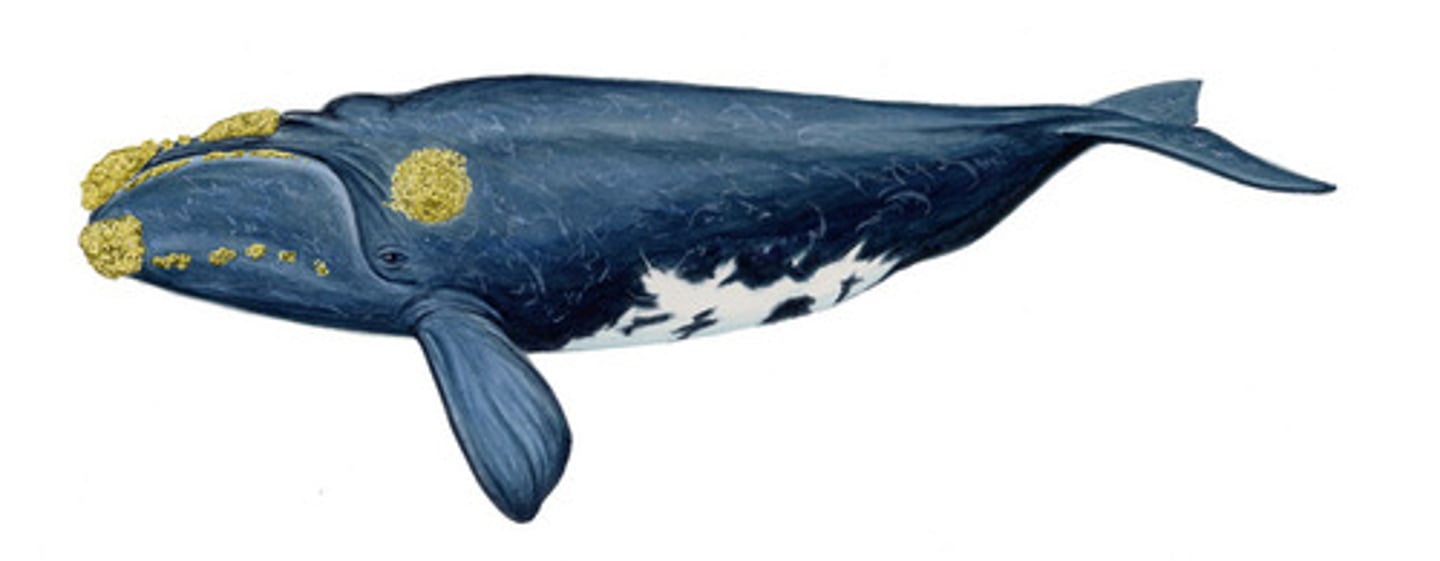
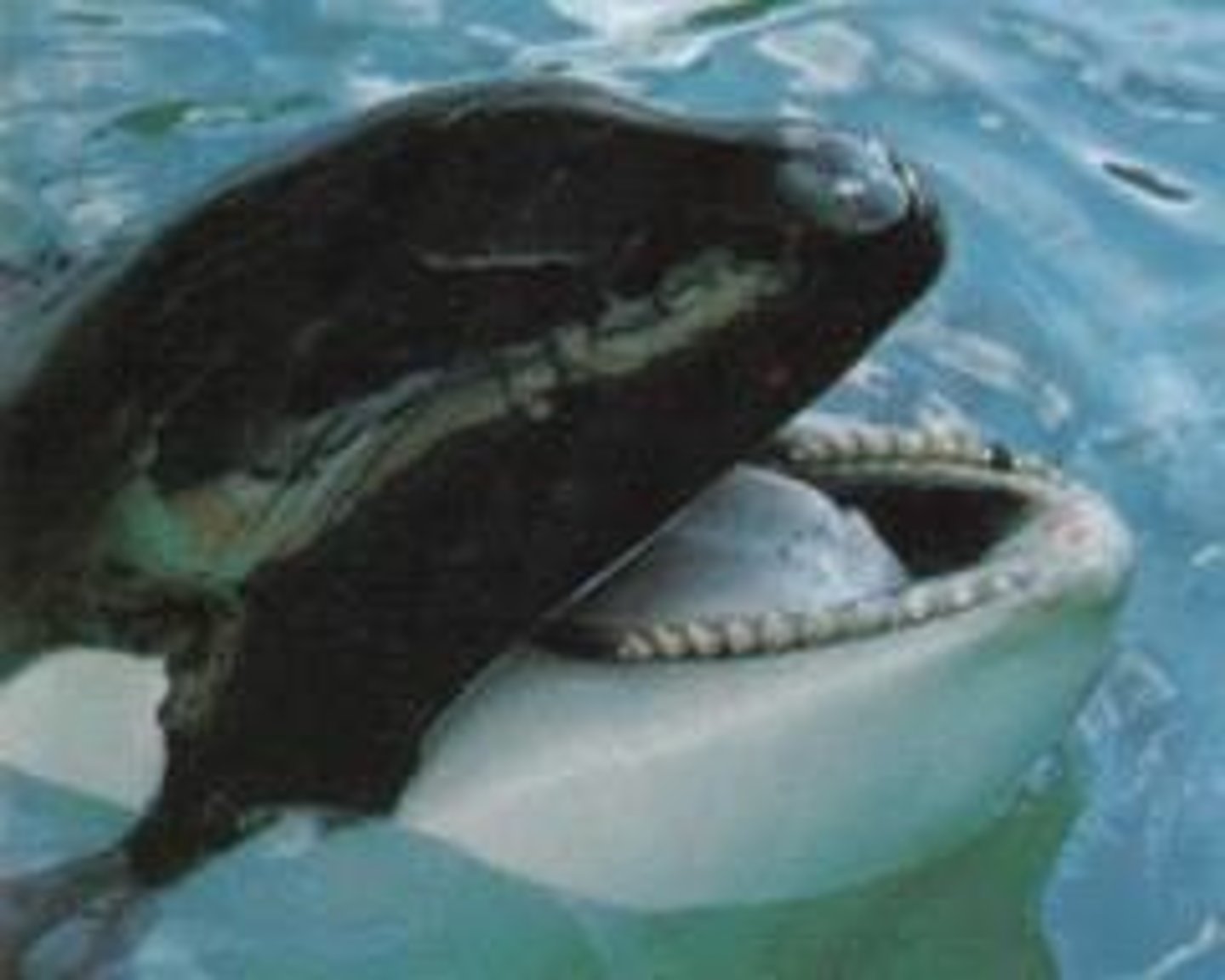
Odontoceti
- Toothed whales
- Asymmetrical head/melon (fat filled), nasal passages and air sacs allows for echolocation
Factors that limit productivity of phytoplankton in estuaries
- Light penetration, because there is high turbidity so the suspended particles block the phytoplankton's ability to photosynthesize
- Rapid flushing rates can move plankton out of estuary faster then they can grow
- Nitrogen is often limiting
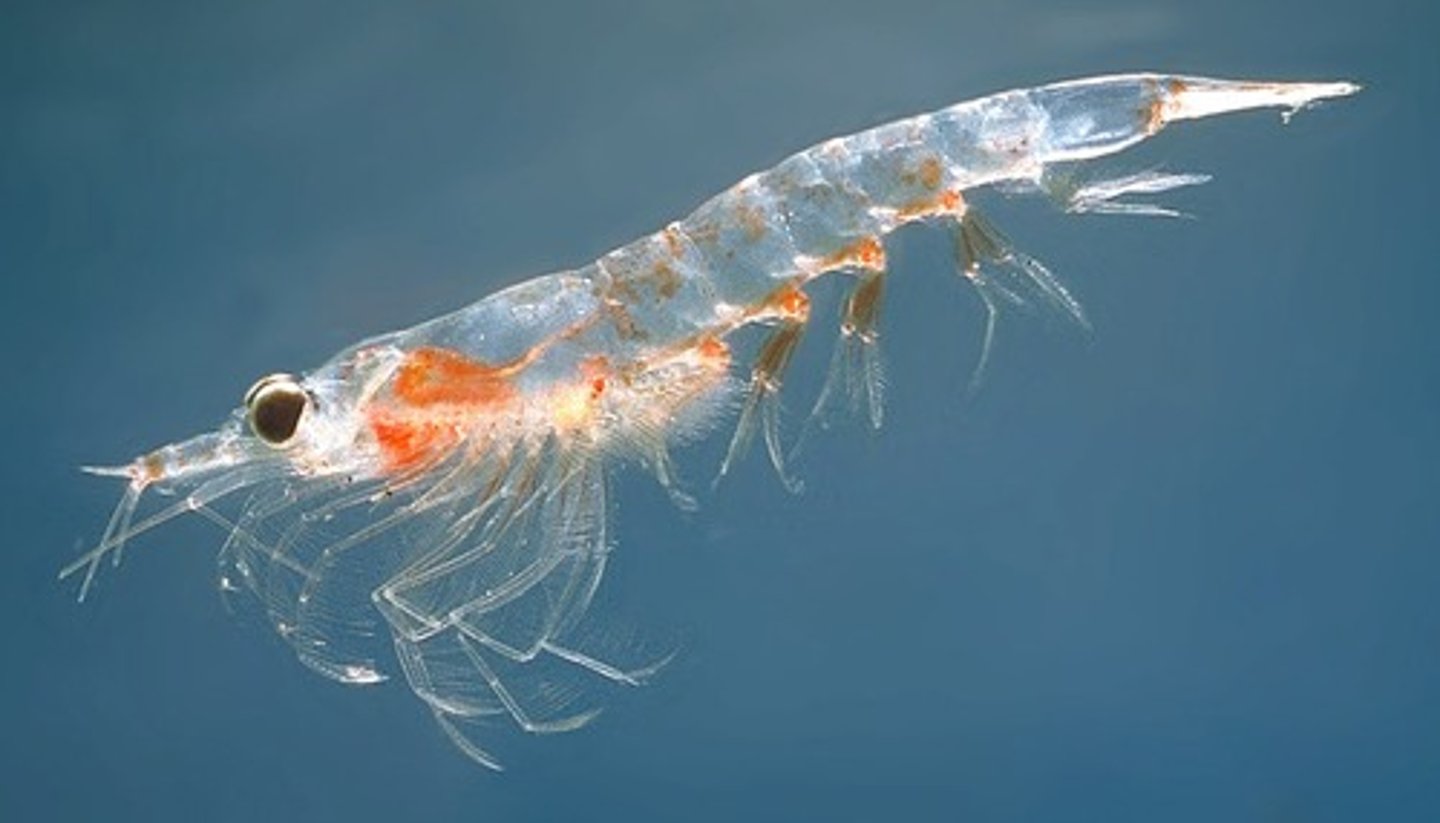
Krill importance Antarctic ecosystems
- They are large zooplankton, but are herbivores, and so can be very efficient links at passing energy phytoplankton
- They are good at feeding on diatoms under the sea ice
- Because they are large and accumulate PUFAs (essential fatty acids) they can be eaten by large organisms like whales and fish and are an efficient trophic link
The benthos is dominated by infauna
Which is true of the Arctic Ocean?
Has extensive salt marshes
Under pristine conditions, which of the following describes a classic East Coast American estuary, but does not hold true for an estuary in Europe?
diffuse predation
When several consumers utilize the same resource, but no single consumer suppresses the resource population
It was the first legislation based on how many animals were in the wild rather than the number that could be hunted
The Marine Mammals Protection Act was novel legislation because
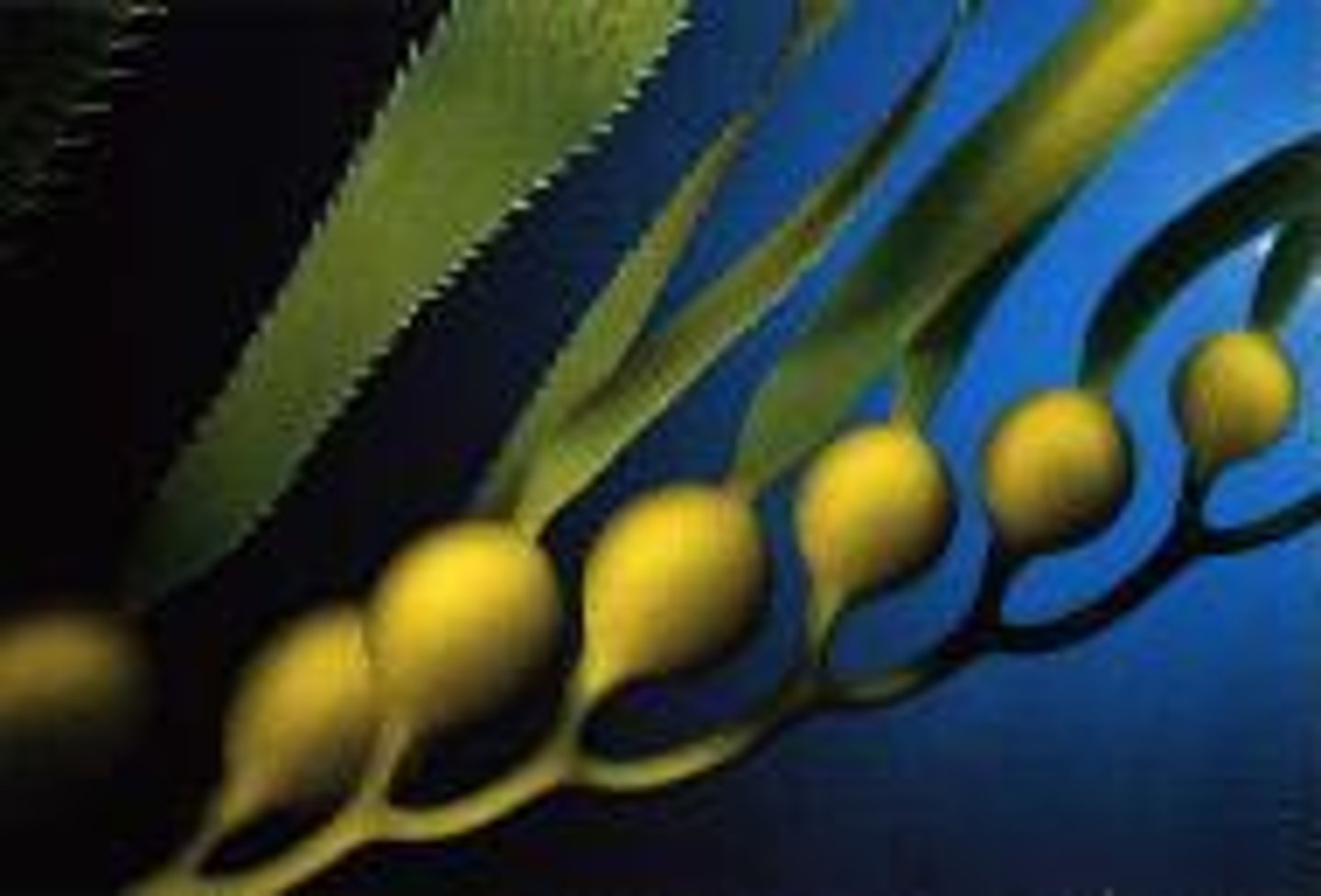
Pneumatocyst
a gas-filled bladder in Kelp
Pisaster
- A classic keystone predator
- Sea Star
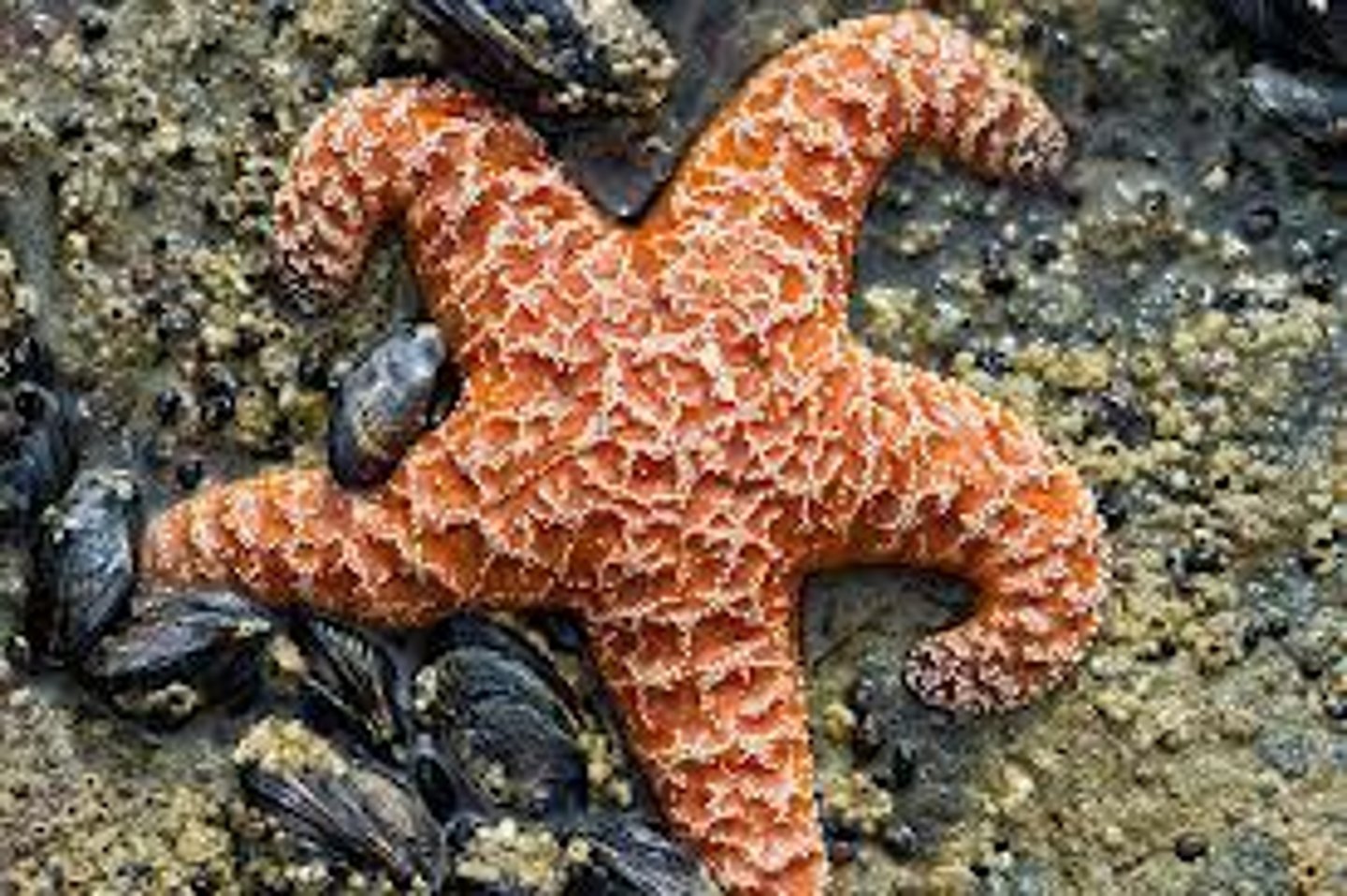
Oysters
Important filter feeders in estuaries
Ursus maritimus
Polar bear
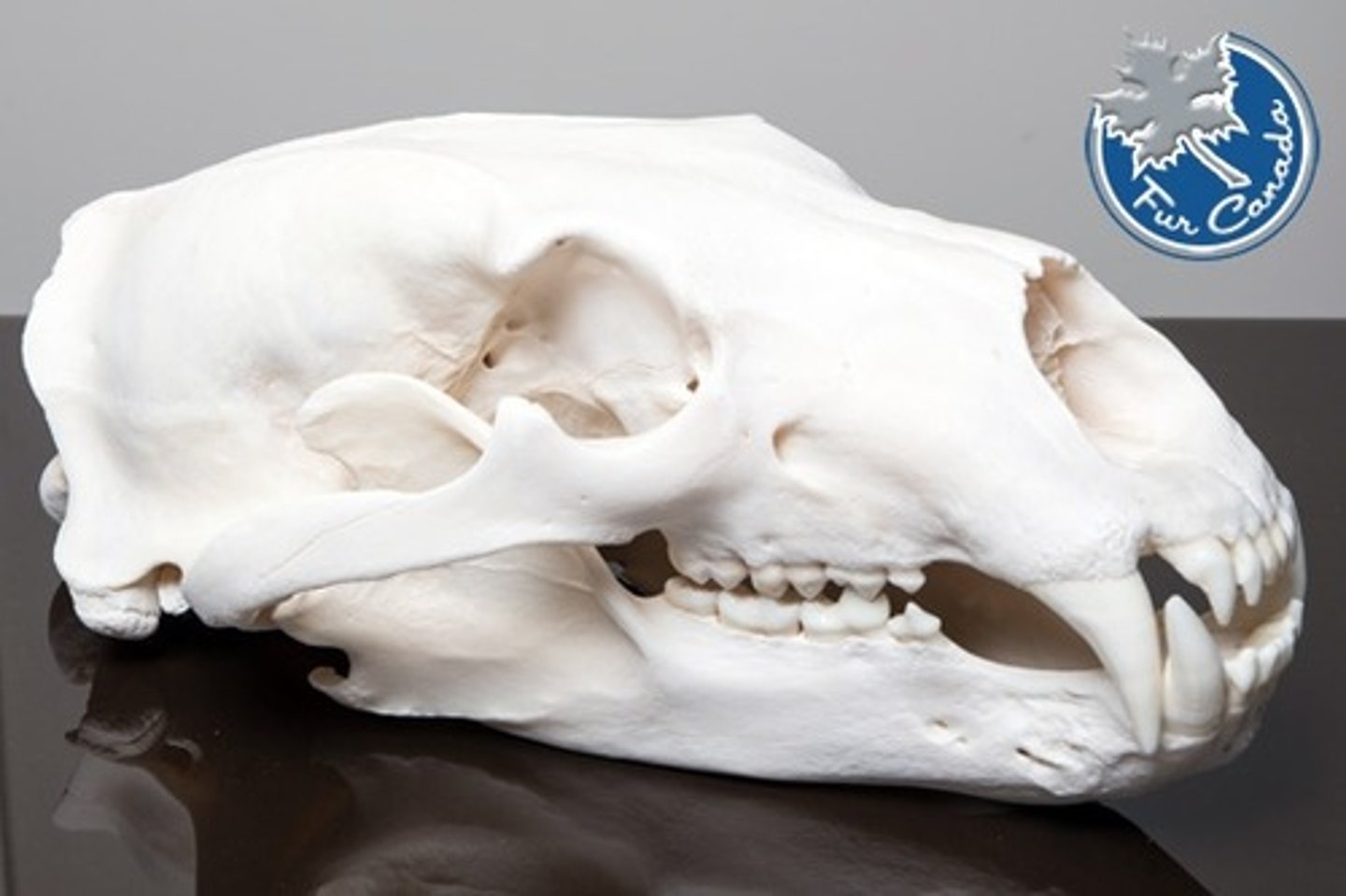
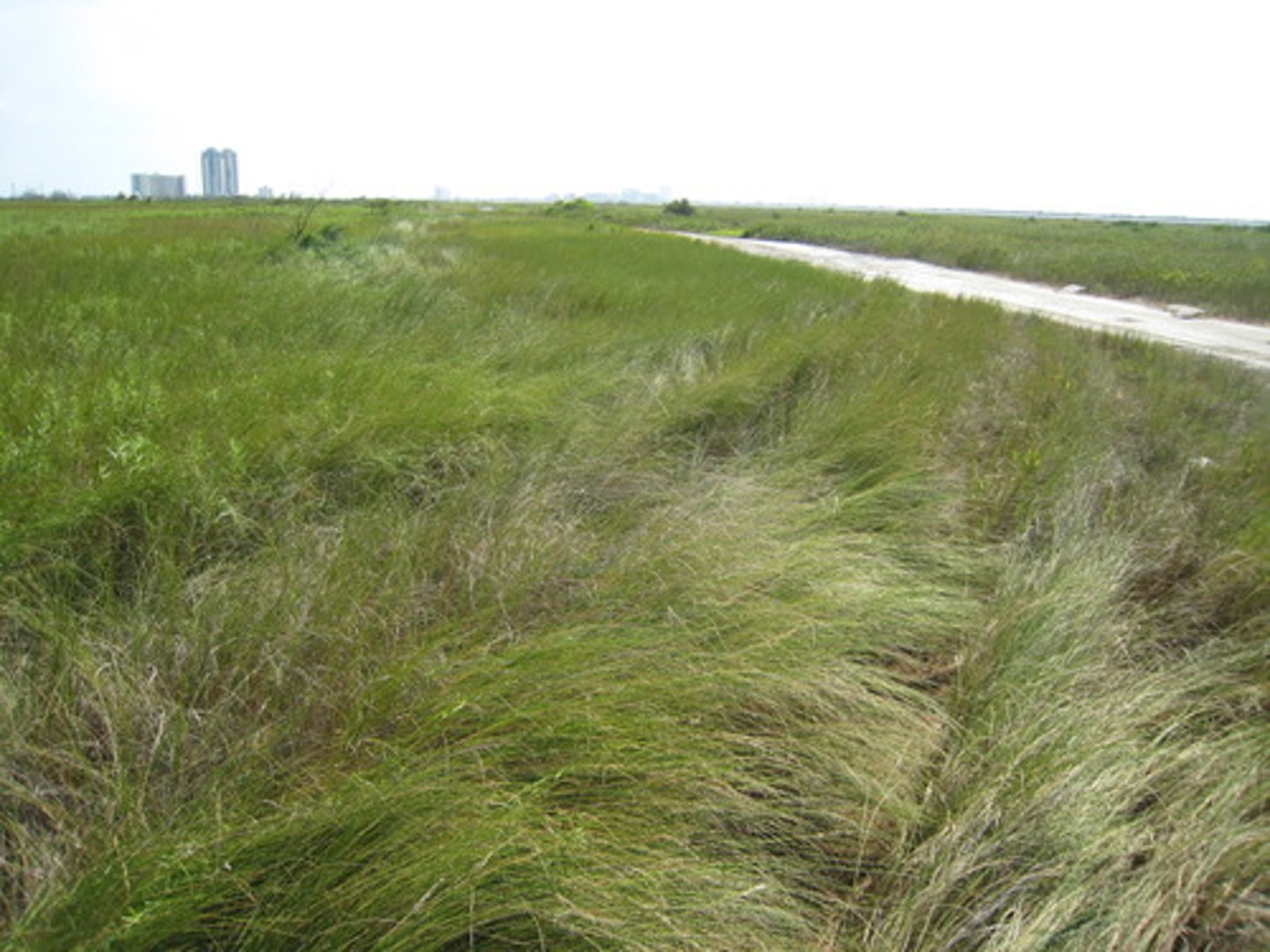
Spartina
A dominant salt marsh grass genus
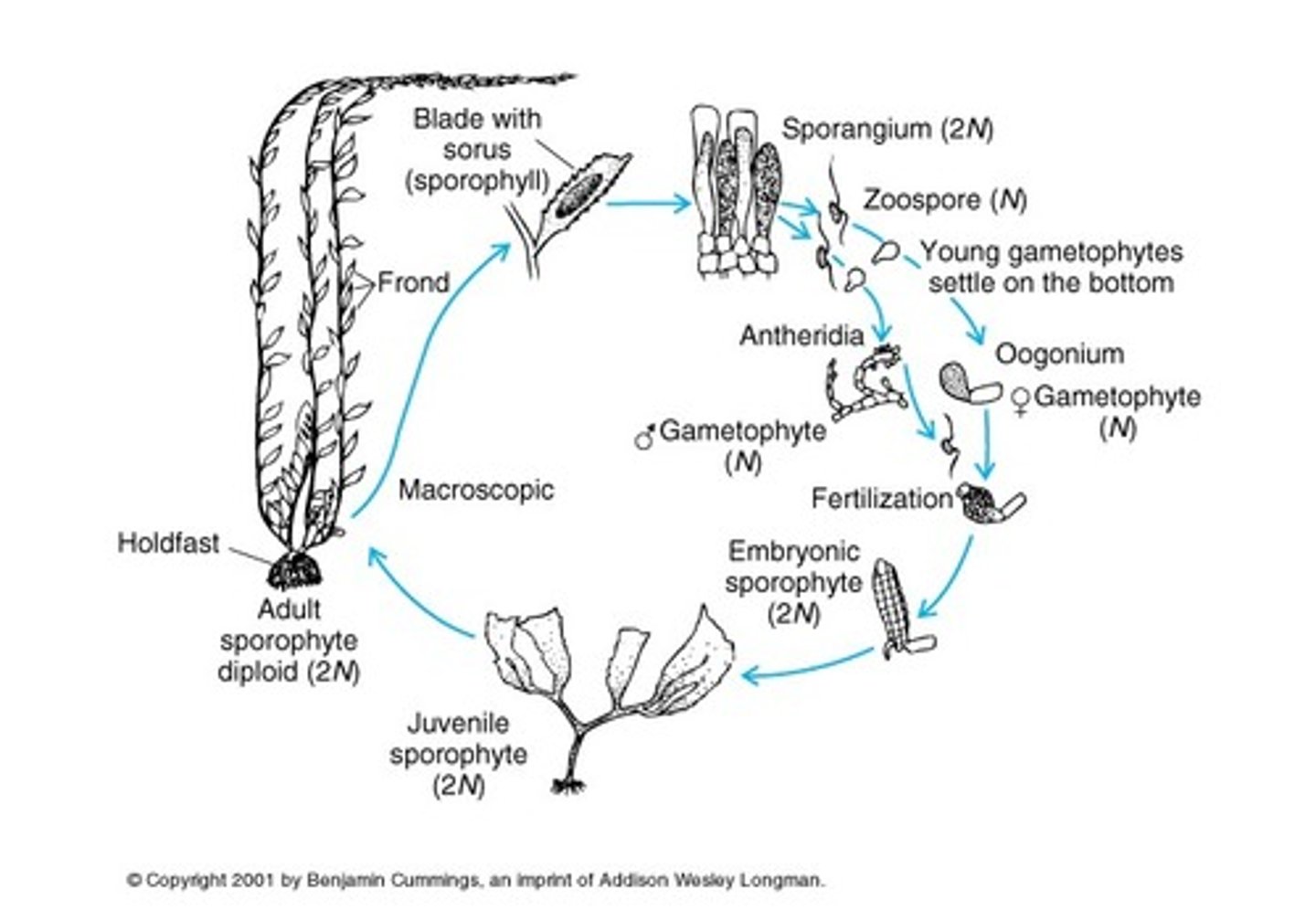
Life cycle and life stages of a kelp
- Alternation of generations (diploid/haploid)
- The kelp is the asexual sporophyte stage and there is a small sexual stage
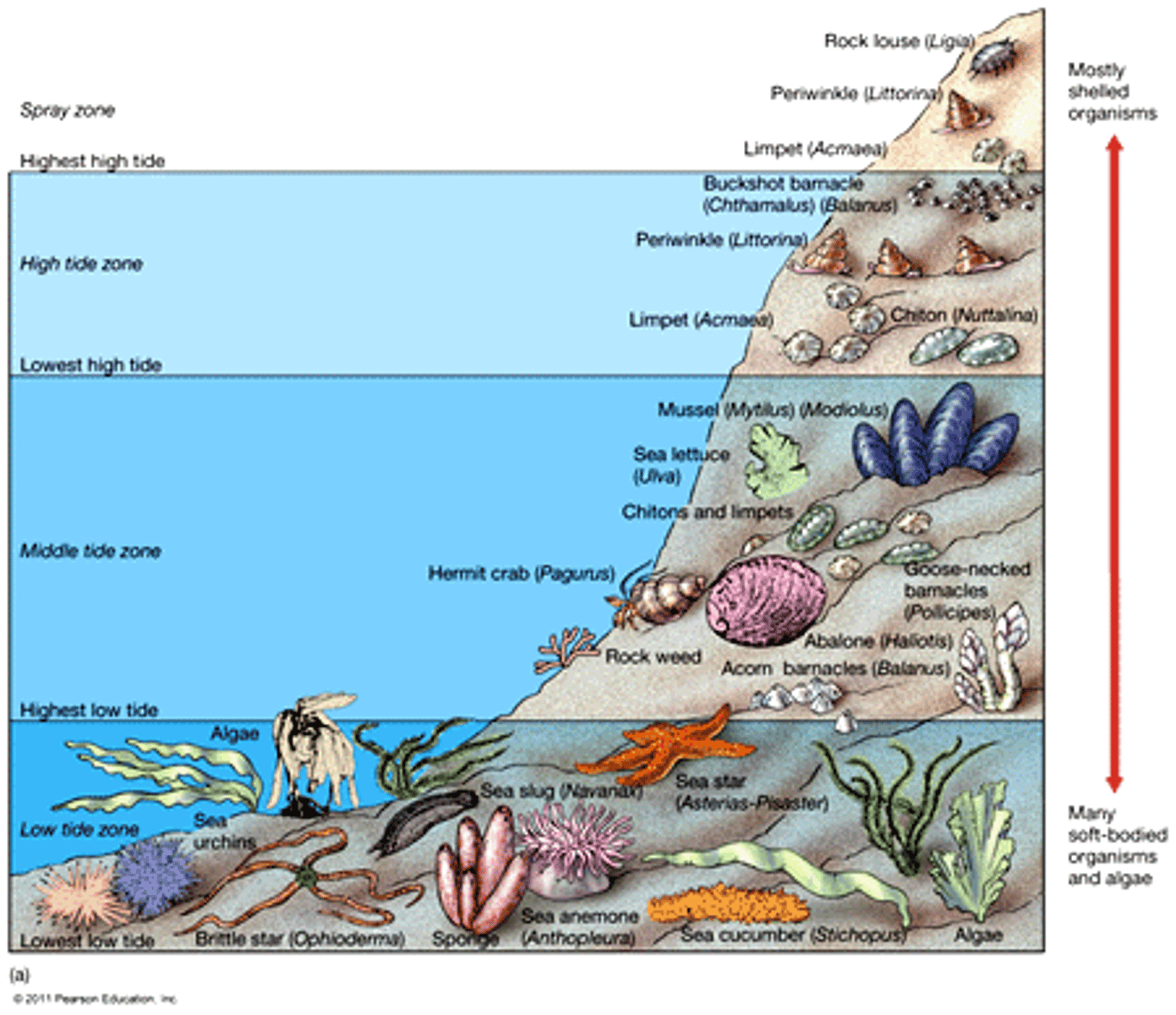
Zonation
What is this pattern of species being found in different predictable and easily observable parts of the intertidal called?
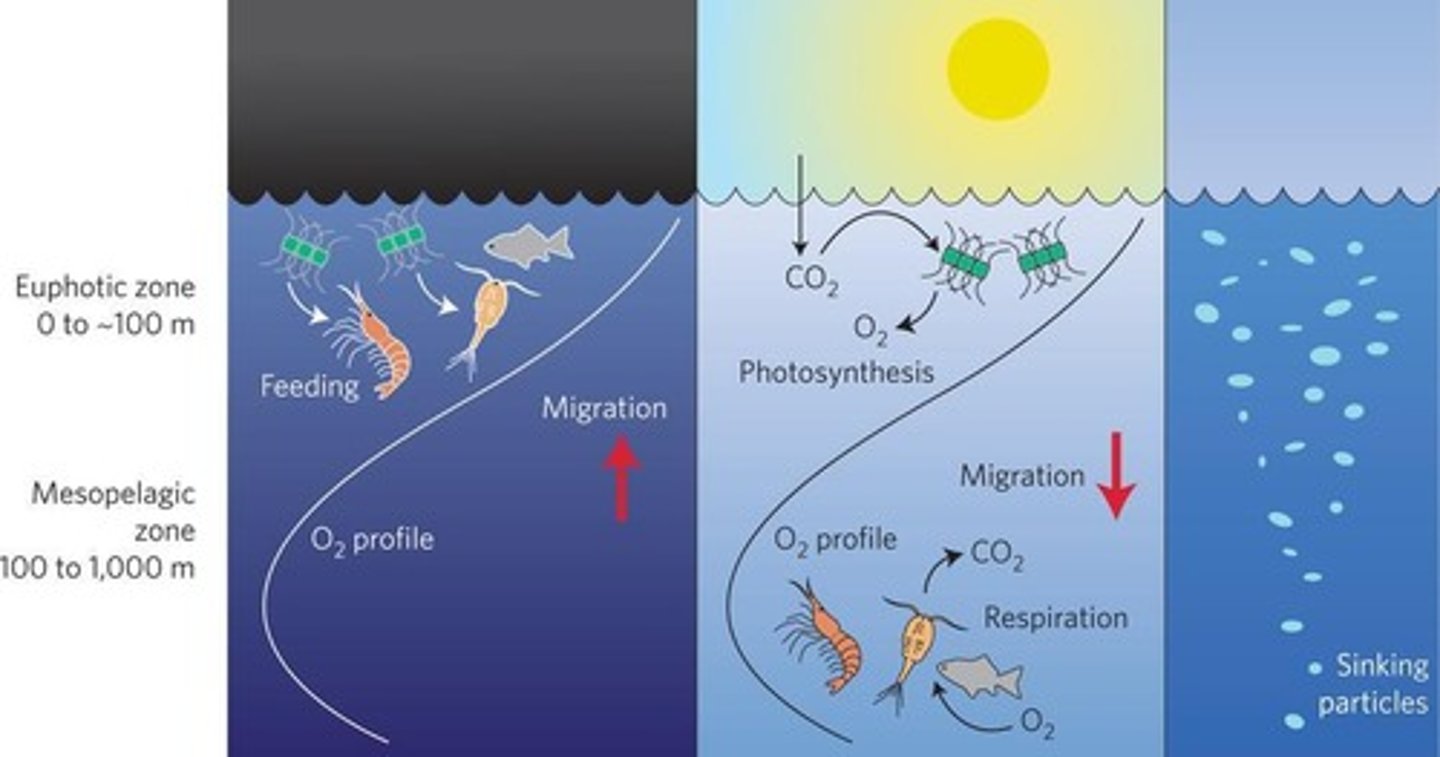
Diel vertical migration
Migration found in many zooplankton and fish where animals rise toward the surface at night and sink to depth during the daytime.