Images to Know for Dr. C's midterm 2/2025 -
 Studied by 4 people
 Call Kai
 Learn
Learn Practice Test
 Spaced Repetition
 Match
Match Flashcards
 Knowt Play
1/48

There's no tags or description
Looks like no tags are added yet.
Name | Mastery | Learn | Test | Matching | Spaced | Call with Kai |
|---|
No analytics yet
Send a link to your students to track their progress
49 Terms
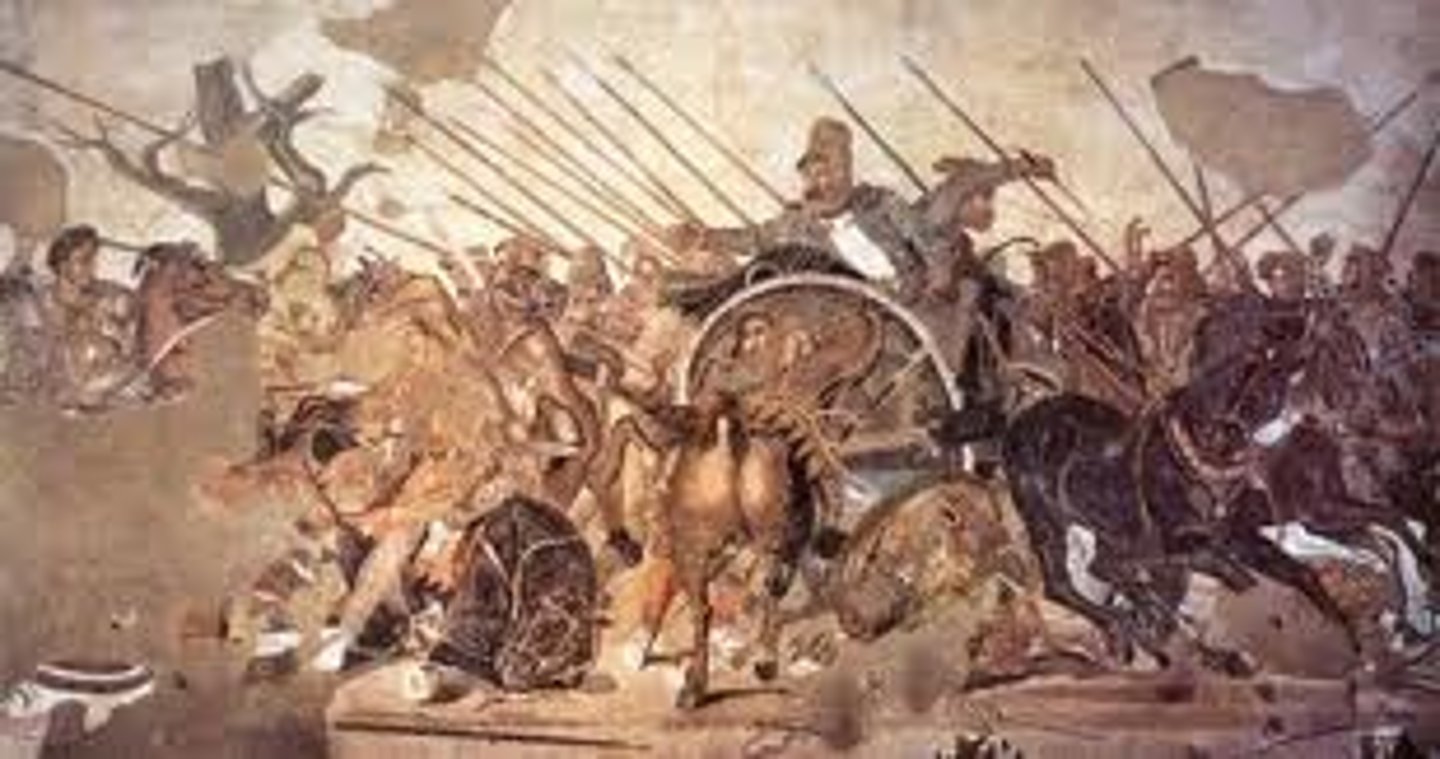
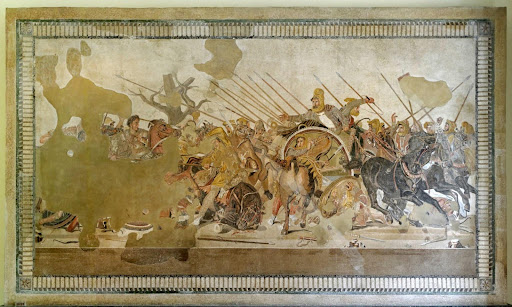
The Alexander Mosaic
2nd century BCE
Depicts Alexander the Great fighting Darius III of Persia.
Made of tesserae stones.
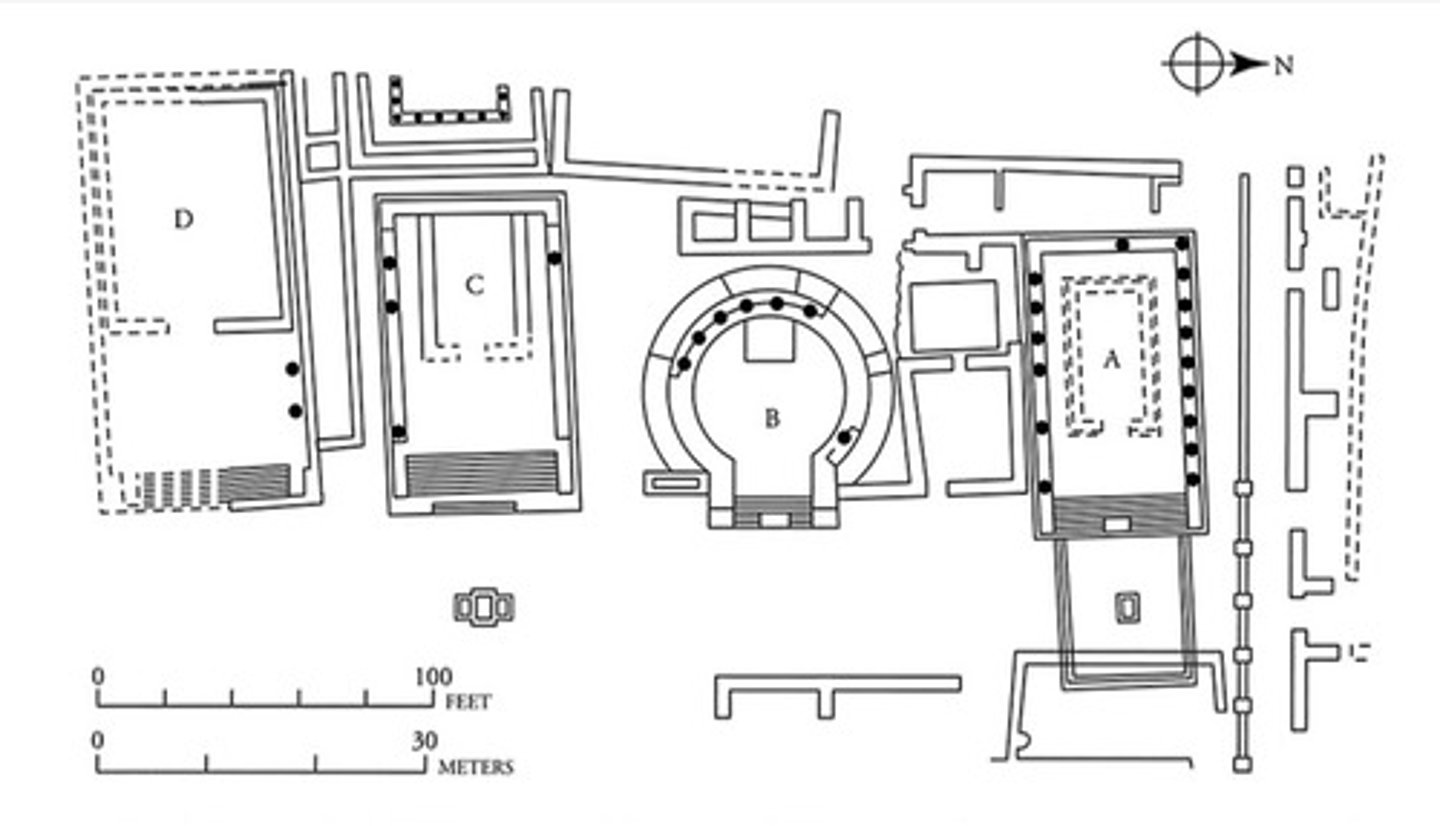
The Republican Temples in Largo Argentina
4th century BC
Made with tuffa and travertine
Honored Juturna and Fortuna
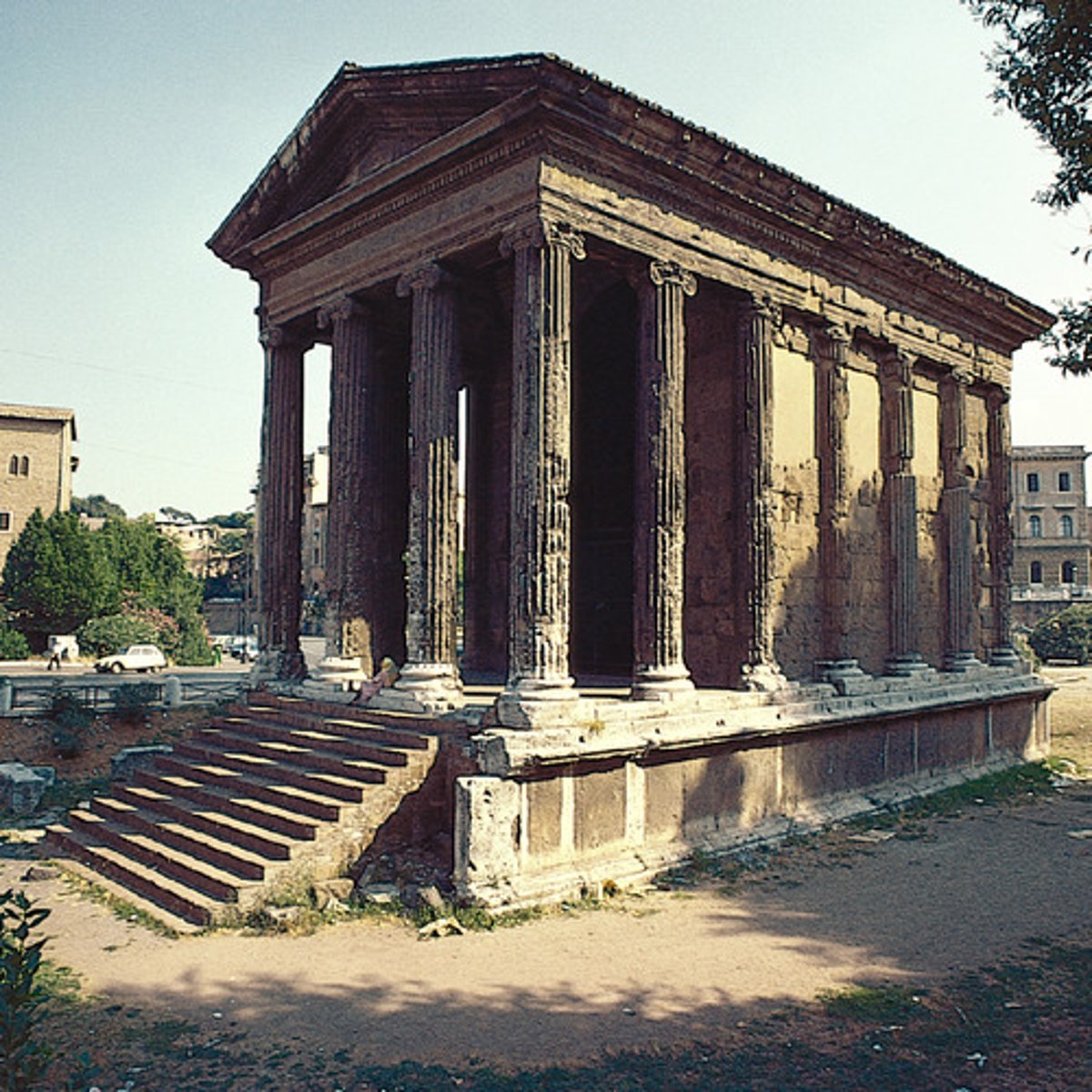
The Temple of Portunus
3rd century BC
Made with travertine and tuff
Dedicated to Portunus, the god of keys
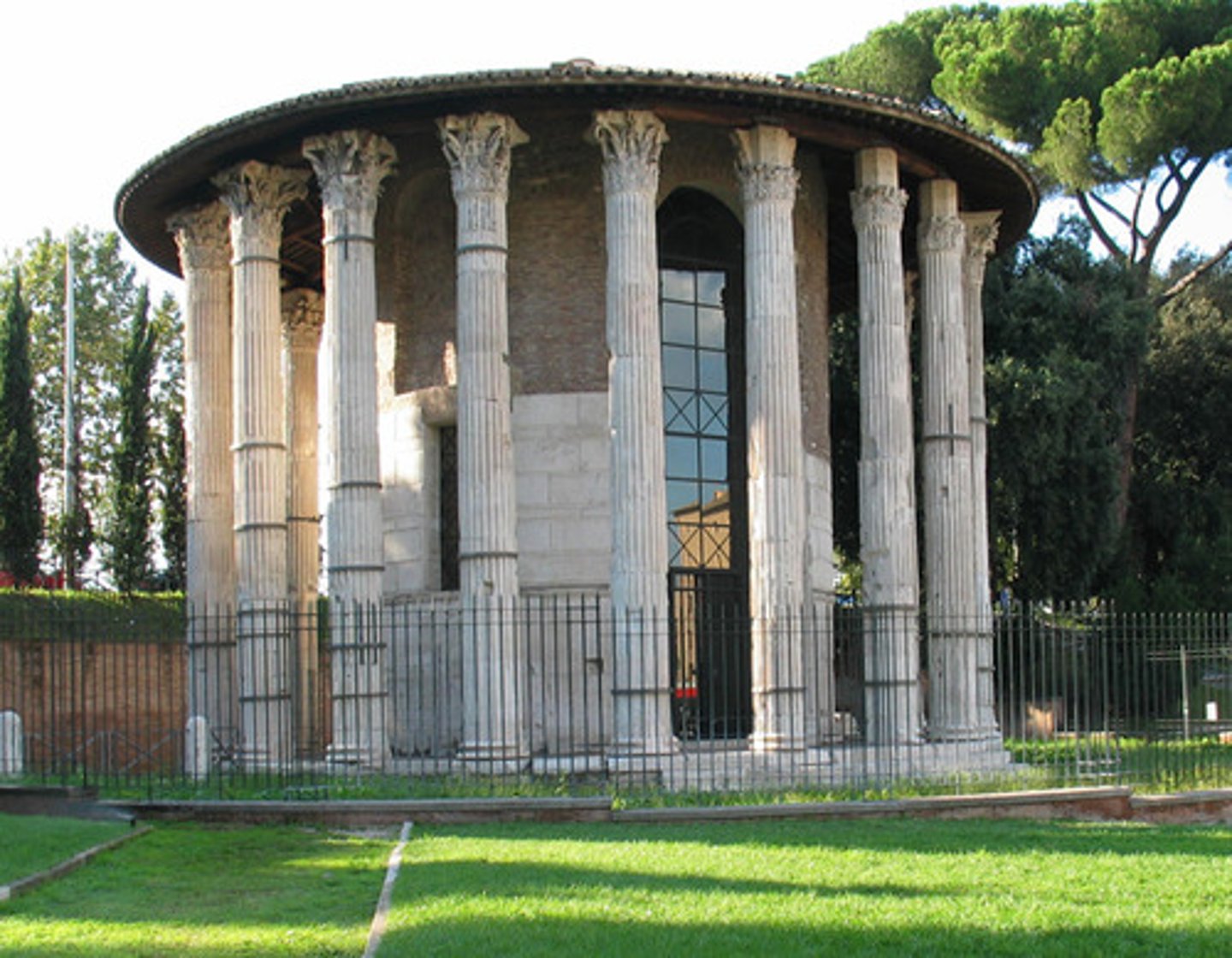
The Temple of Hercules Victor
140 BC
Made of Greek Marble
Dedicated to Hercules Victor, protector of traders
The Theater of Pompey
55 BC
Stone and Roman concrete
Dedicated place for Pompey to win crowds over, also had a triumphal temple.
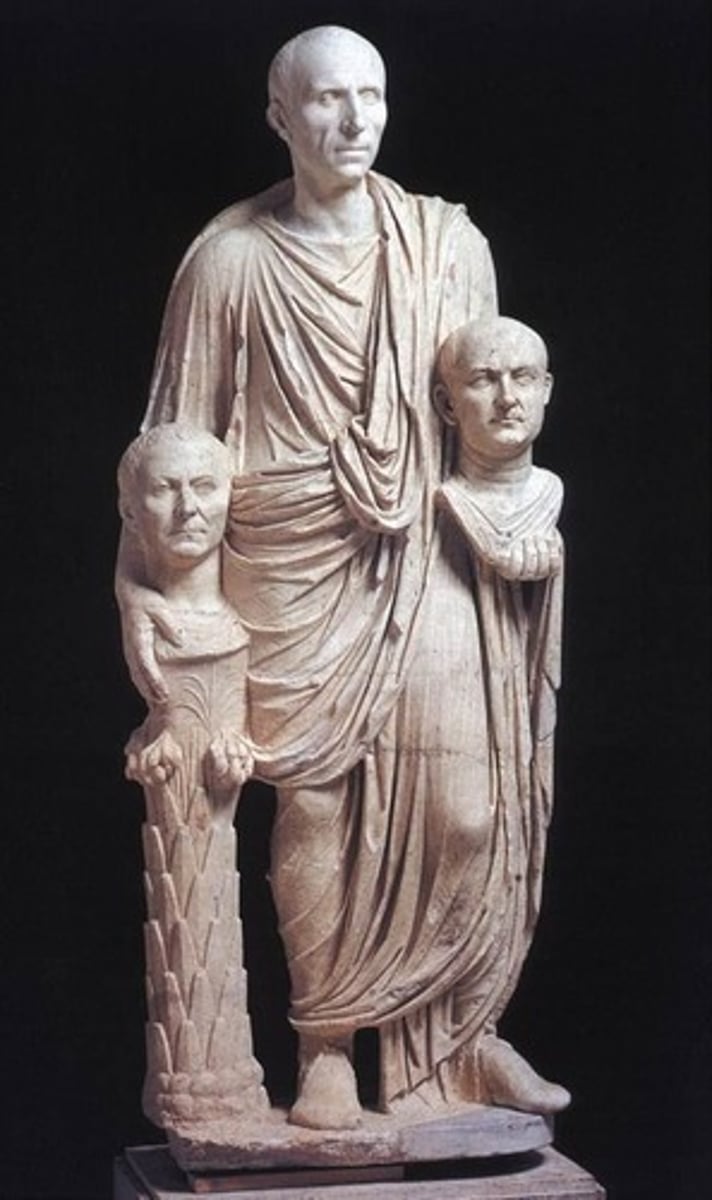
Man with portrait busts of his ancestors
1st century BCE
Made of marble
Shows the honoring of deceased family, pride in ancestry, verism
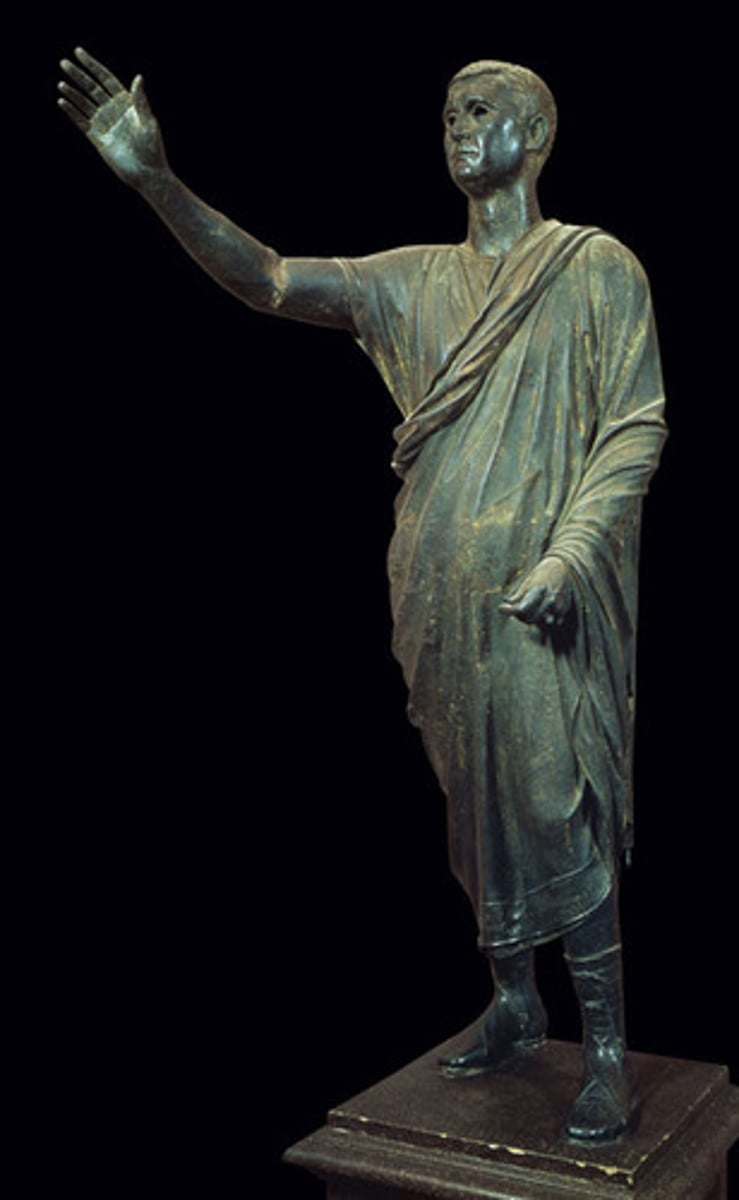
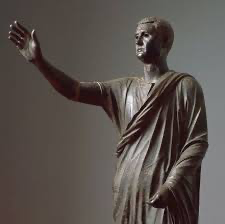
The "Arringatore" or Orator
100 BCE
bronze
Etruscan in origin, indicates Romanization of Etruscan art
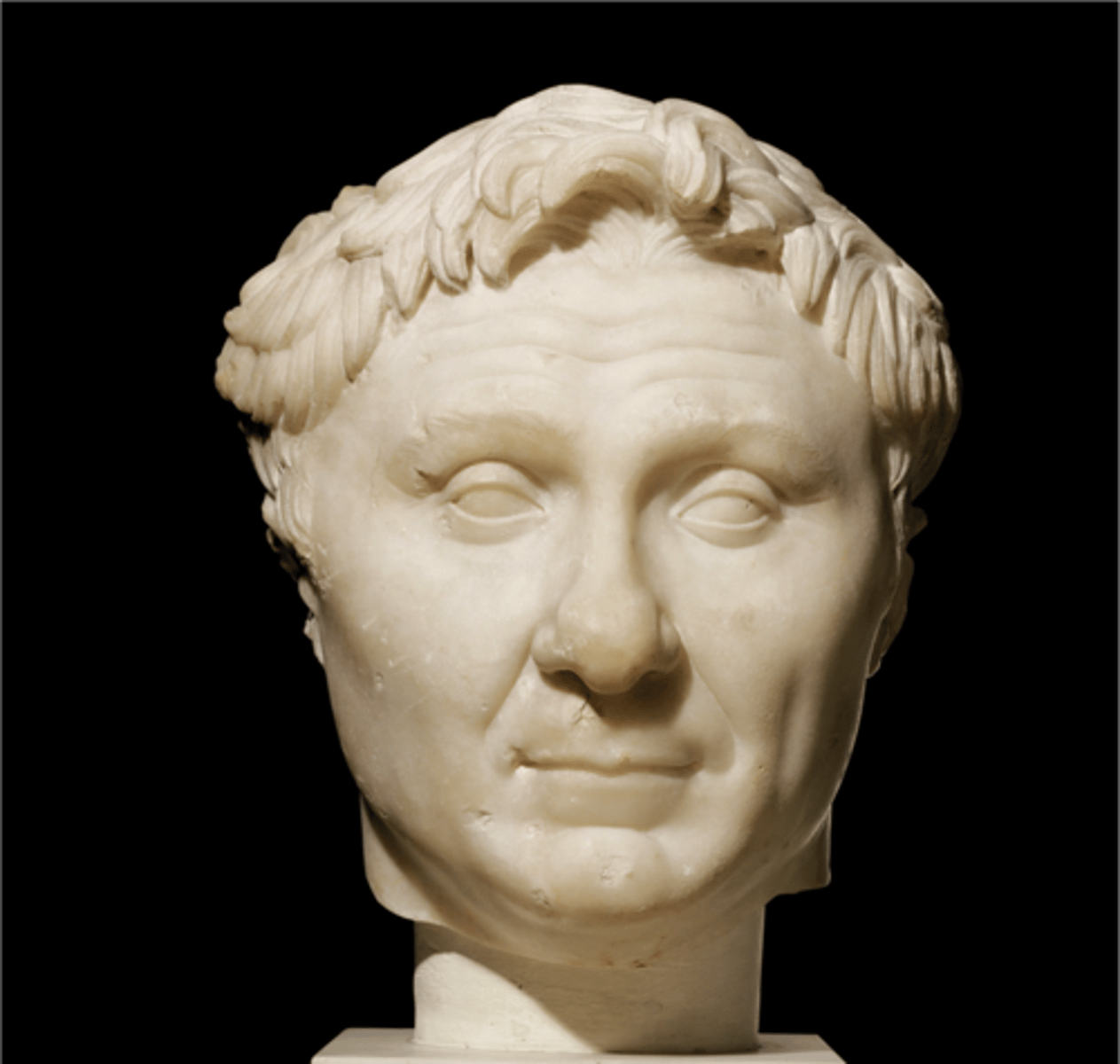
Portrait of Pompey The Great
50 BC
white marble
reflects interest in incorporating Greek styles into Roman art, birth of portraiture, verism
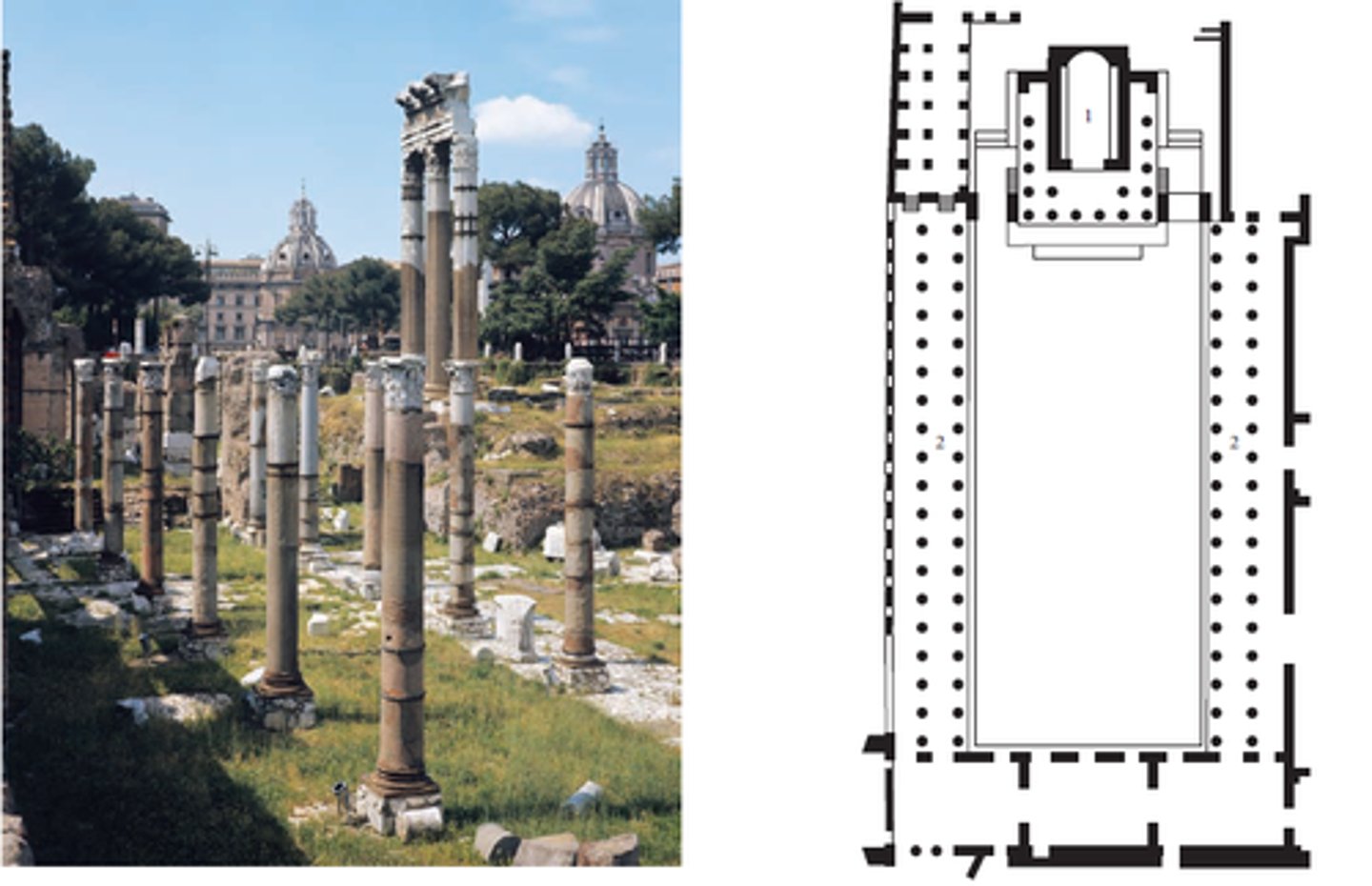
Forum of Caesar
46 BC
marble
the first great forum built outside the Forum Romanum
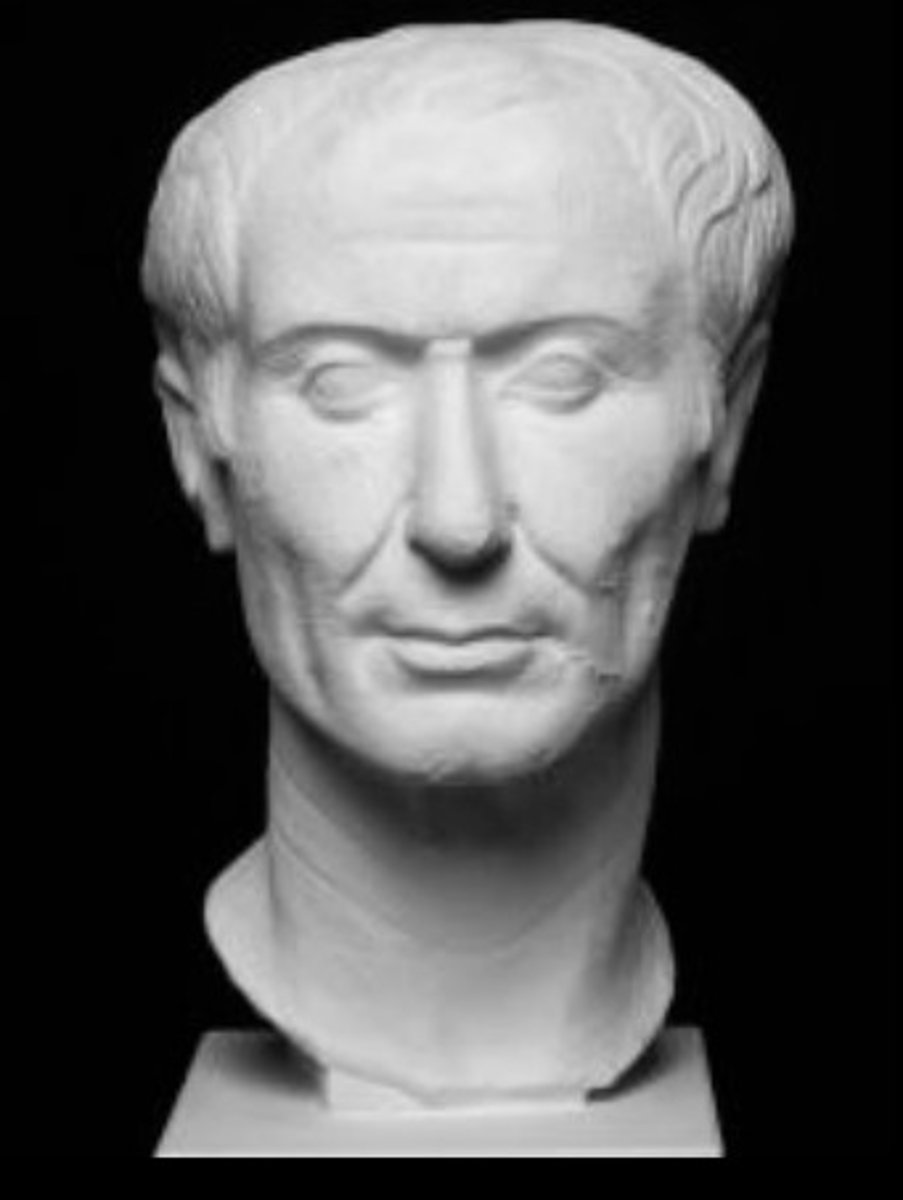
Julius Caesar
48-44 BC
Marble
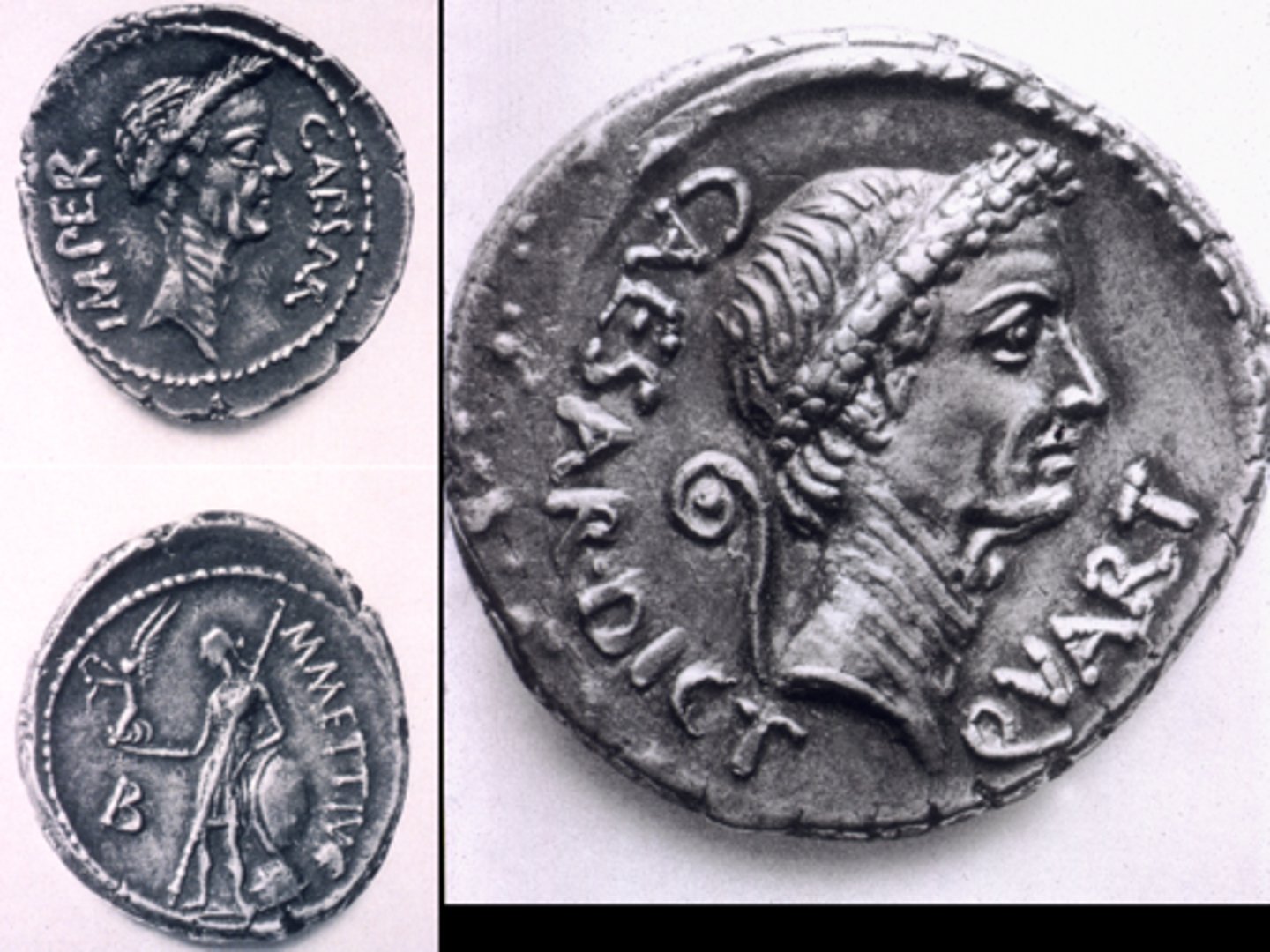
Denarius with obverse portrait of Julius Caesar
44 BC
"Director Perpetuo"
A sign of his dictatorship, power, and desire for indefinite reign
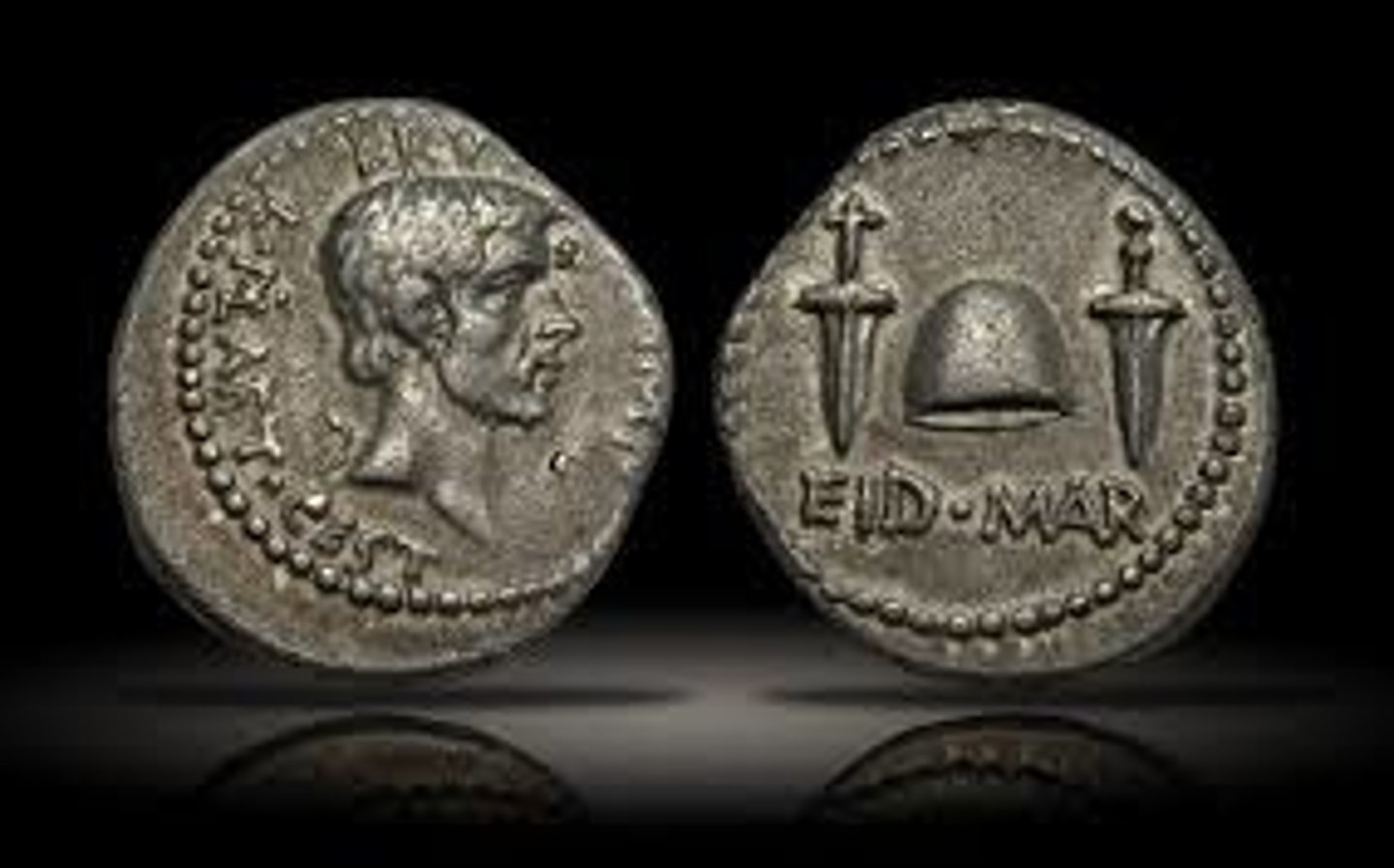
Denarius of Brutus
44 BC
Imagery related to the Ides of March and killing of Caesar
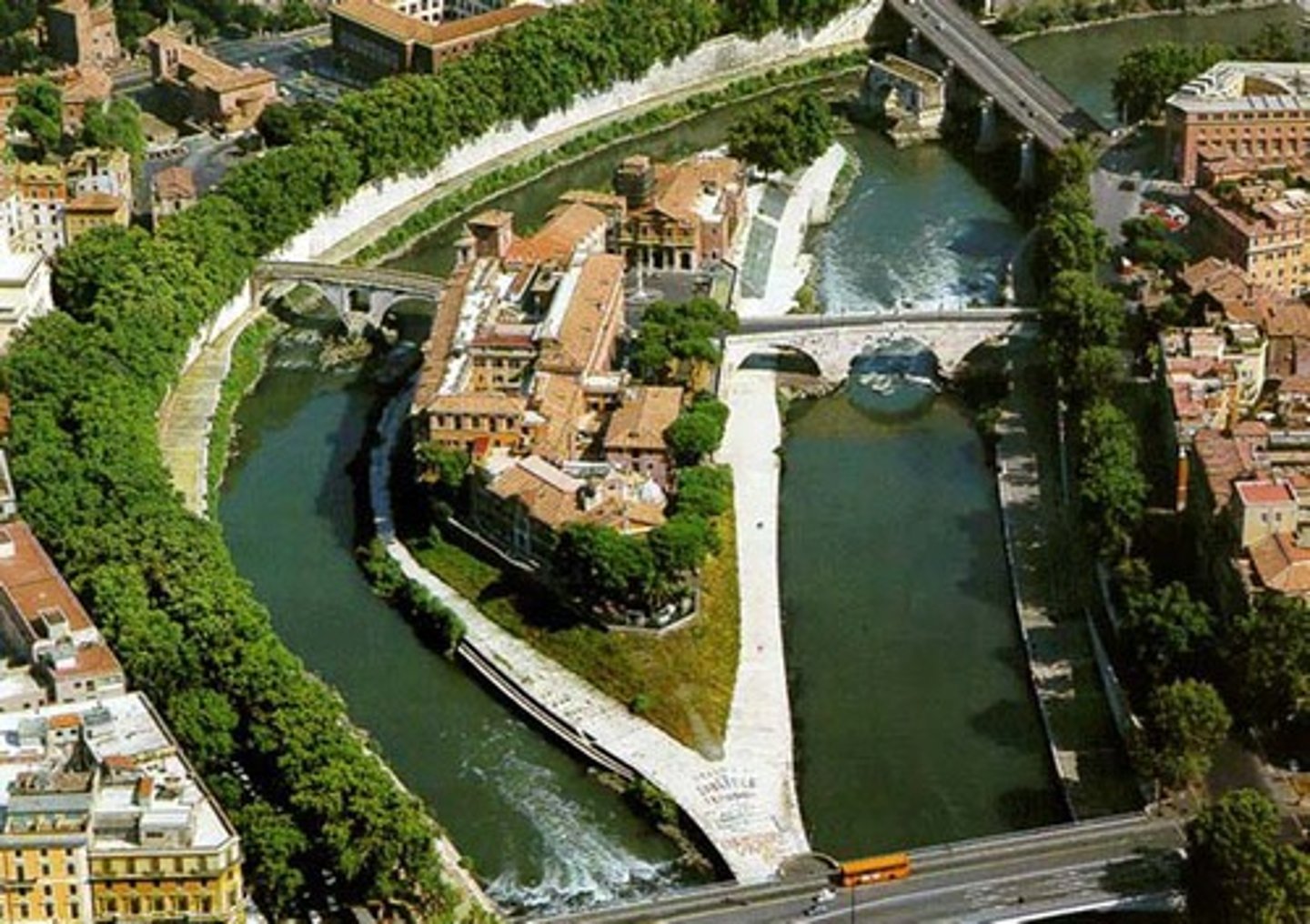
Tiber Island
509 BC
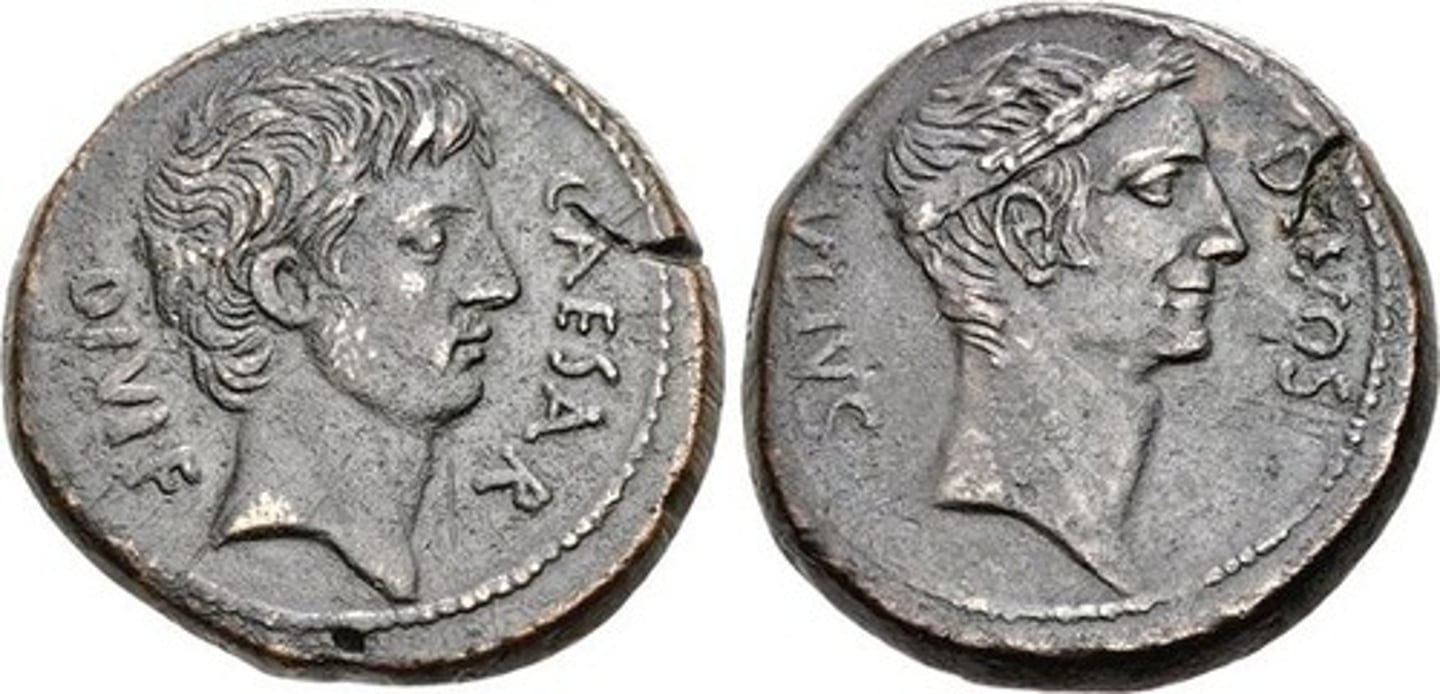
Portrait of Octavian as Caesar Divi
40 BCE
Metal
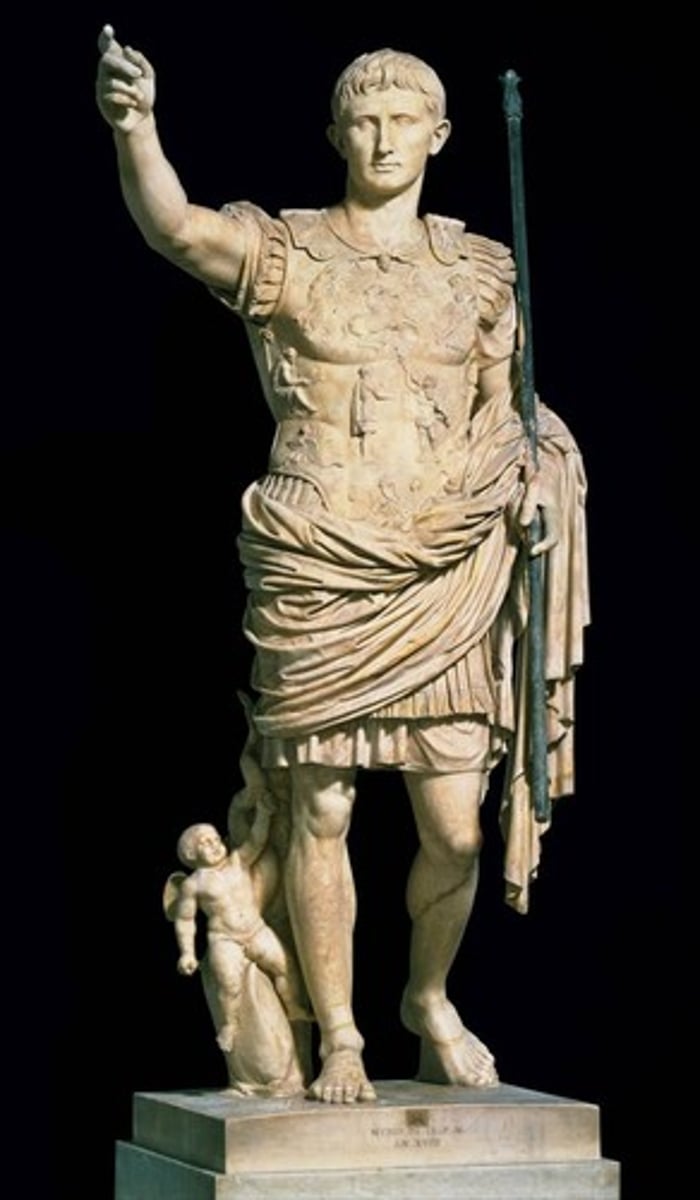
The Primaporta Augustus statue
20 BCE
White marble
Paints emperor augustus is a strong and royal light, deification
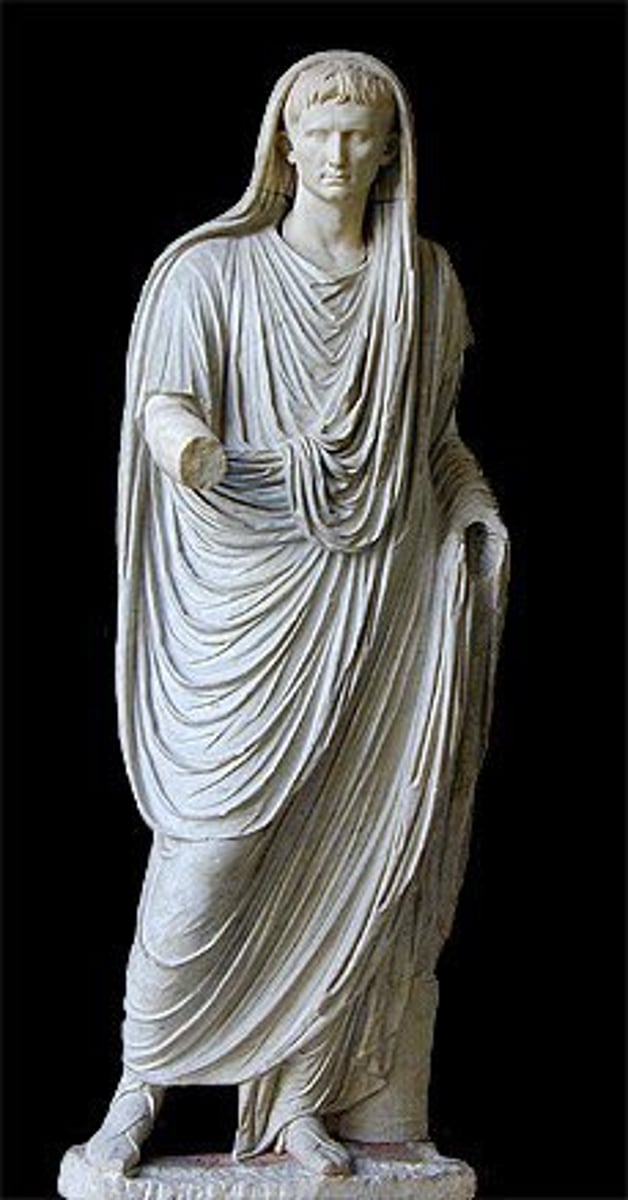
Augustus as Pontifex Maximus
12 BCE
marble
Another testament to all of Augustus's power and titles, ushering in a new golden age of Rome
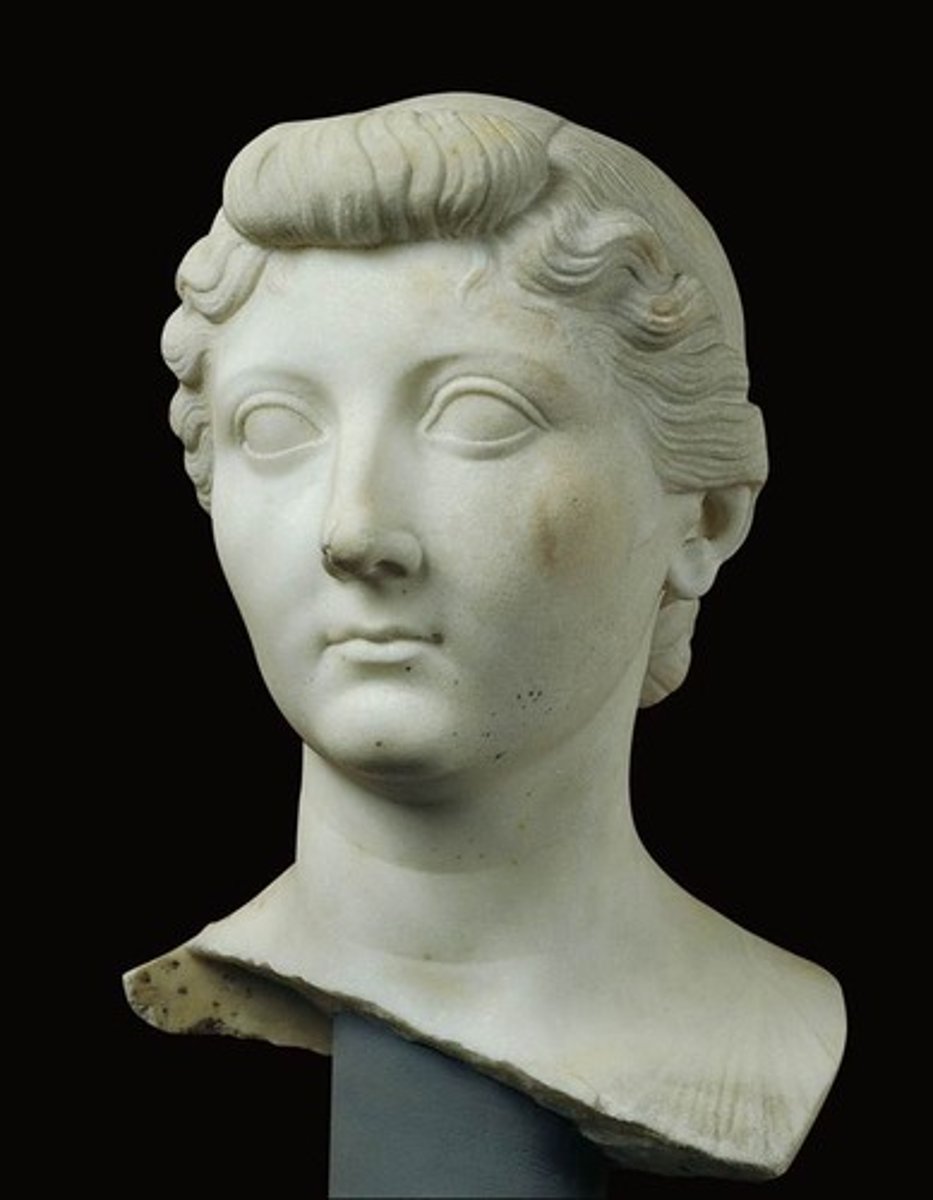
Bust of Livia
1st century BC
white marble
Rome's first matriarch
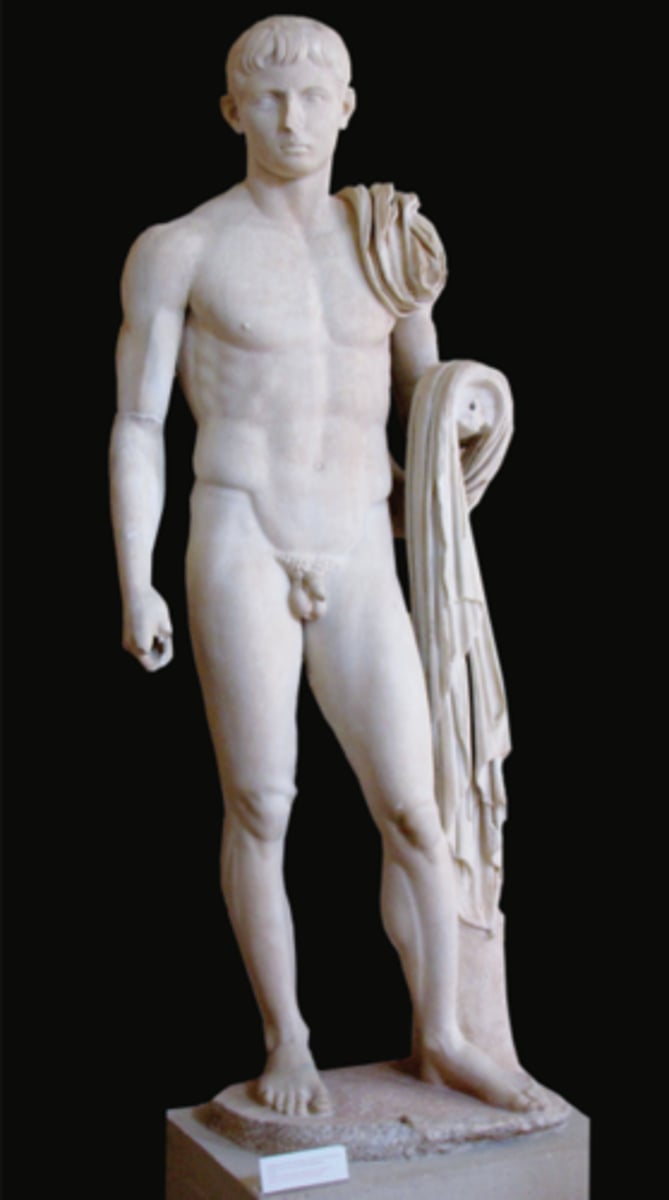
Heroic statue of Gaius Caesar
1st century BC
marble
commemorative for military successes
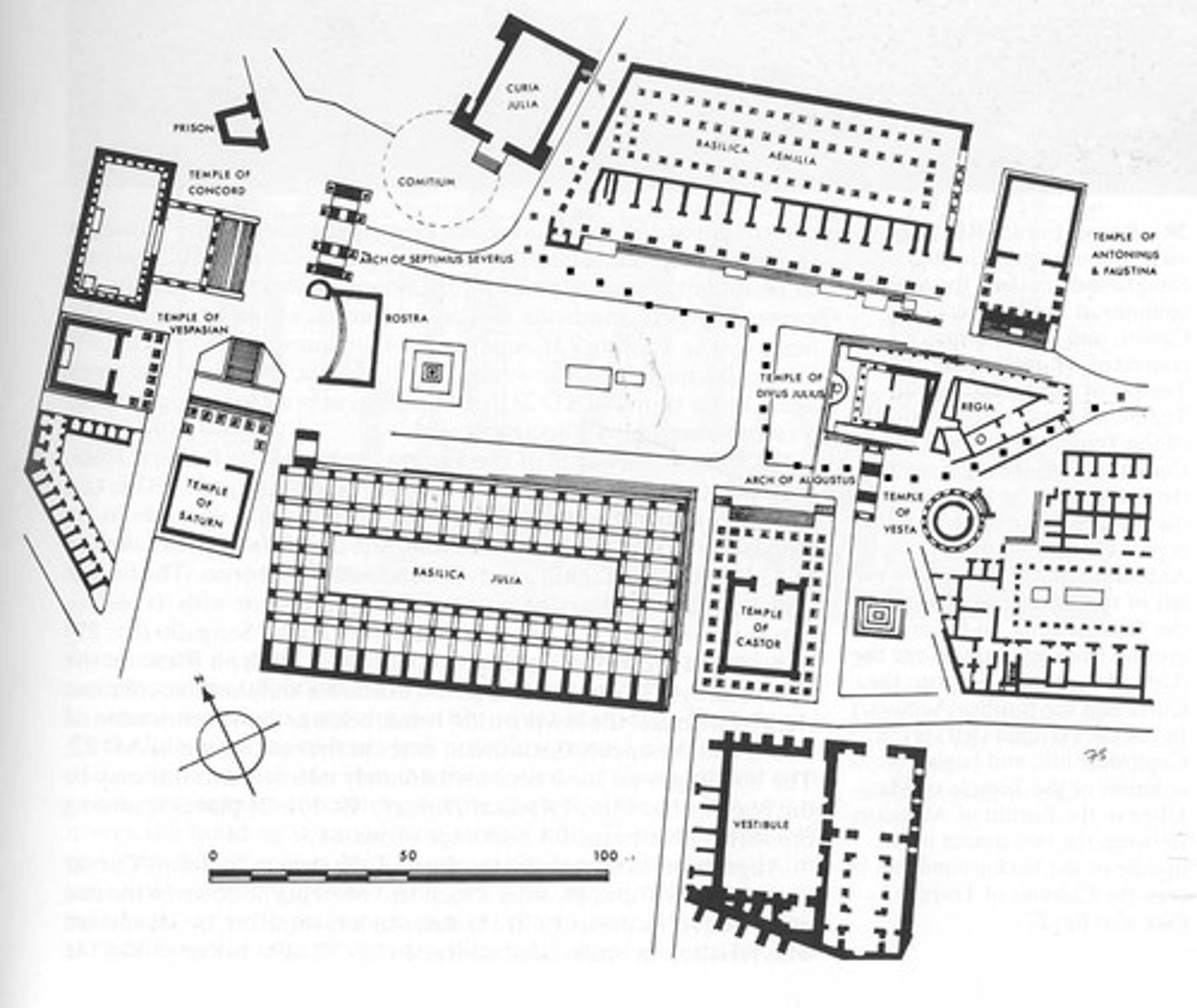
Plan of the Forum Romanum in the period of Augustus
Served to glorify Augustus, his family, and his ideals
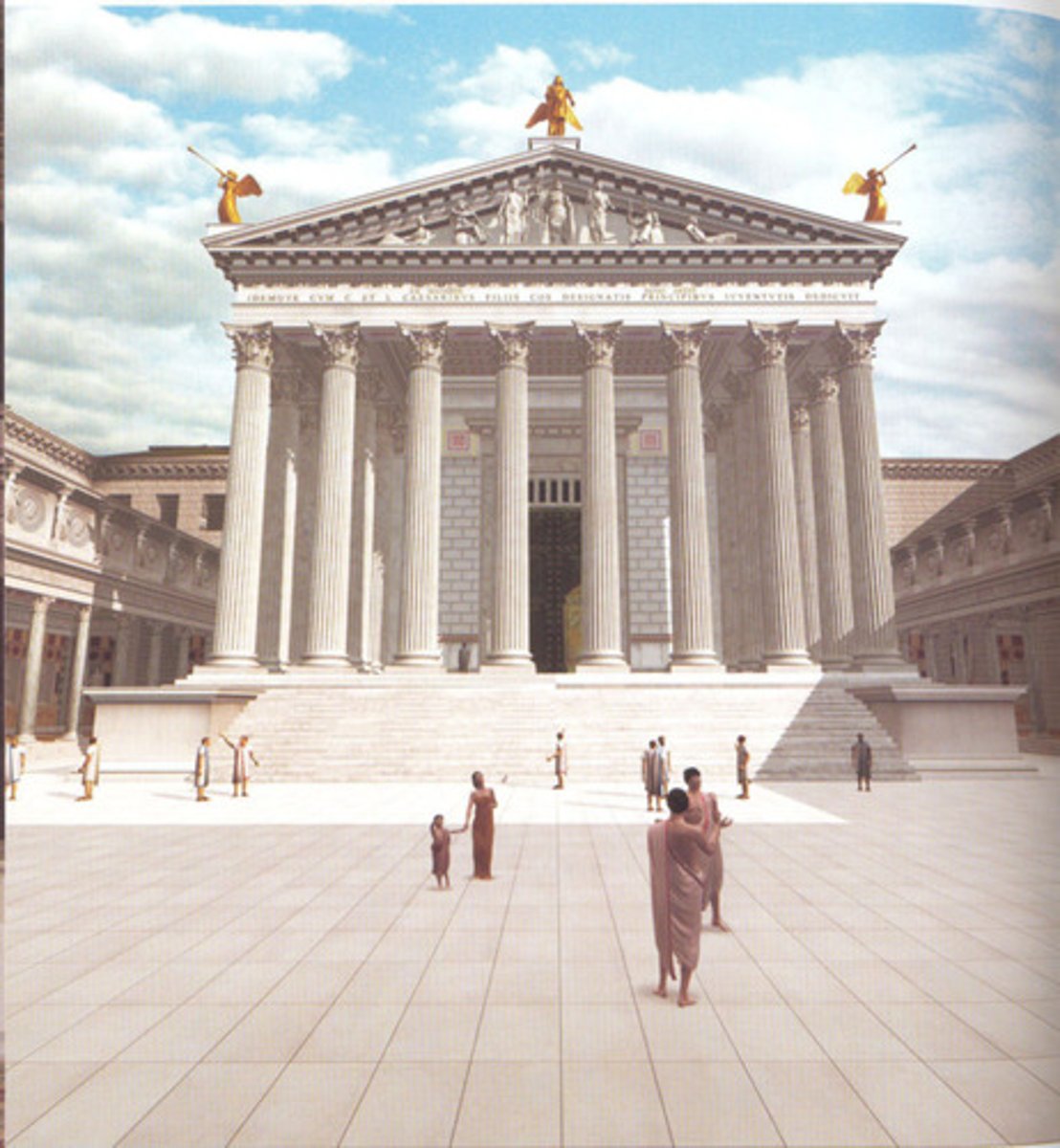
Temple of Mars Ultor
2 BCE
Luna marble
Honors Mars
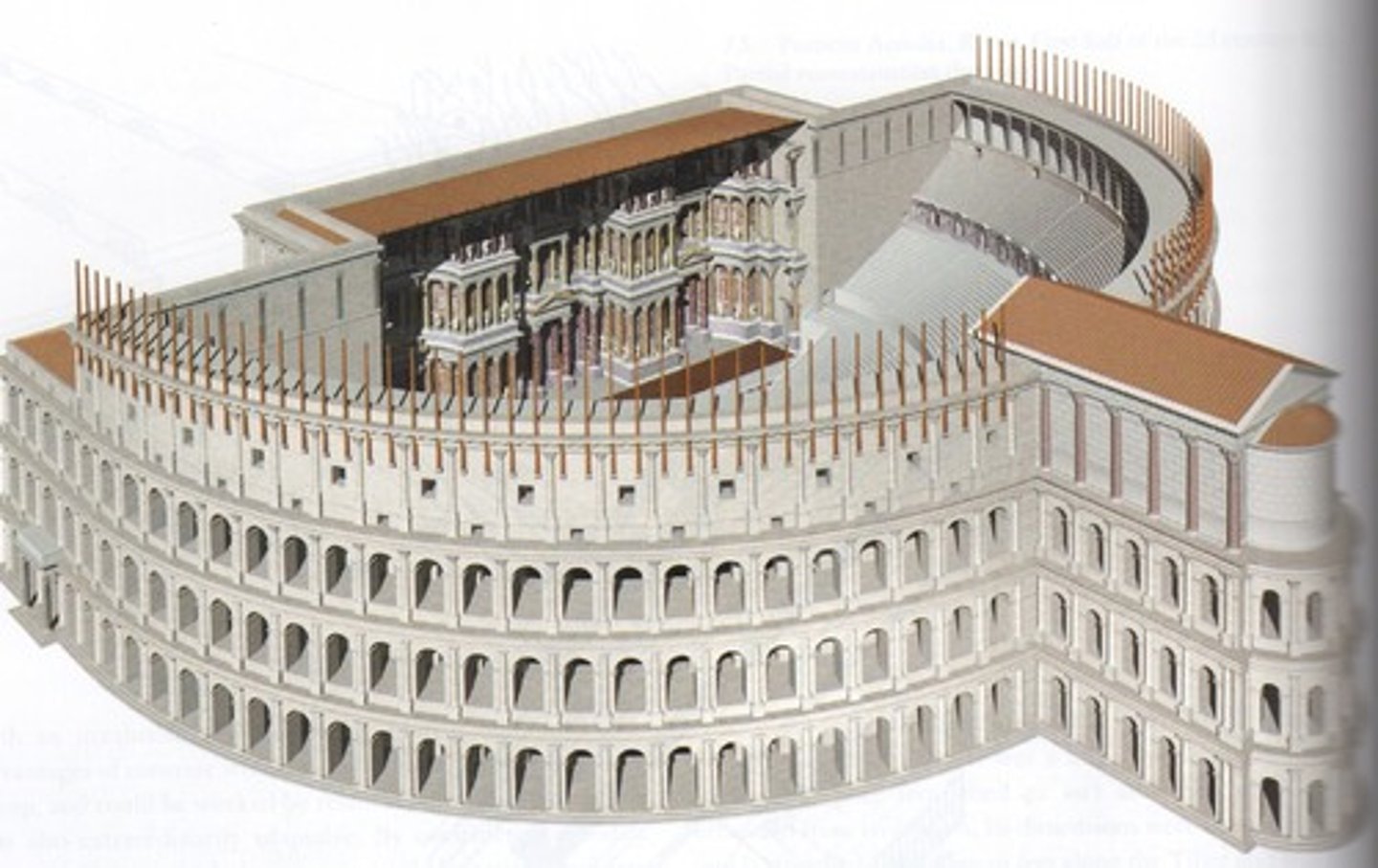
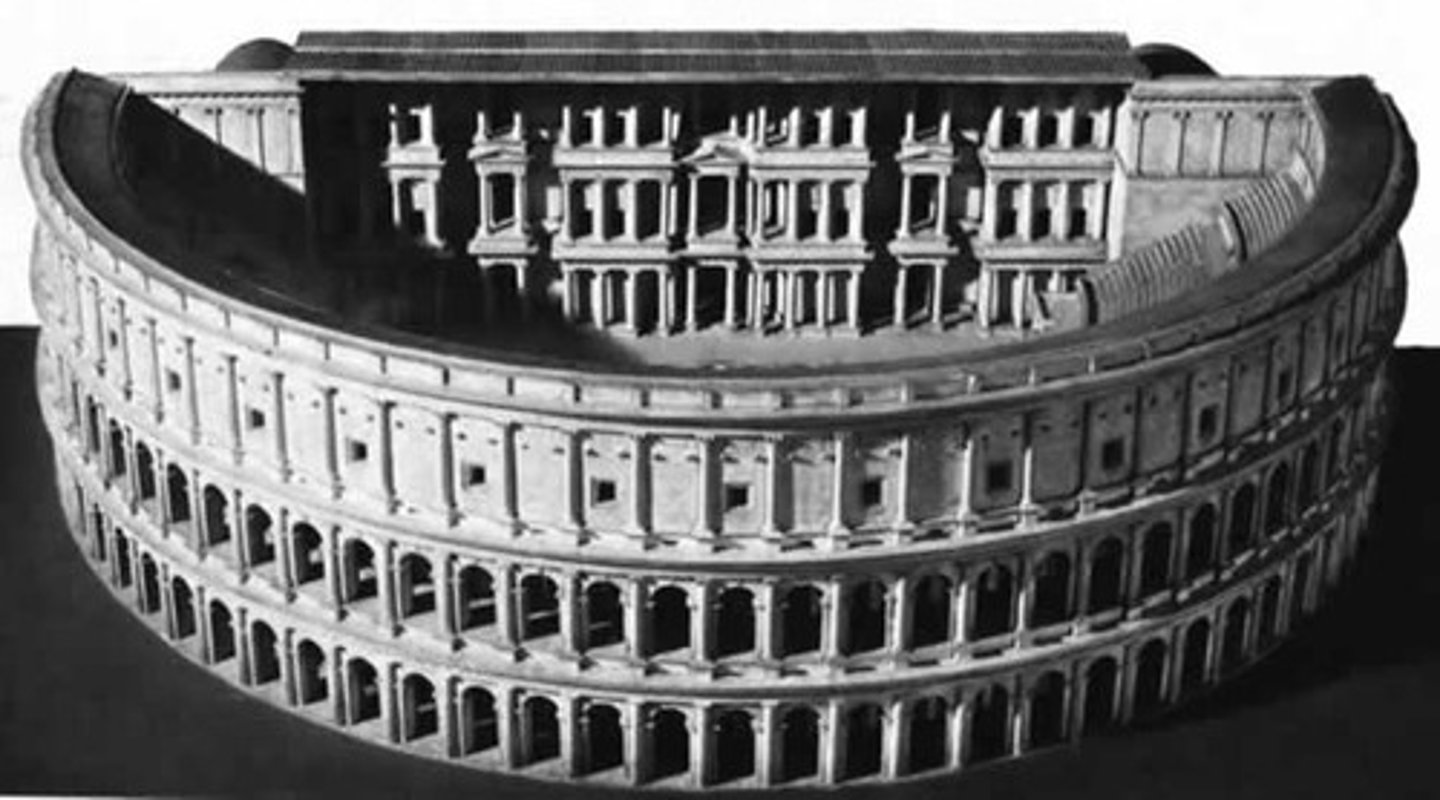
Theater of Marcellus
15 BC
Tuff and concrete
Largest theatre in Rome at the time, set a precedent with its facade
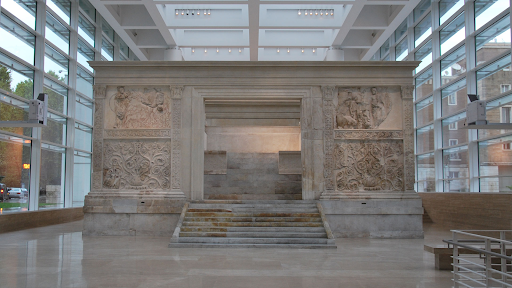
THE ARA PACIS AUGUSTAE
13 BC
marble
Altar created to celebrate Augusts's return to Rome and victories in Spain and Gaul
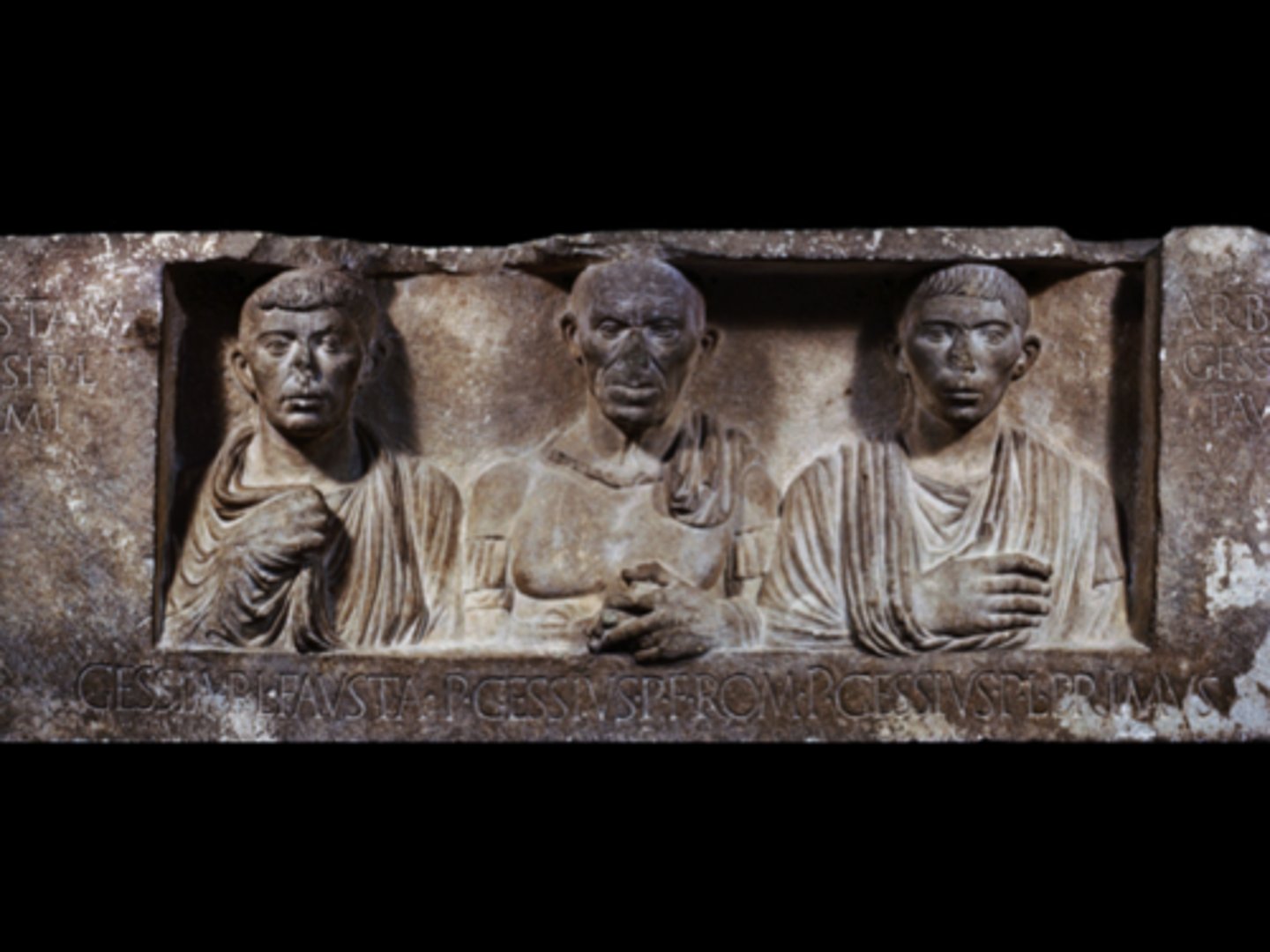
Funerary relief of the Gessii
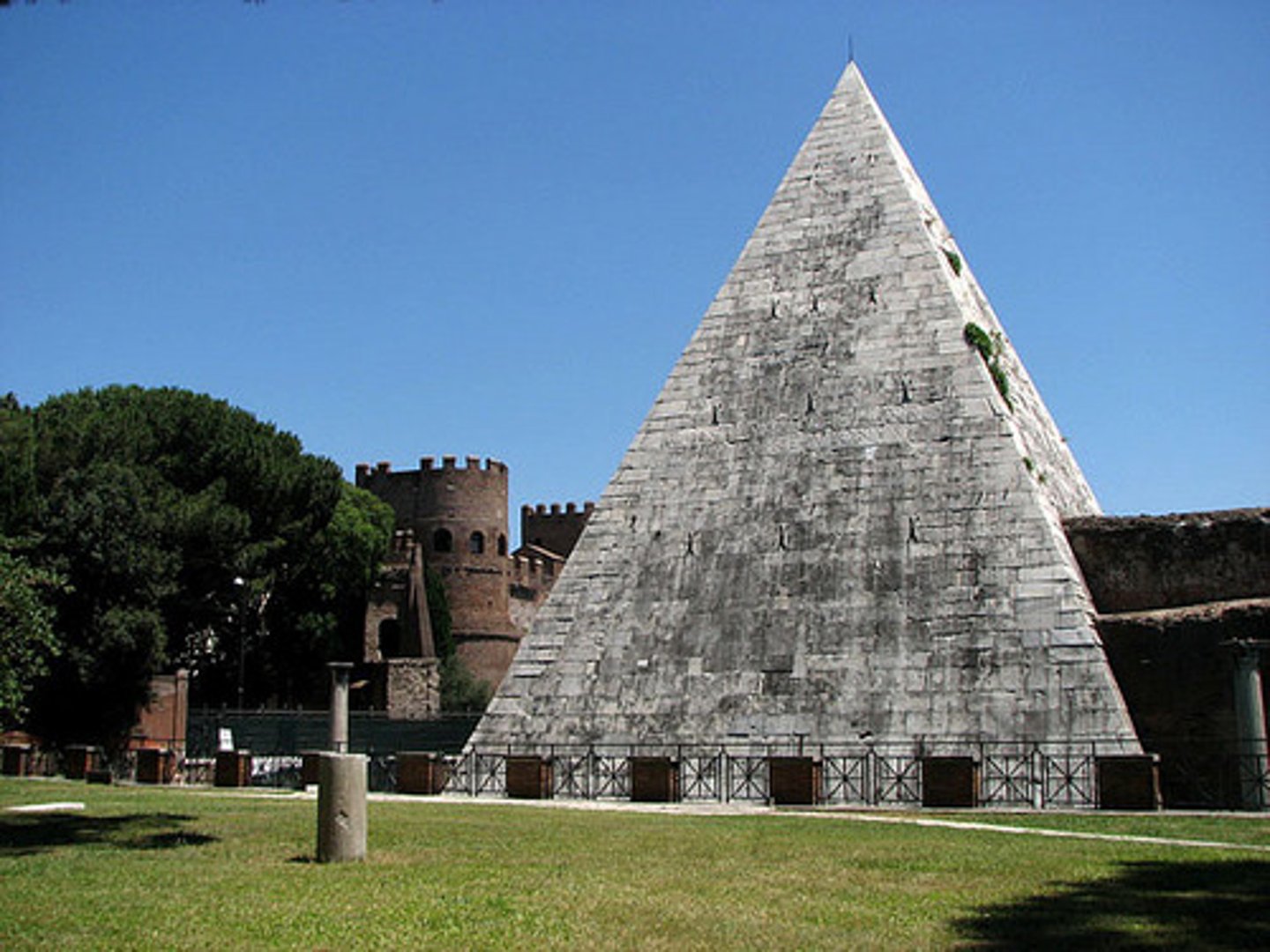
Pyramid of Gaius Cestius
18-12 BC
concrete, marble, and travertine
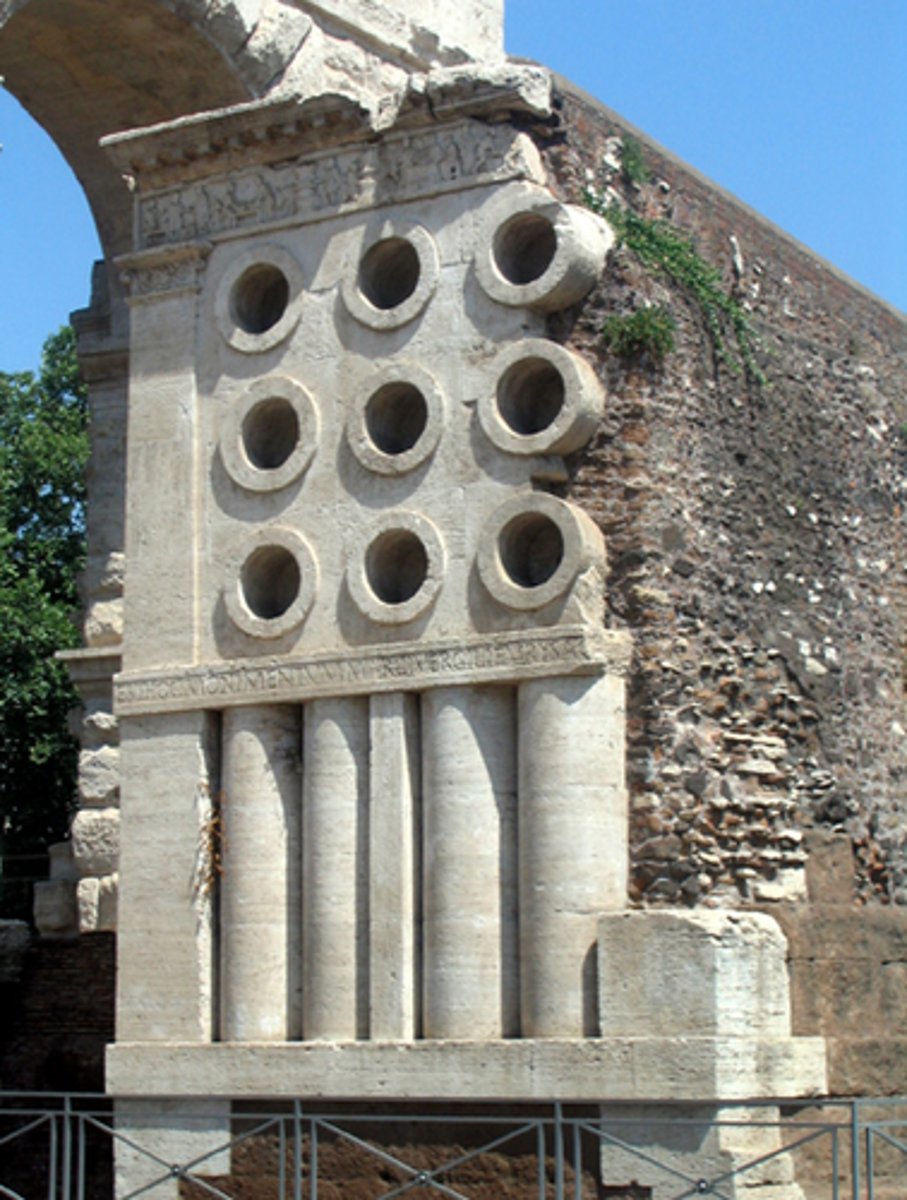
built as a masoleum for Cestius, Egyptian influence
Tomb of Eurysaces
30-20 BCE
concrete with travertine
plebian funerary building
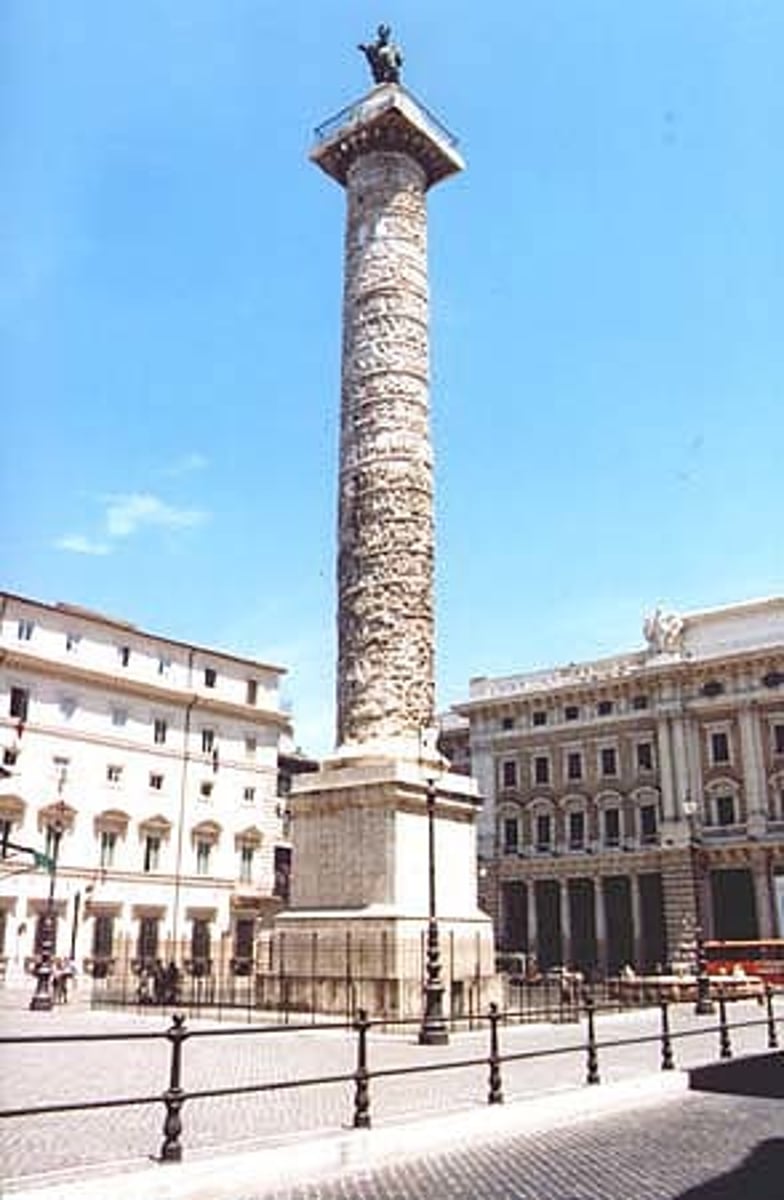
Column of Marcus Aurelius
193 AD
Luna marble
A dedication to Marcus Aurelius for his effort in the Barbarian Wars
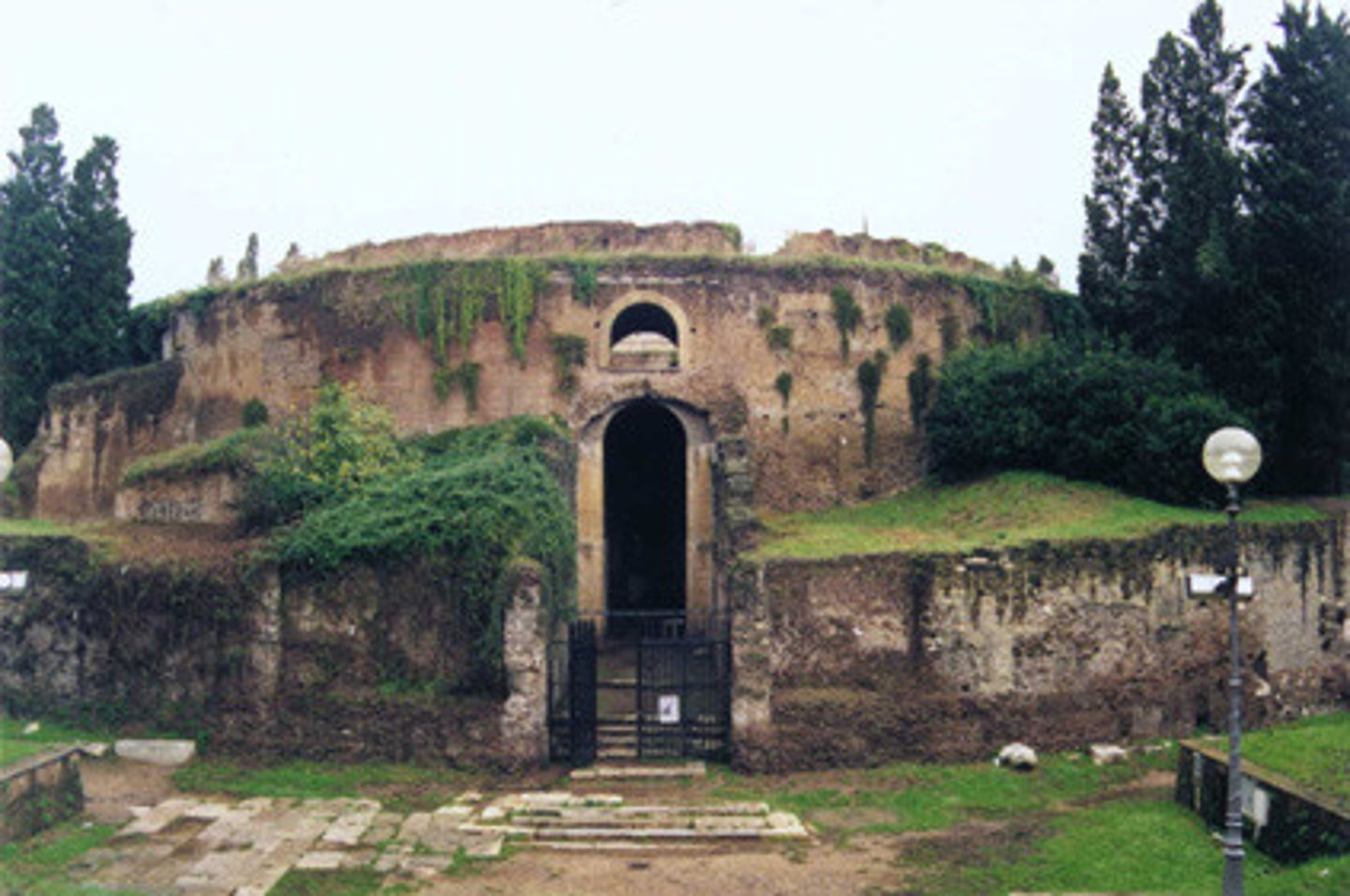
Mausoleum of Augustus
28 BC
Concrete, brick, tufa
Housed the the ash urns of Augustus and his family, housed the bronze copy of Augustus's Res Gestae
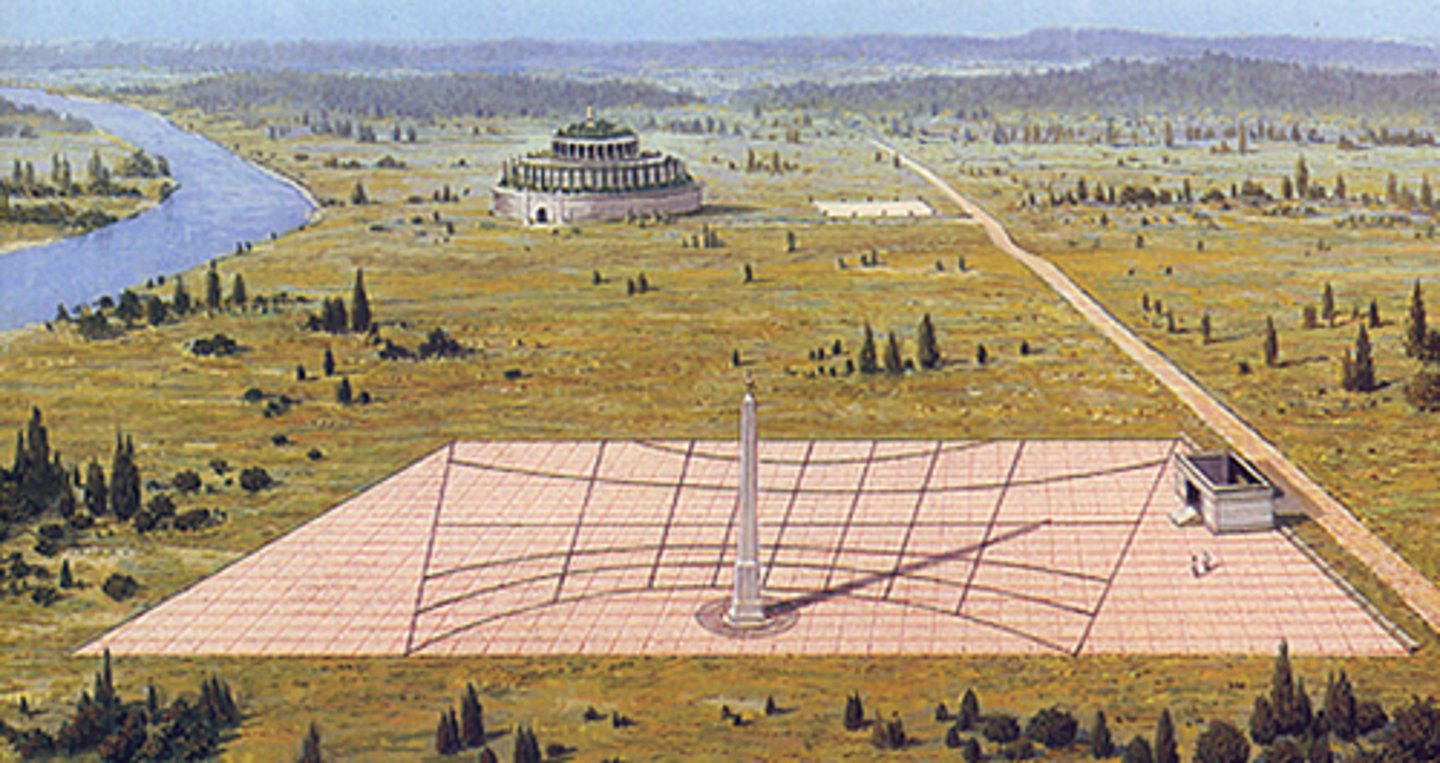
Horologium
Enormous sundial, 13 BC
Used to tell the passing of time, calendar functions, cast a shadow by it gnomon to align perfectly with the doorway of the Ara Pacis on the birthday of Augusts.
Capitoline She-wolf
5 Century BC
Made of Bronze
Etruscan style – bronze
Believed to be made later – middle ages
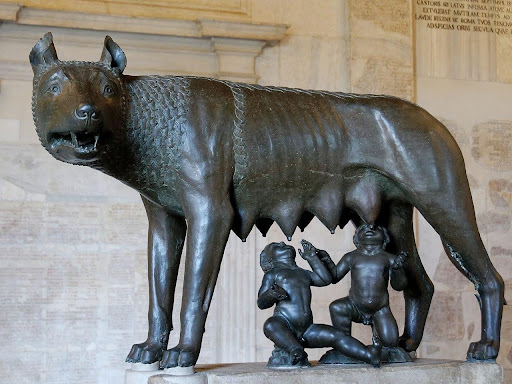
Roman man with busts of Ancestors
1 Century CE
Made of marble
Shows veristic portraiture
Holding busts of ancestors — shows he is proud of his lineage
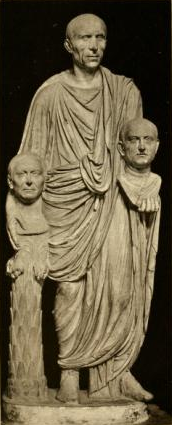
Temple of Portunus
Made of Travertine and tufa
Victory Temple
Shows what a typical Roman temple looks like
One entrance – one focal point
~150 BC
Commissioner unknown
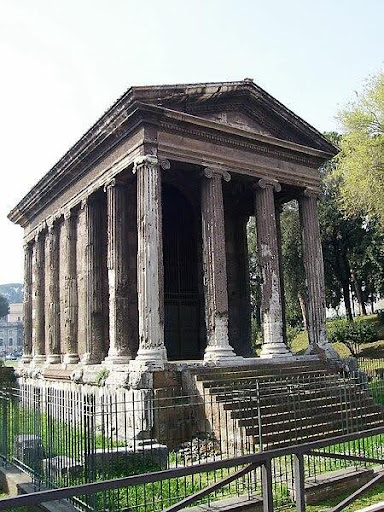
Temple of Hercules Victor
~150 BC
Made of Greek Marble
Greek god who came over to Rome
Marcus Octavius Herrenus
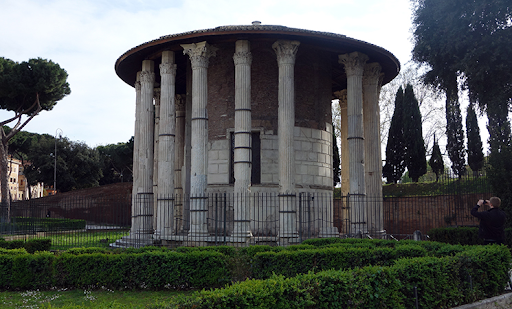
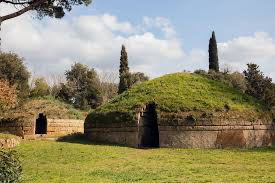
Tumulus
Carved out of volcanic bedrock
Tombs date from 8-3rd Century BCE
Included chairs and personal adornment items – wanted to be recognized when went into the underworld
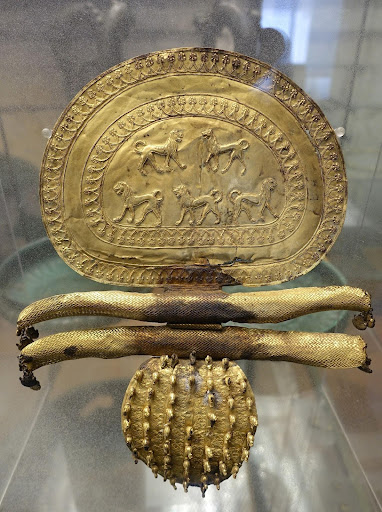
Gold fibula from Regolini-Galassi
~650 BCE
Found in a tomb
Meant to be worn despite size
Made of gold – sign of orientalizing
Cats also a sign of orientalizing
Repousse at the top – metal being stamped
Bottom had new technique – granulation
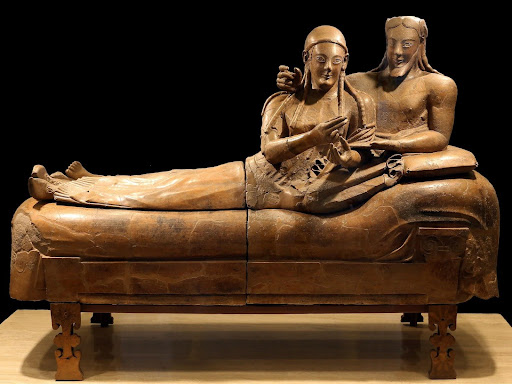
Sarcophagus of the spouses
~520 BC
Shows Greek influence – archaic style
Block heads
Legs cannot actually turn like that
Shows Etruscan life – women with jewelry
Affection
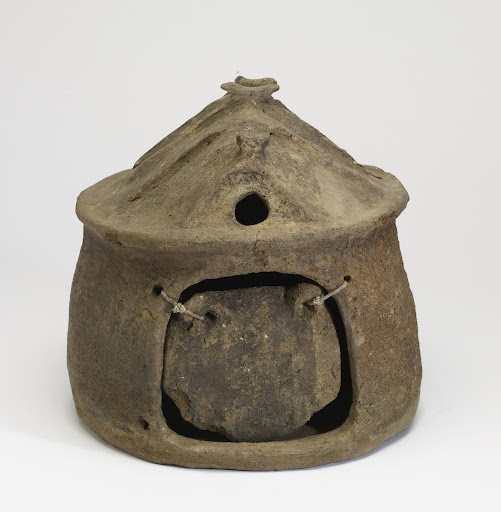
Villanovan Hut
~7th Century BC
Used for cremation burials
Gives light into what life would be like for the Villanovans
No two urns were the same – shows what houses would look like
Tomb of the Bulls
~560 BC
Shows horror vacui – Etruscans fearing empty space
Etruscan wall art in a necropolis
[main register – Achilles and Troilus] Shows two reisters
Bottom is unsophisticated – trees all one one base line
Top is the scene of a battle between achilles and Troilus in Trohan war
Unsure if bottom scene is from the same
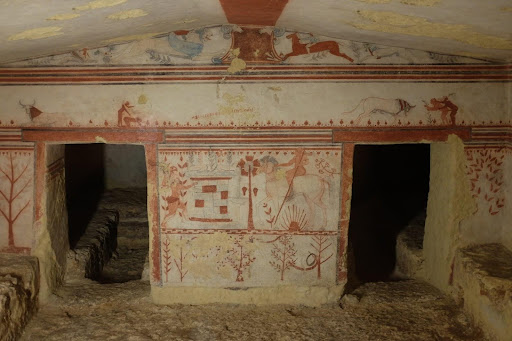
Tomb of Augurs
~530 BC
Shows funerary games
Very simple painting structures
Shows reliance on Greek models for Etruscan art
Found in necropolis
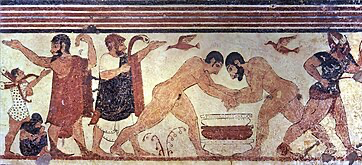
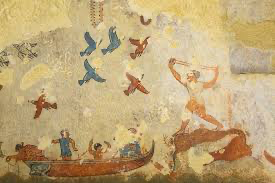
Tomb of Hunting and Fishing
Found in necropolis
~530 BC
Archaic Greek style – not perfect proportions
Enlarged animals for recognition
Unsure if it is representative of a mythological story
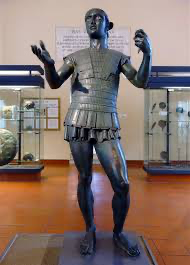
Statue of Mars
Made of bronze
~400 BC
Archaic art form
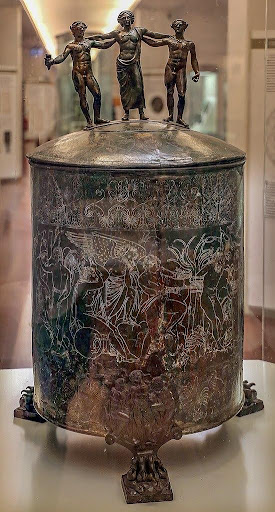
Ficorini Cisita
~350 BC
Shows multiple registers
Made of bronze
Commissioned by a mother for her daughter [shown by inscription]
Toilettree box
Shows with women in Etrusca had – mother bought it
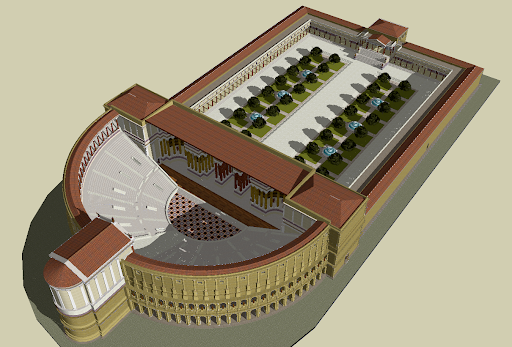
Theatre of Pompey
Made of Roman concrete
~50 BC
Featured a victory temple to Venus Vixtrus on the top
Commissioned by Pompey after his 3 victories on 3 continents in 1 year
Not a theatre, but stairs that led to the temple
Meeting room where Caesar was executed
Senate was against theatres – good Romans don't have leisure
Alexander Mosaic
~80 BC
Made of small stones to make up the photo
Shows battle
the orator
~90 BC
Shows stance of orating
Made of bronze
Veristic Portrature
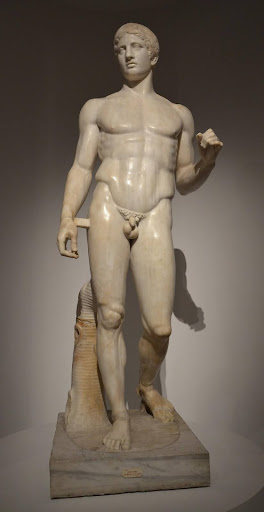
Doryphoros
Commissioned by Polykleitos to show what the perfect statue looks like
~400 BC
Classical period of Greek art
Made of bronze
Features contrapasso – s curve
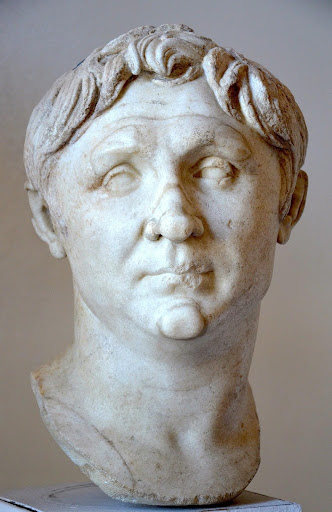
Portrait of Pompey
~50 BC
Made of marble
Veristic architecture
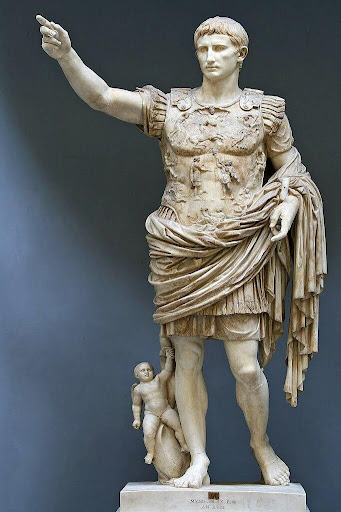
Augustus
~14 CE
Shows Classical Greek influence
Made of marble
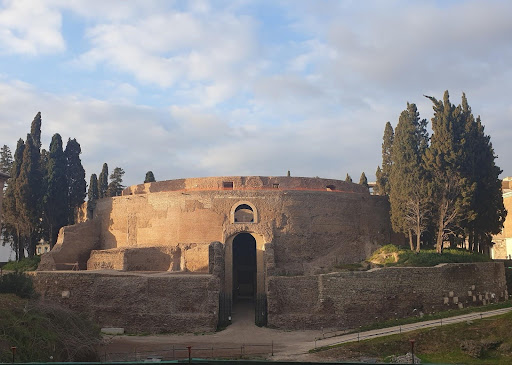
Mausoleum of Augustus
~28 BC
Place of burial
Originally featured a statue of Augustus on top
campus martius
his remains, his wife livia, and his son tiberius are actually there
travertine & earth/brick
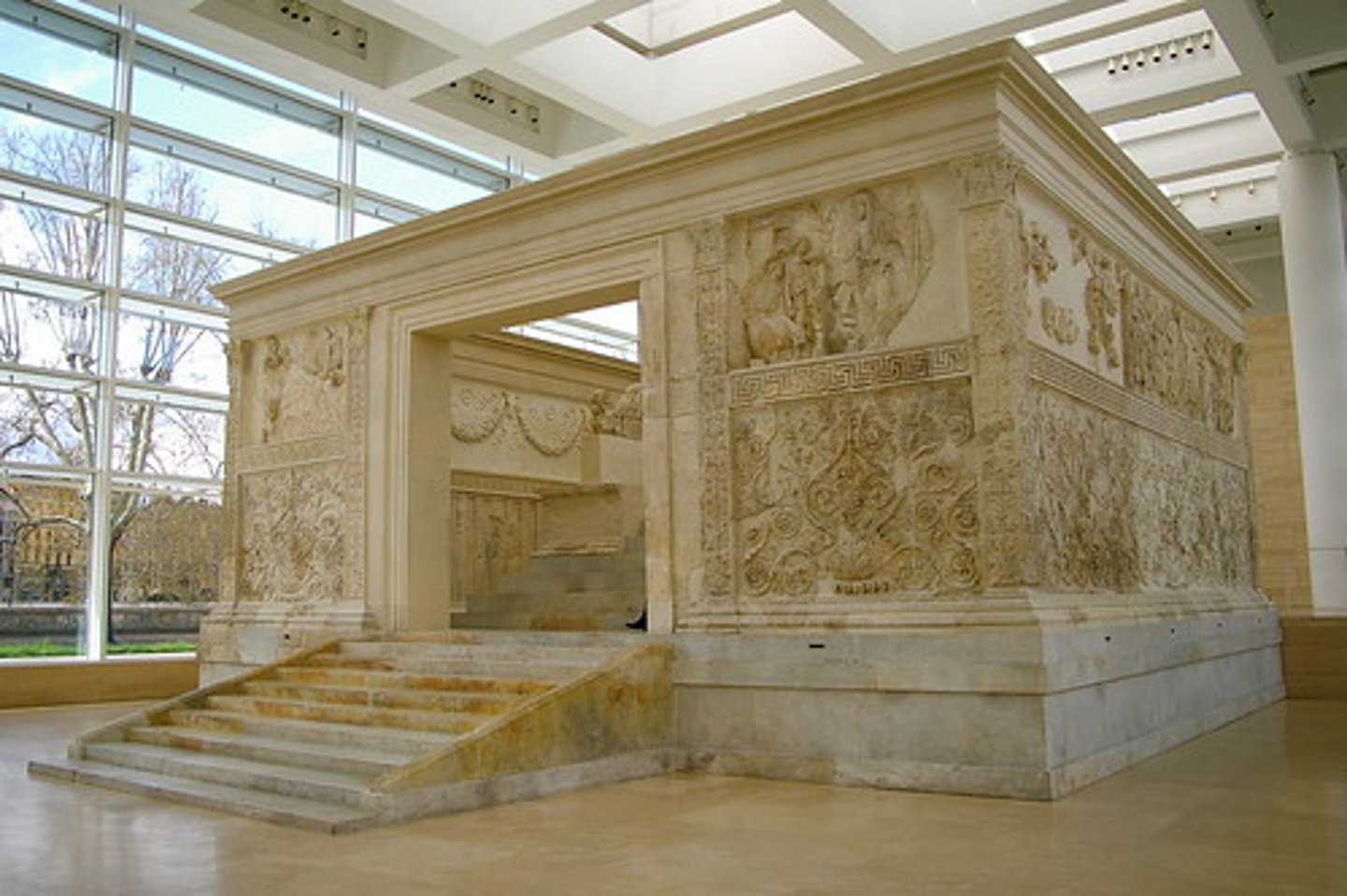
Ara Pacis (alter of peace)
13 BC (took 3 years o rebuild)
made of luna marble/carrara, ancient fragment, and plastic caster
depictions
father of romulus and remus
plants – symbolize metamorphosis and change
ideals – peace & war
mars
possibly pax (on the back)
and augustus’ iconic vines – symmetrical spiral of rome.
there were originally doors according to the coins
possibly numa (to the right) because he’s bearded
goddess roma because she’s sitting on armor
greek influence – bucranian ox skulls
depiction of augustus because head is covered
 Note
Note  Flashcards (63)