Unit 5: Heredity

0.0(0)
studied byStudied by 0 people
0.0(0)
full-widthCall Kai
learnLearn
examPractice Test
spaced repetitionSpaced Repetition
heart puzzleMatch
flashcardsFlashcards
GameKnowt Play
Card Sorting

1/106

encourage image

There's no tags or description

Looks like no tags are added yet.

Study Analytics
Name
Mastery
Learn
Test
Matching
Spaced

No study sessions yet.

107 Terms

1
New cards

Examples of Asexual Reproducion

  • Mitosis

  • Produces exact copies

  • Single-celled eukaryotes

  • Simple multicellular eukaryotes, the example below is a simple animal  animal Hydra species. It clones itself by budding.
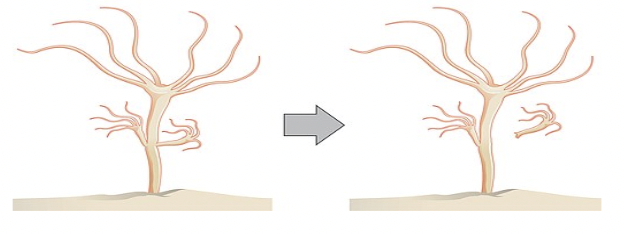
<ul><li><p><span style="background-color: transparent; font-family: &quot;Proxima Nova&quot;, sans-serif;"><span>Mitosis</span></span></p></li><li><p><span style="background-color: transparent; font-family: &quot;Proxima Nova&quot;, sans-serif;"><span>Produces exact copies</span></span></p></li><li><p><span style="background-color: transparent; font-family: &quot;Proxima Nova&quot;, sans-serif;"><span>Single-celled eukaryotes</span></span></p></li><li><p><span style="background-color: transparent; font-family: &quot;Proxima Nova&quot;, sans-serif;"><span>Simple multicellular eukaryotes, the example below is a simple animal&nbsp; animal&nbsp;</span><em><span>Hydra species.</span></em><span> It clones itself by budding.</span></span></p></li></ul><p></p>
2
New cards

Examples of Sexual Reproduction

  • Reproduction in complex multicellular organisms

  • Variation in offspring is the point

  • Reproductive cells are produced by meiosis.
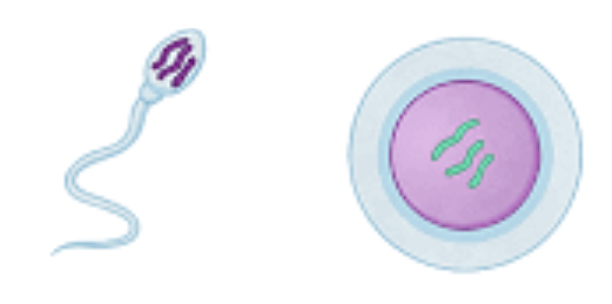
<ul><li><p><span style="background-color: transparent; font-family: &quot;Proxima Nova&quot;, sans-serif;"><span>Reproduction in complex multicellular organisms</span></span></p></li><li><p><span style="background-color: transparent; font-family: &quot;Proxima Nova&quot;, sans-serif;"><span>Variation in offspring is the point</span></span></p></li><li><p><span style="background-color: transparent; font-family: &quot;Proxima Nova&quot;, sans-serif;"><span>Reproductive cells are produced by meiosis.</span></span></p></li></ul><p></p>
3
New cards

Outcome of Meitosis

  • Produces gametes (reproductive cells)

  • Two cell divisions

  • Reduces the number of chromosomes by half

  • The cells that are produced are different from each other and from the original cell

4
New cards

How can a change in ploidy be expressed in terms of n? When does it occur?

  • (ploidy reduces in Metaphase 1)

    • Diploid 2n→ haploid n  (other species can be 4n - 6n!)
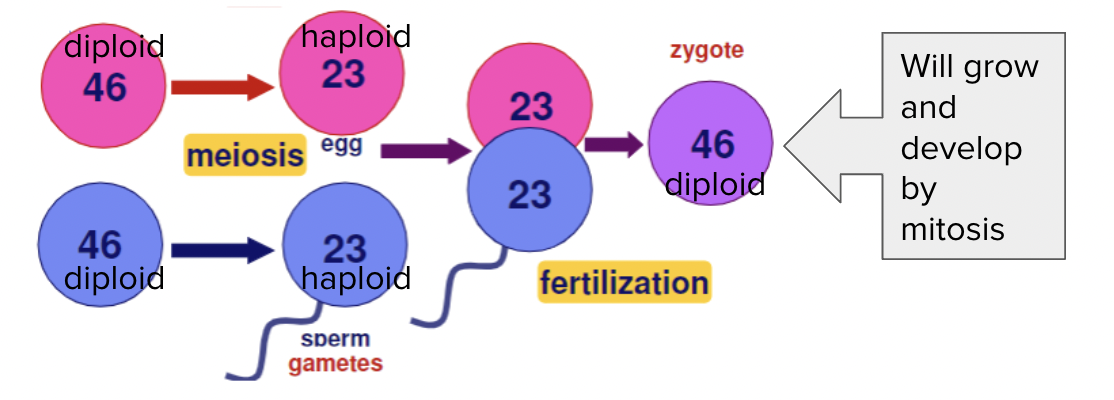
<ul><li><p><span style="background-color: transparent;"><span>(ploidy reduces in Metaphase 1)</span></span></p><ul><li><p><span style="background-color: transparent;"><span>Diploid 2n→ haploid n&nbsp; (other species can be 4n - 6n!)</span></span></p></li></ul></li></ul><p></p>
5
New cards

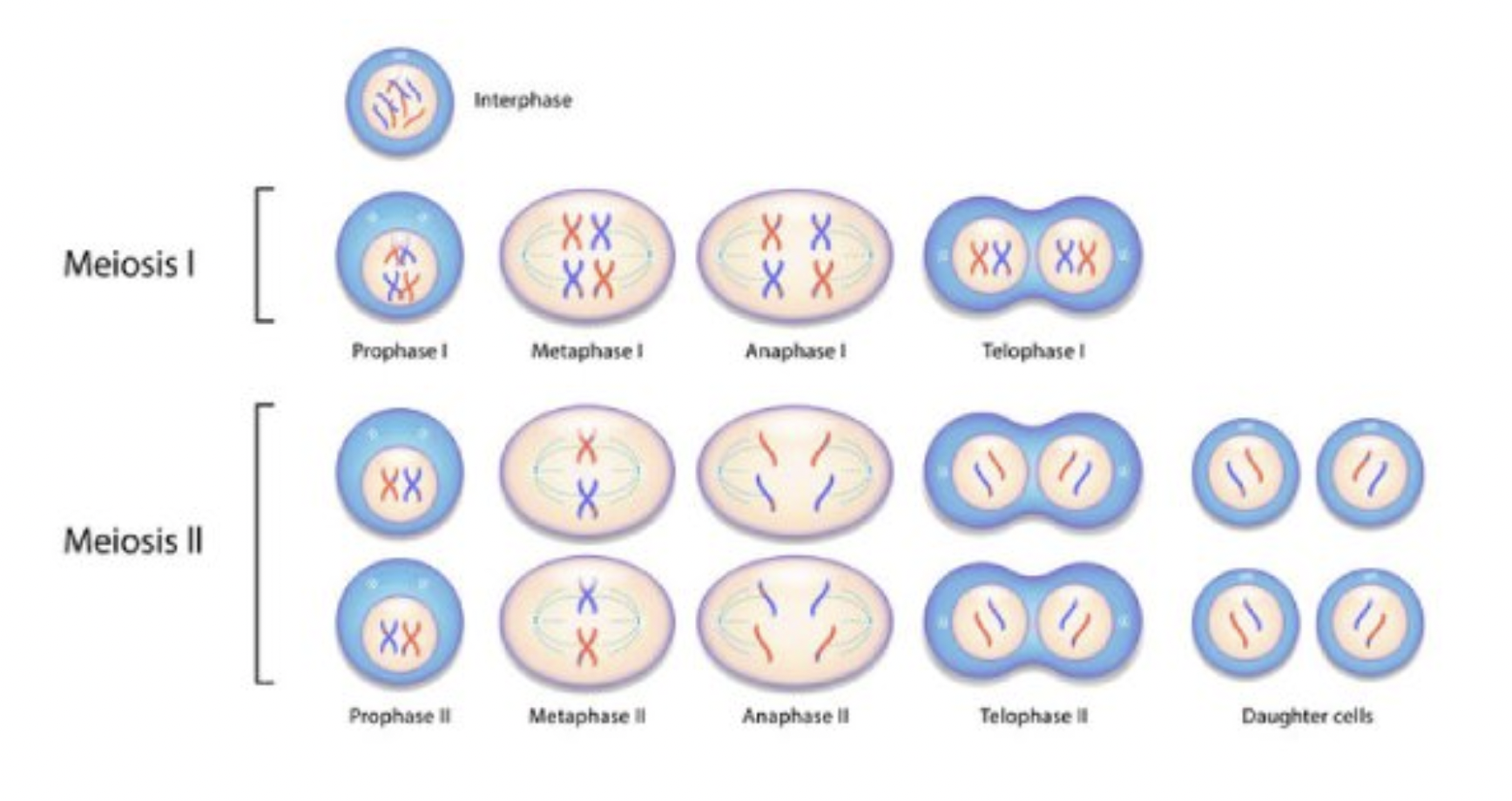
Draw a general diagram of meiosis

knowt flashcard image
6
New cards

Interphase

  • DNA is replicated

  • The cell prepares for division

  • Interphase only happens once

<ul><li><p><span style="background-color: transparent; font-family: &quot;Proxima Nova&quot;, sans-serif;"><span>DNA is replicated</span></span></p></li><li><p><span style="background-color: transparent; font-family: &quot;Proxima Nova&quot;, sans-serif;"><span>The cell prepares for division</span></span></p></li><li><p><span style="background-color: transparent; font-family: &quot;Proxima Nova&quot;, sans-serif;"><span>Interphase only happens once</span></span></p></li></ul><p></p>
7
New cards

Prophase 1

Homologous pairs can exchange segments during crossing over (increasing variation and driving evolution faster)
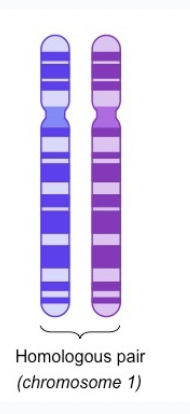
<p><span style="background-color: transparent; font-family: &quot;Proxima Nova&quot;, sans-serif;"><strong><span>Homologous pairs</span></strong><span> can exchange segments during </span><strong><span>crossing over (increasing variation and driving evolution faster)</span></strong></span></p>
8
New cards

Metaphase 1

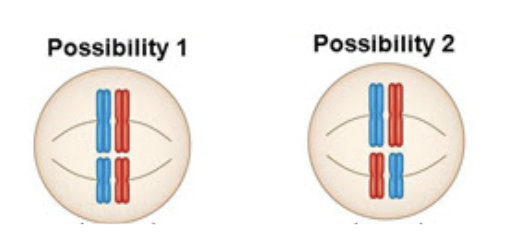
  • Homologous pairs line up in the middle of the cell - opposite each other (not above each other as in mitosis)

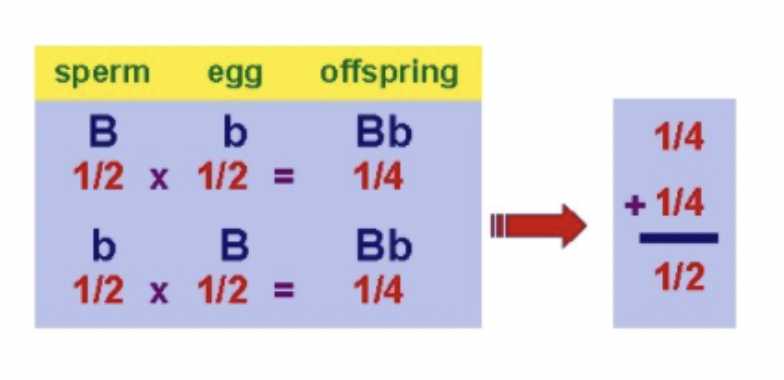
  • Independent assortment

9
New cards

Independent assortment

Pairs randomly line up in the middle (Mendel’s 1st Law)

10
New cards

Anaphase 1

Homologous pairs are separated; ploidy reduced

11
New cards

Telophase 1

Two nuclei form and the cell splits into two
<p><span style="background-color: transparent; font-family: &quot;Proxima Nova&quot;, sans-serif;"><span>Two nuclei form and the cell splits into two</span></span></p>
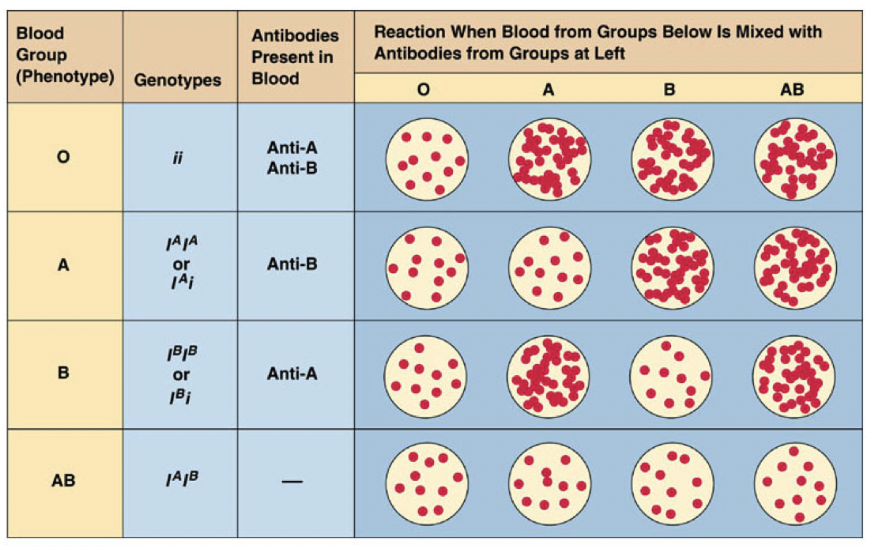
12
New cards

In each pair, one chromosome is from each?

Parent

The chromosomes contain genes for the same trait (ex. hair color).

13
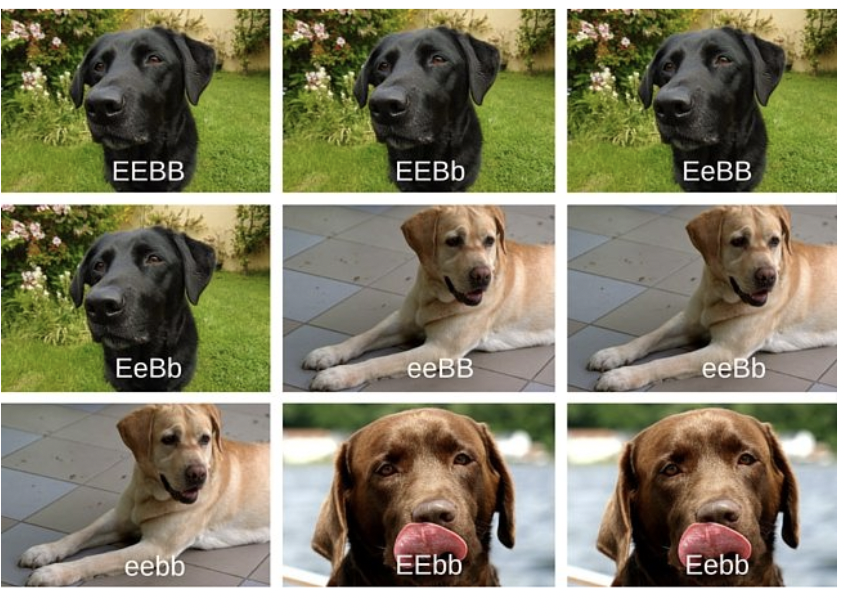
New cards

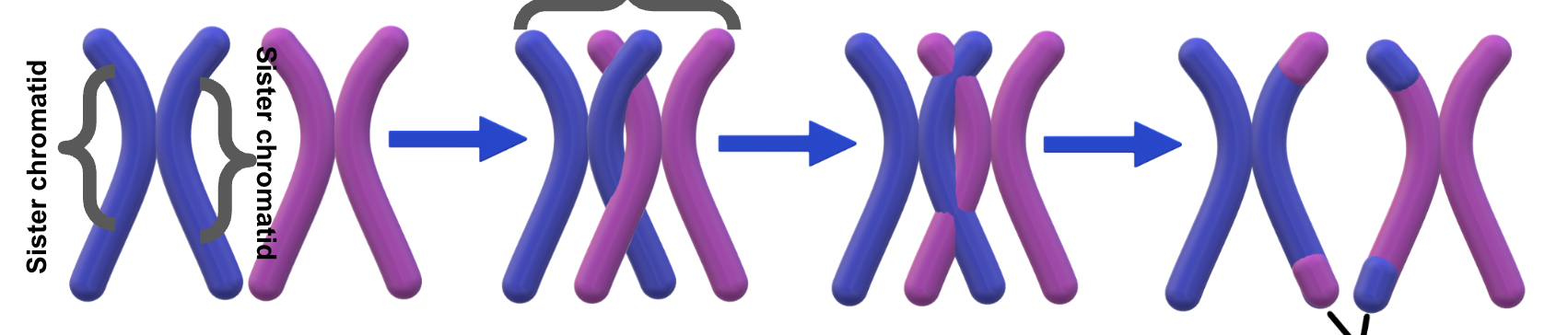
Draw a diagram of crossing over

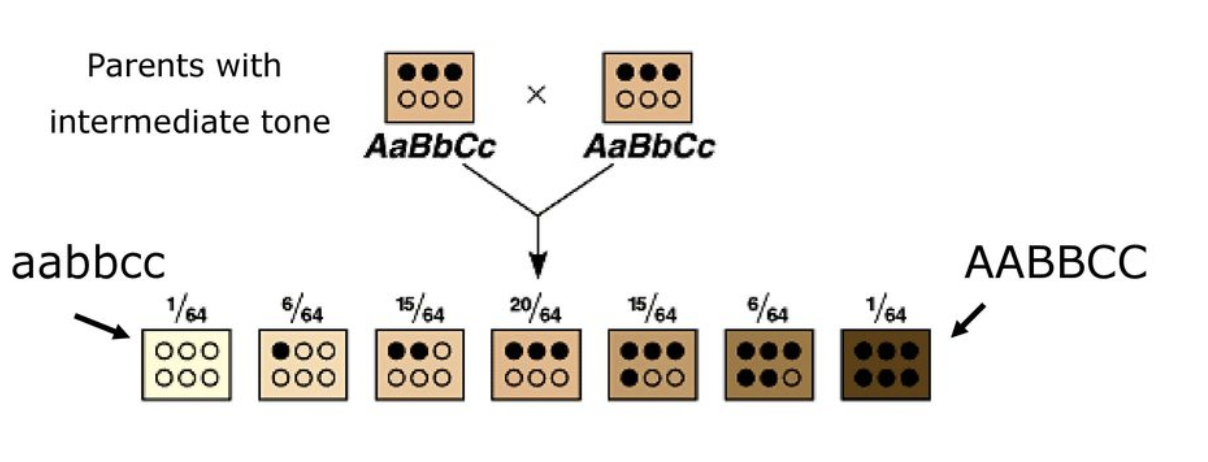
knowt flashcard image
14
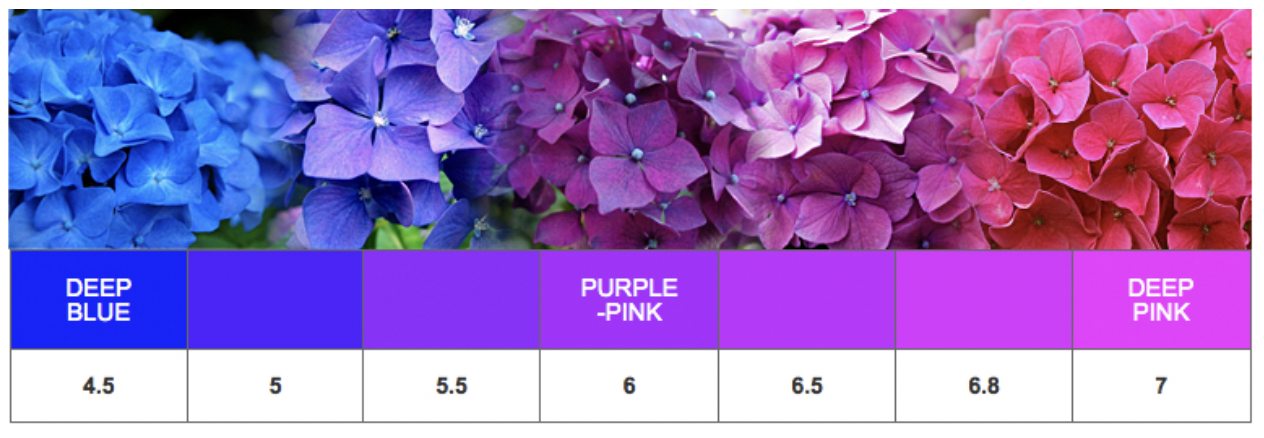
New cards

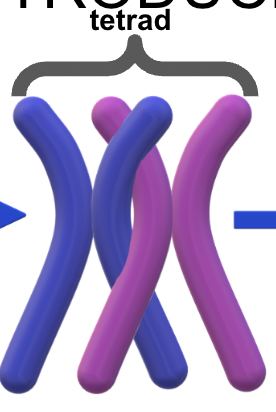
Tetrad

knowt flashcard image
15
New cards

Name the steps of crossing over

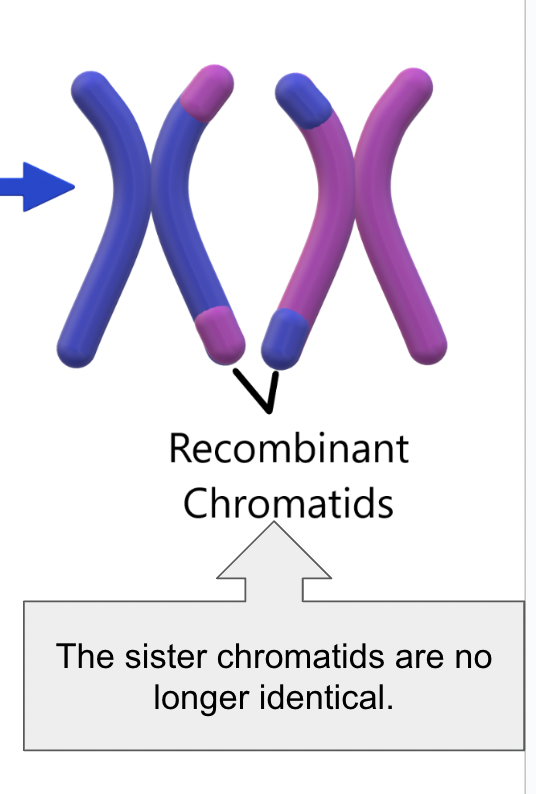
Homologous pair, synapsis, crossing over, recombinant chromosomes

16
New cards

Homologous pair

These are replicated chromosomes, so each side (sister chromatid) is identical.

17
New cards

Recombinants

Genetic combinations that did not previously exist
<p><span style="background-color: transparent;"><span>Genetic combinations that did not previously exist</span></span></p>
18
New cards

Meiosis 1

Homologous pairs are separated

19
New cards

Meiosis 2

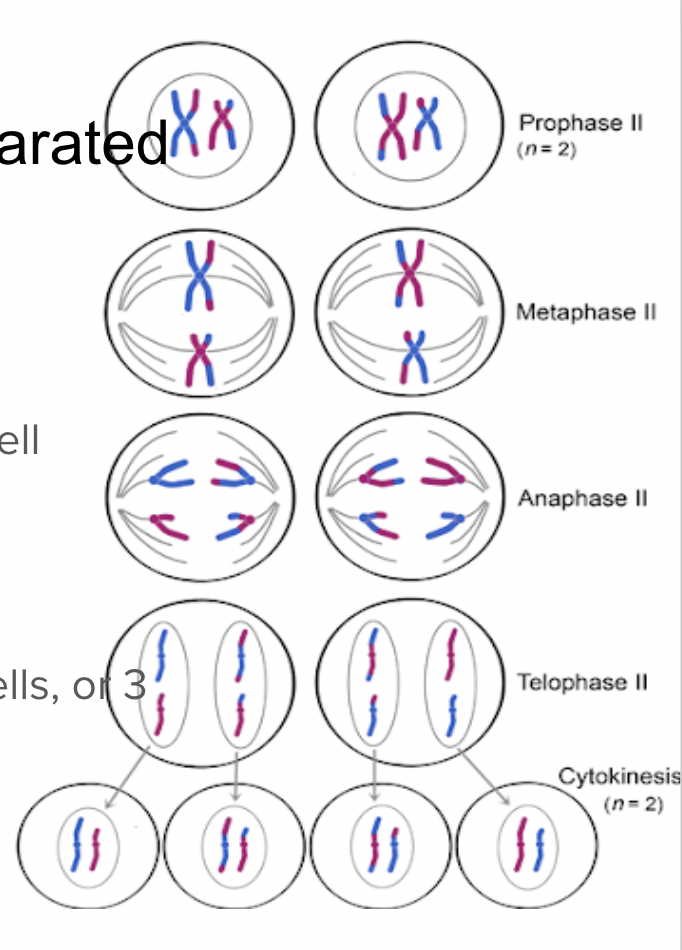
Sister chromatids are separated
<p><span style="background-color: transparent;"><span>Sister chromatids are separated</span></span></p>
20
New cards

Prophase 2

Crossing over does not occur

21
New cards

Metaphse 2

Chromosomes line up in the middle of the cell

22
New cards

Anaphase 2

Sister chromatids are separated

23
New cards

Telophase 2

Nuclei form and cells split (either 4 sperm cells, or 3 polar bodies and and egg)

24
New cards

Variation is an advantage, why?

It increases the likelihood that some members of a population will survive disease, disaster, etc. (driving natural selection)

25
New cards

What increases variation in a population

Sexual reproduction

26
New cards

Crossing over

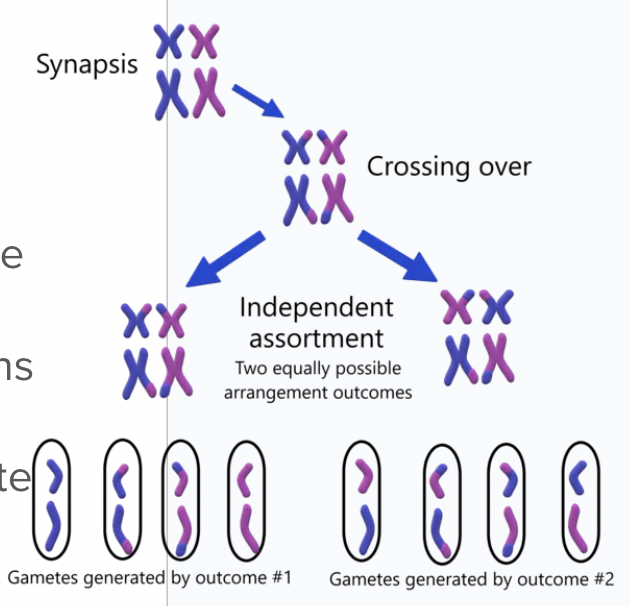
During meiosis mixes alleles across homologous chromosomes, creating new combinations of traits on each chromosome

27
New cards

Independent assortment

During metaphase I of meiosis results in the formation of gametes that are different from each other (223 combinations in gametes)

28
New cards

Random fertilization

Of an egg cell (any two parents will produce a zygote with 223 x 223 possible diploid combinations)
<p>Of <span style="background-color: transparent; font-family: &quot;Proxima Nova&quot;, sans-serif;"><span>an egg cell (any two parents will produce a zygote with 2</span><sup><span>23 </span></sup><span>x</span><sup><span> </span></sup><span>2</span><sup><span>23 </span></sup><span>possible diploid combinations)</span></span></p>
29
New cards

When done correctly, meiosis should result in? What would the zygote have?

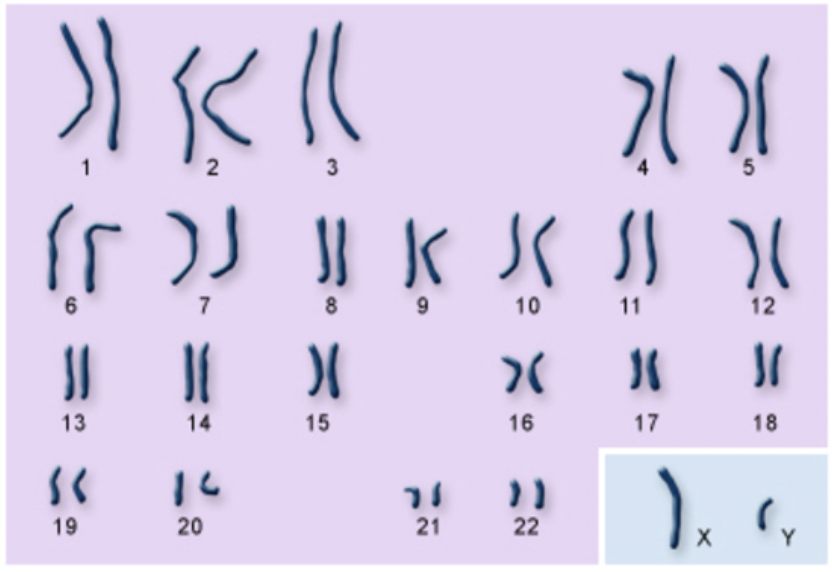
Gametes with 23 chromosomes each.

That way, the zygote has 46 chromosomes - 44 of which are autosomes and 2 of which are sex chromosomes (in humans, the X & Y).
<p><span style="background-color: transparent; font-family: &quot;Proxima Nova&quot;, sans-serif;"><span>Gametes with 23 chromosomes each. </span></span></p><p><span style="background-color: transparent; font-family: &quot;Proxima Nova&quot;, sans-serif;"><span>That way, the zygote has 46 chromosomes - 44 of which are autosomes and 2 of which are sex chromosomes (in humans, the X &amp; Y).</span></span></p>
30
New cards

What errors can occur in meiosis?

Nondisjunction or breaking of chromosomes

31
New cards

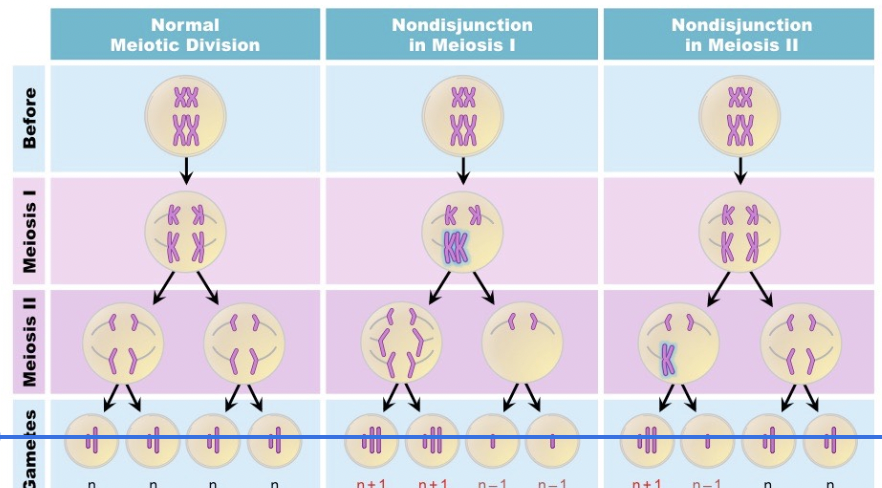
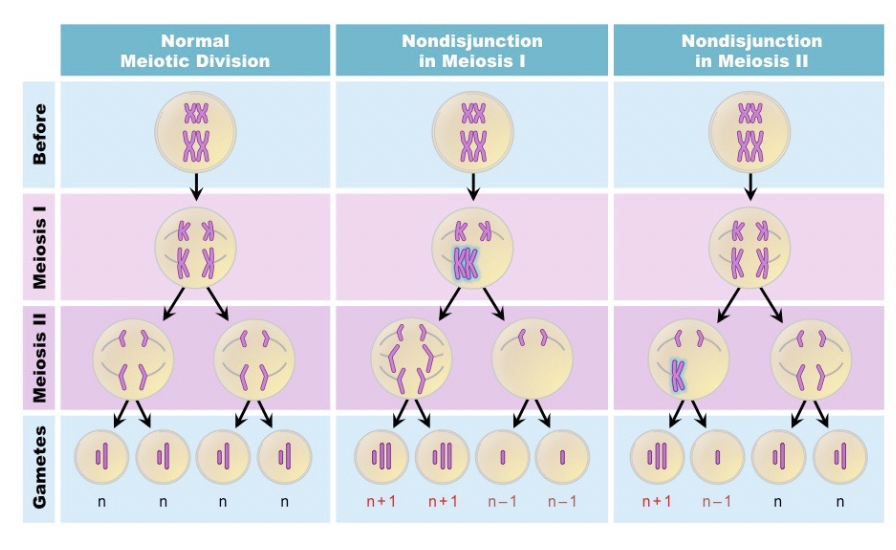
Nondisjunction

Chromosomes don’t separate properly during meiosis

Problems with the meiotic spindle cause daughter cells to have too many or too few chromosomes

32
New cards

Breaking of chromosomes

  • Deletion

  • Duplication

  • Inversion

  • Translocation

33
New cards

Nondisjunction 1

Homologous pairs do not separate properly during Meiosis 1
<p><span style="background-color: transparent; font-family: &quot;Proxima Nova&quot;, sans-serif;"><span>Homologous pairs </span><strong><span>do not separate</span></strong><span> properly during Meiosis 1</span></span></p>
34
New cards

Nondisjunction 2

Sister chromatids do not separate during Meiosis 2
<p><span style="background-color: transparent; font-family: &quot;Proxima Nova&quot;, sans-serif;"><span>Sister chromatids do not separate during Meiosis 2</span></span></p>
35
New cards

Results of nondisjunction

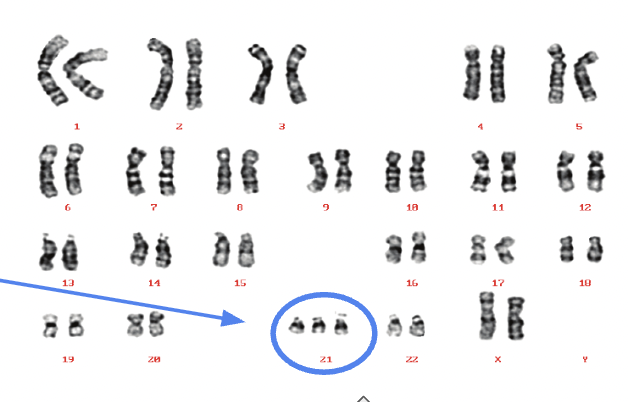
Zygotes with 3 copies of a chromosome (trisomy) or 1 copy (monosomy) instead of 2 copies of each chromosome

36
New cards

Most of the time nondisjuncition results in?

Miscarriage

37
New cards

What are some examples of nondisjunction when a miscarriage does not happen?

  • Down Syndrome (Trisomy 21)

  • Klinefelter’s Syndrome (XXY male)

  • Turner’s Syndrome (XO)

  • Jacob’s Syndrome (XYY)

<ul><li><p><span style="background-color: transparent; font-family: &quot;Proxima Nova&quot;, sans-serif;"><span>Down Syndrome (Trisomy 21)</span></span></p></li><li><p><span style="background-color: transparent; font-family: &quot;Proxima Nova&quot;, sans-serif;"><span>Klinefelter’s Syndrome (XXY male)</span></span></p></li><li><p><span style="background-color: transparent; font-family: &quot;Proxima Nova&quot;, sans-serif;"><span>Turner’s Syndrome (XO)</span></span></p></li><li><p><span style="background-color: transparent; font-family: &quot;Proxima Nova&quot;, sans-serif;"><span>Jacob’s Syndrome (XYY)</span></span></p></li></ul><p></p>
38
New cards

Karyotype

Picture of chromosomes

<p>Picture of chromosomes</p>
39
New cards

Changes in Chromosome Structure

Deletion, duplication, inversion, translocation

40
New cards

Deletion

Removes a chromosomal segment

41
New cards

Duplication

Repeats a segment

42
New cards

Inversion

Reverses a segment within a chromosome

43
New cards

Translocation

Move a segment from one chromosome to another, nonhomologous one

44
New cards

Gregor Mendel

Documened the inheritance of peas

45
New cards

Mendel’s findings

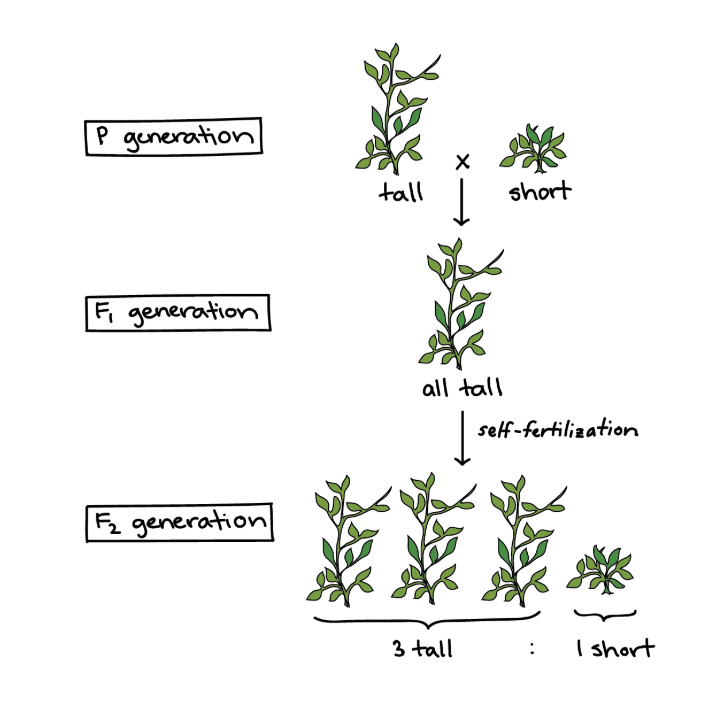
  • Traits come in alternate versions (alleles)

  • For each characteristic, an organism inherits 2 alleles, 1 from each parent

  • Some traits mask others (dominant masks recessive)
<ul><li><p><span style="background-color: transparent; font-family: &quot;Proxima Nova&quot;, sans-serif;"><span>Traits come in alternate versions (alleles)</span></span></p></li><li><p><span style="background-color: transparent; font-family: &quot;Proxima Nova&quot;, sans-serif;"><span>For each characteristic, an organism inherits 2 alleles, 1 from each parent</span></span></p></li><li><p><span style="background-color: transparent; font-family: &quot;Proxima Nova&quot;, sans-serif;"><span>Some traits mask others (dominant masks recessive)</span></span></p></li></ul><p></p>
46
New cards

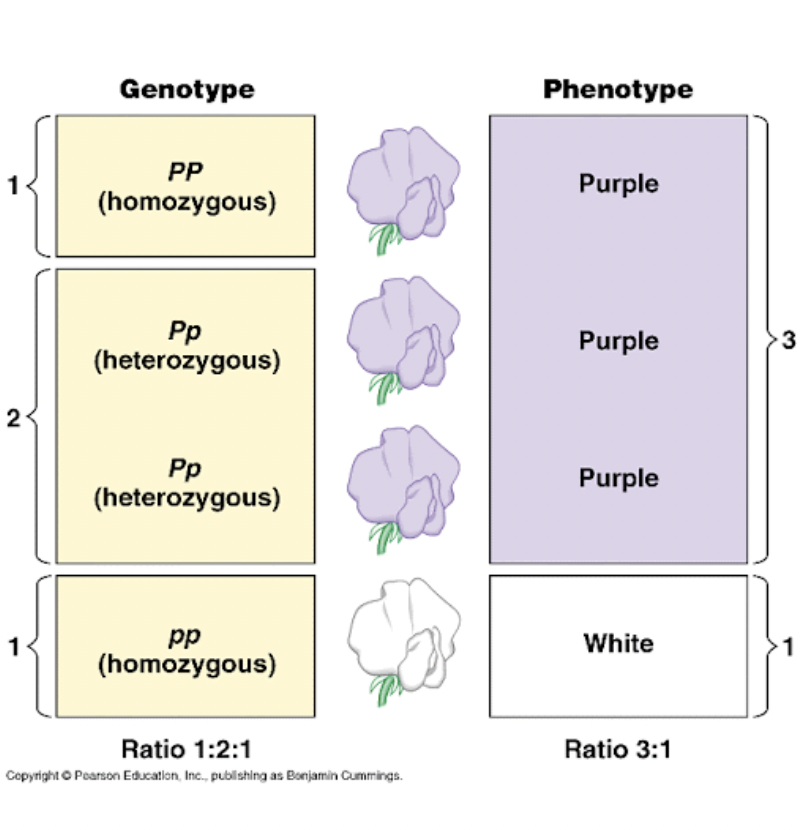
Phenotype

Physical appearance of a trait

eg. purple or white
<p><strong>P</strong>hysical appearance of a trait </p><p>eg. purple or white</p>
47
New cards

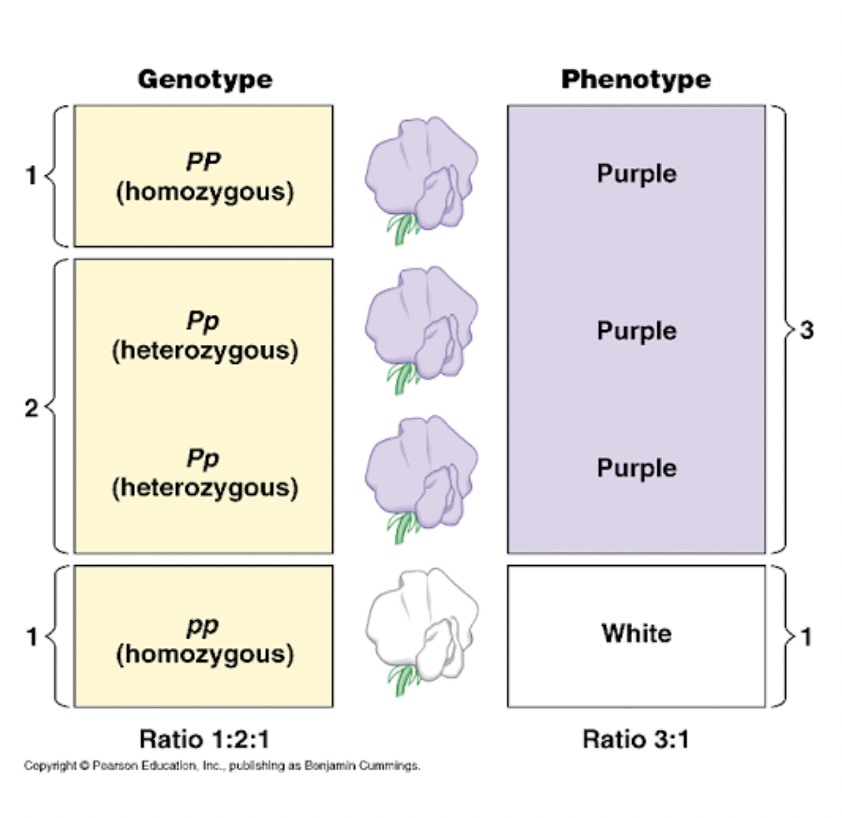
Genotype

an organism’s genetic makeup
<p><span style="background-color: transparent; font-family: &quot;Proxima Nova&quot;, sans-serif;"><span>an organism’s </span><strong><span>g</span></strong><span>enetic makeup</span></span></p>
48
New cards

Homozygous

Same alleles; PP or pp

49
New cards

Heterozygous

Different alleles; Pp

50
New cards

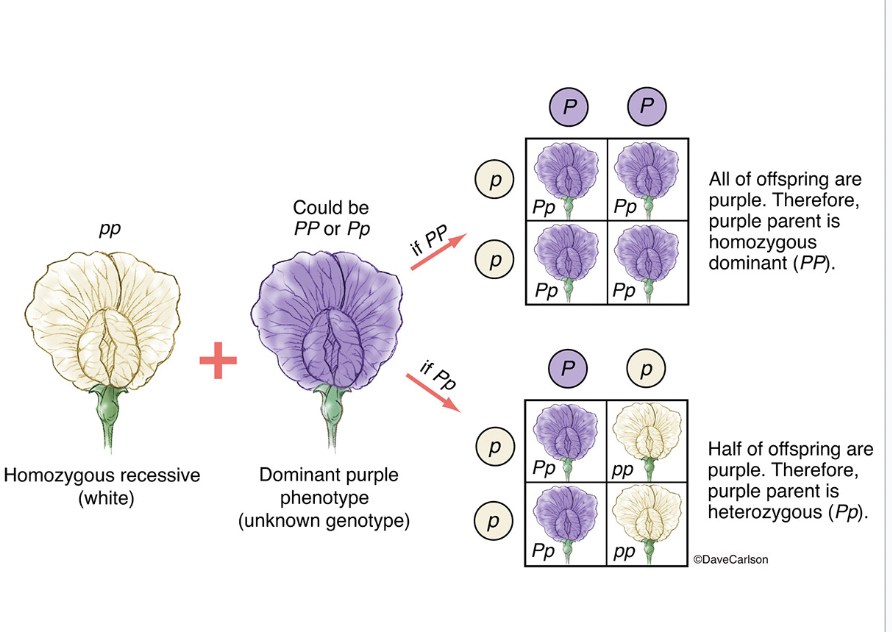
Test cross

A visible, low tech test for genotype

51
New cards

An organism has the dominant phenotype but an unknown genotype could be?

Homozygous dominant or heterozygous)

52
New cards

How would the cross test go for the organism with an unknown genotype but dominant phenotype?

  • Cross the organism with one that is homozygous recessive - the ‘test’

    • If some of the offspring have the recessive phenotype → organism was heterozygous

    • If none of the offspring have the recessive phenotype → organism was homozygous dominant
<ul><li><p><span style="background-color: transparent; font-family: &quot;Proxima Nova&quot;, sans-serif;"><span>Cross the organism with one that is </span><strong><span>homozygous recessive - the ‘test’</span></strong></span></p><ul><li><p><span style="background-color: transparent; font-family: &quot;Proxima Nova&quot;, sans-serif;"><span>If some of the offspring have the recessive phenotype → organism was heterozygous</span></span></p></li><li><p><span style="background-color: transparent; font-family: &quot;Proxima Nova&quot;, sans-serif;"><span>If none of the offspring have the recessive phenotype → organism was homozygous dominant</span></span></p></li></ul></li></ul><p></p>
53
New cards

Mendel’s first law

Law of segregation (coming apart)

54
New cards

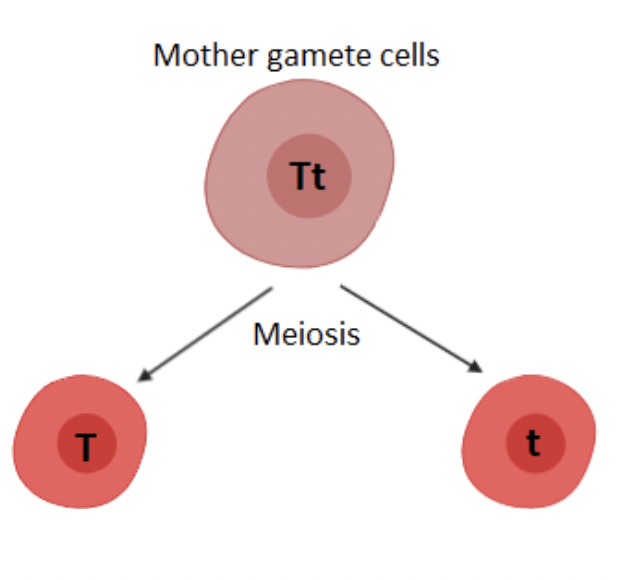
Law of segregation

  • During meiosis, alleles segregate (separate)

    • Homologous chromosomes separate during anaphase I

  • Each allele for a trait is packaged into a separate gamete.
<ul><li><p><span style="background-color: transparent; font-family: &quot;Proxima Nova&quot;, sans-serif;"><span>During meiosis, </span><strong><span>alleles</span></strong><span> segregate (separate)</span></span></p><ul><li><p><span style="background-color: transparent; font-family: &quot;Proxima Nova&quot;, sans-serif;"><span>Homologous chromosomes separate during </span><u><span>anaphase I</span></u></span></p></li></ul></li><li><p><span style="background-color: transparent; font-family: &quot;Proxima Nova&quot;, sans-serif;"><span>Each allele for a trait is packaged into a separate gamete.</span></span></p></li></ul><p></p>
55
New cards

Mendel’s 2nd Law

Law of independent assortment

56
New cards

Law of independent assortment

Different chromosomes separate into gametes independently

In this diagram, you can have multiple combinations of red and blue chromosomes in each gamete
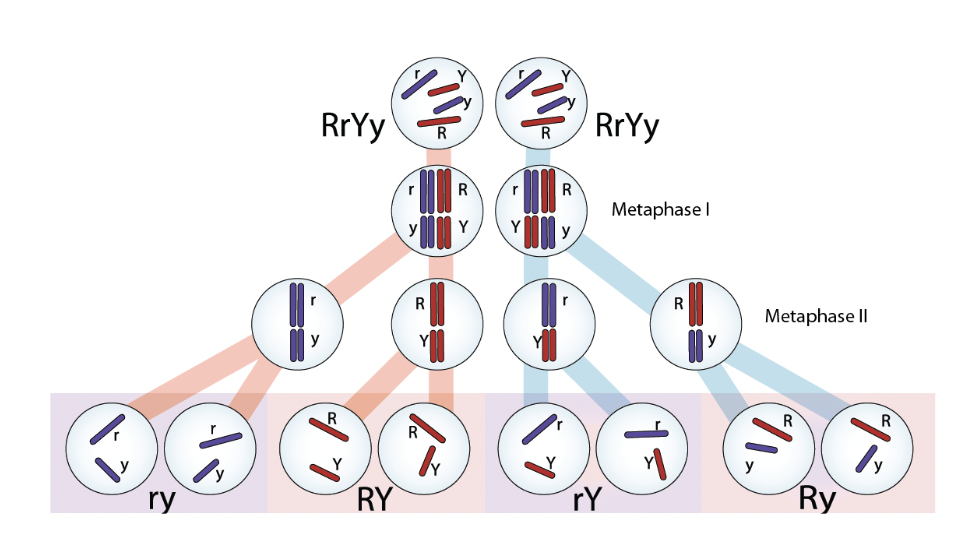
<p><span style="background-color: transparent; font-family: &quot;Proxima Nova&quot;, sans-serif;"><span>Different </span><strong><span>chromosomes </span></strong><span>separate into gametes independently</span></span></p><p><span style="background-color: transparent;"><span>In this diagram, you can have multiple combinations of red and blue chromosomes in each gamete</span></span></p><p></p>
57
New cards

When does independent assortment occur?

Non-homologous chromosomes align independently during metaphase I

58
New cards

For which genes is independent assortment true?

Only true for genes on separate chromosomes or on same chromosome but far apart so that crossing over happens frequently

59
New cards

Autosomal dominant disease

Huntington’s

<p>Huntington’s </p>
60
New cards

Autosomal recessive disease

Cystic fibrosis

<p>Cystic fibrosis</p>
61
New cards

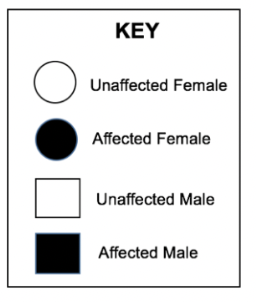
Draw a key for pedigrees

knowt flashcard image
62
New cards

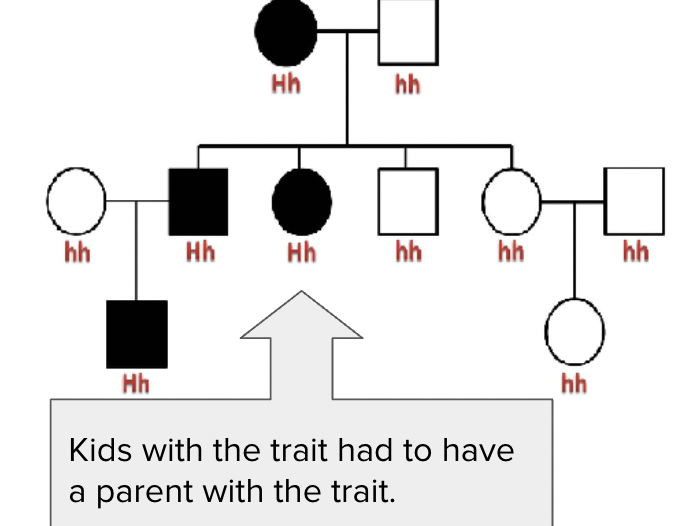
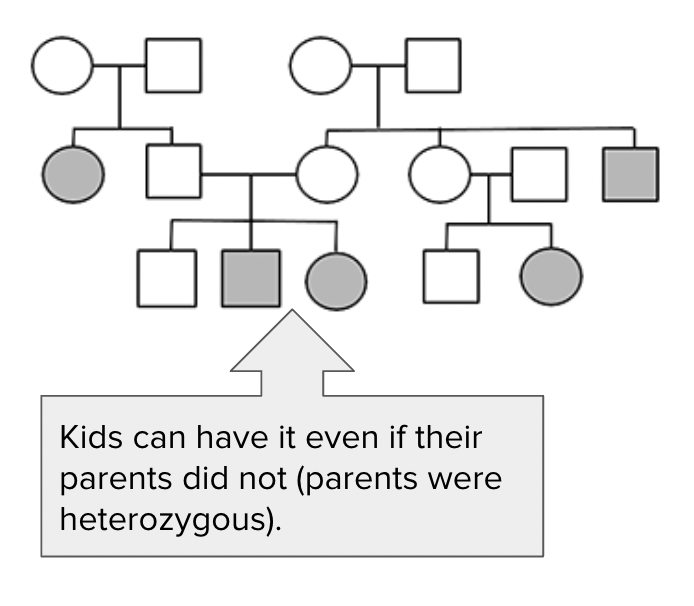
Pedigrees Autosomal, X-linked, dominant and recessive patterns of inheritance: provide a brief indication of each
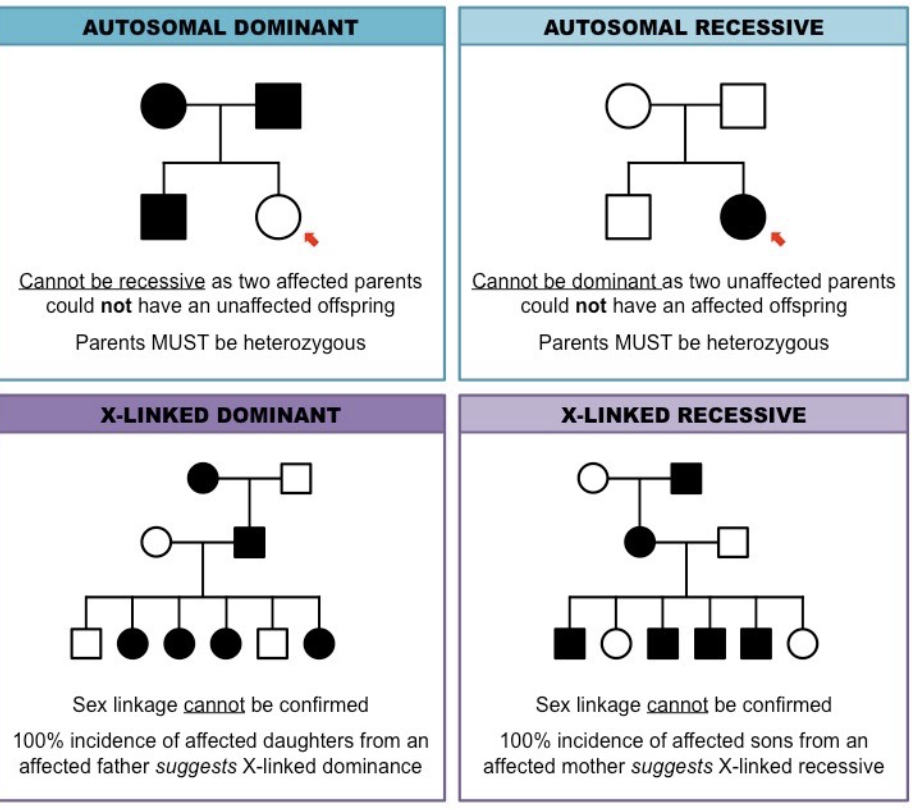
knowt flashcard image
63
New cards

What causes dominance vs. recessive?

Dominant and recessive alleles code for two different proteins because their nucleotide sequences are different. (Mendel’s 3rd Law)

64
New cards

For a gene coding an enzyme: what if it is homozygous dominant?

100% functional protein produced

<p><span style="background-color: transparent; font-family: &quot;Proxima Nova&quot;, sans-serif;"><span>100% functional protein produced</span></span></p>
65
New cards

For a gene coding an ezyme: what if it is heterozygous?

Only 50% functional protein produced

  • 50% may enough to accomplish the cellular function

  • The dominant allele may be up-regulated to compensate for the lack of function due to the recessive allele
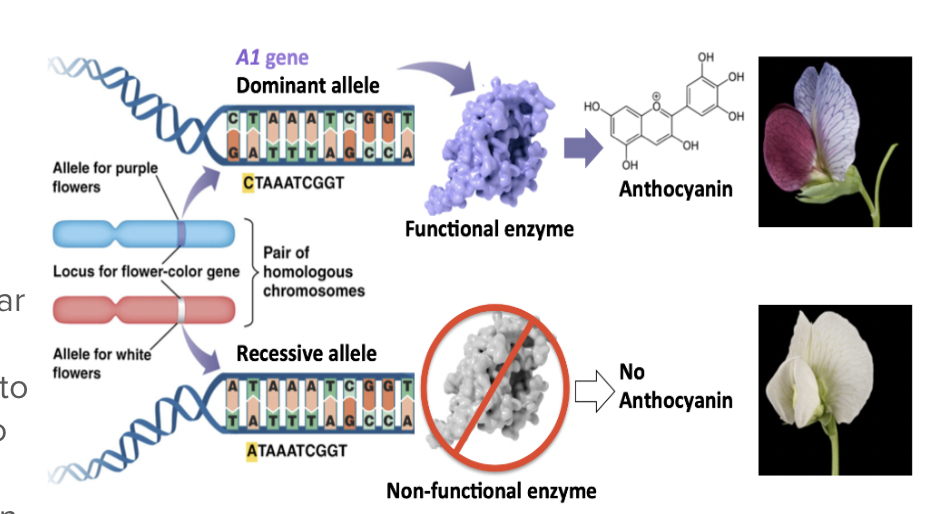
<p><span style="background-color: transparent; font-family: &quot;Proxima Nova&quot;, sans-serif;"><span>Only 50% functional protein produced</span></span></p><ul><li><p><span style="background-color: transparent; font-family: &quot;Proxima Nova&quot;, sans-serif;"><span>50% may enough to accomplish the cellular function</span></span></p></li><li><p><span style="background-color: transparent; font-family: &quot;Proxima Nova&quot;, sans-serif;"><span>The dominant allele may be up-regulated to compensate for the lack of function due to the recessive allele</span></span></p></li></ul><p></p>
66
New cards

For a gene coding an enzyme: what if it is homozygous recessive?

0% functional protein produced
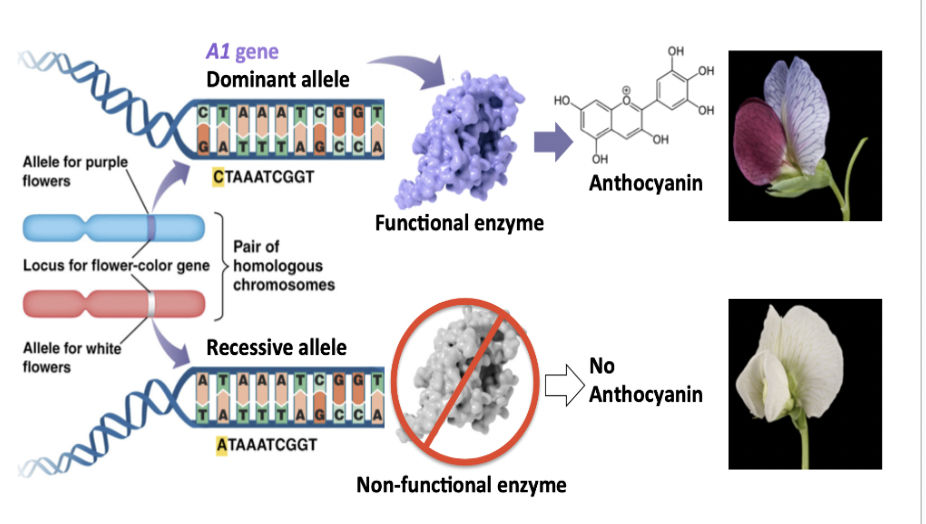
<p><span style="background-color: transparent; font-family: &quot;Proxima Nova&quot;, sans-serif;"><span>0% functional protein produced</span></span></p>
67
New cards

Genetics & Probability

Mendel’s laws of segregation and independent assortment reflect the same laws of probability that apply to tossing coins or rolling dice.

68
New cards

What is the probability of passing on B in a gamete? What is this similar to?

50%

Tossing heads
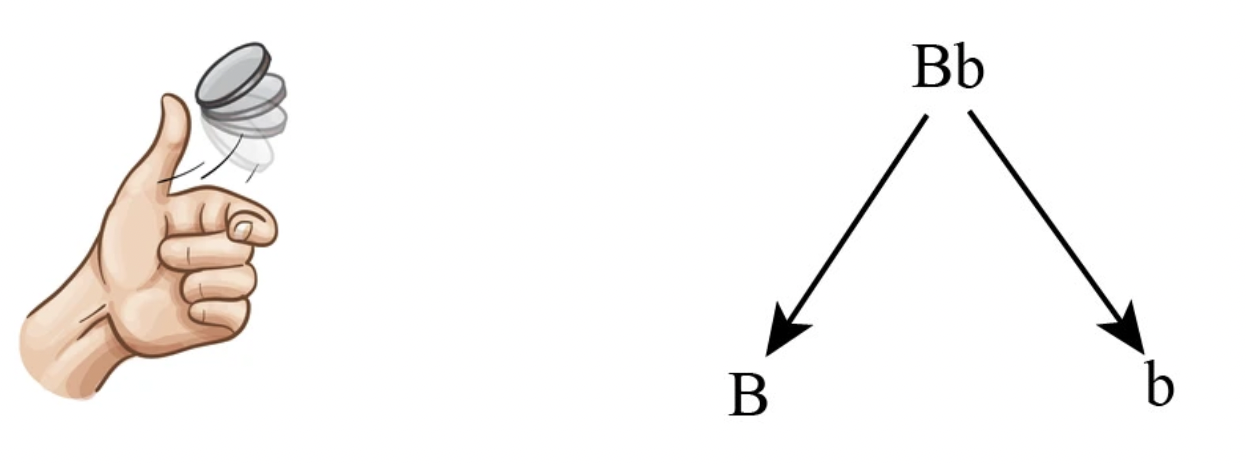
<p>50%</p><p>Tossing heads</p>
69
New cards

Rule of Multiplication

Chance that 2 or more independent events will occur together

70
New cards

Provide an example of the rule of multiplication

Probability that 2 coins tossed at the same time will land heads up: ½ x ½ = ¼

Probability of Pp x Pp having offspring pp: ½ x ½ = ¼
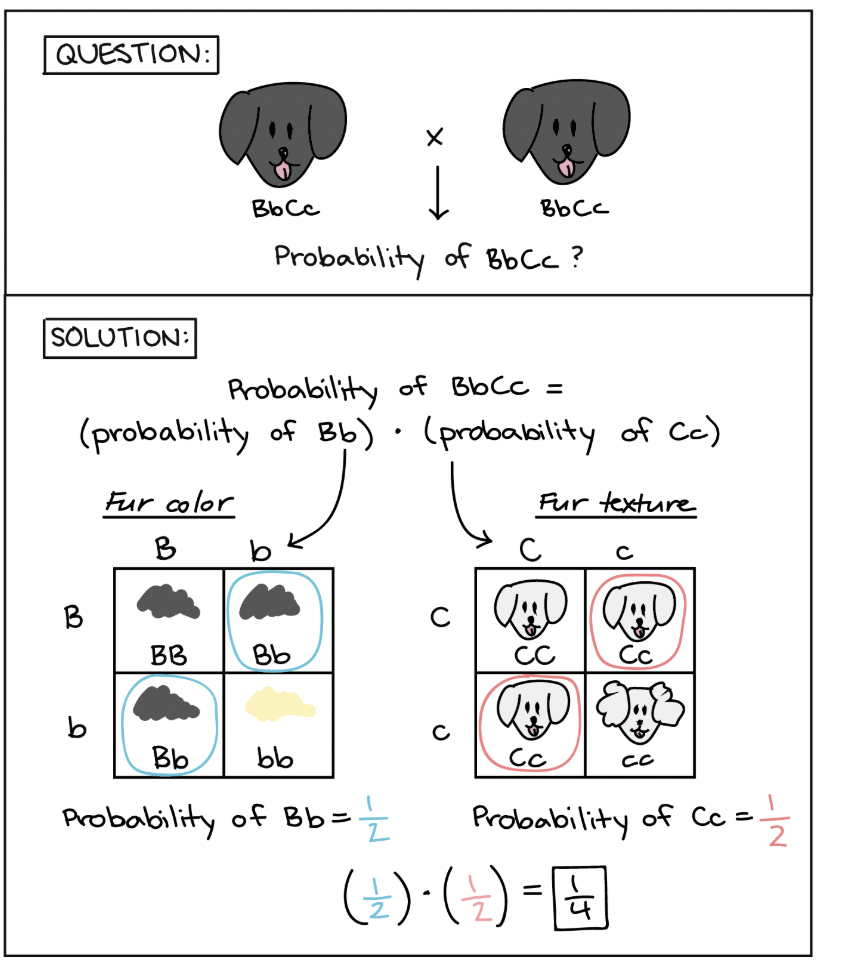
<p><span style="background-color: transparent; font-family: &quot;Proxima Nova&quot;, sans-serif;"><strong><span>Probability that 2 coins tossed at the same time will land heads up: ½ x ½ = ¼</span></strong></span></p><p><span style="background-color: transparent; font-family: &quot;Proxima Nova&quot;, sans-serif;"><strong><span>Probability of Pp x Pp having offspring pp: ½ x ½ = ¼</span></strong></span></p>
71
New cards

Given the cross AABbccDdEEFf x AaBbccDdeeFf, what is the probability offspring will have the genotype AabbccDdEeFF?

1/64

72
New cards

Rule of Addition

Chance that an event can occur 2 or more different ways

73
New cards

Probability of Bb x Bb → Bb?

1/2

<p>1/2</p>
74
New cards

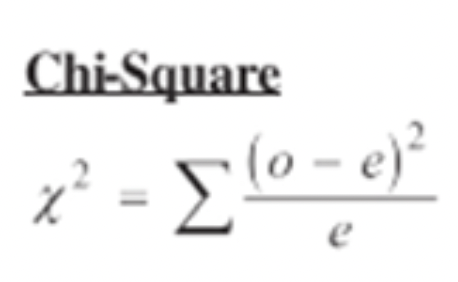
Chi square

An analysis to determine if the results of a cross fit the expected ratio.

75
New cards

Outcomes of a Chi Square

  • If calculated value > critical value → reject null hypothesis

  • If calculated value < critical value → accept null hypothesis

76
New cards

Why might you reject the null hypothesis?

  • You have a small sample size.

  • Your sample is not representative of the larger sample.

  • The genes do not show independent assortment  - non-mendelian genetics.

    • May be linked (close together on the same chromosome)

    • May be sex-linked (on one of the sex chromosomes)

77
New cards

Chi Square formula

knowt flashcard image
78
New cards

Degrees of freedom

Number of phenotypes - 1

79
New cards

Mendel worked with a simple system following what principles?

  • Peas are genetically simple

  • Most traits are controlled by a single gene

  • Each gene has only 2 alleles, 1 of which is completely dominant to the other

80
New cards

What did Mendel not consider?

The relationship between genotype and phenotype is rarely that simple:

<p><span style="background-color: transparent; font-family: &quot;Proxima Nova&quot;, sans-serif;"><span>The relationship between genotype and phenotype is rarely that simple:</span></span></p>
81
New cards

Mnemonic for dihybrid crosses

FOIL (first, outside, inside, last)

82
New cards

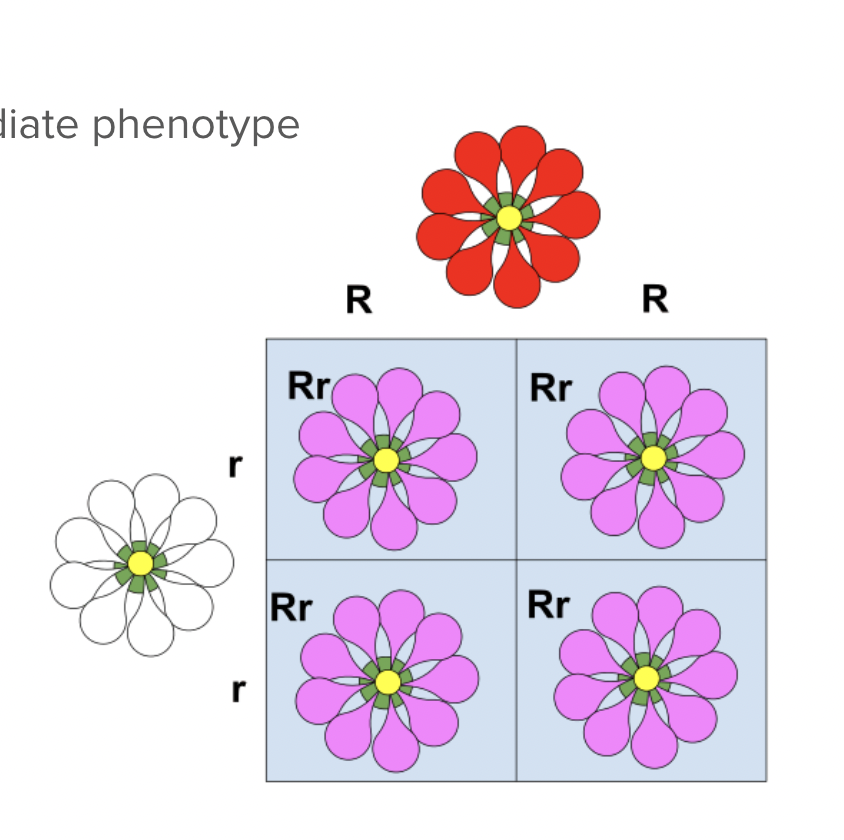
Incomplete dominance

Heterozygotes show an intermediate phenotype

83
New cards

Example of incomplete dominance

  • RR = red flowers

  • Rr = pink flowers

  • rr = white flowers

<ul><li><p><span style="background-color: transparent; font-family: &quot;Proxima Nova&quot;, sans-serif;"><span>RR = red flowers</span></span></p></li><li><p><span style="background-color: transparent; font-family: &quot;Proxima Nova&quot;, sans-serif;"><span>Rr = </span><strong><span>pink</span></strong><span> flowers</span></span></p></li><li><p><span style="background-color: transparent; font-family: &quot;Proxima Nova&quot;, sans-serif;"><span>rr = white flowers</span></span></p></li></ul><p></p>
84
New cards

Null hypothesis

No relationship between two variables; the finding probably occured by chance

85
New cards

Alternative hypothesis

States the opposite of a null; there is a relationship between two varibales; the finding did not occur by chance

86
New cards

Codominance

2 alleles affect the phenotype in separate, distinguishabl
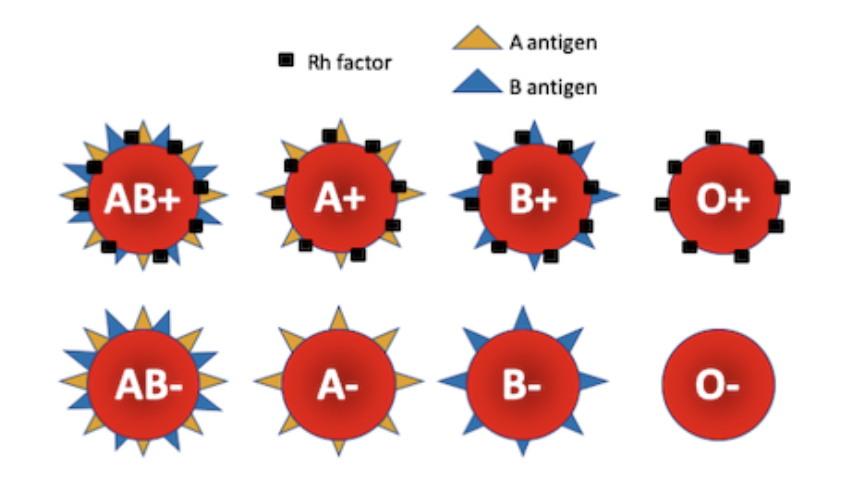
<p><span style="background-color: transparent; font-family: &quot;Proxima Nova&quot;, sans-serif;"><span>2 alleles affect the phenotype in separate, distinguishabl</span></span></p>
87
New cards

Example of codomniance

ABO blood types - A and B are codominant, so people with type AB blood have A and B antigens on their blood cells
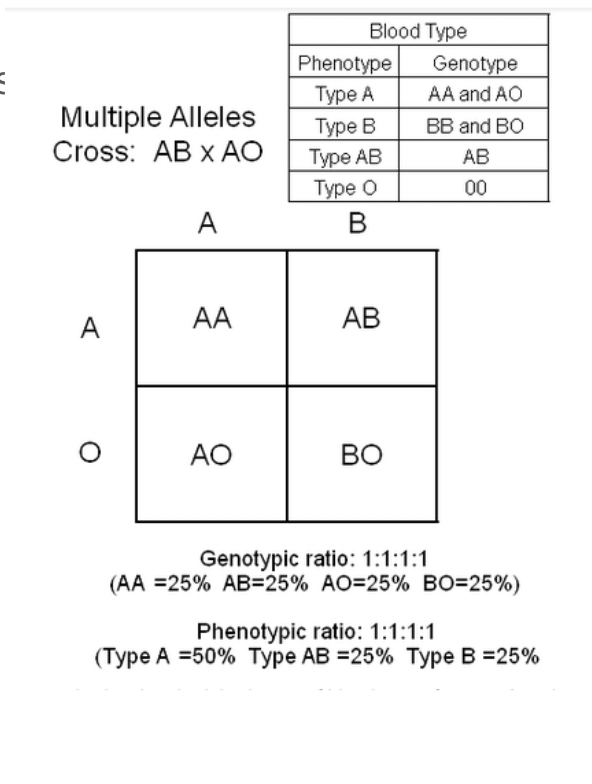
<p><span style="background-color: transparent; font-family: &quot;Proxima Nova&quot;, sans-serif;"><span>ABO blood types - A and B are codominant, so people with type AB blood have A and B antigens on their blood cells</span></span></p>
88
New cards

Blood compatibility

Matching compatible blood groups is important for blood transfusions

89
New cards

What in a person’s blood affects blood compatibility?

A person produces antibodies in their blood plasma against the antigens on foreign blood cells
<p><span style="background-color: transparent; font-family: &quot;Proxima Nova&quot;, sans-serif;"><span>A person produces antibodies in their blood plasma against the antigens on foreign blood cells</span></span></p>
90
New cards

Pleiotropy

Most genes are pleiotropic - affect more than one phenotypic character

  • Wide-ranging effects due to a single gene

91
New cards

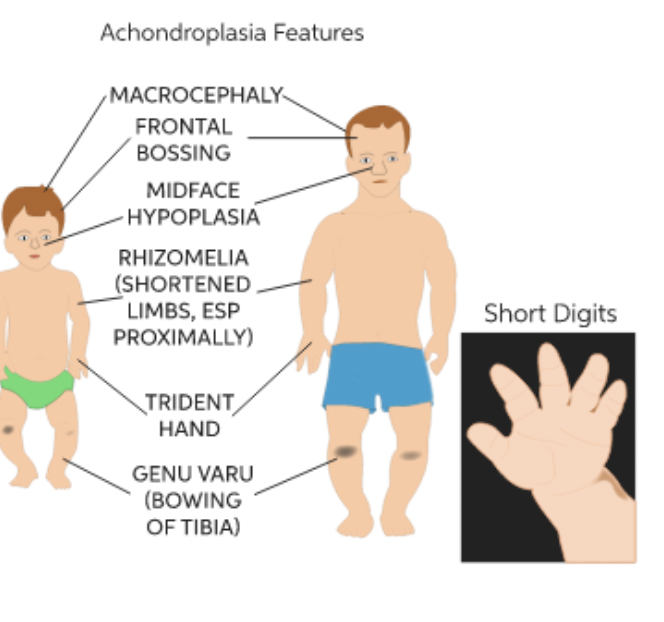
Examples of pleiotropy

  • Ex. dwarfism (achondroplasia)

  • Ex. gigantism (acromegaly)

<ul><li><p><span style="background-color: transparent; font-family: &quot;Proxima Nova&quot;, sans-serif;"><span>Ex. dwarfism (achondroplasia)</span></span></p></li><li><p><span style="background-color: transparent; font-family: &quot;Proxima Nova&quot;, sans-serif;"><span>Ex. gigantism (acromegaly)</span></span></p></li></ul><p></p>
92
New cards

Epistasis

One gene masks another

93
New cards

Example of epistasis :)

  • Ex. coat color in mice 

    • Pigment (C) is dominant to no pigment (c)

    • Black pigment (B) is dominant to brown pigment (b)

    • cc is albino, regardless of the B allele

  • Ex. coat color in Labrador retrievers 

    • Pigment (E) or no pigment (e)

    • Black pigment (B) or brown pigment (b)
<ul><li><p><span style="background-color: transparent; font-family: &quot;Proxima Nova&quot;, sans-serif;"><span>Ex. coat color in mice&nbsp;</span></span></p><ul><li><p><span style="background-color: transparent; font-family: &quot;Proxima Nova&quot;, sans-serif;"><span>Pigment (C) is dominant to no pigment (c)</span></span></p></li><li><p><span style="background-color: transparent; font-family: &quot;Proxima Nova&quot;, sans-serif;"><span>Black pigment (B) is dominant to brown pigment (b)</span></span></p></li><li><p><span style="background-color: transparent; font-family: &quot;Proxima Nova&quot;, sans-serif;"><span>cc is albino, regardless of the B allele</span></span></p></li></ul></li><li><p><span style="background-color: transparent; font-family: &quot;Proxima Nova&quot;, sans-serif;"><span>Ex. coat color in Labrador retrievers&nbsp;</span></span></p><ul><li><p><span style="background-color: transparent; font-family: &quot;Proxima Nova&quot;, sans-serif;"><span>Pigment (E) or no pigment (e)</span></span></p></li><li><p><span style="background-color: transparent; font-family: &quot;Proxima Nova&quot;, sans-serif;"><span>Black pigment (B) or brown pigment (b)</span></span></p></li></ul></li></ul><p></p>
94
New cards

Polygenic inheritance

Some phenotypes are determined by the additive effects of 2 or more genes on a single character

95
New cards

Examples of polygenic inheritance

Many human traits  - skin color, height, eye color, etc.
<p><span style="background-color: transparent; font-family: &quot;Proxima Nova&quot;, sans-serif;"><span>Many human traits&nbsp; - skin color, height, eye color, etc.</span></span></p>
96
New cards

Nature vs. Nurture (Phenotypic Plasticity)

Phenotype is controlled by the environment and genes

97
New cards

Examples of phenotypic plasticity

  • Ex. coat color in Himalayan rabbits influenced by heat sensitive alleles

  • Ex. color of Hydrangea flowers influenced by soil pH

  • Ex. human skin color influenced by UV radiation
<ul><li><p><span style="background-color: transparent; font-family: &quot;Proxima Nova&quot;, sans-serif;"><span>Ex. coat color in Himalayan rabbits influenced by heat sensitive alleles</span></span></p></li><li><p><span style="background-color: transparent; font-family: &quot;Proxima Nova&quot;, sans-serif;"><span>Ex. color of Hydrangea flowers influenced by soil pH</span></span></p></li><li><p><span style="background-color: transparent; font-family: &quot;Proxima Nova&quot;, sans-serif;"><span>Ex. human skin color influenced by UV radiation</span></span></p></li></ul><p></p>
98
New cards

Sex-linked traits

Human sex chromosomes: X and Y

99
New cards

Female

2X chromosomes

100
New cards

Male

XY