Belgium / Flanders: Political History and Notable Political and Military Figures
 Call Kai
 Learn
Learn Practice Test
 Spaced Repetition
 Match
Match Flashcards
 Knowt Play
1/7

There's no tags or description
Looks like no tags are added yet.
Name | Mastery | Learn | Test | Matching | Spaced | Call with Kai |
|---|
No analytics yet
Send a link to your students to track their progress
8 Terms
1255 - 1333 - Pieter de Coninck (All Facts)
Flemish Weaver who led a massacre of the Flemish oligarchs
He and his forces defeated the French knights and their forces in the Battle of the Golden Spurs
1290 - 1345 - Jacob van Artevelde (All Facts)
Flemish Statesman and Wealthy Burgher of Ghent
He led an army of rich and poor and besieged Tournai to overthrow Count Louis of Nevers, an ally of France
He was murdered in Ghent by a mob in revolt against his dictatorship
Upon his death, Flanders withdrew from its involvement in the Hundred Years’ War between England and France
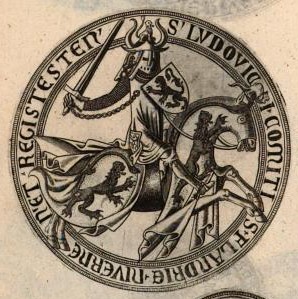
1322 - 1346 - Louis of Nevers (All Facts)
Count of Flanders
He was French, not Flemish
The Flemish rebelled against his rule during the Flemish Revolt
He called in King Philip VI of France to defeat the rebel Flemish artists and peasants in the Battle of Cassel
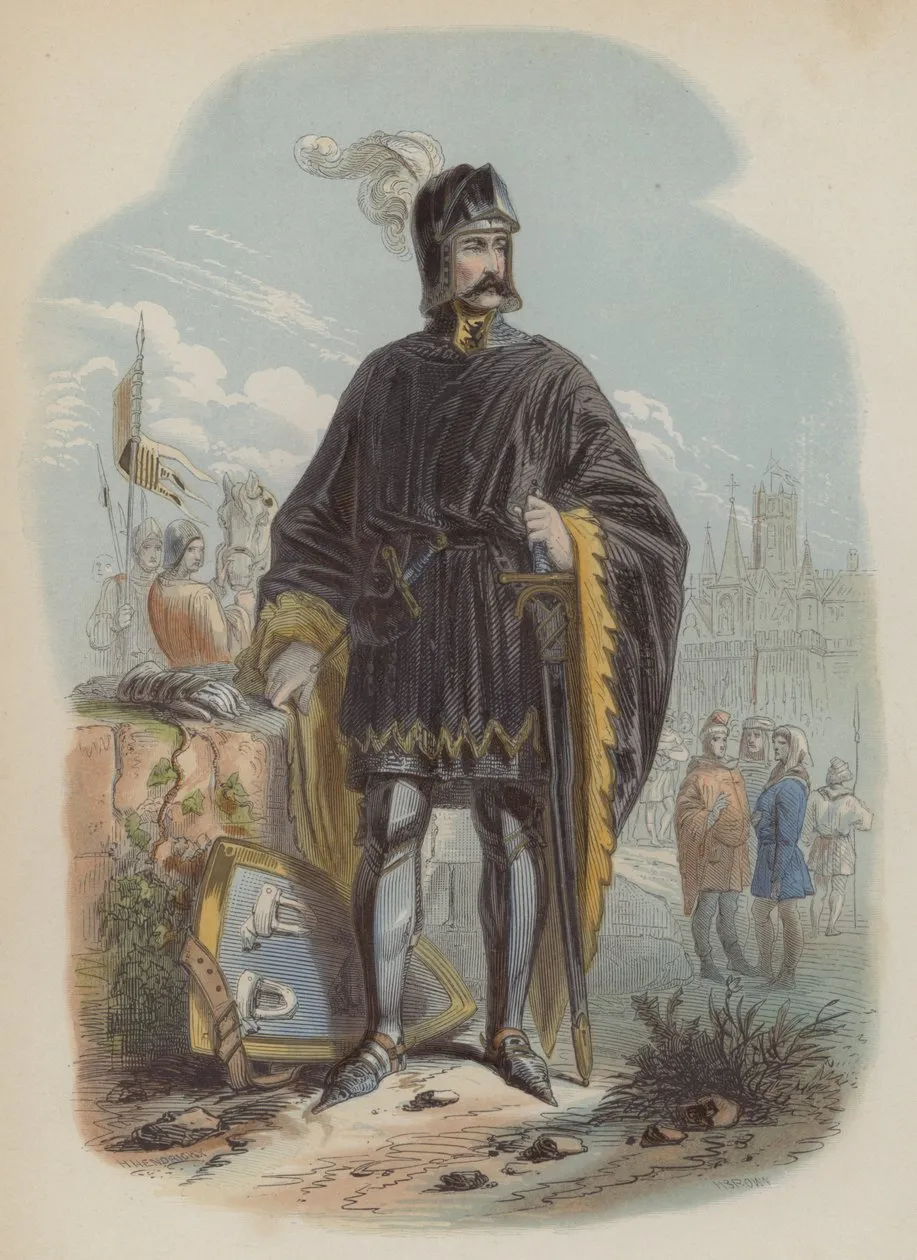
1340 - 1382 - Philip van Artevelde (All Facts)
Leader of the Flemish in the Revolt of Ghent against Count Louis of Male in Flanders
He captured Bruges from the French
He and his forces were defeated in the Battle of Roosebeke and he died after the battle
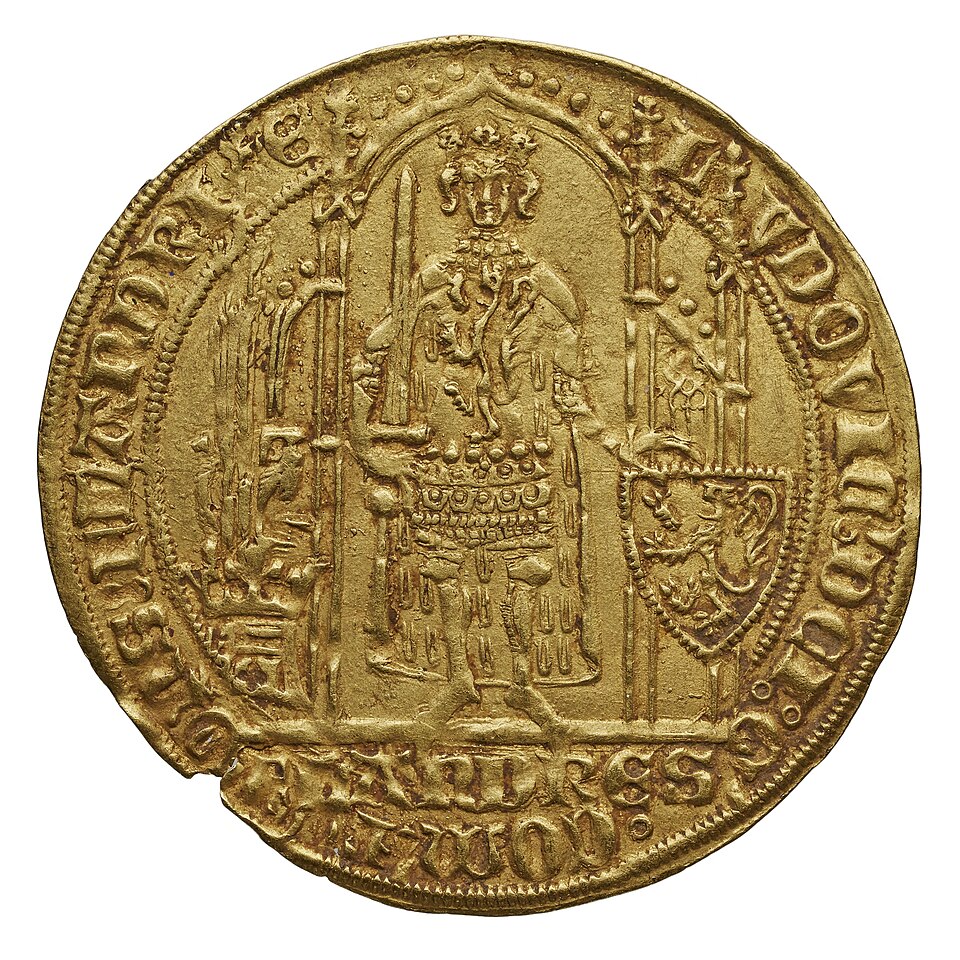
1346 - 1384 - Louis of Male (All Facts)
Count of Flanders
He was French, not Flemish
He married the daughter of Philip the Bold, strengthening Flanders’ ties with Burgundy
The Flemish rebelled against his rule during the Revolt of Ghent
When Philip van Artevelde captured Bruges from him, he appealed to King Charles VI of France and King Philip II of Burgundy for help
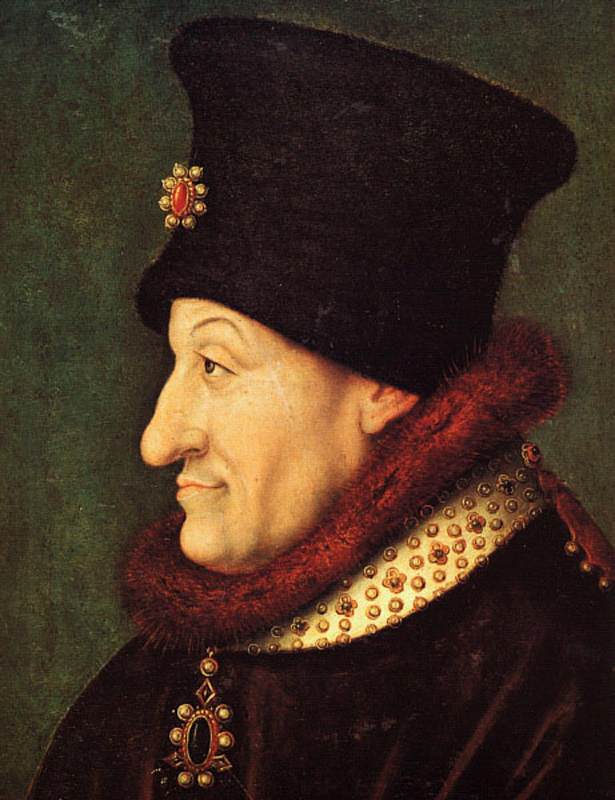
1384 - 1404 - Philip II (All Facts)
Count of Flanders
He was nicknamed “The Bold”
He was Burgundian, not Flemish
He had his daughter married to Louis de Male
He worked to establish Flanders’ independence from France, but came into increasing conflict with the English, who were expelled from Flanders under his reign
The native population of Flanders, who had no share in the bonanza of trade taking place, experienced hardship as a result of the intermittent warfare between Flanders, France, and England during the Hundred Years’ War
He inherited Flanders, as well as Antwerp, Artois, and Malines
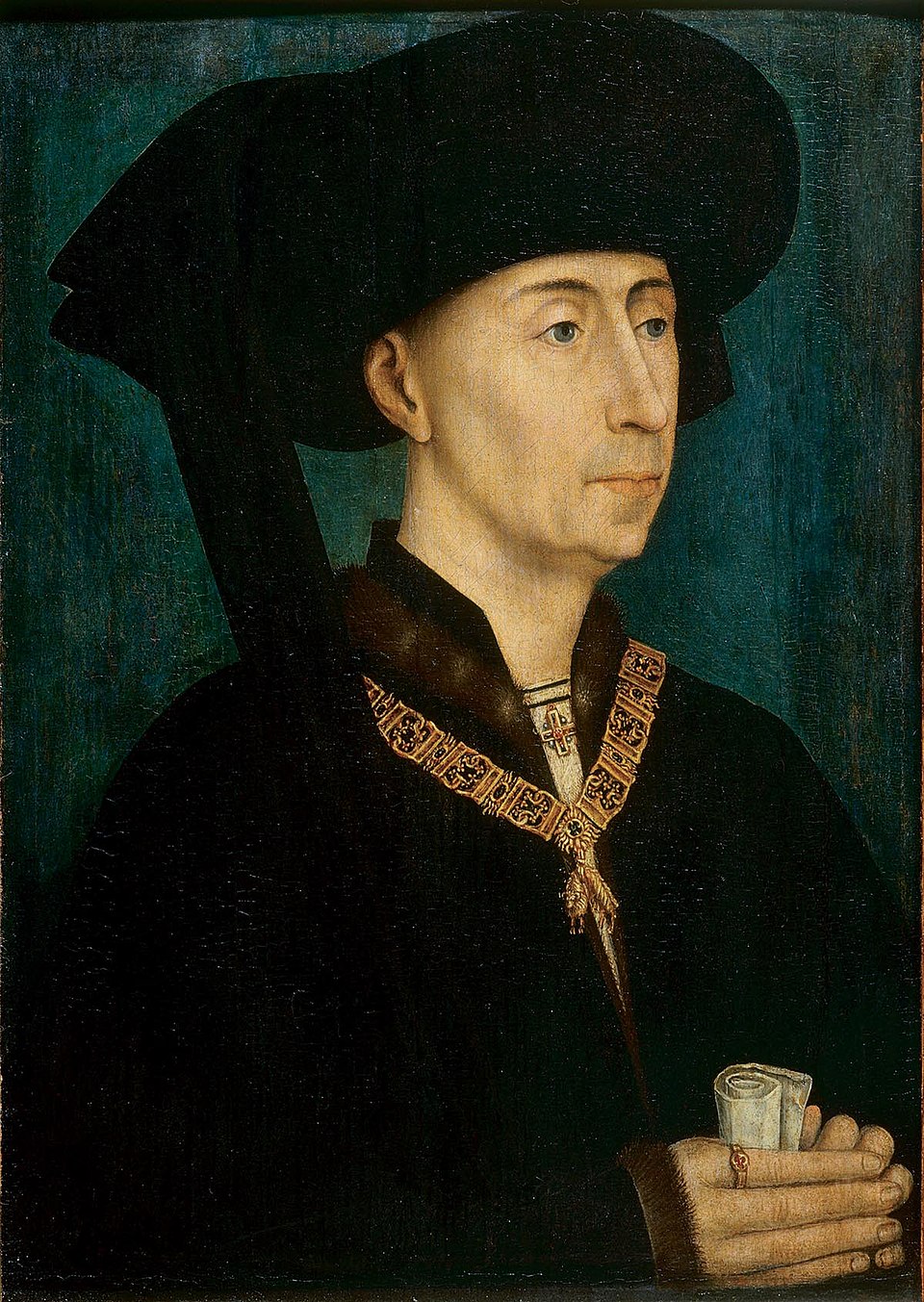
1419 - 1467 - Philip III (All Facts)
Count of Flanders
He was nicknamed “The Good”
Under his reign, Bruges experienced a peak in which it was
The richest commercial staging-post in Europe
A world city, with a new international culture and lifestyle
Prosperous not only in commerce but in the arts
Exemplified by the namesake’s sumptuous court
Able to provide its merchants the chance to become landowners and members of the nobility
He was the patron of all woodcarvers, metalworkers, and painters
He was the patron of Jan Van Eyck
Explore top notes

