Figurative & Sensory Language
 Note
Note Call Kai
 Learn
Learn Practice Test
 Spaced Repetition
 Match
Match Flashcards
1/11

Earn XP
Description and Tags
A set of flashcards focusing on key terms related to figurative and sensory language, including definitions and examples.
Name | Mastery | Learn | Test | Matching | Spaced | Call with Kai | Chat |
|---|
No analytics yet
Send a link to your students to track their progress
12 Terms
hyperbole
Exaggeration of something, sometimes meant to be comical/funny.
alliteration
Repeating the first letter of multiple words in a line of poetry or in a sentence.
simile
Compares two unlike things by using the words LIKE or AS.
metaphor
Compares two unlike things by saying one is another; frequently uses be verbs (am, is, are, was, were).
onomatopoeia
a word that imitates the sound of something happening or the sound that an object or animal makes. Example: hiss, bang, cuckoo, buzz, meow, moo, whoosh, roar, splash
personification
Giving an animal or a non-living object the qualities of a human being.
sensory language
descriptive writing in poetry or stories that creates vivid imagery so that the reader can imagine what it might be like to experience what is seen, smelled, heard, felt, or tasted in that literary work
repetition
the use of sounds, words, lines of poetry, or sentences more than once for effect and emphasis.
tone
The attitude of a writer toward the subject he writes about; implied by their choice of words.
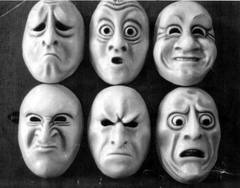
mood
Feeling or atmosphere that a writer creates for the reader with their choice of words.
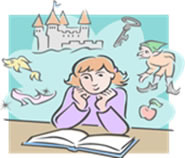
imagery
Language that appeals to the five senses; the words 'paint' a description in the reader's mind.
idiom
An expression/saying (figure of speech) that doesn't make sense if you take it literally. Examples: “It’s raining cats and dogs” means that it is raining hard. “Cat got your tongue?” is what we say to someone if they can’t think of what to say.