The Supernatural Tradition Chapter 1 AB Psych
 Studied by 0 people
 Call with Kai
 Learn
Learn Practice Test
 Spaced Repetition
 Match
Match Flashcards
 Knowt Play
1/10

There's no tags or description
Looks like no tags are added yet.
Name | Mastery | Learn | Test | Matching | Spaced | Call with Kai |
|---|
No study sessions yet.
11 Terms
THE SUPERNATURAL TRADITION
DEMONS AND WITCHES
STRESS AND MELANCHOLY
TREATMENTS FOR POSSESSION
MASS HYSTERIA
THE MOON AND STARS
DEMONS AND WITCHES
During the last quarter of the 14th century, religious and lay authorities supported these popular superstitions, and society began to believe more strongly in the existence and power of demons and witches. People increasingly turned to magic and sorcery to solve their problems. It followed that individuals “possessed” by evil spirits were responsible for any misfortune experienced by people in the community.
STRESS AND MELANCHOLY
Reflected the enlightened view that insanity was a natural phenomenon, caused by mental or emotional stress, and that it was curable.
Mental depression and anxiety were recognized as illnesses, although symptoms, such as despair and lethargy were often identified by the church with the sin of acedia, or sloth.
TREATMENTS FOR STRESS AND MELANCHOLY
Rest
Sleep
Healthy and happy environment
Baths
Ointments
Various potions
During the 14th and 15th centuries, people with insanity, along with those with physical deformities or disabilities, were often moved from house to house in medieval villages as neighbors took turns caring for them.
TREATMENTS FOR DEMONS AND WITCHES
Exorcism
Shaving the pattern of a cross in the hair of the victim’s head
Securing sufferers to a wall near the front of a church so they might benefit from hearing Mass
Nicholas Oresme
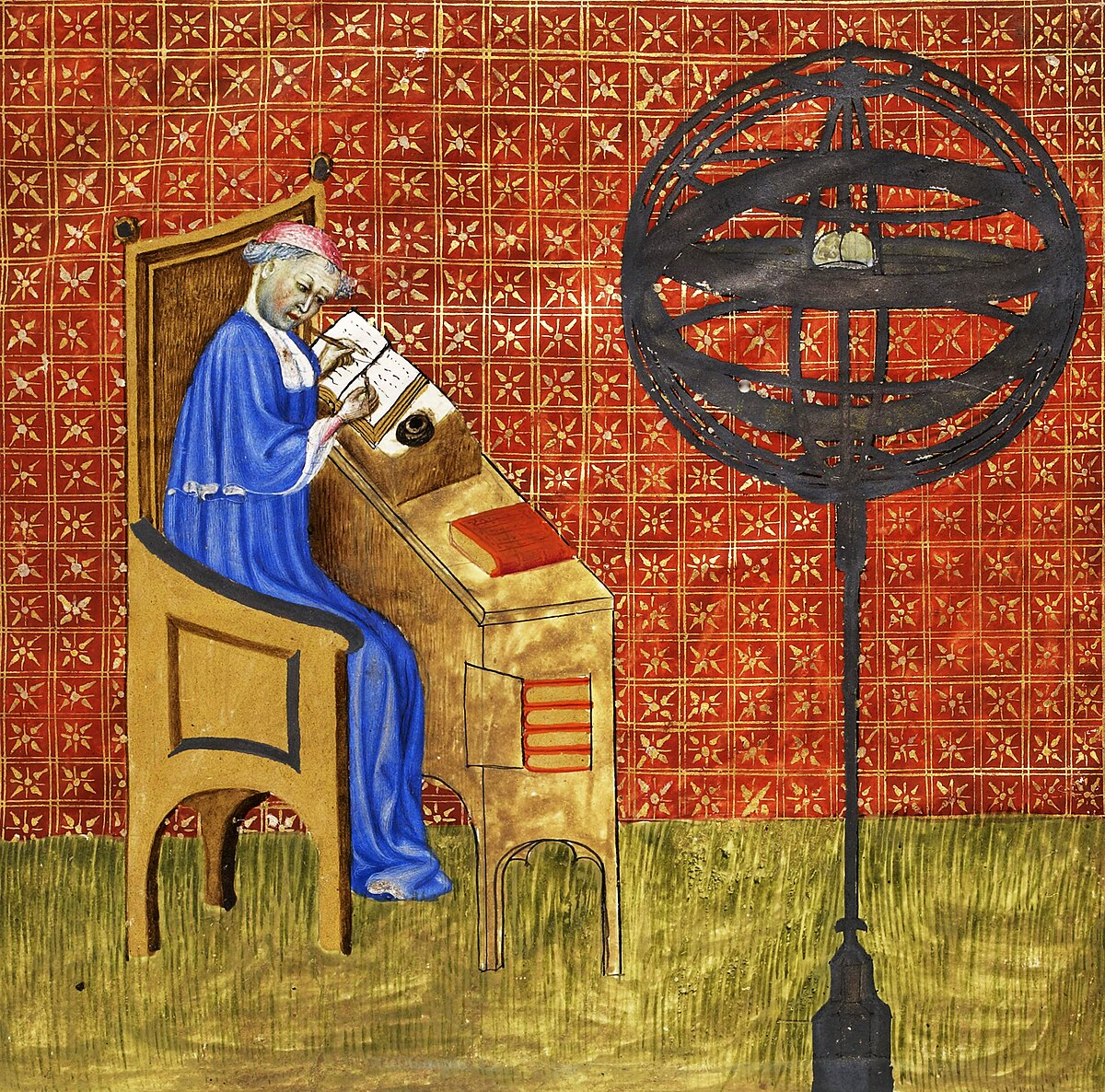
A bishop, philosopher, and one of the chief advisers of the King of France in the 14th century, suggested that the disease of melancholy (depression) was the source of some bizarre behavior, rather than demons.
TREATMENTS FOR POSSESSION
Is not always connected with sin but may be seen as involuntary and the possessed individual is blameless
Exorcism was used to cure possession and at least have the virtue of being relatively painless and they sometimes work.
If possession didn’t work
To make the body uninhabitable by evil spirits, many people were subjected to confinement, beatings, and other forms of torture.
A creative “therapist” decided that hanging people over a pit full of poisonous snakes might scare the evil spirits out of their bodies—this approach sometimes worked. Many other treatments based on hypothesized therapeutic elements of shock were developed (e.g. dunkings in ice cold water).
MASS HYSTERIA
Is characterized by large-scale outbreaks of bizarre behavior
In Europe, whole groups of people were simultaneously compelled to run out in the streets, dance, shout, rave, and jump around in patterns as if they were at a particularly wild party. This behavior was known by several names (e.g., Saint Vitus’ Dance and tarantism)
One reasonable guess was reaction to insect bites
Another possibility was what we now call mass hysteria
May simply demonstrate the phenomenon of emotion contagion
Emotion Contagion
In which the experience of an emotion seems to spread to those around us
If someone nearby becomes frightened or sad, chances are that, for the moment, you also will feel fear or sadness. When this kind of experience escalates into full-blown panic, whole communities are affected
In popular language, this shared response is sometimes referred to as mob psychology
THE MOON AND STARS
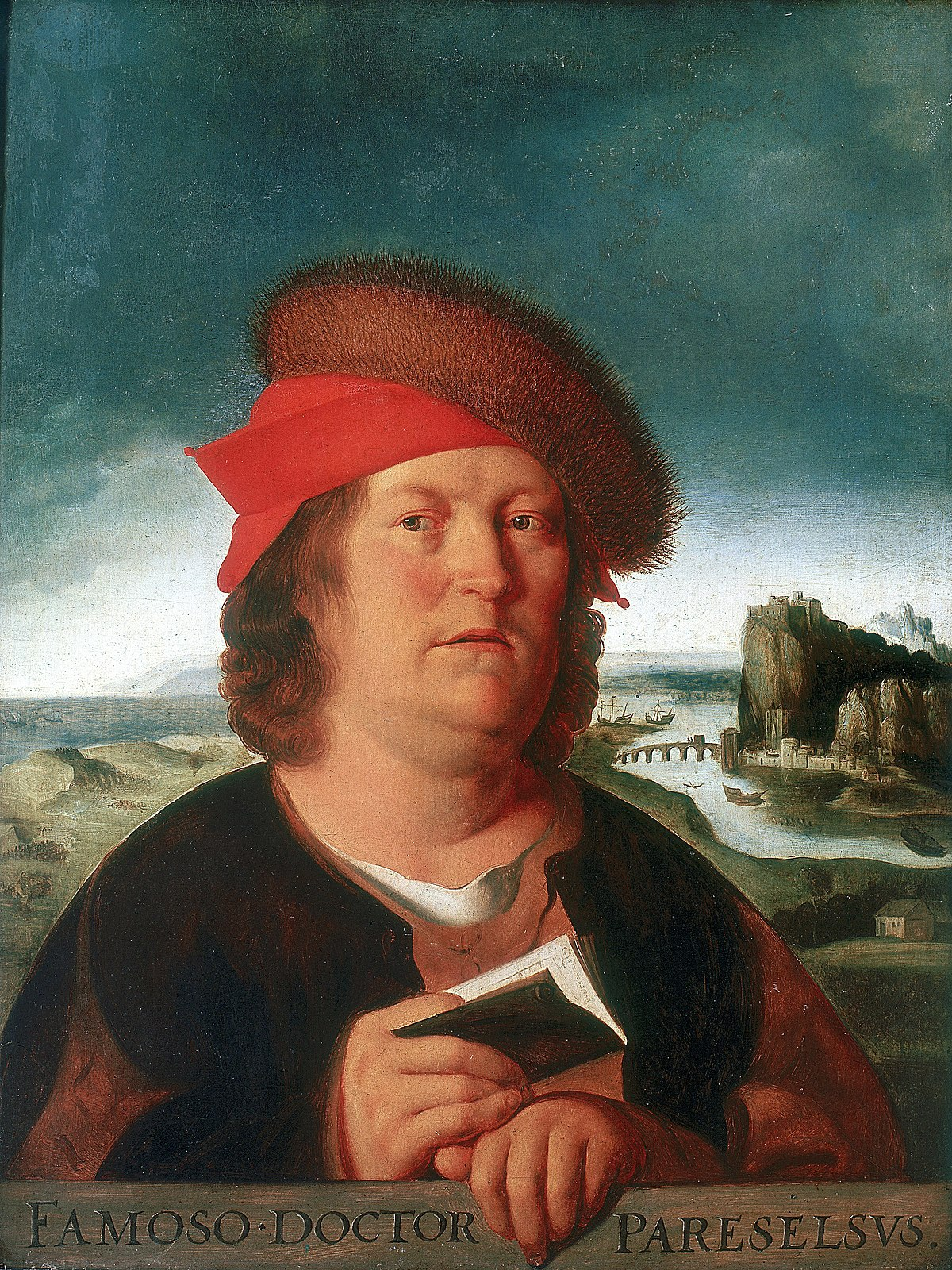
Paracelsus
Rejected notions of possession by the devil, suggesting instead that the movements of the moon and stars had profound effects on people’s psychological functioning
Speculated that the gravitational effects of the moon on bodily fluids might be a possible cause of mental disorders
Inspired the word lunatic from the Latin word luna, meaning “moon”
 Note
Note  Flashcards (30)