Practical (Endocrine & Cardiovascular)
 Call Kai
 Learn
Learn Practice Test
 Spaced Repetition
 Match
Match Flashcards
 Knowt Play
1/23

There's no tags or description
Looks like no tags are added yet.
Name | Mastery | Learn | Test | Matching | Spaced | Call with Kai |
|---|
No analytics yet
Send a link to your students to track their progress
24 Terms
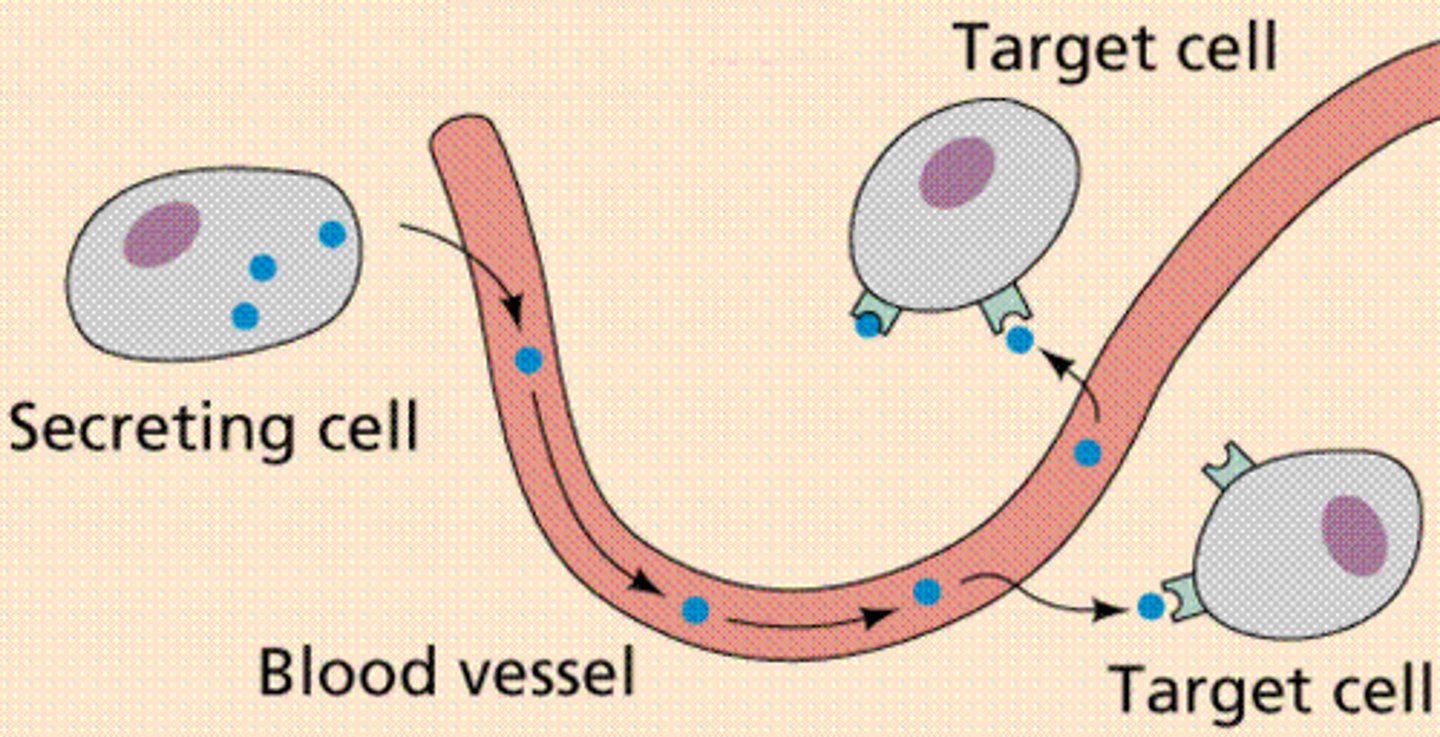
hormones
chemical messengers that go through the blood stream from endocrine gland to the organ that produces response to send it to lock and key
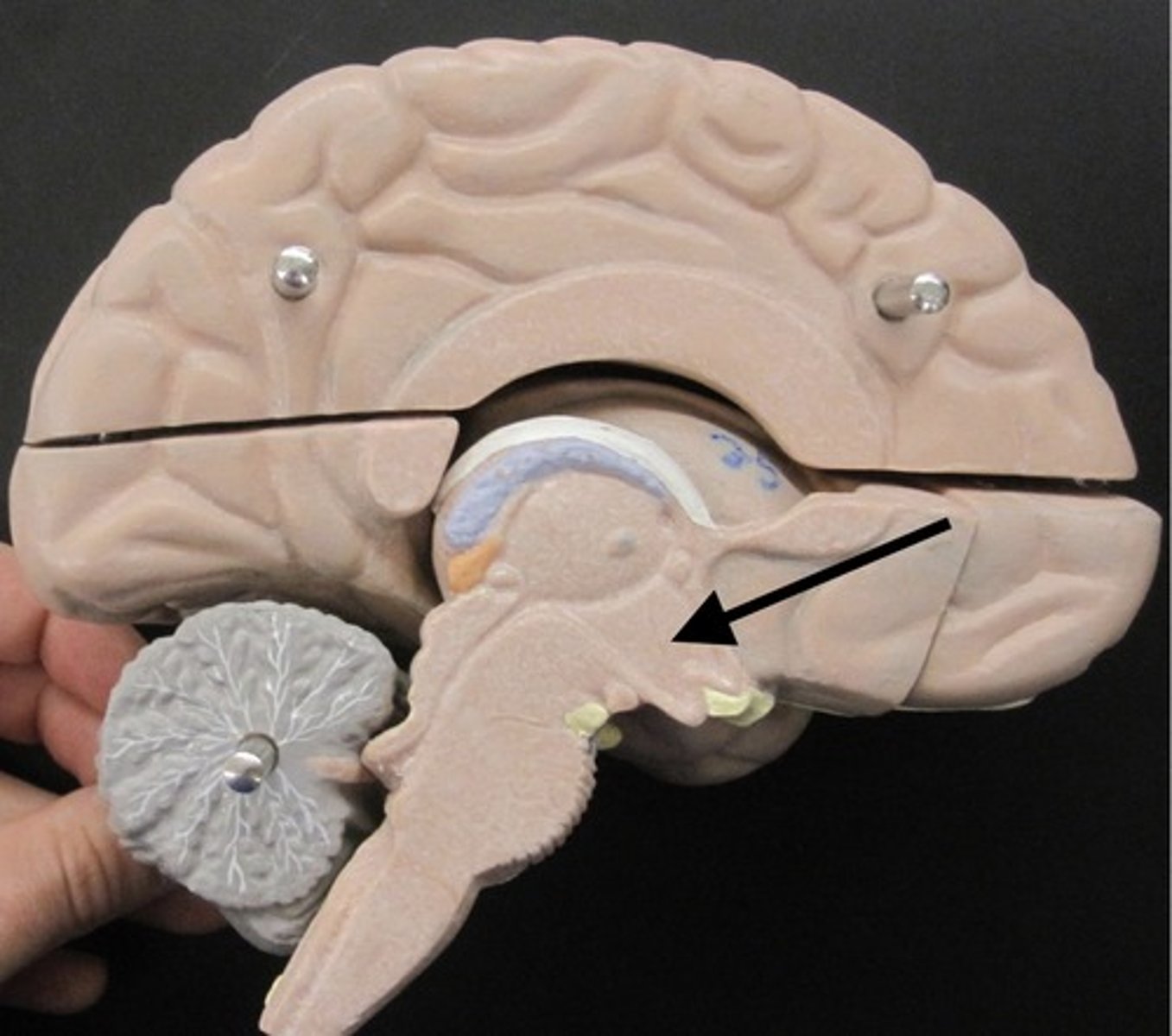
Hypothamalus
connects the nervous system and endocrine system; controls hormones from the CNS
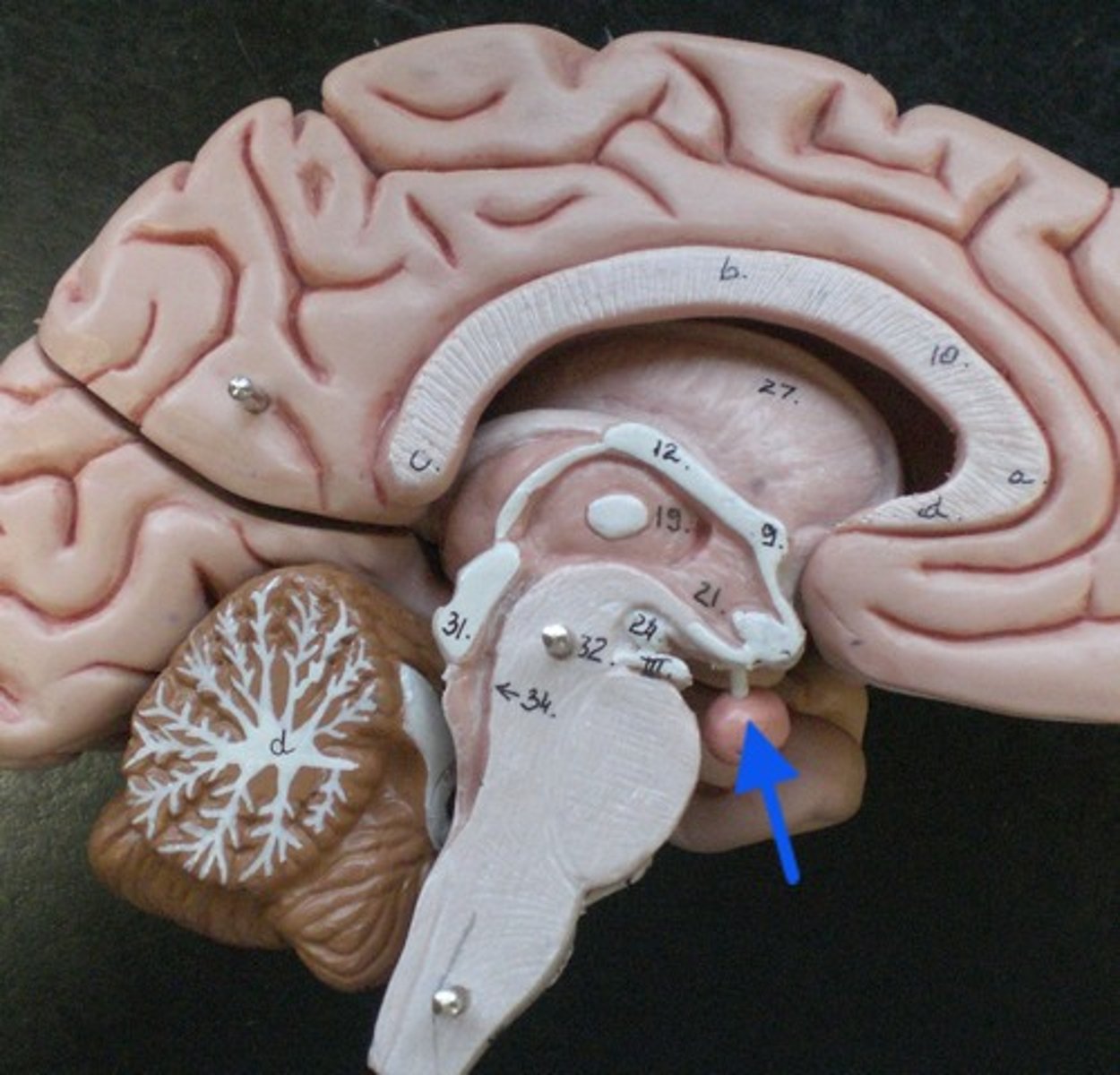
pituitary gland
monitors and regulates growth hormones; also contains growth hormones
-master gland (energy, growth, reproduction)
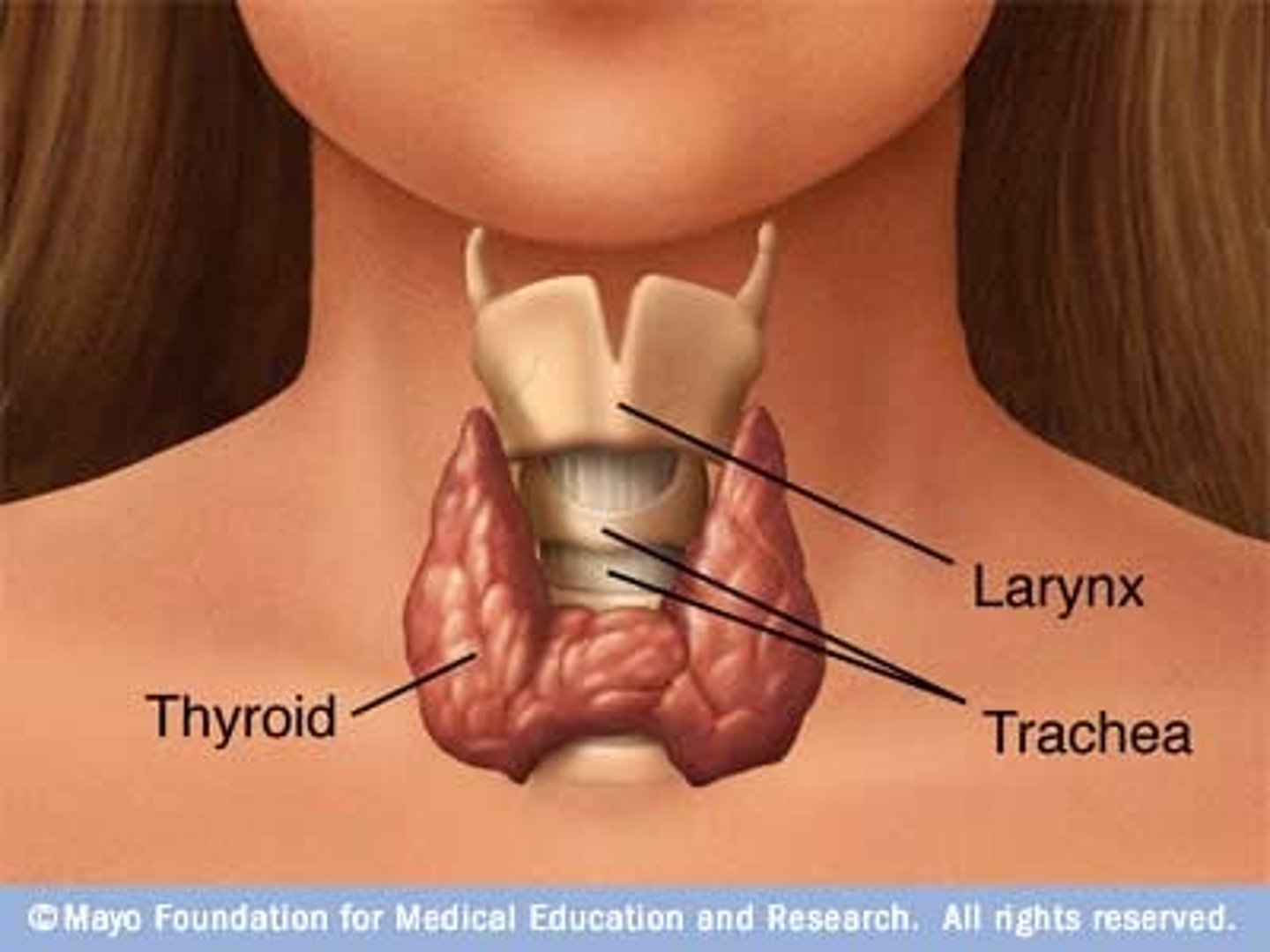
thyroid
regulates metabolism and use of energy
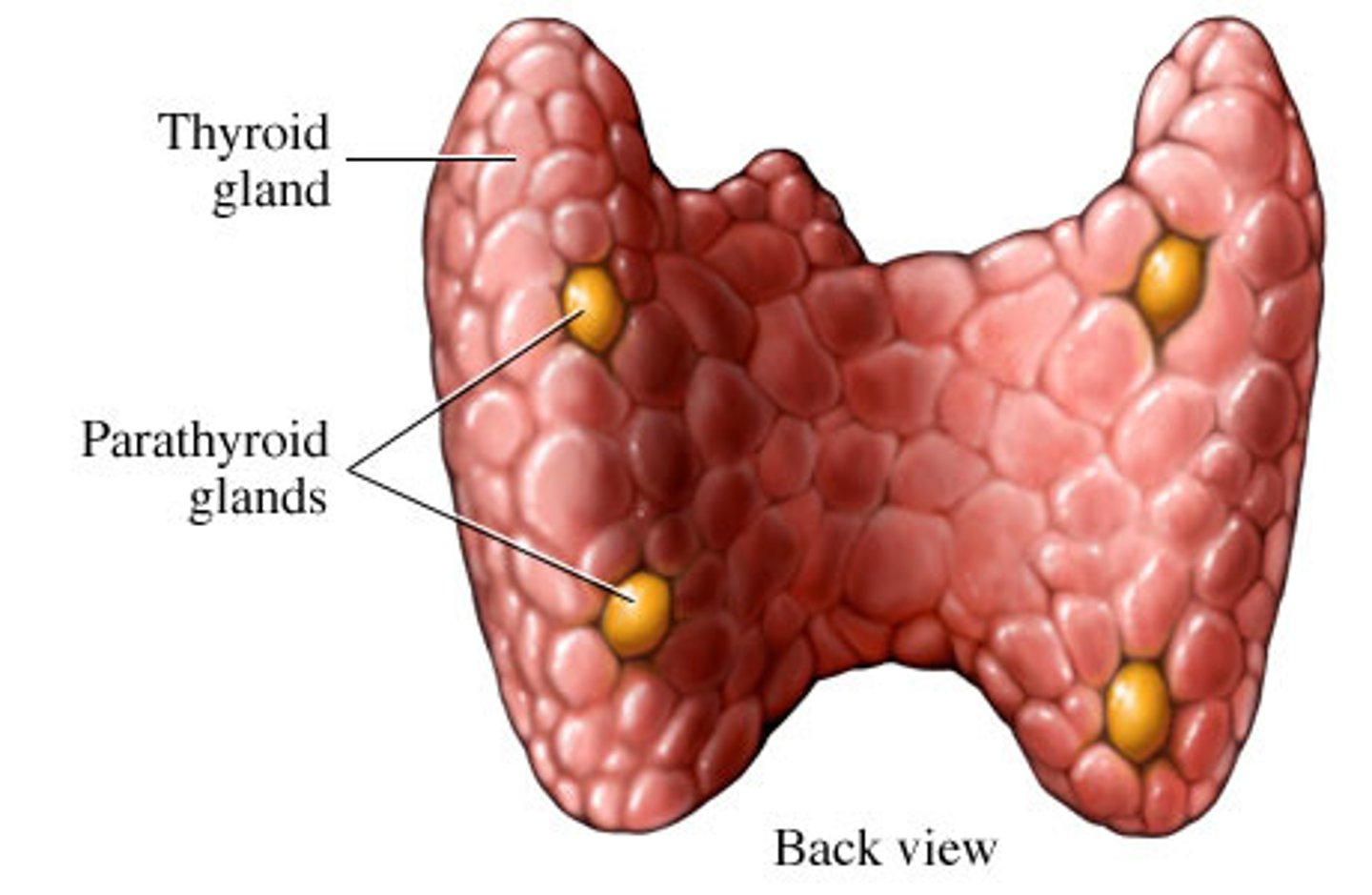
parathyroid
4 tiny glands that sit behind thyroid
-makes peptide hormone
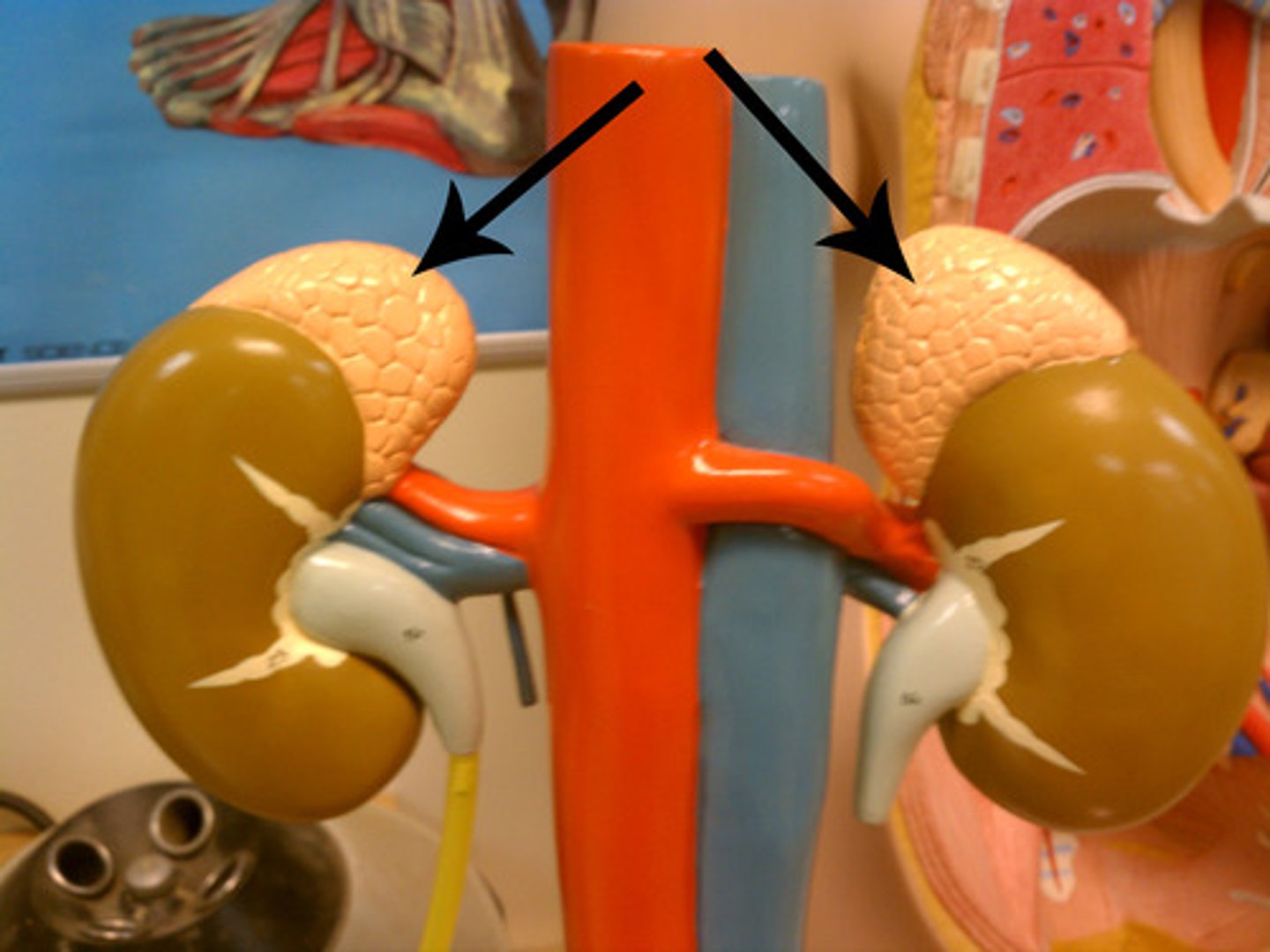
adrenal gland
produces hormones that help regulate metabolism and other body functions
-makes cortisol (stress hormone) = fight/flight
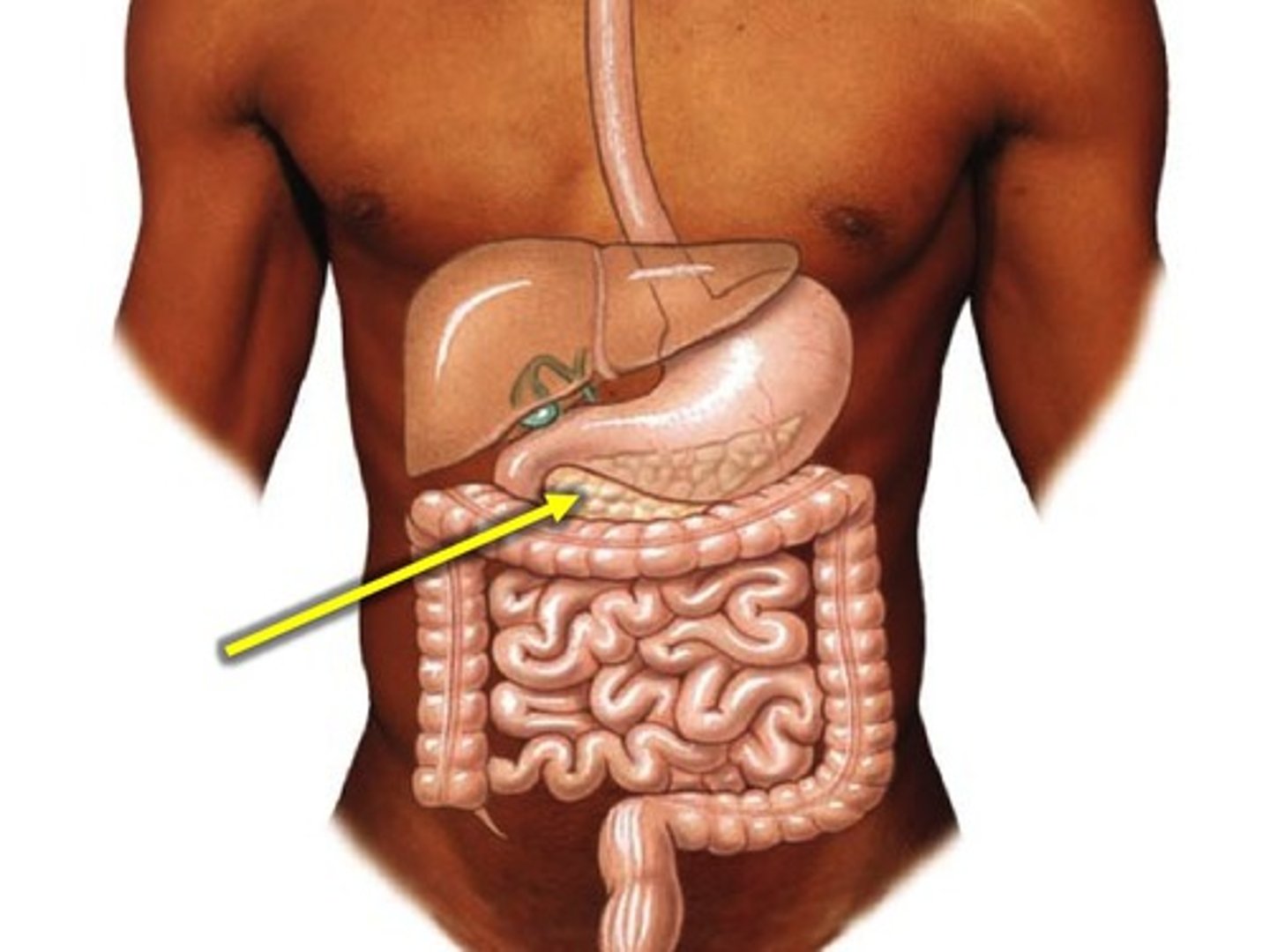
pancreas
Regulates the level of sugar in the blood
-also makes digestive enzymes
-insulin
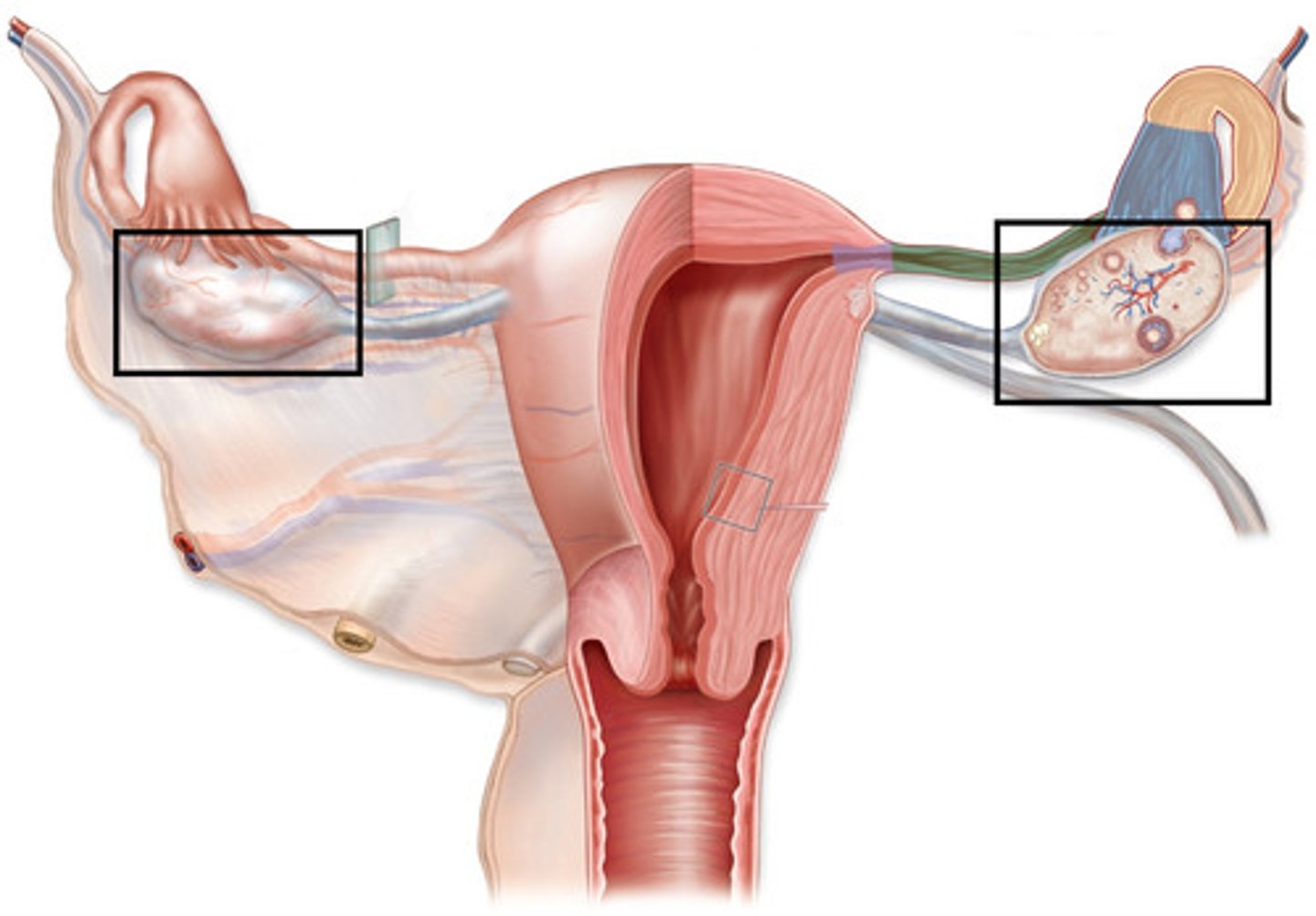
ovary
produces estrogen that controls female puberty and progesterone that manages fertility
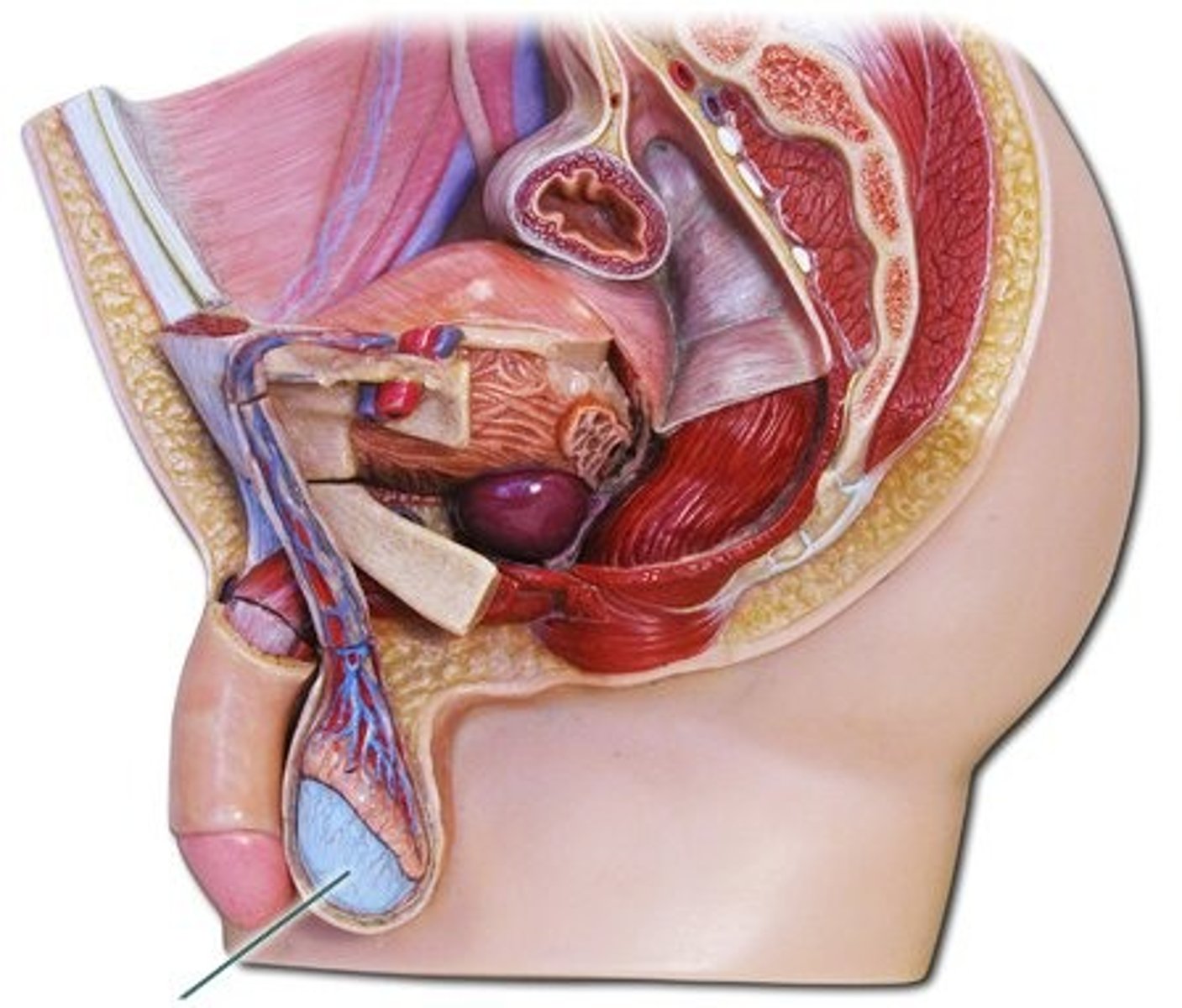
testis
produces testosterone that controls males puberty and ability to produce sperm
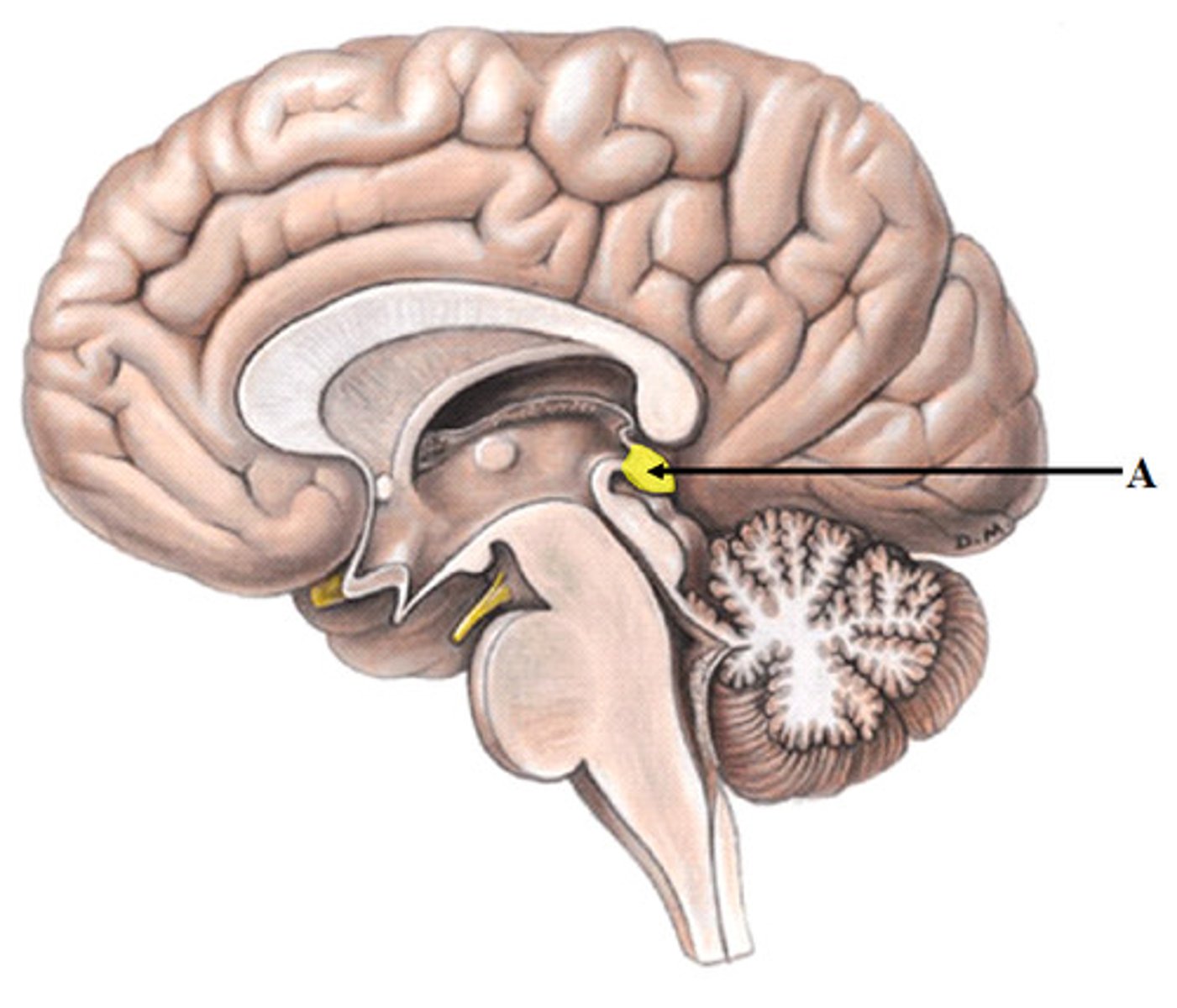
pineal gland
secretes melatonin
arteries
Blood vessels that carry oxygenated blood away from the heart
veins
Blood vessels that carry deoxygenated blood back to the heart
tunica externa
outer layer of a blood vessel which connects it to surrounding tissues
-connective tissue sheath
tunica media
The middle and thickest layer of tissue of a blood vessel wall, composed of elastic tissue and smooth muscle cells that allow the vessel to expand or contract in response to changes in blood pressure and tissue demand.
-smooth muscle (thicker in arteries)
tunica intima
CT & endothelium
blood flow through the heart
1. Superior & Inferior vena cava
2. Right atrium
3. Tricuspid valve
4. Right ventricle
5. Pulmonary valve
6. Pulmonary arteries
7. Pulmonary veins
8. Left atrium
9. Mitral valve
10. Left ventricle
11. Aortic valve
12. Aorta
P wave
atrial depolarization by SA node
QRS
where blood flows in & out of ventricles
T wave
recovery by perkinje fibers
PQRST
electrical output of heart measured on paper
bradycardia
slow heart rate
tachycardia
fast heart rate
electrical impulse travels through heart steps
1. sinoatrial node (SA)=pacemaker
2. Atrioventricular node
3. right bundle branch
4. left bundle branch
5. perkinje fibers
layers of the heart wall (inside--> outside)
Endocardium, myocardium, epicardium, pericardial cavity, parietal pericardium, fibrous pericardium
Explore top notes

