Immune System Notes
 Studied by 6 people
 Call with Kai
 Learn
Learn Practice Test
 Spaced Repetition
 Match
Match Flashcards
 Knowt Play
1/63

There's no tags or description
Looks like no tags are added yet.
Name | Mastery | Learn | Test | Matching | Spaced | Call with Kai |
|---|
No study sessions yet.
64 Terms
Pathogen
any disease-causing organism or agent
foreign infections/microbes that cause sickness and disease
Antigen
a foreign substance that causes an immune response
What are some examples of antigens?
toxins or chemicals from bacteria, viruses, or other substances outside the body like Covid protein spikes
What is one example of an exception of an antigen (non-foreign antigen)?
Proteins on surface of RBC that gives you blood types
Acellular
not made of cells
What are some examples of acellular pathogens?
viruses and prions
Prions (give an example)
improperly folded proteins ex: Mad Cow Disease
What are some examples of cellular pathogens?
bacteria, fungi, protoctista, worms (flatworms, roundworms)
What are six ways you can get infected with pathogens?
air (droplets)
water
direct contact (touch, wounds, etc.)
insects
food
sexually transmitted
What is always the first line of defense to prevent infection?
Physical barriers
intact skin
mucus membranes
Mucus membranes
trap infection in places like lungs and nasal passages
What is the second line of defense to prevent infection?
Chemical barriers (antimicrobial substances)
What are some examples of chemical barriers?
acidic conditions, enzymes, lysosomes, microbiological environment
What is an example of an acidic condition?
Condition In the stomach
Where can enzymes be located?
saliva and the gut
Where can lysozymes be located?
sweat and tears
What is an example of a microbiological environment?
gut flora
Gut flora
cover the surface of the gut and prevent infection from getting in
What are some examples of immune cells (lymphocytes)
Macrophages, Helper T cells, Cytotoxic T cells, and B cells
How do macrophages move to get to sites of infection?
They use amoeboid movement
What do macrophages do?
recognizes pathogens and engulfs them
How do macrophages engulf pathogens?
By endocytosis
How do macrophages digest the pathogens?
Digest using enzymes from lysosomes
What can macrophages turn into?
Can become into antigen presenting cells
What do antigen presenting cells display?
Displays pieces of pathogen protein on cell surface
What do macrophages look for?
Look for helper T, B cells that “fit” antigen
How are Helper T cells activated?
activated by specific antigens
What is the main function of Helper T cells?
Carry pieces of antigens until the correct B cell is located
Do helper T cells kill the pathogen themselves?
No
What is the main function of Cytotoxic T cells?
directly kill pathogens like viruses and cancer cells
How are B cells activated?
When either a phagocyte or T cell present an antigen
What occurs after a B cell is activated?
It undergoes repeated mitosis and gets cloned many times
What two types of cells that B cells can turn into?
Plasma and memory cells
Plasma cells
produce and secrete large concentrations of specific antibodies into the blood
Memory cells
stay in the blood and cause a faster immune response the next time that antigen is encountered
Why is there a faster immune response with memory cells?
Antibody production is faster with the second exposure to the same pathogen (why we get vaccinated)
Antibody
Y shaped molecules made of 4 polypeptide chains that are joined together by disulphide bonds; made by plasma B cells
What is the purpose of cloning B and helper T cells?
allows rapid generation of specific immune cells to fight infection
Which type of B lymphocyte produces antibodies?
Plasma B cells
What is the shape of an antibody?
Y shaped
Which type of B lymphocyte protects you against getting reinfected by the same pathogen?
memory cells
Vaccine/vaccination
a small amount of antigens or genetic material is injected and triggers antibody production
What are some examples of antigens/genetic material in vaccines?
Heat killed particles of a pathogen, RNA, etc.
Does a vaccine trigger the disease to occur?
Triggers immunity without causing the disease
How does the immune system react to a vaccine?
Reacts as though you have been infected and makes B cells, antibodies, memory cells, etc.
Why is the second immune response always faster?
Because memory cells exist
What occurs if a virus mutates quickly?
Viruses like the common cold, flu can mutate which then causes memory cells to fail to recognize the new antigen, making you sick
Why is the first immune response always slower?
since B cells must be located before antibodies can be made
Which two cells locate B cells?
Macrophages and helper T cells
Zoonosis
process of a non-human disease spreading to humans ( or any disease from one to another species); usually more dangerous to the species it spreads to
What are some examples of pathogens that transferred to humans by zoonosis?
HIV, bird flu, swine flu, COVID, tuberculosis (from cows), and rabies (many animals)
Herd immunity
transmission of pathogens is slowed if a sufficient percentage of a population is immune to a disease
How does herd immunity form?
By getting sick or vaccination
What is the effect of a population for herd immunity?
members of a population are interdependent in building herd immunity
What happens when there is less people in the “herd’ for herd immunity?
The preventable disease will spread
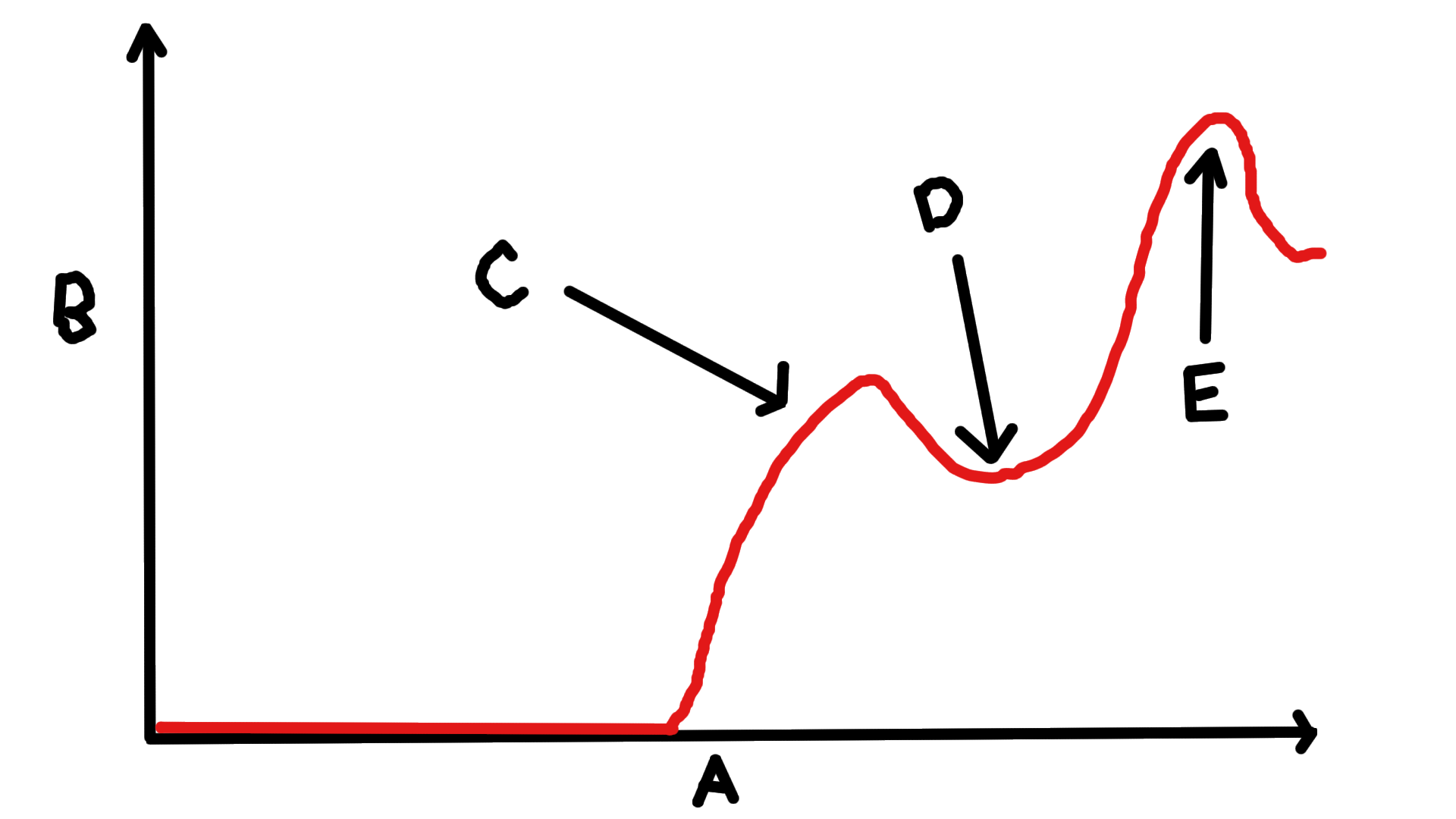
Label A in terms of a antibody production and response graph
time
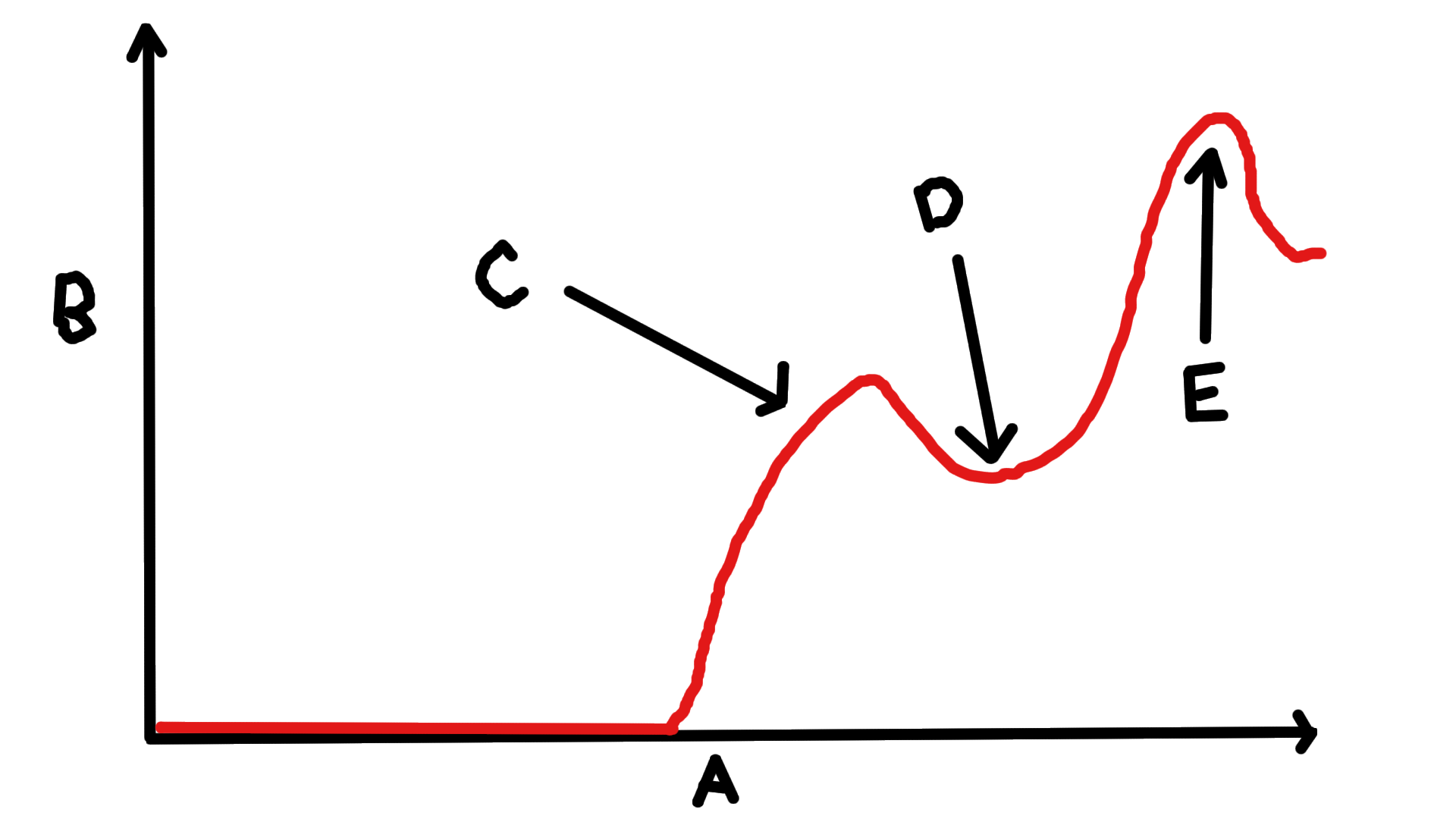
Label B in terms of a antibody production and response graph
antibody concentration
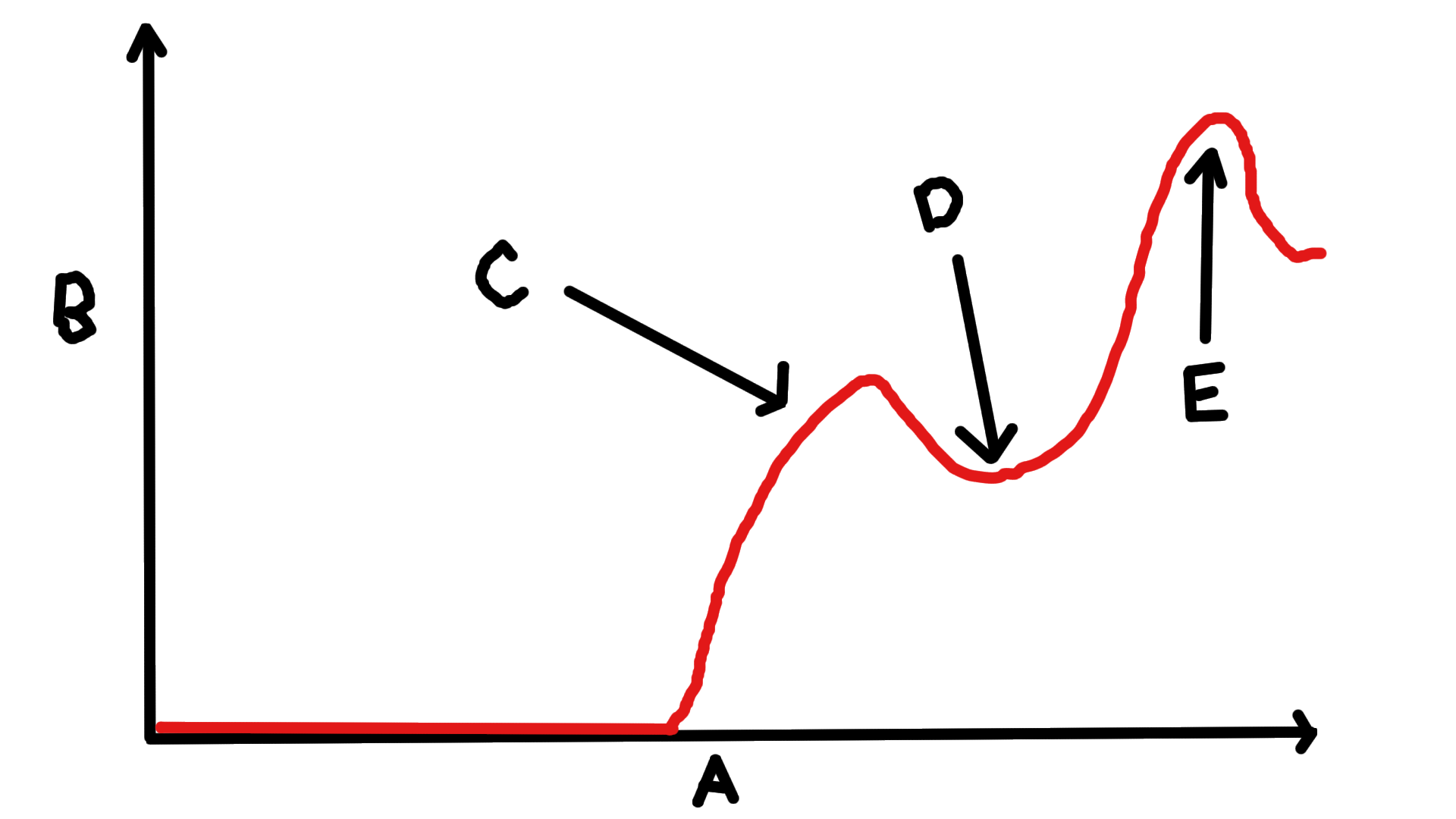
Label C in terms of a antibody production and response graph
Primary immune response (low affinity) antibodies
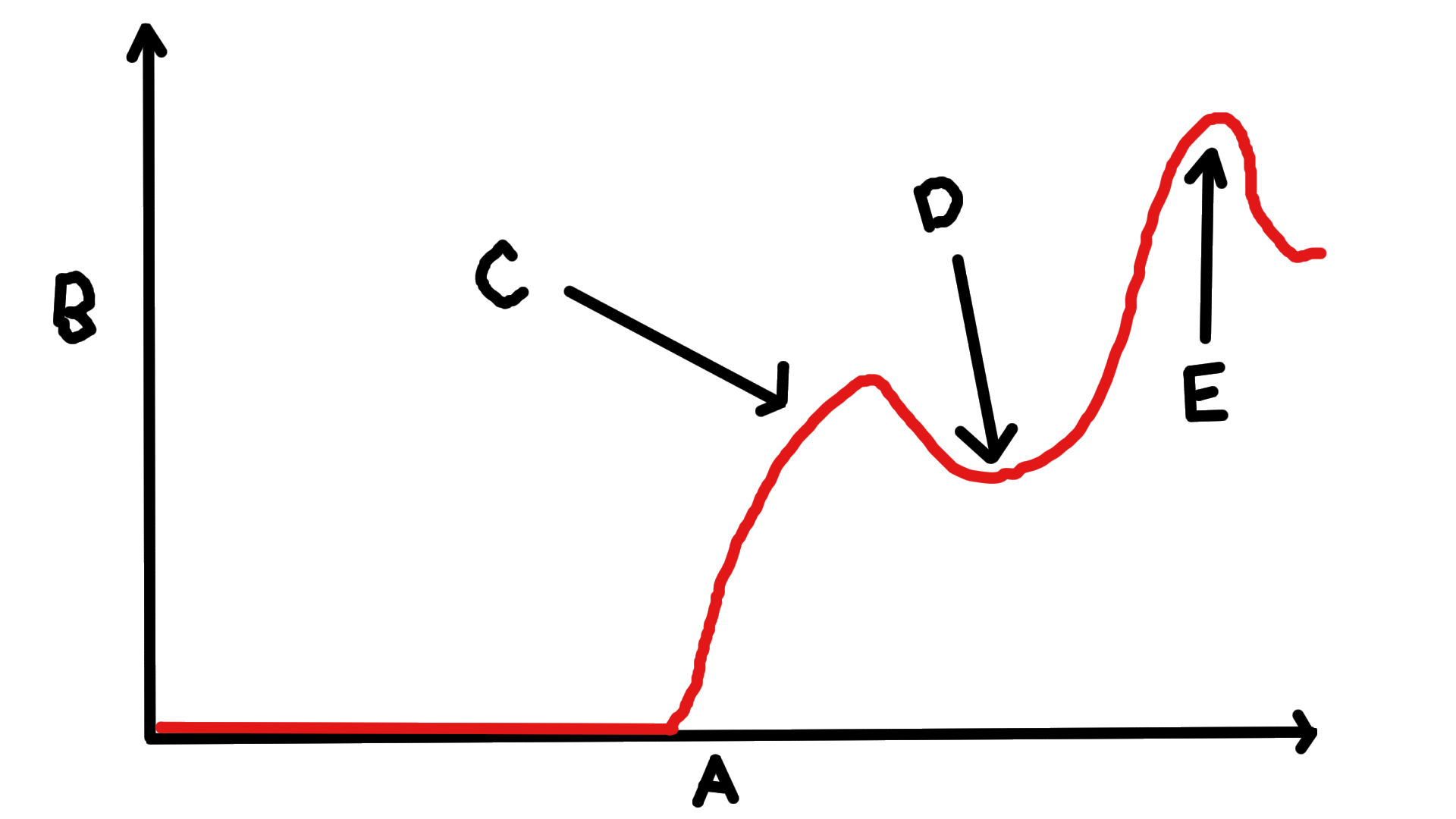
Label D in terms of a antibody production and response graph
Secondary exposure
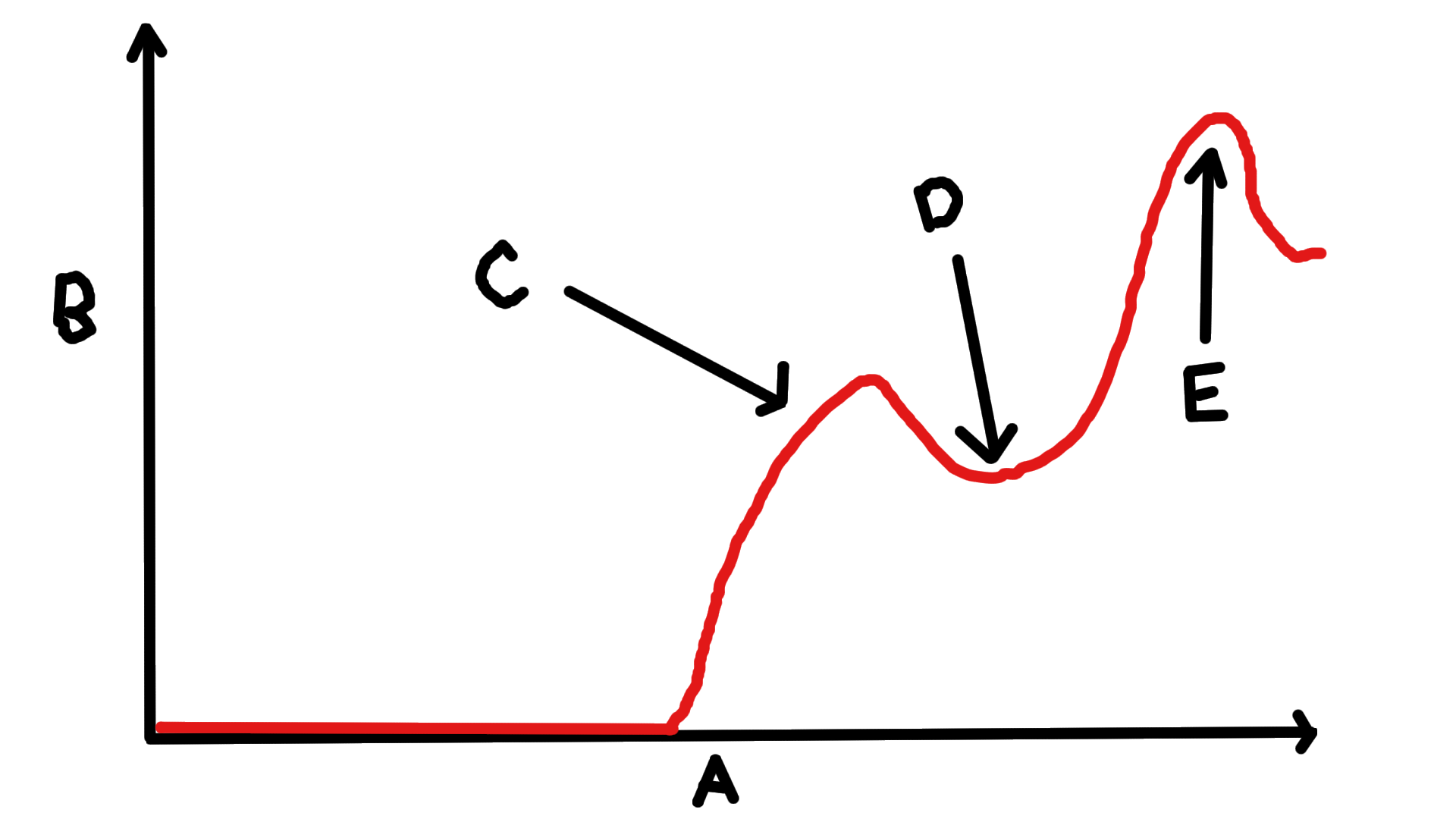
Label E in terms of a antibody production and response graph
Secondary immune response (high affinity) antibodies
Innate (non-specific) immunity
phagocytes ingest or attack anything foreign
Adaptive (specific) immunity
(I.e. B cell, helper T)
immunity against a specific antigen/pathogen
antibodies and memory cells made
improves efficiency of immune system
What are the two chemical equations for blood clotting?
Clotting factors (catalyst)
Prothrombin (inactive) → Thrombin (enzyme and active)
Thrombin (catalyst)
Fibrinogen (inactive) → Fibrin (insoluble protein fibers and active)
Fibrin (what is its main function?)
forms a mesh over the wound that traps platelets and blood cells to form a scab
 Note
Note  Flashcards (24)