ch. 7 - vertebral column & thoracic cage
 Call Kai
 Learn
Learn Practice Test
 Spaced Repetition
 Match
Match Flashcards
 Knowt Play
1/77

There's no tags or description
Looks like no tags are added yet.
Name | Mastery | Learn | Test | Matching | Spaced | Call with Kai |
|---|
No analytics yet
Send a link to your students to track their progress
78 Terms
the axial skeleton is composed of how many bones?
80 bones
how many bones does the vertebral column consists of ?
26 bones
what are the functions of the vertebral column ?
main support of the body axis
extends from the skull to the pelvis
transmits weight of trunk to the lower limbs
surrounds and protects the spinal cord
provides attachment points for the ribs, and muscles of the neck and back
what are the regions of the vertebral column ?
7 cervical vertebrae
12 thoracic vertebrae
5 lumbar vertebrae
sacrum
coccyx
what is the vertebral arch composed of ?
two pedicles and two laminae
what passes through the vertebral foramen ?
the spinal cord and spinal nerve
the spinous process is…
median posterior projection. It is the attachment site for muscles and ligaments that move and stabilize the vertebral column
the transverse process…
projects laterally from each pedicle-lamina junction. is the attachment site for muscles and ligaments
the atlas is special because
it lacks a body and a spinous process. the superior articular facets receive the occipital condyles of the skull.
the atlas is articulated to what and how?
the atlas is articulated to the occipital condyle by its superior articular facet, and the inferior articular facet articulates to the axis
what makes the axis special to the atlas ?
the axis has a body and a spinous process. it also contains a knoblike dens projecting superiorly from its body
what is the function of the dens in the axis (C2)
the dens participates in rotating the head from side to side. its cradled in the anterior arch of the atlas
what are the characteristics of the cervical vertebrae C3 - C7
the body is wider laterally.
spinous processes are short and projects directly posteriorly.
spinous processes are also bified (except C7 )
each transverse process contains a transverse foramen
which vertebral column receives the most stress?
the lumbar vertebrae
how many fused vertebrae is the sacrum formed from?
5 (s1 - S2)
sacral promontory (“a high point of land projecting into the sea”)
is the anterosuperior margin of the first sacral vertebral that bulges anteriorly onto the pelvic cavity
anterior sacral foramina
transmit the ventral division of the sacral spinal nerves
median sacral crest represent what ?
represents the fused spinous processes of the sacral vertebrae
the posterior sacral foramina transmit….
transmit the dorsal rami of the sacral spinal nerves
what is the vertebral canal called int he sacrum ?
the sacral canal
how many vertebrae are fused together to form the coccyx?
3 to 5 vertebrae
what are the components of the thoracic cage ?
thoracic vertebrae - posteriorly
ribs - laterally
sternum and coastal cartilage - anteriorly
the manubrium
the superior section of the sternum. The clavicular notches is the superior portion that articulate with the clavicles superiolaterally
the body of the sternum articulate with which ribs
the costal cartilages of ribs 2-7
what are considered the “true ribs” ?
the 7 ribs that attach directly to the sternum by their coastal cartilage
what are considered the “false ribs” ?
ribs 8-12 that are attached to the sternum indirectly or not at all
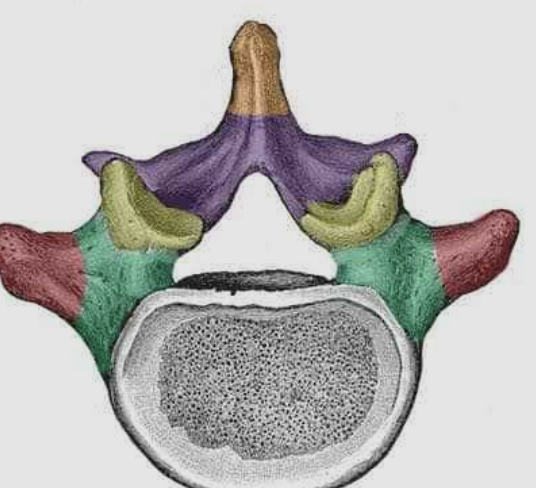
whats the non colored portion ?
the vertebral body
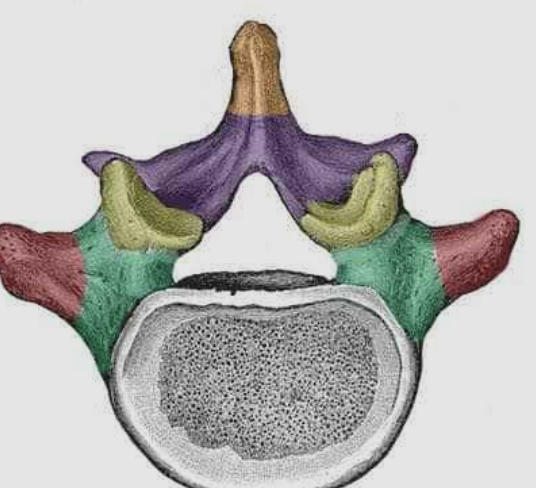
whats the purple part?
the lamina
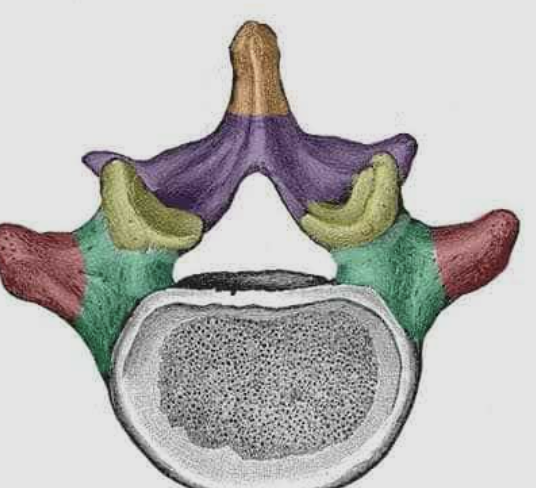
whats the green part?
the pedicle
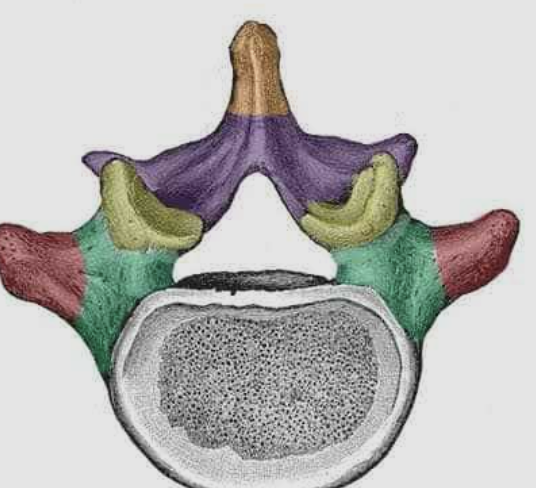
whats the orange part?
the spinous process
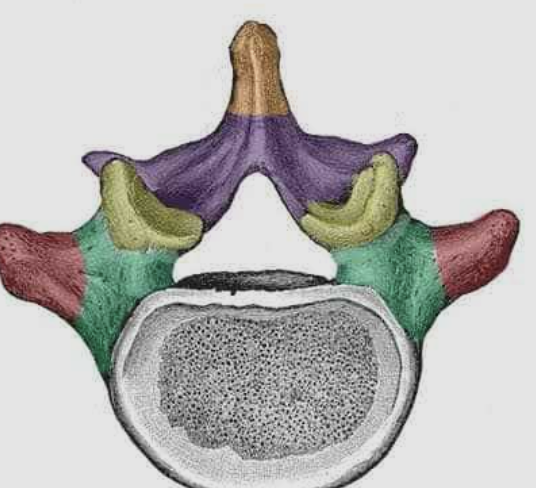
whats the red part?
the transverse process
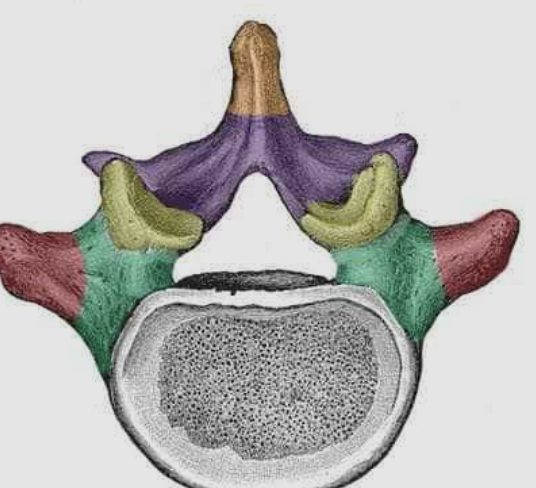
whats the yellow part?
the superior articular facet
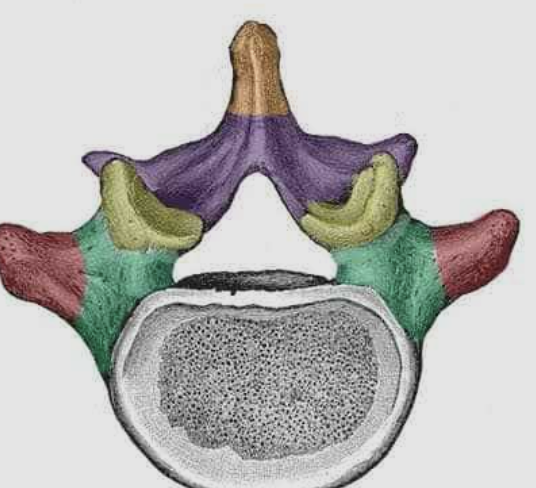
whats the center opening of the vertebrae?
the vertebral foramen
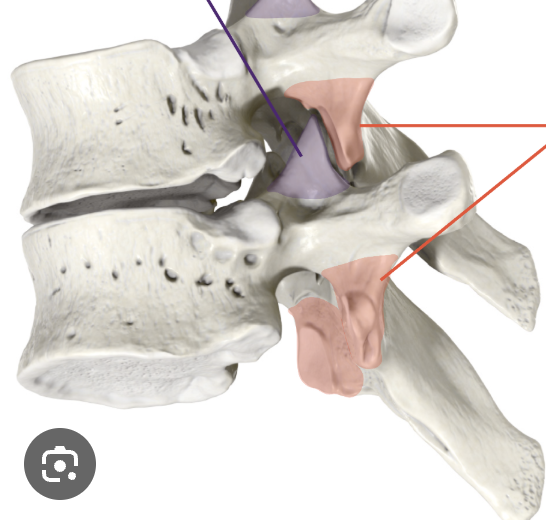
whats the purple part?
the superior articular process with facet
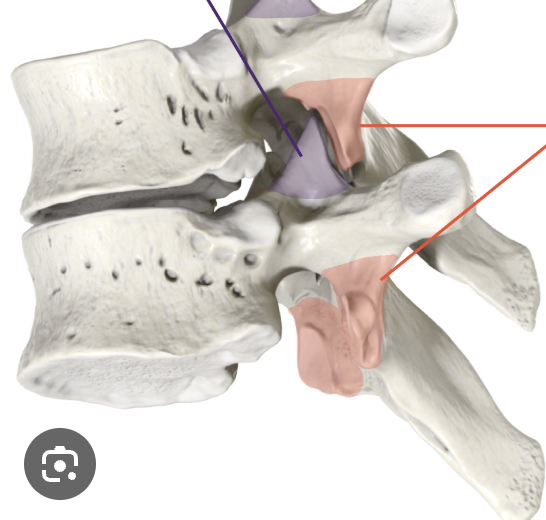
whats the red part?
the inferior articular process with facet
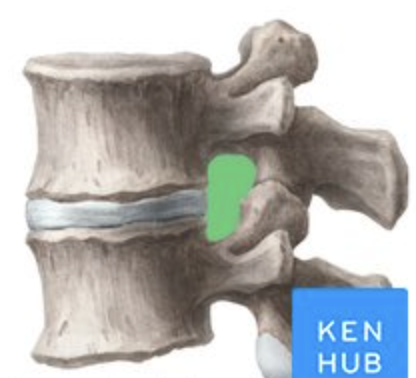
whats the green opening ?
the intervertebral foramen
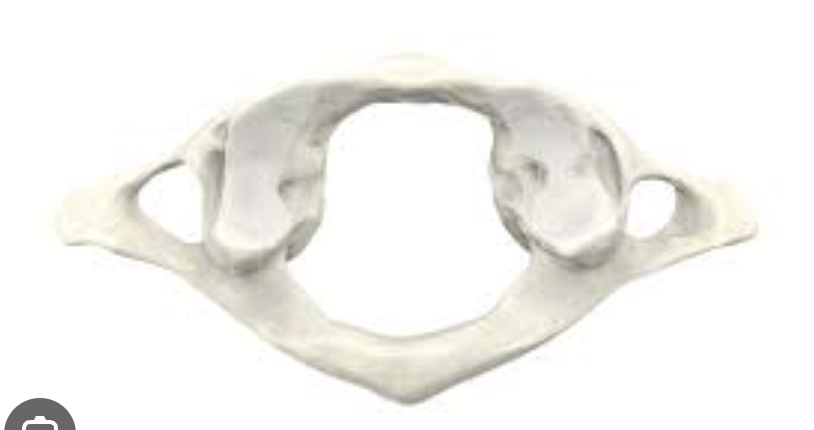
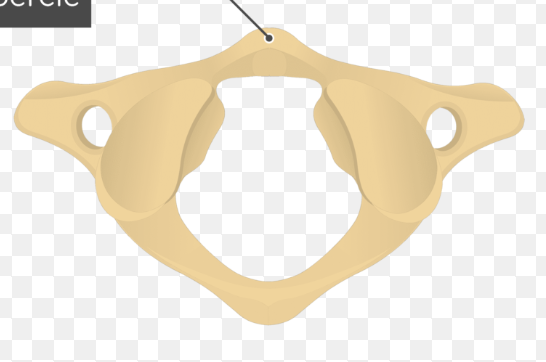
which vertebrae is this?
the atlas C1 vertebrae of the cervical vertebrae
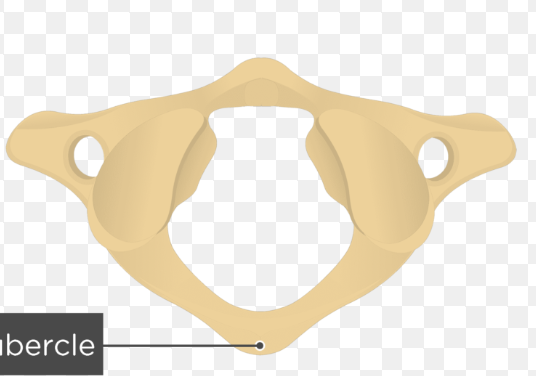
posterior tubercle
anterior tubercle
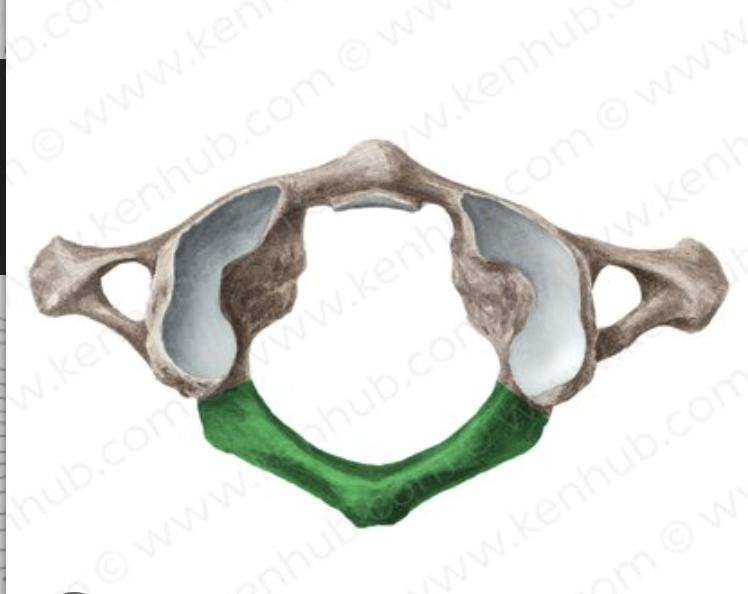
posterior arch
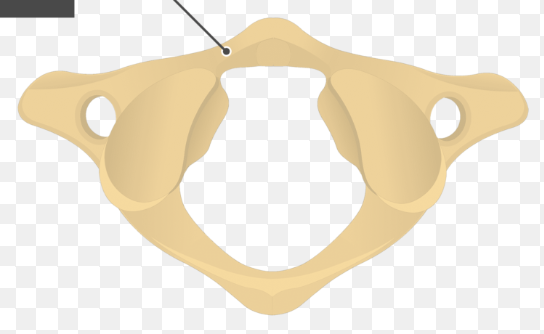
anterior arch
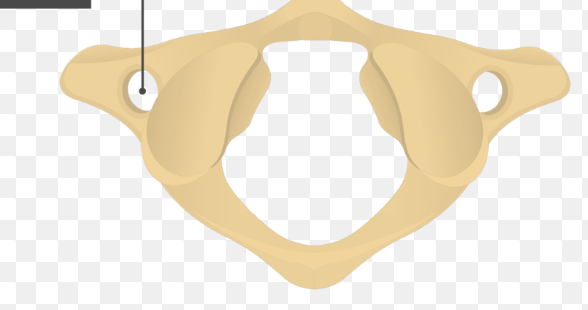
transverse foramen
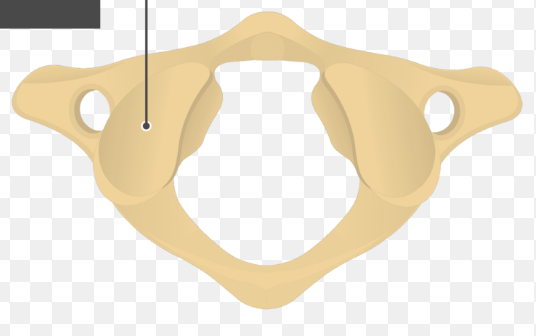
what is this facet and how does it differ from its opposite?
this is the superior articular facet that receives the occipital condyles. This is more oval shaped compared to the interior articular facet that is more round
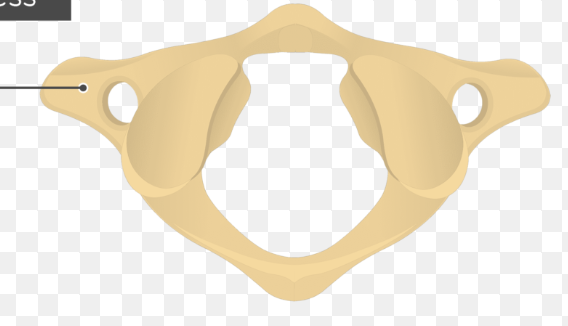
transverse process
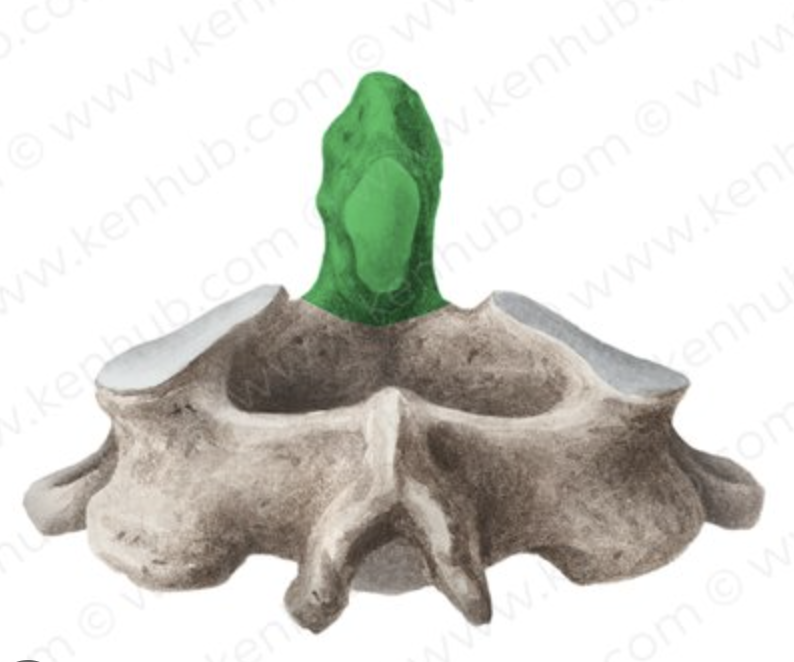
dens of axis cervical vertebrae
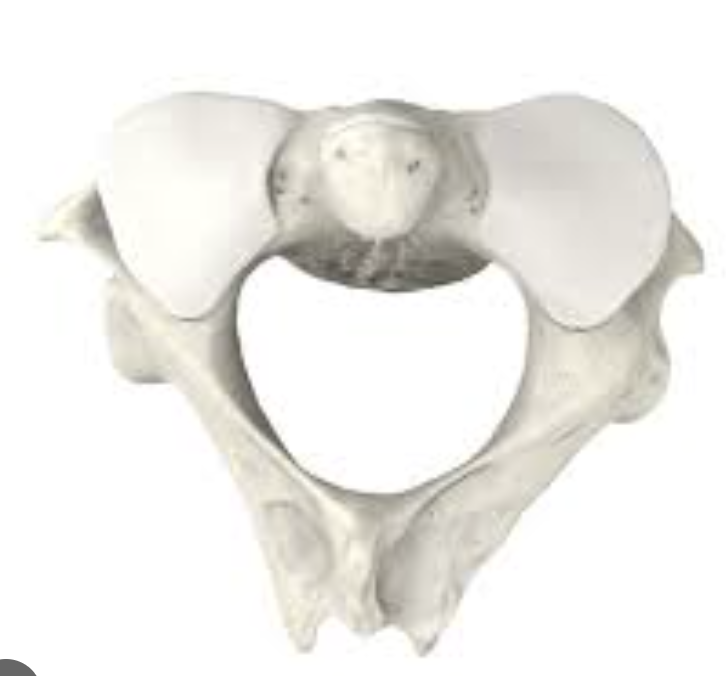
what vertebrae is this?
the axis C2 vertebra
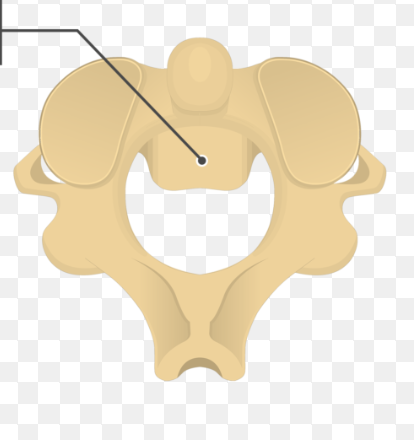
body of axis cervical vertebra
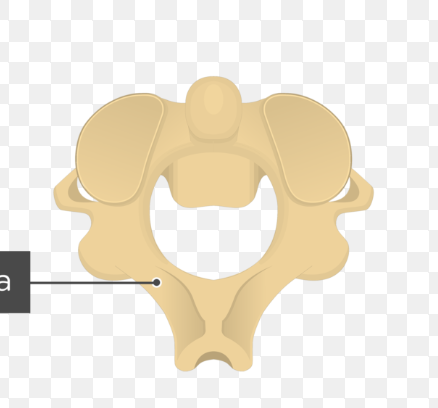
lamina of axis cervical vertebra
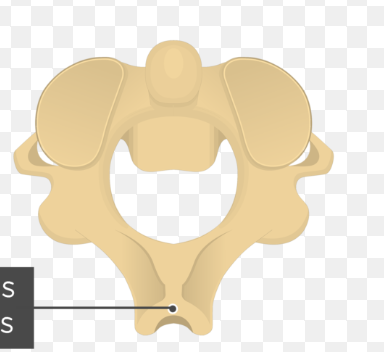
spinous process of axis vertebra
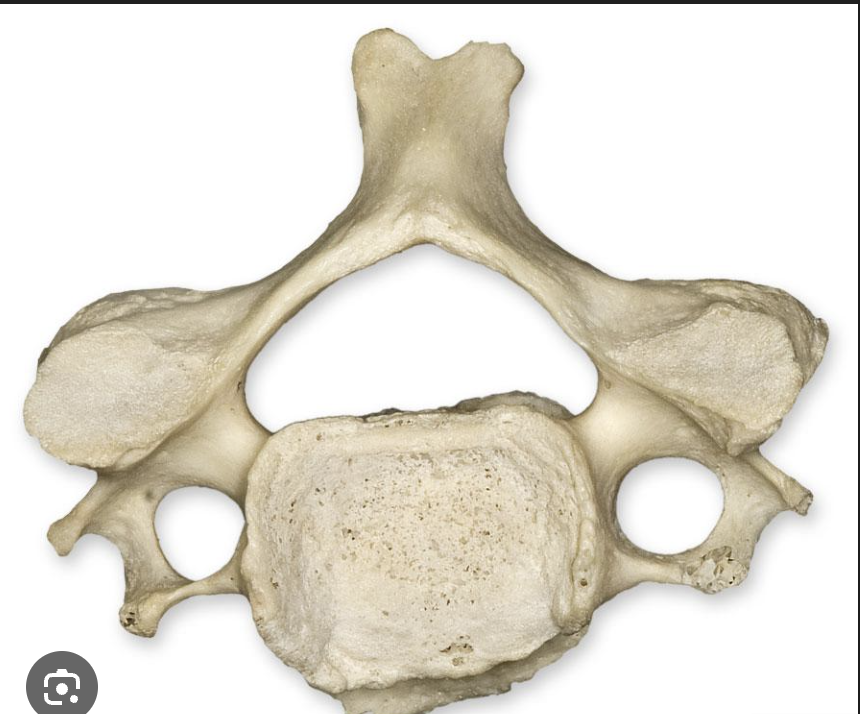
what vertebrae is this?
this is the basic structure of cervical vertebrae C3 - C7
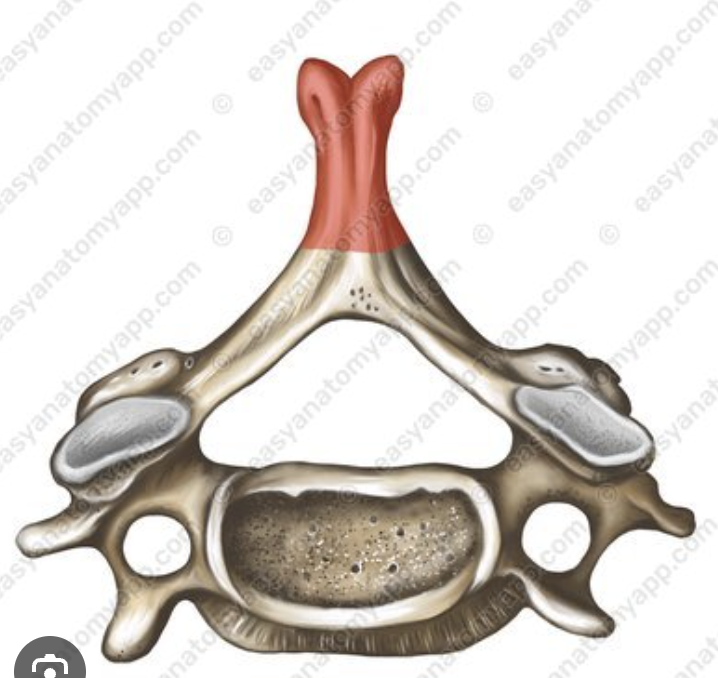
cervical vertebrae bifid spinous process
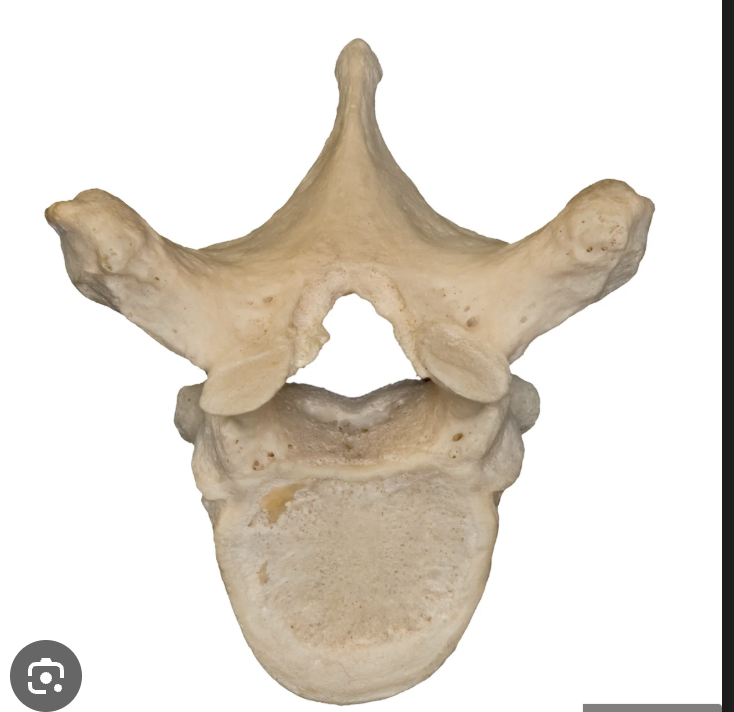
what vertebrae is this?
thoracic vertebrae T1 - T12
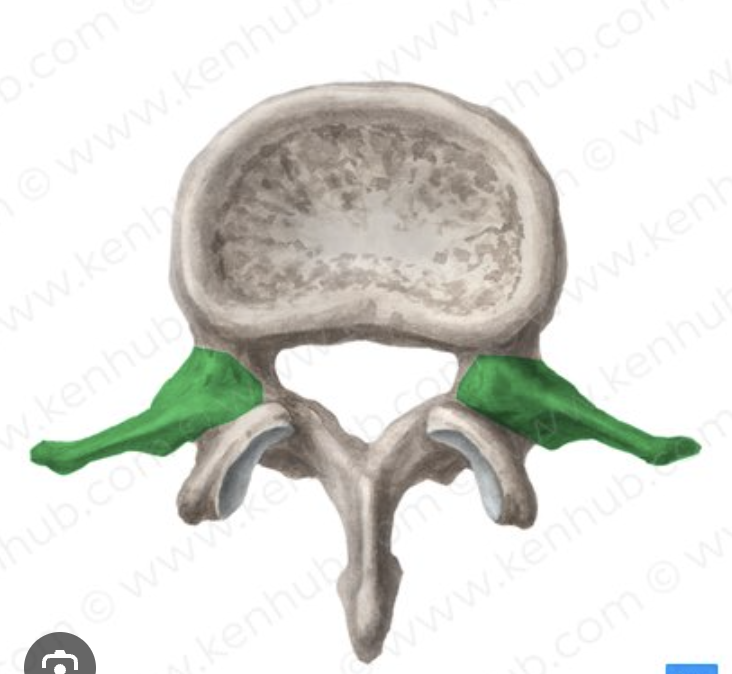
transverse process of the thoracic vertebrae
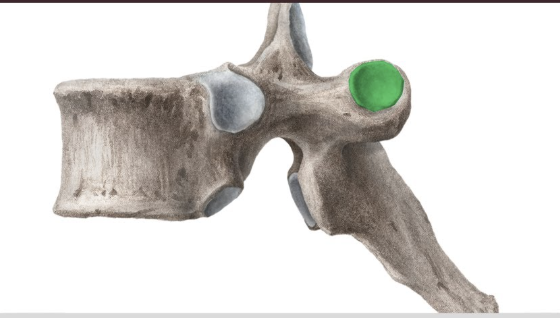
transverse costal facet of thoracic vertebrae for tubercle of rib
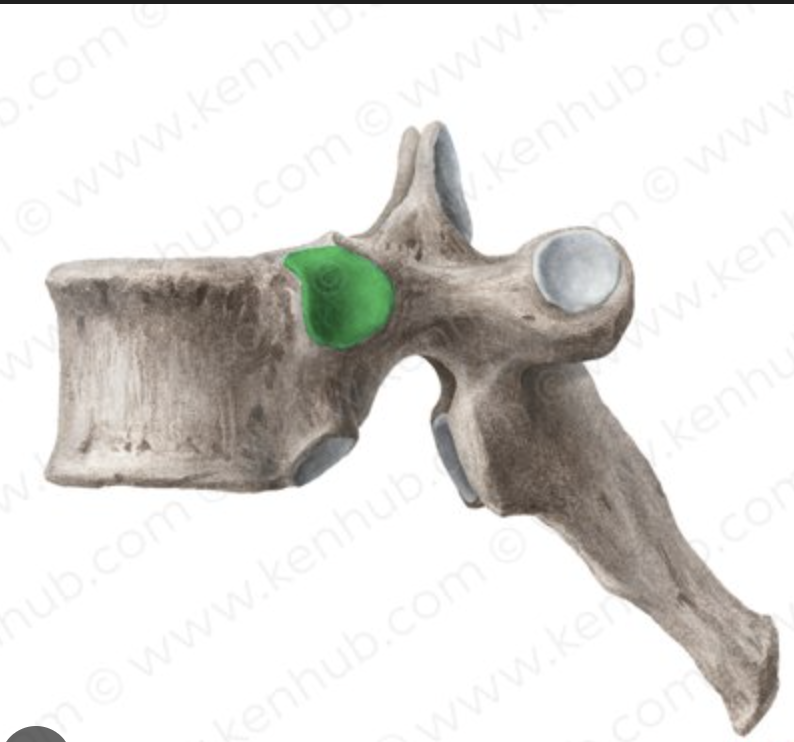
superior costal facet for head of rib. The inferior costal facet for head of rib is below
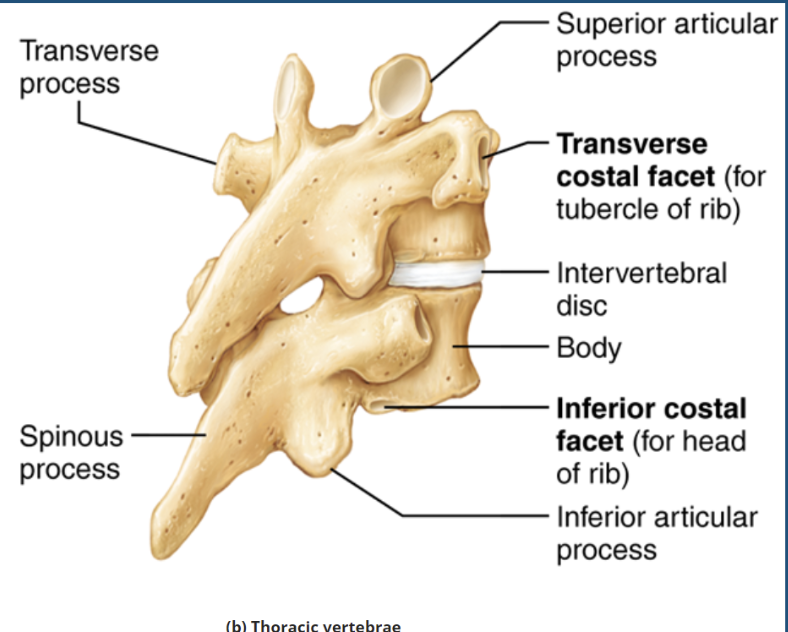
thoracic vertebrae
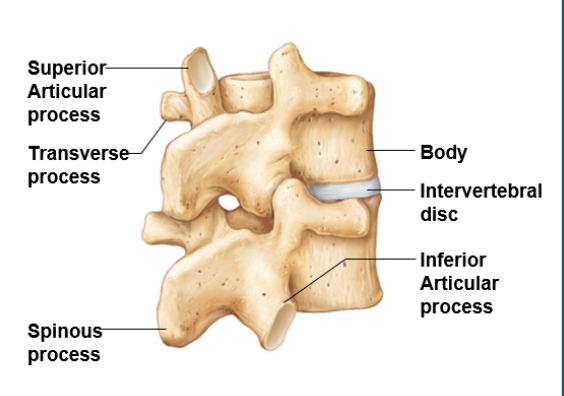
lumbar vertebrae L1 - L5
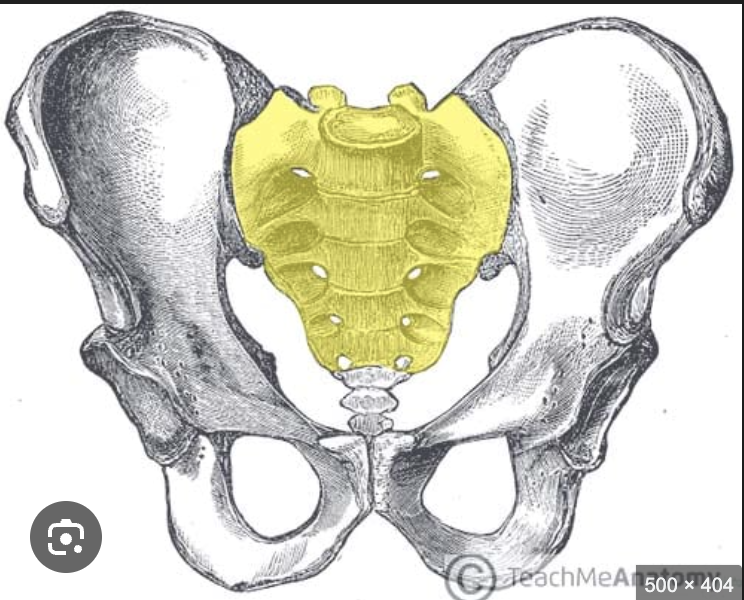
sacrum
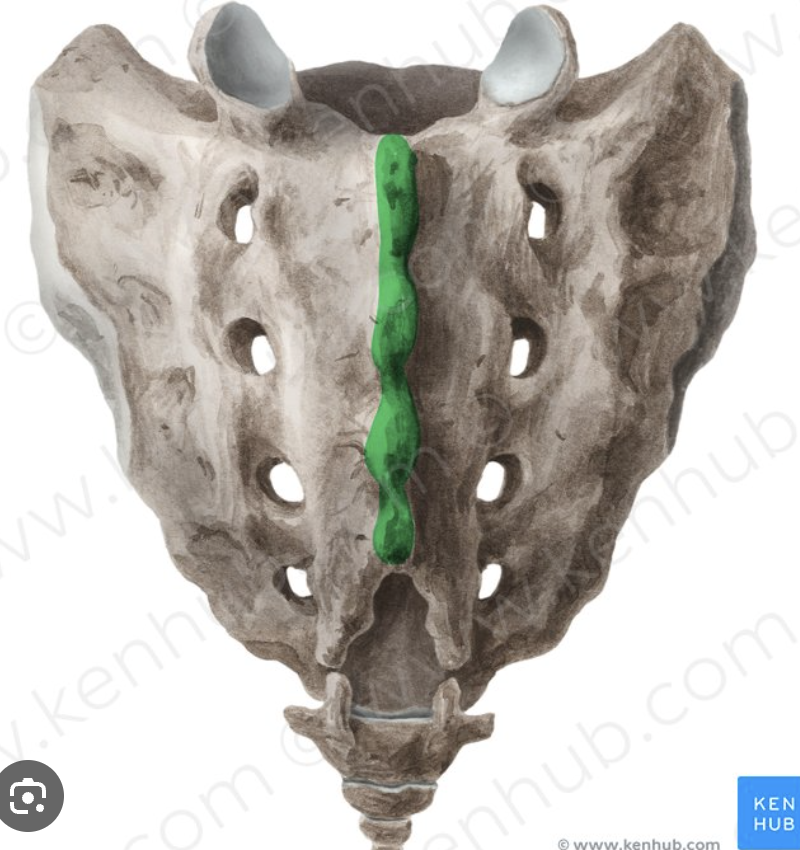
median sacral crest
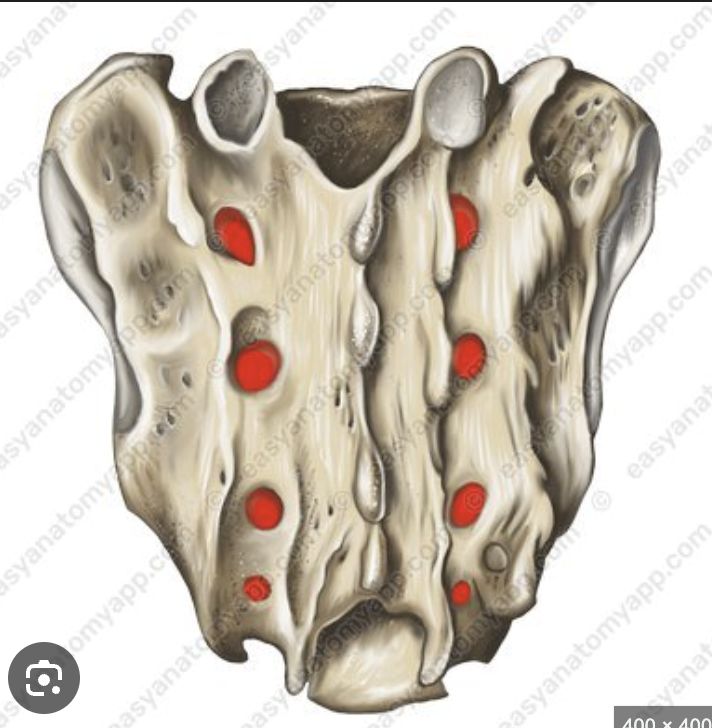
posterior sacral foramen
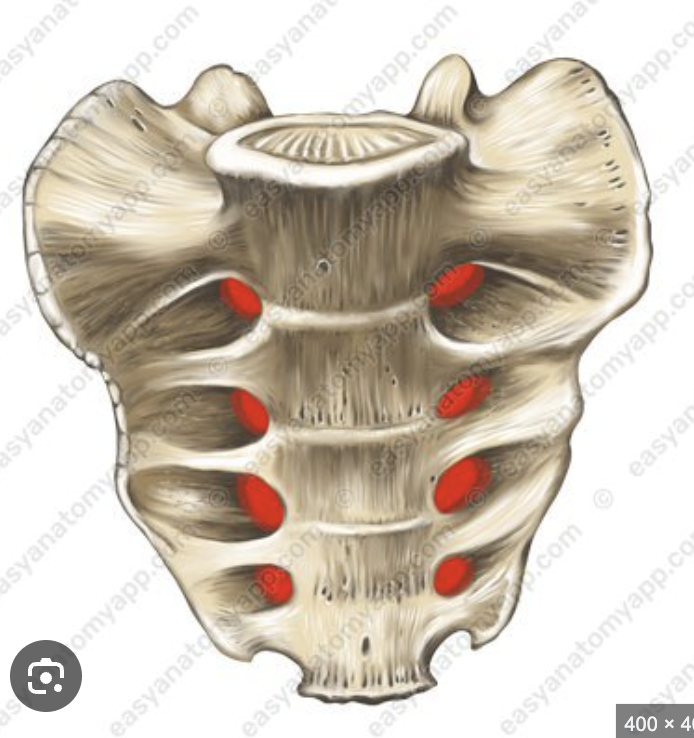
anterior sacral foramen
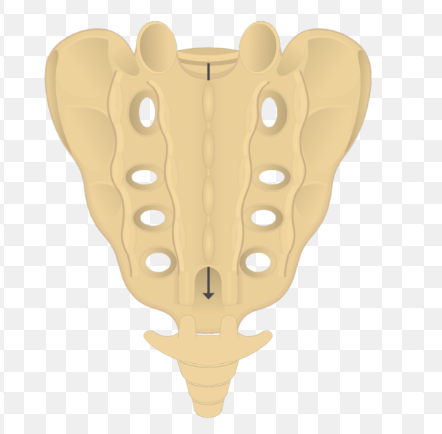
sacral canal
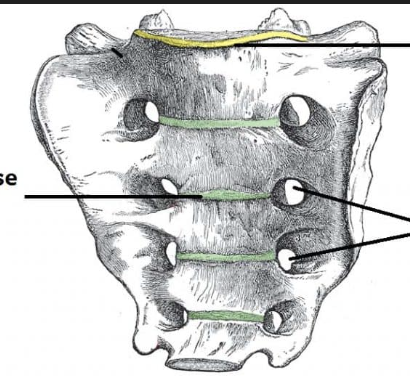
whats the yellow?
sacral promontory
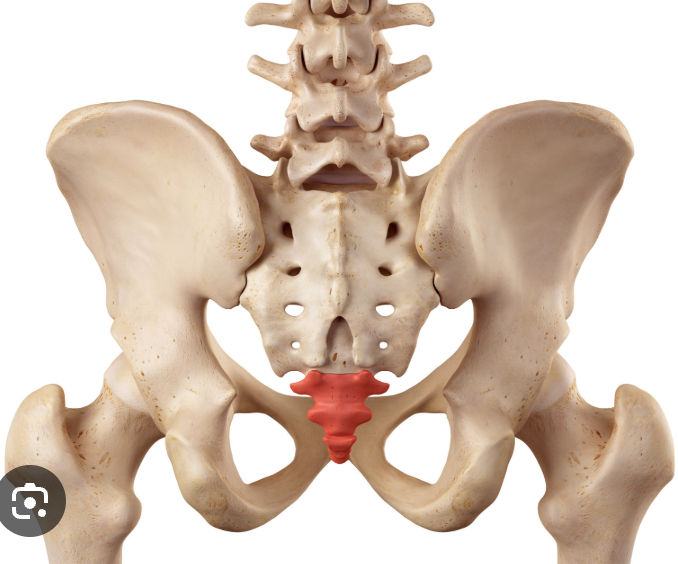
coccyx
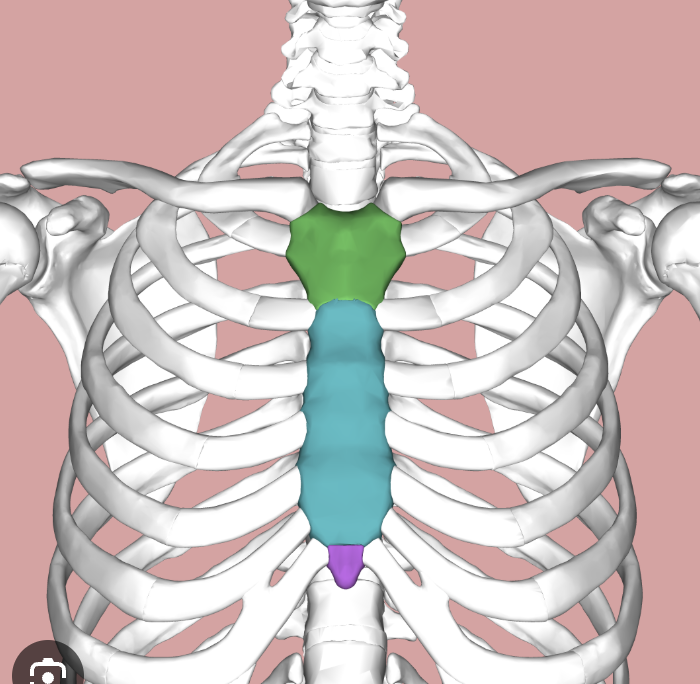
whats the entire colored portion?
the sternum
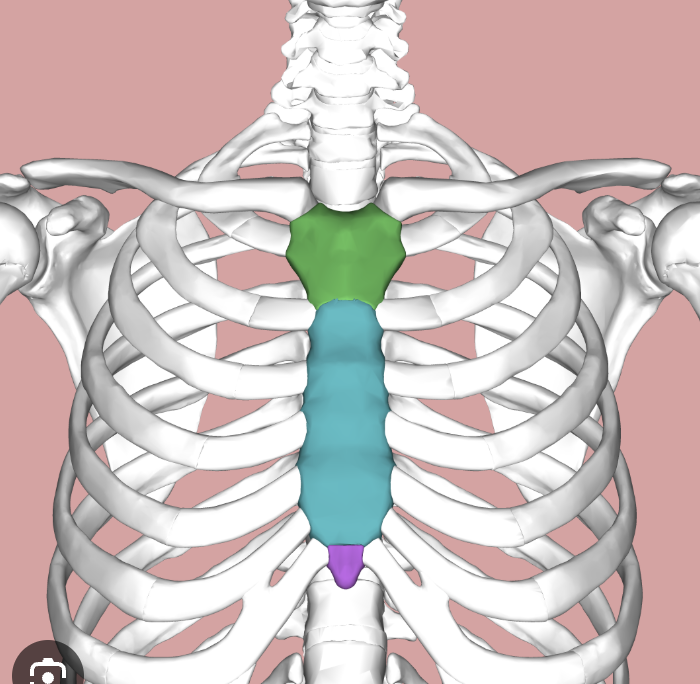
whats the green part?
the manubrium
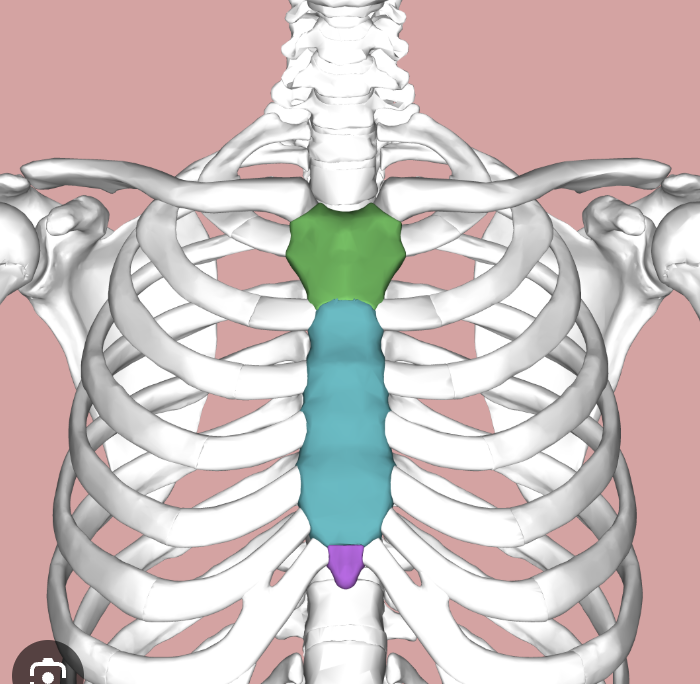
whats the blue portion?
the body of the sternum
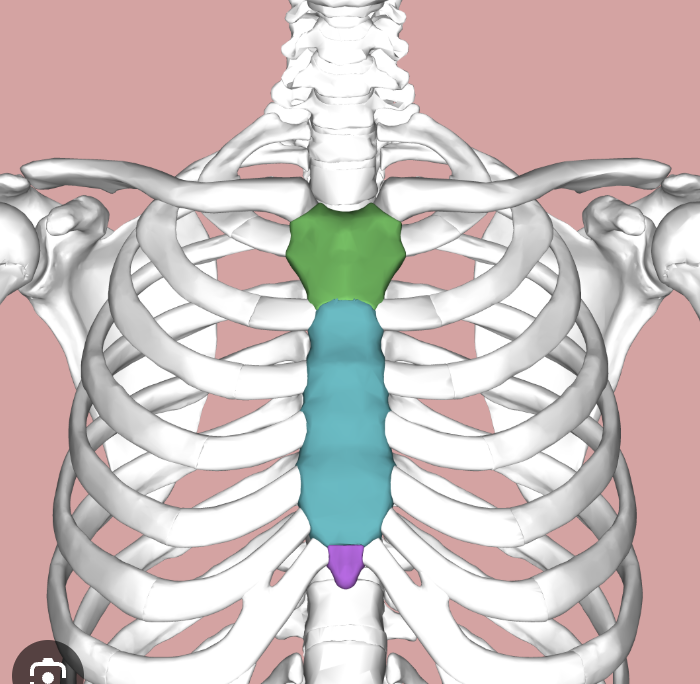
whats the purple part?
the xiphoid process
whats the upper most part of the manubrium of the sternum called?
the jugular notch
whats the area the calvical bones are attached to the sternum called?
the clavicular notch
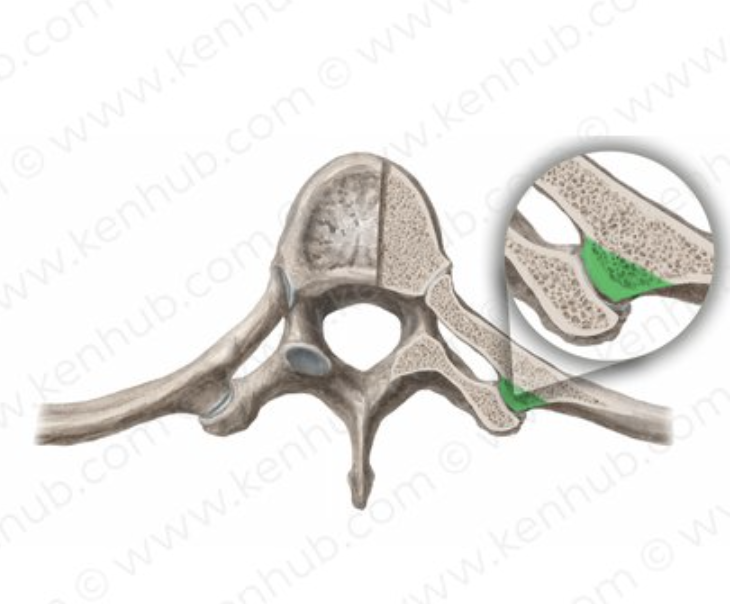
describe whats in the image
the tubercle of the rib articulates with the transverse process of the thoracic vertebrae. Tubercle facet of rib articulated with the transverse costal facet
what part of the rib is articulated with the superior costal facet of the thoracic vertebrae?
The head of the rib articulates with the superior costal facet
what is the sternal end of the rib?
the end of the rib that attaches to the costal cartilage
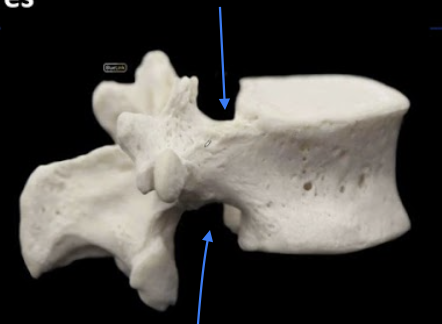
the superior and inferior vertebral notches
cervical curvature
secondary
thoracic curvature
primary
lumbar curvature
secondary
sacral curvature
primary

