Lizard diversity (Lectures 12-13)

0.0(0)
Studied by 0 people
call kaiCall Kai
learnLearn
examPractice Test
spaced repetitionSpaced Repetition
heart puzzleMatch
flashcardsFlashcards
GameKnowt Play
Card Sorting

1/34

flashcard set

Earn XP

Description and Tags

lecture exam 2

Last updated 5:12 AM on 4/5/26
Name
Mastery
Learn
Test
Matching
Spaced
Call with Kai

No analytics yet

Send a link to your students to track their progress

35 Terms

1
New cards

Lepidosauria: 

Tuatara and Squamata

2
New cards

Ryncochephalia

“Tuatara”

native to New Zealand
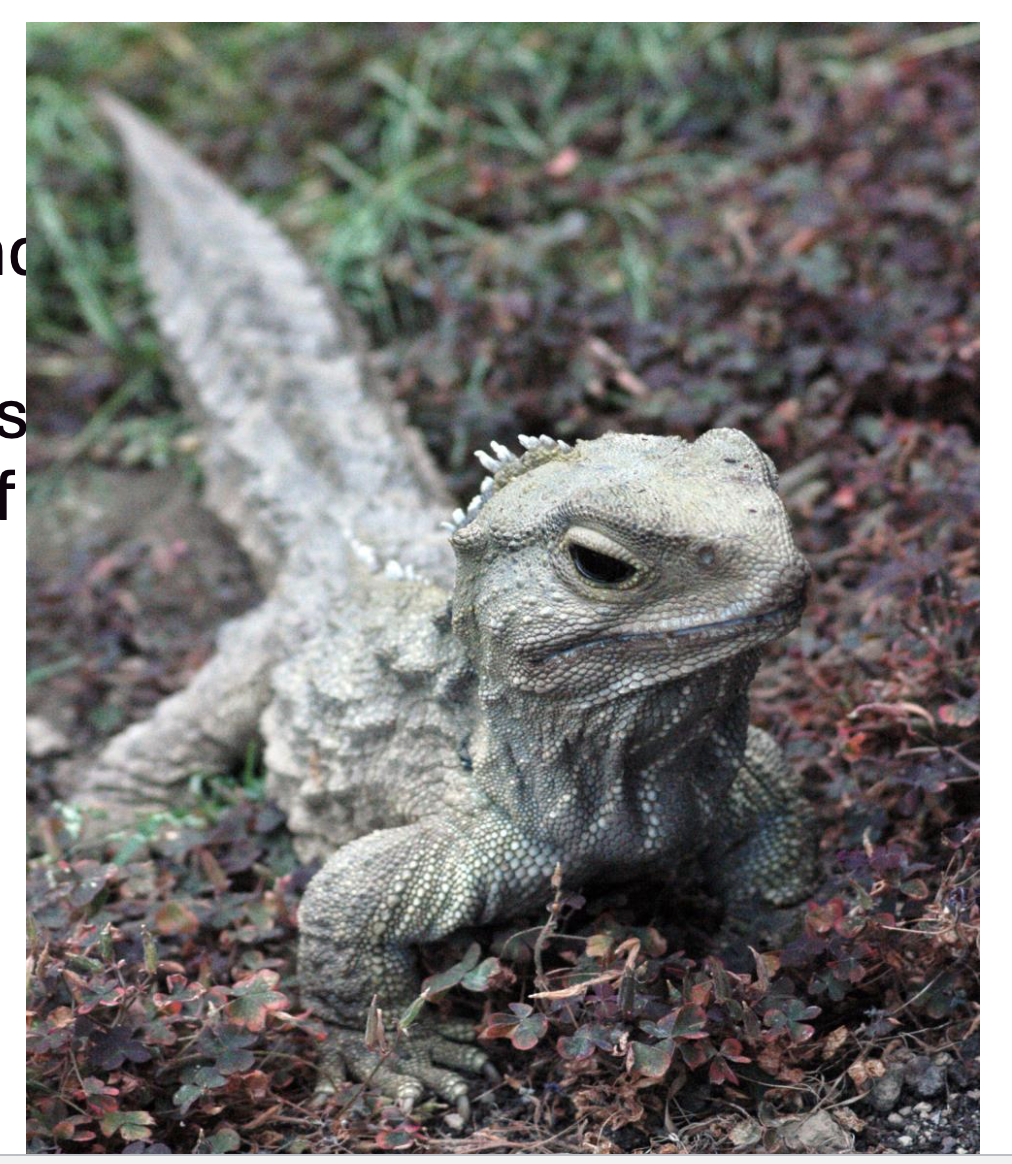
<p>“Tuatara” </p><p>native to New Zealand</p>
3
New cards

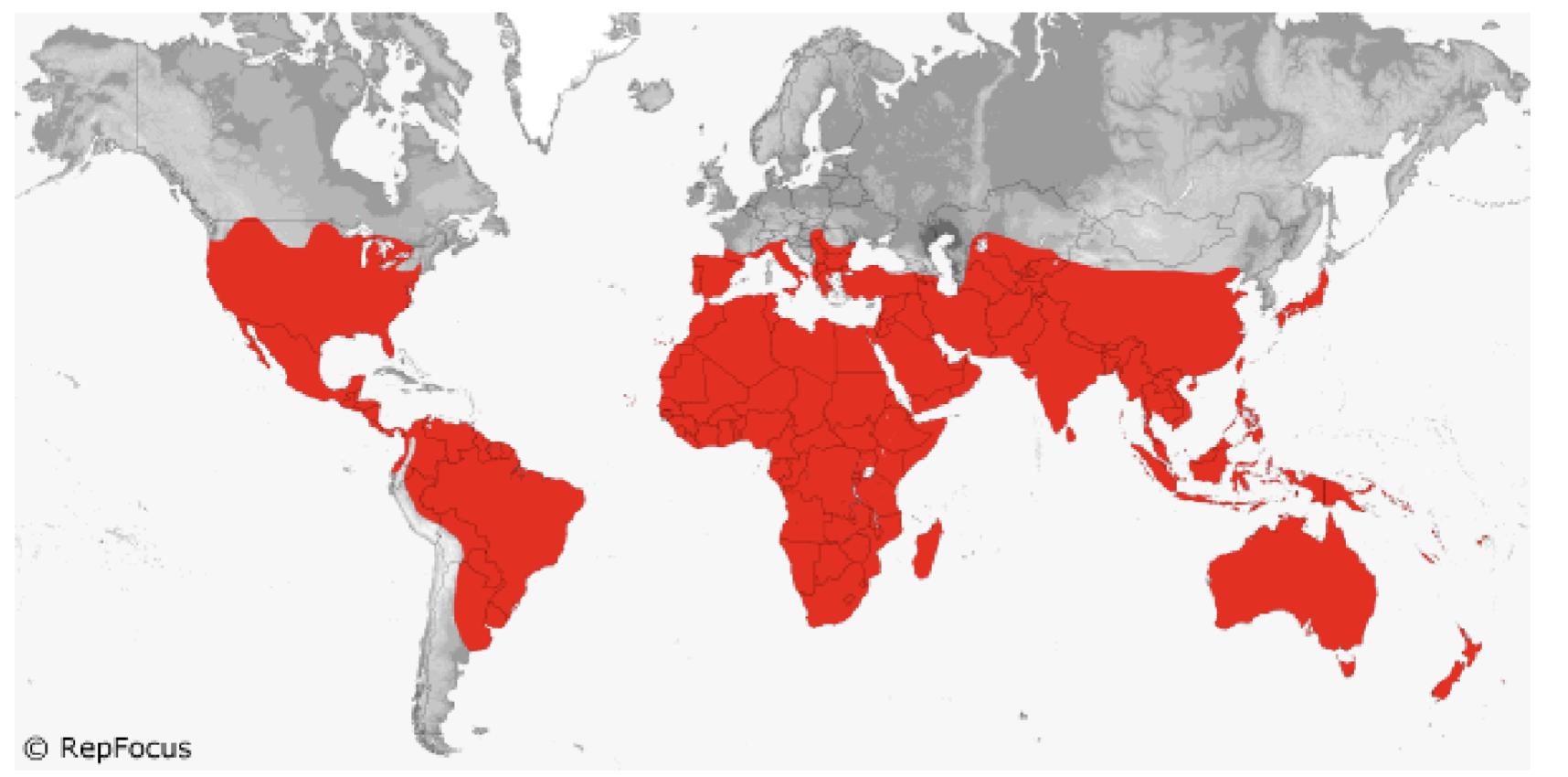
Squamata

contains lizards and snakes

Synapomorphies of squamates:

• Loss of quadratojugal bone

• Hemipenes

Worldwide except Antarctica

most terrestrial

most carnivorous

most oviparous
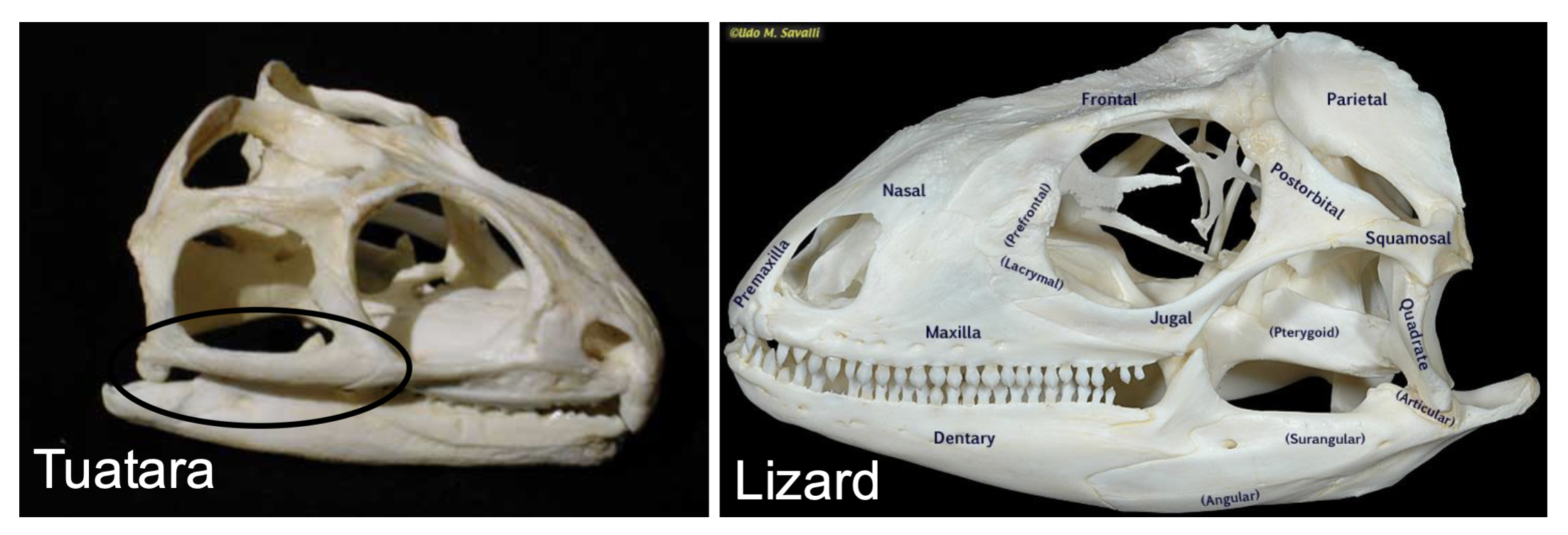
<p>contains lizards and snakes</p><p>Synapomorphies of squamates:</p><p>• Loss of quadratojugal bone</p><p>• Hemipenes</p><p>Worldwide except Antarctica </p><p>most terrestrial </p><p>most carnivorous </p><p>most oviparous </p>
4
New cards

Archosauria

Contains crocodylians, birds/dinosaurs

Synapomorphies of archosaurs:

• Mandibular fenestra (= hole in lower jaw)

• Antorbital fenestra (= hole in skull anterior to eye [orbit])

<p>Contains crocodylians, birds/dinosaurs</p><p>Synapomorphies of archosaurs:</p><p>• Mandibular fenestra (= hole in lower jaw)</p><p>• Antorbital fenestra (= hole in skull anterior to eye [orbit])</p>
5
New cards

Crocodylia

contains alligators, crocodiles, gavials

  • Synapomorphies 

    • Secondary palate (also in mammals) 

    • Choanae within pterygoid 

      • Funnel shaped opening 

  • 27 species in 3 families 

  • Worldwide tropical, only two temperate species are American and Chinese alligator 

  • All aquatic, freshwater and coastal marine

  • Carnivorous (mostly eat other vertebrates) 

  • Egg-laying; all make nests and have parental care 
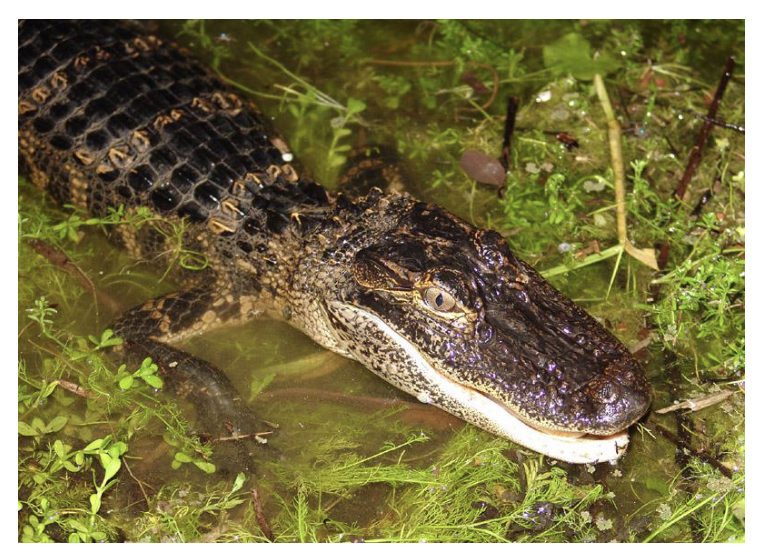
<p>contains alligators, crocodiles, gavials </p><ul><li><p><span style="background-color: transparent;">Synapomorphies&nbsp;</span></p><ul><li><p><span style="background-color: transparent;">Secondary palate (also in mammals)&nbsp;</span></p></li><li><p><span style="background-color: transparent;">Choanae within pterygoid&nbsp;</span></p><ul><li><p><span style="background-color: transparent;">Funnel shaped opening&nbsp;</span></p></li></ul></li></ul></li><li><p><span style="background-color: transparent;">27 species in 3 families&nbsp;</span></p></li><li><p><span style="background-color: transparent;">Worldwide tropical, only two temperate species are American and Chinese alligator&nbsp;</span></p></li><li><p><span style="background-color: transparent;">All aquatic, freshwater and coastal marine</span></p></li><li><p><span style="background-color: transparent;">Carnivorous (mostly eat other vertebrates)&nbsp;</span></p></li><li><p><span style="background-color: transparent;">Egg-laying; all make nests and have parental care&nbsp;</span></p></li></ul><p></p>
6
New cards

Aves

  • 11,017 species 

  • Live everywhere 

  • Eat everything (but very few leaf eaters) 

  • All egg layers, almost all make nests and have parental care 
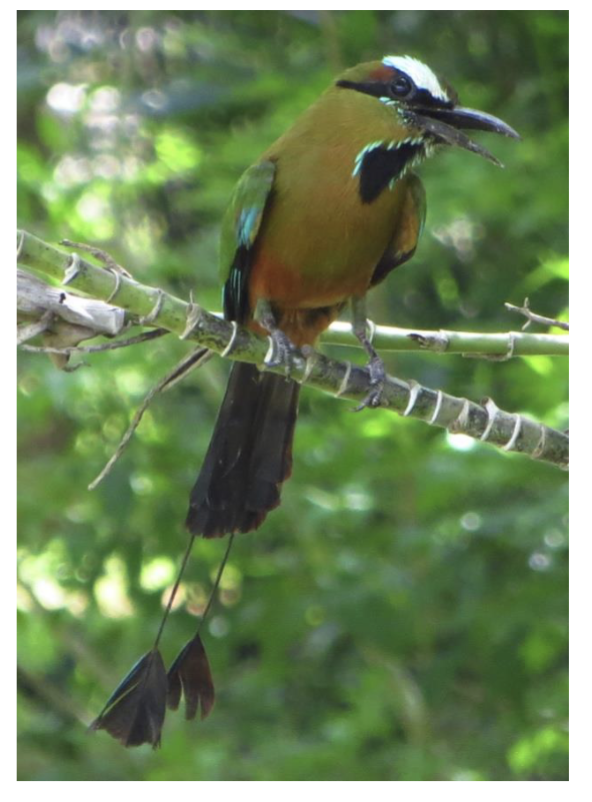
<ul><li><p><span style="background-color: transparent;">11,017 species&nbsp;</span></p></li><li><p><span style="background-color: transparent;">Live everywhere&nbsp;</span></p></li><li><p><span style="background-color: transparent;">Eat everything (but very few leaf eaters)&nbsp;</span></p></li><li><p><span style="background-color: transparent;">All egg layers, almost all make nests and have parental care&nbsp;</span></p></li></ul><p></p>
7
New cards

Snakes vs Lizards

  • Snakes are a specialized group of lizards 

  • Lizards is paraphyletic 

8
New cards

Lizard Super Families

• Iguania (iguanas, chameleons, anoles)

• Dibamaia (dibamids)

• Gekkota (geckos)

• Scincomorpha (skinks and allies)

• Lacertoidea (whiptails and lacertids)

• Diploglossa (amphisbaenids, anguids)

• Platynota (varanids, gila monster)

• Shinisauroidea (crocodile lizards)

9
New cards

Iguania

Suborder

iguanas, chameleons, anoles

1,700 species (about ¼ of all lizards)

include many of the common diurnal lizards

no limb reduction

Traditionally considered to consist of three families:

• Agamidae

• Chamaeleonidae

• Iguanidae: now considered to be 12 families
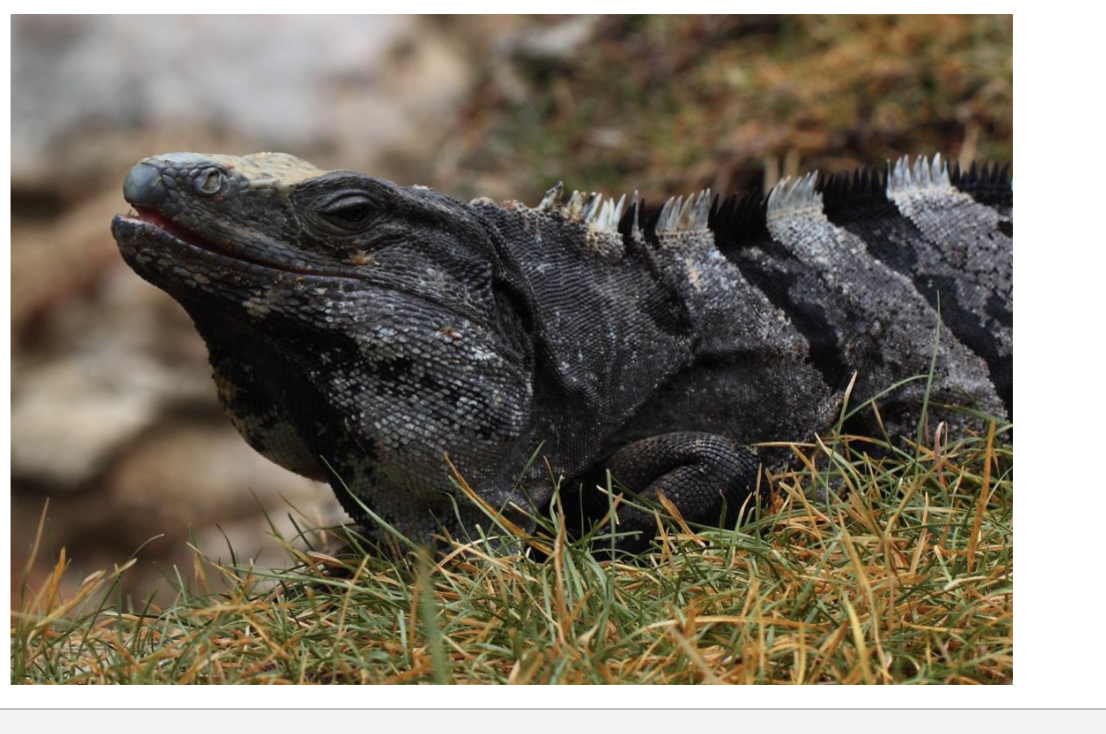
<p>Suborder </p><p>iguanas, chameleons, anoles</p><p>1,700 species (about ¼ of all lizards)</p><p>include many of the common diurnal lizards</p><p>no limb reduction</p><p>Traditionally considered to consist of three families:</p><p>• Agamidae</p><p>• Chamaeleonidae</p><p>• Iguanidae: now considered to be 12 families</p>
10
New cards
<p>Agamidae</p>

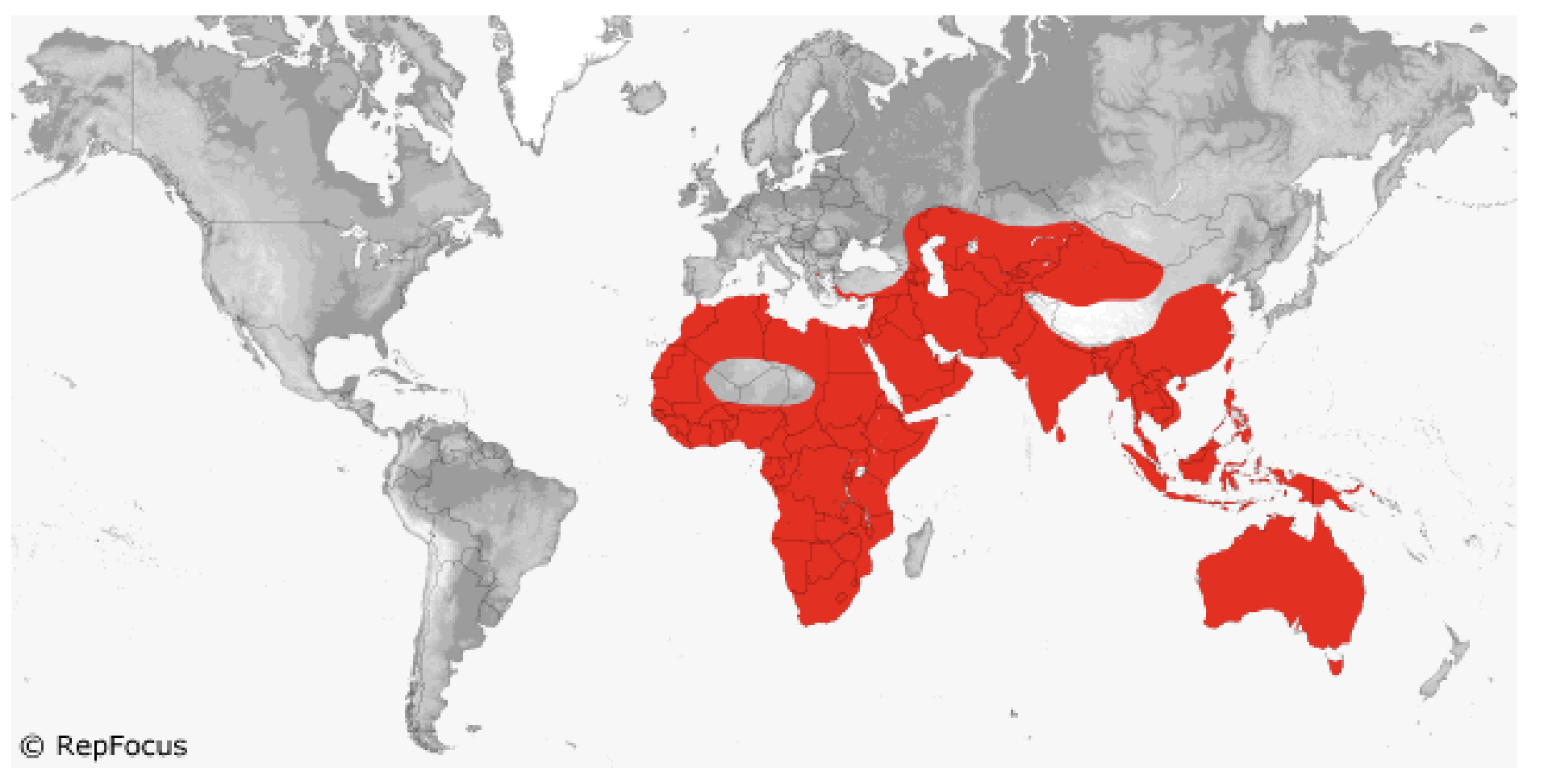
Agamidae

61 gen, 582 sp

Old World (Africa, Asia, Australia)

Diurnal

mostly carnivorous

oviparous

Includes agamas, gliding lizards (draco), fan-throated lizards, Australian frilled-neck lizard
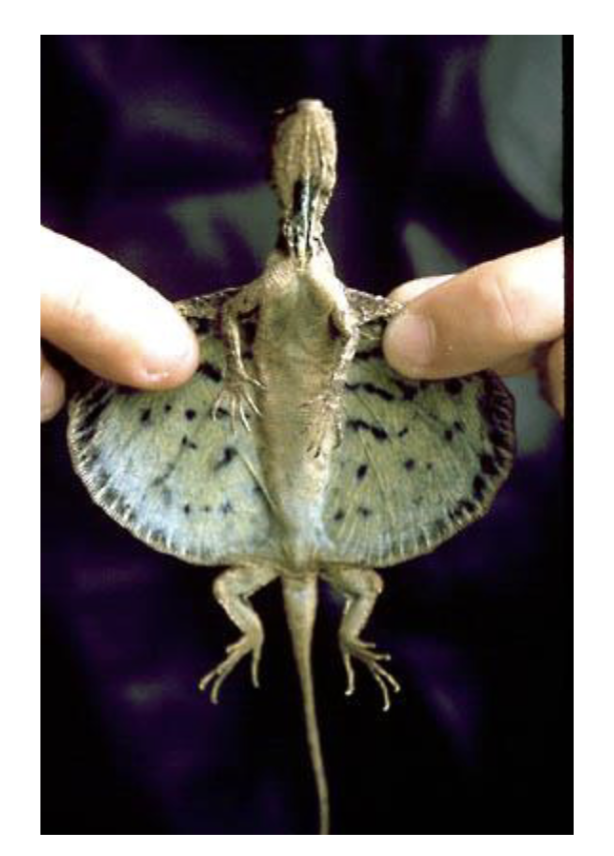
<p>61 gen, 582 sp </p><p>Old World (Africa, Asia, Australia) </p><p>Diurnal </p><p>mostly carnivorous </p><p>oviparous </p><p><span style="background-color: transparent;">Includes agamas, gliding lizards (draco), fan-throated lizards, Australian frilled-neck lizard</span></p>
11
New cards
<p>Chamaeleonidae</p>

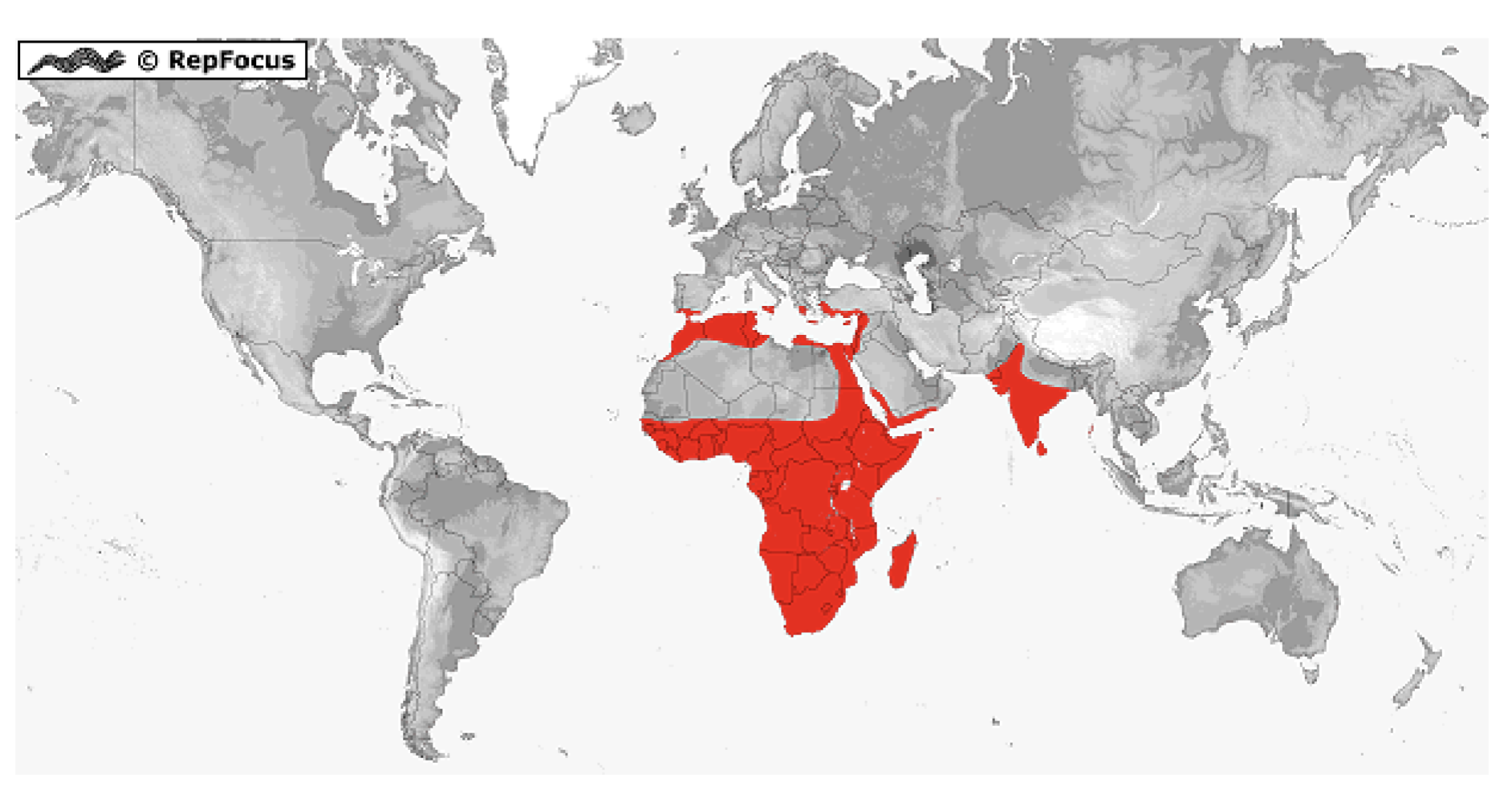
Chamaeleonidae

12 gen, 228 sp

Chameleons

Mostly Africa and Madagascar

  • Synapomorphies:

    • Zygodactyl (fingers an toes fused to form mittens) 

    • Laterally compressed body 

    • Eyelids for turrets, eyes can move independently 

    • Head has a bony casque 

    • Projectile tongue 

    • Color change

mostly arboreal

diurnal, carnivorous

oviparous and vivparous
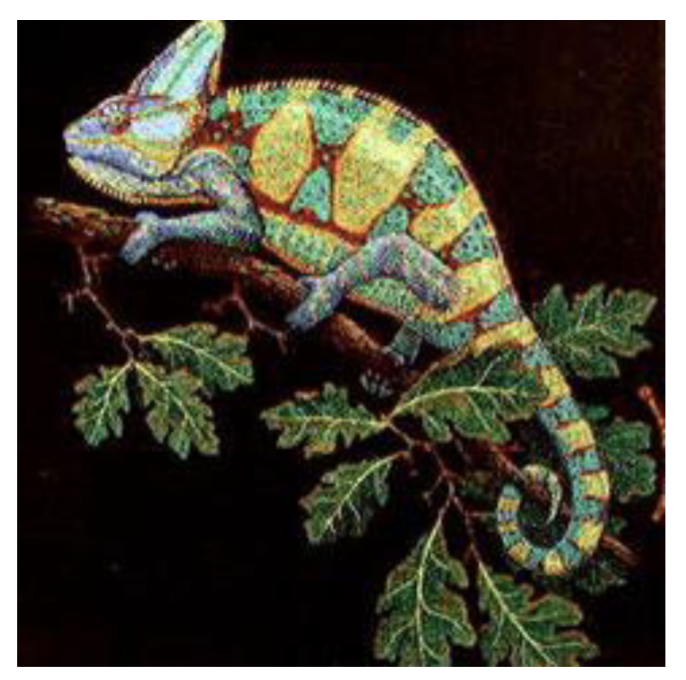
<p>12 gen, 228 sp </p><p>Chameleons </p><p>Mostly Africa and Madagascar</p><ul><li><p><span style="background-color: transparent;">Synapomorphies:</span></p><ul><li><p><span style="background-color: transparent;">Zygodactyl (fingers an toes fused to form mittens)&nbsp;</span></p></li><li><p><span style="background-color: transparent;">Laterally compressed body&nbsp;</span></p></li><li><p><span style="background-color: transparent;">Eyelids for turrets, eyes can move independently&nbsp;</span></p></li><li><p><span style="background-color: transparent;">Head has a bony casque&nbsp;</span></p></li><li><p><span style="background-color: transparent;">Projectile tongue&nbsp;</span></p></li><li><p><span style="background-color: transparent;">Color change</span></p></li></ul></li></ul><p>mostly arboreal </p><p>diurnal, carnivorous</p><p>oviparous and vivparous </p>
12
New cards

Iguania (Pleurodonta)

sometimes recognized as a single family (Iguanidae); usually split into 12 families

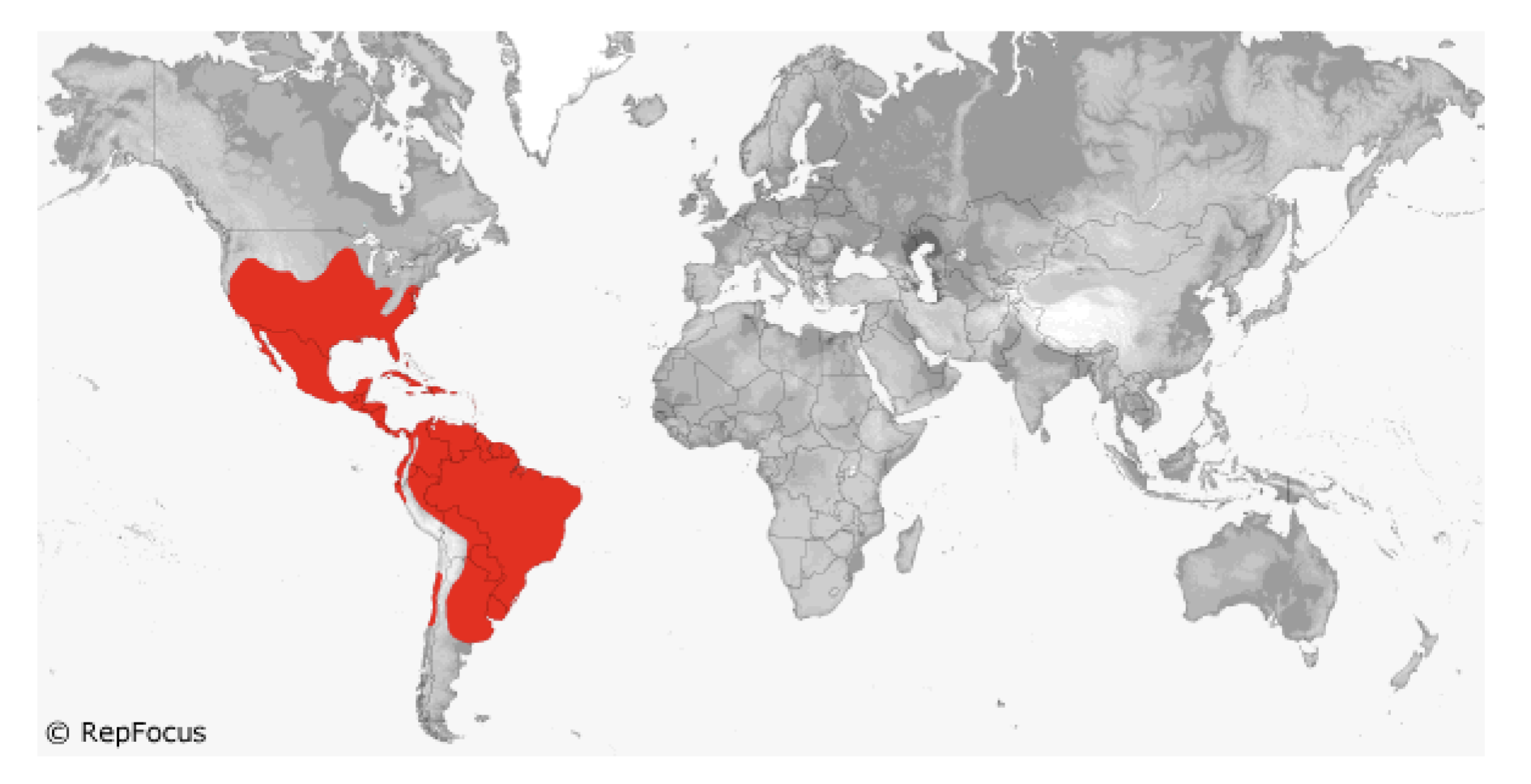
Dominant group of lizards in the New World

All diurnal

mostly oviparous

mostly carnivorous
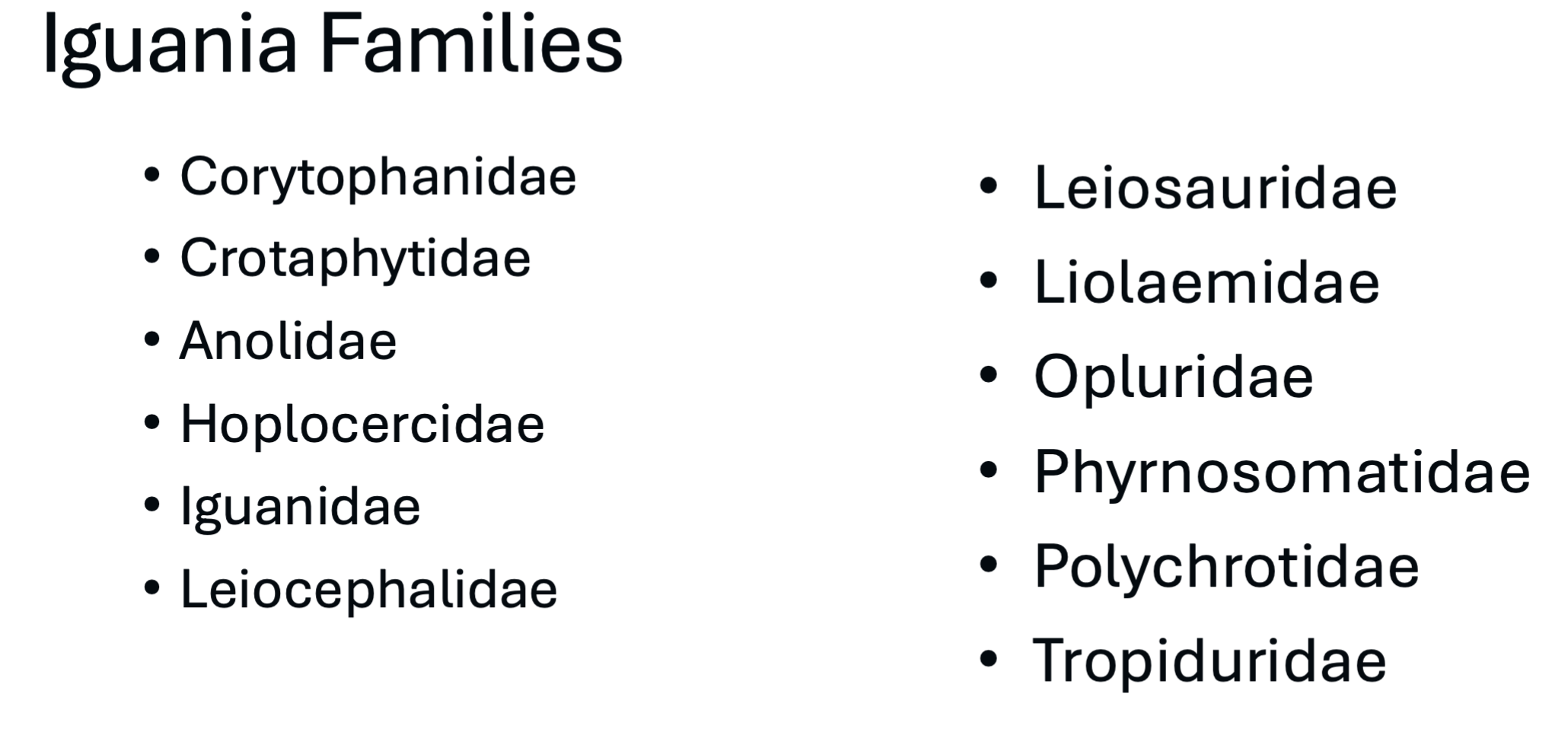
<p>sometimes recognized as a single family (Iguanidae); usually split into 12 families</p><p>Dominant group of lizards in the New World</p><p>All diurnal</p><p>mostly oviparous</p><p>mostly carnivorous</p>
13
New cards
<p>Crotaphytidae</p>

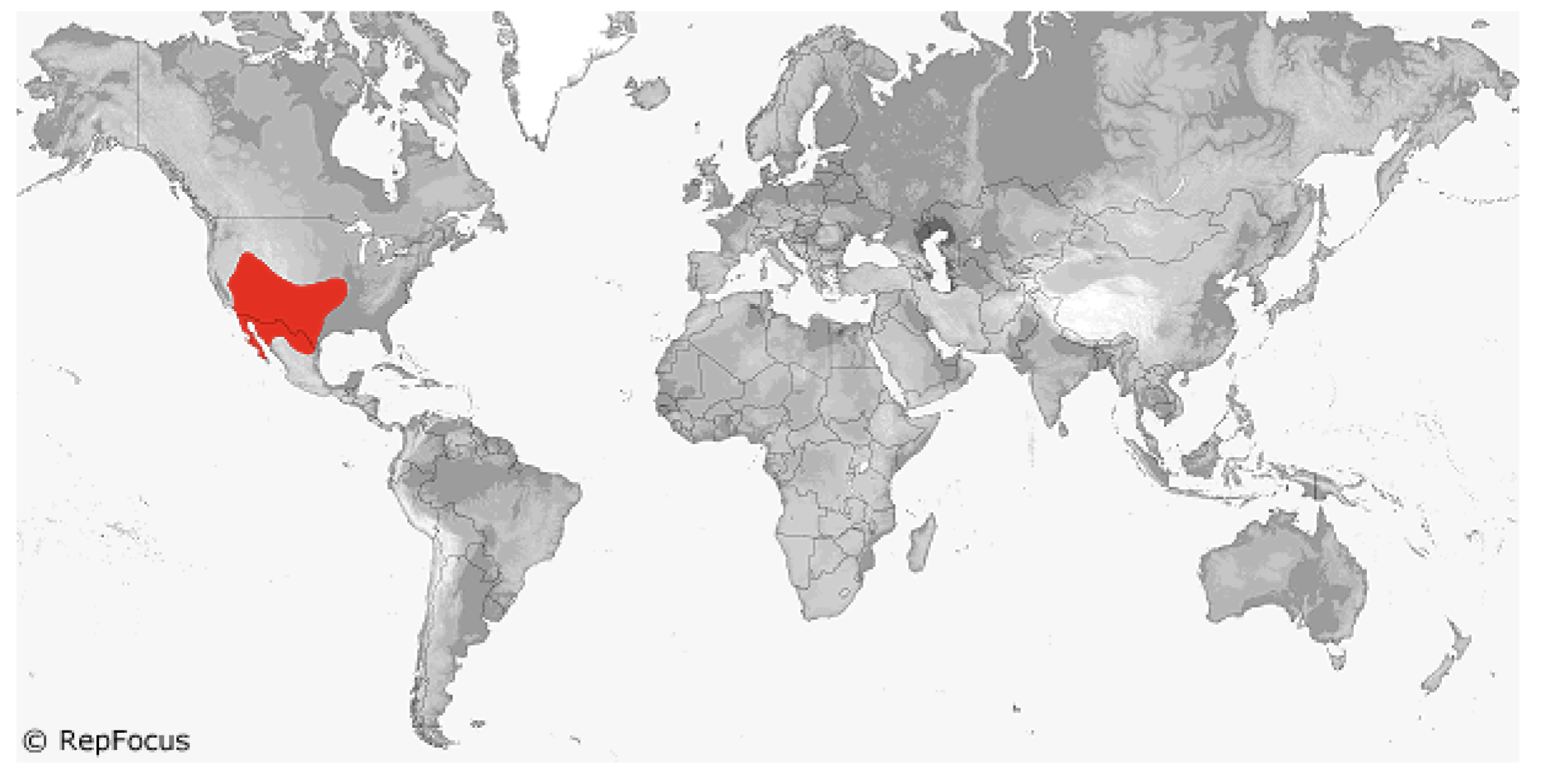
Crotaphytidae

member of Iguania

2 gen, 12 sp

North America

desert lizards

often run on hind legs

eat other lizards

includes Collared Lizard and Leopard Lizard
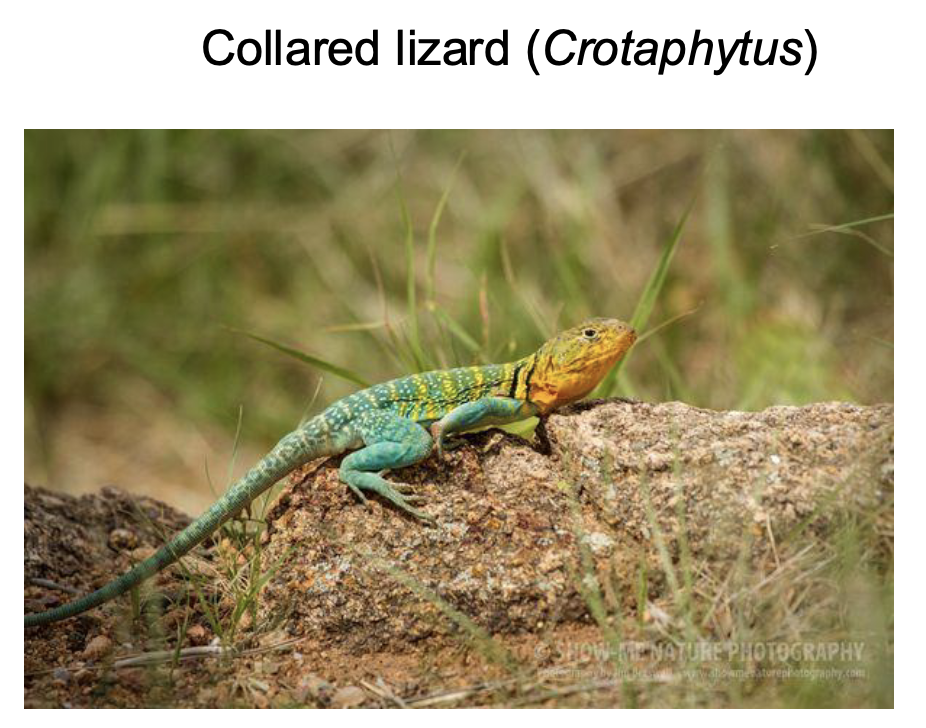
<p>member of Iguania </p><p>2 gen, 12 sp</p><p>North America</p><p>desert lizards</p><p>often run on hind legs</p><p>eat other lizards</p><p>includes Collared Lizard and Leopard Lizard</p>
14
New cards
<p>Iguanidae</p>

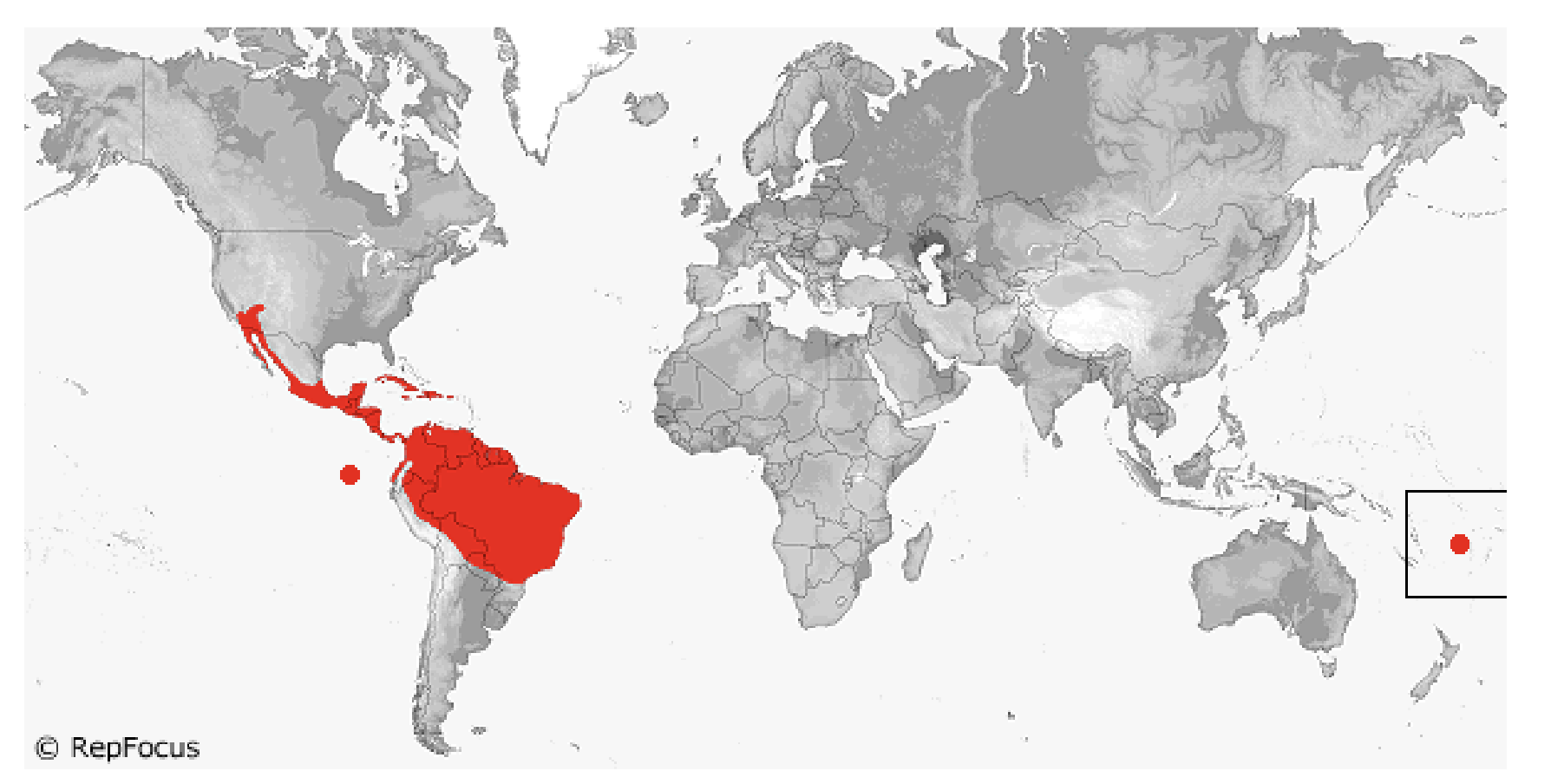
Iguanidae

Member of Iguania

  • 9 genera, 44 species 

  • Large herbivorous lizards from desert southwest US to South America and Fiji Islands 

  • Galapagos Marine iguana - only marine lizard 
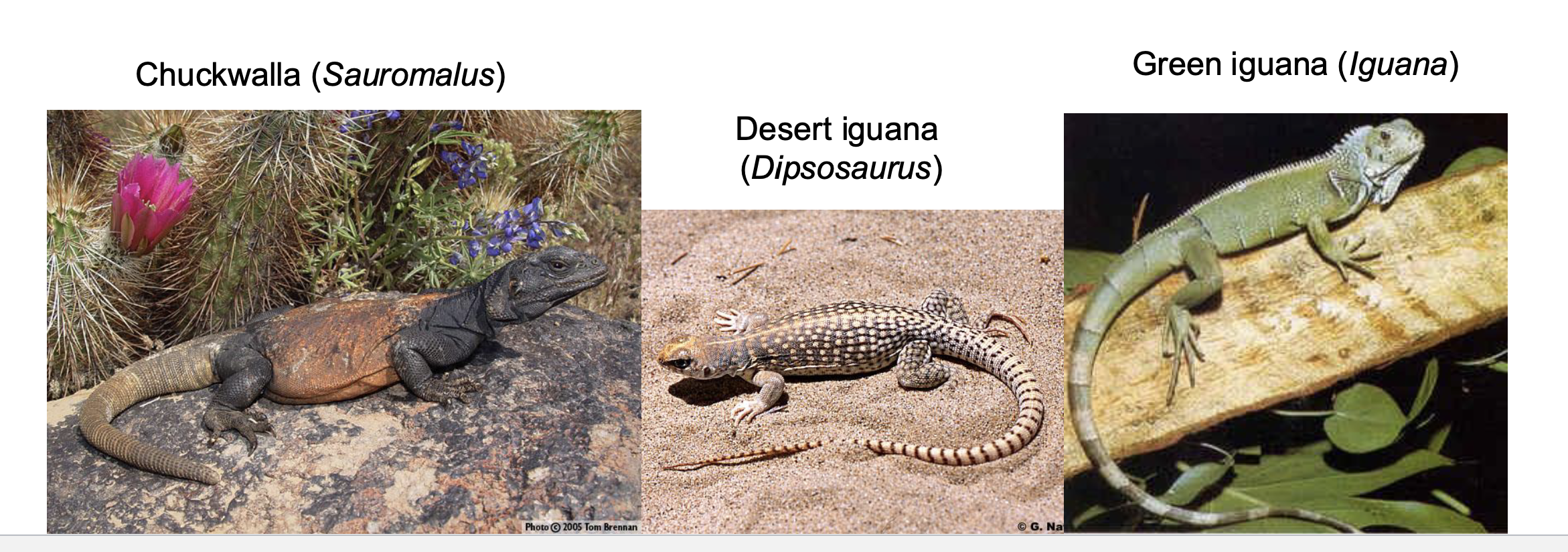
<p>Member of Iguania</p><ul><li><p><span style="background-color: transparent;">9 genera, 44 species&nbsp;</span></p></li><li><p><span style="background-color: transparent;">Large herbivorous lizards from desert southwest US to South America and Fiji Islands&nbsp;</span></p></li><li><p><span style="background-color: transparent;">Galapagos Marine iguana - only marine lizard&nbsp;</span></p></li></ul><p></p>
15
New cards
<p>Phrynosomatidae</p>

Phrynosomatidae

  • Member of Iguania

  • 9 genera, 172 species 

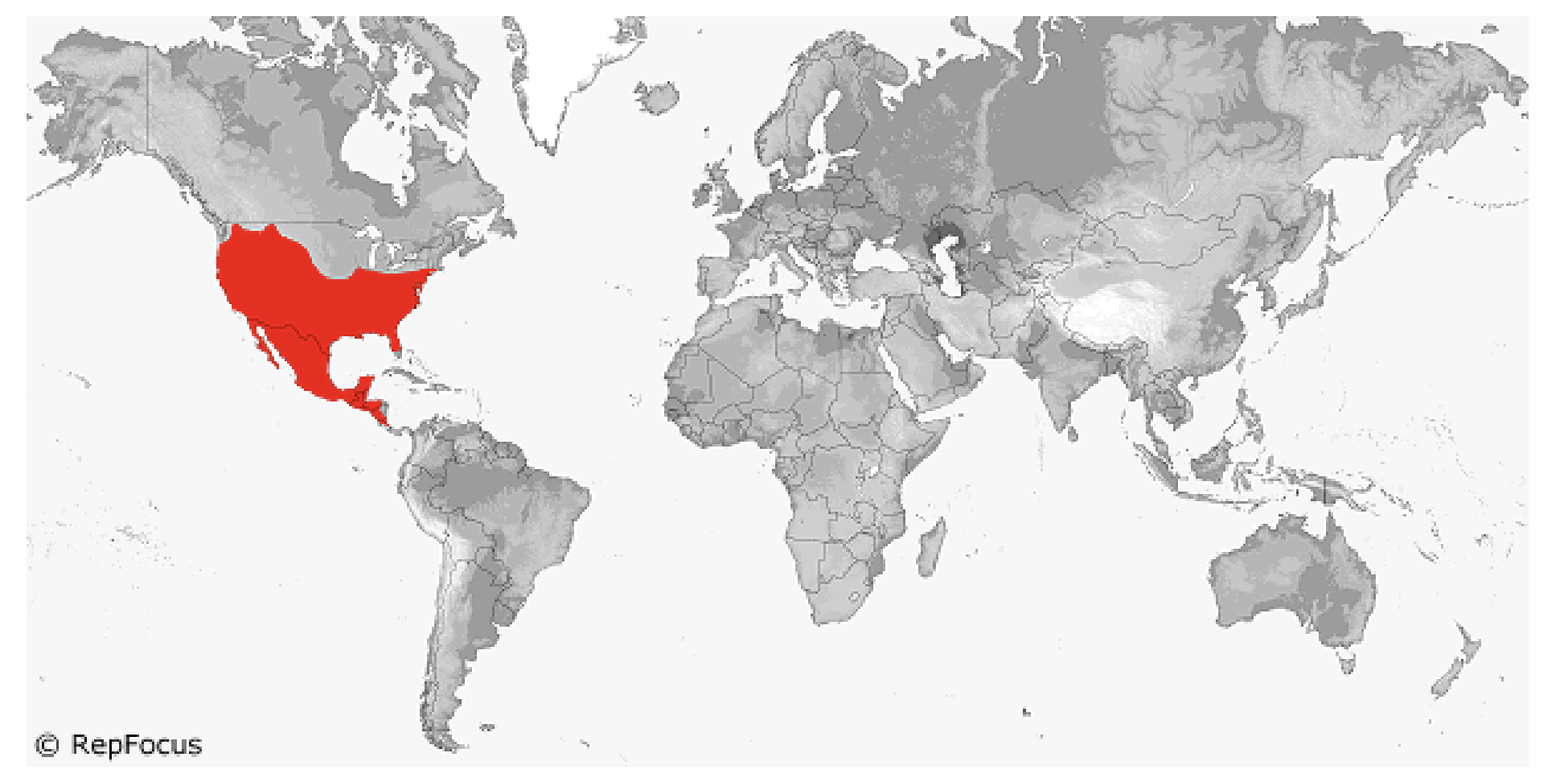
  • Common lizards of North America and Mexico; most common in deserts 

  • Spiny lizards 

  • Horned lizard

<ul><li><p>Member of Iguania </p></li><li><p><span style="background-color: transparent;">9 genera, 172 species&nbsp;</span></p></li><li><p><span style="background-color: transparent;">Common lizards of North America and Mexico; most common in deserts&nbsp;</span></p></li><li><p><span style="background-color: transparent;">Spiny lizards&nbsp;</span></p></li><li><p><span style="background-color: transparent;">Horned lizard</span></p></li></ul><p></p>
16
New cards
<p>Anolidae</p>

Anolidae

Member of Iguania

1 genus, 440 species 

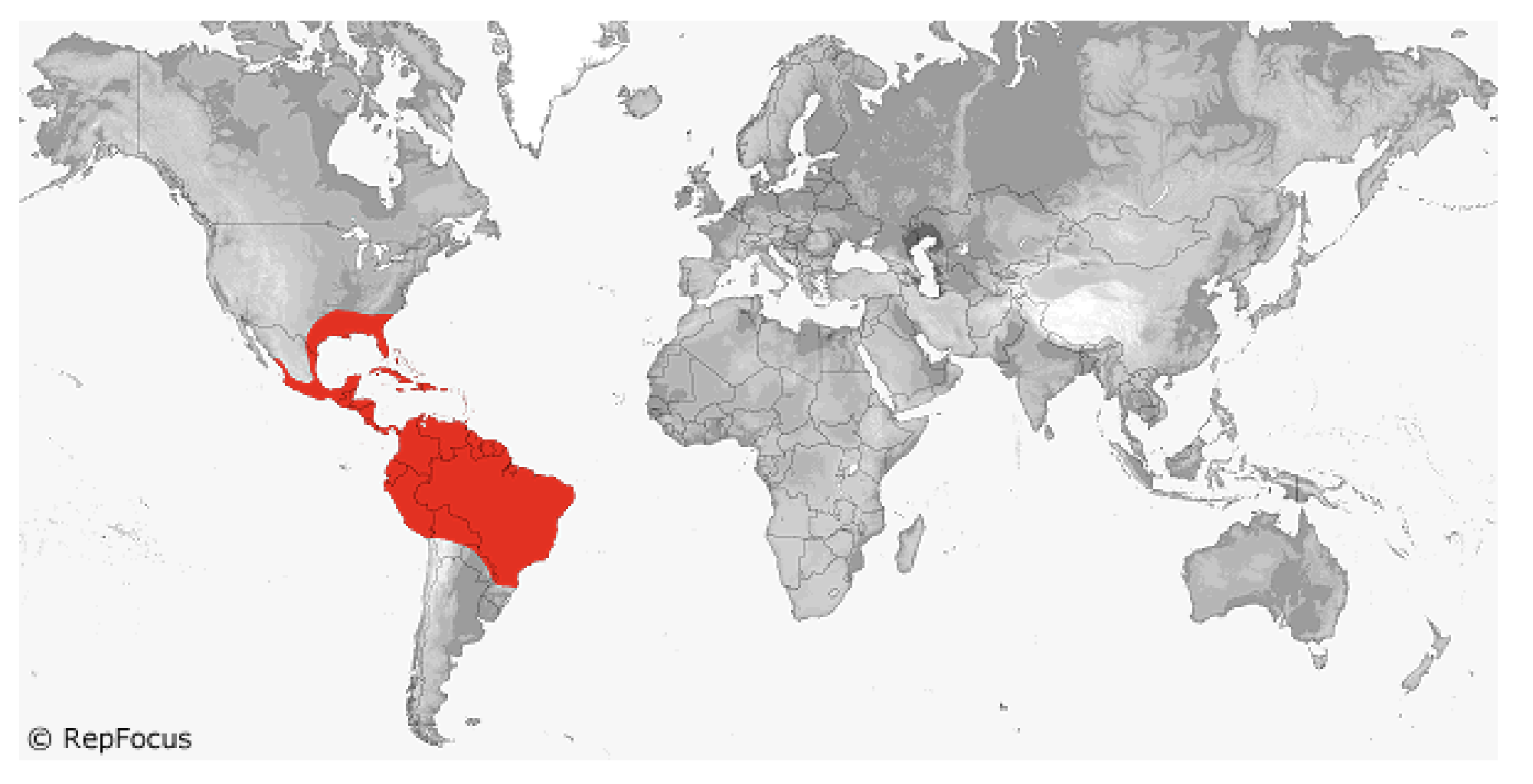
Common arboreal lizards in southeast US and New World tropics 

Amazing example of an adaptive radiation 

Small clutch size

Bright throat flap called a dewlap used for communication 
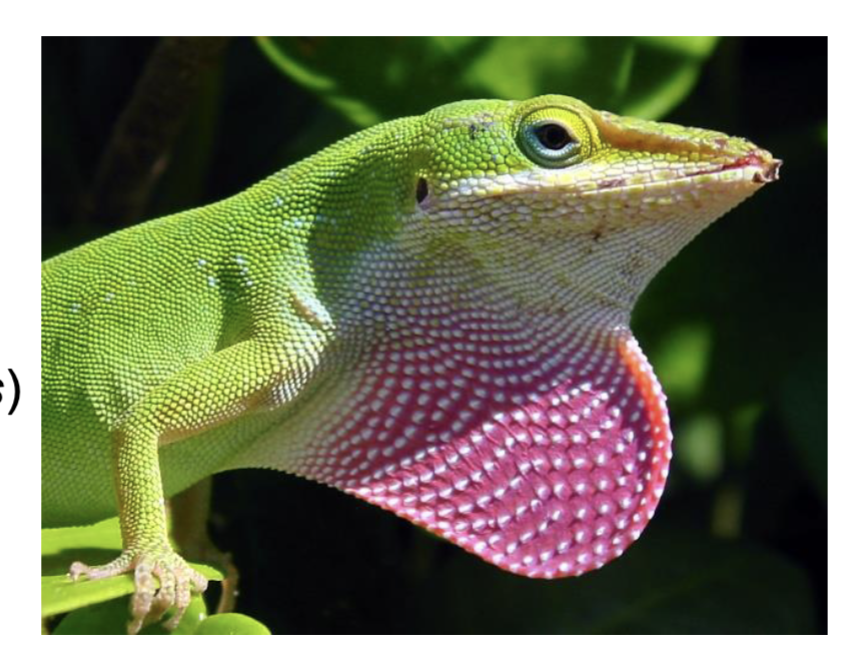
<p>Member of Iguania </p><p><span style="background-color: transparent;">1 genus, 440 species&nbsp;</span></p><p><span style="background-color: transparent;">Common arboreal lizards in southeast US and New World tropics&nbsp;</span></p><p><span style="background-color: transparent;">Amazing example of an adaptive radiation&nbsp;</span></p><p><span style="background-color: transparent;">Small clutch size </span></p><p><span style="background-color: transparent;">Bright throat flap called a dewlap used for communication&nbsp;</span></p>
17
New cards
<p><span style="background-color: transparent;">Liolaemidae&nbsp;</span></p>

Liolaemidae 

  • Member of Iguania

  • 3 genera, 354 species 

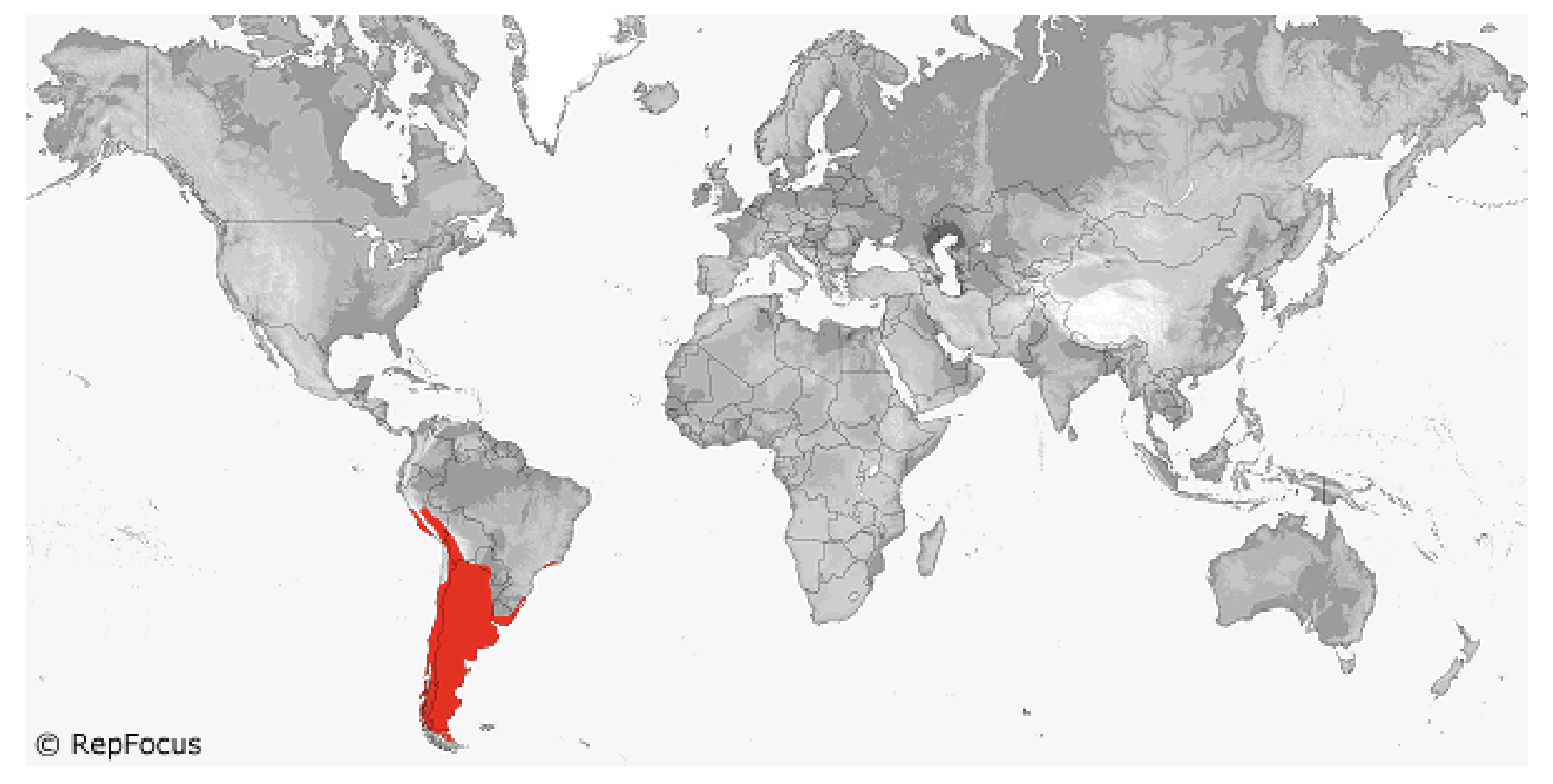
  • Major radiation of lizards in south america; includes many origins of viviparity and herbivory in cold climates 

  • Studied a lot by Stanley Fox and students at OSU
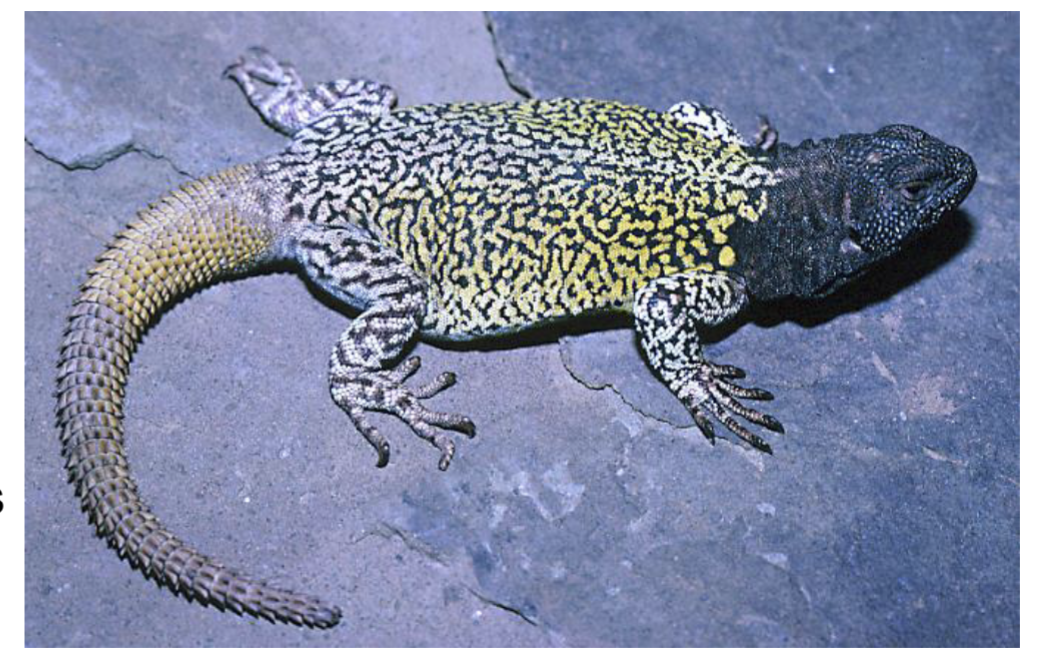

<p></p><ul><li><p>Member of Iguania </p></li><li><p><span style="background-color: transparent;">3 genera, 354 species&nbsp;</span></p></li><li><p><span style="background-color: transparent;">Major radiation of lizards in south america; includes many origins of viviparity and herbivory in cold climates&nbsp;</span></p></li><li><p><span style="background-color: transparent;">Studied a lot by Stanley Fox and students at OSU</span></p></li></ul><p><strong><br></strong></p>
18
New cards
<p>Dibamaia</p>

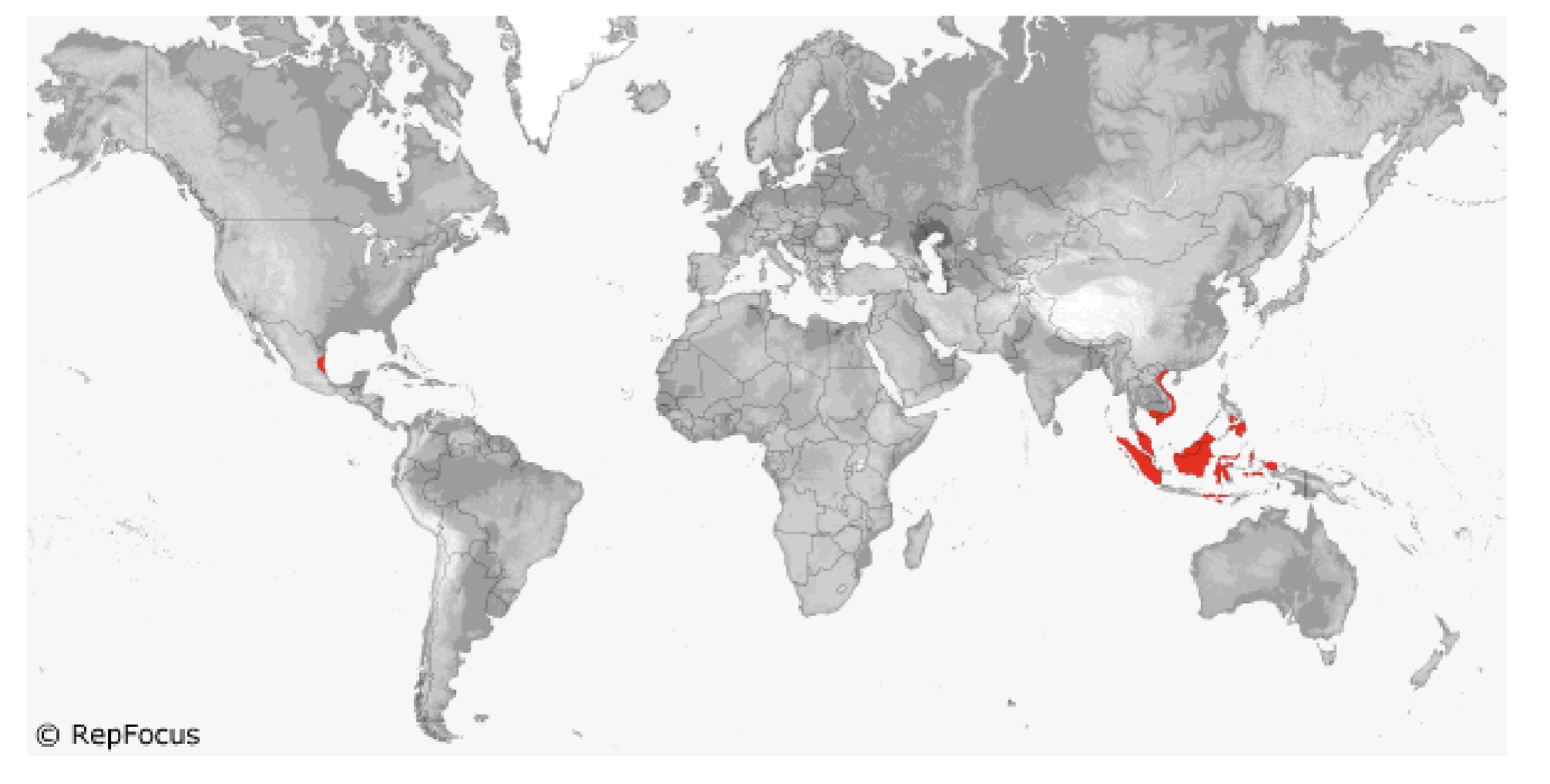
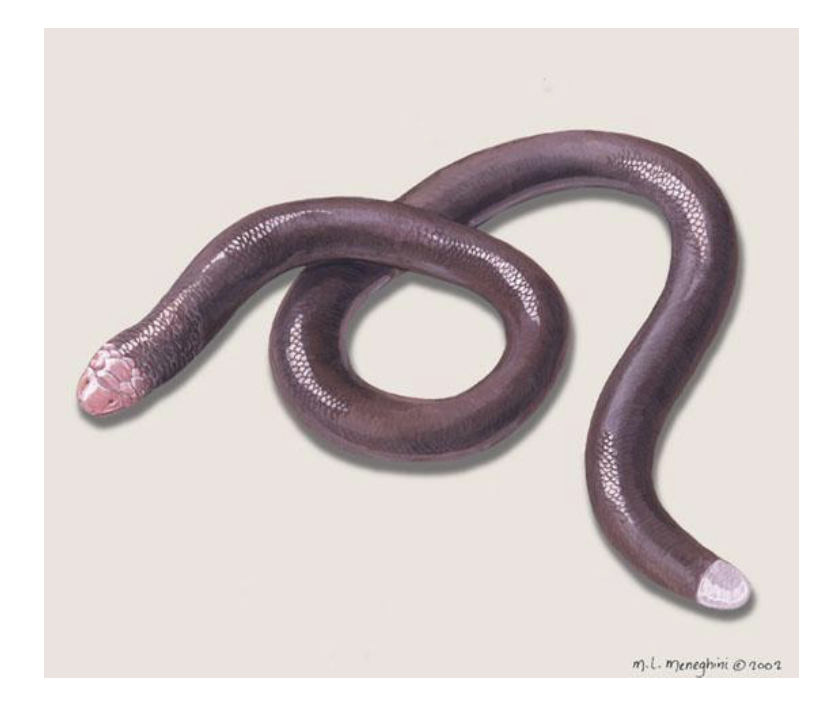
Dibamaia

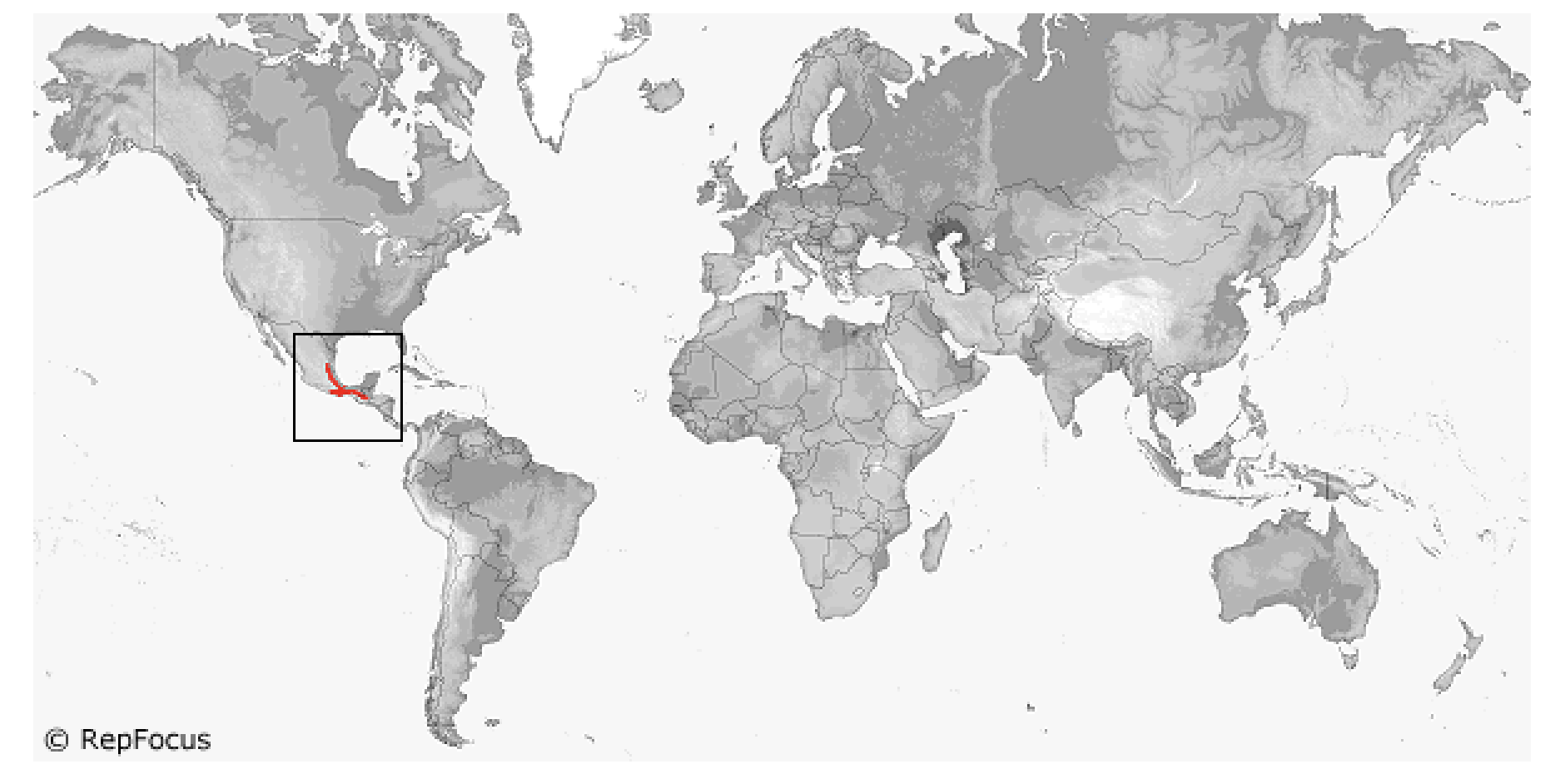
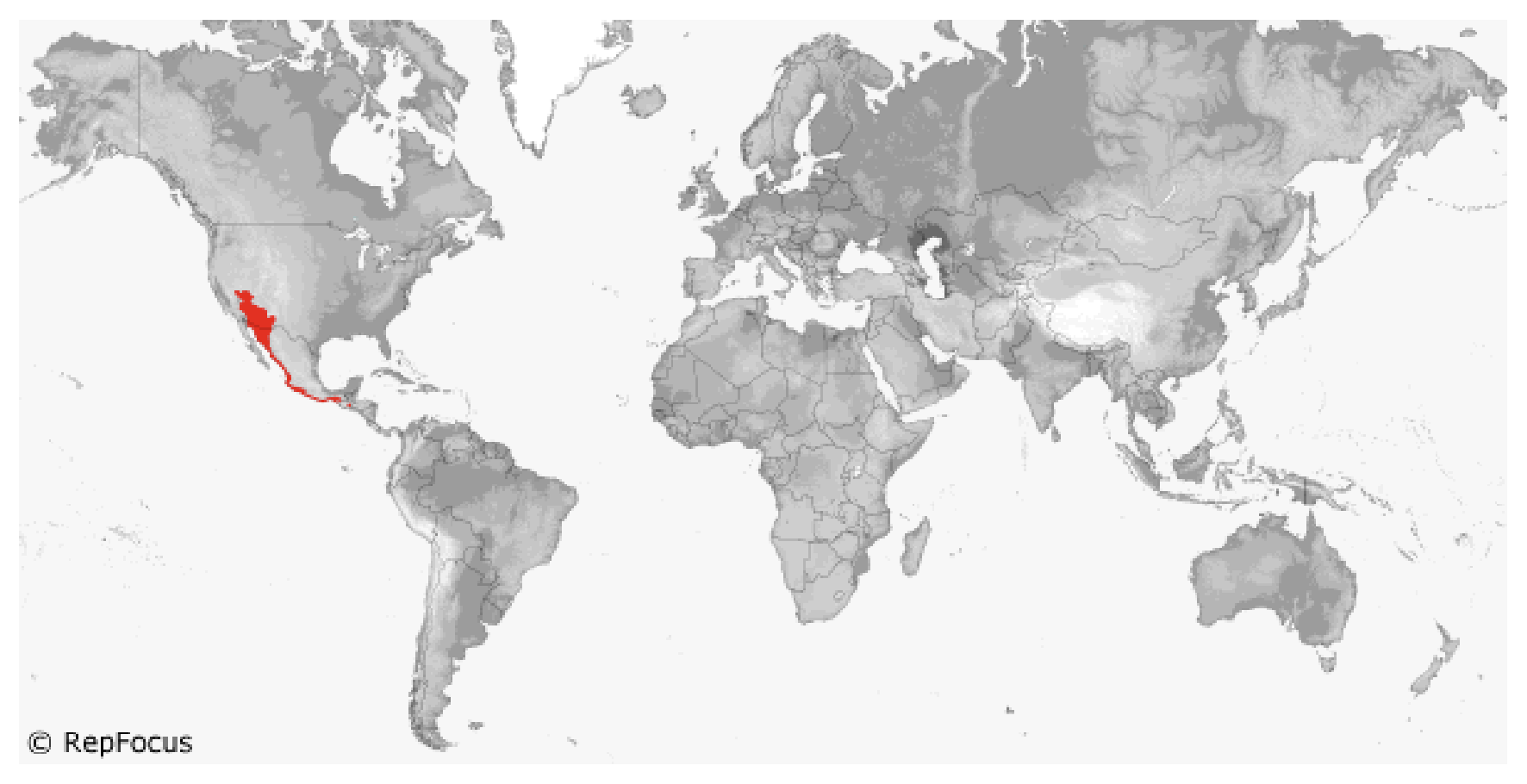
2 genera, 1 family (dibamidae, 25 species

“blind lizards”

  • Snake like, short tailed burrowers 

  • Males have tiny external limbs, females legless 

  • Vestigial eyes 

  • Lack ear openings 

  • 1 genus with 1 species in northeast Mexico 

  • Other genus has 22 species in Southeast Asia

  • Poor fossil record

  • Ancient lizard group 

  • Long distance (intercontinental) dispersal across the Bering Strait?!?
<p>2 genera, 1 family (dibamidae, 25 species</p><p>“blind lizards”</p><ul><li><p><span style="background-color: transparent;">Snake like, short tailed burrowers&nbsp;</span></p></li><li><p><span style="background-color: transparent;">Males have tiny external limbs, females legless&nbsp;</span></p></li><li><p><span style="background-color: transparent;">Vestigial eyes&nbsp;</span></p></li><li><p><span style="background-color: transparent;">Lack ear openings&nbsp;</span></p></li><li><p><span style="background-color: transparent;">1 genus with 1 species in northeast Mexico&nbsp;</span></p></li><li><p><span style="background-color: transparent;">Other genus has 22 species in Southeast Asia</span></p></li><li><p><span style="background-color: transparent;">Poor fossil record</span></p></li><li><p><span style="background-color: transparent;">Ancient lizard group&nbsp;</span></p></li><li><p><span style="background-color: transparent;">Long distance (intercontinental) dispersal across the Bering Strait?!?</span></p></li></ul><p></p>
19
New cards
<p>Gekkota</p>

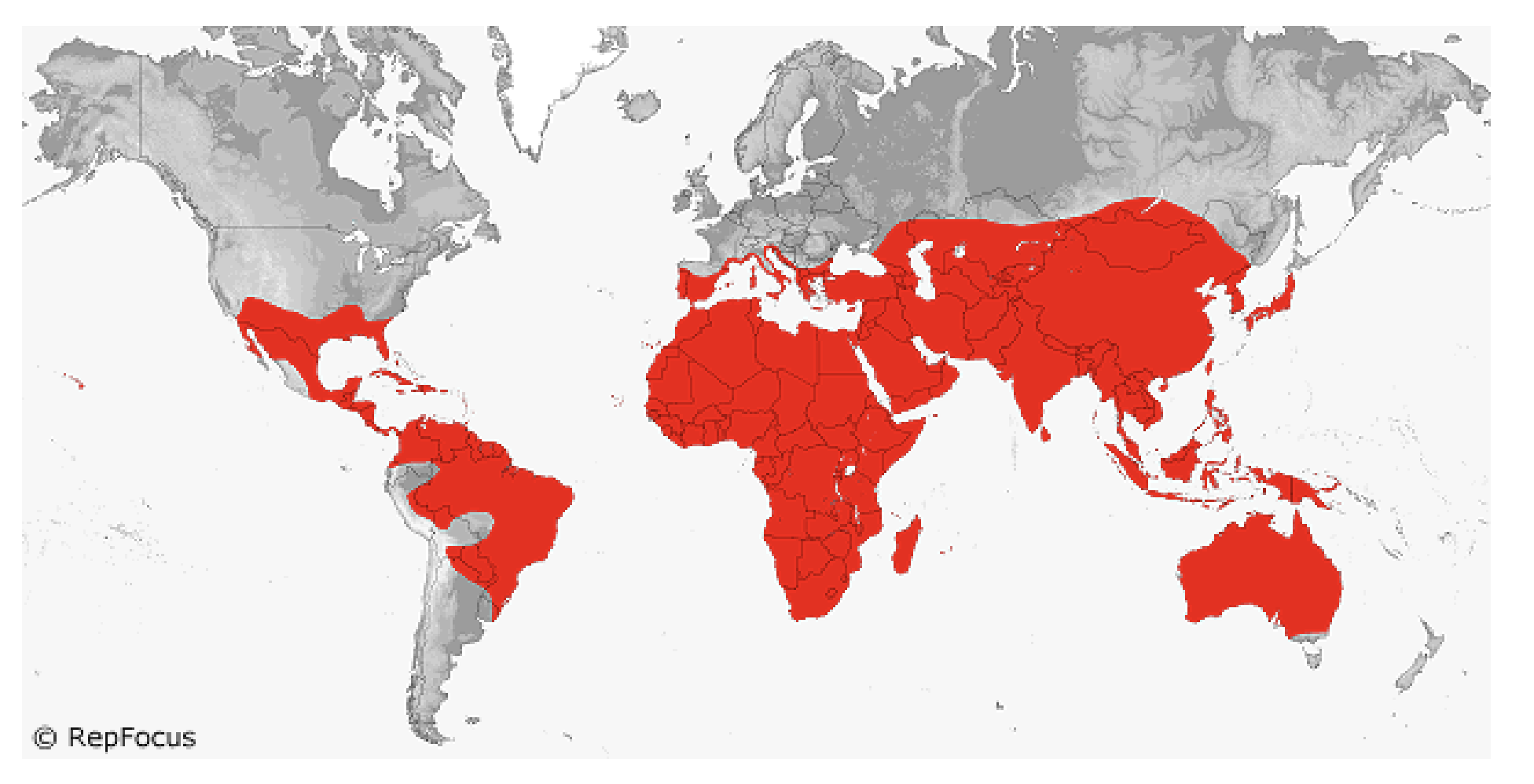
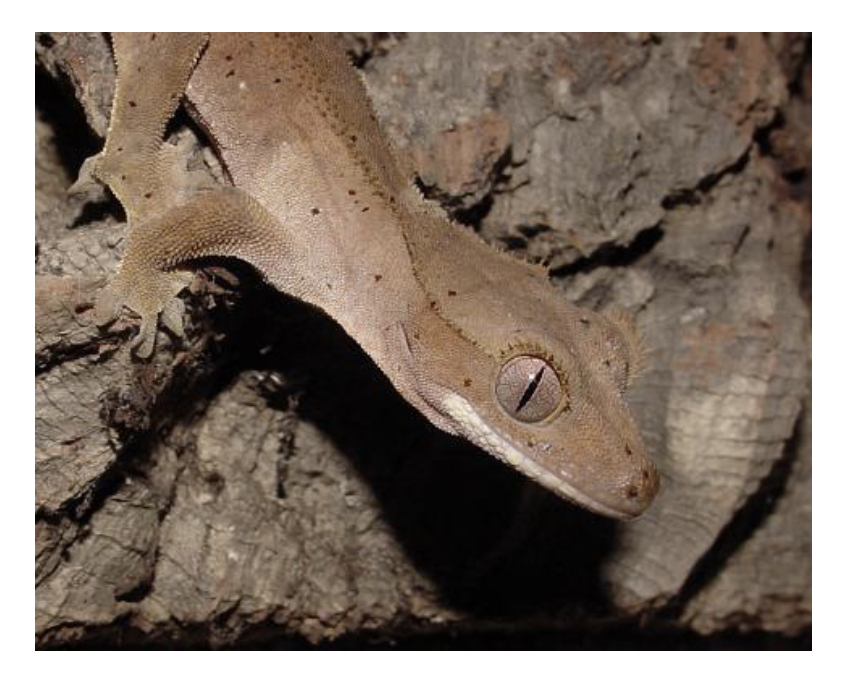
Gekkota

“Geckos”

97 genera, >1,500 species, ¼ of all lizards, 7 families

almost worldwide

one of the oldest groups of squamates

  • Most are nocturnal

  • Most lack moveable eyelids 

  • Clean eye using tongue 

  • Most are not brightly colored

  • diurnal geckoes have evolved in several places, especially on islands, many are brightly colored 

  • Most nocturnal species communicate vocally 

  • Mediterranean house gecko is the most widespread 
<p>“Geckos”</p><p>97 genera, &gt;1,500 species, ¼ of all lizards, 7 families </p><p>almost worldwide</p><p>one of the oldest groups of squamates</p><ul><li><p><span style="background-color: transparent;">Most are nocturnal</span></p></li></ul><ul><li><p><span style="background-color: transparent;">Most lack moveable eyelids&nbsp;</span></p></li><li><p><span style="background-color: transparent;">Clean eye using tongue&nbsp;</span></p></li><li><p><span style="background-color: transparent;">Most are not brightly colored</span></p></li><li><p><span style="background-color: transparent;">diurnal geckoes have evolved in several places, especially on islands, many are brightly colored&nbsp;</span></p></li><li><p><span style="background-color: transparent;">Most nocturnal species communicate vocally&nbsp;</span></p></li><li><p><span style="background-color: transparent;">Mediterranean house gecko is the most widespread&nbsp;</span></p></li></ul><p></p>
20
New cards
<p><span style="background-color: transparent;">Pygopodidae&nbsp;</span></p>

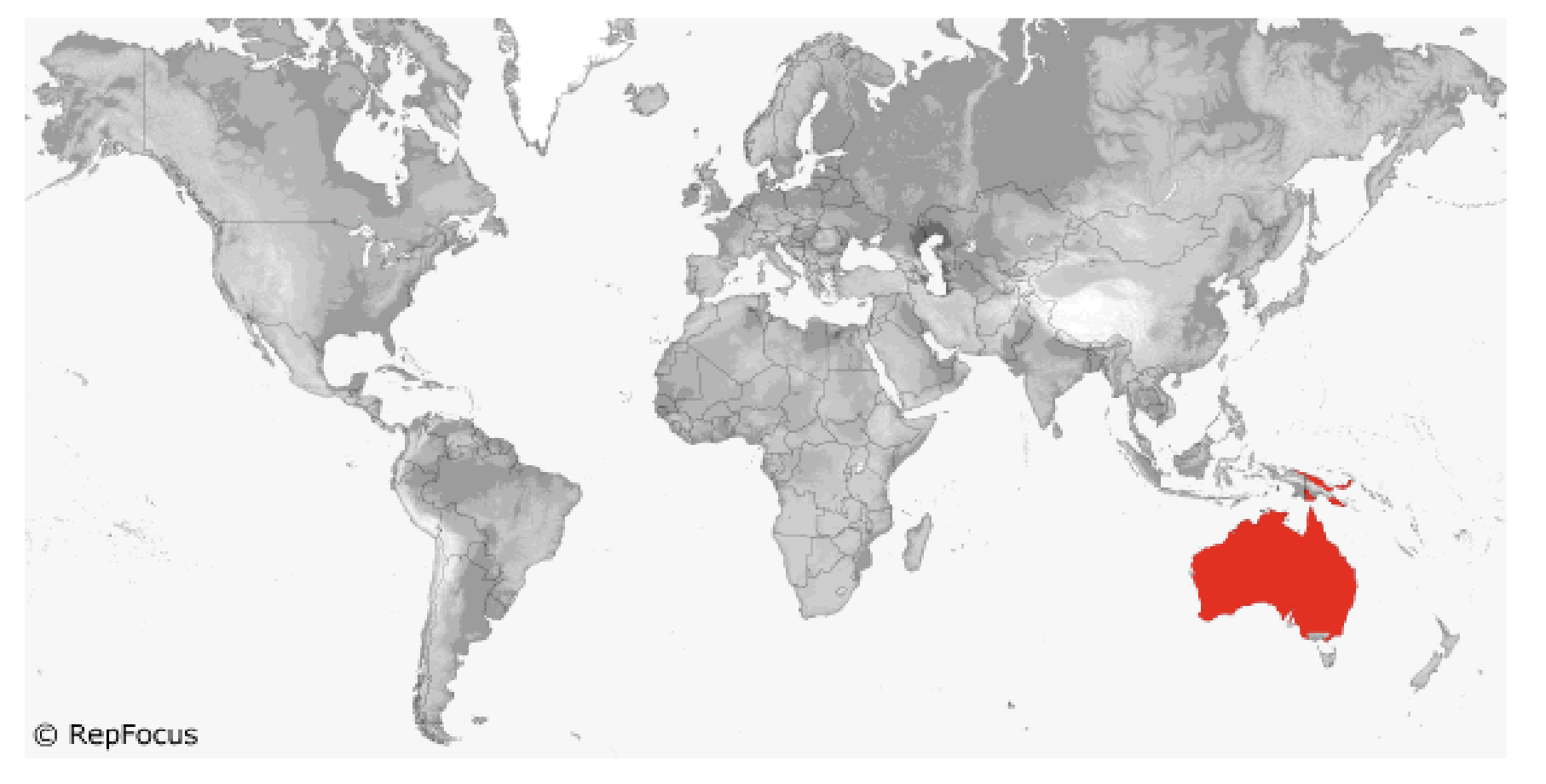
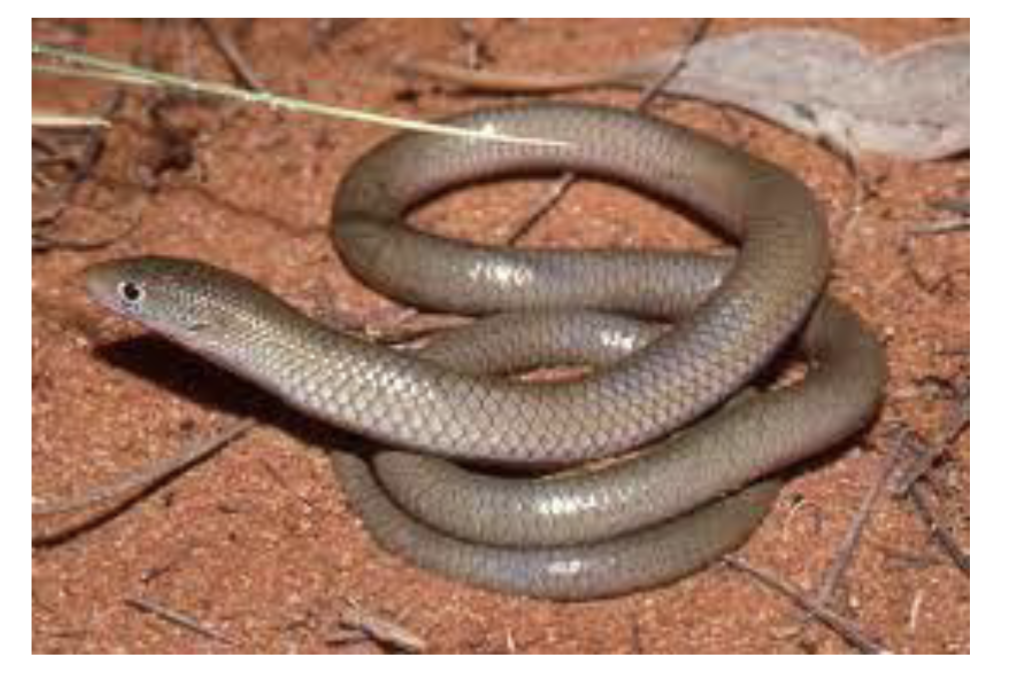
Pygopodidae 

  • Member og Gekkota

    • 47 species 

    • Legless geckos 

      • Some have vestigial hindlimbs 

    • Burrowing or “swim” through grass 

    • Some have communal nesting 

    • Mainly in Australia 

<ul><li><p><span style="background-color: transparent;">Member og Gekkota</span></p><ul><li><p><span style="background-color: transparent;">47 species&nbsp;</span></p></li><li><p><span style="background-color: transparent;">Legless geckos&nbsp;</span></p><ul><li><p><span style="background-color: transparent;">Some have vestigial hindlimbs&nbsp;</span></p></li></ul></li><li><p><span style="background-color: transparent;">Burrowing or “swim” through grass&nbsp;</span></p></li><li><p><span style="background-color: transparent;">Some have communal nesting&nbsp;</span></p></li><li><p><span style="background-color: transparent;">Mainly in Australia&nbsp;</span></p></li></ul></li></ul><p></p>
21
New cards
<p>Scincidae</p>

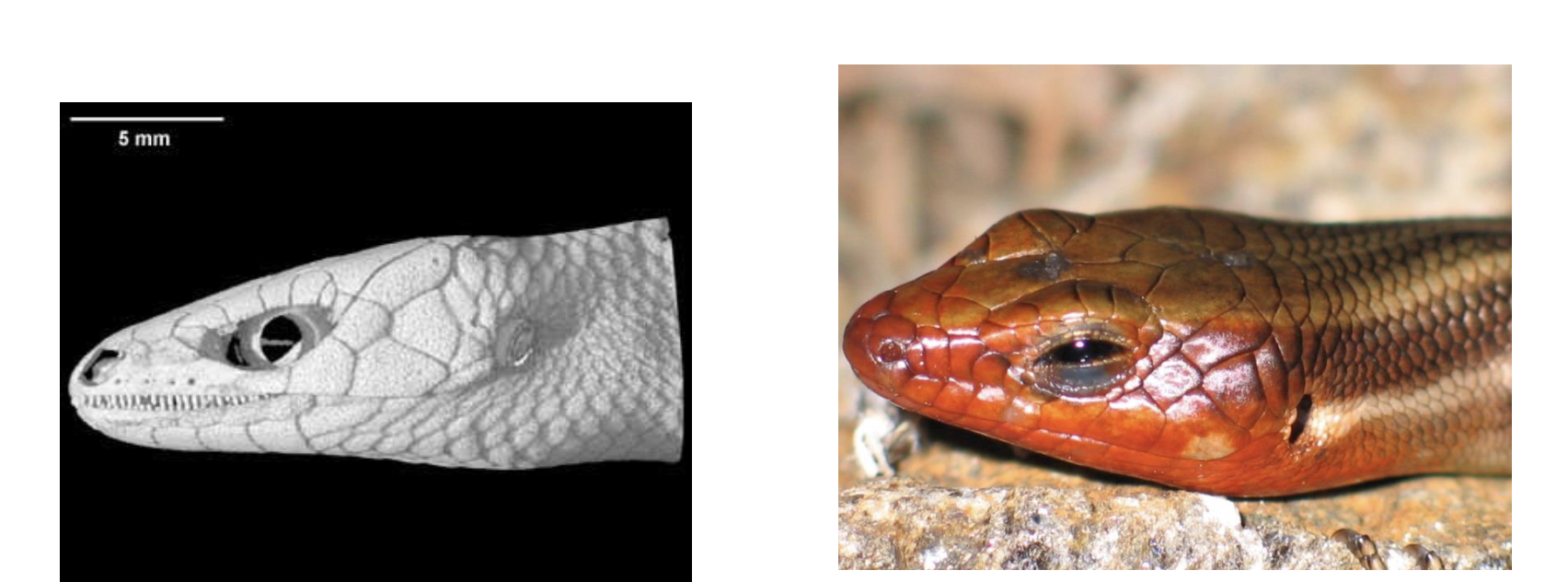
Scincidae

“Skinks”

  • Largest family of lizards 

  • round, shiny, overlapping scales underlain by osteoderms (bony plate)

  • secretive and terrestrial 

  • Often have reduced limbs and snake-like body form

  • Typically small

  • diurnal

  • terrestrial

  • carnivorous

  • Some are fossorial, aquatic, arboreal, fossorial 

  • About 45% are live bearing-viviparous

  • Some giant herbivores 

  • Australia has incredible diversity of skinks including giant blue-tongued skinks 
<p>“Skinks” </p><ul><li><p><span style="background-color: transparent;">Largest family of lizards&nbsp;</span></p></li><li><p><span style="background-color: transparent;">round, shiny, overlapping scales underlain by<strong> osteoderms (bony plate)</strong></span></p></li><li><p><span style="background-color: transparent;">secretive and terrestrial&nbsp;</span></p></li><li><p><span style="background-color: transparent;">Often have reduced limbs and snake-like body form</span></p></li><li><p><span style="background-color: transparent;">Typically small</span></p></li><li><p><span style="background-color: transparent;">diurnal</span></p></li><li><p><span style="background-color: transparent;">terrestrial</span></p></li><li><p><span style="background-color: transparent;">carnivorous</span></p></li><li><p><span style="background-color: transparent;">Some are fossorial, aquatic, arboreal, fossorial&nbsp;</span></p></li><li><p><span style="background-color: transparent;">About 45% are live bearing-viviparous </span></p></li><li><p><span style="background-color: transparent;">Some giant herbivores&nbsp;</span></p></li><li><p><span style="background-color: transparent;">Australia has incredible diversity of skinks including giant blue-tongued skinks&nbsp;</span></p></li></ul><p></p>
22
New cards

Lacertoidea

Clade of families (whiptails and lacertids)

• Lacertidae

• Amphisbaenia

• Teiidae

• Gymnophthalmidae (we’ll skip them)
23
New cards
<p>Lacertidae</p>

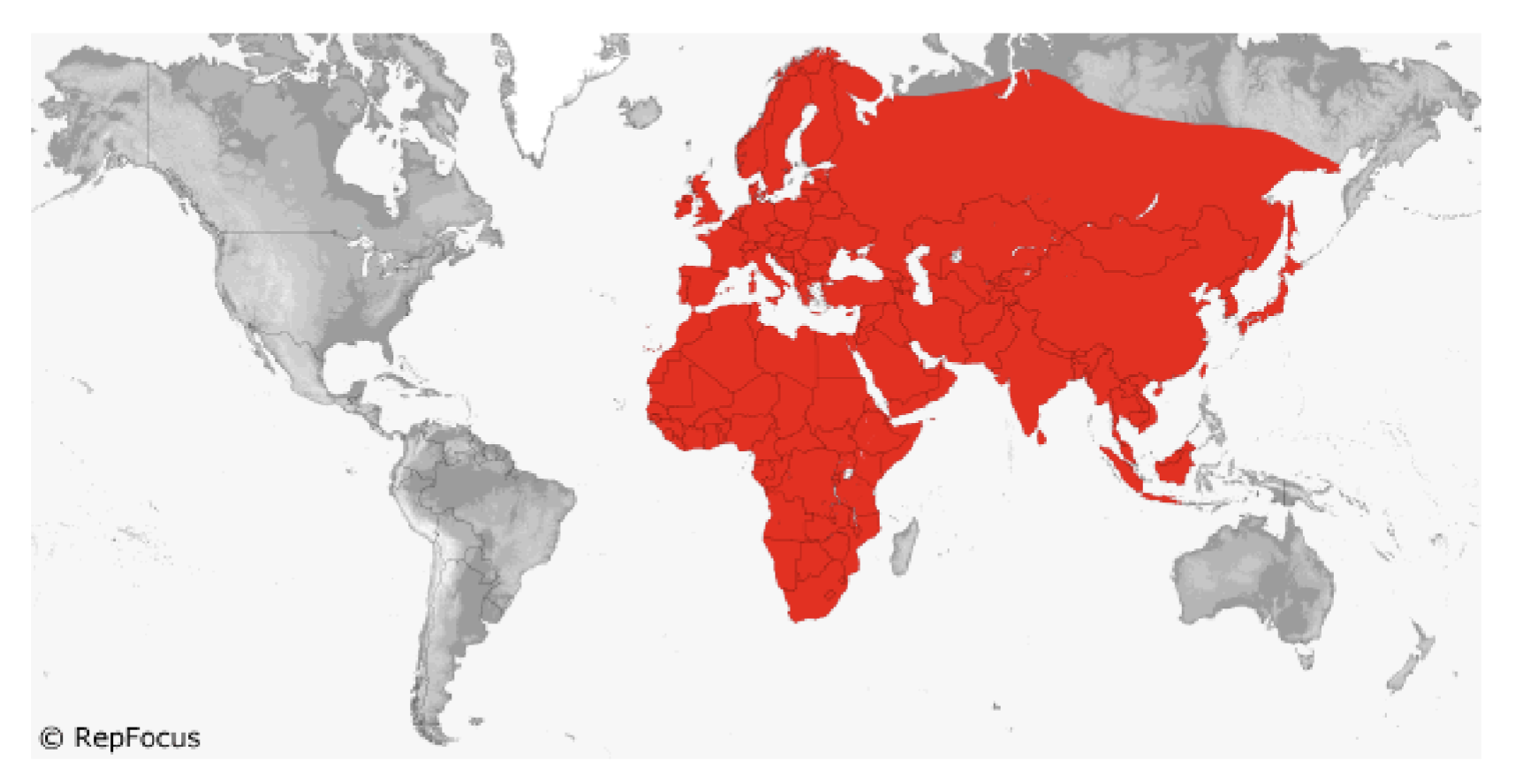
Lacertidae

Member of Lacertoidea

Old World

most abundant lizard family in Europe

43 genera, 378 species 

Most are diurnal

oviparous

carnivorous, 

One species Lacerta vivipara is viviparous 

  • Ranges farther north than any other lizard (into arctic circle) 

The only genus widespread in Asia is the long-tailed grass-swimmer, Takydromus
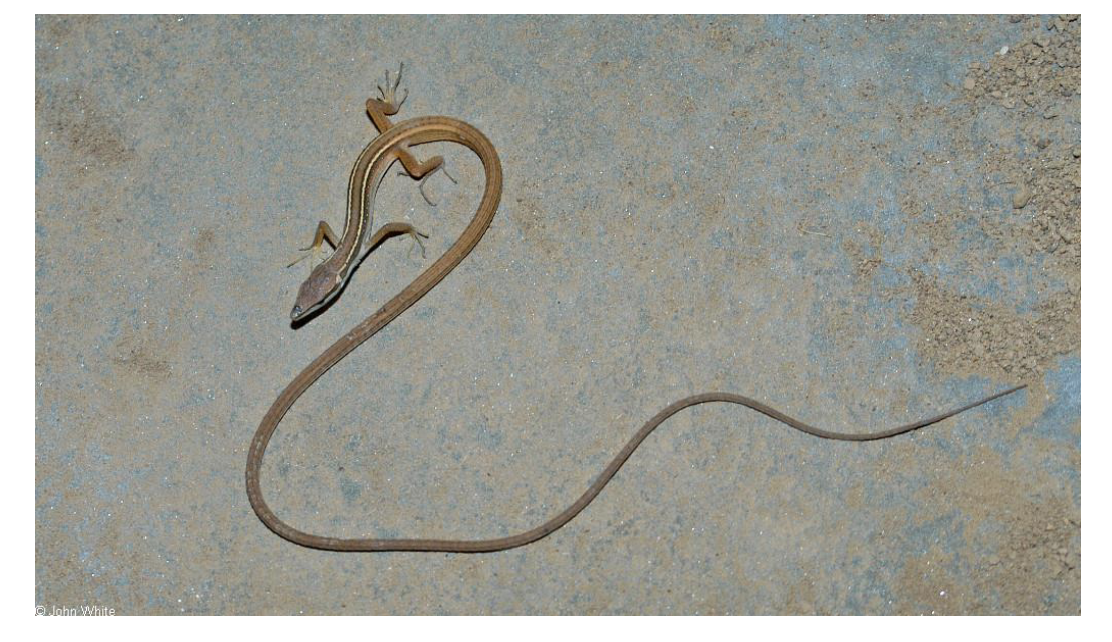
<p>Member of Lacertoidea</p><p>Old World </p><p>most abundant lizard family in Europe </p><p><span style="background-color: transparent;">43 genera, 378 species&nbsp;</span></p><p><span style="background-color: transparent;">Most are diurnal</span></p><p><span style="background-color: transparent;">oviparous </span></p><p><span style="background-color: transparent;">carnivorous,&nbsp;</span></p><p><span style="background-color: transparent;">One species Lacerta vivipara is viviparous&nbsp;</span></p><ul><li><p><span style="background-color: transparent;">Ranges farther north than any other lizard (into arctic circle)&nbsp;</span></p></li></ul><p><span style="background-color: transparent;">The only genus widespread in Asia is the long-tailed grass-swimmer, Takydromus</span></p><p></p>
24
New cards
<p><span style="background-color: transparent;">Teiidae&nbsp;</span></p>

Teiidae 

  • 18 genera, 179 species 

  • North, Middle, and South America and West Indies 

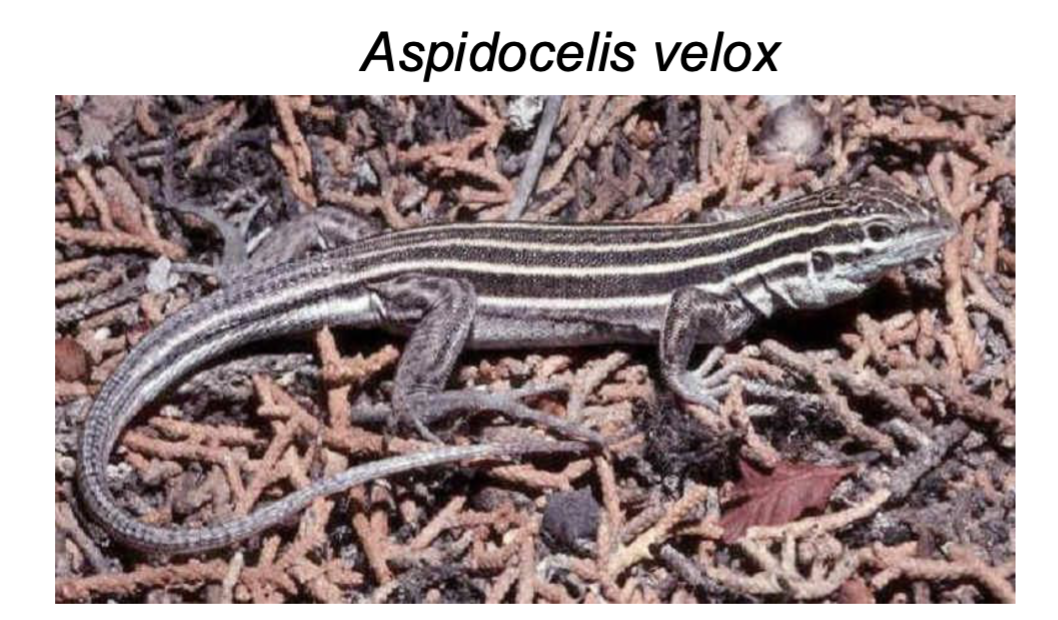
  • Genus Aspidocelis (whiptail lizards

  • Common in southern and western US 

  • Fastest and most heat-tolerant in US 

  • About one-third are all-female parthenogenetic species 

    • Formed through hybridization 

    • Typically diploid or triploid eggs

<p></p><ul><li><p><span style="background-color: transparent;">18 genera, 179 species&nbsp;</span></p></li><li><p><span style="background-color: transparent;">North, Middle, and South America and West Indies&nbsp;</span></p></li><li><p><span style="background-color: transparent;">Genus Aspidocelis (<strong>whiptail lizards</strong>)&nbsp;</span></p></li><li><p><span style="background-color: transparent;">Common in southern and western US&nbsp;</span></p></li><li><p><span style="background-color: transparent;">Fastest and most heat-tolerant in US&nbsp;</span></p></li><li><p><span style="background-color: transparent;">About one-third are all-female parthenogenetic species&nbsp;</span></p><ul><li><p><span style="background-color: transparent;">Formed through hybridization&nbsp;</span></p></li><li><p><span style="background-color: transparent;">Typically diploid or triploid eggs</span></p></li></ul></li></ul><p></p>
25
New cards

Diploglossa

Clade of families: (amphisbaenids, anguids)

• Anguidae

• Diploglossidae

• Xenosauridae

• Amphisbaenia
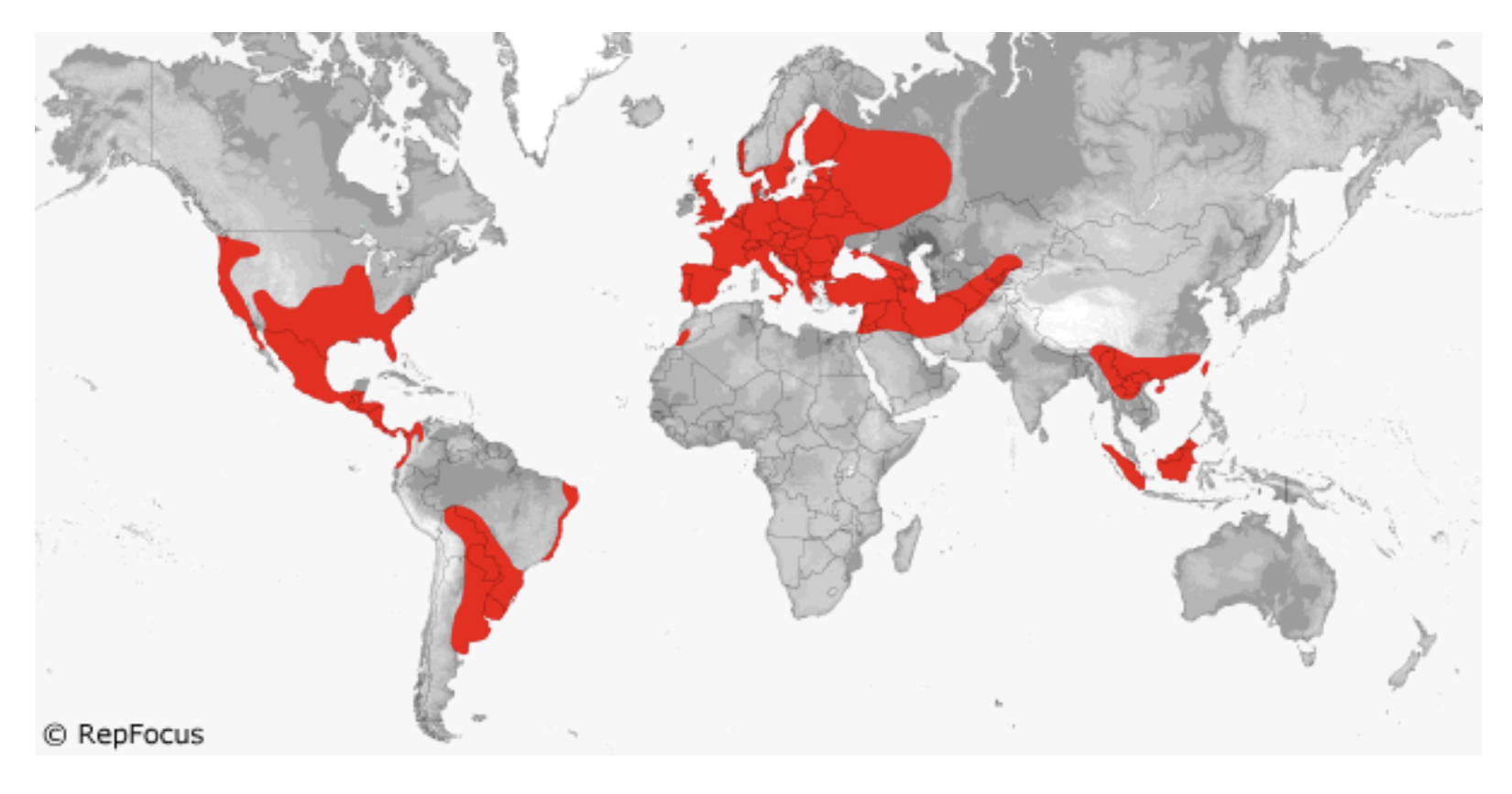
26
New cards
<p>Anguidae &amp; Diploglossidae</p>

Anguidae & Diploglossidae

• Members of Diploglossa

14 genera, 130 species

• Glass lizards, alligator lizards, and relatives

• Glass lizard (Ophisaurus) – long-tailed grass swimmer, found in North America,

Europe, and Asia
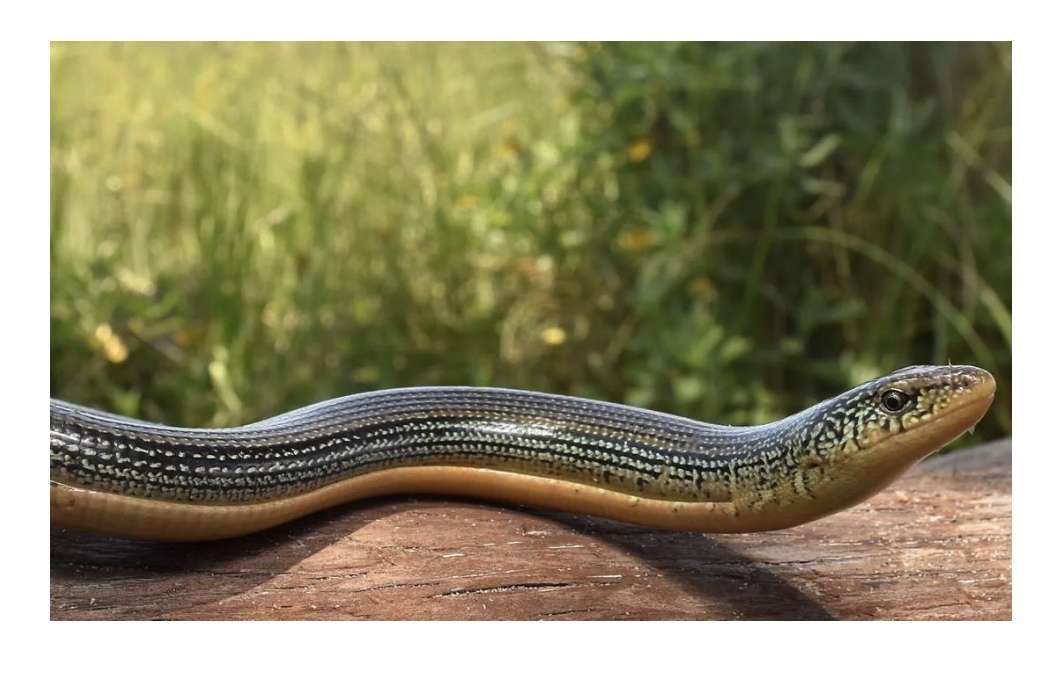
<p>• Members of Diploglossa</p><p>14 genera, 130 species</p><p>• Glass lizards, alligator lizards, and relatives</p><p>• Glass lizard (Ophisaurus) – long-tailed grass swimmer, found in North America,</p><p>Europe, and Asia</p>
27
New cards

Anguidae

member of diploglossa

alligator lizards

mostly New World

terrestrial

diurnal

carnivores

many viviparous

Abronia, live in bromeliads in cloud forests in Mexico and Guatemala
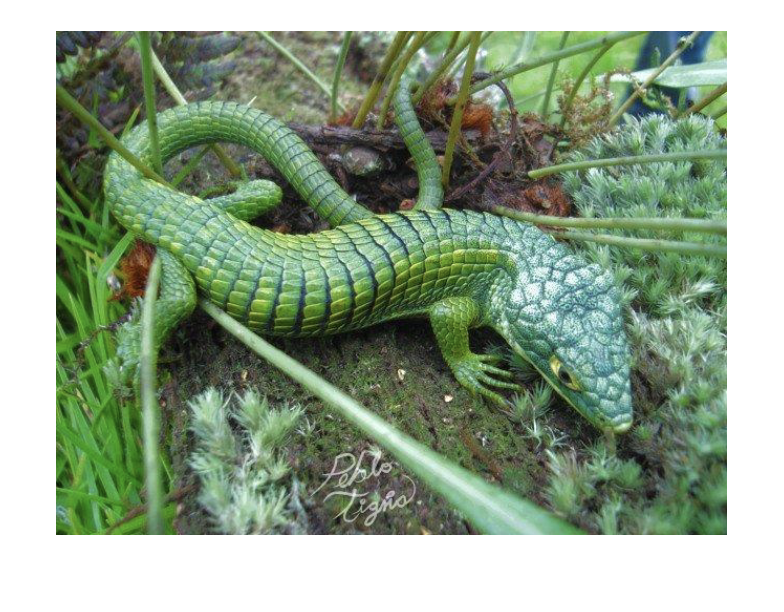
<p>member of diploglossa </p><p><strong>alligator lizards</strong></p><p>mostly New World </p><p>terrestrial</p><p>diurnal</p><p>carnivores </p><p>many viviparous </p><p>Abronia, live in bromeliads in cloud forests in Mexico and Guatemala</p>
28
New cards

Diploglossidae

Member of Diplossa

Diploglossus: giant alligator lizards in the West Indies and tropical Latin America
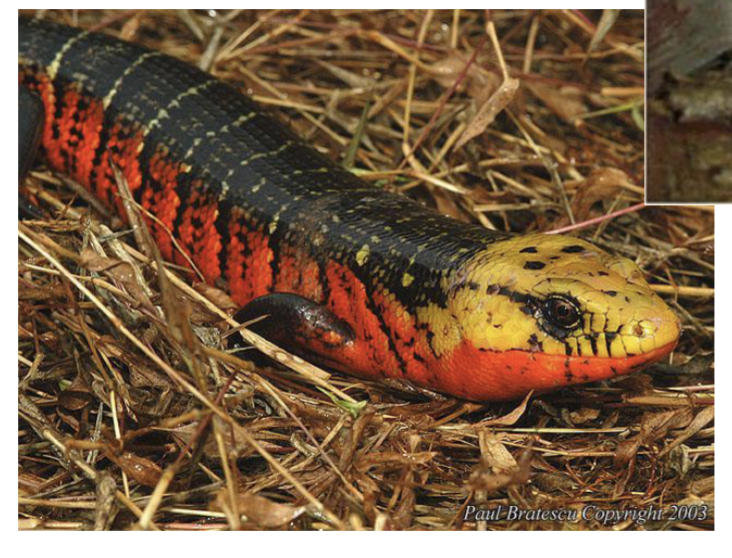
<p>Member of Diplossa </p><p>Diploglossus: <strong>giant alligator lizards</strong> in the West Indies and tropical Latin America</p>
29
New cards
<p><span style="background-color: transparent;">Xenosauridae</span></p>

Xenosauridae

member of diploglossa

14 species, 1 genus 

Terrestrial

forest dwelling 
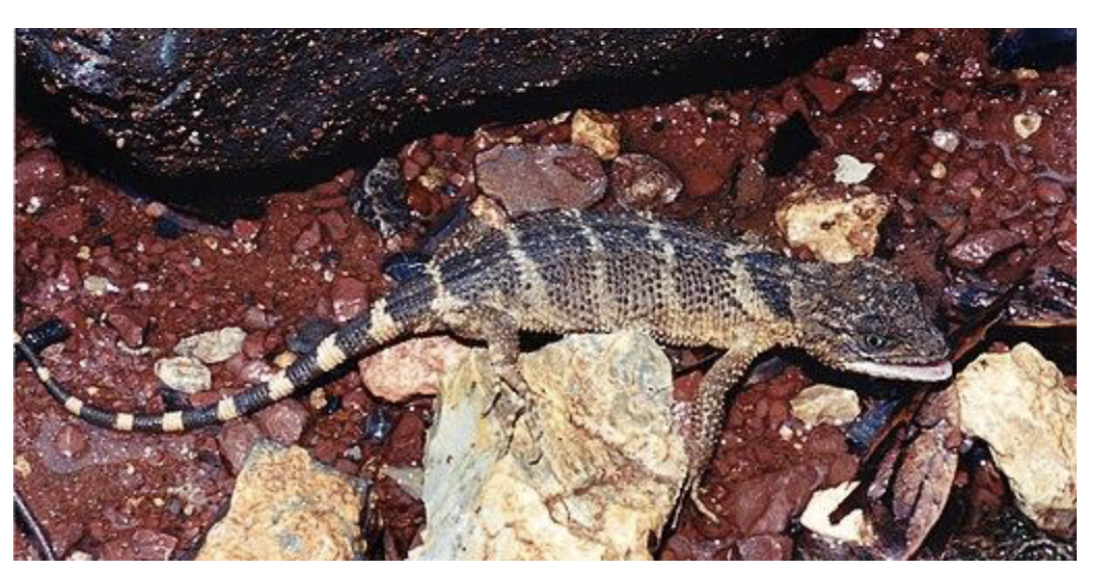
<p>member of diploglossa</p><p><span style="background-color: transparent;">14 species, 1 genus&nbsp;</span></p><p><span style="background-color: transparent;">Terrestrial</span></p><p><span style="background-color: transparent;">forest dwelling&nbsp;</span></p>
30
New cards
<p><span style="background-color: transparent;">Amphisbaenia&nbsp;</span></p>

Amphisbaenia 

  • Members of diploglossa

  • worm lizards

  • Short tailed, limb reduced, snake-like, burrowers 

  • 24 genera, 217 species 

  • Worm-lizard 

  • Reduced eyes 

  • Specialized low-frequency hearing so they can detect vibrations from prey 

  • Limb reduction 

  • Despite a pattern that might suggest continental drift, dispersal followed by extinction seems to best explain the distribution
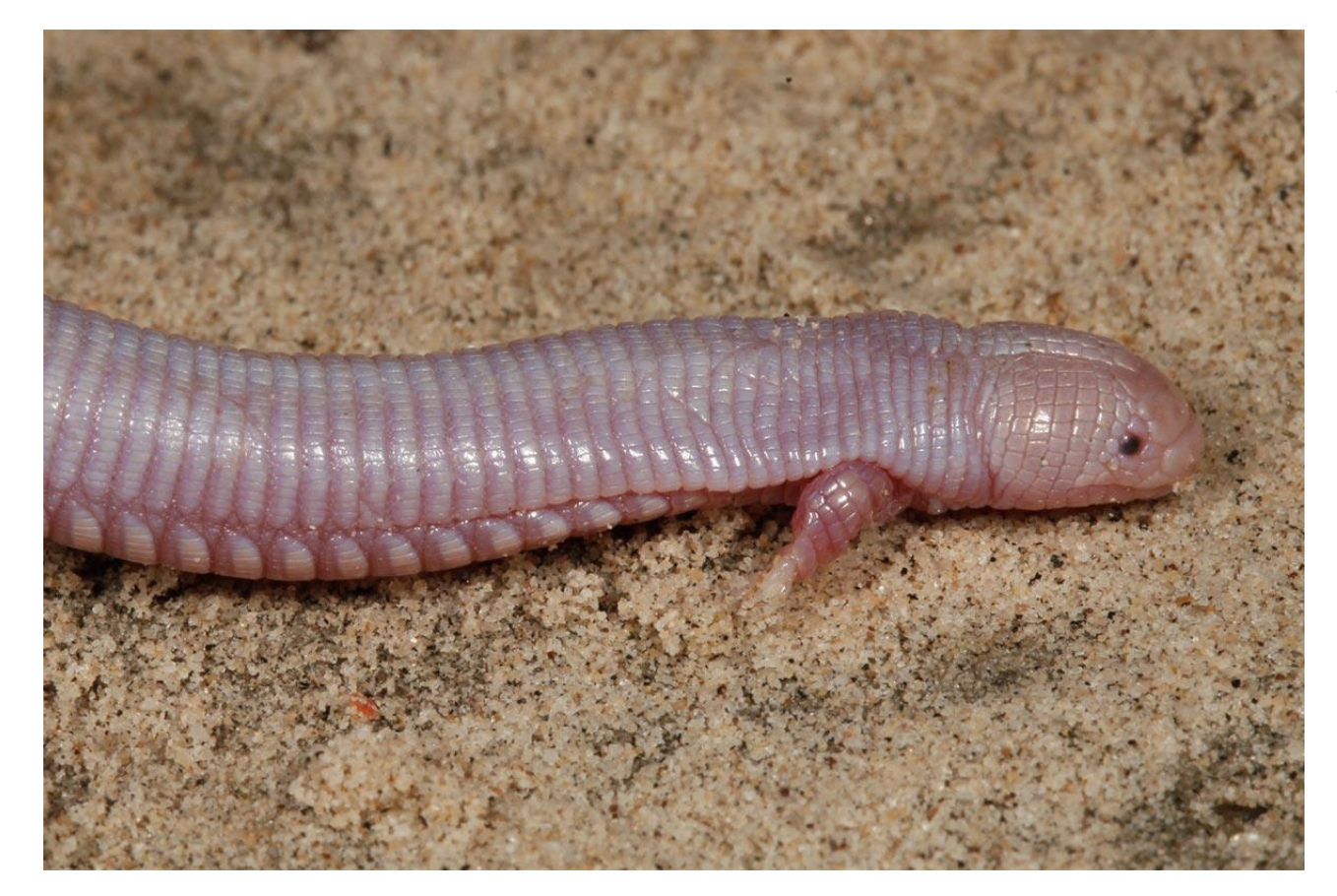
<p></p><ul><li><p><span style="background-color: transparent;">Members of diploglossa </span></p></li><li><p><span style="background-color: transparent;"><strong>worm lizards</strong></span></p></li><li><p><span style="background-color: transparent;">Short tailed, limb reduced, snake-like, burrowers&nbsp;</span></p></li><li><p><span style="background-color: transparent;">24 genera, 217 species&nbsp;</span></p></li><li><p><span style="background-color: transparent;">Worm-lizard&nbsp;</span></p></li><li><p><span style="background-color: transparent;">Reduced eyes&nbsp;</span></p></li><li><p><span style="background-color: transparent;">Specialized low-frequency hearing so they can detect vibrations from prey&nbsp;</span></p></li><li><p><span style="background-color: transparent;">Limb reduction&nbsp;</span></p></li><li><p><span style="background-color: transparent;">Despite a pattern that might suggest continental drift, dispersal followed by extinction seems to best explain the distribution</span></p></li></ul><p></p>
31
New cards

Platynota

paranoids and Gila monster

Platynota

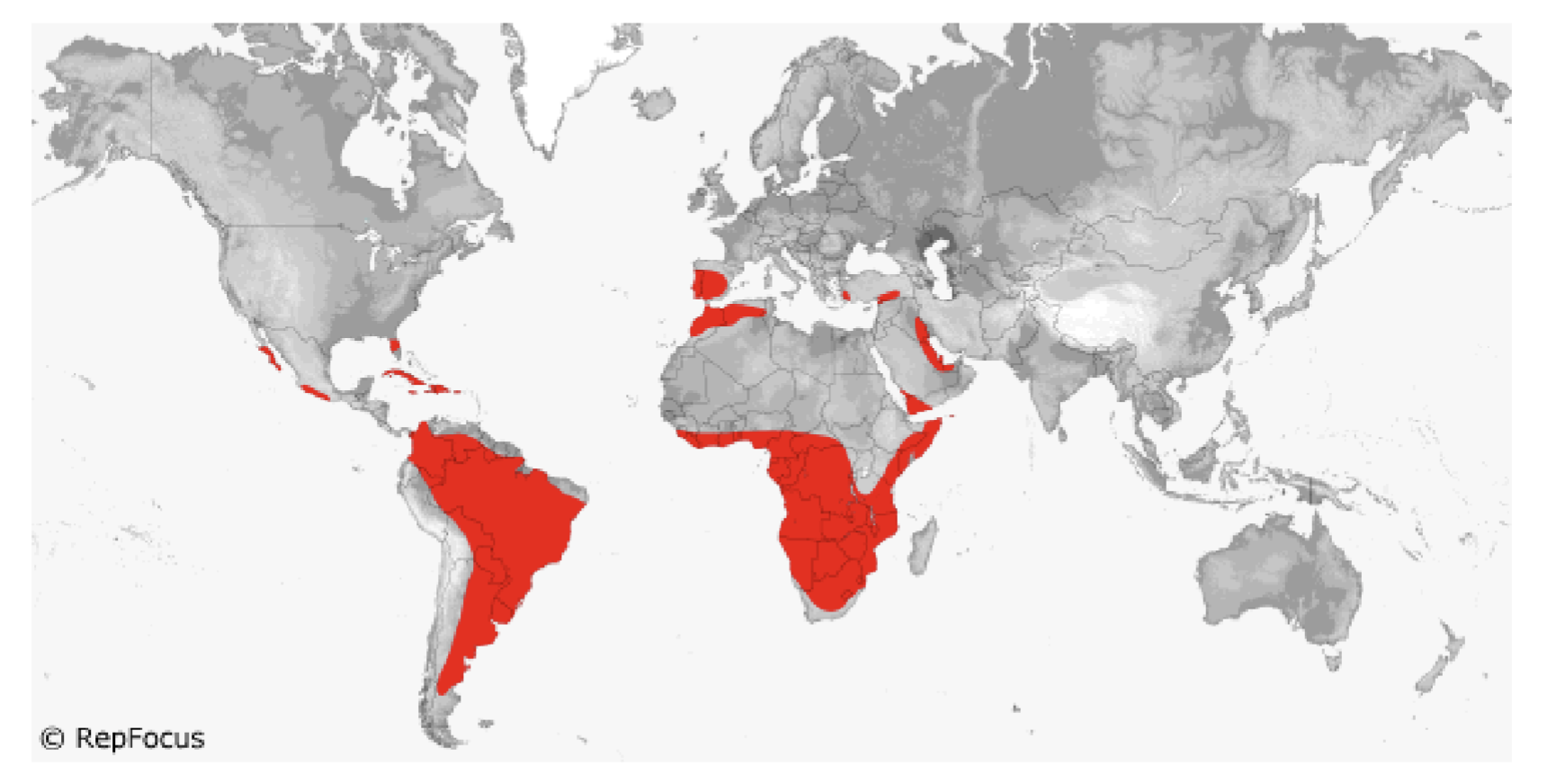
• Helodermatidae

• Lanthanotidae

• Varanidae
32
New cards
<p>Helodermatidae</p>

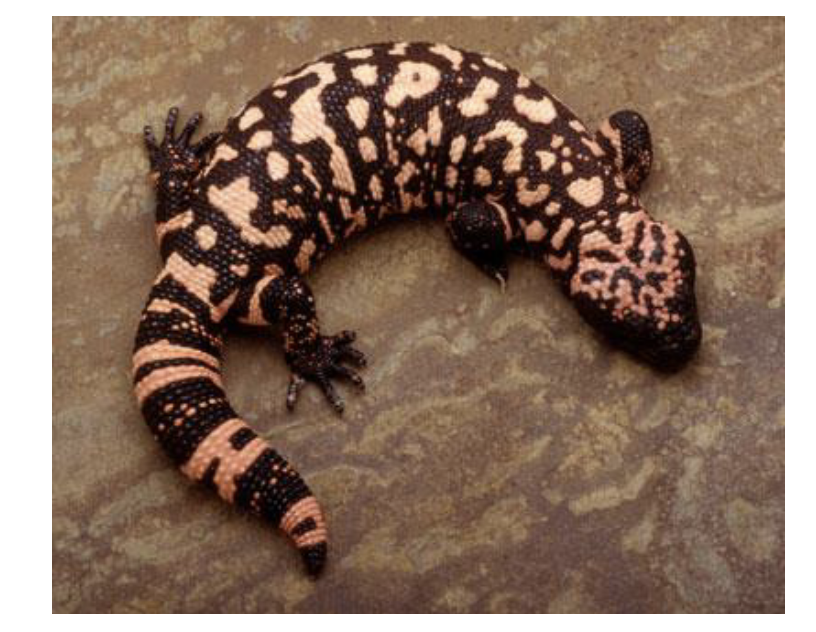
Helodermatidae

  • Members of Platynota

  • 1 genus (Heloderma), 5 species 

  • Considered to be the only dangerously venomous lizards 

  • Gila Monster 

  • Large, slow moving 

  • Terrestrial, carnivorous, and oviparous 

  • May be diurnal or nocturnal

  • Heat-loving

<ul><li><p>Members of Platynota</p></li><li><p><span style="background-color: transparent;">1 genus (Heloderma), 5 species&nbsp;</span></p></li><li><p><span style="background-color: transparent;">Considered to be the only dangerously venomous lizards&nbsp;</span></p></li><li><p><span style="background-color: transparent;">Gila Monster&nbsp;</span></p></li><li><p><span style="background-color: transparent;">Large, slow moving&nbsp;</span></p></li><li><p><span style="background-color: transparent;">Terrestrial, carnivorous, and oviparous&nbsp;</span></p></li><li><p><span style="background-color: transparent;">May be diurnal or nocturnal</span></p></li><li><p><span style="background-color: transparent;">Heat-loving</span></p></li></ul><p></p>
33
New cards
<p><span style="background-color: transparent;">Lanthanotidae&nbsp;</span></p>

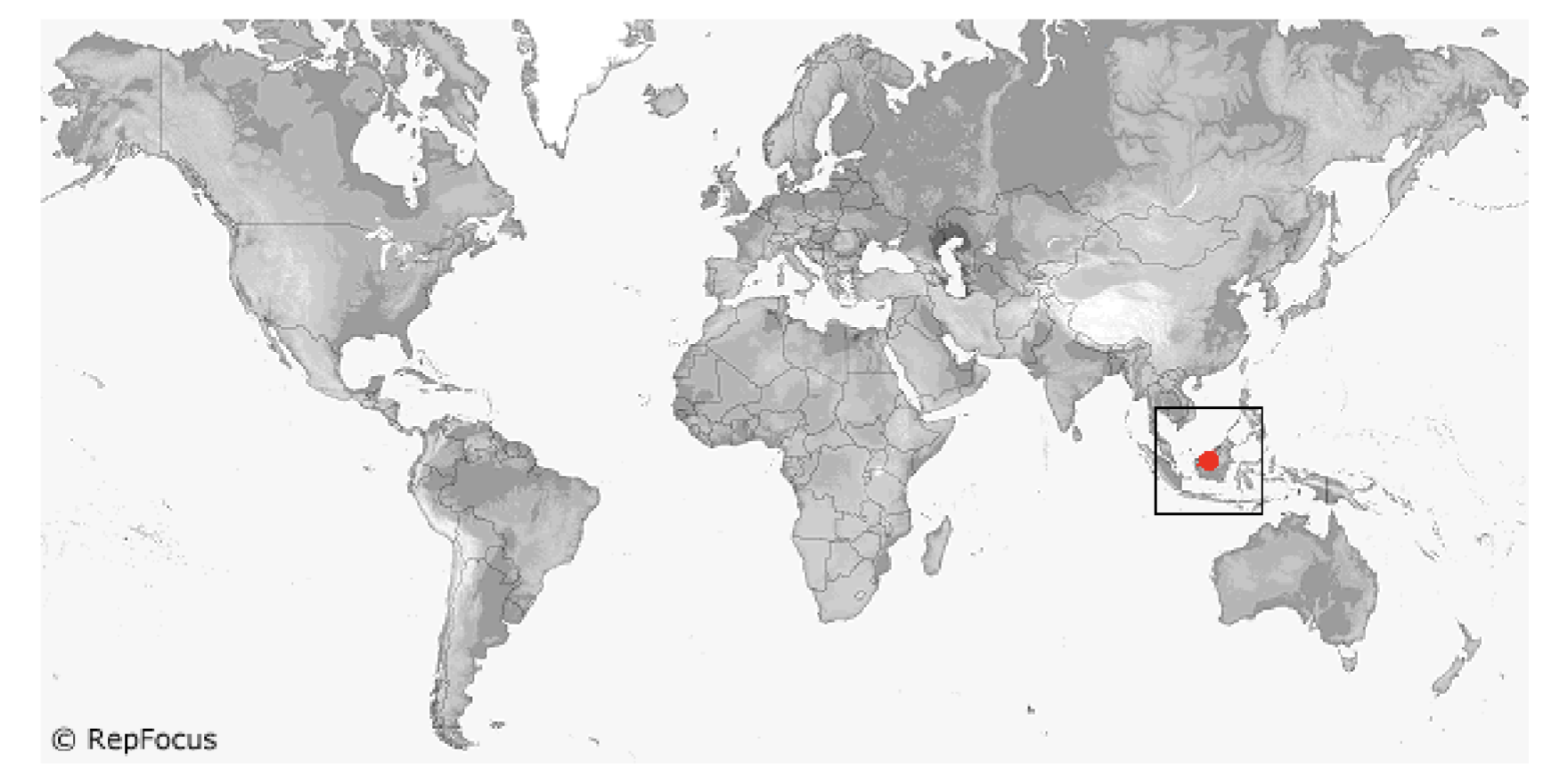
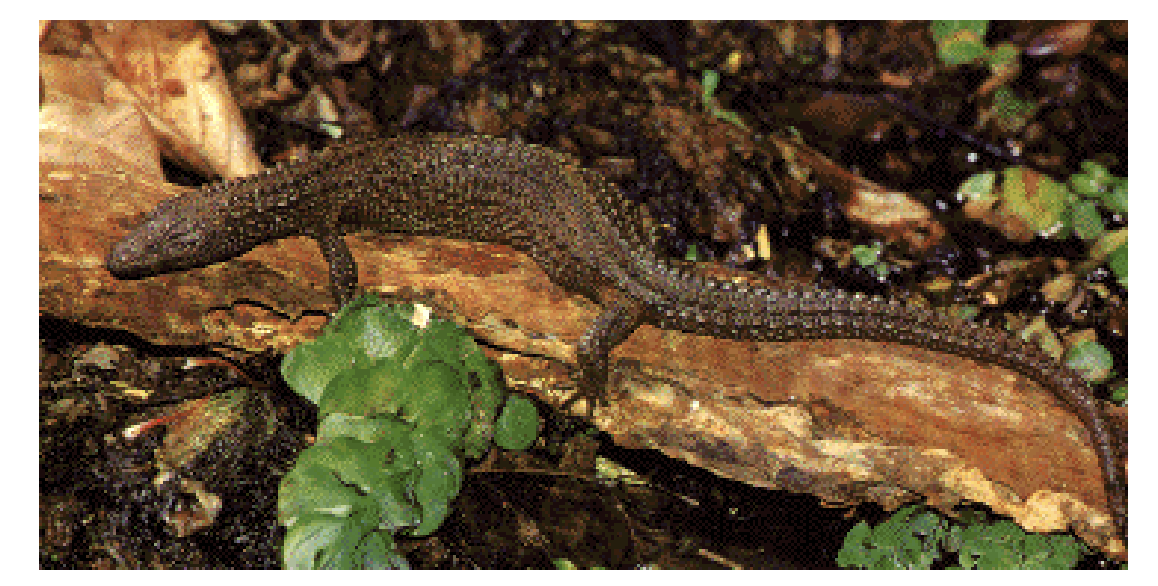
Lanthanotidae 

  • Members of Platynota

  • Sister taxon of Varanidae 

  • One genus and species from island of Borneo 

  • Found along rivers and streams in rainforest,

  • semi-aquatic,

  • burrowing,

  • carnivorous,

  • nocturnal,

  • oviparous 

<p></p><p></p><ul><li><p>Members of Platynota</p></li><li><p><span style="background-color: transparent;">Sister taxon of Varanidae&nbsp;</span></p></li><li><p><span style="background-color: transparent;">One genus and species from island of Borneo&nbsp;</span></p></li><li><p><span style="background-color: transparent;">Found along rivers and streams in rainforest, </span></p></li><li><p><span style="background-color: transparent;">semi-aquatic, </span></p></li><li><p><span style="background-color: transparent;">burrowing, </span></p></li><li><p><span style="background-color: transparent;">carnivorous, </span></p></li><li><p><span style="background-color: transparent;">nocturnal, </span></p></li><li><p><span style="background-color: transparent;">oviparous&nbsp;</span></p></li></ul><p></p>
34
New cards
<p><span style="background-color: transparent;">Varanidae&nbsp;</span></p>

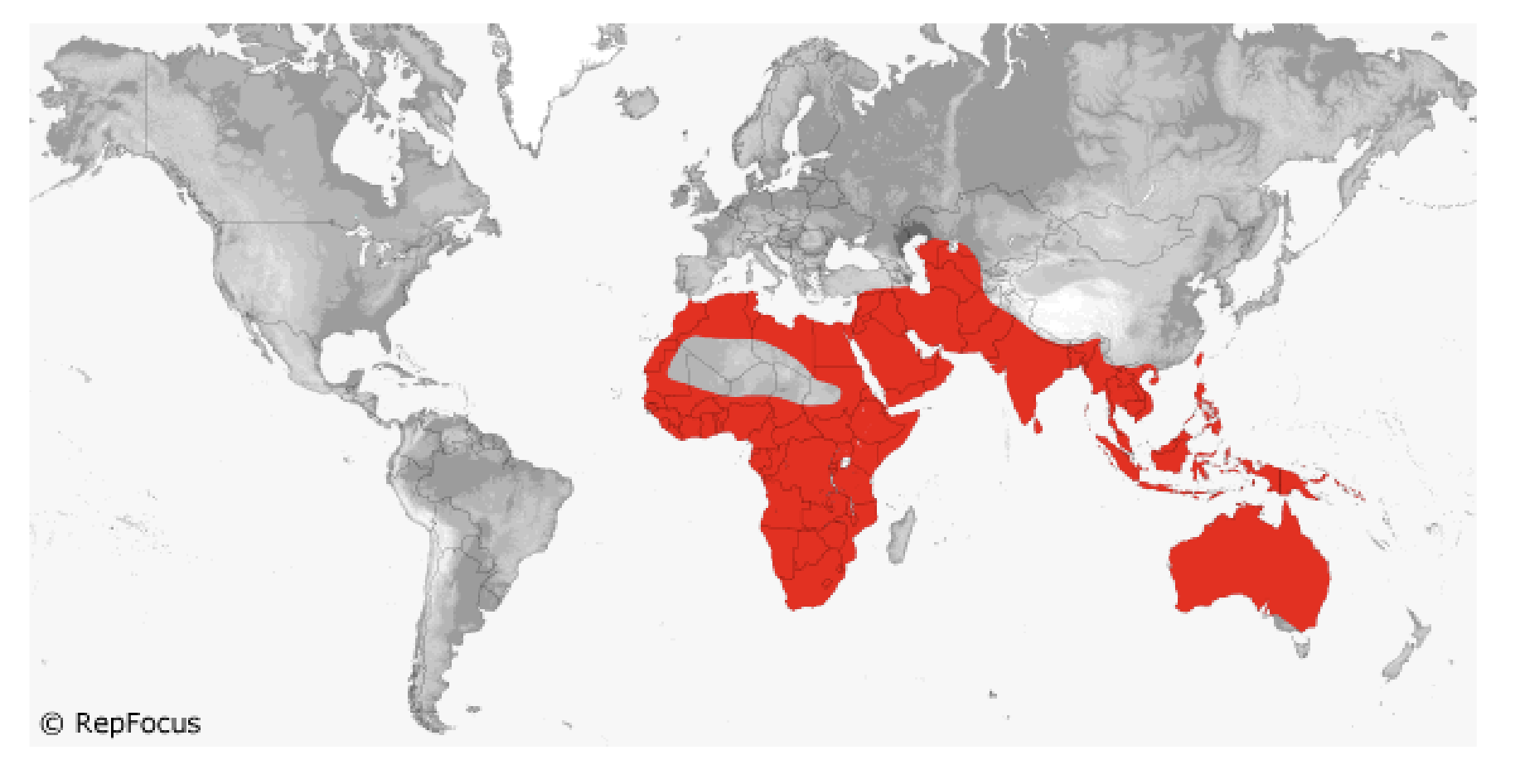
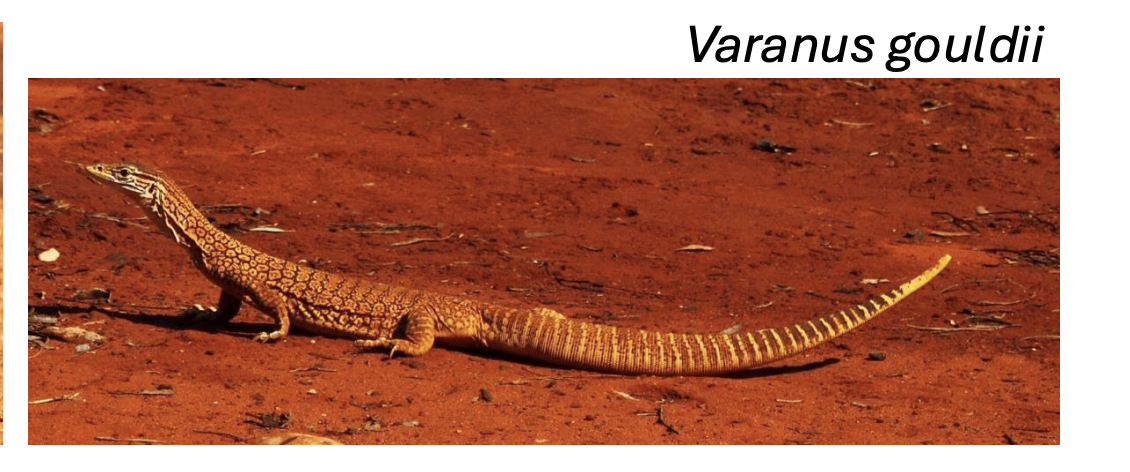
Varanidae 

  • Members of Platynota

  • Monitor Lizards

  • 1 genus, 88 sp 

  • Asia, Africa, Australia 

  • Includes the world's largest lizard

  • Most terrestrial, some arboreal, 1 semi-aquatic 

  • Most carnivorous, a few eat fruit 

  • May have some development of venom 

  • Diurnal, oviparous 

  • Mosasaurs 

    • Giant Extinct marine lizards 

<p></p><ul><li><p>Members of Platynota</p></li><li><p><span style="background-color: transparent;"><strong>Monitor Lizards</strong></span></p></li><li><p><span style="background-color: transparent;">1 genus, 88 sp&nbsp;</span></p></li><li><p><span style="background-color: transparent;">Asia, Africa, Australia&nbsp;</span></p></li><li><p><span style="background-color: transparent;">Includes the world's largest lizard</span></p></li><li><p><span style="background-color: transparent;">Most terrestrial, some arboreal, 1 semi-aquatic&nbsp;</span></p></li><li><p><span style="background-color: transparent;">Most carnivorous, a few eat fruit&nbsp;</span></p></li><li><p><span style="background-color: transparent;">May have some development of venom&nbsp;</span></p></li><li><p><span style="background-color: transparent;">Diurnal, oviparous&nbsp;</span></p></li><li><p><span style="background-color: transparent;">Mosasaurs&nbsp;</span></p><ul><li><p><span style="background-color: transparent;">Giant Extinct marine lizards&nbsp;</span></p></li></ul></li></ul><p></p>
35
New cards
<p><span style="background-color: transparent;">Shinisauroidea</span></p>

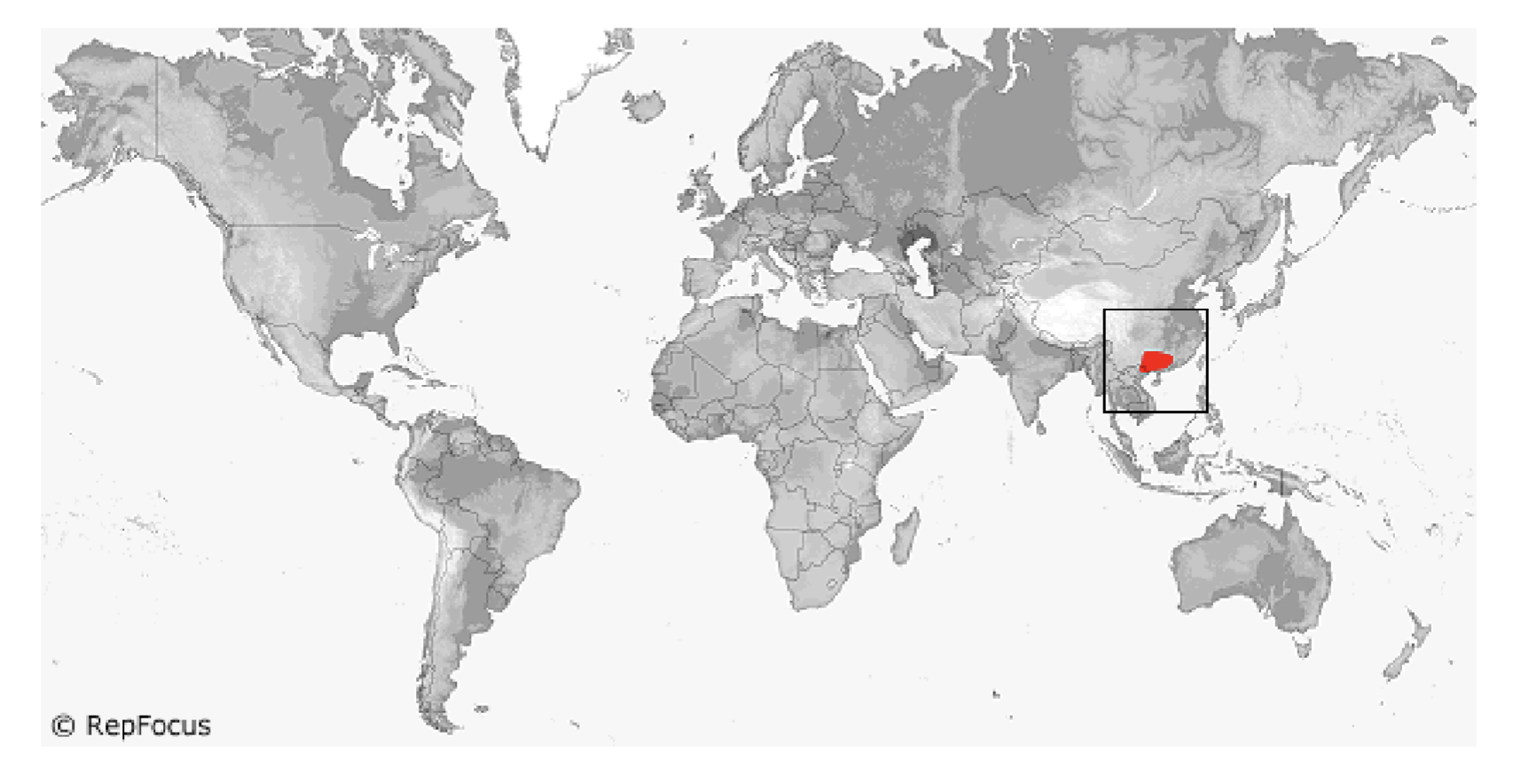
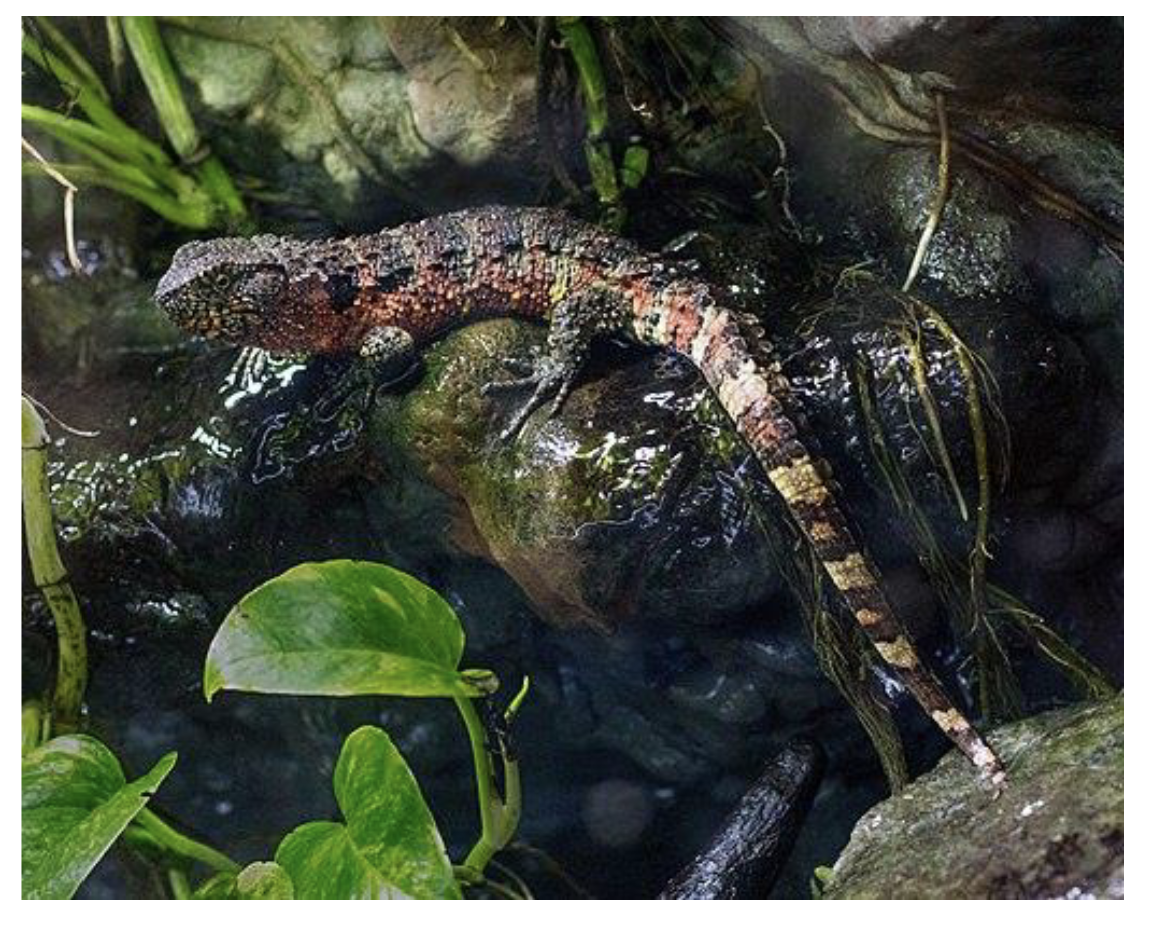
Shinisauroidea

  • Crocodile lizards

  • 1 species, 1 genus 

  • Semi-aquatic 

  • Carnivorous 

  • Viviparous 

  • Southeast Asia 


<p></p><ul><li><p><strong>Crocodile lizards</strong></p></li><li><p><span style="background-color: transparent;">1 species, 1 genus&nbsp;</span></p></li><li><p><span style="background-color: transparent;">Semi-aquatic&nbsp;</span></p></li><li><p><span style="background-color: transparent;">Carnivorous&nbsp;</span></p></li><li><p><span style="background-color: transparent;">Viviparous&nbsp;</span></p></li><li><p><span style="background-color: transparent;">Southeast Asia&nbsp;</span></p></li></ul><p><strong><br><br></strong></p>

Explore top flashcards

flashcards
Week 1
20
Updated 716d ago
0.0(0)
flashcards
Introduction to Biology
33
Updated 446d ago
0.0(0)
flashcards
Classical Roots Lessons 7-8
42
Updated 1146d ago
0.0(0)
flashcards
Civil Rights and Liberties
38
Updated 1075d ago
0.0(0)
flashcards
units 1-7 vocab
361
Updated 1081d ago
0.0(0)
flashcards
Survey of Humanities- Boroque
40
Updated 925d ago
0.0(0)
flashcards
Week 1
20
Updated 716d ago
0.0(0)
flashcards
Introduction to Biology
33
Updated 446d ago
0.0(0)
flashcards
Classical Roots Lessons 7-8
42
Updated 1146d ago
0.0(0)
flashcards
Civil Rights and Liberties
38
Updated 1075d ago
0.0(0)
flashcards
units 1-7 vocab
361
Updated 1081d ago
0.0(0)
flashcards
Survey of Humanities- Boroque
40
Updated 925d ago
0.0(0)