BIOL 202 Practical 2: Master
 Studied by 0 people
 Call Kai
 Learn
Learn Practice Test
 Spaced Repetition
 Match
Match Flashcards
 Knowt Play
1/152

There's no tags or description
Looks like no tags are added yet.
Name | Mastery | Learn | Test | Matching | Spaced | Call with Kai |
|---|
No analytics yet
Send a link to your students to track their progress
153 Terms
Clitellum
Earthworm: reproductive structure

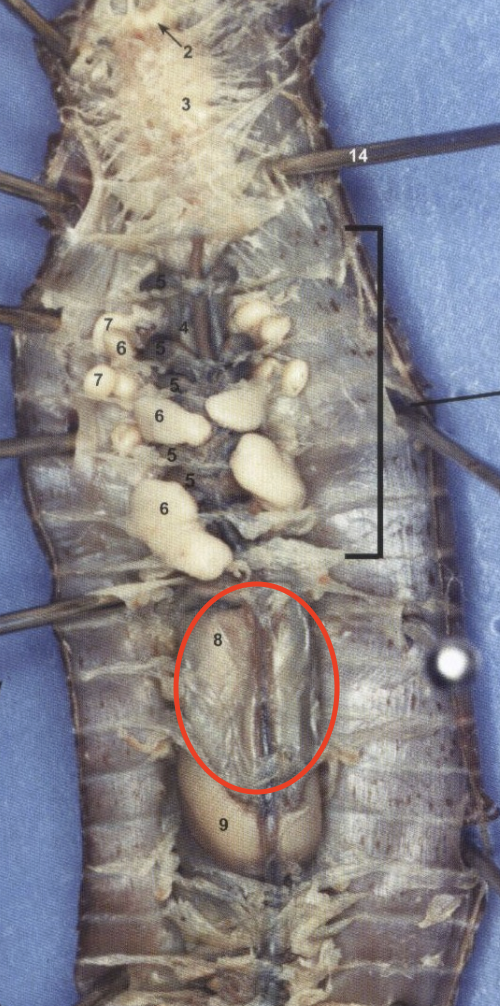
Gizzard
Earthworm: Uses soil to grind up food (below crop)
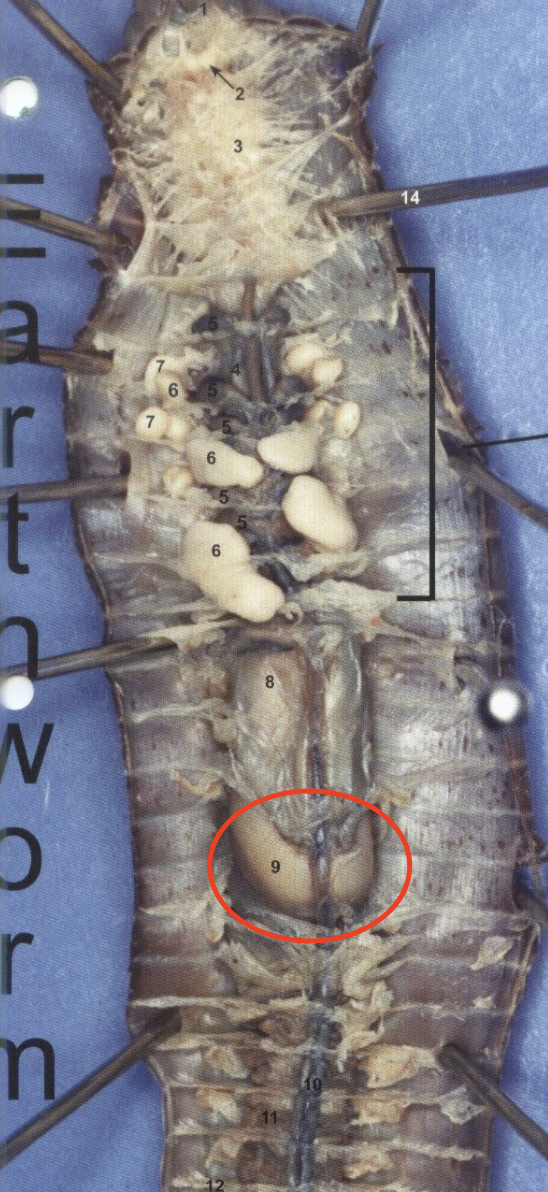
Crop
Earthworm: where food is stored before the gizzard (above gizzard)
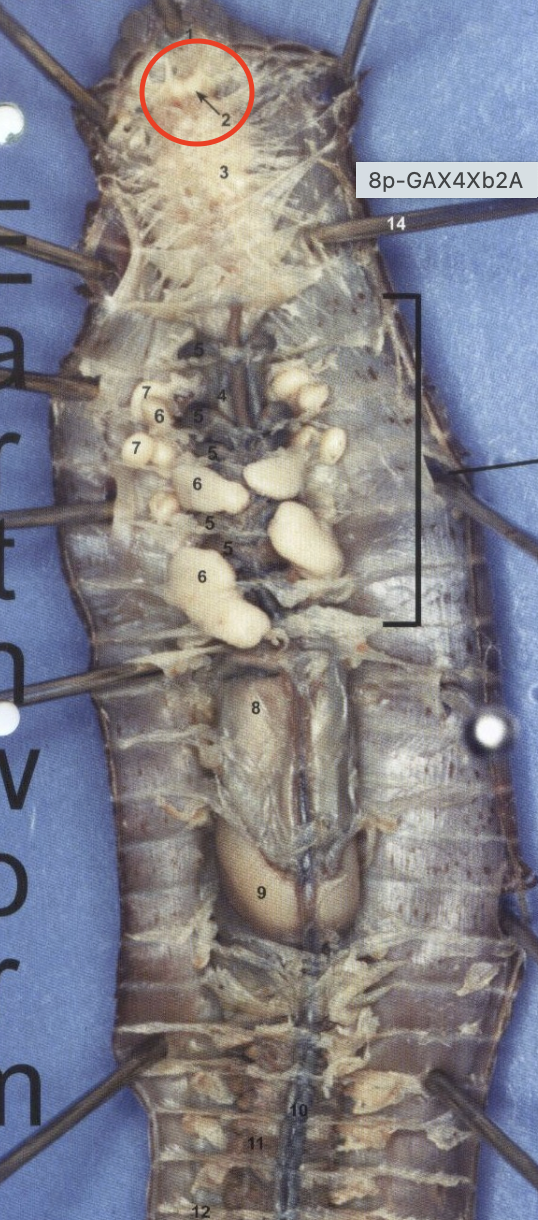
Cerebral Ganglia
Earthworm: brain
Dorsal Blood Vessel
Earthworm: runs down length of worm below the gizzard

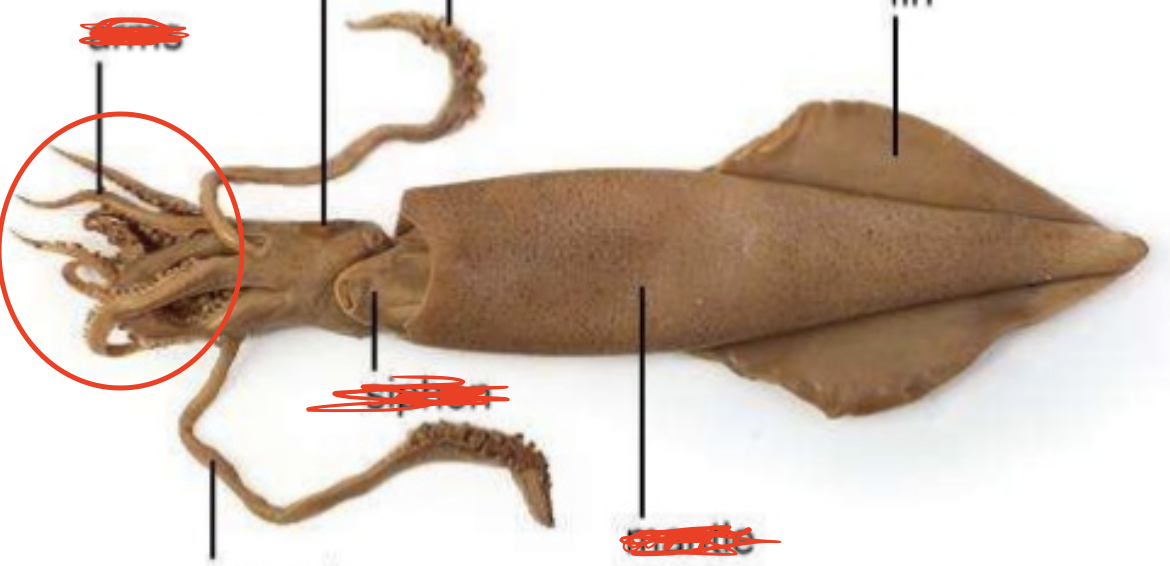
Arms
Squid: used to grab and hold prey
Tentacles
Squid: Used to capture prey
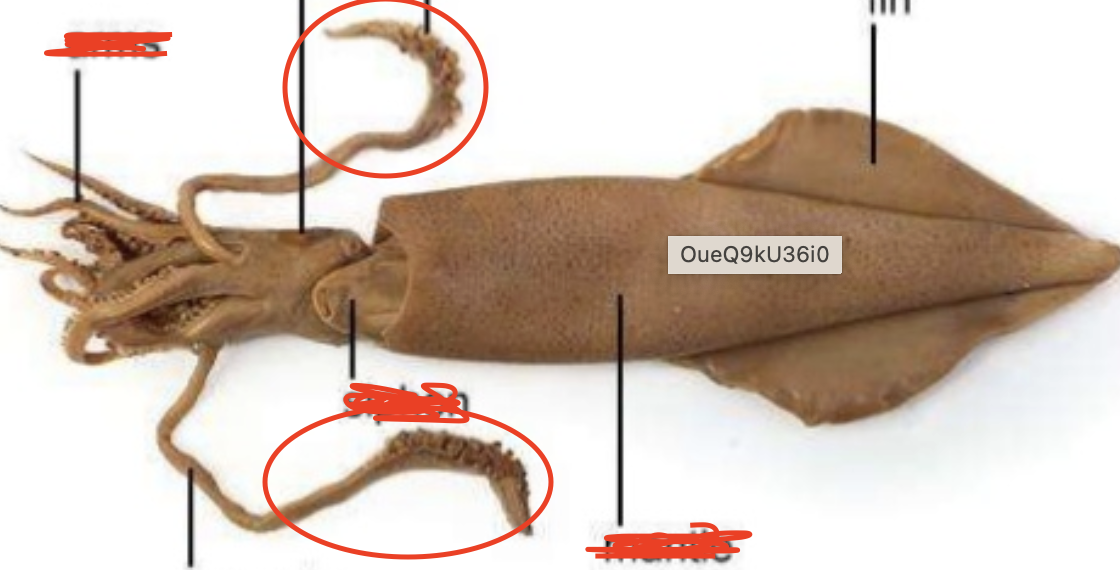
Fin
Squid: provide stability and maneuverability
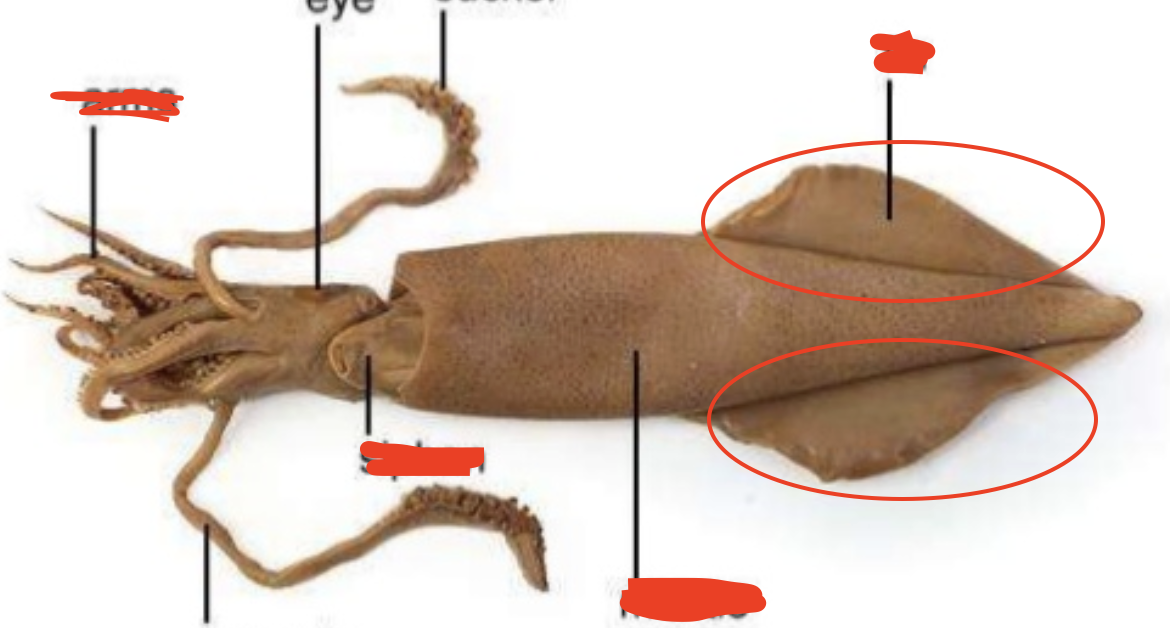
Mantle
Squid: main part where organs are housed, fin and head is attached to it
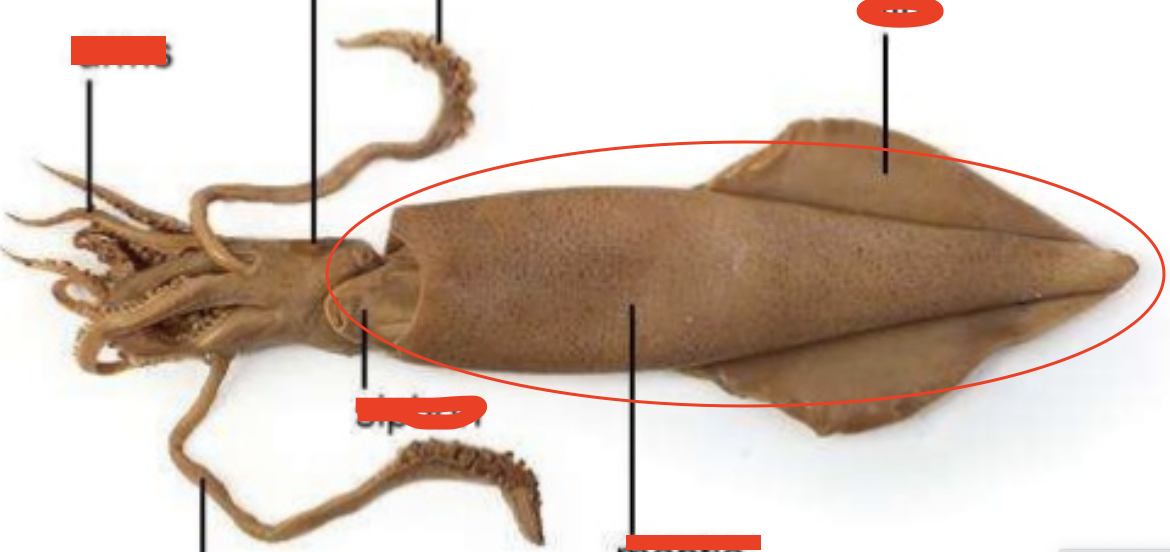
Ink sac
Squid: just below siphon, holds ink
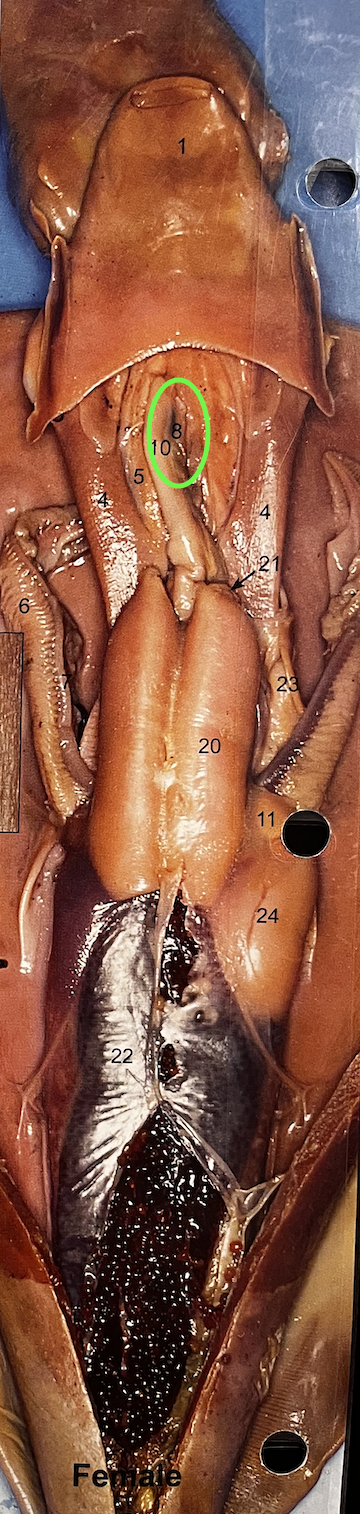
Pen
Squid: plastic-like support structure
Gills
Squid: for respiration
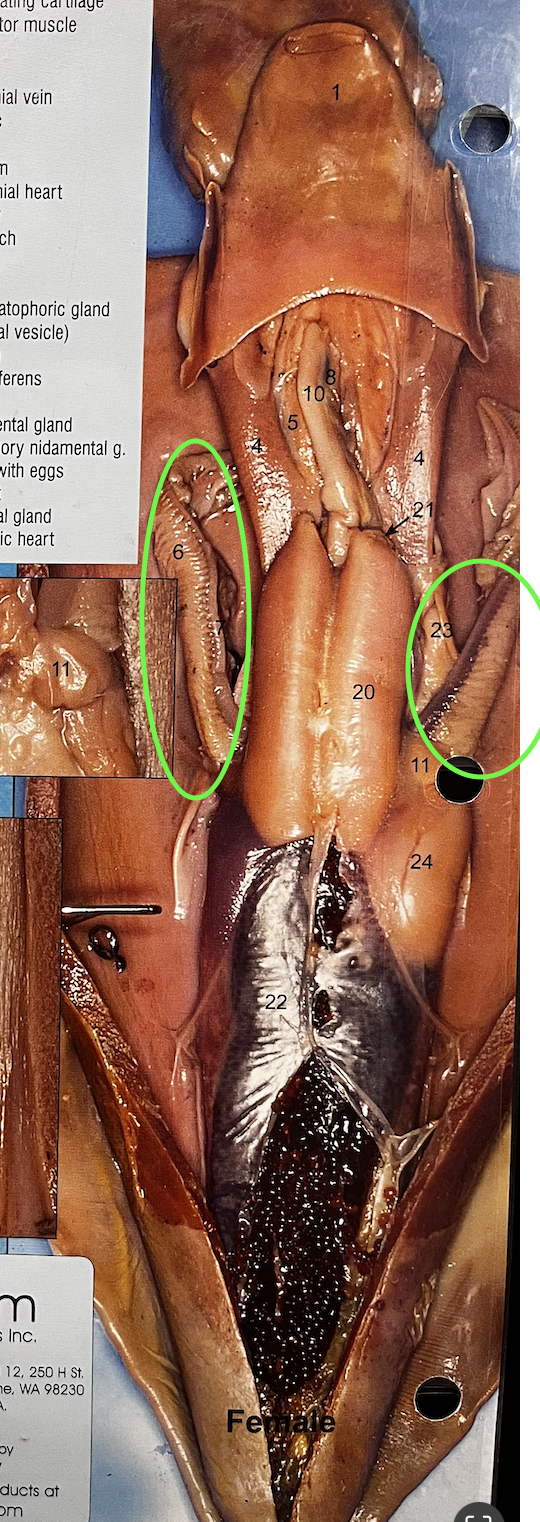
Siphon
Squid: jet propulsion for locomotion

Cephalothorax
Crayfish: Head and middle of body
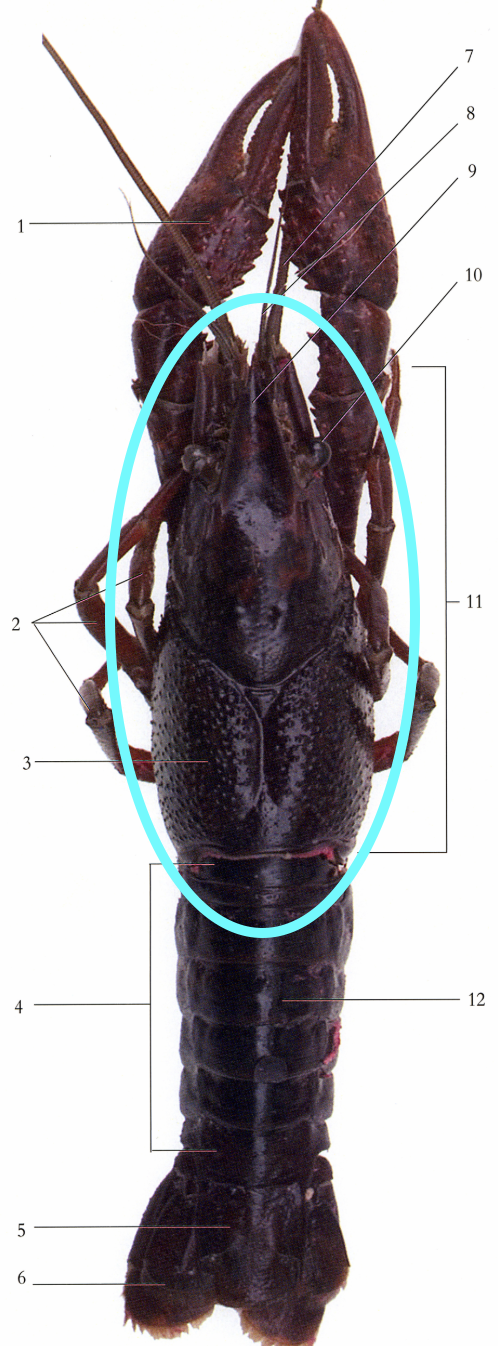
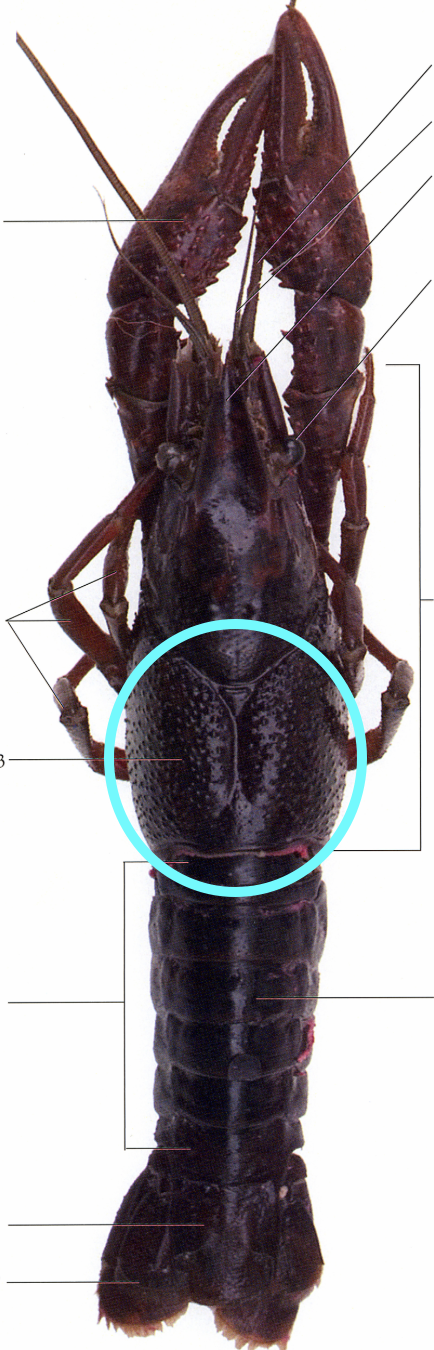
Carapace
Crayfish: middle of body where head and abdomen are attached
Antenna
Crayfish: used for sensing objects

Green glands
Crayfish: excretory organs
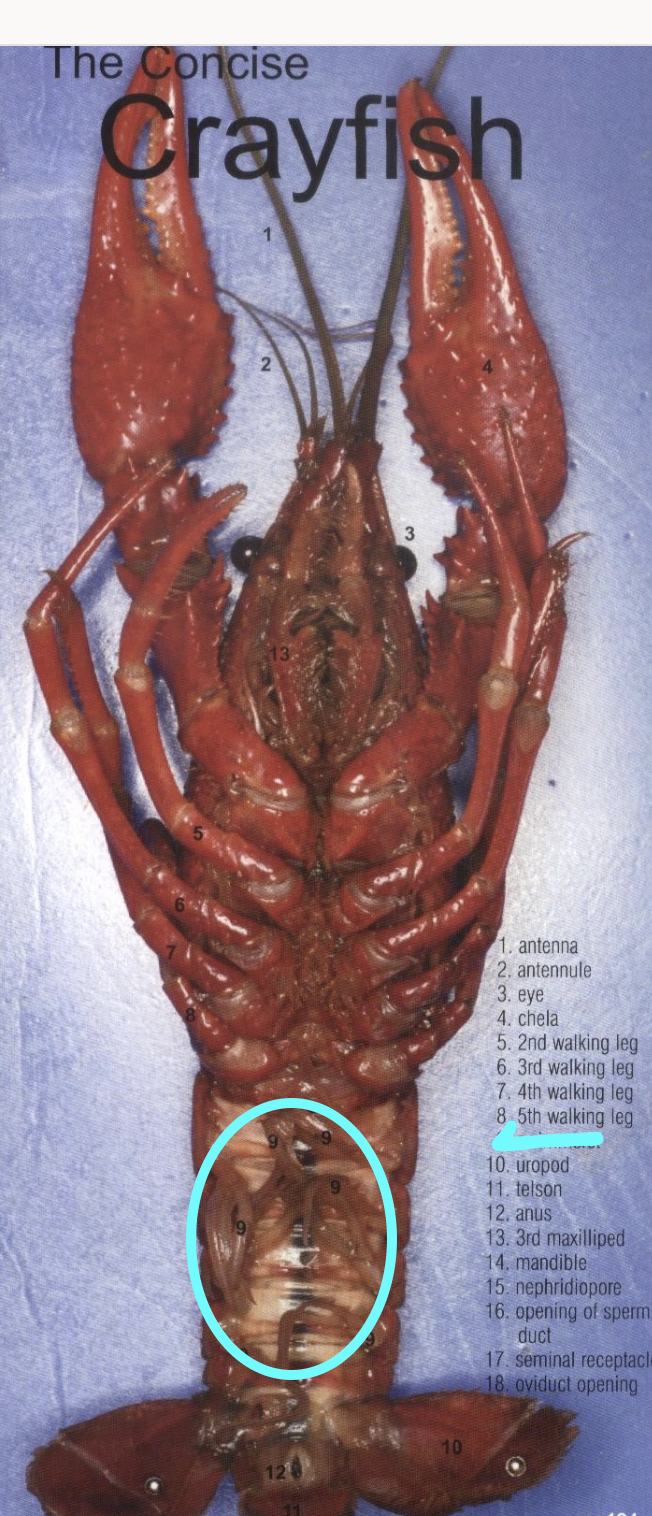
Swimmerets
Crayfish: Under abdomen near tail
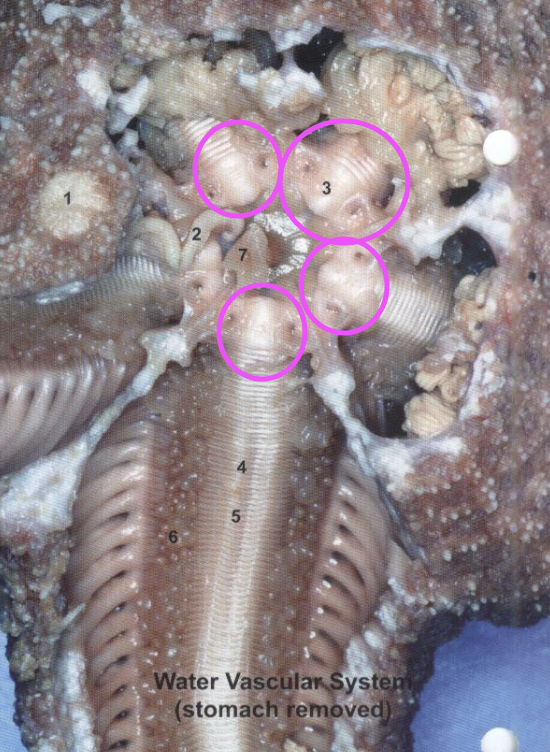
Tube feet
Starfish: used for locomotion
Ring canal
Starfish: central hub on wvs and surrounding mouth
Digestion glands
Starfish: runs down arms, used for digestion
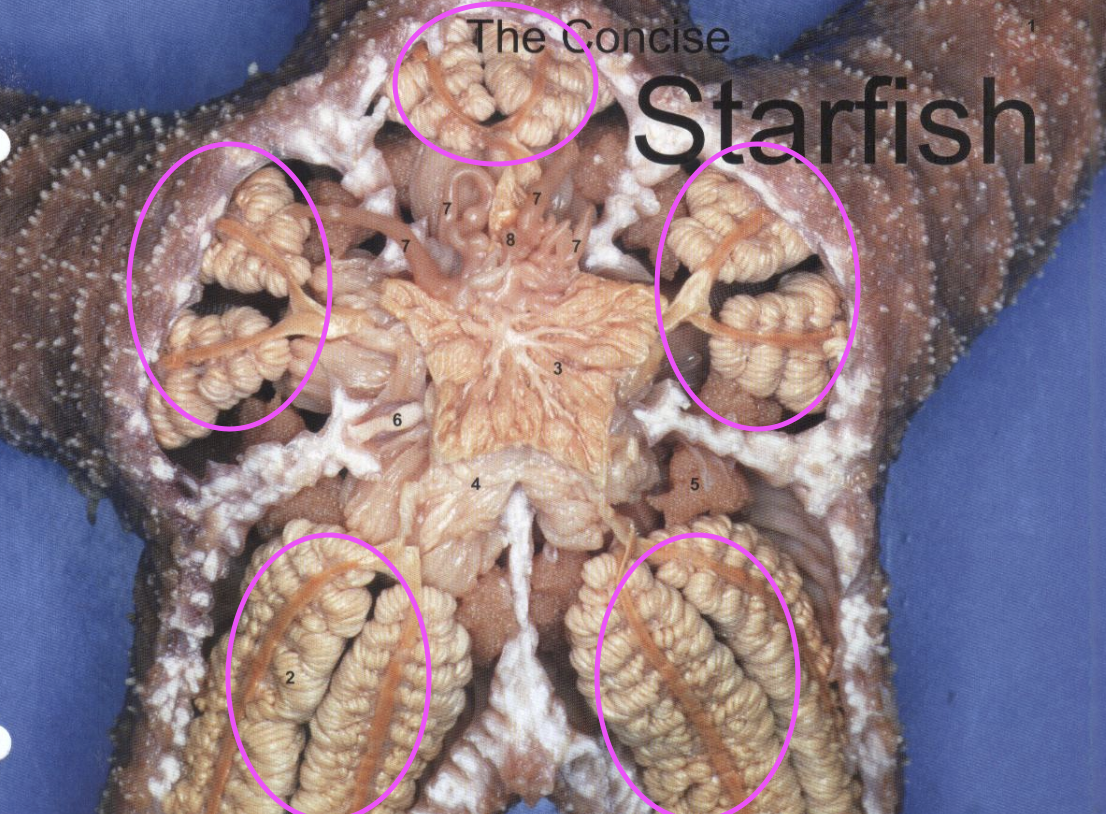
Gonad glands
Starfish: runs next to the digestive glands, used for reproduction

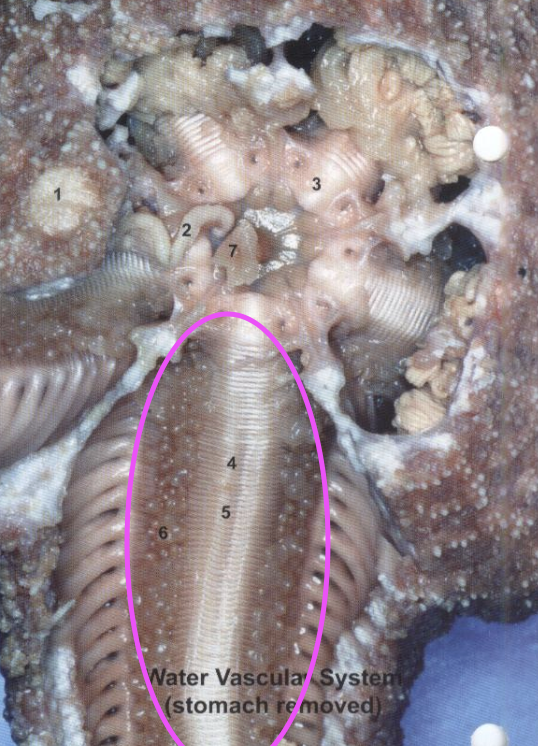
Radial canal
Starfish: branches off ring canal and runs down arm and acts as a pathway for distributing water
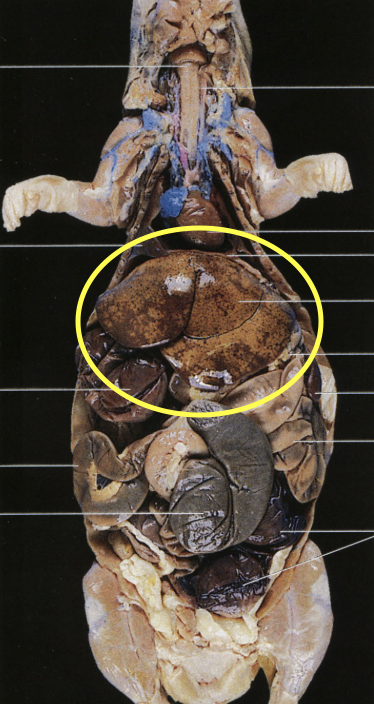
Liver
Rat: big and grey, right in the middle
Kidney
Rat: on back + bottom, filters blood and eliminates waste
Mammary gland
Rat: milk producing gland
Heart
Rat: top of intestines near throat, pumps blood i’m assuming
Phylum Chordata
fish/amphibians/reptiles/mammals, 5 shared characteristics, 3 subphyums
Dorsal hollow nerve cord, notochord, pharyngeal gill slits, endostyle, postanal tail
5 shared Chordate characteristics
Dorsal hollow nerve cord
develops into central nervous system, brain, and spinal cord (Chordata)
Notochord
provides skeletal support to Chordates
Pharyngeal gill slits
strains food particles from water in Chordates
Endostyle
mucus secreting tissue in Chordates
Postanal tail
Mostly for propulsion in Chordates
Subphylum Cephalochordata
Chordata: lancelets where the adults have all 5 chordate features
Subphylum Tunicate
Chordata: lancelets where the larvae only have all 5 chordate features
Subphylum Vertebrata
Chordata: 5 chordata characteristics seen in ancestors, cranium/vertebral column/endoskeleton
Cranium
protective housing for brain (Subphylum Vertebrata)
Vertebral Column
protects nerve cord (Subphylum Vertebrata)
Vertebrate Endoskeleton
can be bone or cartilage and grouped depending on this
Class Myxini
Vertebrata: hagfish, jawless fish w/ slime defense
Class Chondrichthyes
Vertebrata: sharks/rays, boneless jawed fish, cartilaginous endoskeleton and no swim bladder
Class Actinopterygii
Vertebrata: jawed fish with bones, ray-finned fish
Class Sarcopterygii
Vertebrata: jawed fish with bones, lobe-finned fish
Class Amphibia
Vertebrata: frogs/salamanders, tetrapods, require water for moisture, ectothermic, respire through skin
Ectothermic
cannot control internal body temp (Amphibia and most Reptilia)
Class Reptilia
Vertebrata: turtles/lizards/birds, tetrapod amniotes, amniotic egg, desiccation skin, ectothermic (not birds)
Tetrapods
has four legs (Amphibia, Reptilia, Mammalia)
Tetrapod amniotes
has four legs and an egg that has an inner, outer, and fetal membrane (Reptilia and Mammalia)
Endothermic
Can control internal body temp (birds and Mammalia)
Amniotic eggs
egg with specialized membranes so it can develop the embryo away from water
Class Mammalia
Vertebrata: mammary glands, hair, endothermic
Hair/fur
provides insulation/camouflage/defense for mammals
Mammary glands
Produces milk in mammals
Phylum Echinodermata
Sea stars/sea urchins/sea cucumbers
Aboral Side
side opposite from the mouth (Phylum Echinodermata)
Oral side
on the same side as the mouth (Phylum Echinodermata)
Calcite endoskeleton, WVS, mutable collagenous tissue
3 defining traits of Phylum Echinodermata
Calcite endoskeleton
made of ossicles of calcium carbonate, some have spikes and pedicellariae (Phylum Echinodermata)
Ossicles
fused calcium carbonate plates in the Echinodermata endoskeleton
Pedicellariae
pincer-like structures for defense and grooming within the Echinodermata endoskeleton
Water vascular system (WVS)
network of hydraulic canals with madreporite that can be used for locomotion/respiration/feeding/attachment/etc.
Madreporite
Opening for the WVS (Phylum Echinodermata)
Mutable collagenous tissue
allows Phylum Echinodermata to change rigidity of tissues for defense and for them to push out their stomachs for feeding
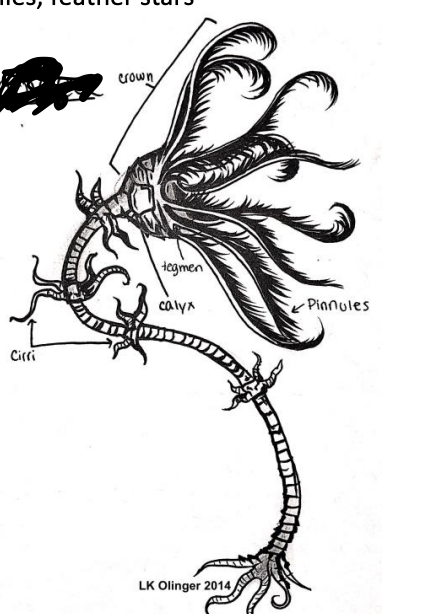
Class Crinoidea
Echinodermata: sea lilies/feather stars, no spines/madreporite/pedicellariae, feather-like arms
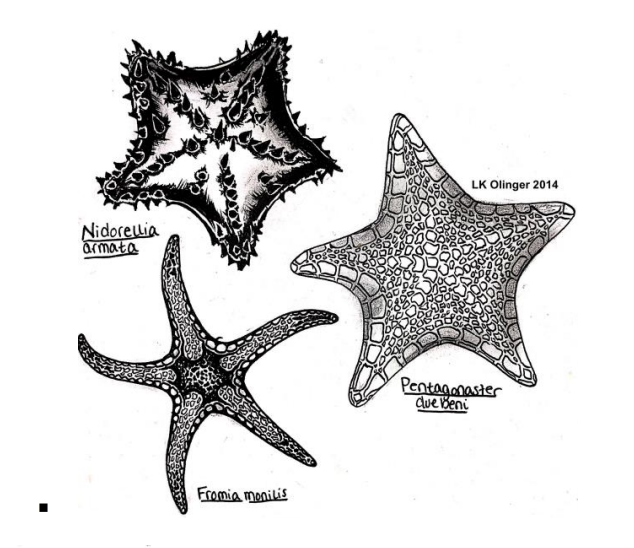
Class Asteroidea
Echinodermata: sea stars, pentaradial, aboral madreporite
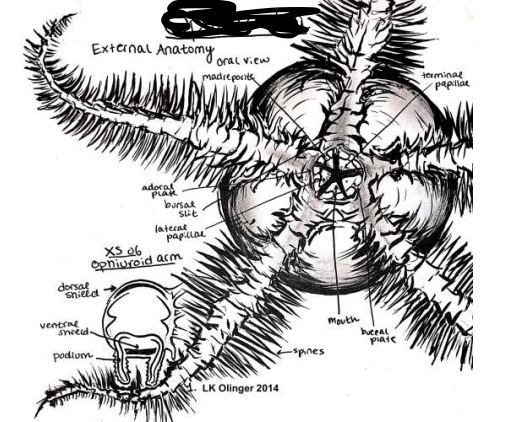
Class Ophiuroidea
Echinodermata: brittle/basket stars, long and flexible arms, oral madreporite
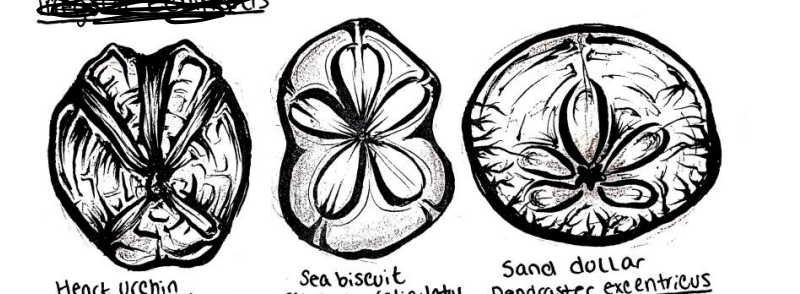
Class Echinoidea
Echinodermata: sea urchins/sand dollars, globe-like bodies, aboral madreporite
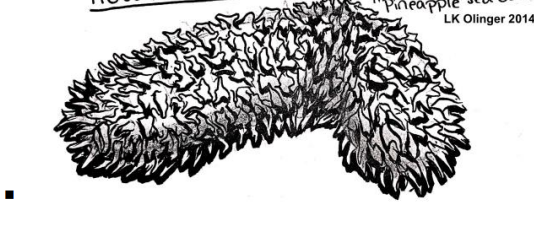
Class Holothuroidea
Echinodermata: sea cucumbers, internal madreporite
Ecdysis
have a exoskeleton and molt it
Phylum Nematoda
contain only longitudinal muscles and move by thrashing
Phylum Arthropoda
tagmata, “jointed foot”, 4 subphylums: Chelicerata, Myriapoda, Hexapoda, and Crustacea
Tagmata
body segments (head/throax/abdomen)
Cephalothorax
example of tagmata: head and thorax together
Group Ecdysozoans
Phylum Nematoda and Anthropoda
Subphylum Chelicerata
Anthropoda: 1 pair of chelicerae and pedipalps, 4 walking legs and no antennae, Classes Arachnida and Merostomata
Chelicerae
feeding appendages (subphylum Chelicerata)
Pedipalps
modified appendages mainly used for sensing (subphylum Chelicerata)
Class Arachnida
Subphylum Chelicerata: spiders/scorpions, book lungs
Class Merostomata
Subphylum Chelicerata: horseshoe crabs, used in medical field
Subphylum Myriapoda
Phylum Arthropoda: “myriad” = many legs, Classes Diplopoda and Chilopoda (millipedes and centipedes)
Class Diplopoda
Subphylum Myriapoda: millipedes, 2 pairs of legs per segment, detritivores
Detritivores
Feed on decaying matter
Class Chilopoda
Subphylum Myriapoda: centipedes, 1 pair of legs per segment, carnivores
Subphylum Hexapoda
Phylum Arthropoda: “hex” = 3 pairs of legs
Class Insecta
Subphylum Hexapoda: adapted mouthparts for feeding, spiracles, metamorphosis, malpighian tubules
Spiracles
holes in exoskeleton for gas exchange (Class Insecta)
Malpighian tubules
for excretion (Class Insecta)
Complete metamorphosis
goes through life forms that look different
Incomplete metamorphosis
goes through life forms but baby looks like a small adult
Subphylum Crustacea
Phylum Arthropoda: crayfish/lobsters, carapace and green glands, Classes Malacostraca and Cirripedia
Carapace
protective shell covering cephalothorax (Subphylum Crustacea)
Green glands
Glands for excretion of wastes (Subphylum Crustacea)
Class Malacostraca
Subphylum Crustacea: lobsters/shrimp/crayfish (things people eat)
Class Cirripedia
Subphylum Crustacea: barnacles, mobile larvae and sessile adults
Lophotrochozoans
have either a lophophore or trochophore (plus platyhelminthes)
Lophophore
Specalized feeding tentacles (lophotrochozoans)
Trochopore
Ciliated larvae (lophotrochozoans)
Phylum Platyhelminthes
Classes Turbellaria and Trematoda
Eucoelomate
true coelom
 Note
Note  Flashcards (26)