muscular system (test 2)
 Studied by 0 people
 Call Kai
 Learn
Learn Practice Test
 Spaced Repetition
 Match
Match Flashcards
 Knowt Play
1/61

There's no tags or description
Looks like no tags are added yet.
Name | Mastery | Learn | Test | Matching | Spaced | Call with Kai |
|---|
No analytics yet
Send a link to your students to track their progress
62 Terms
orgin of a muscle
the muscle’s attachment to an immovable or less movable bone
insertion of a muscle
the muscle’s attachment to a movable bone
flexion movement
a bending movement that decreases the angle of the joint
extension movement
a straightening movement that increases the angle of the joint
rotation movement
a movement around its longitudinal axis
abduction movement
moving the limb away from the midline
adduction movement
moving the limb towards the midline
circumduction movement
when the proximal end of the bone is stationary and the distal end moves in a circle
dorsiflexion movement
standing on heels
plantar flexion movement
pointing toes
inversion movement
the act of turning the foot medially
eversion movement
the act of turning the foot laterally
supination movement
when the palms of the hands face anteriorly
pronation movement
when the palms of the hand face posterior
opposition movement
the movement of our thumbs
prime mover muscle
the muscle with the majority of the responsibility of movement
antagonist muscle
the muscle that opposes a prime mover
synergist muscle
the muscle that assists the prime movers and prevents rotation
fixator muscle
the muscle that stabilizes the orgin of a prime mover
rectus
muscle fibers are straight and parallel to the muscle’s long axis
transverse
muscle fibers are perpendicular to the muscle’s long axis
oblique
muscle fibers are diagonal
maximus
largest muscle
minimis
smallest muscle
vastus
huge muscle
longus
longest muscle
brevis
short muscle
major
large muscle
minor
small muscle
supra
above a certain bone
infra
below a certain bone
sub
underneath a certain bone
bi
muscle has 2 orgins
tri
muscle has 3 orgins
quad
muscle has 4 orgins
deltoid
muscle is in the shape of a triangle
latissimus
muscle has a wide shape
trapezius
muscle is in the shape of a trapezoid
teres
muscle has a round shape
orbicularis
muscle is in the shape of a circle
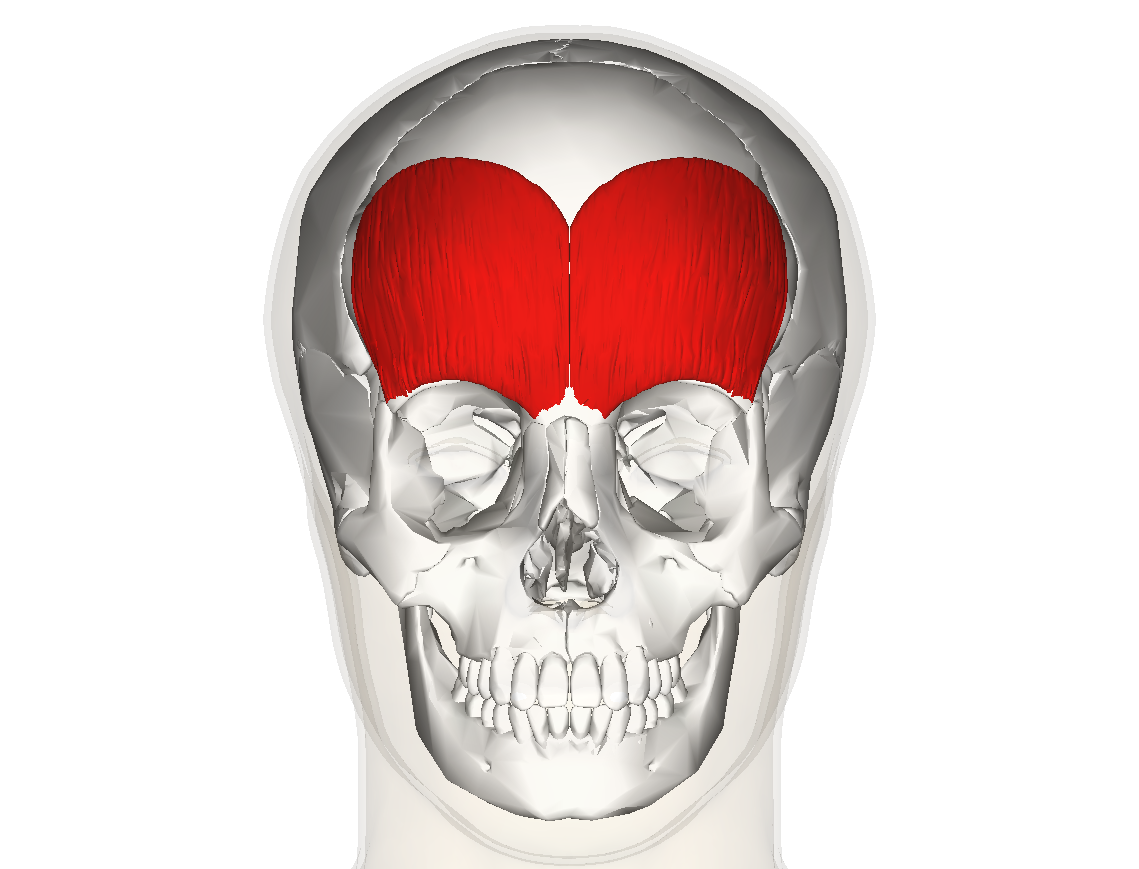
frontalis
frontalis muscle insertion
inserts to the skin of eyebrow
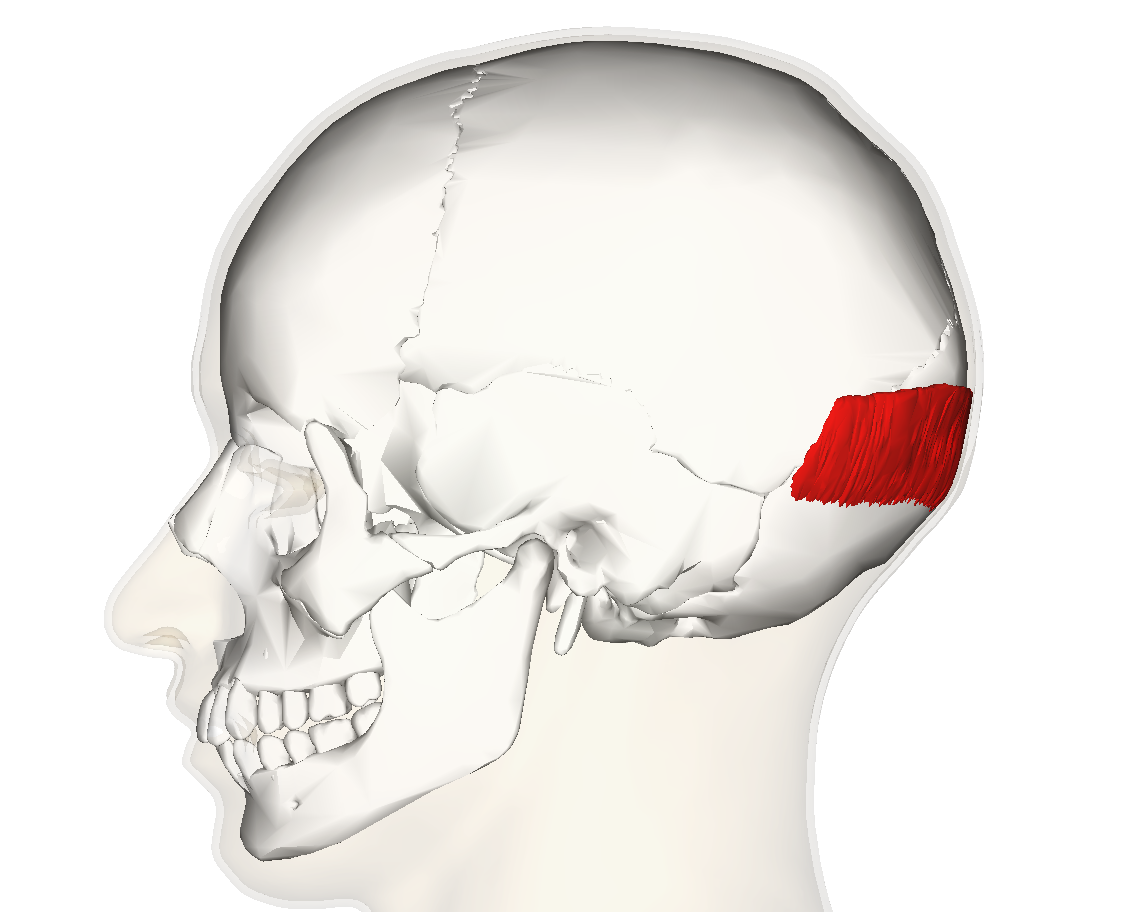
occipitalis
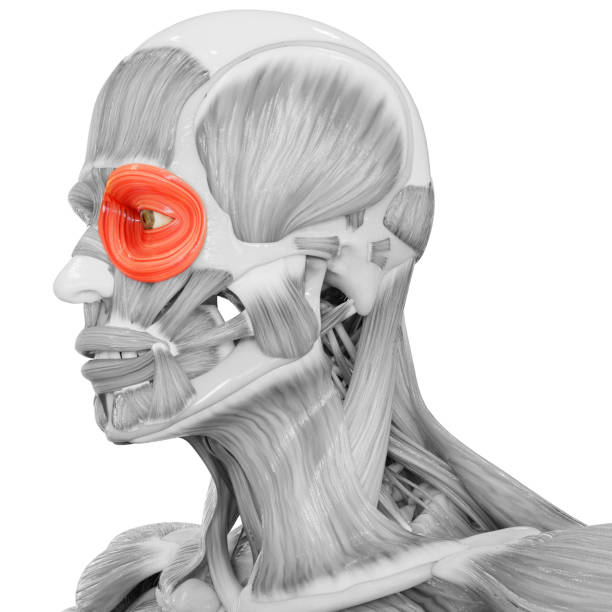
orbicularis oculi
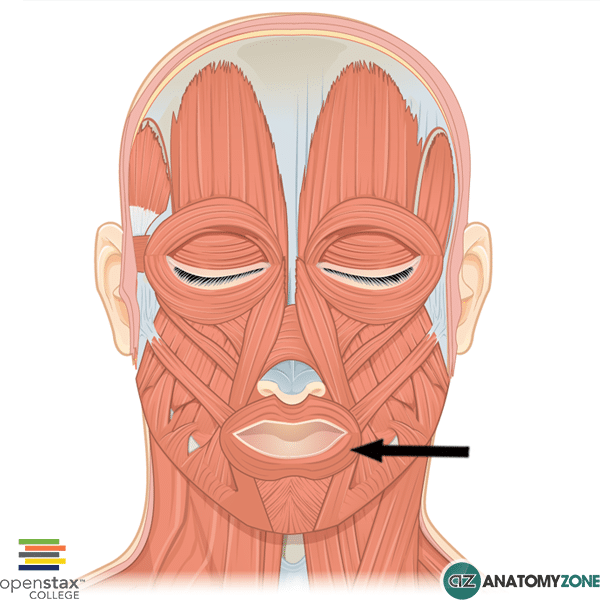
orbicularis oris
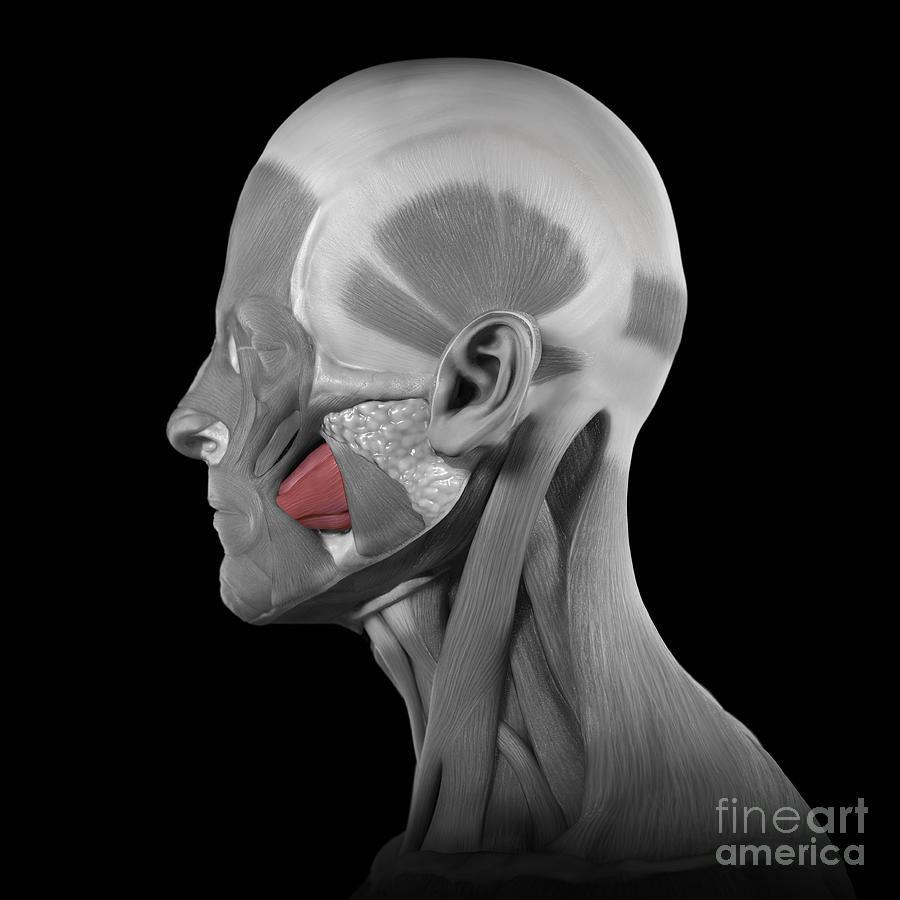
buccinator
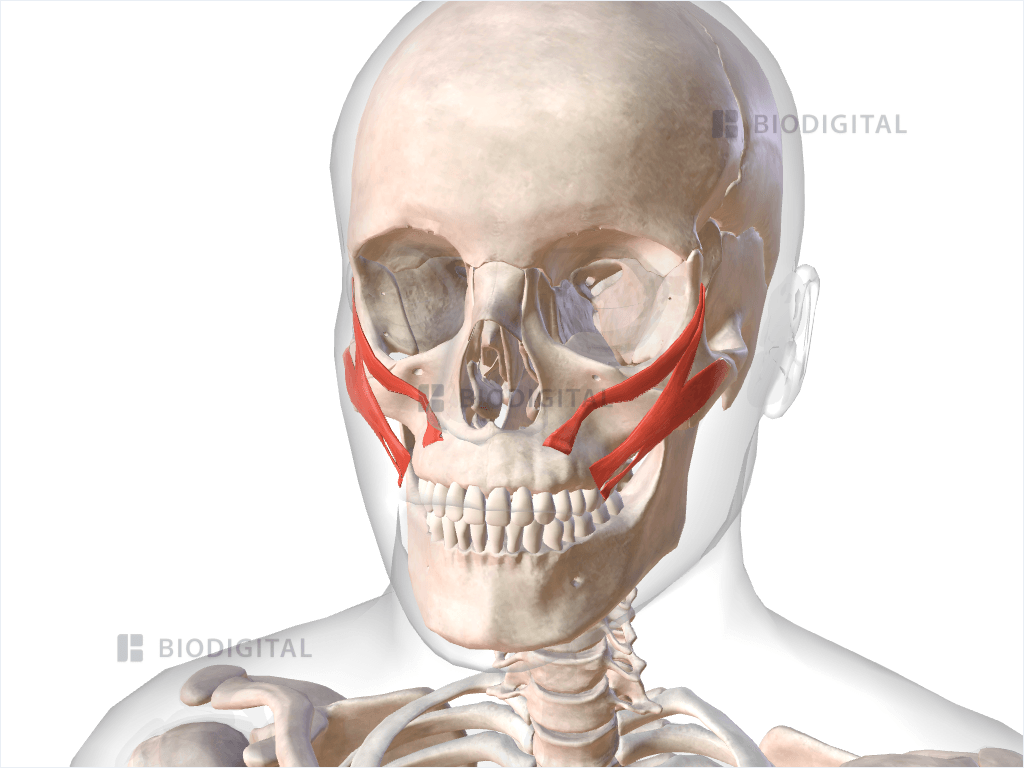
zygomaticus
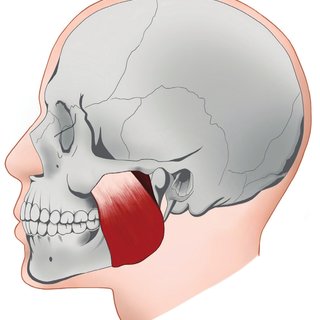
masseter
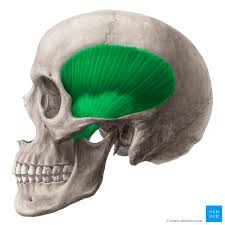
temporalis
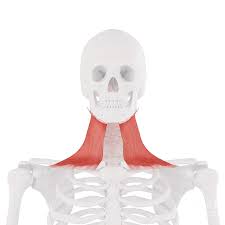
platysma
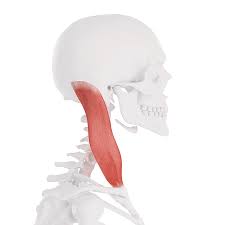
sternocleidomastoid
muscle that allows us to raise our eyebrows
frontalis
muscle that pulls scalp posterior
occipitals
muscle that allows us to blink
orbicularis oculi
muscle that allows us to pucker our lips
orbicularis oris
muscle that flattens the cheek and keeps food in mouth
buccinator
three chewing muscles
buccinator, masseter and temporals
muscle that allows us to smile
zygomaticus
prime mover for jaw closure
masseter
synergist in jaw closure
temporalis
muscle that provides the natural sag of the mouth
platysma
muscle that allows for head flex and rotation
sternocleidomastoid
 Note
Note  Flashcards (23)