UWORLD_Physics
 Studied by 0 people
 Call Kai
 Learn
Learn Practice Test
 Spaced Repetition
 Match
Match Flashcards
 Knowt Play
1/36

There's no tags or description
Looks like no tags are added yet.
Name | Mastery | Learn | Test | Matching | Spaced | Call with Kai |
|---|
No analytics yet
Send a link to your students to track their progress
37 Terms
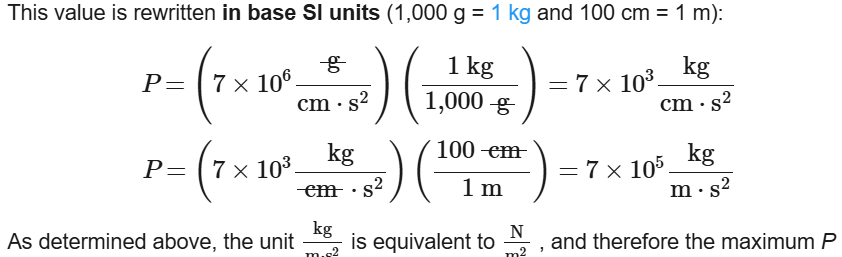
Unit conversion method g.cm/s² to kg/ms²
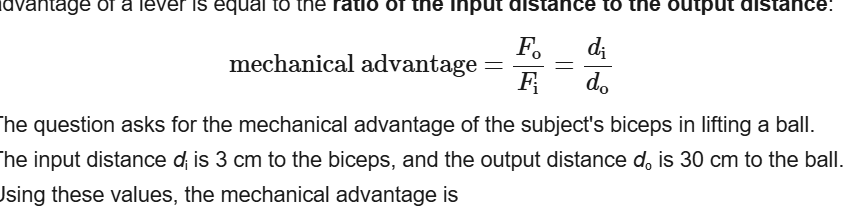
Mechanical Advantage
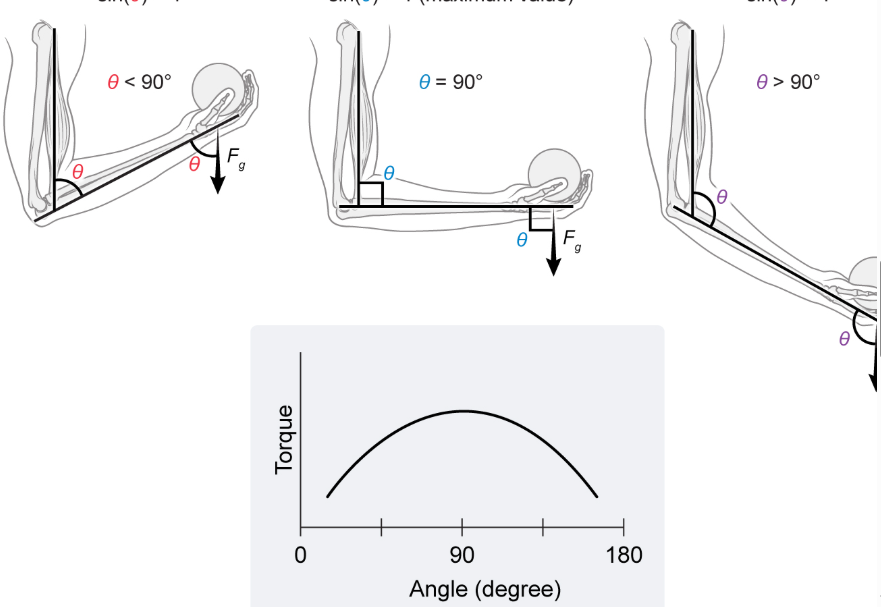
Relationship between Torque and angle
T= Fdsinx
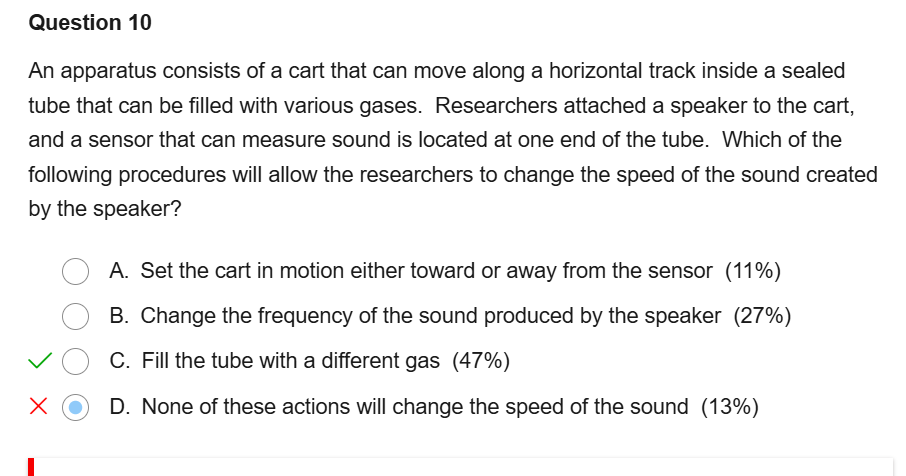
Wave speed is determined by the physical properties of the medium like temperature, elasticity and density
Fill tube with a different gas
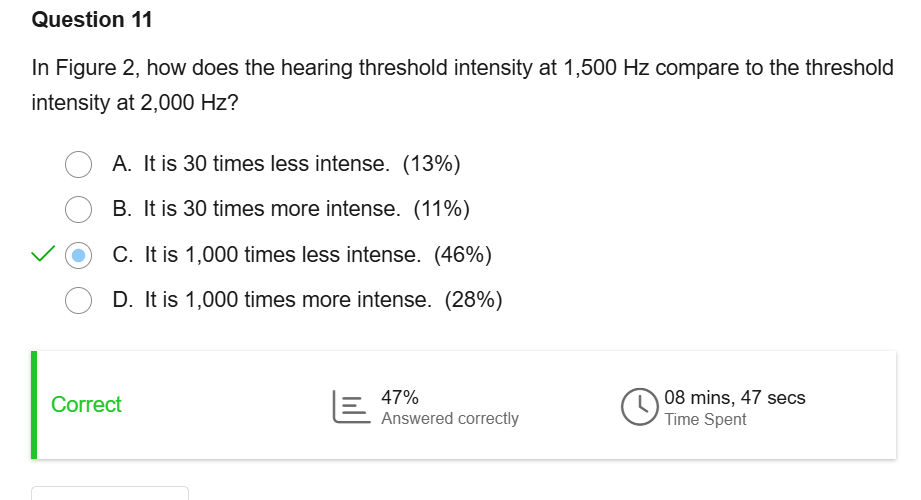
Equation to get the ratio of intensity of two sounds
β1 - β2 = 10 * log10(I1 / I2)
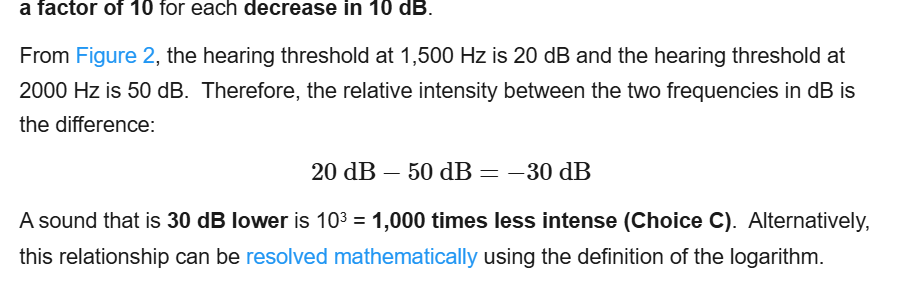
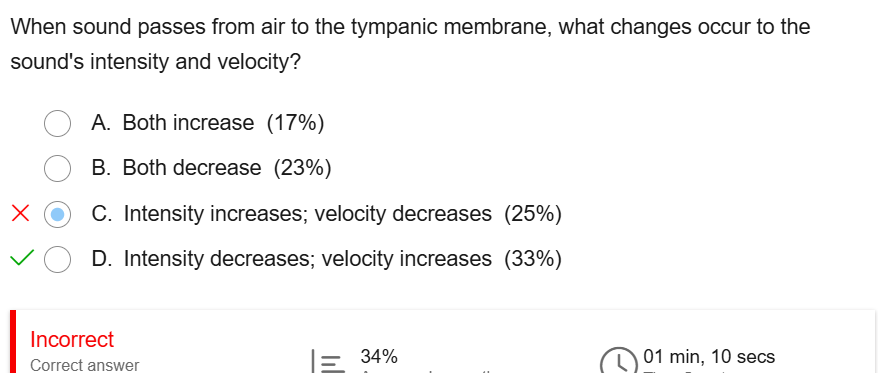
what happens to sound waves when it passes from one medium to another
Wave frequency unchanged, speed of sound or wave is slowest in gas and fastest in solid. So, velocity increases
Sound wave is longitudinal, and its energy is related to intensity. Portion of wave is reflected and hence loses energy/ decreases intensity.
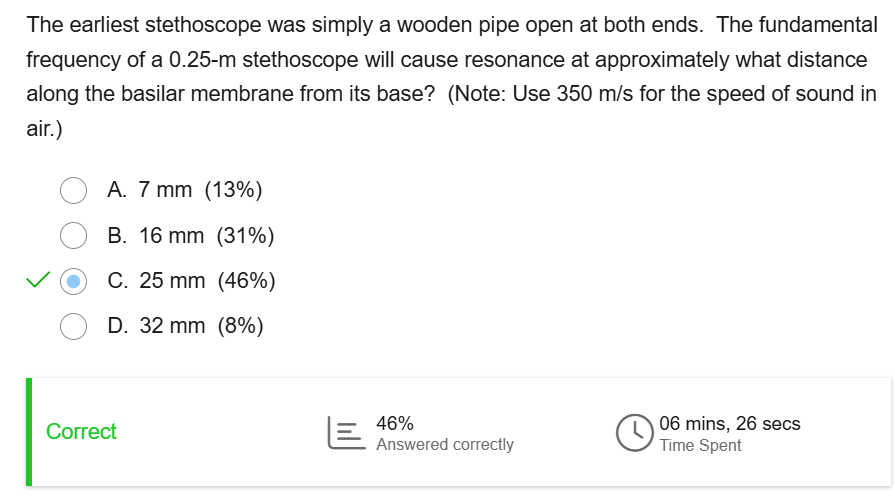
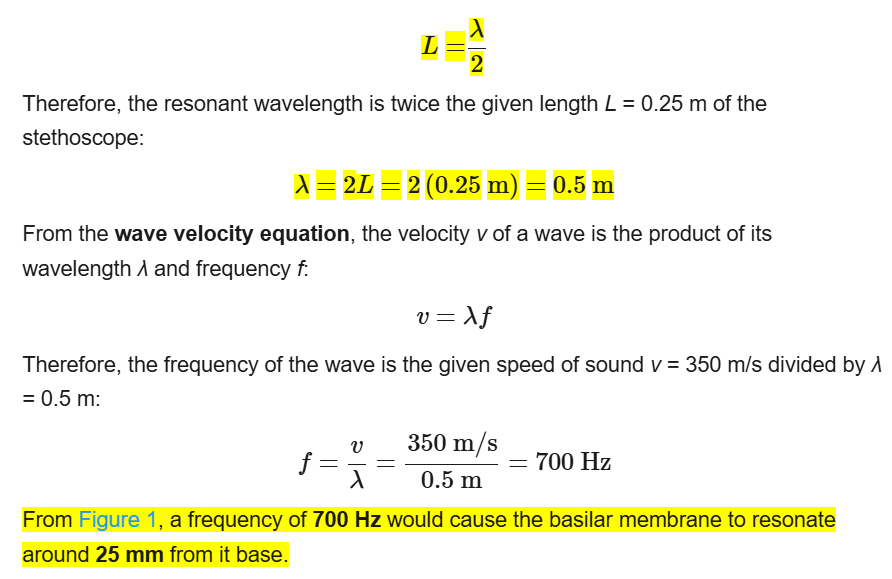
Closed tube resonance calculation
λn=2L/n, n is resonance number, L is length of tube
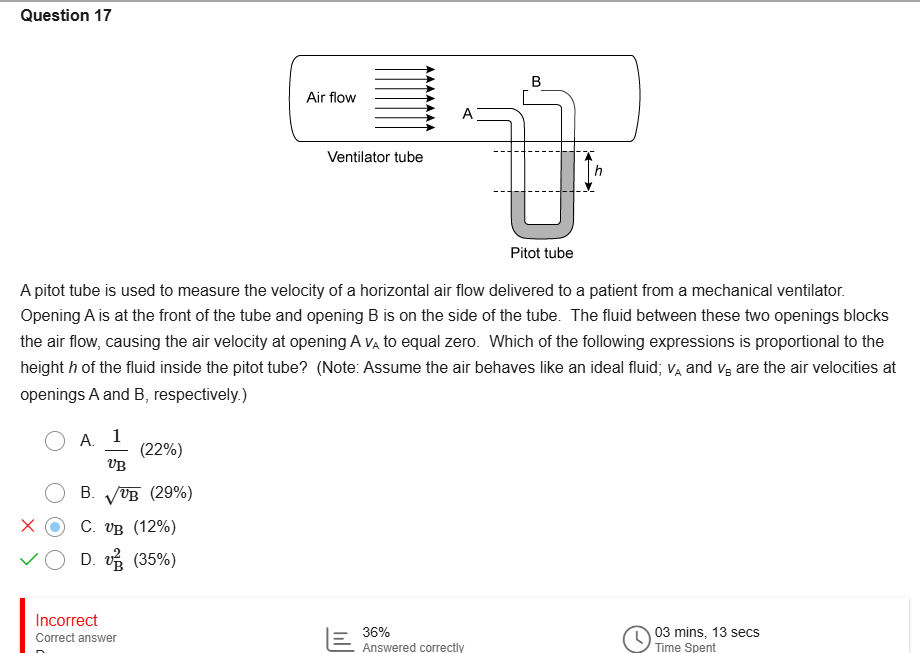
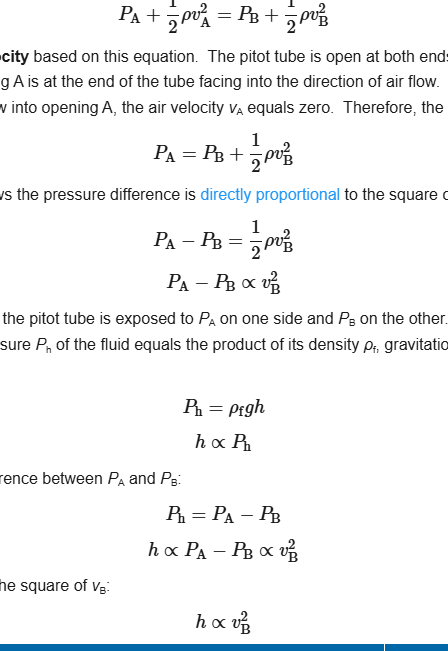
Bernoulli’s equation? How does the fluid height hhh in a Pitot tube depend on air velocity?
P + 1/2 ρ v^2 + ρ g h = constant
Opening A (front-facing): air stops → vA=0→ stagnation pressure
Opening B (side-facing): air flows → velocity vB
Bernoulli (horizontal flow):
change in P= P + 1/2 ρ v^2
Pressure difference:
Change in P= 1/2 ρ v^2
Manometer relation:
ΔP∝h
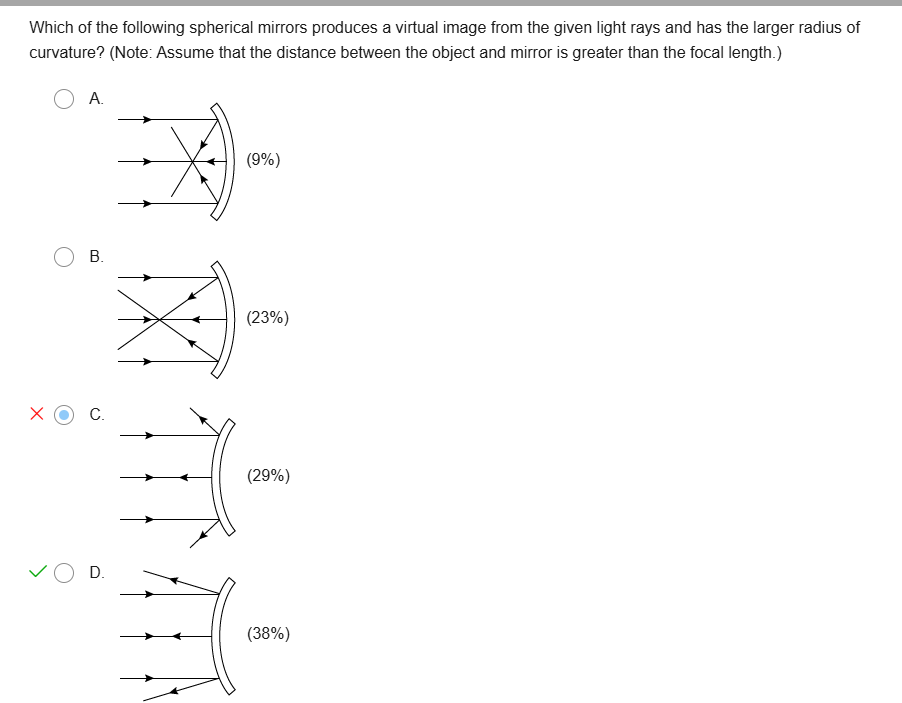
Diverging mirrors always virtual images
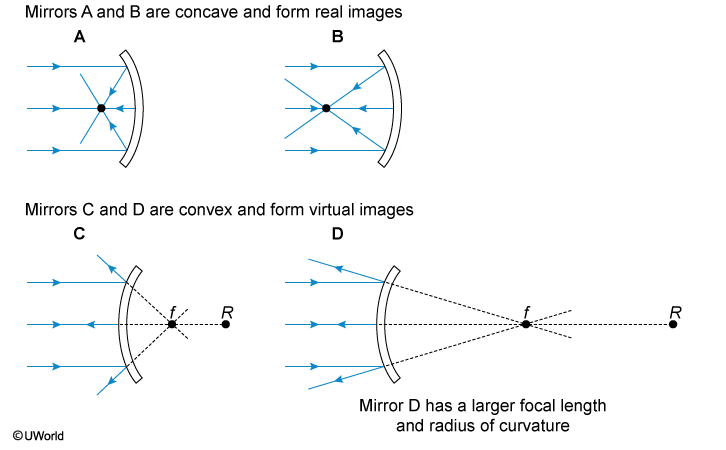
Laws of reflection
speed, frequency, and wavelength stays say, intensity of wave after reflection can decrease
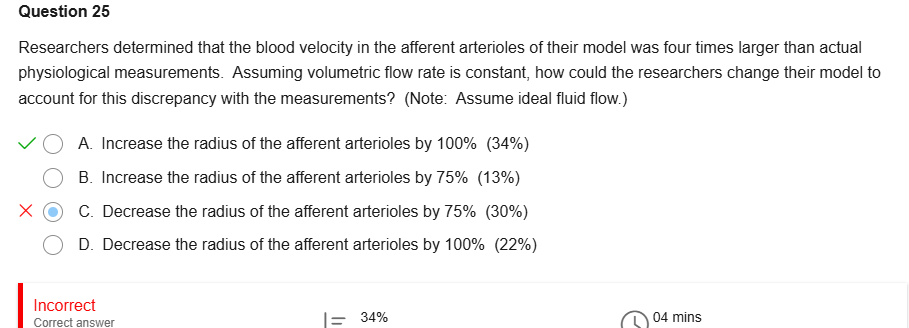
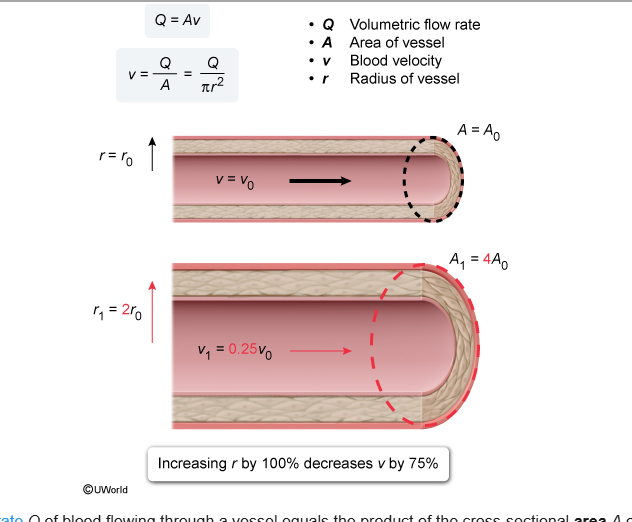
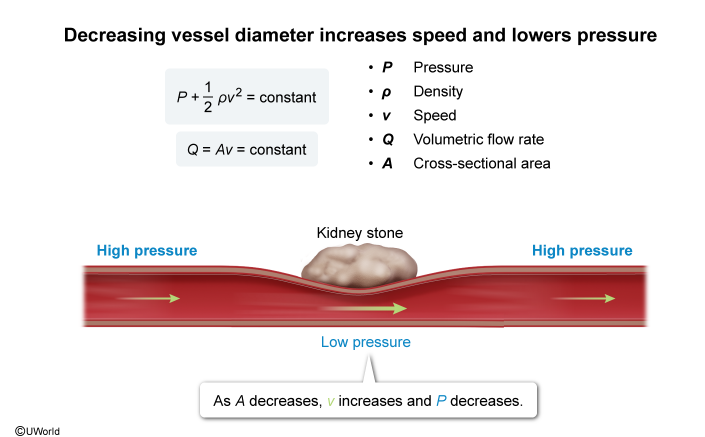
Equation connecting volumetric flow rate, velocity and radius?
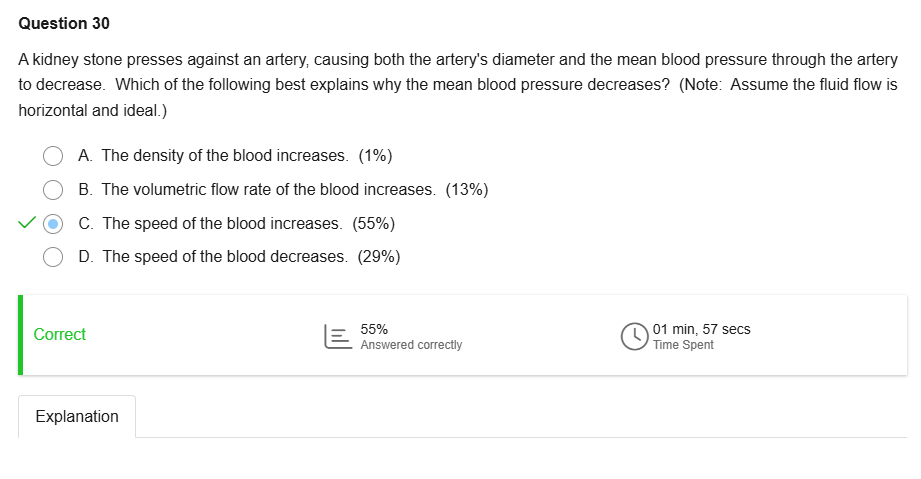
Connection between diameter, speed, volumetric flow rate and pressure
Bernoulli obvo!
Also remember if A decreases, velocity increases to keep volumetric flow rate constant, now when velocity increases, pressure decreases again to keep flow rate constant

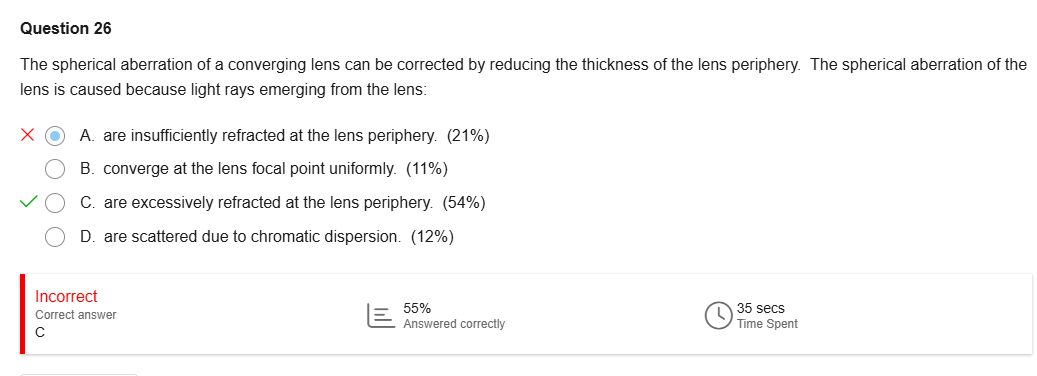
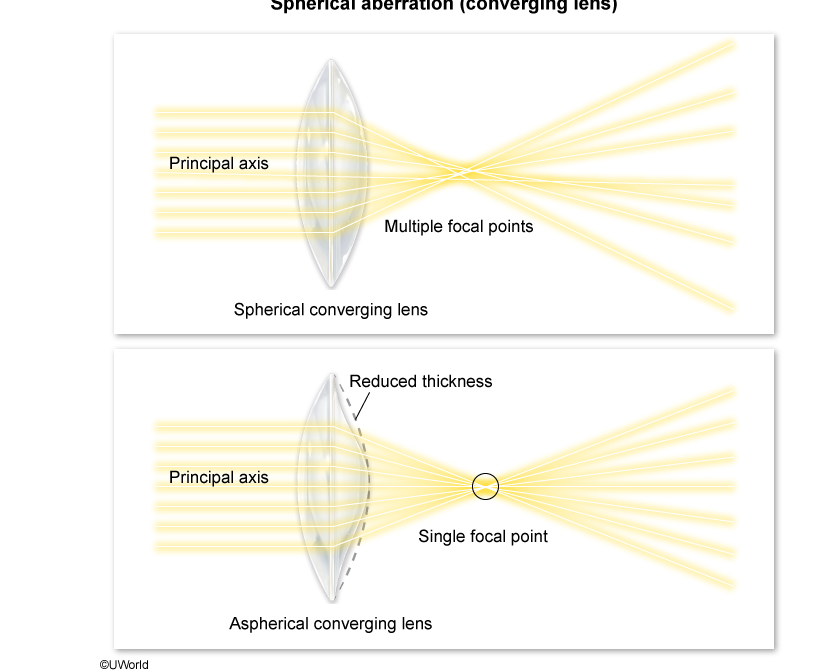
Question says they had to reduce thickness of the periphery. So, earlier it was thicker which means more refraction hence C
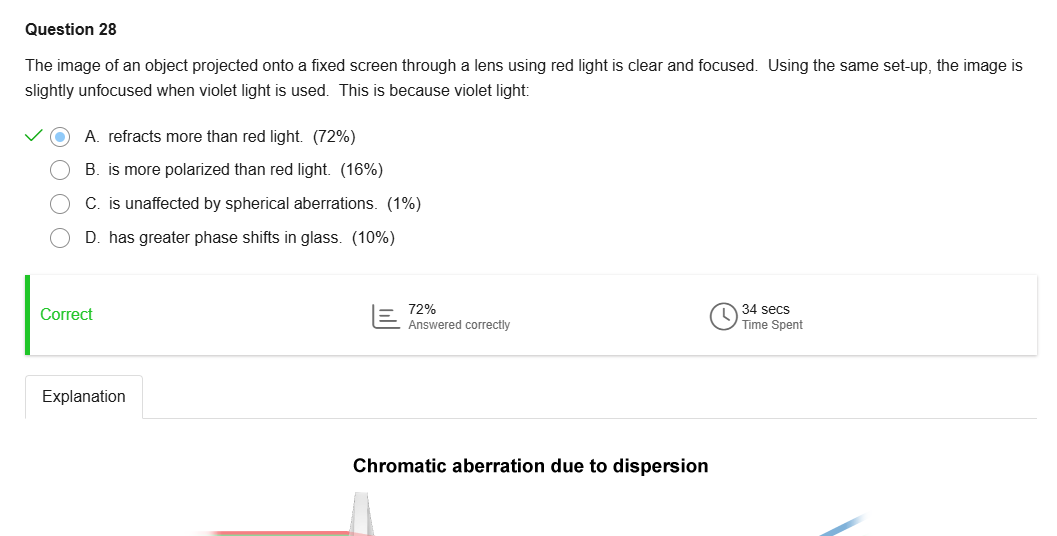
Higher frequency> higher refractive index > more refraction
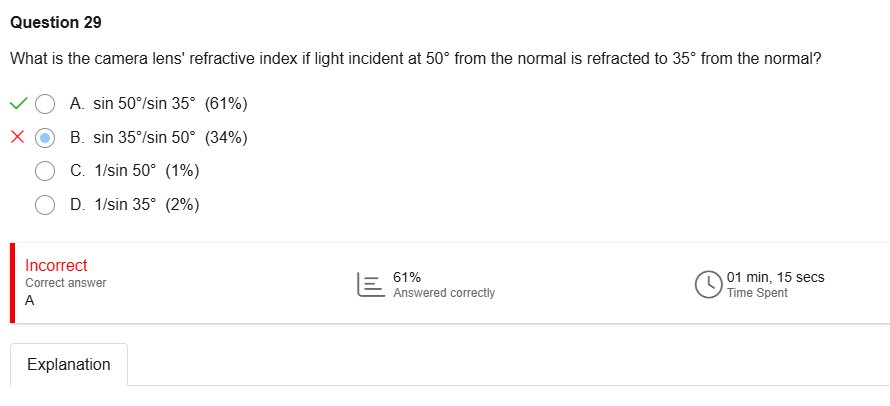
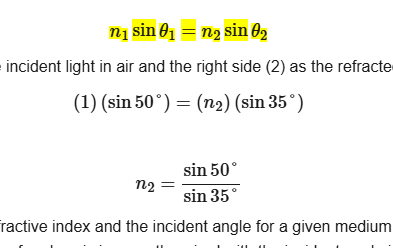
n2 = lens refractive index, n1= air
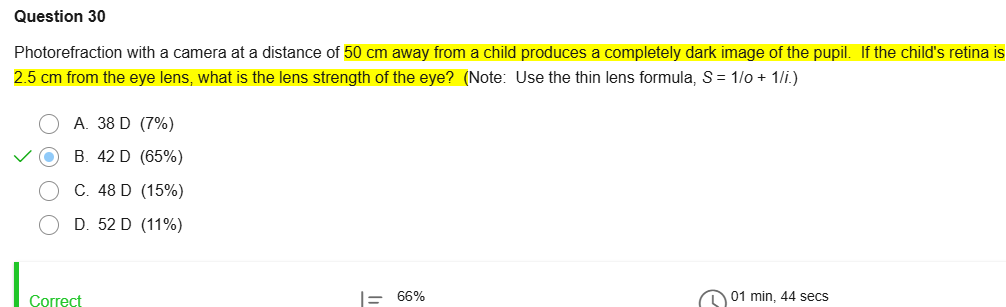
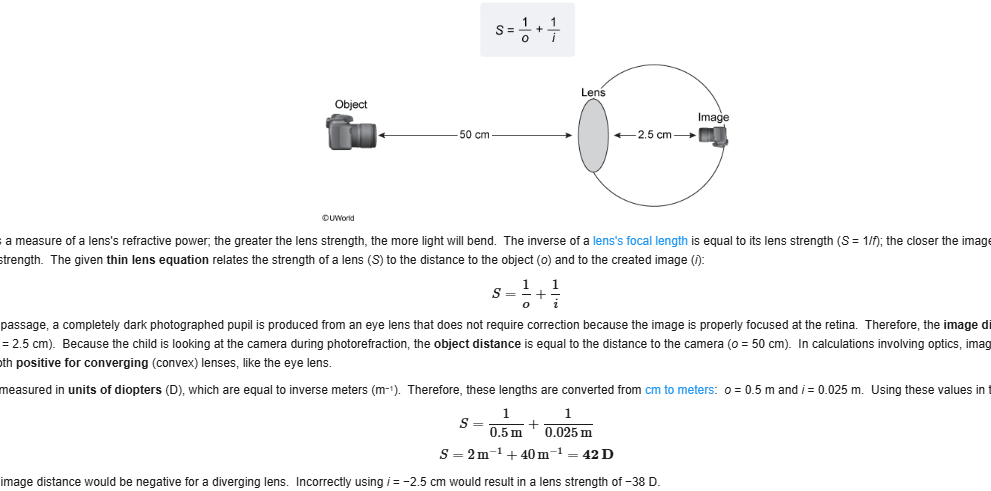
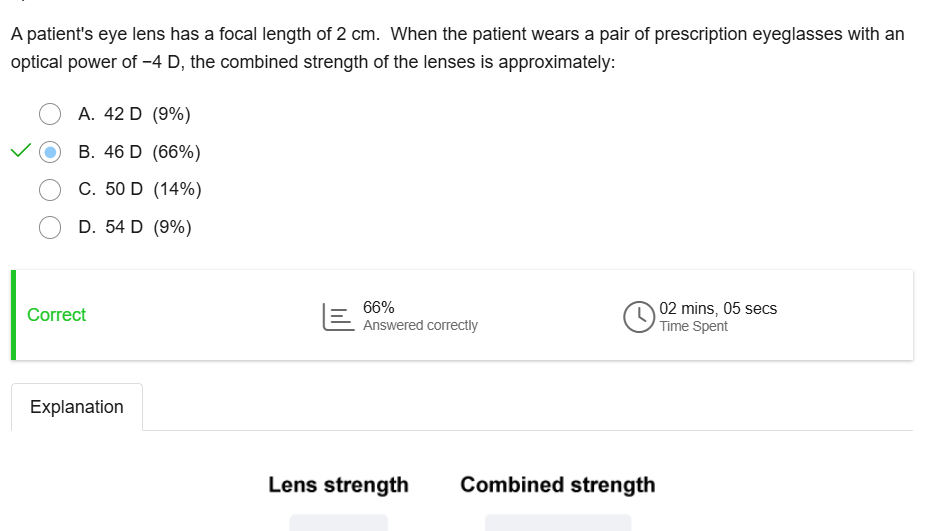
Know lens strength get added and strength (s=1/f)
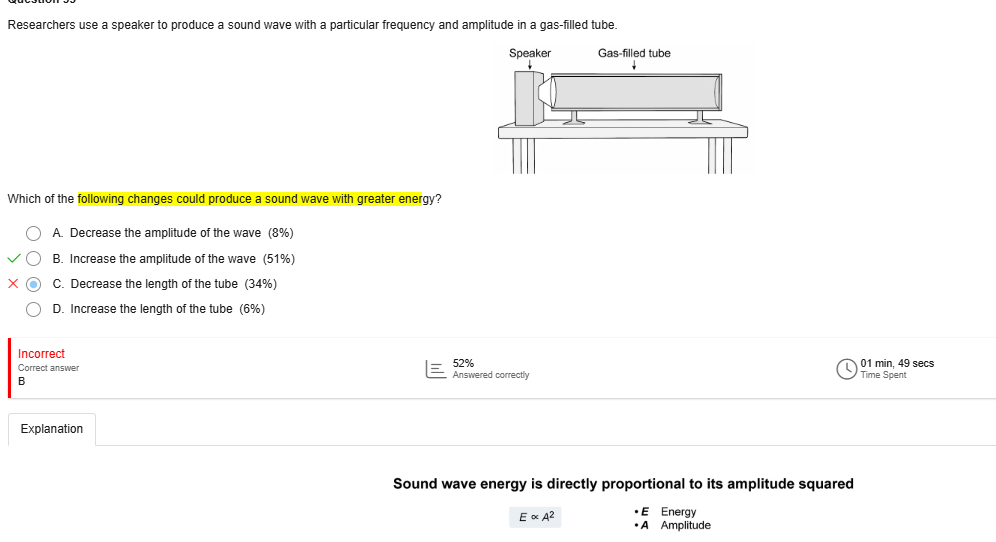
Energy proportional to square of amplitude
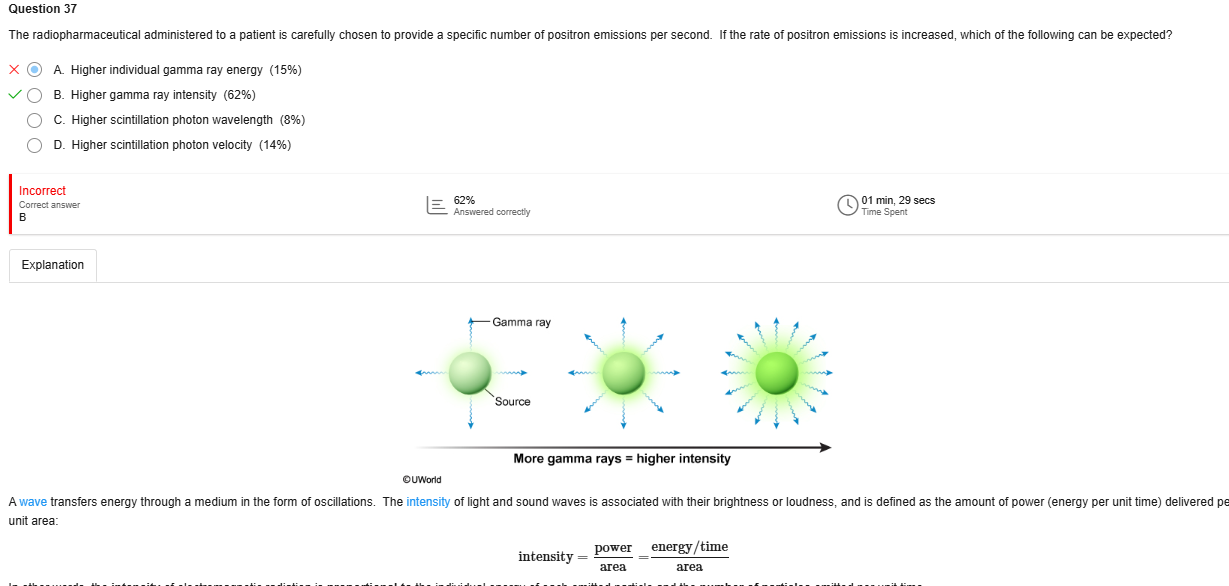
Increasing the rate of positron emission increases the number of gamma rays produced per unit time.
Intensity=power/area, intensity is proportional to individual energy and the number of particles emitted per unit time.
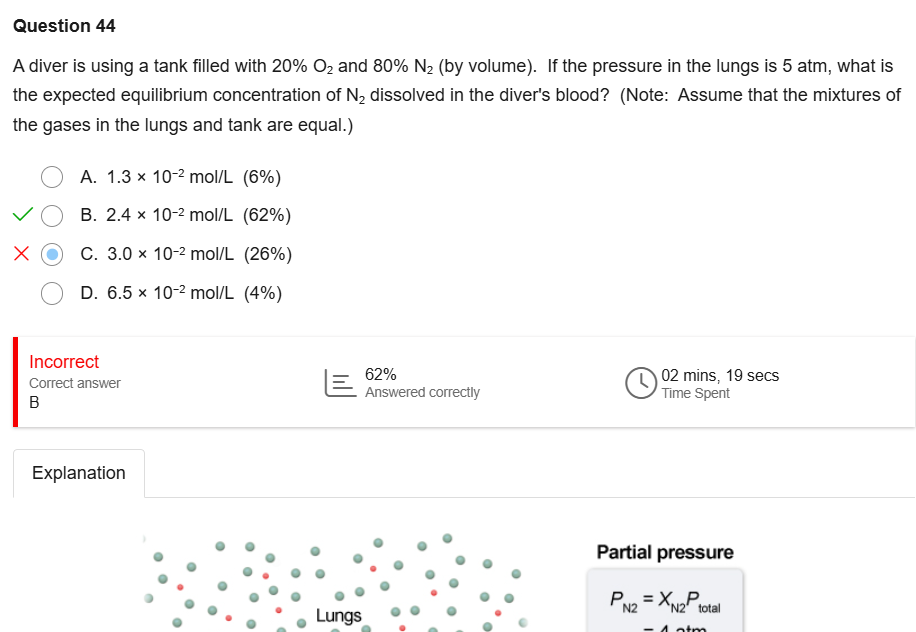
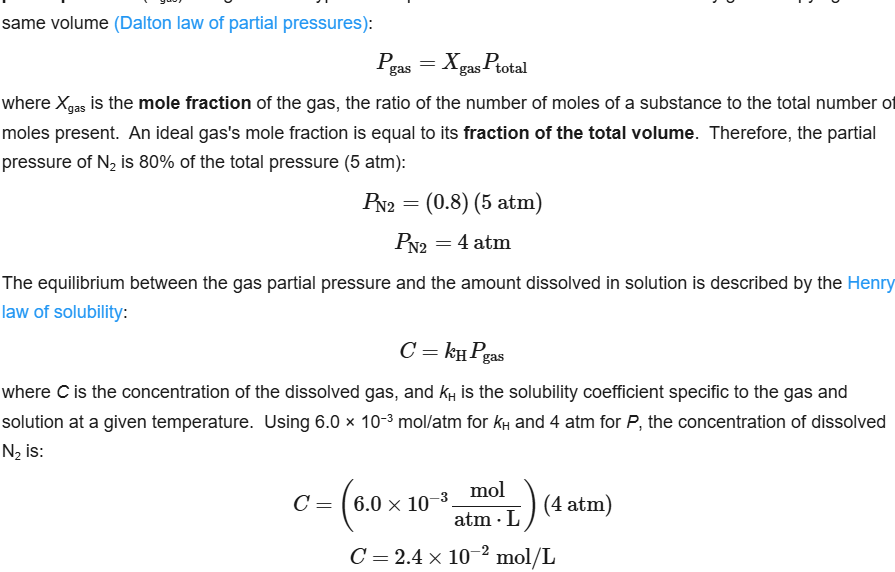
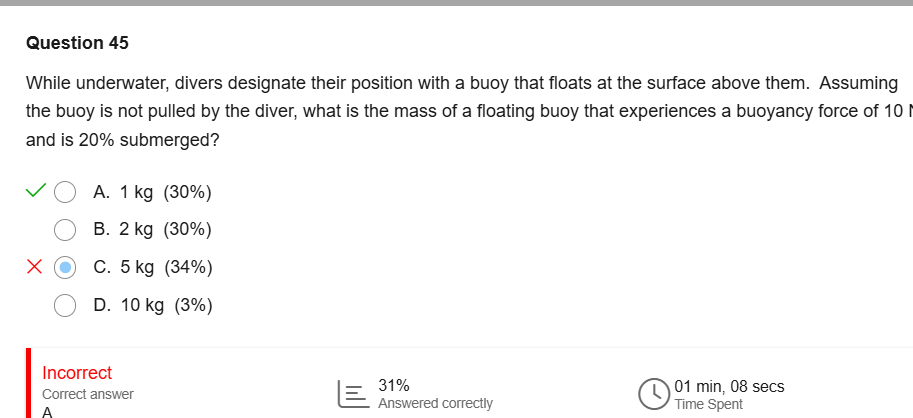
W balances buoyant force, displacement of amount of water has nothing to do with it
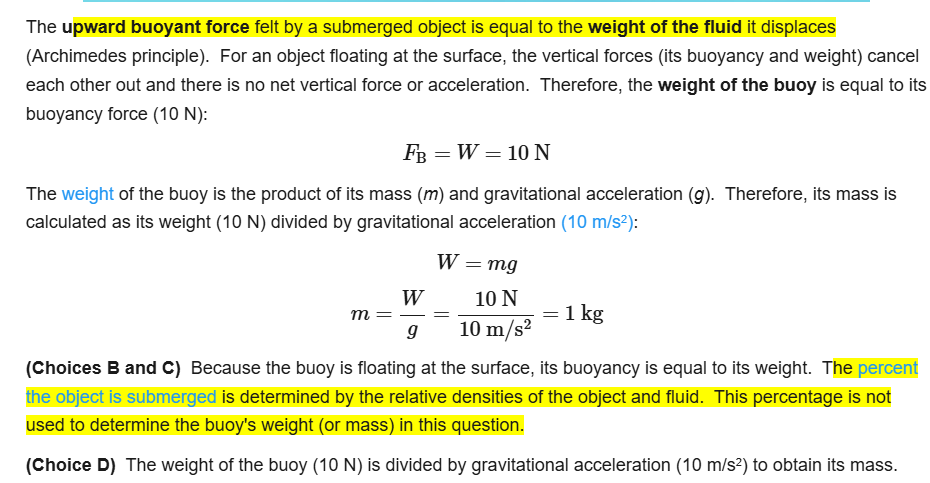
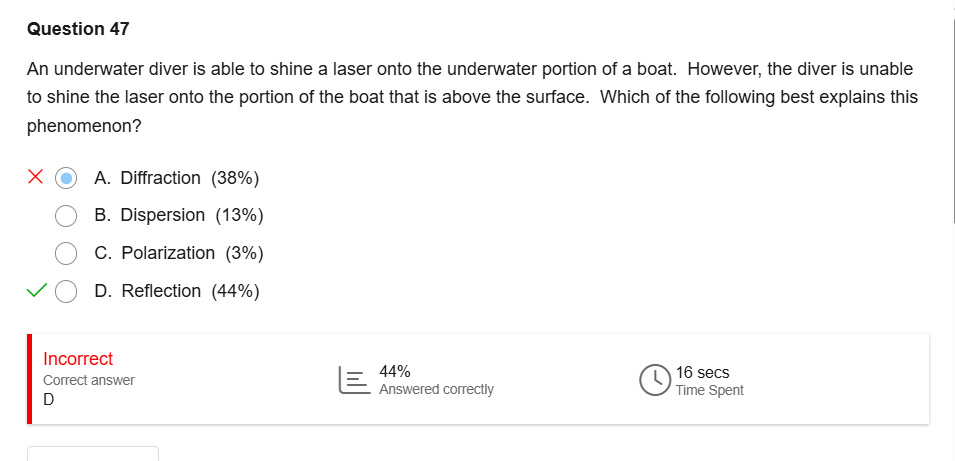
Incident angle of light exceeds critical angle most likely so internal reflection happens and we cant see boat on top.
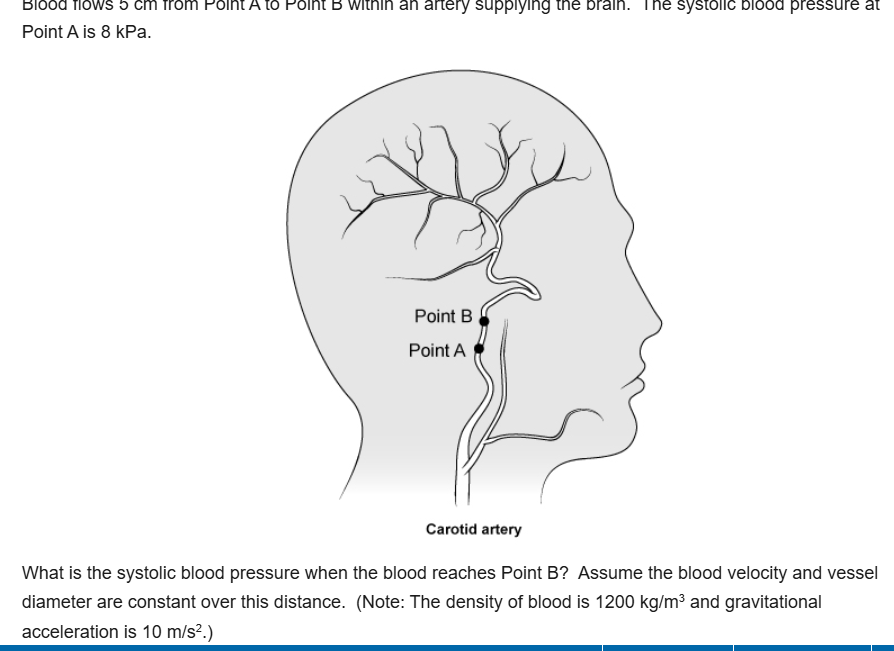
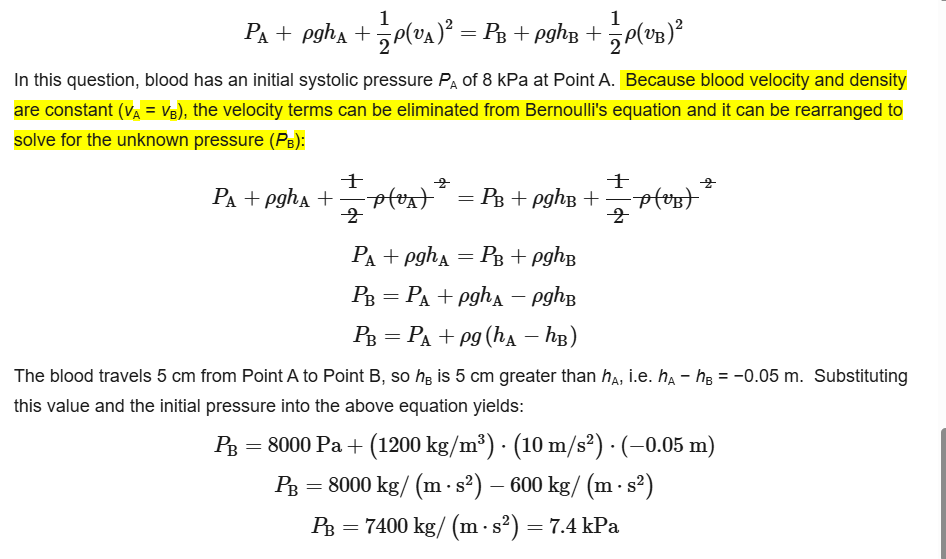
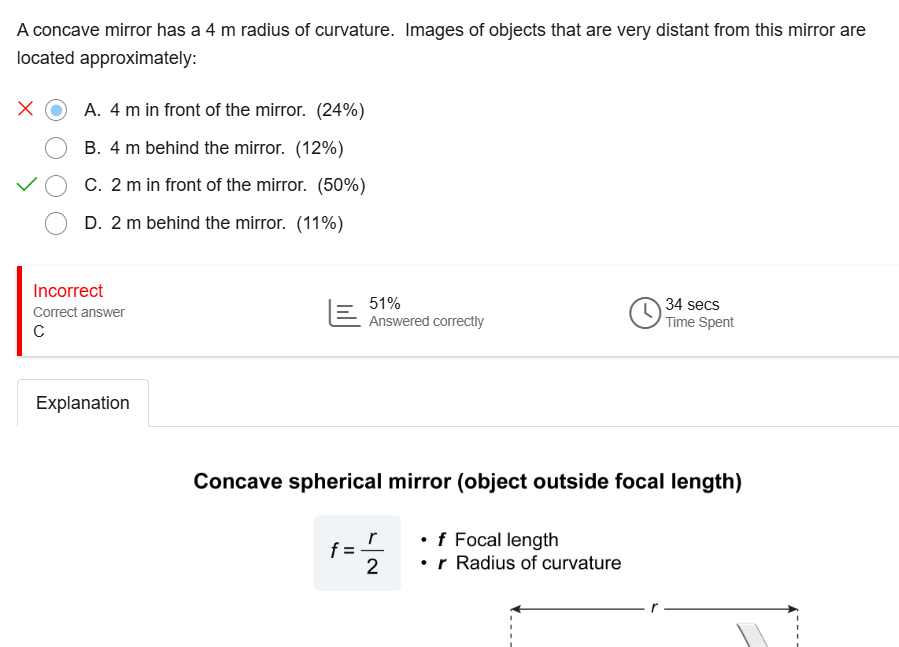
Idk man read till it makes sense
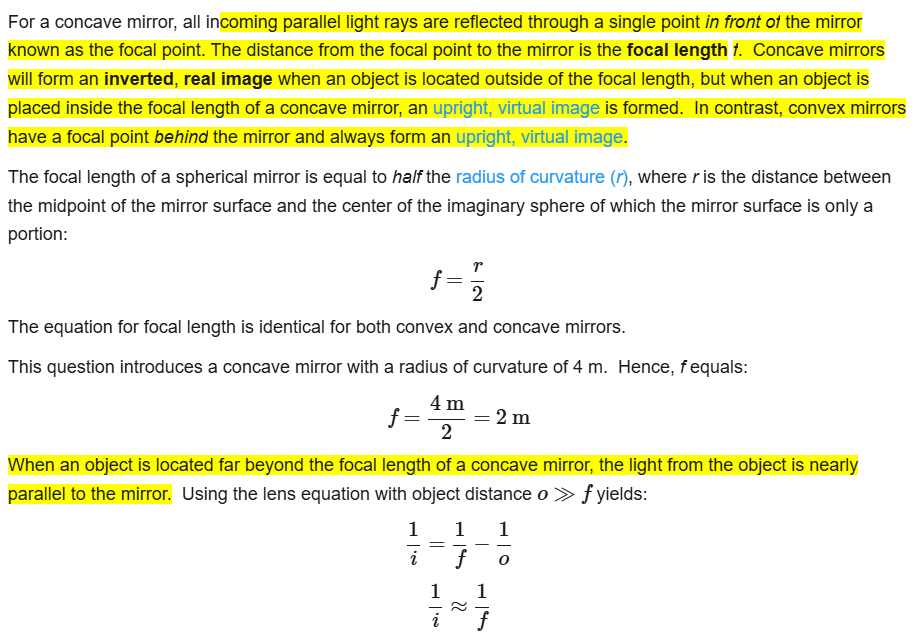
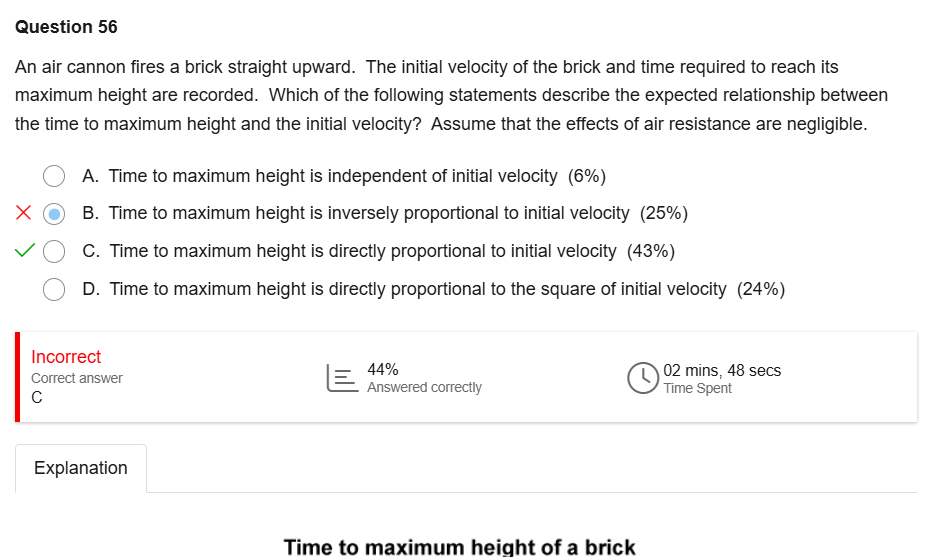
Use v=u+at
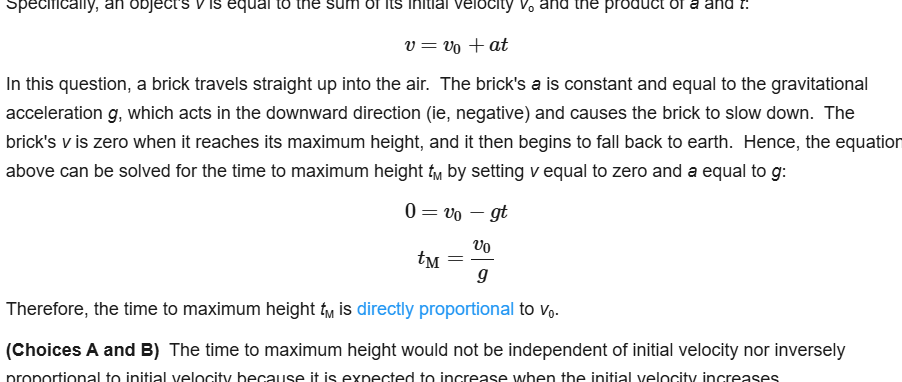
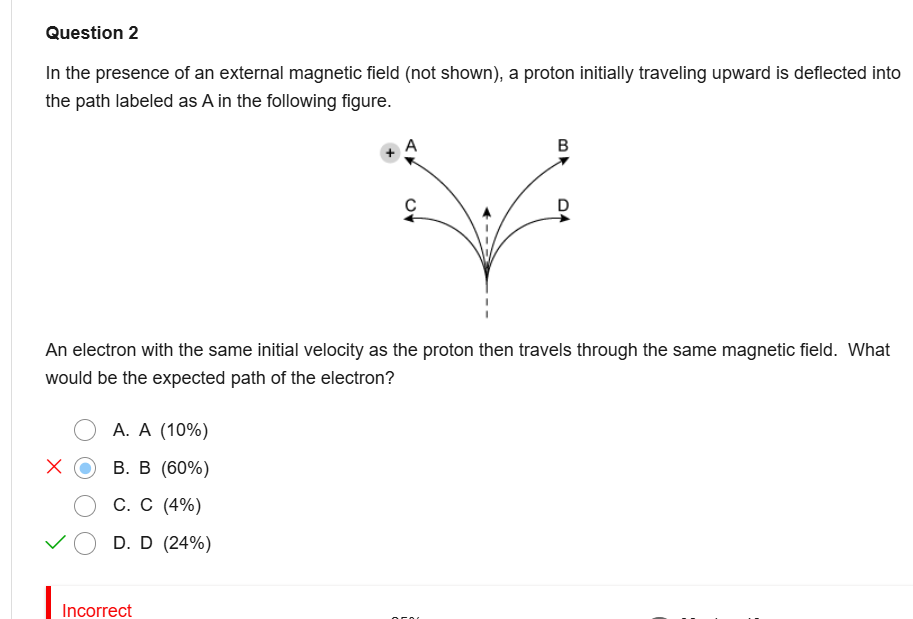
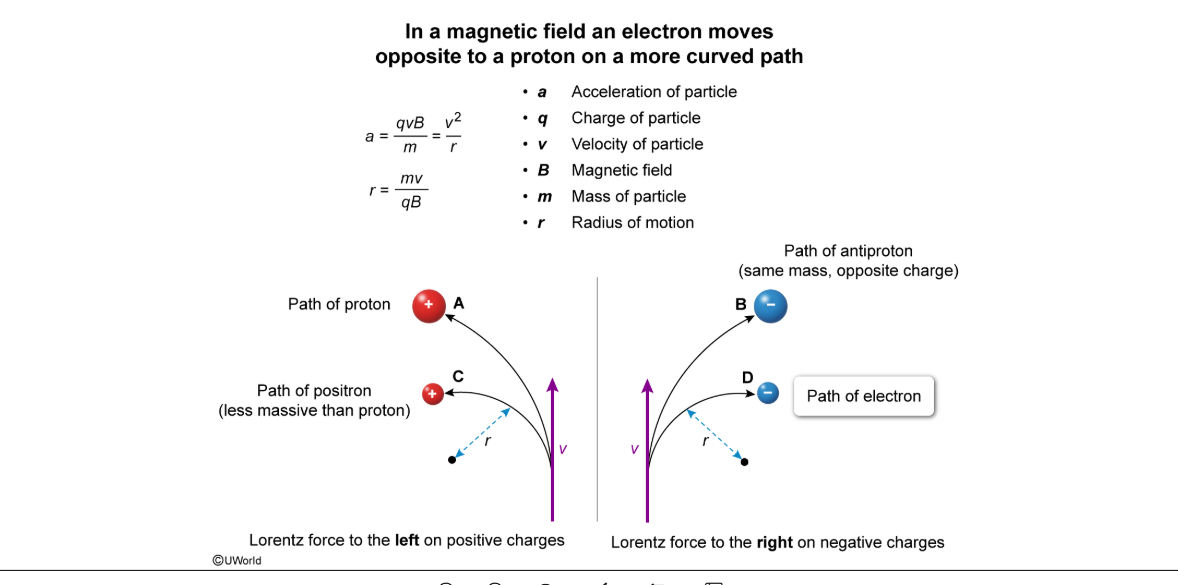
Electron is also lighter than proton, so it curves more.
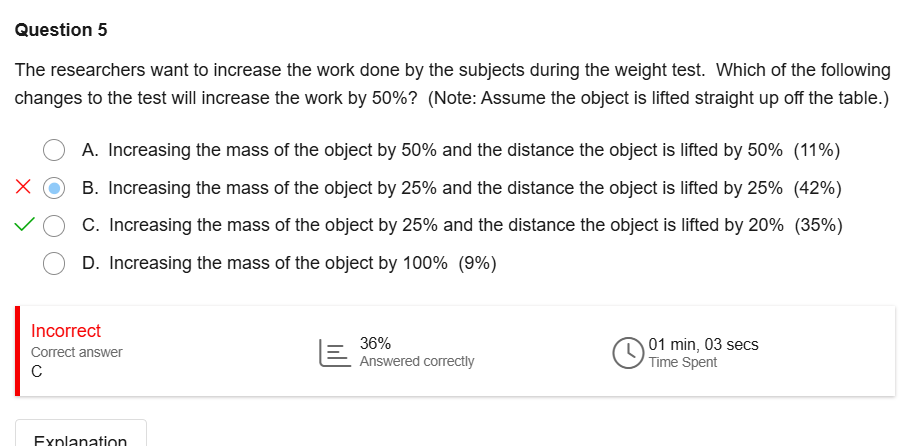
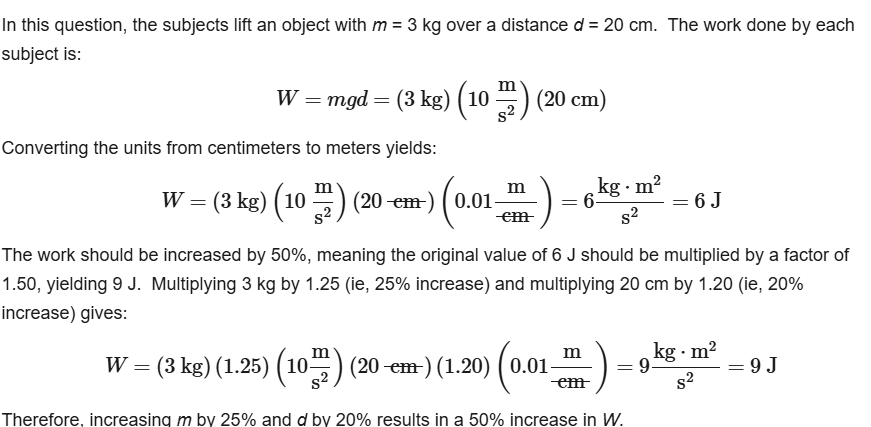
Gotta multiply individually.
25% increase means multiple by 1.25
Cardiac Output formula
CO = SV * HR
SV = Stroke Volume
HR= Heart Rate
SV= EDV - ESV (volume before and after contraction)
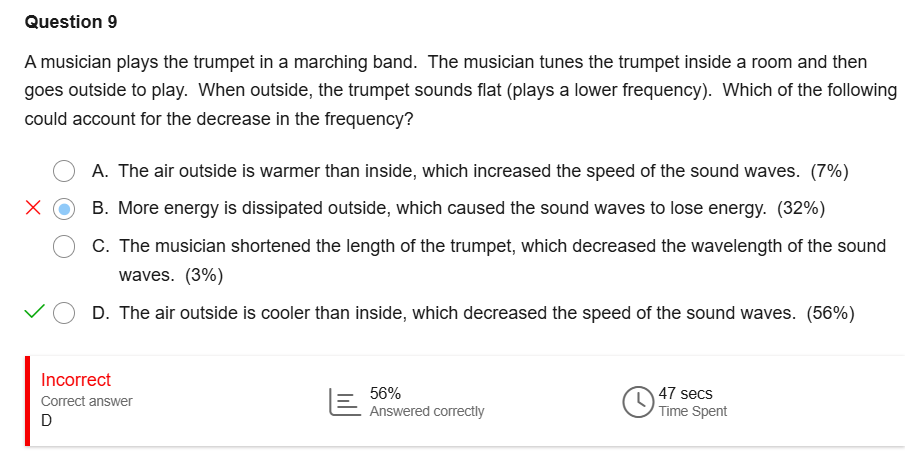
Speed of wave depends on temperature of the medium. Sound is faster in warmer air.
Energy is related to intensity and loudness, dissipation won’t affect frequency
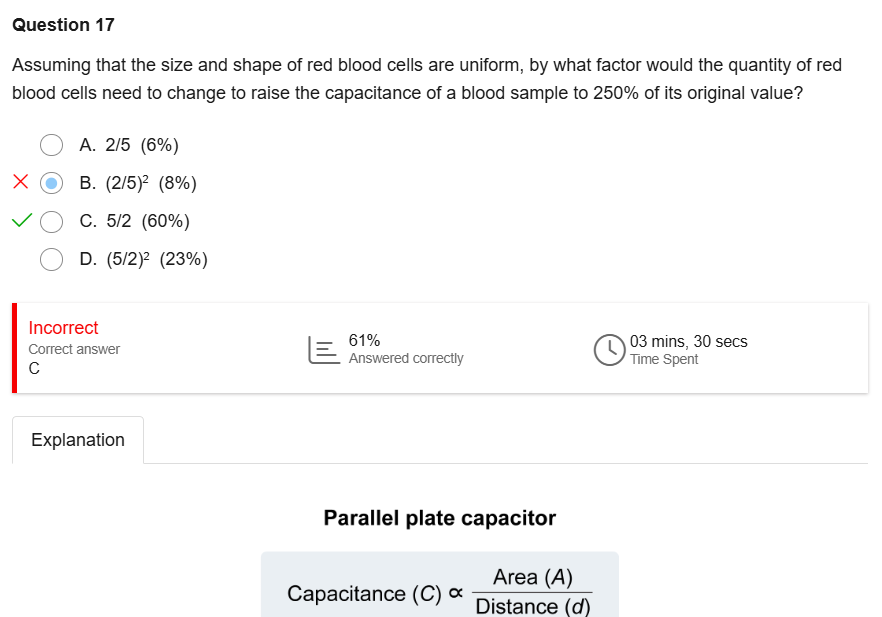
Capacitance increases by 250 % so 2.5 percent
C= Q/V
C is also proportional to A/d
IDK what happened to u girl
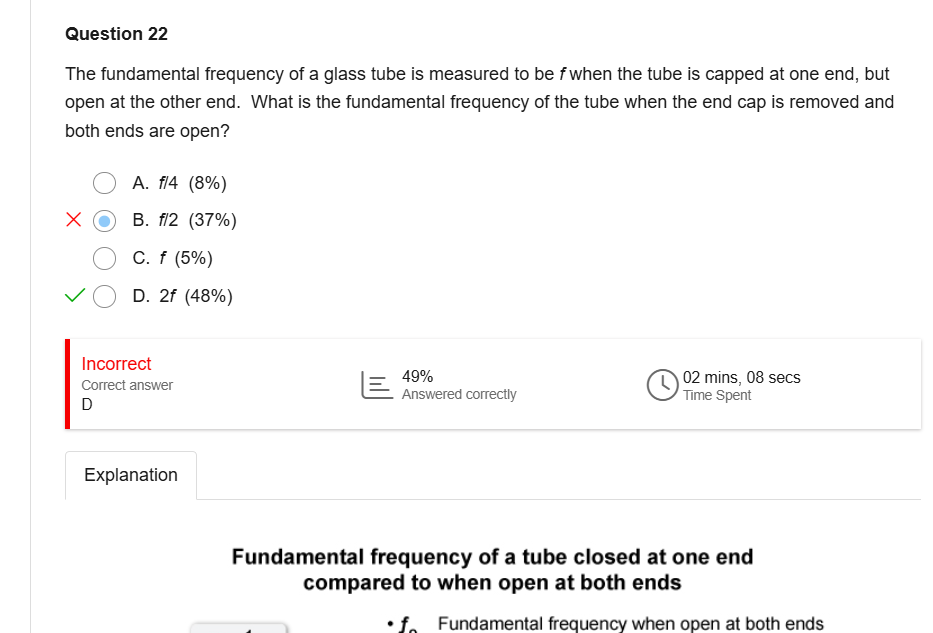
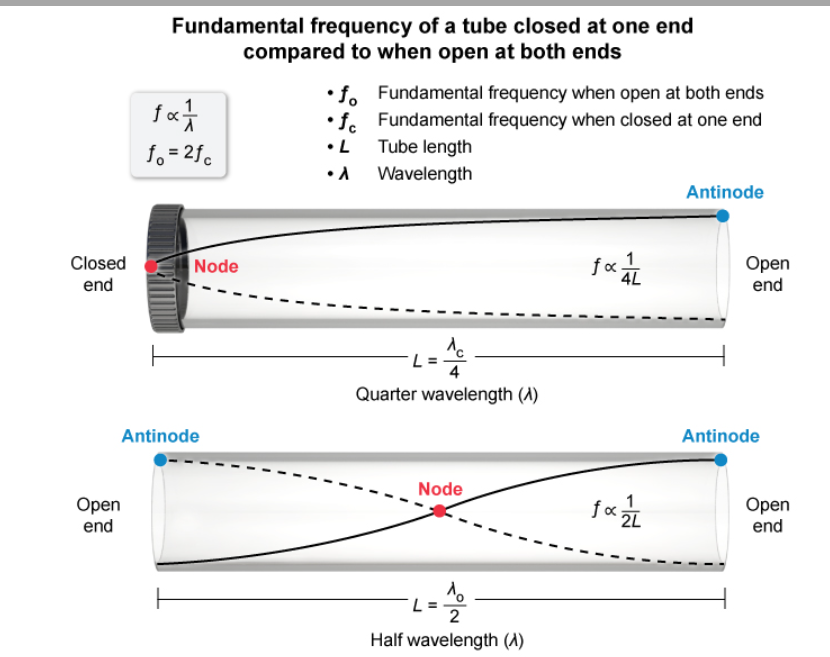
f is proportional to 1/ wavelength.
f is proportional to 1/4L first then 1/2L so it doubles
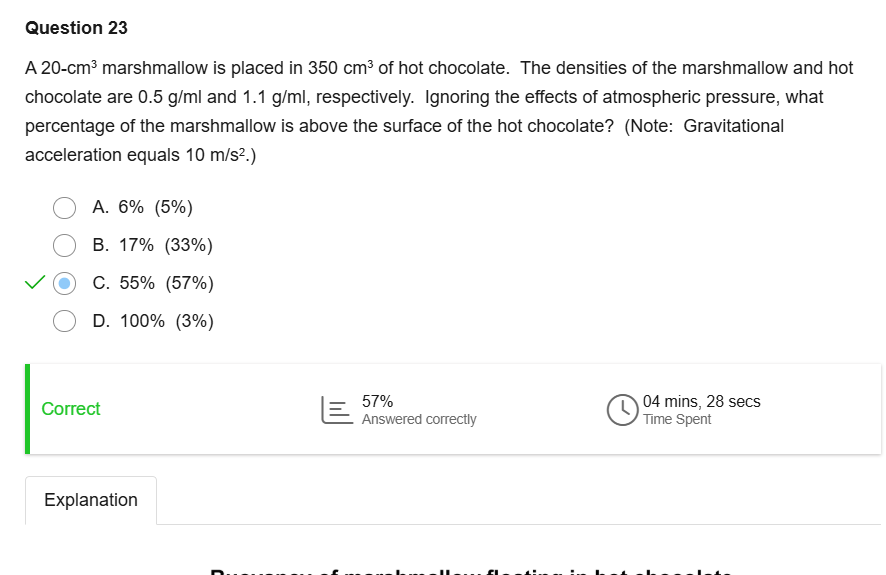
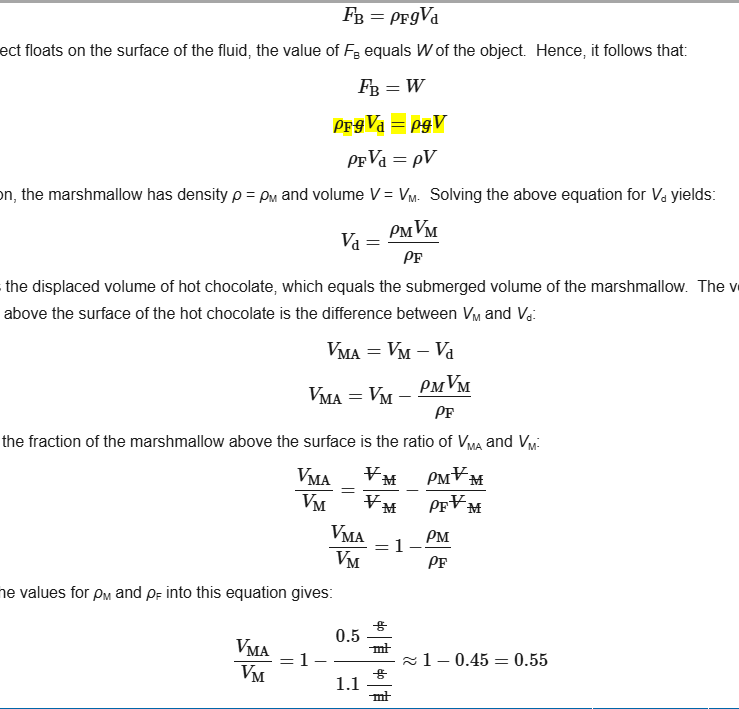
I just did some division with densities
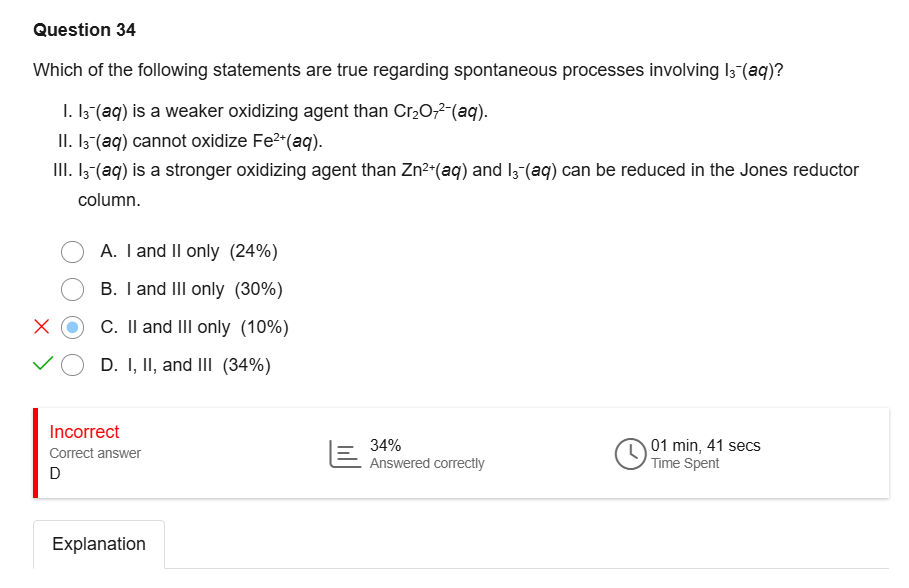
Oxidizing and Reducing agent using Ecell.
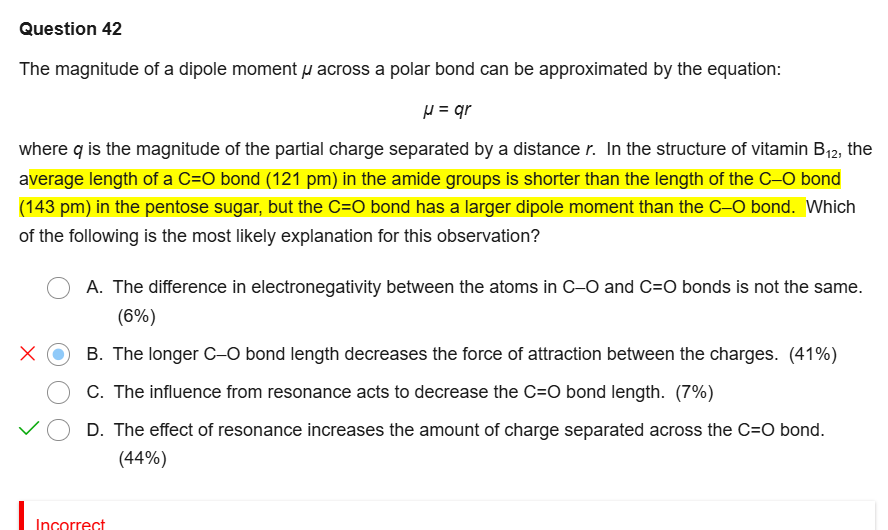
Resonance increases the average charge separated.
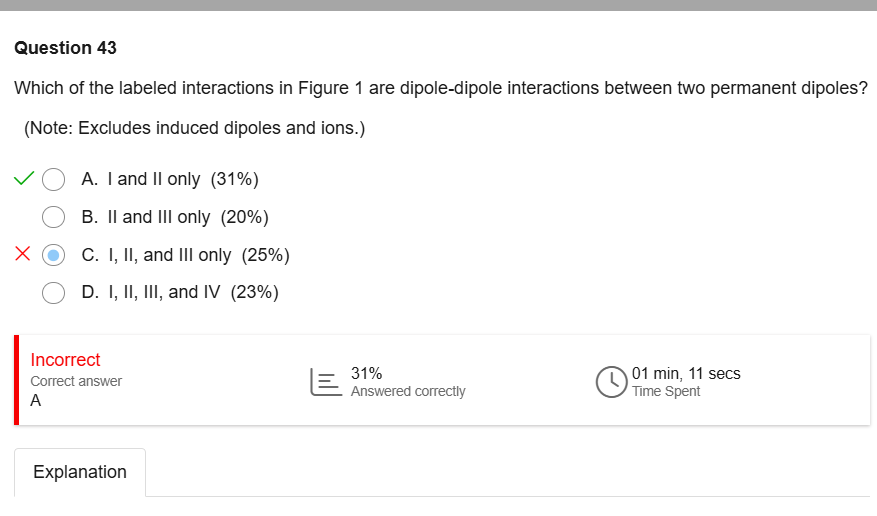
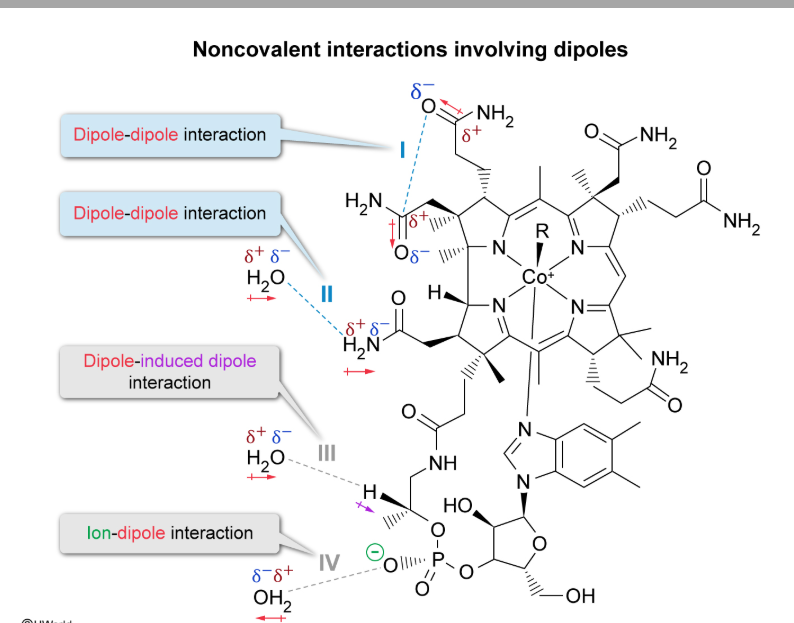
C-H obviously has an induced dipole, why do you get it wrong all the time
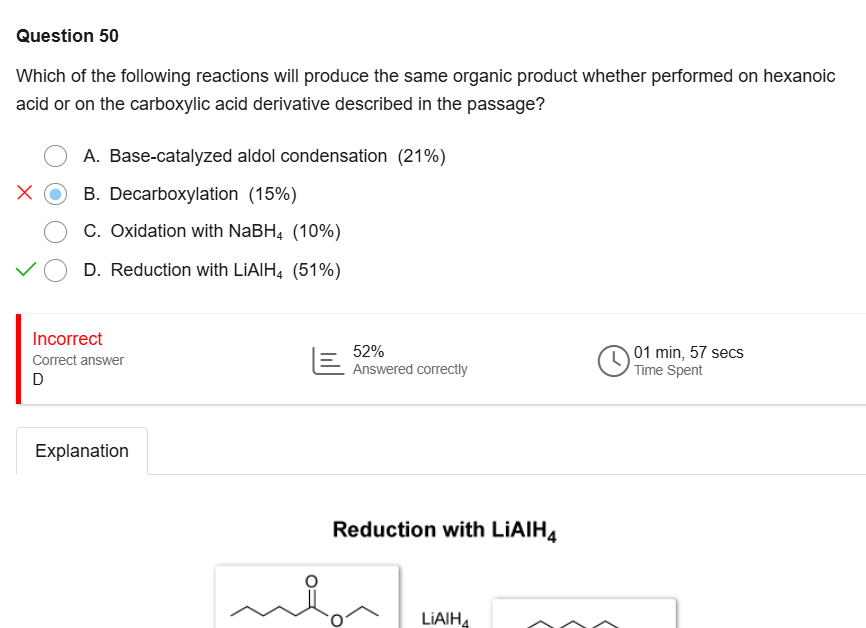
Both acid and ester can be reduced. They both have acid which can reduced to alcohol
 Note
Note  Flashcards (169)