AP PSYCH Development-Learning 3.7 Classical Conditioning
 Studied by 0 people
 Call Kai
 Learn
Learn Practice Test
 Spaced Repetition
 Match
Match Flashcards
 Knowt Play
1/26

There's no tags or description
Looks like no tags are added yet.
Name | Mastery | Learn | Test | Matching | Spaced | Call with Kai |
|---|
No analytics yet
Send a link to your students to track their progress
27 Terms
Behavioral Perspective
The approach that suggests that observable, measurable behavior should be the focus of study.
Classical Conditioning (Pavlov)
a type of learning in which we link two or more stimuli; as a result, to illustrate with Pavlov's classic experiment, the first stimulus (a tone) comes to elicit behavior (drooling) in anticipation of the second stimulus (food).
learning
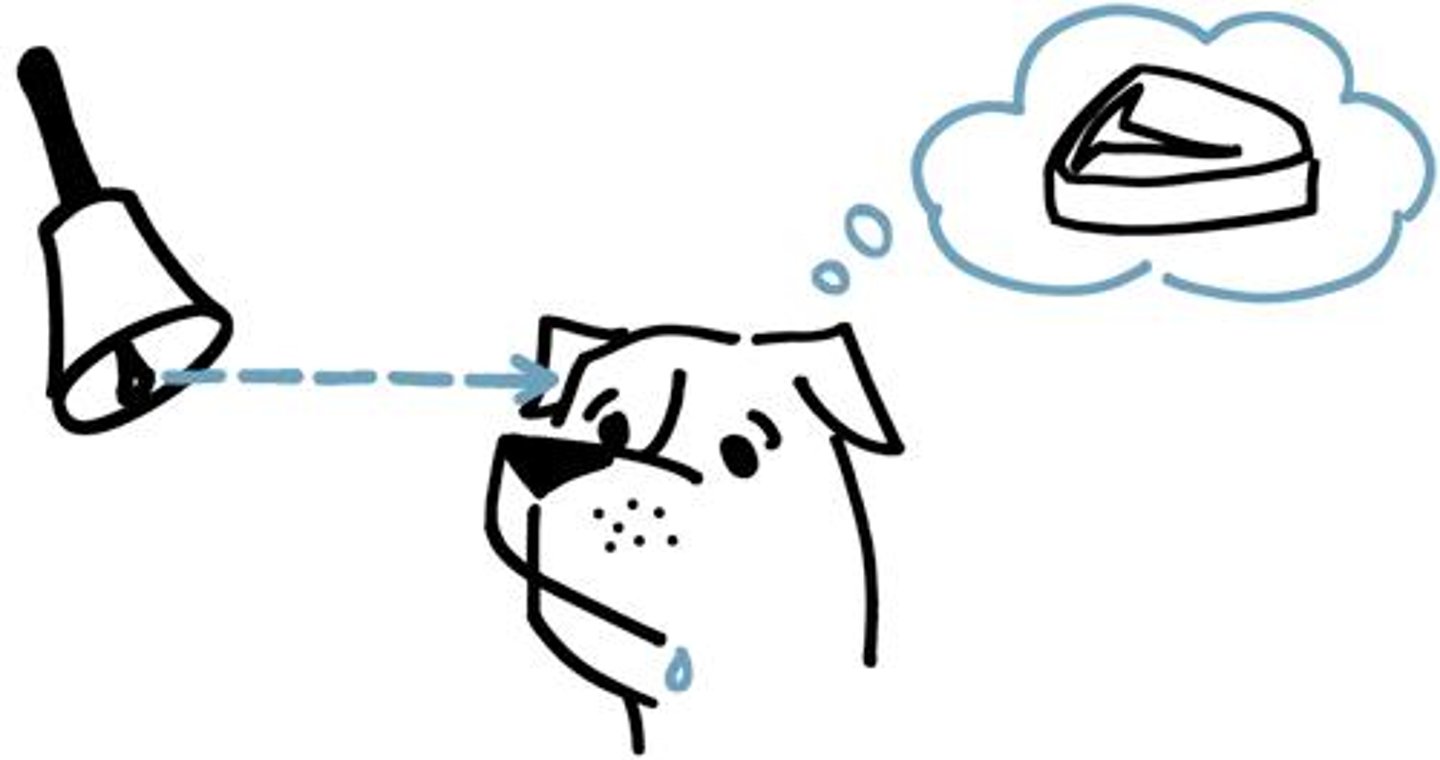
the process of acquiring through experience new and relatively enduring information or behaviors.

habituation
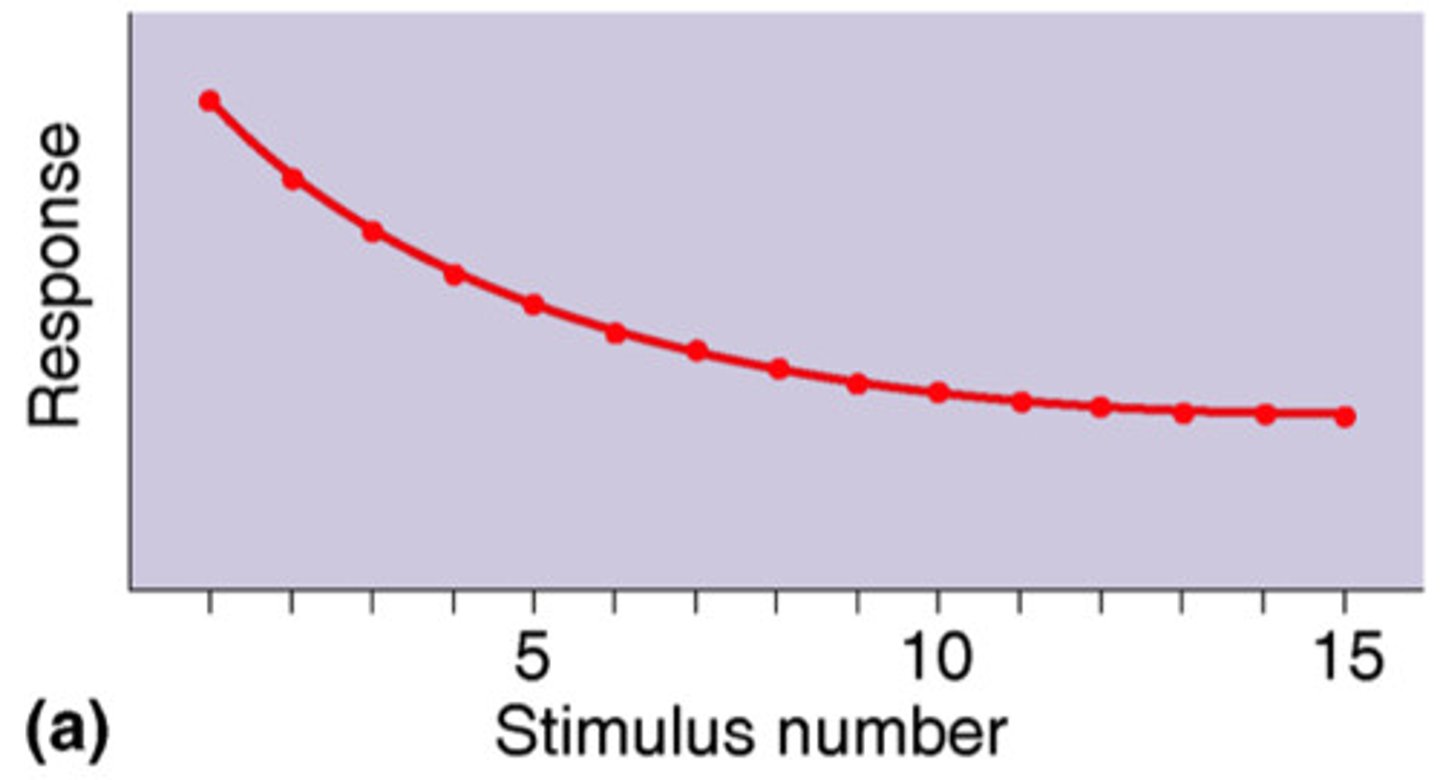
decreasing responsiveness with repeated stimulation. As infants gain familiarity with repeated exposure to a stimulus, their interest wanes and they look away sooner.
associative learning
learning that certain events occur together. The events may be two stimuli (as in classical conditioning) or a response and its consequence (as in operant conditioning).
stimulus
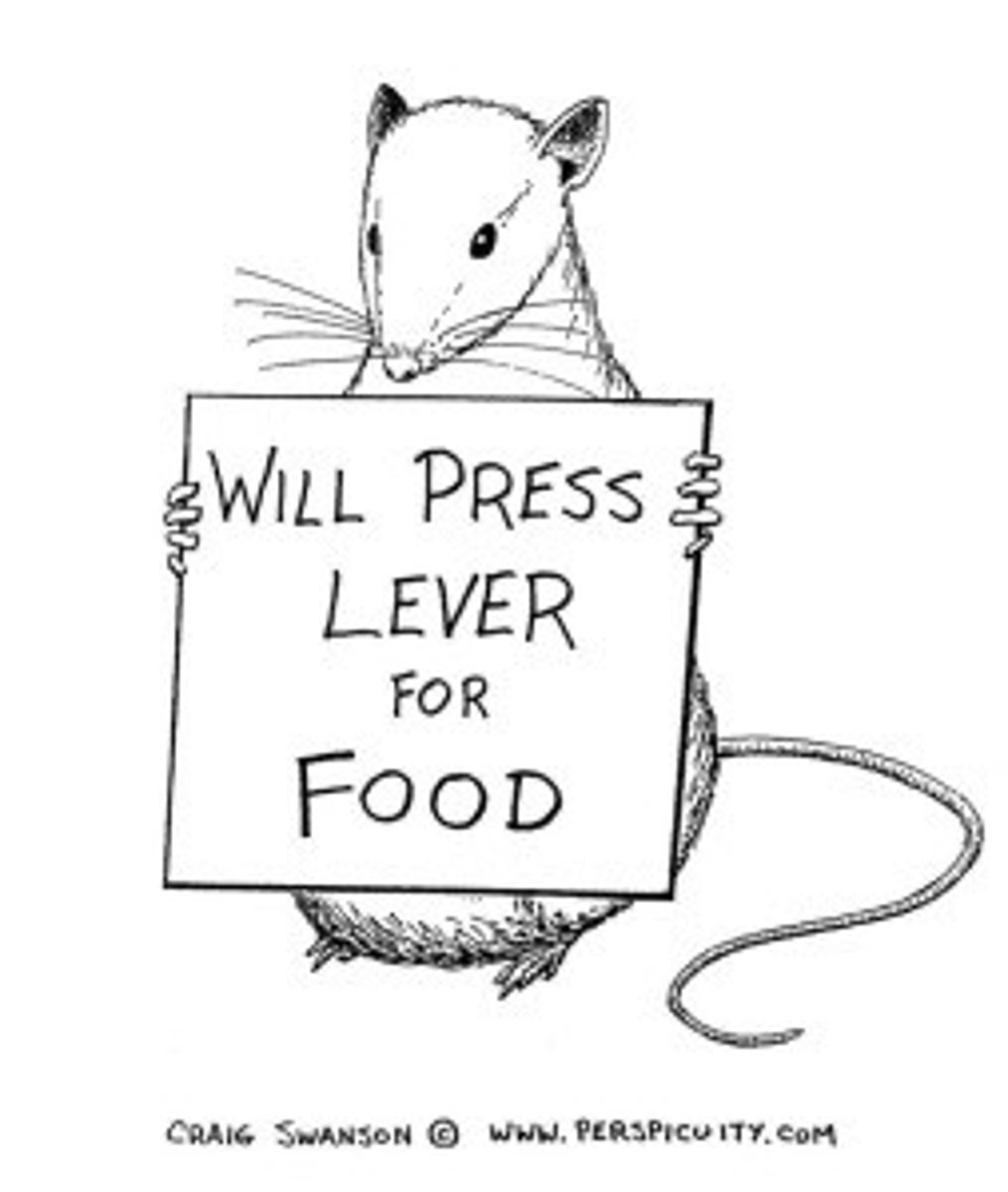
any event or situation that evokes a response.

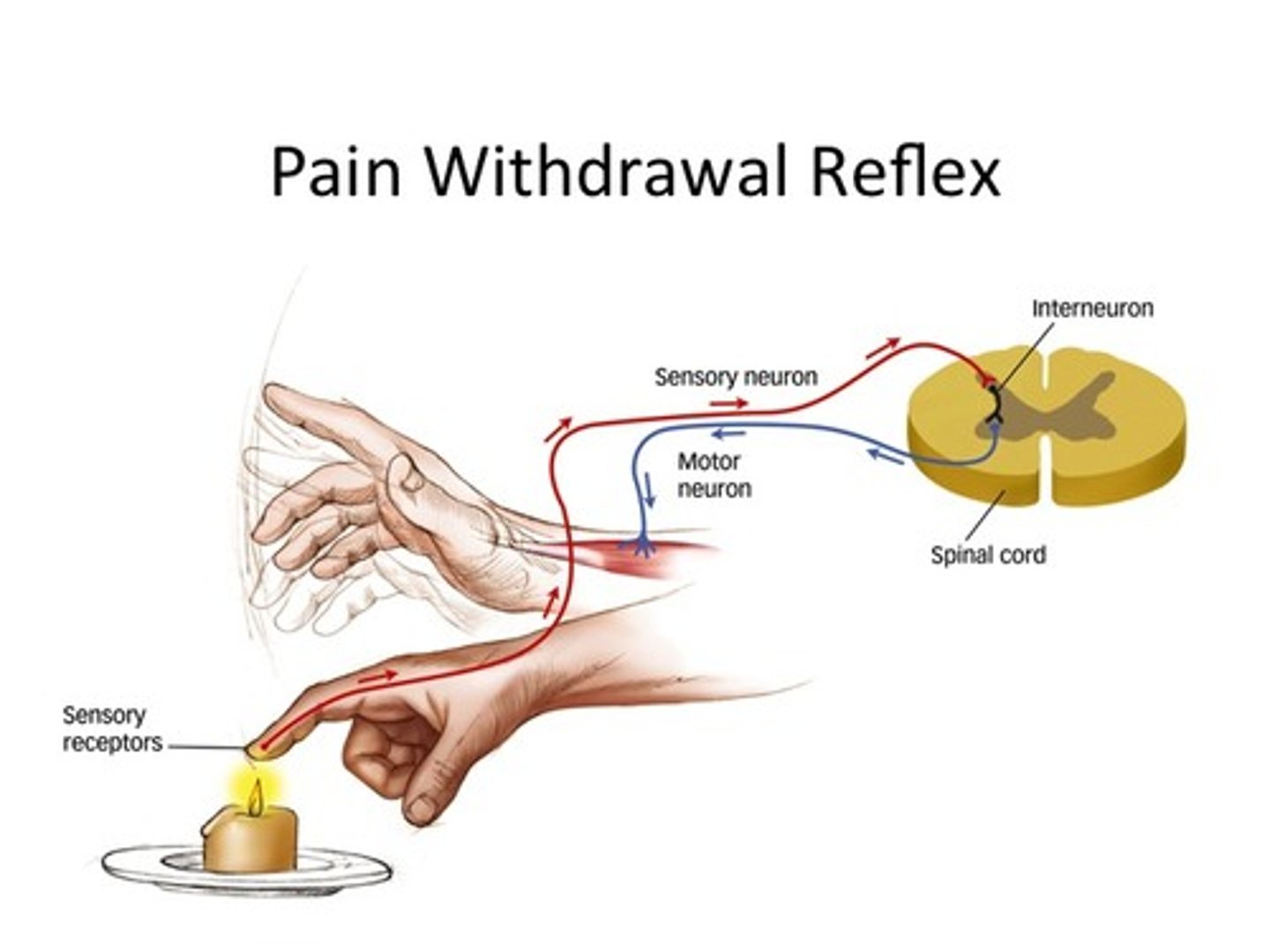
respondent behavior
behavior that occurs as an automatic response to some stimulus.
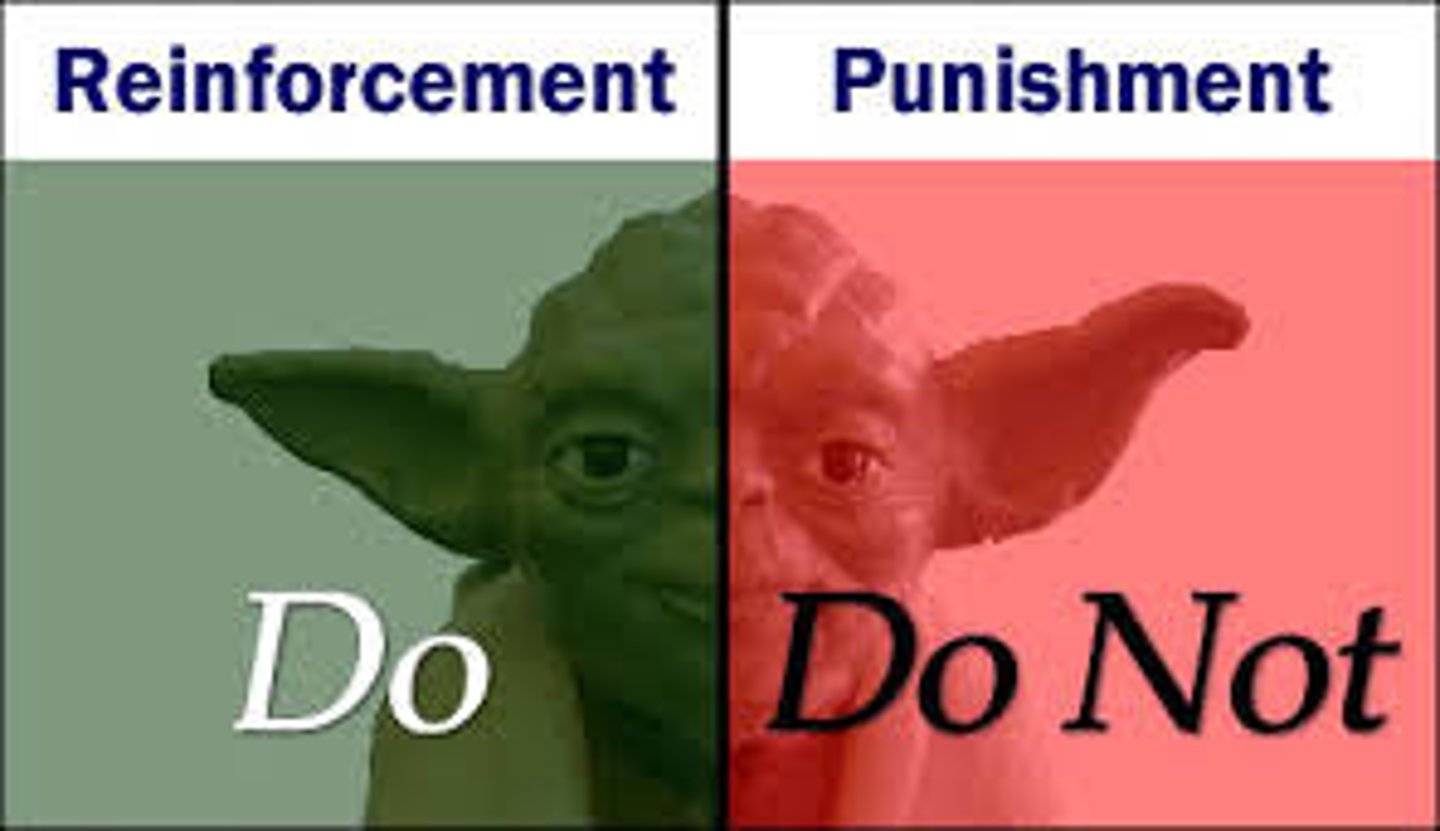
operant behavior
behavior that operates on the environment, producing a consequence.
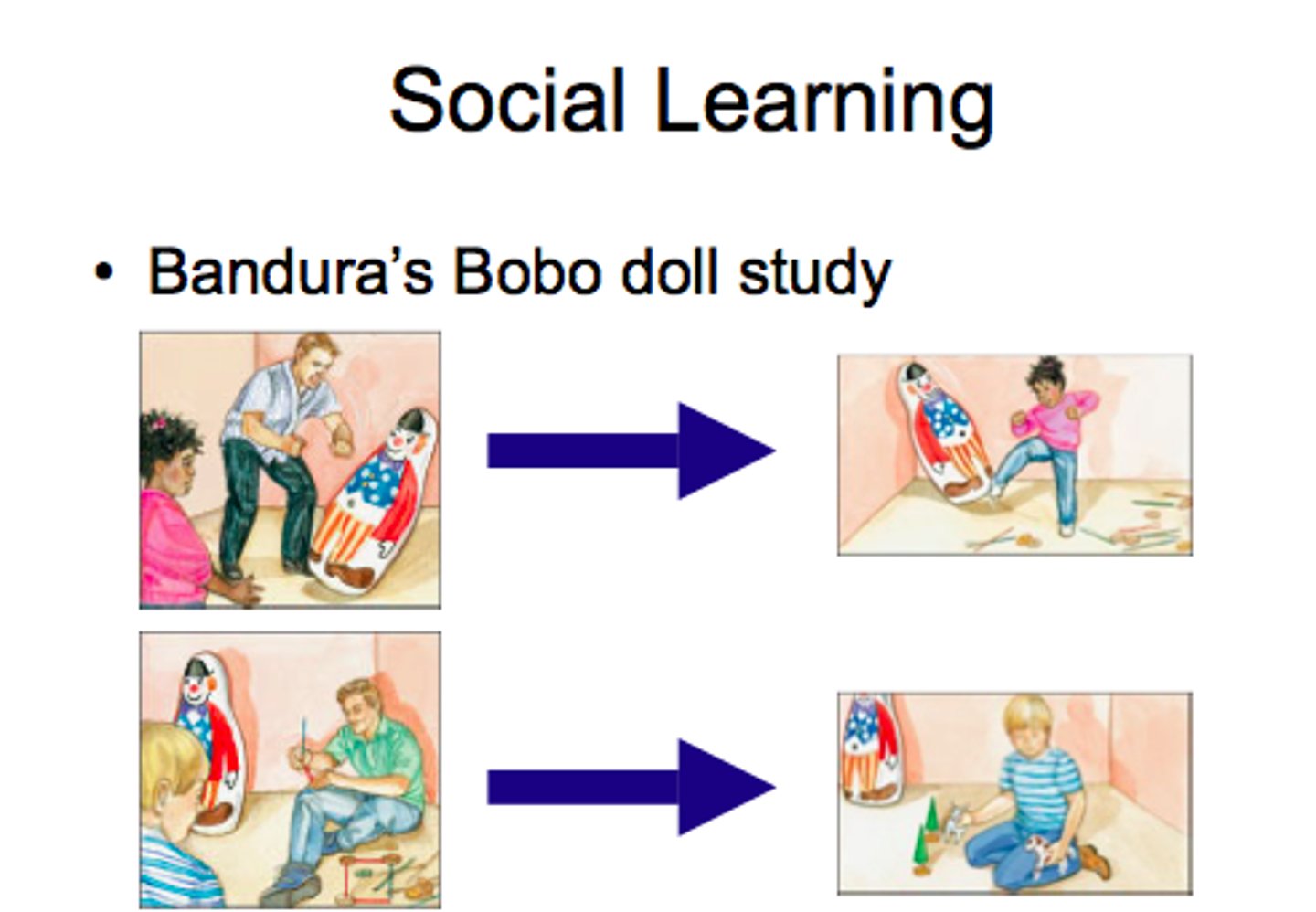
cognitive learning
the acquisition of mental information, whether by observing events, by watching others, or through language.
classical conditioning
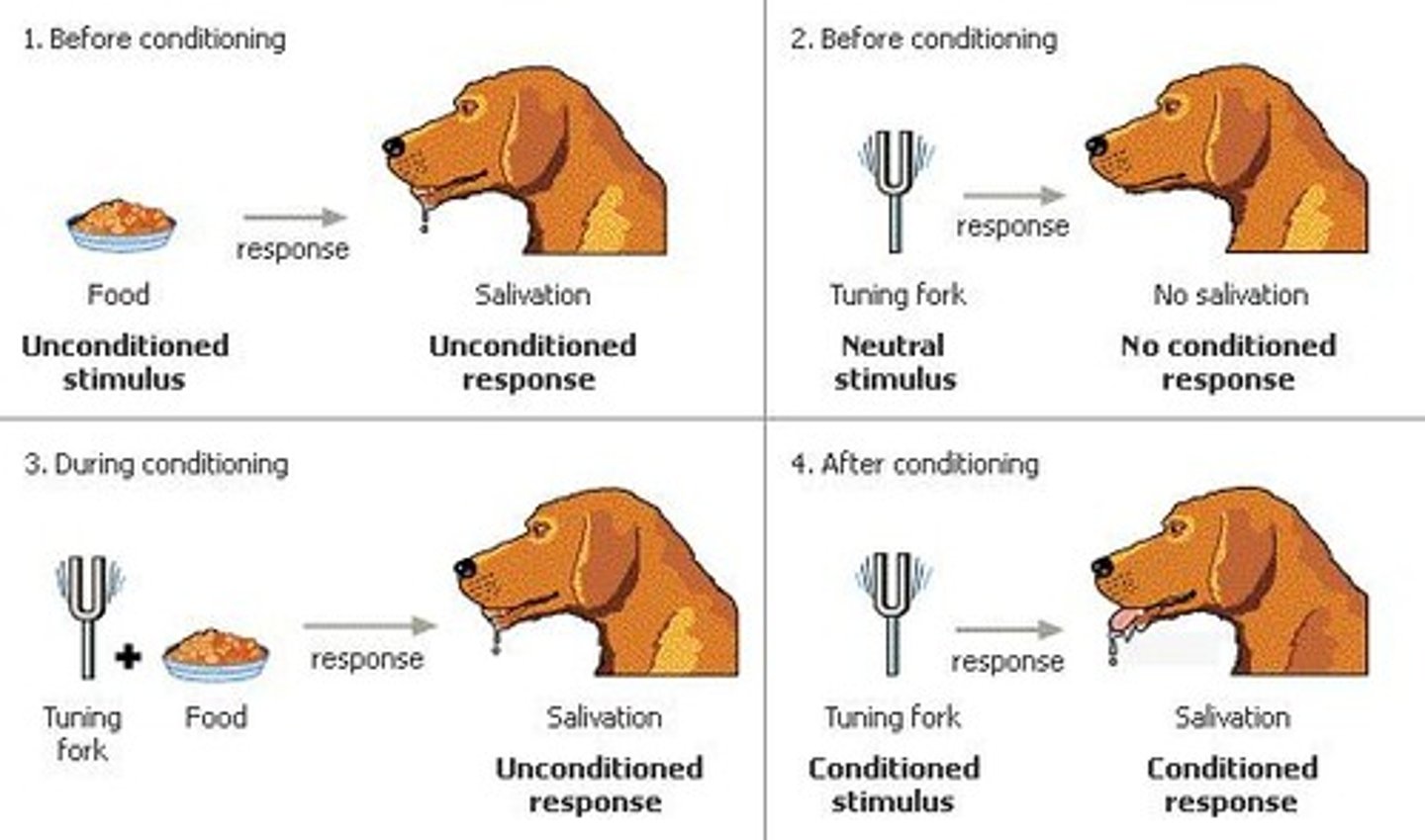
a type of learning in which we link two or more stimuli; as a result, to illustrate with Pavlov's classic experiment, the first stimulus (a tone) comes to elicit behavior (drooling) in anticipation of the second stimulus (food).
behaviorism
classical conditioning a type of learning in which we link two or more stimuli; as a result, to illustrate with Pavlov's classic experiment, the first stimulus (a tone) comes to elicit behavior (drooling) in anticipation of the second stimulus (food).
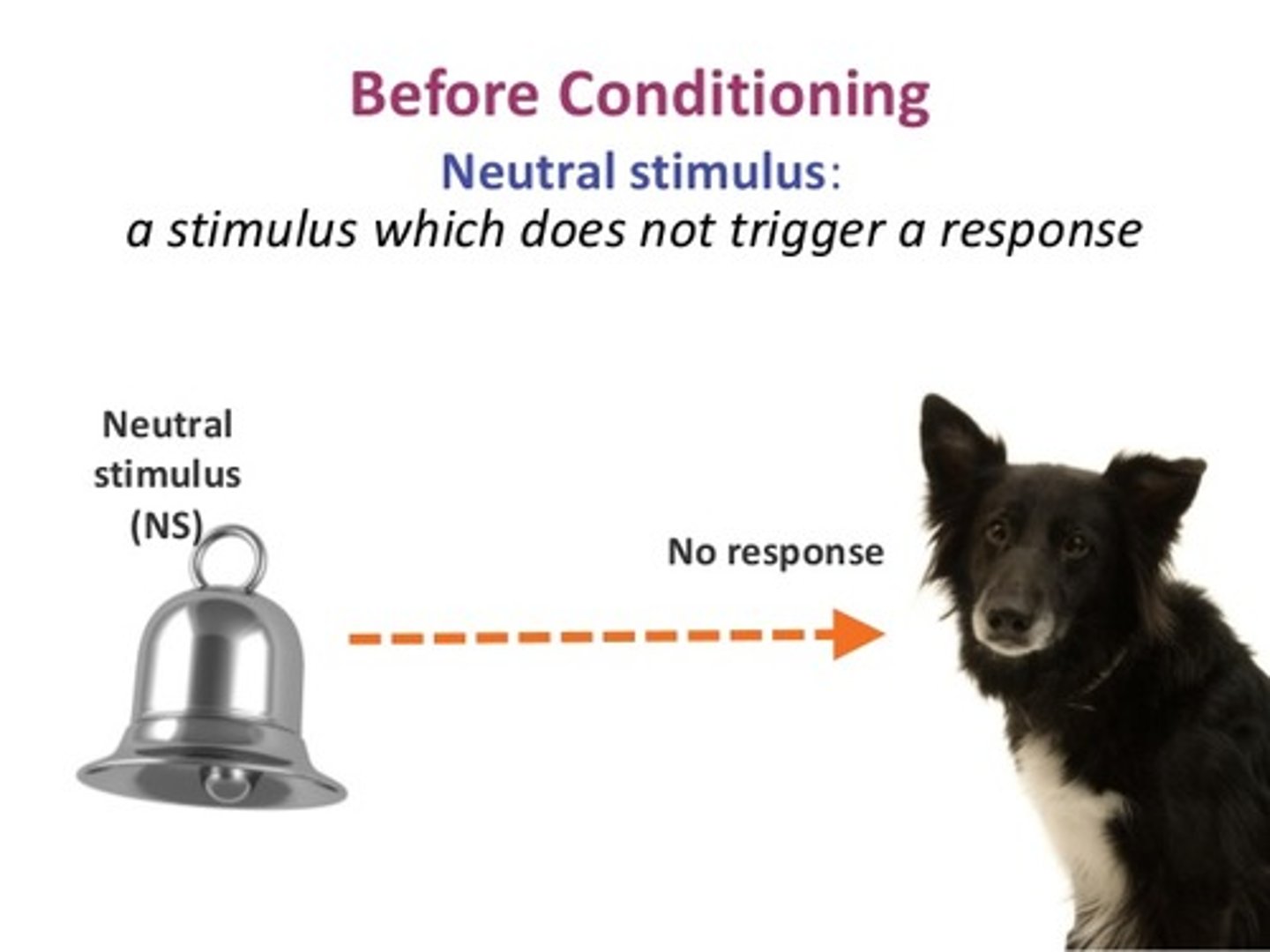
neutral stimuli (NS)
in classical conditioning, a stimulus that elicits no response before conditioning.
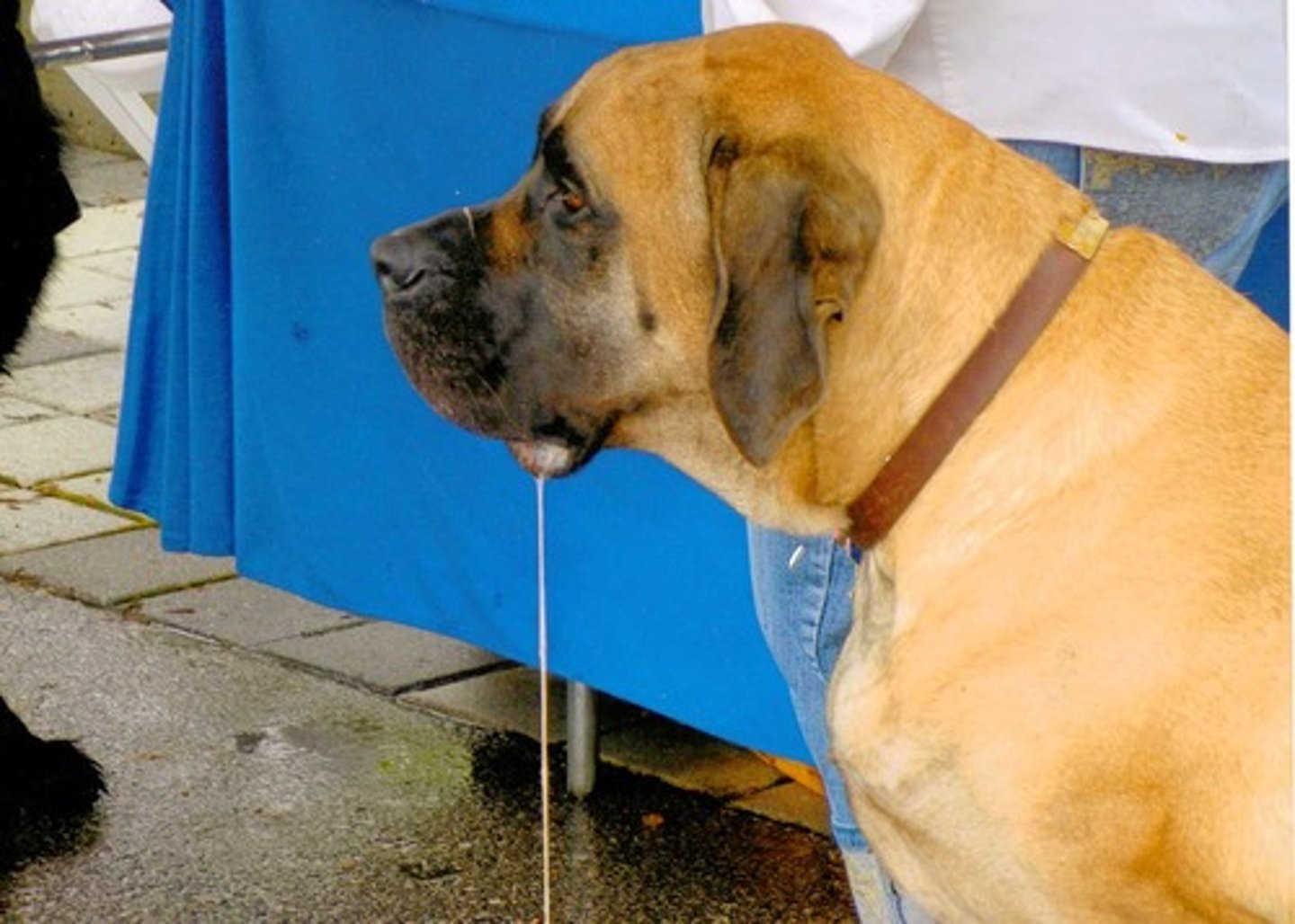
unconditioned response (UCR)
in classical conditioning, an unlearned, naturally occurring response (such as salivation) to an unconditioned stimulus (UCS) (such as food in the mouth).
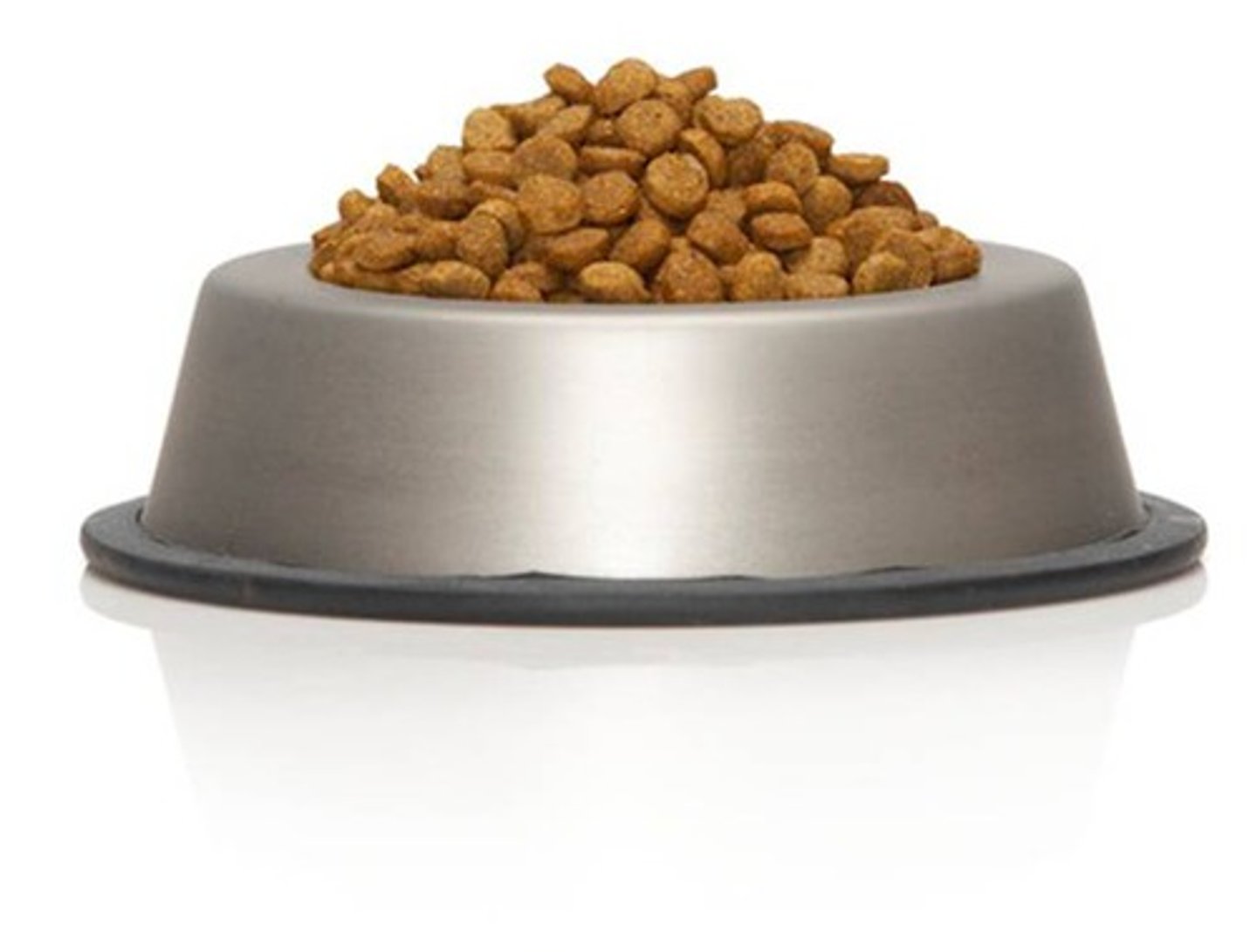
Unconditioned stimulus (UCS)
in classical conditioning, a stimulus that unconditionally — naturally and automatically — triggers an unconditioned response UCR).
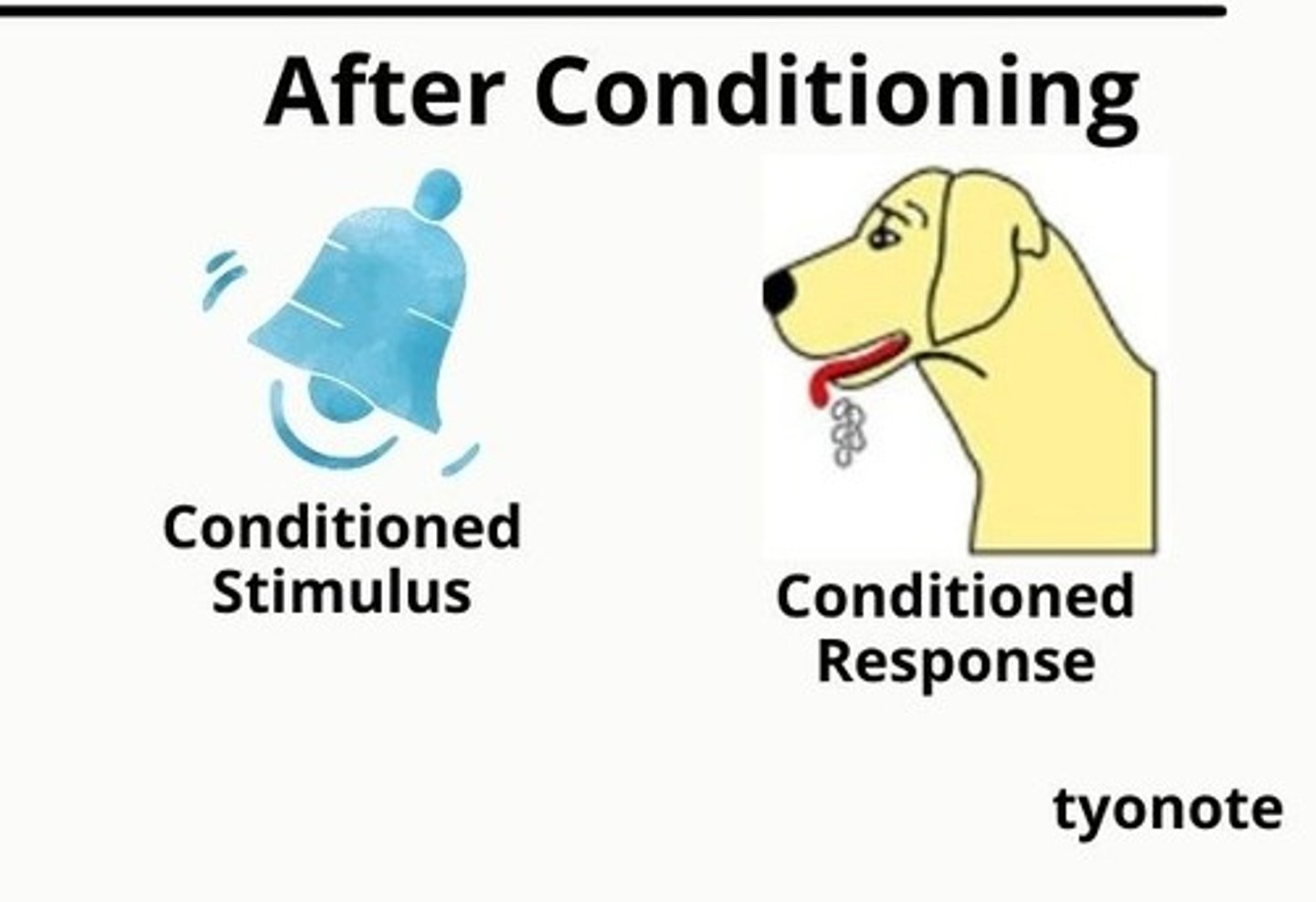
conditioned stimulus (CS)
in classical conditioning, an originally neutral stimulus that, after association with an unconditioned stimulus (UCS), comes to trigger a conditioned response (CR).

conditioned response (CR)
in classical conditioning, a learned response to a previously neutral (but now conditioned) stimulus (CS).
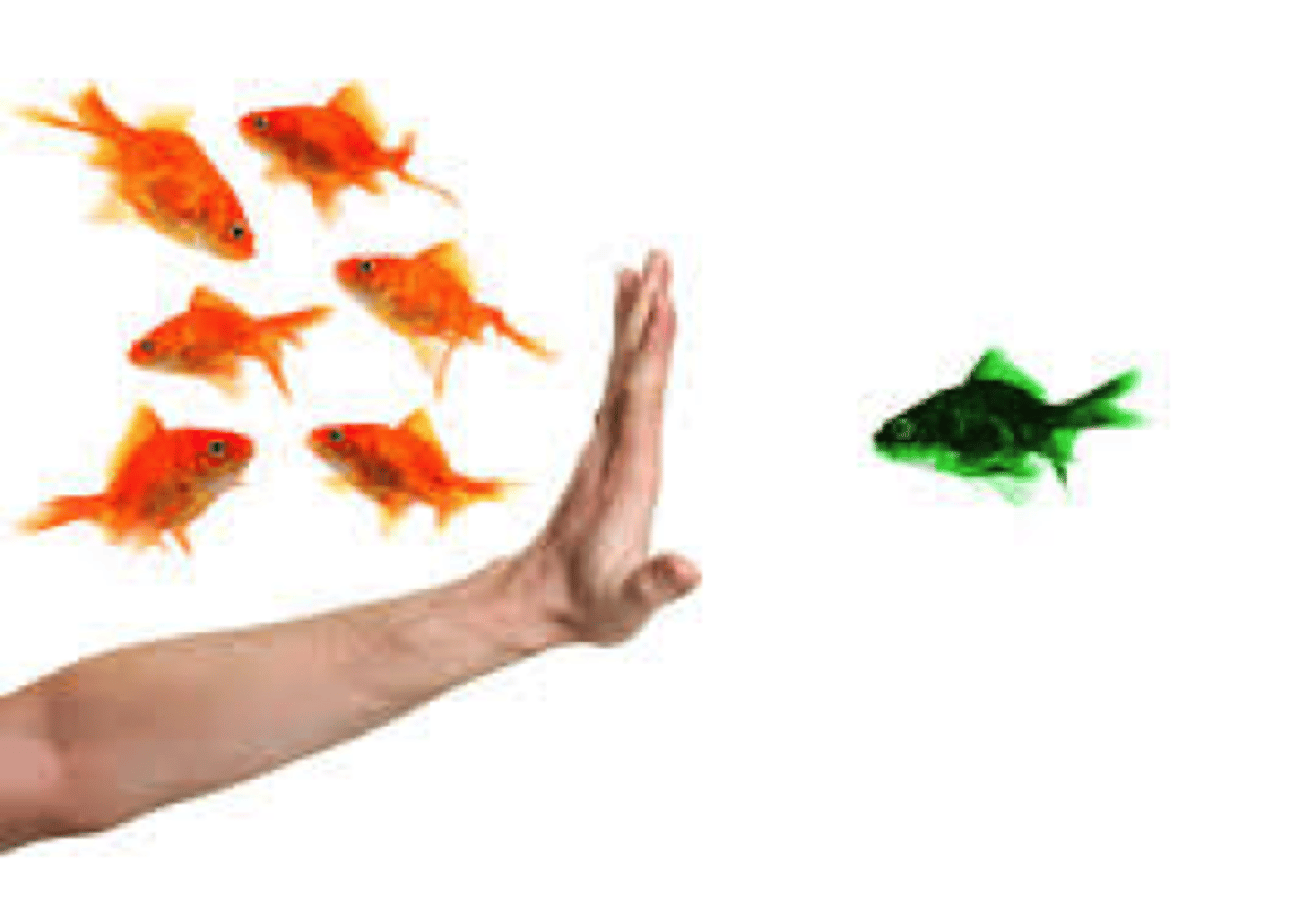
Stimulus discrimination
the tendency to stop making a generalized response to a stimulus that is similar to the original conditioned stimulus because the similar stimulus is never paired with the unconditioned stimulus
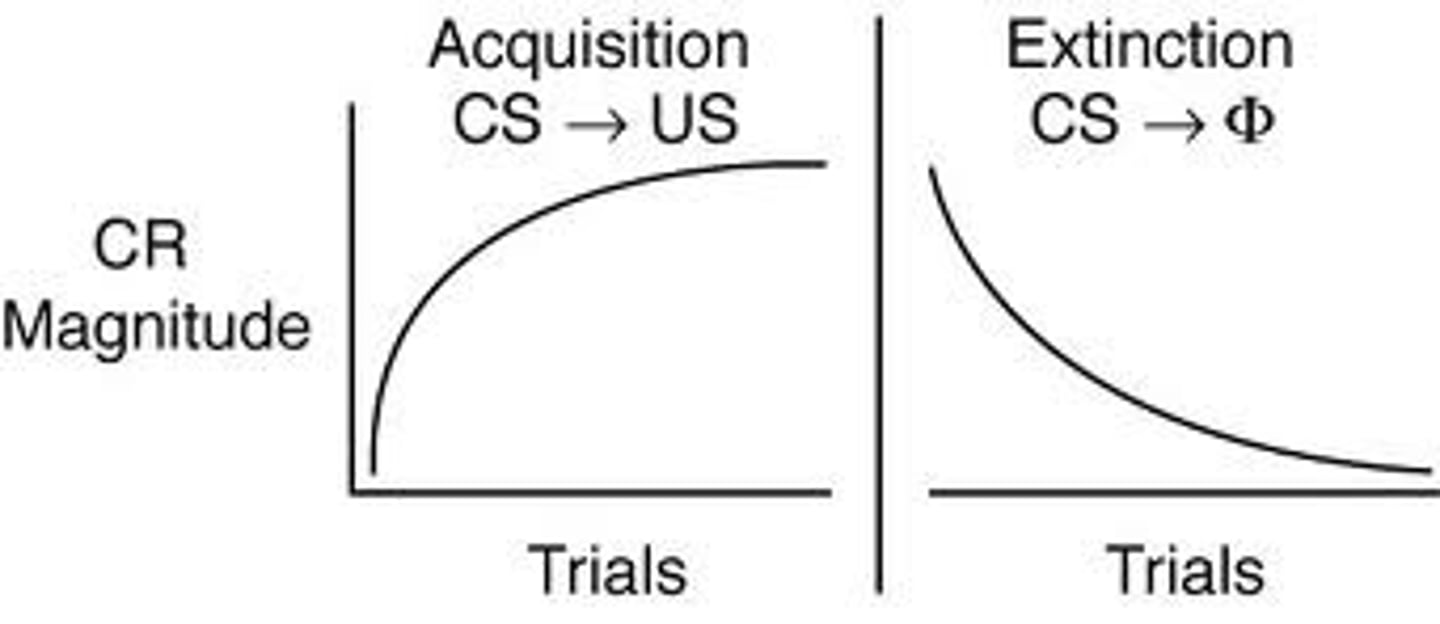
acquisition
In classical conditioning, the initial stage, when one links a neutral stimulus and an unconditioned stimulus so that the neutral stimulus begins triggering the conditioned response. In operant conditioning, the strengthening of a reinforced response.
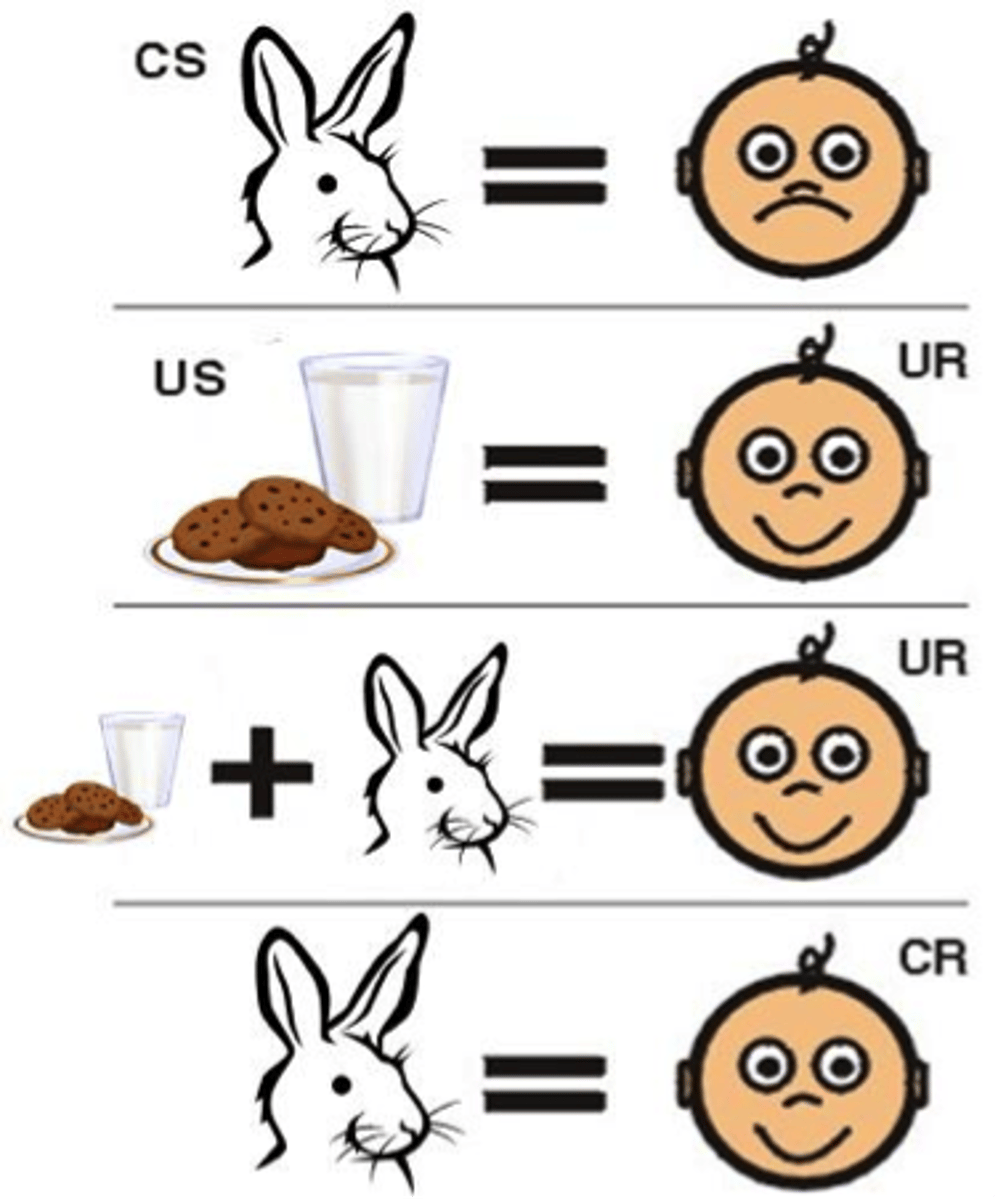
Counterconditioning
a behavior therapy procedure that uses classical conditioning to evoke new responses to stimuli that are triggering unwanted behaviors; includes exposure therapies and aversive conditioning
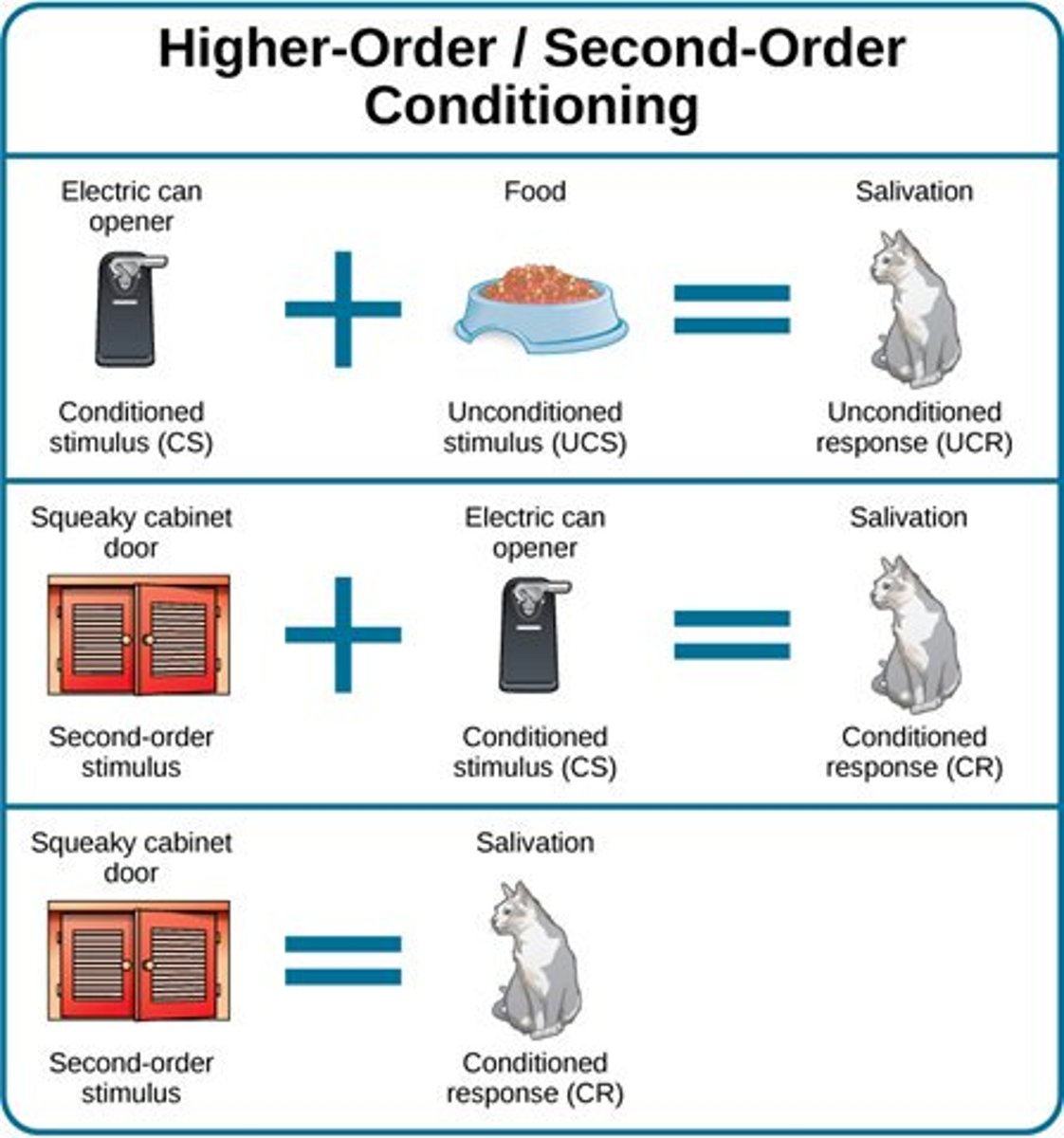
higher/second order conditioning
a procedure in which the conditioned stimulus in one conditioning experience is paired with a new neutral stimulus, creating a second (often weaker) conditioned stimulus. For example, an animal that has learned that a tone predicts food might then learn that a light predicts the tone and begin responding to the light alone. (Also called second-order conditioning.)
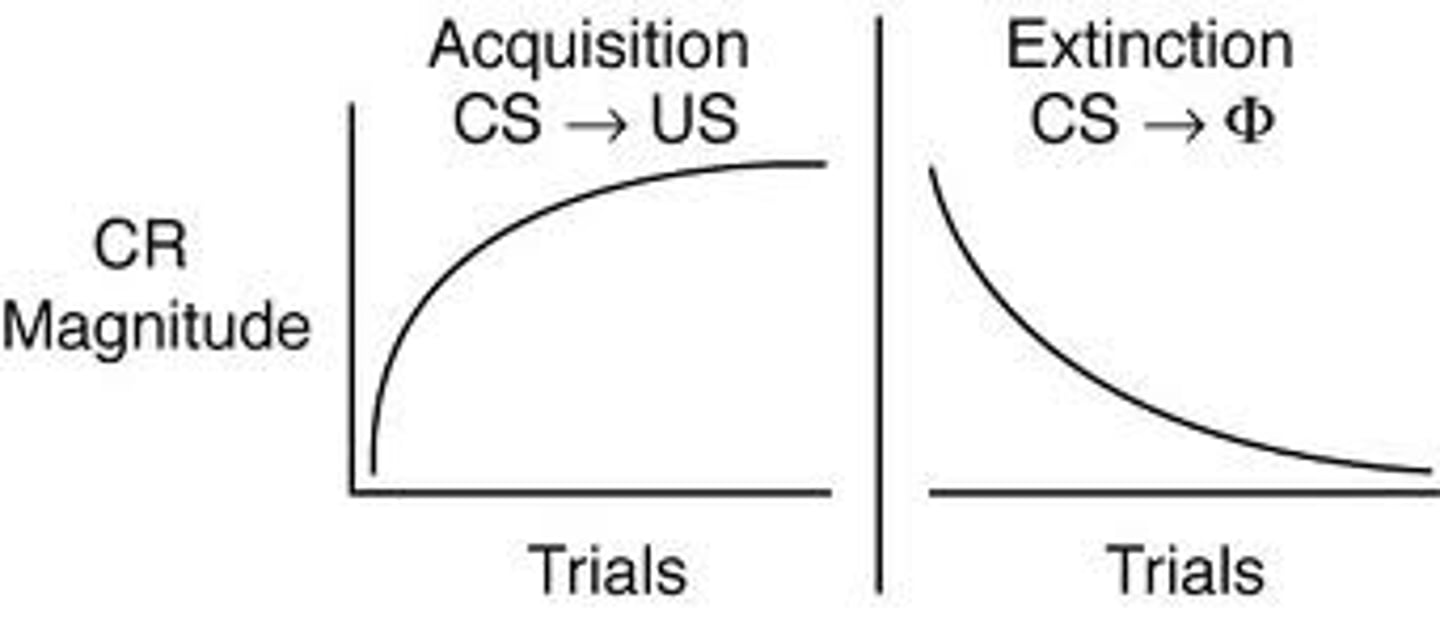
extinction
the diminishing of a conditioned response; occurs in classical conditioning when an unconditioned stimulus (US) does not follow a conditioned stimulus (CS); occurs in operant conditioning when a response is no longer reinforced.
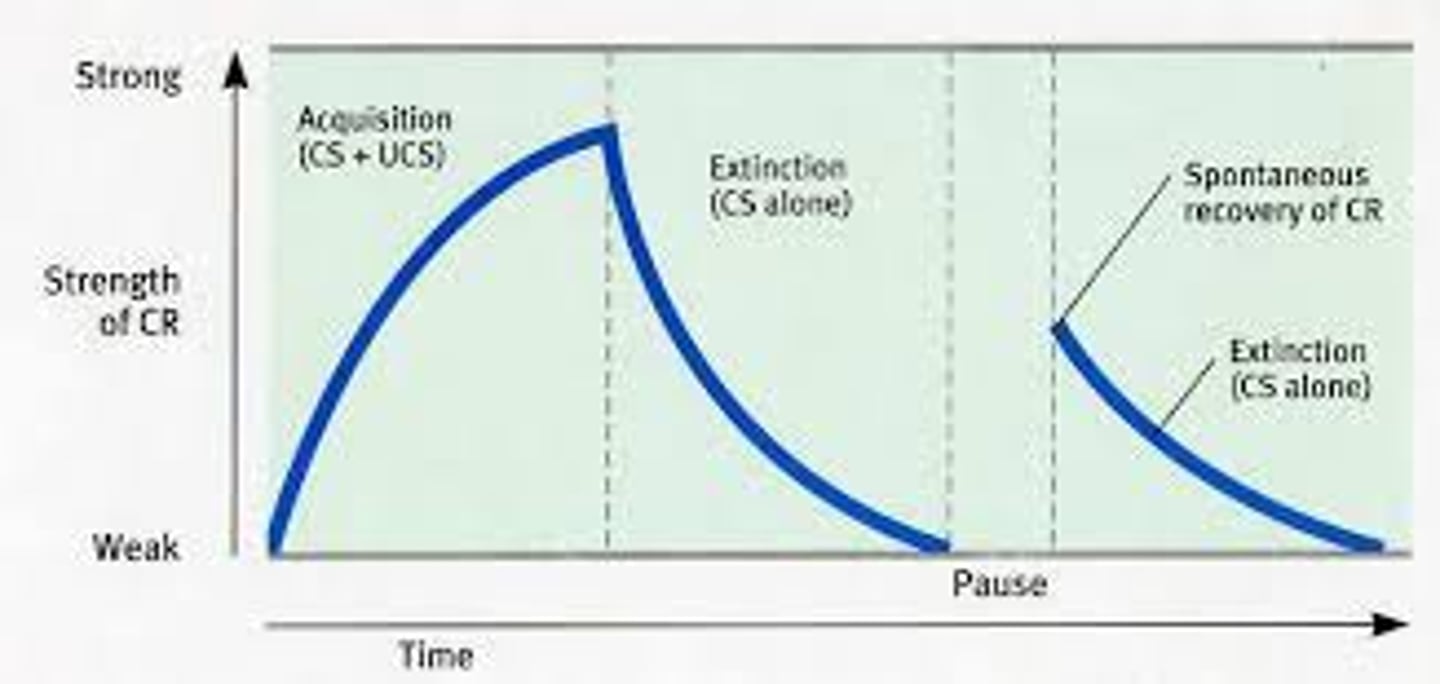
spontaneous recovery
the reappearance, after a pause, of a weakened conditioned response.
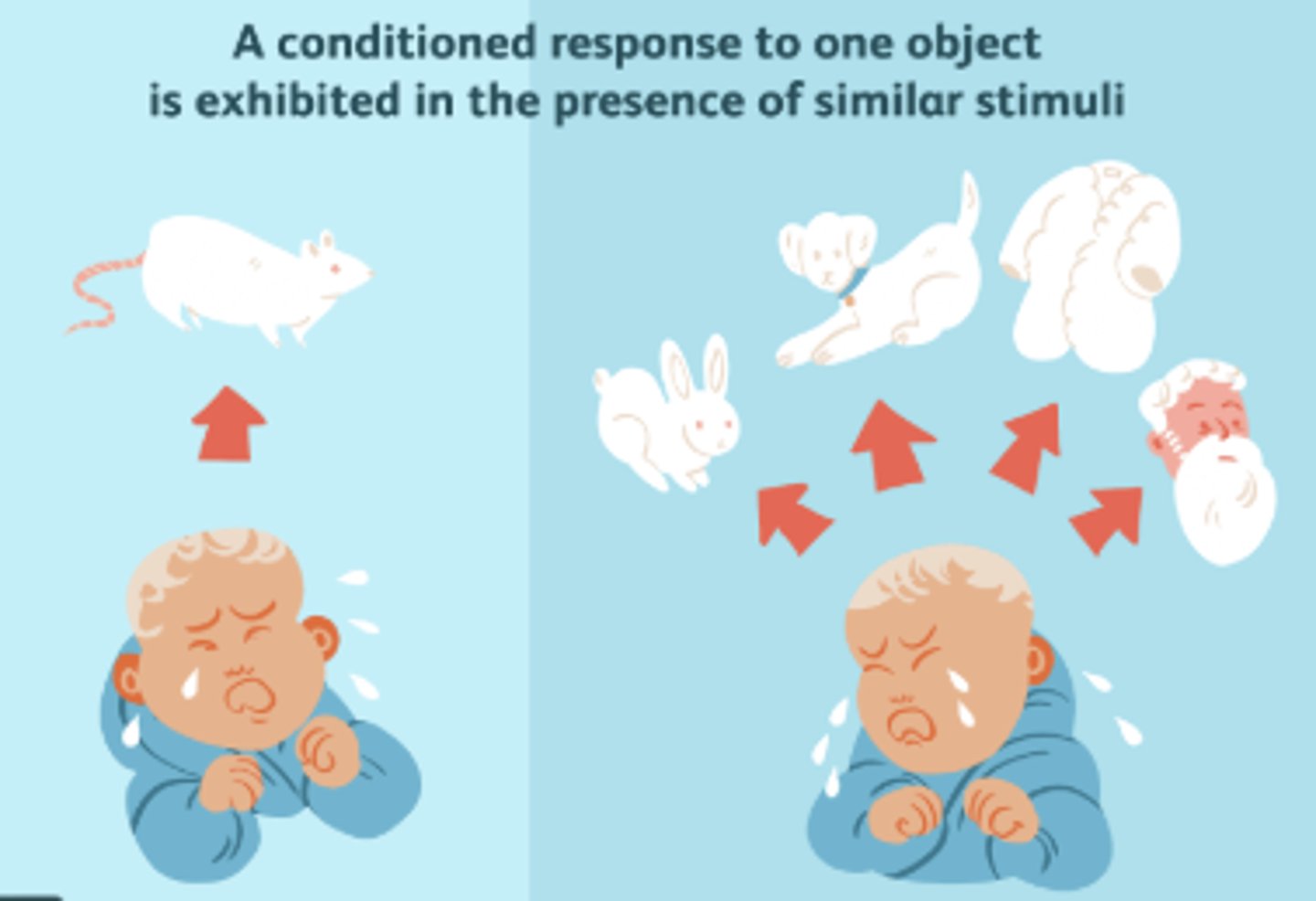
generalization
(also called stimulus generalization) in classical conditioning, the tendency, once a response has been conditioned, for stimuli similar to the conditioned stimulus to elicit similar responses. (In operant conditioning, when responses learned in one situation occur in other, similar situations.)
discrimination
(1) in classical conditioning, the learned ability to distinguish between a conditioned stimulus and other stimuli that have not been associated with a conditioned stimulus. (In operant conditioning, the ability to distinguish responses that are reinforced from similar responses that are not reinforced.) (2) in social psychology, unjustifiable negative behavior toward a group or its members.
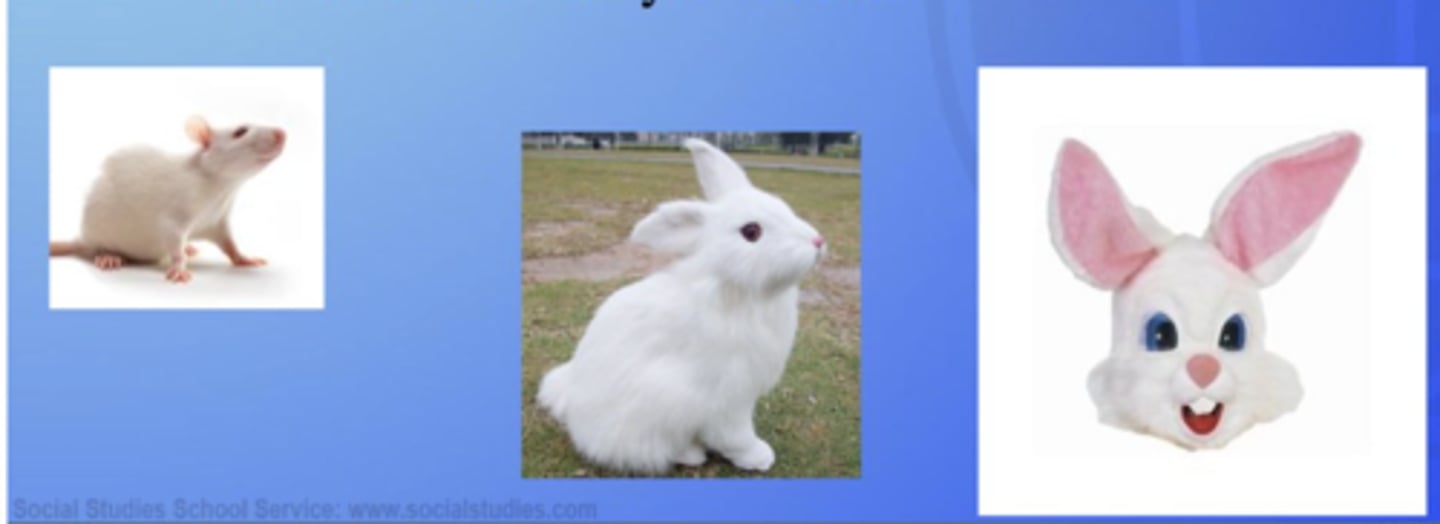
(biological) preparedness
a biological predisposition to learn associations, such as between taste and nausea, that have survival value.
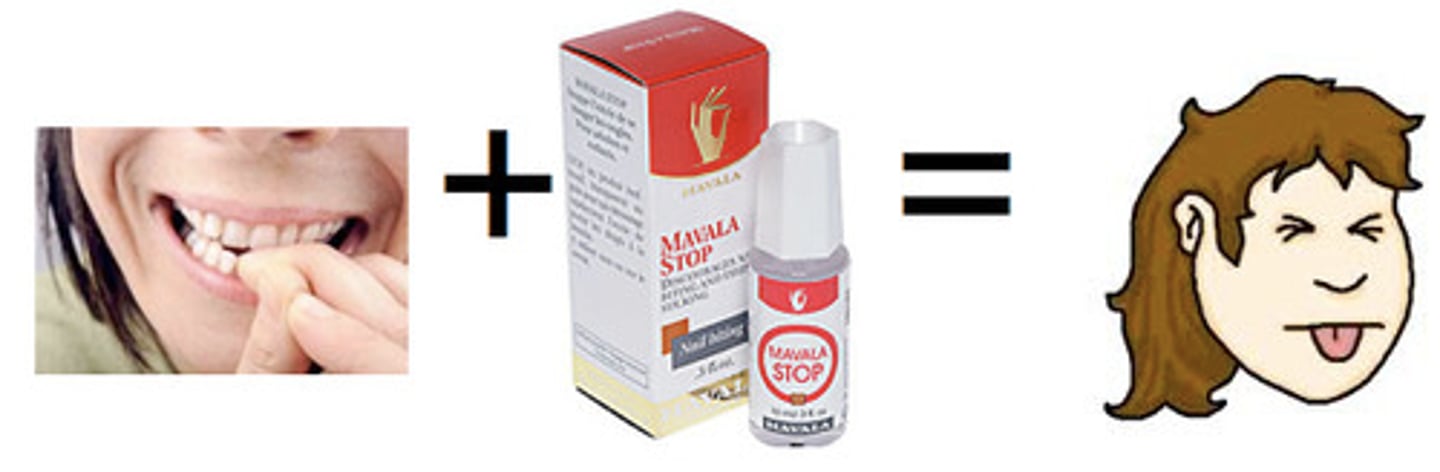
Taste aversion
a type of classical conditioning in which a previously desirable or neutral food comes to be perceived as repugnant because it is associated with negative stimulation
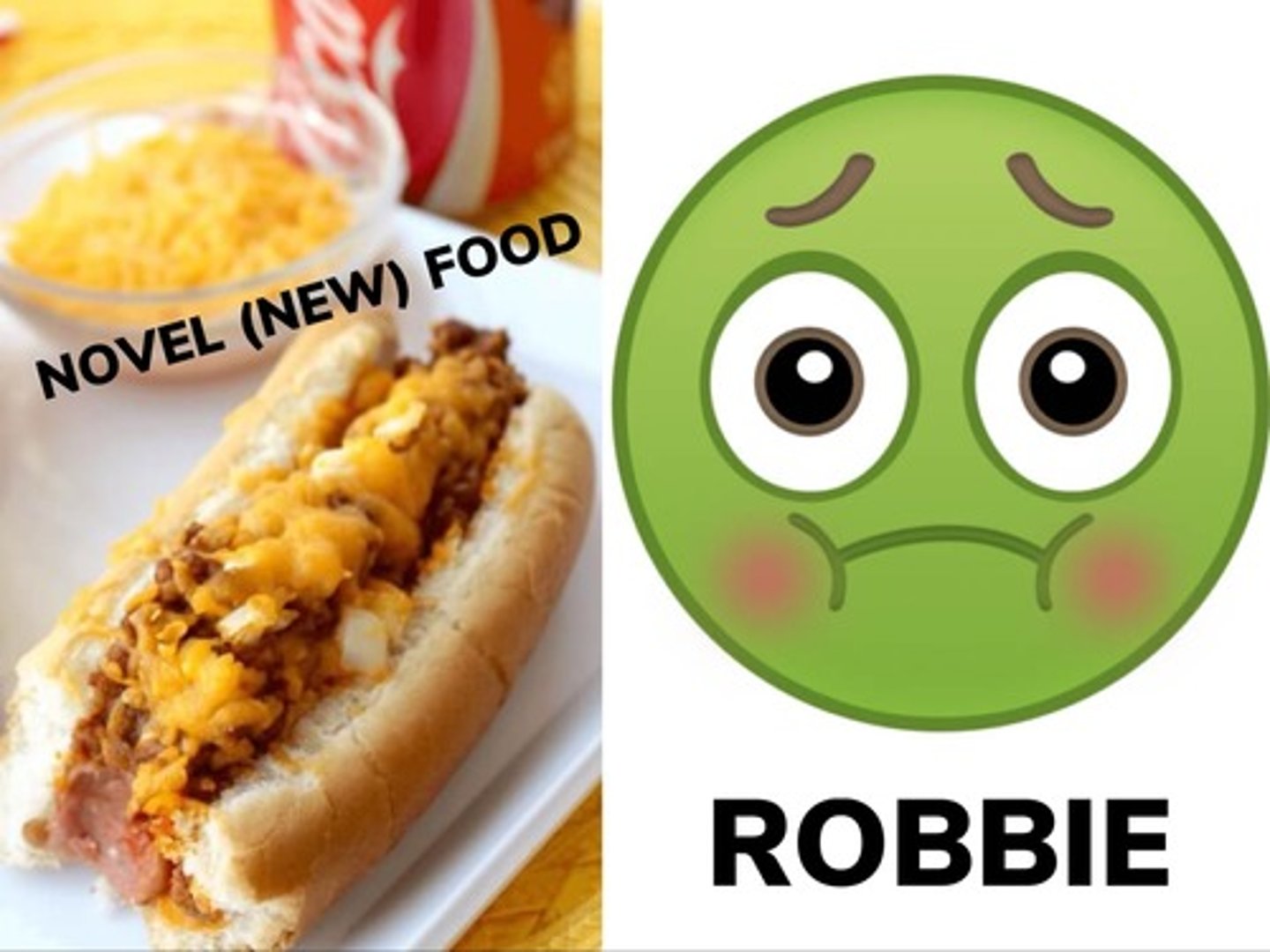
One trial learning/conditioning
a method where an individual grasps something from a single exposure to the stimulus or information, eliminating the need for multiple repetitions
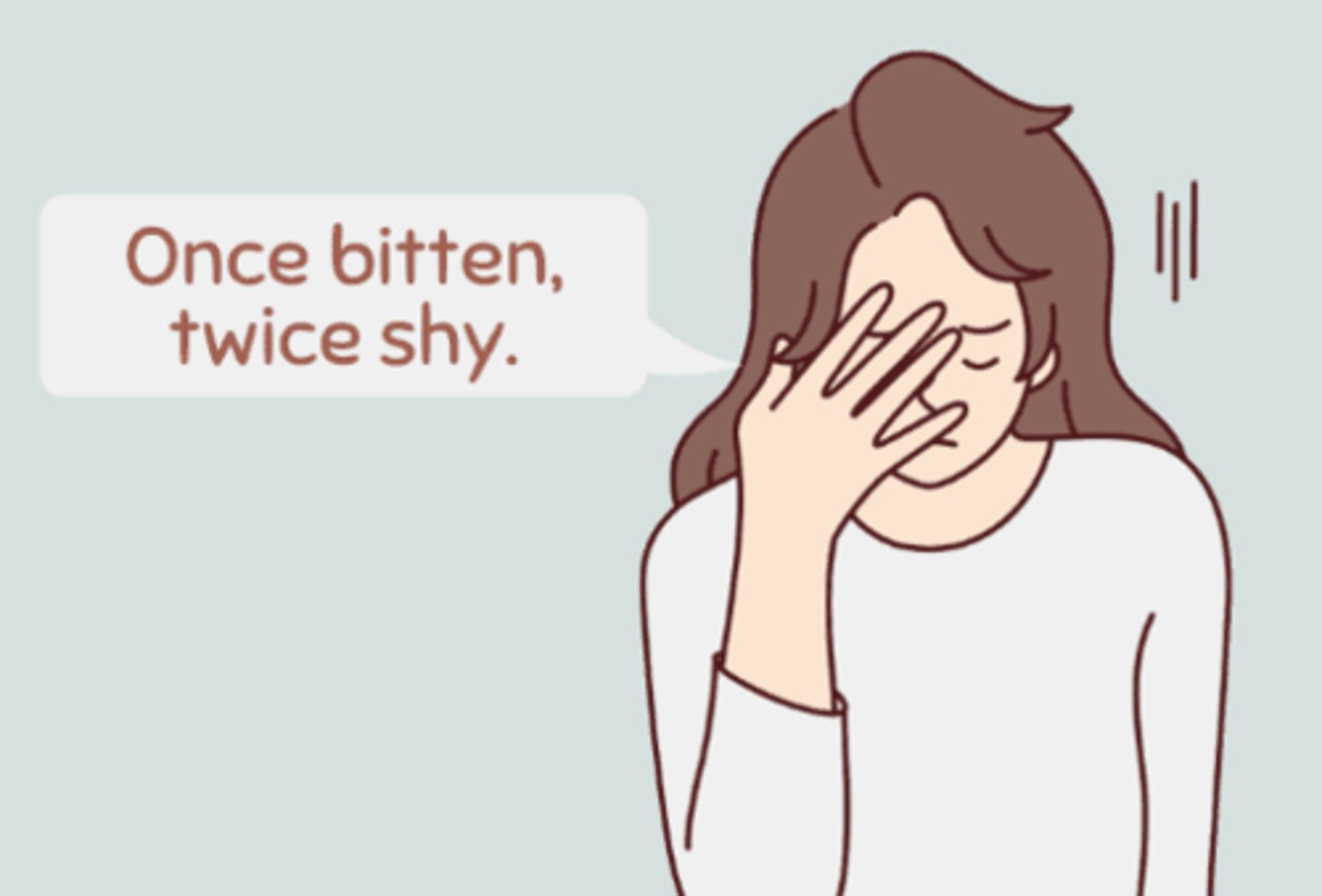
 Note
Note  Flashcards (24)