Final Exam: Physical Science
 View linked note
 Call Kai
 Learn
Learn Practice Test
 Spaced Repetition
 Match
Match Flashcards
 Knowt Play
1/84

There's no tags or description
Looks like no tags are added yet.
Name | Mastery | Learn | Test | Matching | Spaced | Call with Kai |
|---|
No analytics yet
Send a link to your students to track their progress
85 Terms
Properties
Qualities or attributes that are characteristic of an object.
Referents
Comparative properties, for example, sky blue.
Area
LW
Volume
LWH
Theory
Based set of working hypotheses
Based upon considerable experimental support
From the framework of thought and experiment
Velocity
Speed of an object in meters per second.
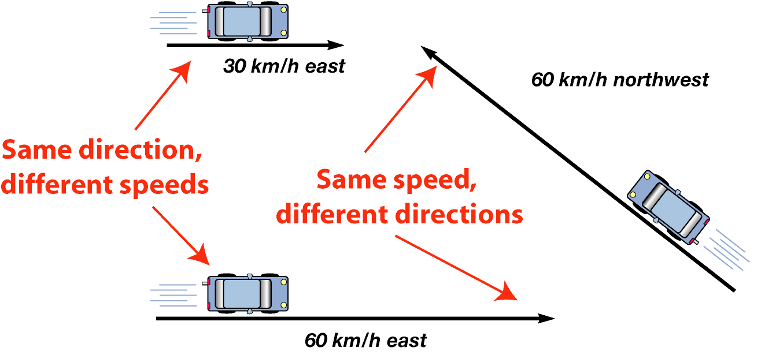
Acceleration
Results in a change of motion.
Falling Objects
Free fall under gravity without air resistance.
Acceleration is the same for all objects
Newton’s 1st Law of Motion
Inertia
every object retains in rest unless acted upon by an unbalanced force
Newton’s Law of Gravitation
Attractive force between all objects everywhere
9.8m/s^2.
Weightlessness
Moon (mass stays the same, weight decreases)
W=mg (weight is a force)
Energy Sources Today
Include petroleum, natural gas, coal, nuclear, and renewable sources. (In order from most to least)
Waves
Include longitudinal waves (straight) and transverse waves (up & down).
Vibrations
Amplitude- max extent of displacement from equilibrium
Frequency- number of cycles per second (units = hertz, Hz)
Period and frequency are inversely related.
Human hearing range: 20 Hz
Properties of Light
Acts as both a wave and a photon.
Nuclear Atom
Atomic number
o Number of protons in the nucleus
o Elements distinguished by atomic number
o 113 elements identified
o Number of protons=number of electrons in neutral atoms
Isotopes
o Same number of protons; different number of neutrons
Metals, Nonmetals, & Semiconductors
Noble gases – filled shells, inert
1-2-3 outer electrons
o Lose to become positive ions
o Metals
5-7 outer electrons
o Tend to gain electrons and form negative ions
o Nonmetals
Chemical Bonds
Three types
o Ionic
§ Electrons transferred between atoms
§ Electrostatic force=binding force
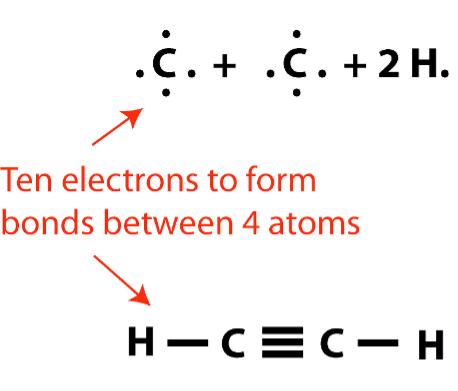
Multiple Bonds
Sharing of more than one electron pair
Ex. Ethylene - double bond & Acetylene - triple bond
Balancing Equations
Mass of reactants = mass of products
Law of conservation of mass- atoms are neither created nor destroyed in chemical reactions
Household water
Lawn & garden - Toilets - Bathing - Laundry - cleaning dishes - drinking & cooking (in order from using the most water to least amount)
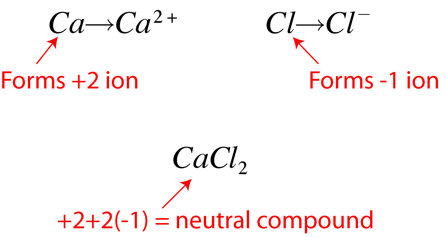
Ionic Compound Formulas
Two rules
o Write the symbol for the positive ion first followed by the negative ion symbol.
o Assign subscripts to ensure the compound is electrically neutral.
Covalent Compound Names
Molecular – composed of 2 or more nonmetals.
The same elements can combine to form different compounds.
Two rules
o The first element in the formula is named with # indicated by a Greek prefix if greater than 1
o Stem name of second element next; Greek prefix for number; ending in “-ide”
Formula Weight
M = m/n
o M = molar mass
o m = mass of a substance (in grams)
o n = number of moles of a substance
Avogrados #
6.022 × 10²³
Calorie
An energy unit equal to the approximate amount of energy required to raise one gram of water by one degree Celsius, or about 4.2 joules.
Visible Light
the color we see is a result of which wavelengths are reflected back to our eyes.
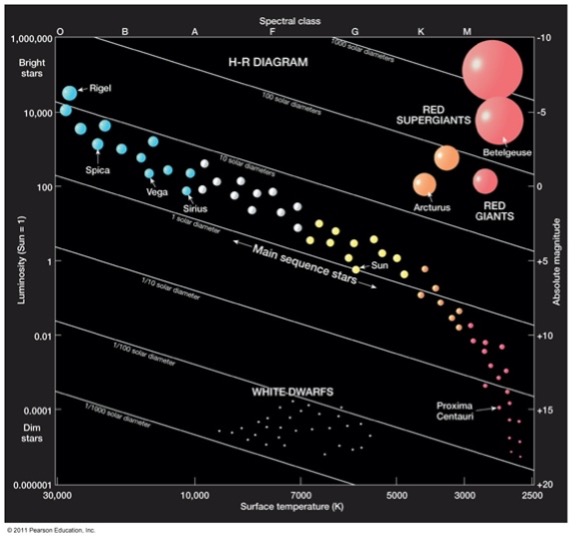
Stars
- Massive, dense balls of incandescent gas
- Powered by fusion reactions in their core
- Hydrogen to Helium
Evidence of Earth’s Internal Structure
Earth’s magnetic field
Gravity effects
Heat flow
Vibrations in the Earth
o Seismic waves
o Radiate outward from earthquakes.
o Also noted from nuclear explosions
Earth’s Internal Structure
Three main zones
Crust
o Outer thin Shell
o Mantle
§ Much thicker than the crust
o Core
§ Central part
Theory of Plate Tectonics
Wegener’s continental drift hypothesis
o Evidence used by Wegener
§ Fit of South America and Africa
§ Fossils match across the seas
§ Rock types and structures match
§ Ancient climates
o The main objection to Wegener’s proposal was its inability to provide a mechanism.
History of Earth’s Interior
Differentiation
o Melting and gravitational settling of heavier elements
o Gave Earth its presented stratified structure.
History of Earth’s Interior
Earth formed approximately 4.6 billion years ago in the solar nebula.
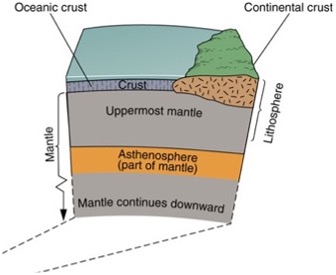
The Crust
Covers entire earth
Oceanic crust
o Much thinner
o Basaltic rock, denser
Continental crust
o Granite rock, less dense
A More Detailed Structure
Asthenosphere
o Thin, hot, elastic semi-liquid layer in the upper mantle
Lithosphere
o The solid layer above the asthenosphere
Divergent Boundaries
Occur between two plates moving away from each other
Molten material from the mantle rises to fill fissures.
New crust zone
Often accompanied by volcanic activity and earthquakes.
Ex: Mid-Atlantic ridge
Convergent Boundaries
Occurs when two plates move toward each other
Old crust destroyed in the process
Subduction zone
o Belt with the denser crust subducting under the other
o Subducted material partially melts
Ex: Andes Mountains
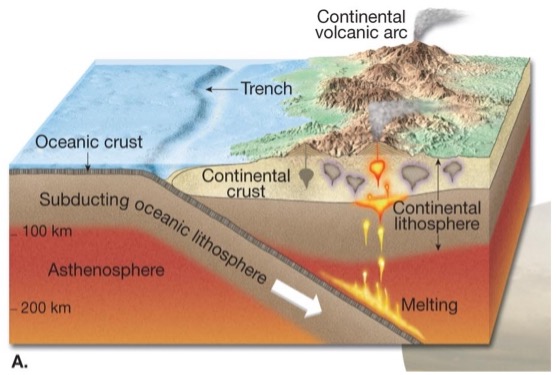
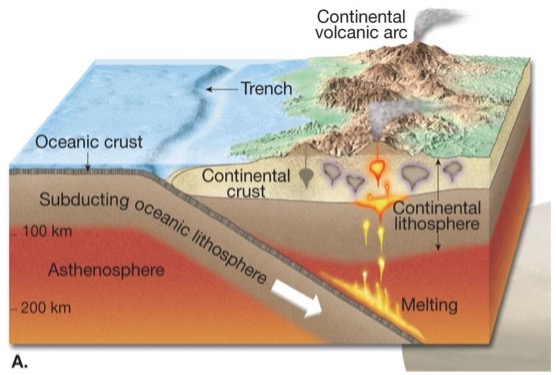
Ocean-Continent Plate Convergence
- An oceanic plate of denser basaltic material subducted under less dense granite-type continental shelf.
- Marked by oceanic trenches, deep-seated earthquakes, and volcanic mountains.
Stress and Strain
Force tending to compress, pull apart, or deform a rock
3 stress forces
o Compressive stress
§ Plates moving together
o Tensional stress
§ Plates moving apart
o Shear stress
§ Plates sliding past each other
Folding
Folds
o Bends in layered bedrock
o Anticline: arch-shaped structure
o Syncline: trough-shaped
Classes of Faults
Normal fault (footwall up | hanging wall down)
Other Faults
reverse fault
o hanging wall moved upward footwall moves down
o result of horizontal compressive stress
Thrust fault
o Reverse fault with a low-angle fault plane
Faults provide information on the stresses producing the formation
Earthquakes
Most occur along the fault planes when one side is displaced with respect to the other.
Seismic Waves
P-wave
o Longitudinal
o Fastest waves
o Move through surface rocks and interior solid and liquid materials
S-wave
o Transverse (Shear) wave
o Second fastest
o Do not travel through liquids
The Mantle
Composed mainly of olivine
Other Core Evidence
Earth’s Magnetic field
o The source is turbulent flow within the liquid core
o The material must conduct electricity
Present-day understandings
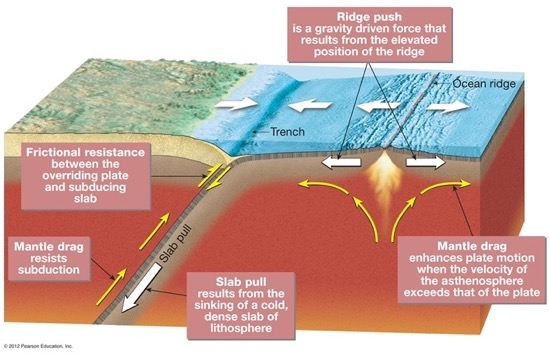
What drives the plates?
Current working
o Hypothesis: convective cells in the asthenosphere
§ Hot fluid materials rise at diverging boundaries
§ Some escapes to form a new crust
§ The remainder spreads beneath the lithosphere, dragging overlaying plates with it
§ Convection
Interpreting Earth’s Surface
Principle of uniformitarianism
o “The present is the Key to the past”
o Rocks are changed today by the same processes that changed them in the past
Causes of Earthquakes
Elastic rebound theory
o Two plates press tightly together
o Friction restricts motion
o Stress builds until friction or rock rupture strength is overcome
o Stressed rock snaps suddenly into new position
o Stress
o Rupture
o Rebound
Classification of Earthquakes
Based on the depth of focus
1. Shallow-focus earthquakes
o 85% of all earthquakes
2. Intermediate-focus earthquakes
o 70 to 300 km deep
3. Deep-focus earthquakes
o About 3% of all earthquakes
Folded and Faulted Mountains
Domed mountains
o Begin as a broad arching fold
o Overlaying sedimentary rocks weather away, leaving more resistant granite peaks
o The oldest rock is at the center
Origin of Mountains
Mountains
o Elevated parts of the earth’s crust rising abruptly above the surrounding surface
o Created by folding and faulting of crust
o Three basic origins
1. Folding
2. Faulting
3. Volcanic Activity
Other Features
Batholith
o A large amount of crystalized magma
o Stock: small protrusion from a batholith
o Batholith: intrusions can cause hogbacks
- Dike cut across rock layer
- Sill intrusion along the bedding plane
- UNDERSTAND IGNEOUS INTRUSION IN THE IMAGE
Tsunamis
- Ocean Waves created by earthquakes
- Physical characteristics
o Wave heights up to 0.5m in deep ocean can reach over 8m (26ft) in shallow water
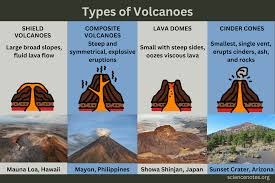
Types of Volcanoes
Shield volcano
o Constructed of solidified lava flows
o Broad, gently sloping cones
Cider cone volcano
o Constructed of rock fragments (cinders)
o Steeper and smaller than shield volcanoes
Composite volcano
o Alternating layers of cinders, ash and lava flows with volcanic mud
More Principles
Principle of crosscutting relationships
o Any geologic feature that cuts across or intrudes into a rock mass must be younger than the rock mass
o This also applies to faults and folds
Uniformitarianism- the present is the key to the past
Shifting Erosion and Deposition Sited
Erosion and deposition processes very over time and location
Unconformity
o A time break in the rock record
o Cause by erosion or nondeposition
Weathering
Slow changes resulting in the breakup, crumbling and other destruction of solid rock
Includes physical, chemical, and biological processes
Dependent on the type of rock and the attitude
Contributes to
1. the rock cycle
2. formation of soils
3. movement of rock materials over the earth’s surface
Erosion
o The process of physically removing weathered materials
Mechanical Weathering
The physical breakup of rocks without chemical change
Disintegration processes
o Wedging
§ By frost
§ By trees
o Exfoliation
§ Reduced pressure effect
§ Fractures caused by expansion of underlying rock
Chemical Weathering
Decomposition of minerals by chemical reactions
1. Oxidation
Reactions with oxygen
Produces red iron oxides
2. Carbonation
Reactions with carbonic acid (carbon dioxide dissolved in water)
Easily dissolves limestone
3. Hydration
Reactions with water
Includes dissolving in water and combining with water
Running Water
Three streams of transport mechanisms
1. Dissolved materials
2. Suspended materials
3. Rolling, bouncing, and sliding along stream bed
Streambed evolves over time
Stream Development
Youth
o Landmass recently uplifted
o Steep gradient, V-shaped valley w/o floodplain
Maturity
o Stream gradient smoothed and lowered
Old age
o Very low gradient
Geologic Time Scale
Precambrian
o The time before life appeared
o 85% of Earth’s total time
Arranging Events in Order
Principle of original horizontality
o This applies to sedimentary rocks
o On a large scale, sediments are deposited in flat-lying layers
o Any non-horizontal layers have been subjected to deformation forces.
Correlation
Index fossils
o Distinctive and widely distributed plant or animal fossils
o Lived only briefly with a common extinction time
o Allow correlations between ages of exposed rock in different locations
Relative dating technique
Why do we use relative dating?
Geologic Periods and Typical Fossils – Mesozoic era
Triassic Period
o First dinosaurs
o First mammals
o First modern gymnosperms
o THERE HAVE BEEN 5 MASS EXTINCTIONS
Fossils
Any evidence of former life
o Can include actual or altered remains of plants and animals
o Also less direct evidence such as leaf imprints, dinosaur footprints, and bat droppings
Types of Fossilization
Common formation processes
1. Preservation or alteration of hard parts
o Shells, bones, teeth, pollen, and spores
2. Preservation of shape
3. Preservation of signs of activity
Soft parts are rarely found.
o Often protected by ice, resin, or tar
Shape Preservation
Molds
o The original organism dissolved, leaving a void.
Casts
o Original organism dissolved.
o Sediment deposited into the void.
Petrified fossils
1. Mineralization
o Pore spaces filled with minerals.
2. Replacement
o The original material dissolved and was replaced by new materials.
Petrified wood formed by both processes.
Preserved Activities of Organisms
- Footprints
- Tunnels of burrowing animals
- Dinosaur nests
- Eggs
o Usually involve mud or other soft substrates subsequently covered with silt or volcanic ash.
Geologic Time
Modern Techniques
o Determines the age of rocks by measuring the radioactive decay of unstable elements.
Interpreting Geologic History
time periods are extremely long
Life goes back at least 3.5 billion years
The earth has changed greatly over its history
Warming, cooling; sea level changes; continental drift
Many periods of mass extinction have passes
Most took millions of years
Groundwater Deposits
Zone of saturation
o Collected groundwater above an impermeable layer.
o Water table
§ The top boundary of the zone of saturation
o Water can move laterally within the zone of saturation.
Aquifer
o A subsurface layer of highly permeable material capable of producing water.
o Artesian aquifer
§ Confined under pressure from water at a higher elevation
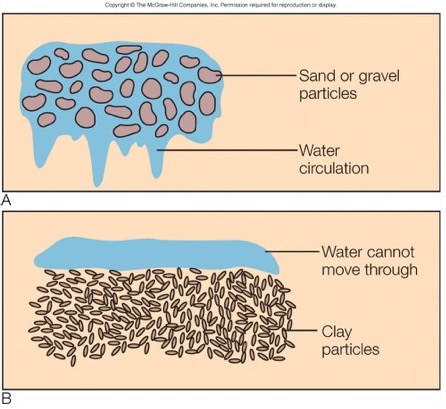
Ground Water Flow
Sand and gravel
o Open pore spaces
o Permeable to water flow
Clay
o Low porosity
o Impermeable when saturated or compressed.
Surface Water
Collectively the water in streams, ponds, lakes, and reservoirs
Watershed
o The land area is drained by a stream or streams.
o Two adjacent watersheds are separated by a divider.
o The continental divide separates watersheds draining into opposite sides of a continent.
Minerals
Earth science definition: a naturally occurring, inorganic solid element or compound with a crystalline structure.
o Cannot be synthetic.
o Not directly produced by a living organism
o Must have a regular, repeating pattern.
o Ex: halite (NaCl)
Minerals: The building Blocks of Rocks
Definition of a mineral
o Natural
o Inorganic
o Solid
o Possess an orderly internal structure of atoms.
o Have a definite chemical composition.
Rock – any naturally occurring solid mass of mineral or mineral-like matter.
Physical Properties of Minerals
Cleavage
o Tendency to break along planes of weak bonding.
o Produces flat, shiny surfaces.
Birth of Modern Astronomy
Nicolaus Copernicus (1473-1543)
Concluded Earth was a planet.
Constructed a model of the solar system that put the sun at the center, but he used circular orbits for the planets
Two most abundant elements of the Earth’s surface?
Oxygen & Silica
What heat moves a plate
convection
3 types of stress
tensional, compressional, and shear stress
What creates Tsunamis?
Earthquakes
Unconformity
A break in time
