3. Skin diseases - allopathic
 Call Kai
 Learn
Learn Practice Test
 Spaced Repetition
 Match
Match Flashcards
 Knowt Play
1/56

There's no tags or description
Looks like no tags are added yet.
57 Terms
Partial or complete absence of hair where normally present
A symptom
Localised (well-circumscribed) and diffuse or generalised
Name some primary causes of alopecia.
Neoplasia
Bacterial folliculitis
Demodicosis
Genetic factors (e.g., hairless breeds, congenital hypotrichosis, colour dilution alopecia)
Inflammatory conditions (auto-immune diseases like pemphigus, dermatophytosis)
Name some secondary causes of alopecia.
Stress
Nutritional deficiencies (malnutrition, vitamin A deficiency, fatty acid deficiency)
Endocrine disorders (hypothyroidism, hyperadrenocorticism, hyposomatotropism, sex hormone imbalances like hyperestrogenism and Sertoli cell tumours)
What are some ways alopecia can be classified?
Hereditary or acquired
Traumatic (mechanical) or non-traumatic
Hormonal or non-hormonal
What are examples of hereditary alopecia?
Hereditary hypotrichosis
Canine primary seborrhoea
Follicular dysplasia
Canine recurrent flank alopecia
Sebaceous adenitis
Epidermal dysplasia of West Highland White Terriers
What structures may be affected by genetics causing alopecia?
Hair follicles
Hair shaft structure
What are some examples of hereditary alopecia regarding dystrophy or absence of hair follicles?
Hereditary hypotrichosis
Canine primary seborrhoea
What is hereditary hypotrichosis?
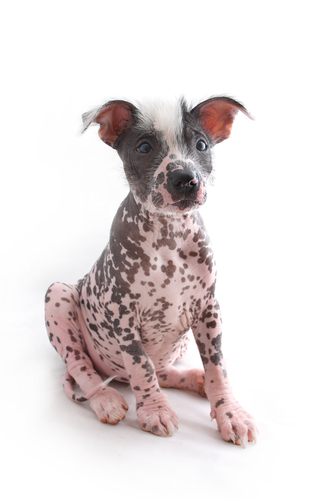
Congenital hair follicle dystrophy causing reduced hair, common in hairless breeds (Mexican hairless, Chinese crested)
What are some clinical signs of hereditary hypotrichosis?
Hair loss or rudimentary hair at birth, comedones, mild pyoderma or seborrhoea
History, examination, and genetic testing
There is no cure; treatment focuses on managing secondary infections with antiseborrheic shampoos
Selective breeding and gene screening
What is canine primary seborrhoea?
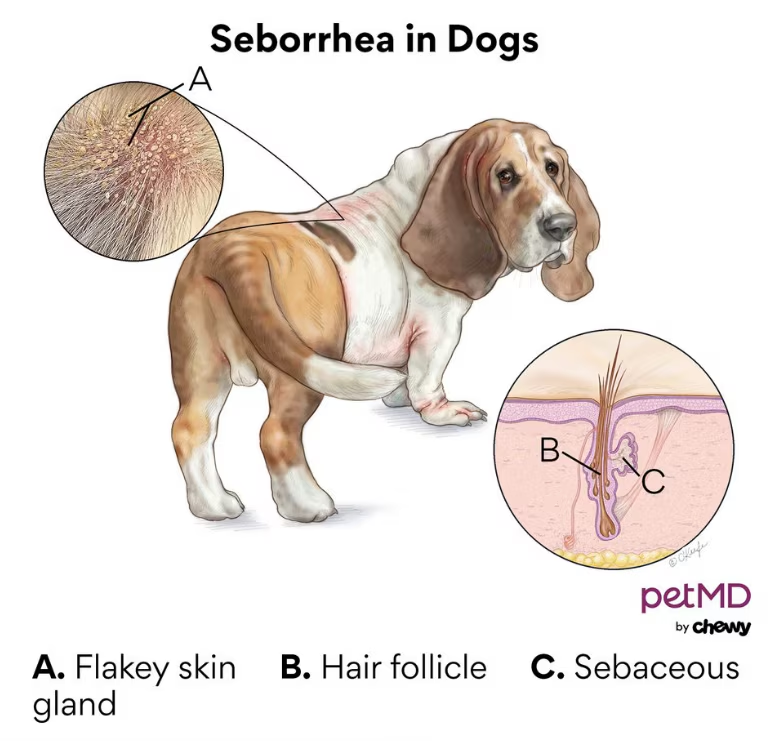
A hereditary keratinization disorder seen in breeds like Cocker Spaniels and Basset Hounds
What are some clinical signs of canine primary seborrhea?
Dry, scaly, greasy skin, pruritus, and ear infections
Examination, skin scrapings, and cultures
Medicated shampoos and antibiotics for infections
Selective breeding
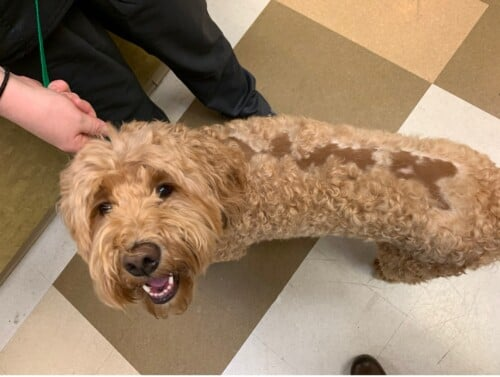
A group of dermatoses characterised by structural hair follicle abnormality and resulting alopecia
Huskies, Malamutes, and other breeds
What are some clinical signs of follicular dysplasia?
Gradual hair loss, dry skin, and secondary infections
No
Selective breeding
Name some types of follicular dysplasia.
Cyclic follicular dysplasia: caused by amount of daylight exposure to dog
Colour dilution dysplasia: caused by macro melanosomes of hair shaft, leading to brittleness & fracture. Predisposed breeds have a blue or fawn coat: Yorkshire Terriers, Chihuahuas, Salukis
Black hair follicular dysplasia: genetic defect affecting formation of the hair shaft & transfer of melanin. Causes hair loss specific to black hairs. Breeds- bi or tri-coloured coats.
Follicular lipidosis of Rottweilers: rare, breed specific condition - affects tan areas of animal’s face & legs causing localised alopecia.
What is canine recurrent flank alopecia?
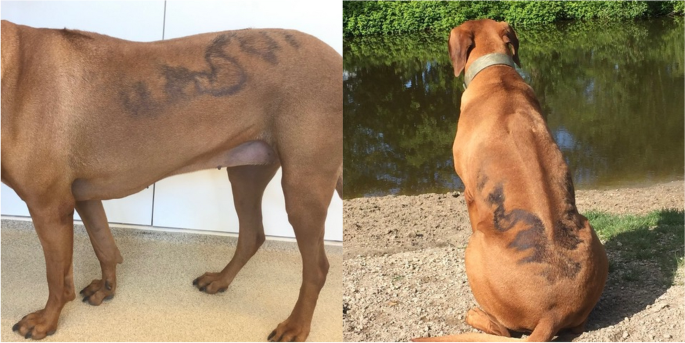
A seasonally recurring follicular dysplasia. Common in boxers, bulldogs, schnauzers.
Photoperiod control of melatonin and prolactin secretion
November–March
What are some clinical signs of canine recurrent flank alopecia?
Symmetrical, non-pruritic alopecia on the flanks
None
Minimising stressors and managing light exposure
A poorly understood, destructive, inflammatory disease of sebaceous glands
Standard Poodles, Hungarian Vizslas, Akitas, and Samoyeds
What are some clinical signs of sebaceous adenitis?
Scaling, alopecia involving the dorsum of the back and neck, top of the head, face, ears, and tail, and pruritus with secondary infections
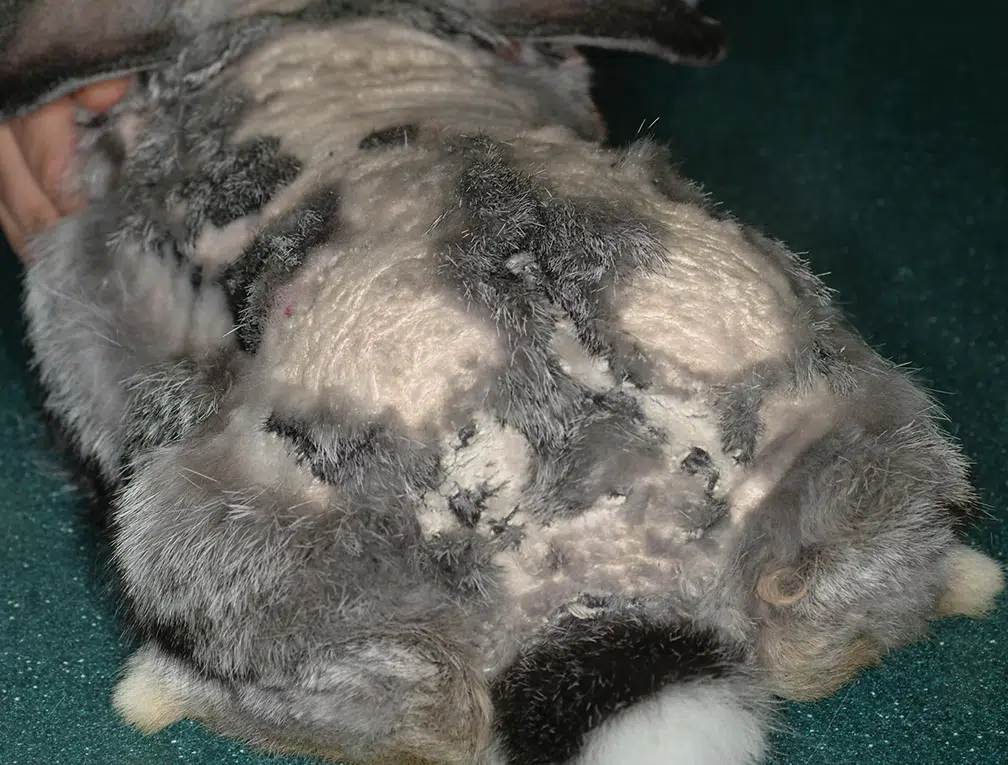
Biopsy and trichogram
What is the treatment for sebaceous adenitis?
Cyclosporin, essential fatty acids, retinoids, and medicated shampoos
A severe chronic dermatosis characterised by pruritus, seborrhea, and lichenification
A hereditary exaggerated response to Malassezia infection or hypersensitivity
What are some clinical signs of epidermal dysplasia of West Highland White Terriers?
6-12 months old. Greasy hair coat (seborrhoea), severe pruritus, erythema, alopecia, scaling, crusting, lichenification, and hyperpigmentation of the face, feet, limbs, and ventrum, and otitis externa
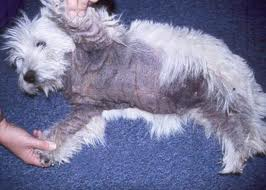
How is epidermal dysplasia of West Highland White Terriers diagnosed?
Cytology (Malassezia) and biopsy
Treating underlying allergies and secondary pyoderma with appropriate systemic antibiotics and secondary Malassezia with ketoconazole
More common
What are types of acquired alopecia?
Functional
Structural
Traumatic
Alopecia caused by alteration of the hair cycling, often due to endocrinopathies
What are some examples of endocrinopathies that can cause functional alopecia?
Cushing’s: Bilateral alopecia found throughout the body except on head or limbs.
Hypothyroidism: bilateral symmetrical alopecia w/ dull & brittle hair coat, rat tail.
Hypoestrogenism: bilateral symmetrical alopecia of rump, flanks, earlobes, hyperpigmentation of linea alba, generalised dermatosis - except head & limb.
Oestrogen-producing Sertoli cell testicular tumour
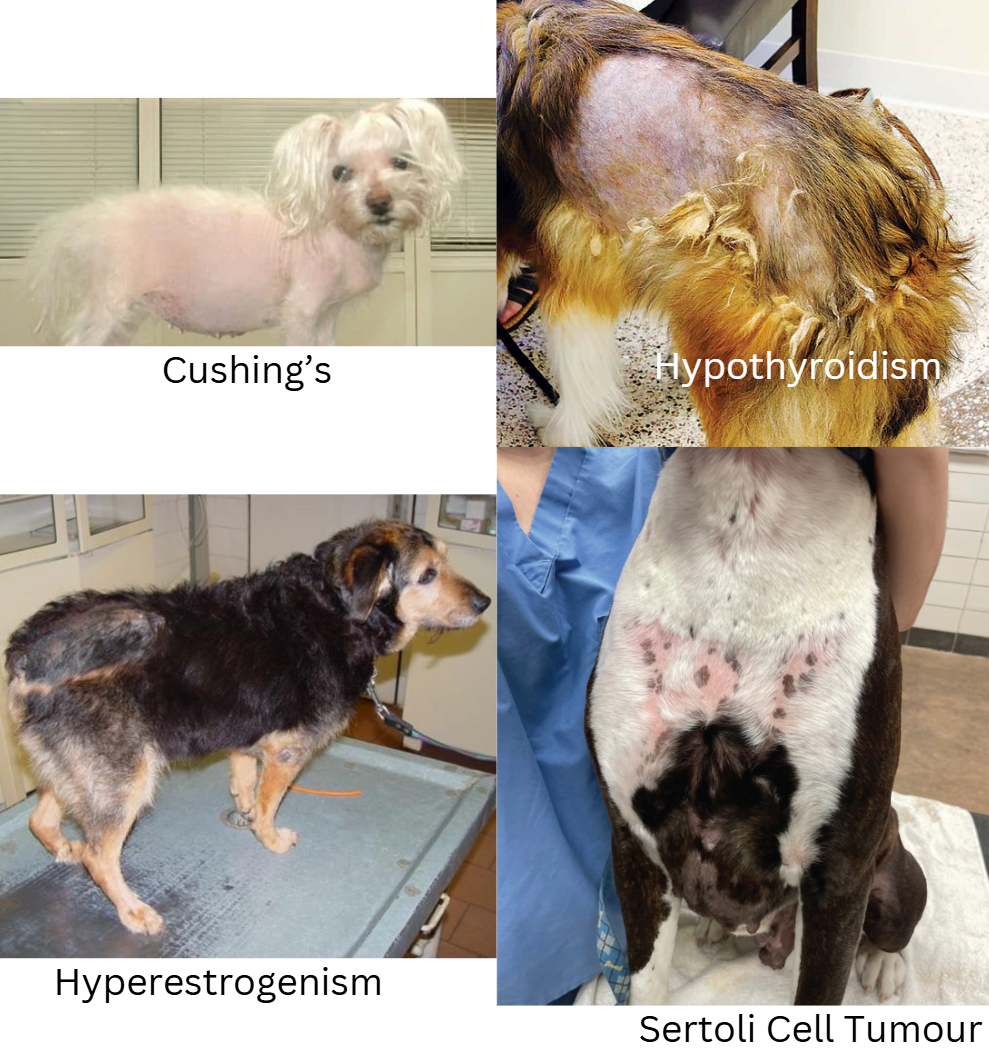
By a process of elimination to identify the underlying endocrinopathy
What is structural alopecia?
Loss of normal follicular structure causing non-symmetrically localised/non-regulated alopecia with inflammation. Refers to damage to the hair shaft due to external factors rather than inherent genetic defects
Infectious folliculitis by Staphylococcus folliculitis, demodicosis, and dermatophytosis
Localised or generalised hair loss or thinning, pruritus, dry/brittle hair, and possible secondary infections
Skin scrapings, cytology, smears, tape preparations, fungal or bacterial cultures, microscopy of hair (trichogram), and CBC
Alopecia caused by fracture of the hair shaft
What are some causes of traumatic alopecia?
Sarcoptic mange
Hypersensitivity
Malassezia
Pyotraumatic dermatitis (hot spot)
Recurrent otitis externa
Skin fold dermatitis (intertrigo)
What are clinical signs of traumatic alopecia?
Pruritus, broken hair - short stubbles of hair
Skin scrapings, cytology, smears, tape preparations, fungal or bacterial cultures, microscopy of hair (trichogram), and CBC
Localised round alopetic lesions
Around the eyes
Broken hairs/short stubbles