Module 16: Imperial Architecture of China and Japan
 Studied by 0 people
 Call Kai
 Learn
Learn Practice Test
 Spaced Repetition
 Match
Match Flashcards
 Knowt Play
1/12

There's no tags or description
Looks like no tags are added yet.
Name | Mastery | Learn | Test | Matching | Spaced | Call with Kai |
|---|
No analytics yet
Send a link to your students to track their progress
13 Terms
What does Feng Shui translate to?
wind-water
Feng Shui
Chinese term for systems of auspicious planning of living spaces and tombs based upon the belief that currents of energy run through the earth and influence human fortunes
What does Qi translate to?
cosmic breath
Confucianism
the way of life propagated by Confucius in the 6ht-5th century BCE and followed by the Chinese people for more than two millennia; emphasizes social order through deference to authority
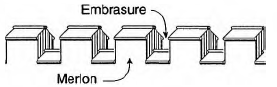
Crenellation
A parapet with alternating indentions or embrasures and raised portions or merlons
Tatami Mat
woven mat serving as a unit of measure for the construction of zen monasteries and domestic buildings
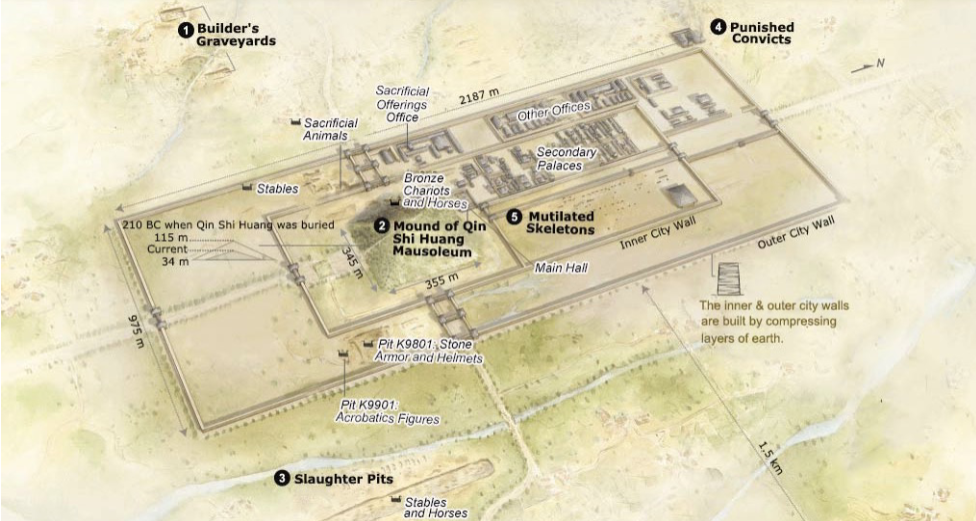
Tomb of Shi Huangdi
Xianyang, China, 220 BCE
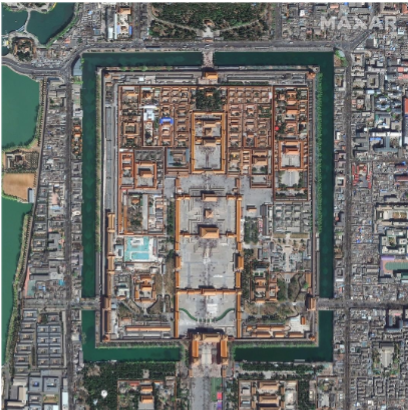
Forbidden City
Beijing, China, 1420 CE
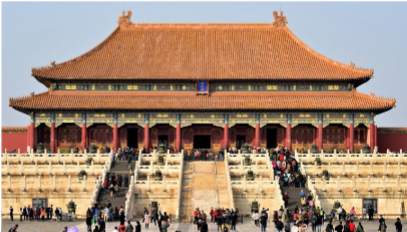
Hall of Supreme Harmony
Forbidden City, Beijing, China, 1420 CE
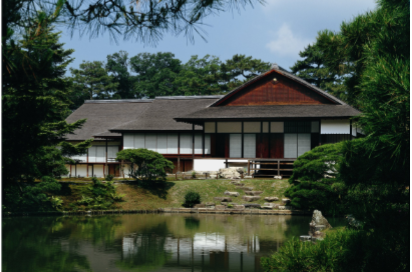
Katsura Palace
Kyoto, Japan, 1616-1660 CE
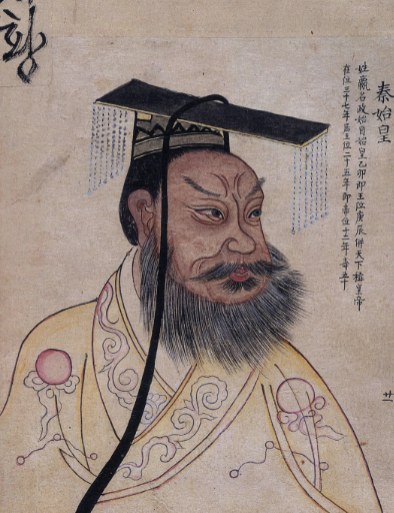
Shi Huangdi
Unified China after the Warring States period in the Qin Dynasty
What does “shi huangdi” translate to?
First Emperor
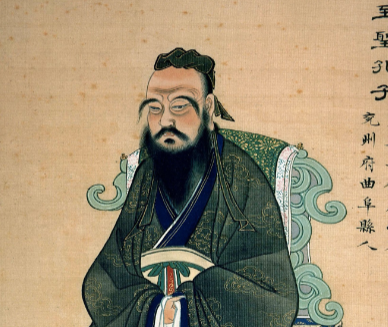
Confucius
6th century BCE Chinese philosopher
 Note
Note  Flashcards (23)