UNIT 5.1. MEMBRANE-BOUND ORGANELLES: ENDOPLASMIC RETICULUM
 Call Kai
 Learn
Learn Practice Test
 Spaced Repetition
 Match
Match Flashcards
 Knowt Play
1/26

There's no tags or description
Looks like no tags are added yet.
Name | Mastery | Learn | Test | Matching | Spaced | Call with Kai |
|---|
No analytics yet
Send a link to your students to track their progress
27 Terms
“within the cytoplasm”
Endoplasmic means
Latin: “a little net”
Reticulum means
ER
Extensive network of folded membranes that extends from the nuclear envelope to which it is connected, throughout the cytoplasm.
It is present in both animal and plant cells.
Albert Claude
ER was discovered by Belgian biologist
Keith Porter
Albert Claude used the newly developed electron microscope to explore the interior of cells and along with his associate _____________ in 1945 observed the presence of a “lace-work structure.”
Cisternae
Tubules
Vesicles
3 Parts of ER
Cisternae
3 Parts of ER:
These are flattened, unbranched, sac-like element
They lie in stacks parallel to one another
They bear ribosomes on the surface

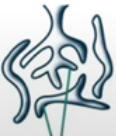
Tubules
3 Parts of ER:
These are irregular branching element which form a network along with another element
These are often free of ribosomes
Vesicles
3 Parts of ER:
These are oval and rounded, vacuole like element
These are also free of ribosomes

Cisternae
3 Parts of ER:
Are flattened, membrane-bound sacs that make up the bulk of the ER structure.
They provide a large surface area for biochemical processes
Function: Protein synthesis and processing, Lipid synthesis
Vesicles
3 Parts of ER:
Are small, membrane bound sacs that bud off from the ER and transport proteins and lipids to various destinations within the cell or outside it.
Function: Transport & Secretion
Tubules
3 Parts of ER:
Are elongated, tubular structures that extend from the ER and can connect to the cisternae or vesicles
Function: Communication, Membrane extension
Endoplasmic Matrix
The space inside the tubules and vesicles is filled with a watery medium that is different from the fluid in the cytosol outside the ER.
T
T or F
Endoplasmic reticulum membranes are folded and stacked on top of each other and connected to the nucleus.
RER
This is an extensive organelle composed of a greatly convoluted but flattish sealed sac (cisternae) that is continuous with the nuclear membrane.
site of protein synthesis is destined for secretion.
membranes & secretory proteins
The rough ER manufactures ____________ and ______________
antibodies
In certain leukocytes (white blood cells), the rough ER produces _____________.
insulin
In pancreatic cells, the rough ER produces ________.
protein translocation
process by which peptides are transported across a membrane bilayer
process by which proteins are transported to specific locations inside or outside the cell after they are synthesized.
RER
_____ is the starting point of the biosysthesis pathways of Proteins, Carbohydrate chains, and Phospholipids
F
Smooth ER is MORE TUBULAR than rough ER
T or F
Smooth ER is less tubular than rough ER
Forms a separate sealed interconnecting network
It is found fairly evenly distributed throughout the cytoplasm
It is not studded with ribosomes hence ‘smooth ER’
SER
allows increased surface area for the action or storage of key enzymes and the products of these enzymes
site of lipid synthesis (including oils, phospholipids and steroids)
It helps in metabolizing of carbohydrates
It maintains regulation of calcium concentration.
also help in the biogenesis of golgi complex and lysosomes
helps in detoxification of drugs and poisons
It serves as a transitional area for vesicles that transport Endoplasmic Reticulum products to various destinations.
helps in muscle contraction mechanism.
male and female hormones
SER: In brain cells it synthesizes ________
sarcoplasmic reticulum
SER: In skeletal and cardiac muscle, smooth ER is modified to form _______________ — main role is to store and release calcium ions (Ca²⁺), which are essential for muscle contraction.
Proteotoxicity
Diseases Caused by Malfunctioning of ER:
cellular damage caused by misfolded, damaged, or aggregated proteins.
- Cystic Fibrosis
- Hepatic disorders
- Multiple sclerosis
- Sickle cell disease
- Retinitis pigmentosa
- Alzheimer's disease
Proteotoxicity in ER can cause

