Lab #13 - Identifying External Brain Structures - Lab 1, eye anatomy , Nervous System Study Guide, 12 Cranial Nerves , Parts of the Ear , Lab 13: Activity 2 - Identifying Internal Brain Structures , Parietal Lobes Function, Occipital Lobe Functions,…
 Call Kai
 Learn
Learn Practice Test
 Spaced Repetition
 Match
Match Flashcards
 Knowt Play
1/158

There's no tags or description
Looks like no tags are added yet.
Name | Mastery | Learn | Test | Matching | Spaced | Call with Kai |
|---|
No analytics yet
Send a link to your students to track their progress
159 Terms
Frontal Lobe
A region of the cerebral cortex that has specialized areas for movement, abstract thinking, planning, memory, and judgment
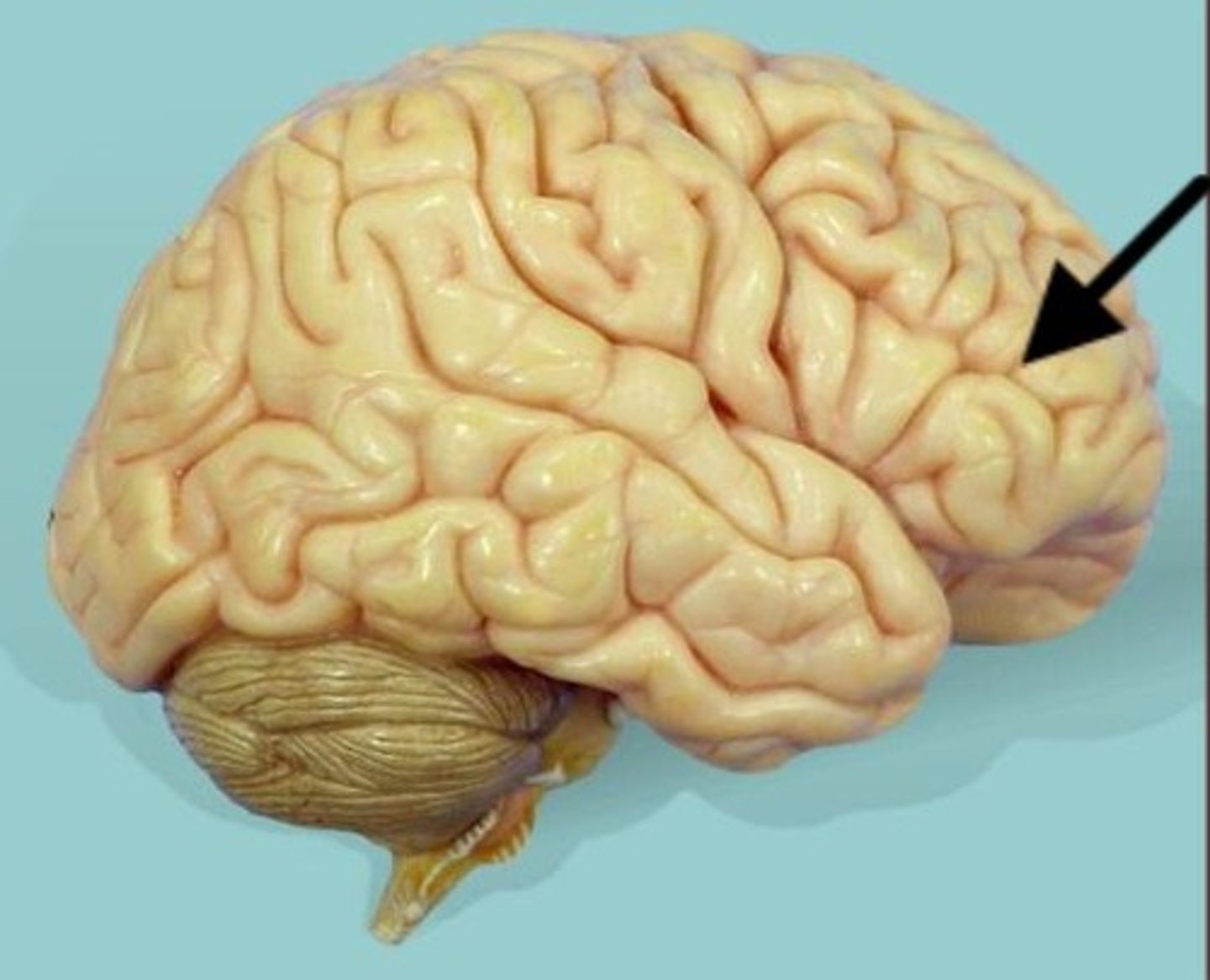
Temporal Lobe
A region of the cerebral cortex responsible for hearing and language.
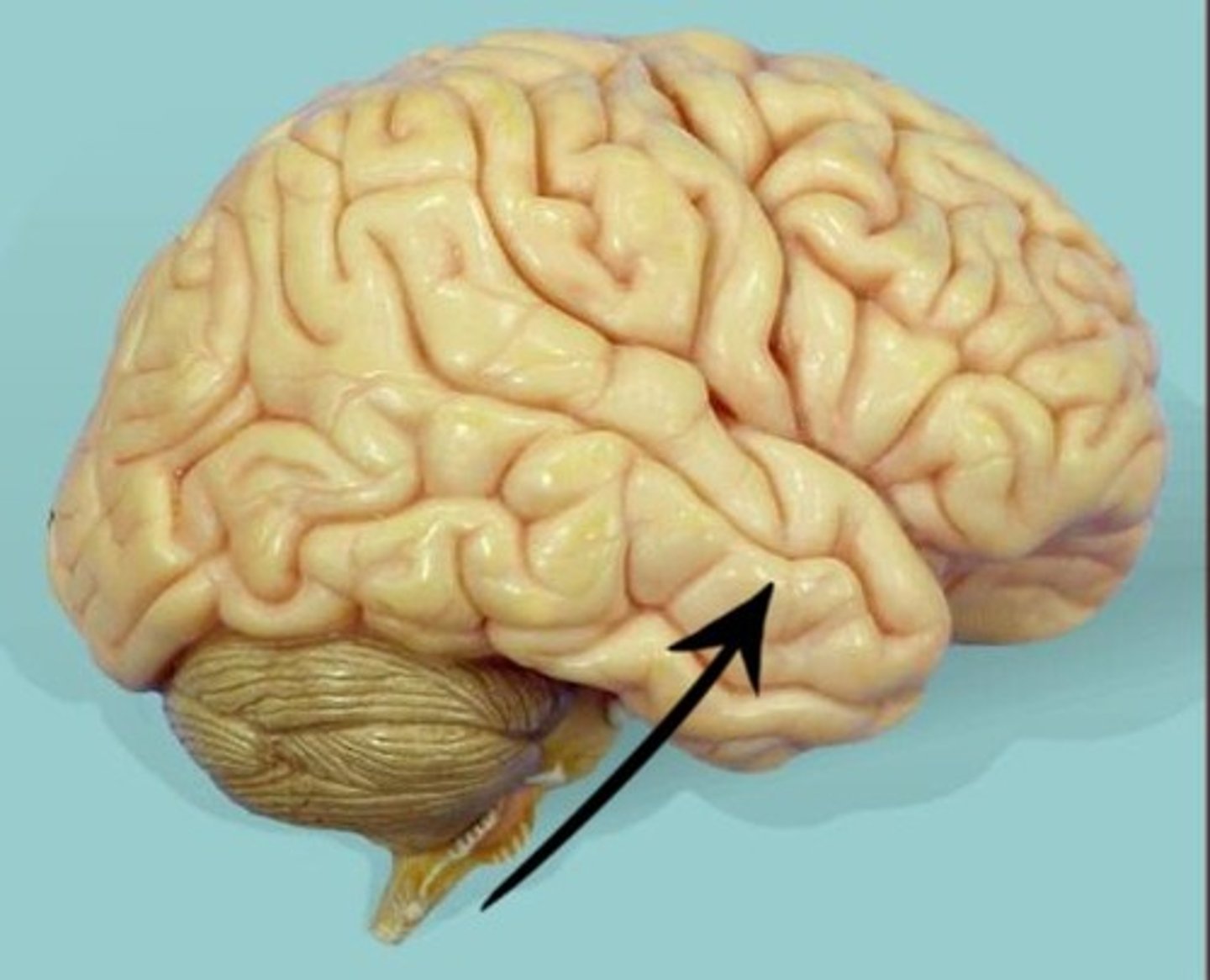
Occipital Lobe
A region of the cerebral cortex that processes visual information
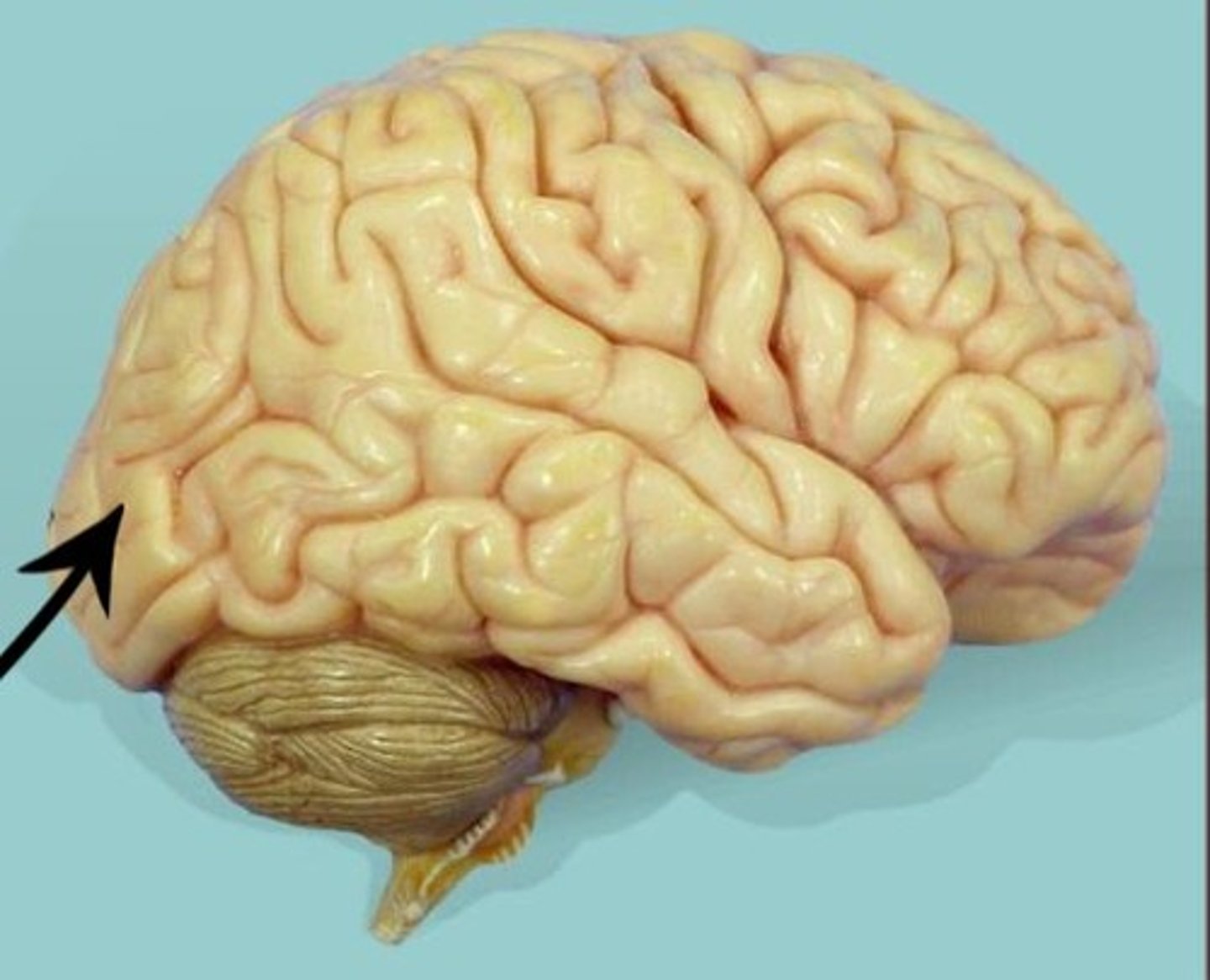
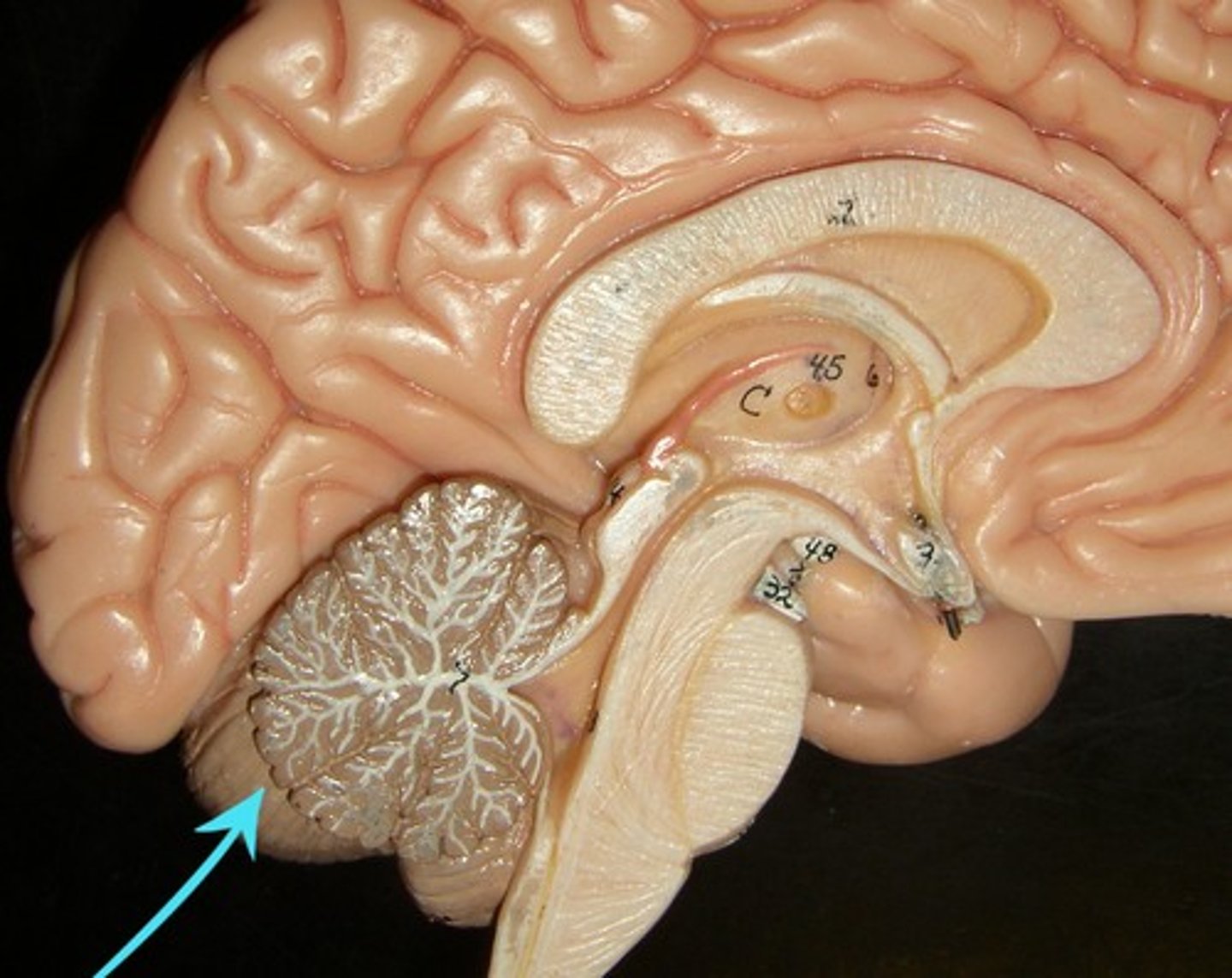
Cerebellum
the "little brain" at the rear of the brainstem; functions include processing sensory input and coordinating movement output and balance
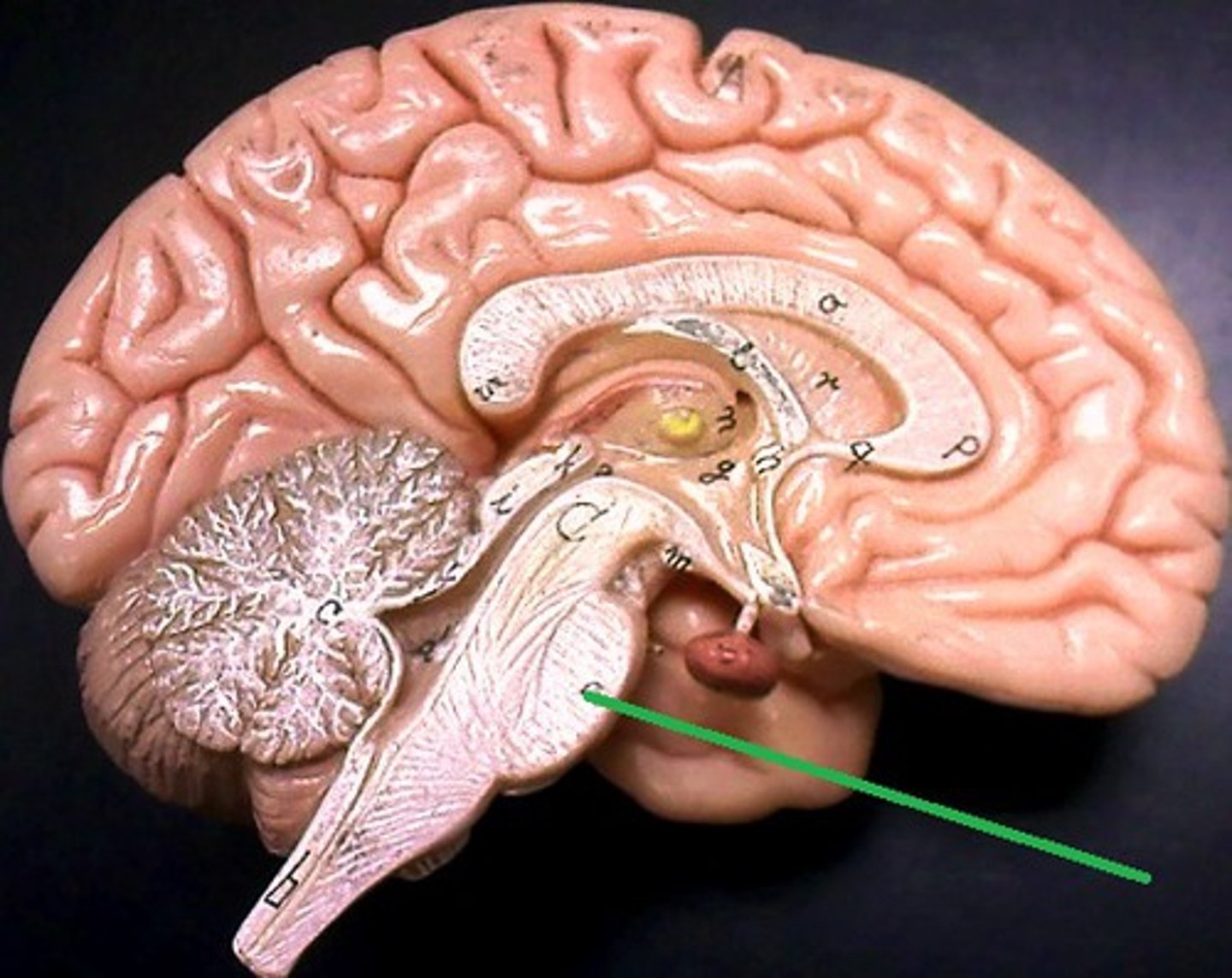
Pons
A brain structure that relays information from the cerebellum to the rest of the brain
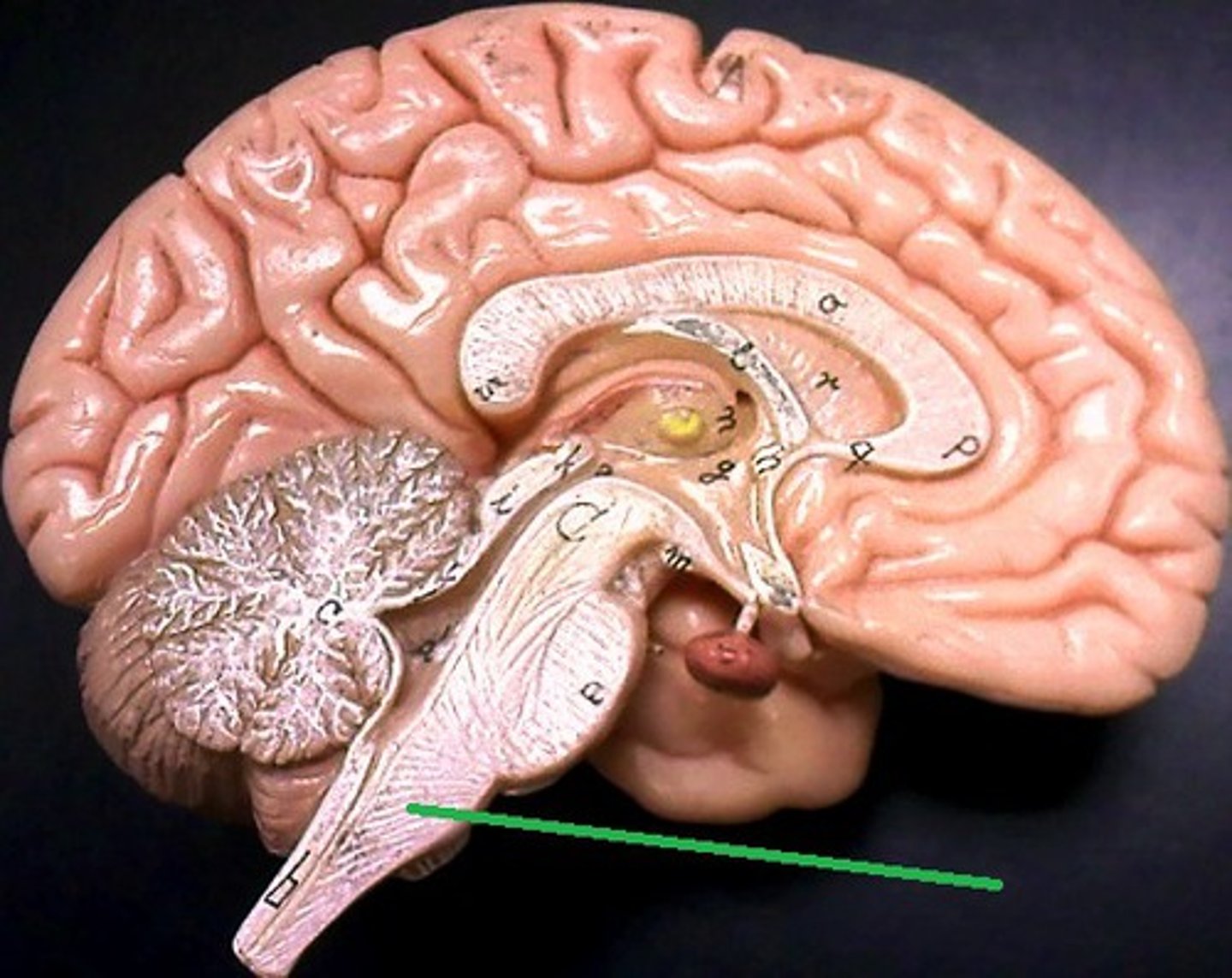
Medulla Oblongata
Part of the brainstem that controls vital life-sustaining functions such as heartbeat, breathing, blood pressure, and digestion.
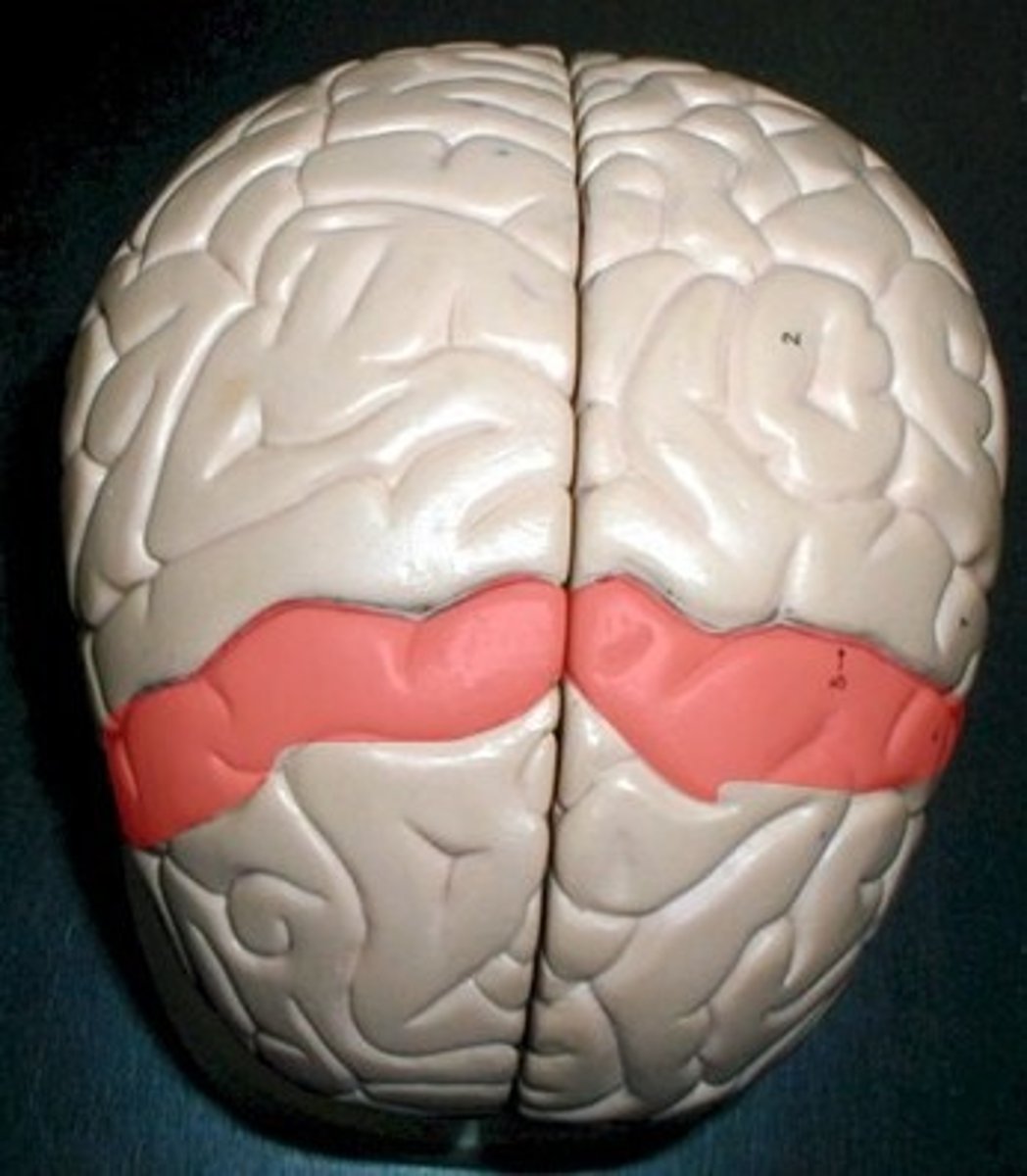
Gyrus
A ridged or raised portion of a convoluted brain surface.
Cortex (gray matter)
The outer layer (approximately one-fourth to one-half inch) of brain tissue containing nerve cell bodies (neurons)
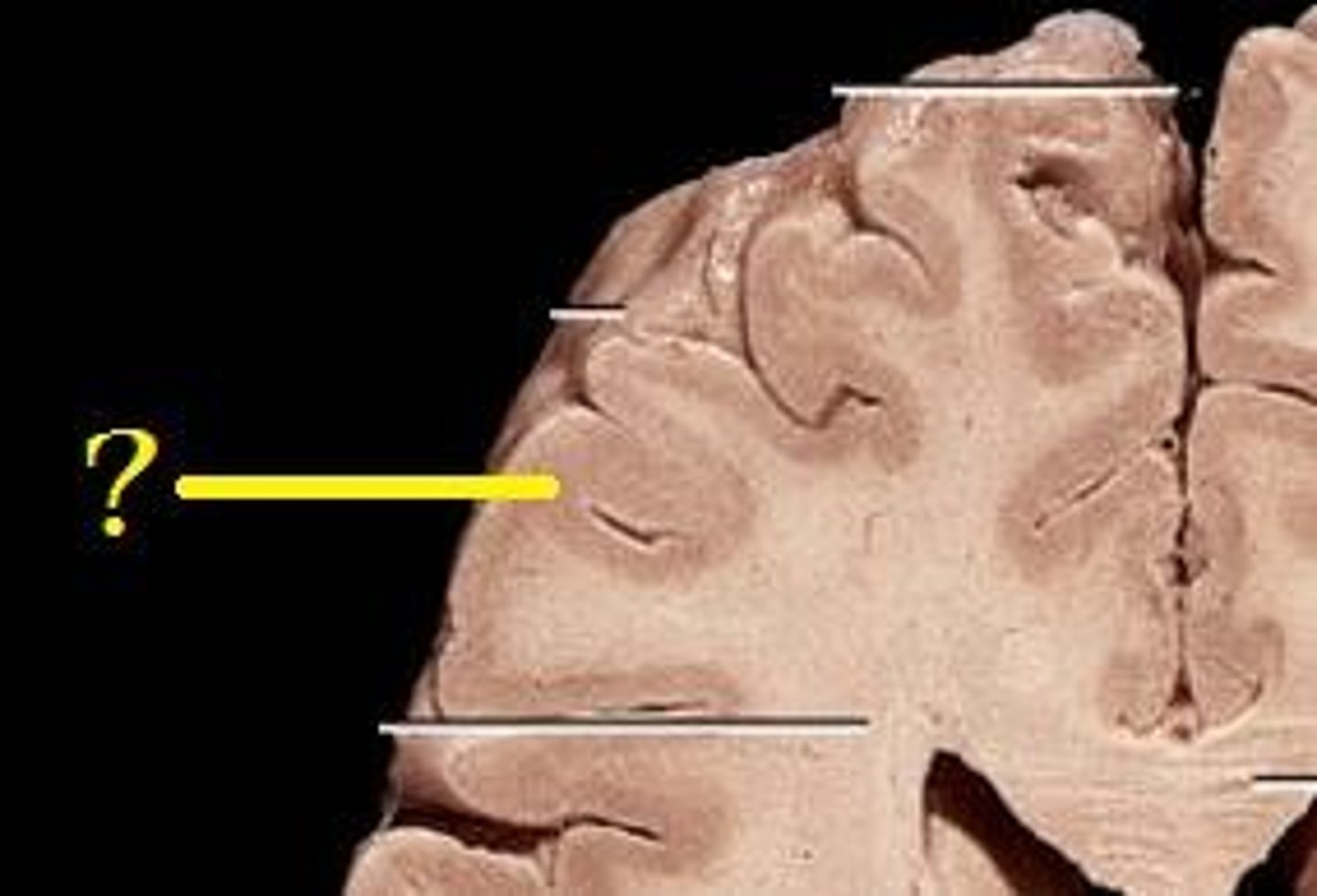
Pituitary Gland
The endocrine system's most influential gland. Under the influence of the hypothalamus, the pituitary regulates growth and controls other endocrine glands.
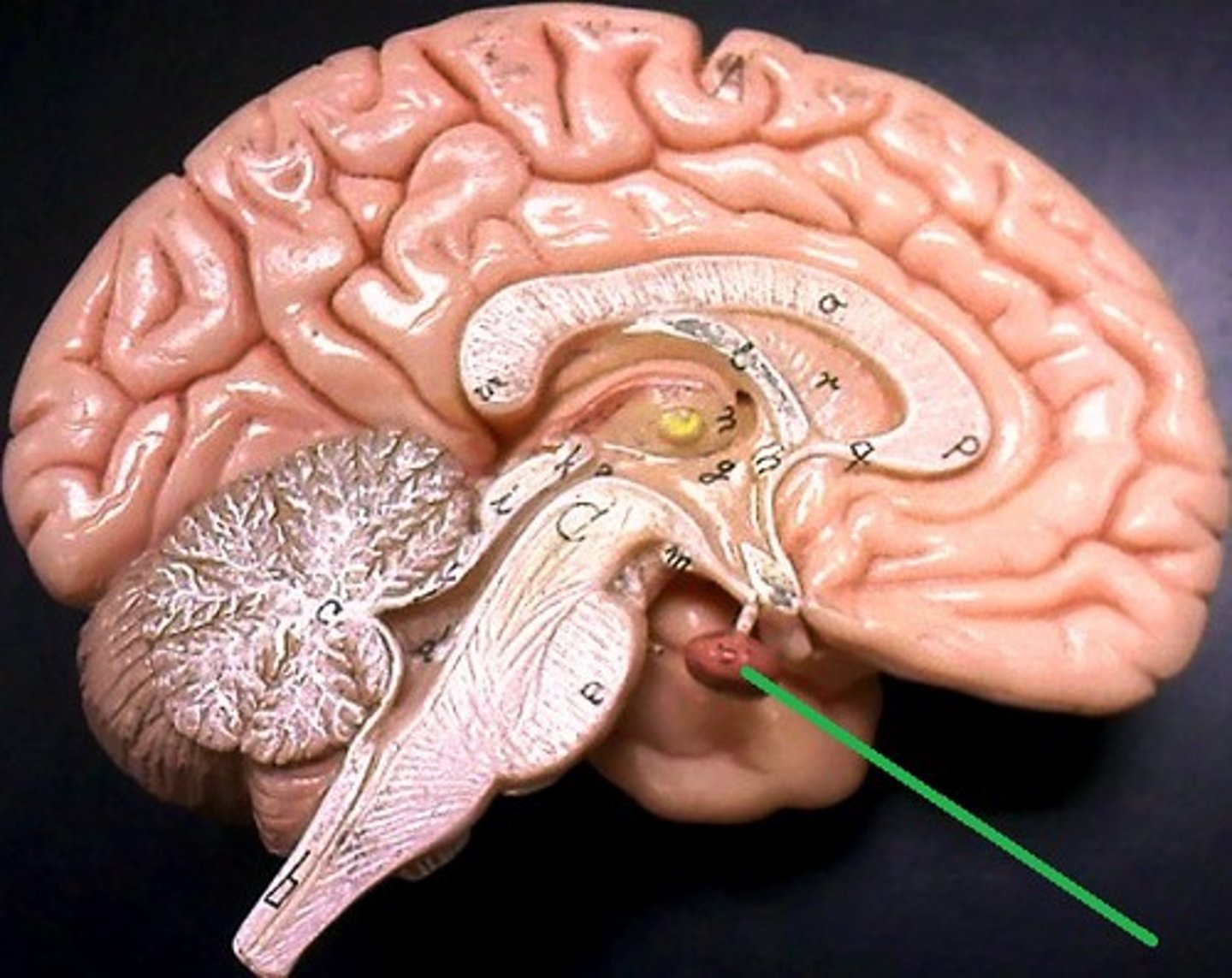
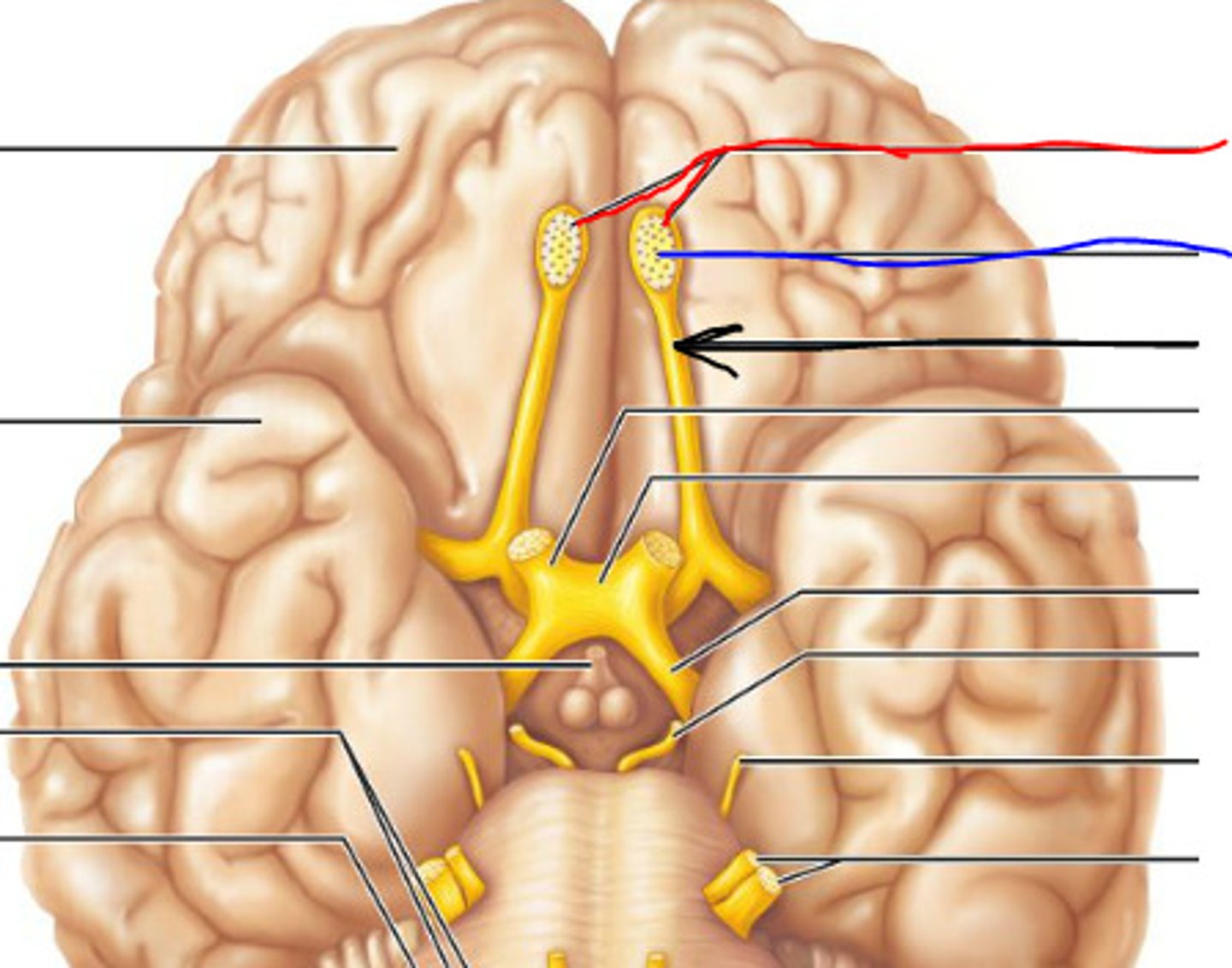
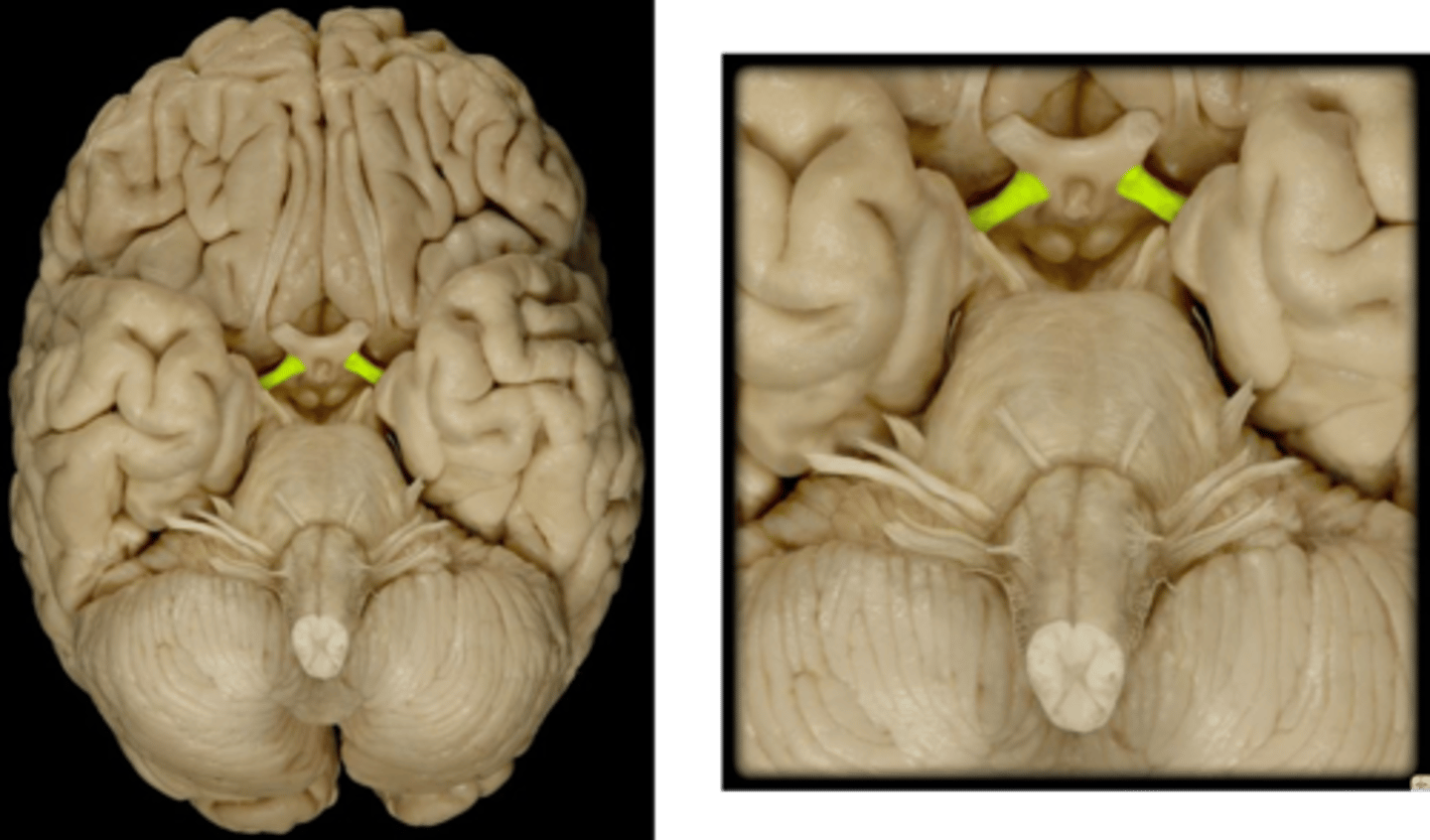
Optic Chiasma
The crossing of the optic nerves from the two eyes at the base of the brain
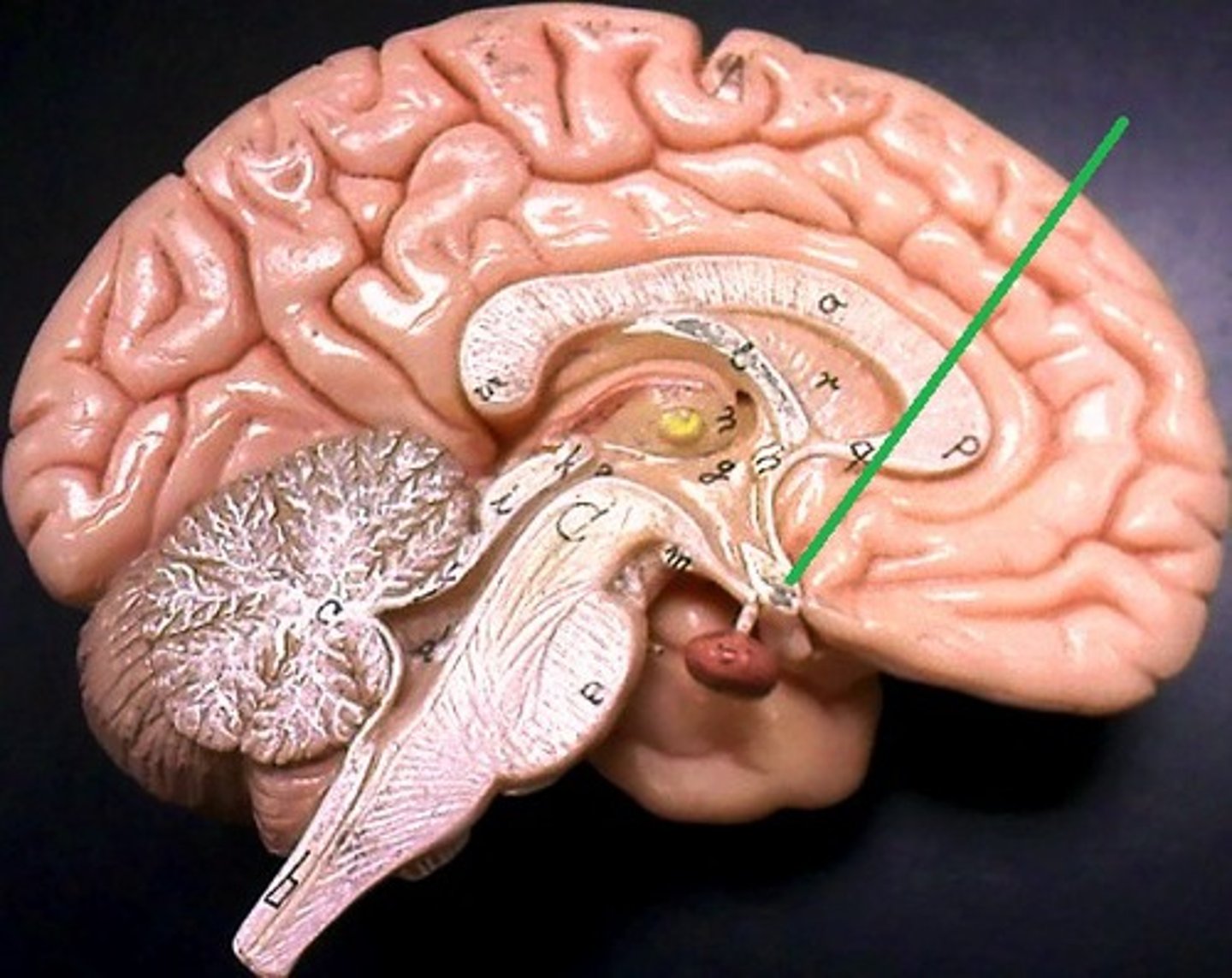
Optic Nerve
The nerve that carries neural impulses from the eye to the brain
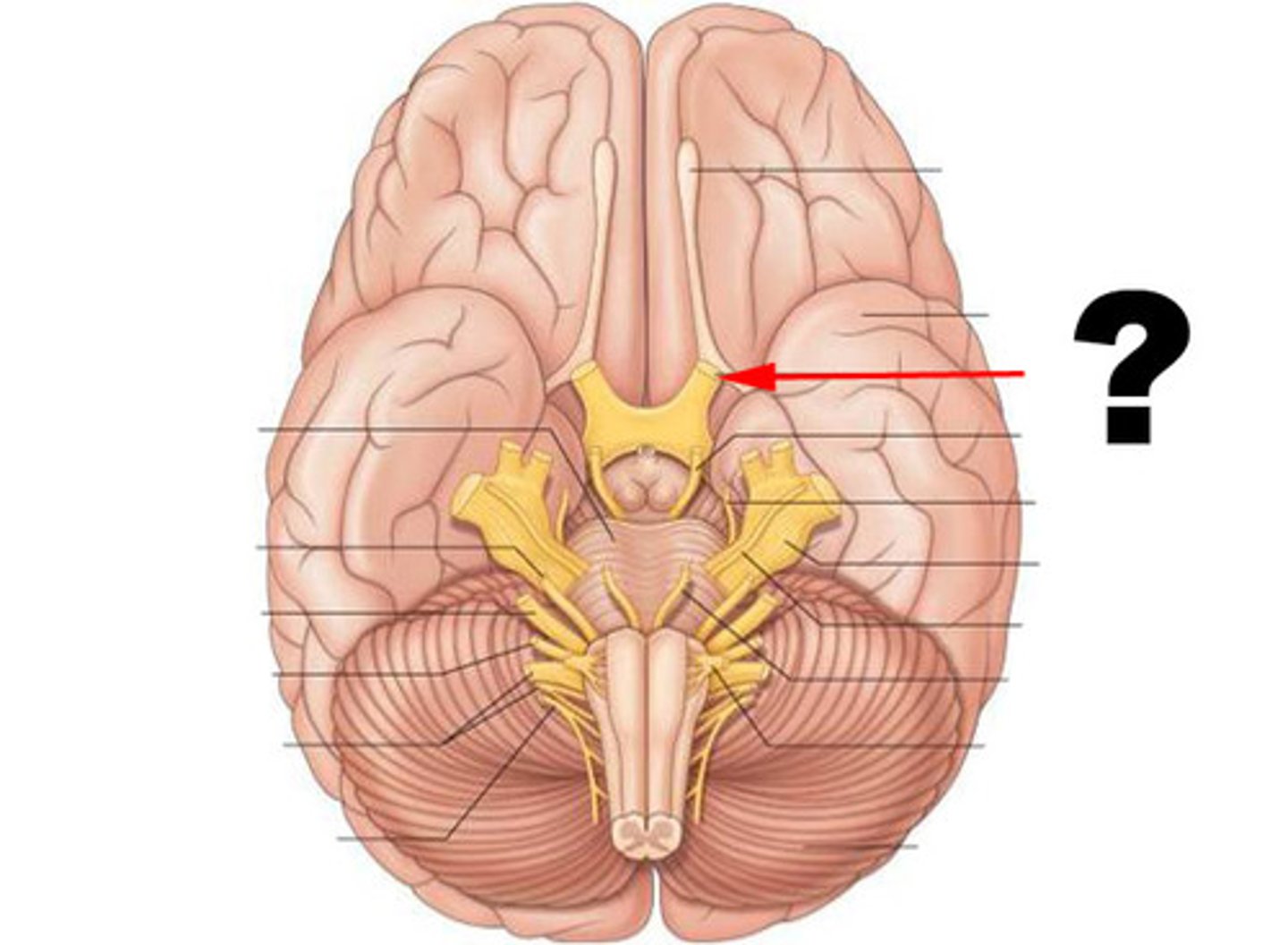
Olfactory Bulb and Tract
Sense of smell
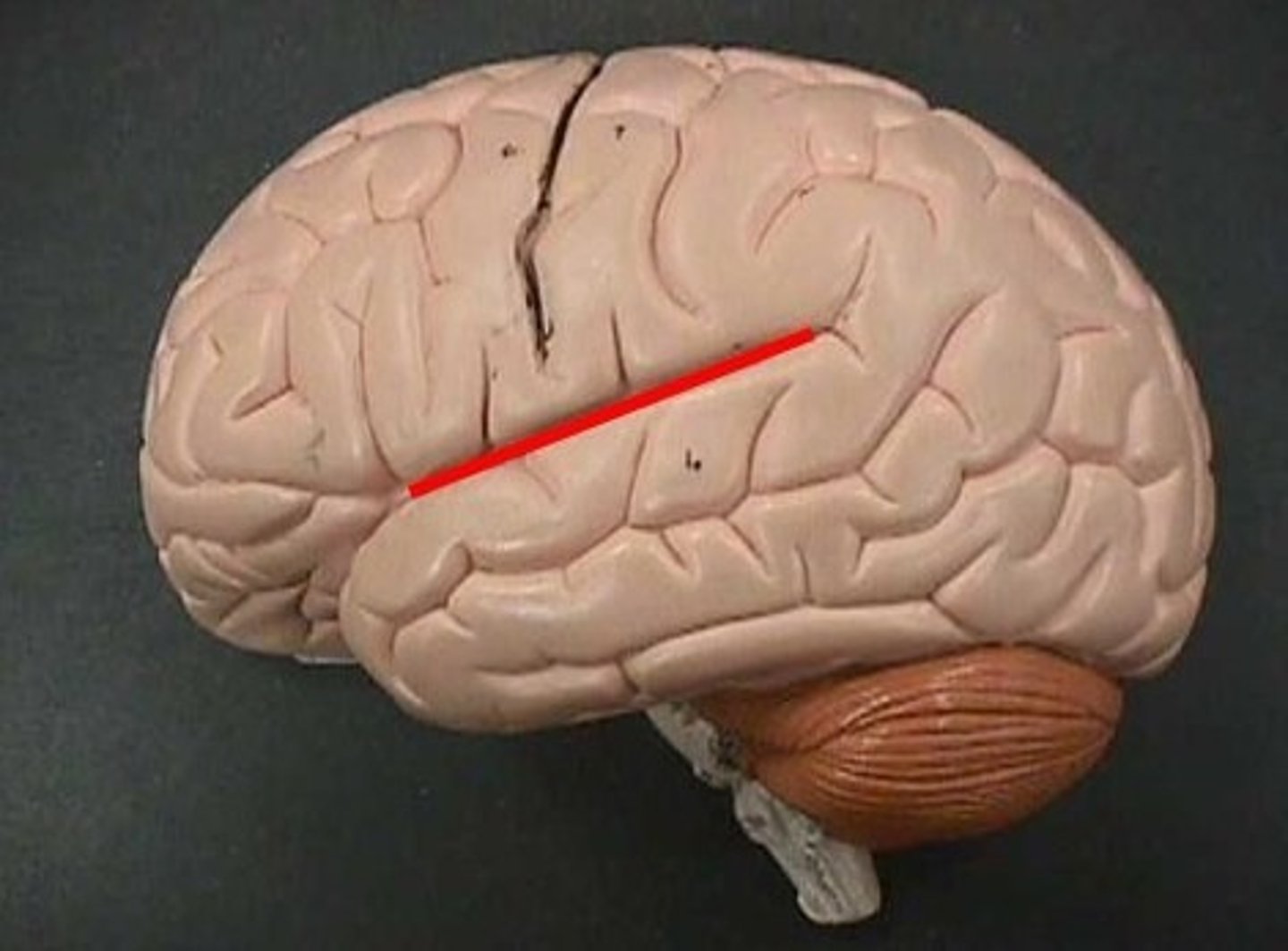
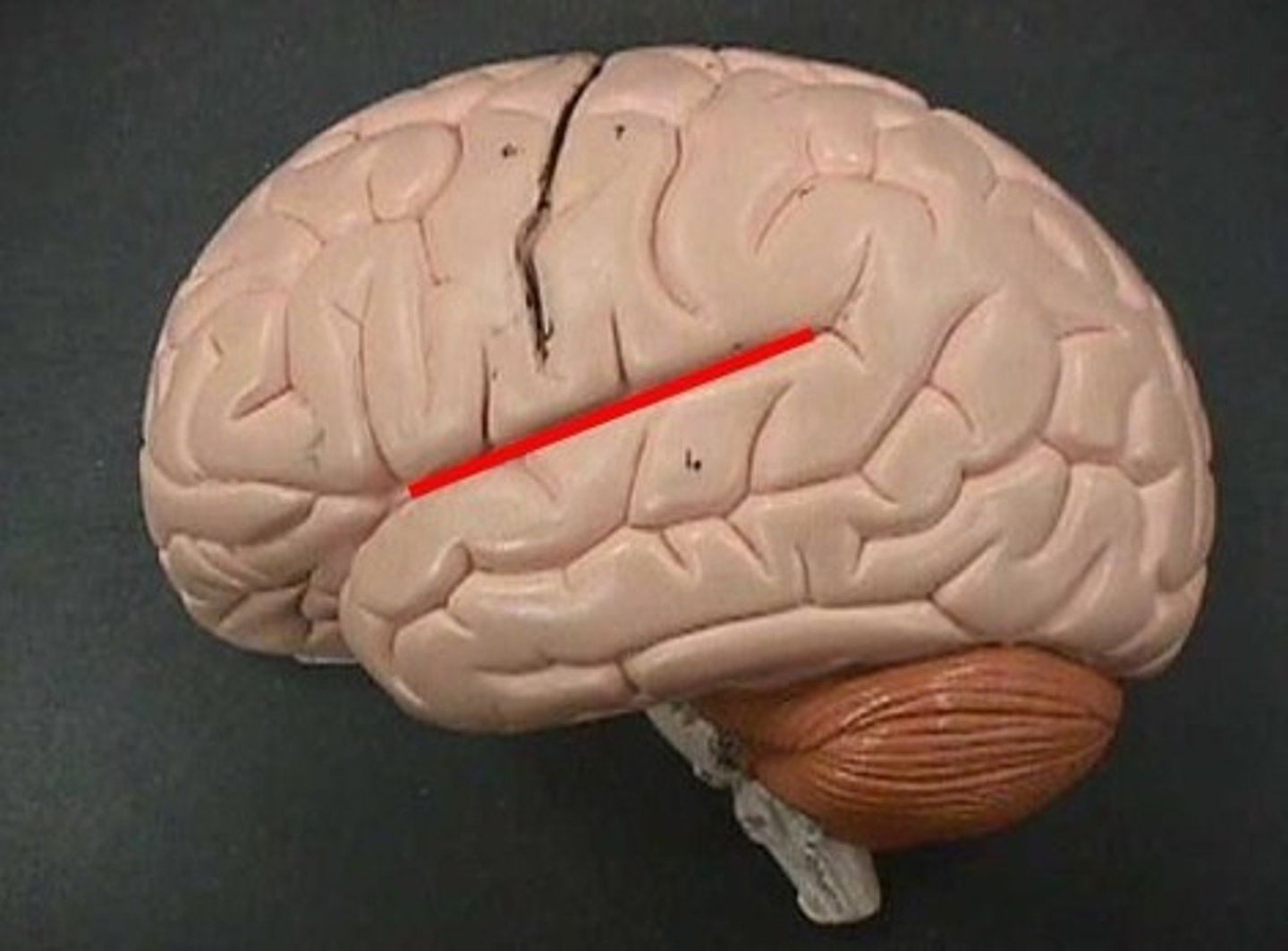
Lateral Sulcus
Separates temporal lobe from parietal and frontal lobes
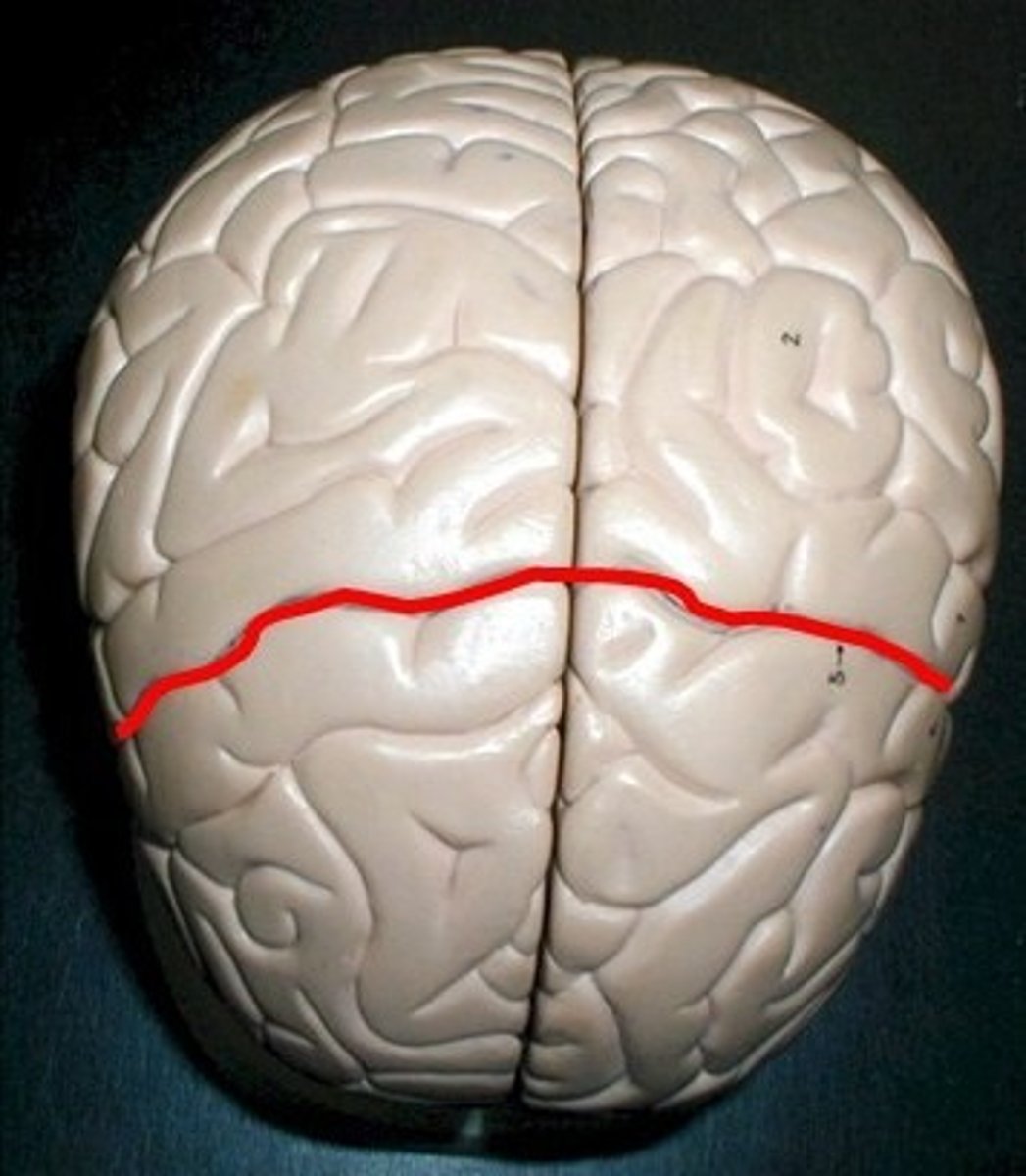
Central Sulcus
Separates frontal lobe from parietal lobe
Sulcus
Narrow groove
White Matter
Whitish nervous tissue of the CNS consisting of neurons and their myelin sheaths.
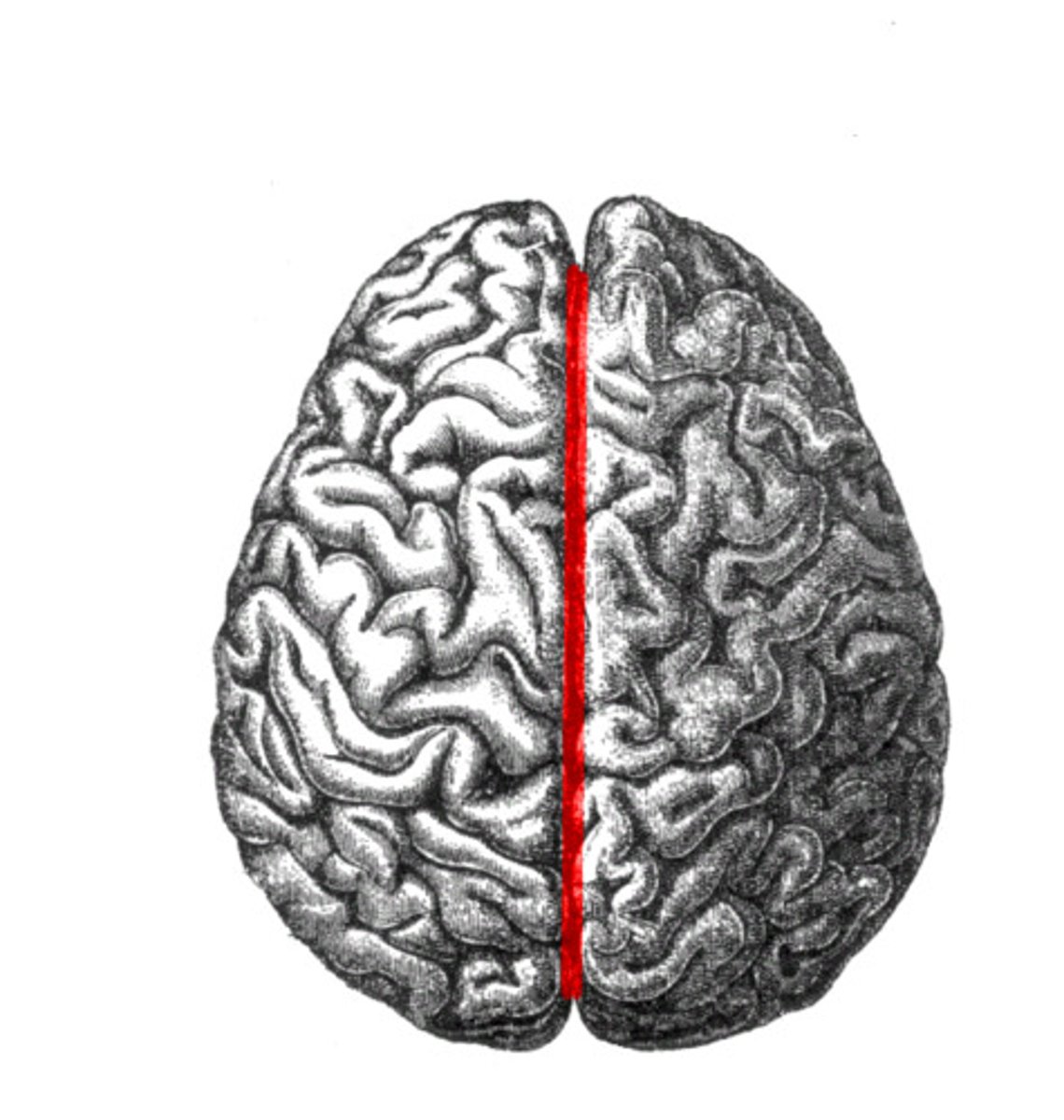
longitudinal fissure
separates left and right hemispheres
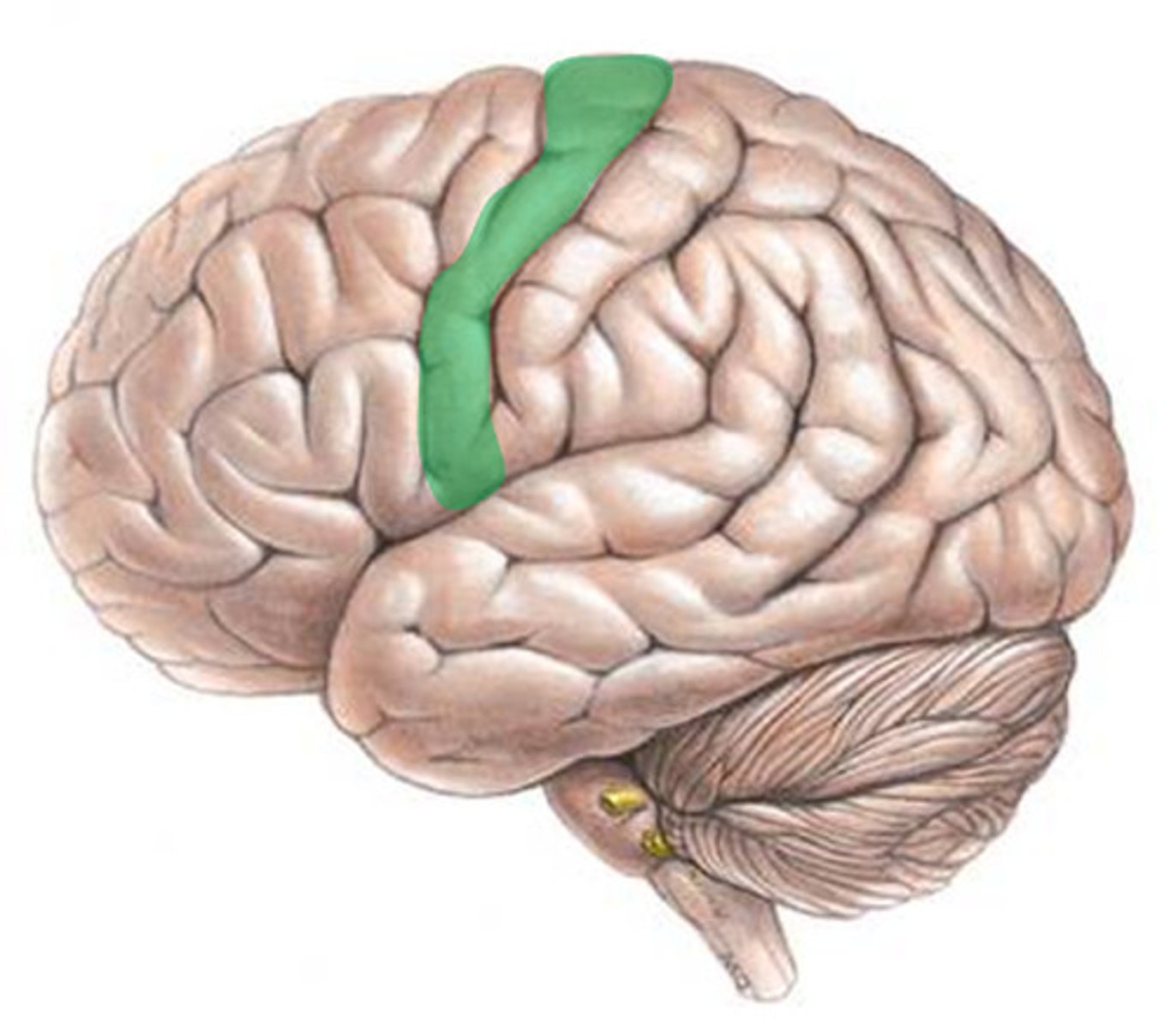
precentral gyrus
the strip of frontal cortex, just in front of the central sulcus, that is crucial for motor control
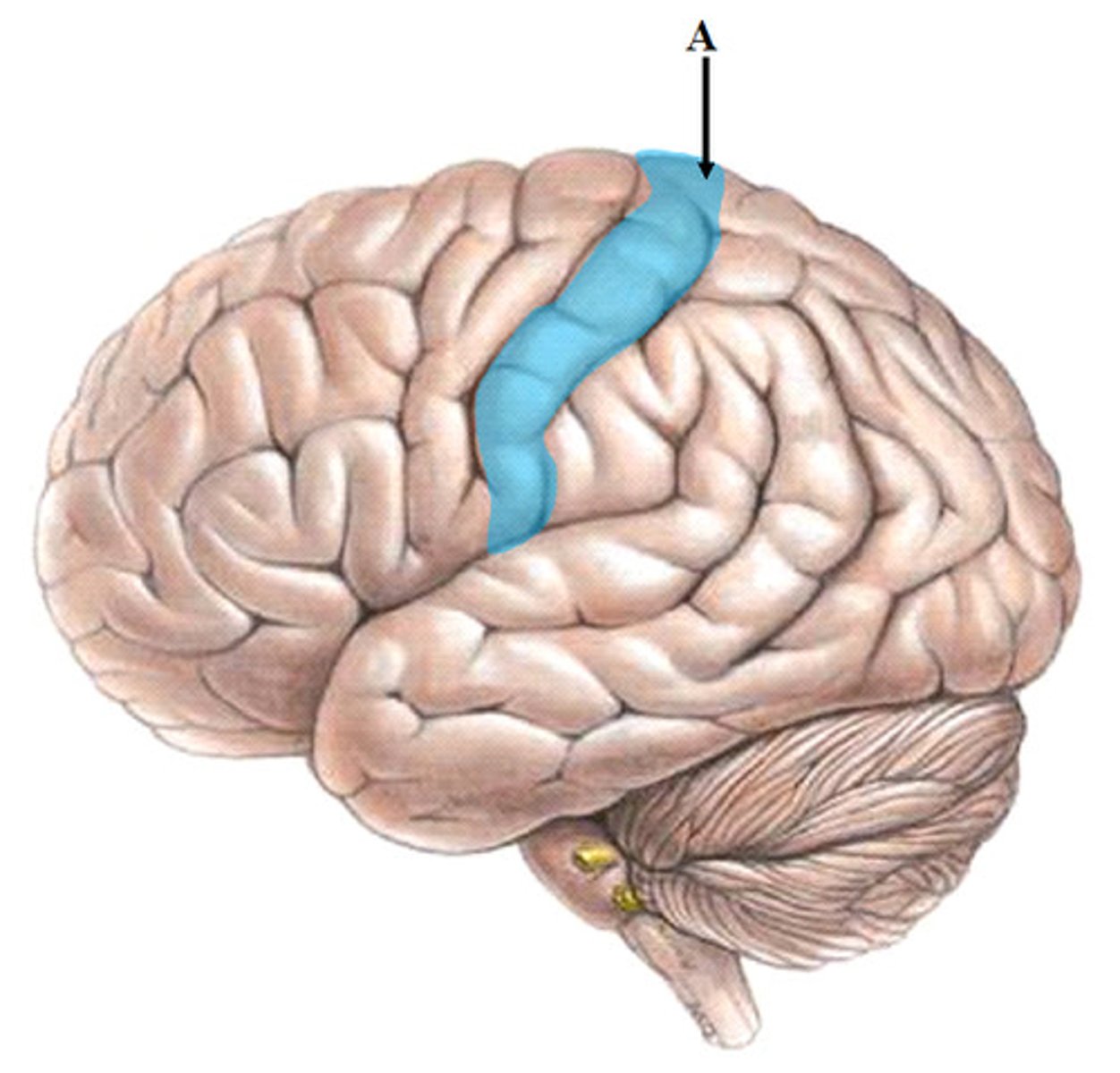
postcentral gyrus
the strip of parietal cortex, just behind the central sulcus, that receives somatosensory information from the entire body
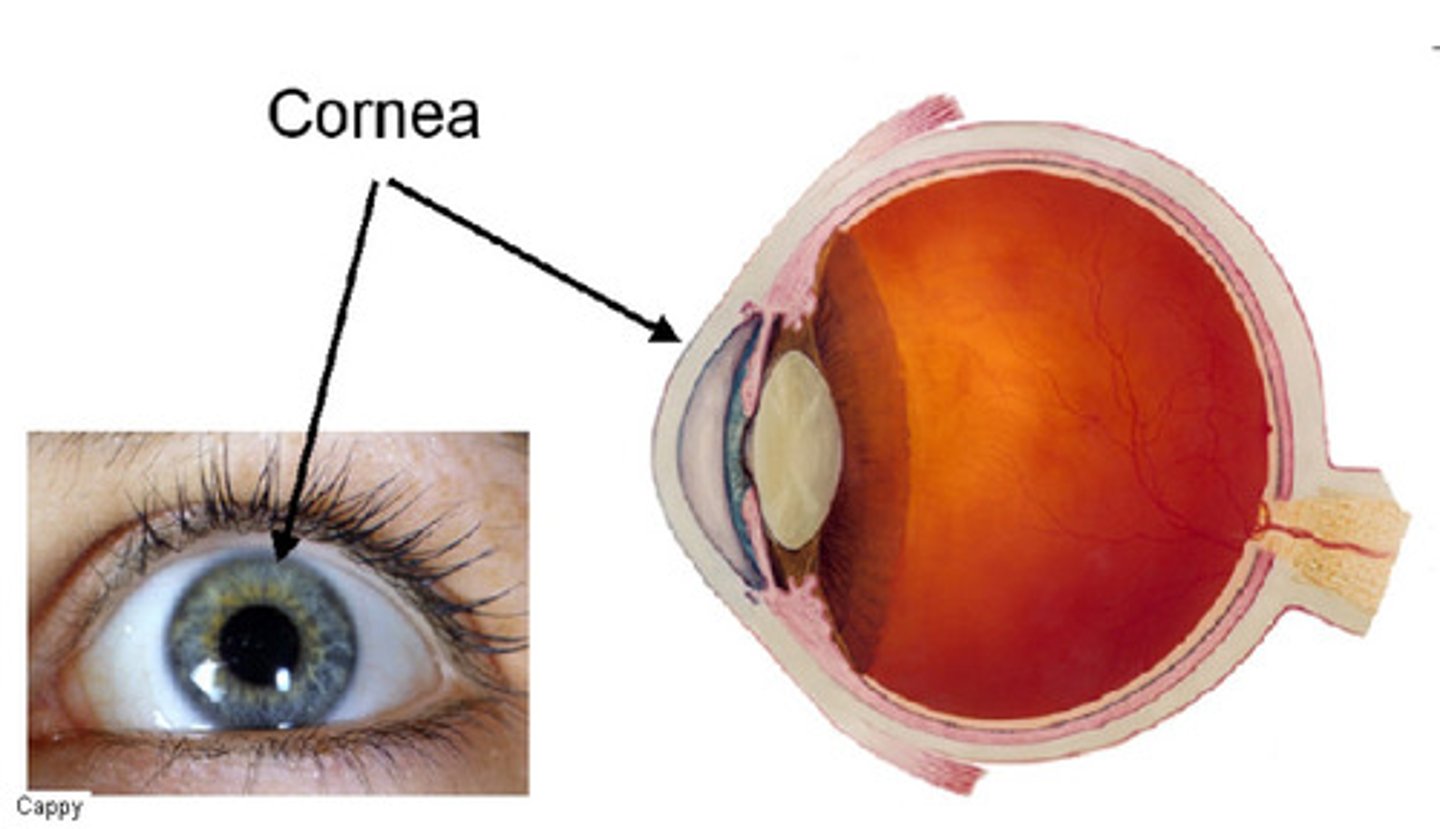
cornea
the transparent layer forming the front of the eye.
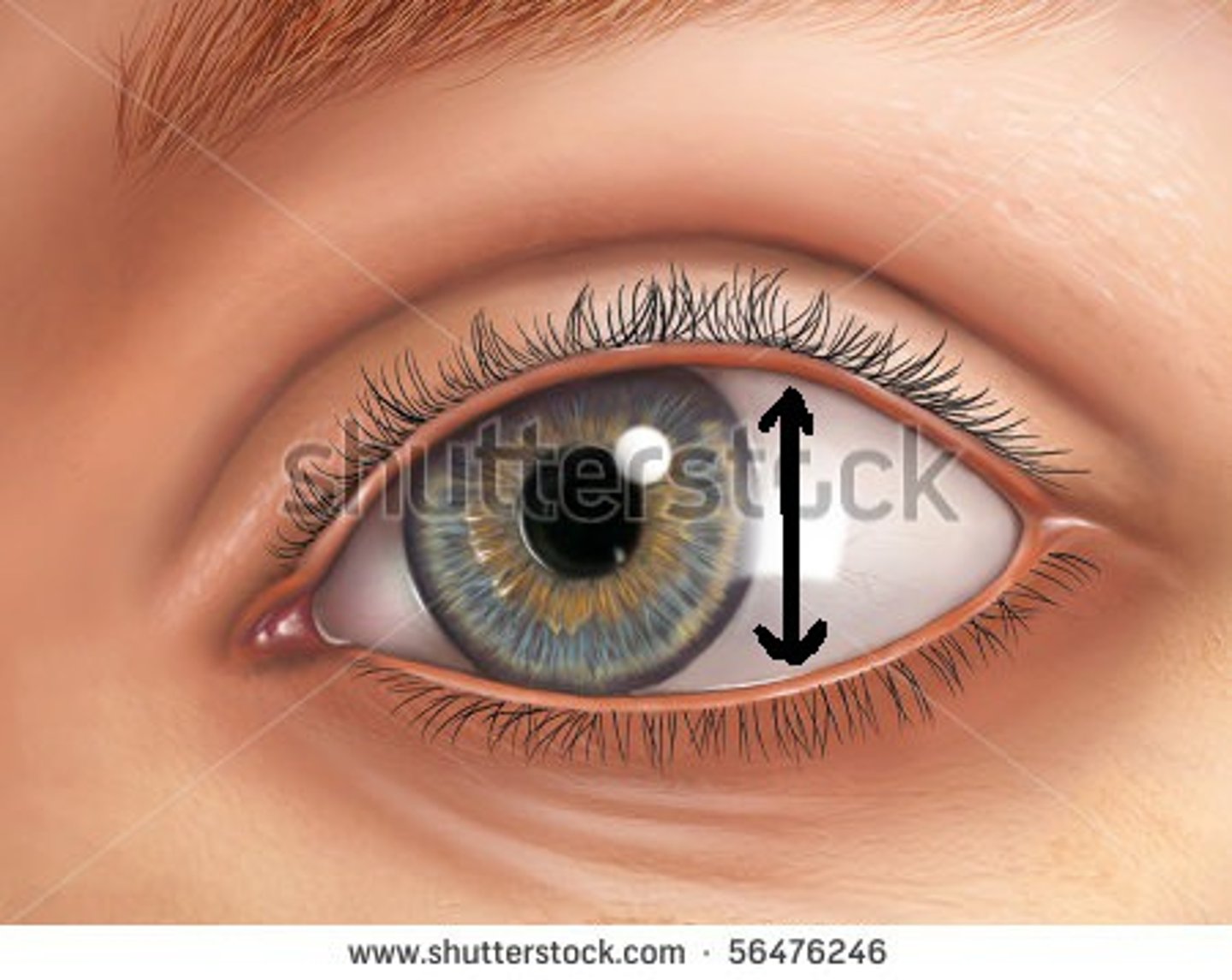
palpebral fissure
space between eyelids
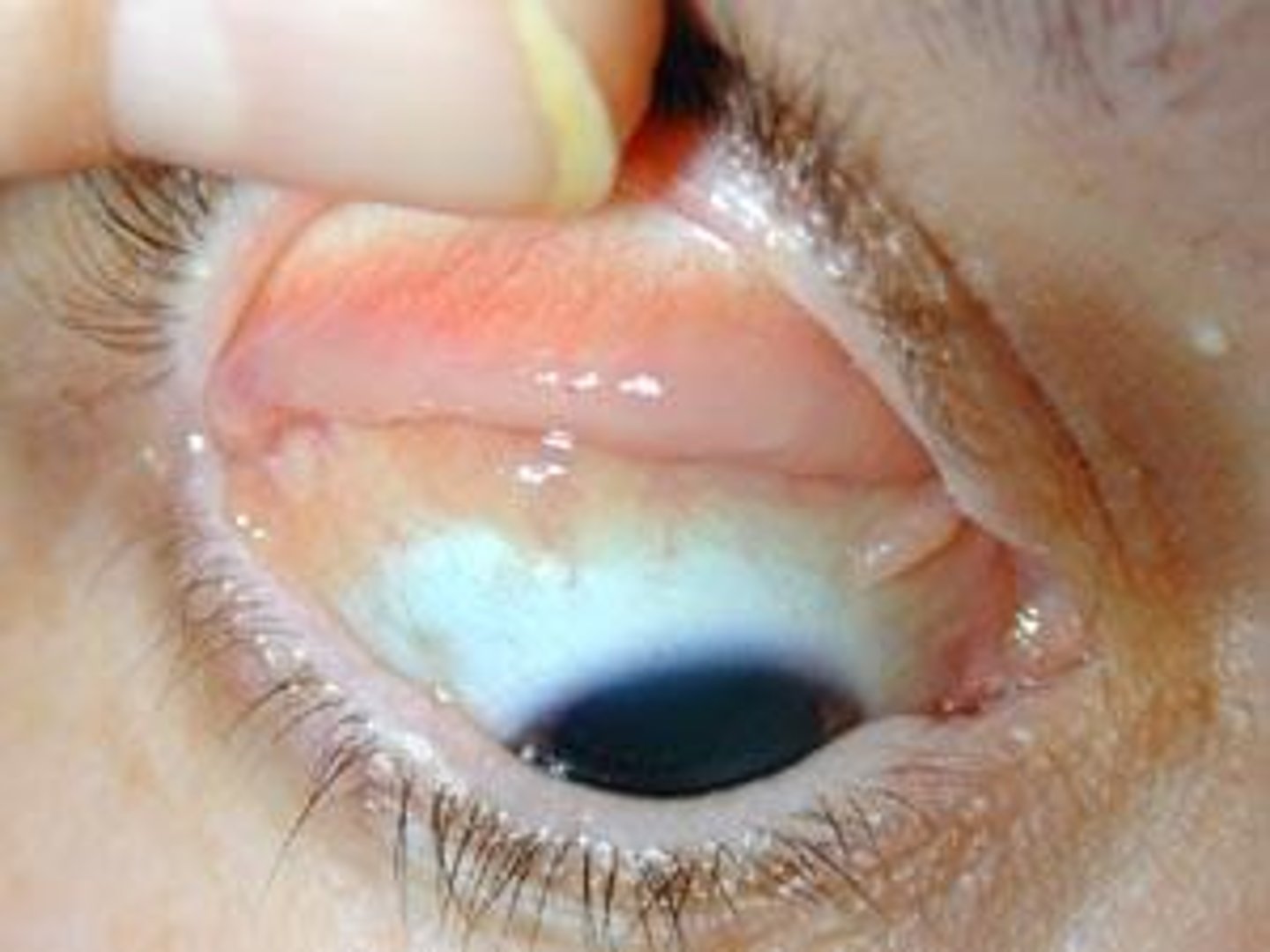
conjunctiva
Delicate membrane lining the eyelids and covering the eyeball
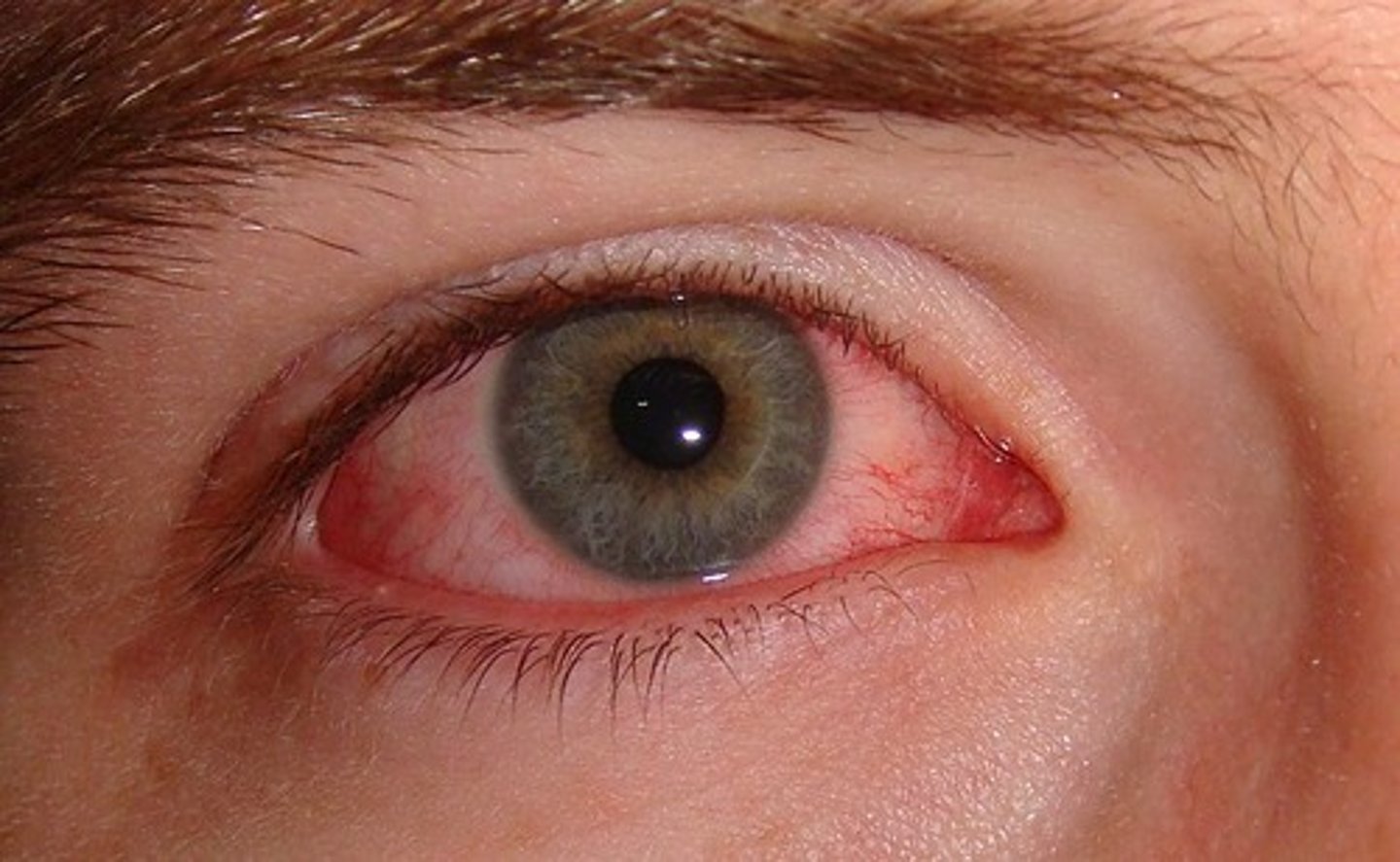
conjunctivitis
inflammation of the conjunctiva (pink eye)
Astigmatism
Can cause blurred or distorted vision at near and far distances
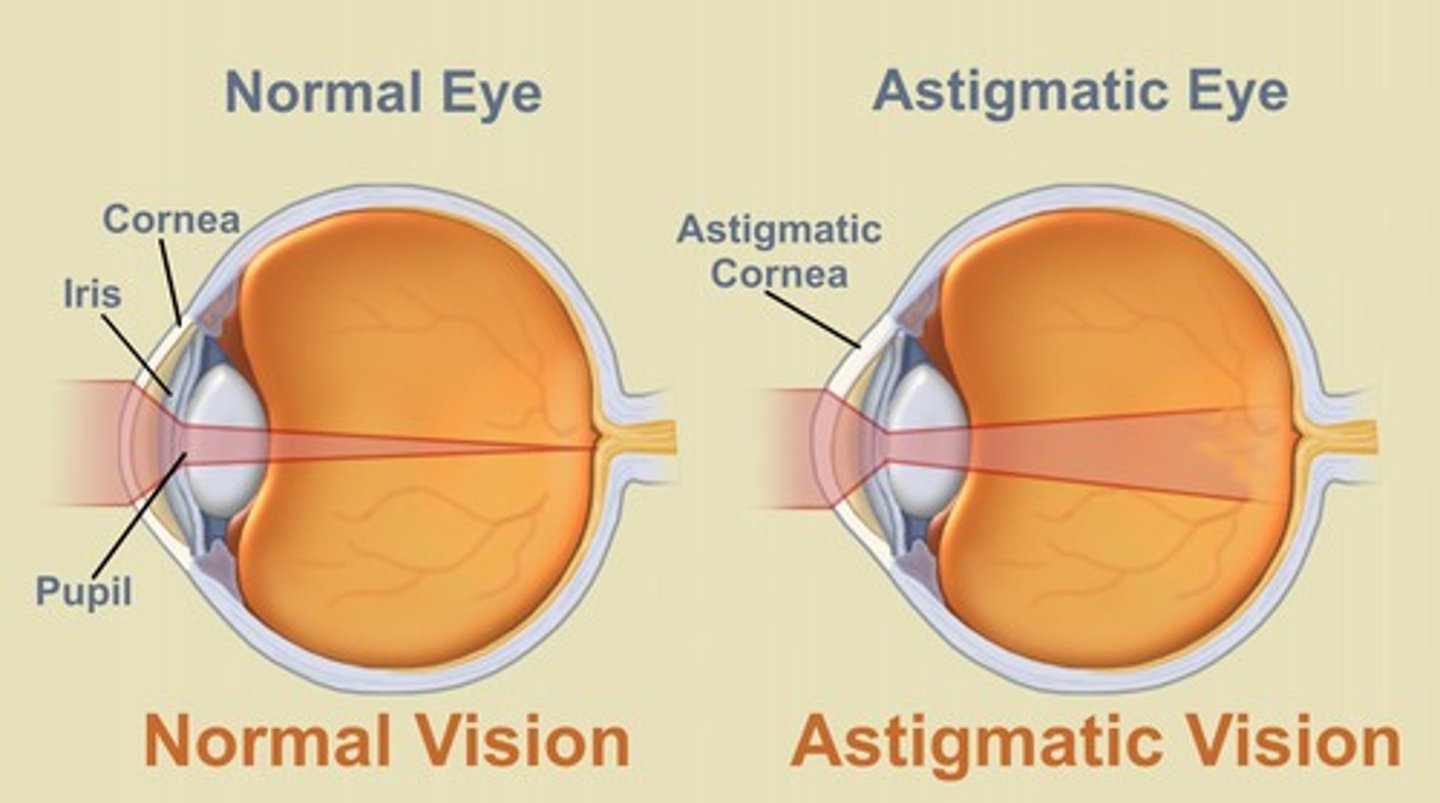
superior oblique muscle
Depresses eye and turns it laterally and is controlled by the trochlear nerve.
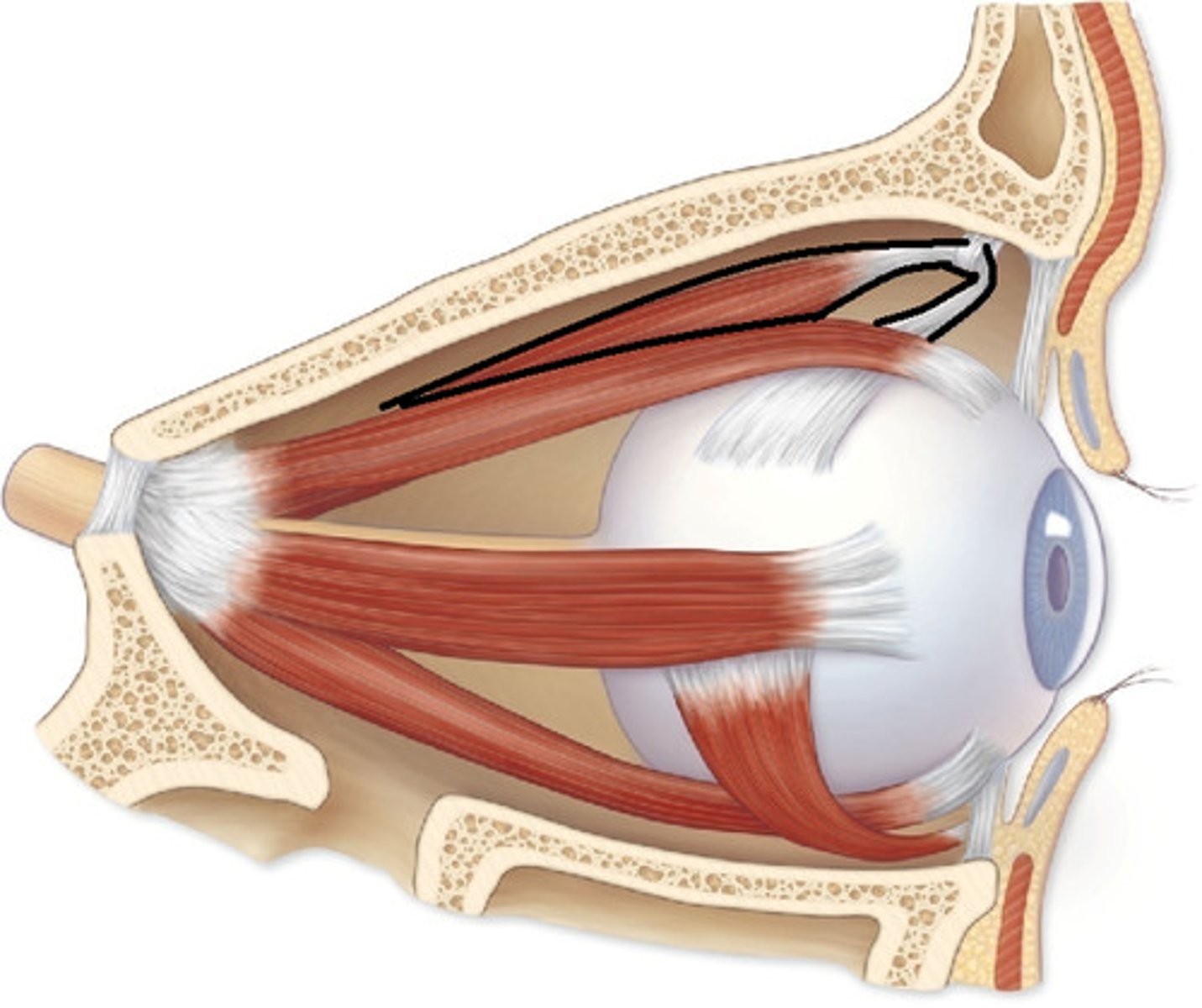
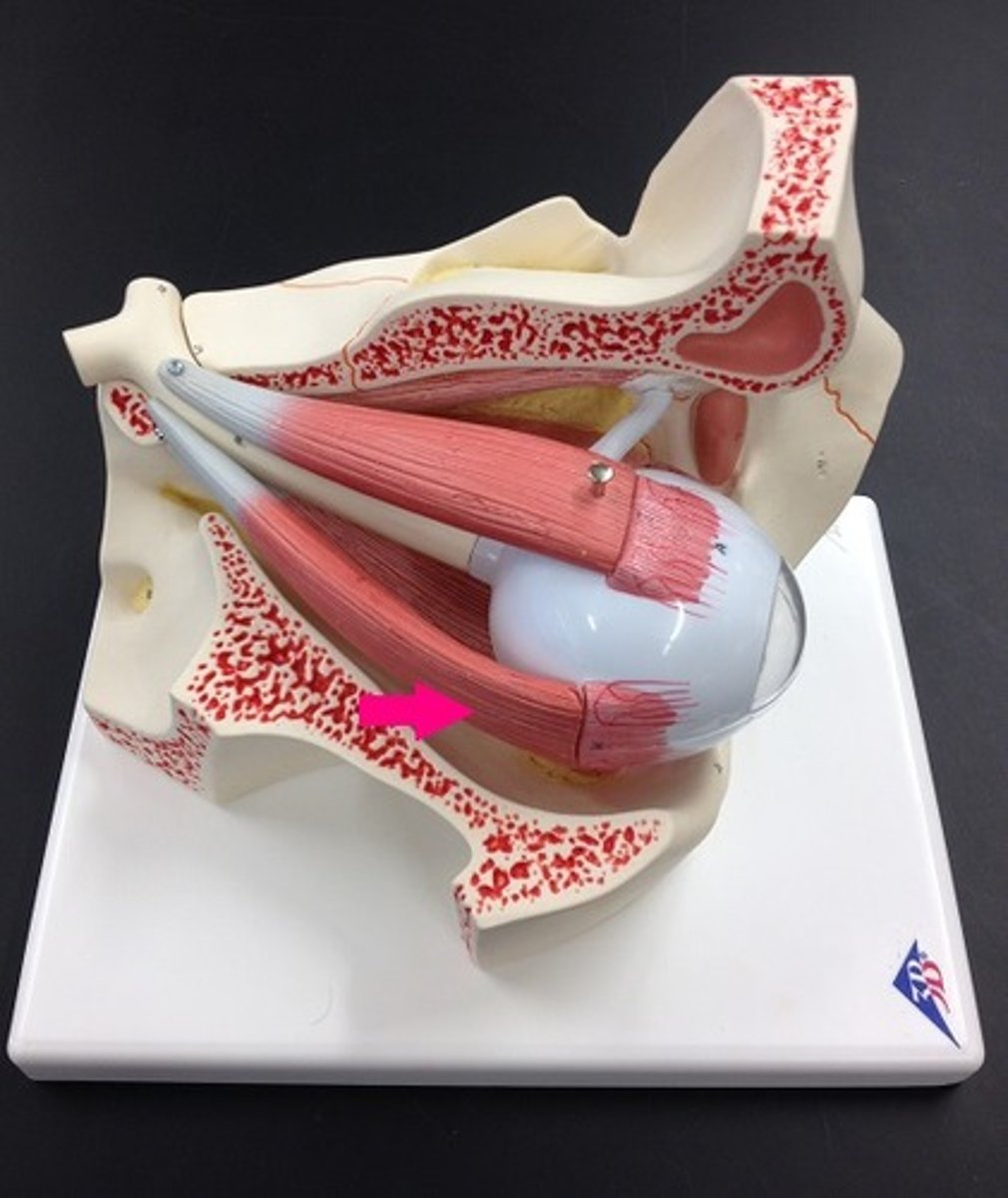
superior oblique tendon
What is B?
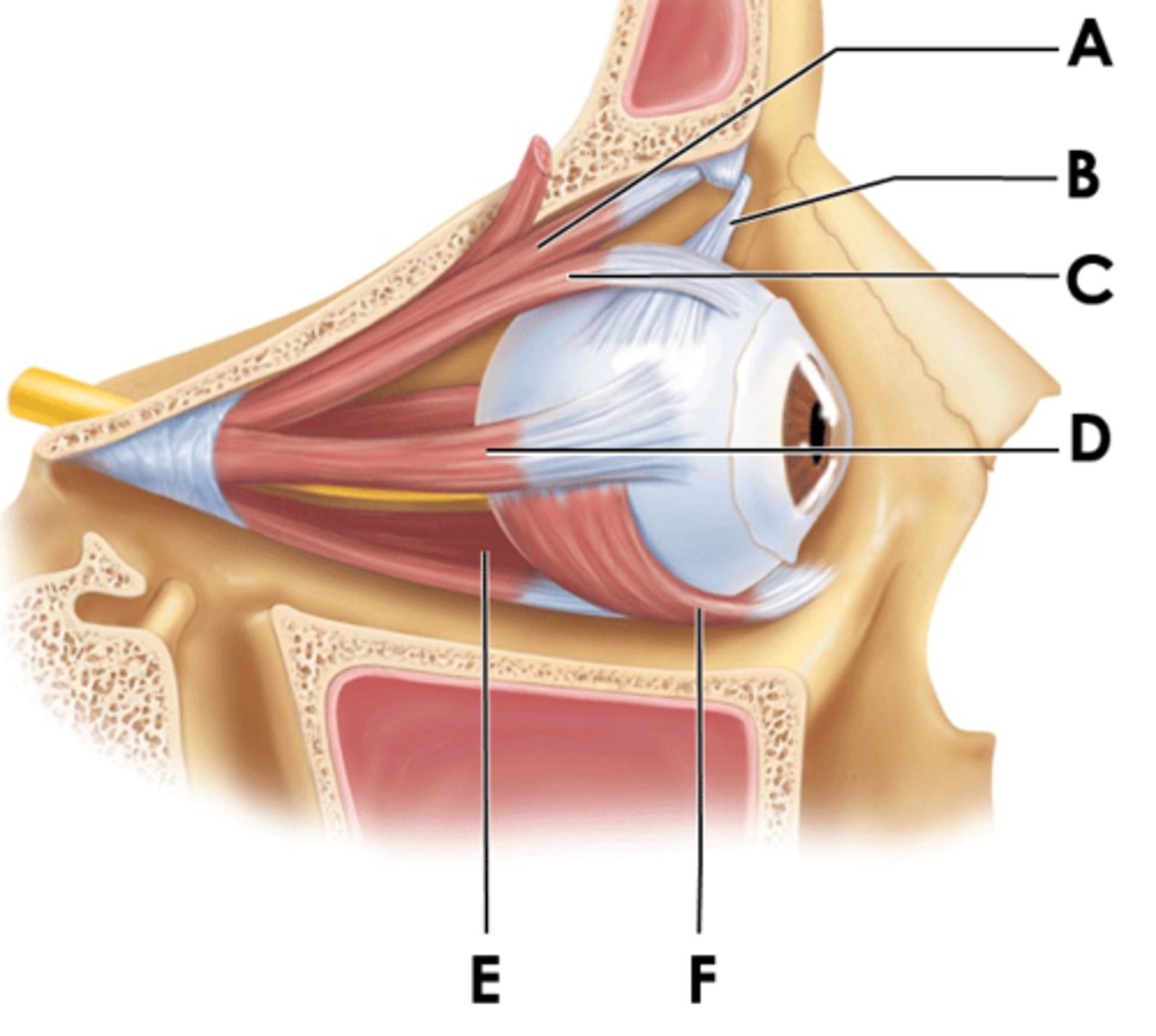
superior rectus muscle
elevates eye and turns it medially
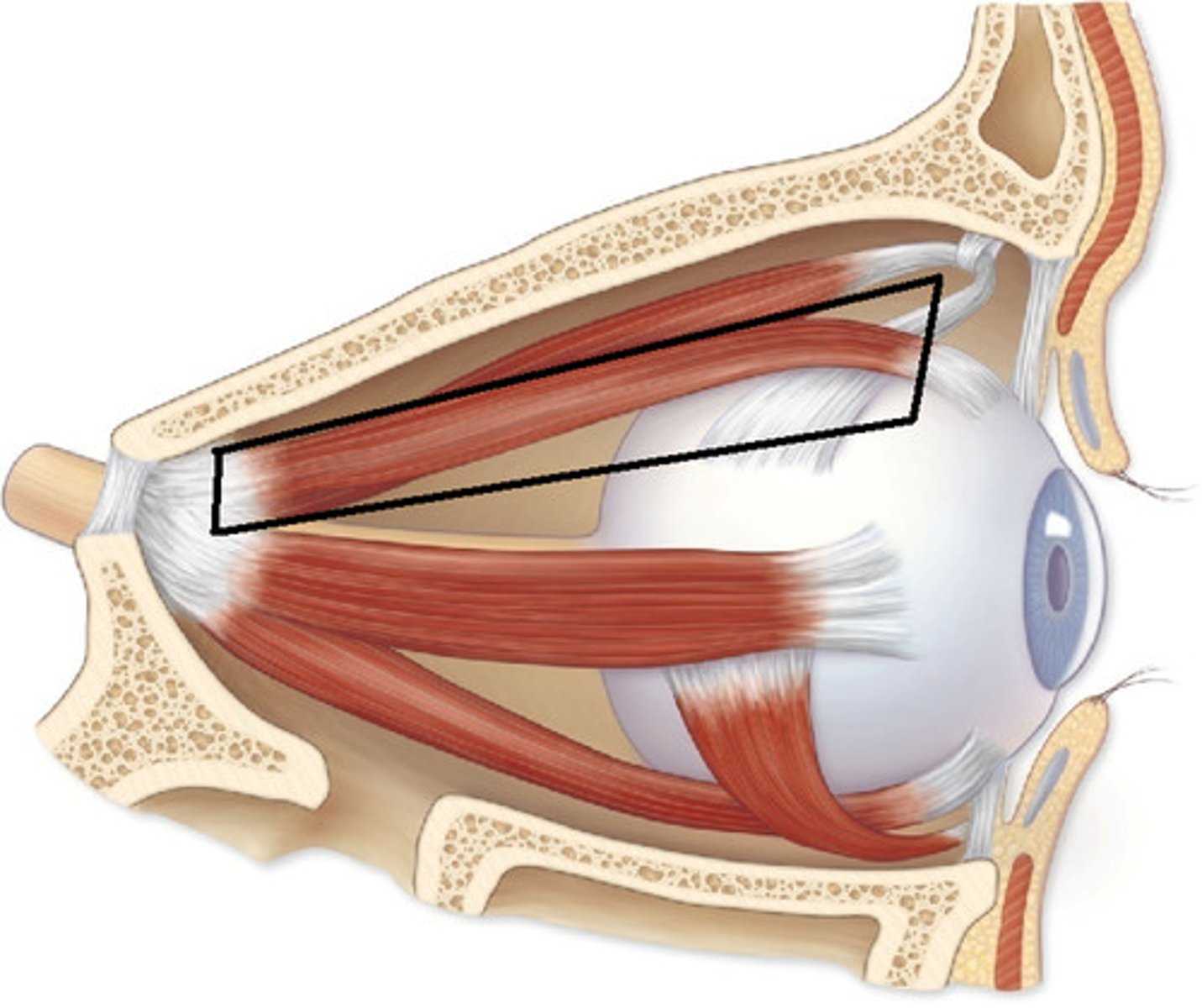
inferior rectus muscle
Depresses the eyes (downward movement of the eyes)
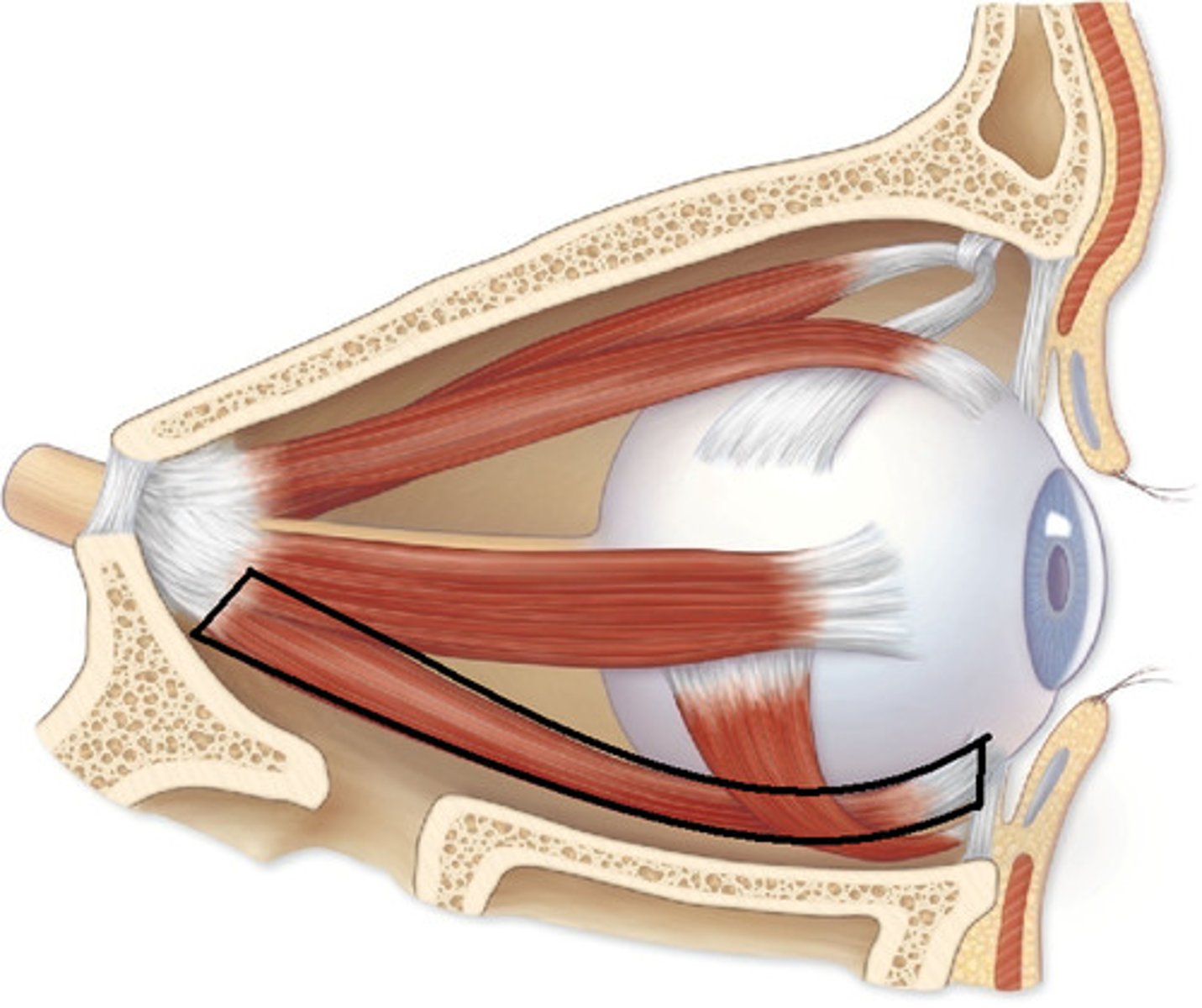
medial rectus muscle
moves eye medially
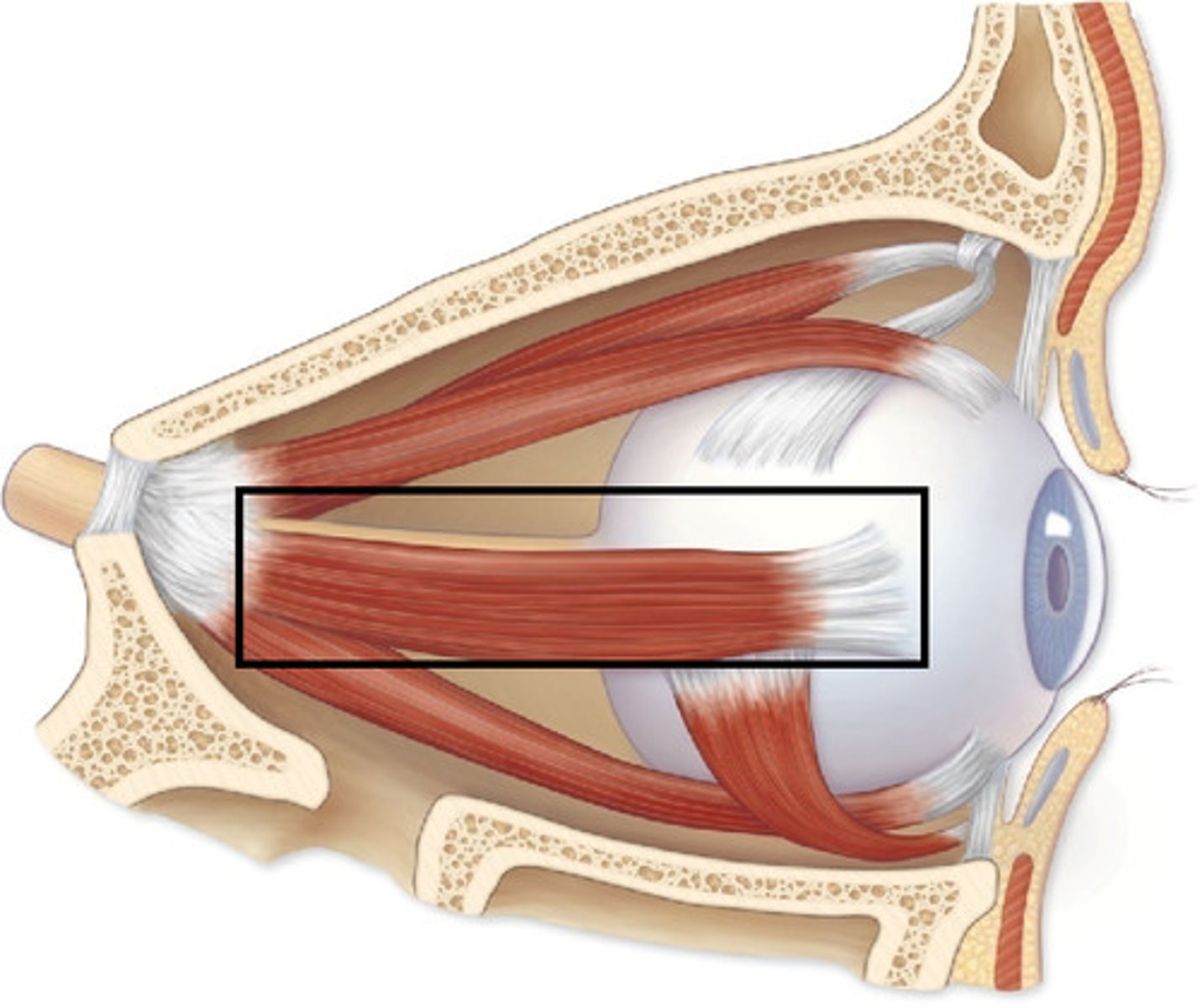
lateral rectus muscle
moves eye laterally
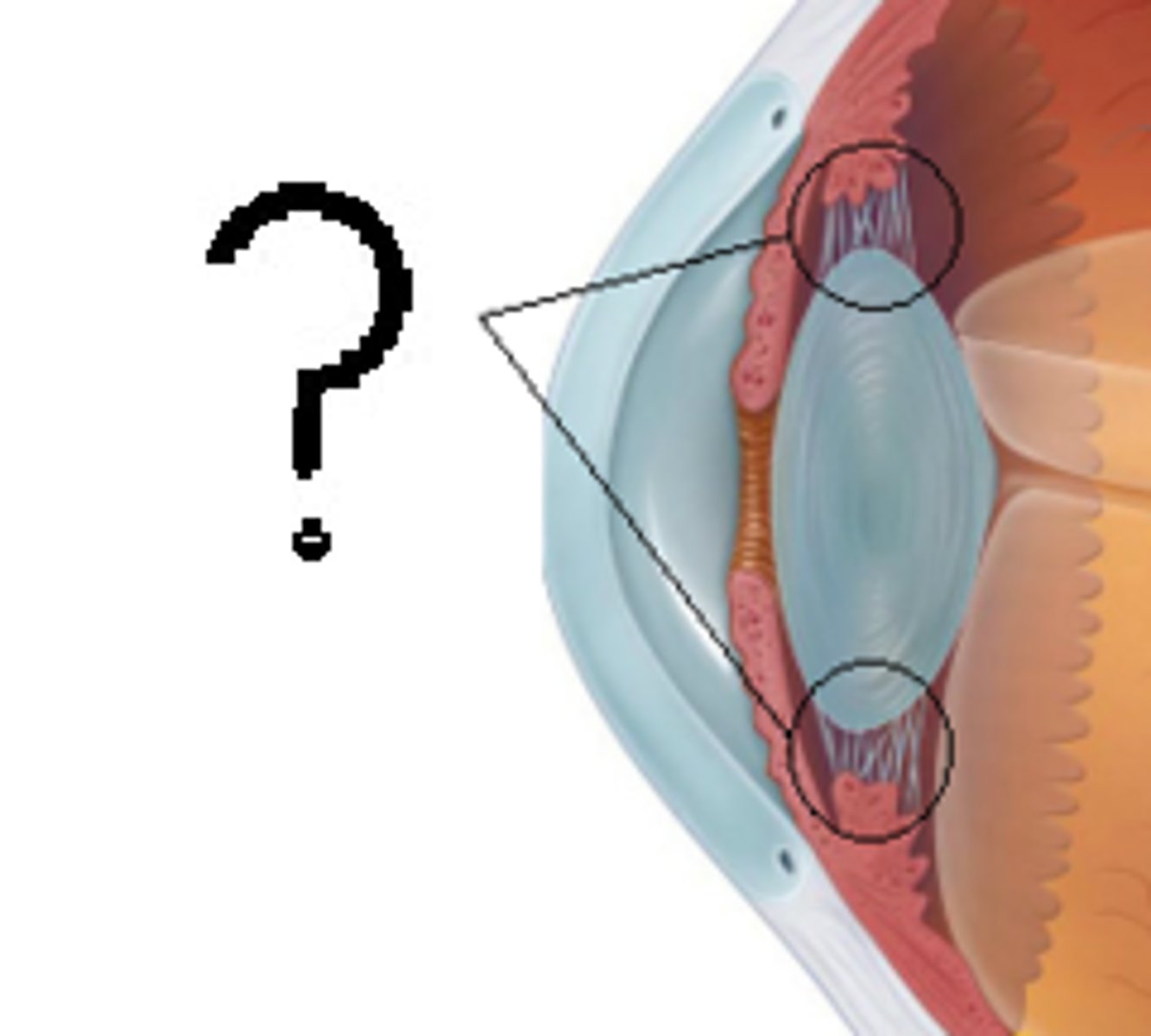
ciliary body
ring of tissue behind the peripheral iris that is composed of ciliary muscle and ciliary processes
sclera
white of the eye
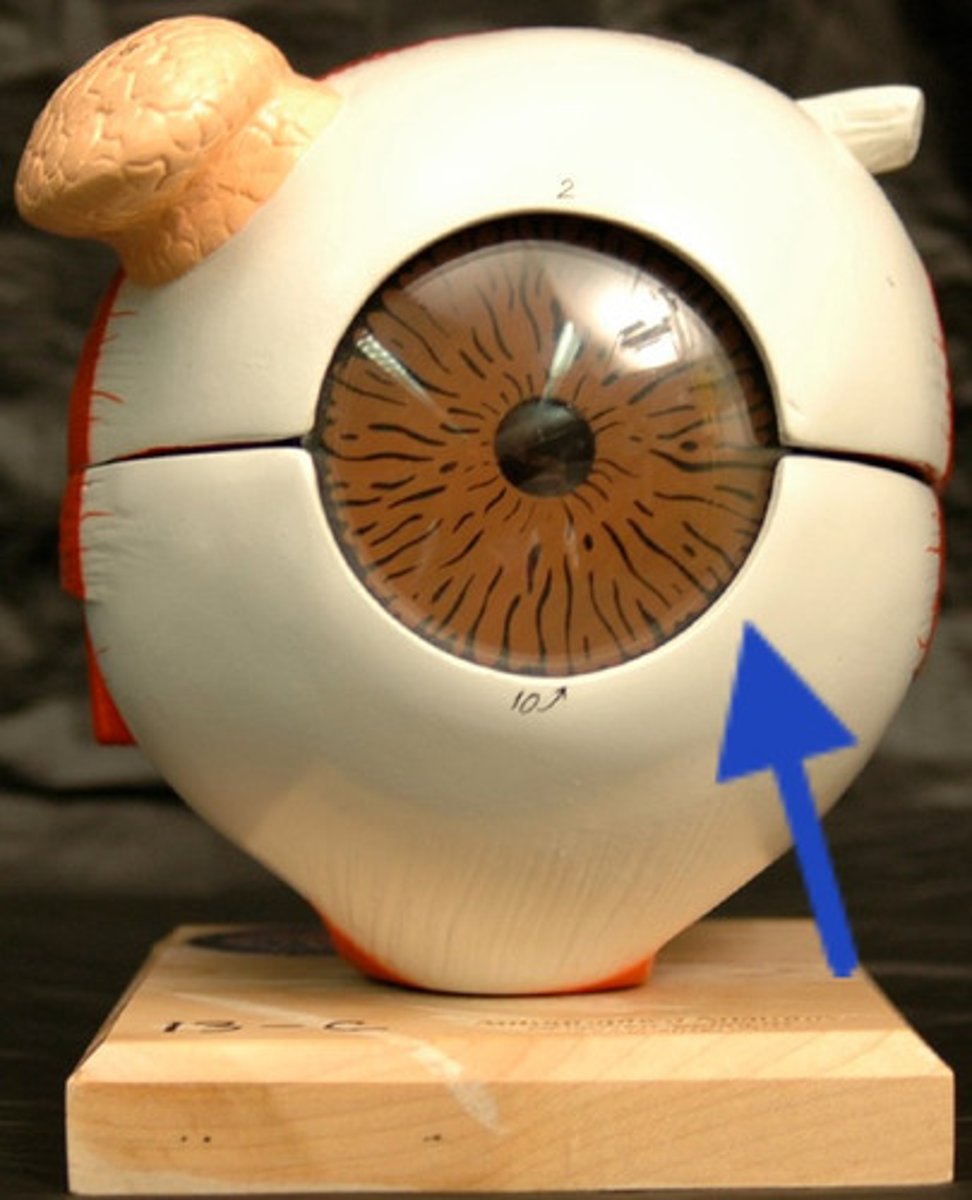
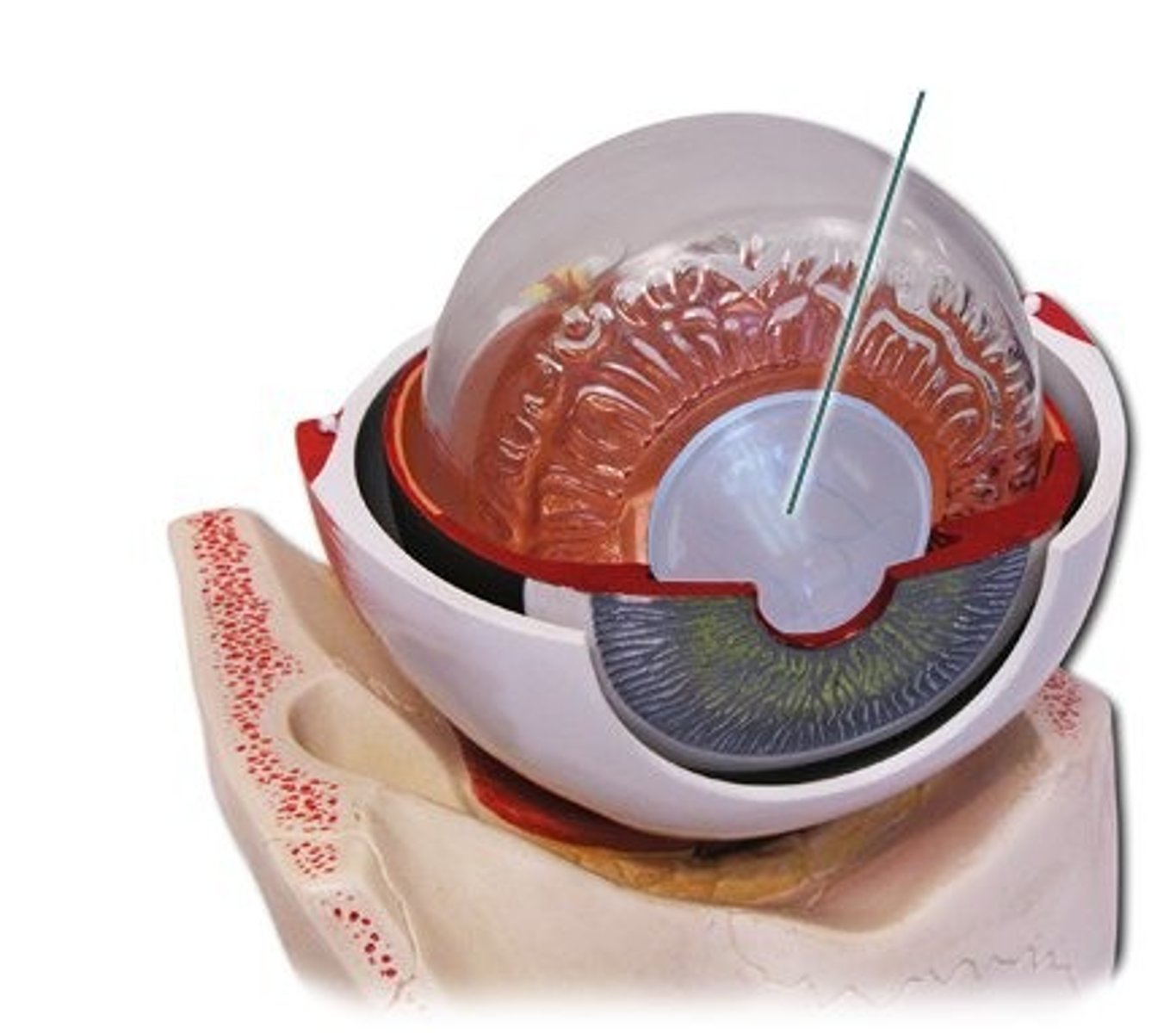
lens
the transparent structure behind the pupil that changes shape to help focus images on the retina
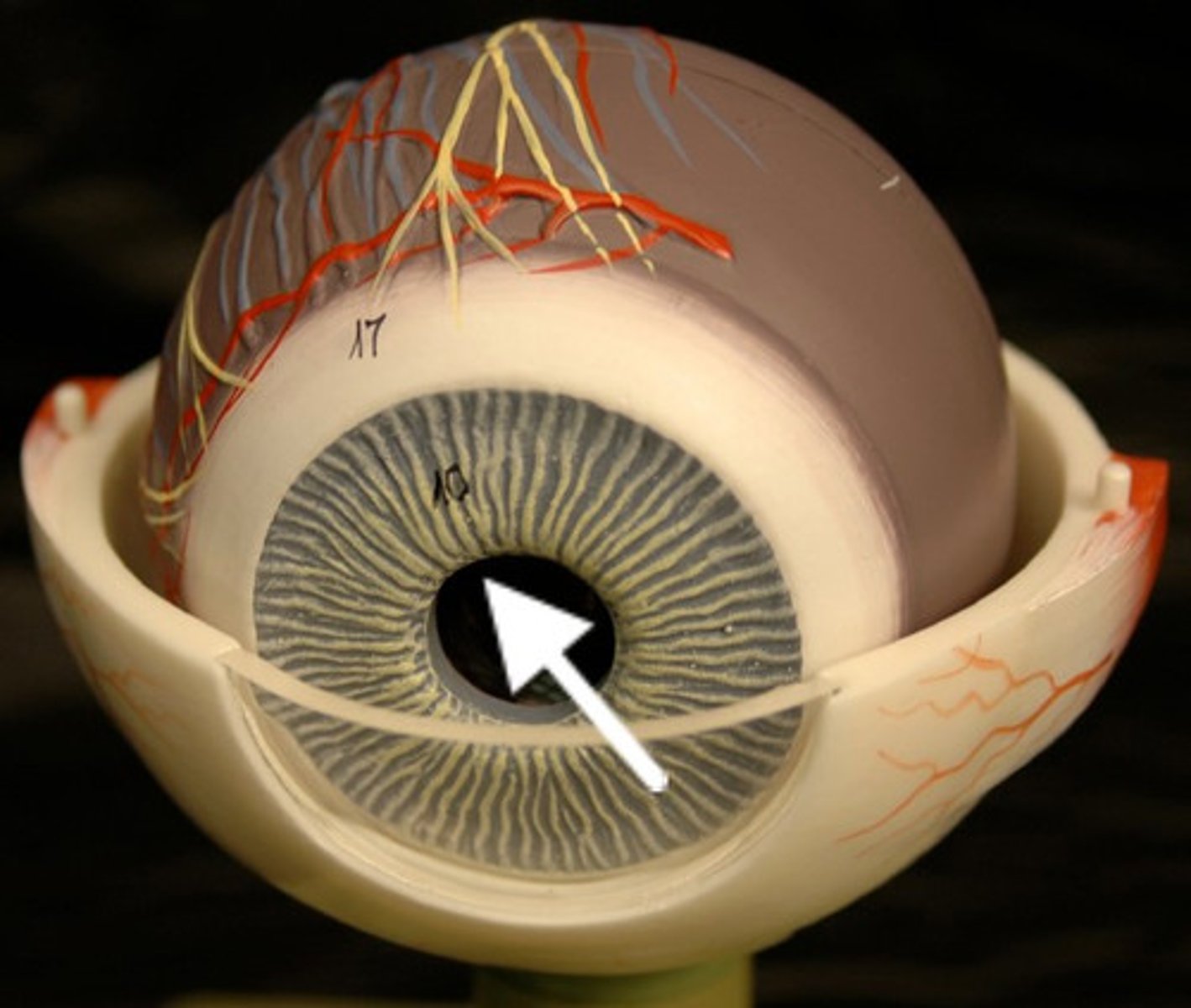
pupil
the adjustable opening in the center of the eye through which light enters
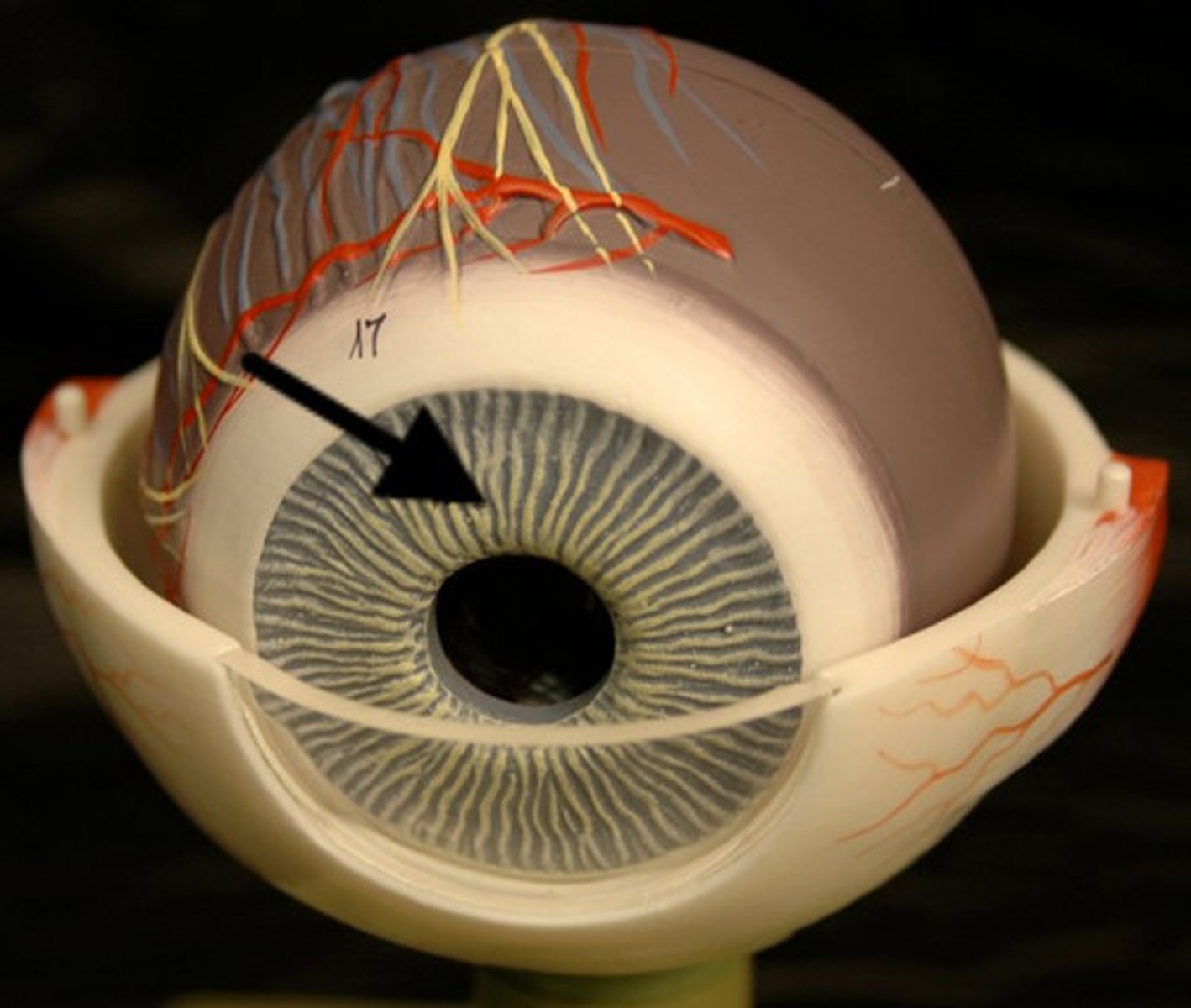
iris
a ring of muscle tissue that forms the colored portion of the eye around the pupil and controls the size of the pupil opening
optic nerve
the nerve that carries neural impulses from the eye to the brain
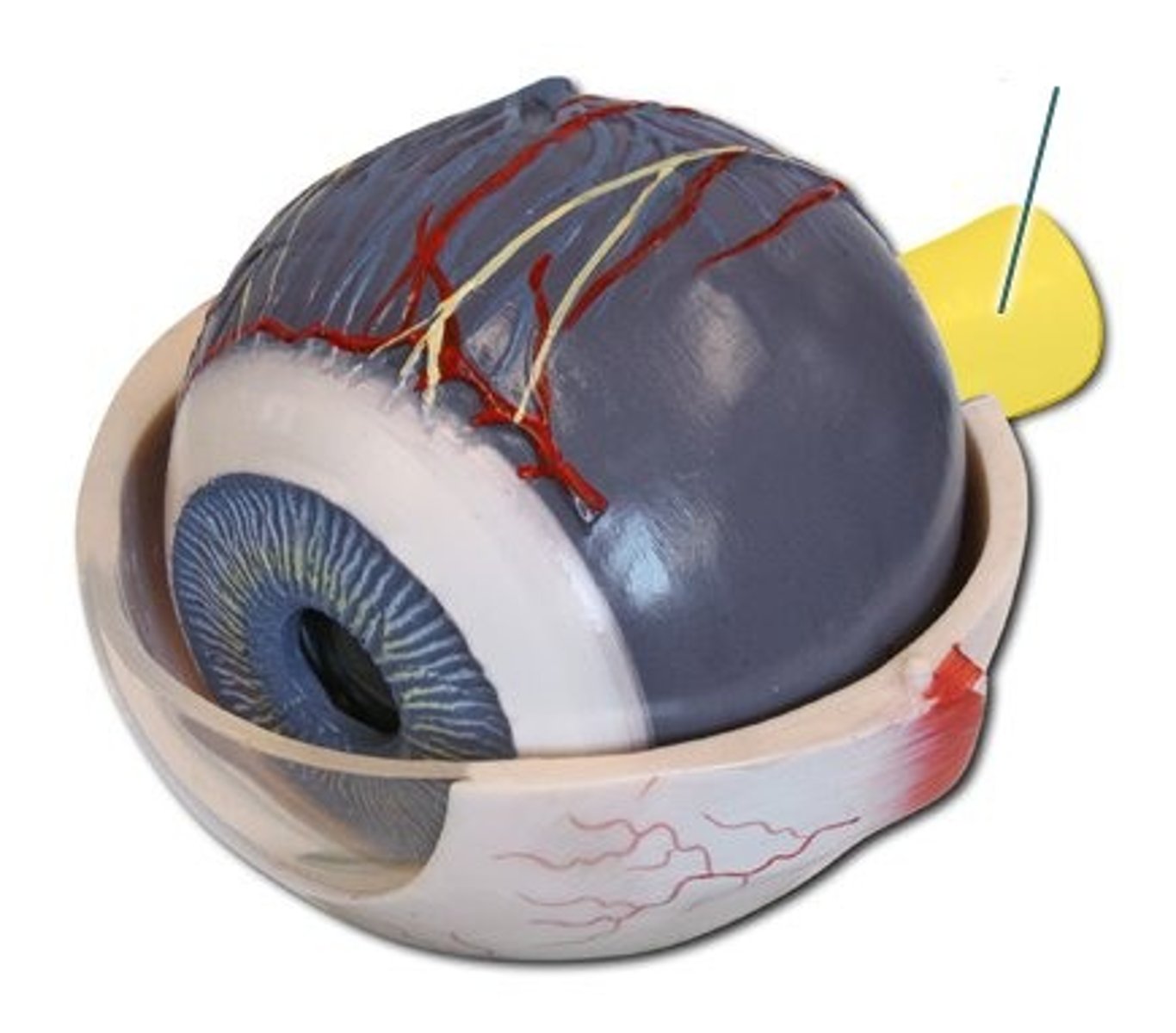
optic chiasma
the crossing of the optic nerves from the two eyes at the base of the brain
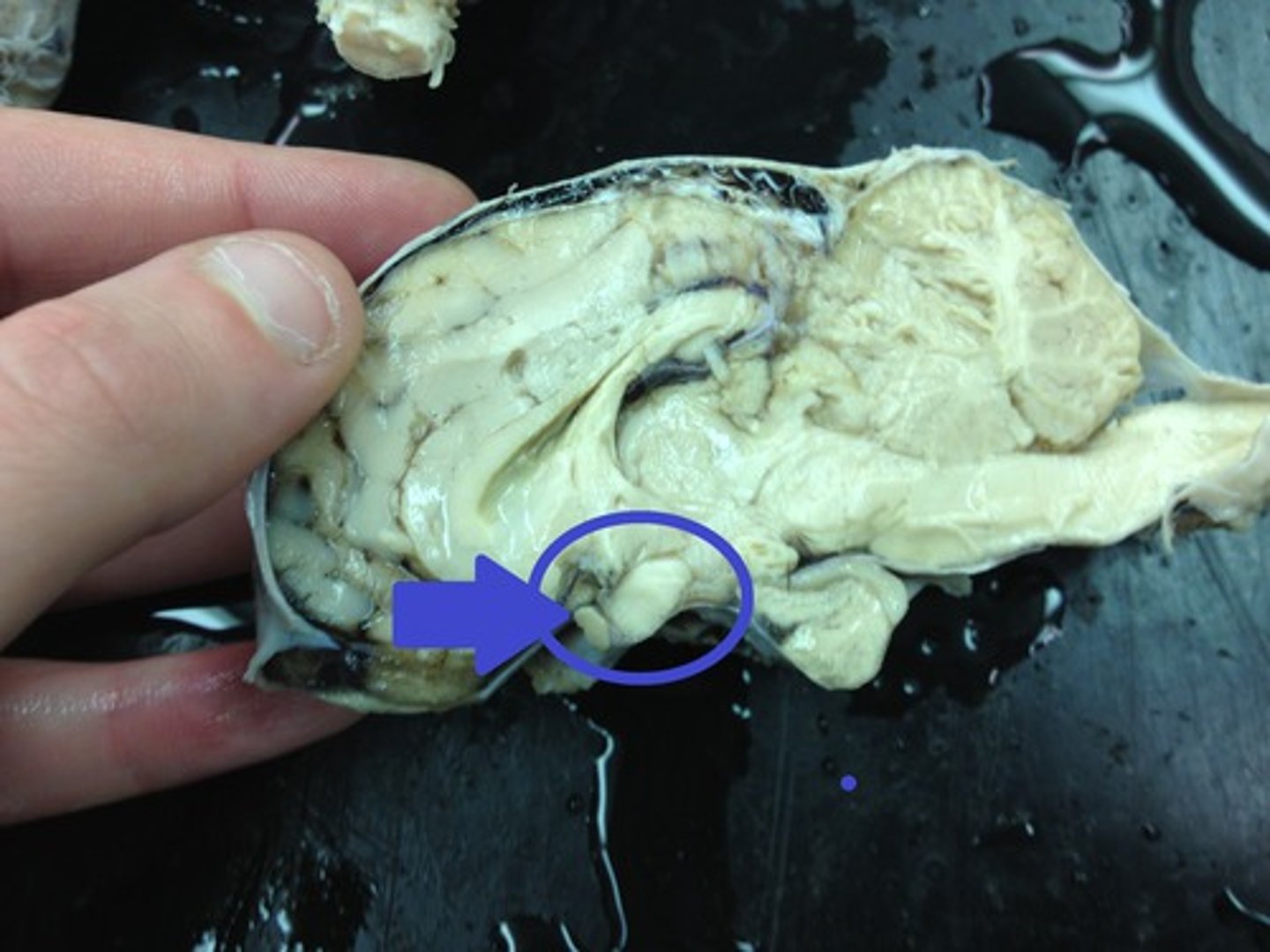
optic tract
How information from the optic nerve travels to the thalamus.
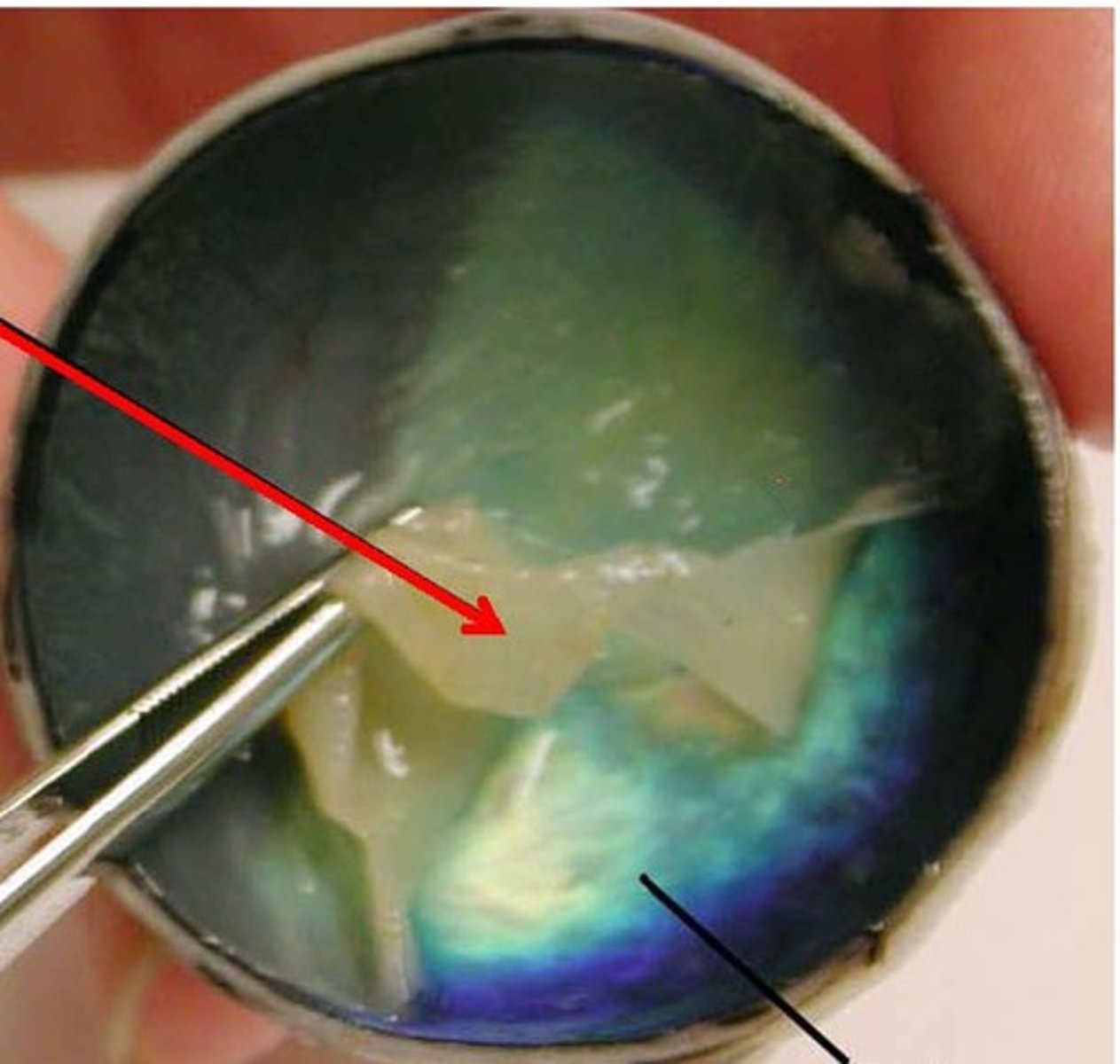
retina
the light-sensitive inner surface of the eye, containing the receptor rods and cones plus layers of neurons that begin the processing of visual information
cataracts
clouding of the lens
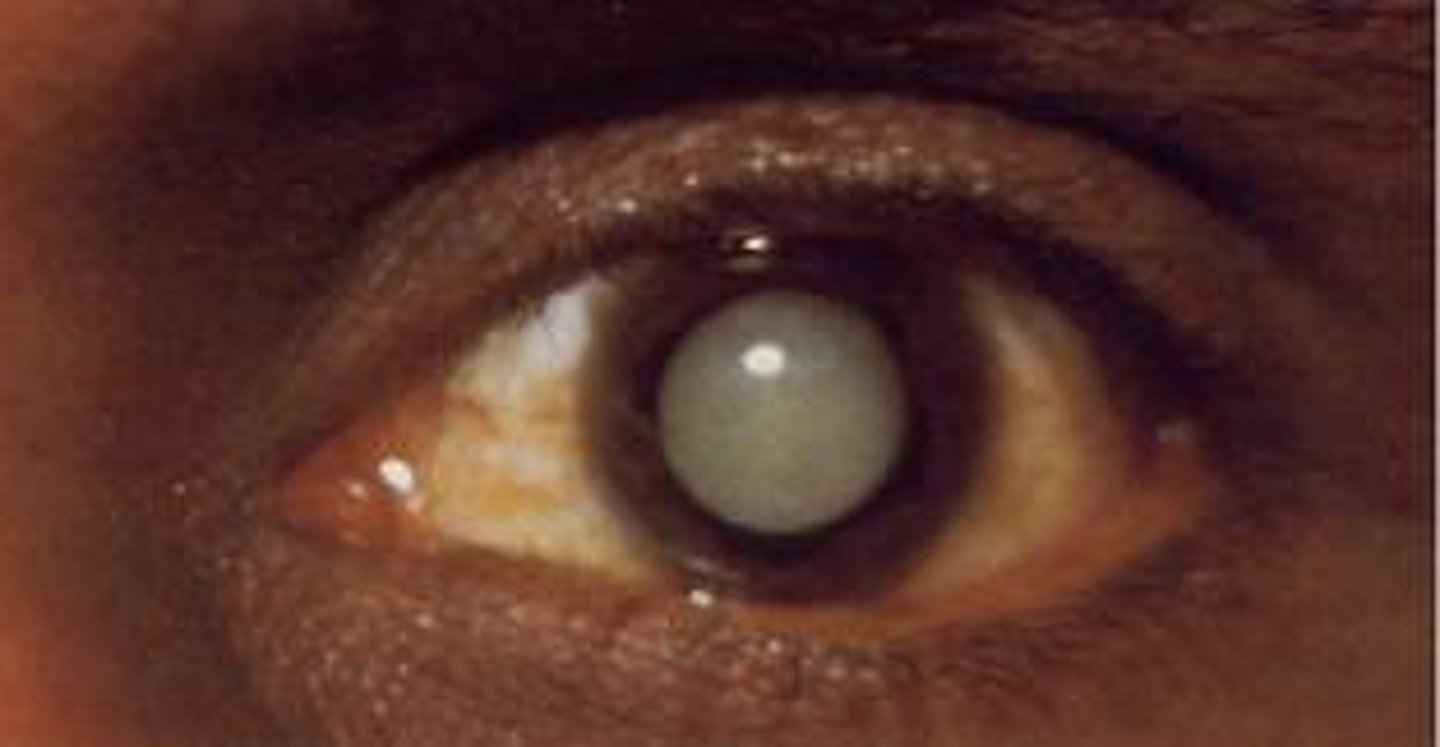
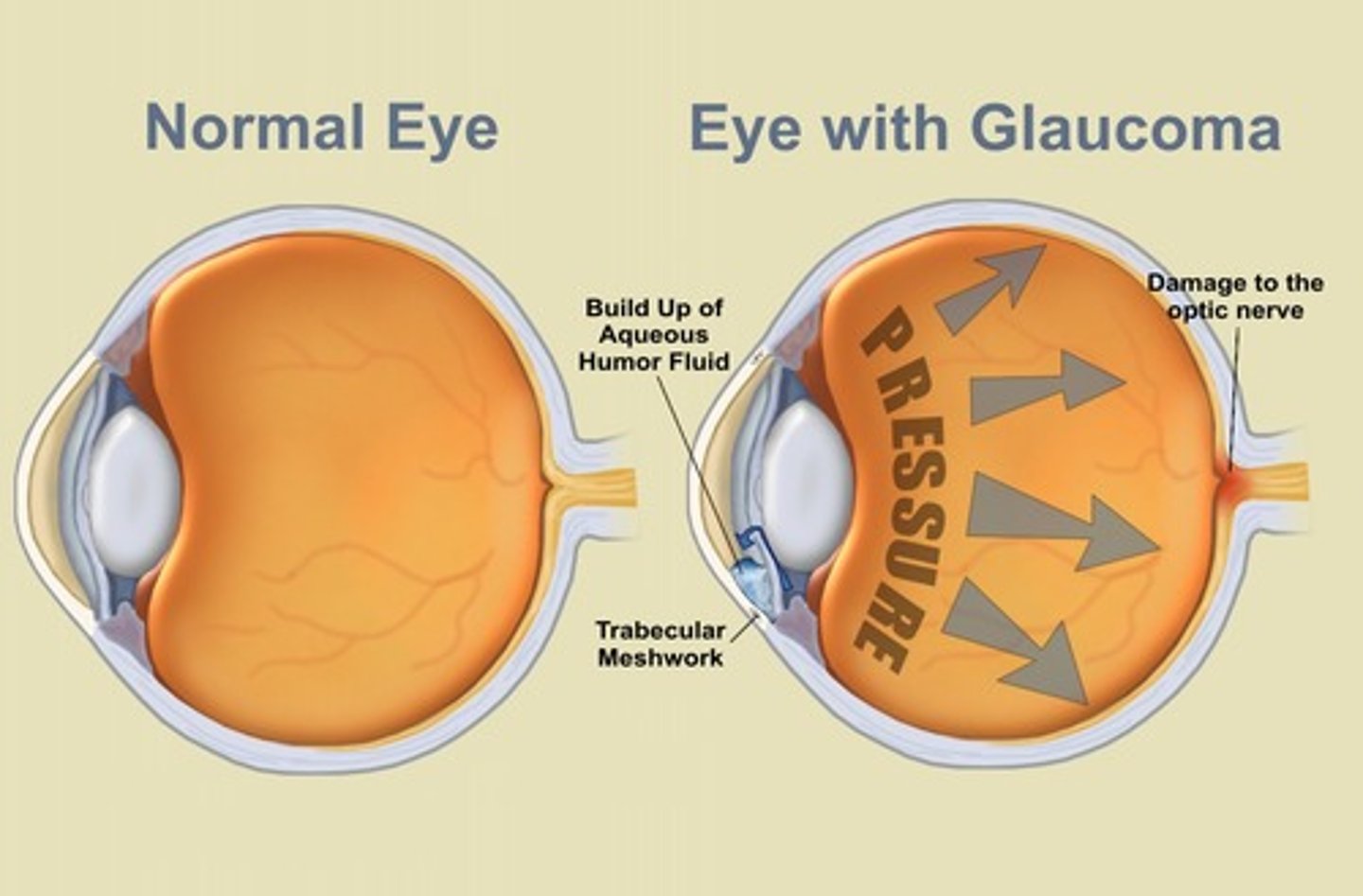
glaucoma
increased intraocular pressure results in damage to the retina and optic nerve with loss of vision
accomadation
the process by which the eye's lens changes shape to focus near or far objects on the retina
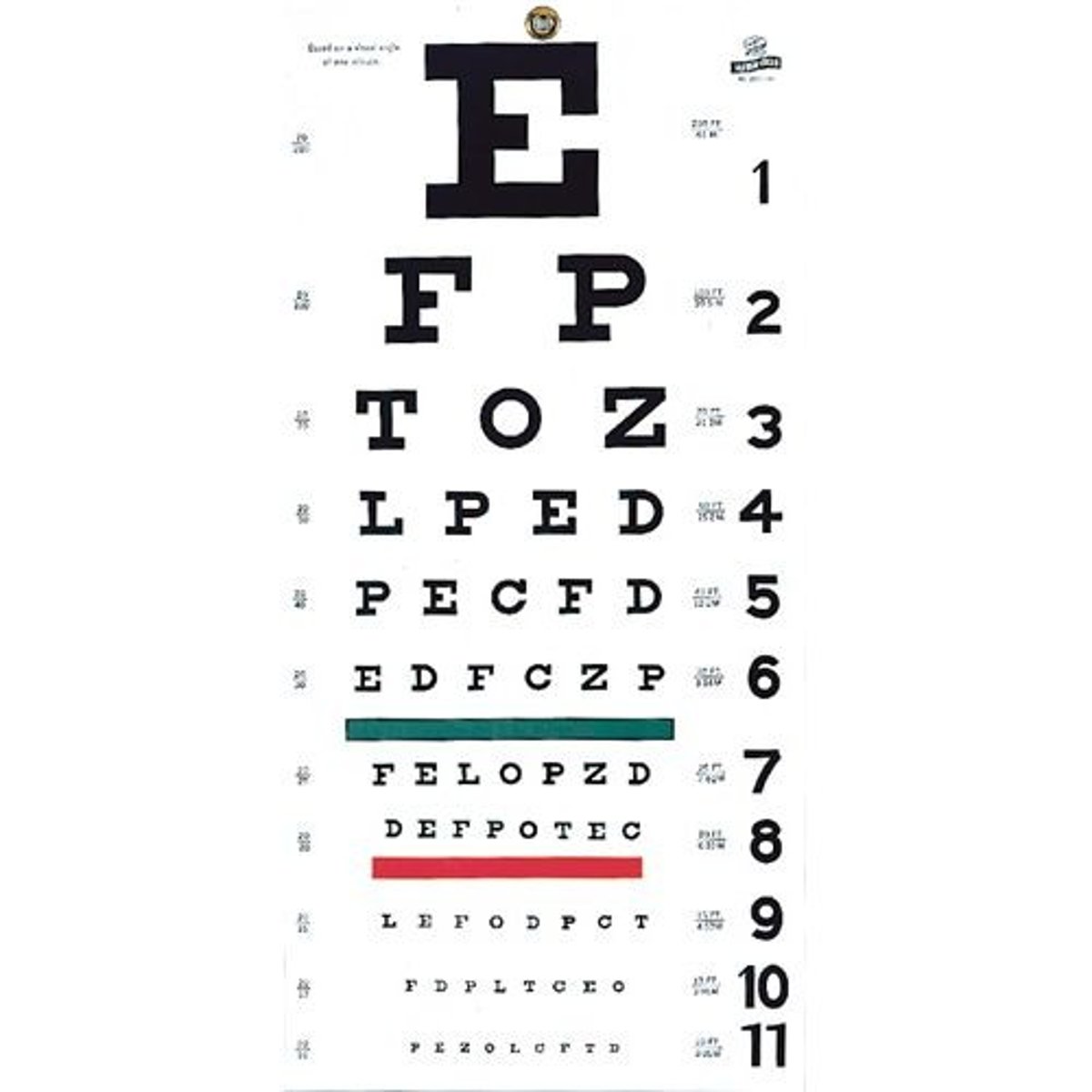
visual acuity
the ability to see fine detail
binocular
pertaining to two or both eyes
panoramic
a view of an area in all directions
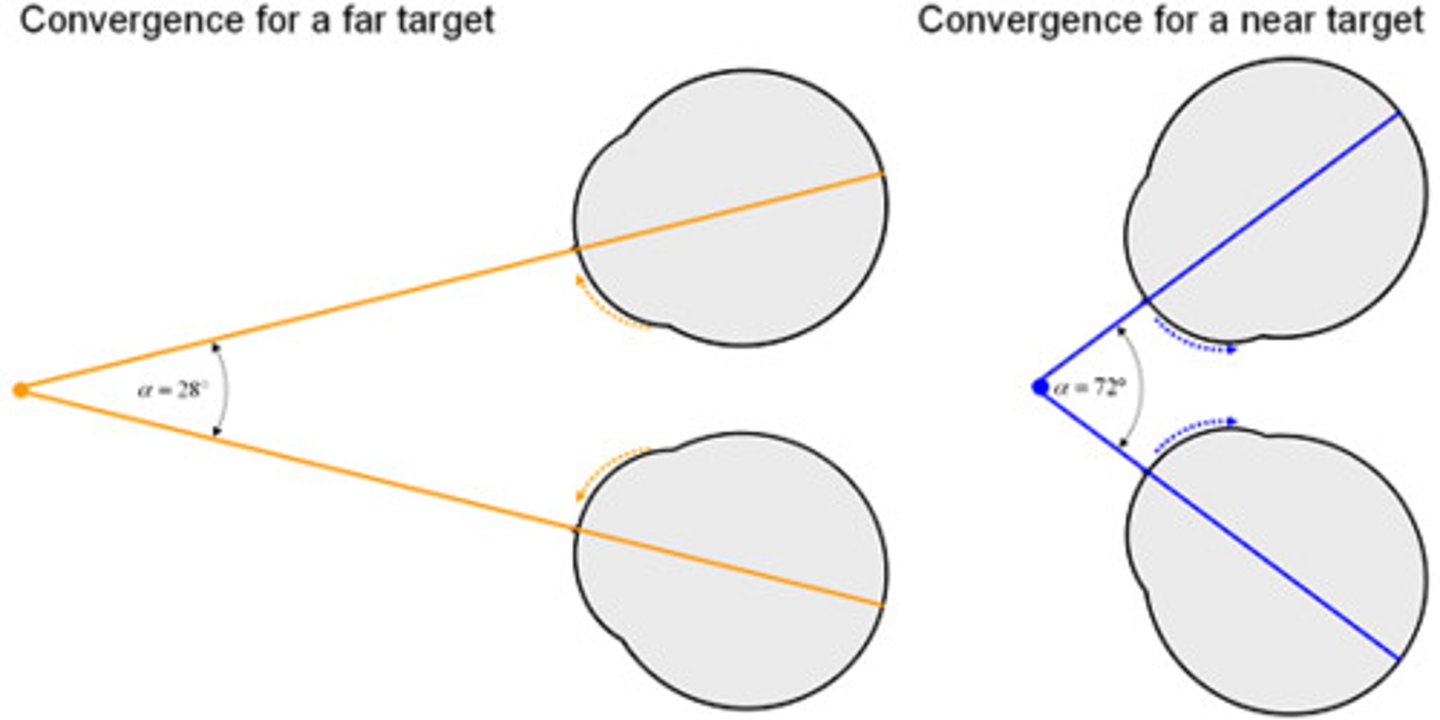
convergence
A binocular cue for perceiving depth; the extent to which the eyes converge inward when looking at an object
depth perception
the ability to see objects in three dimensions although the images that strike the retina are two-dimensional; allows us to judge distance
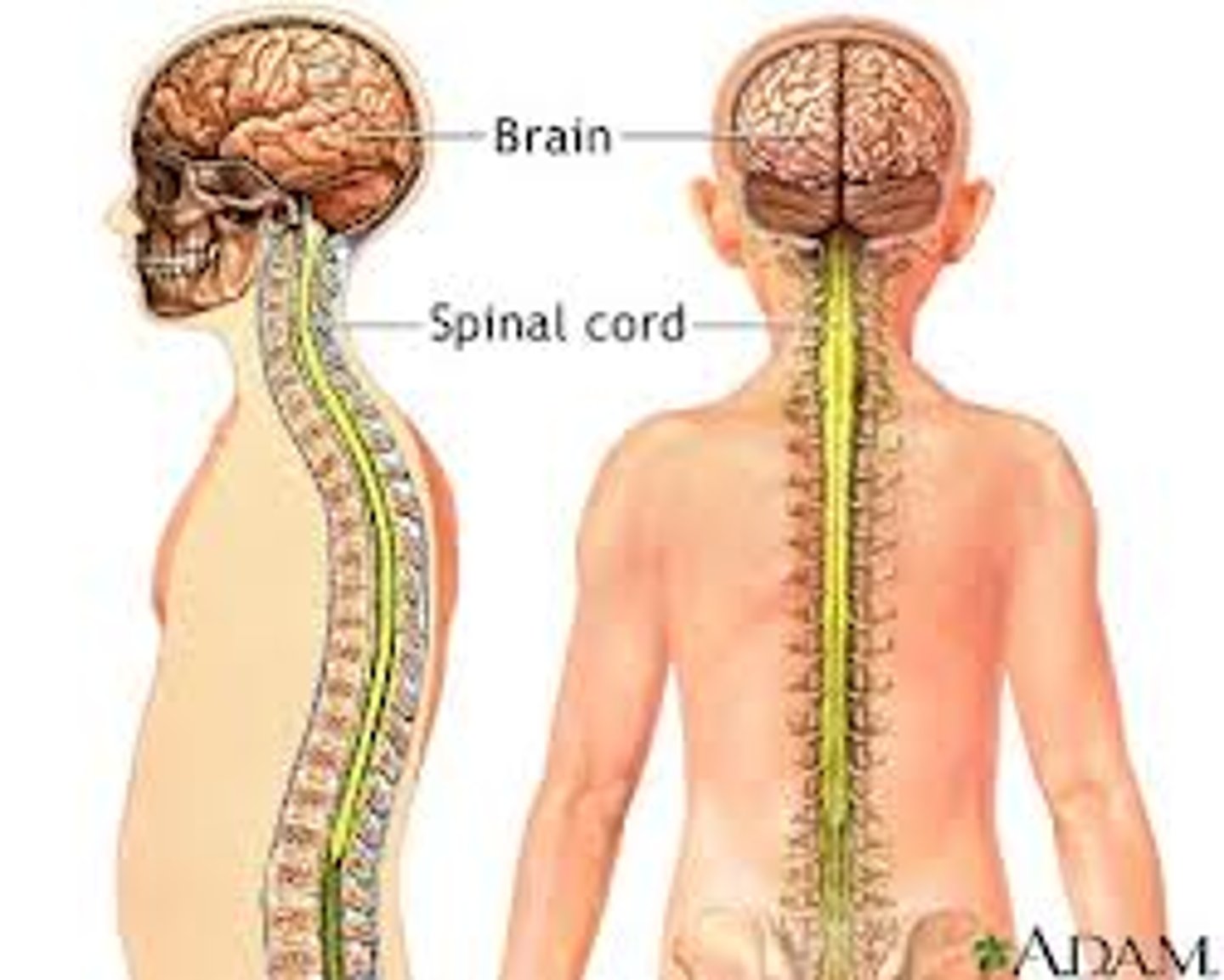
CNS
-Central Nervous System
-Brain and spinal cord of dorsal body cavity
-Integration and control center
-Interprets sensory input and dictates motor output
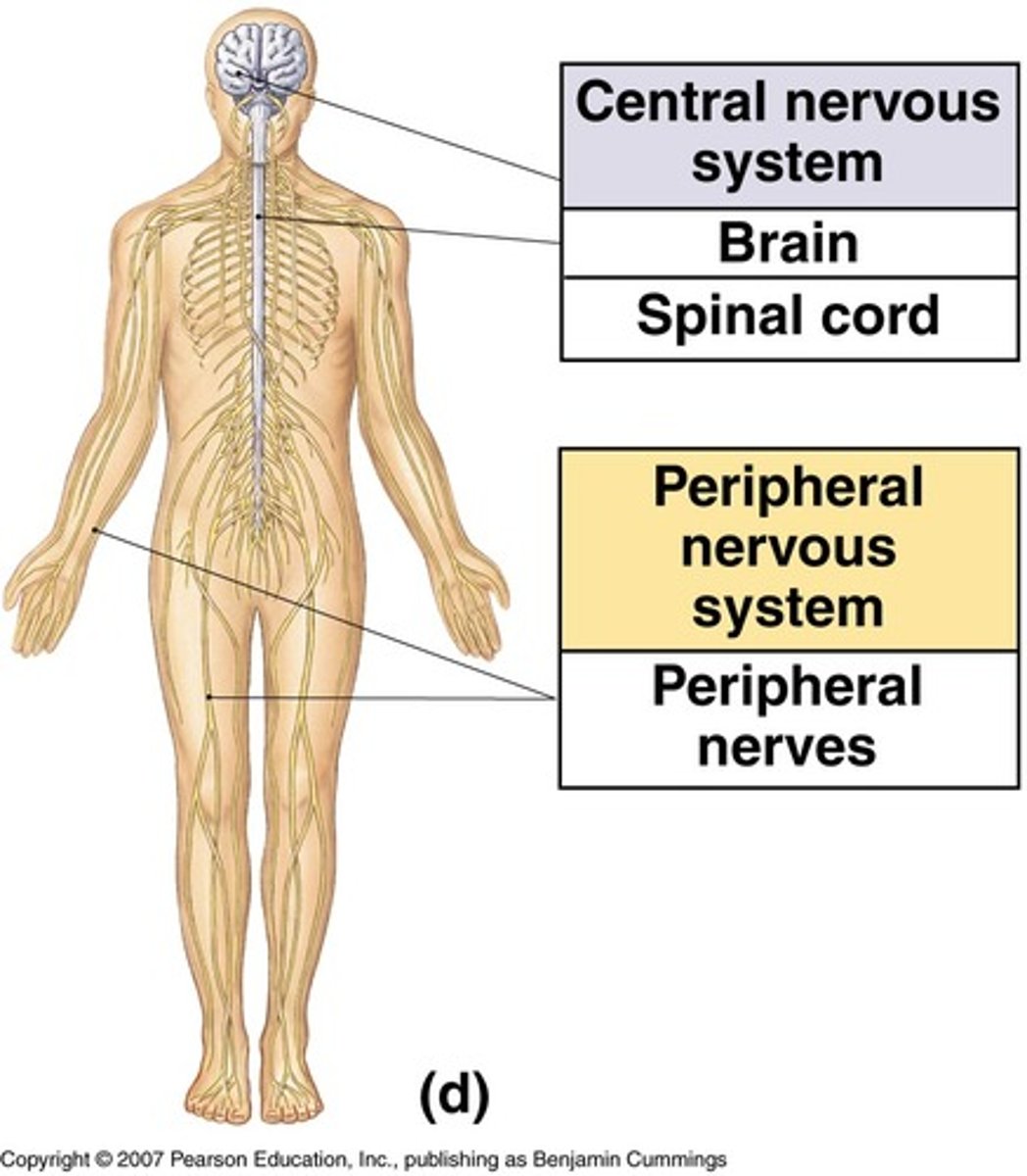
PNS
-Peripheral Nervous System
-Provides links from and to world outside body
-All neural structures outside brain
-Sensory receptors
-Peripheral nerves and associated ganglia
-Efferent motor endings
-The portion of the nervous system outside CNS
-Consists mainly of nerves that extend from brain and spinal cord
-Spinal nerves to and from spinal cord
-Cranial nerves to and from brain
-Sensory and Motor DIvision
Sensory (afferent)
-transmit impulses toward the CNS
-Somatic sensory fibers = convey impulses from skin, skeletal muscles, and joints to CNS
-Visceral sensory fibers = convey impulses from visceral organs to CNS
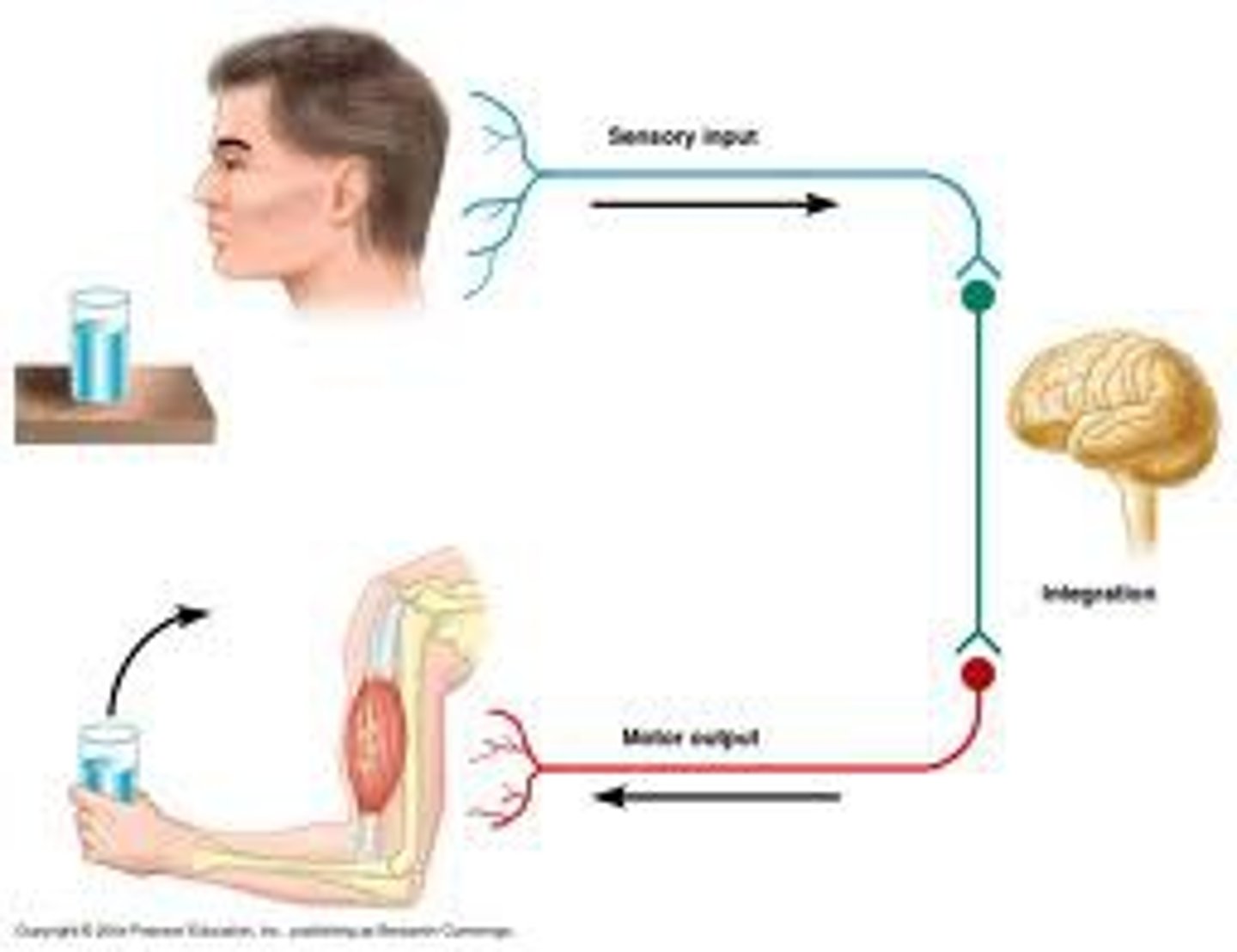
Motor (efferent)
-carry impulses away from the CNS
-Transmits impulses from CNS to effector organs
-Muscles and glands
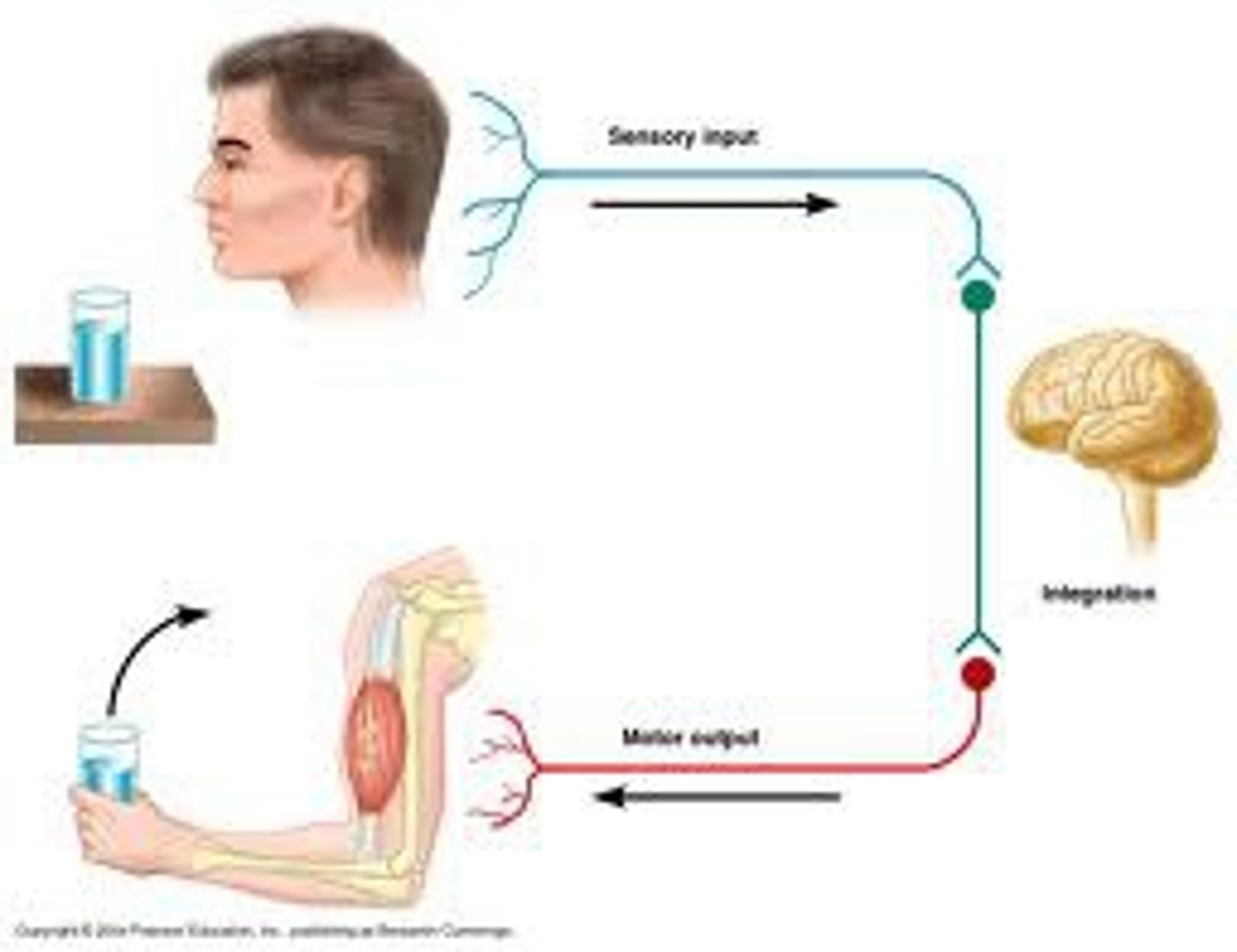
Somatic Nervous System
-Division of the PNS that controls the body's skeletal muscles.
-Somatic motor nerve fibers
-Conducts impulses from CNS to skeletal muscle
-Voluntary nervous system
-Conscious control of skeletal muscles
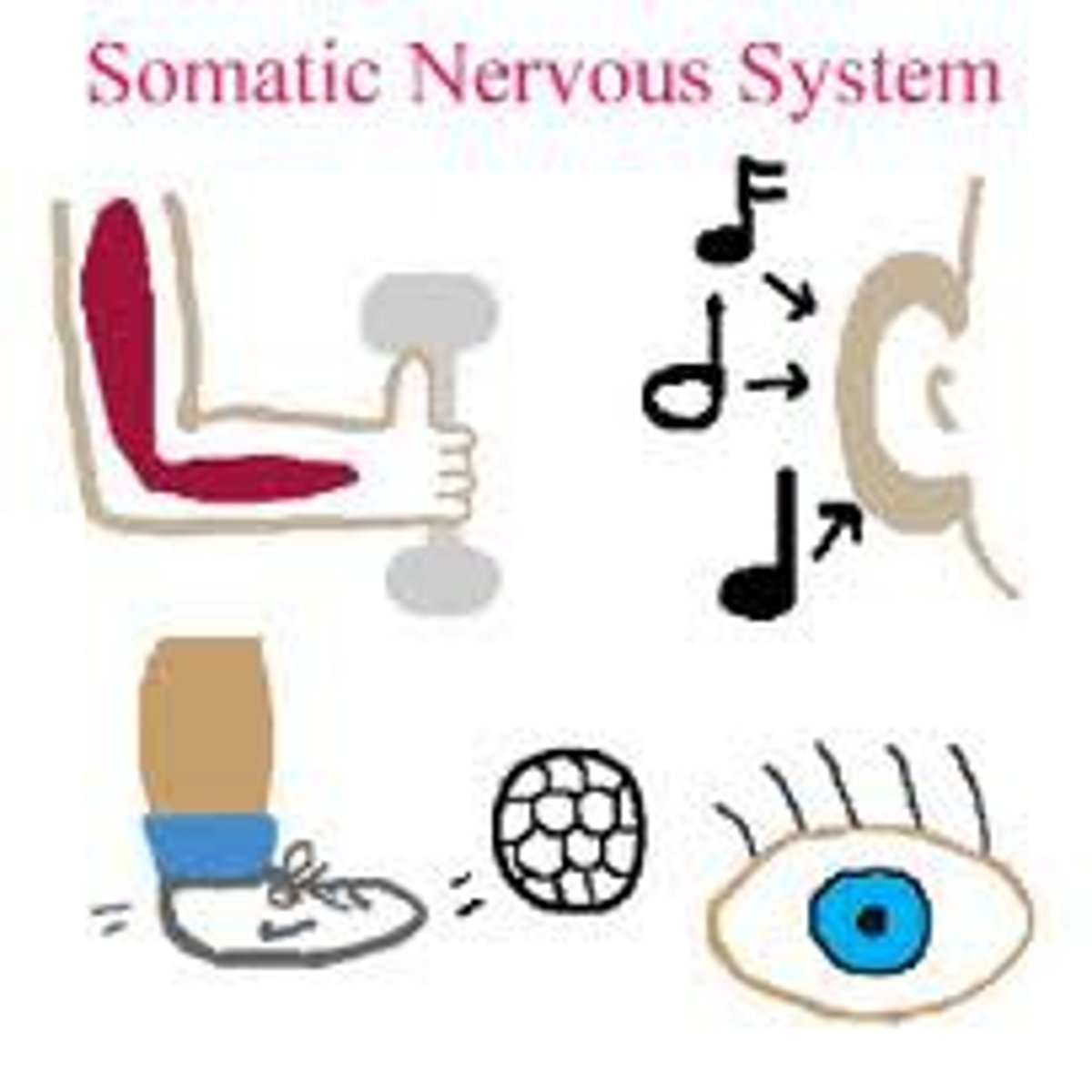
Autonomic Nervous System
-ANS consists of motor neurons that
-Innervate smooth and cardiac muscle, and glands
-Make adjustments to ensure optimal support for body activities
-Operate via subconscious control
-Also called involuntary nervous system or general visceral motor system
-Sympathetic and Parasympathetic
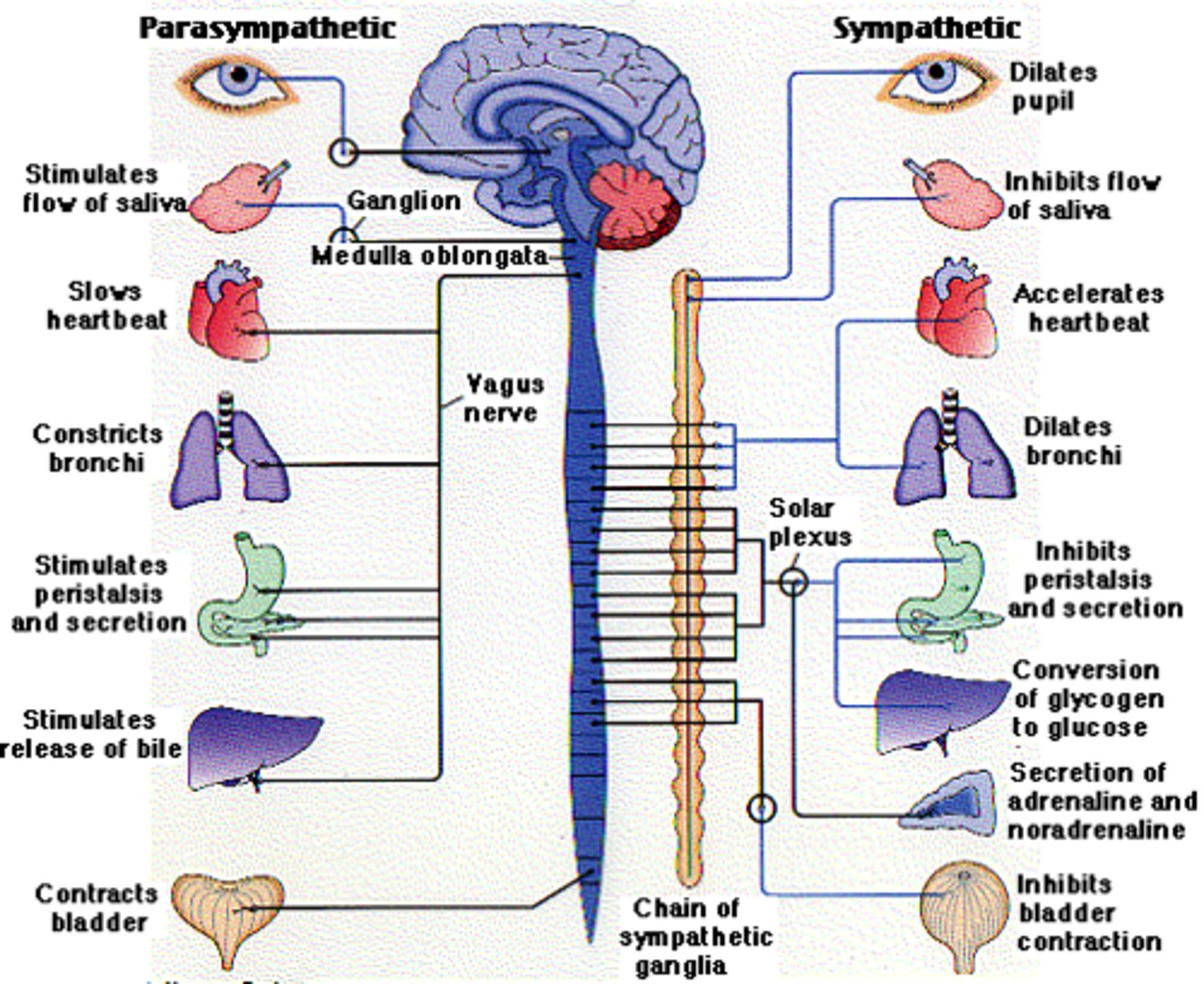
Sympathetic
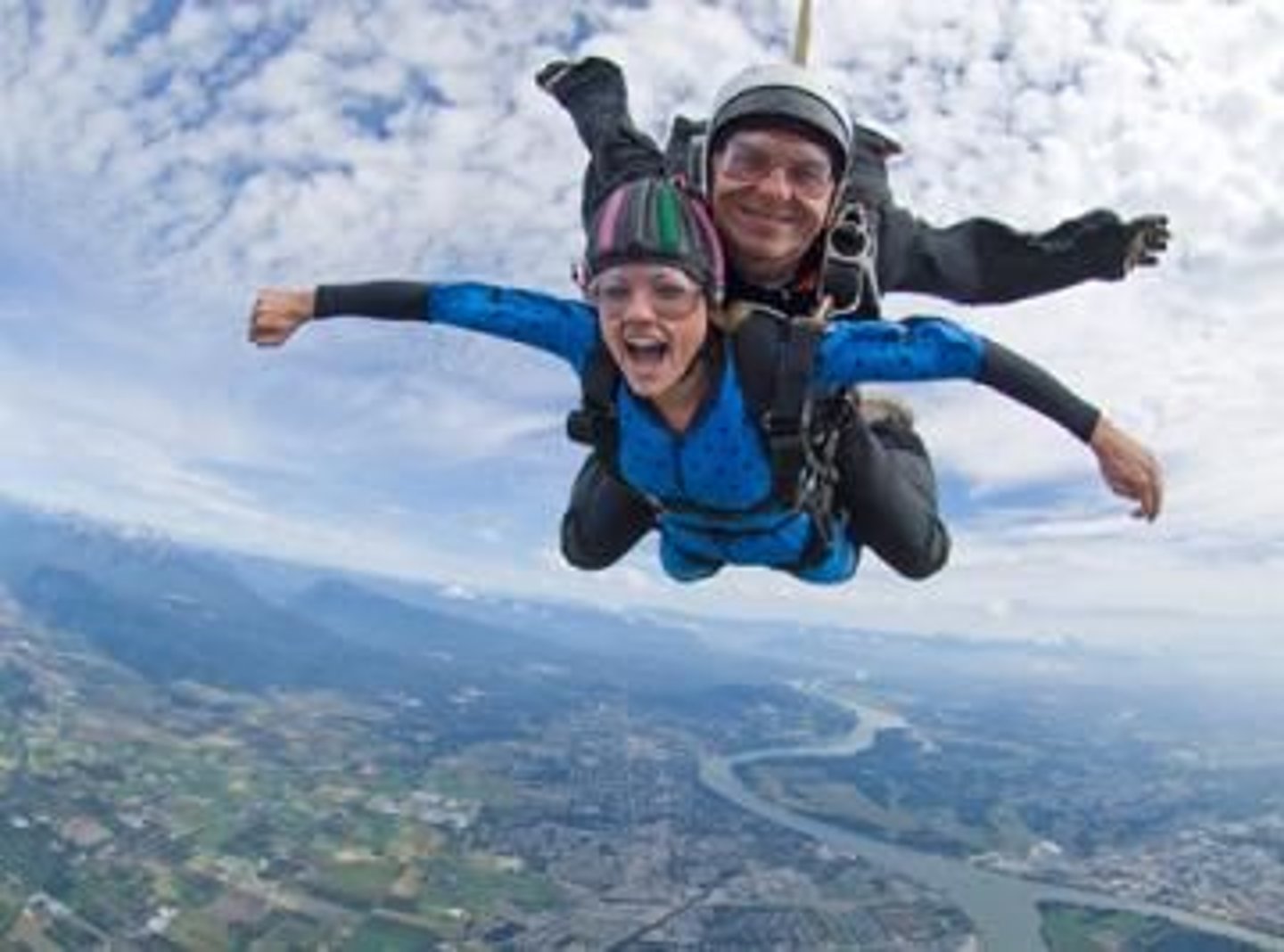
-Mobilizes body during activity; "fight-or-flight" system
-Exercise, excitement, emergency, embarrassment
-Increased heart rate; dry mouth; cold, sweaty skin; dilated pupils
-During vigorous physical activity
-Shunts blood to skeletal muscles and heart
-Dilates bronchioles
-Causes liver to release glucose
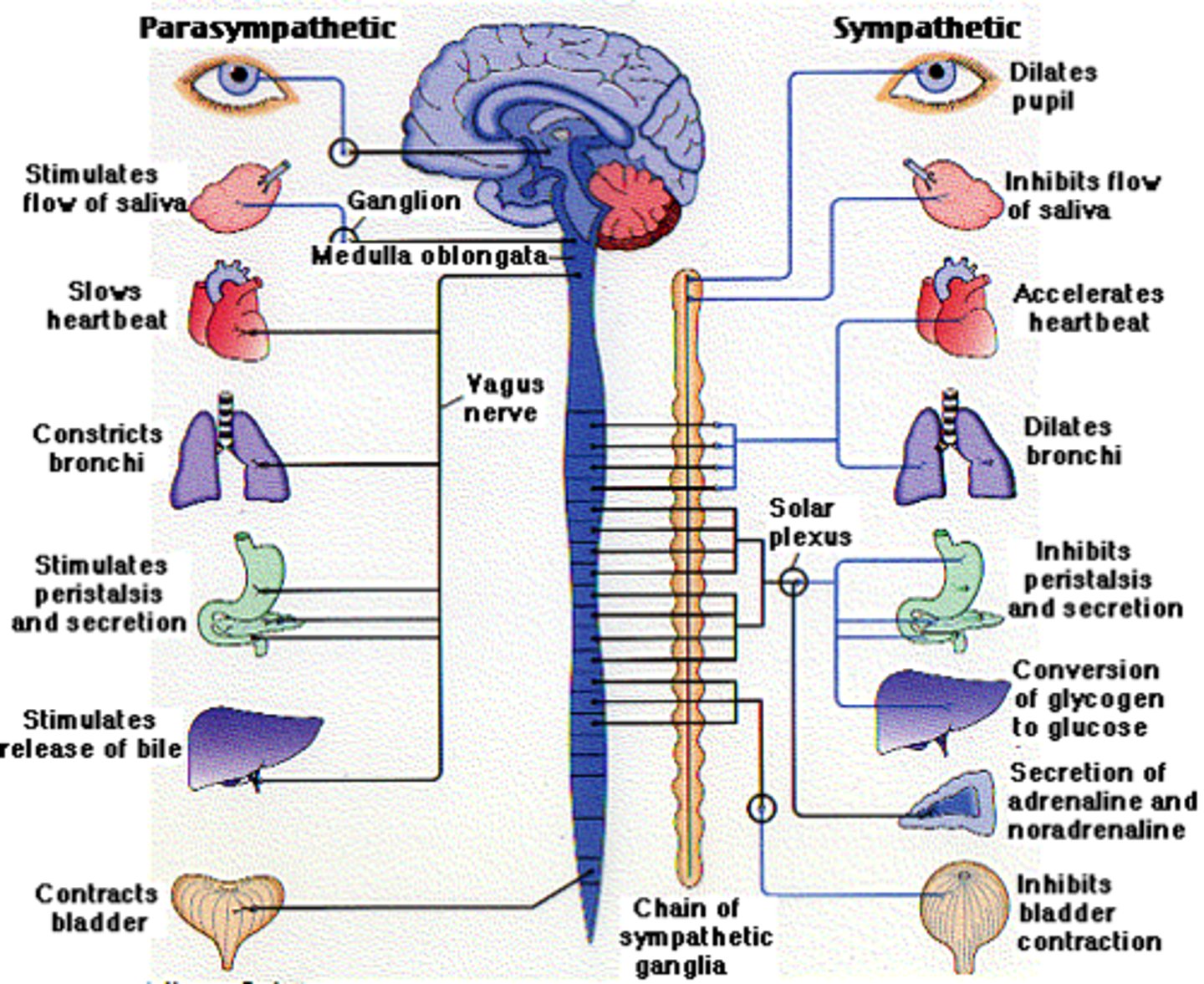
Parasympathetic
-Promotes maintenance activities and conserves body energy
-Directs digestion, diuresis, defecation
-As in person relaxing and reading after a meal
-Blood pressure, heart rate, and respiratory rates are low
-Gastrointestinal tract activity high
-Pupils constricted; lenses accommodated for close vision
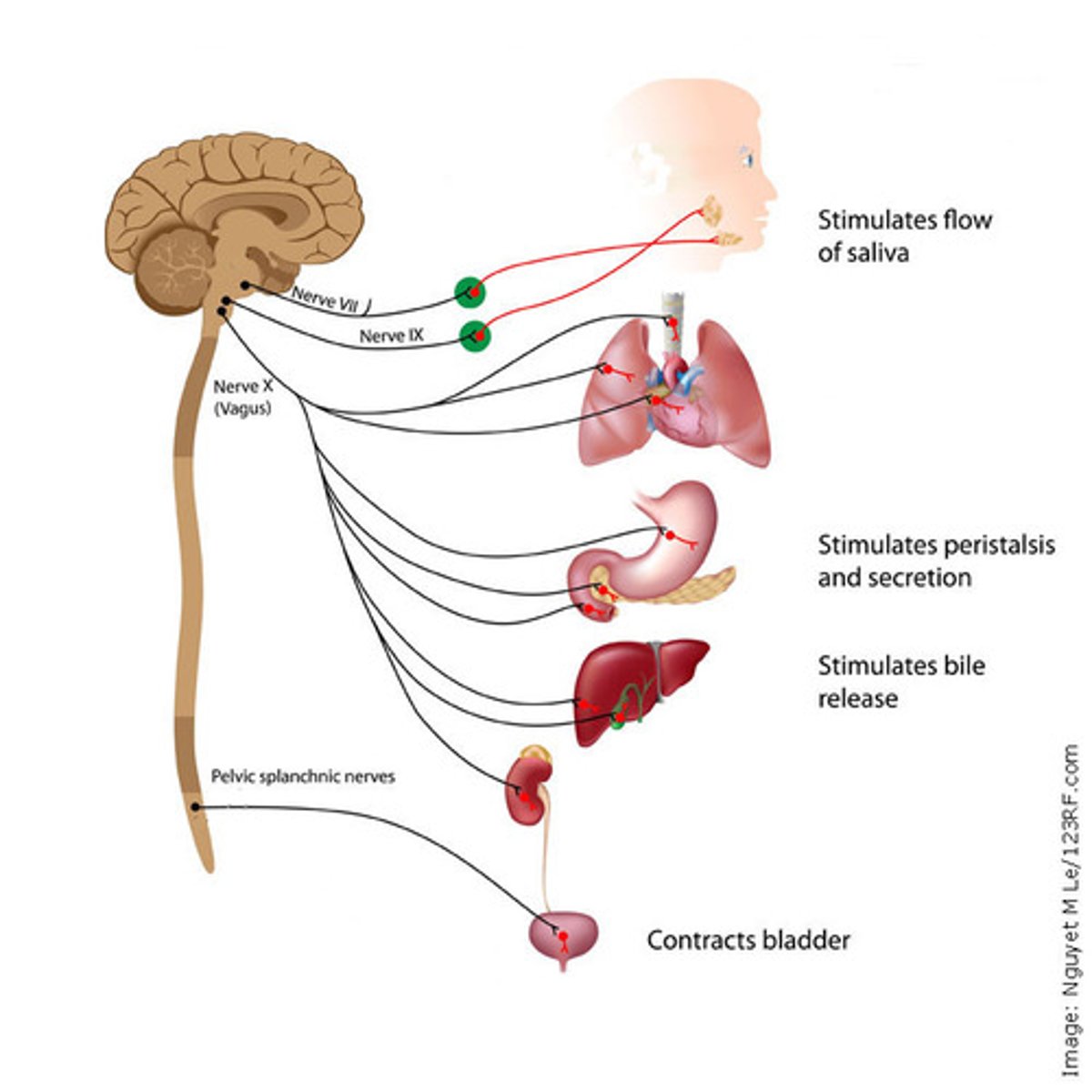
Sympathetic and Parasympathetic maintain
homeostasis
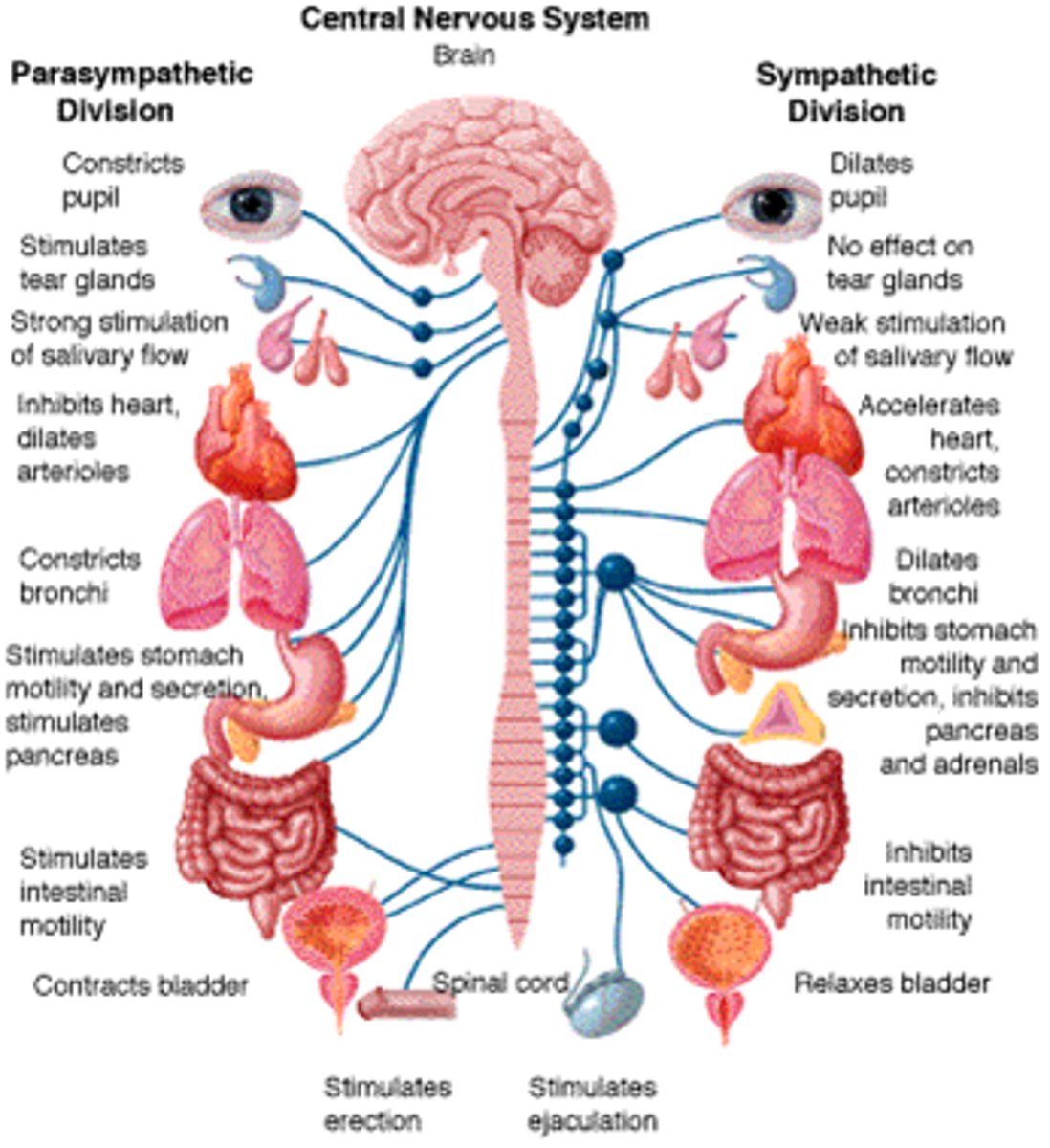
Sensation
-the process by which our sensory receptors and nervous system receive and represent stimulus energies from our environment
-The awareness of changes in the internal and external environment
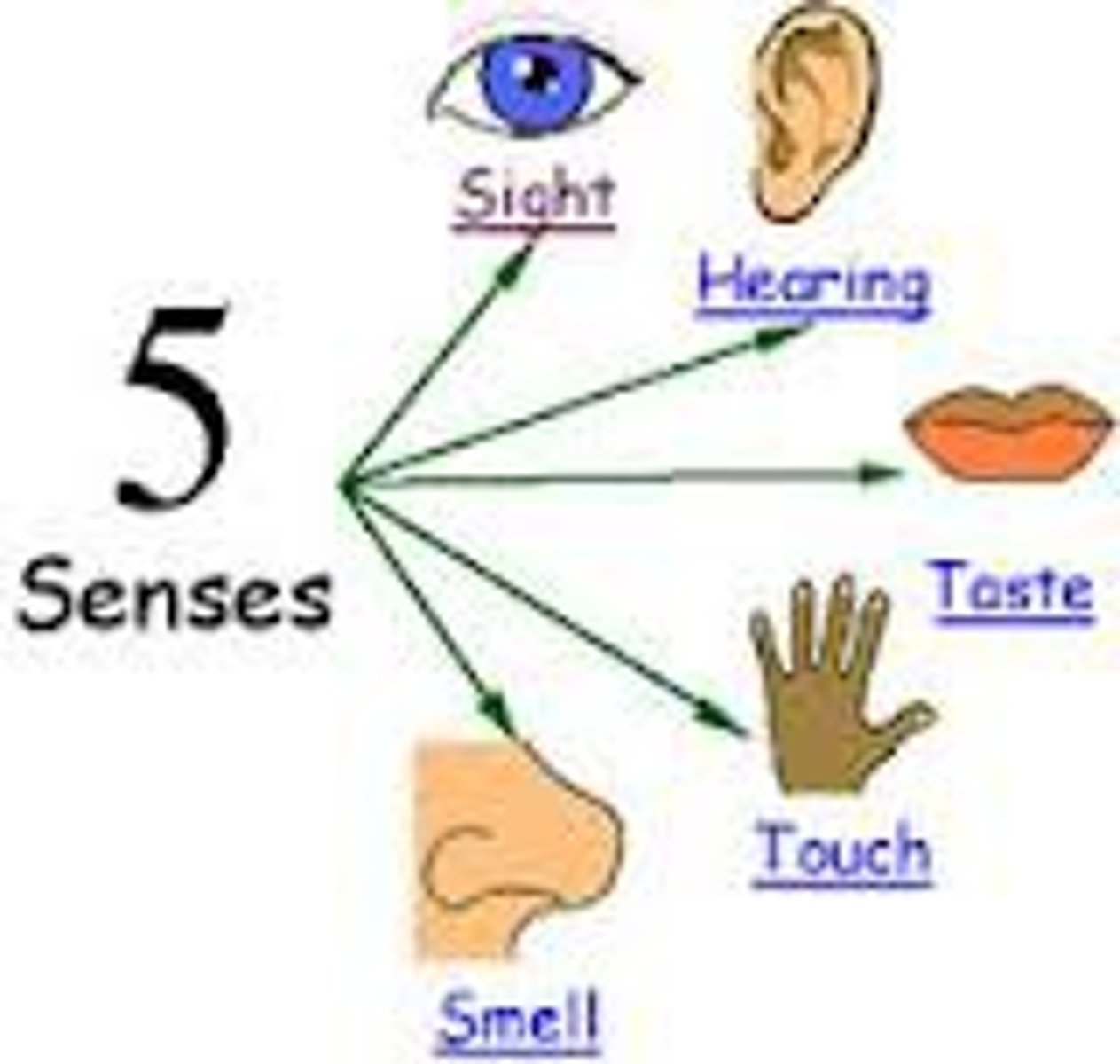
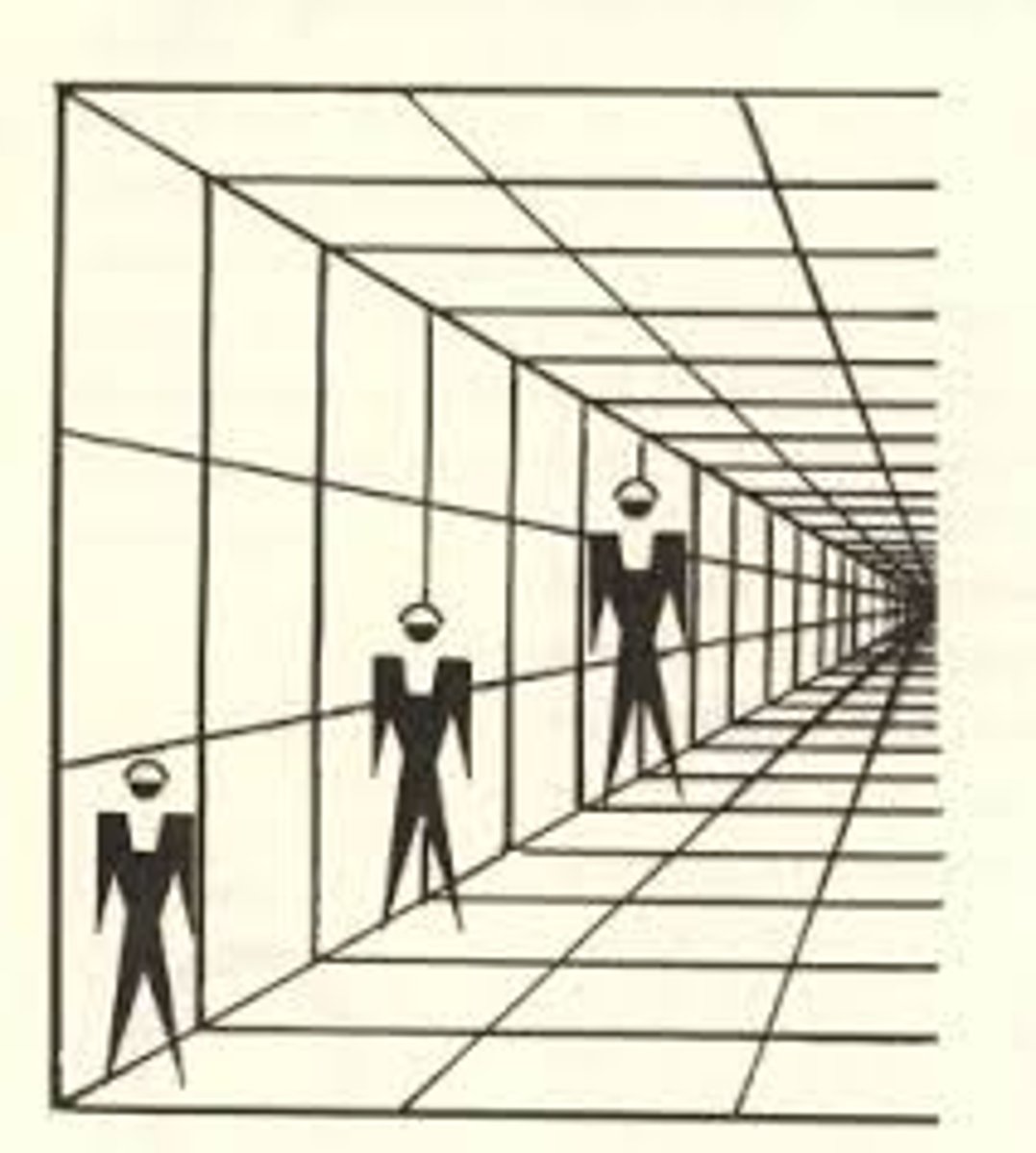
Perception
-the process of organizing and interpreting sensory information, enabling us to recognize meaningful objects and events
-The conscious interpretation of those stimuli
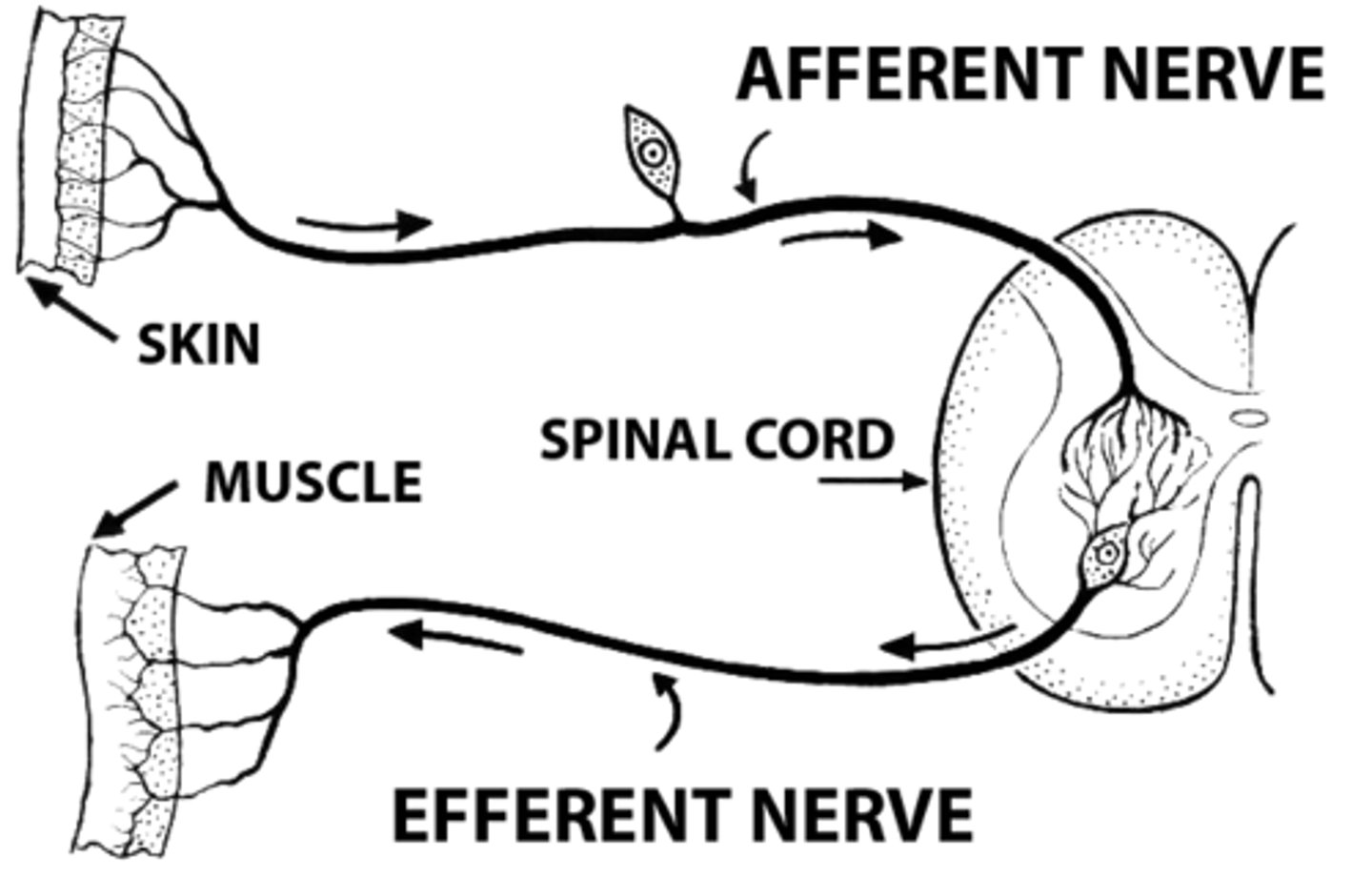
Afferent
Impulses only toward the CNS
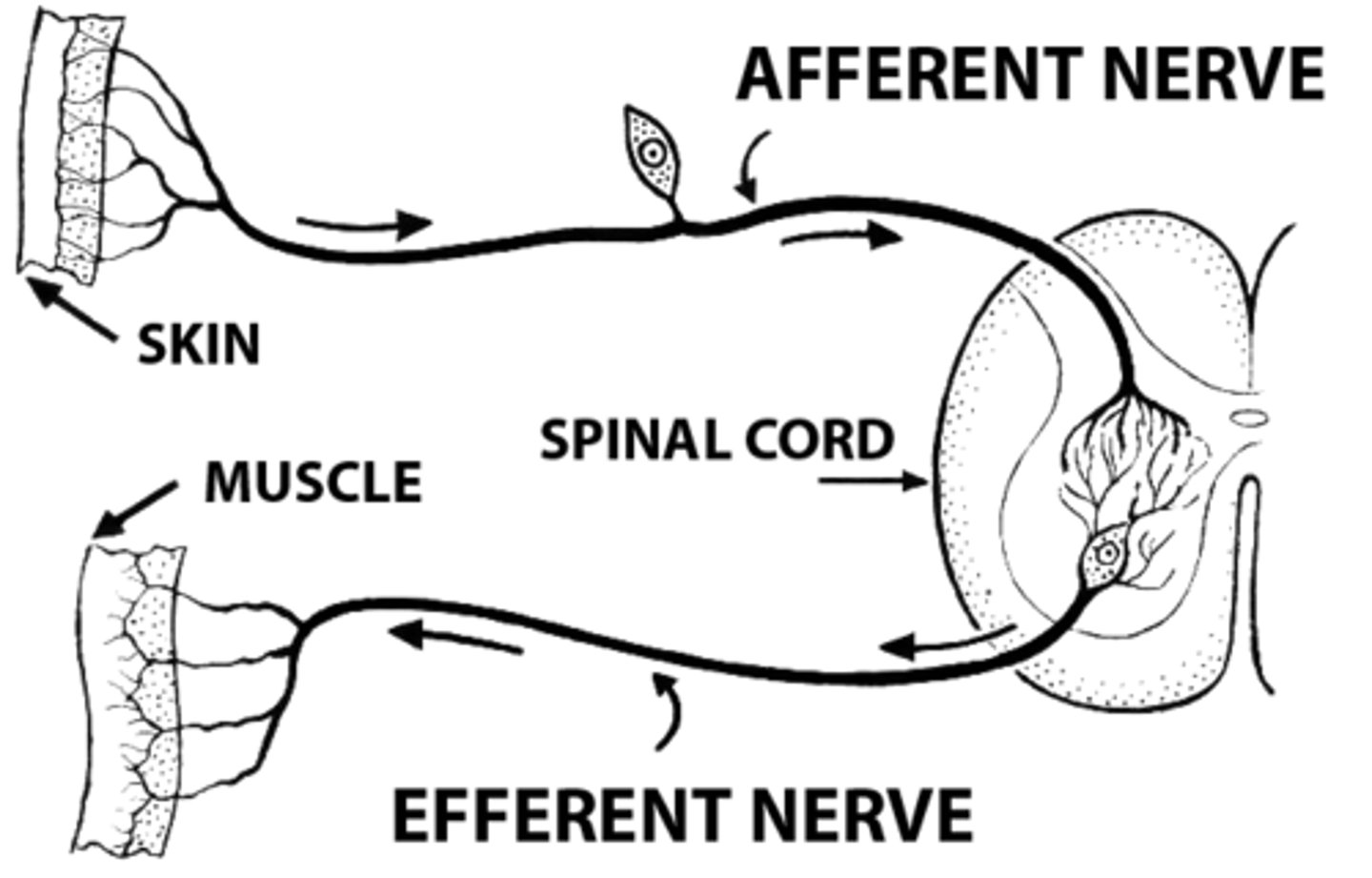
Efferent
Impulses only away from the CNS
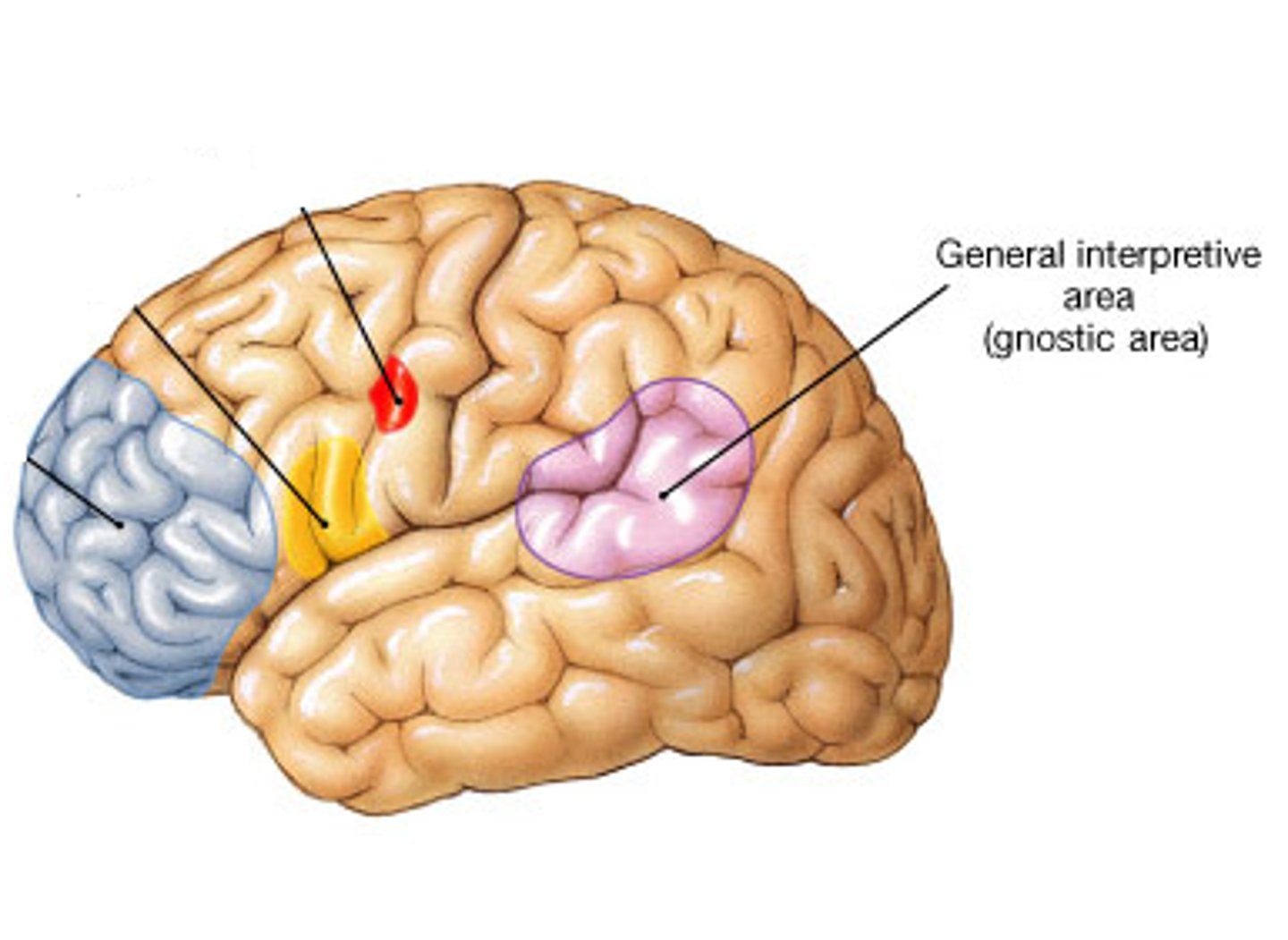
Integrative
Analyze incoming sensory information, store some aspects, and make decisions regarding appropriate behaviors
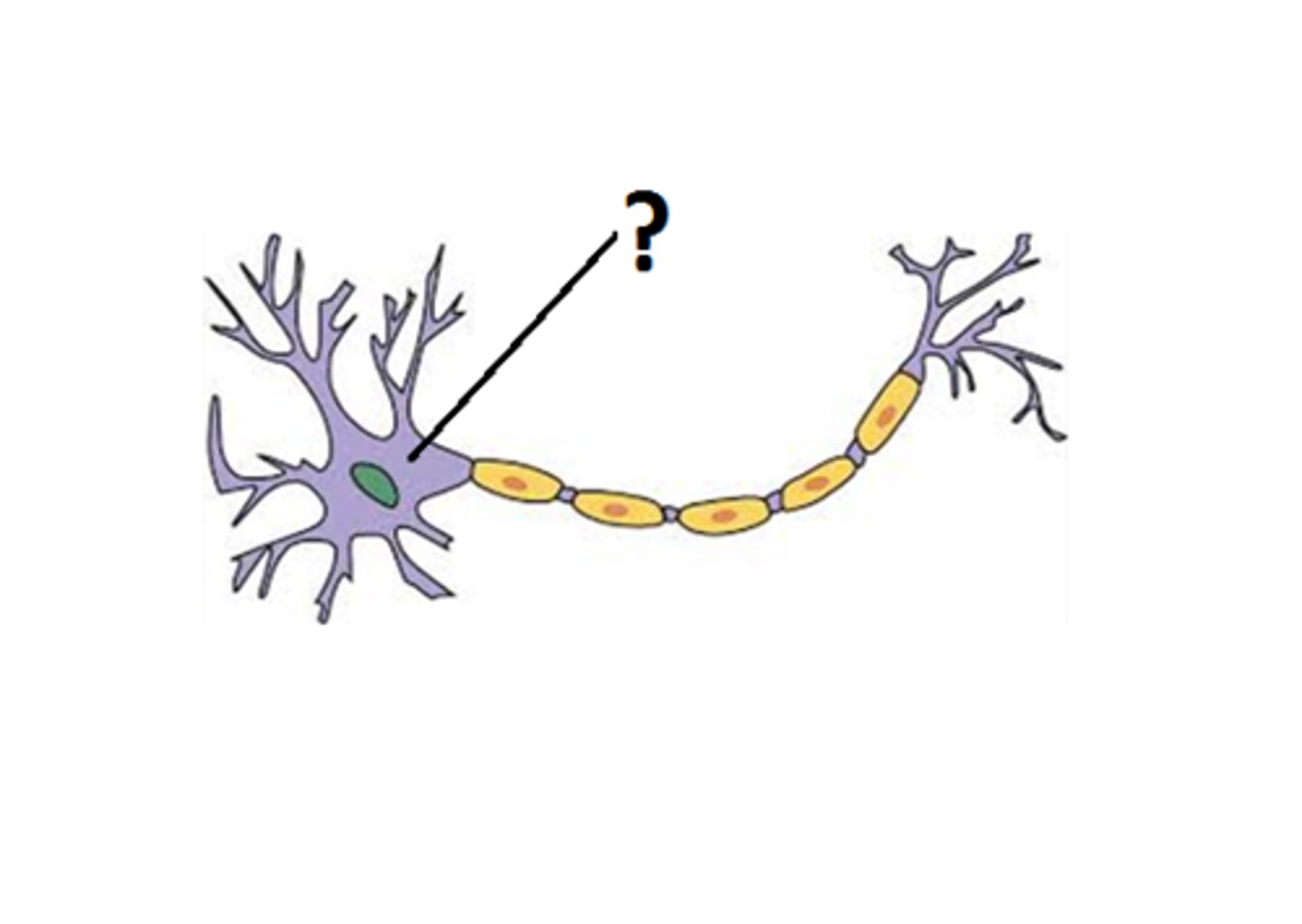
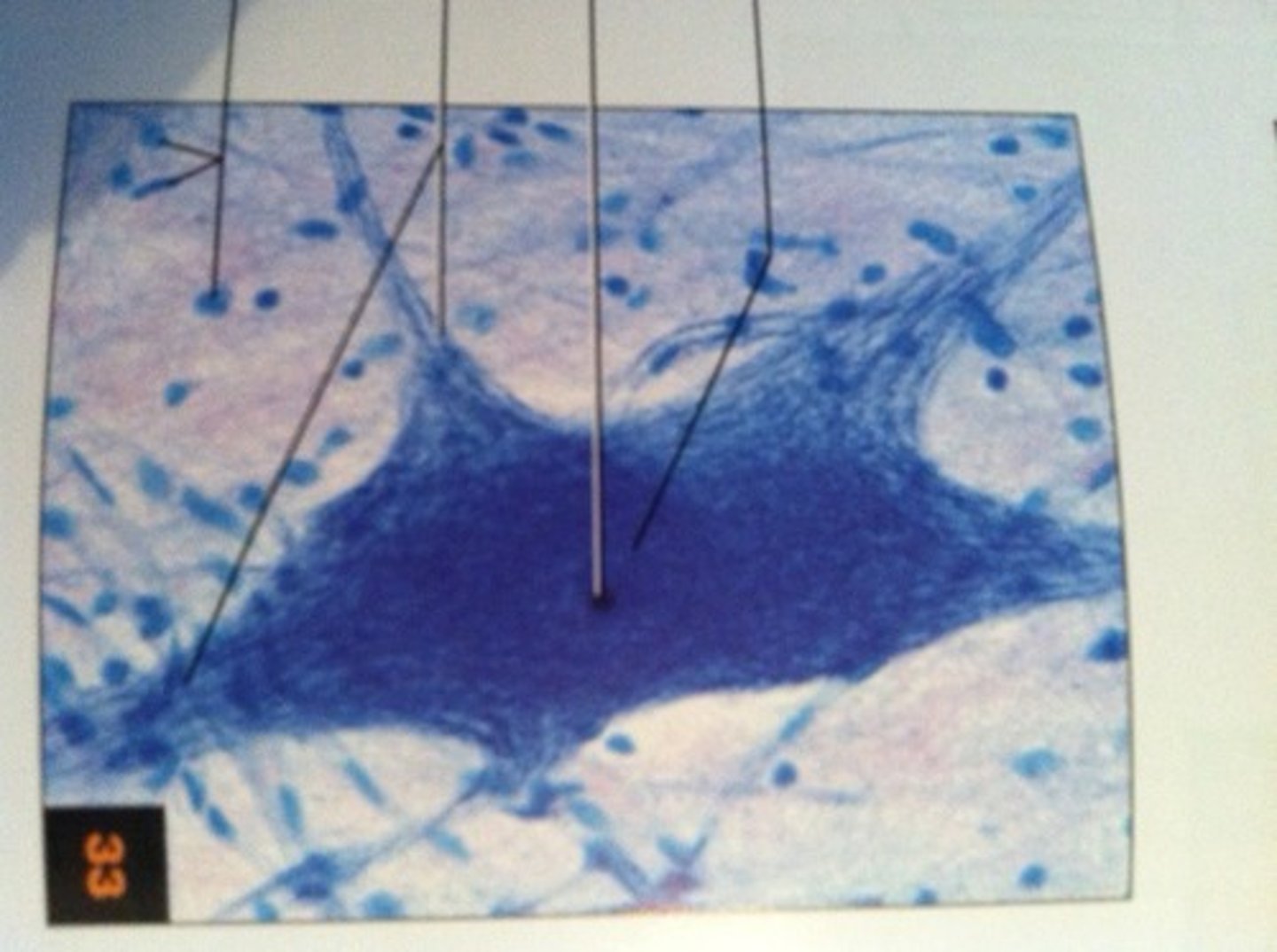
Neuron Body
Biosynthetic center of neuron
Synthesizes proteins, membranes, and other chemicals
Rough ER (chromatophilic substance or nissl bodies)
Most active and best developed in body
Spherical nucleus with nucleolus
Some contain pigments
In most, plasma membrane part of receptive region
Most neuron cell bodies in CNS
Nuclei- clusters of neuron cell bodies in CNS
Ganglia- lie along nerves in PNS
Axon
One axon per cell
In some axon short or absent
In others most of length of cell
Some 1 meter long
Long axons called nerve fibers
Conducting region of neuron
Generates nerve impulses
Neurotransmitters released into extracellular space
Either excite or inhibit neurons with which axons in close contact
Carries on many conversations with different neurons at same time
Lacks rough ER and Golgi apparatus
Relies on cell body to renew proteins and membranes
Efficient transport mechanisms
Quickly decay if cut or damaged
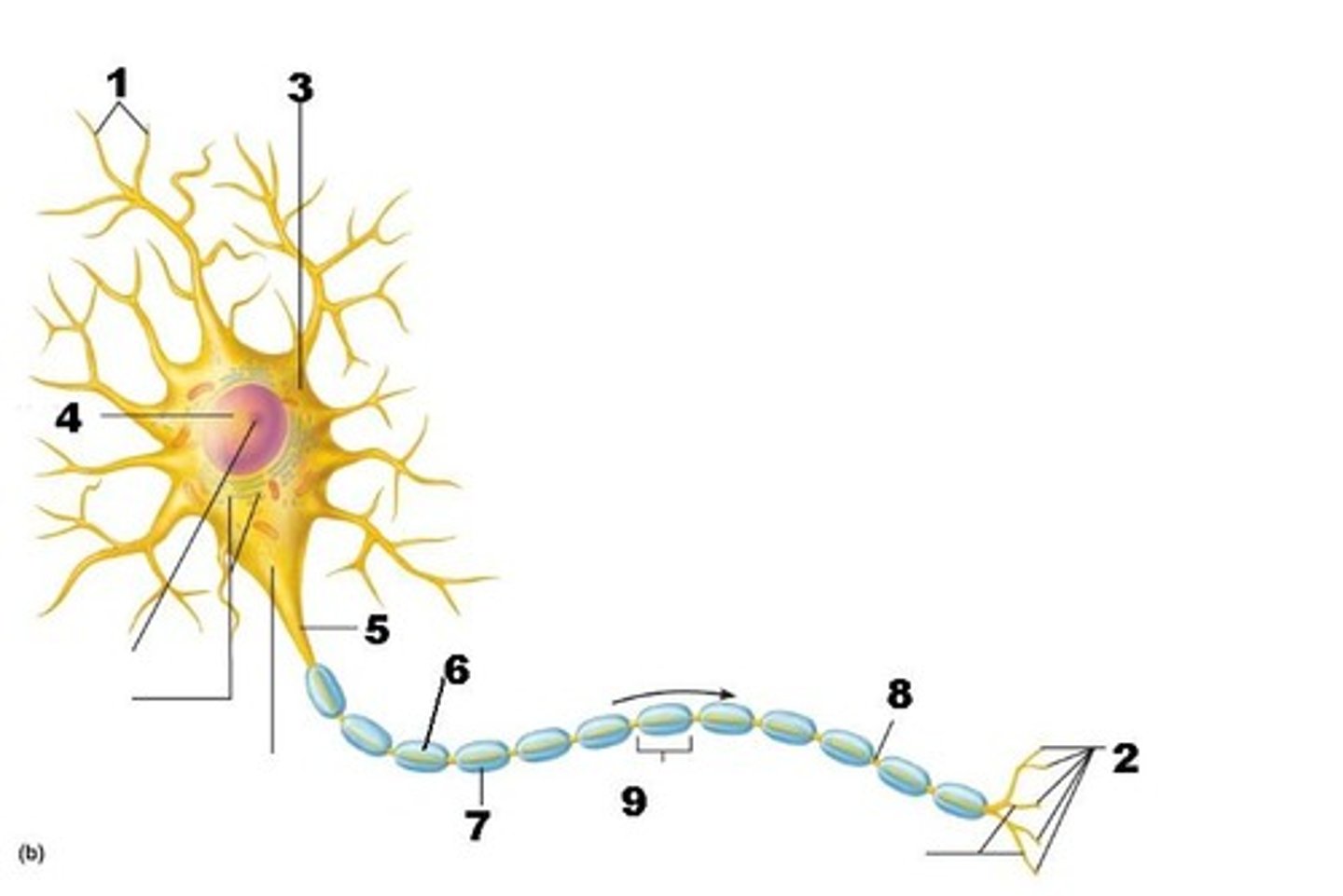
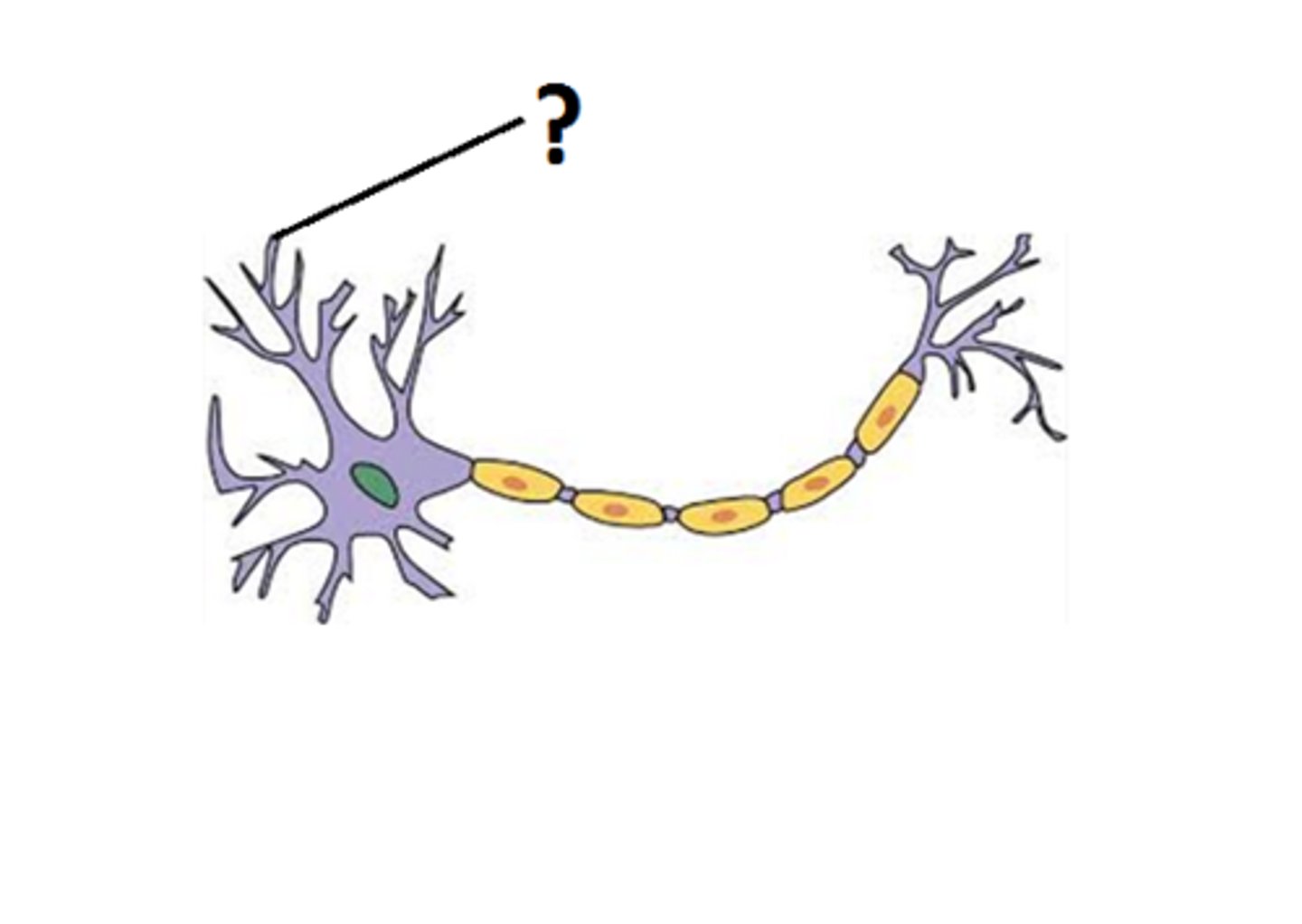
Dendrites
In motor neurons
100s of short, tapering, diffusely branched processes
Same organelles as in body
Receptive (input) region of neuron
Convey incoming messages toward cell body as graded potentials (short distance signals)
In many brain areas fine dendrites specialized
Collect information with dendritic spines
Appendages with bulbous or spiky ends
Amitotic
relating to or denoting the division of a cell nucleus into two parts by constriction without the involvement of a mitotic apparatus.
neurons are
amitotic
Life span of neurons
Neurons have an extreme longevity of more than 100 years
Metabolism of neuron
Neurons have a high metabloc rate which requires a continuous supply of oxygen and glucose
synapse
the junction between the axon tip of the sending neuron and the dendrite or cell body of the receiving neuron
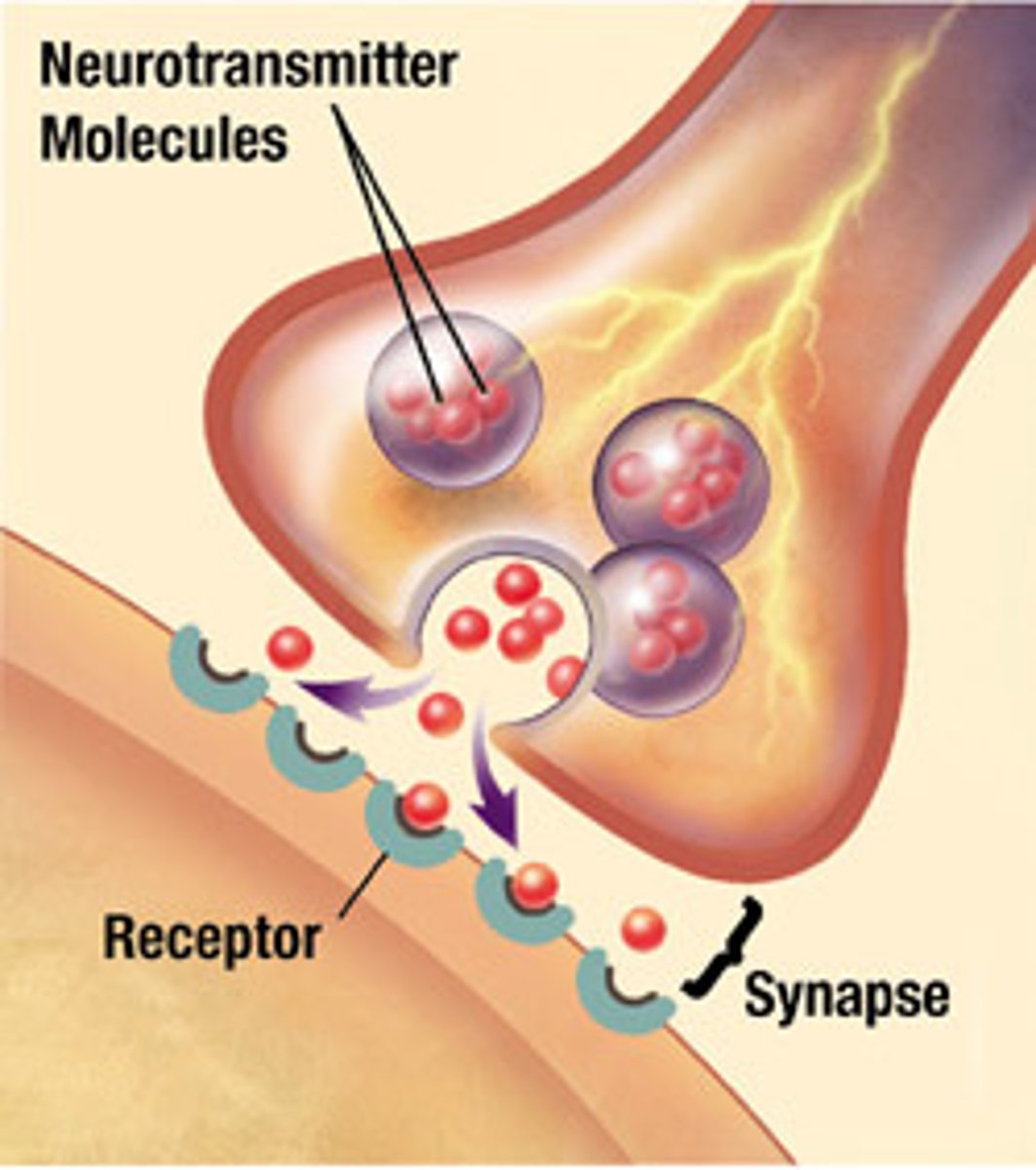
synaptic cleft
The narrow gap that separates the presynaptic neuron from the postsynaptic cell.
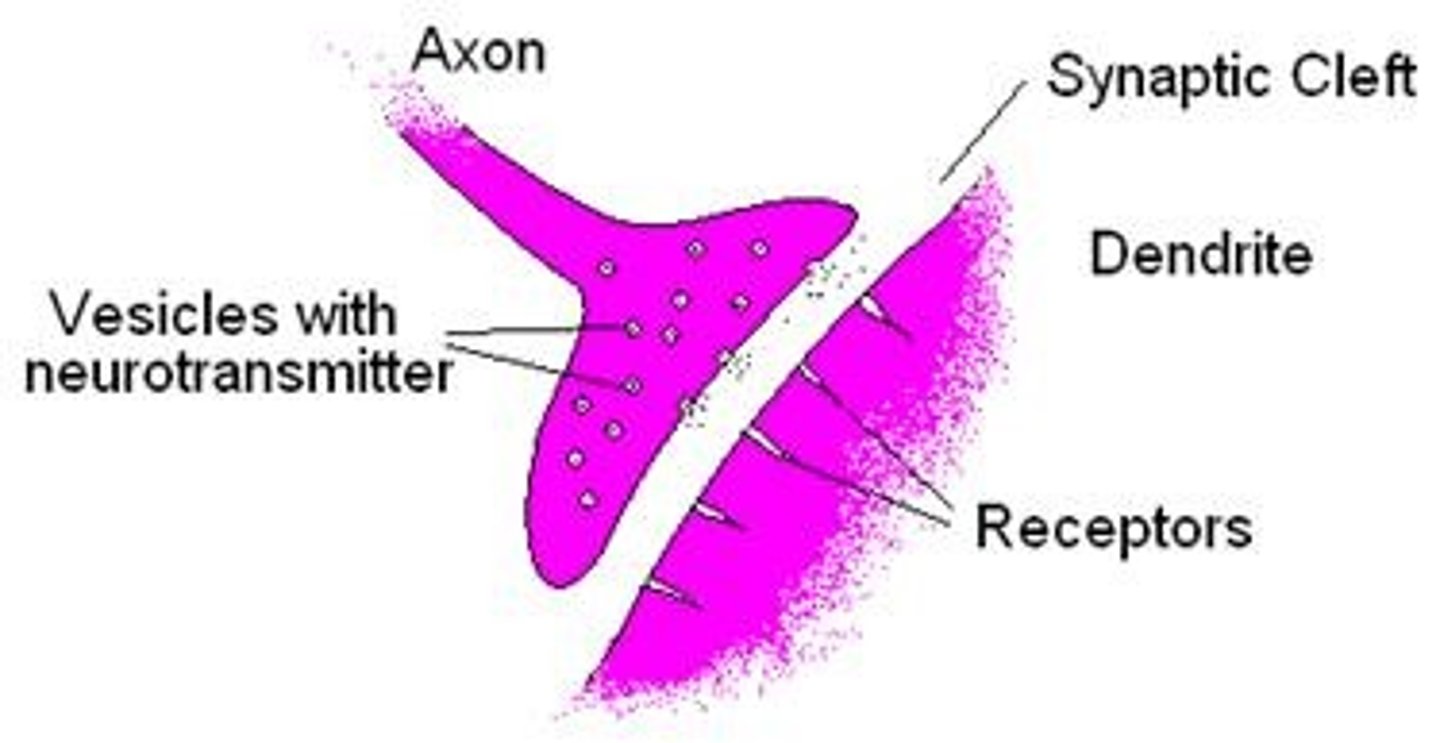
chemical impulse
between the neurons or between neuron and effector
electrical impulse
A sudden surge of energy in one direction.
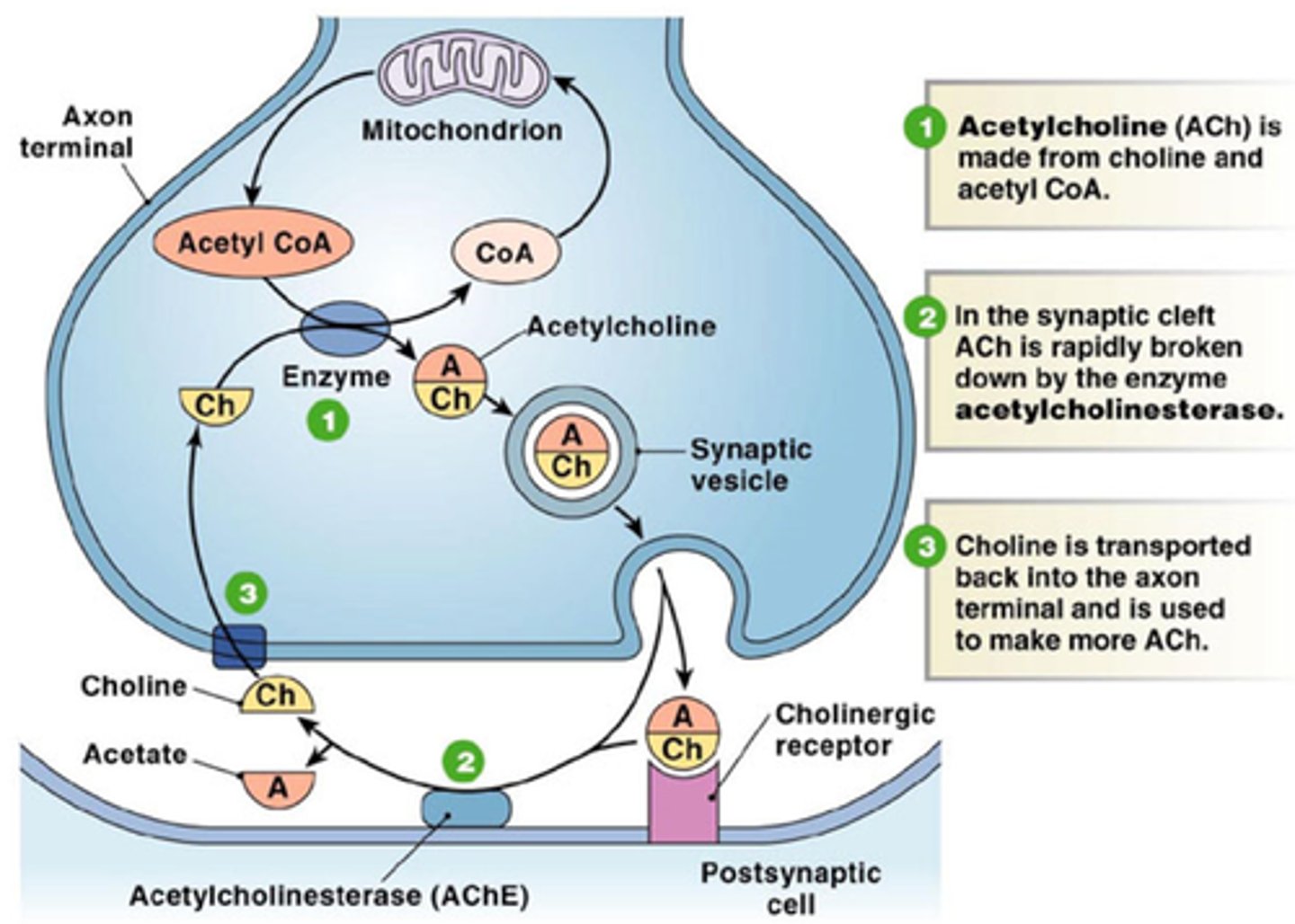
Acetylcholine (ACh)
-A neurotransmitter that enables learning and memory and also triggers muscle contraction
-First identified; best understood
-Released at neuromuscular junctions ,by some ANS neurons, by some CNS neurons
-Synthesized from acetic and choline by enzyme choline acetyltransferase
-Degraded by enzyme acetylcholinesterase (AChE)
-Aids in memory formation
-Less produced as Alzheimer's progresses
Norepinephrine (Catecholamines)
A neurotransmitter involved in arousal, as well as in learning and mood regulation
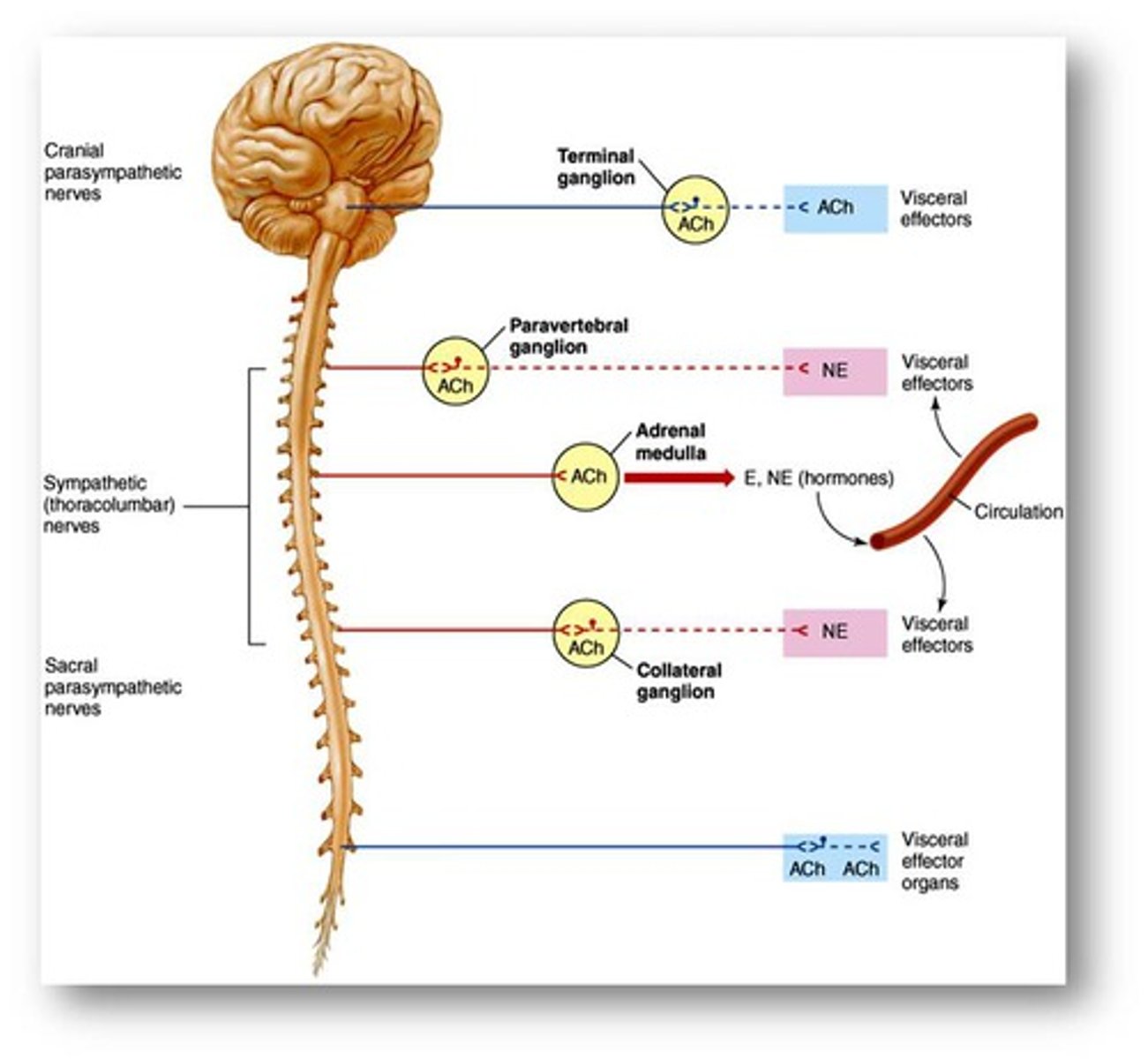
Epinephrine (Catecholamines)
Neurotransmitter secreted by the adrenal medulla in response to stress. Also known as adrenaline.
Dopamine (Catecholamines)
A neurotransmitter associated with movement, attention and learning and the brain's pleasure and reward system.
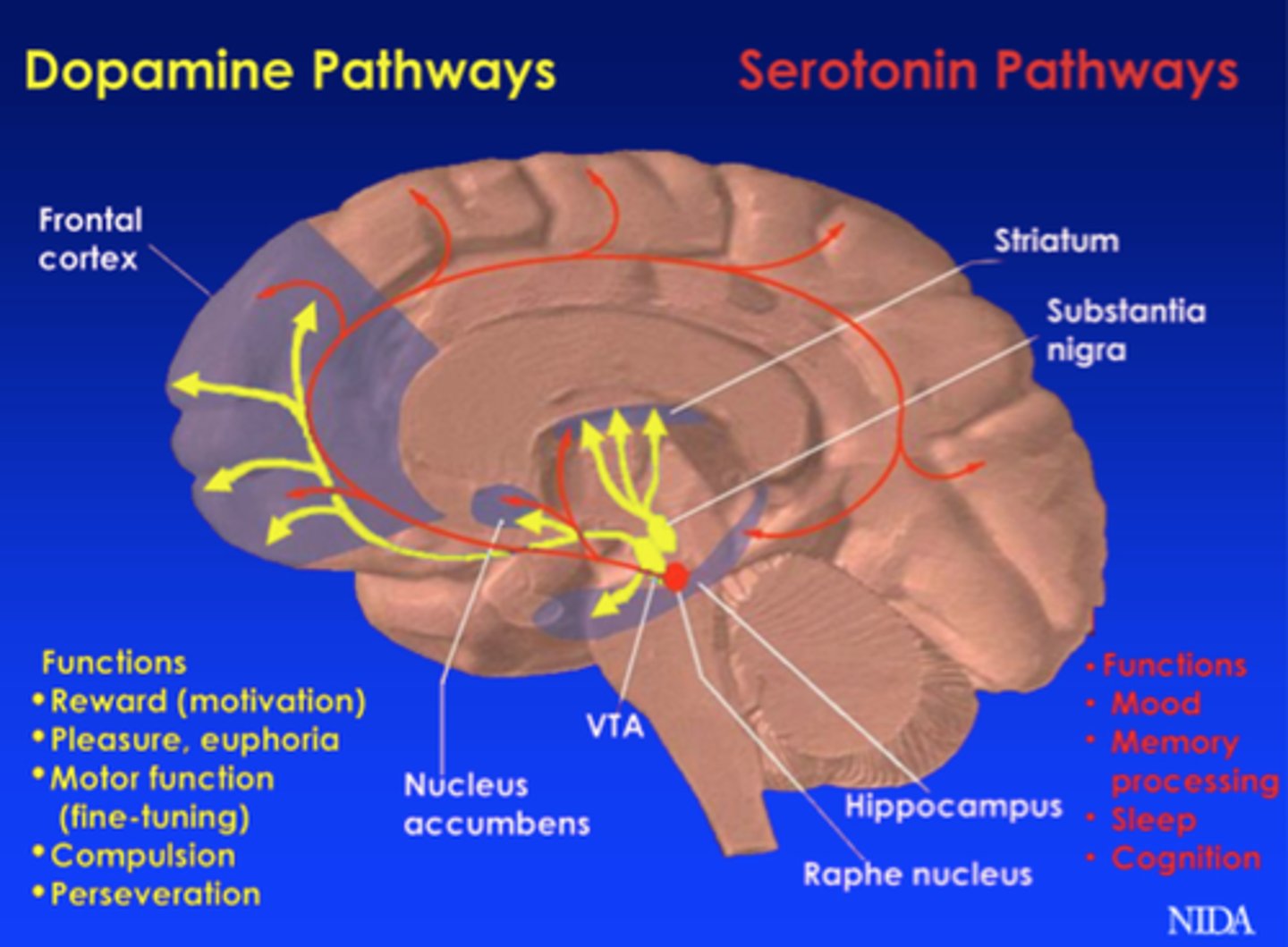
Seretonin
a neurotransmitter that affects mood, hunger, sleep, and arousal; undersupply linked to depression.
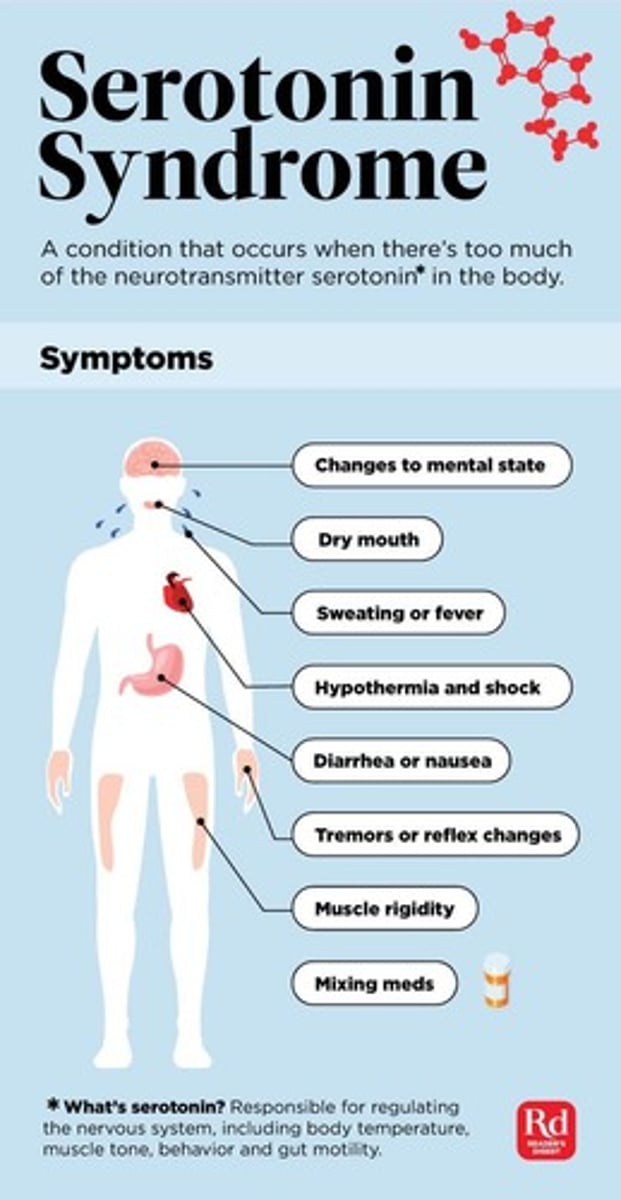
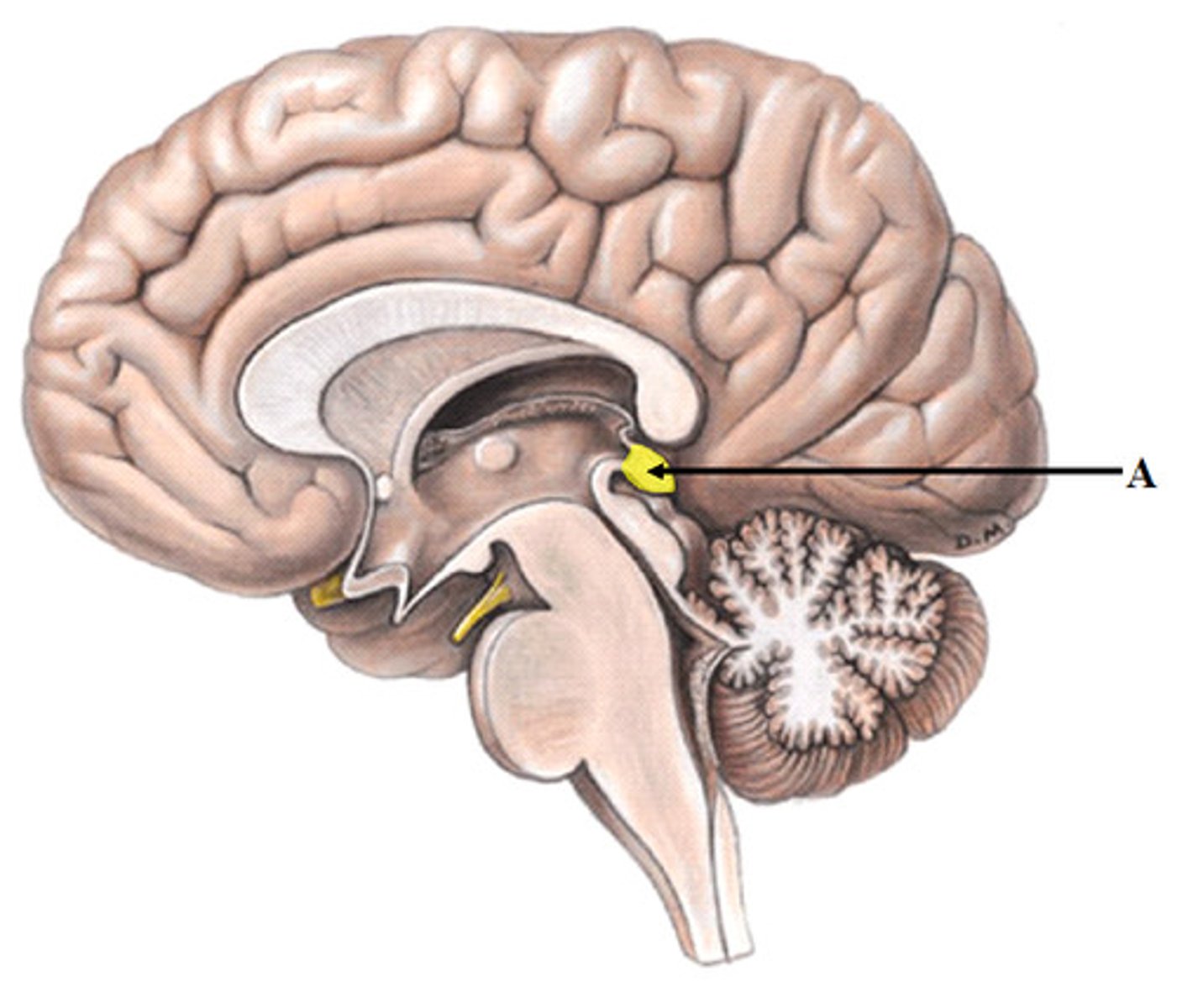
Melatonin
A hormone manufactured by the pineal gland that produces sleepiness.
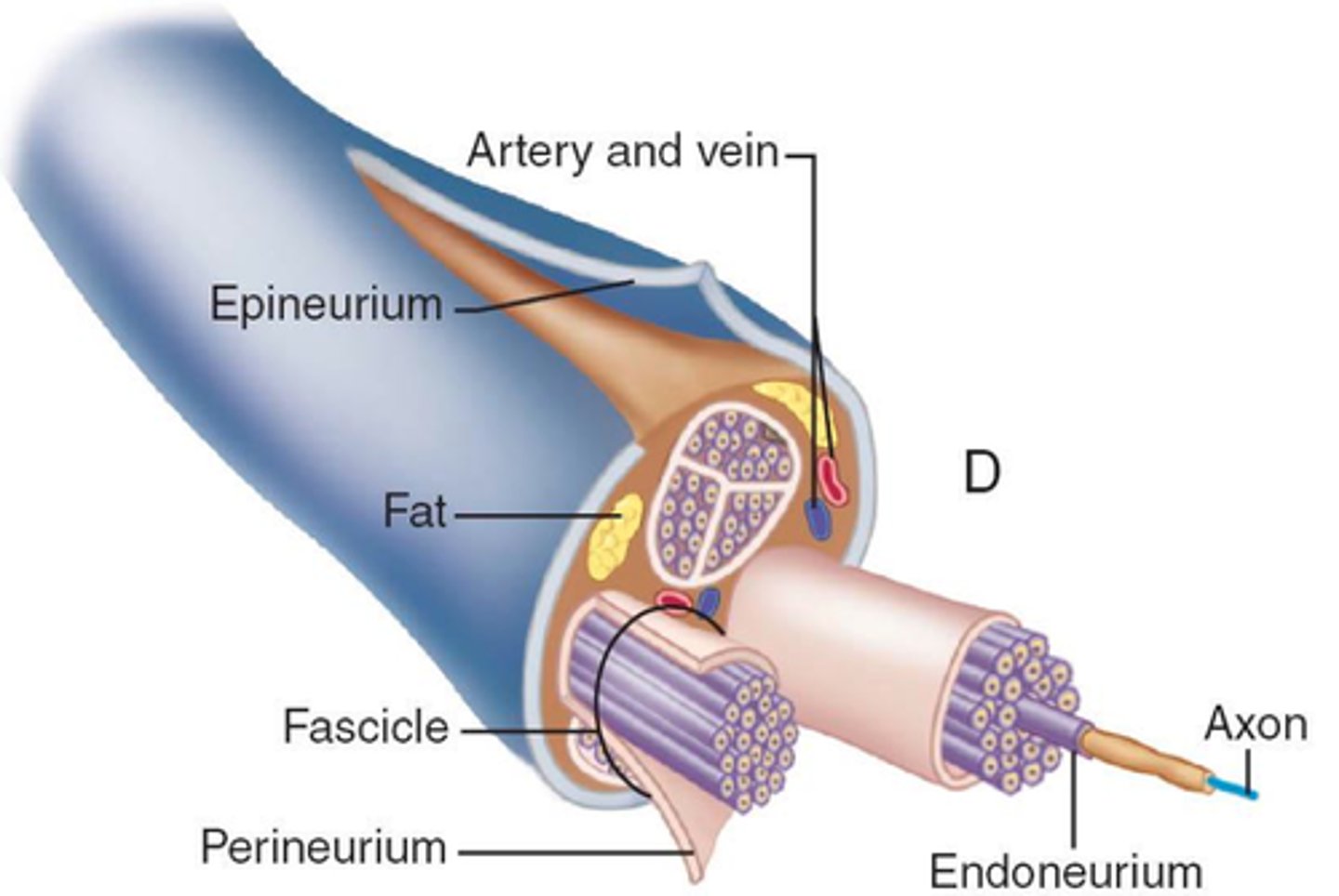
endoneurium
loose connective tissue that encloses axons and their myelin sheaths
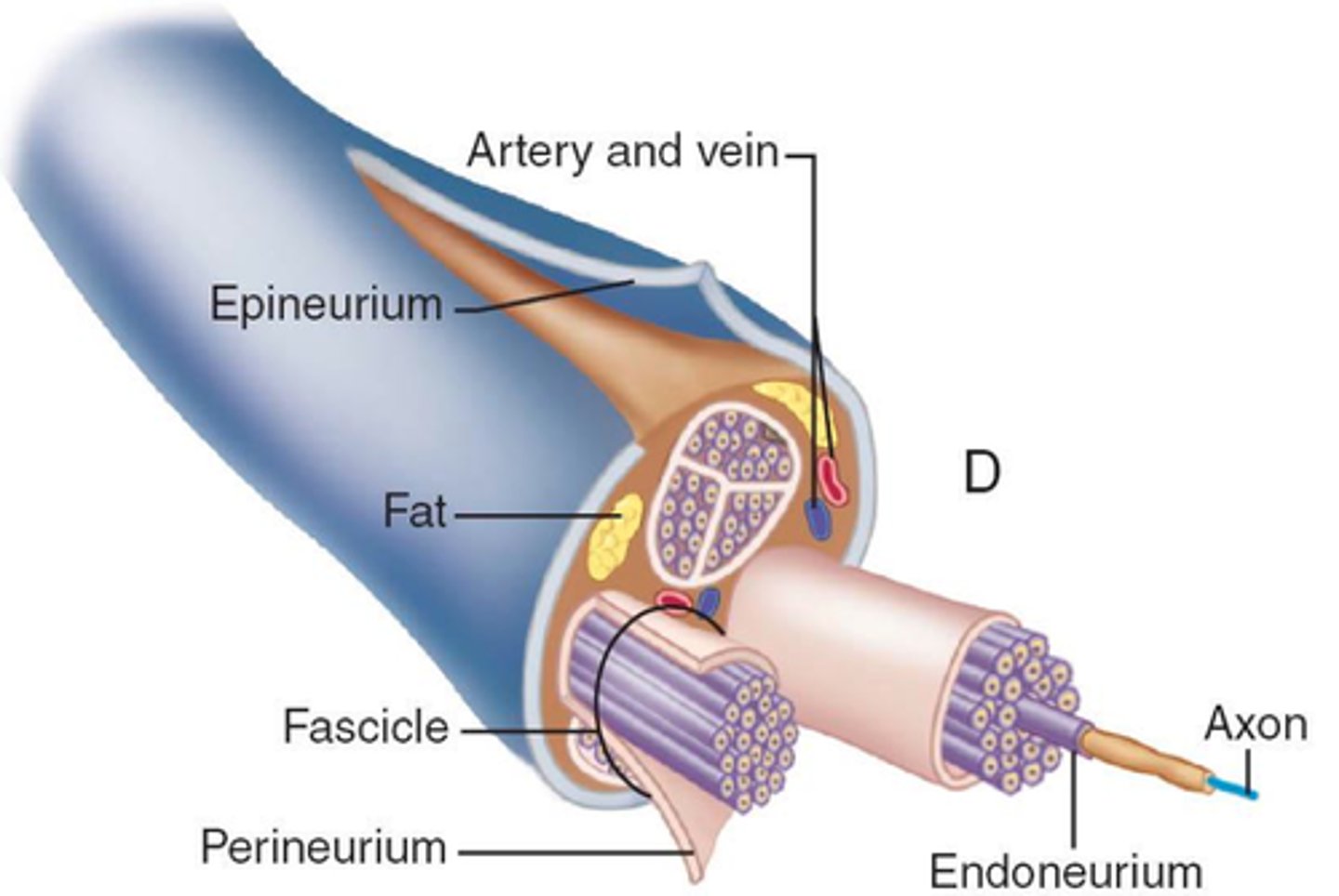
perineurium
coarse connective tissue that bundles fibers into fascicles
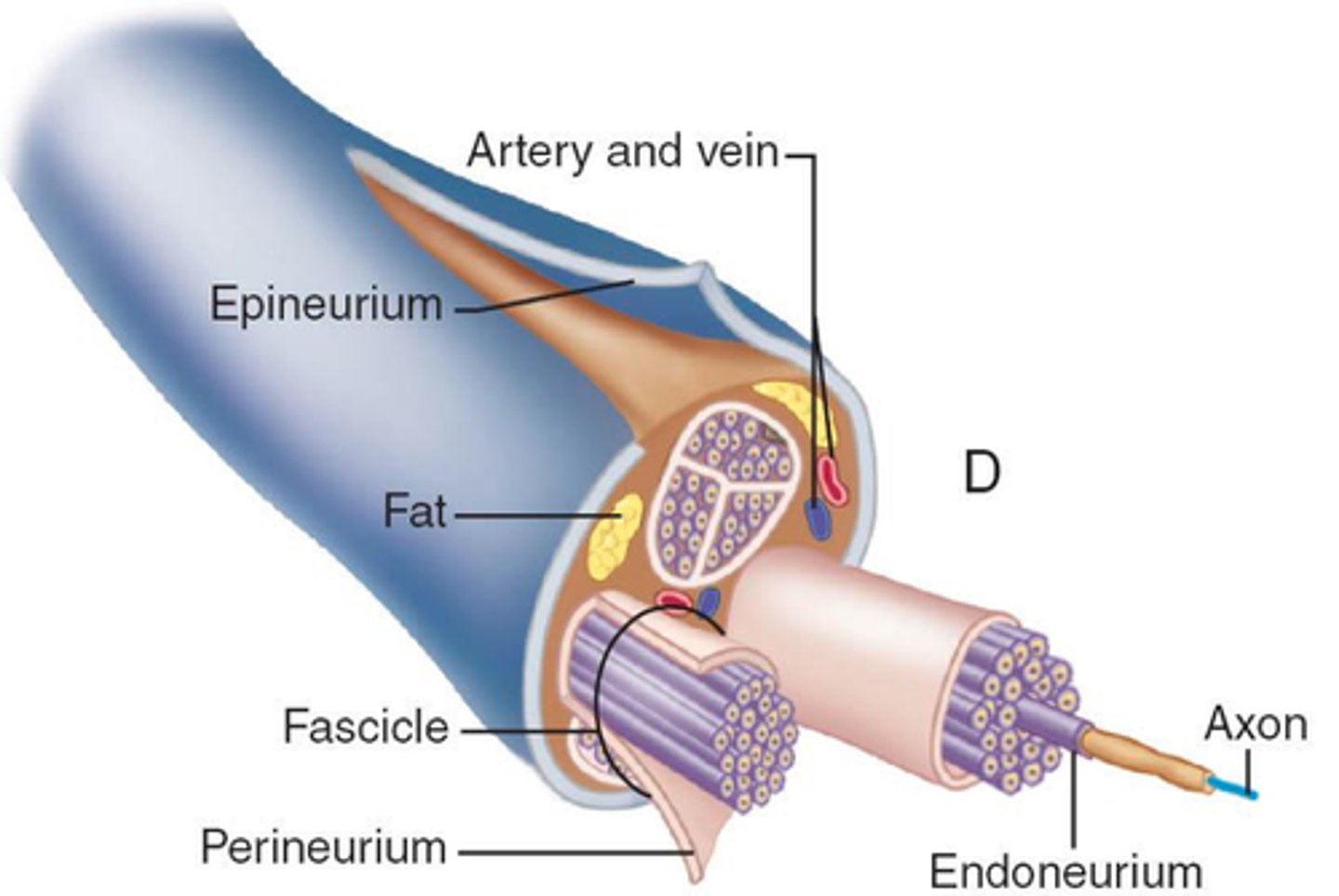
epineurium
tough fibrous sheath around a nerve
fiber tracts
axons in the central nervous system that travel together in bundles
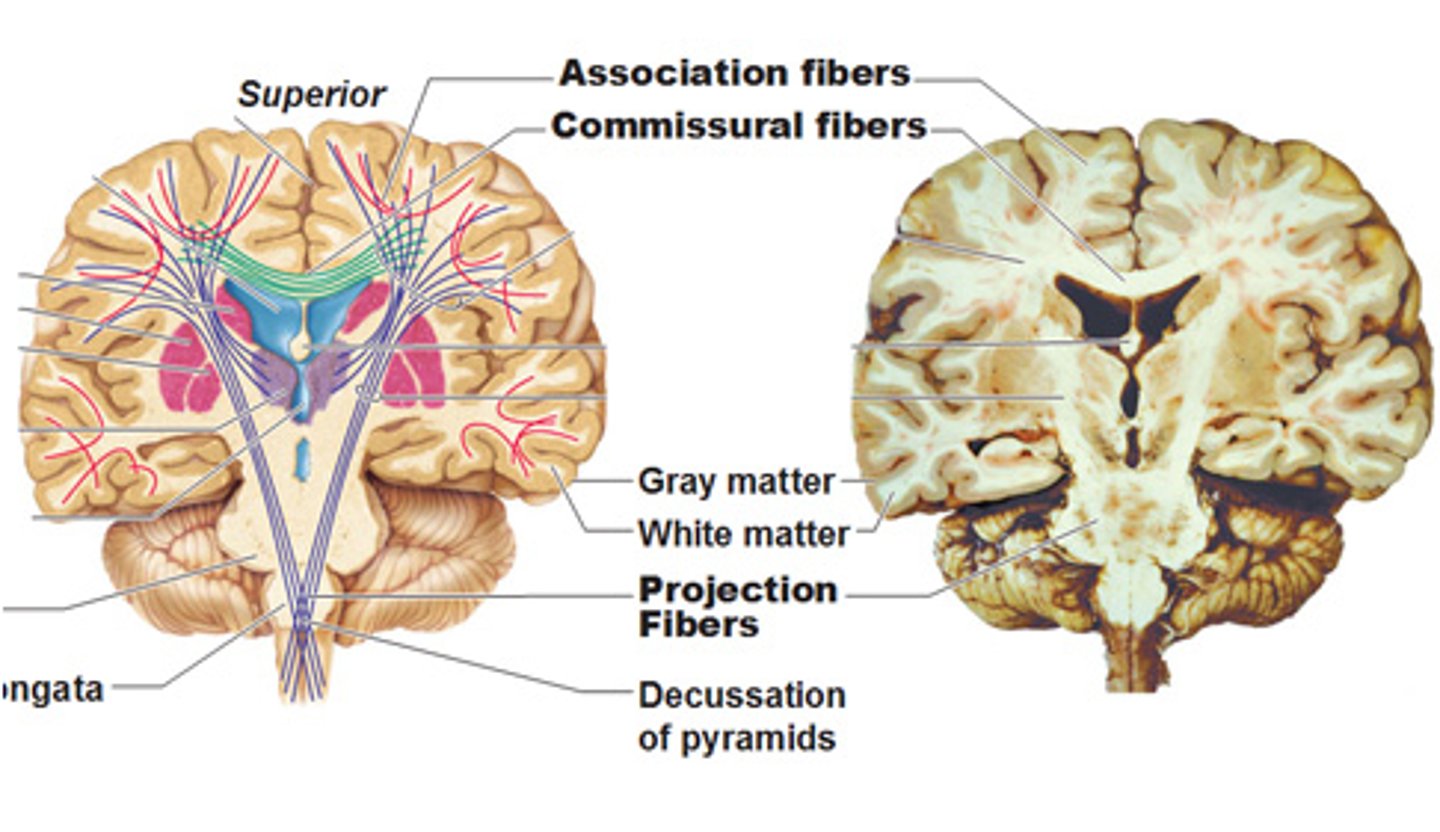
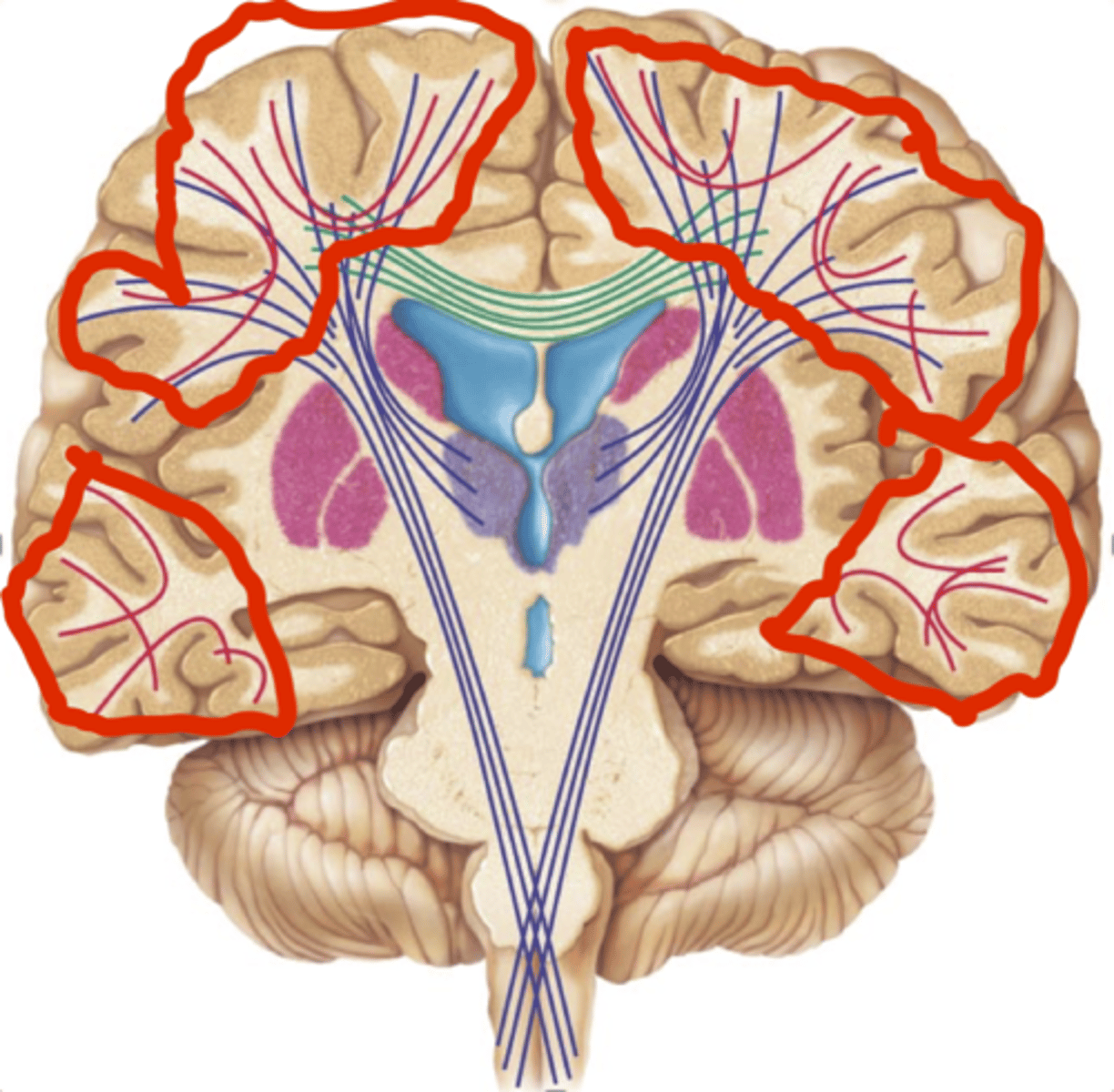
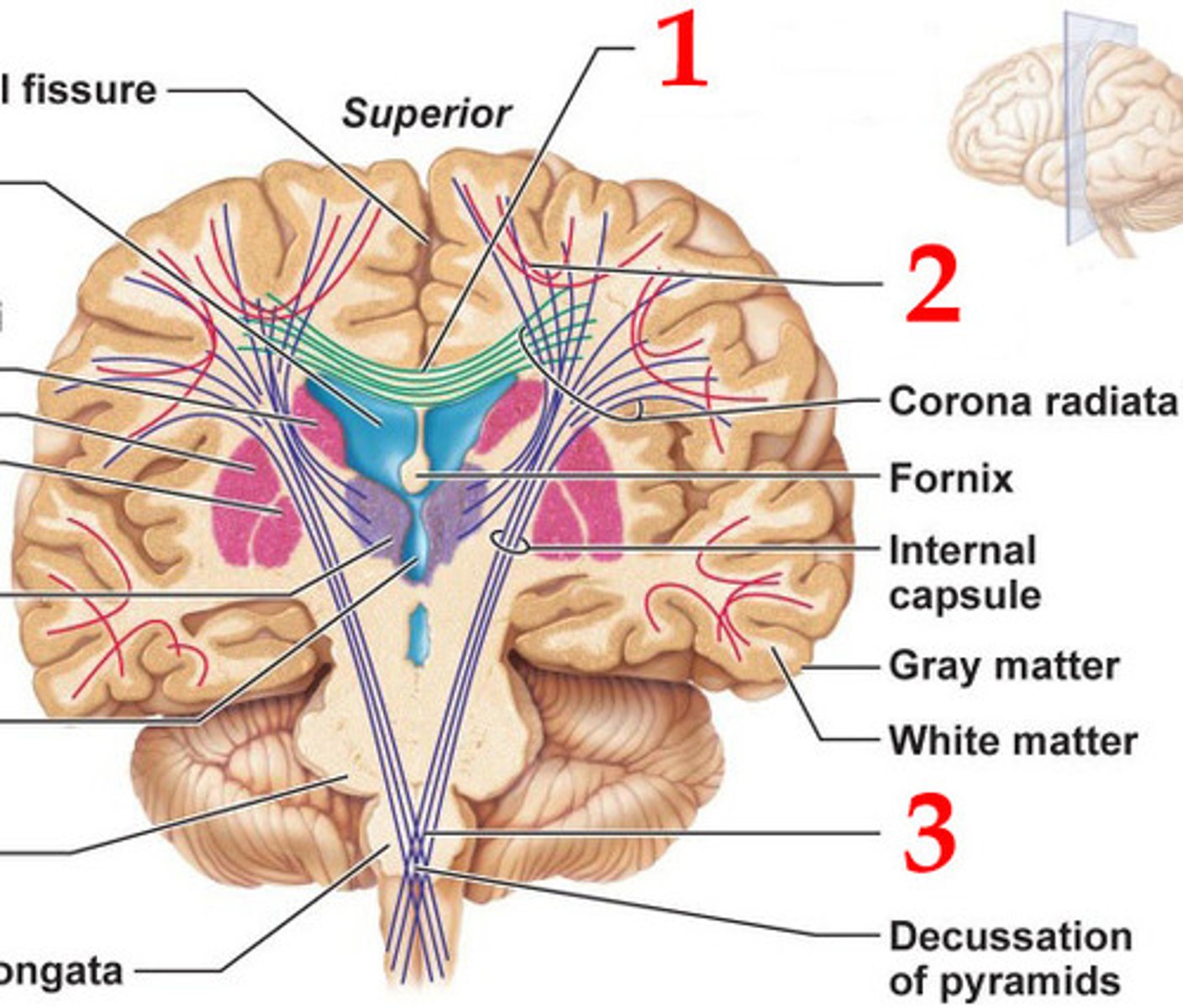
association fiber
horizontal; connect different parts of same hemisphere
commisural
horizontal; connect gray matter of two hemispheres
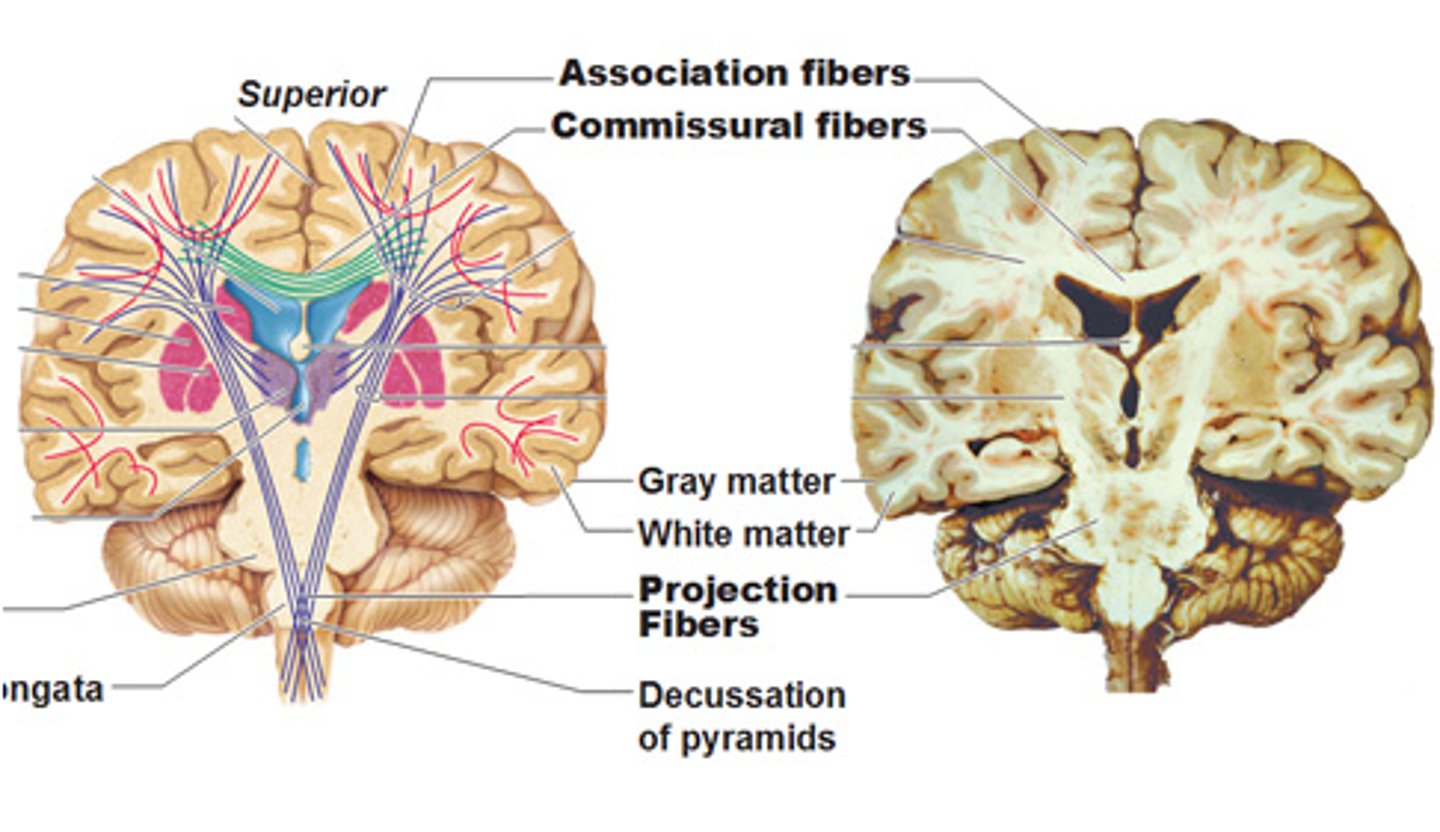
projection fibers
vertical; connect hemispheres with lower brain or spinal cord
left hemisphere
Controls language, math, and logic
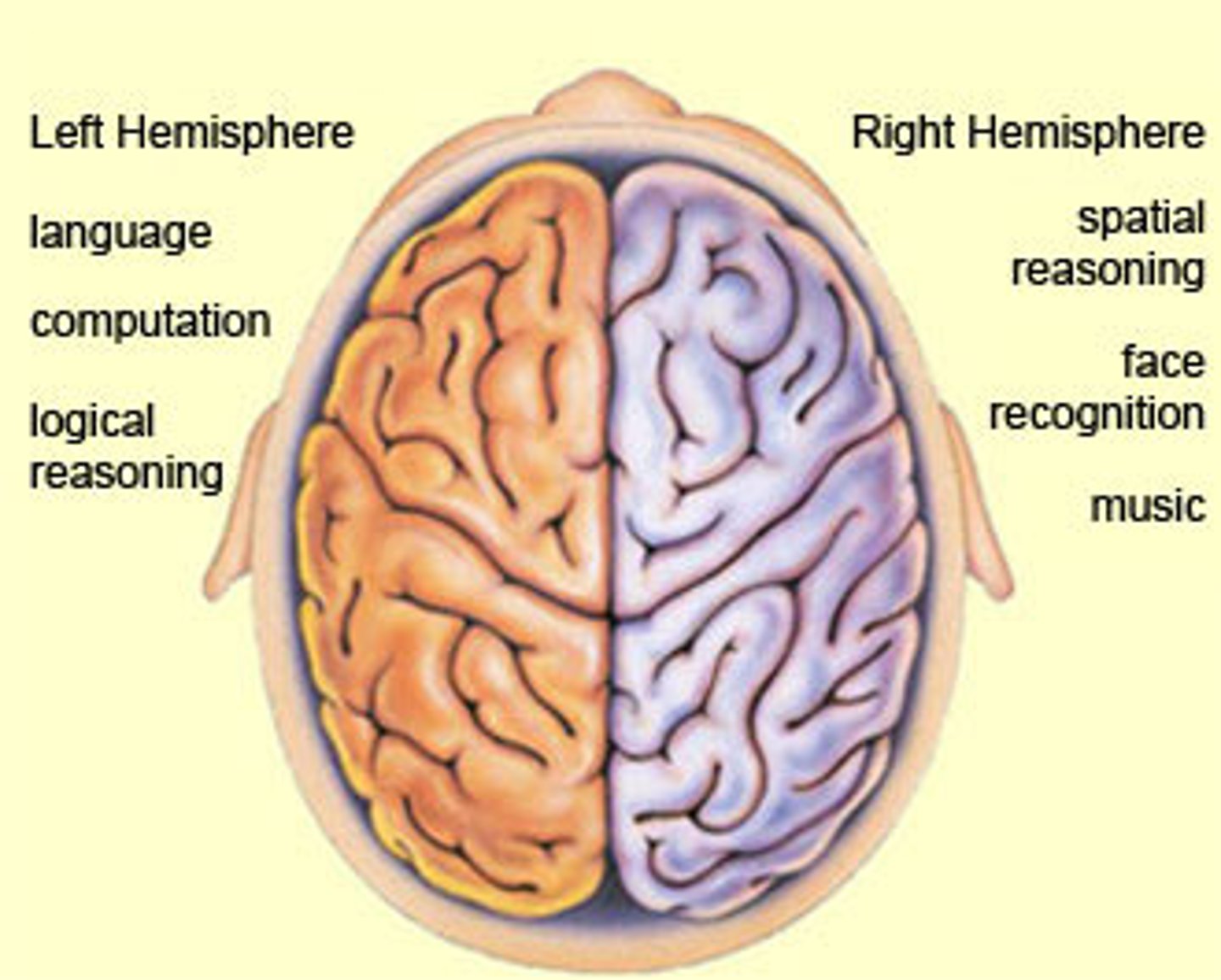
right hemisphere
Visual-spatial skills, intuition, emotion, and artistic and musical skills
Hemispheres communicate
almost instantaneously via fiber tracts and functional integration
transverse cerebral fissure
separates cerebrum and cerebellum
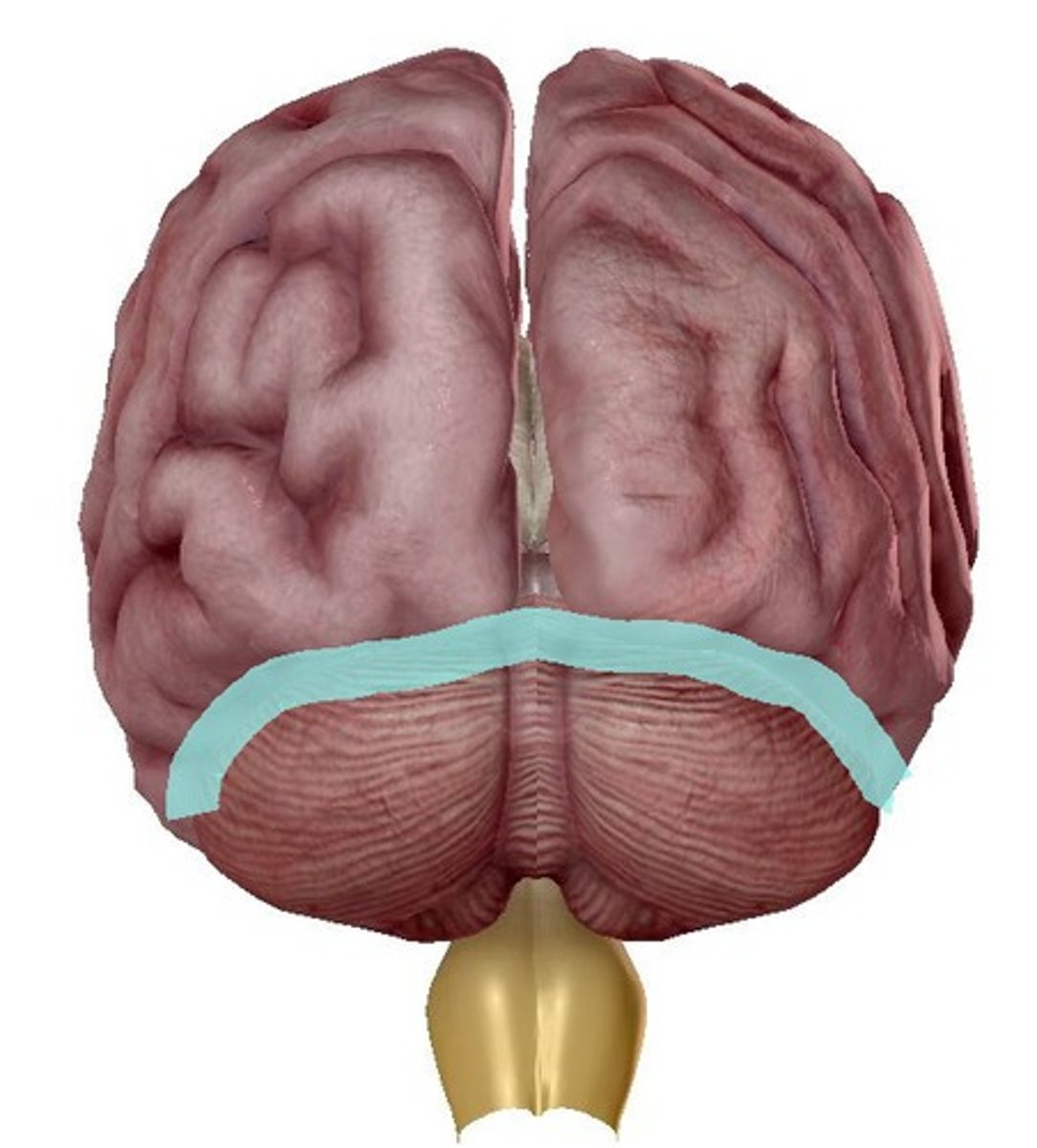
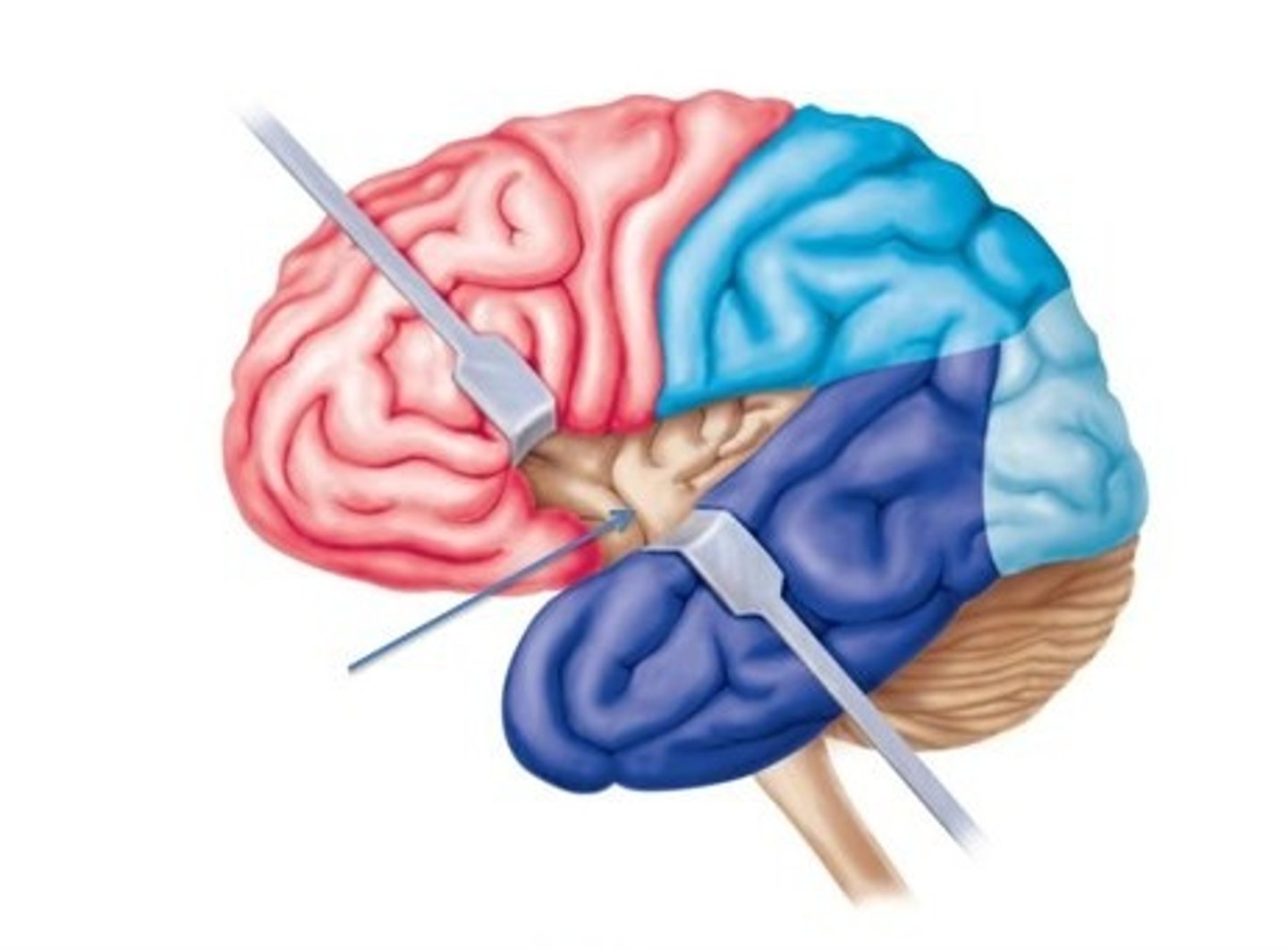
insula lobe
found deep beneath the lateral sulcus, associated with memory and interpretation of taste
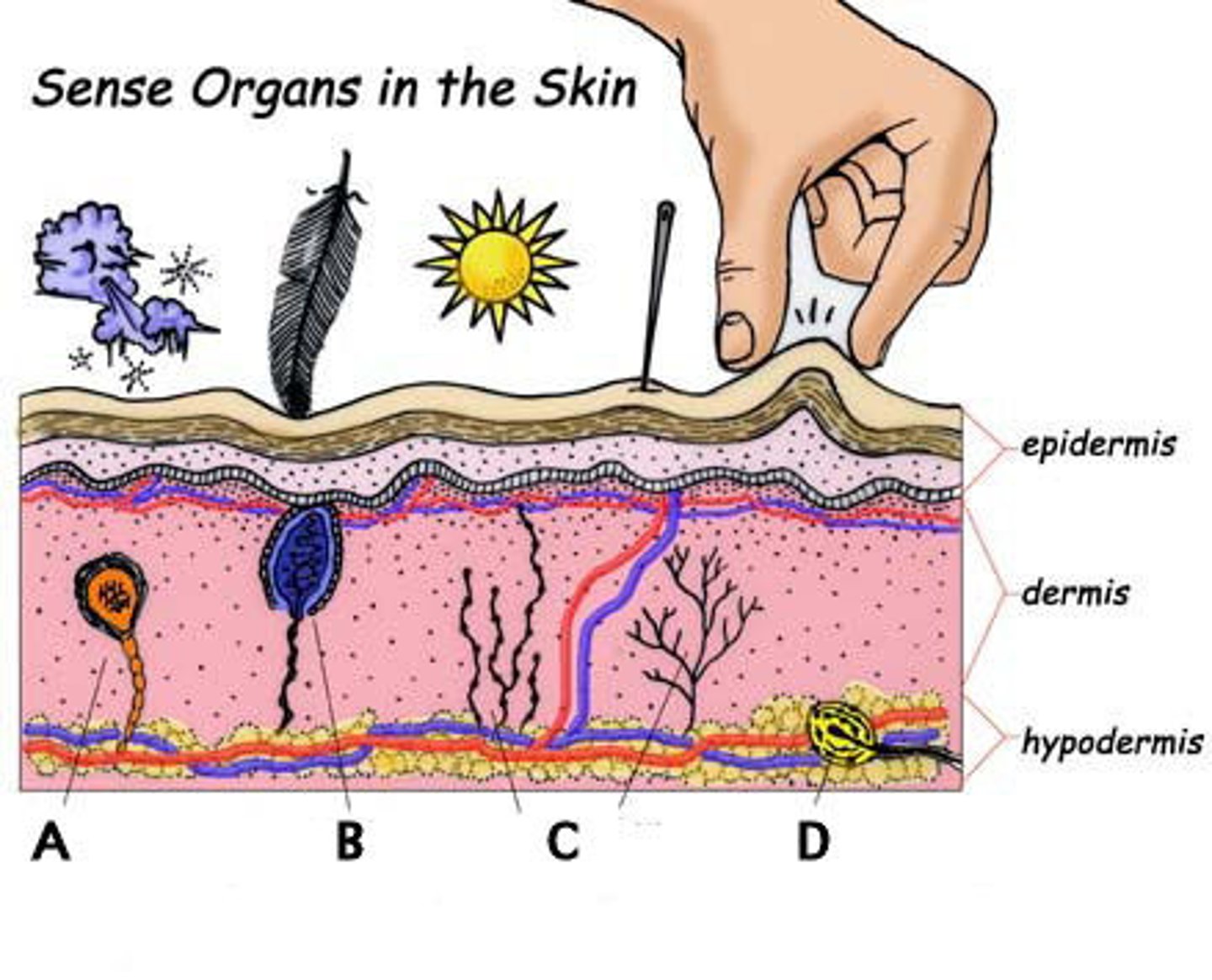
mechanoreceptor
respond to touch, pressure, vibration, and stretch (movement)
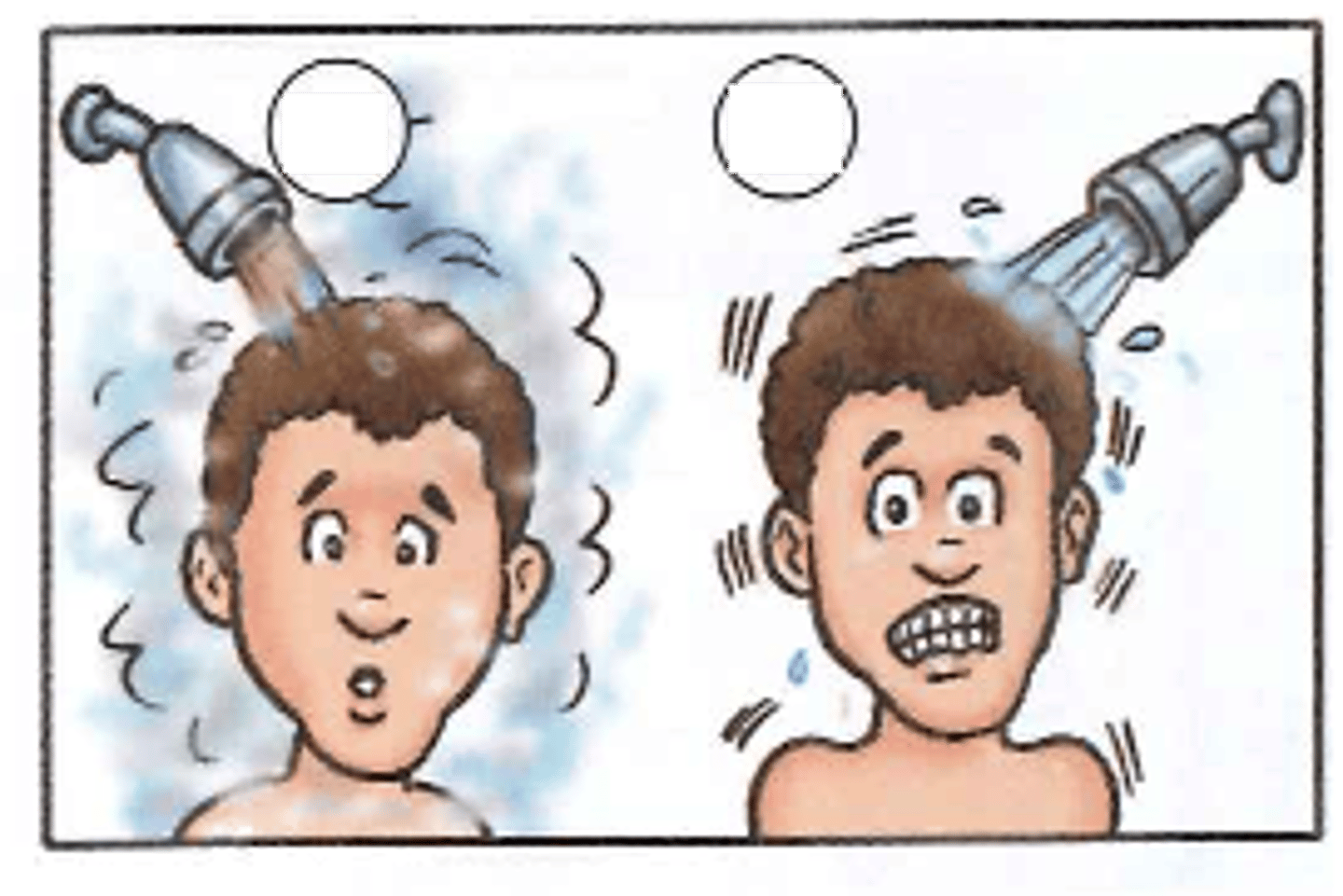
thermoreceptor
sensitive to changes in temperature (temperature)
exteroceptor
Respond to stimuli arising outside body
Receptors in skin for touch, pressure, pain, and temperature
Most special sense organs
(external)
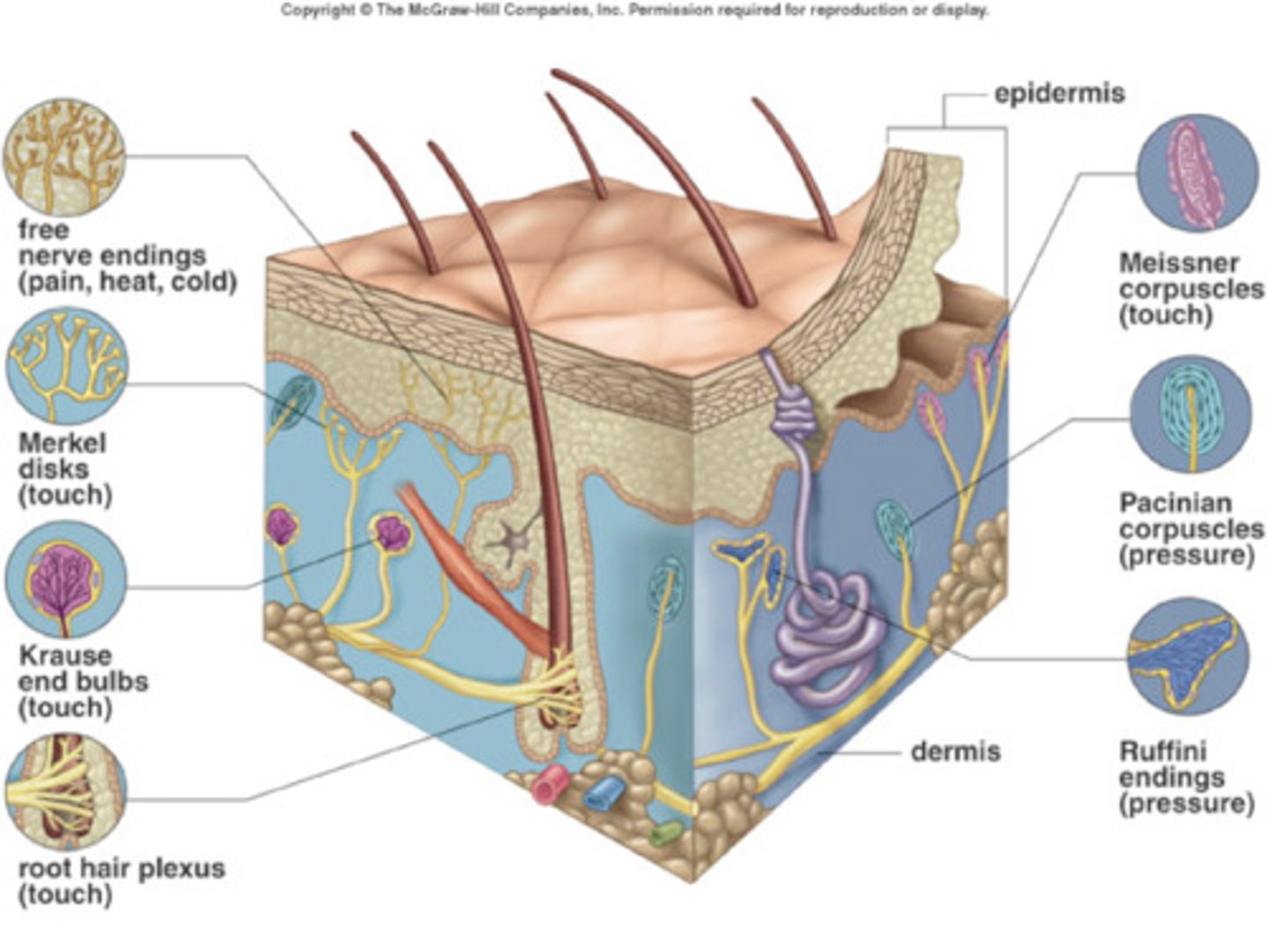
internoreceptor
(visceroceptors)
Respond to stimuli arising in internal viscera and blood vessels
Sensitive to chemical changes, tissue stretch, and temperature changes
Sometimes cause discomfort but usually unaware of their workings
(internal)
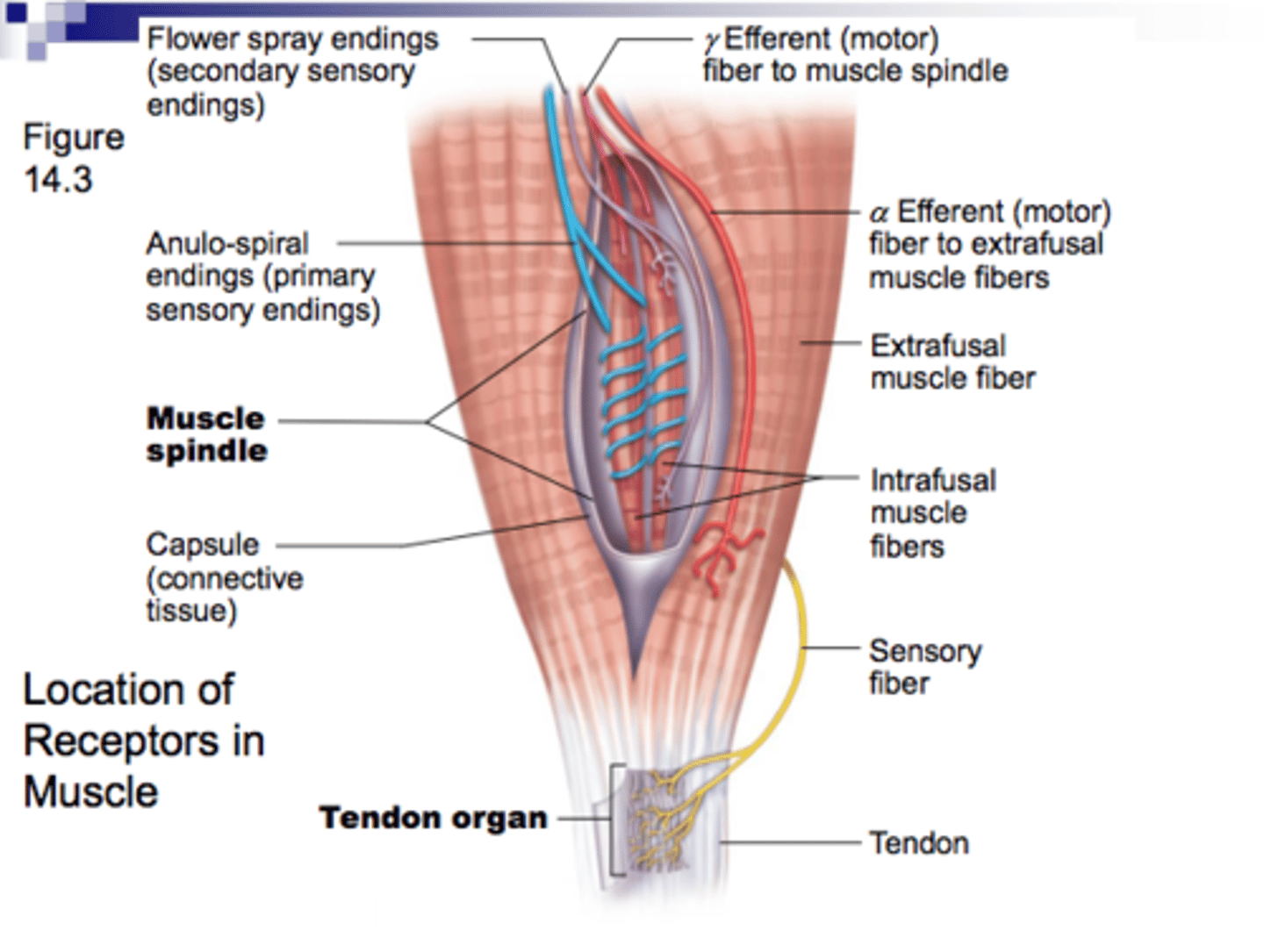
proprioreceptor
Respond to stretch in skeletal muscles, tendons, joints, ligaments, and connective tissue coverings of bones and muscles
Inform brain of one's movements
(touch)
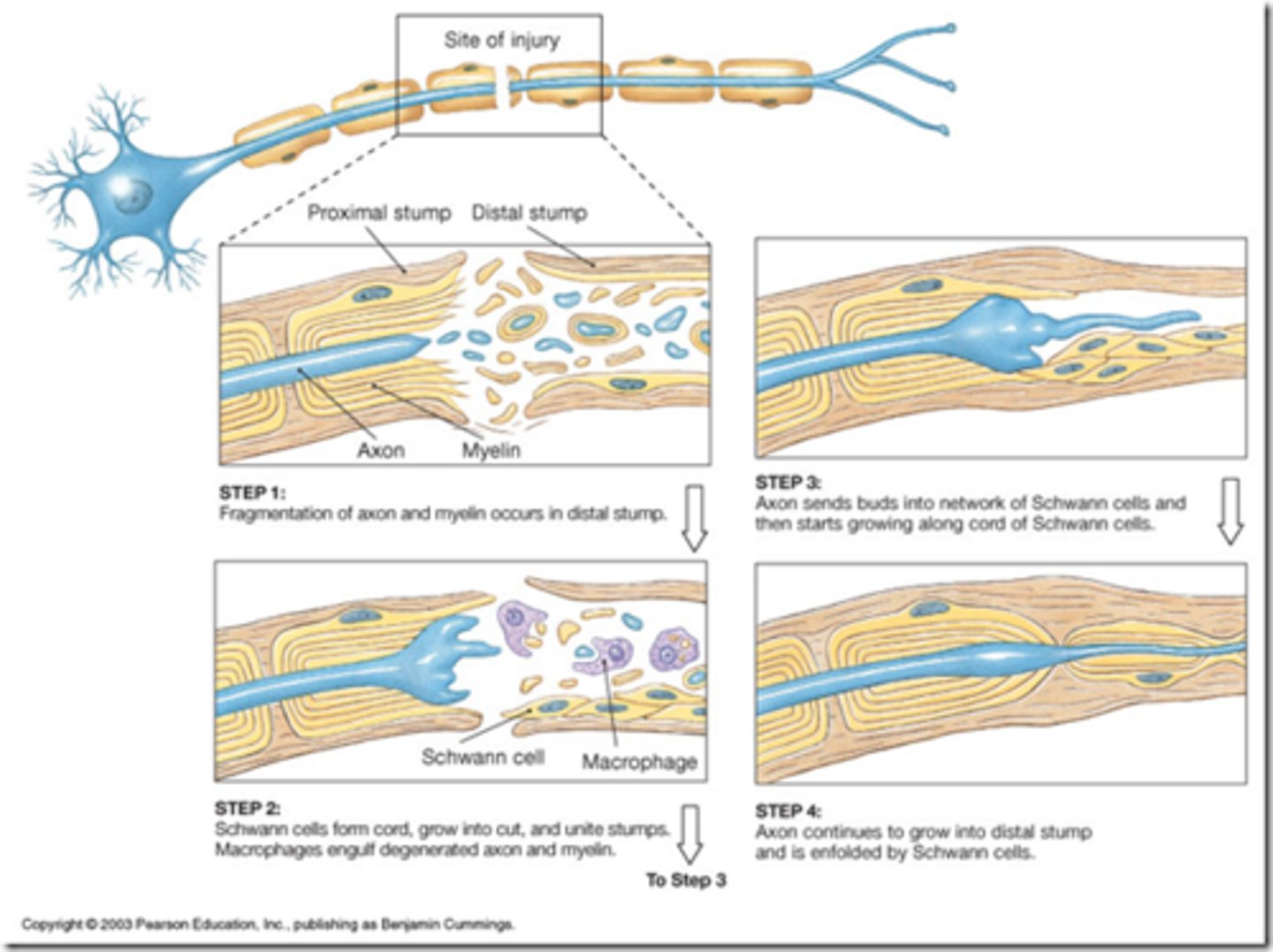
CNS neuron regeneration
CNS oligodendrocytes bear growth-inhibiting proteins that prevent CNS fiber regeneration
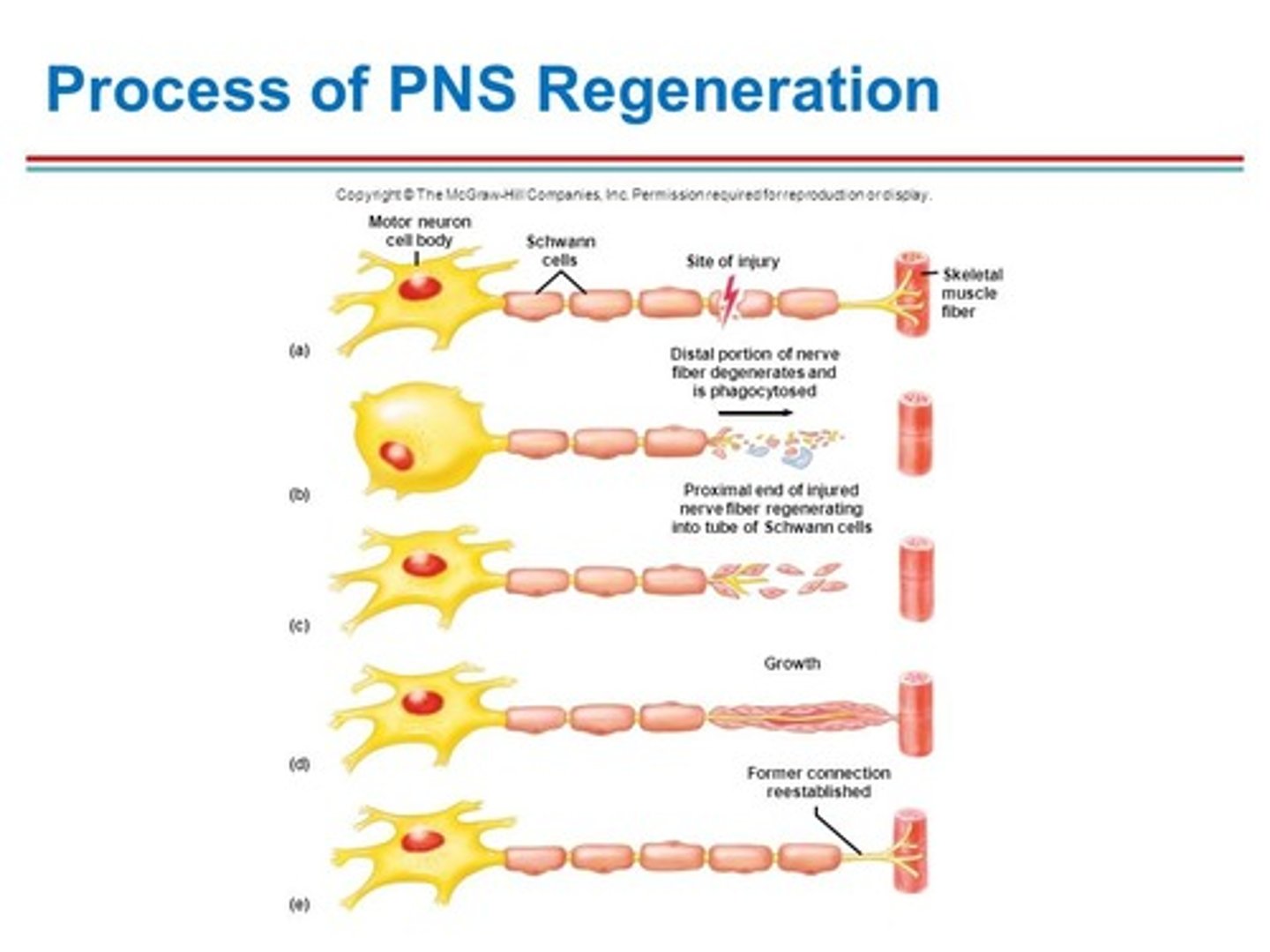
PNS neuron regeneration
Axon fragments (Wallerian degeneration); spreads distally from injury
Macrophages clean dead axon; myelin sheath intact
Axon filaments grow through regeneration tube
Axon regenerates; new myelin sheath forms
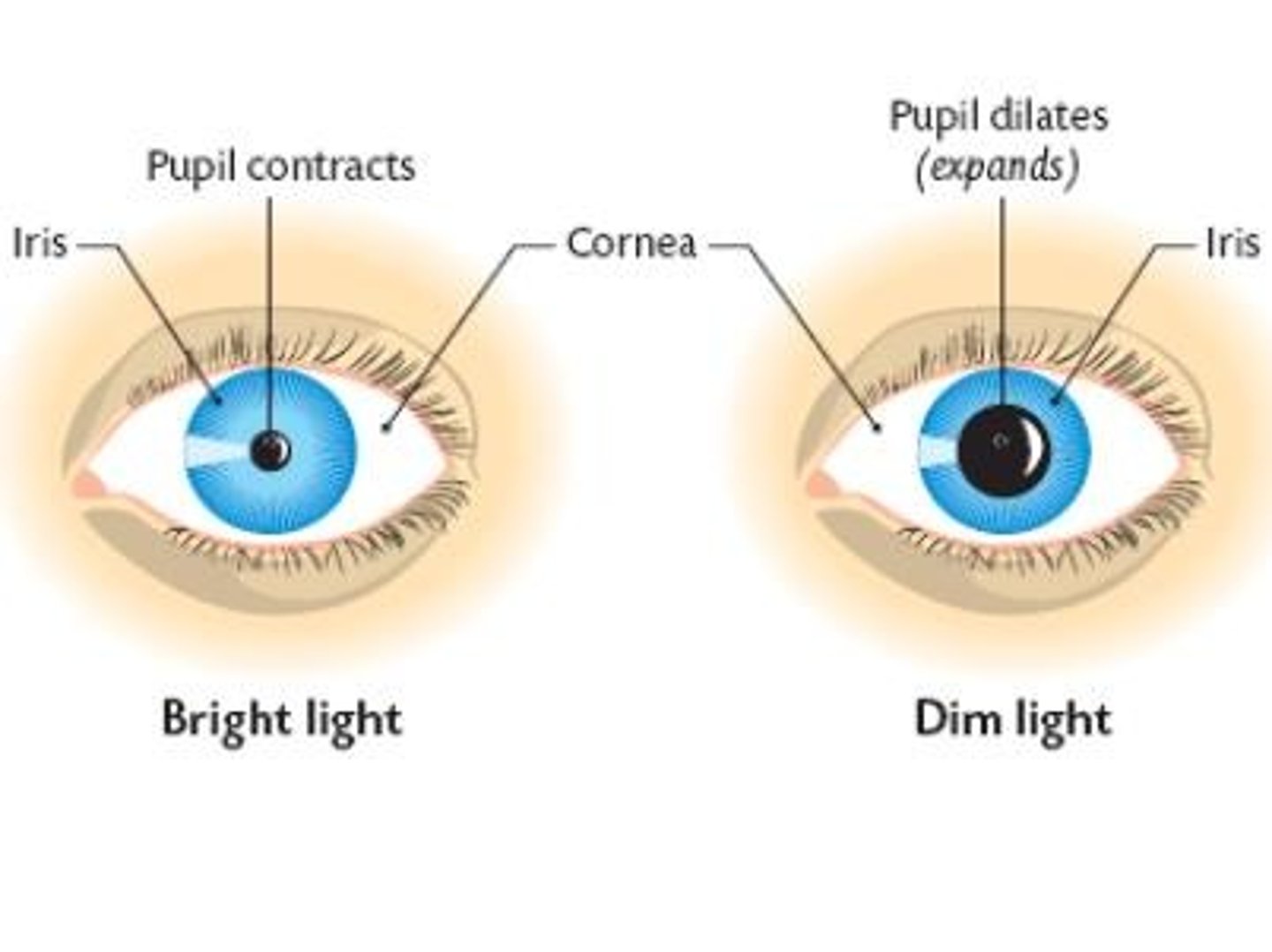
pupillary autonomic reflex
The automatic process by which the iris contracts and relaxes to control the size of the pupil, in response to the relative brightness of light entering the eye
parasympathetic
ciliospinal reflex (autonomic)
-Dilation of the pupil caused by pain in the neck, face and upper trunk
-Sympathetic nervous system response
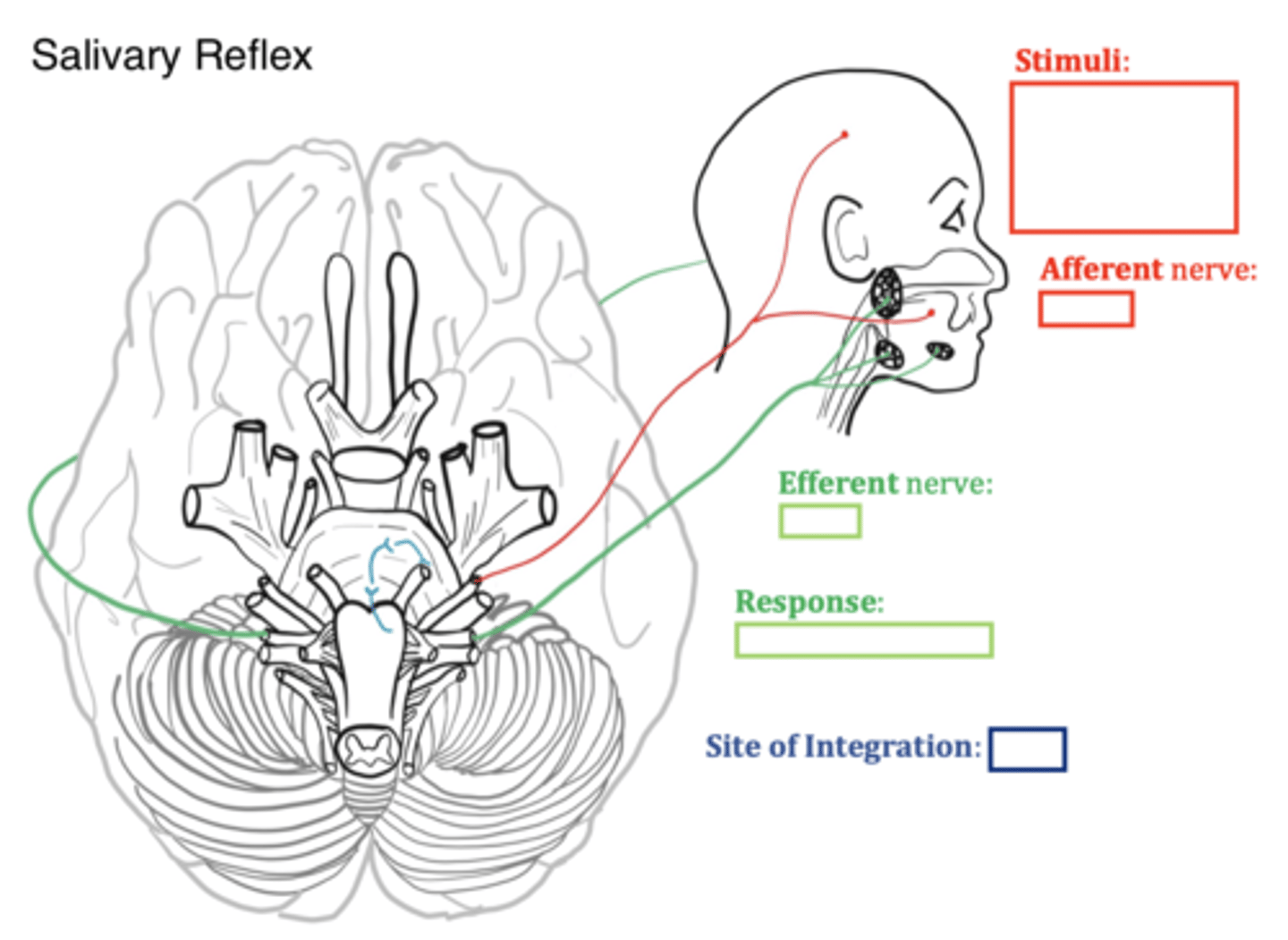
Salivary reflex (autonomic)
secretion of saliva in response to reflex activation
food odor detection causes salivation