Genetics Unit 1 Test
 Studied by 0 people
 Call Kai
 Learn
Learn Practice Test
 Spaced Repetition
 Match
Match Flashcards
 Knowt Play
1/84

There's no tags or description
Looks like no tags are added yet.
Name | Mastery | Learn | Test | Matching | Spaced | Call with Kai |
|---|
No analytics yet
Send a link to your students to track their progress
85 Terms
Genetic Approaches: The _____________ approach is the physical characteristics you can see or observe
Phenotypic
Genetic Approaches: The _____________ approach observes chromosomes with a microscope
Microscopic
Genetic Approaches: The _____________ approach observes DNA sequences of a genome
Molecular
___________ is the study of everything related to DNA
Genetics
Appearance/Function of life depends on _______ function
gene
Preservation of life depends on ______ _______________
DNA Replication
_______ ___________ contributes to phenotypic variation
Genetic Variation
__________________ Variation is the variation in 1 or 2 genes
Discontinuous
_________________ Variation is the variation in 3 or more genes
Continuous
DNA is composed of 5 elements:
Carbon, Hydrogen, Oxygen, Nitrogen, Phosphorous
Replication, Information content, and the ability to change is all included in the role of DNA as ___________ ______________
Hereditary Material
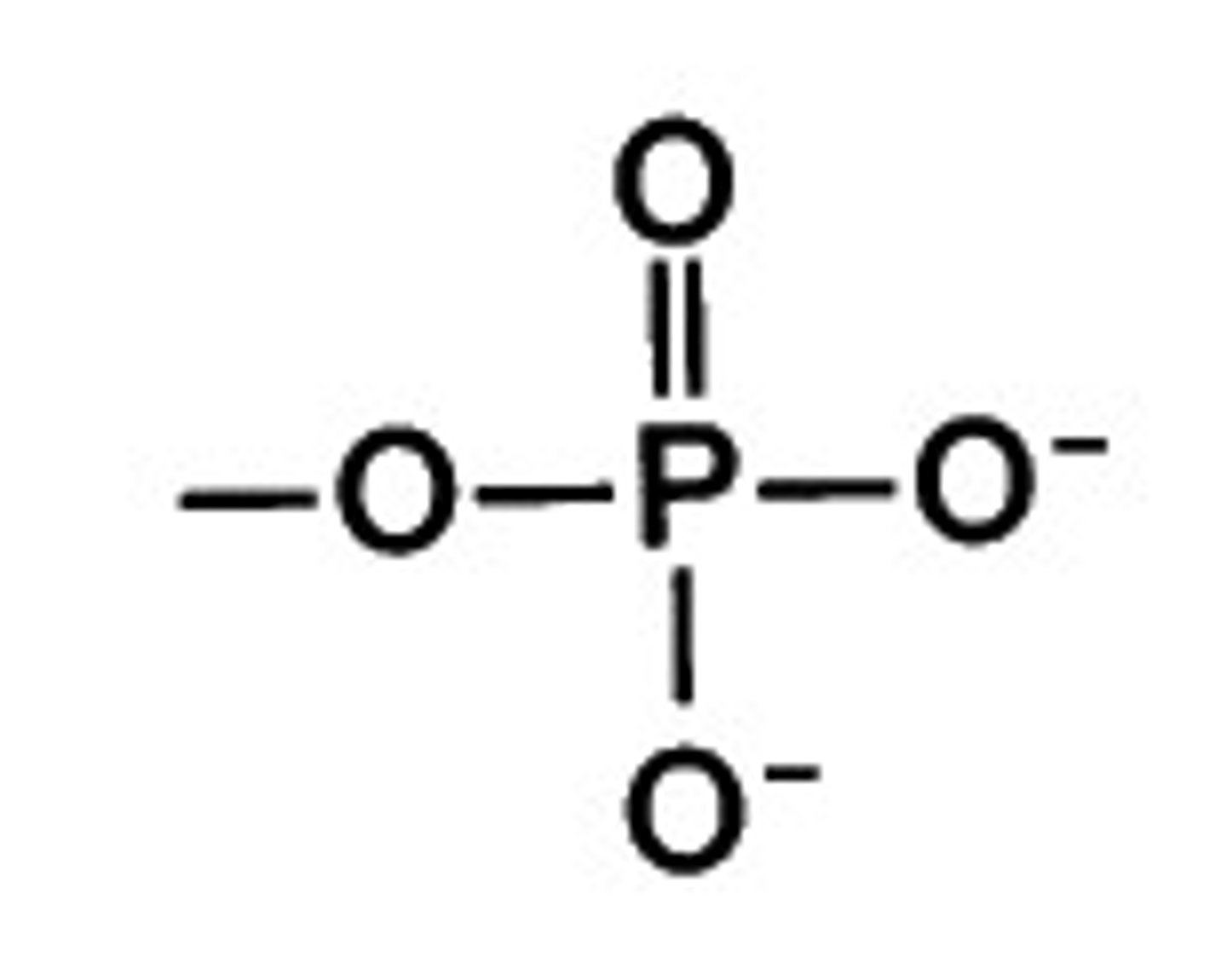
Phosphate group
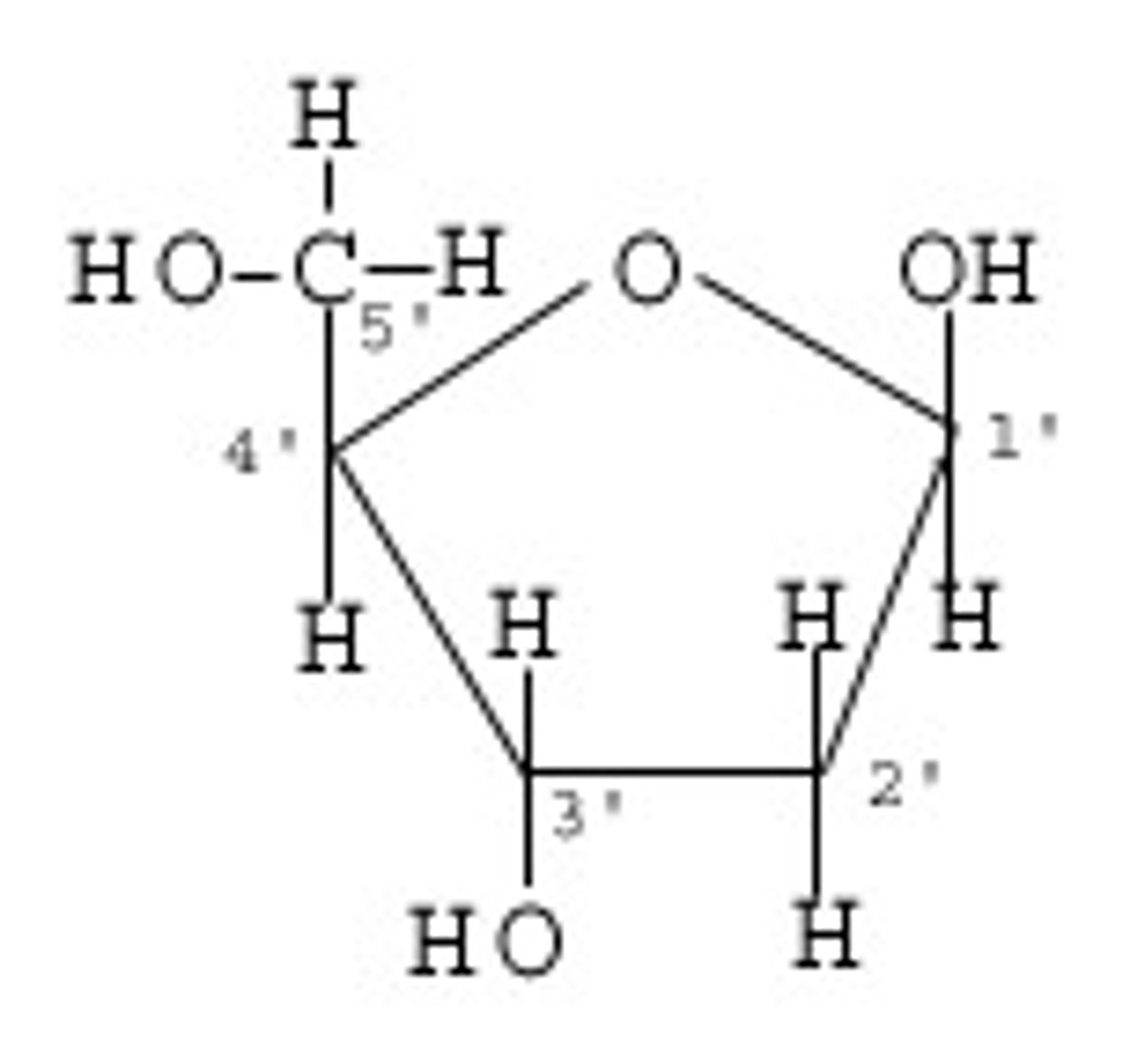
Deoxyribose sugar
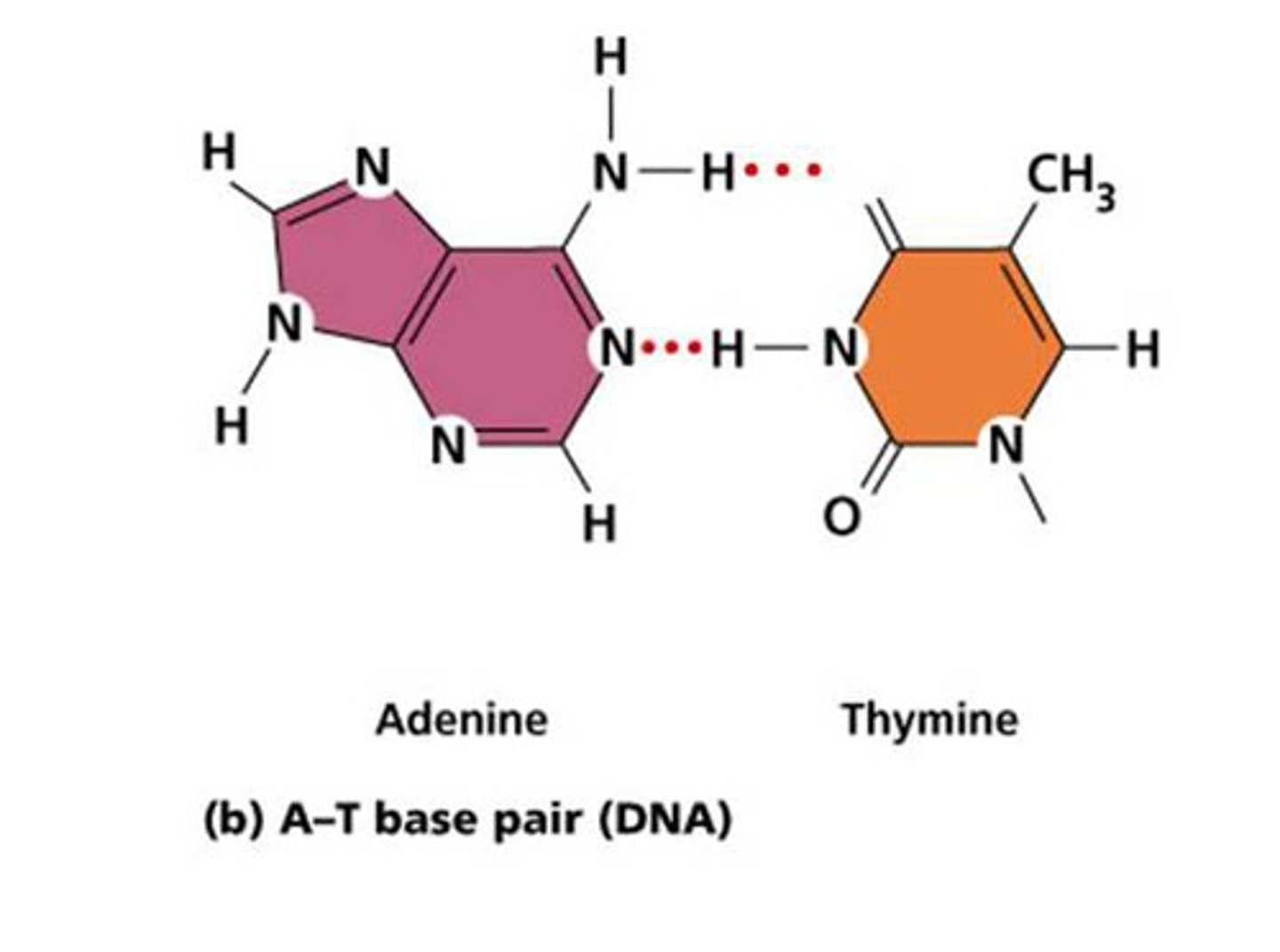
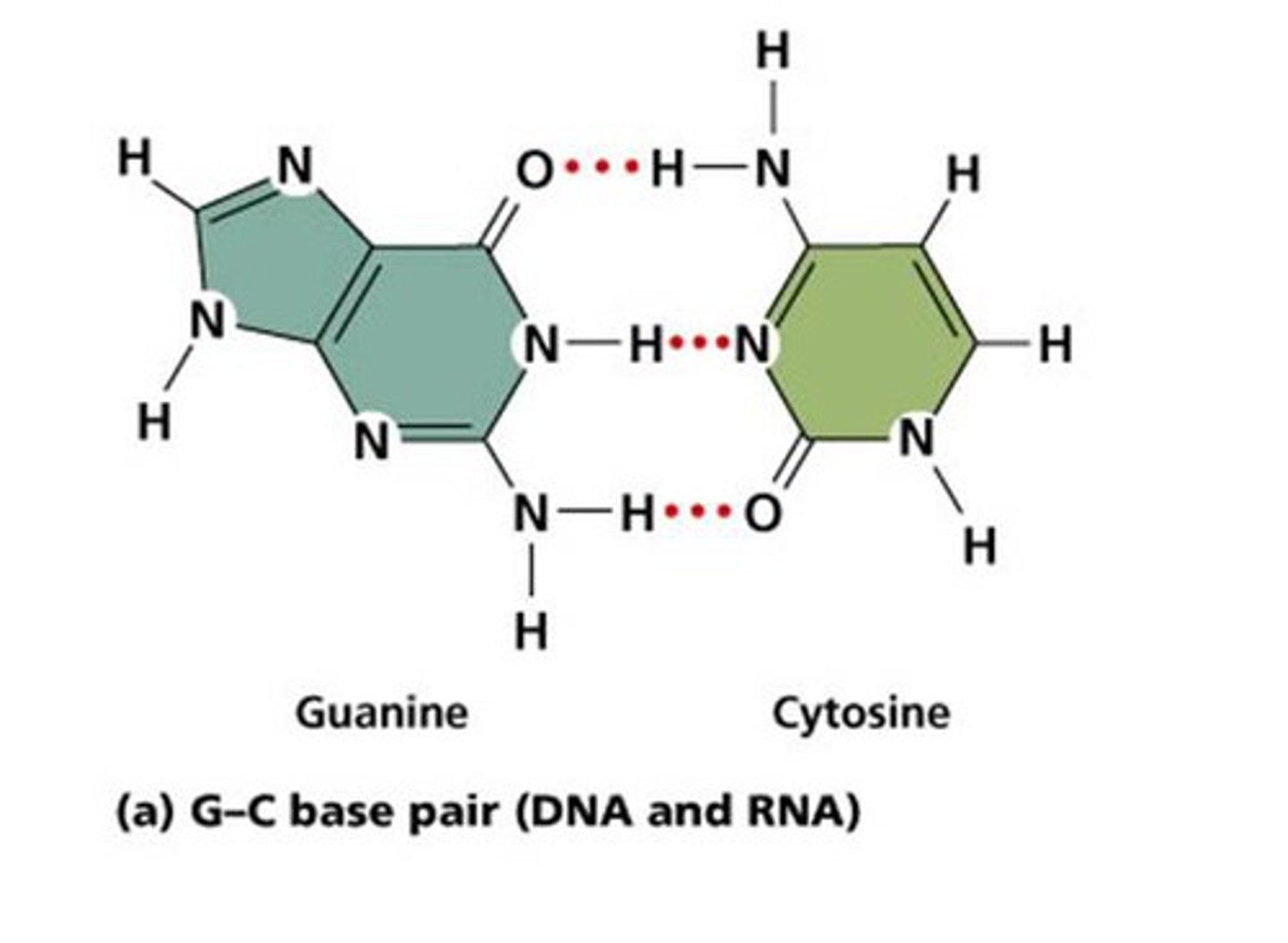
Thymine & Cytosine
Pyrimidines
Adenine & Guanine
Purines
______________ bonds allow DNA to replicate by providing structure and function for nucleic acids
Phosphodiester
Hydrogen bonds between bases form _______ ________
base pairs
How many hydrogen bonds are between adenine and thymine?
2
How many hydrogen bonds are between guanine and cytosine?
3
The more hydrogen bonds a molecule has, the ________________ the bond
stronger
_____________ bonds hold DNA together
Covalent
Why is DNA double helix?
atomic forces
The ability of DNA to replicate in convey information results and it's _____________ & ______________
function, role
A ________ is a specific length of DNA containing the information needed to produce in RNA molecule
gene
________ ______ are the building blocks of life that make things function the way they do
amino acids
T or F: some genes are more important than others
true
1 multiple choice option
_________ catalyze chemical reactions
enzymes
____________ are proteins that serve as antibodies
Immunoglobulins
_______________ is a hormone that helps regulate blood sugar levels and is essential for the body to use glucose for energy
insulin
____________ proteins serve to receive and transmit signals
receptor
DNA/RNA __________ Proteins turn genes on and off
binding
_____________ proteins are involved in contraction ex) myosin & actin
Contractile
A _________ is a DNA molecule or a chain of multiple genes
chromosome
Chromosomes are packed _____________ in DNA
vertically
T or F: different proteins package different items
true
T or F: all organisms have the same chromosomes
false
highly condensed chromatin
heterochromatin
loosely packed chromatin
euchromatin
T or F: all centromeres are in the center of a chromosome
false
Metacentric chromosome
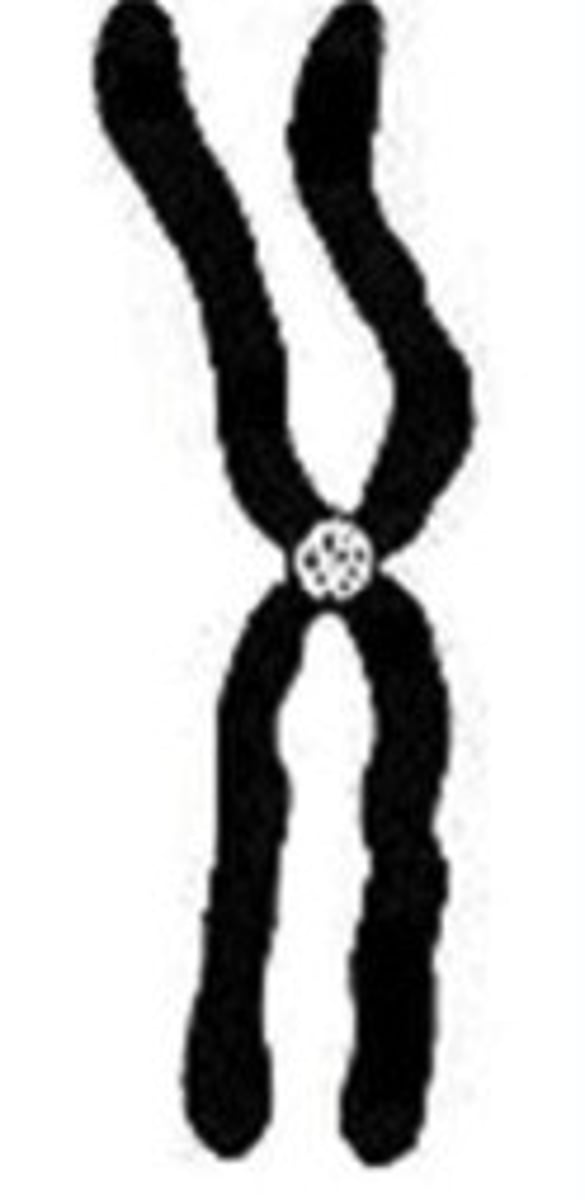
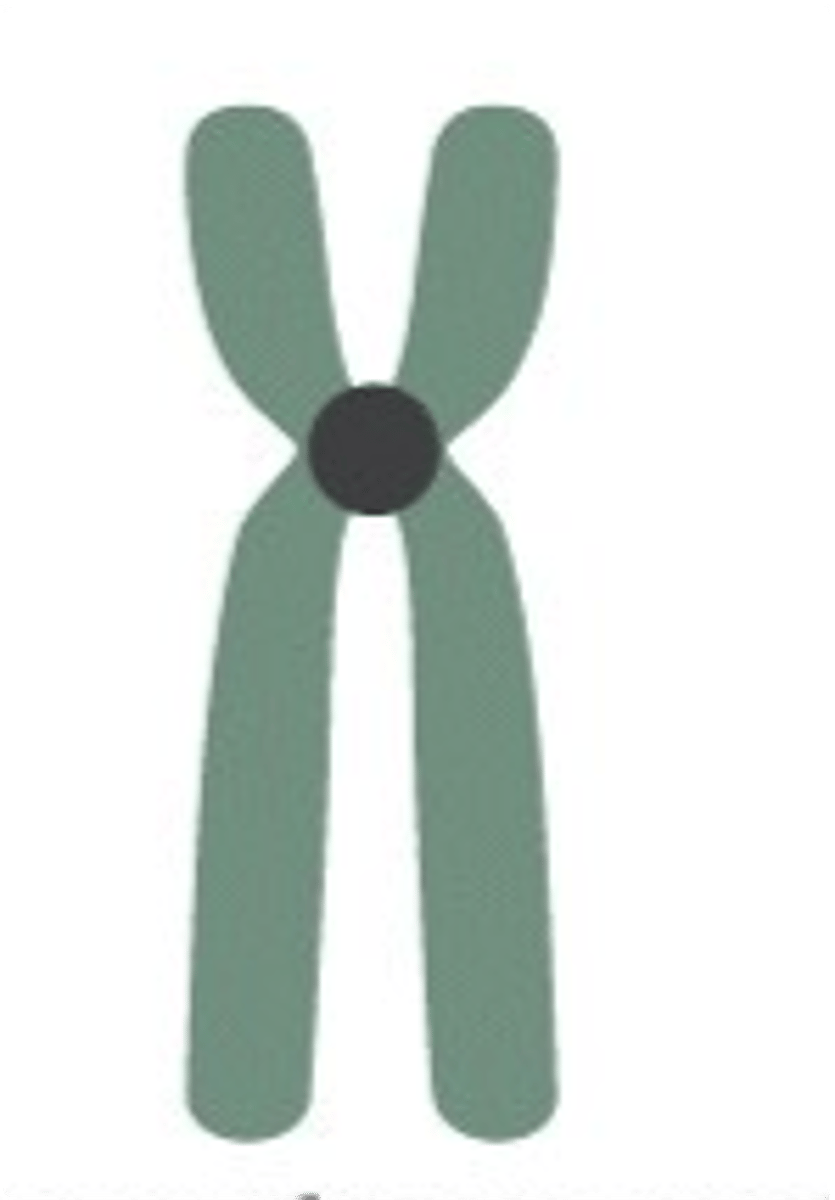
Submetacentric chromosome
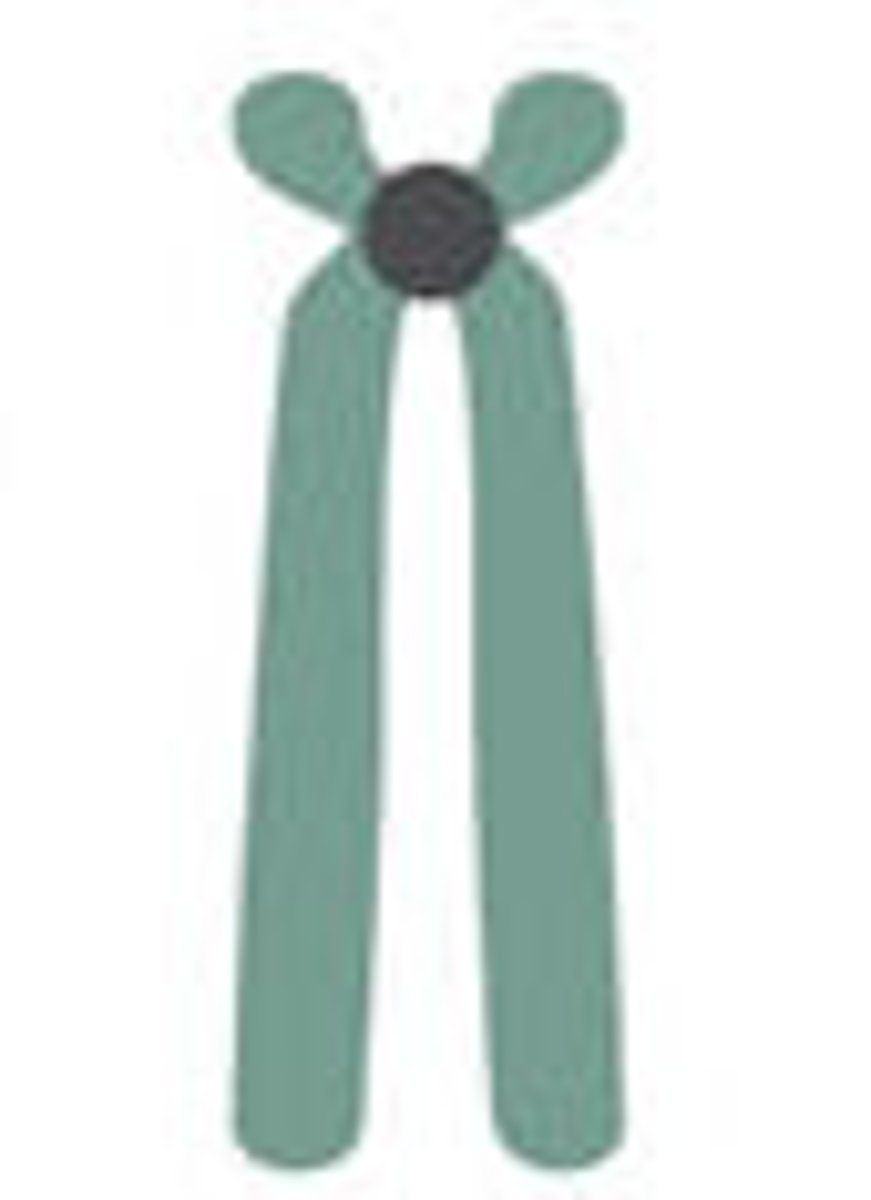
Aerocentric chromosome
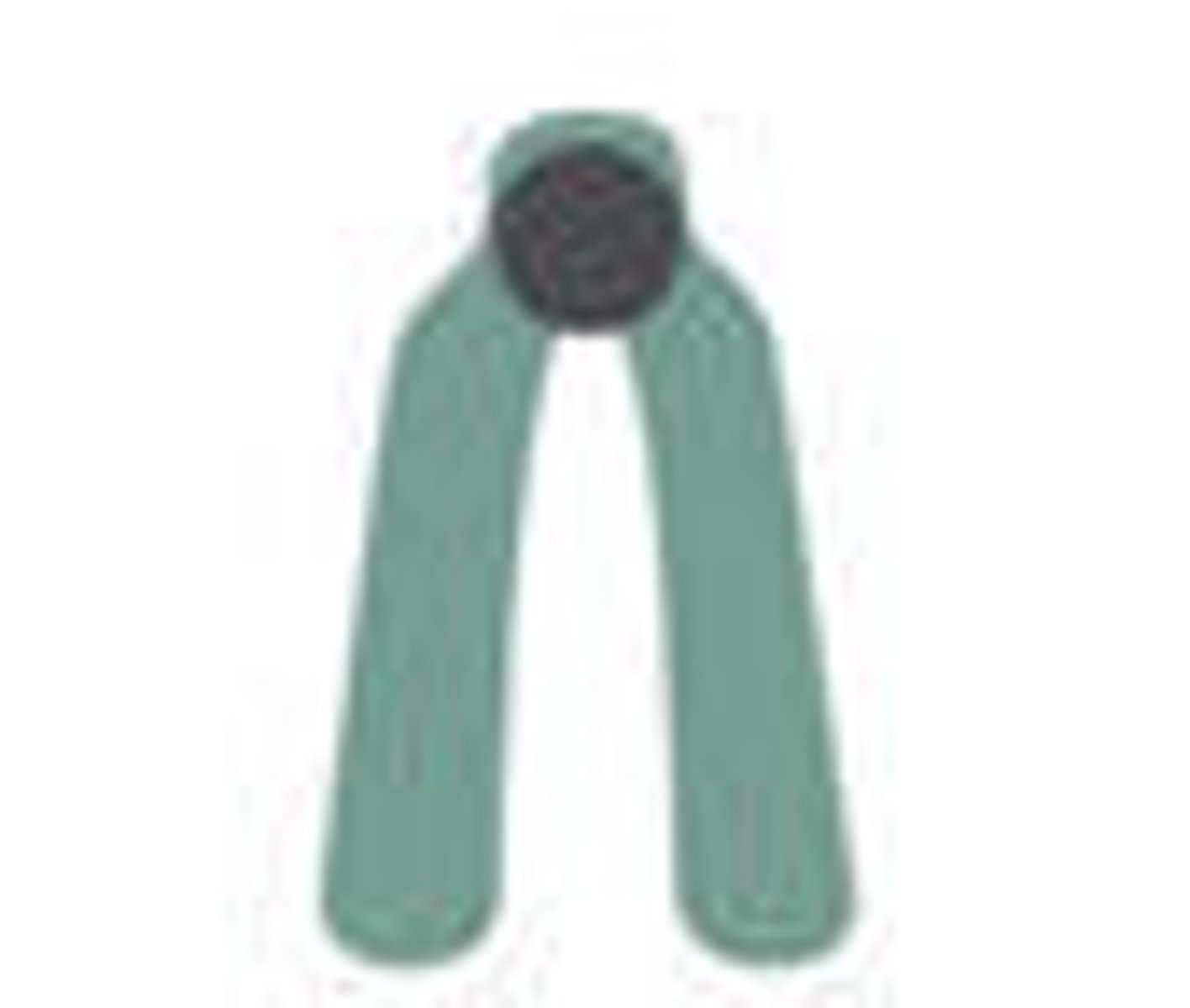
Telocentric chromosome
_____________ are structures made of proteins that spindle fibers attached to and separate sister chromatids, located at the cross section of a chromosome
kinetochores
______________ are stretches of DNA to which special proteins bind to located at the end of a chromosome, also protect the ends of a chromosome from degrading
telomeres
__________ are not in cells, but rather a diagram showing the chromosomes from a cell lined up from largest to smallest
karyotypes
____________ Chromosomes have the same genes, size, shape, centromere is in the same position
Homologous
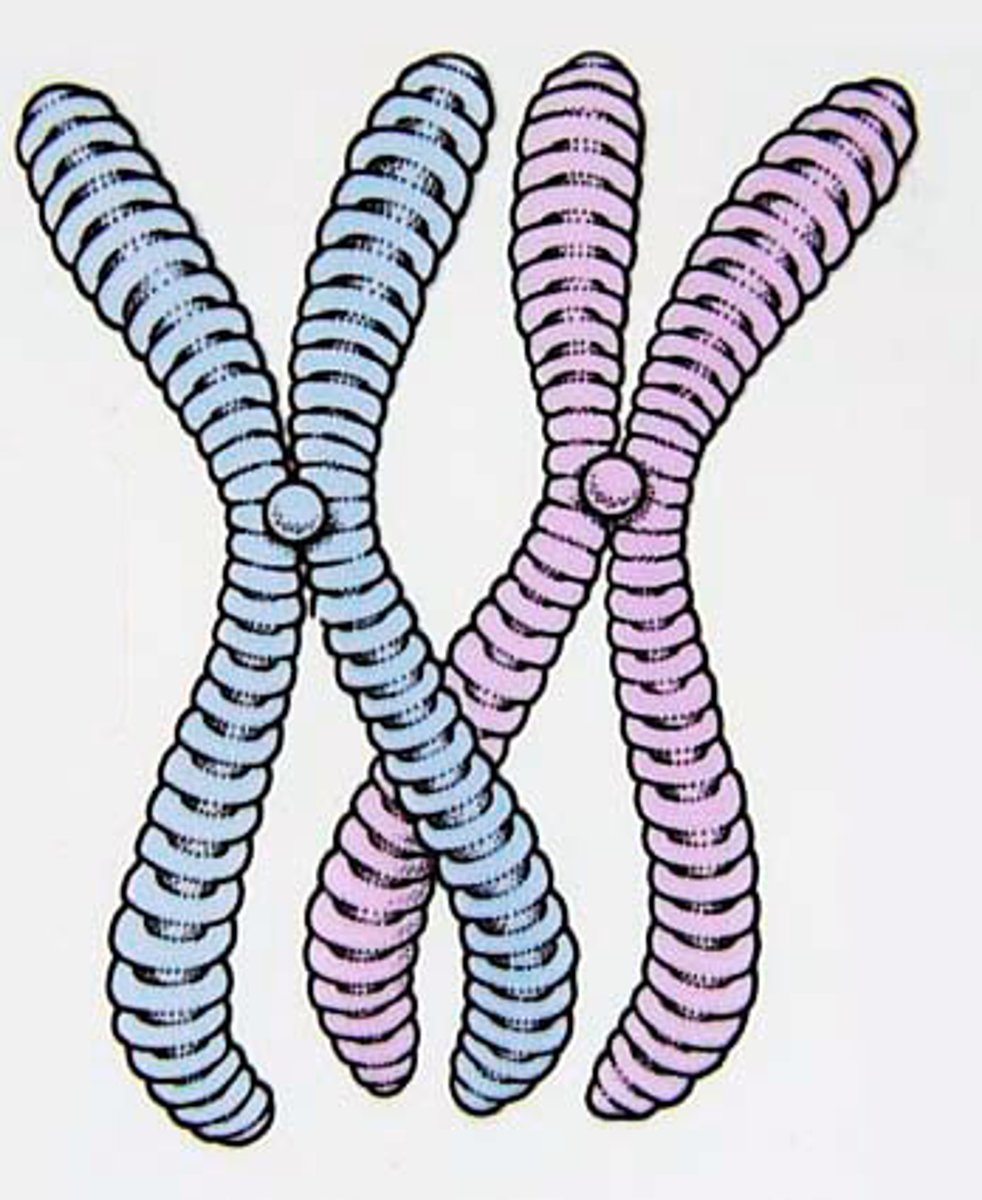
______________ Chromosomes have different genes, shape, and centromere location
Nonhomologous
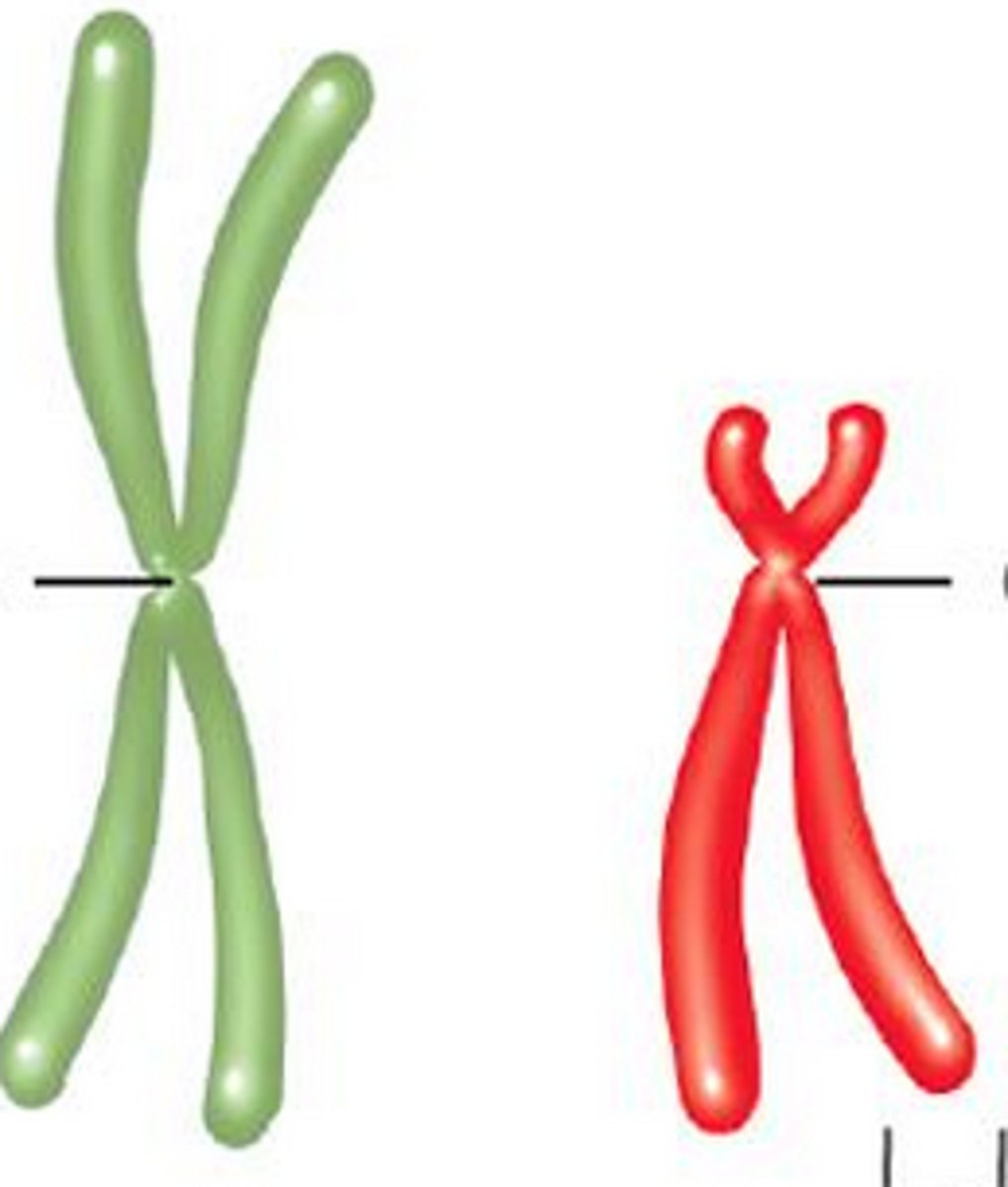
Chromosomes that males and females both contain are referred to as ______________
autosomes
Chromosomes that differ between male and females are referred to as ______ _____________
sex chromosomes
T or F: chromosomes determine sex
false
_________ refers to a location on a chromosome
locus
_______ refers to two locations on a chromasome
loci
An __________ is a version of a DNA sequence at a particular locus
allele
A SNP that involves the addition of a nucleotide into a DNA sequence
Insertion
A SNP that involves the removal of a nucleotide in a DNA sequence
deletion
____________ refer to the insertion or deletion of one or more nucleotide(s)
indels
___________ is the combination of alleles/genetic makeup of an individual cell or organism
genotype
Homozygous
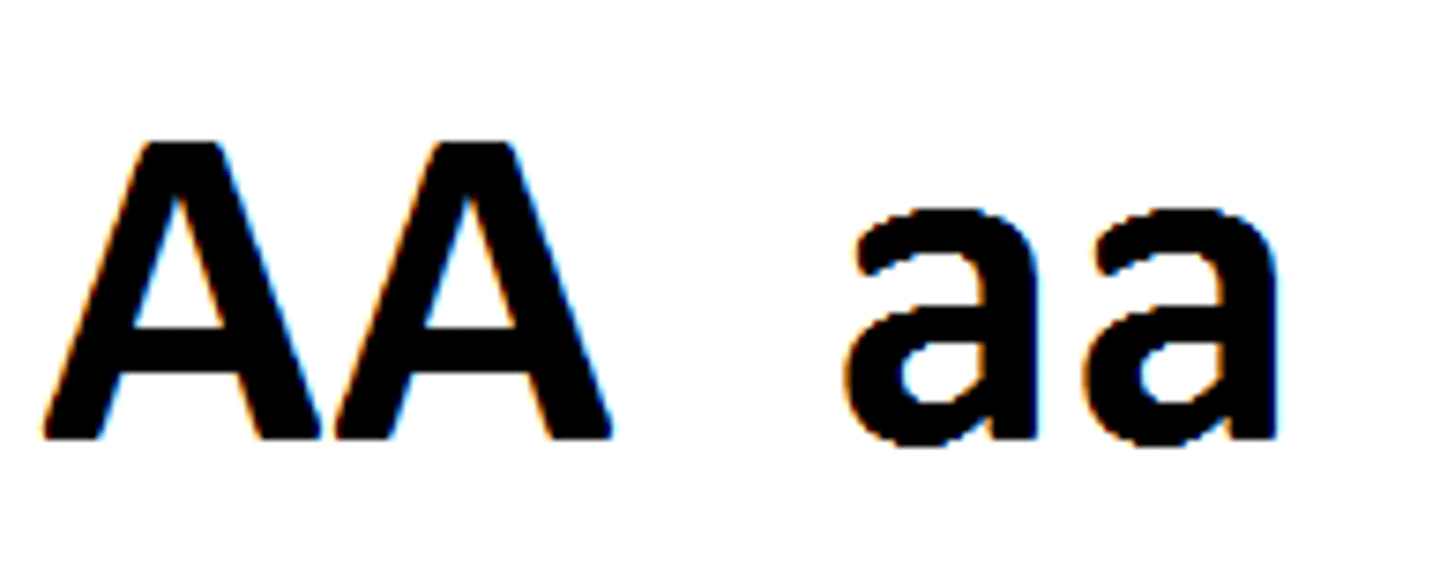
Heterozygous

T or F: humans have 23 pairs of chromosomes
true
An organism with only one set of chromosomes
haploid
An organism with two sets of chromosomes
diploid
An organism with three or more sets of chromosomes
polyploid
T or F: an allele is a set of chromosomes
false
T or F: chromosomes size, number, shape has never changed over time
false
The ______________ is essentially all of your DNA in a cell
genome
What are the three organelles that contain DNA?
nucleus, mitochondria, and chloroplasts
T or F: all genomes among species have the same amount of DNA
False
T or F: the format of DNA varies among species
true
T or F: Number of chromosomes vary among species
true
T or F: the organization of genes are the same among all species
false
T or F: All DNA sequences are functional
false
T or F: Genes and regulatory sequences are functional
true
DNA sequences that were once functional in our ancestors but are now "broken"
Pseudogenes
DNA sequences that are repeated multiple times Ex.) ACACACACACACAC
Repetitive Sequences
Viruses that are coded in our DNA but no longer active
Viral Sequences
DNA copies that are replicated and inserted somewhere else within the genome
Transposable Elements
Prokaryotic genomes are typically ________ with few (if any) introns
circular
Within prokaryotic genomes, ________ are typically an accessory and not needed
plasmids
The nuclear genome consists of DNA in the ___________ and is linear with introns in almost every cell
nucleus
How many base pairs do humans have within their genome?
3.2 billion
The mitochondrial genome consists of DNA in the _______________, genes control the organelles function, and is circular in shape
mitochondria
T or F: the mitochondria is a endosymbiotic bacteria
false
The _________ genome is made of proteins containing DNA that can either be double/single stranded and is very diverse (some contain DNA, others RNA)
viral
 Note
Note  Flashcards (49)