The Future of Biomedicine
 Studied by 0 people
 Call Kai
 Learn
Learn Practice Test
 Spaced Repetition
 Match
Match Flashcards
 Knowt Play
1/12

There's no tags or description
Looks like no tags are added yet.
Name | Mastery | Learn | Test | Matching | Spaced | Call with Kai |
|---|
No analytics yet
Send a link to your students to track their progress
13 Terms
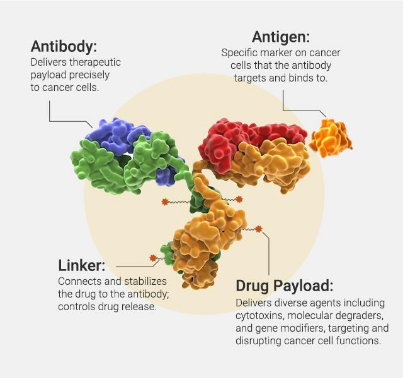
Why is it important to study Biochemistry?
A complete understanding of disease, health and therapy requires vision and intuition at the molecular level
Discovery of new medical breakthroughs can be catalyzed by molecular insights
It’s not sufficient to know what powerful therapies are available – you need to understand whether they are appropriate
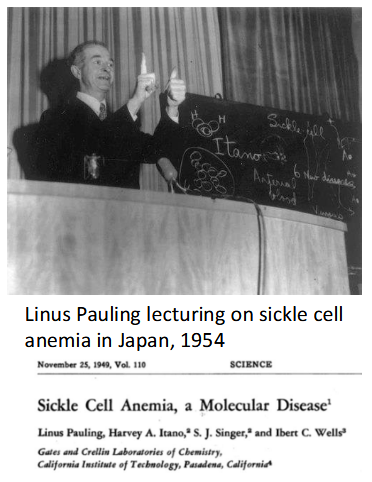
Linus Pauling and the dawn of “Molecular Medicine”
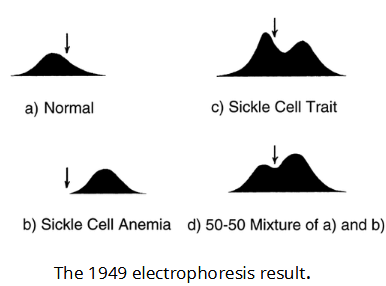
Not only was Pauling's group able to demonstrate that patients with sickle cell anemia have a different type of hemoglobin than healthy individuals, but also that blood taken from patients affected with the sickle cell trait, an asymptomatic form of the disease, contained a mixture of normal and defective hemoglobin in approximately equal amounts. They concluded that the sickle cell trait reflected a heterozygous condition, while sickle cell anemia reflected a homozygous one
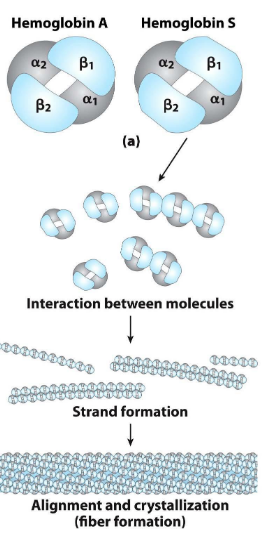
Sickle Cell Disease
E6V is the most common mutation - reduces the charge on the chain at an exposed site on the surface - valine acts as hydrophobic patch to polymerize T state chains into a long tubular fibers
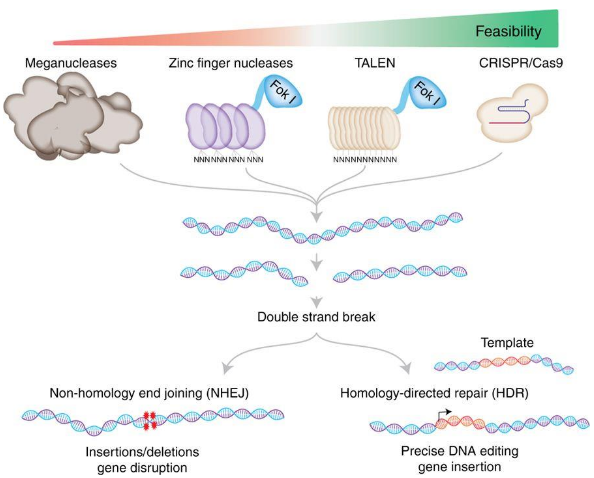
gene editing through directed double stranded breaks
scale from meganucleases to CRISPR/Cas9
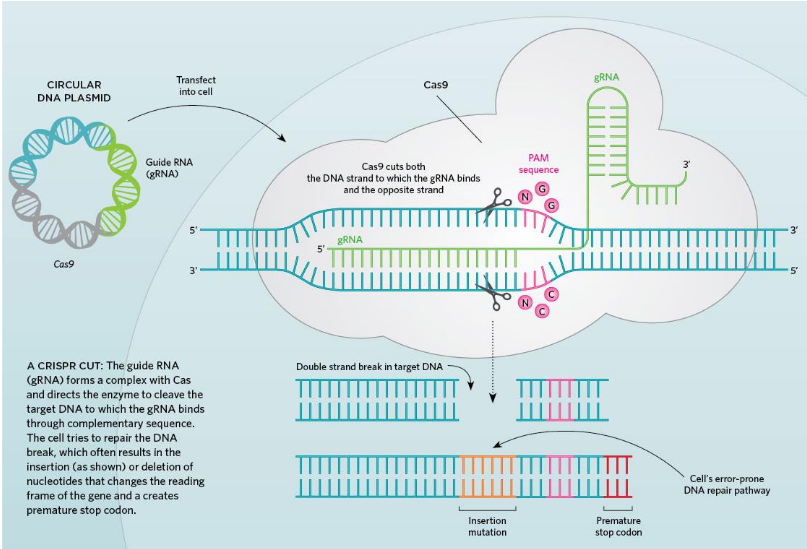
CRISPR
clustered regularly interspaced short palindromic repeats
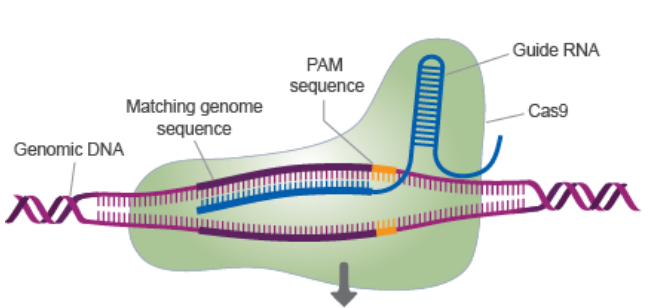
composed of an endonuclease protein whose DNA-targeting specificity and cutting activity can be programmed by a short guide RNA; known as a peculiar prokaryotic DNA repeat element for several decades before it was recognized as the bacterial immune system and subsequently harnessed as a powerful reprogrammable gene-targeting tool
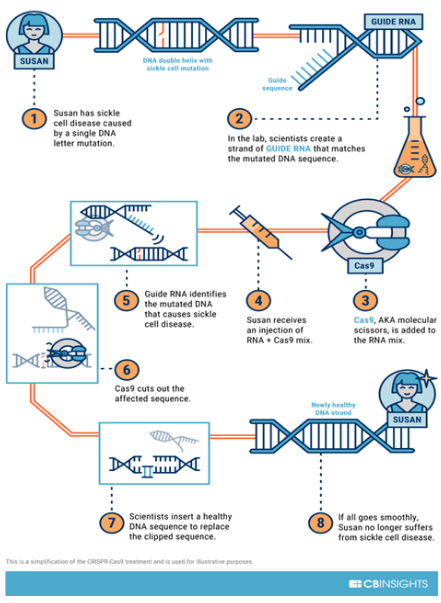
CRISPR/Cas9 process
CRISPR structure
Non-homologous End Joining
The War on Chlorine Dioxide
practice medicine as a science… or be a “healer”
topical gel, sanitiser, cleans wood pulp - free radical
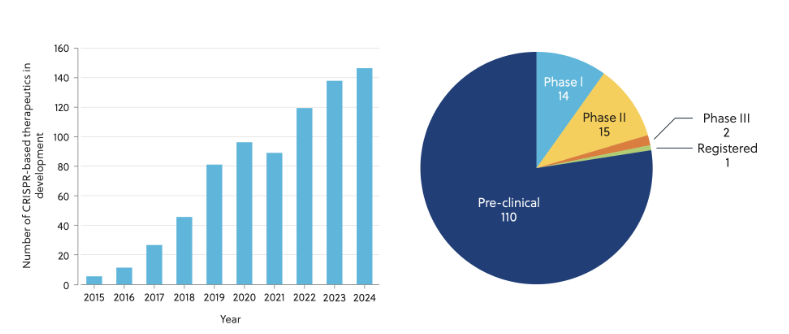
CRISPR popularity
exploded since 2012!
therapies since 2015!
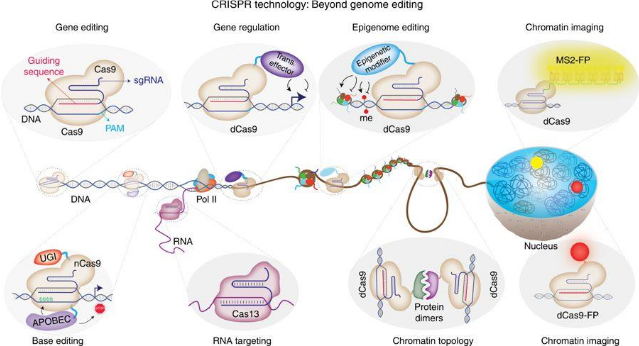
What can be accomplished with CRISPR/Cas?
Enables introduction of DNA sequence changes that correct genetic defects in whole animals, such as replacing a mutated gene underlying liver-based metabolic disease
Allows DNA sequence changes in pluripotent embryonic stem cells that can then be cultured to produce specific tissues, such as cardiomyocytes or neurons, which could also eventually treat human disease.
Can replicate the genetic basis for human diseases in model organisms
Can change the DNA in the nuclei of reproductive cells that transmit information from one generation to the next (an organism's “germ line”).
Can thus alter the genetic makeup of every differentiated cell in an organism, ensuring that the changes will be passed on to the organism's progeny.
Changes to the human germ line could be made using this simple technology
CRISPR gene-editing for treating Sickle Cell Disease
It’s not about the technology – it’s about the patients
Victoria Gray, Brandon Williams, Jimi Olaghere
beginning of a new era in medicine
Emerging ethical dilemmas in biomedicine
EUGENICS - “it’s less about having your best baby, and more about being the best parent for your baby.”
germ-line editing
“premature,” “ethically problematic,” and even “monstrous.”
GMHs (genetically modified humans)
synthetic lifeforms
“frankenfoods”
 Note
Note  Flashcards (71)