spanish midterm, las relaciones personales, las diversiones
 Studied by 1 person
 Call Kai
 Learn
Learn Practice Test
 Spaced Repetition
 Match
Match Flashcards
 Knowt Play
1/201

There's no tags or description
Looks like no tags are added yet.
Name | Mastery | Learn | Test | Matching | Spaced | Call with Kai |
|---|
No analytics yet
Send a link to your students to track their progress
202 Terms
what are the three endings in past pregressive
-ar -> ando
-ir and -er -> iendo
ir - present progressive
yendo
poder - present progressive
puitiendo
reir - present progressive
riendo
sonreir - present progressive
sonriendo
decir - present progressive
diciendo
dormir - present progressive
durmiendo
mentir - present progressive
mintiendo
morir - present progressive
muriendo
pedir - present progressive
pidiendo
sentir - present progressive
sintiendo
sugerir - present progressive
sugiriendo
what happens when i is between two vowels in the present progressive
change the i to y
ex. leer -> leiendo -> leyendo
what do you use before the present progressive
estar - estoy, estas, esta, estamos, estais, estan
seguir, continuar, ir, venir, llevar, andar
what is the sentence structure for the present progressive
who/what + estar + verb + complement
who/what + no + estar + verb + complement
what are the three endings in present progressive
-ar - o, as, a, amos, ais, an
-ir - o, es, e, imos, is, en
-er - o, es, e, emos, eis, en
pensar - stem changing
pienso, piensas, piensa, pensamos, pensais, piensan
poder - stem changing
puedo, puedes, puede, podemos, podeis, pueden
pedir - stem changing
pido, pides, pide, pedimos, pedis, piden
caer - go verbs
caigo
distinguir - go verb
distingo
hacer - go verbs
hago
poner - go verbs
pongo
salir - go verbs
salgo
traer - go verbs
traigo
valer - go verbs
valgo
conducir - zco ending
conduzco
parecer - zco ending
parezco
conocer - zco ending
conozco
crecer - zco ending
crezco
obedecer - zco ending
obedezco
producir - zco ending
produzco
traducir - zco ending
traduzco
dirigir - jo ending
dirijo
escoger - jo ending
escojo
exigir - jo ending
exijo
proteger - jo ending
protejo
caber - changes in the yo form
quepo
saber - changes in the yo form
sé
ver - changes in the yo form
veo
dar - changes in the you form
doy
decir - changes in the yo form
digo
ir - present tense
voy, vas, van, vamos, vias, van
oir - changes in the yo form
oigo
ser - present tense
soy, eres, es, somos, sois, son
tener - present tense
tengo, tienes, tiene, tenemos, teneis, tienen
venir - present tense
vengo, vienes, viene, venimos, venis, vienen
when do you ser
nationality, occupation, generalization, characteristics, possessions, material of compositions, time/date, where/when an event takes place
when do you estar
spacial/place, physical condition, emotional state, climate, present progressive
when it comes to adjectives when do you ser vs estar
ser - expected qualities, constants (ex. relationships)
estar - qualities that can change over time (ex. hair color, clothings)
when is dia de los muertos celebrated
1st and 2nd of nov
what is the point of dia de los muertos
to honor the dead
what do the alters for dia de los muertos represent and what is the point
the four elements - fire (fuego), water (agua), air (aire) and earth (tierra)
welcome the dead to the land of the living
what can be found on the alters for dia de los muertos
food, candles, orange marigolds, photos, skulls, candies
when are alters for dia de los muertos prepared
31 of oct (halloween)
what represents the air for dia de los muertos
colorful banderas with designs
what represents the fire for dia de los muertos
candles (velas)
what represents the earth for dia de los muertos
food (ex. Pan de muerto, tamales, mole, sugar skulls)
what represents the water for dia de los muertos
water
what is tomatina
world's largest food fight
when and where does tomatina take place
last wednesday in august
streets of bunol spain
when and why did tomatina start
1945 when children started having a food fight + has gone since
what are some of the rules for tomatina
must squash tomatoes before throwing them
cleanup - firetrucks hose down the streets and people use hoses to clean themselves
where should both object pronouns go
either before the conjugated verb or after the verb
present progressive - before estar or with ando/iendo
direct object pronouns
directly affected by the action
me, te, lo/la, nos, os, los/las
indirect object pronouns
answer for whom? to whom? whose?
me, te, le, nos, os, les
what happens when you use both direct and indirect
indirect before direct
if le/les + lo/la/los/las -> se + lo/la/los/las
what happens with direct and indirect when you saying commands
the indirect and direct go at the end of the conjugated verb
ex. limipalo
what the prop pronouns
A, de, con, para, por, en, sobre, sin
when with the prep positions what happen to yo and tu
me -> mi and tu -> ti
con + mi
conmigo
con + ti
contigo
con + si
consigo
personal a
direct object is person/animal/pet you have relationship w/
Placed before noun
questions - place at very beginning
A + el = al
more than one noun use an a for each - ex. a sara y a alexa
to pay attention to someone
hacerle caso a alguien
to have a good/bad/terrible time
pasarlo bien/mal/fatal
to think highly of
apreciar

to be (married) for ... years
llevar...años de (casados)

feeling
el sentimiento
affectionate
cariñoso/a

affection
el cariño

sure, confident
seguro/a

to attract
atraer

overwhelmed
agobiado/a

married
casado/a

insincere
falso

to propose (marriage)
proponer (matrimonio)

stingy
tacaño/a

jealous
celoso/a

widow
viudo/a
to be embarrassed (about)
tener vergüenza (de)

to argue
discutir
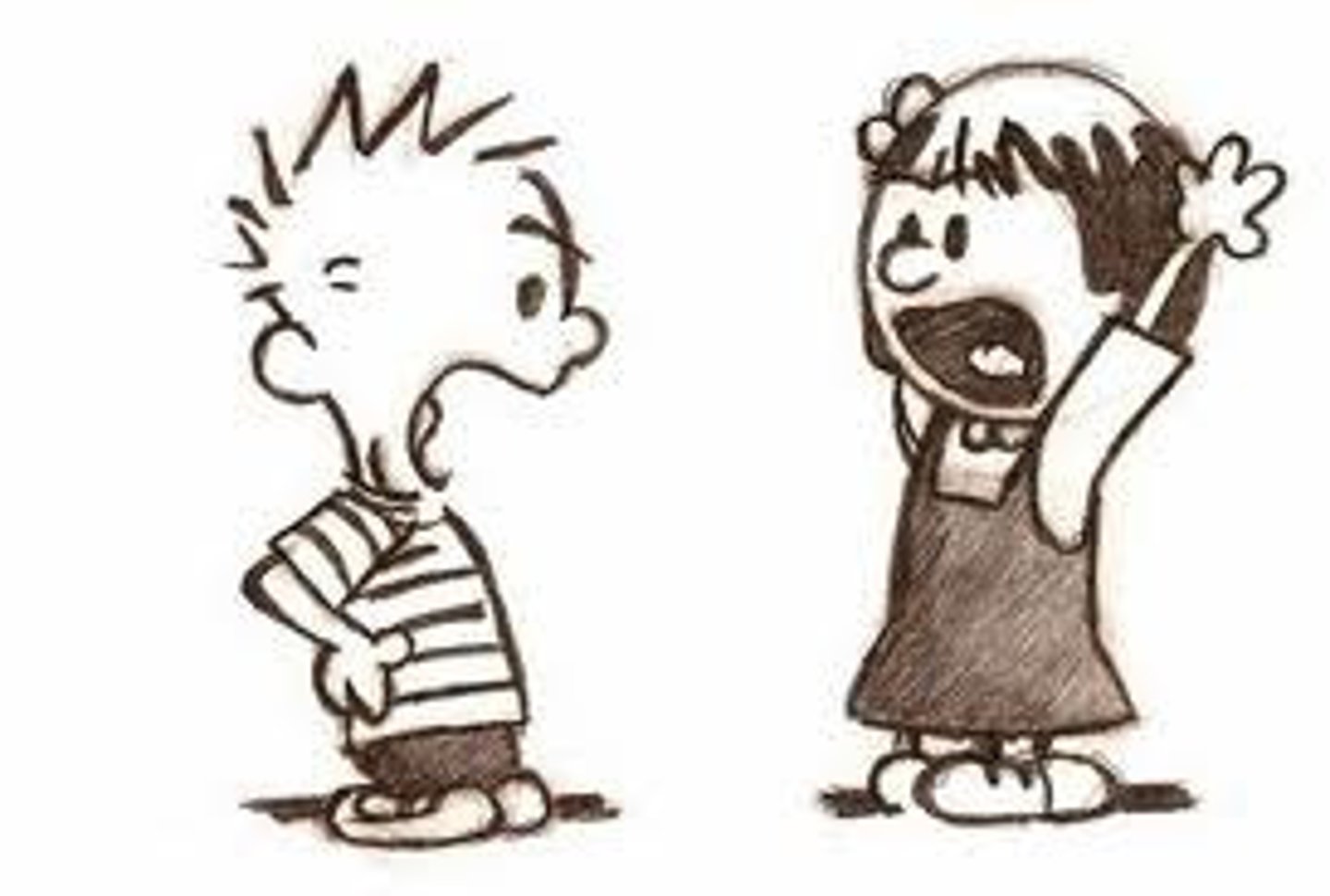
to get along well/badly/terribly
llevarse bien/mal/fatal

to adore
adorar

to hate
adiar
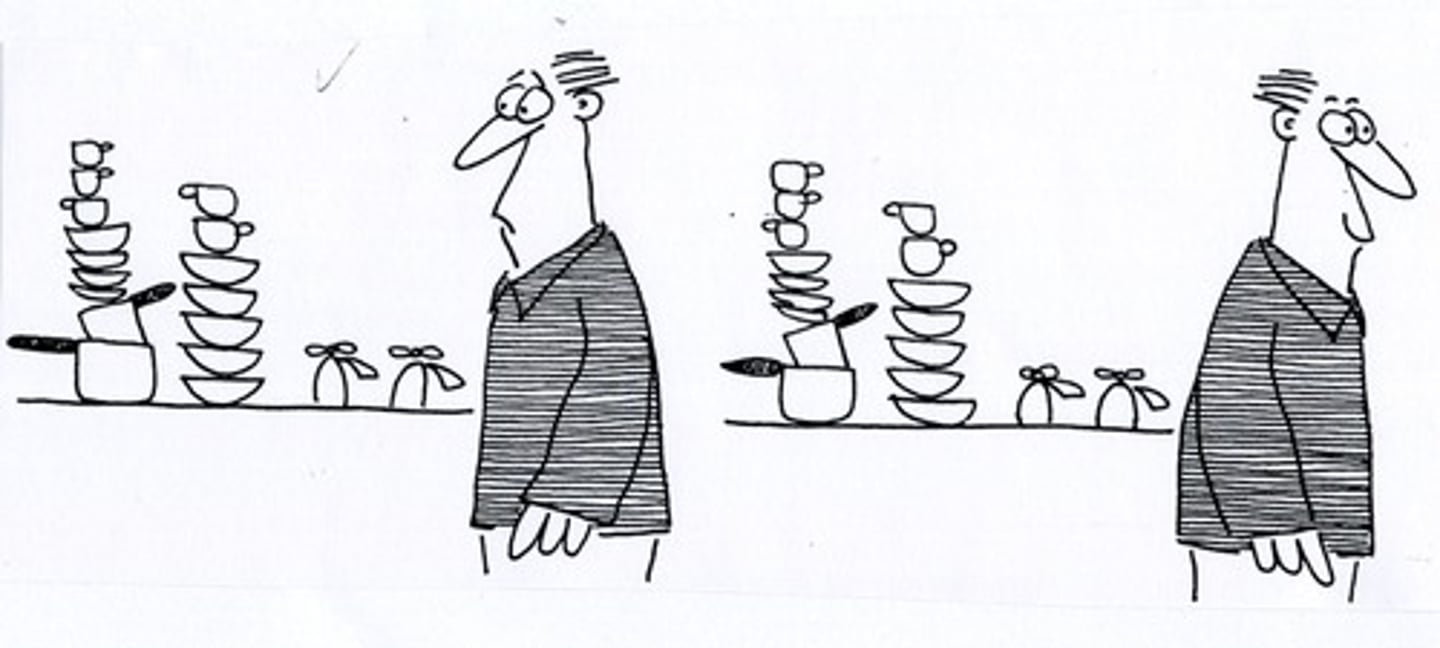
to be sick (of)
estar harto/a (de)

anxious
anioso/a

to raise, to bring up
educar
spirit
el ánimo

to dream about (o:ue)
soñar (con)

 Note
Note  Flashcards (72)