Body Systems and Cells 2025
 Studied by 0 people
 Call Kai
 Learn
Learn Practice Test
 Spaced Repetition
 Match
Match Flashcards
1/21

There's no tags or description
Looks like no tags are added yet.
Name | Mastery | Learn | Test | Matching | Spaced | Call with Kai |
|---|
No analytics yet
Send a link to your students to track their progress
22 Terms
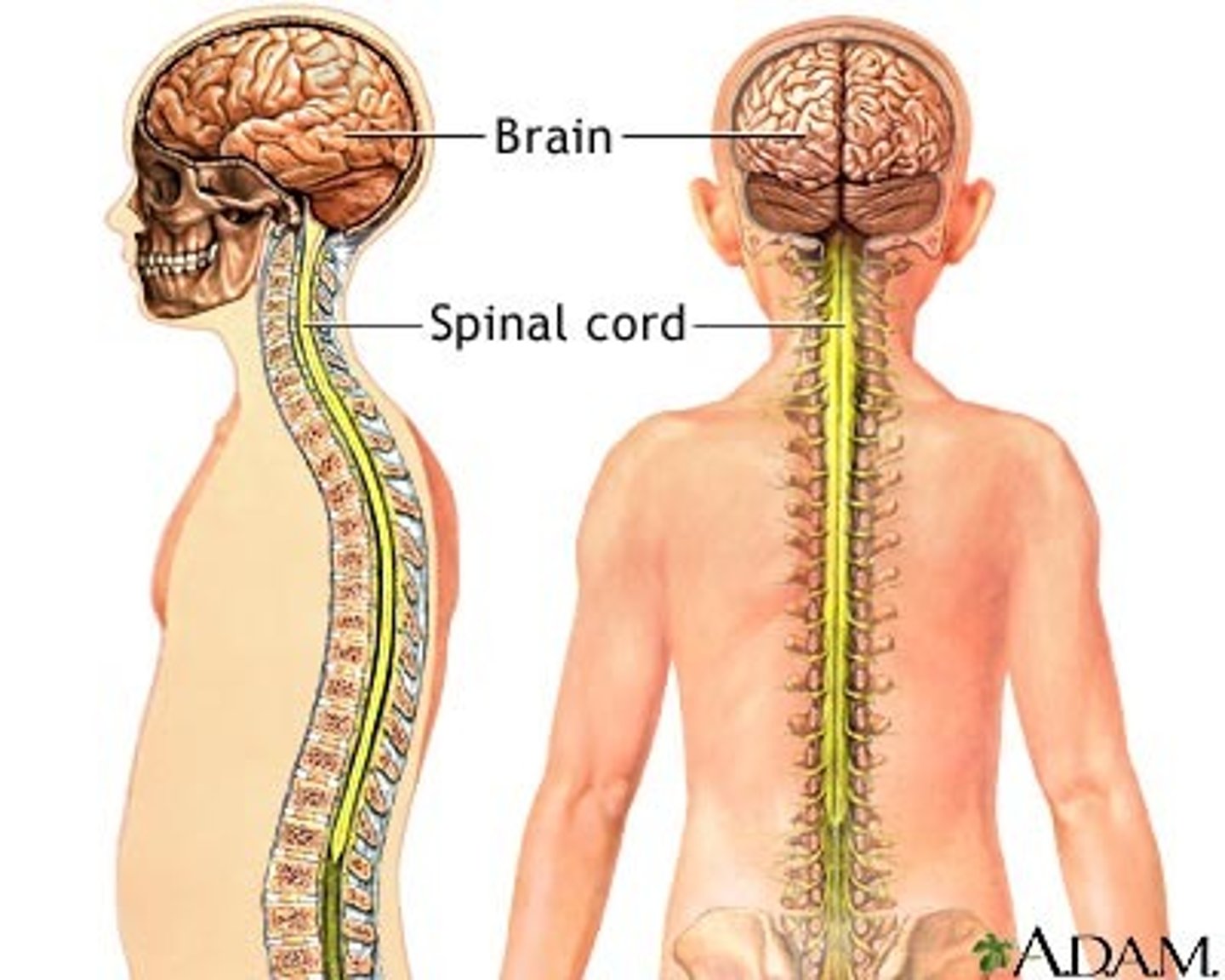
Nervous System
Control of body activities and the
reaction to stimuli; send electrical
messages
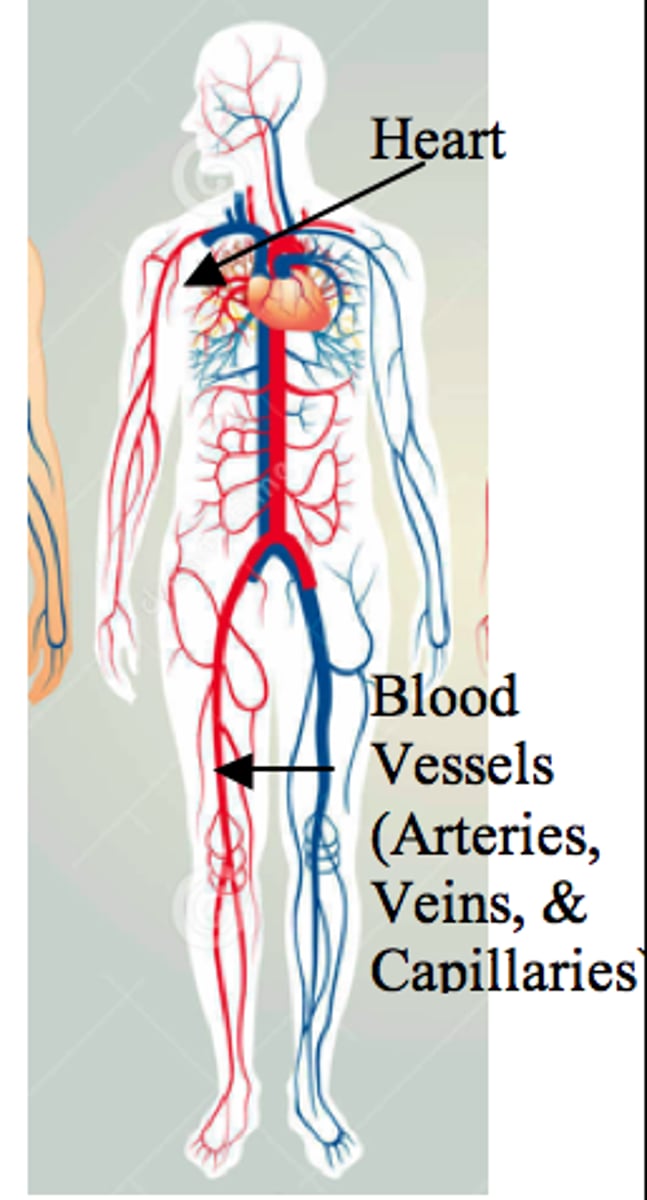
Circulatory System
Transport of nutrients, metabolic
wastes, water, salts, and disease
fighting cells
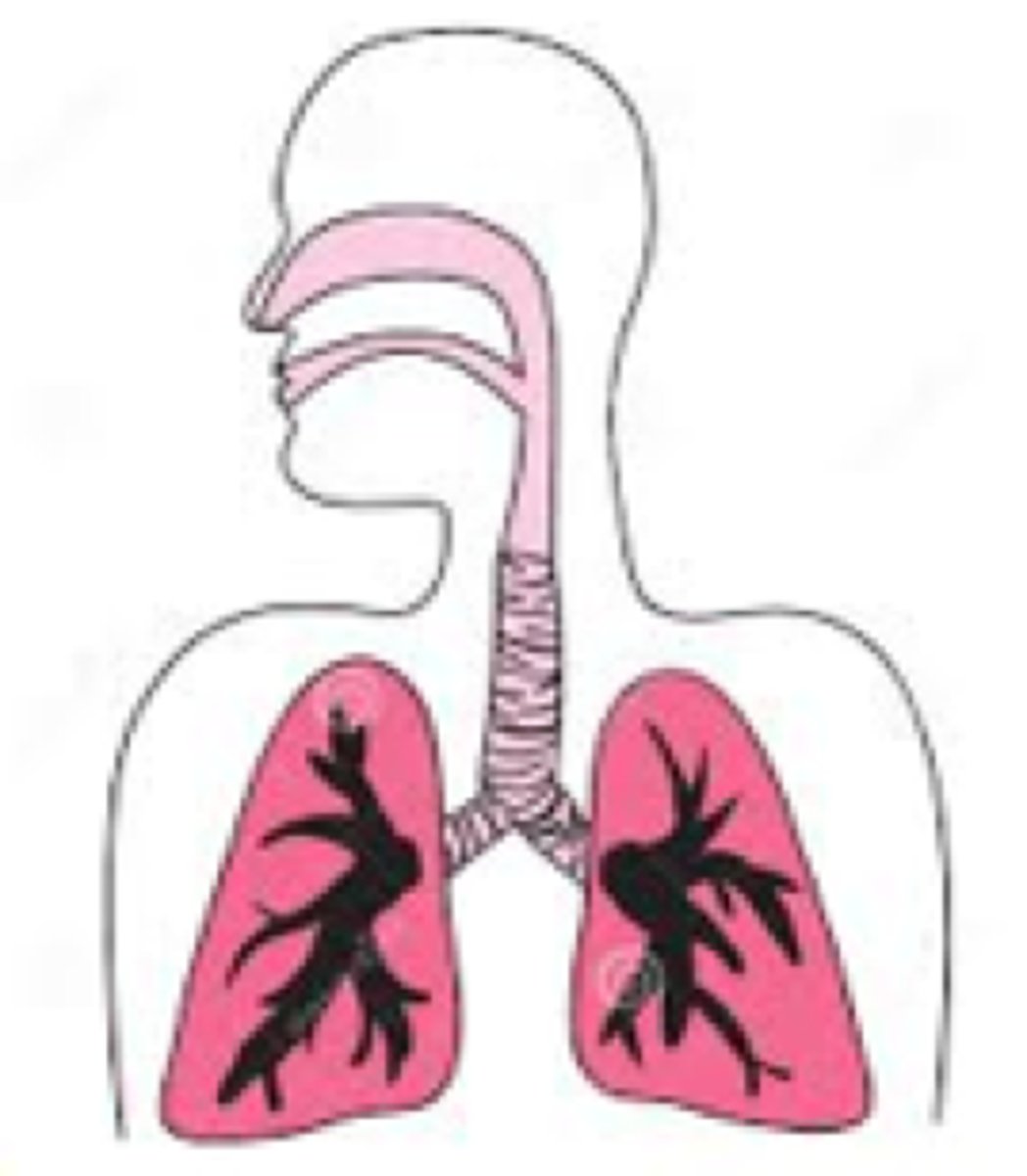
Respiratory System
Intake of oxygen and removal of
carbon dioxide from body, exchanges gases in the lungs
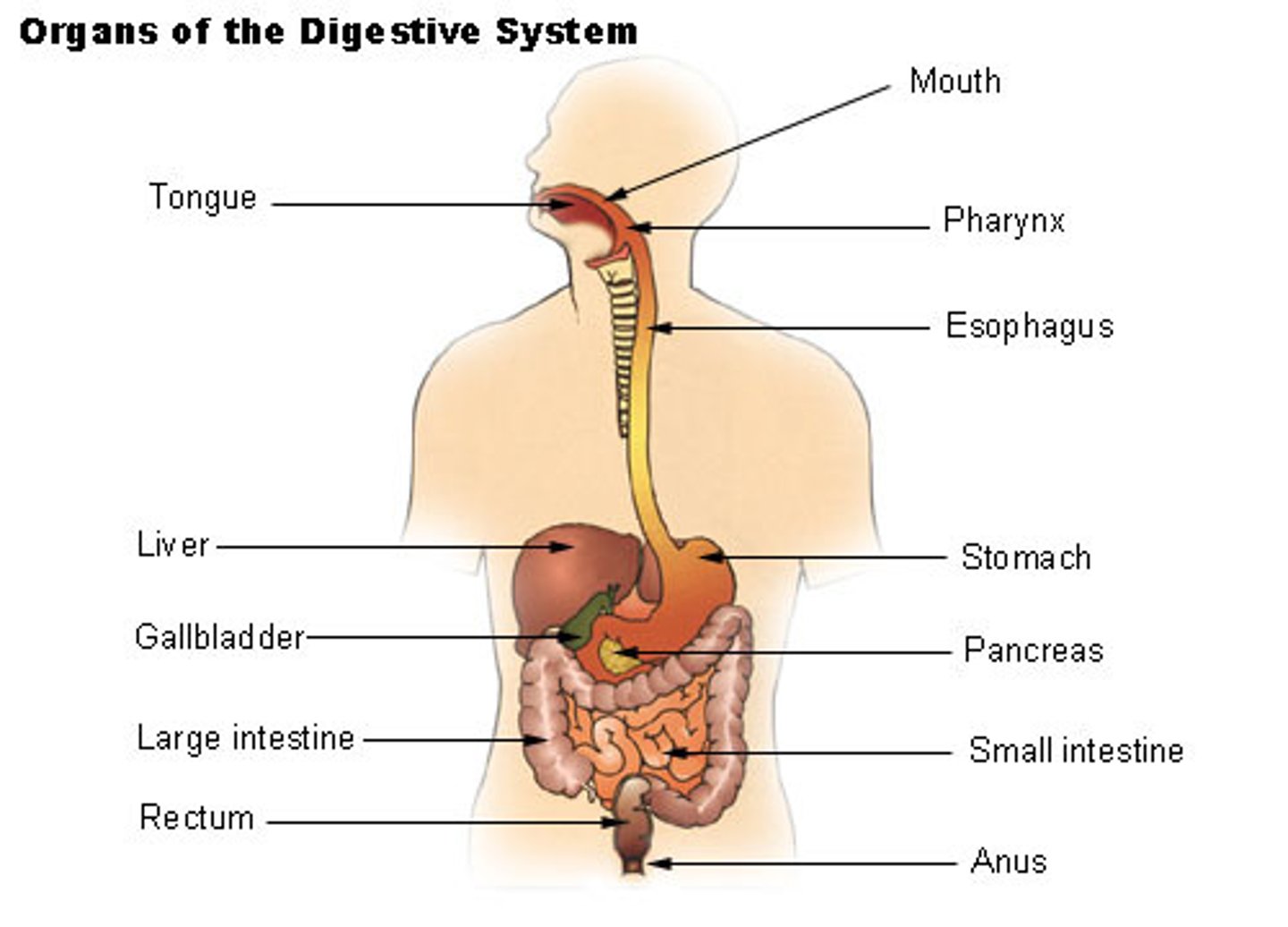
Digestive System
Break down of food and absorption
for use as energy
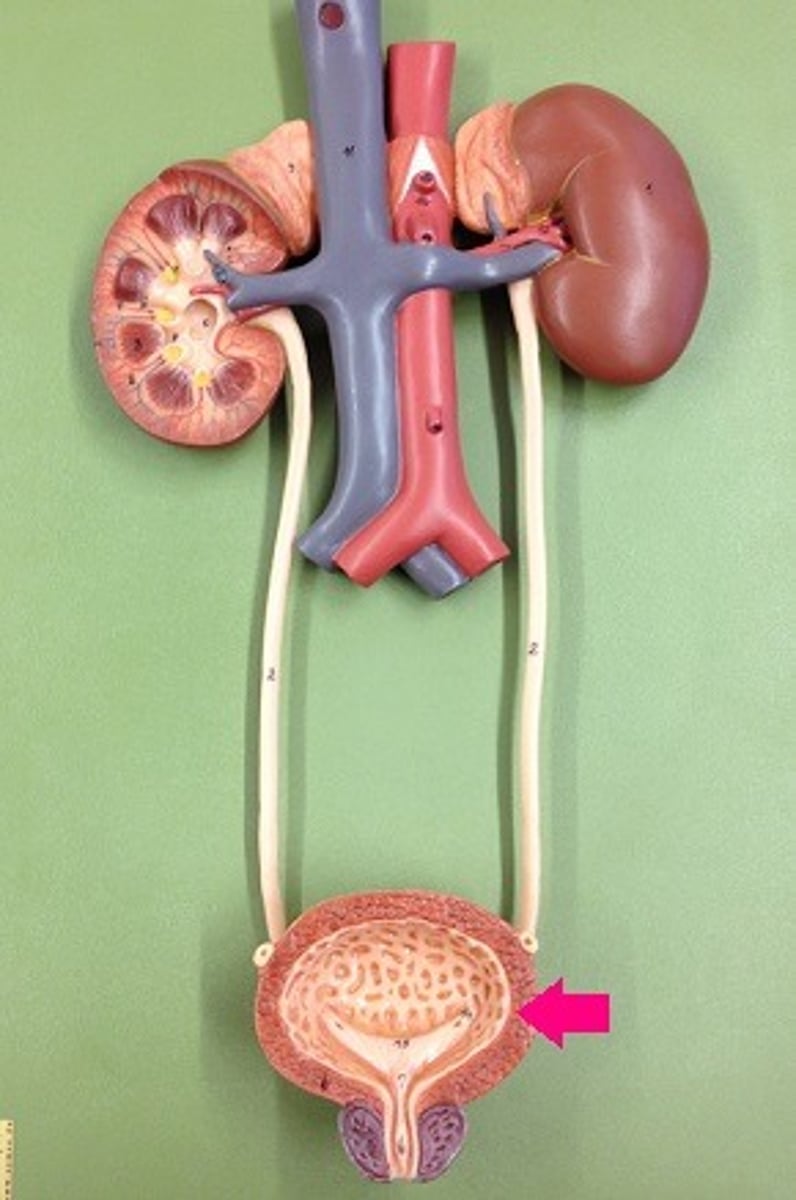
Urinary System
Removal of waste; controls water
and salt balance: bladder, kidneys
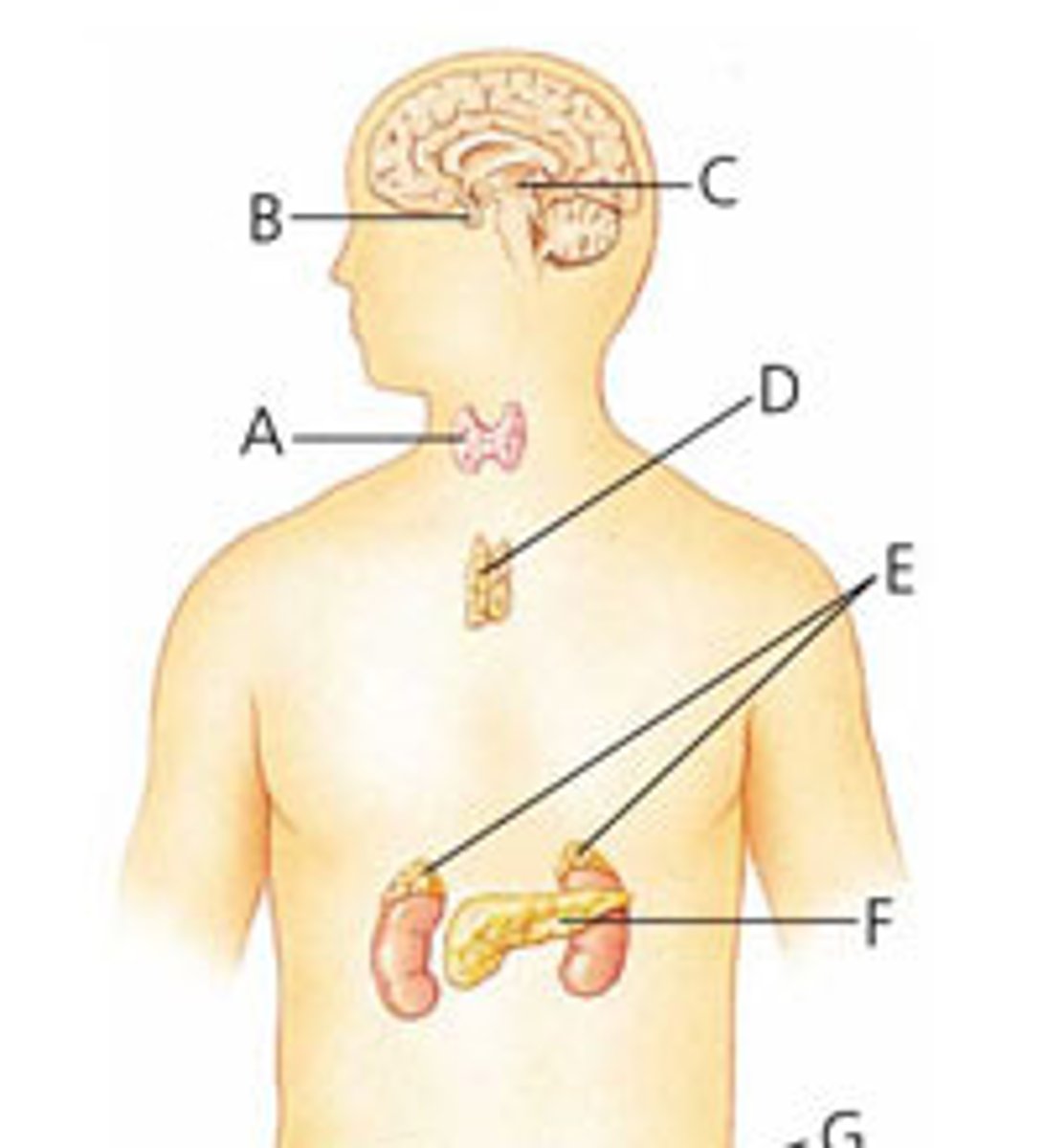
Endocrine System
Production of hormones and body
regulation: glands
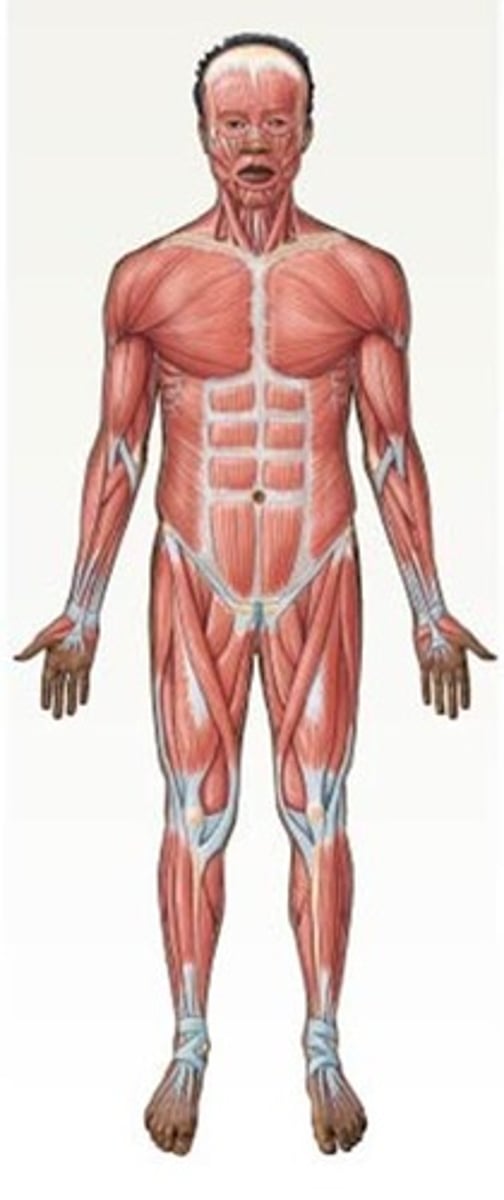
Muscular System
movement/locomotion: muscles
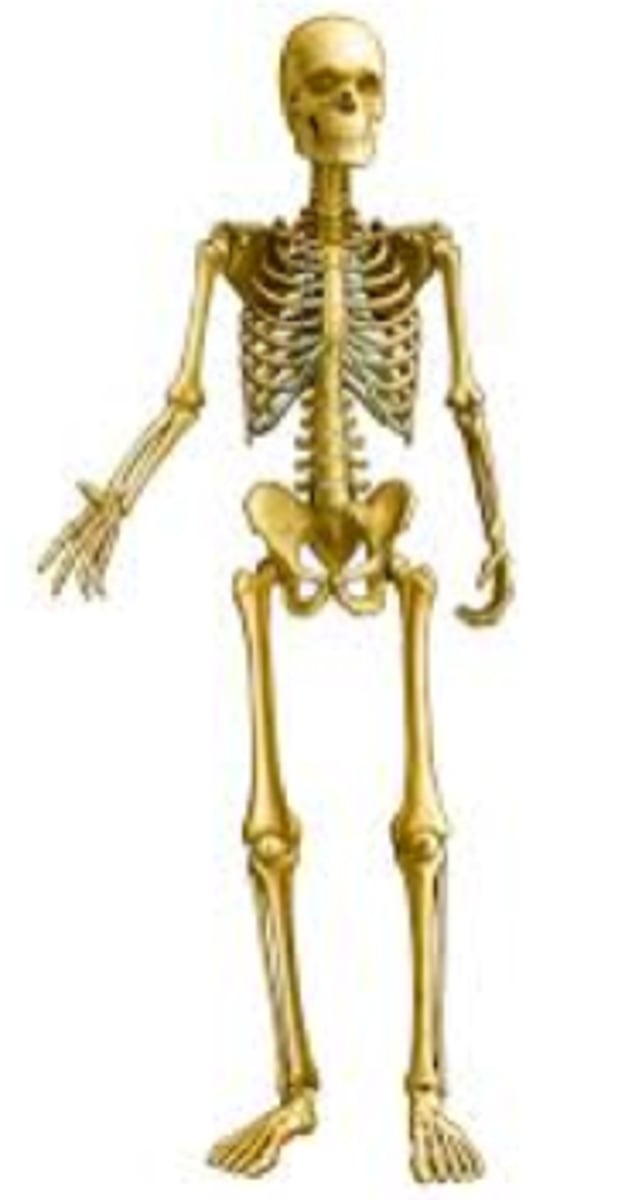
Skeletal System
protects internal organs and supports the body : bones
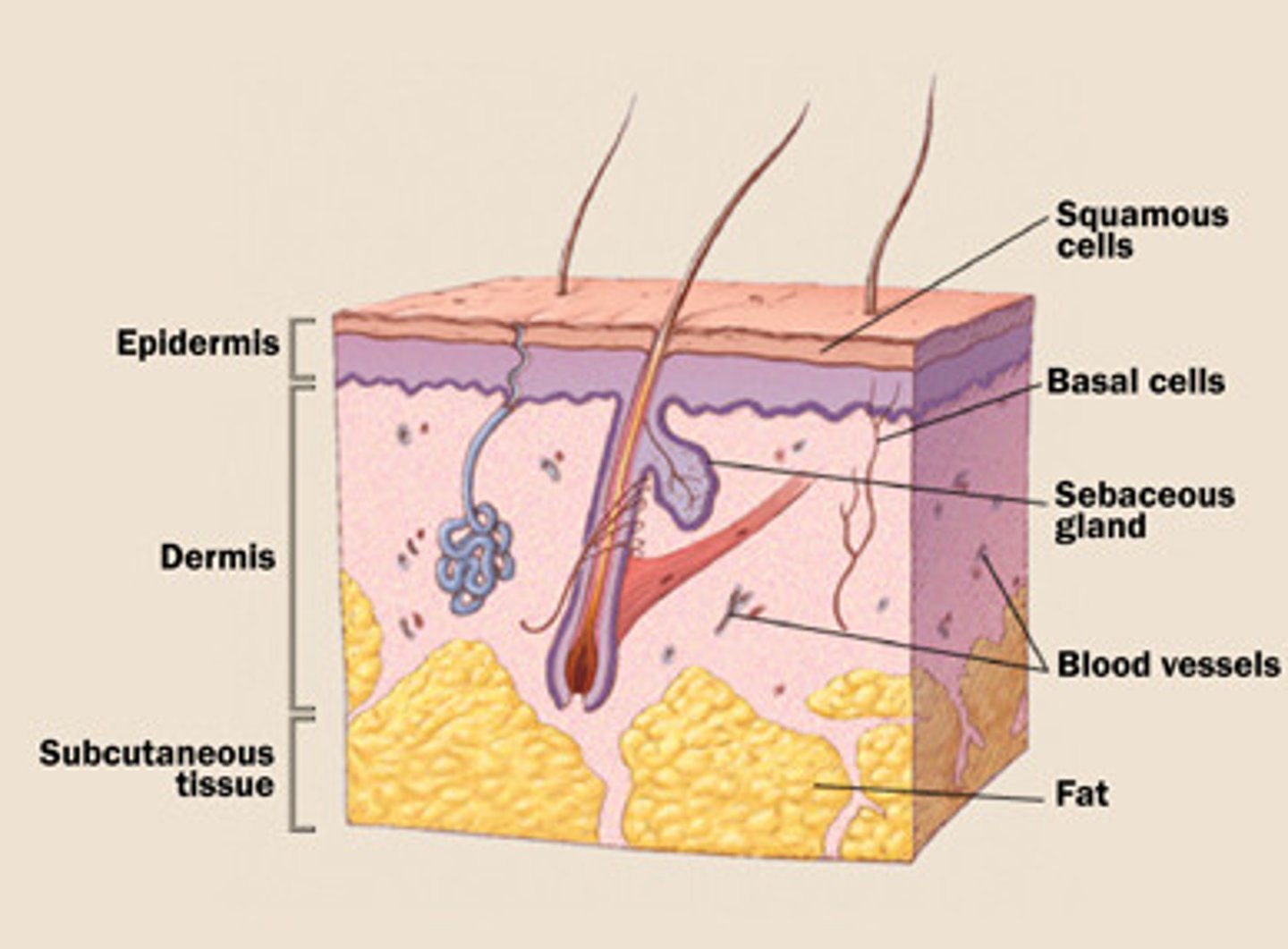
Integumentary System
Protection of body from injury and
bacteria, maintenance of tissue
moisture, holds receptors for stimuli
response, body heat regulation skin, hair, nails
Reproduction
creating offspring

Unicellular
organisms with one cell.
Multicellular
organisms with more than one cell.
Autotrophic
organisms that are able to create their own food from sunlight; PLANTS.
Heterotrophic
organisms that are not able to create their own food; ANIMALS/HUMANS.
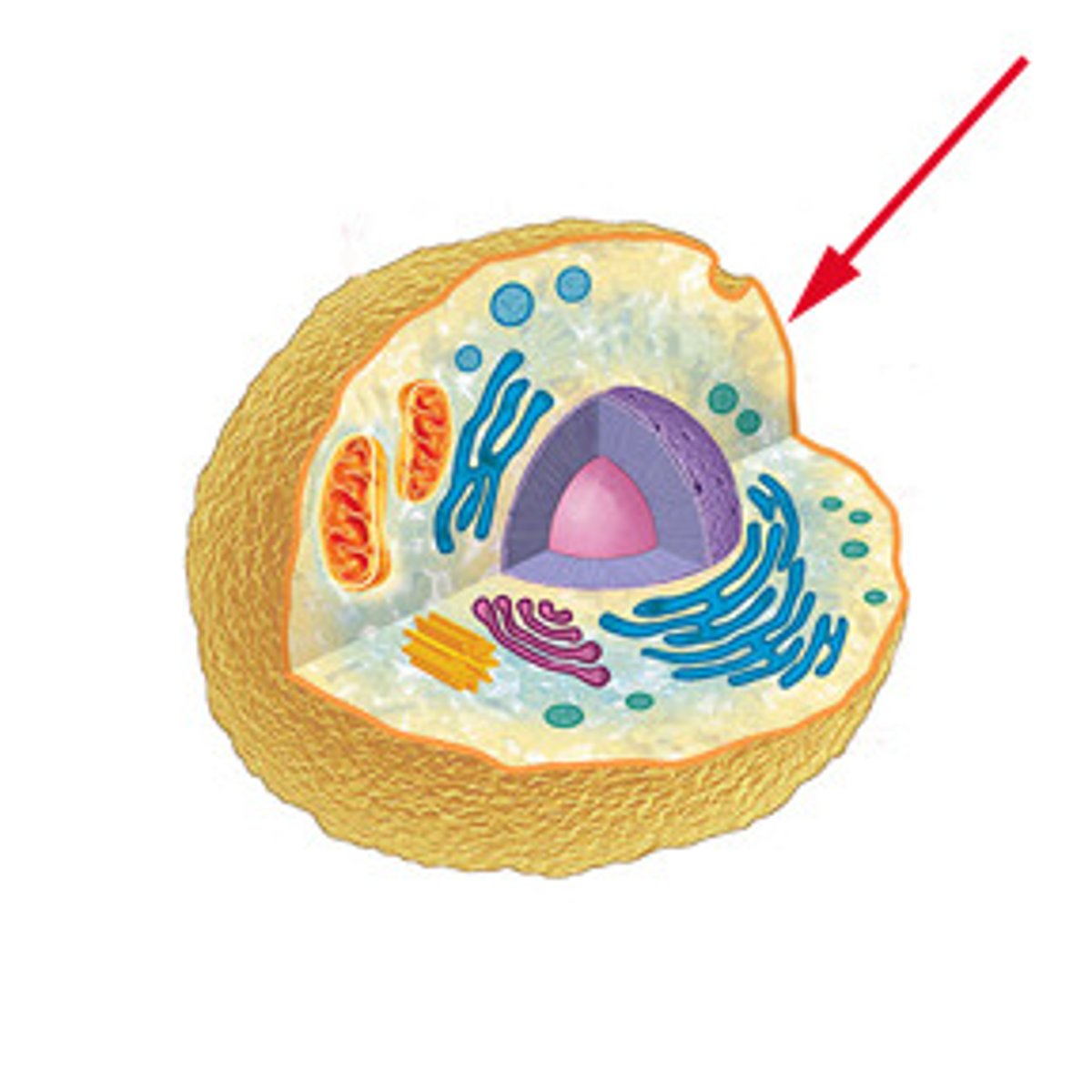
Cell membrane
Allows substances in and out of the
cell (Like a classroom door)
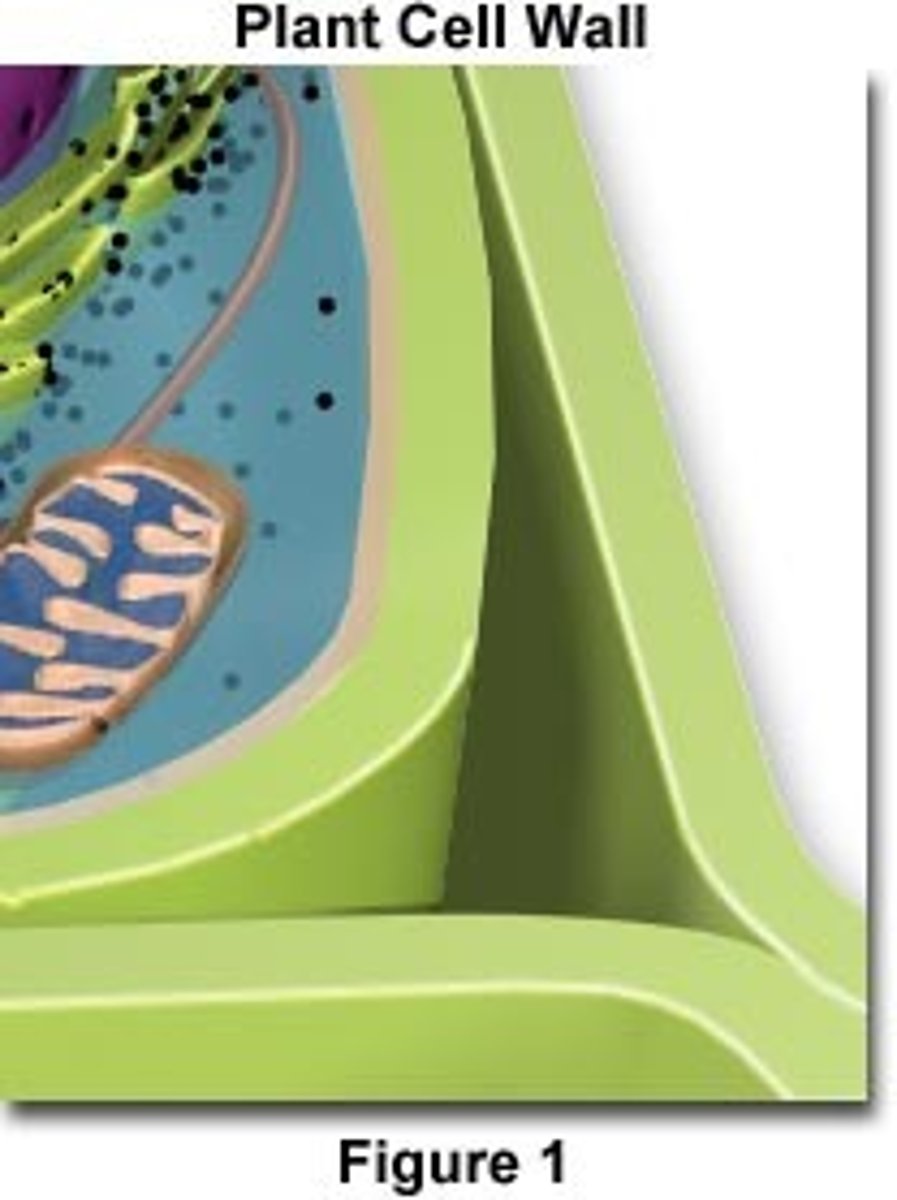
Cell Wall
Protect and Support for Plants
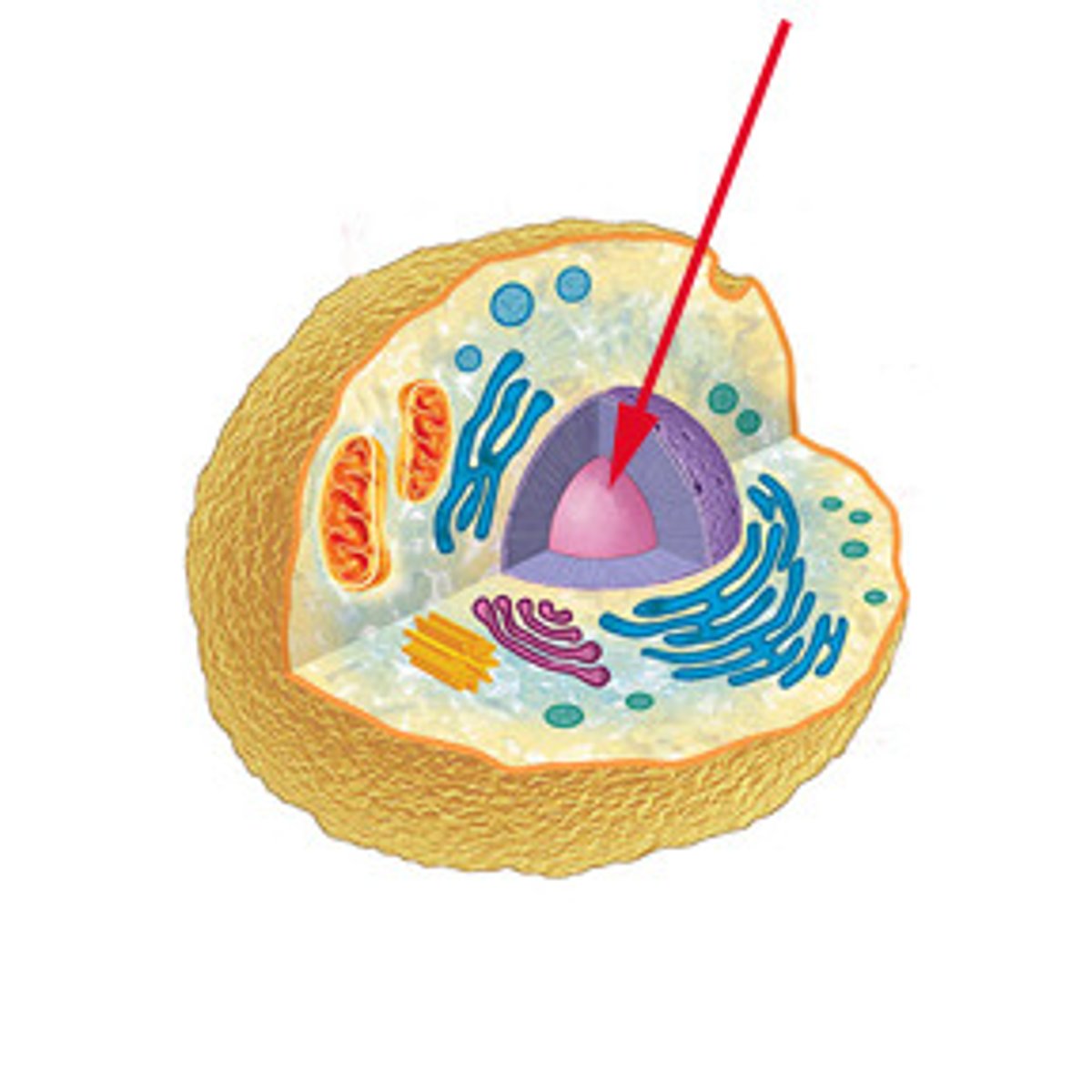
Nucleus
Control center; DNA (Like the school
principal)
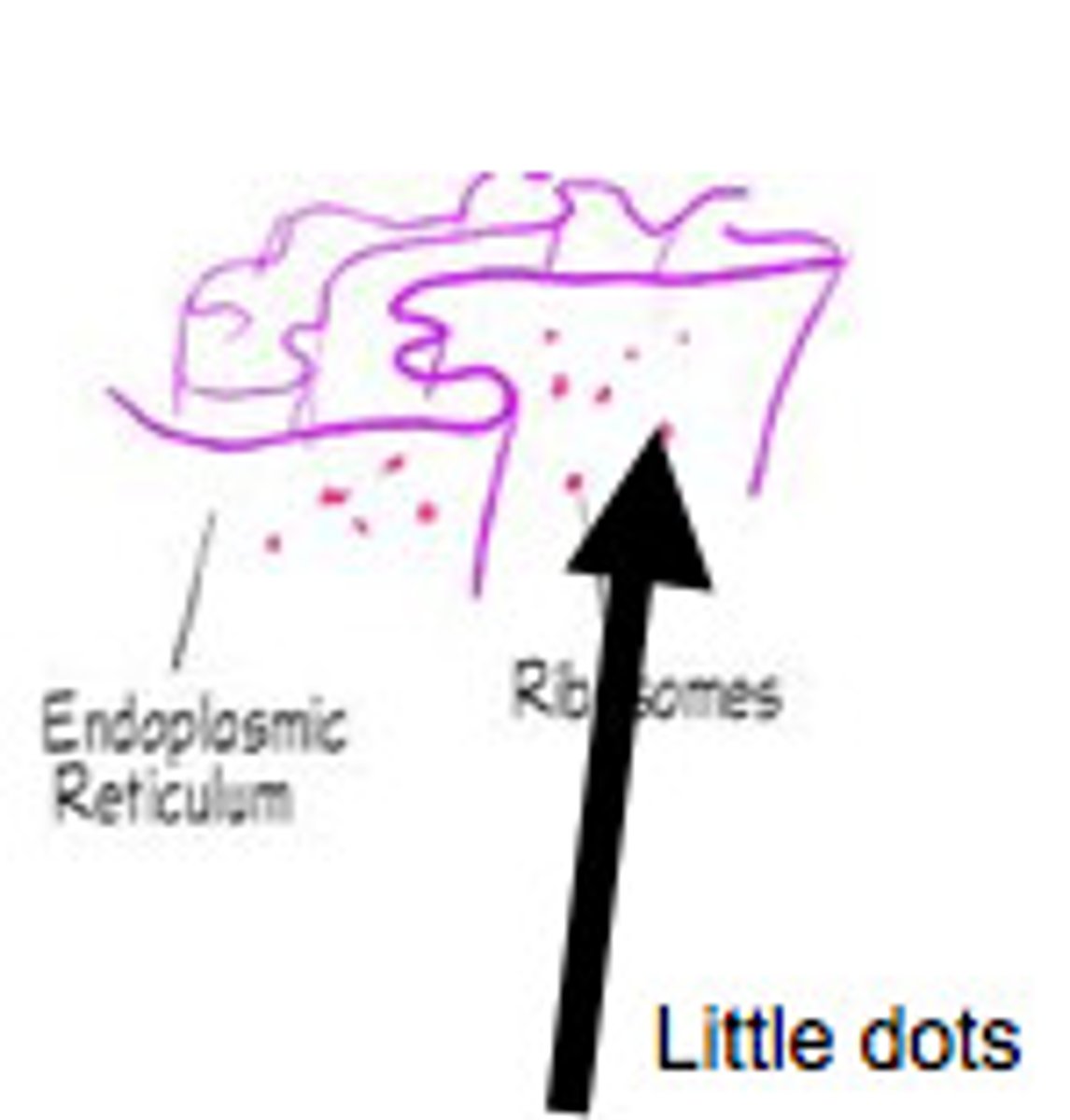
Ribosomes
Proteins are found in this location
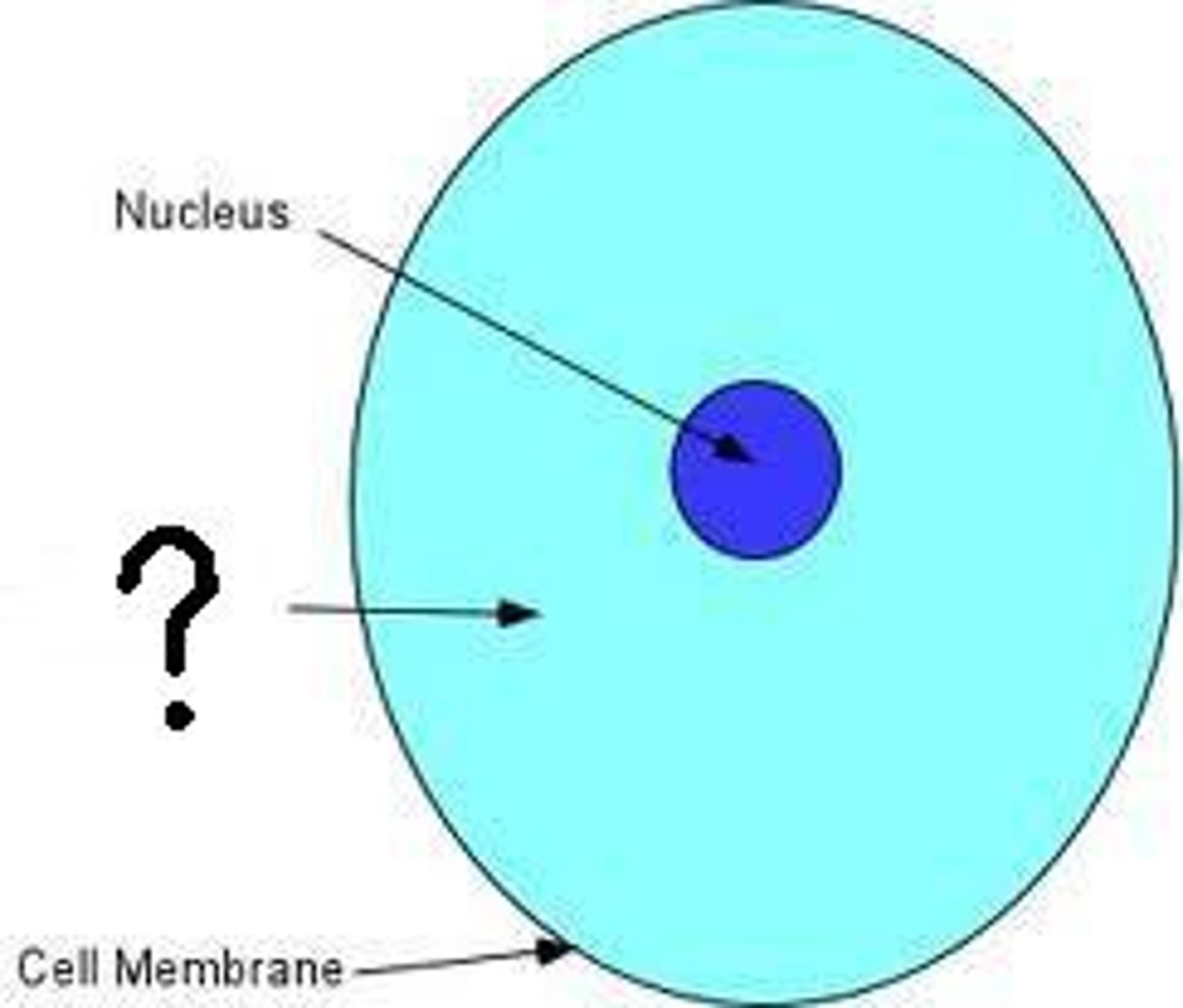
Cytoplasm
Fluid that surrounds the organelles
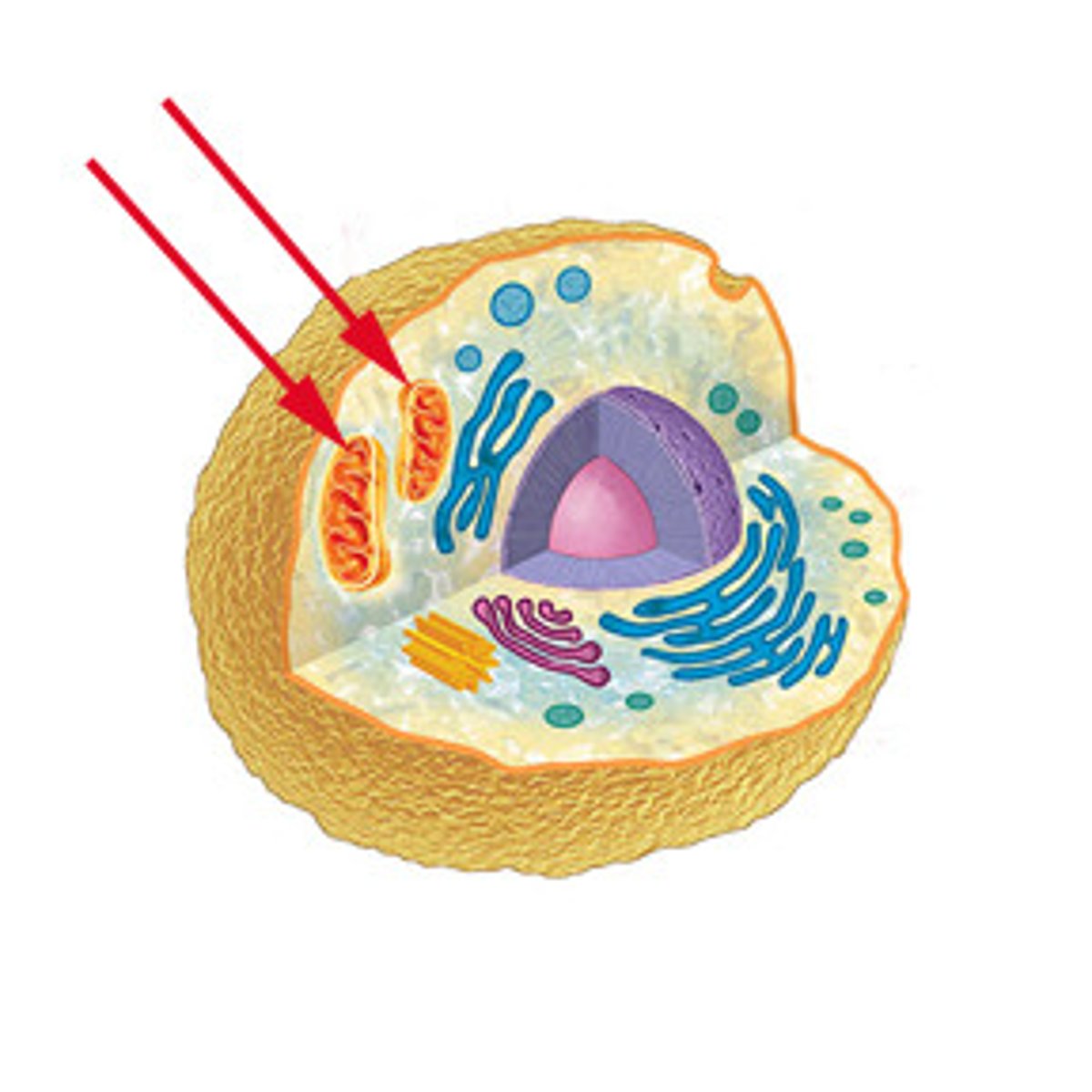
Mitochondria
"Power House"
Makes energy for the cell
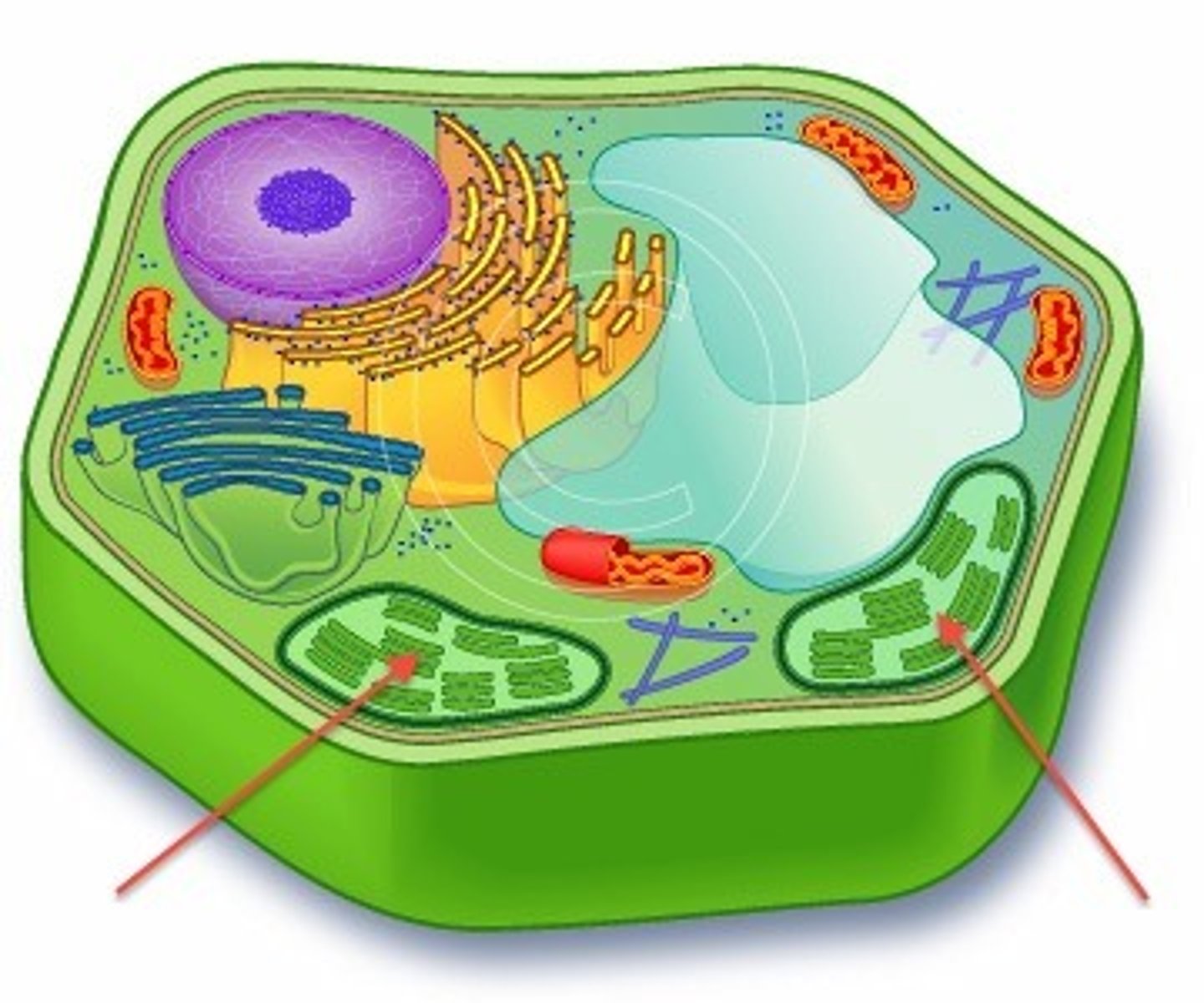
Chloroplast
Site where photosynthesis occurs in plant cells
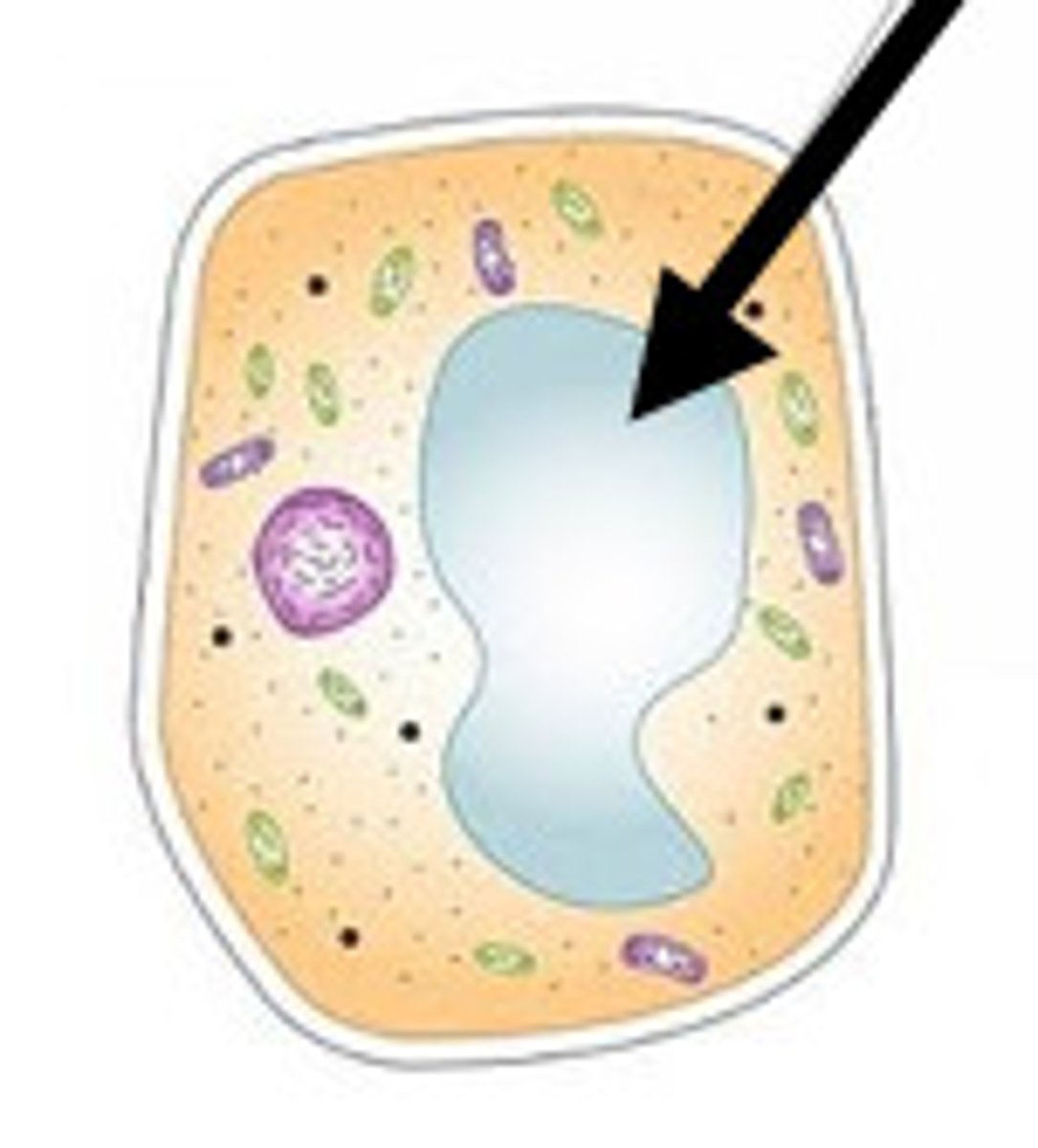
Vacuole
Storage for substances like water
and nutrients" (like your pantry)
 Note
Note  Flashcards (260)