BIO Test 2: Prokaryotes
 Call Kai
 Learn
Learn Practice Test
 Spaced Repetition
 Match
Match Flashcards
 Knowt Play
1/44

There's no tags or description
Looks like no tags are added yet.
Name | Mastery | Learn | Test | Matching | Spaced | Call with Kai |
|---|
No analytics yet
Send a link to your students to track their progress
45 Terms
Prokaryote Groups?
Bacteria and Archaea
Commonalities among all 3 domains?
Have cell membranes and ribosomes.
Share some metabolic pathways (e.g. glycolysis).
Use DNA as genetic material to produce protein.
Replicate DNA.
React to stimuli in their environment
All Unicellular
Can often form chains, clusters, or matrices (biofilms).
How do they divide?
Binary Fission, producing identical daughter cells
DNA shape?
Circular, no nucleus, and they have plasmids
Haploid or Diploid?
Haploid
Do they have membrane bound organelles?
No membrane bound organelles
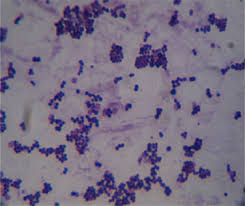
Cocci
Spheres
Streptococcus (Chain) (Over 50 species)
Staphylococcus (Cluster)
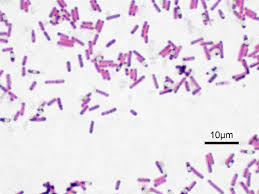
Bacili
Rods (straight) or vibrio (curved)
Bacillus anthracis (anthrax)
Bacillus cereus (food poisoning)
Bubonic Plague
Botulism
Few gram positives can produce endospores (heat resistant/dormant resting state)
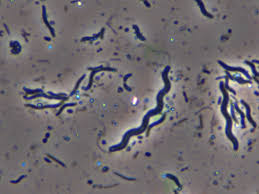
Spiral
Spiral shape
Syphilis
Lyme disease
Leptospirosis
Gastric ulcers
Endospore
Bacterium replicates its DNA
Encapsulates one copy and some cytoplasm in a tough cell wall with extra peptidoglycans
Can be reactivated after 1000+ years
Bacteria Cell Wall Composition
Composed of peptidoglycans
Archaea cell wall Composition
Composed of polysaccharides
Peptidoglycans
Polysaccharide made up of amino acids and sugars, around the cell
Maintains structural integrity, resists osmotic pressure, and determines shape
Unique to bacteria
Excellent for combating pathenogenic disease
Gram Positive Bacteria
Thick peptidoglycan walls that stain purple
More susceptible to antibiotics
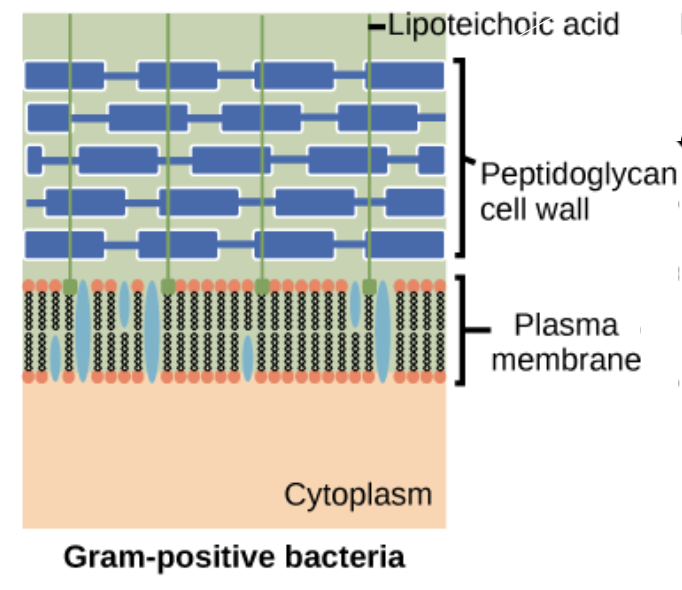
Gram Positive Bacteria Picture
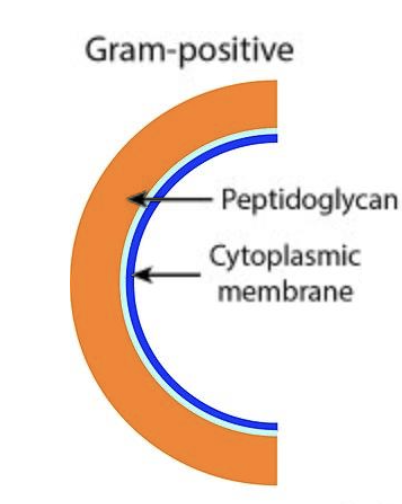
Gram Negative Bacteria
Thin peptidoglycan walls
An outer membrane
Stain pink/red
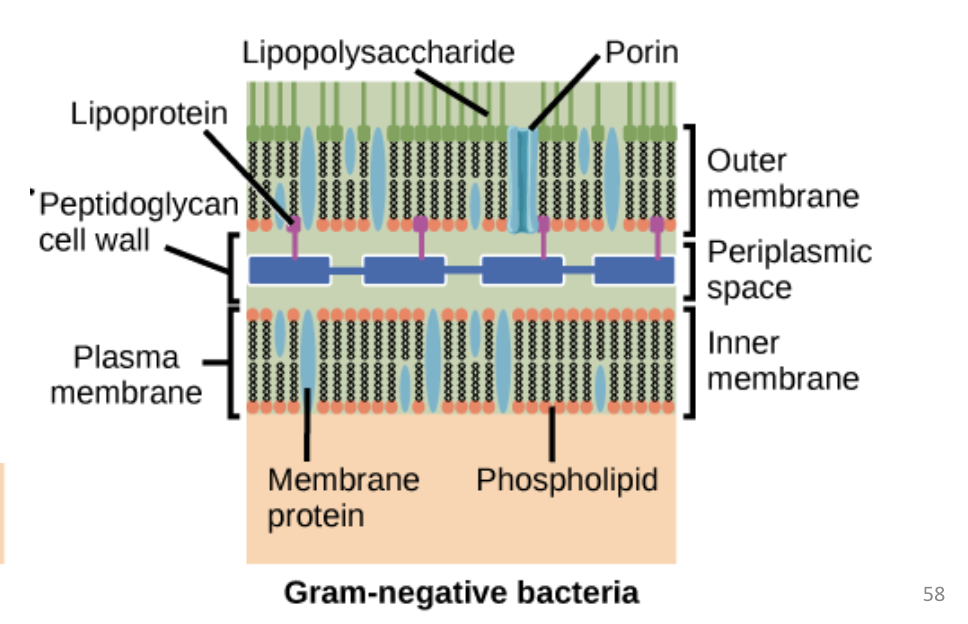
Gram Negative Bacteria Picture
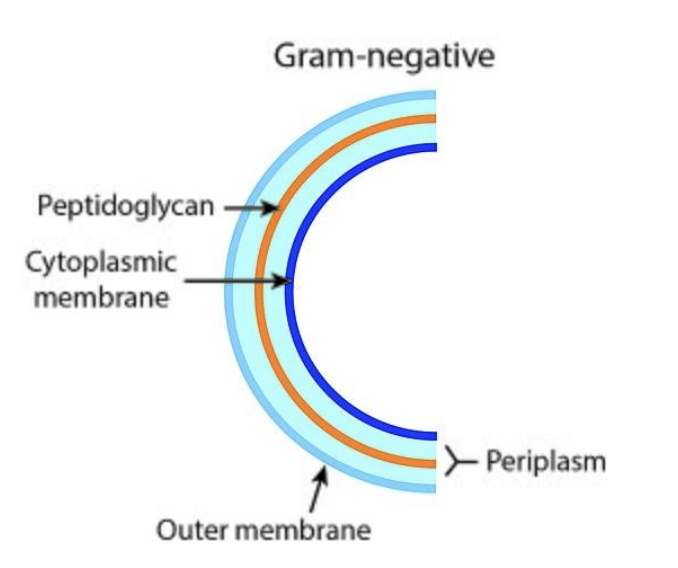
Gram Positive Cocci
Streptococcus (strep, etc)
Staphylococcus (staph infections)
Gram Positive Bacili
Bacillus anthracis (anthrax)
Clostridium (botulism, C. diff)
Gram Positive Spiral
N/A
Gram Negative Cocci
Neisseria (gonorrhea, meningitis)
Gram Negative Bacili
Yersinia pestis (plague)
Vibrio cholerae (cholera)
Salmonella Typhi (Typhoid
Gram Negative Spiral
Leptospirosis
H. Pylori (stomach ulcers)
Borrelia (Lyme disease)
Treponema (syphilis)
Fimbriae
Thin, hair-like appendages from the cell surface that help with adhesion
Primarily found on Gram-negative bacteria
Used to establish infection and form biofilms by binding to host tissues
Slime layer/capsule
Loose extracellular layer
Protective shield against the environment
Promotes adhesion to surfaces and biofilm formation
Type of glycocalyx
Glycocalyx
Sticky, sugar-based outer coating of prokaryotic cells
Increases microbe pathogenicity
Obligate Anaerobic
Oxygen is poisonous to these species. Anaerobic metabolism only.
Obligate Aerobic
Require oxygen for cellular respiration.
Facultative Anaerobic
Can switch between fermentation and cellular respiration depending on conditions.
Photoautotroph
Get energy from light
Get carbon from CO2
Perform photosynthesis and carbon fixation
Chemoautotroph
Get energy from oxidizing organic compounds
Get carbon from CO2
Many archaea
Photoheterotroph
Get energy from light
Get carbon from organic compounds from other organisms
Found where oxygen is low
Chemoheterotroph
Get energy from Fe, S, N compounds (organic compounds)
Get carbon from organic compounds
Need to eat other organisms
Carbon Fixation
Converting inorganic carbon into organic compounds.
Halophiles
A type of Archaea
High salt environments. Contain carotenoid pigments
Thermophiles
High temperatures
Sulfolobus become inactive at 131 degrees F
Require very high temperatures.
A type of archaea
Methanogens
A type of archaea
Produce CH4 by reducing CO2
Obligate anaerobes
Live in the guts of ruminates (cows)
Release 2 Billion tons CH4 into the atmosphere yearly
Biofilm
Cells bind to surfaces and secrete sticky polysaccharides, become much harder to kill
Plaque
Can be found on contact lenses, artificial joints.
Corrode metal pipes.
Gut-Brain Axis
Bidirectional communication network linking the central nervous system (brain/spinal cord) with the enteric nervous system (gut)
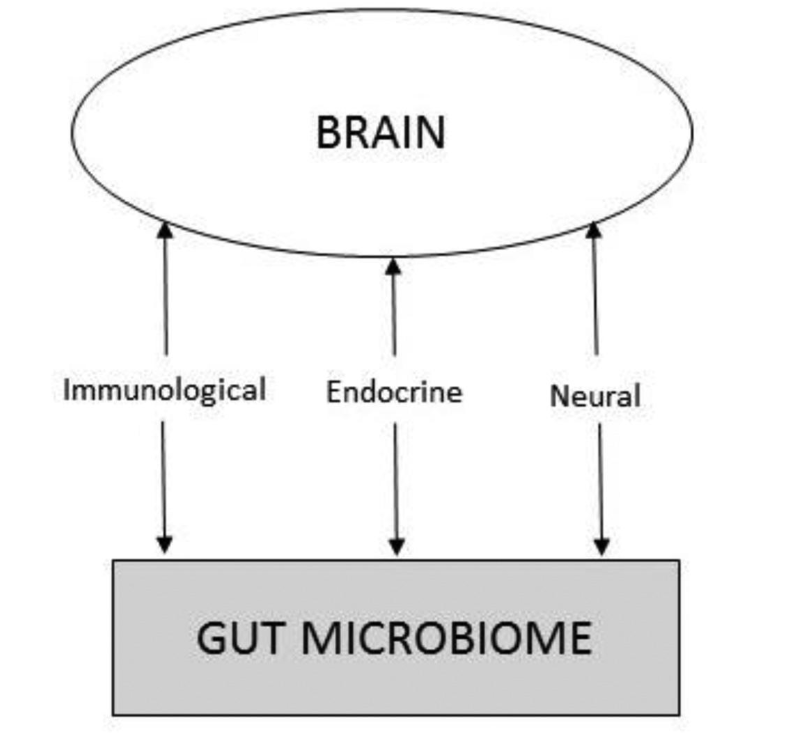
Estimated time of LUCA (Last Universal Common Ancestor)
Approximately 4.2 billion years ago
How asexual organisms maintain genetic variation?
Transformation
Transduction
Conjugation
Transformation
The ability to pick up naked DNA from the environment
Transduction
Virus moves genes from one bacteria to another
Conjugation
DNA exchange using a plasmid (extra copied chromosomal DNA)
Explore top notes

