DAT Biology Animal Behavior
 Call Kai
 Learn
Learn Practice Test
 Spaced Repetition
 Match
Match Flashcards
 Knowt Play
1/35

There's no tags or description
Looks like no tags are added yet.
Name | Mastery | Learn | Test | Matching | Spaced | Call with Kai |
|---|
No analytics yet
Send a link to your students to track their progress
36 Terms
reflexes
automatic responses to simple stimuli; recognized as reliable behavioral responses following a given environmental stimulus
simple reflex
reflex controlled at the spinal cord, connecting a two-neuron pathway from the receptor to the motor
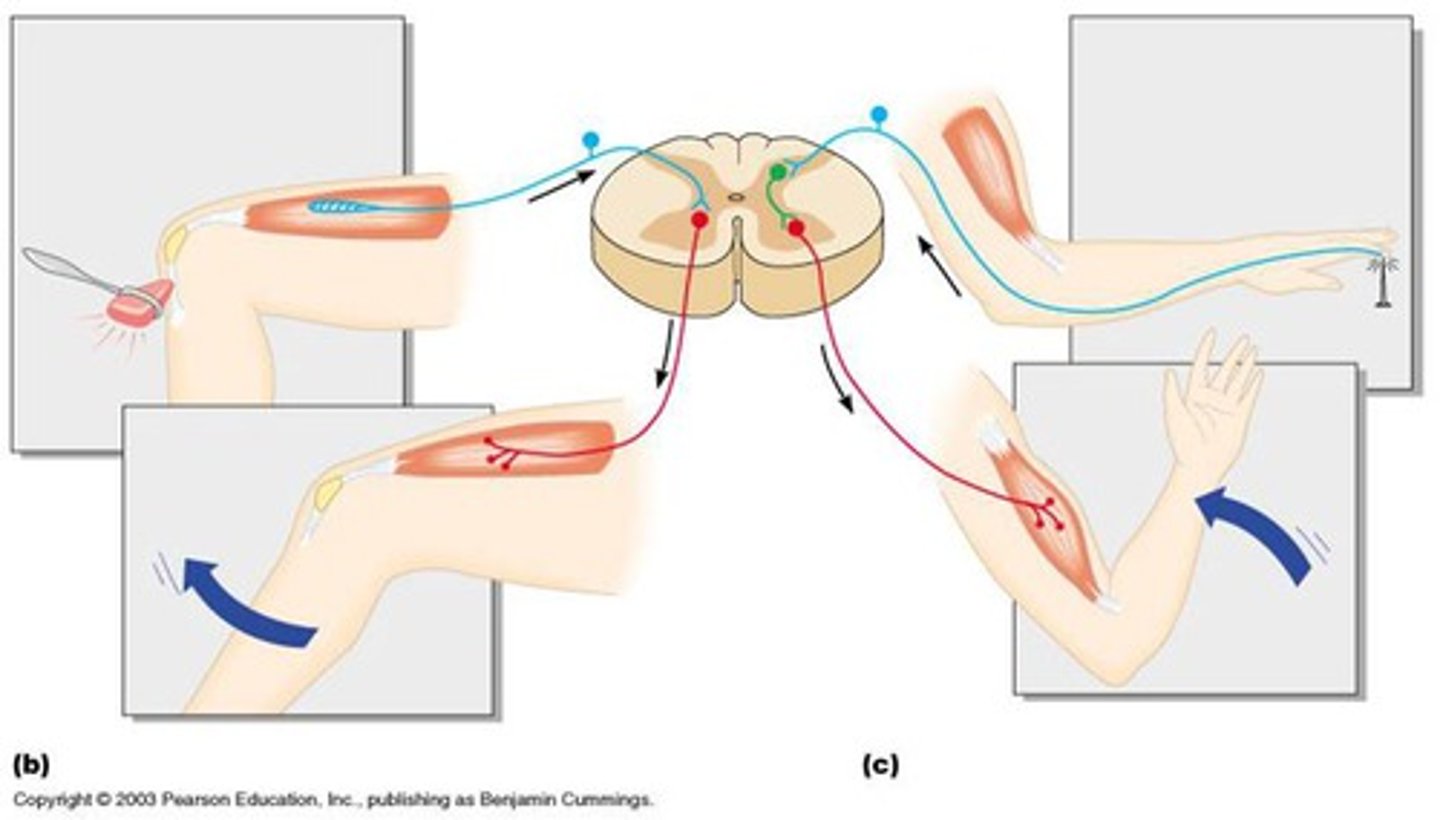
afferent neuron (receptor)
a neuron that carries information from the senses to the central nervous system
efferent neuron (motor)
a neuron that conducts impulses away from the CNS to muscles and glands
startle response
response to sudden strong stimulus like a loud noise
reticular activating system
system that integrates many neurons to control sleep-wake transitions and behavioral motivation
innate
inborn; natural
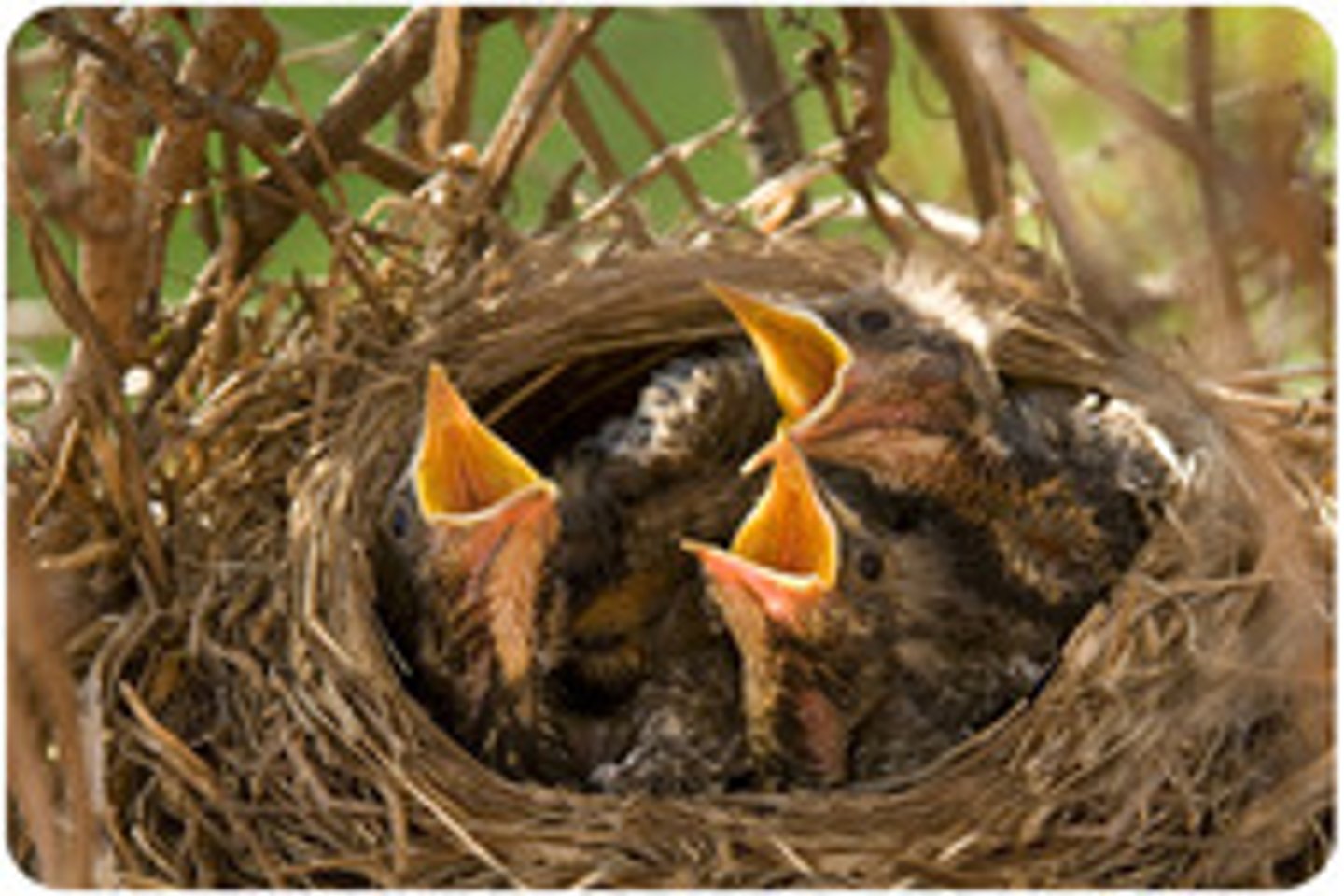
releaser
the stimulus that elicits a behavior
fixed-action patterns
complex, coordinated innate behavioral responses to specific patterns of stimulation in the environment; relatively unlikely to be modified by learning
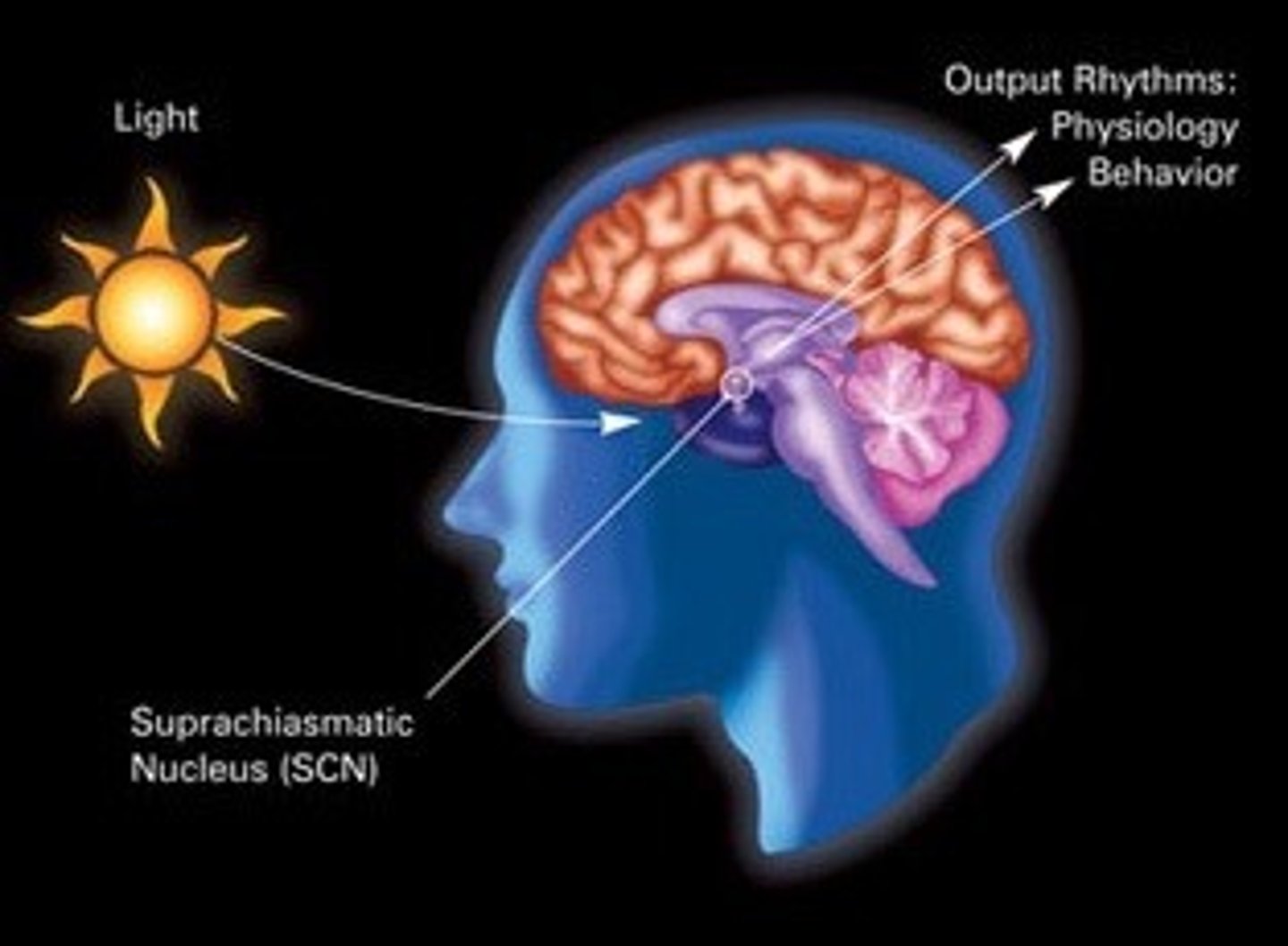
circadian rhythms
daily cycles of behavior; dependent upon natural phases of light and dark
adaptive responses
learned behavior from interaction with the environment
habituation
learning pattern involving the suppression of the normal start response to stimuli; repeated stimulation results in decreased responsiveness to that stimulus
spontaneous recovery
the disappearance of habituation once a stimulus is no longer regularly applied
classical (Pavlovian)
conditioning in which a automatic response is associated with an environmental stimulus
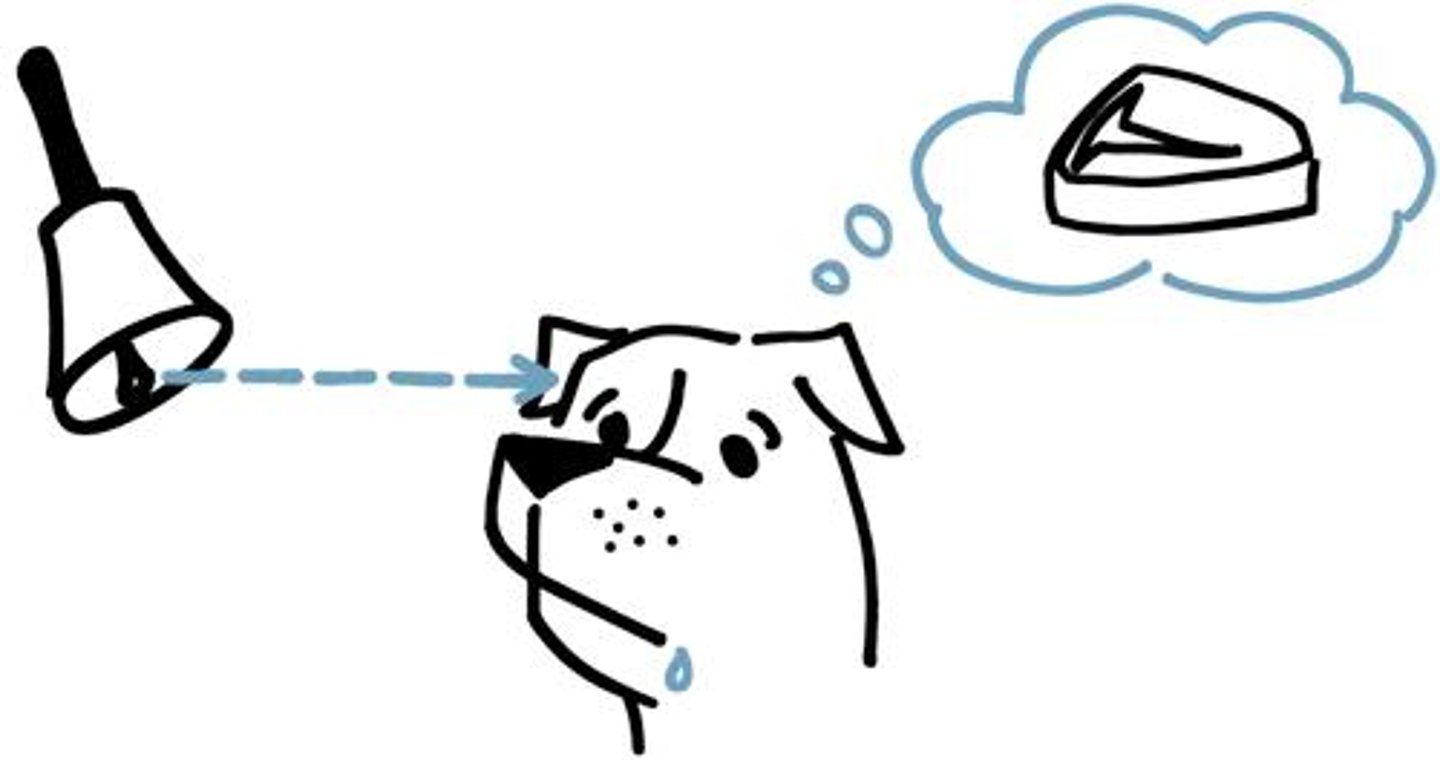
conditioned reflex
An automatic response established by training to an ordinarily neutral stimulus.
arbitrary stimulus
stimulus whose characteristics do not normally invoke a certain response
unconditioned stimulus
in classical conditioning, a stimulus that elicits an unlearned, automatic response
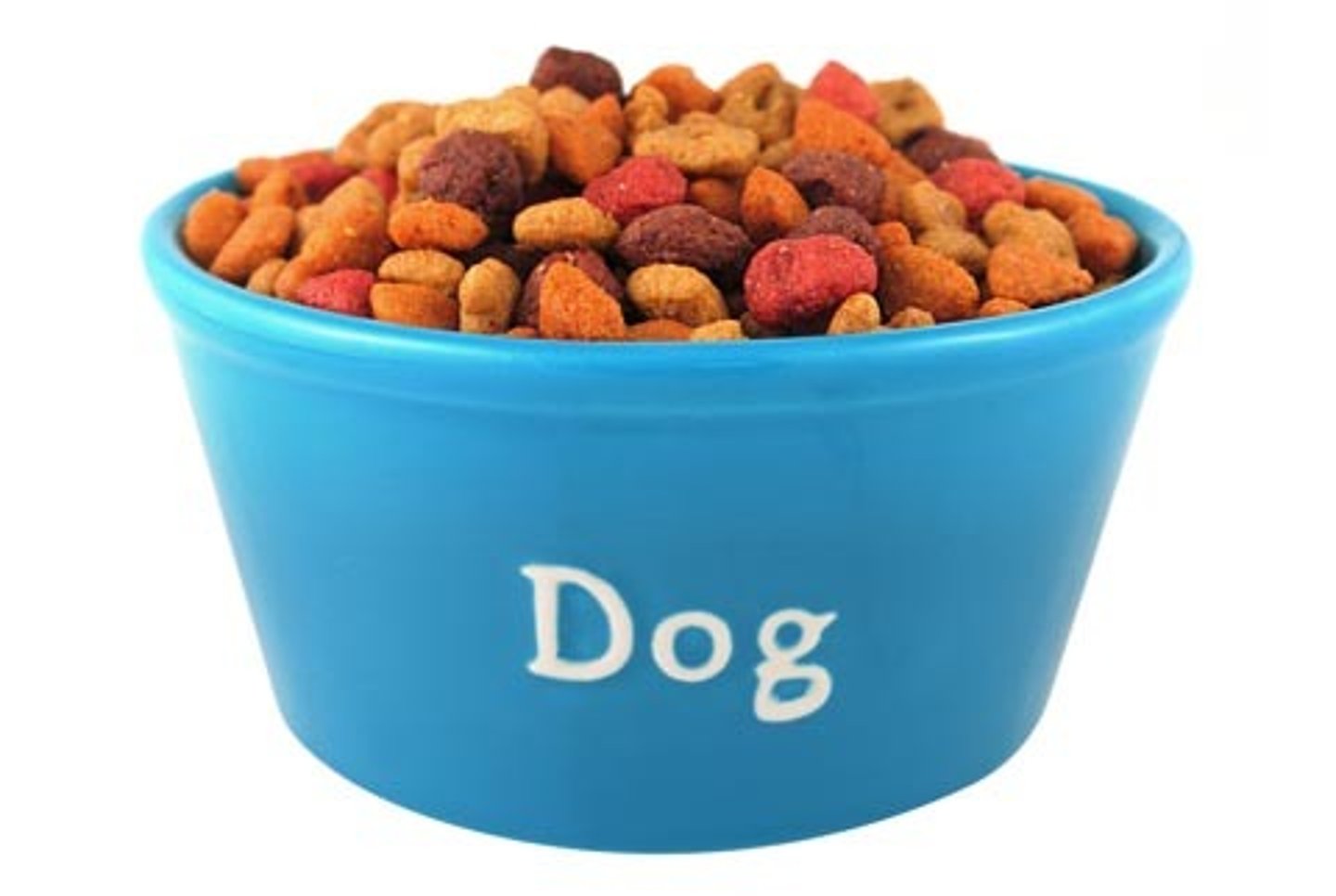
unconditioned response
in classical conditioning, an unlearned, automatic response

conditioning
the establishment of a new reflex by the addition of a new, previously neutral stimulus to the set of stimuli that are already capable of triggering the response
operant conditioning (instrumental)
conditioning involving responses to stimuli with the use of reward or reinforcement
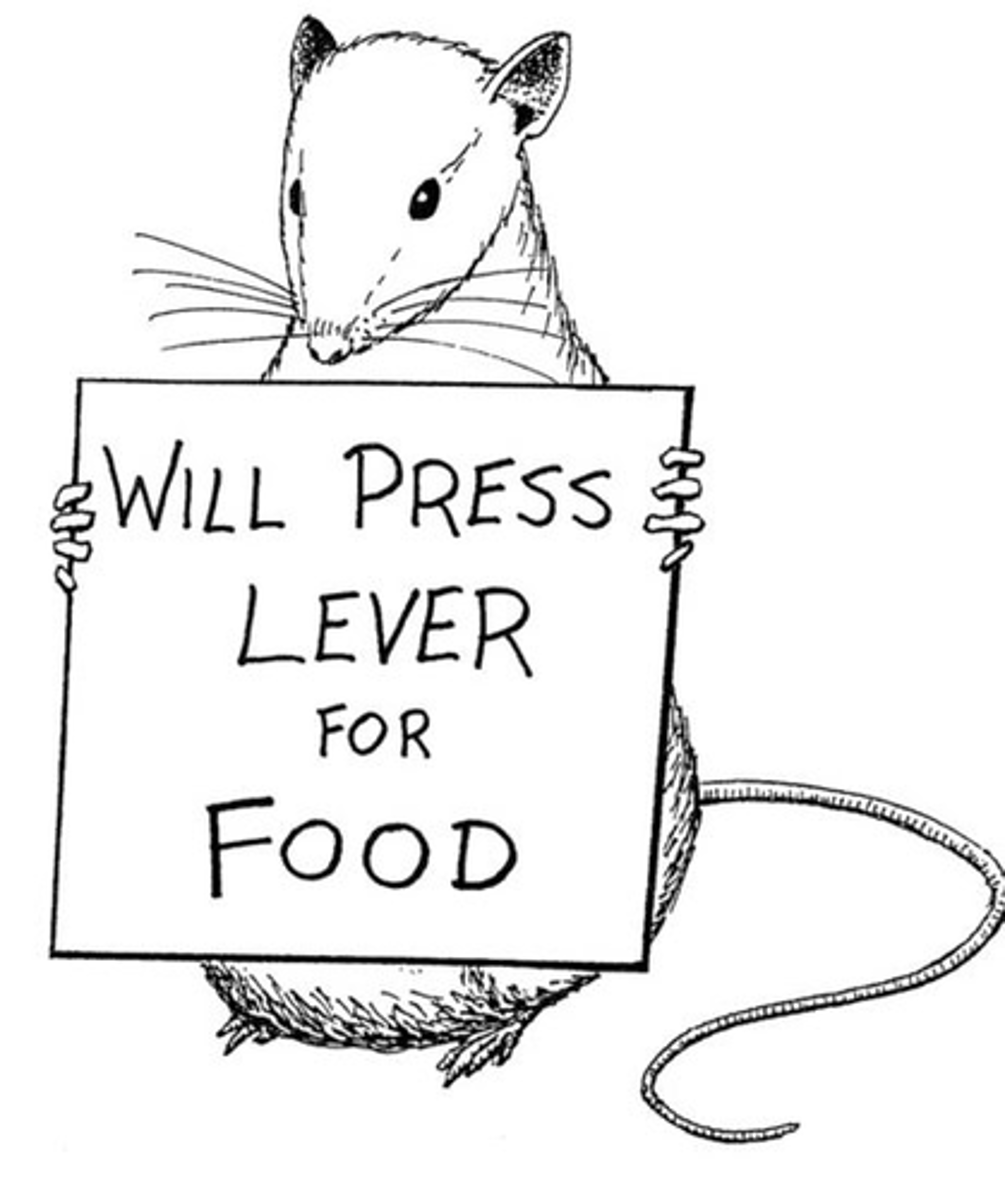
operant response
a response that operates on the environment to produce certain consequences
positive reinforcement
associates reward with performing a certain action
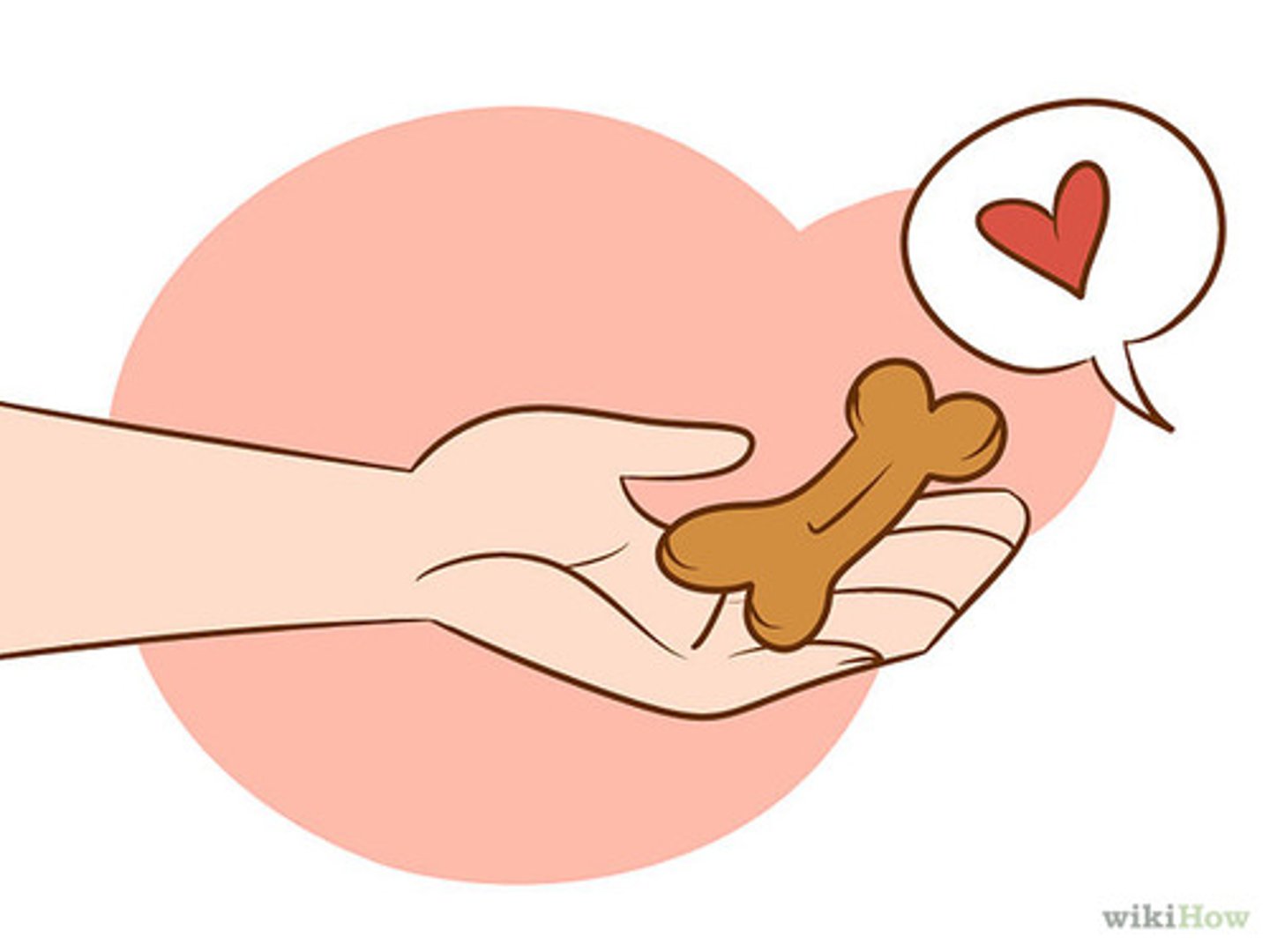
negative reinforcement
associates a reward with NOT performing a certain action
punishment
associates an unpleasant consequence with a behavior so that subject will avoid behavior
habit family hierarchy
organization of possible responses to a stimulus by probability of occurrence
extinction
the gradual elimination of conditioned responses in the absence of reinforcement; the unlearning of a response pattern
stimulus generalization
the ability of a conditioned organism to respond to stimuli that are similar, but not identical, to the original conditioned stimulus
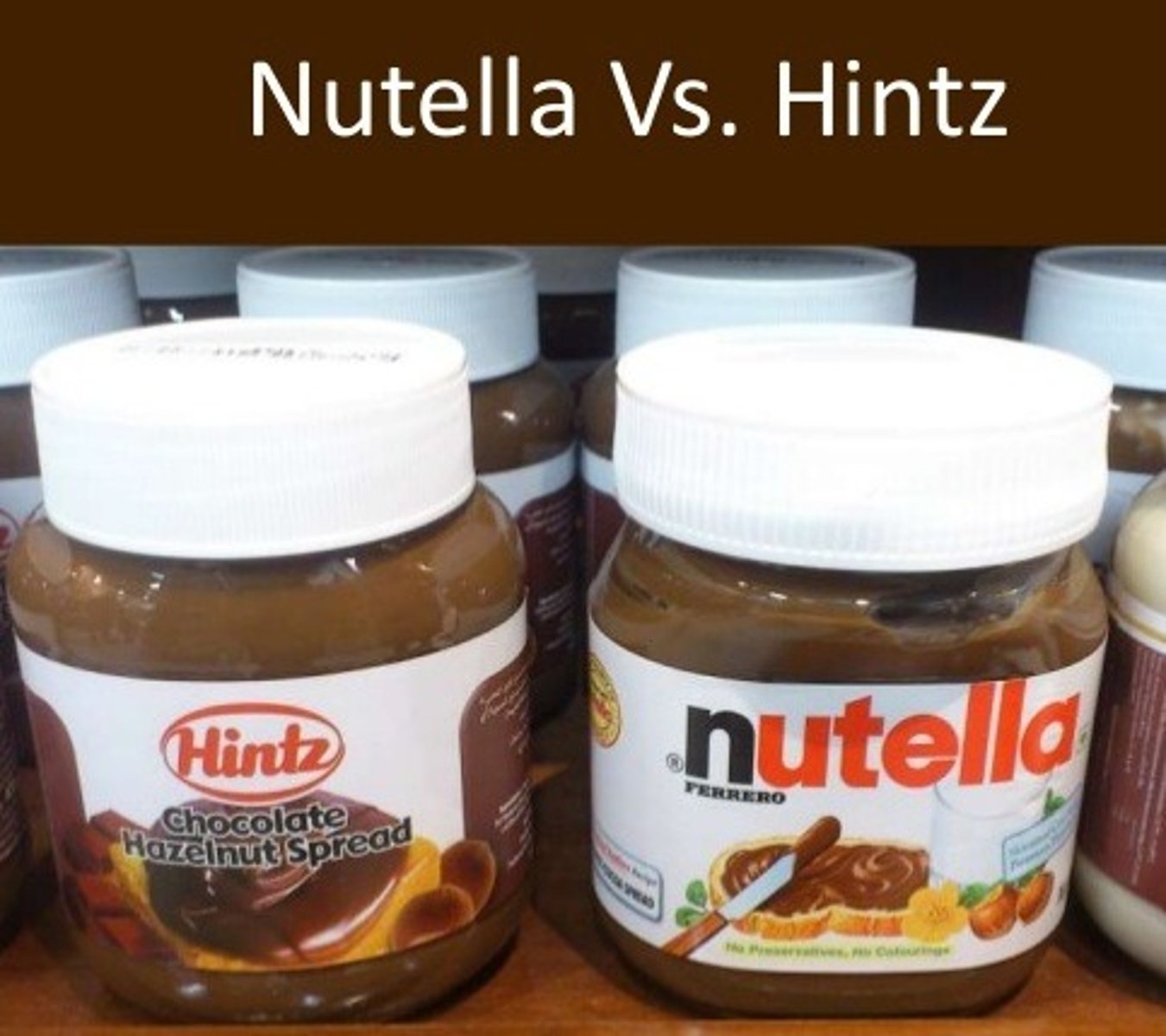
stimulus discrimination
involves the ability of the learning organism to respond differentially to slightly different stimuli
stimulus generalization gradient
established after the organism has been conditioned, whereby stimuli further and further away from the original conditioned stimulus elicit responses with decreasing magnitude
imprinting
process in which environmental patters or objects presented to a developing organism during a brief critical period in early life become accepted permanently as an element of its behavioral environment
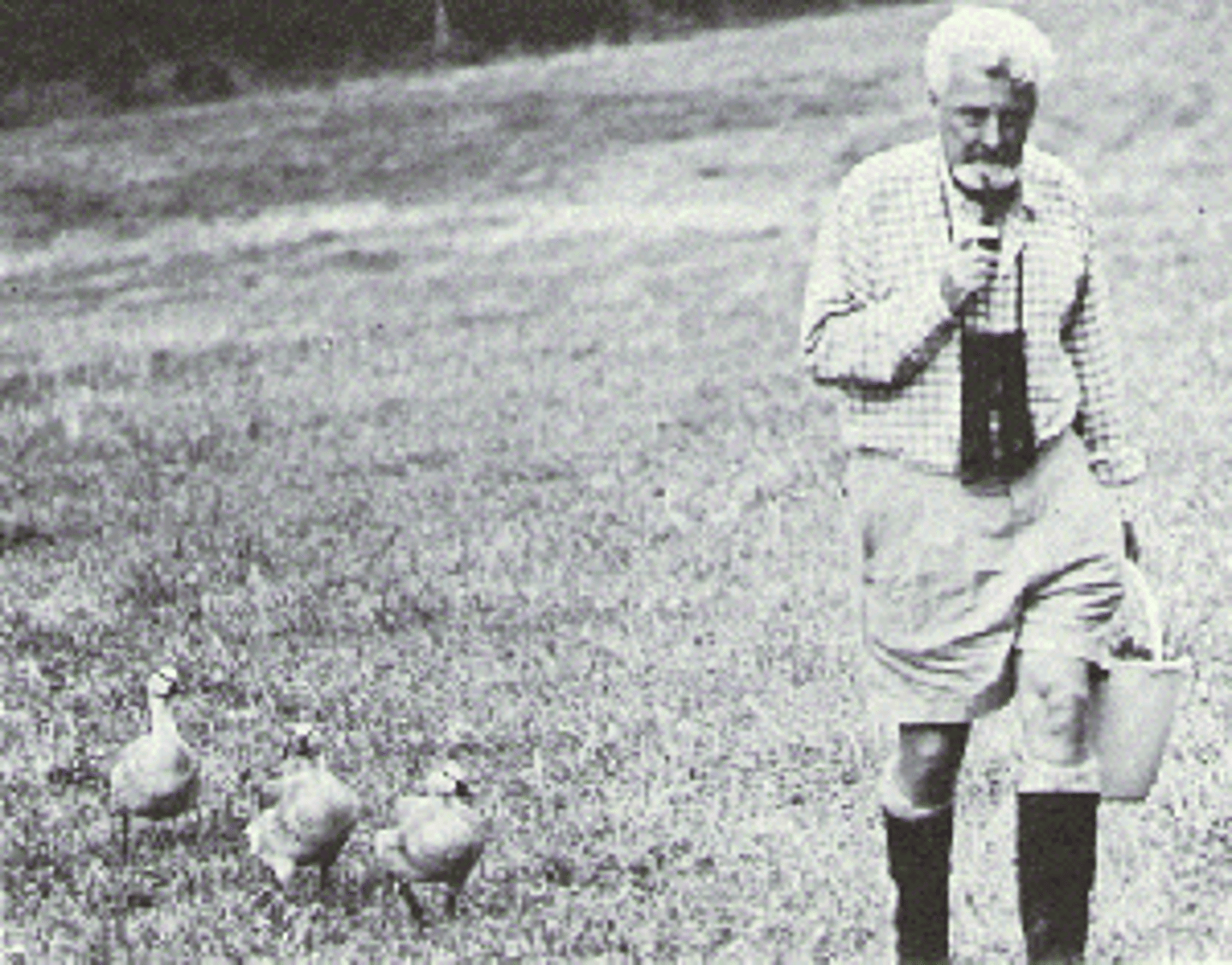
critical period
a specific time in development when certain skills or abilities are most easily learned
reproductive displays
specific behaviors that function as signals in preparation for mating

agonistic displays
any social behaviors related to fighting, including threats, retreats, placation, and conciliation

pheromones
chemicals secreted by animals that influence the behavior of other members of the same species
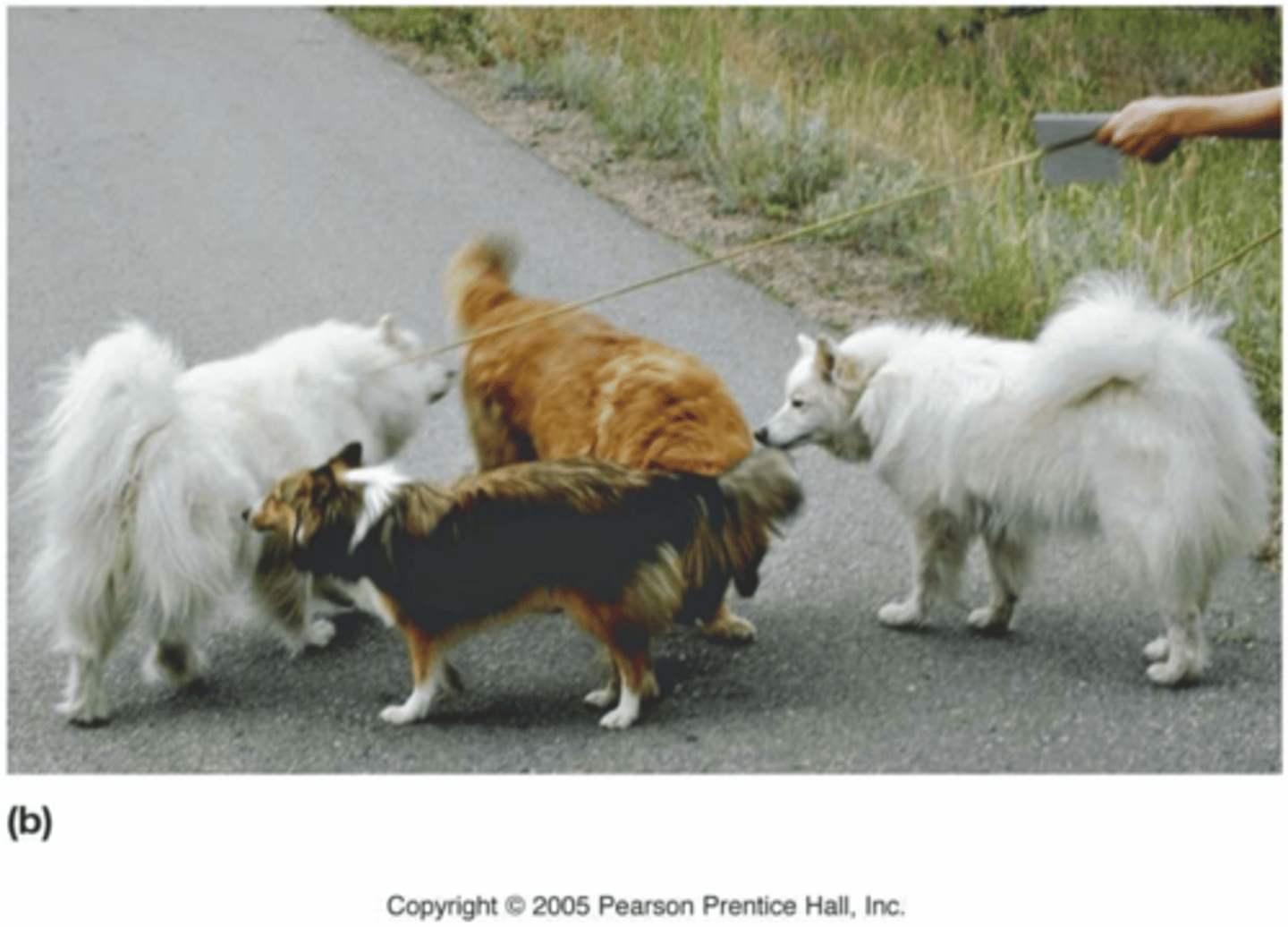
releaser pheromones
pheromones that automatically trigger a specific and reversible behavioral response, such as attraction, alarm, or defense
primer pheromones
pheromones that produce long-term behavioral and physiological alterations; such as role determination and reproductive capacities

