BMET: Electronics- Circuits and Logic gates (needs binary number knowledge)
 Call Kai
 Learn
Learn Practice Test
 Spaced Repetition
 Match
Match Flashcards
 Knowt Play
1/24

Earn XP
Description and Tags
Module 4
Name | Mastery | Learn | Test | Matching | Spaced | Call with Kai |
|---|
No analytics yet
Send a link to your students to track their progress
25 Terms
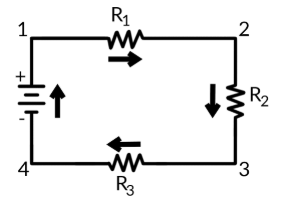
What kind of circuit is this?
Series Circuit
What is a series circuit?
A circuit where all components are connected in a single path, allowing current to flow through the circuit without any alternative routes
How do you solve for the total resistance in a series circuit?
R1 + R2 + R3 = Rtotal
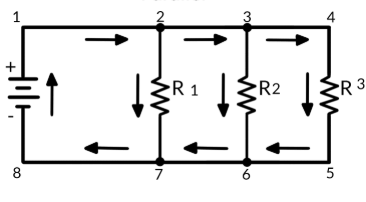
What kind of circuit is this?
Parallel circuit
What is a parallel circuit?
A circuit where all components are connected between the same two sets of electrically common points, creating multiple paths for the current to flow from one end of the battery to the other.
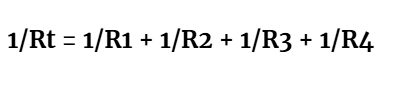
How would you find the total resistance in a parallel circuit?
1/Rtotal=1/R1+1/R2+1/R3…1/Rn
What are the 3 rules regarding series circuits?
Voltage drops add to equal total voltage.
All components share the same (equal) current.
Resistances add to the equal total resistance.
What are the 3 rules regarding parallel circuits?
All components share the same (equal) voltage.
Branch currents add to equal total current.
Resistances diminish to equal total resistance.
What are Op Amp (Operational Amplifier) circuits?
Circuits that operate with very low current flow and primarily function based on voltage and have a wide array of applications. They are essential in medical equipment for amplifying patient signals, including ECG (Electrocardiograph)
What can Op Amp circuits do?
Very versatile
They can compare voltages between a reference voltage and an input voltage. For instance, in an infant incubator, the circuit compares the baby's temperature to the preset temperature.
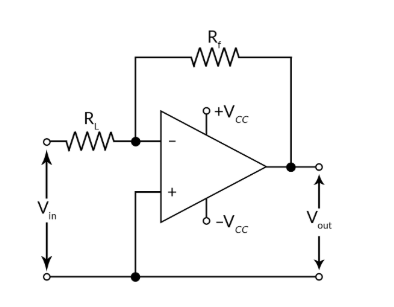
What kind of Op Amp circuit is this?
Inverting Op Amp, its input is on the negative side
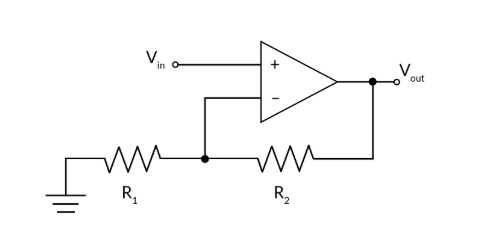
What kind of Op Amp circuit is this?
Non-inverting Op Amp. Input on the positive (+) side
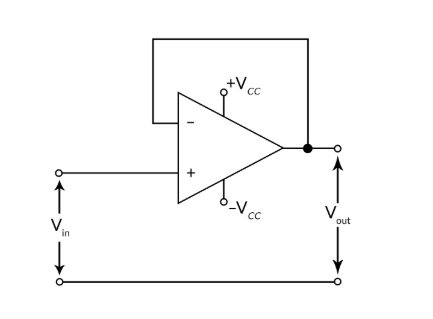
What kind of Op Amp circuit is this?
Voltage follower Op Amp
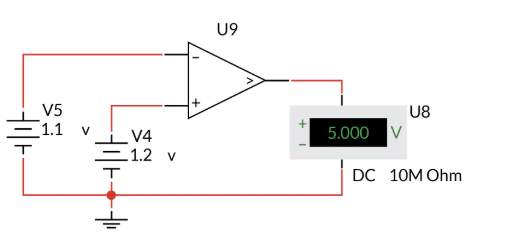
What kind of Op Amp is this?
Comparator Op Amp.
used to compare two voltages and change the output from high to low depending on the inputs.
What are Logic Gates?
Fundamental components that process signals represented in binary states of true and false. 1= true, 0=false
With the exception of NOT gates, how many inputs can each gate accept?
2 or more
How many inputs do NOT gates have?
1
How many outputs do each logic gate have?
1
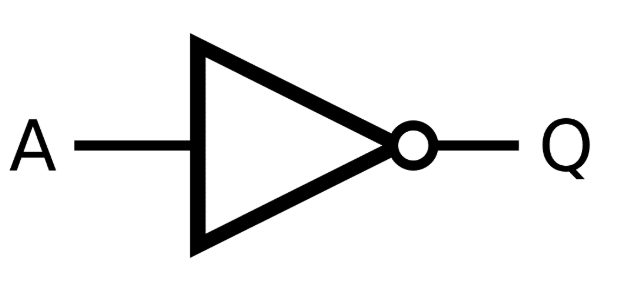
What is this? What is the input-output relationship?
NOT gate (AKA inverter). The output (Q) is the opposite of the input (A) (input 1, output 0. Input 0, output 1)
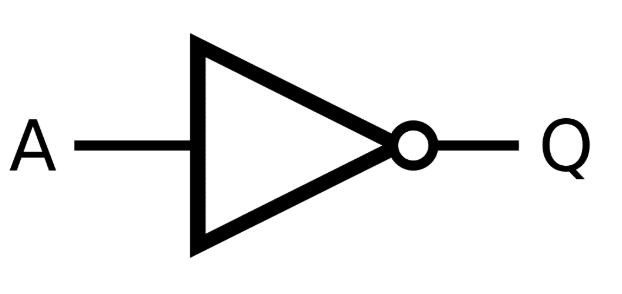

What is this? What is the input-output relationship?
AND gate. If both input A AND input B are true, then Q is true. If either A or B are false, Q is false.
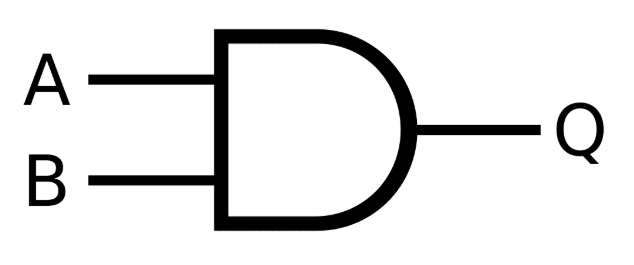
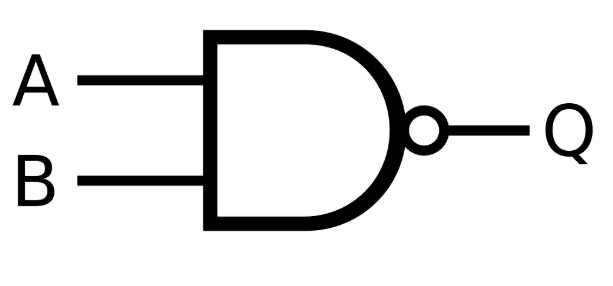
What is this? What is the input-output relationship?
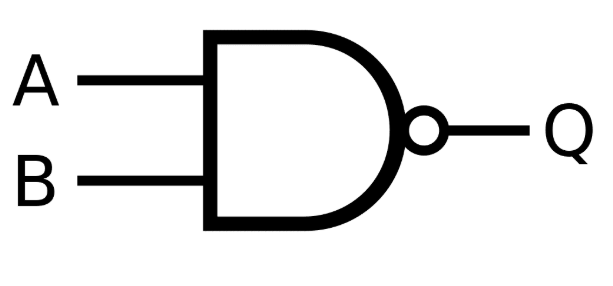
NAND gate (Not AND). If either A AND B are NOT true, the Q is true. If your AND gate has output 1, your NAND gate has output 0.
Q = NOT (A AND B)
What is this? What is the input-output relationship?
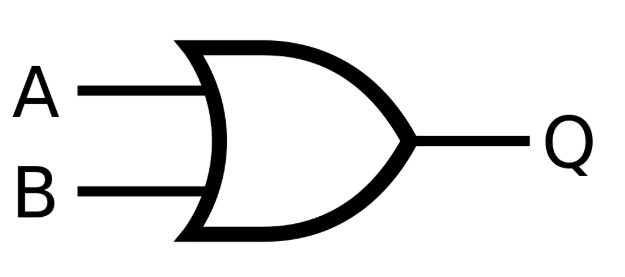
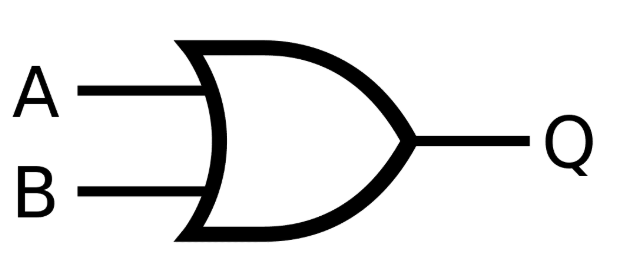
OR Gate. Output is true if input A OR input B are true (or if both are true). If an OR gates output is true, than at least one input is true.
Q = A OR B
What is this? What is the input-output relationship?
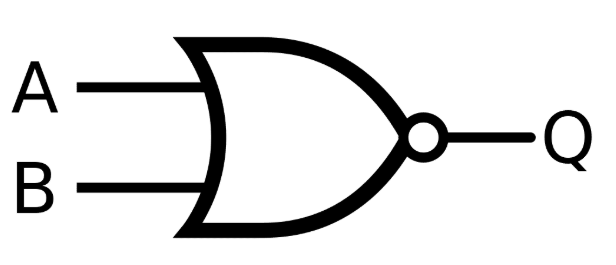
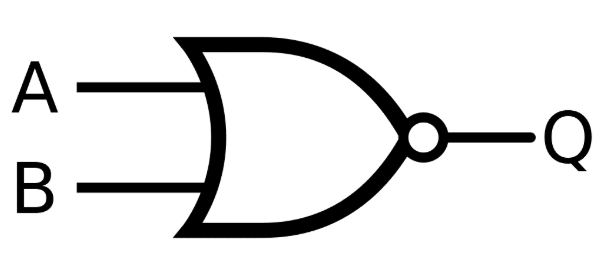
NOR Gate. If a NOR gates output is true, than no inputs are true. Q = NOT (A OR B)What is this? What is the input-output relationship?
What is this? What is the input-output relationship?
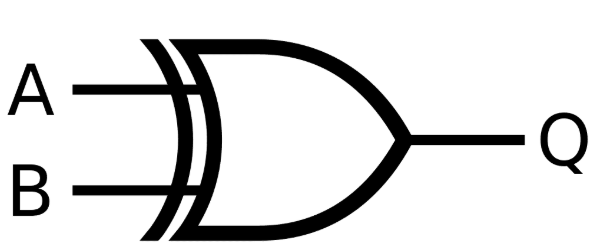
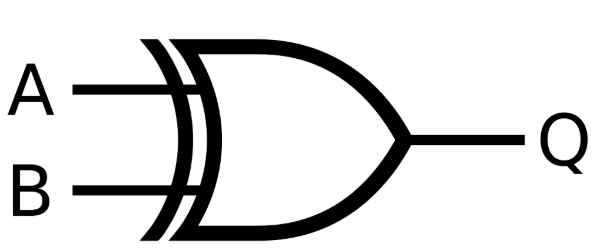
Exclusive-OR gates (EX-OR, EOR, or XOR), The output is true if A and B are different.
Q = (A AND NOT B) OR (B AND NOT A)
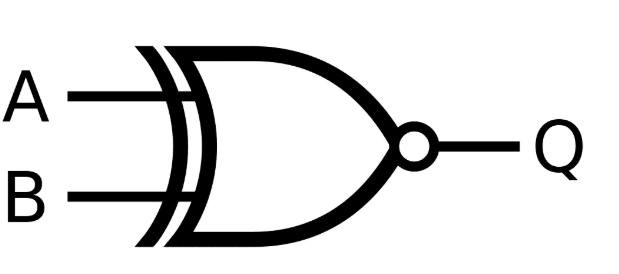
What is this? What is the input-output relationship?
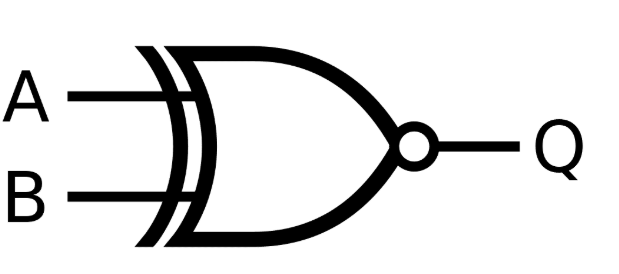
Exclusive-NOR gates (EX-NOR, ENOR, or XNOR). The output is true if A and B are the same.
Q = (A AND B) OR (NOT A AND NOT B)