ECON2800 Labour Economics
 Call Kai
 Learn
Learn Practice Test
 Spaced Repetition
 Match
Match Flashcards
 Knowt Play
1/70

Earn XP
Description and Tags
Flashcard set for labour economics
Name | Mastery | Learn | Test | Matching | Spaced | Call with Kai |
|---|
No analytics yet
Send a link to your students to track their progress
71 Terms
Characteristics of Labour Markets with Free Labour
Labour suppliers are also consumers
We care about the welfare of labour suppliers
One cannot whole-sell your lifetime labours
People invest in themselves to earn a higher price
Legal & social constraints on moving labours across country & region borders
Government regulations that affect the labour market
Minimum wages
Mandated parental leaves
Occupational health & safety
Unemployment insurance
Overtime pay
Agents of the Labour Market
Firms
Workers
Government
Labour Suppliers
Workers
Labour Demanders
Firms
Capital (K)
Equipment, buildings, materials
Production Function
Y = f(K,L)
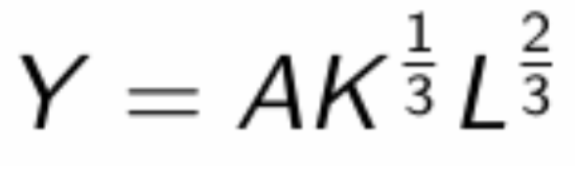
Cobb-Douglas Production Function
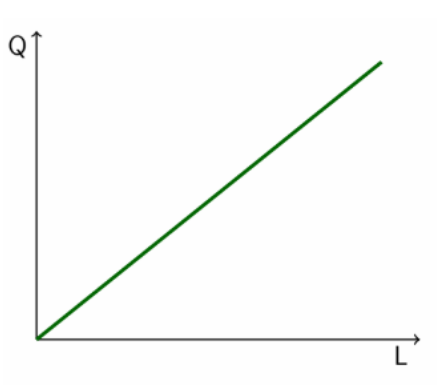
Constant Marginal Returns for Labour
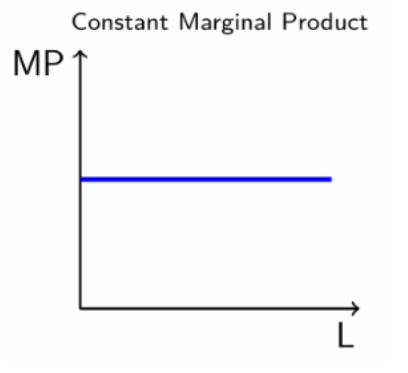
Constant Marginal Product for Labour
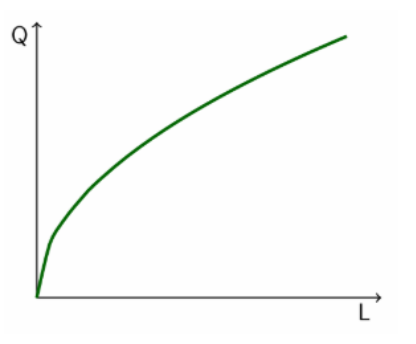
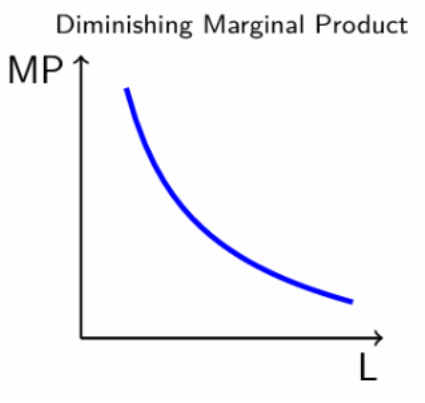
Diminishing Marginal Returns for Labour
Diminishing Marginal Product for Labour
Short Run
Firms are price takers
Cannot change capital input
Can change labour input
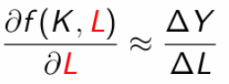
Marginal Product Formula
Profit Maximising Condition
Marginal Revenue = Marginal Cost
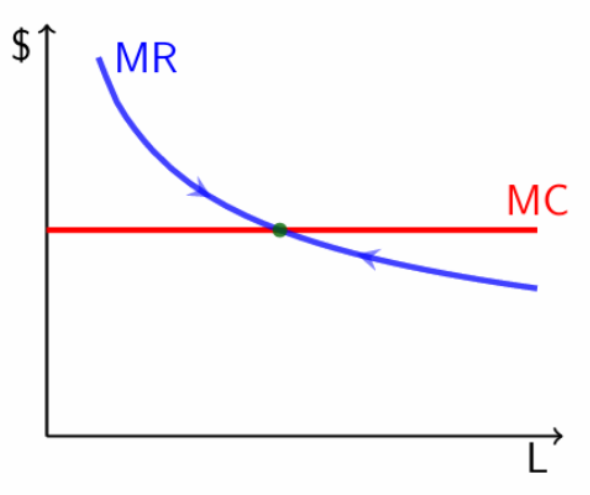
If (short run) Marginal Revenue is greater than Marginal Cost
Increase Labour
If (short run) Marginal Revenue is lesser than Marginal Cost
Decrease Labour
How to find the profit max in the short run
Solve for where the FOC of the profit max formula equals zero
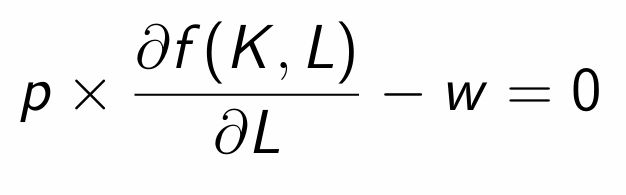
Wage
Marginal Cost
Derivative (FOC) of the Profit Max Formula
Marginal Revenue
When wages decrease, firms should increase/decrease labour
Increase
When the output price decreases, firms should increase/decrease labour
Decrease
What happens when wages decrease (firm vs industry)
Every firm produces more; supply curve shifts right; lowers output price for industry
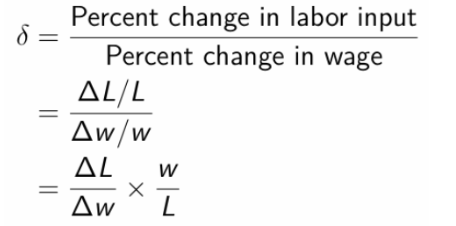
Elasticity of Labour Demand
In the long run, firms can
Adjust capital stocks
Choose capital AND labour to max profits
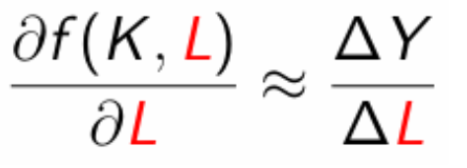
Marginal Product of Labour
Derivative of Production Function wrt L
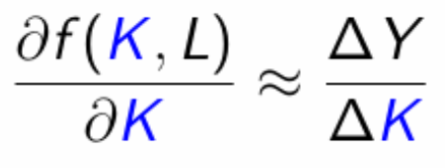
Marginal Product of Capital
Derivative of Production Function wrt K
Iso
Same
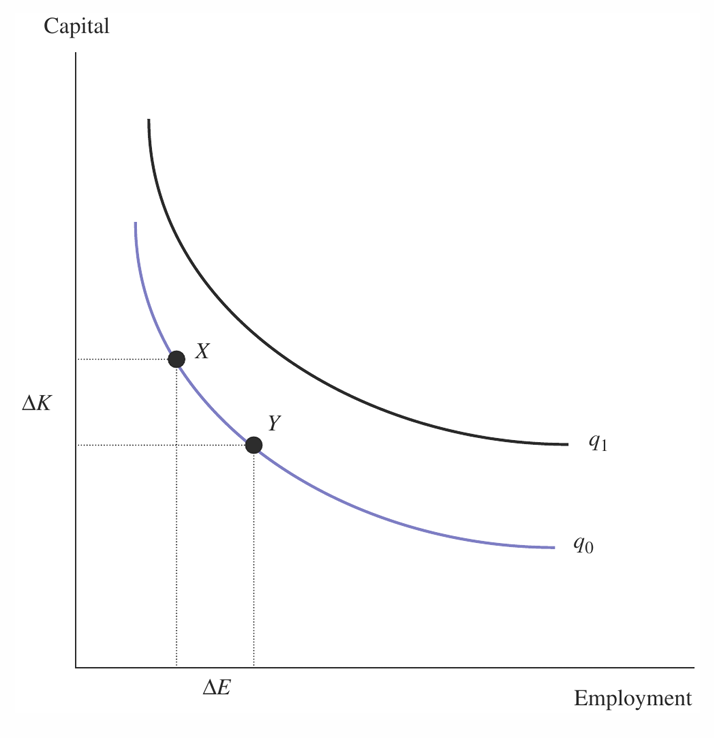
Characteristics of Isoquant Curves
Shows different combinations to produce the same quantity
Do not intersect
Downward Sloping
Convex to the origin
Characteristics of Isocost Lines
Shows different combinations for the same total cost
Budget lines
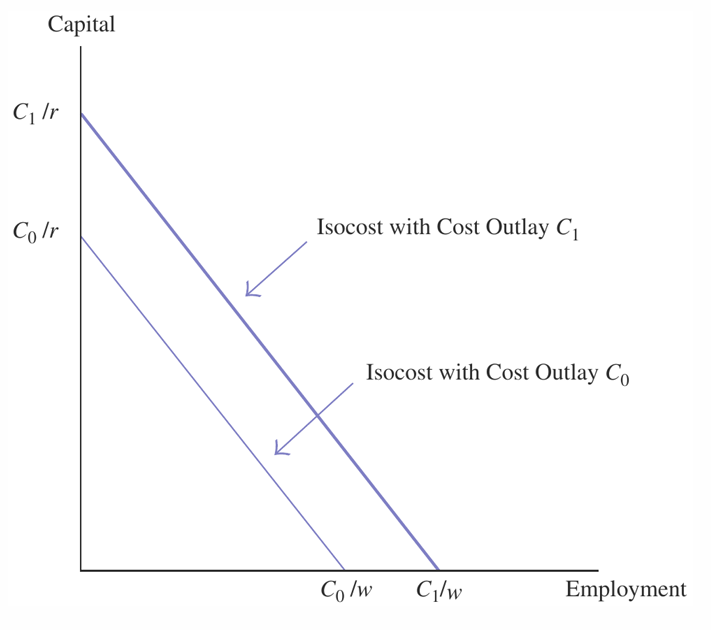
Formula for an Isocost Line
C = rK + wL
Slope of an Isocost line
-w/r
Cost Minimisation Condition
When the Isoquant curve is tangent to the Isocost line
How to Profit Max in the Long Run
Find the FOCs of the profit formula wrt L and K separately. Make them equal 0 and solve for L and K
Profit Formula

Labour Demand Curves are more/less elastic in the long run
More
Labour Demand Curves are more/less elastic in the short run
Less
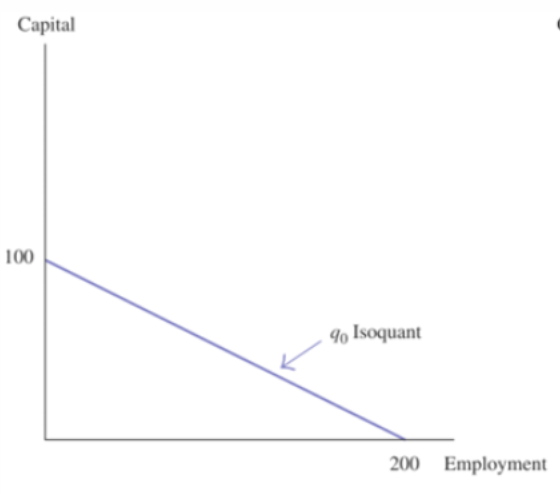
Perfect Substitutes Isoquant
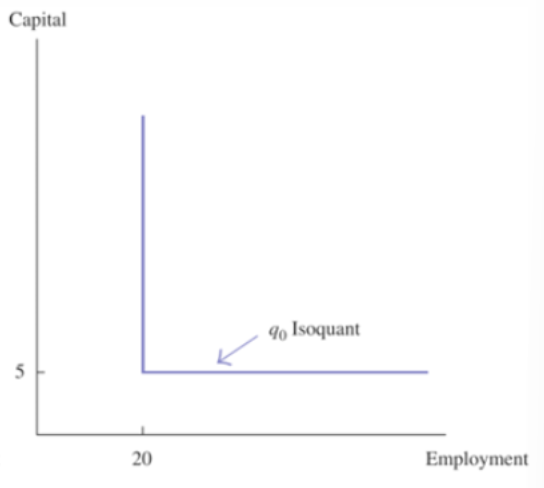
Perfect Complements Isoquant
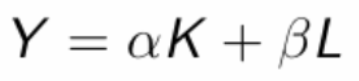
Perfect Substitutes Production Formula
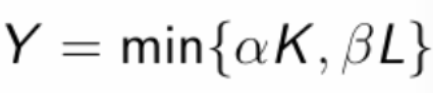
Perfect Complements Production Formula
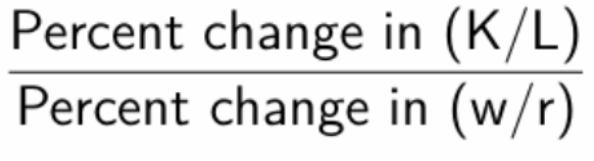
Elasticity of Substitution (p) Formula
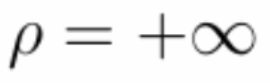
Elasticity of Perfect Substitutes
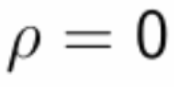
Elasticity of Perfect Complements Formula
Labour Force
Employed + Unemployed (but looking)
Unemployment Rate
Unemployed / Labour Force
Participation Rate
Labour Force / Working-age Population
Employment to Population Ratio
Employed / Working-age Population
U = f(C,L)
Utility function of consumption and leisure
MUc
Marginal Utility of Consumption
MUl
Marginal Utility of Leisure
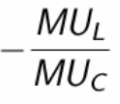
MRS formula

Slope of the Indifference Curve
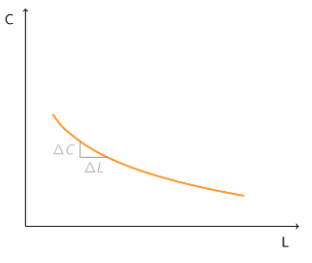
Workaholic Indifference Curve
Flatter
Gives up more leisure to consume a little more
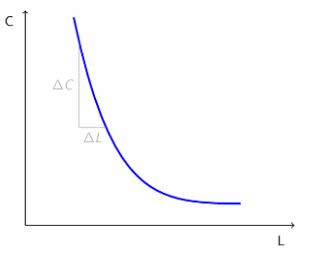
Laid-back Indifference Curve
Steeper
Gives up more consumption for more leisure
Budget Constraint
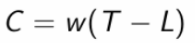
T
Total Time
L
Leisure in Time
C
Consumption
w
Wage
What happens to the budget line as wage increases
Budget Line becomes steeper, but max leisure time remains the same
Utility Maximising Consumption-Leisure Choice
When the indifference curve is tangent to the budget line, and w = MRS
Budget Line formula with non-labour income

Budget Line with non-labour income
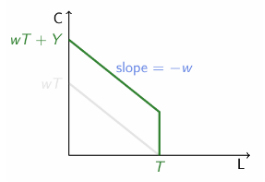
Normal Good
Consumed more as their income increases
Inferior Good
Consumed less as income increases
Graph of Leisure as a Normal Good
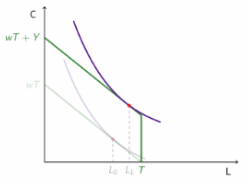
Graph of Leisure as an Inferior Good
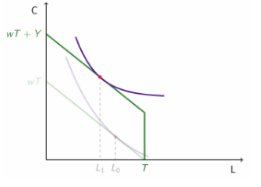
Wage increases effect choices depending on which of the following dominates
Income Effect
Substitution Effect
Income Effect
People will work less to increase leisure time; leisure is a normal good
Substitution Effect
People will work more as the opportunity cost of leisure is higher; they will spend on consumption over leisure, as it is comparatively cheaper

