Paper 1: Theft
 Studied by 0 people
 Call Kai
 Learn
Learn Practice Test
 Spaced Repetition
 Match
Match Flashcards
 Knowt Play
1/35

There's no tags or description
Looks like no tags are added yet.
Name | Mastery | Learn | Test | Matching | Spaced | Call with Kai |
|---|
No analytics yet
Send a link to your students to track their progress
36 Terms
Theft Act 1968
What act is theft part of?
s.1 - Theft definition
A dishonest appropriation of property belonging to another, with the intention of permanently depriving the other of it.
s.2 - Dishonesty
- Situations when honest
- s.2(2)
- Is D dishonest?

Situations when honest
- Believe have the right to appropriate goods
- Believe owner would consent
- Believe cannot find owner, even if take reasonable steps to find them

Dishonesty in exams
Consider whether D might be honest, then move on to dishonesty.
s.2(2) - Dishonesty
It is possible to make a dishonest appropriation, even if D is willing to pay.

Purpose of s.2(2)
Prevents D from taking whatever they like, regardless of the owner's wishes.
Is D dishonest?
Applied using Ivey test
Ivey test
Was D dishonest by the ordinary standards of honest and reasonable people?
If yes, then D is dishonest.

s.3 - Appropriation
Any assumption of rights of the owner.
Can come by it innocently and later assume rights of owner.
Appropriation cases
- Morris
- Hinks
- Gomez/Lawrence
Morris
Appropriation means acting like the owner

Hinks
Can still be a dishonest appropriation even if it's a gift

Gomez/Lawrence
Can have theft with consent, no deception needed

s.4 - Property
- Money
- Real
- Personal
- Things in action
- Intangible property
- Things that cannot be stolen
Oxford v Moss
Knowledge cannot be stolen

Real property
Land/buildings

Personal property
Things that belong to someone, movable/can touch

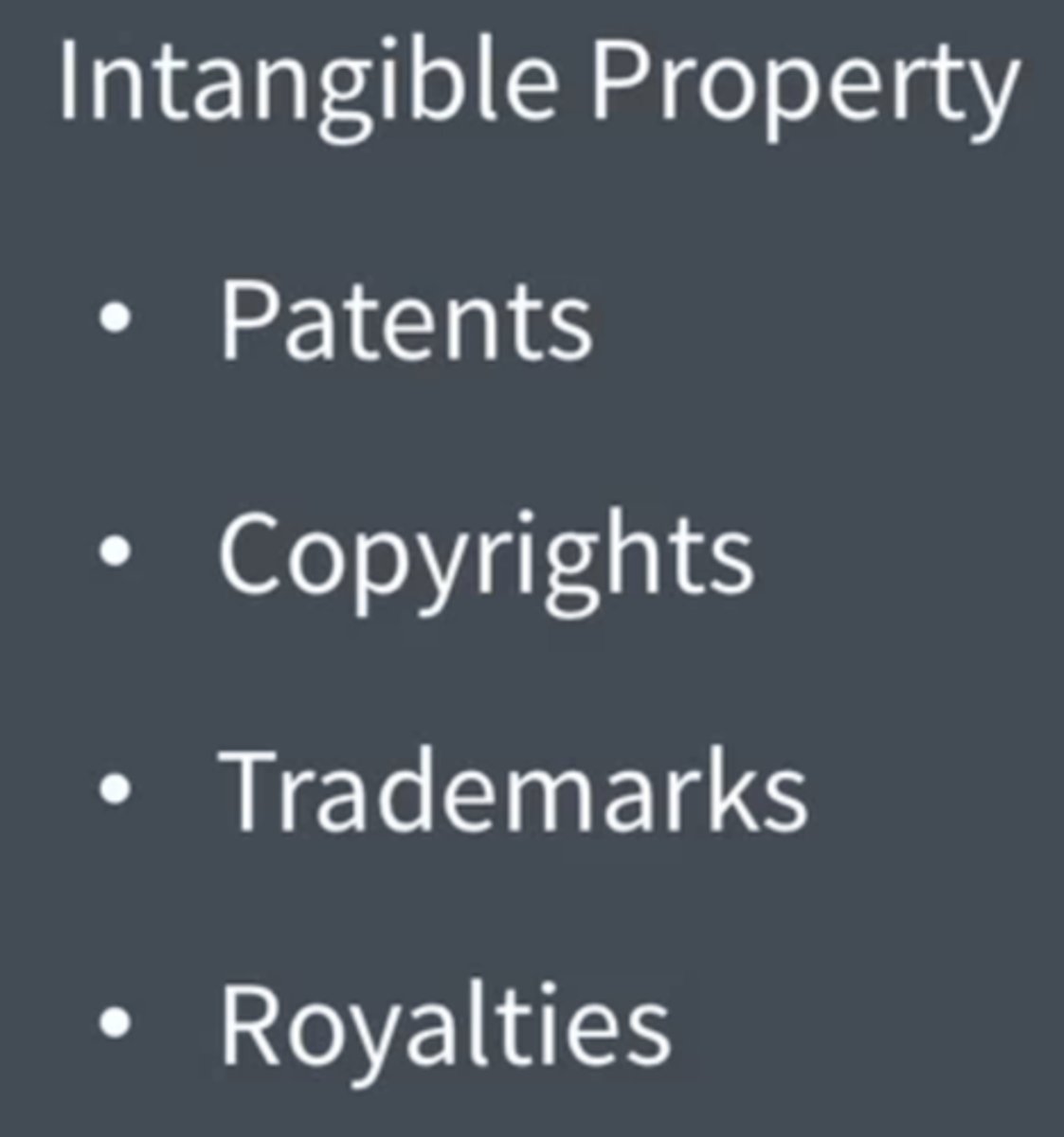
Intangible property
Things you cannot hold, e.g. shares
A thing in action
Debts/bank balance/overdraft facility/parking ticket/credit card

Things that cannot be stolen
- Land unless sever something
- Wild flowers/fruit
- Knowledge (Oxford v Moss)

s.5 - Belonging to another
- Possession and control OR has retained a proprietary interest
- s.5(3): Obligation
- s.5(4): Mistake
Belonging to another cases
- Turner
- Webster / s.5(4)
- Woodman
- Williams v Phillips
- Davidge v Bunnet / s.5 (3)
Turner
Can steal OWN property if it's in someone else's possession/control.
Woodman
Can be in possession and control and not know it
Williams v Phillips
Abandoned property belongs to whoever removes it.

Webster / s.5 (4)
If get something by mistake, the person who sent it has a proprietary interest.
Davidge v Bunnet / s.5 (3)
If have property in your possession or control under an obligation, then it belongs to the person who gave it you.

s.6 - Intention to permanently deprive
- s.6 (1)
- Lloyd
- DPP v J
- Velumyl
- Lavender
- Easom
- Raphael
s.6 (1)
- Treating the thing as their own to dispose of, regardless of the other's rights
- Borrowing is equivalent to an outright disposal
Lloyd
Borrowing is not theft unless returned with all goodness, virtue and practical value gone
DPP v J
Taking, breaking and returning is outright disposal

Velumyl
Spending money even if plan to return is permanent deprivation of that money

Lavender
Depriving owner of right to treat as own

Easom
Conditional intent: Cannot be guilty if D decides there is nothing worth stealing and replaces it

Raphael
In a ransom situation, D has intention to permanently deprive.

 Note
Note  Flashcards (63)