Synthetic Antibacterials TBL
 Call Kai
 Learn
Learn Practice Test
 Spaced Repetition
 Match
Match Flashcards
 Knowt Play
1/68

There's no tags or description
Looks like no tags are added yet.
Name | Mastery | Learn | Test | Matching | Spaced | Call with Kai |
|---|
No analytics yet
Send a link to your students to track their progress
69 Terms
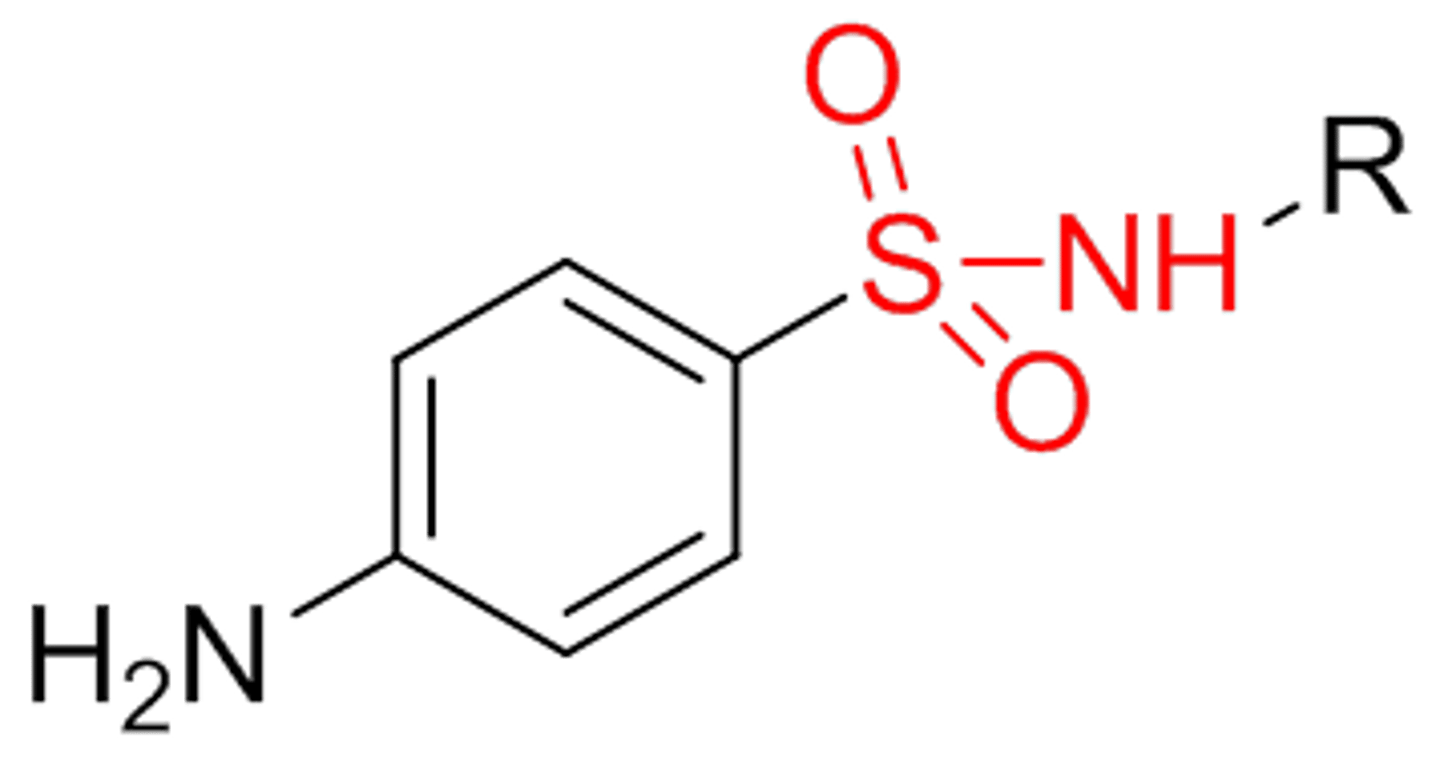
sulfonamide
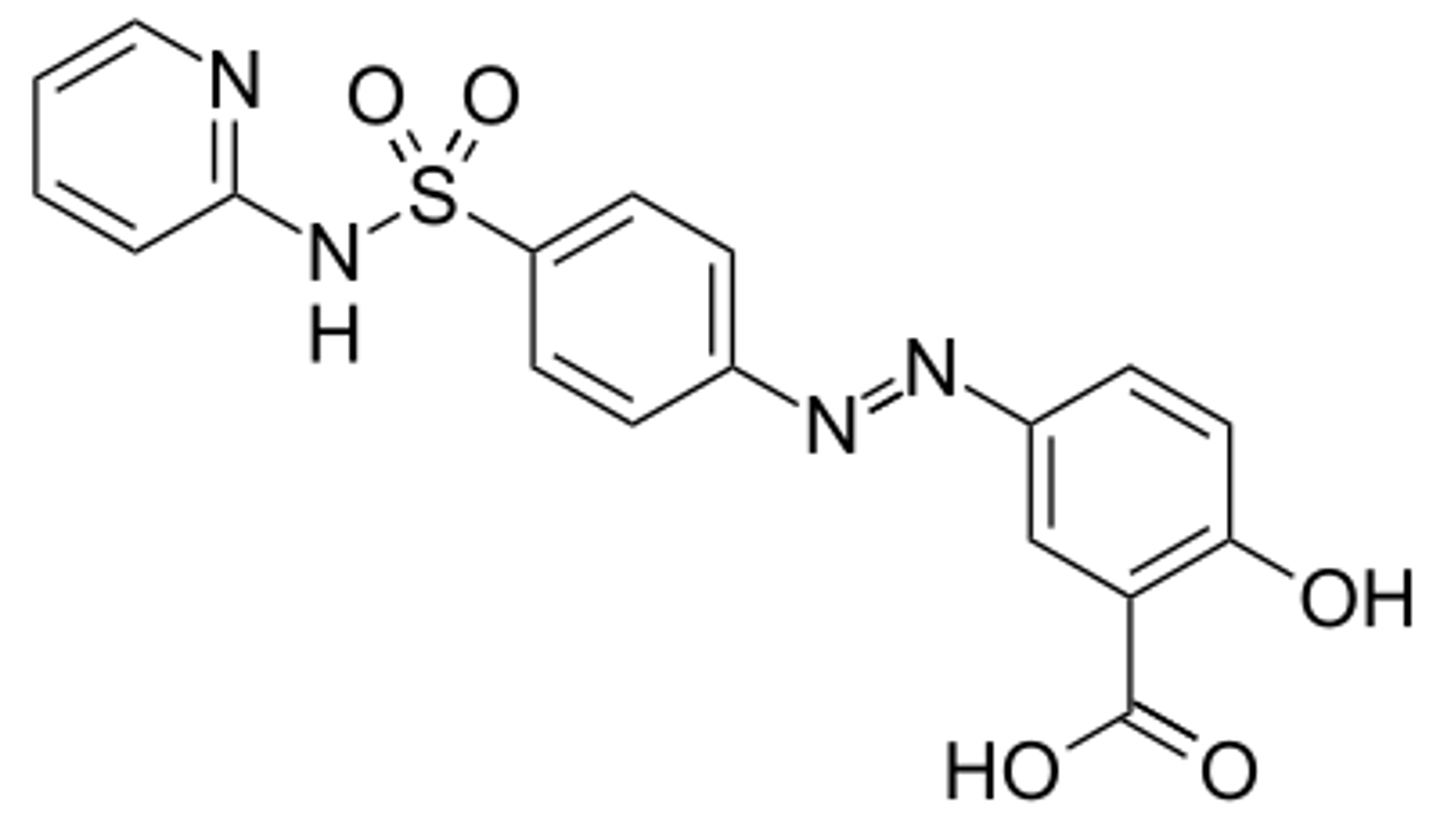
sulfasalazine
Trimethoprim

Fluroroquinolones
sulfones
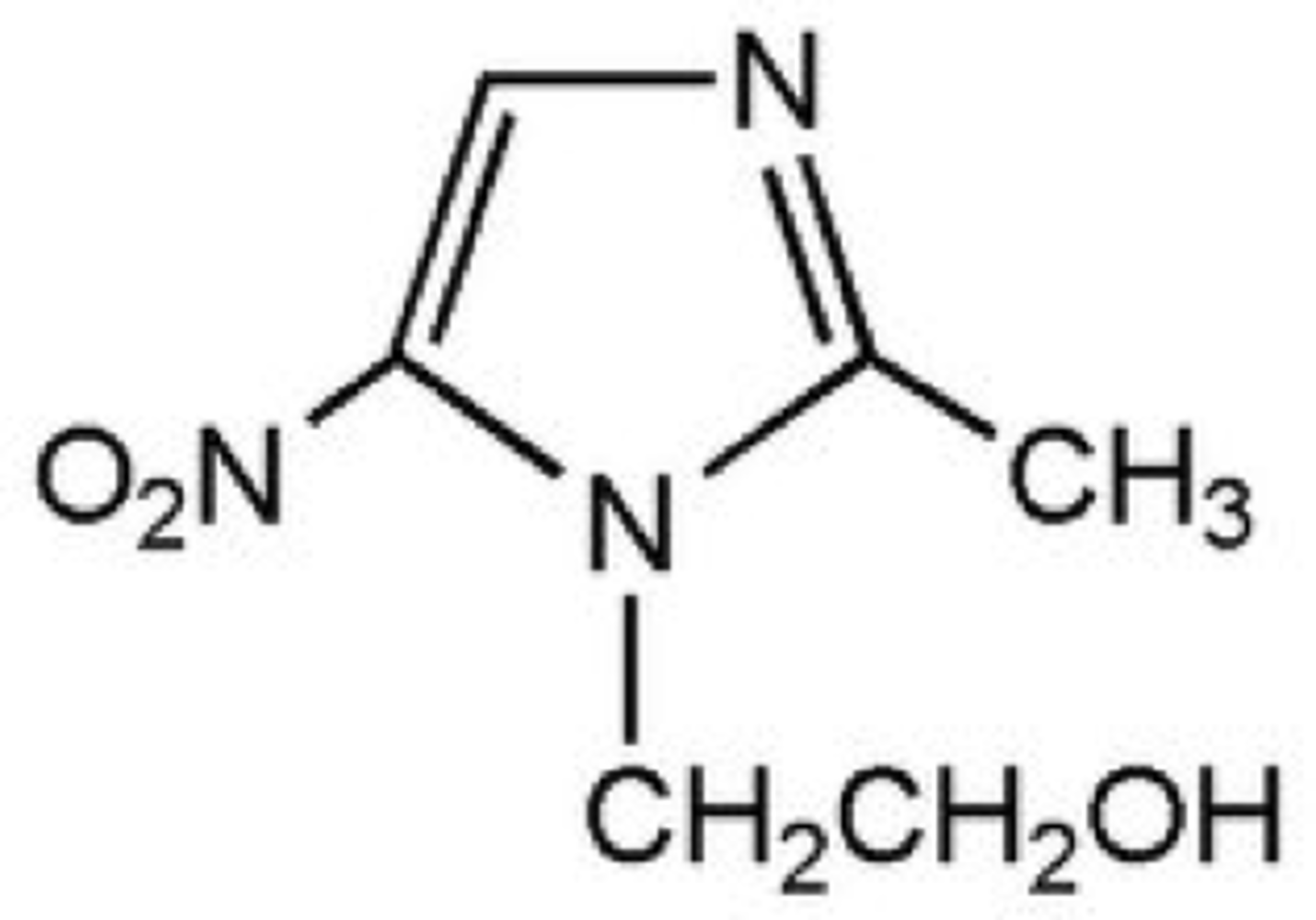
metrodinazole
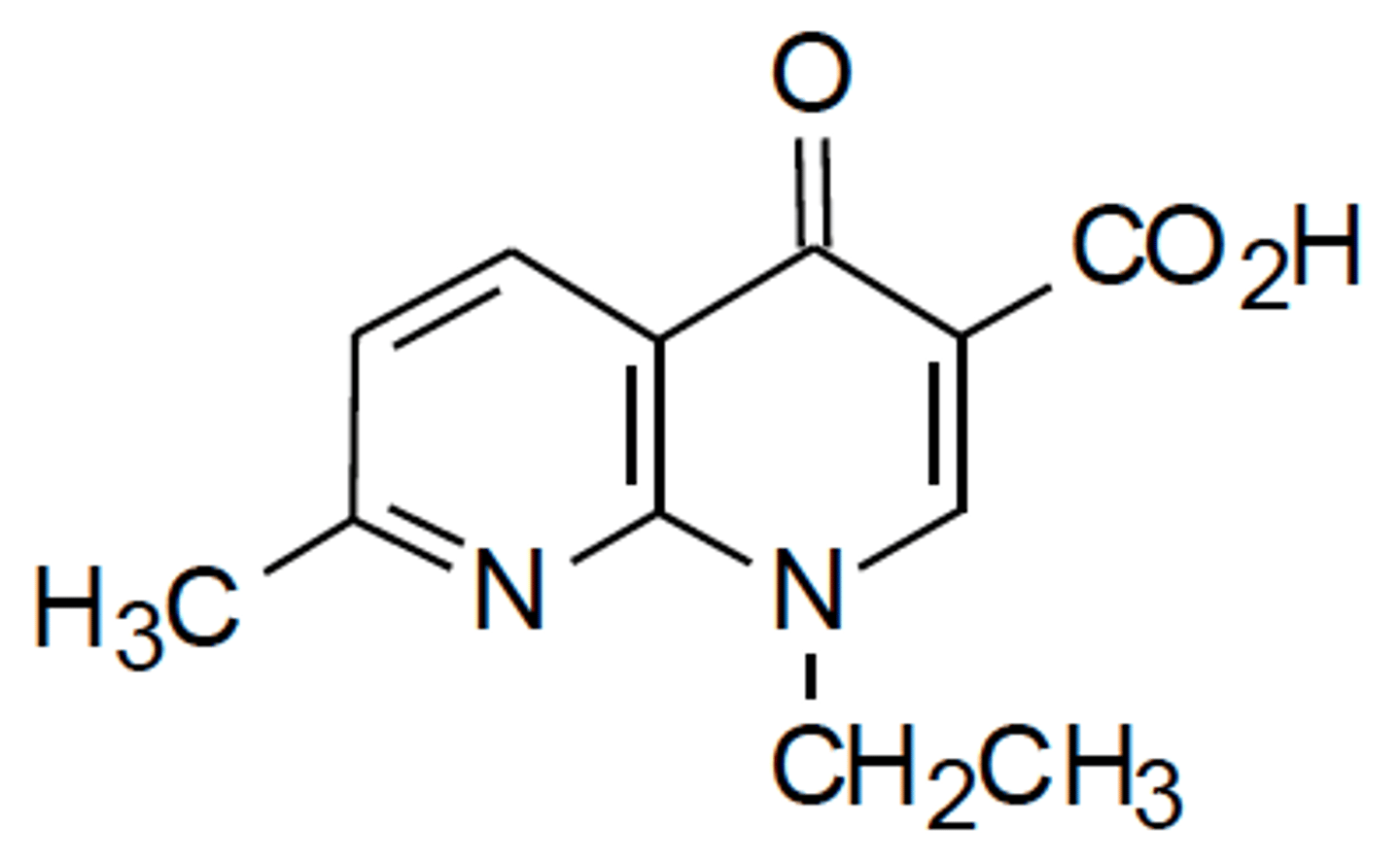
nalidixic acid
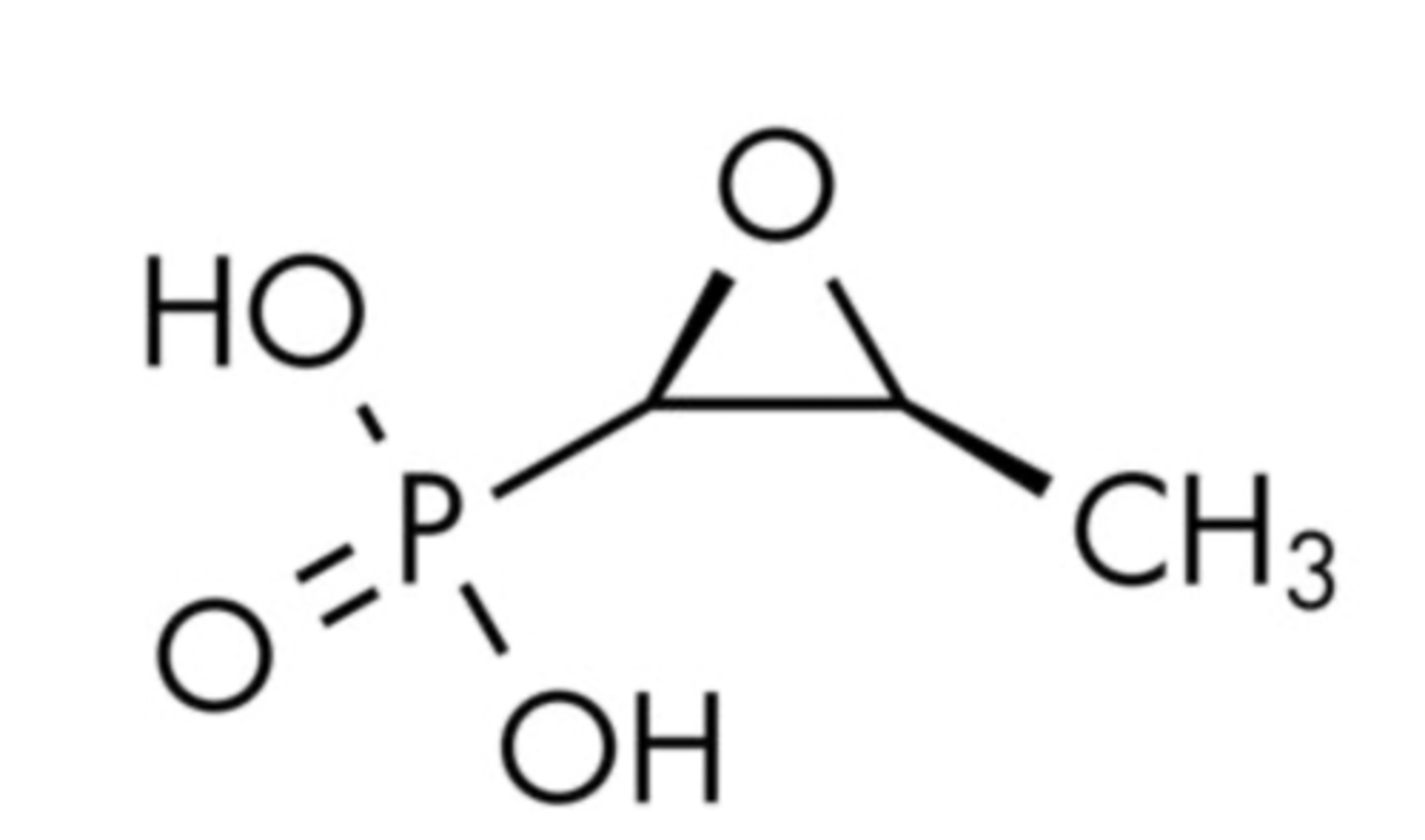
phosphoymcin
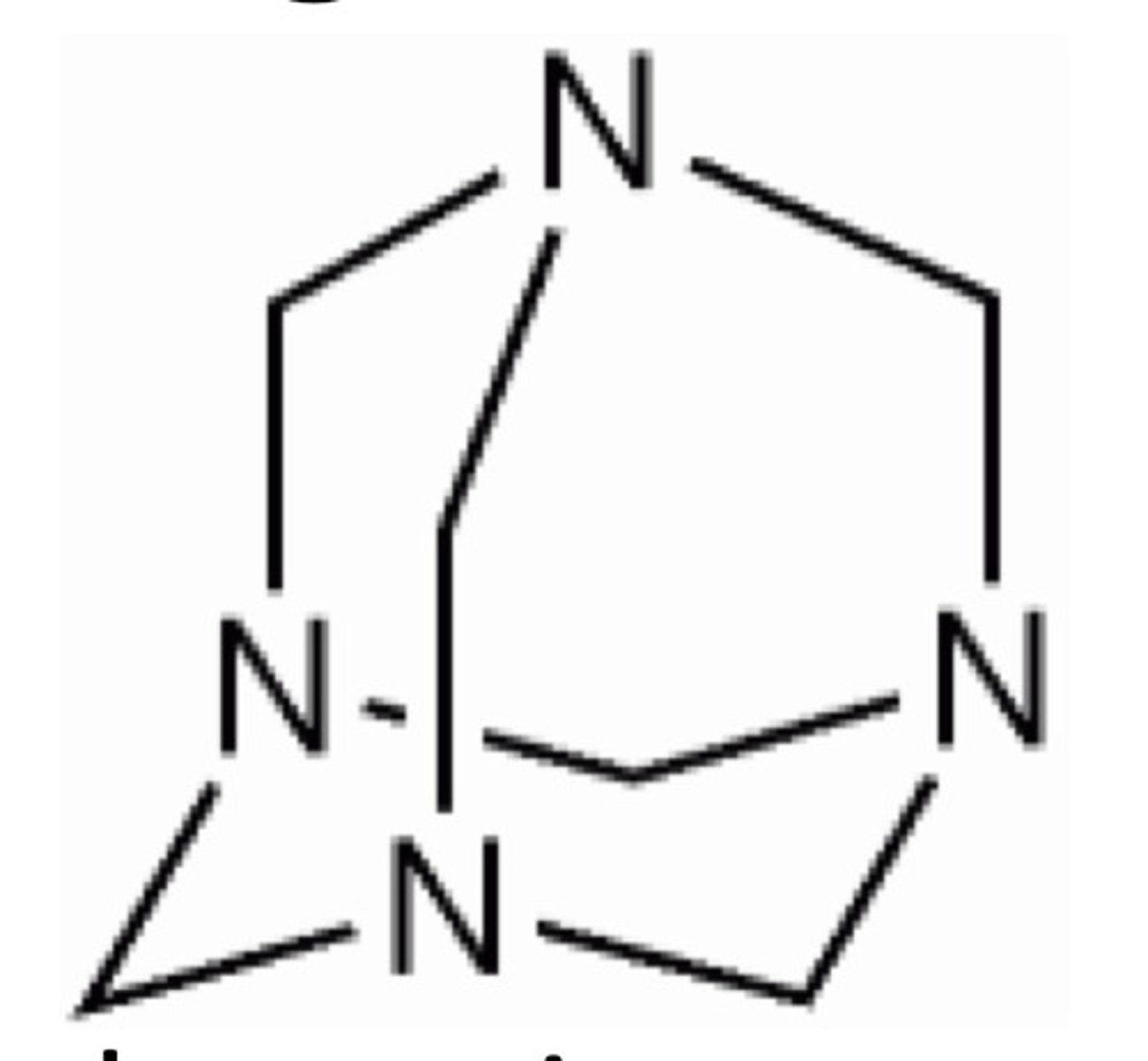
methenamine/hexamine
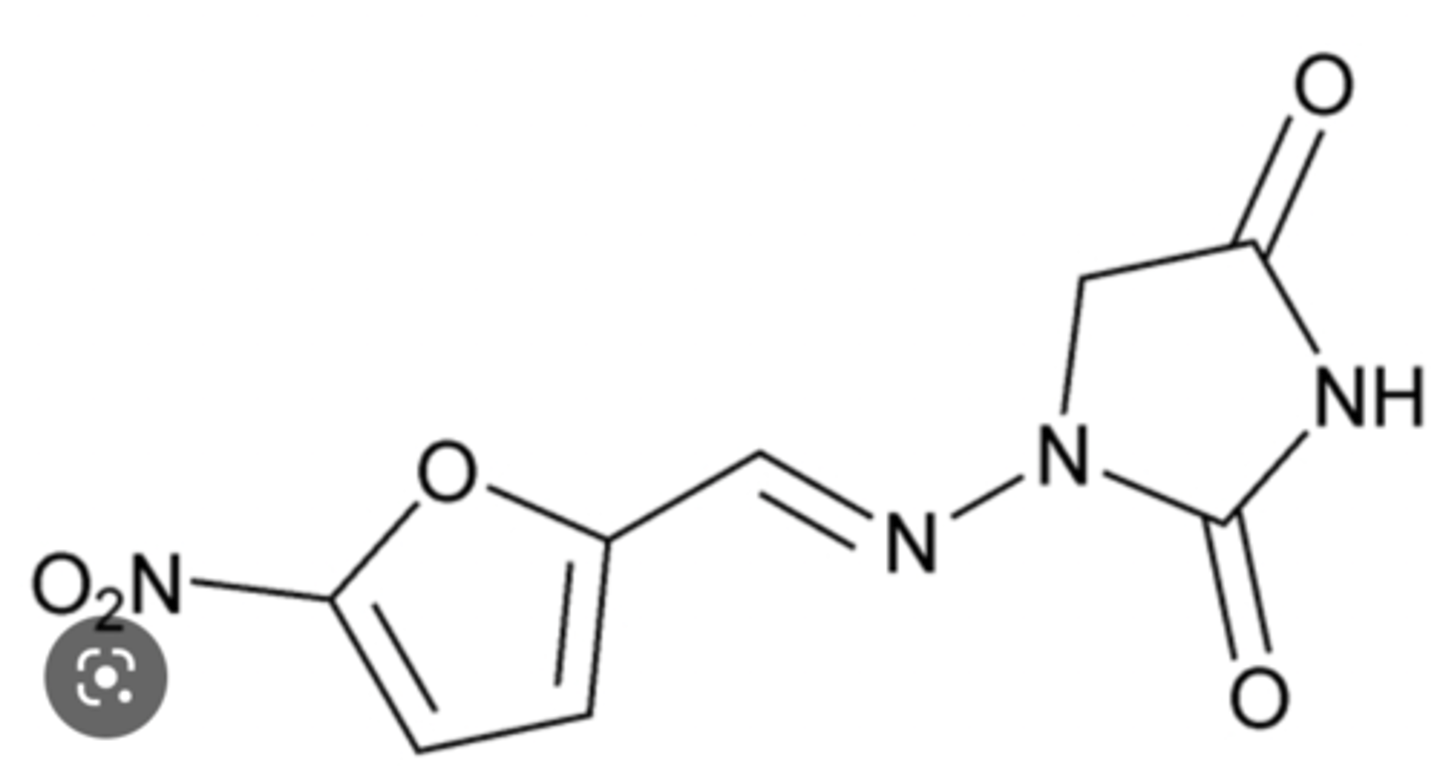
microdantin/nitrofurantoin
sulfonamides
Synthetic antimicrobials containing a sulfonamide function as a common functional group
bacteriostatic antimetabolites
sulfonamide mode of action
dihydropteroate synthase
sulfonamide mechanism of action: interfere with nucleic acid synthesis by inhibiting _____________________
dihydrofolic acid
in some bacteria, the sulfonamides also block the biosynthesis of ________________________ by acting as false metabolites
dihydropteroate synthase
sulfonamide false metabolites are converted by __________________________________ to different intermediates (inactive analogs of dihydropteroic acid), which cannot continue down the normal pathway
folic acid
Humans do not have the necessary enzymes to biosynthesize ______________ so they are immune to the antimetabolites effect of sulfonamides
resistant
bacteria capable of taking up preformed folic are intrinsically resistant to sulfonamides
acidic
the more _____________ the sulfonamide N-H group, the better the inhibition and the more water soluble the drug at physiological pH
sulfoxazole
Is sulfonamide or sulfoxazole more water soluble at physiological pH?
resonance
______________ stabilizes the conjugate base upon ionization, making sulfonamides more soluble and causing less crystal deposits in the kidneys
sulfonamides
Spectrum includes:
-uncomplicated UTIs (E. coli)
-Pneumocystis carinii (jirovecii) fungal infections for immunocompromised patients
-second or third choice for other susceptible bacteria
-topical treatment for gardnerella vaginalis
oral
sulfonamide bioavailability
sulfonamide metabolism
deactivated in the liver N-4 acetylation (mainly) hydroxylamine formation and glucuronidation (phase I and II)
intermediate
sulfonamide protein binding is _____________ (30-70%)
plasmids
sulfonamide resistance involves having altered dihydropteroate synthase, which is most commonly transmitted by ______________
rash
most common adverse reaction to sulfonamides
haptens
Sulfonamides form ______________ but are not cross-allergenic with B-lactam antibiotics
stevens-johnson syndrome
rare and severe sulfonamide allergy characterized by ulceration of mucous membranes of eye, mouth, and urethra (aka Erythema multiforme major)
sulfonamide adverse effects
-Allergy: most common adverse effect = rash; also photosensitivity, sore throat, drug fever
-Crystalluria: causes nephritis
-Liver and kidney damage, and hemolytic anemia are less common
-Stevens-Johnson syndrome
Sulfasalazine (Azulfidine)
Prodrug to treat both ulcerative colitis and Cron's disease (anti-inflammatory); NOT an antimicrobial agent
5-ASA (m-aminosalicylic acid)
the active anti-inflammatory component for treating both ulcerative colitis and Chron's disease; metabolized from sulfasalazine because it would be irritating to the
dihydrofolate reductase (DHFR)
bacterial enzyme that trimethoprim acts on; also in mammals but is far less sensitive to inhibition by trimethoprim
1:5
Synergistic with sulfonamides: the combination of trimethoprim/sulfamethoxazole (Bactrim) is used clinically as a ratio of __________
trimethoprim-sulfamethoxazole spectrum
used primarily against UTIs but also finds significant use against:
-shigellosis, otitis media, traveler’s diarrhea, bronchitis
-Pneumocystis carinii infections in AIDS patients, MRSA infections, pneumococci, enterobacteria, E. coli, Klebsiella, Pneumoniae, Proteus mirabilis and Proteus vulgaris, Salmonella typhi, Serratia marcescens, Shigella, Yersinia, Aeromonas, Bordetella, Brucella, Haemophilus, Legionella, Vibrio cholerae, non-aeruginosa pseudomonas
DHFR
trimethoprim resistance is developing fast via alterations in the structure of ___________
trimethoprim adverse effects
-Rash, nausea, and vomiting most common
-Rarer: blood dyscrasias and pseudomembranous colitis due to superinfection by C. diff
-Discontinue drug if severe diarrhea occurs
first generation fluoroquinolones
Norfloxacin, Lomefloxacin, Ciprofloxacin, Ofloxacin (racemic)/levofloxacin (1-S)
second generation fluoroquinolones
moxifloxacin, gatifloxacin
bacteriostatic
trimethoprim mode of action
oral
trimethoprim bioavailability
bactericidal
fluoroquinolone mode of action
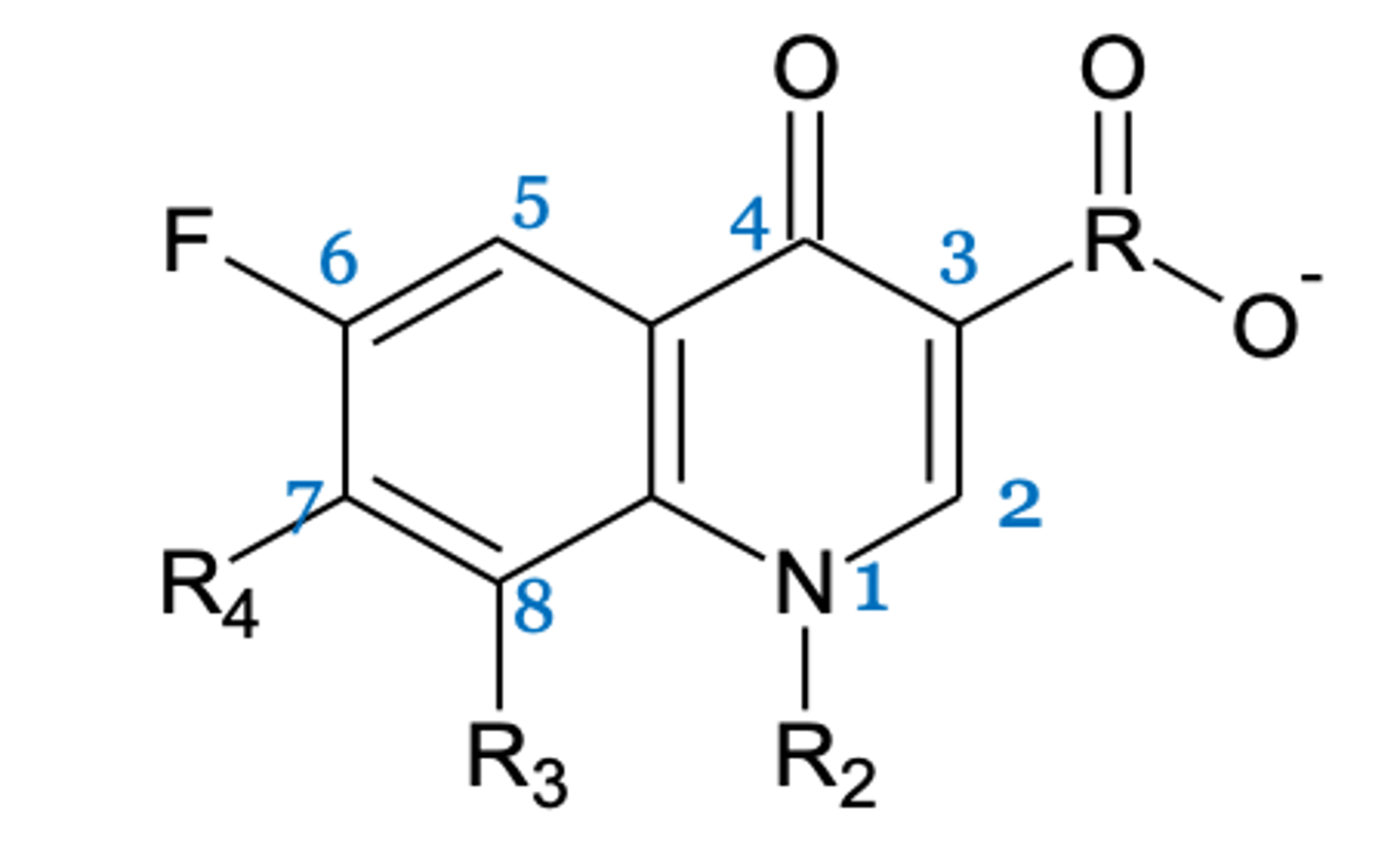
fluoroquinolones
MOA: inhibit bacterial DNA gyrase and topoisomerase IV (both are subtypes of topoisomerase II) but not mammalian DNA topoisomerase II (which is similar in function)
topoisomerase
relieve the tension of supercoiled DNA before replication by breaking and reconnecting DNA strands at specific locations
Decreased uptake
topoisomerase
bacterial fluoroquinolone resistance is due to _________________ and altered _________________
oral
fluoroquinolone bioavailability
fluoroquinolones
should not be taken with dairy, antacids, hematinics, and tonics due to chelation with metal ions
6-fluoro
fluoroquinolone modification that broadens spectrum to include gram-positives
7-piperazinyl
fluoroquinolone modification that has antipseudomonal activity, reduces metabolism of other drugs, and may increase CNS adverse effects
8-methoxy (in 2nd gen)
fluoroquinolone modification that enhances activity against gram-positives and reduces CYP450 metabolism of FQs
fluoroquinolone adverse effects
-CNS: pro-convulsant, occasionally hallucinations, insomnia, visual
-Erosion of joints (not normally given before puberty or to sexually active females of child-bearing age)
-GIT: diarrhea, vomiting, abdominal pain, anorexia
-Other: photosensitivity, liver damage, prolongation of QT interval; bad/metallic taste
CYP-450
drugs metabolized by ______________ may be affected by fluoroquinolone therapy due to inhibition of these enzymes
fluoroquinolone spectrum
-Broad spectrum and used for many infections
-UTI (due to enterobacteria, enterococci); lower RTI, prostatitis, SSSI, GI infections due to S. aureus, MRSA, PPNG, gonococcus, campylobacter, E. coli, Klebsiella, Proteus, Providencia, Salmonella typhi, Serratia, Shigella, Yersinia, Acinetobacter, Aeromonas, Legionella, Pseudomonas (except moxifloxacin), Vibrio cholerae, TB, Chlamydia, rickettsia, cat scratch fever, Haemophilus, etc.
target, uptake
resistance to fluoroquinolones is developed through alteration _____________ enzymes and changes in __________ mechanisms
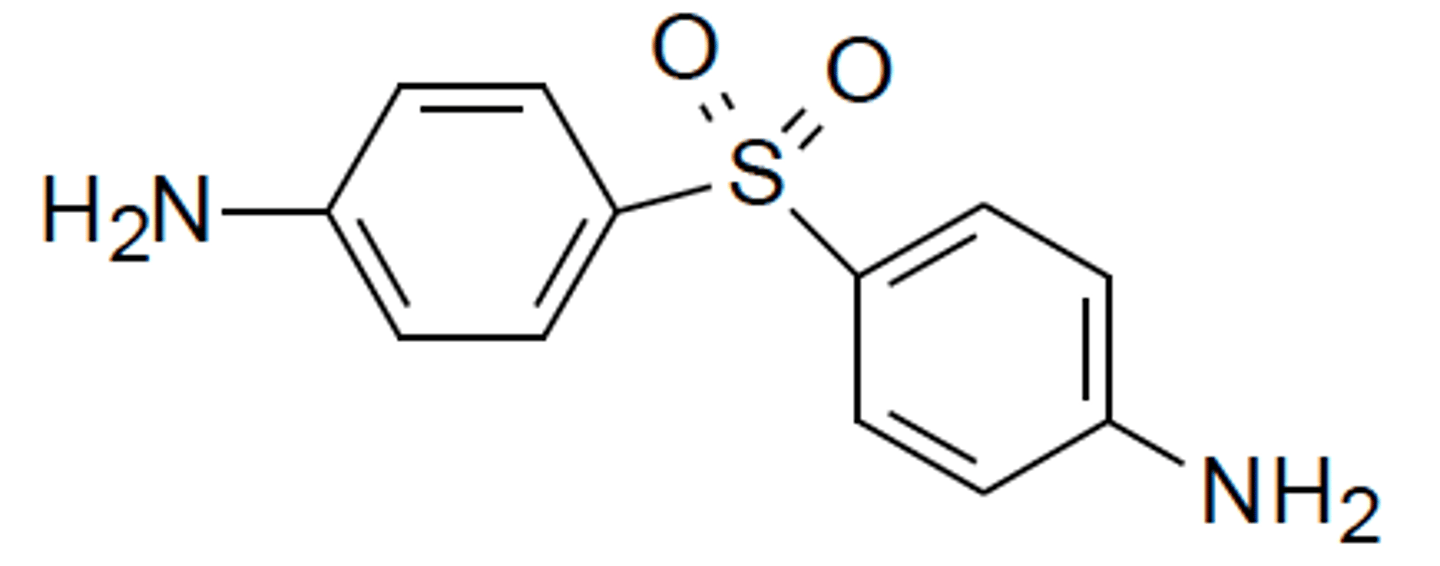
sulfones
differ from sulfonamides in that the central sulfur is attached to two carbons; MOA is not clearly understood but thought to be the same as sulfonamides
sulfones
have special utility in treating Hansen's disease (leprosy) caused by mycobacterium leprae; also in pneumocystis jirovecii pneumonia
oral
sulfones bioavailability
sulfones
treatment is required for a cure and the drug will not restore lost tissue
sulfone adverse effects
dose released hemolysis; methemoglobinemia, severe cutaneous adverse reactions (SCARS); orange yellow skin discoloration when topically applied with benzol peroxide
metranidazole
synthetic antimicrobial with a nitroimidazole ring used for infections, such as amoebal vaginitis, trichomoniasis, Giardiasis and Gardnerella vaginalis (Gram variable) infections of the vagina
metronidazole spectrum
treatment of anaerobic and microaerophilic infections including those by C. diff, Cl. Perfringens, Bacteroides, and H. pylori
metronidazole
MOA: bind with critical cysteine-containing enzymes or may directly react with DNA, causing death of anaerobic microorganisms and protozoa
metronidazole adverse effects
metallic taste and disulfiram-like effects (nausea and GI cramps after consumption of alcohol)
nitroimidazoles
metronidazole class
Nalidizic acid (Negram)
older analog (naphthyridinone) of the fluoroquinolones given orally for treatment of uncomplicated UTIs
bactericidal
Nalidixic acid mode of action
inhibits DNA synthesis
nalidixic acid MOA
phosphomycin
bactericidal agent that inhibits cell wall synthesis; primarily used against E. coli and enterobacter
methenamine/hexamine
depolarizes in acid to ammonia and formaldehyde; liberated formaldehyde is a non-specific bactericide; used for treatment of recurrent UTIs
macrodantin/nitrofurantoin
orally active; for treatment or prophylaxis; bactericidal - inhibits DNA and RNA functions; little resistance developed so far; nausea and vomiting due to rapid absorption

