L5 - Tool marks & other impression evidence (1)
 Studied by 0 people
 Call Kai
 Learn
Learn Practice Test
 Spaced Repetition
 Match
Match Flashcards
 Knowt Play
1/22

Earn XP
Description and Tags
Types of tool marks & cutting instruments
Name | Mastery | Learn | Test | Matching | Spaced | Call with Kai |
|---|
No analytics yet
Send a link to your students to track their progress
23 Terms
What can tools be used for at a crime scene?
force open a door/ window –
Break a padlock
saw up a corpse
What are the two main categories of tools?
Tools that cut • e.g. bolt cutters, drills
Tools that act as levers • e.g. crowbars, screwdrivers
What is the tasks of FS regarding tools?
attempt to match tool marks left at scene with a specific tool (usually recovered from possession of suspect)
What are the types of tool marks?
single
multiple
What are multiple tool marks?
When a surface is repeatedly sawed – Often can only be used to give class information (type of saw).
Will a tool cause multiple marks?
What are single tool marks?
When surface struck once – Either impressions e.g. when hammer strikes surface – Or striations (parallel indentations on surface) e.g. when bolt cropper cuts chain (cut once through)
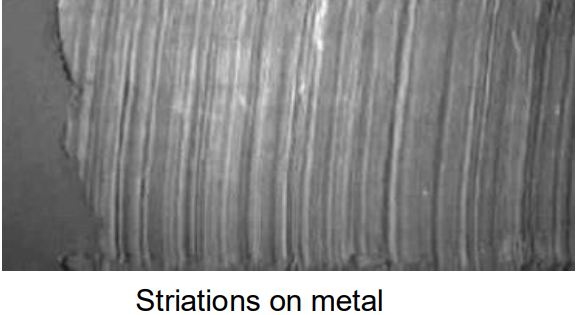
How are tool imperfections created?
During manufacture
Created by use (damage)
Damage by use can be modified by further use – in many databases of tool marks from crime scenes removed after 6 months
What are the most common cutting instruments?
Bolt croppers - Used to cut chains
Drills - Battery operated high speed drills used to drill doors or window frames
How would you compare tool marks?
compare test cutting produced by suspect tool with mark recovered from scene
• Carried out by comparison microscope
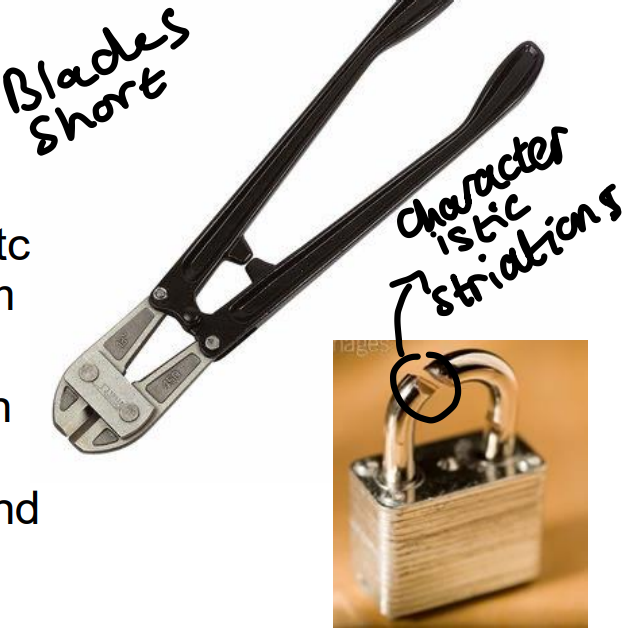
What are bolt cutters?
Long metal handles (high force at jaws)
Steel cutting short blades
Blades of croppers suffer damage in use
Cut chain, padlocks etc. can be recovered from scene
Direct comparison can be made between striations on blades and striations on cut metal (creates characteristic striations)
What are wire cutters?
Shorter handles than bolt croppers (single pivot = less force)
Hardened steel blades - Suffer damage in use
Can be used to cut wire
Can be used with less force than bolt croppers
Used to cut softer material
Generally have less damage to blades
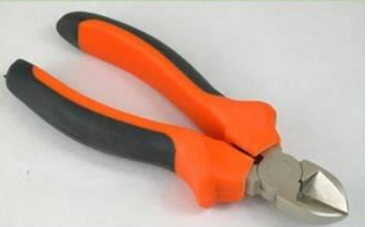
What is the difference between wire cutters & bolt cutters?
Wire cutters have shorter handles
Wire cutters use less force
Wire cutters cut softer material
Wire cutters have less damage to blades.
What are the different types of drills?
Traditional non powered hand drills
Traditional wood auger and bit
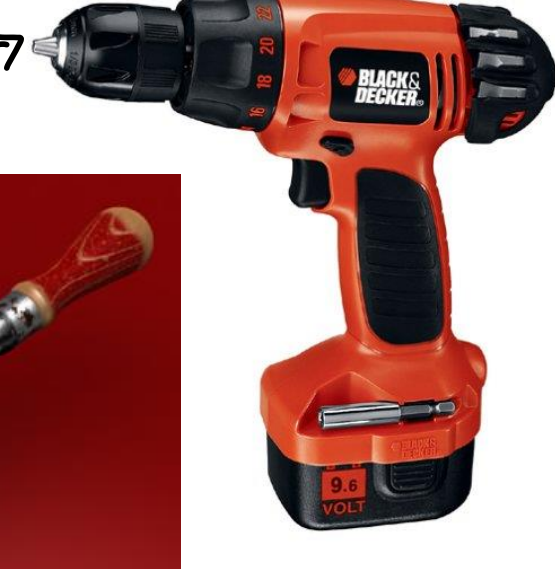
Battery operated electrical drill
What are drills used for?
Used to cut holes into:
window frames in order to release catches
Around door locks so that they are easier to force
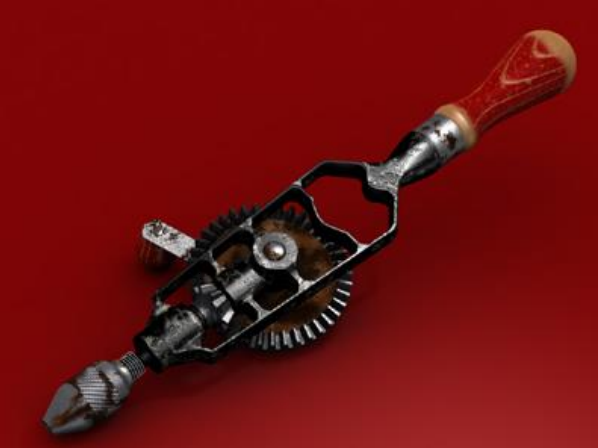
What is a traditional brace & bit?
Brace = handle
Auger Bit = cutting tool inserted
Rotate handle to cut hole
Less noise
More controlled avoids overdrilling & damage to material
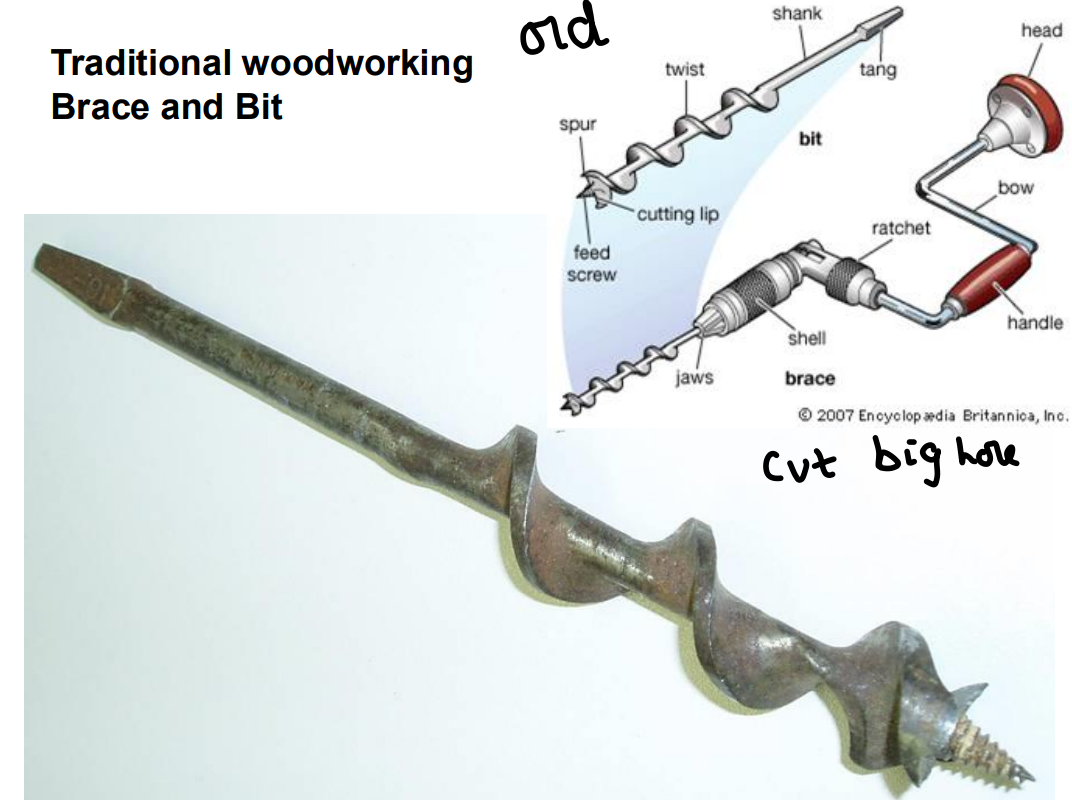
Traditional hand drill:
What is the advantage & disadvantage of electric drills?
Adv - more powerful
dis - more noisy
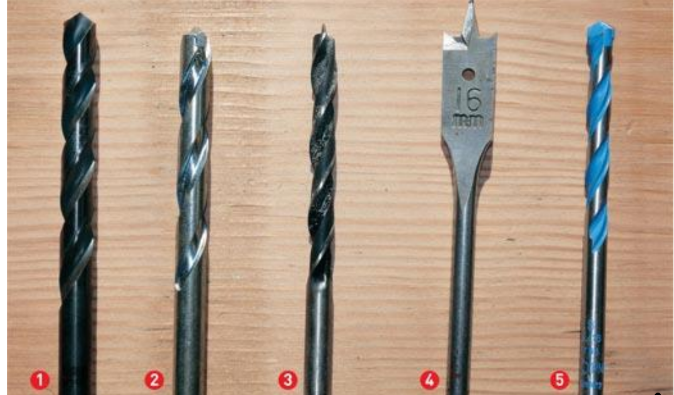
What are the drill bit types?
Twist bits
Masonry bits
Brad point bits
Spade bits
Multi construction drill bits
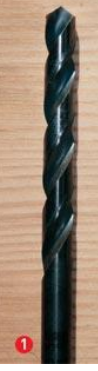
What is the main drill bit type?
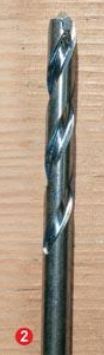
Twists Bits
cone-shaped cutting point
spiral shaft.
high-speed steel
Used for timber, metal, plastic
What are masonry bits?
hardened tungsten carbide point •
simultaneously pounds and twists into hard masonry surfaces (drill set to hammer mode).
• Used masonry
For shelves - very noisy & not stealthy
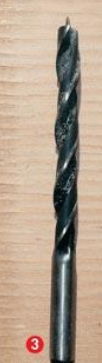
What are brad point bits?
Used for woodworking, the sharp point is ideal for getting the hole positioned accurately and the outer spurs cut a clean hole
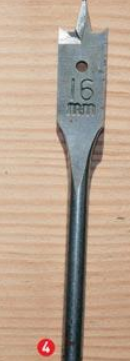
What are spade bits used for?
Timber & soft wood
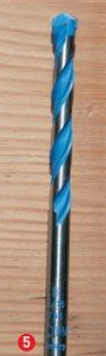
What are multi construction drill bits?
• Similar to masonry bits but ground differently • used to to go through softer masonry substrates like brick, marble and sandstone, and timber, cast iron or aluminium. •
For drilling one hole through different materials. • Use in non-hammer mode with a slow speed
 Note
Note  Flashcards (23)