CH 4 Test 3 exmaples
 Call Kai
 Learn
Learn Practice Test
 Spaced Repetition
 Match
Match Flashcards
 Knowt Play
1/32

There's no tags or description
Looks like no tags are added yet.
Name | Mastery | Learn | Test | Matching | Spaced | Call with Kai |
|---|
No analytics yet
Send a link to your students to track their progress
33 Terms

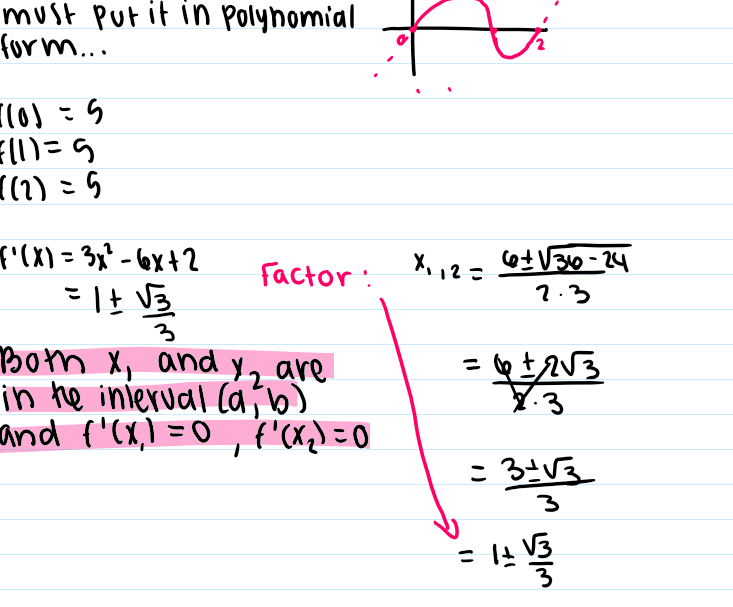
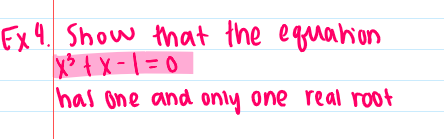
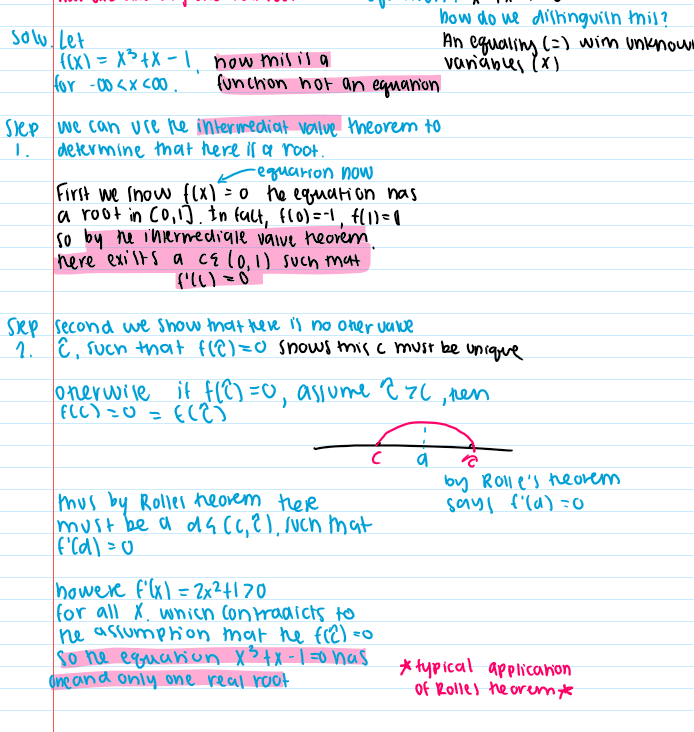
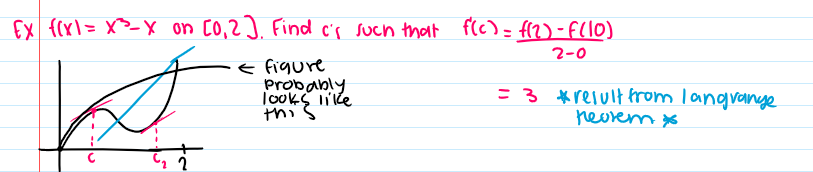
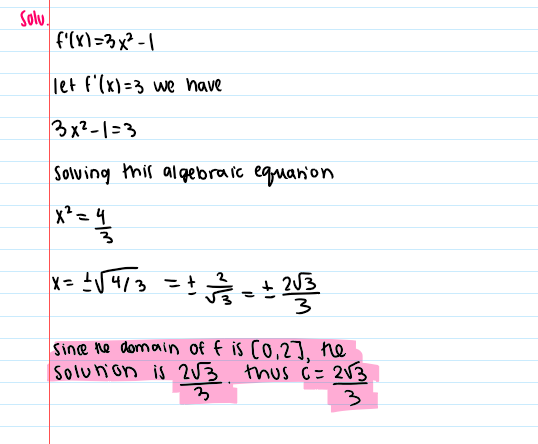
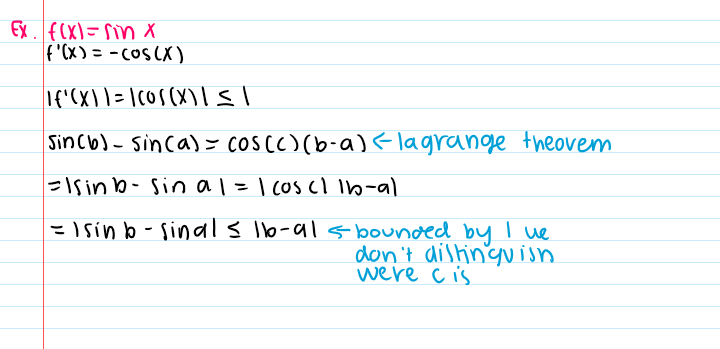
use the mean value theorem
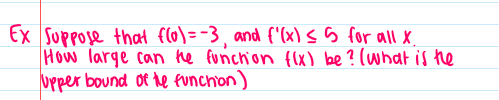
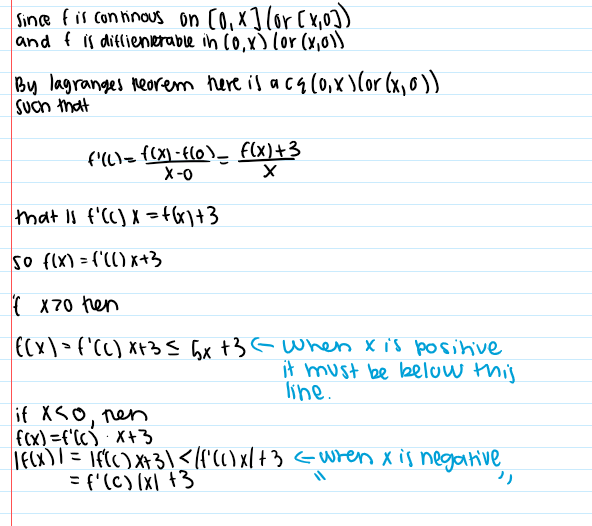
find where f is bounded
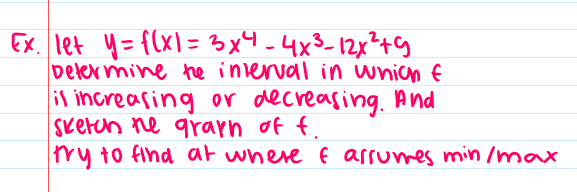
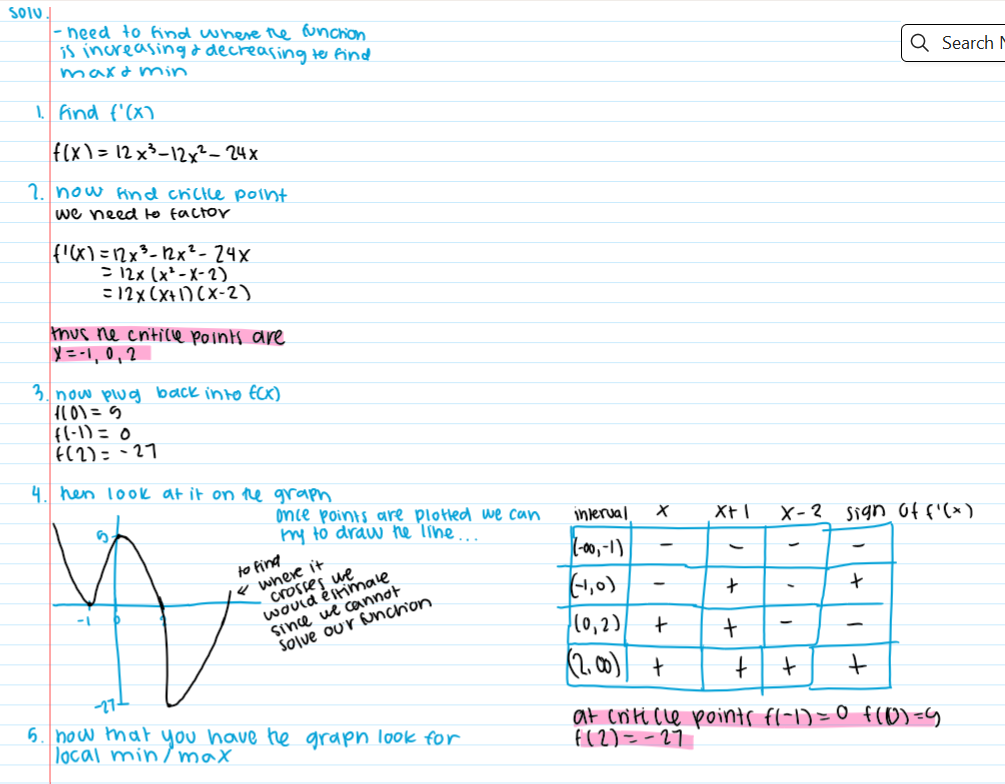

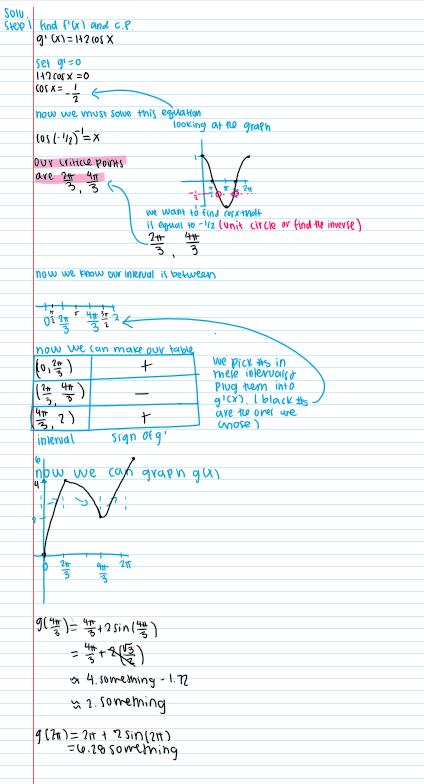
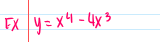
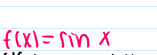
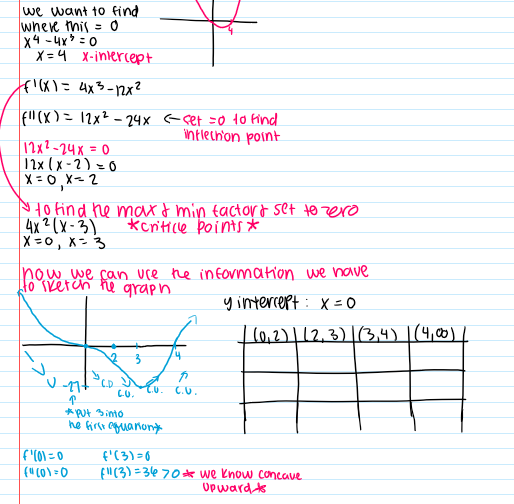
find the graph for
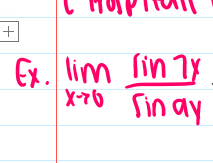
use l hospitals rule to solve
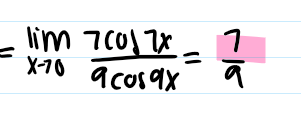
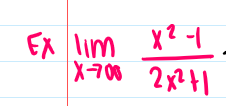
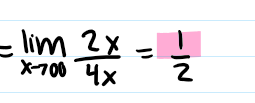
use L hospitals rule
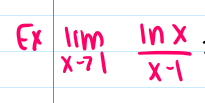
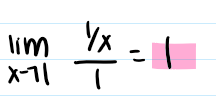
use L hospitals rule
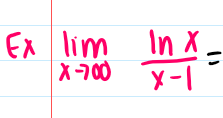
use L hospitals rule
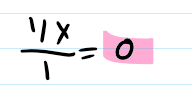
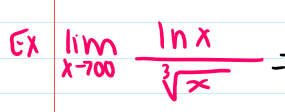
use L hospitals rule

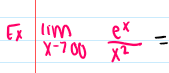
use L hospitals rule
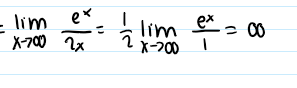
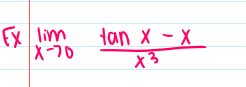
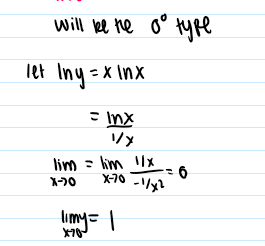
identify the “type” and then use L hospitals rule
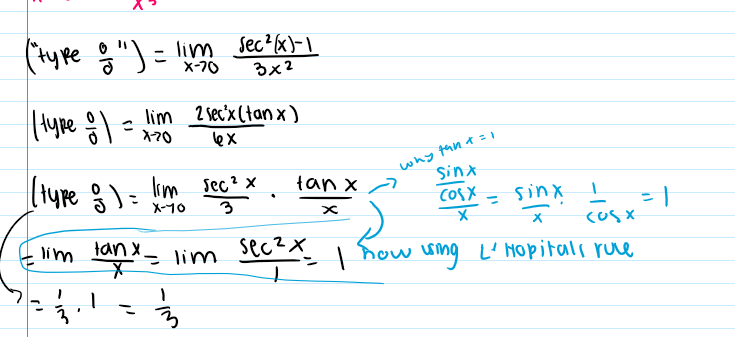
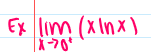
identify the type then use L hospital rule
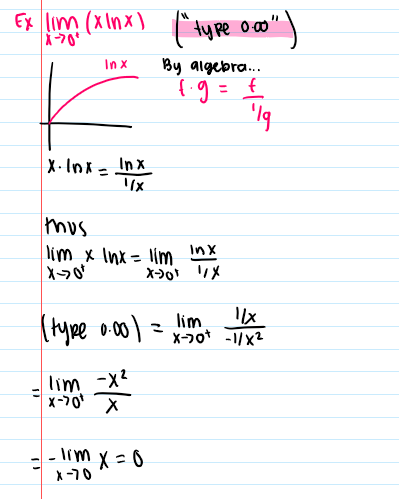
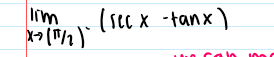
identify the type then use L hospitals rule
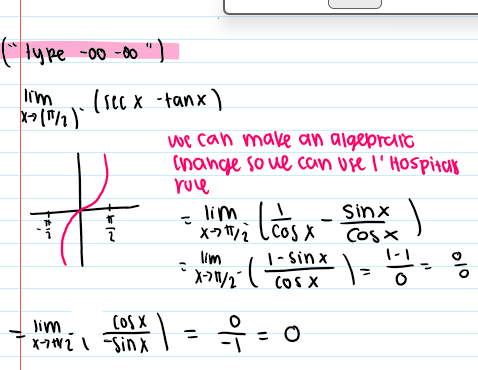
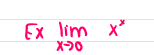
identify the type and use L hospitals rule

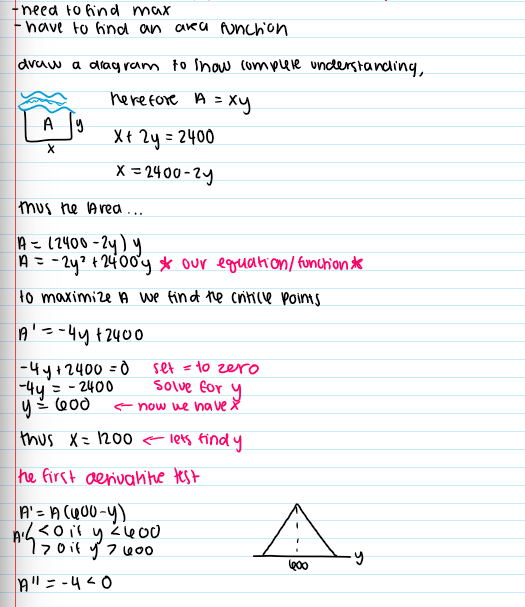
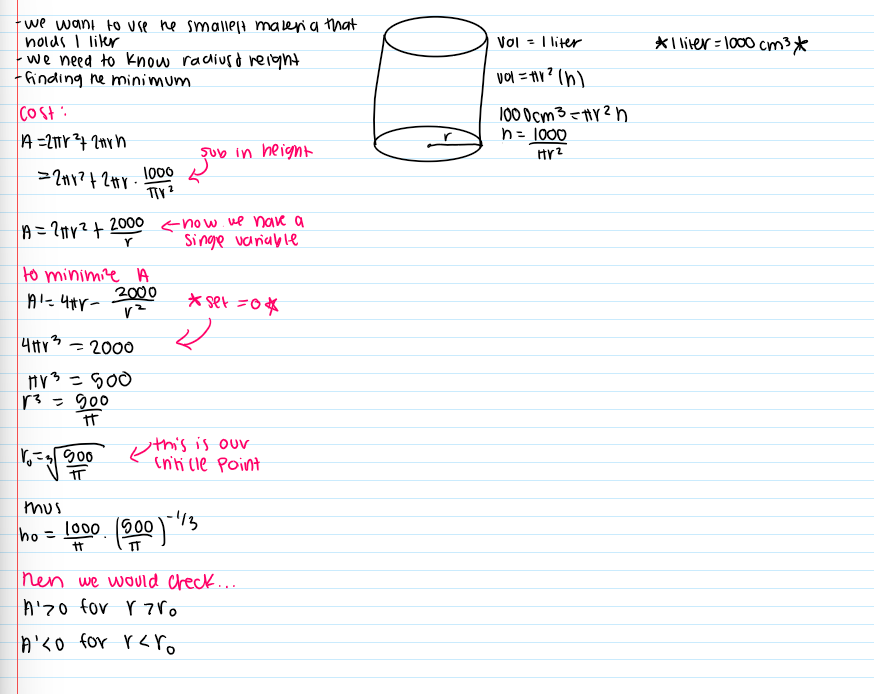
optimization

what is the antiderivative of f(x)=sin(x)
what does F(x)=
-cos(x) +c
what is the antiderivative of f(x) =e^x
what is F(x)=
e^x +c
what is the antiderivative of f(x) = 1/x
F(x) =
lnx +c
what is the antiderivative of f(x) x^n when x is not equal to -1
F(x)=
1/n+1 x^n+1 +c
what is the antiderivative of f(x) =ln |x|
F(x)=
1/x
what is the antiderivative of cf(x)
CF(x) +c
what is the antiderivative of f(x) + g(x)
F(x) + G(x)
what is the antiderivative of sec² x
tanx+c
what is the antiderivative of sec x + tanx
sec x +c
what is the antiderivative of 1/ sqrt(1-x²)
sin^-1 (x) +c
what is the antiderivative of 1/1+x²
tan^-1(x) +c

what is the antiderivative of
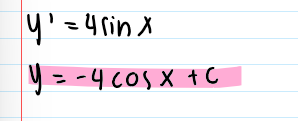
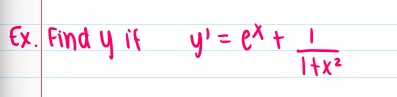
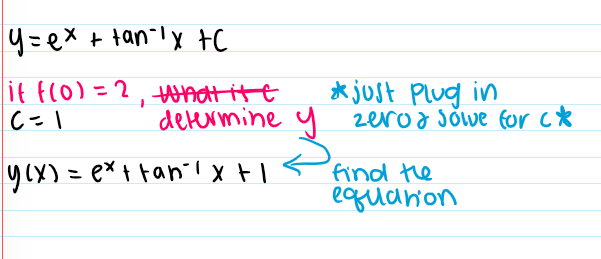
what is the antiderivative of
Explore top notes

