Ontario Grasslands ID
 Call Kai
 Learn
Learn Practice Test
 Spaced Repetition
 Match
Match Flashcards
 Knowt Play
1/98

There's no tags or description
Looks like no tags are added yet.
Name | Mastery | Learn | Test | Matching | Spaced | Call with Kai | Chat |
|---|
No analytics yet
Send a link to your students to track their progress
99 Terms
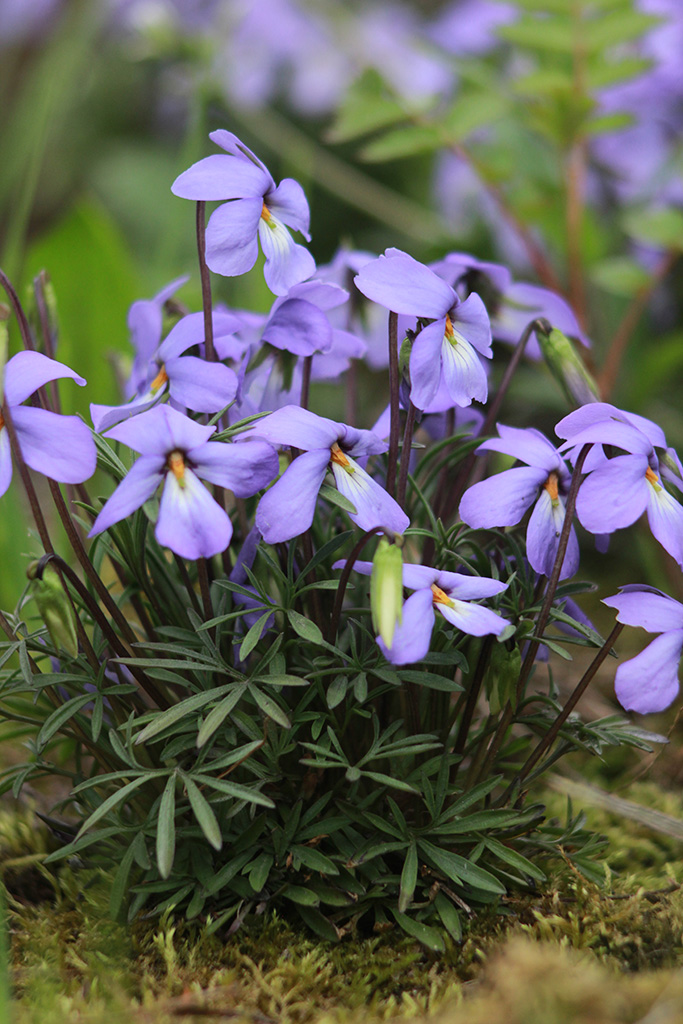
Black Eyed Susan:
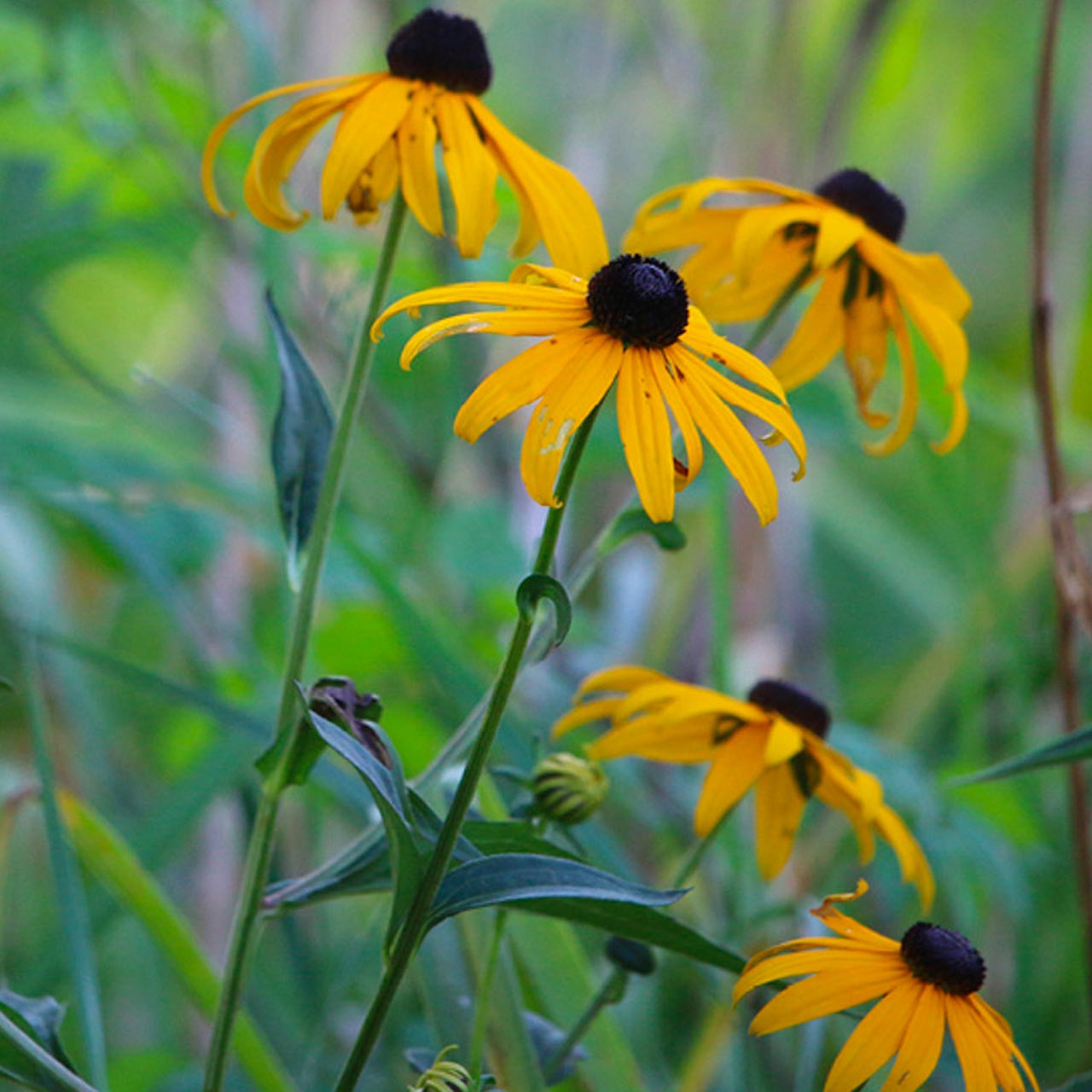
Common Evening Primrose
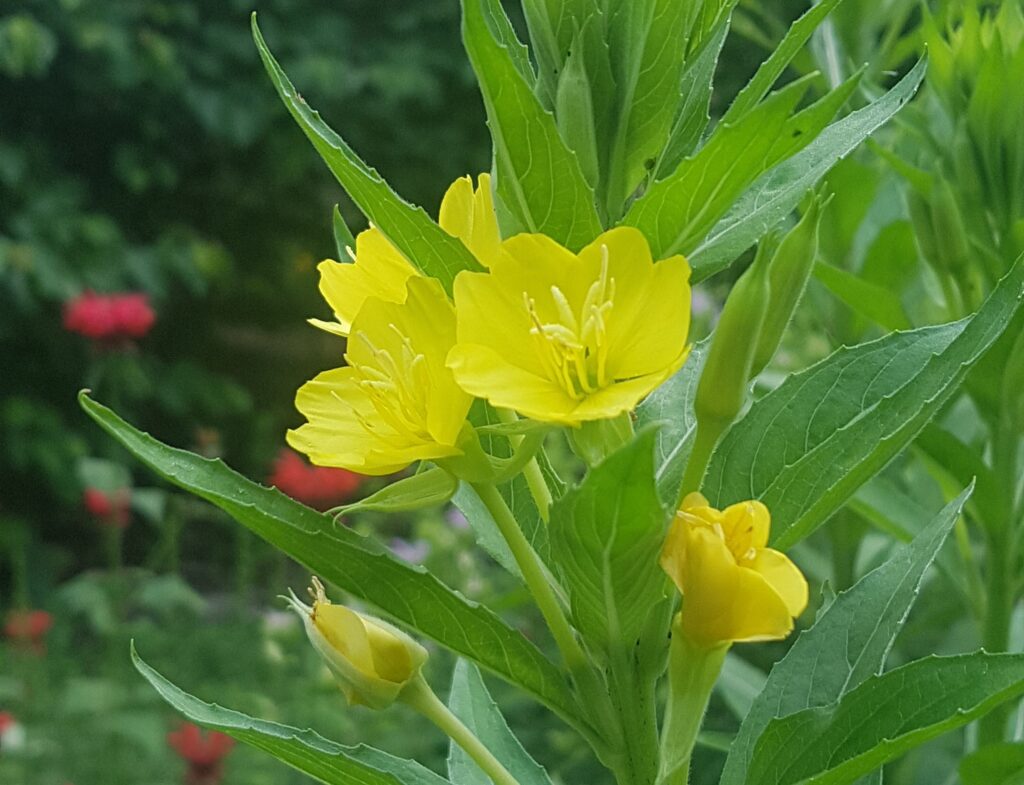
Compass Plant
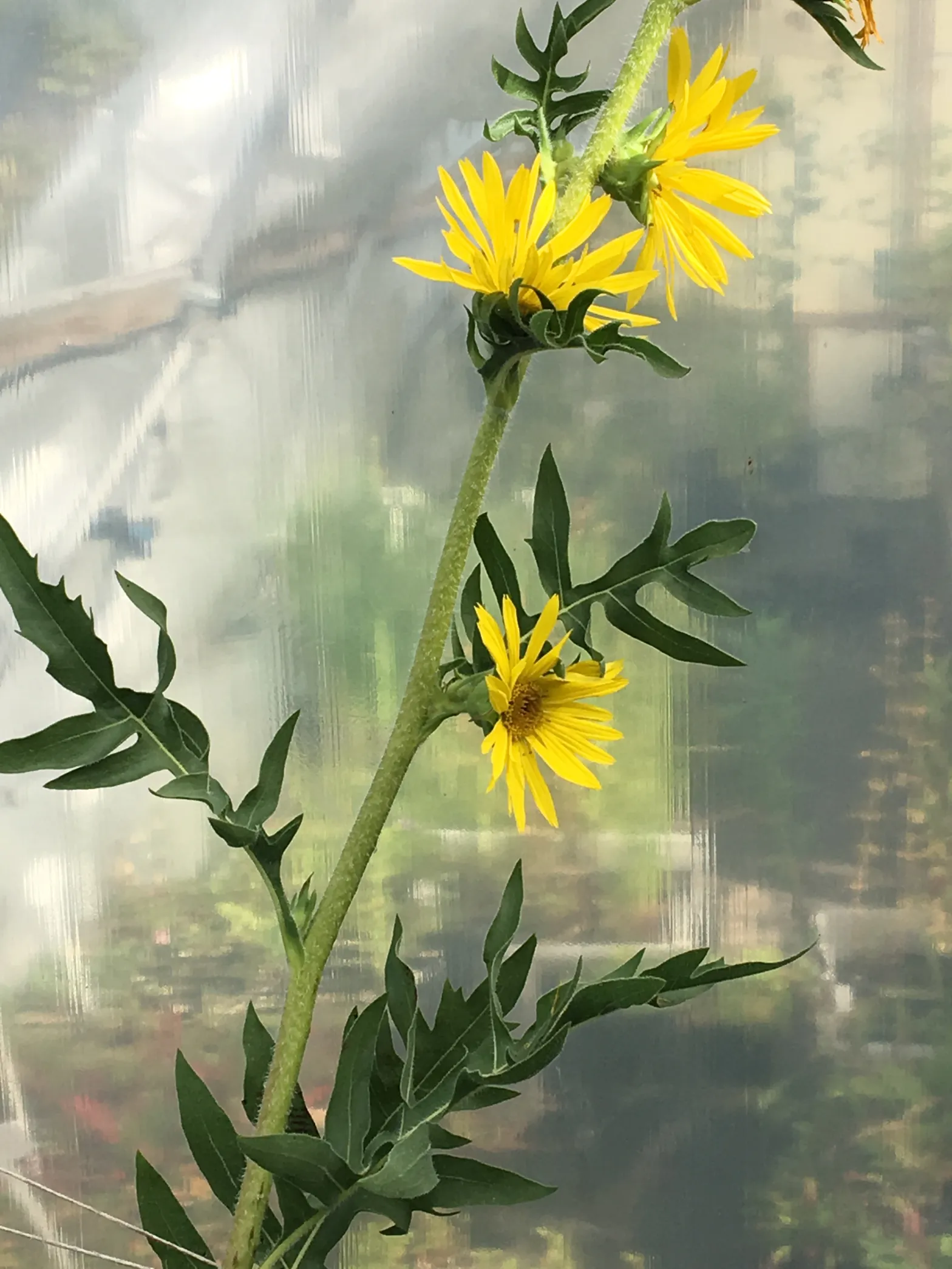
Coneflower
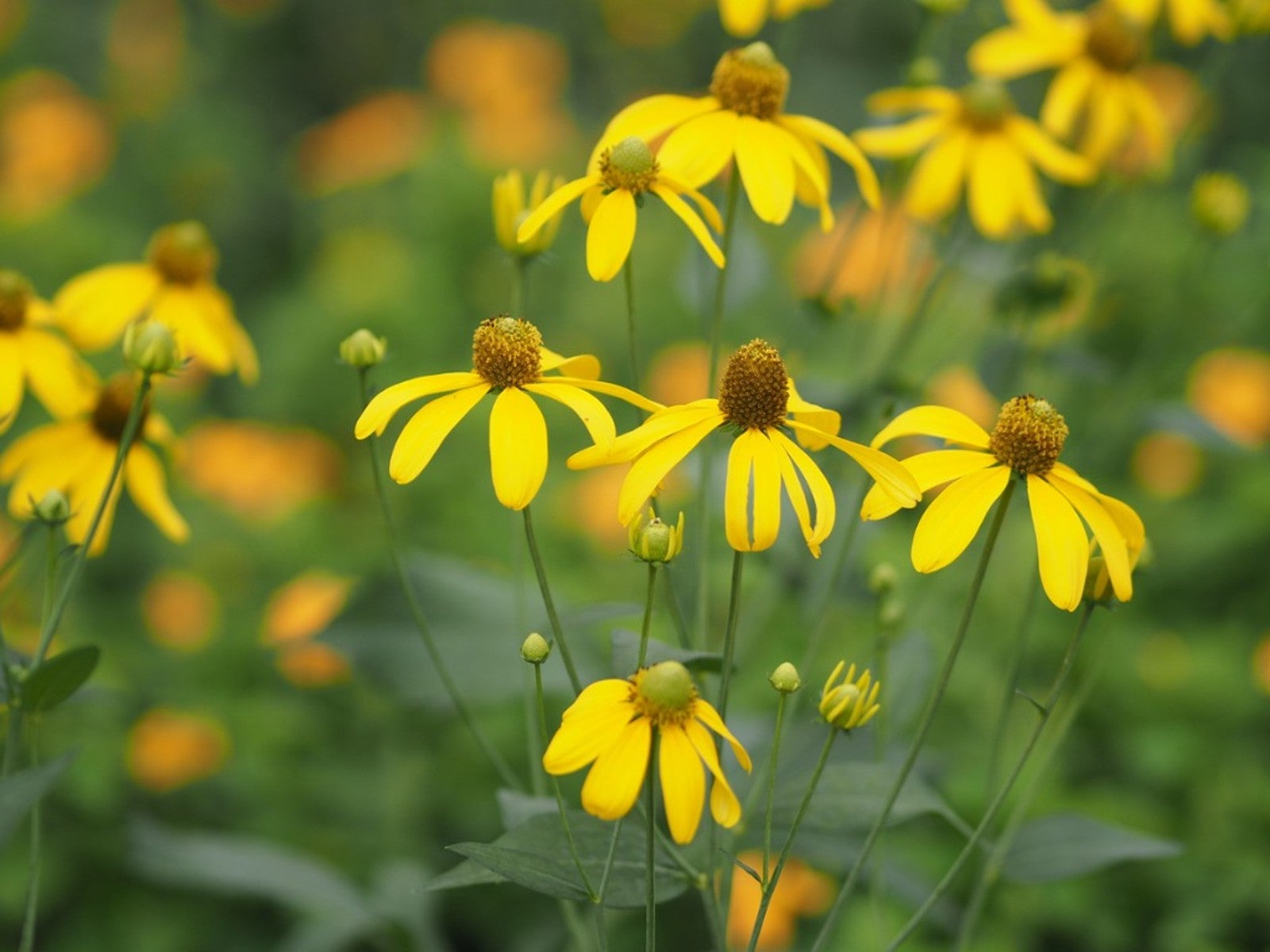
Grey Goldenrod

False Sunflower

Saw Tooth Sunflower

Sneezeweed

Stiff Goldenrod

Tall Sunflower

Dense Blasing Star

Ironweed
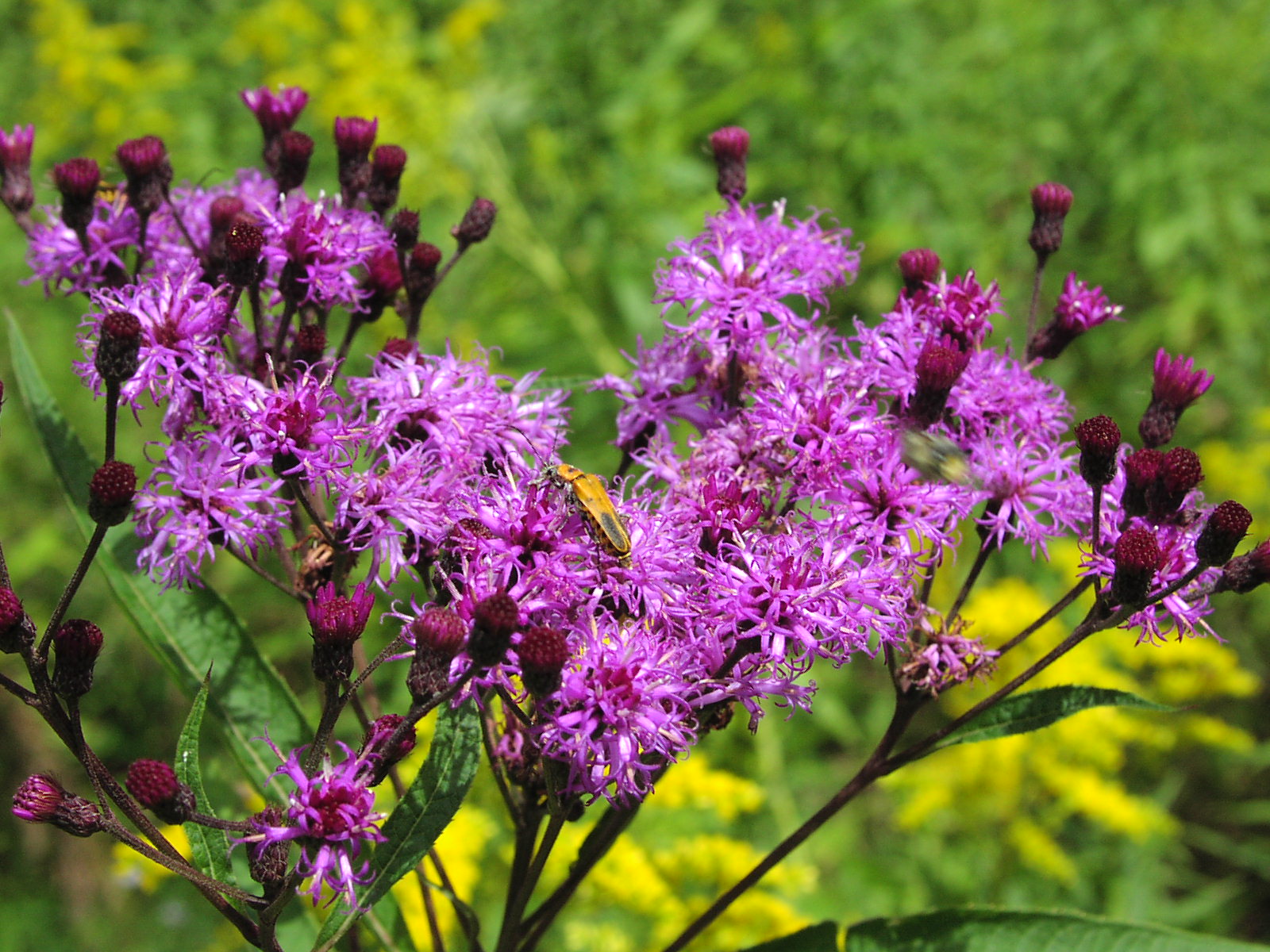
New England Aster
:max_bytes(150000):strip_icc()/how-to-grow-new-england-asters-4109086-02-a9a397a6602b430ab703c4d92e93d600.jpg)
Pale Purple Coneflower

Purple Coneflower

Rough Blazing Star

Showy tick-trifoil

Wild Bergamont

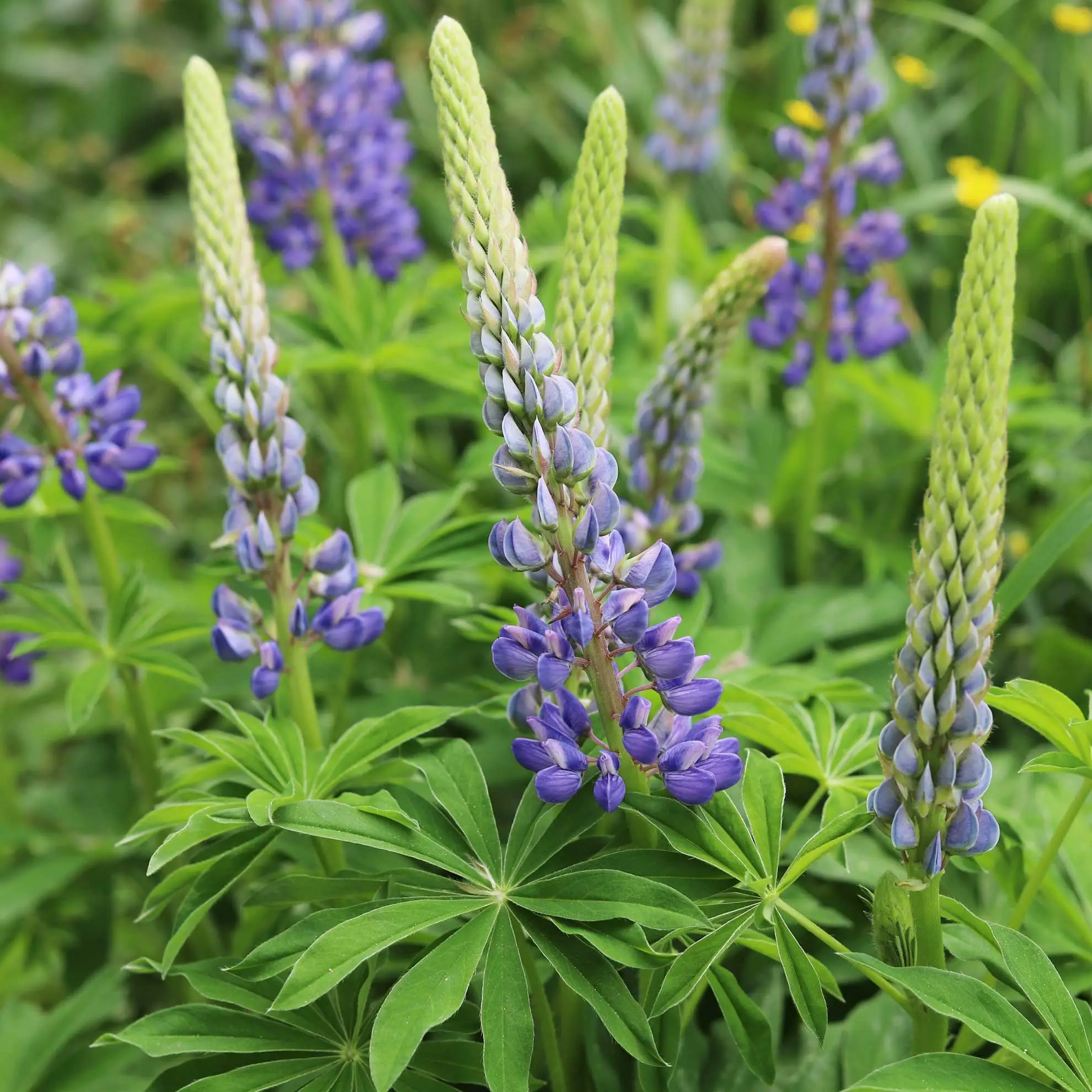
Wild Lupine
Beardtoung

Cullivars Root

nodding ladies terresses

Obedient Plant

Roundheaded bush clover

Sweet Everlasting

Tall Beardtoung

Turtlehead

Virginia mountain mint

Cardinal flower

Common milkweed

Groundnut

Joe Pye Weed

Nodding Wild onion

Swamp Milkweed

Blue Lobelia

Blue Verbain

Monkey Flower

Ohio Spiderwart

Sky Blue Aster

Tall Bellflower

Butterfly Milkweed

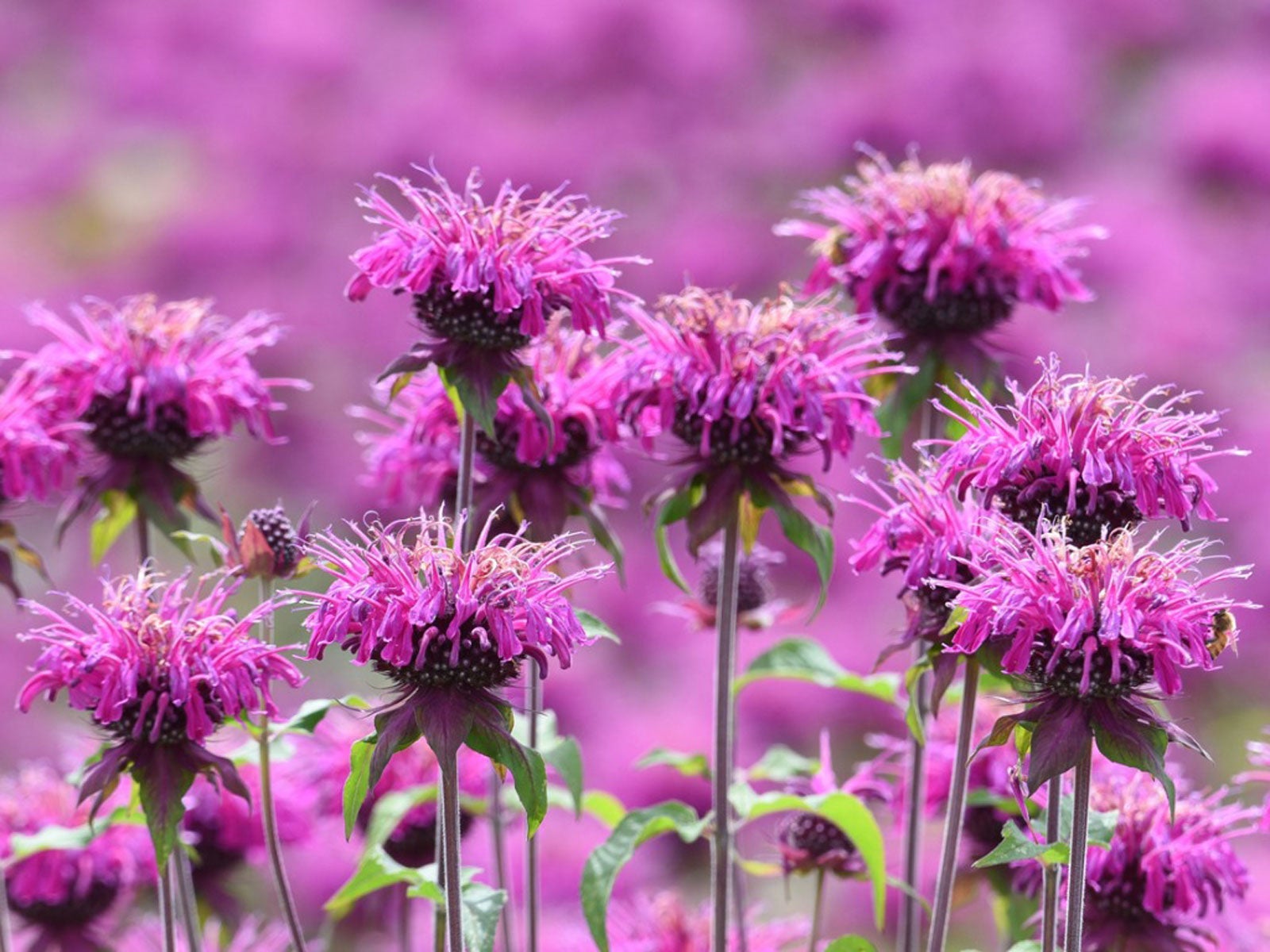
Bee Balm
Big Bluestem
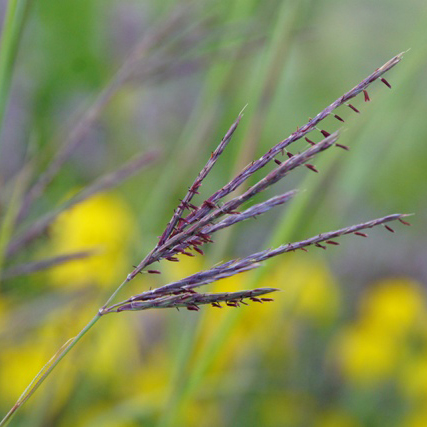
Little Bluestem
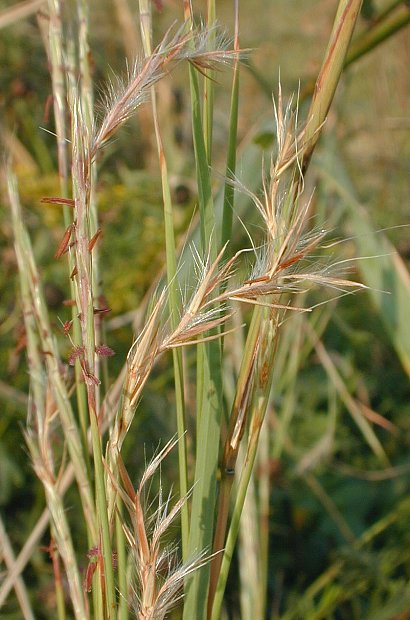
Canada Wild Rye
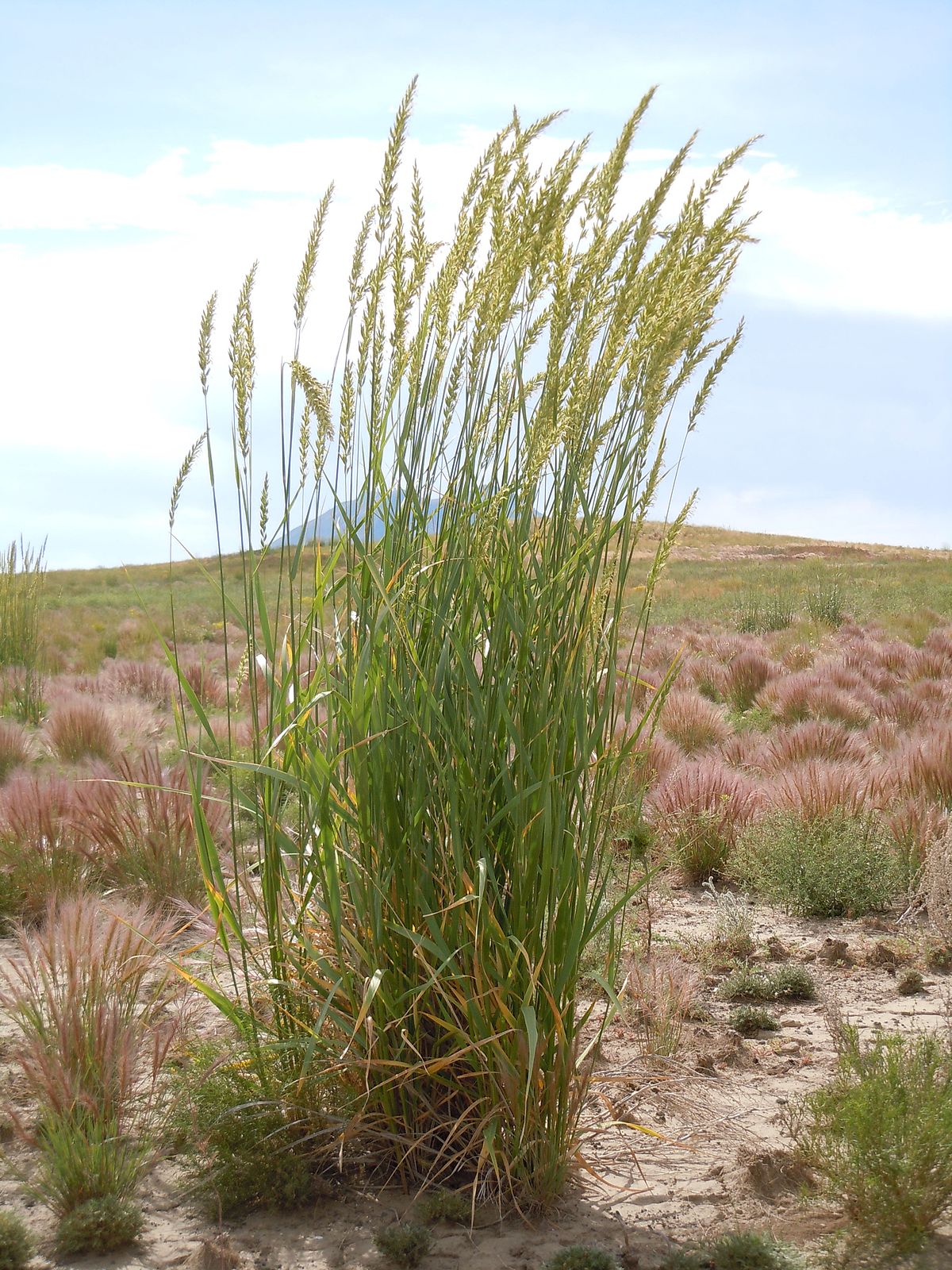
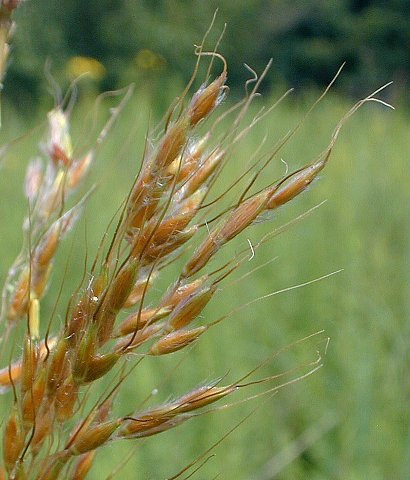
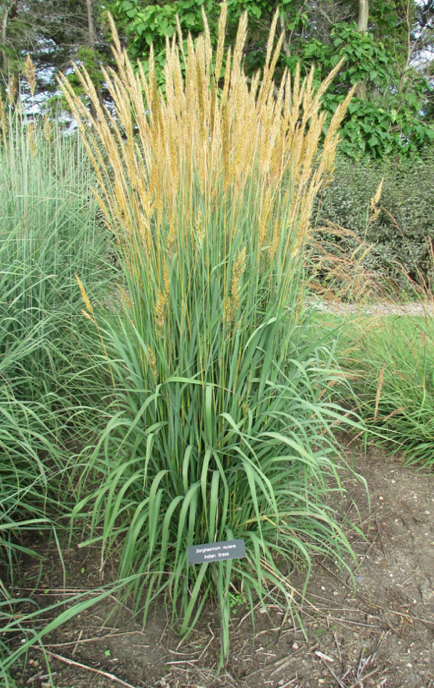
Indian Grass
Verginia Rye Grass
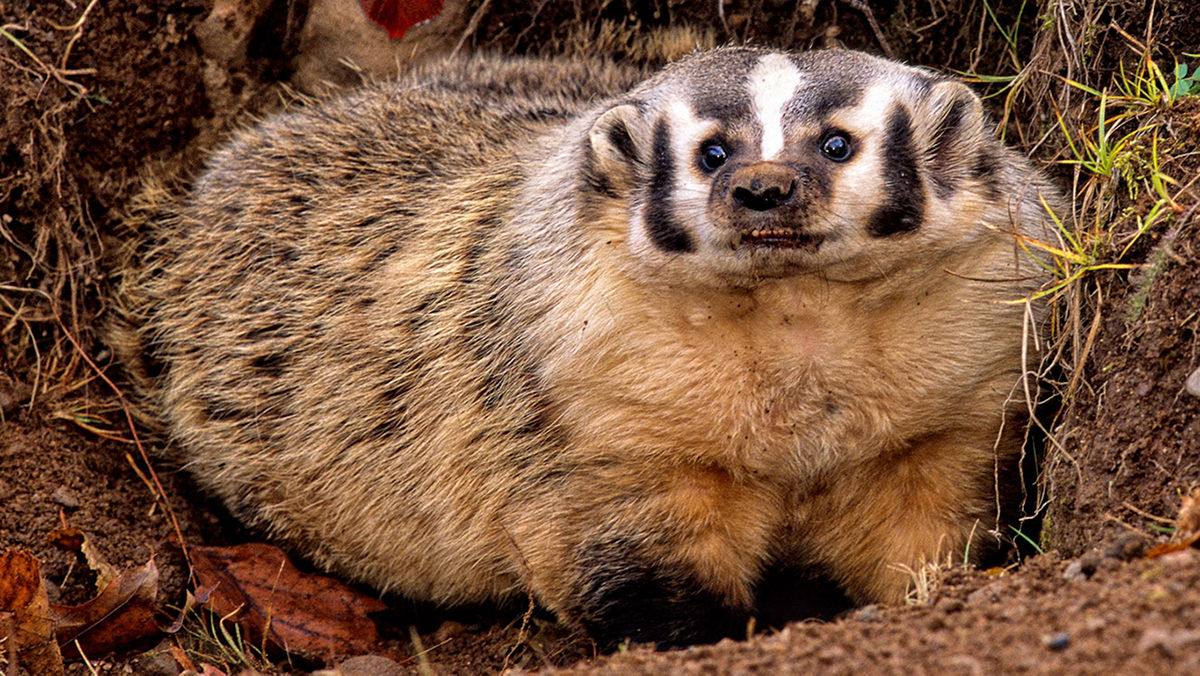
American Badger
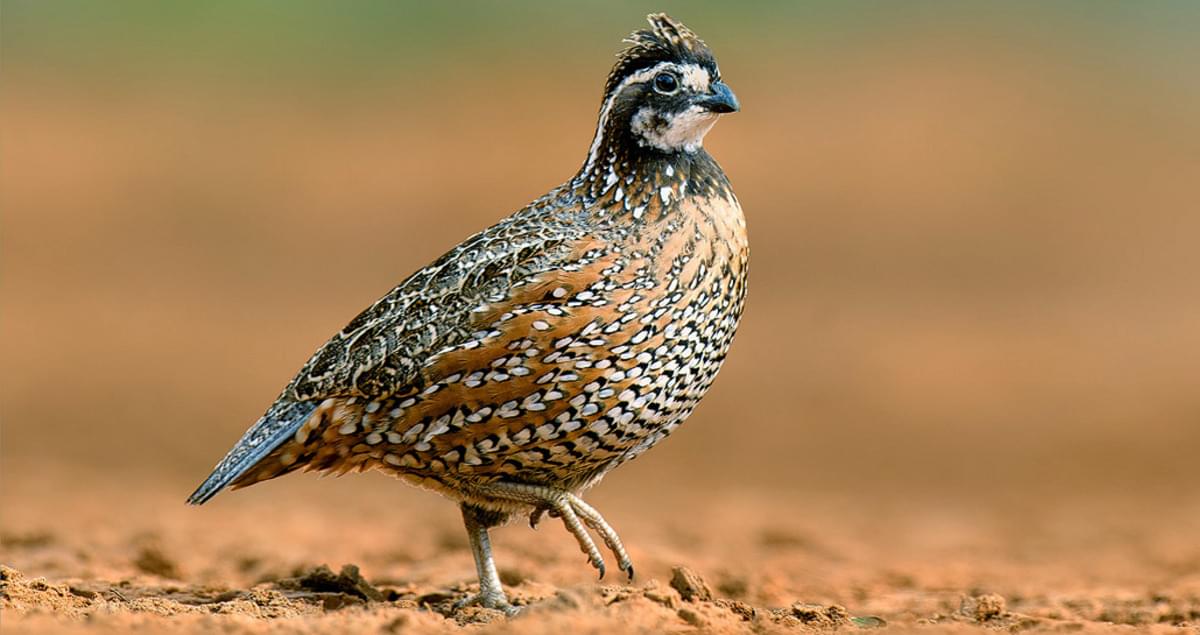
Bobowhite
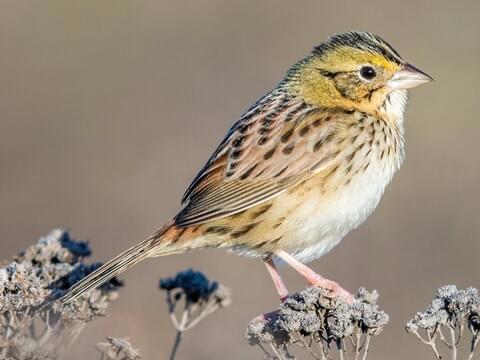
Henslow Saprrow
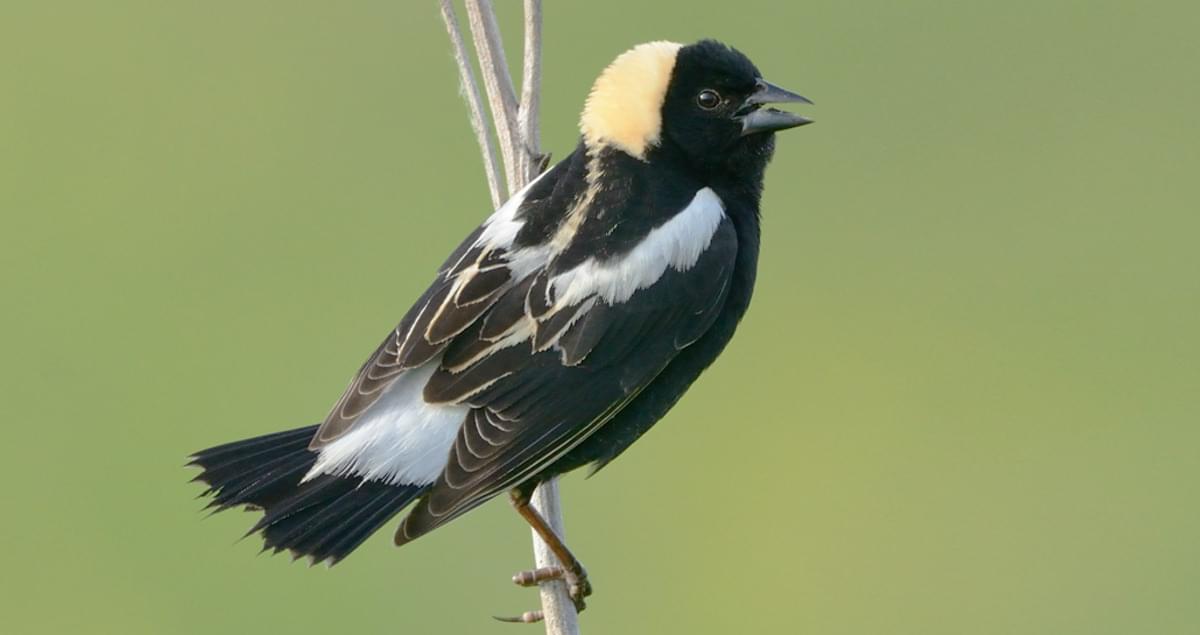
Bobolink
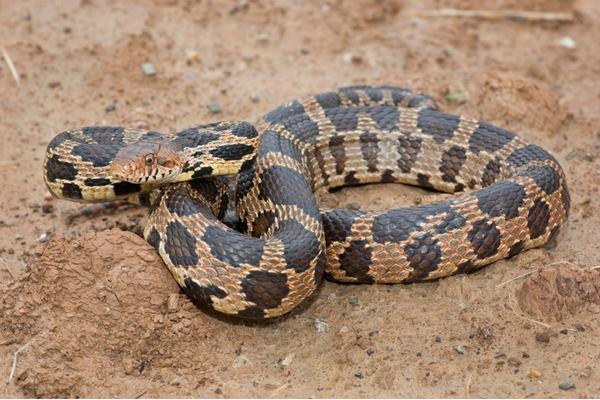
Eastern Fox Snake
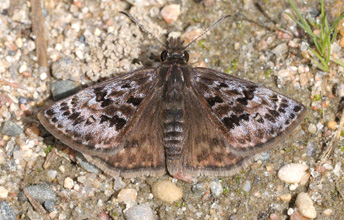
Mottled Duskywing
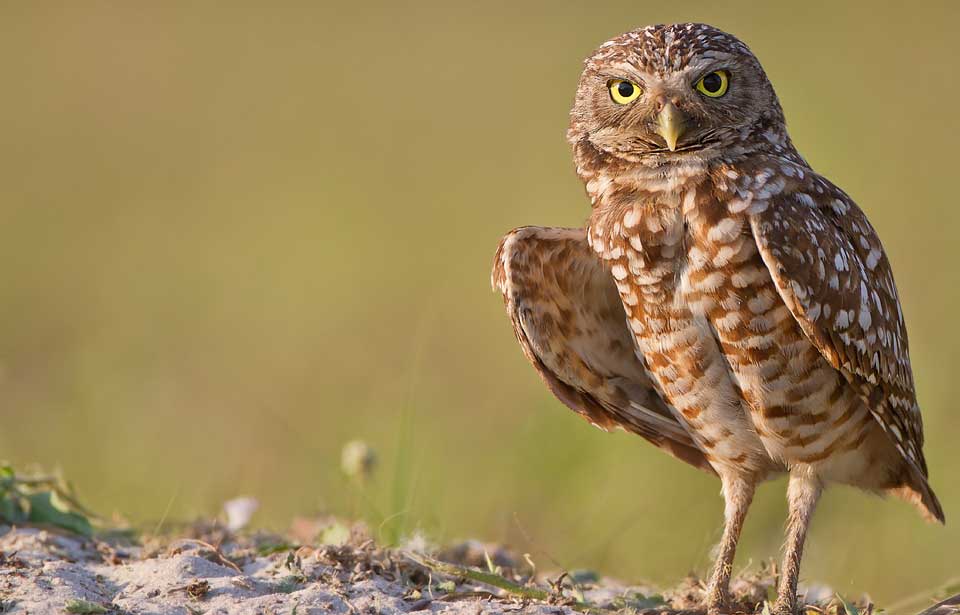
Burrowing Owl
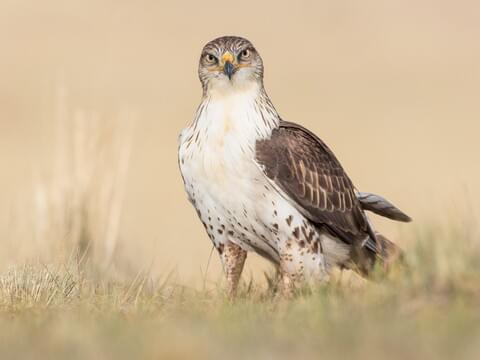
Ferruginous hawk
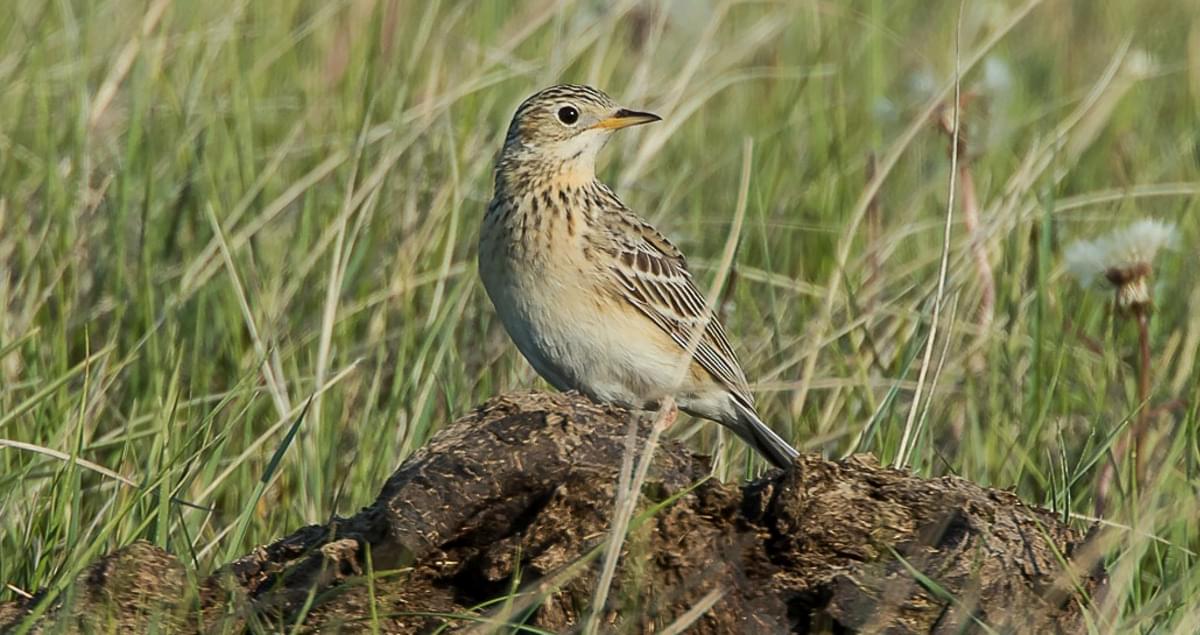
sprague's pipit
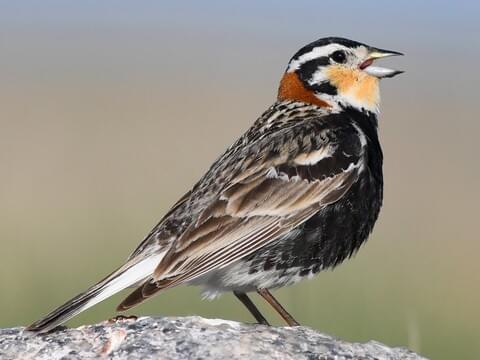
Chestnut collared longspur
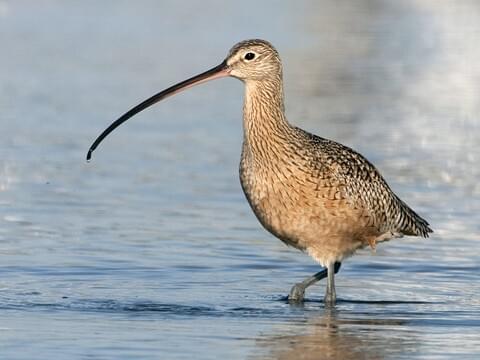
Long Billed Curlew
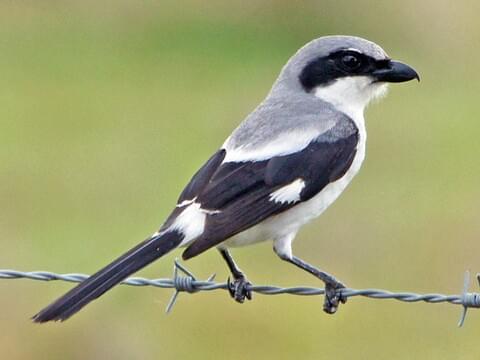
Loggerhead Shrike
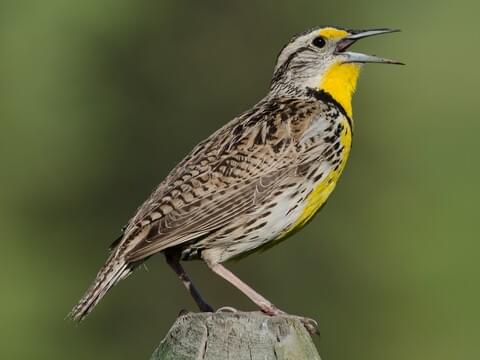
Meadowlark
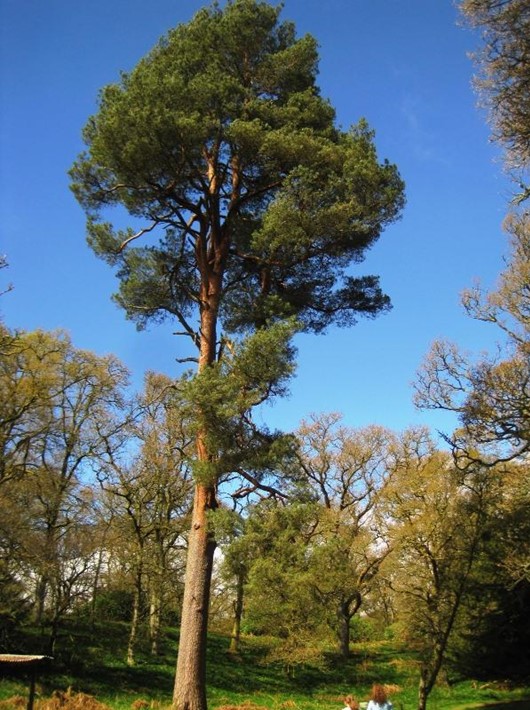
Scotts Pine (Invasive to grasslands)
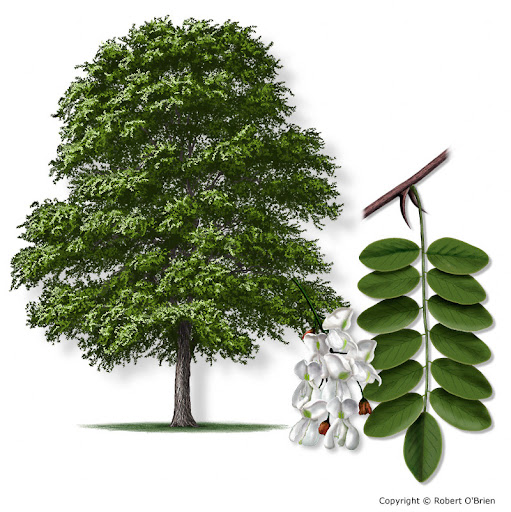
Black Locust
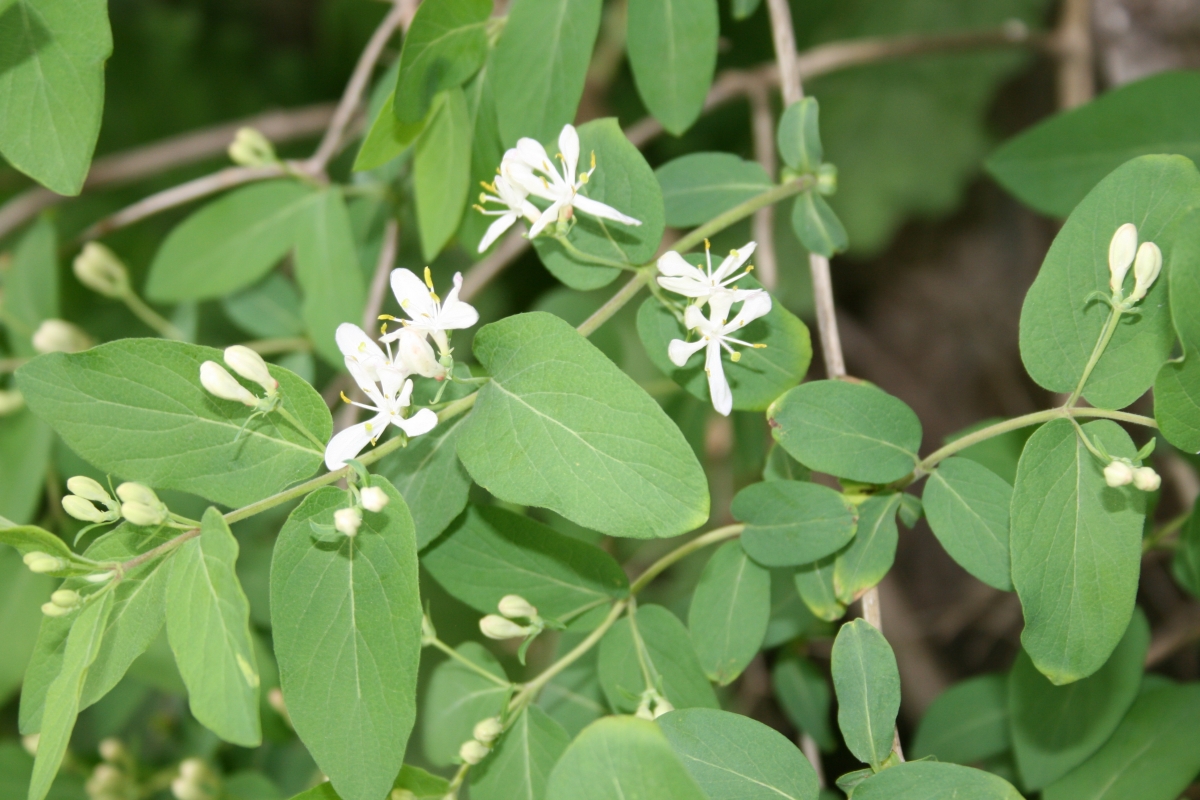
Invasive honeysuckle
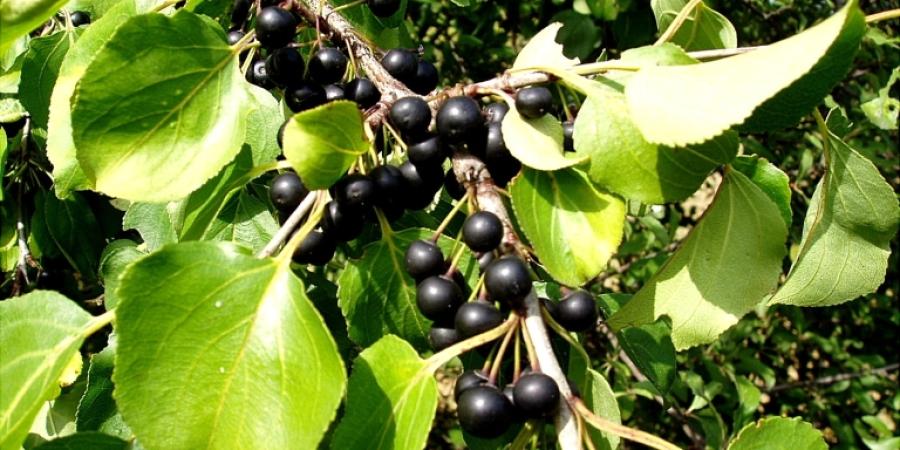
Common buckthorn (Invasive)
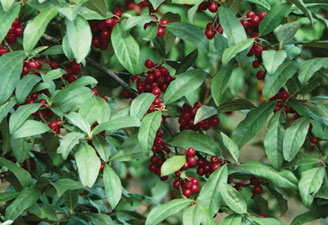
Autumn Olive (Invasive)
Russian Olive (Invasive)
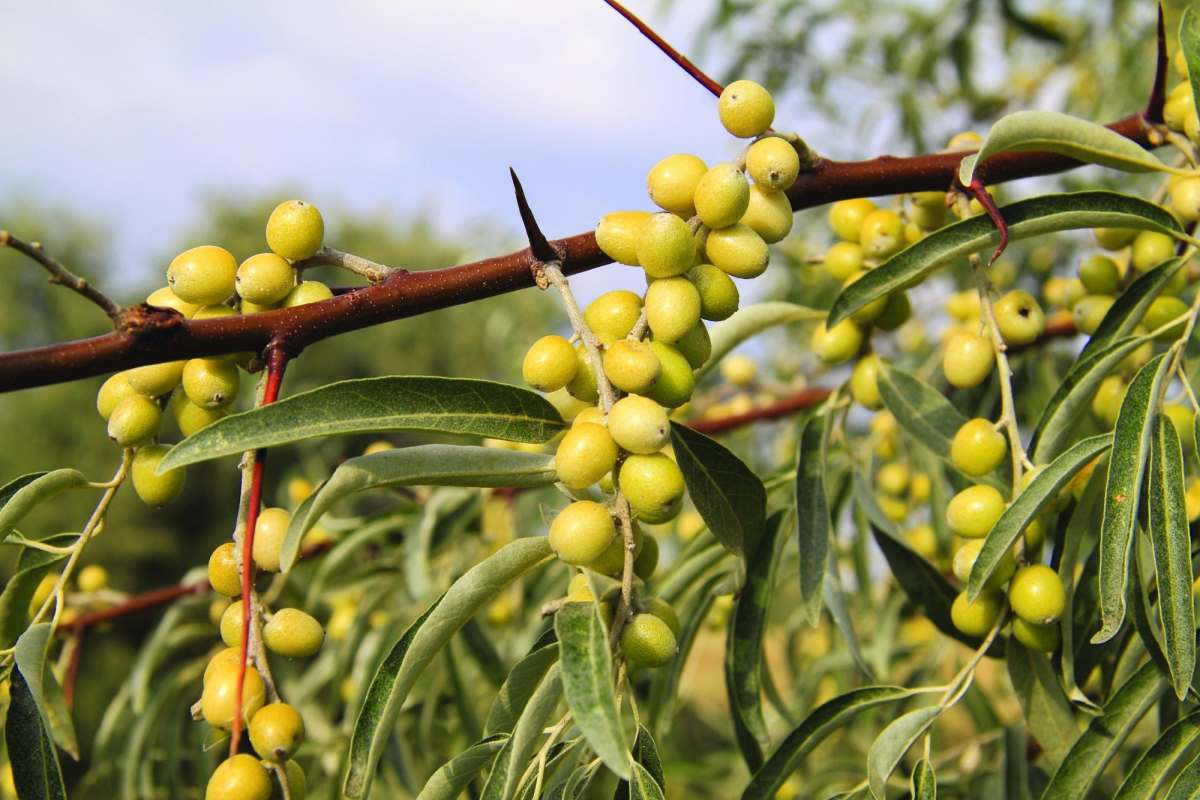
Canada Thistle (Invasive)
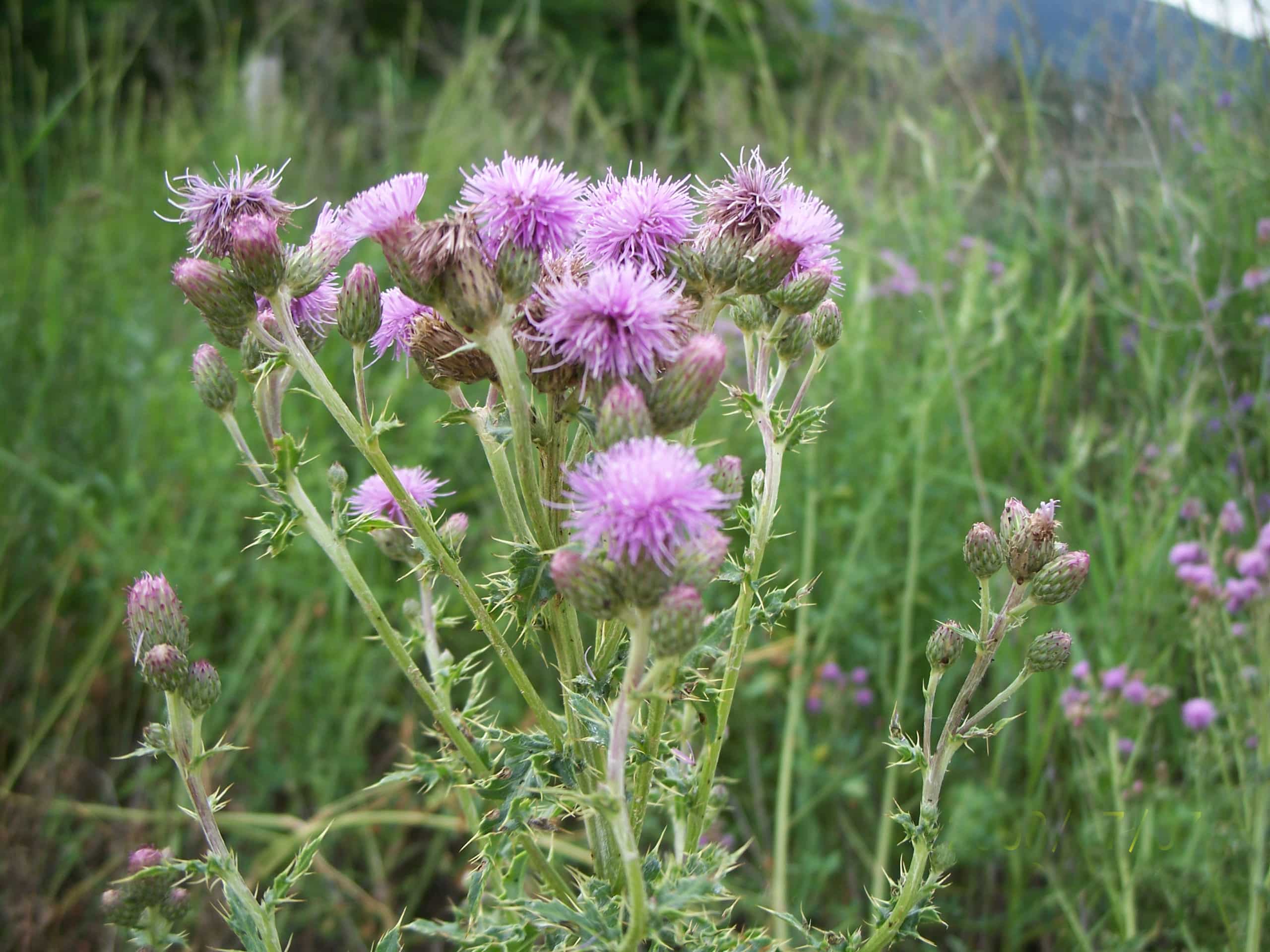
Sweet Clover (Invasive)
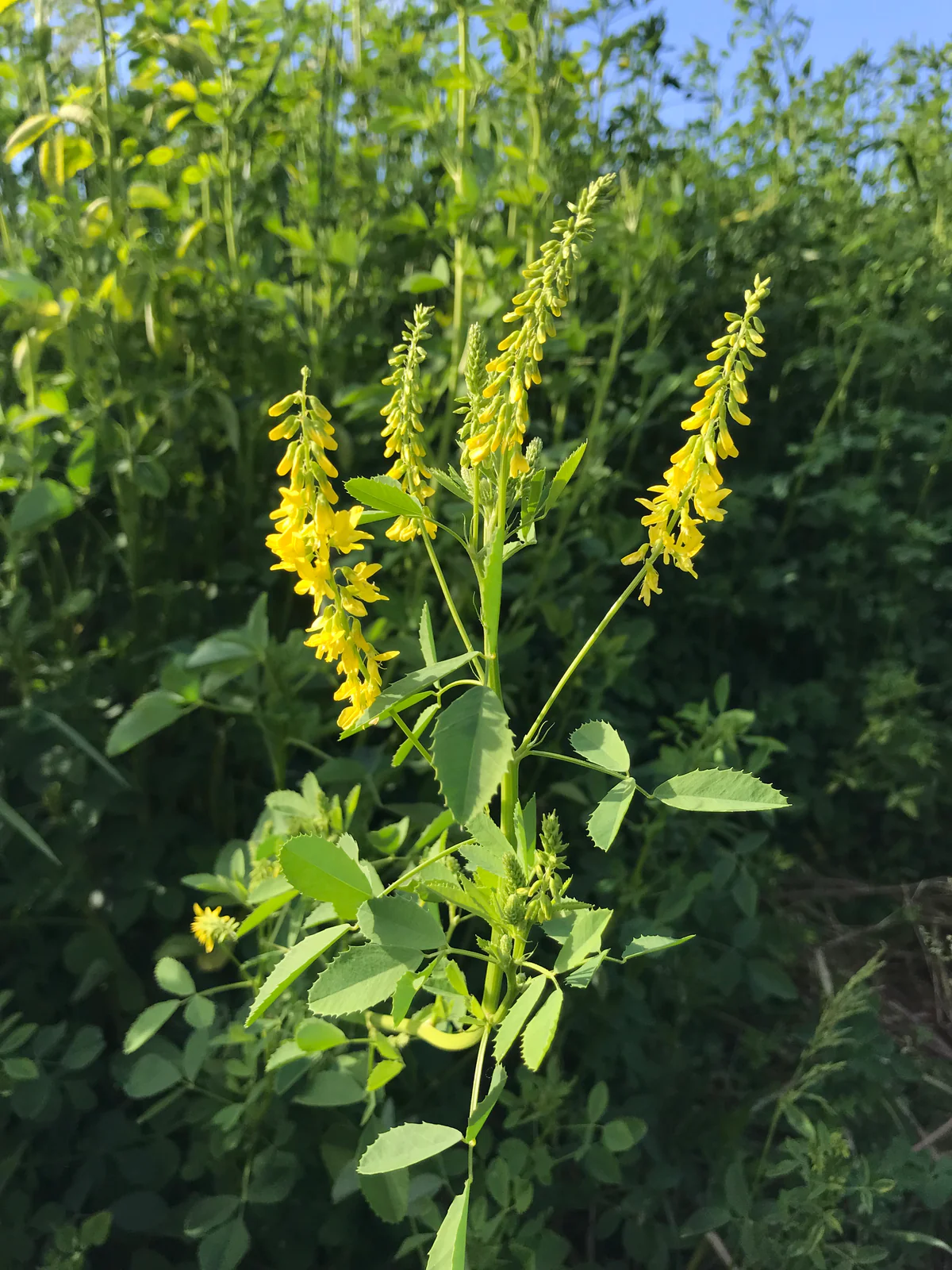
Smooth Brome (Invasive)
DSV (Invasive)
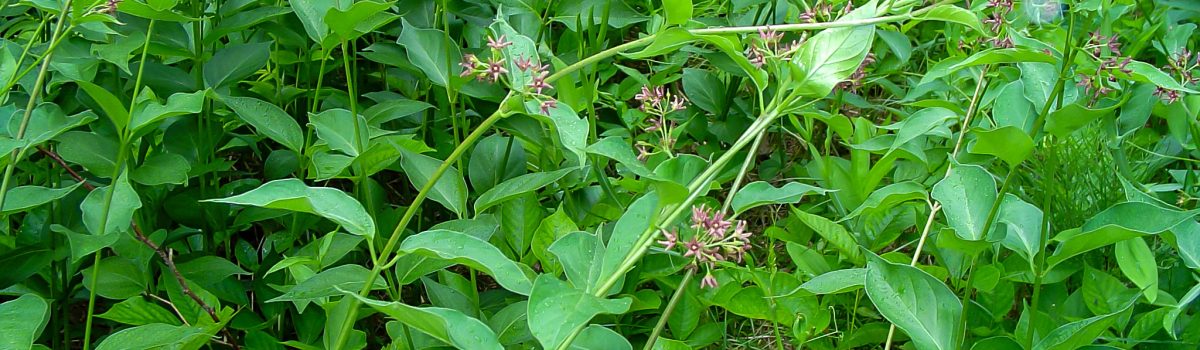
Phragmities (Invasive)
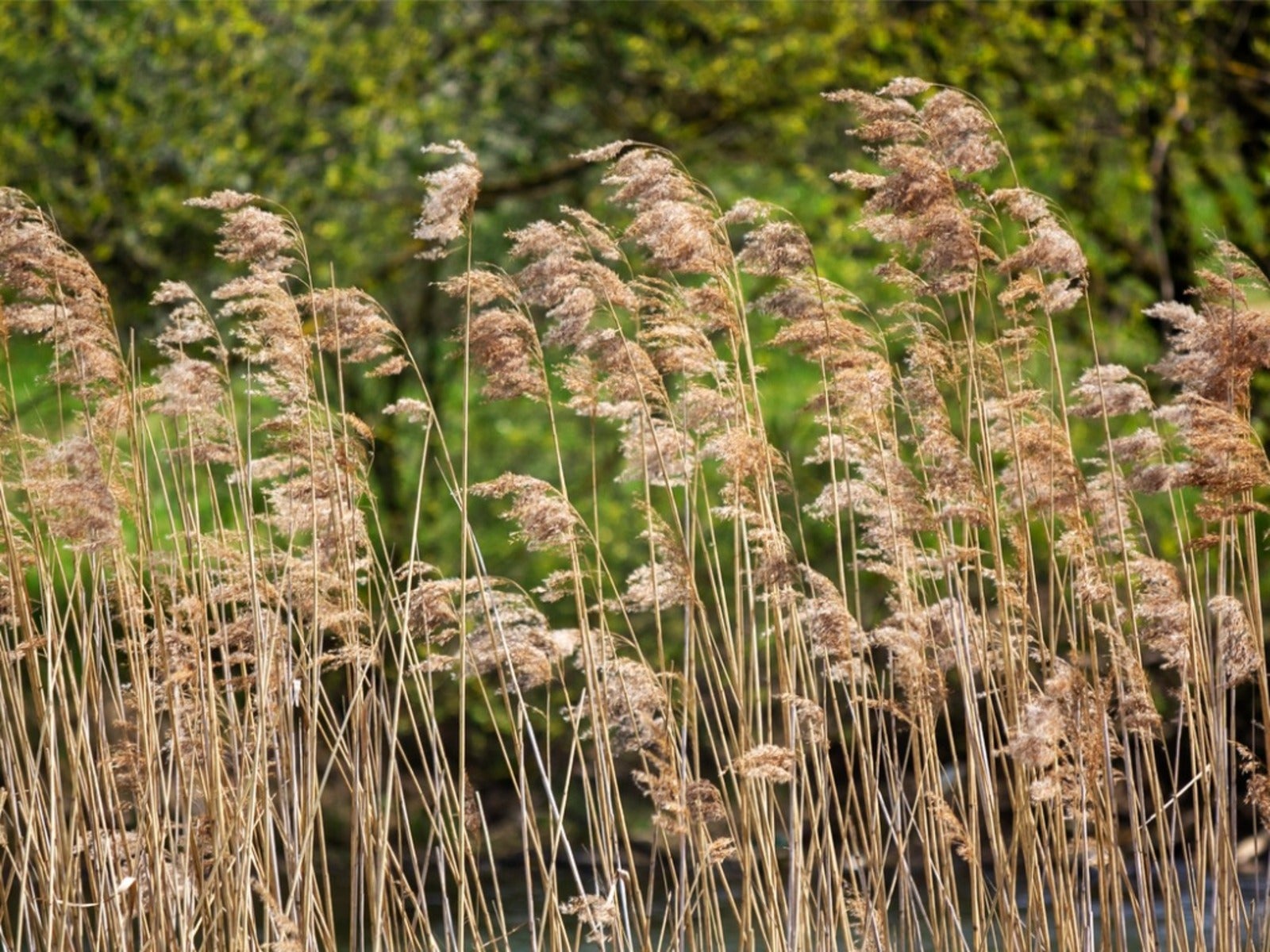
Reed Canary Grass (Invasive)
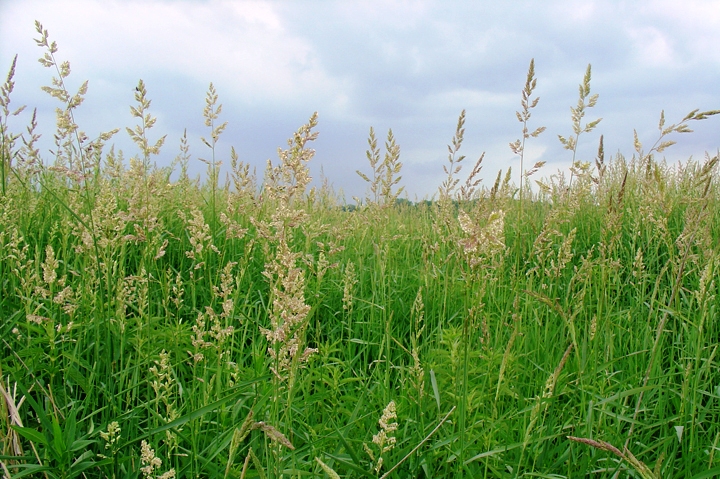
Japanese Knotweed (Invasive)
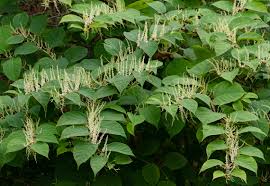
Switch Grass
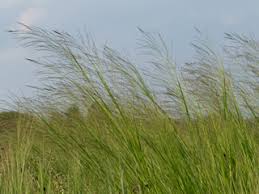
Green Bullrush
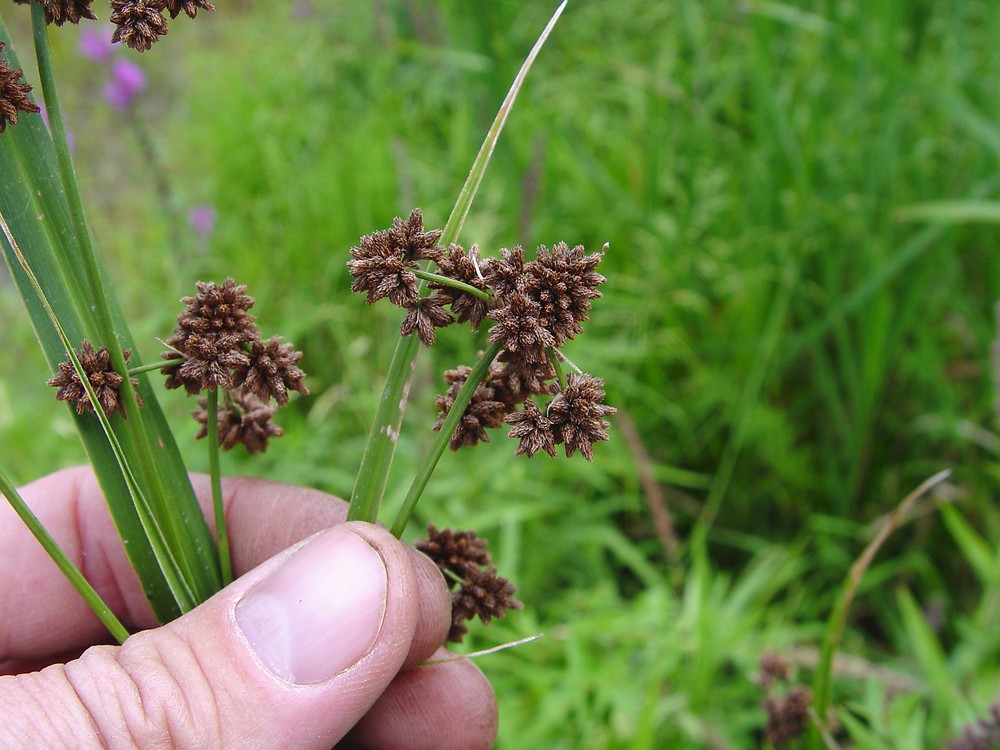
River Bullrush
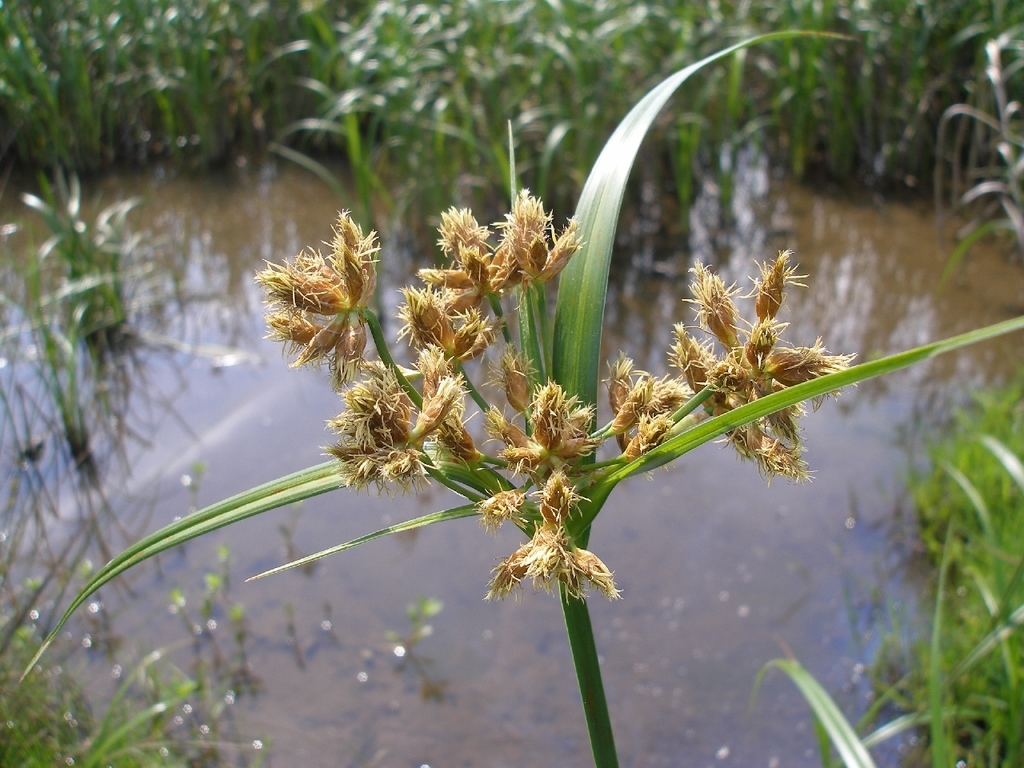
Softstem Bullrush

New Jersey Tea

Slender Blazing Star
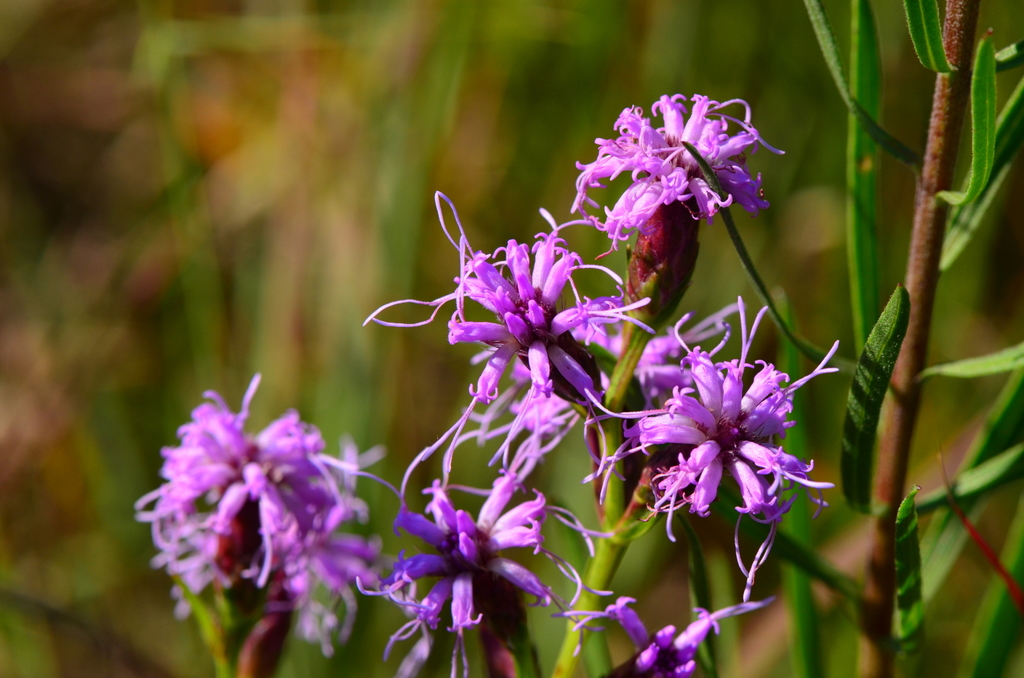
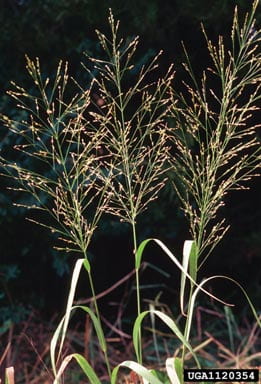
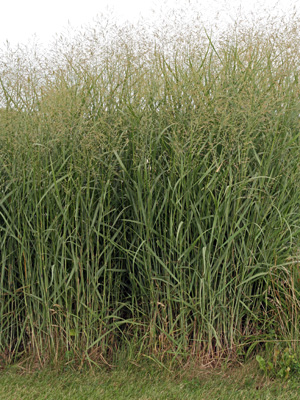
Switchgrass 1

Switch grass 2
Big Bluestem 1
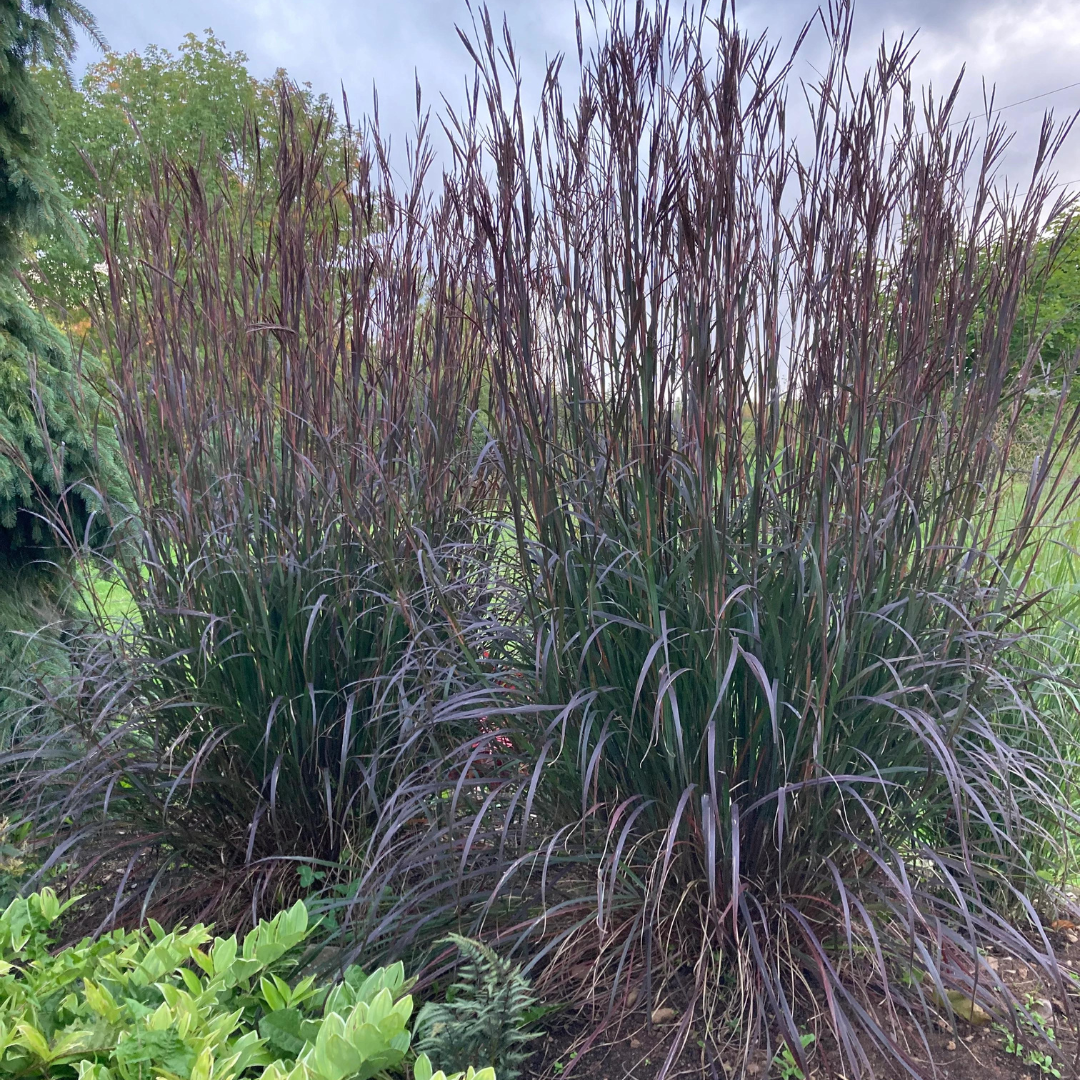
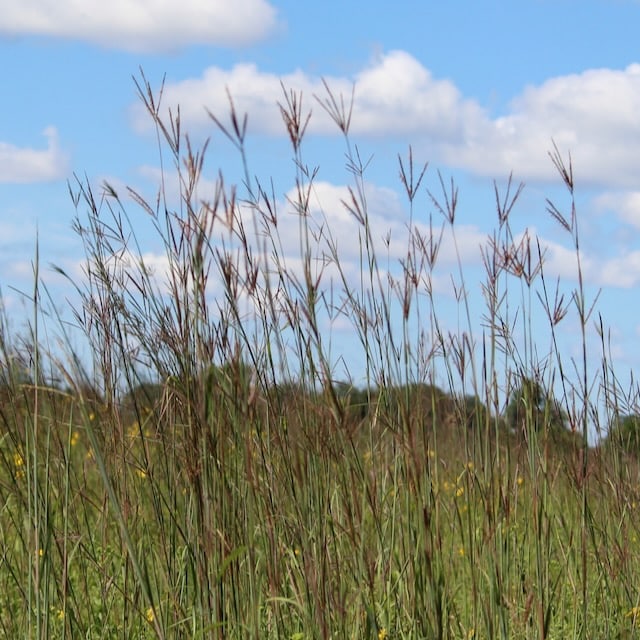
Little Bluestem 2


Indian Grass 1

Indian Grass 2
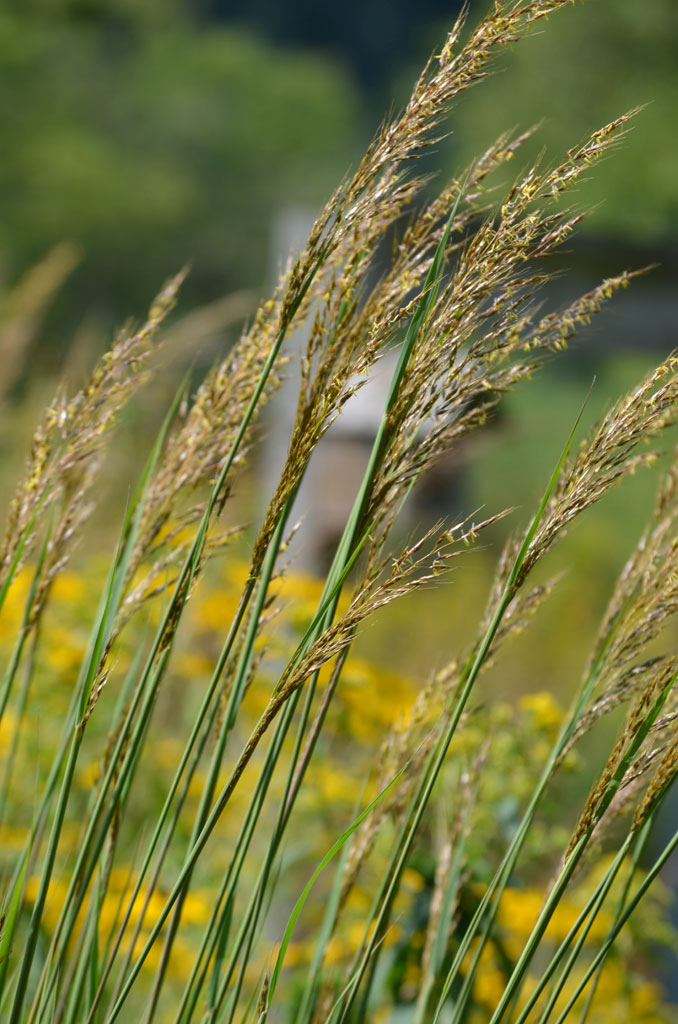
Canada Wild Rye 1

Virginia Rye Grass
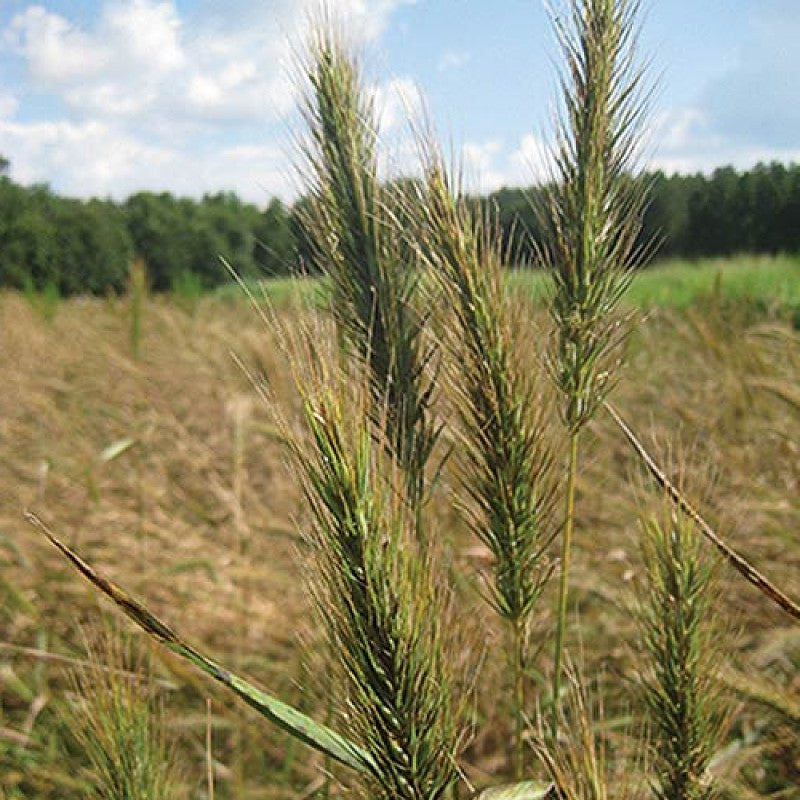
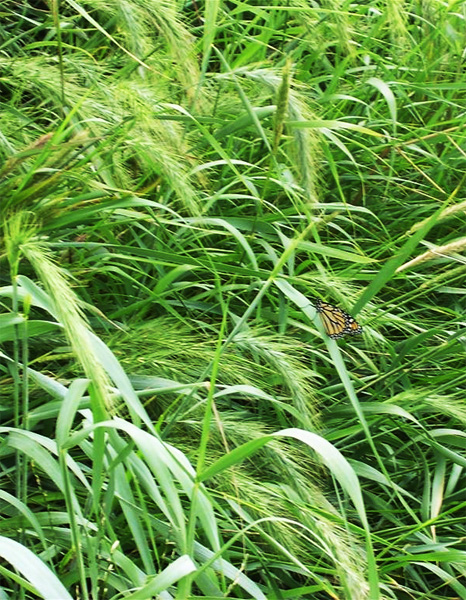
Smooth Brome 1 (invasive)


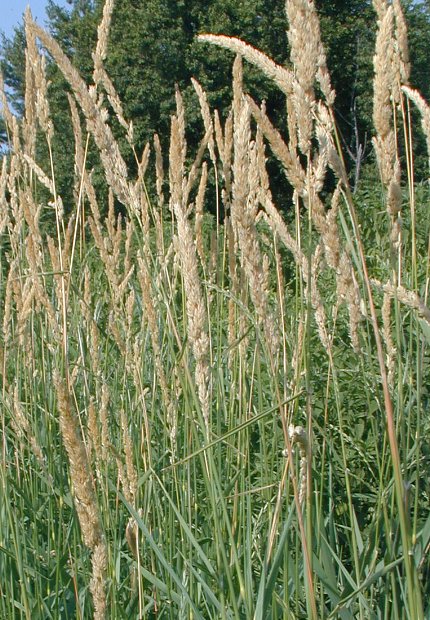
Reed Canary Grass 1 (invasive)
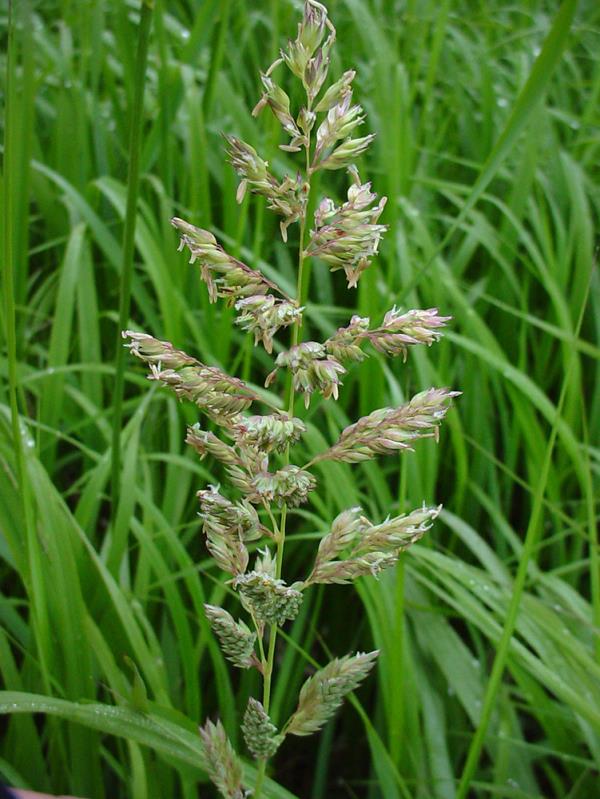
Big Bluestem 3
Seed Head ("Turkey Foot"): The most definitive feature is the 2–6 (usually 3) branched, finger-like racemes that resemble a turkey's foot.
Height: A tall, robust grass, often reaching 6–8 feet.
Foliage Color: Leaves are light yellow-green to blue-green in summer, transitioning to striking bronze, red, or copper in the fall.
Hairy Nodes/Leaves: Leaves and sheaths are often covered in fine hairs, particularly at the nodes (joints) and where the leaf blade joins the stem.
Stem Base: The base of the plant often has a distinct blue or purple tint.
Little Bluestem 3
Growth Habit: Forms tight, erect, 18–24 inch wide, upright clumps.
Foliage: Leaves are bluish-green, 2–12 inches long, and
wide, often folded or rolled inward.
Fall/Winter Color: Changes to a brilliant orange-red or copper-red in autumn, remaining upright through winter.
Stems: Erect, bluish to purplish, and notably flattened or "keeled" at the base.
Flowers/Seeds: Inflorescence (seed head) is a single, fluffy, 1–3 inch long raceme, appearing on branched stems in late summer.
Switchgrass 3
Growth Habit: Forms large, dense clumps or sod, with stems that are stiff, round, and erect.
Leaf Characteristics: Leaves are 6–22 inches long, often hairless but with a very distinct, dense patch of hairs (ligule) at the base where the blade meets the sheath. They feature a prominent, raised midvein on the underside.
Flowers/Seedheads: A large, open, and airy panicle (6–20 inches long) that looks like a reddish-purple or pink "haze" over the plant in summer, turning beige in winter.
Coloration: Leaves are generally green to blue-green in summer, turning bright yellow in autumn.
Indian Grass 3
Height and Growth Habit: A robust, perennial bunchgrass that grows upright, reaching 3 to 8 feet in height.
Leaves: Blades are blue-green, flat, and over a foot long, tapering at the base. A unique "horn-like" auricle (ligule) is often present where the leaf blade meets the sheath.
Seed Heads (Inflorescence): In late summer/fall, it produces narrow, feathery, contracted panicles that are 6 to 12 inches long.
Coloration: The seed heads are a distinctive golden-orange or bronze, often with bright yellow anthers visible.
Fall Color: Foliage shifts from blue-green to a vibrant yellow to copper-orange.
Canada wild rye 3
nodding, curved, scruffy seedheads and prefers sun/dry sites.
Virginia rye grass 3
erect, straight seedheads, often with purple-tinged, "U"-shaped glumes, and prefers shady, moist, or riparian areas
Reed Canary grass 3 (invasive)
Key features include flat, rough-textured, bluish-green leaves (up to 2cm wide), a large, papery, jagged ligule, and green-to-purple, spike-like panicles that turn straw-colored.
Stems/Growth: Erect, hairless, and hollow, often growing in thick, mat-like colonies.
Leaves: Broad leaf blades (long, up to wide) that taper to a point and often grow at right angles to the stem.
Ligule: A prominent, long, transparent, and jagged-edged ligule where the leaf blade meets the stem.
Flowers/Seed Heads: Compact, branched panicles (long) that are green or purple, turning beige/straw-colored by late summer.
Smooth Brome 3 (invasive)
"W" or "M" Markings: A highly distinctive feature is a transverse wrinkle, crease, or "crimped" mark in the shape of a "W" or "M" located on the leaf blade, usually just below the tip.
Awnless Seeds: The seed heads are generally awnless (lacking the sharp bristles found on many other grasses).
Closed Leaf Sheaths: The lower leaf sheaths are round, closed, and typically hairless.
Ligule: It has a short, papery (membranous) ligule, usually 1–3 mm long.
"Floppy" Leaves: Leaves are generally 4–10 inches long, often grey-green to blue-green, and have a "floppy" appearance, especially as they mature.
Rhizomes: It spreads via strong, aggressive underground, brown-to-black scaly, horizontal roots called rhizomes.
Ragweed

bird's foot violet