Quiz 5
 Call Kai
 Learn
Learn Practice Test
 Spaced Repetition
 Match
Match Flashcards
 Knowt Play
1/29

There's no tags or description
Looks like no tags are added yet.
Name | Mastery | Learn | Test | Matching | Spaced | Call with Kai |
|---|
No analytics yet
Send a link to your students to track their progress
30 Terms
Name 3 Insect Orders that have evolved social behavior (Scientific Name and
Common name(s)
Isoptera: termites
Hymenoptera: ants, bees, wasps
Coleoptera: beetles
Hamilton’s rule and altruism
Rule: Altruism is favored by natural selection under these conditions (relatedness, benefits and cost)
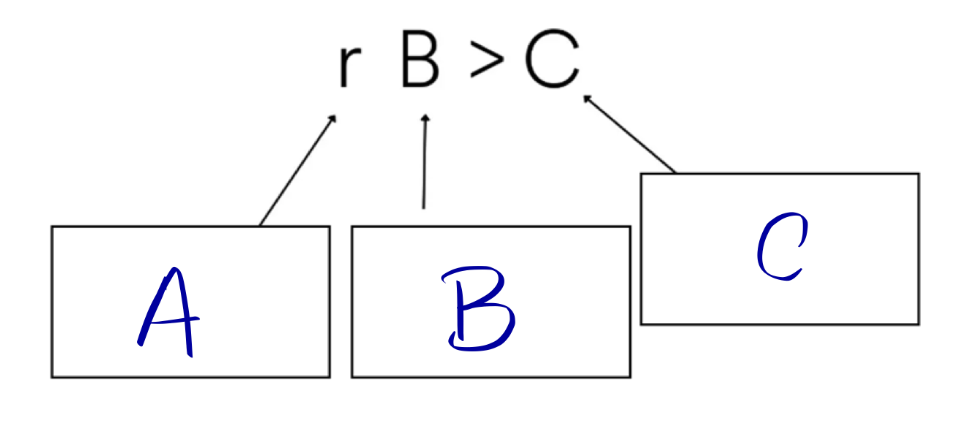
A
Relatedness: proportion of shared genes
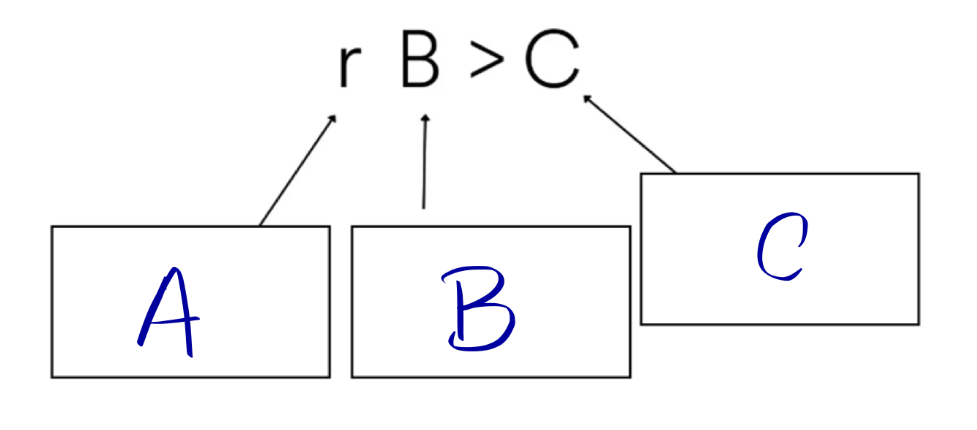
B
Benefit to the recipient
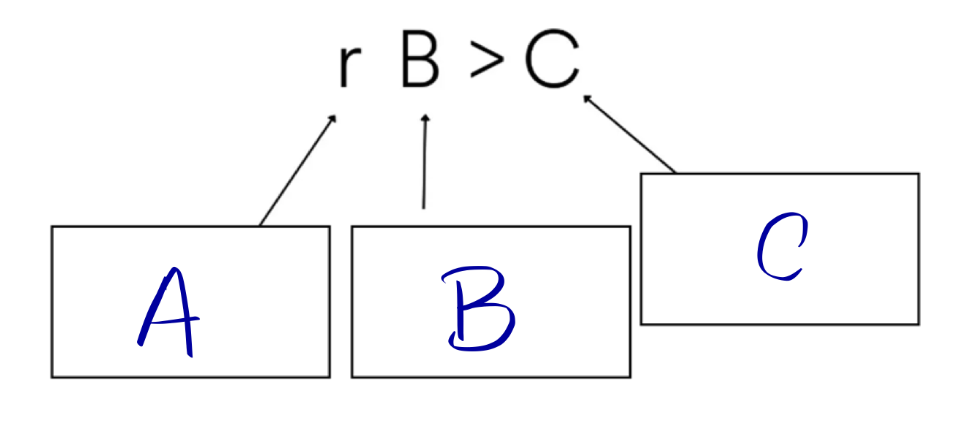
C
Cost to the altruist
Inclusive fitness (2 components)
Direct fitness from personal reproduction
Indirect fitness from additional reproduction by relatives that is made possible by an individual’s actions
What are two predictions of Kin Selection Theory?
animals are more likely to behave altruistically towards their relatives than towards unrelated members of their species
the degree of altruism will be greater, the closer the relationship
Spectrum of social behavior
Solitary
Communal/subsocial
Quasisocial
Semisocial
Eusocial
What are the 4 criteria for eusociality
Common nest site
Cooperative brood care
Reproductive castes/division of labor
Generations overlap
What is the role of relatedness in eusocial evolution?
Reduce conflicts
Favor cooperation
Shapes behaviors (such as : Worker policing, and sex allocation strategies)
Name 2 orders of insects with EUSOCIALITY.
Isoptera, and Hymenoptera
morphological caste
Different anatomy, size, or structures
Differences arise during development (usually irreversible)
Strongly linked to specific roles
Behavioral Caste
Functionally distinct roles without major physical differences
Look similar morphologically
Roles defined by behavior
Often flexible and reversible
Give an example of an insect species with castes. Describe the differences in the castes and how they function in the colony.
Example: Termites (Isoptera)
They have reproductive, worker, and soldier castes. Reproductives reproduce, workers maintain the colony, and soldiers defend it; they differ in morphology and function.
Pollination
The transfer of pollen from the male anther to the female stigma
Defense
any trait that gives a fitness benefit to the plant in the presence of herbivores.
Resistance
any plant trait that reduces the preference or performance of herbivores
Tolerance
the degree to which plant fitness is affected by herbivore damage relative to fitness in the undamaged state (group of related or cloned plants)
Compensation
Measuring how much tolerance there is by comparing damaged and undamaged plants to see values and differences
Coevolution
reciprocal influence of closely associated species on each other in their evolution
Why do animals pollinate plants?
They get a REWARD: food!
nectar
Pollen
(Nectar concentration matches energy
requirements of the pollinator: Flowers can produce two kinds of pollen)
Name 4 Orders (Scientific name) of insects that pollinate plants?
Coleoptera, Lepidoptera, diptera, and hymenoptera
Name 3 types of plant resistance
mechanical defenses
digestibility reduction/inadequate nutrients
chemical defenses
Name 2 ways that humans leverage insect-plant coevolution to our benefit
relating to an insect-plant mutualism: pollination of fruits and veggies
Relating to insect-plant predation: Biological control of weeds
Competition
interaction between organisms/species in which both require a resource that is in limited supply
Predation
an interaction in which one organism kills and consumes another (one benefits, one is harmed)
Parasitism
one organism is benefiting and the other (host) Is harmed
Herbivory
a form of predation where one organism (animal) consumes part or all of plant material
Mutualism
both partners benefit from the relationship.
Commensalism
One species has a positive effect and one species has no effect

