APUSH Unit 4 Review, AP US History Period 4, AP US History Period 4
 Call Kai
 Learn
Learn Practice Test
 Spaced Repetition
 Match
Match Flashcards
 Knowt Play
1/216

There's no tags or description
Looks like no tags are added yet.
Name | Mastery | Learn | Test | Matching | Spaced | Call with Kai |
|---|
No analytics yet
Send a link to your students to track their progress
217 Terms
War of 1812
War which West and South wanted, but Northeast did not;
between the United States and England which was trying to interfere with American trade with France
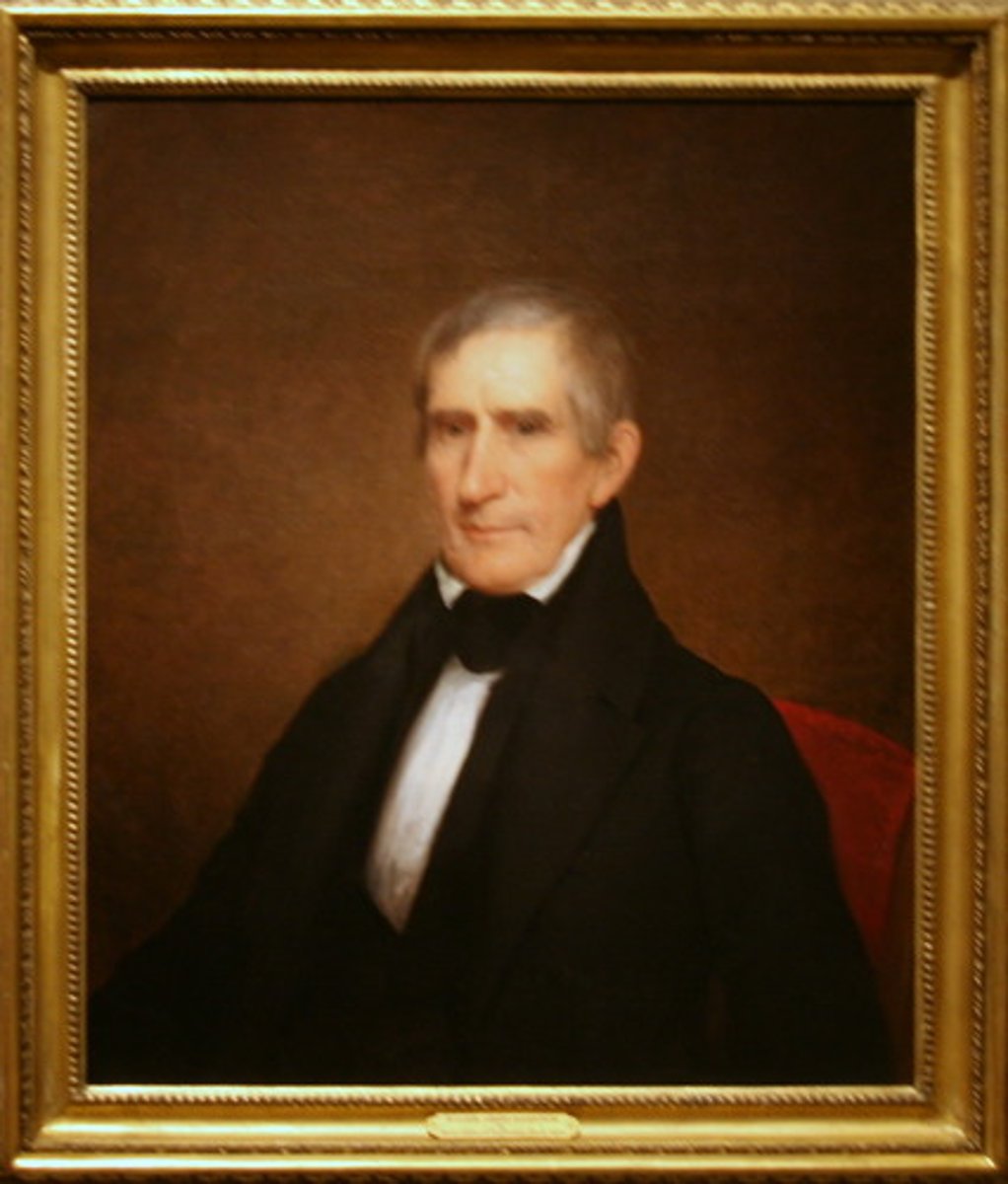
William Henry Harrison
His forces defeated the British at the Battle of the Thames
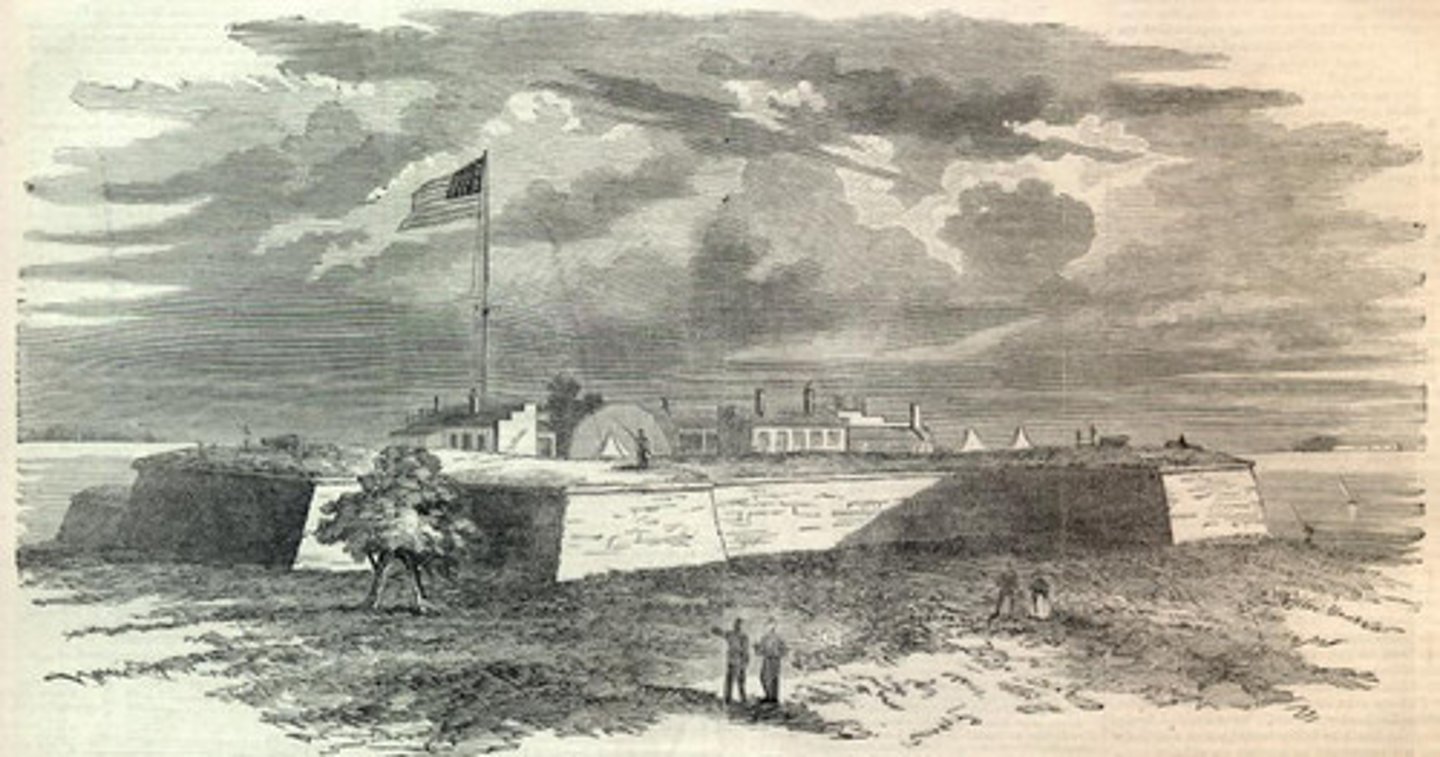
Fort McHenry
Where the British were stopped on their way to Baltimore
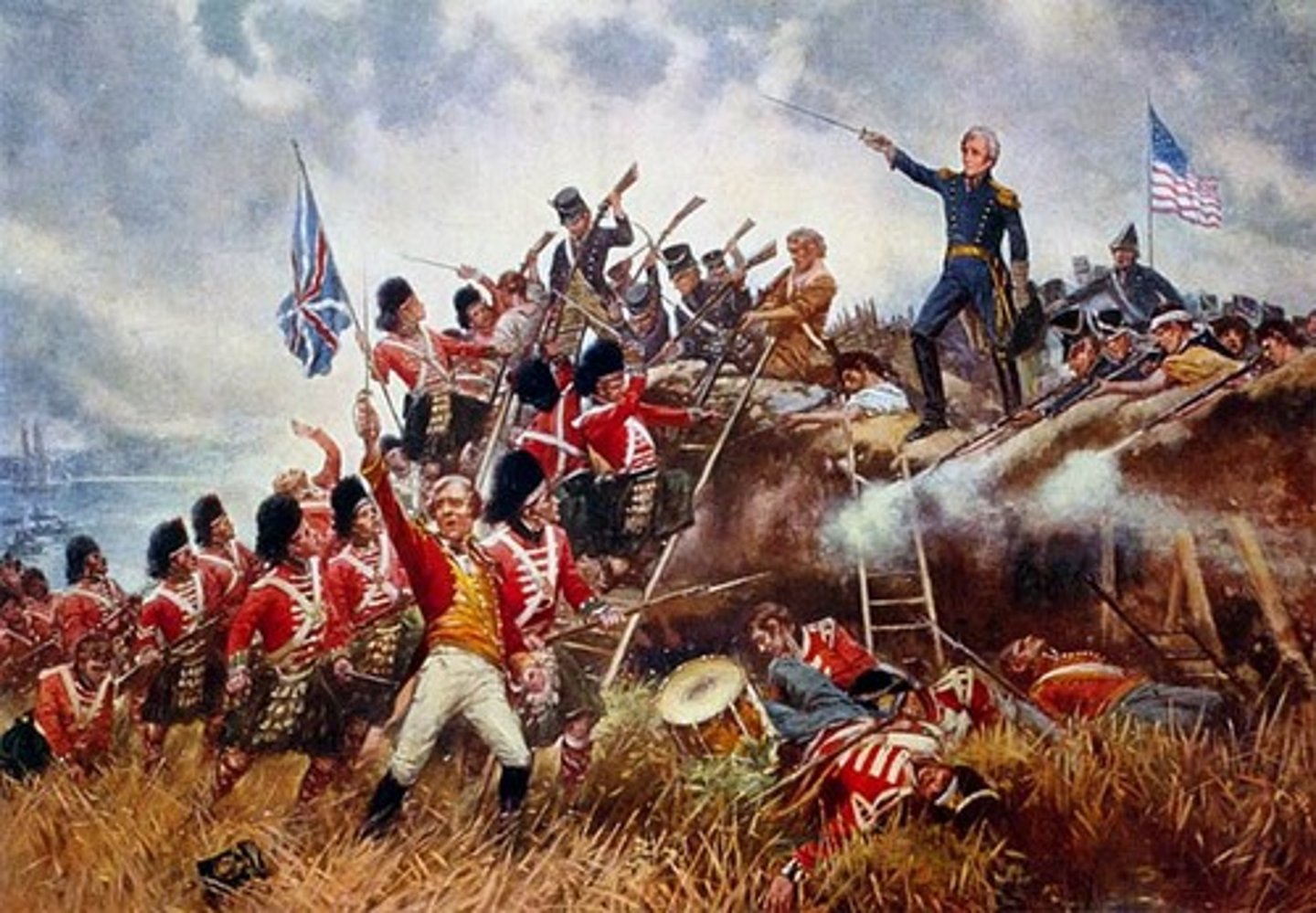
Battle of New Orleans
Largest battle of the war, won by Jackson in January 1815
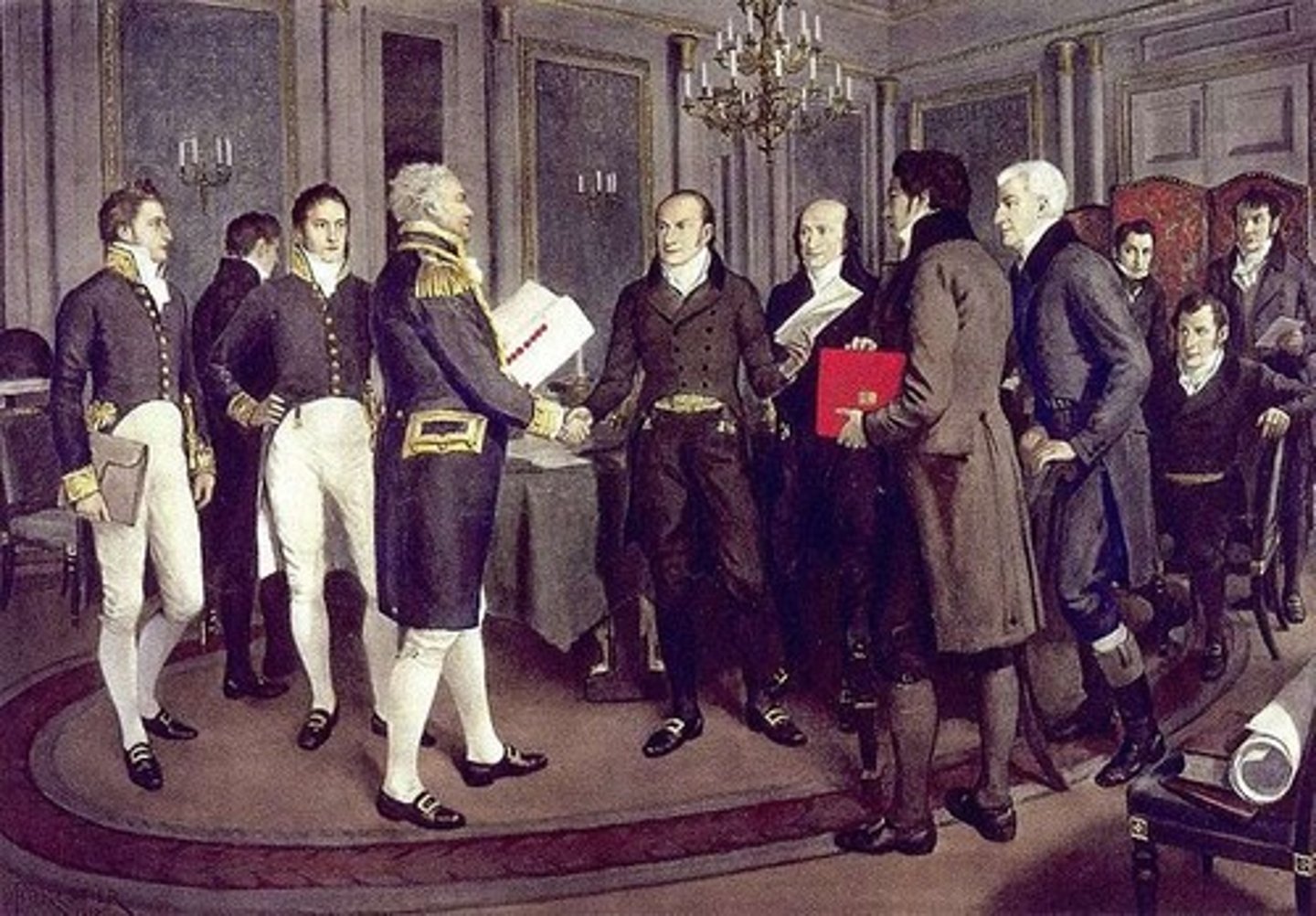
Treaty of Ghent
was an armistice (a cease-fire) that ended the War of 1812
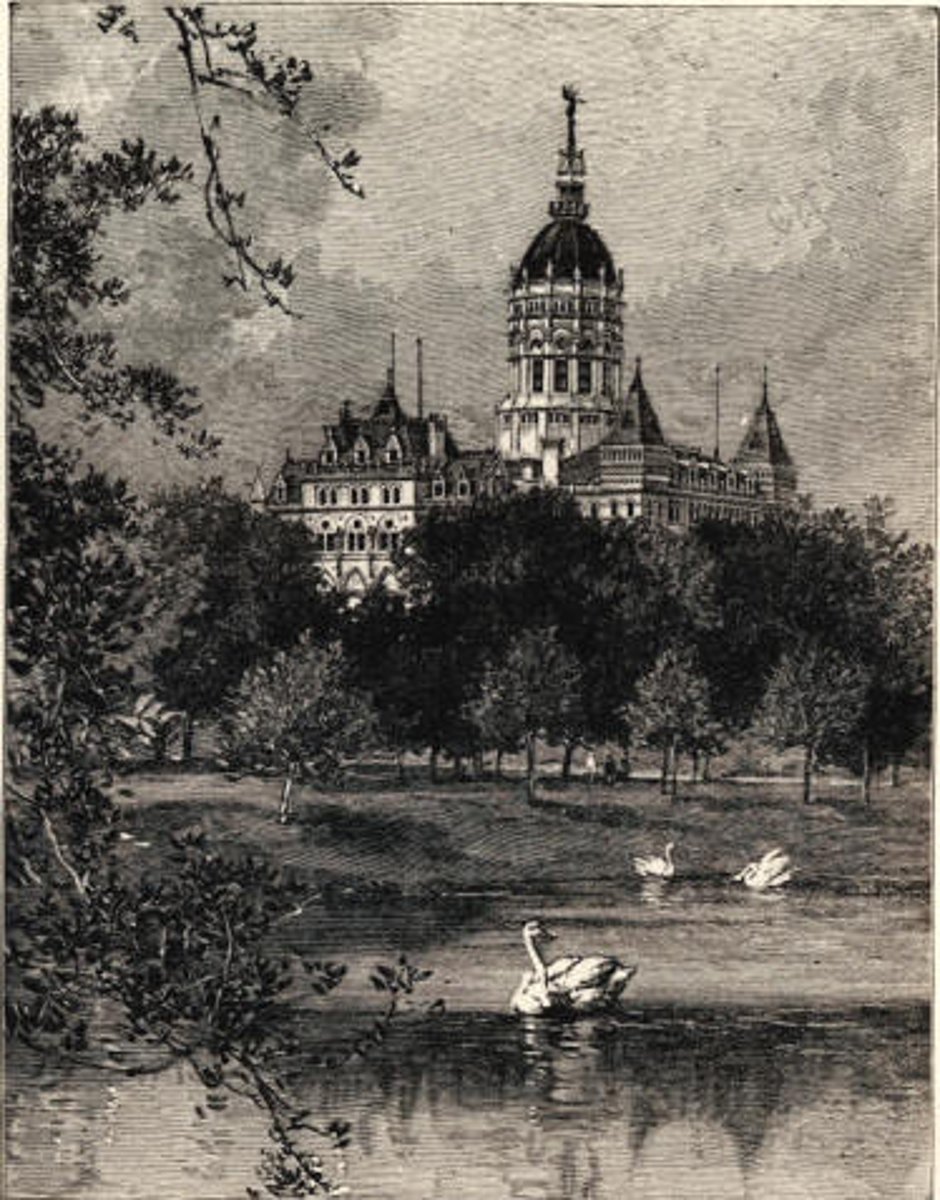
Hartford Convention
New England's goal at the meeting was to decide what to do about the war
Rush-Bagot agreement
between the U.S. and England limited both sides' naval power on the Great Lakes;
treaty showed that England and the U.S. were getting along
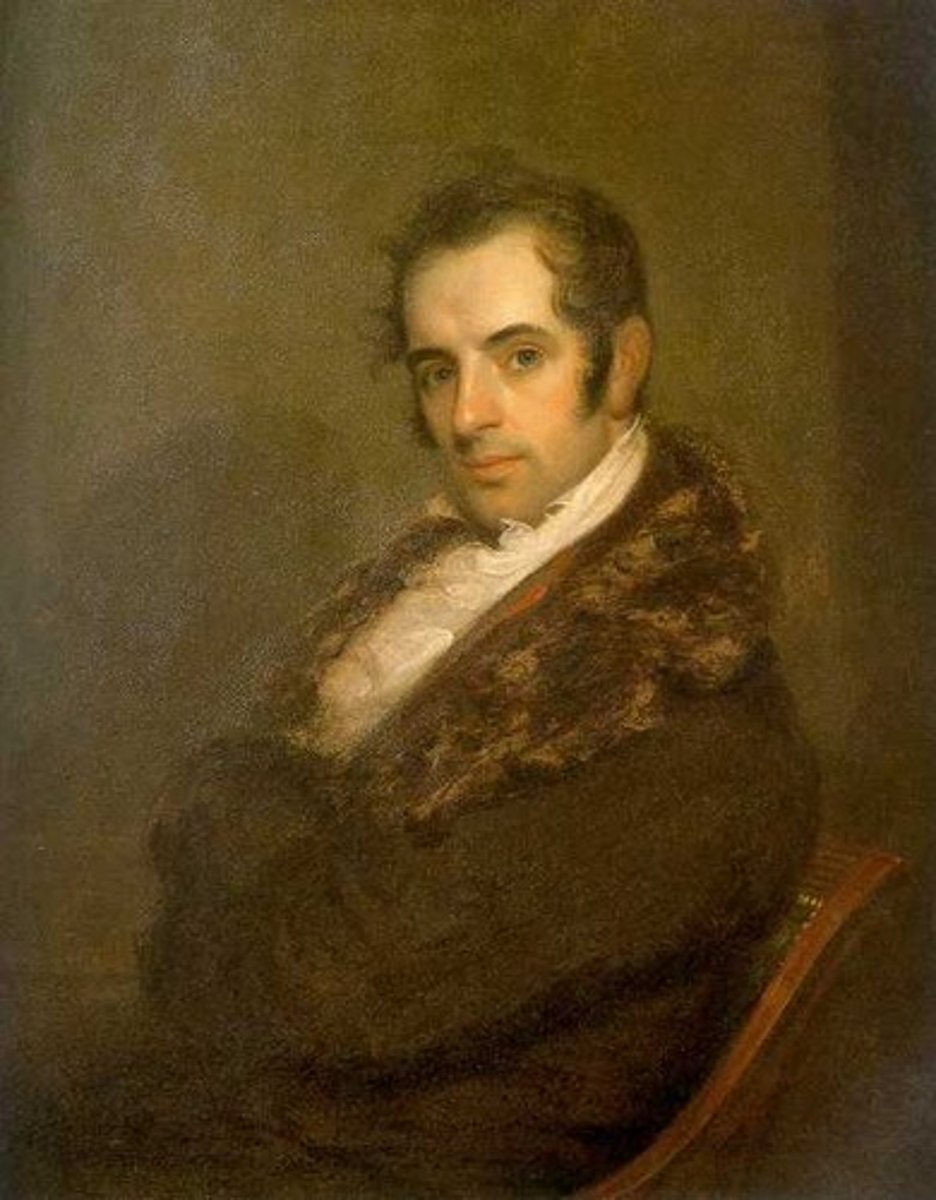
Washington Irving
Wrote Rumpelstiltskin and The Knickerbocker Tale
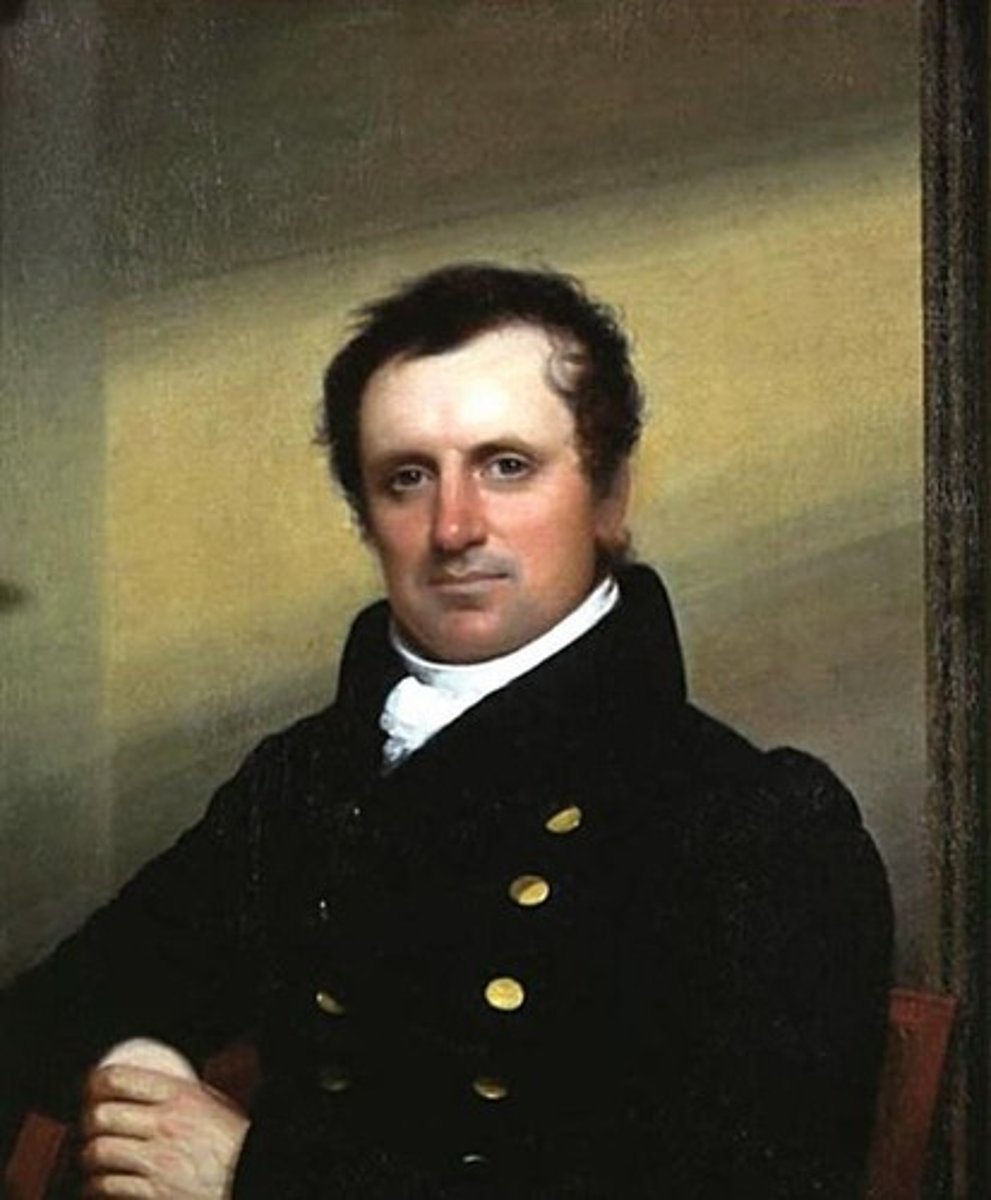
James Fenimore Cooper
Wrote The Leatherstocking Tales which included The Last of the Mohicans
The American System
an economic plan for the country:
(B.T.T.)
1. Strong banking system.
2. Set up a protective tariff to boost American industry.
3. Build a strong transportation network of roads and canals.
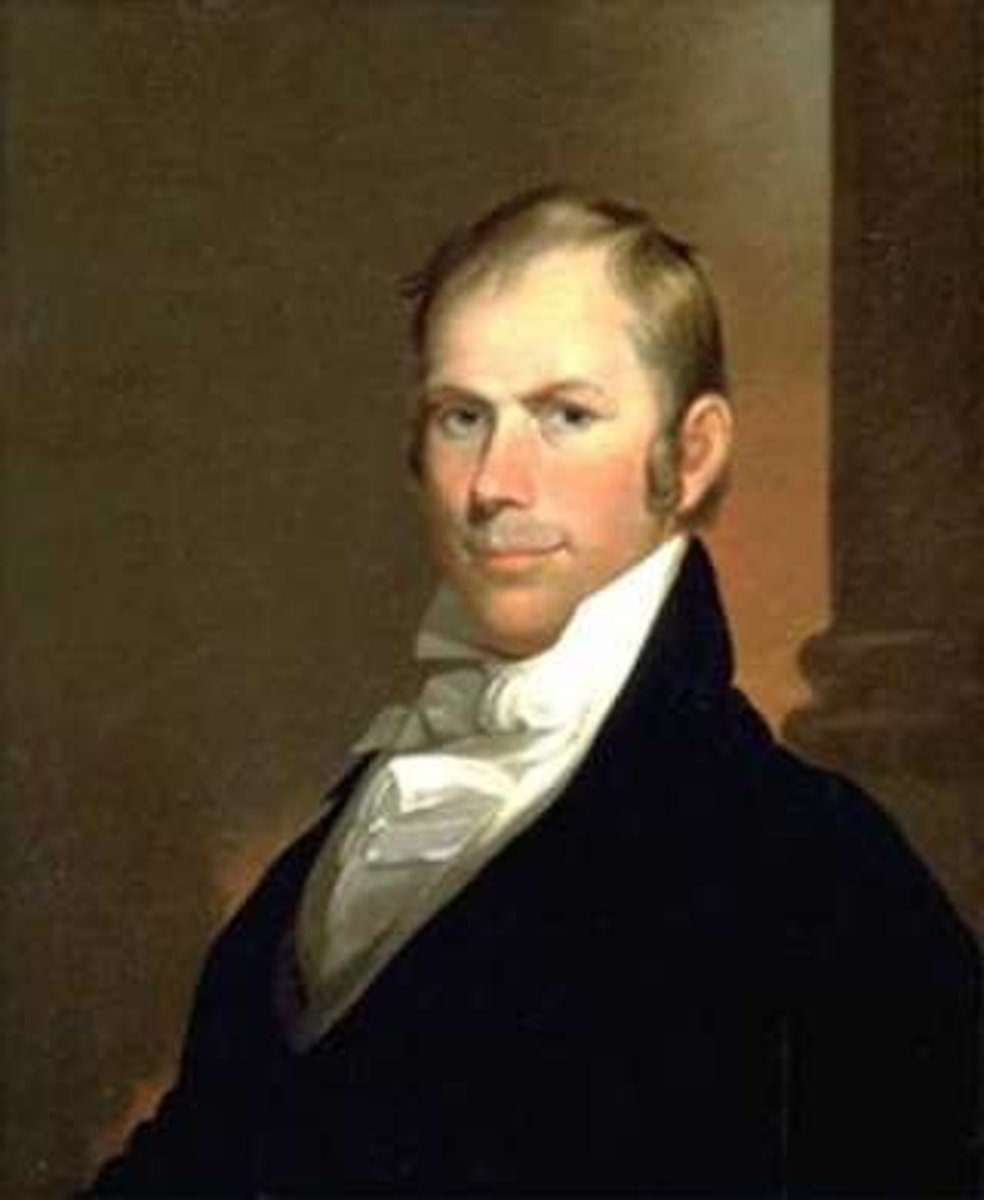
Henry Clay
Speaker of the House, who tiated the American System
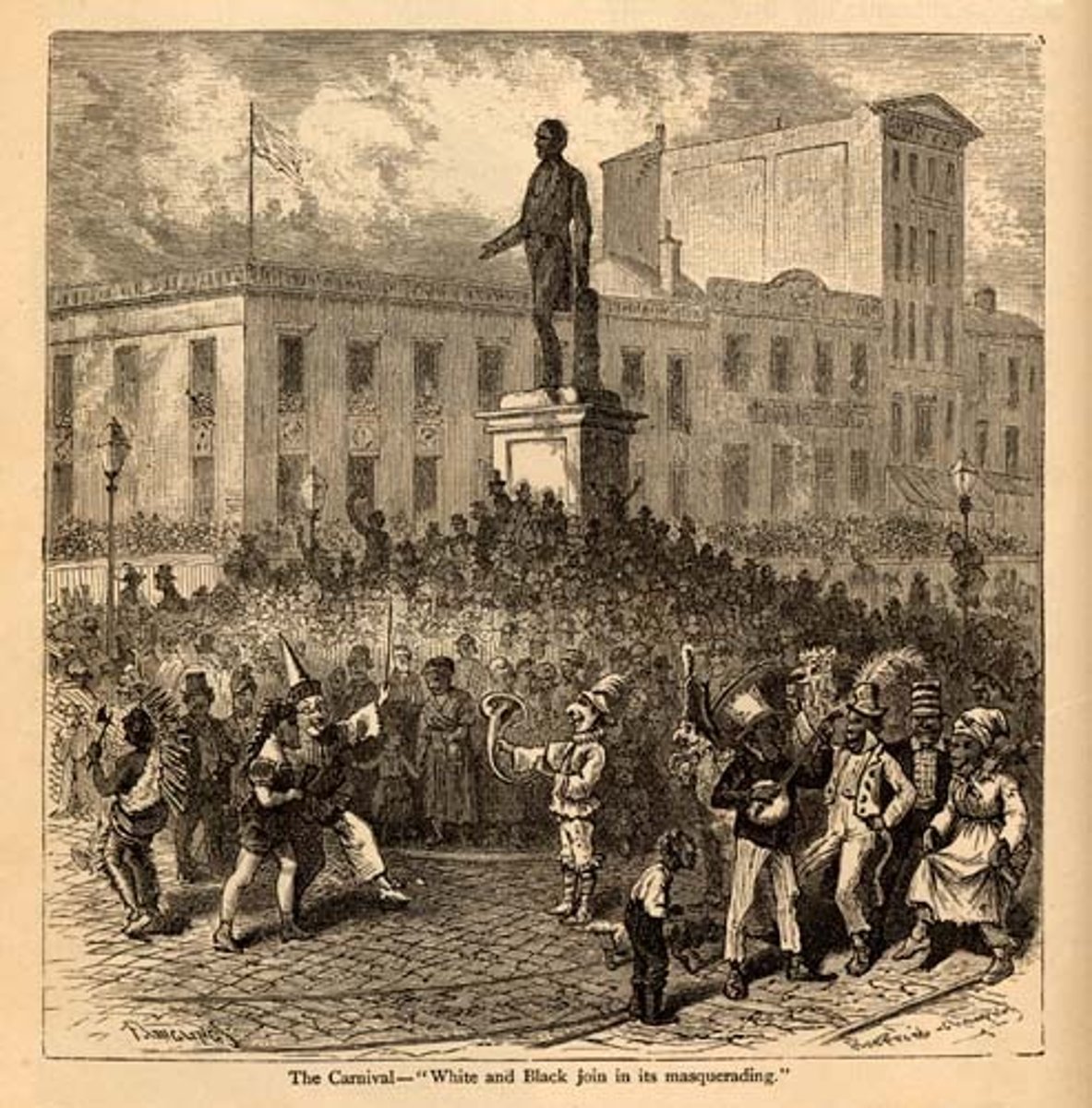
Panic of 1819
cause of this was over-speculation (buying too much on credit) in land; the West was hit the hardest
Cumberland Road
Example of a better road; this one went to Illinois
Steamboat
This invention made two-way river travel possible
Land Act of 1820
allowed buyers to purchase 80 acres at $1.25 per acre (as a minimum)
Wildcat banks
gave easy credit; these banks printed their own paper money then lent it out liberally to anyone wanting to buy land
Tallmadge Amendment
limit slavery in Missouri:
• no more slaves be allowed into Missouri
• that slaves born to Missouri slave parents would gradually emancipated
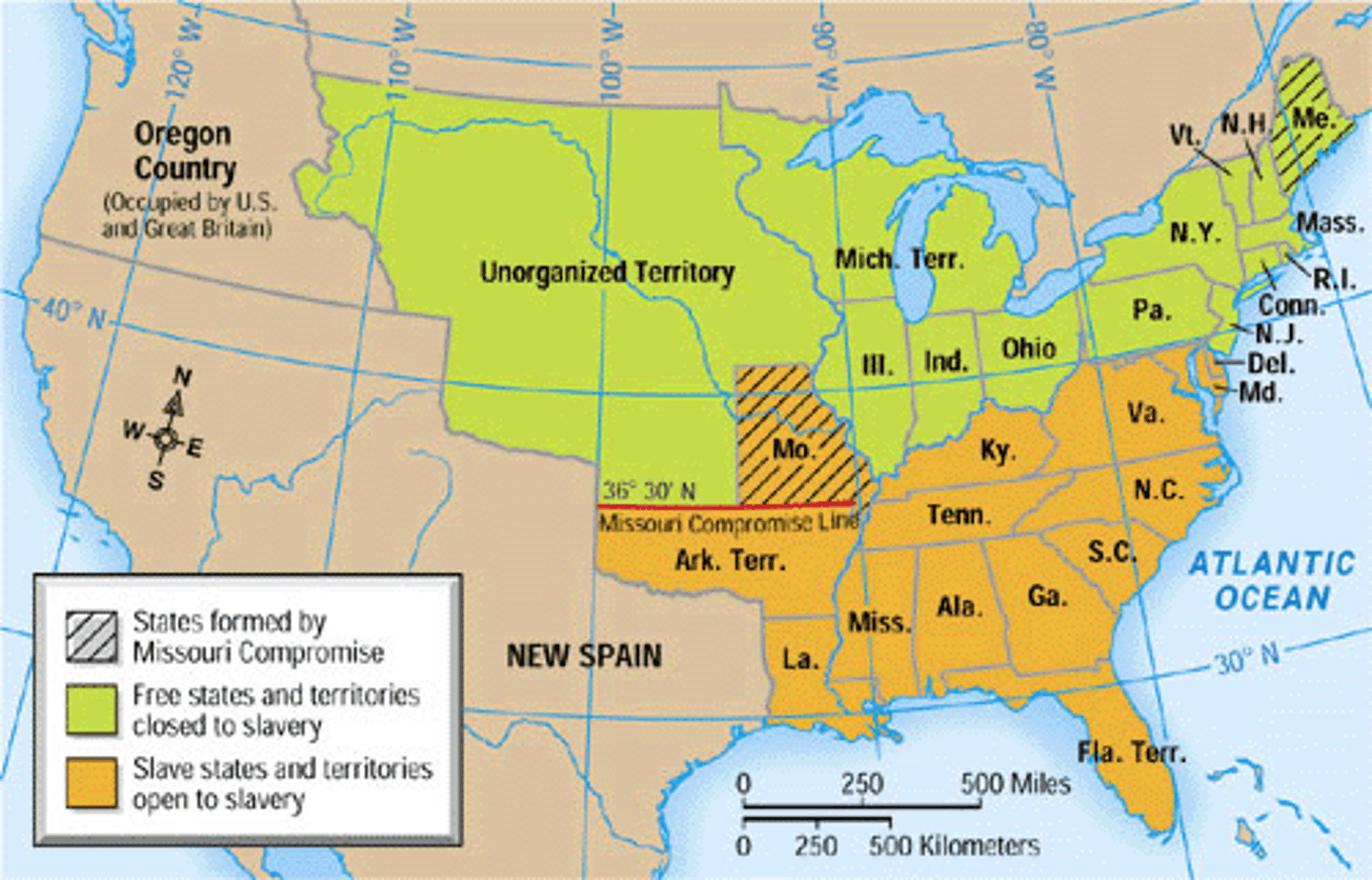
Missouri Compromise
• Missouri would be admitted as a slave state; Maine would be admitted as a free state
• All new states north of the 36°30' line would be free, new states southward would be slave
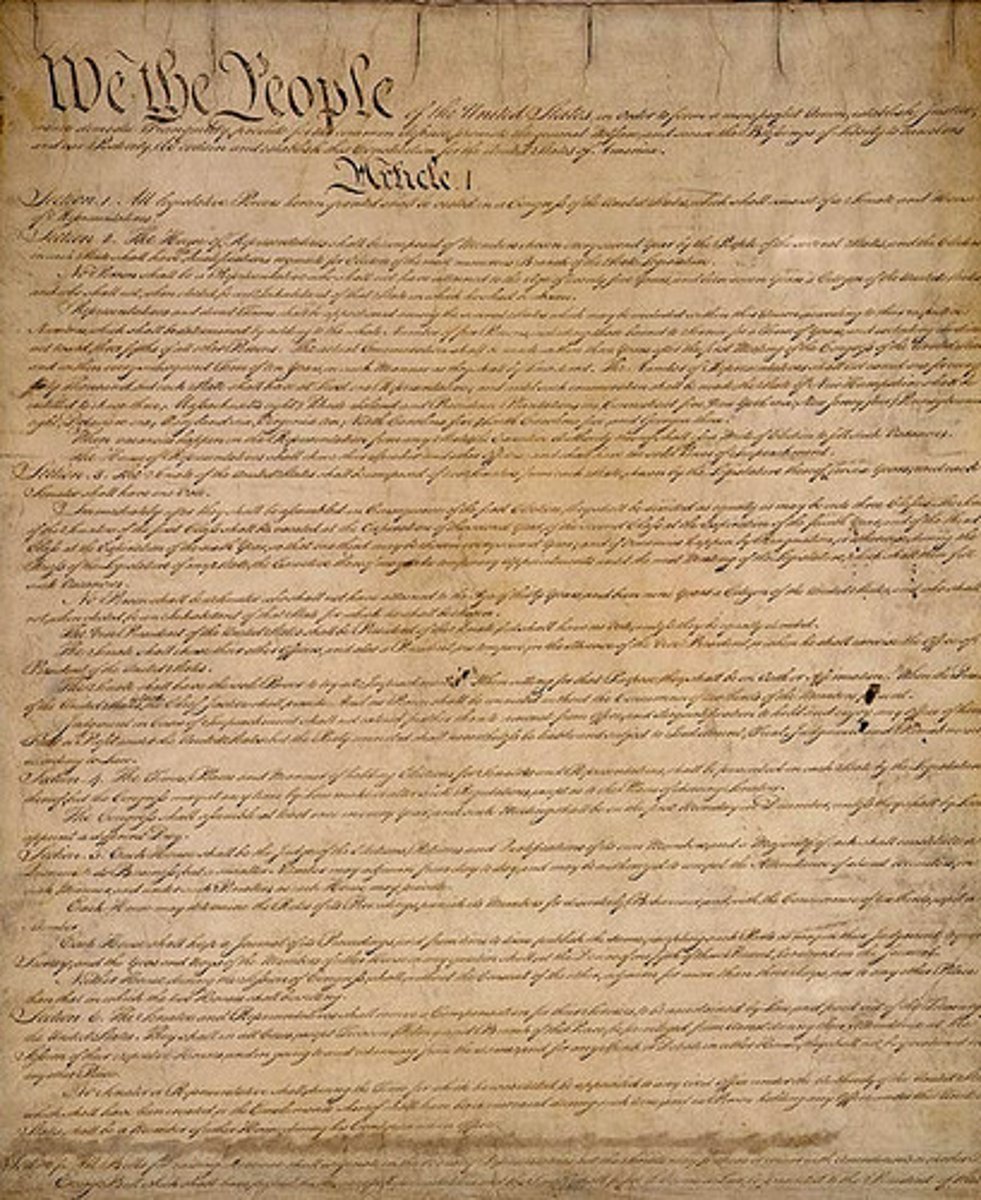
McCulloch vs. Maryland (1819)
The "Elastic Clause Case"
Said that the Constitution had been written in more general terms rather than specific, and therefore could be interpreted.
Cohens vs. Virginia (1821)
The "Lottery Case"
Supreme Court showed it had the power to review state court decisions
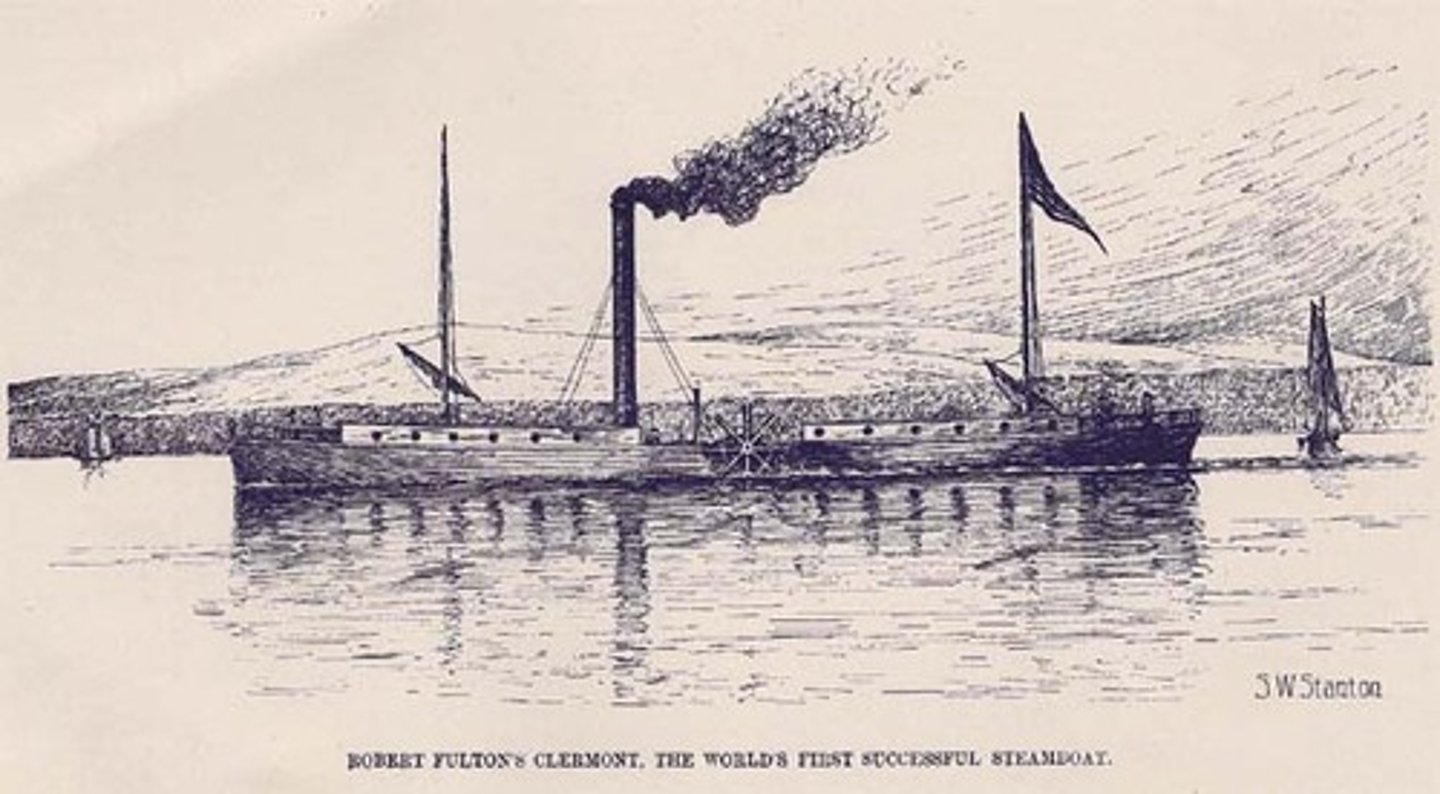
Gibbons vs. Ogden (1824)
The "Steamboat Case"
The Constitution says that only Congress can regulate interstate trade
Fletcher vs. Peck (1810)
The "Land Scam Contract Case"
The Supreme Court said a contract is a contract and the Constitution says it can't be broken by state laws.
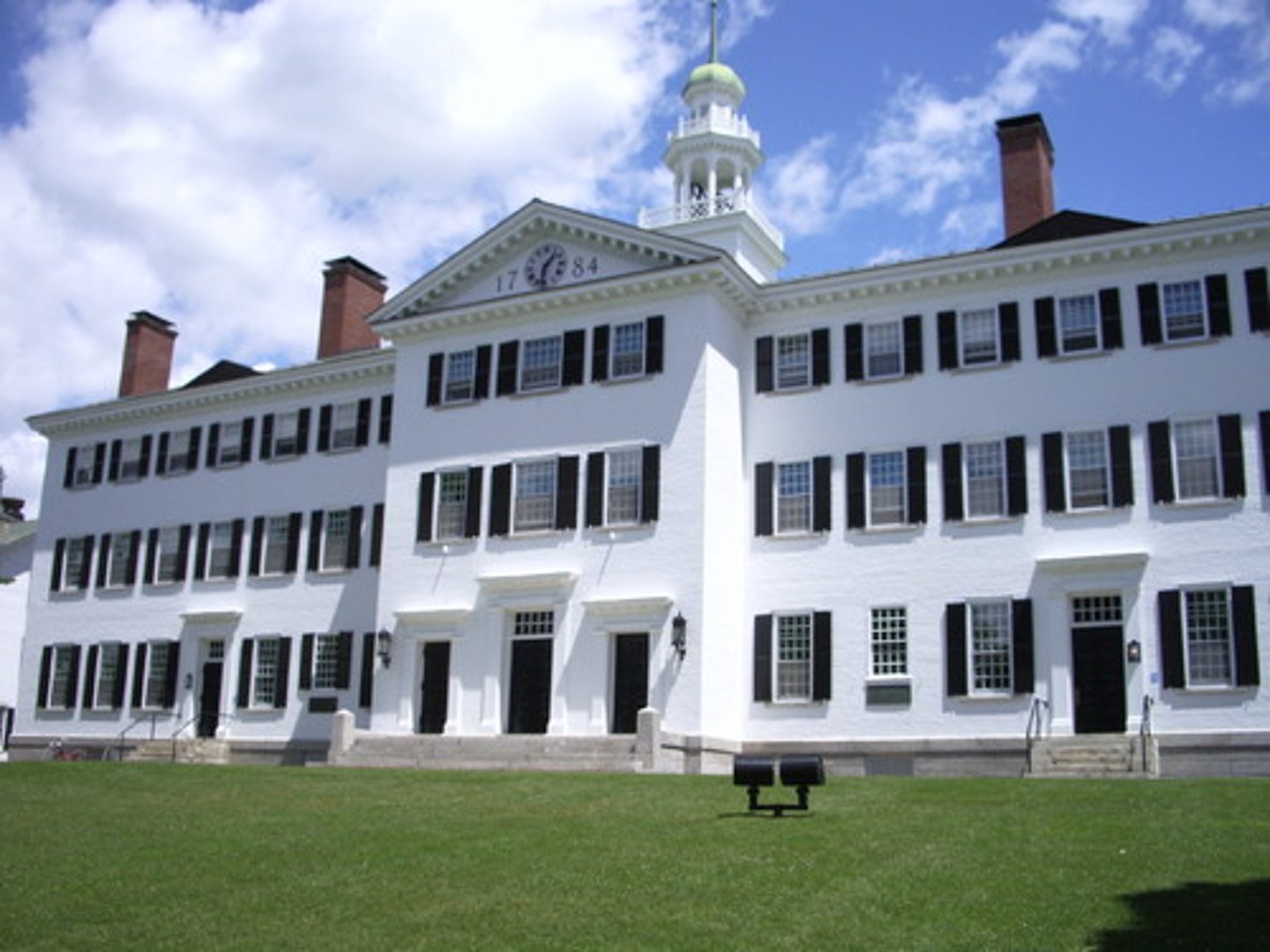
Dartmouth College vs. Woodward (1819)
The "College Charter Case"
The Supreme Court said the charter was a contract and, like Fletcher, states could not encroach on contracts
Treaty of 1818
made with England about Canada border
1. The treaty drew a border line at 49° from Lake of the Woods (MN) westward to the Rocky Mountains.
2. The prosperous fishing waters of Newfoundland would be shared.
3. For the time, Oregon would be jointly occupied.
and over the Canada border
Florida Purchase Treaty
made with Spain
• America paid $5 million and got Florida
• Spain gave up a claim to Oregon and America gave up a claim to Texas
• the southern limit of Oregon was set at 42° latitude.
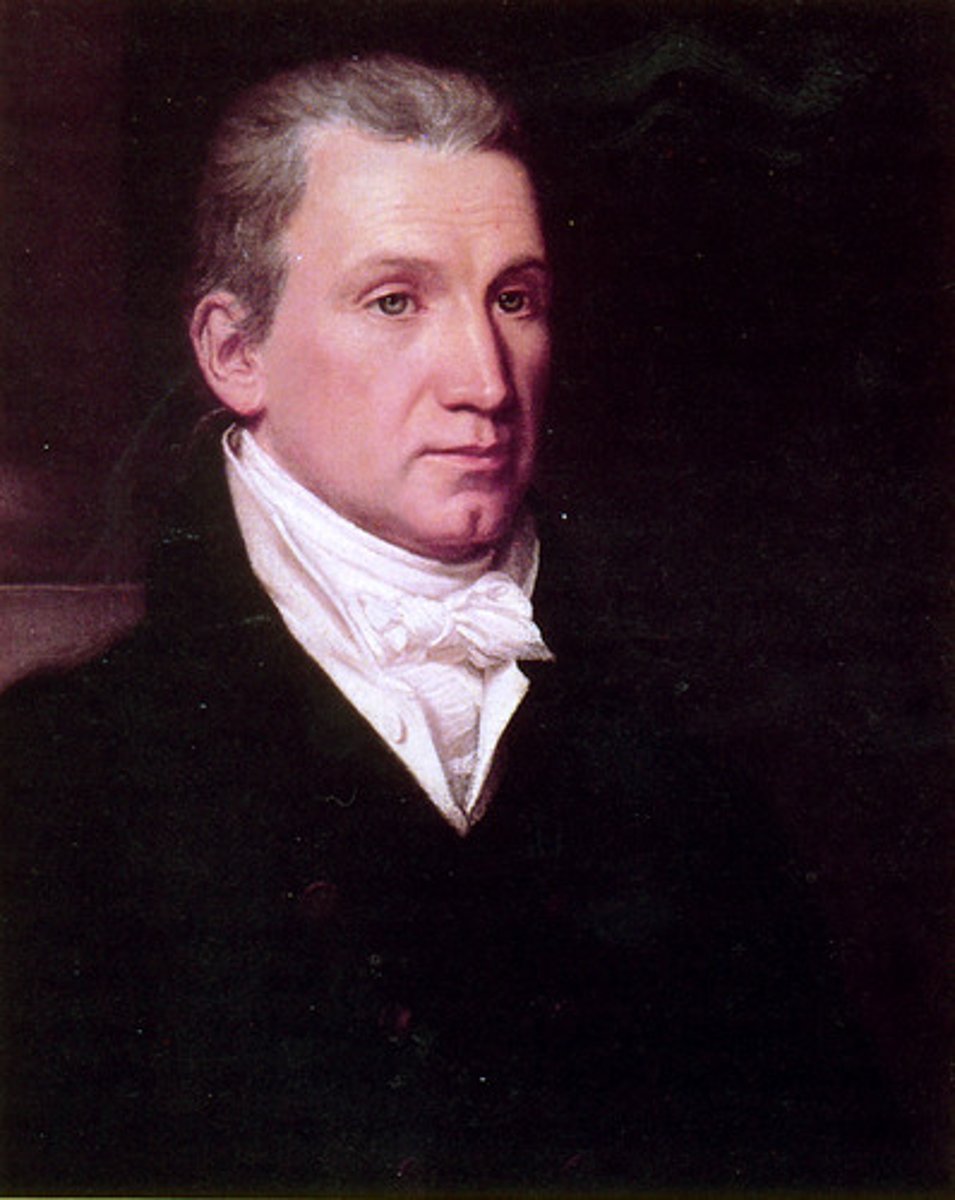
Monroe Doctrine
• European non-colonization of the Americas and non-intervention
• It was a "KEEP OUT" sign.
land butchery
when a farmer would wear out a piece of land, then just move on to find more
nativists
those born in America and were opposed to immigrants
potato famine
resulted in 2 million Irish dieing
temperance movement
movement to ban alcohol
Industrial Revolution
time when machines and factories began to replace handmade products
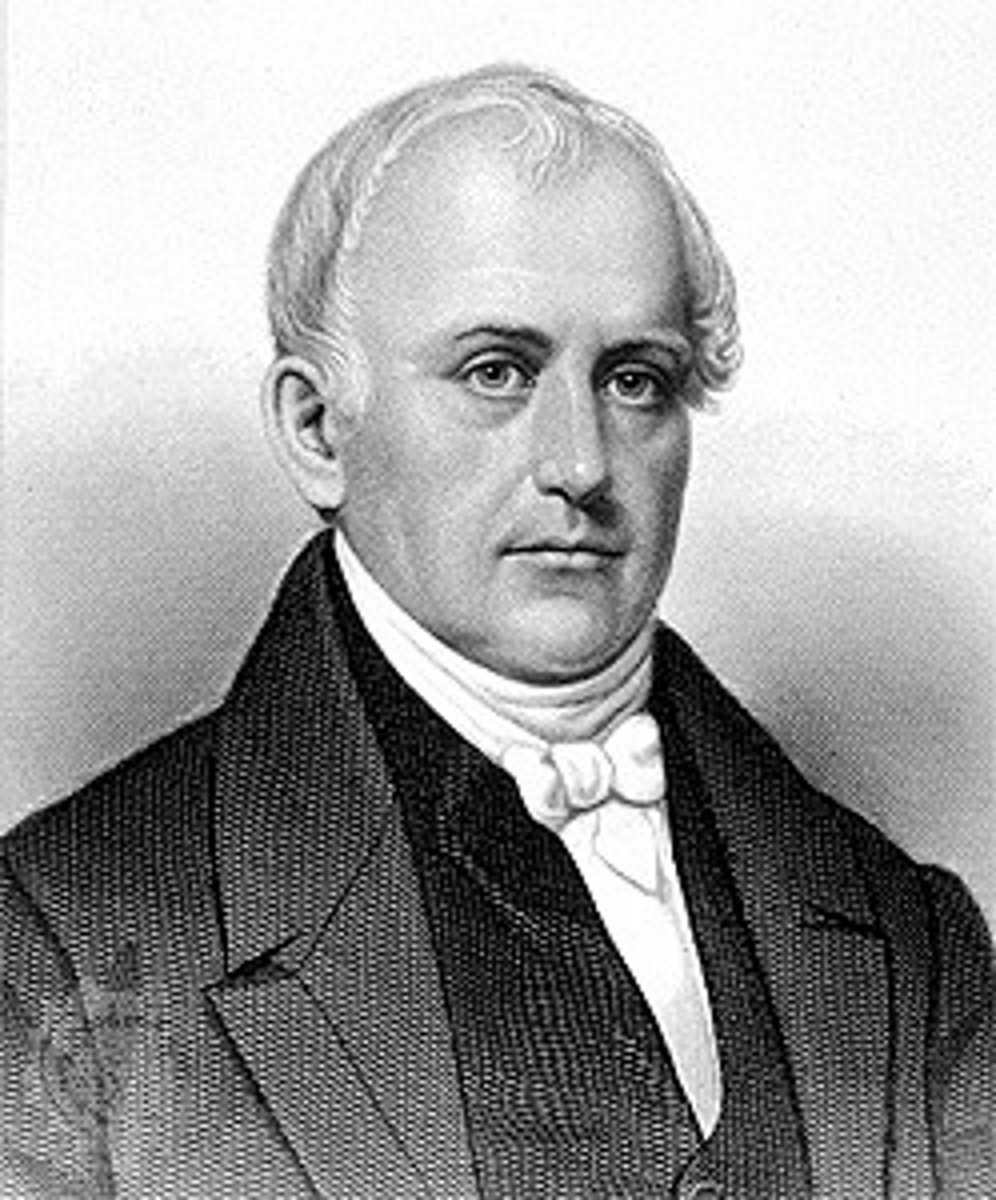
Samuel Slater
textile worker in England who memorized the plans of the factory so he could build one in America
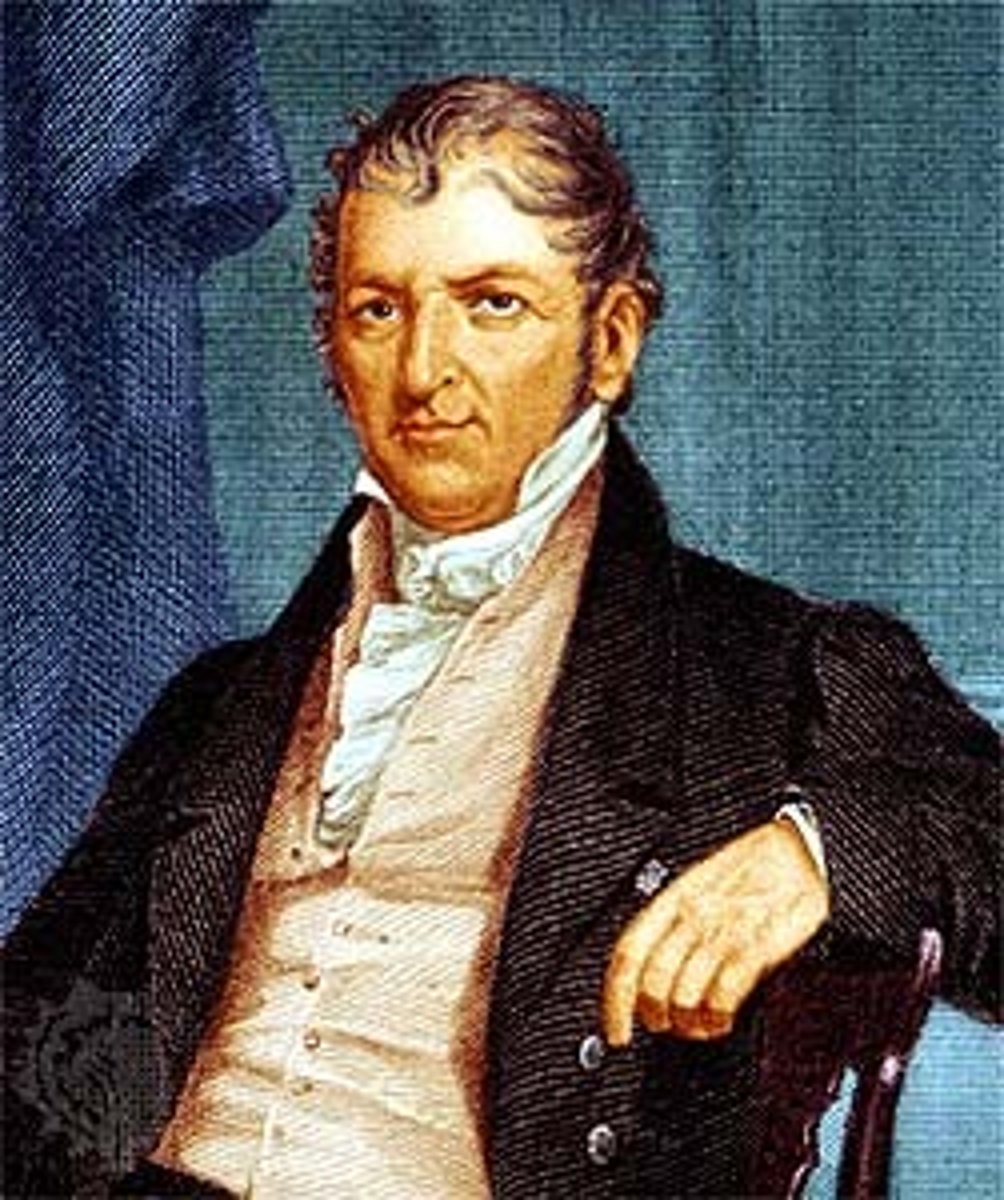
Eli Whitney
invented the cotton gin which separated the fiber from the seed (1793)
Tariff of 1816
"protective tariff" (one to boost foreign goods and therefore make American goods look cheaper)
interchangeable part
machine-made components of anything could simply be swapped out if one broke
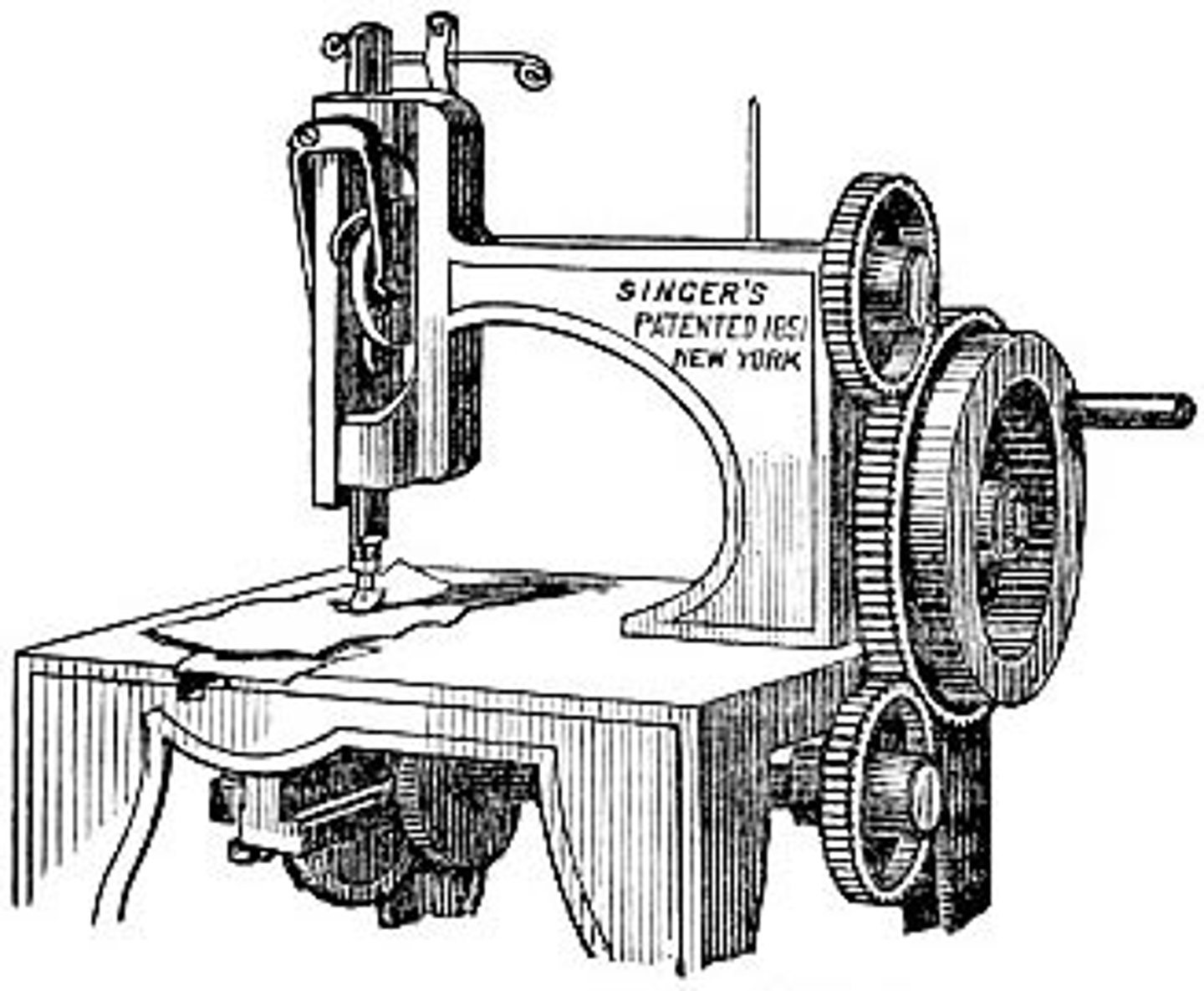
Elias Howe and Isaac Singer
invented the sewing machine
limited liability corporation
companies ensured that if the company went bad, an investor could lose only what he'd invested (not everything he owned)
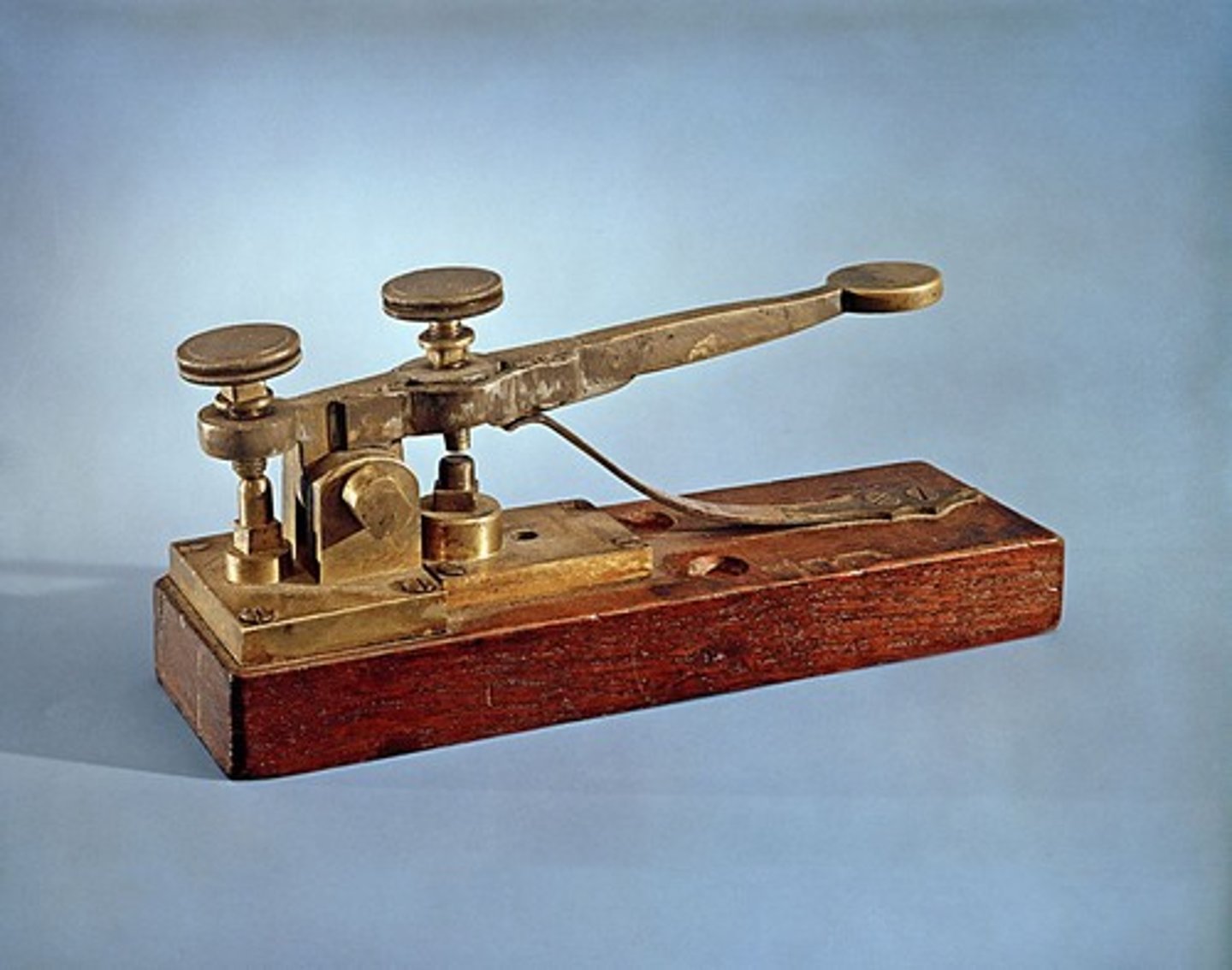
Samuel Morse
invented the telegraph
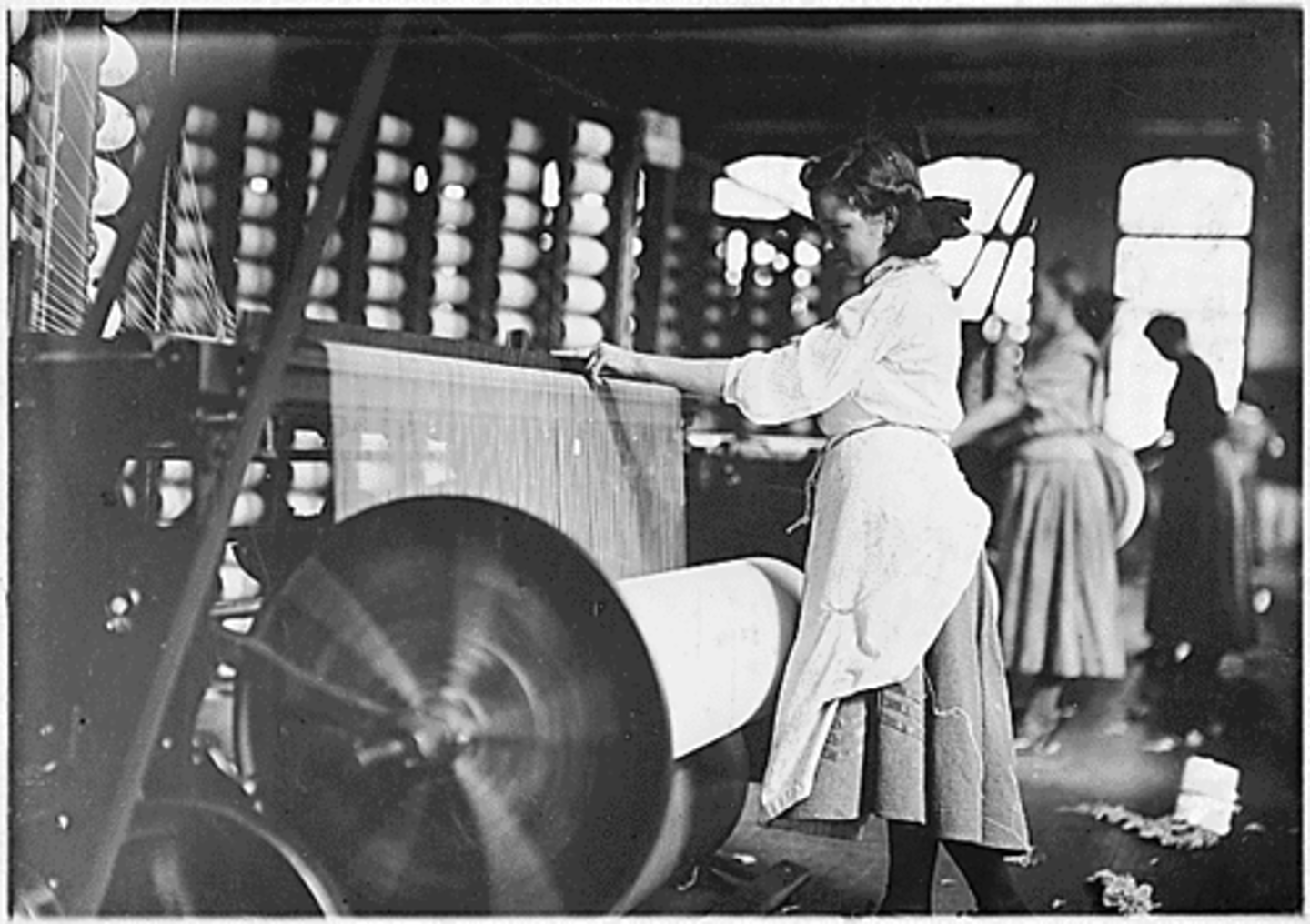
Lowell, Massachusetts
well-known as employing young women to work in its textile factories
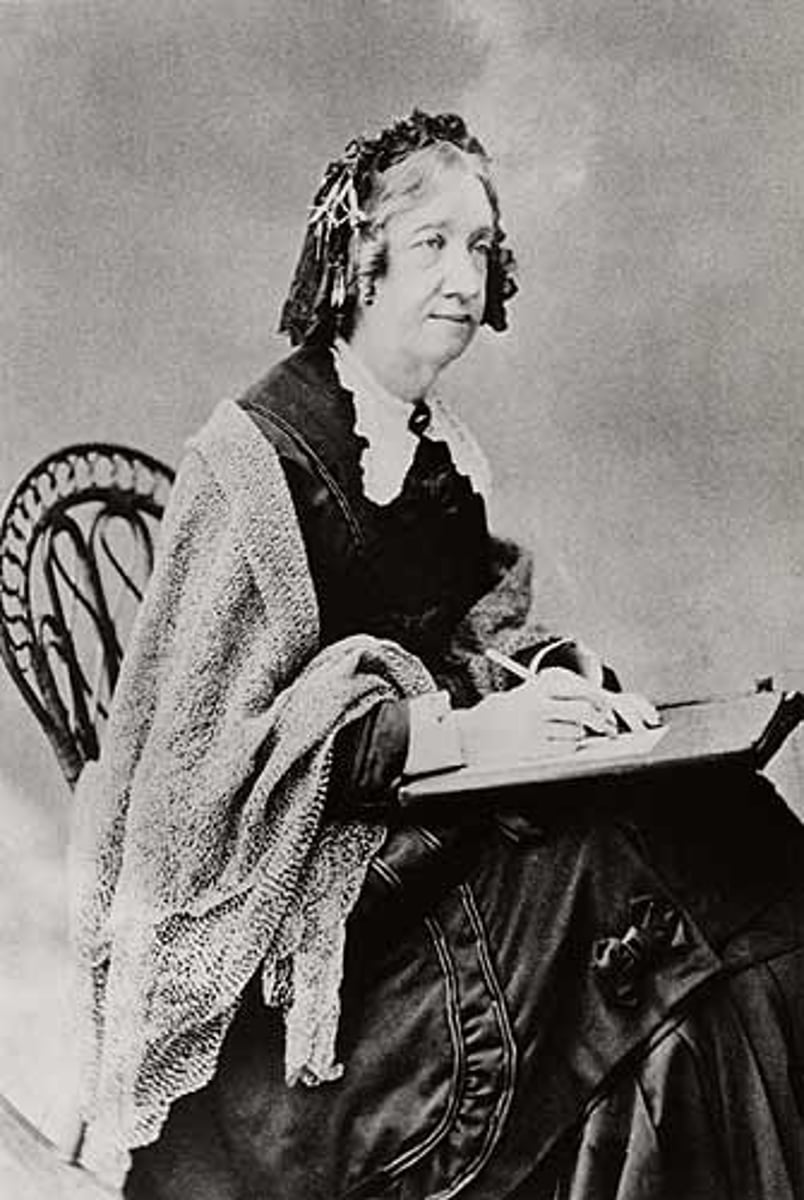
Catharine Beecher
leading proponent who pushed for women to enter teaching
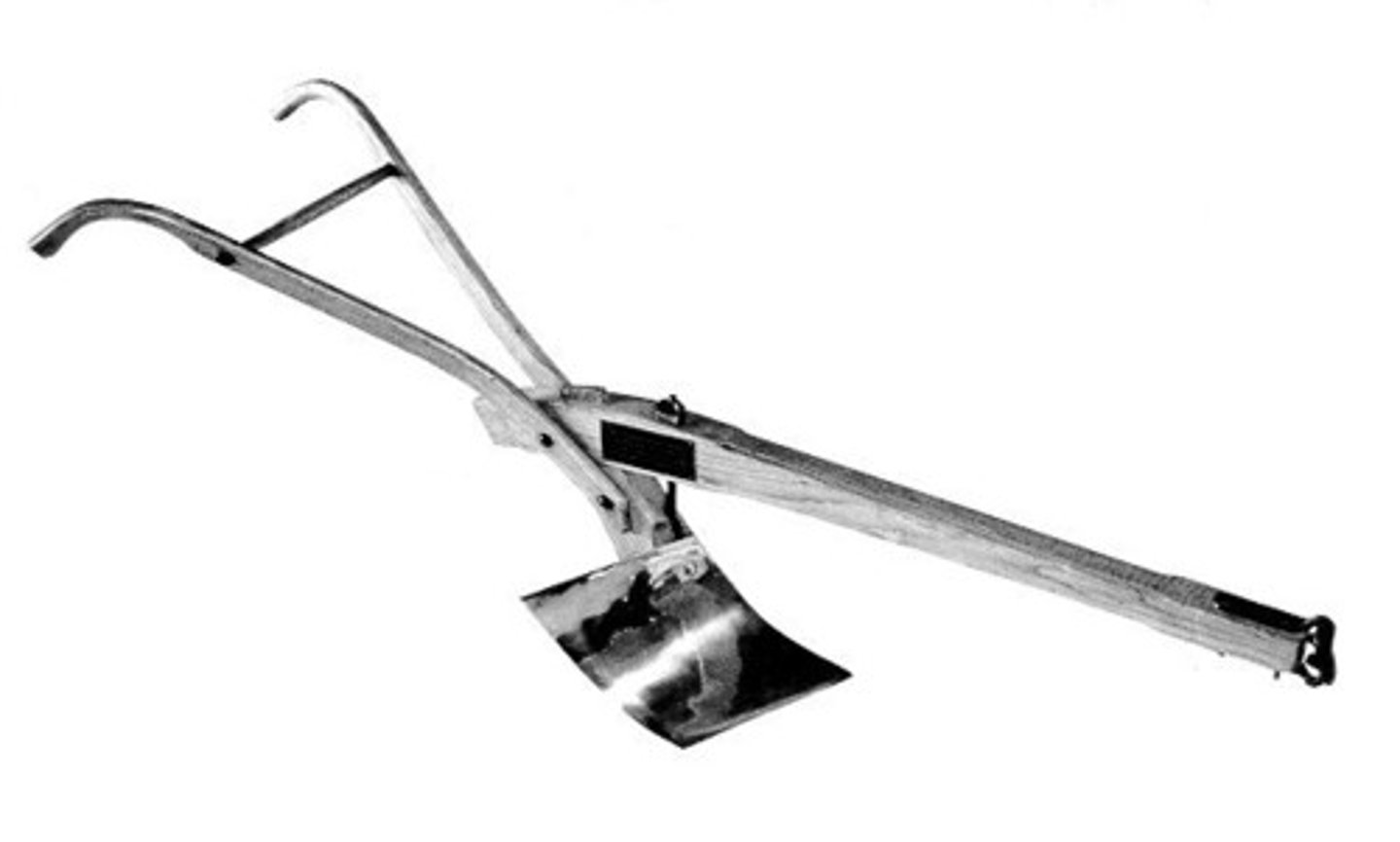
John Deere
invented the steel plow
Cumberland Road (National Road)
went from Maryland all the way to Illinois
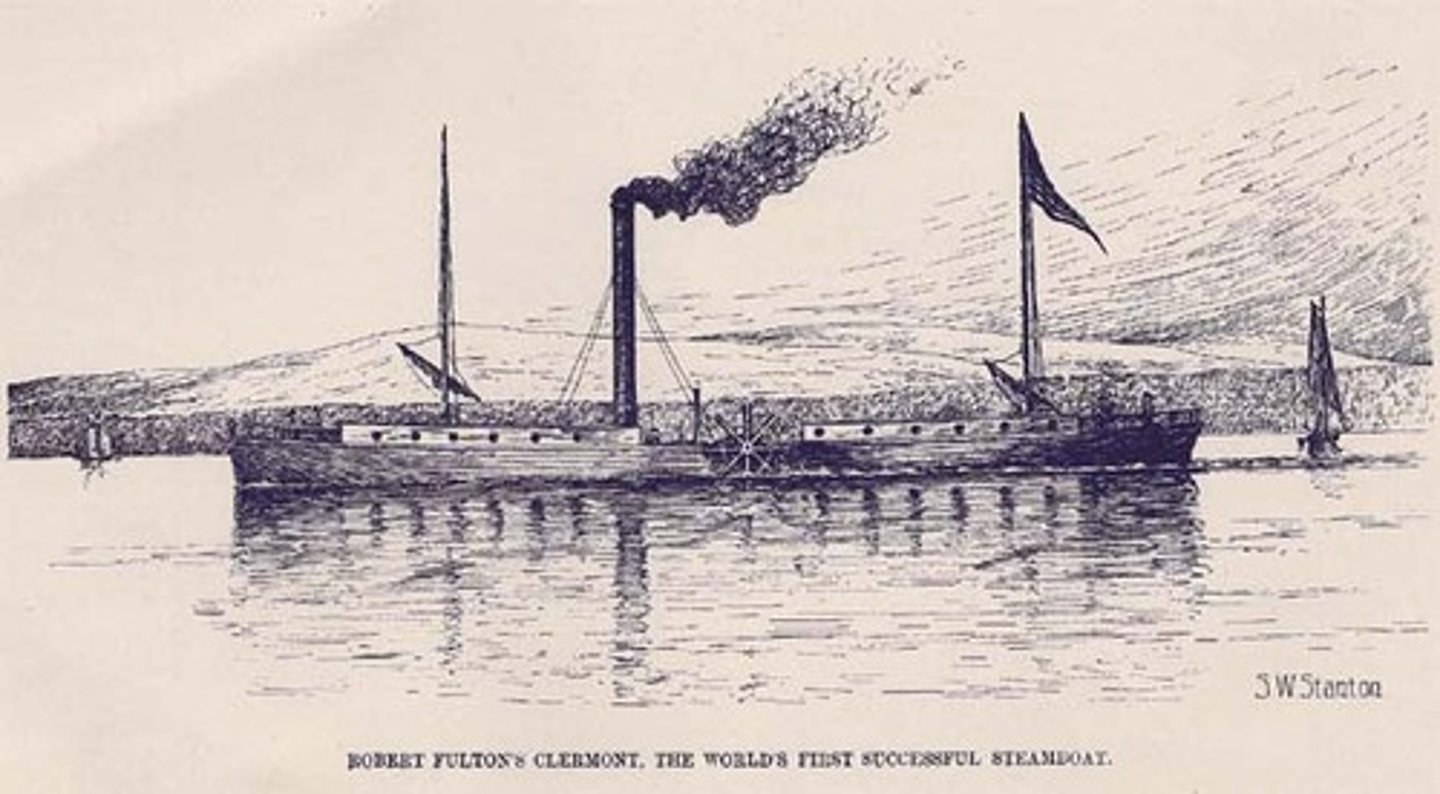
Robert Fulton
credited with building the first steamboat, the Clermont (1807)
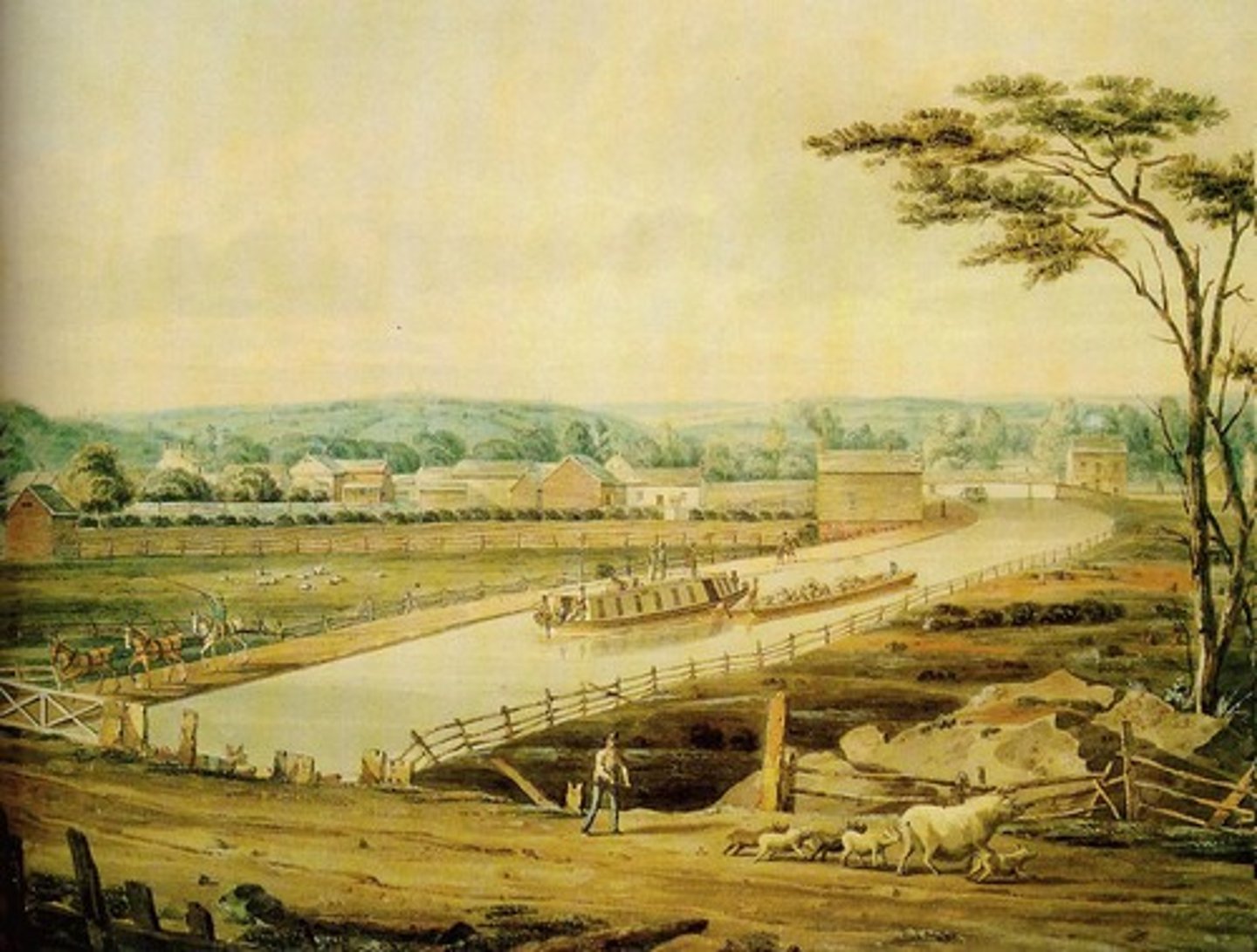
Erie Canal
The granddaddy of canals
transportation (revolution)
revolution where people wanted to link the West with the rest of the nation
division of labor
The North: manufacturing
The South: cotton for export
The West: grain and livestock
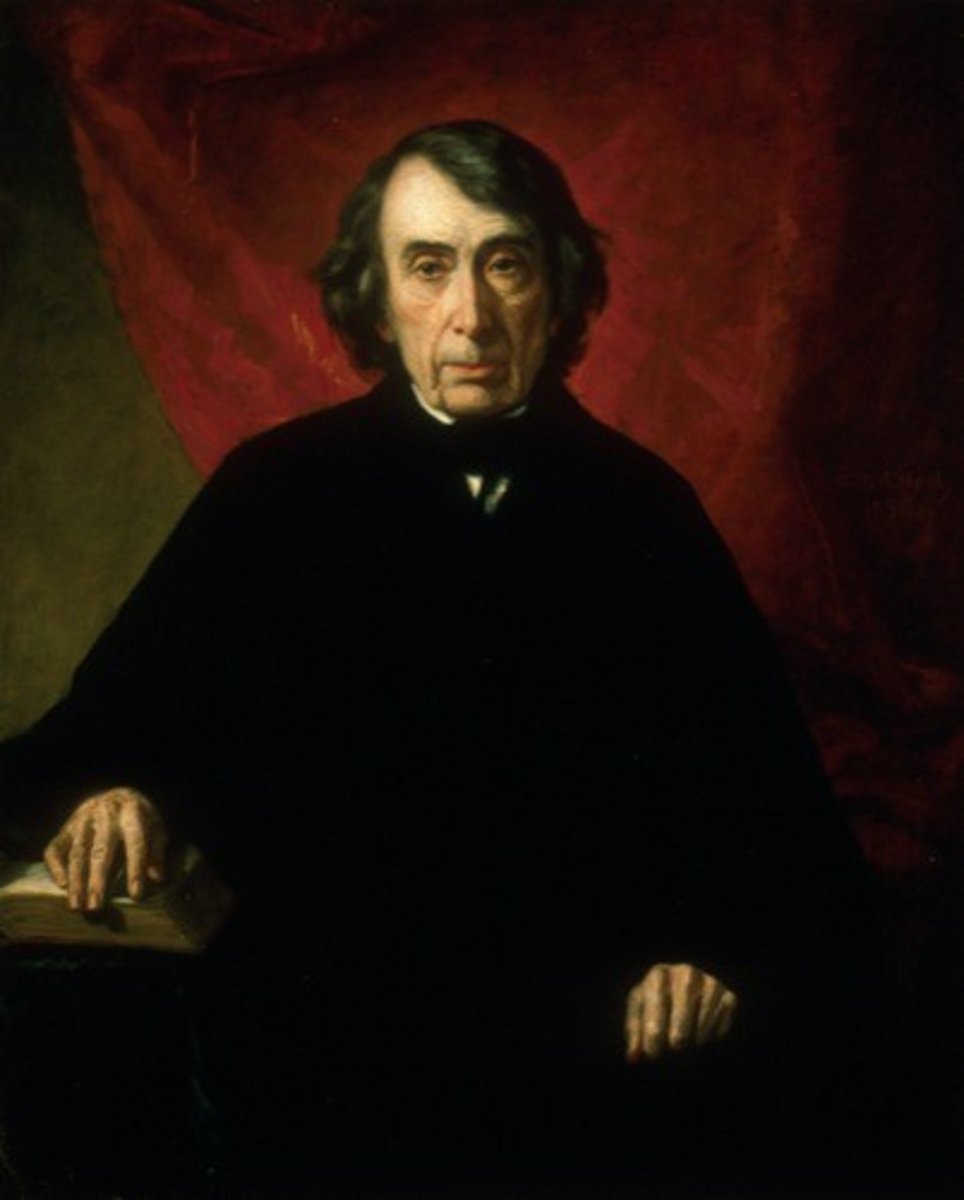
Roger Taney
said that "the rights of a community" were greater than a corporate contract
overall standard of living
rose during this time period
German Influence (on American Culture)
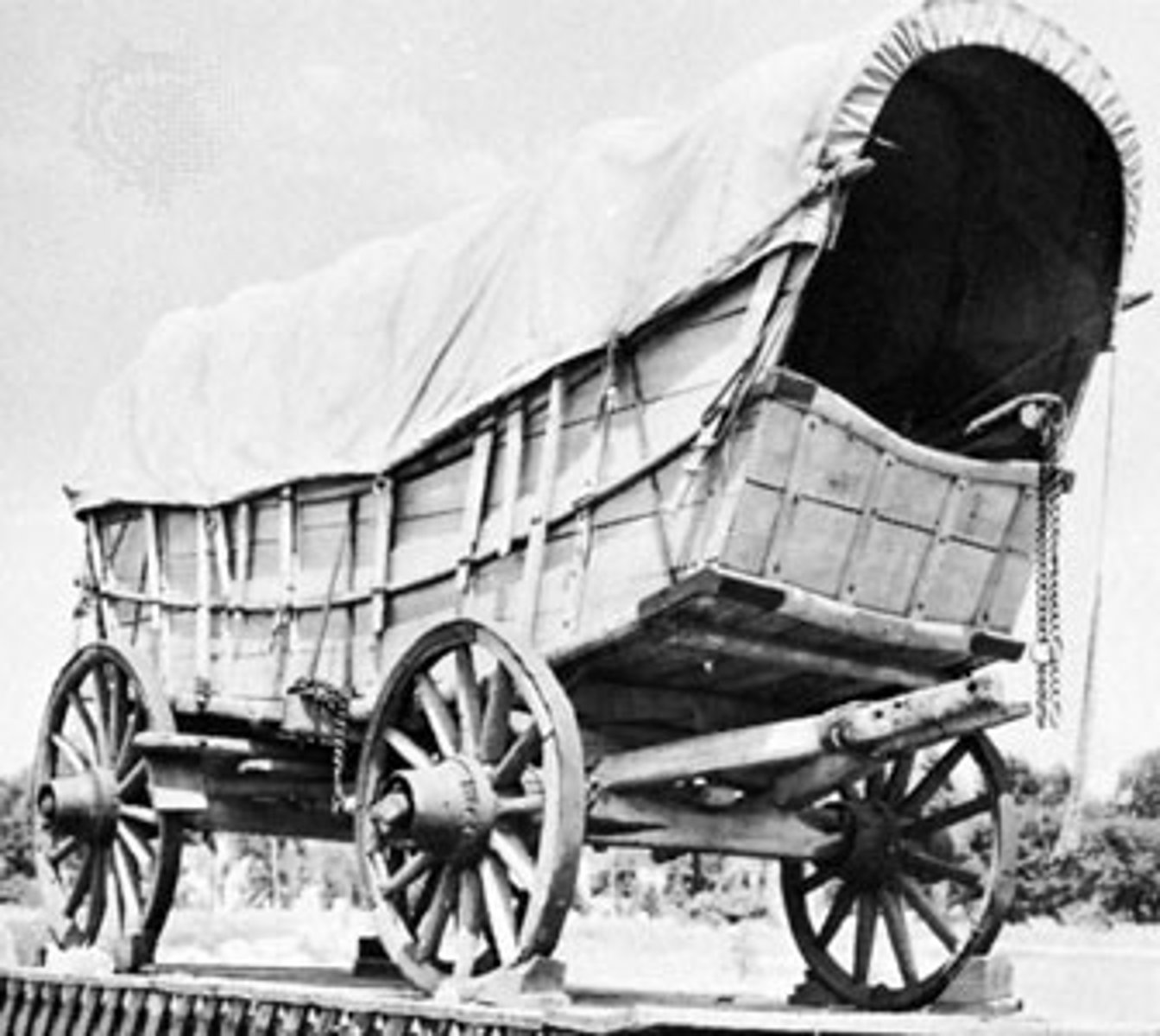
• Conestoga wagon
• Kentucky rifle
• Christmas tree
• Kindergarten
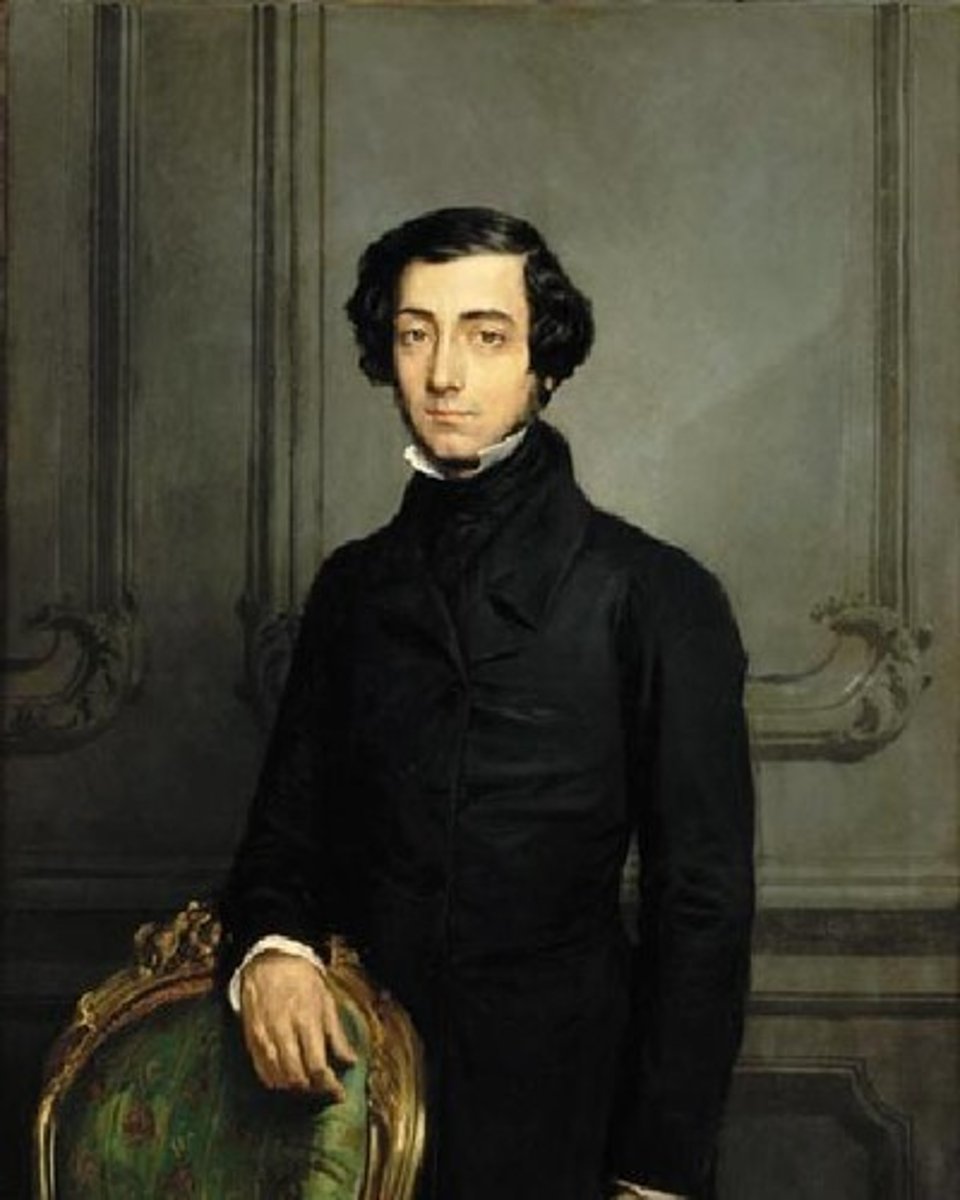
Alexis de Tocqueville
The church-going nature of America was noted by this French observer
Also noted that rape in America was punishable by death, whereas in his home of France it was usually overlooked
Deism
sprang out of the Enlightenment (AKA "Age of Reason") and was based on scientific or logical reasoning rather than faith
Unitarian
religion drew followers even farther away from Christianity
• Believed God existed in 1 person ("uni"), but not in the Holy Trinity.
• Rejected the divinity of Christ.
• Believed people were essentially good at heart, not born under "original sin."
• Believed people were saved through "good works", not through faith in Christ.
• Attracted intellectual types, notably Ralph Waldo Emerson
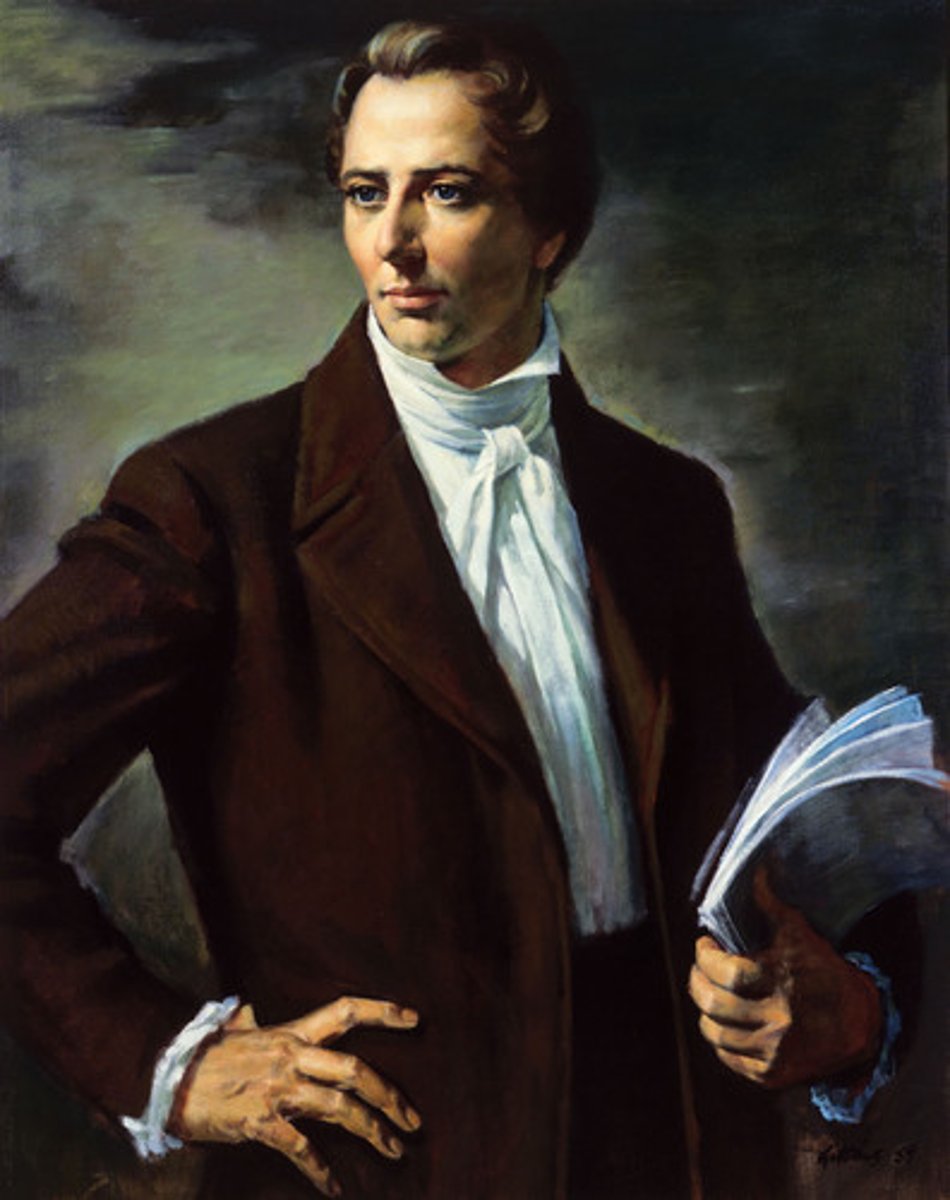
Joseph Smith
claimed to have found golden tablets in NY with the Book of Mormon inscribed on them
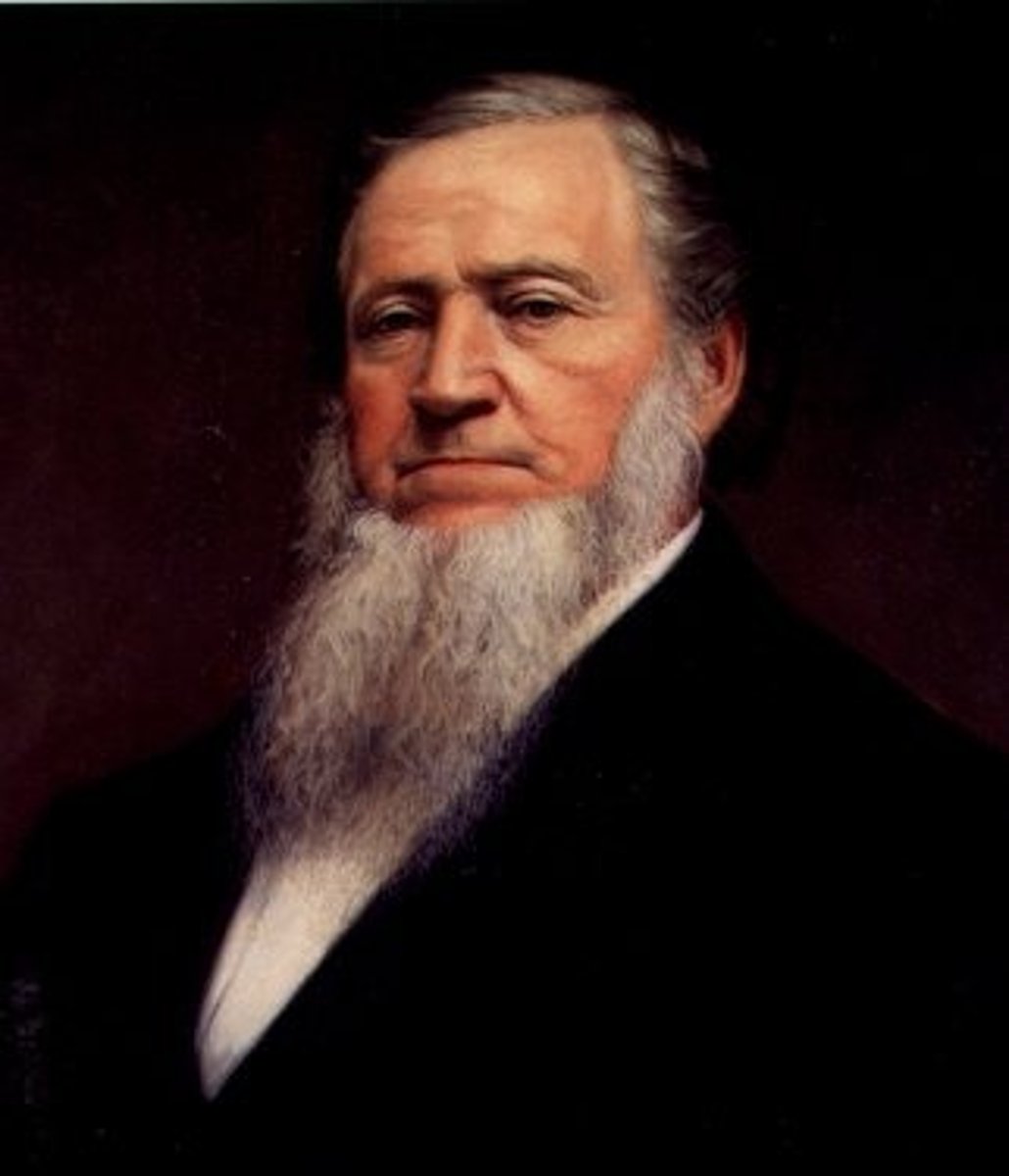
Brigham Young
took over and led the Mormons along the "Mormon Trail" to Utah after Joseph Smith was killed
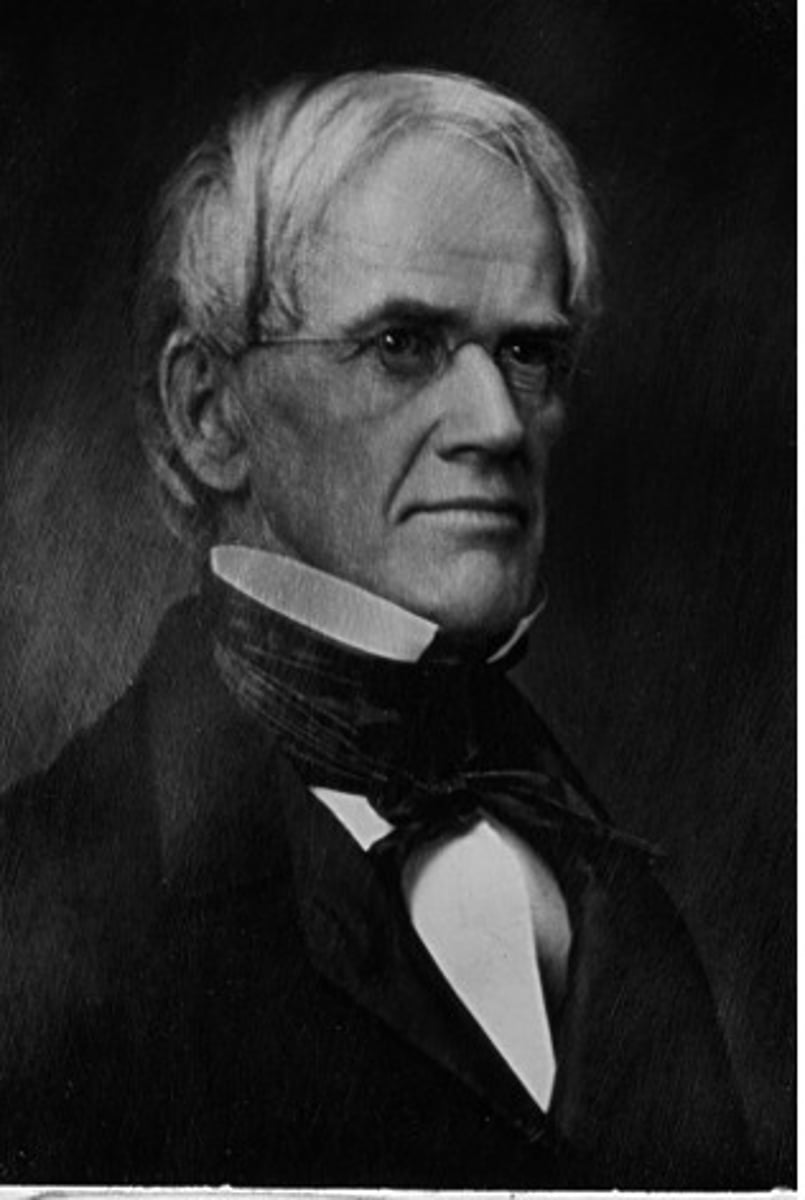
Horace Mann
• known as the "Father of Public Education"
• pushed for free compulsory education and education
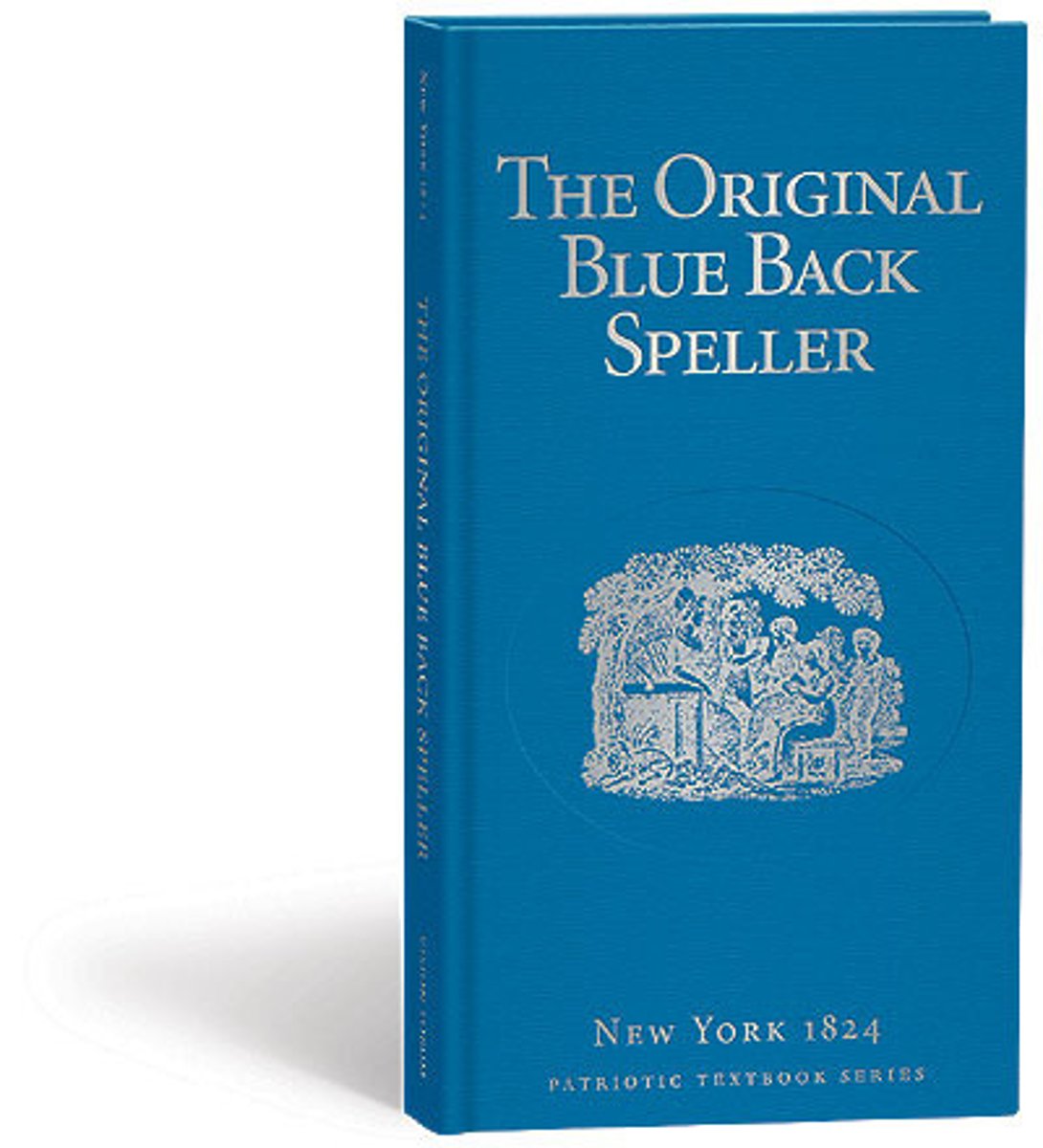
Noah Webster
Blueback Speller and dictionary
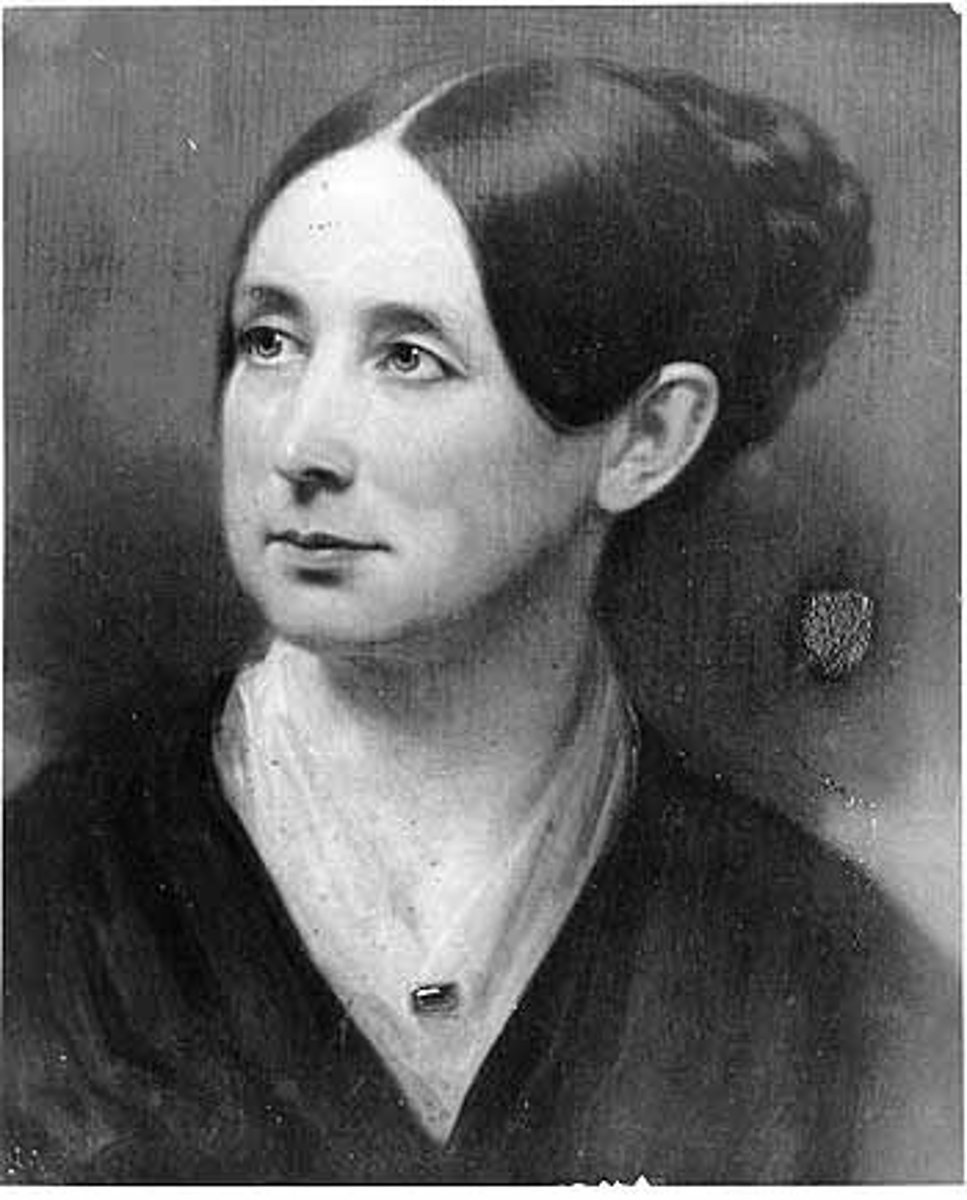
Dorothea Dix
sought and got improved treatment for the mentally insane
American Temperance Society
• founded in Boston, 1826
• used a variety of methods to encourage temperance (discourage drinking)
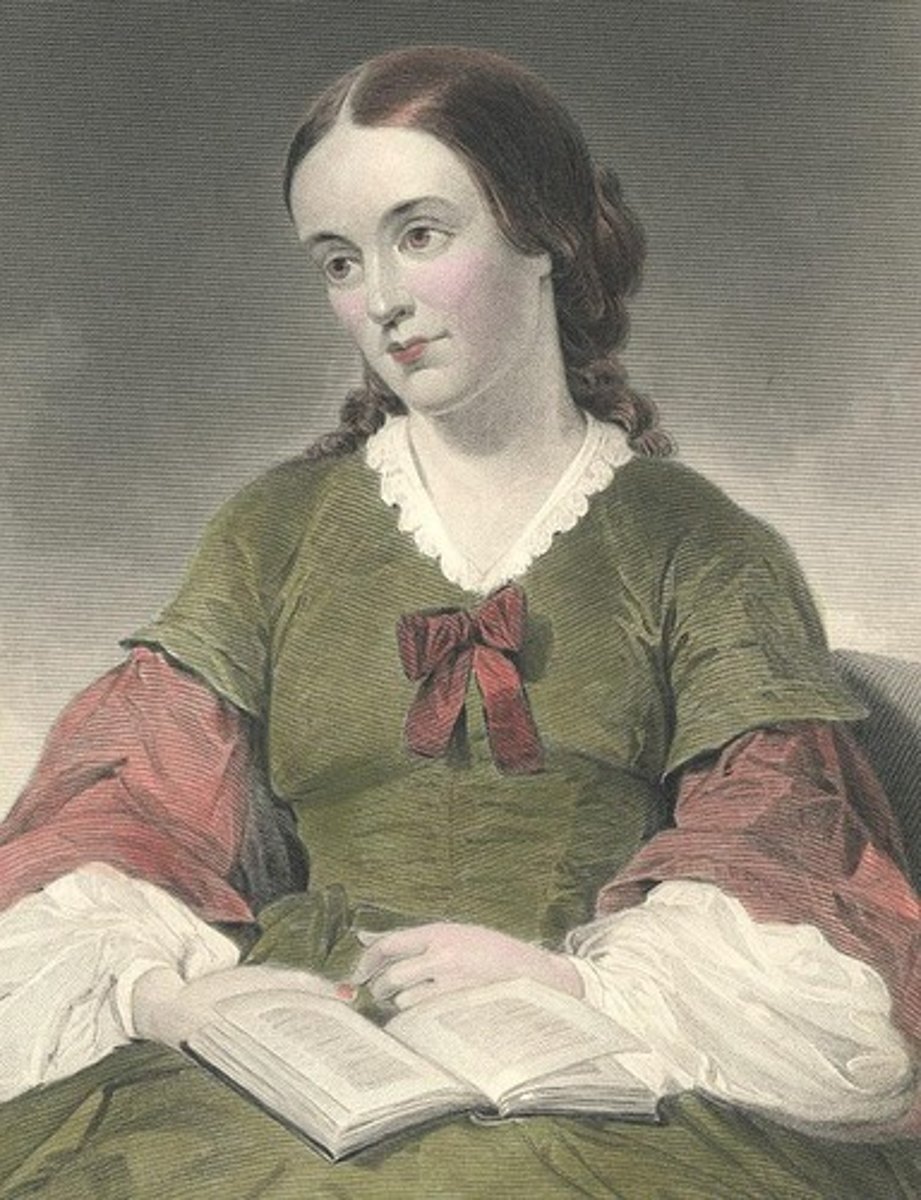
Margaret Fuller
edited a transcendentalist journal
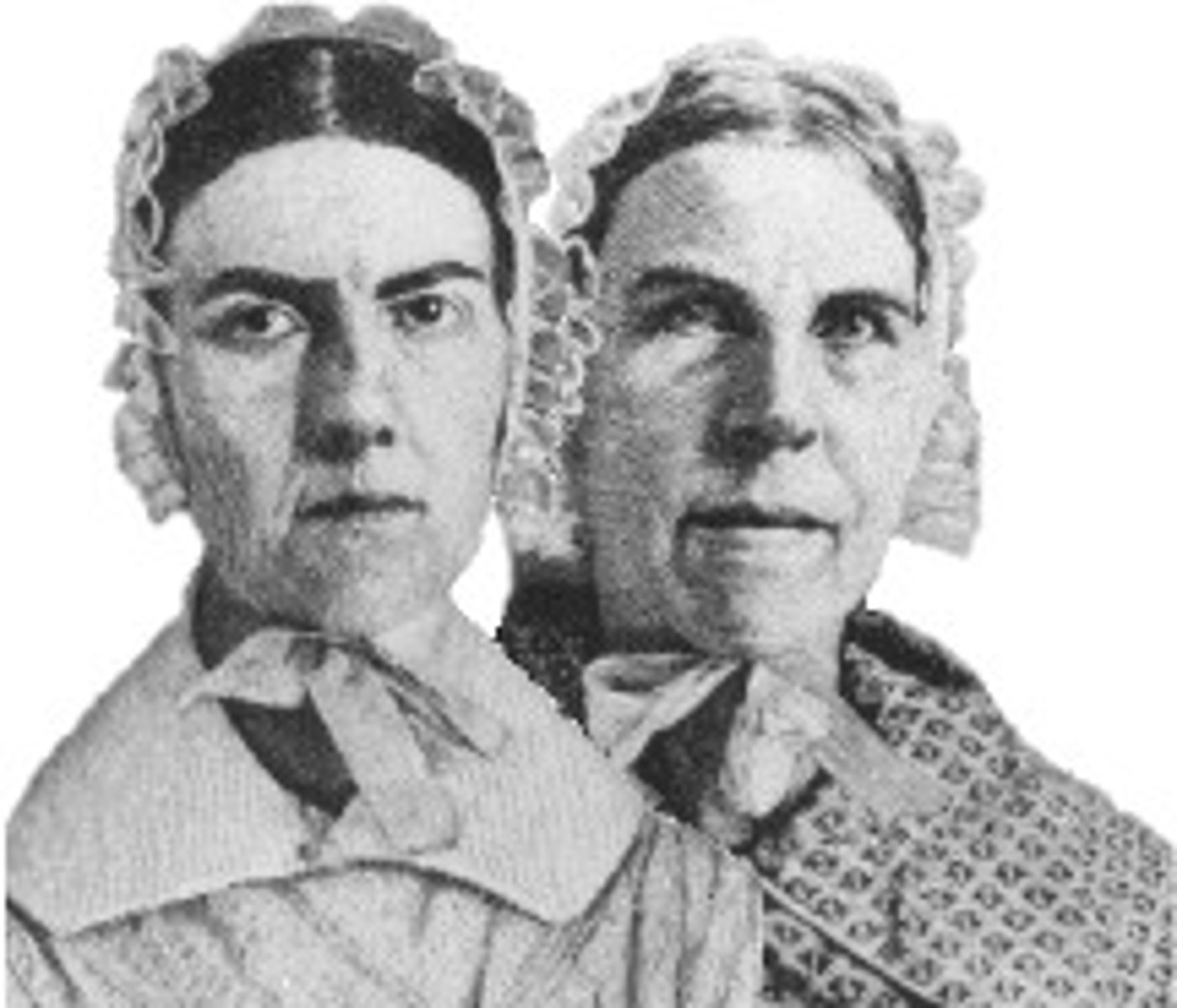
Grimke sisters
Sisters who pushed for the abolition of slavery
Seneca Falls Women's Rights Convention (1848)
• It wrote a "Declaration of Sentiments" arguing that "all men and women were created equal"
• It demanded female suffrage
• Neither of these things happened anytime soon, but the women's rights movement was born
Robert Owen
started New Harmony, Indiana (1825)
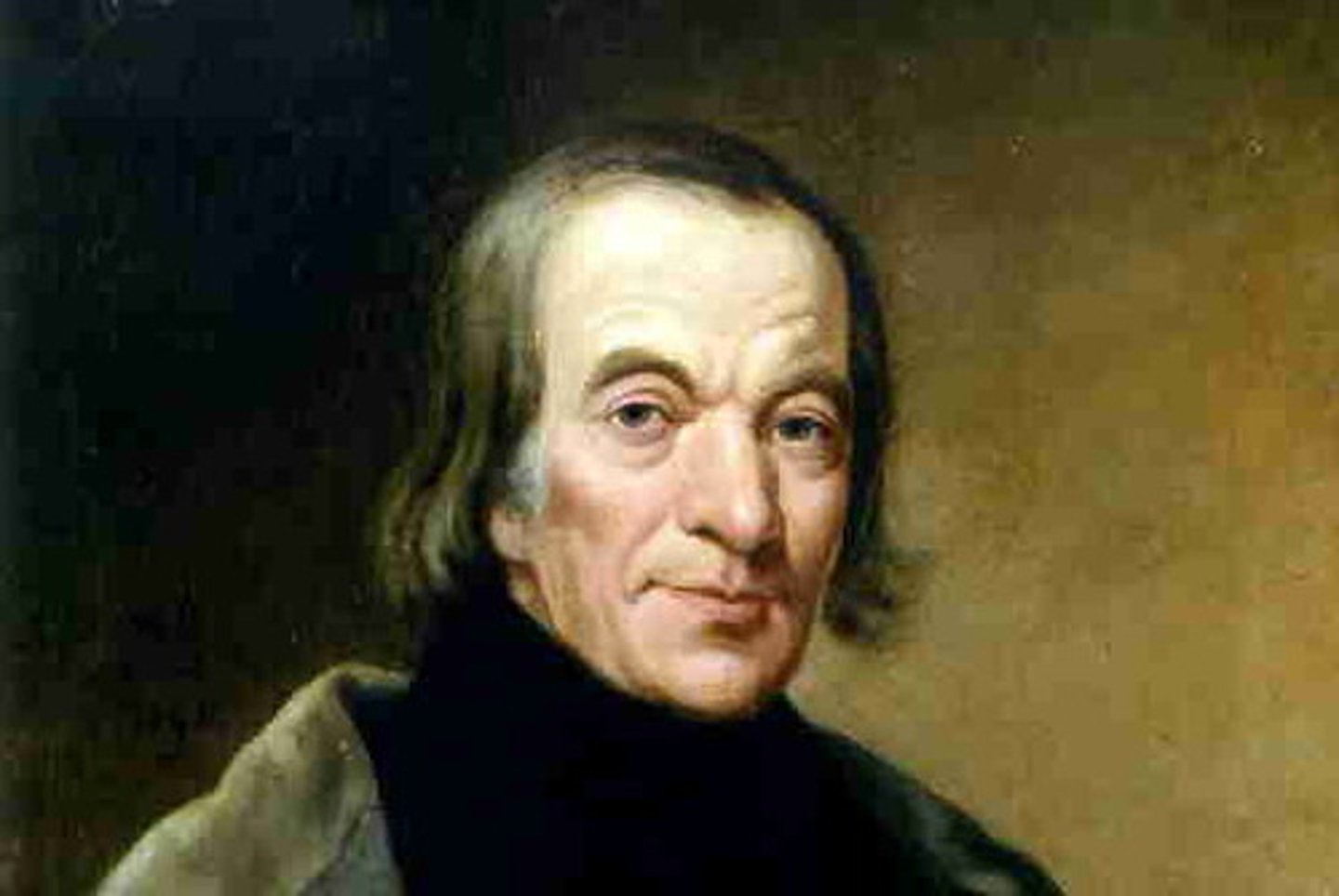
Brook Farm
• Started in Massachusetts (1841)
• It attracted Transcendentalist intellectuals
Oneida Community
was communal and embraced free love, birth control, and selecting parents to have planned children
Shakers
• were begun by Mother Ann Lee as a religious sect
• stressed simplicity in their lives and separated the sexes
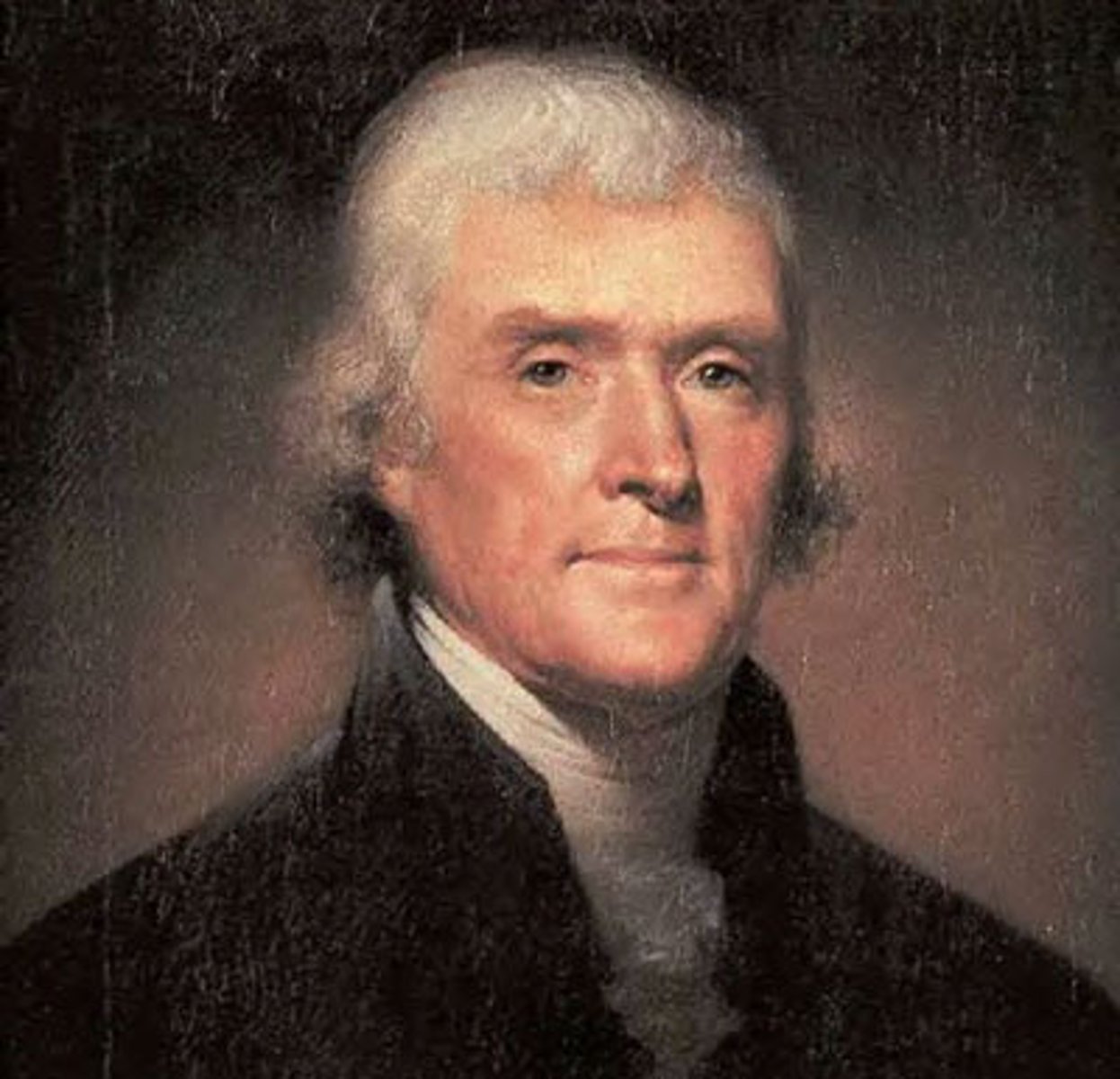
Thomas Jefferson
3rd President of the United States
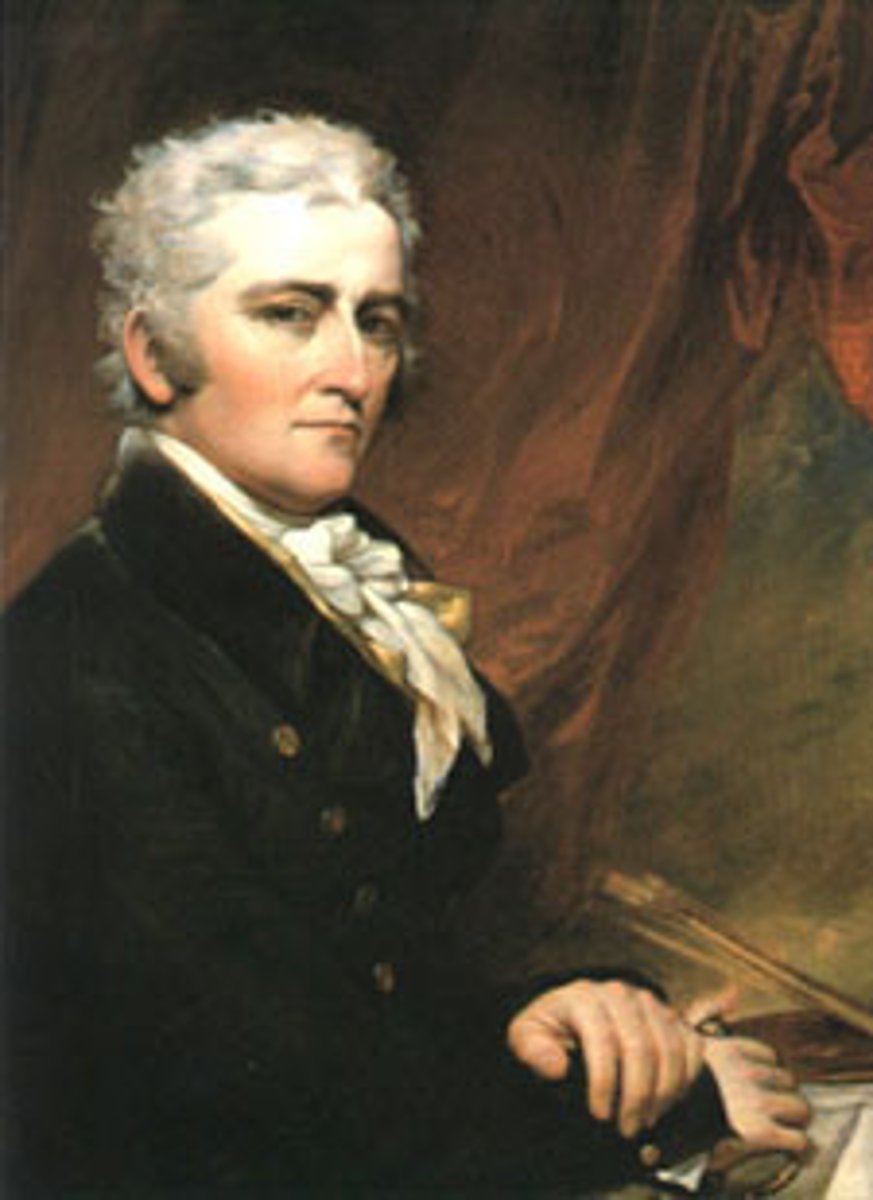
John Trumbull
painted scenes of the Revolutionary War
Corrupt Bargain
• Election of 1824
• Henry Clay supported Adams and swayed house vote
• Adams won and appoined Clay as Secretary of State
• Appeared as if Adams bribed Clay with position of Sec. of State
universal white male suffrage
all white men could vote
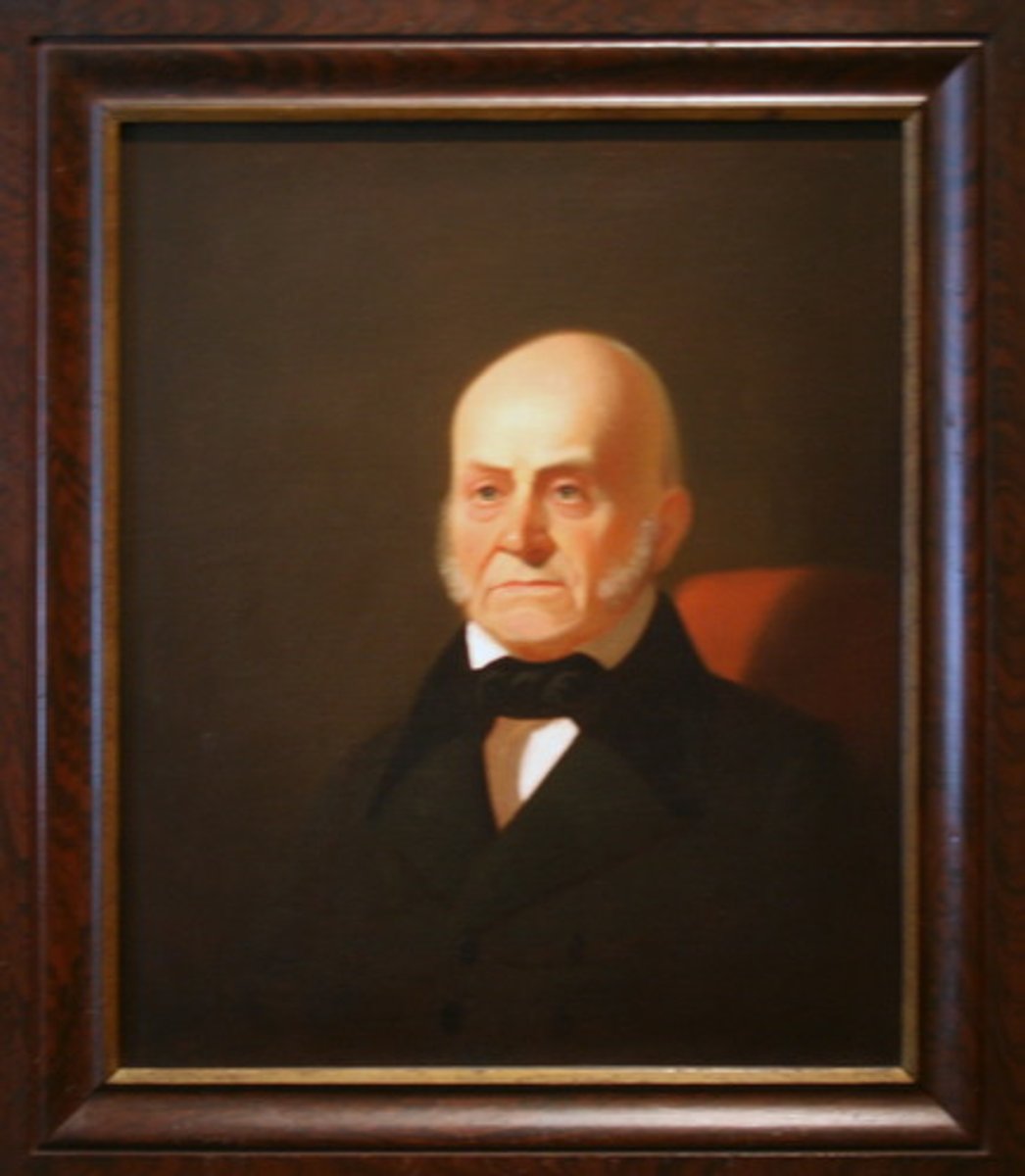
John Quincy Adams
• President (1824-1828)
• Puritanical Yankee
• Pushed nationalist programs to build:
(a) roads and canals
(b) a national university
(c) a national observatory
Old Hickory
Nickname given to Andrew Jackson by his soldiers
Spoils System
rewarded political party workers with government jobs
Tariff of Abominations
Tariff passed by Congress in 1828 that favored manufacturing in the North and was hated by the South
Denmark Vesey
free black who led a slave rebellion in Charleston, SC in 1822
South Carolina Exposition
took the Virginia and Kentucky Resolutions to the next level; said that the states could nullify the tariff
Tariff of 1832
removed the worst parts of the Tariff of 1828 (AKA Tariff of Abominations)
Force Bill
authorizing the president to use force if necessary to collect the tariff
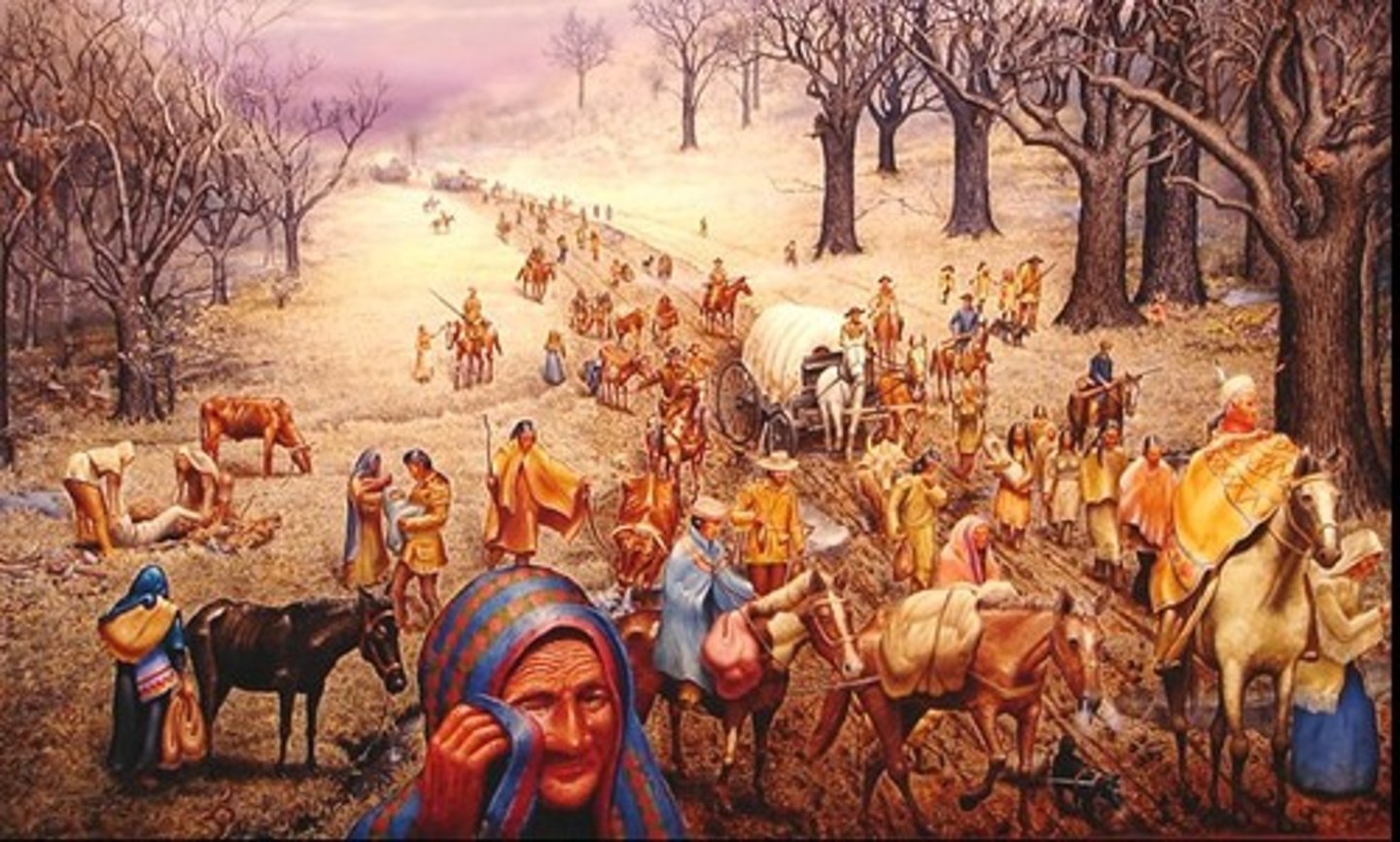
The Trail of Tears
The forced movement of Cherokee Indians in 1838 to the land west of Mississippi River forced by the U.S. Army; it lasted 116 days and was 1,000 miles long, many Indians died along the way
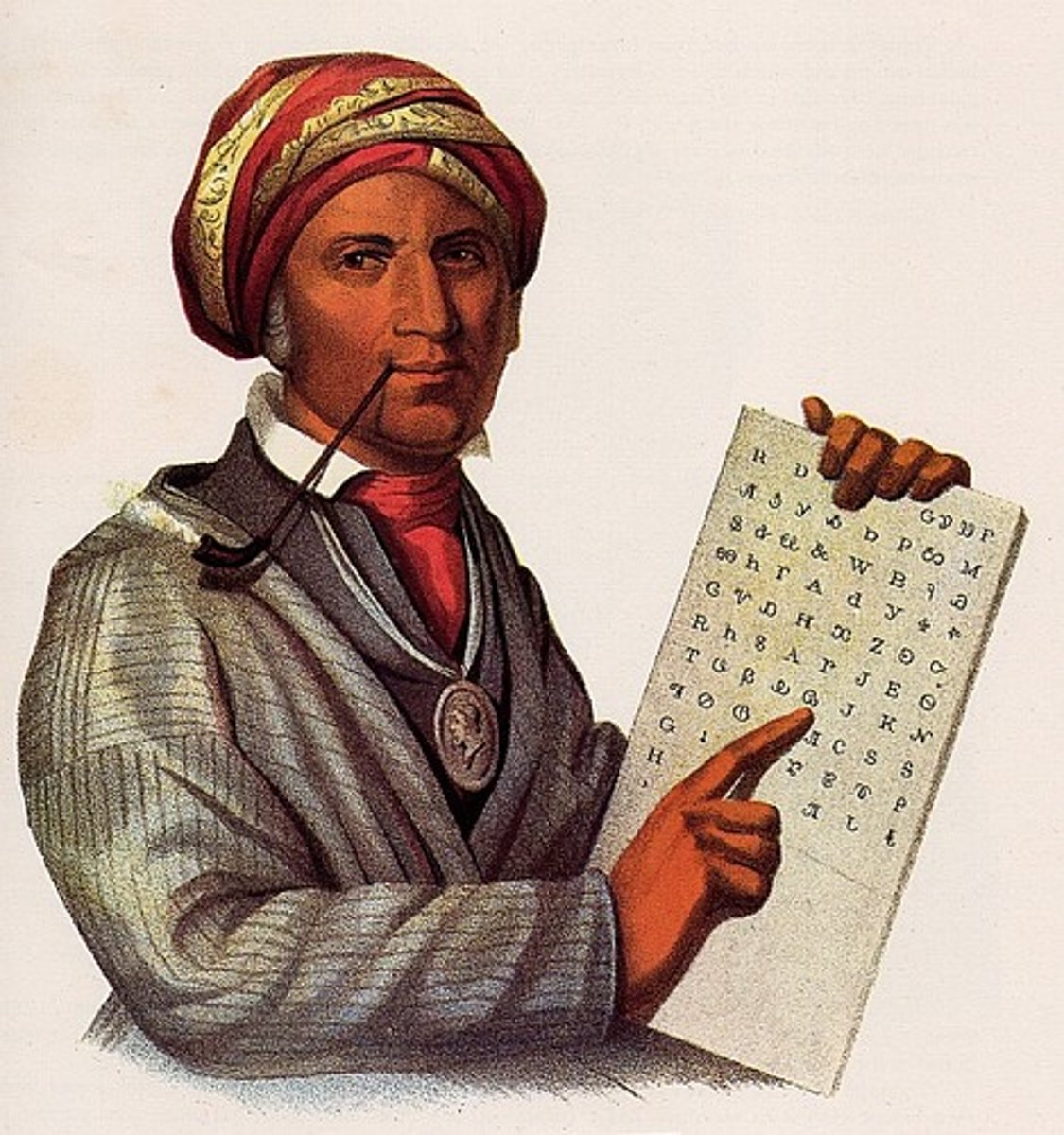
Sequoyah
devised a Cherokee alphabet so they could write
Five Civilized Tribes
Cherokee, Creek, Choctaw, Chickasaw, and Seminole
Society for Progating the Gospel Among the Indians
example of an attempt to assimilate Indians into white society
Jackson's Policy on Indians
Indians and whites couldn't live together peacefully so the Indians were to be removed to the West
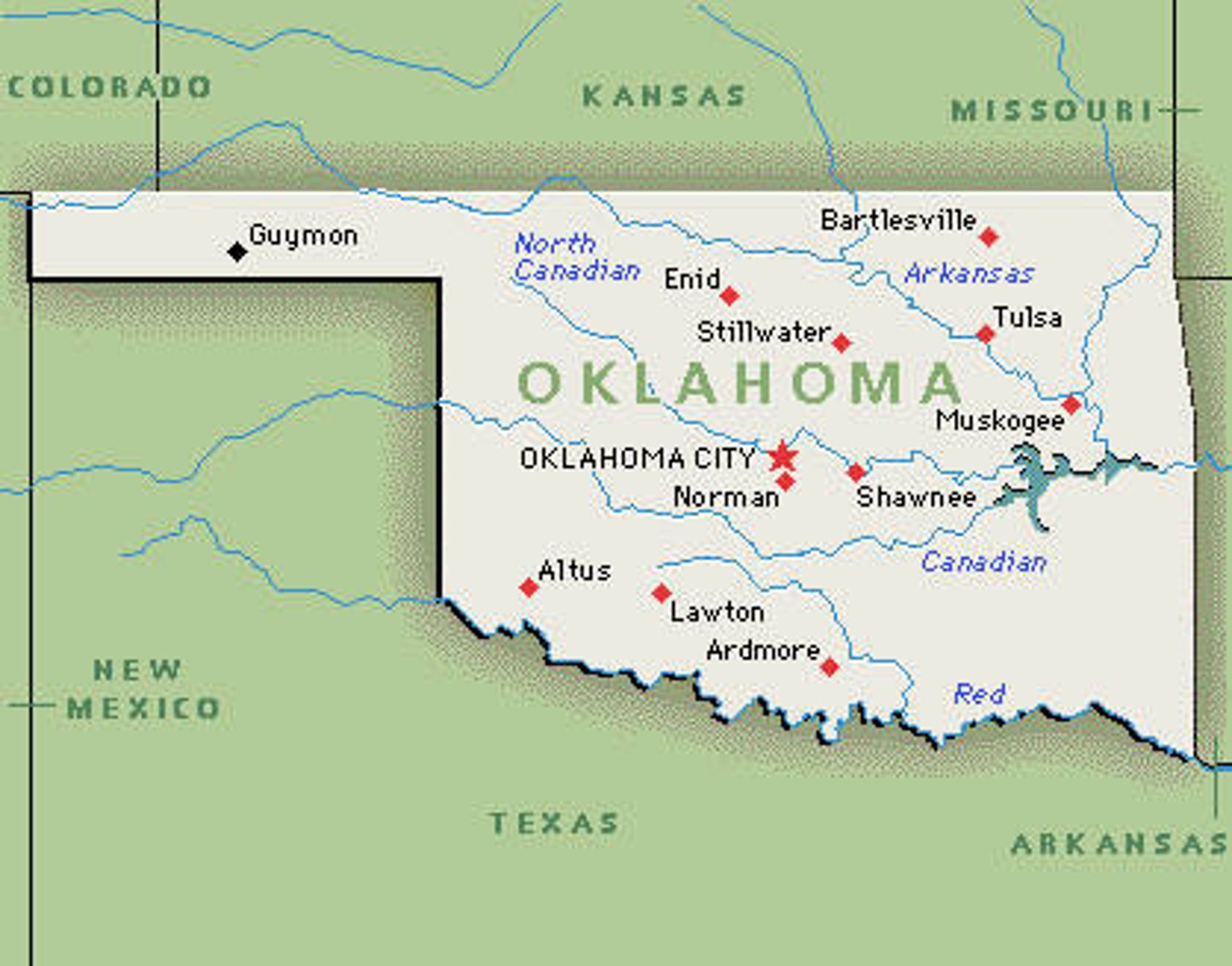
Indian Territory
Oklahoma
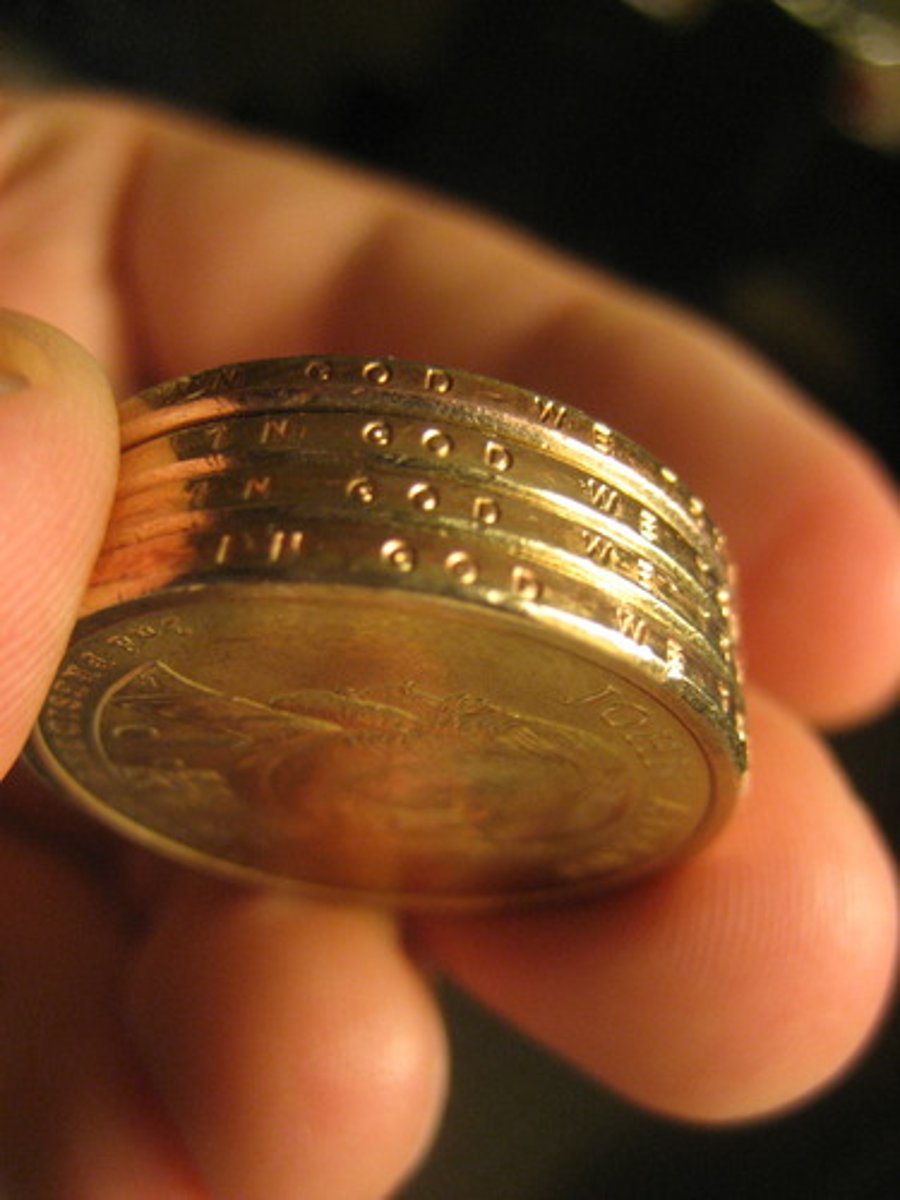
hard money
actual metal money
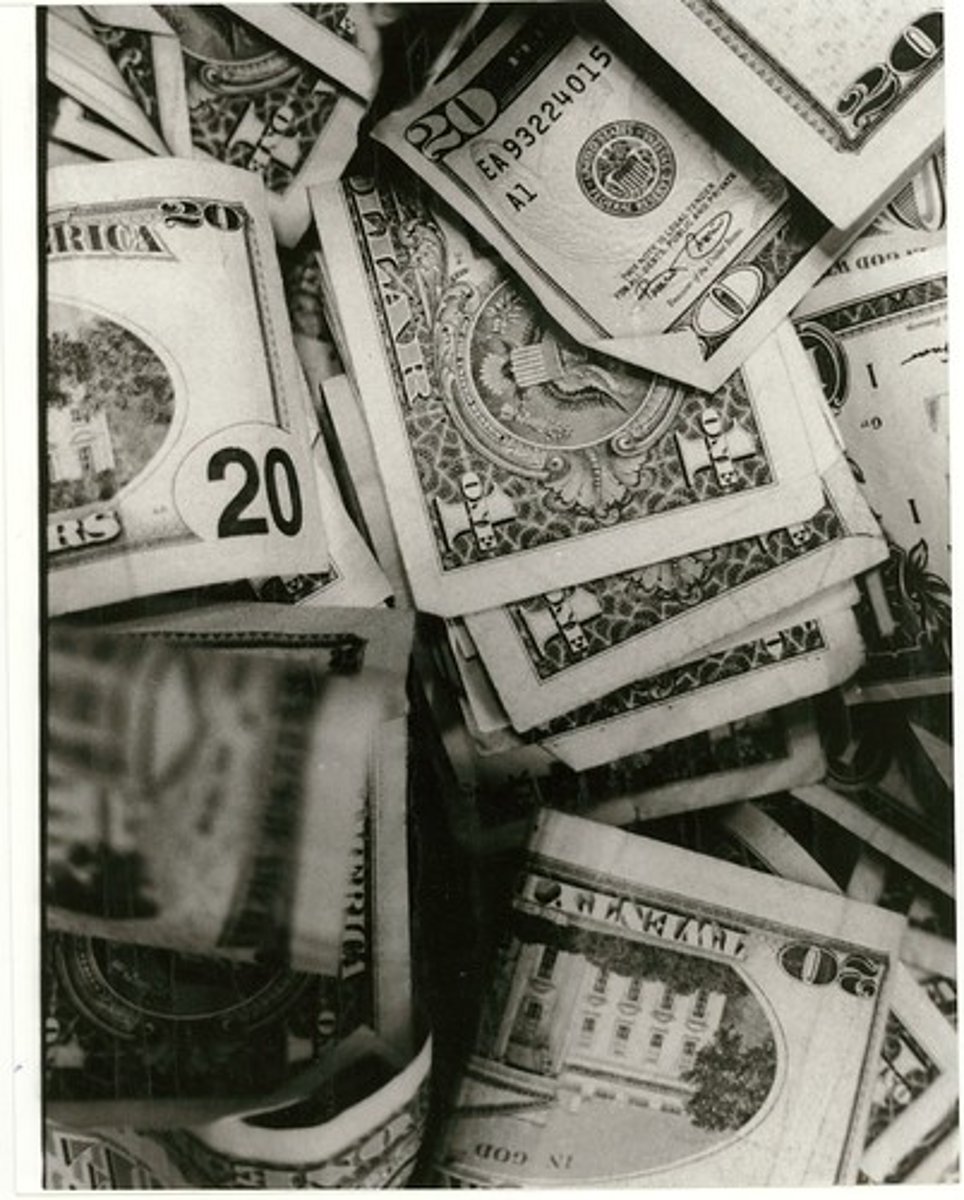
soft money
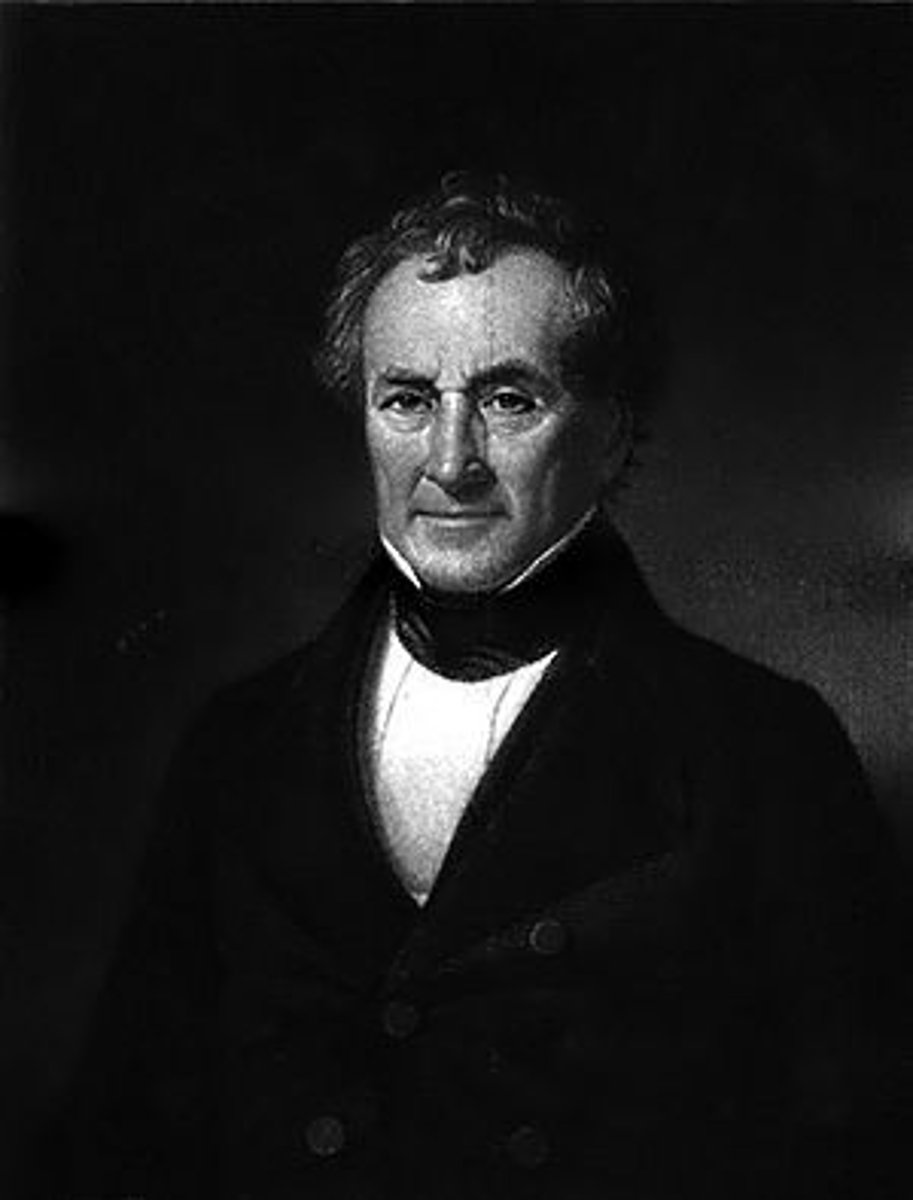
paper money
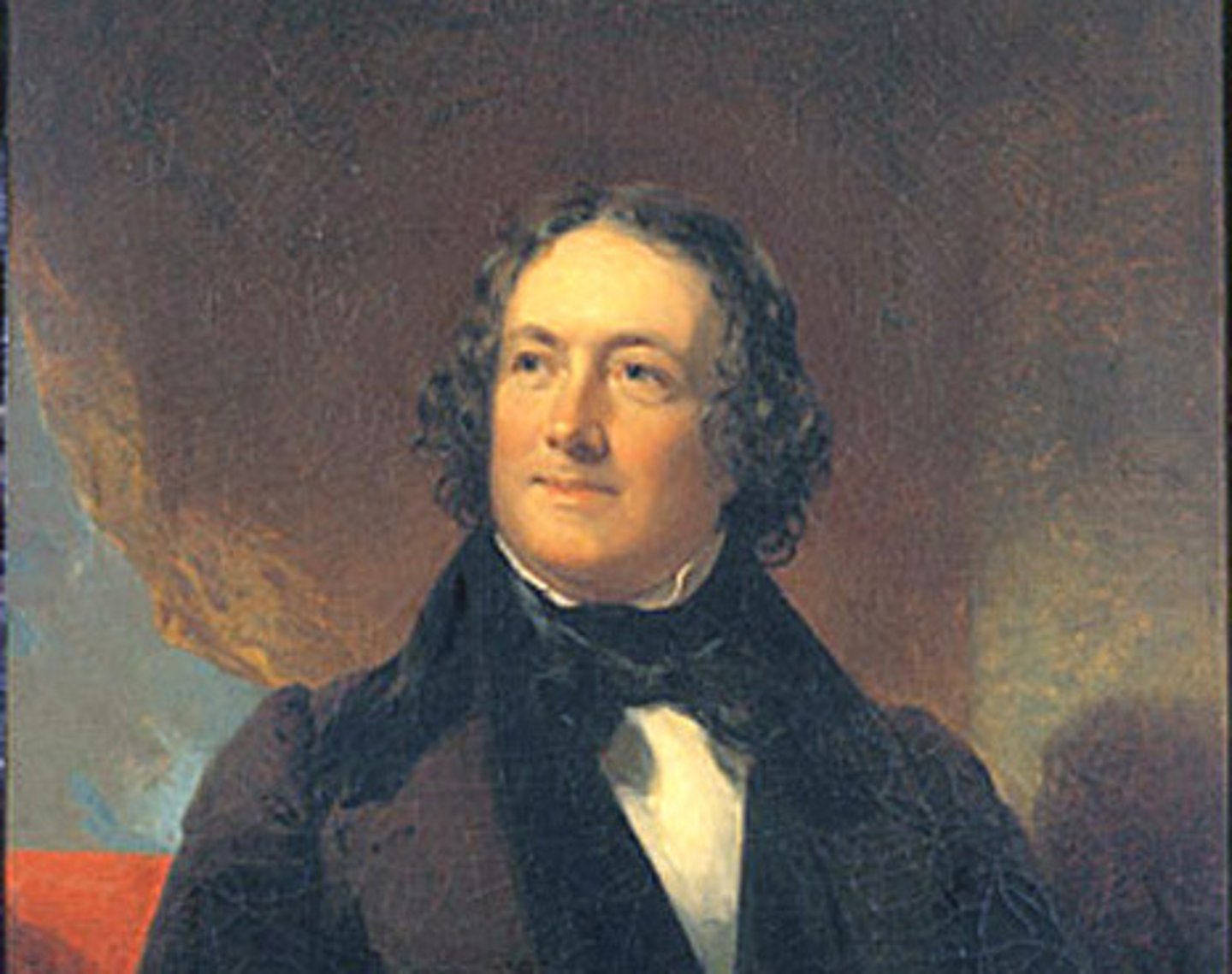
Nicholas Biddle
President of Bank of United States who carried out bank policies of (a) coining hard money and (b) cracking down on western "wildcat banks" by calling in loans
pet banks
another name for wildcat banks
Whig Party
Political Party:
• Disliked Andrew Jackson
• Liked Henry Clay's American System
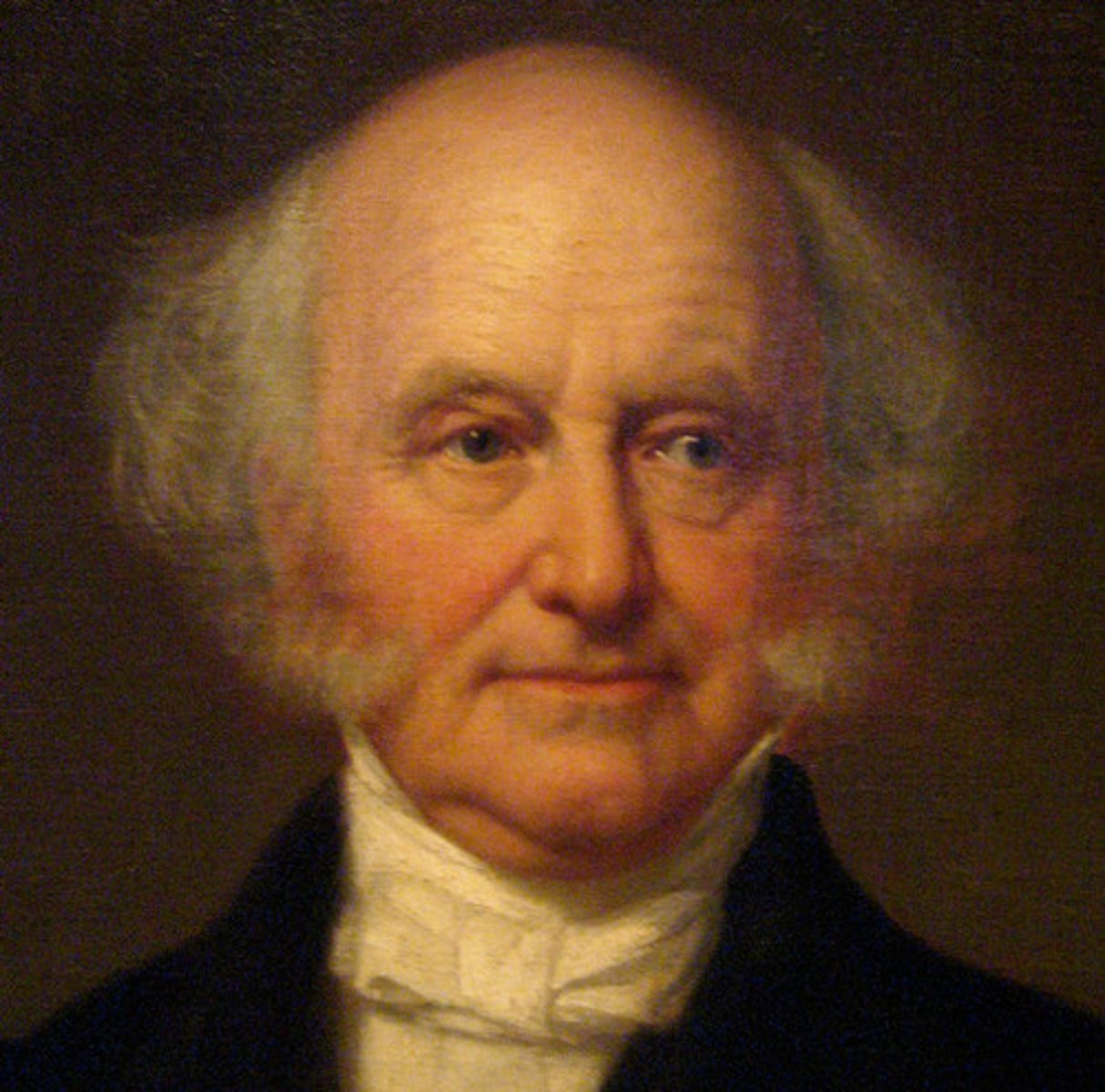
Martin Van Buren
won the election of 1836
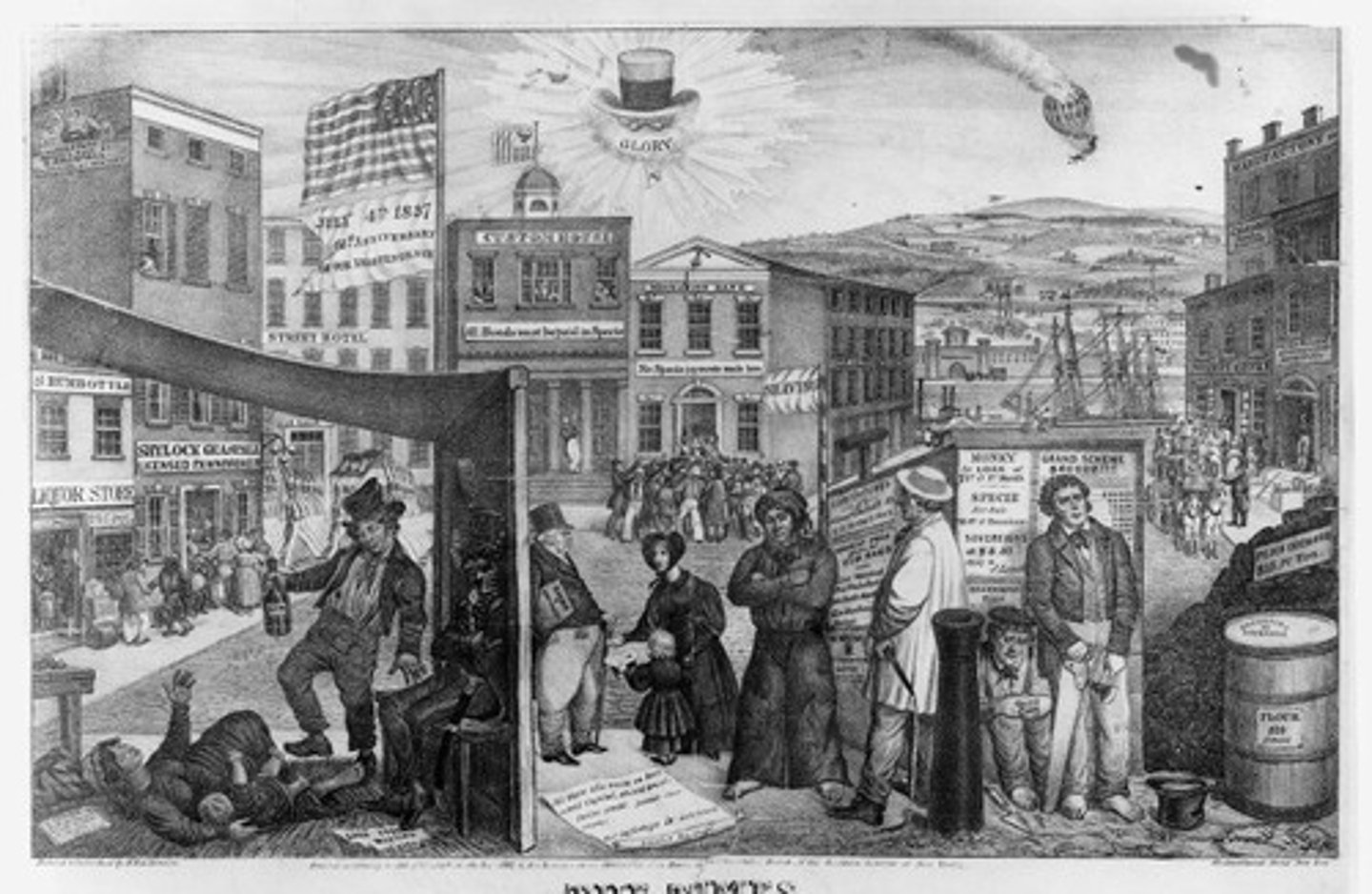
Panic of 1837
Second economic downturn of the 1800s
Caused by:
• Over-speculation, especially in land
• Jackson's bank policies and resultant chaos
• Jackson's "specie circular"
• Failure of crops
• Failure of two major banks in England
Divorce Bill
the government should separate itself from banking altogether
New Democracy
new fashion of governement; common white man's government - all white men could vote; belief in power to the people
Political Parties of 1840
The Democrats were the common man's party.
The Whigs were the upper class's party.
2nd Bank of the United States
It was a federal establishment operated by the governmentas an attempt to save the welfare of the economy after the War of 1812
Democratic-Republican Party
Political party founded in the early 1790s by Thomas Jefferson and James Madison
Federalist Party
American political party in the period 1792 to 1816; formed by Alexander Hamilton
War Hawks
Young members of Congress who wanted to go to war
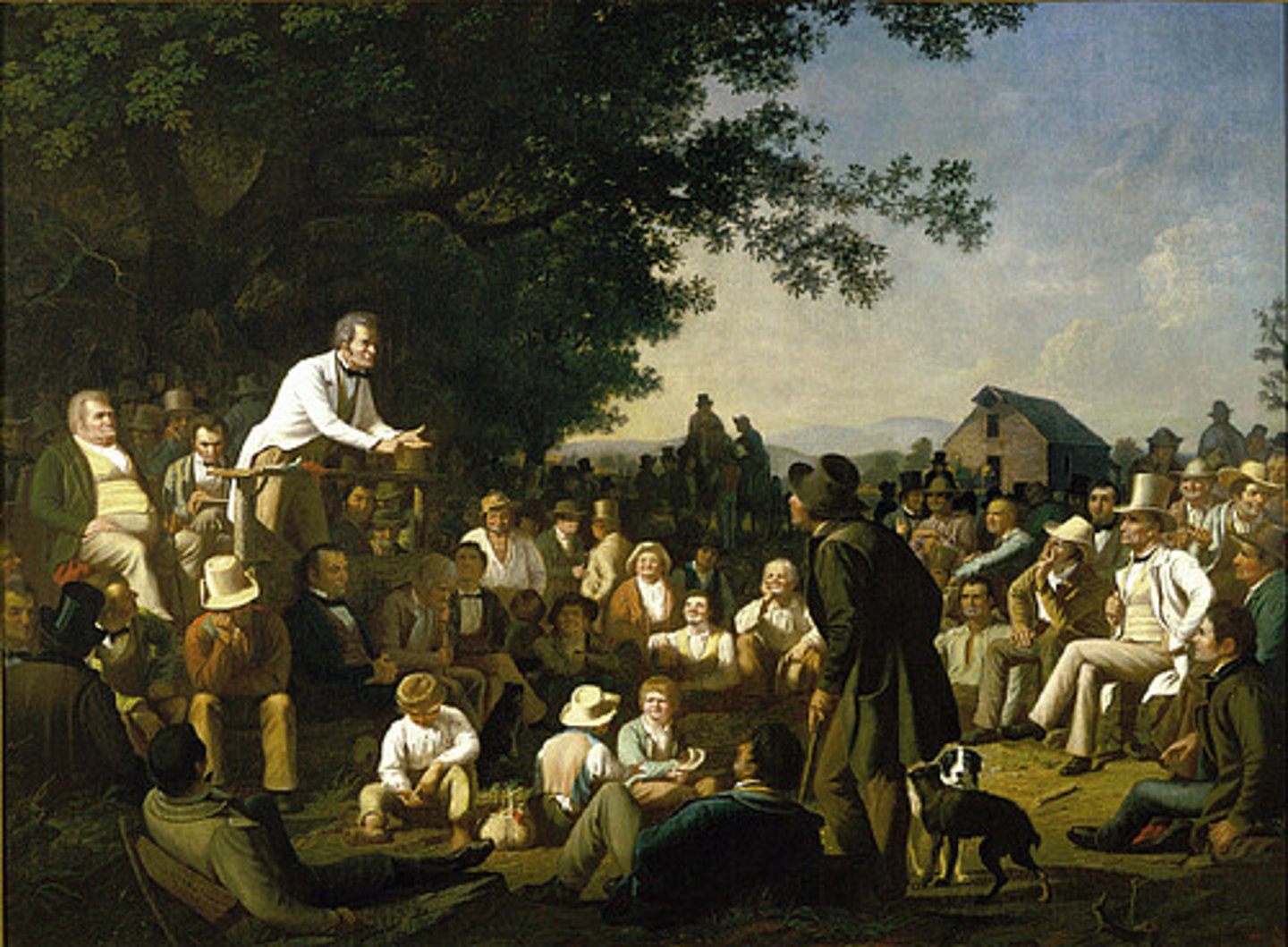
Stump Speaking
when political candidates campaigning from town to town would stand upon a sawed off tree stump to deliver a speech
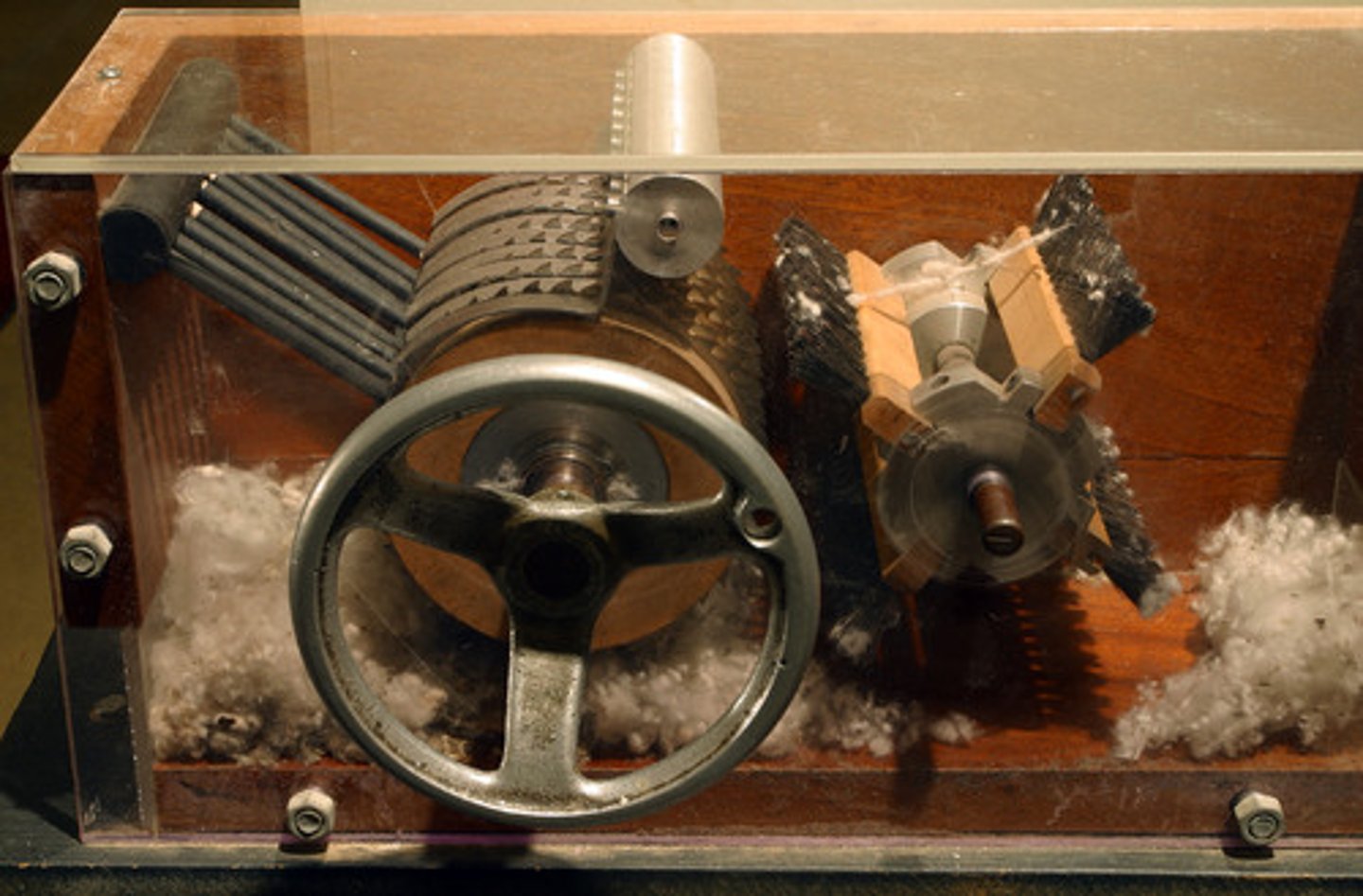
Cotton Gin
a machine that quickly and easily separates the cotton fibers from the seeds; invented by Eli Whitney
Cumberland Gap
a pass through the Cumberland Region of the Appalacian Mountains between Virginia and Kentucky that early settlers used in order to move west