CH 9 Paid Search Strategy
 Studied by 0 people
 Call Kai
 Learn
Learn Practice Test
 Spaced Repetition
 Match
Match Flashcards
 Knowt Play
1/22

There's no tags or description
Looks like no tags are added yet.
Name | Mastery | Learn | Test | Matching | Spaced | Call with Kai |
|---|
No analytics yet
Send a link to your students to track their progress
23 Terms
Paid Digital Marketing
A marketing strategy in which a brand or business pays to advertise across digital marketing platforms, mainly social media and Google, to promote a product, service, or message.
Paid Search
The process of bidding on keywords included in an ad displayed on search engine result pages to ensure more clicks. The higher the bid the higher the ad will display on the result page
Pay Per Click (PPC)
A model of internet marketing in which advertisers pay only when someone clicks on their ad.
Search Engine Marketing (SEM)
An umbrella term for all search engine-related marketing, which includes both SEO and paid search campaigns.
Keyword Research
Identifying relevant keywords and phrases that potential users might enter into search engines related to campaign goals.
Bid Management
Setting and adjusting bids for keywords to compete in the ad auction. Higher bids may result in better ad placement but also higher costs per click (CPC).
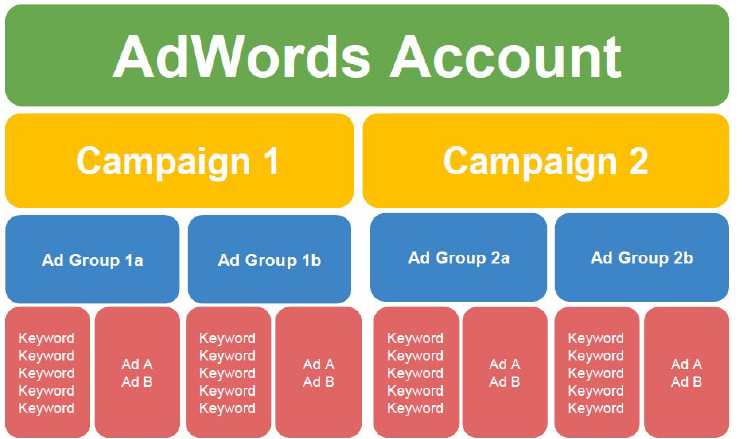
Ad Groups
Groups that contain related keywords, ads, and landing pages, used to structure and manage advertising campaigns effectively.
Main benefits of using ad groups in Google Ads
○ Relevance - between your keywords, ads, and landing pages
○ Organization - create ad groups for different product categories or target audiences
○ Control - over your advertising budget
○ Testing - run A/B tests
○ Quality score - well-structured ad groups lead to higher Quality Scores, and lower advertising costs
Conversion Tracking
Implementing tools and analytics to measure specific actions or goals completed by users, such as form submissions or purchases.
Campaign Structure
Click-Through Rate (CTR)
The percentage of times your ad gets clicked when displayed to viewers.
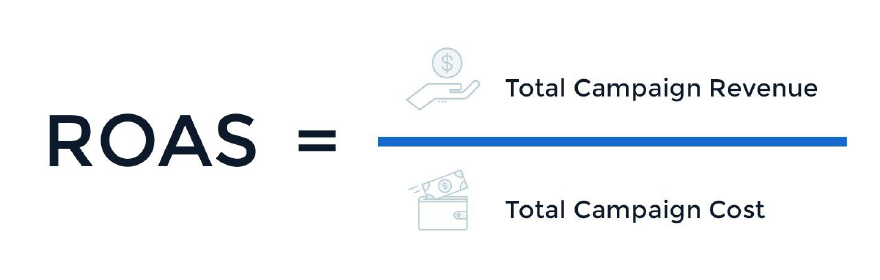
Return on Ad Spend (ROAS)
The amount of revenue earned for each dollar spent on ads.
A/B Testing
Experimenting with different ad variations to identify the best-performing combinations.
Bid Management
Setting and adjusting bids for keywords to compete in the ad auction.
Negative Keywords
Words that do not match your campaign audience and goals, preventing your ads from showing for irrelevant searches.
Budget Management
Allocating a budget for the campaign to control advertising spending.
Monitoring and Optimization
Continuously tracking campaign performance including metrics like click-through rate (CTR), conversion rate, and return on investment (ROI), and making adjustments to improve results.
Landing Page Optimization
Ensuring landing pages are optimized for conversions and provide a seamless user experience.
What to Measure 1
○ Brand Recognition: Can your audience identify yours among others?
○ Brand Awareness: are you a top-of-mind association?
○ Brand Consideration: are they interested in purchasing your products?
What to Measure 2
○ Impressions (ad views): The number of times your ad is shown to the viewer
○ Click-through-rate (CTR): The percentage of times your ad gets clicked when on display
○ Cost per click (CPC): the monetary value you are paying for each click or another type of action (e.g. conversion, sale, etc)
What to Measure 3
○ Conversion rate: The percentage of times your ads leads to a desired action (e.g. a sale or a subscription)
○ Return on ad spend (ROAS): the amount of revenue you earn for each dollar spent on ads
○ Earned mentions: The number of brand mentions and links, organically acquired from online publishers
○ Social media sentiment: The attitude and feelings people bring up on social networks
Cost Per Acquisition (CPA)
The total cost of acquiring a customer, calculated by dividing total ad spend by the number of conversions. It helps determine the efficiency of marketing campaigns.

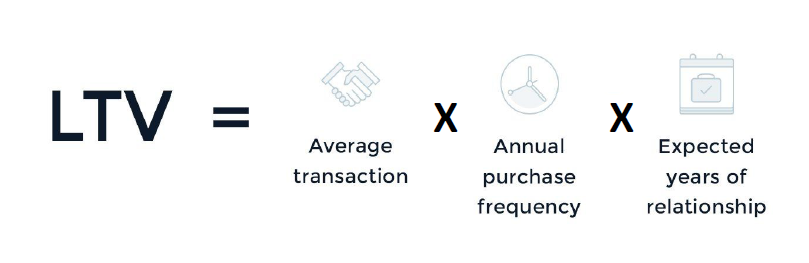
Lifetime Value (LTV)
The total revenue a business can expect from a single customer account throughout the business relationship. It helps in understanding how much to invest in acquiring customers.
 Note
Note  Flashcards (71)