Microbial and Animal Diversity
 Call Kai
 Learn
Learn Practice Test
 Spaced Repetition
 Match
Match Flashcards
 Knowt Play
1/136

Earn XP
Description and Tags
BIOL 227 (continue at protist metabolism)
Name | Mastery | Learn | Test | Matching | Spaced | Call with Kai |
|---|
No analytics yet
Send a link to your students to track their progress
137 Terms
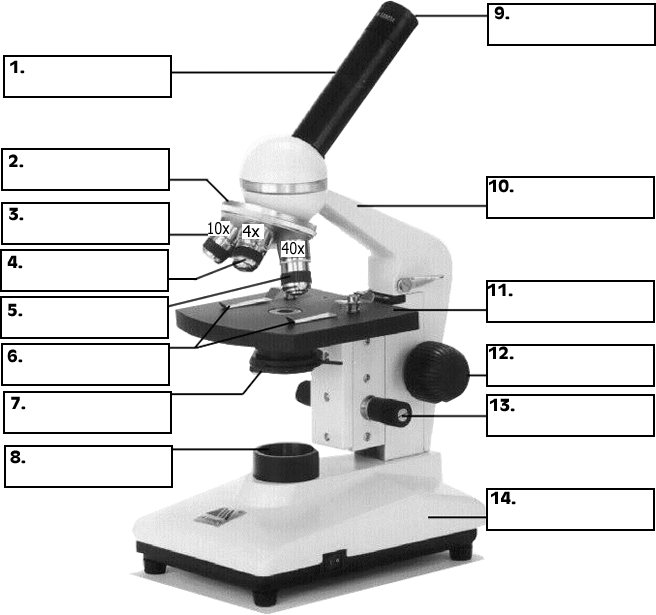
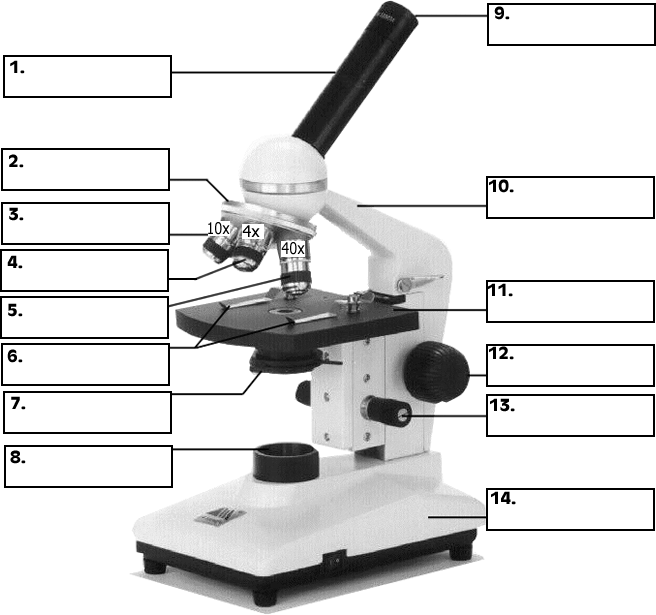
What is number 9?
Ocular lens
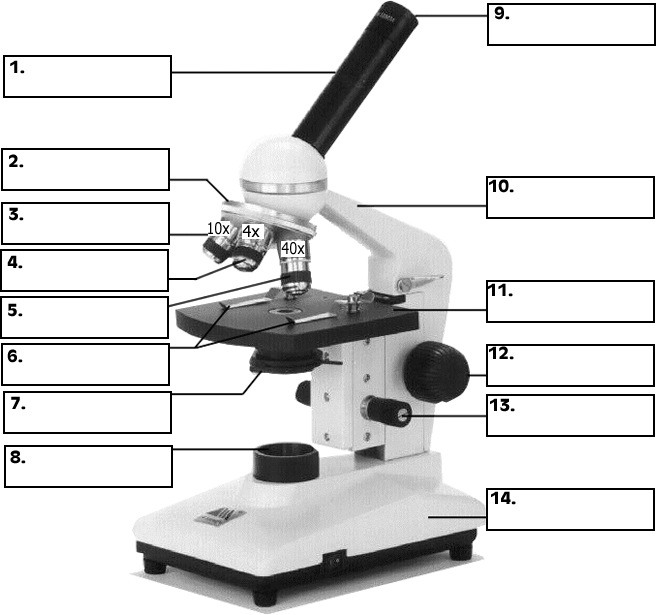
What is number 2?
Nose piece
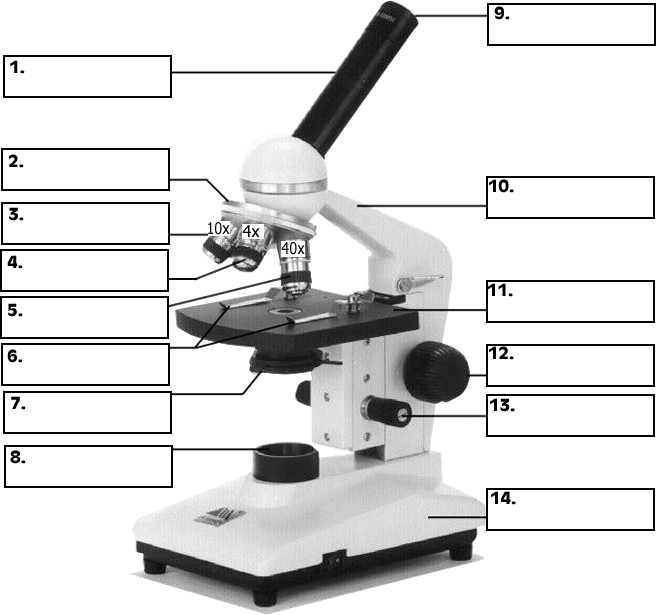
What are numbers 3, 4, and 5?
Objective lenses
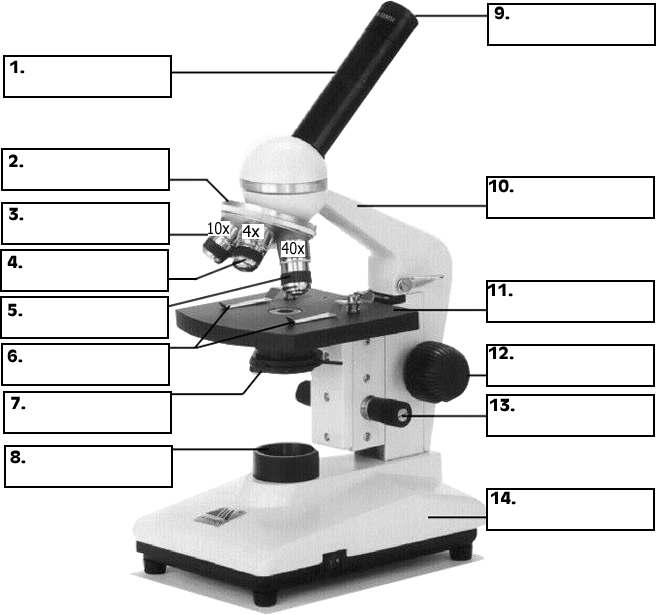
What is number 6?
Stage clips
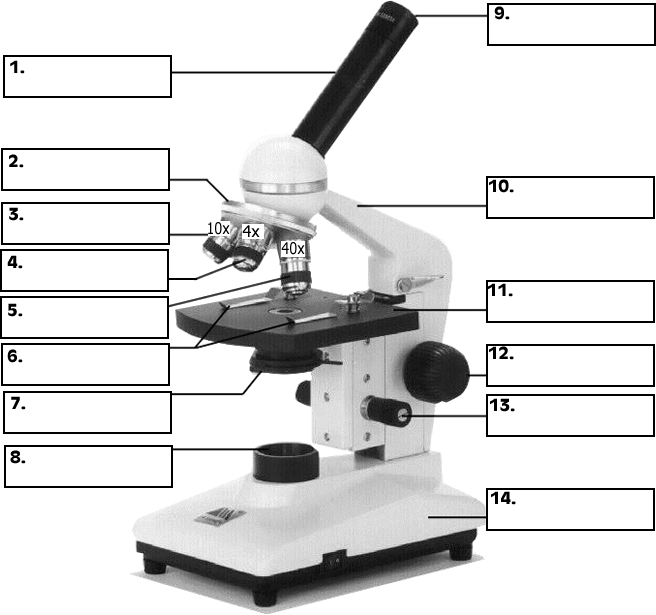
What is number 7?
Aperture iris diaphragm and condenser
What is number 8?
Light source
What is number 10?
Arm
What is number 11?
stage
What is number 12?
Course adjustment and fine adjustment
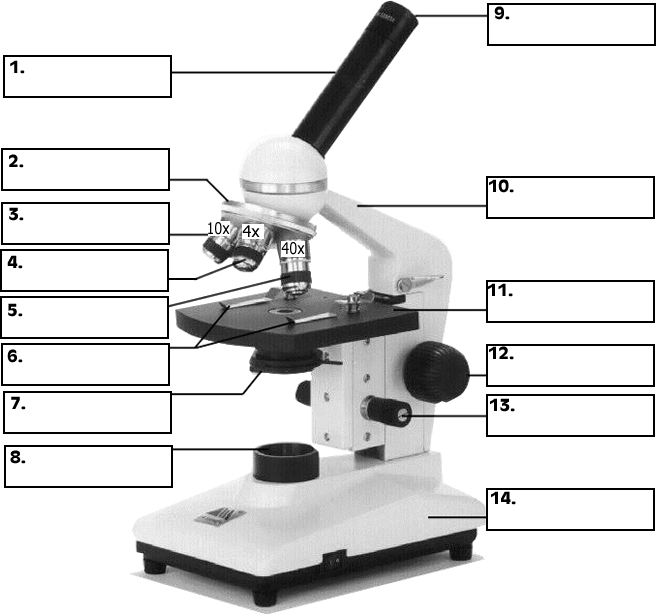
What is 13?
Stage controls
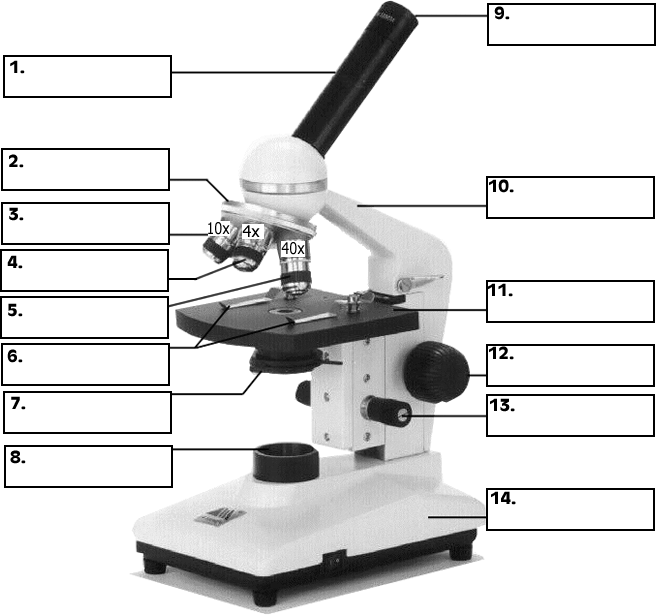
What is number 14?
Base
What is the function of the condenser lens?
It converges rays of light to a focal point on the specimen slide
How does light bend as it travels from the light source to the ocular lenses (without oil immersion)?
When the light exits the light source, it get bent by the condenser lens which converges it to a focal point on the slide, which then gets bent by the glass slide, then again by the air, and once more by the lens in the objective lens?
How does light bend as it travels from the light source to the ocular lenses without oil immersion?
The light get converged by the condenser lens, then once more by the glass on the slide, and since oil and glass have the same refractive index, the light only gets bent one last time by the objective lens
What is the magnification of the scanning objective lens?
4X
What is the magnification of the low-power objective lens?
10X
What is the magnification of the high-power objective lens?
40X
What is the magnification of the oil immersion objective lens?
100X
What is the magnification of the ocular lenses?
10X
What is the numerical aperture?
It is the resolving power of each lens
What is Abbé’s equation?
d=\frac{0.5\lambda}{n\sin\theta}
What do each variables in Abbé’s equation mean?
d= resolving power of the objective lens
λ= the wavelength of light
n= refractive index of the medium of the objective lens
θ= ½ the angle of the cone of light entering the objective lens
Why does the resolution improve as we move from scanning to high-power objective lens?
The decreased working distances decreases the angle of the light entering the cone as well as the resolving power of the lens were therefore improves the resolution
How is an increase in resolution is achieved as we move from scanning to high-power objective lenses?
As the distance decreases, the numerical aperture (nsinθ) increases. This causes less light to be scattered after it has converged at the focal point, giving a clearer image
What is dark-field illumination?
A dark-field stop over the condenser unit causes the light to converge at a focal point on the slide at angle beyond that with which can be captured by the objective lens. This causes only the specimens to be illuminated and leave a dark background
What is the oil immersion technique?
It is a technique where a drop of oil is placed on the slide. This creates a uniform media for light to pass through because the refractive index of glass and oil are the same. This stops the light from bending excessively, which would occur in the media shift from glass to air
What is the Koehler illumination technique?
It is a technique that ensures that the rays of light is within the second inverted cone enters directly into the objective lens. It reduces the amount of scattered light that exits the condenser lens which, in consequence, helps us see a clearer image of the specimen
Why is the Koehler technique important?
It aligns the cone of light for the most light to be focused onto the specimen
It improves contrast and resolution
Why does the resolution of the image increase when you add a drop of oil?
The oil has the same refraction as the glass and the working distance is decreased therefore when the light passes through the specimen it doesn’t get refracted again by the air
What are prokaryotic cells limited in size?
Due to Fick’s Law of Diffusion and the surface-area-to-volume-ratio, the diffusion time of particles increases as the cell gets larger, therefore, to keep diffusion time at a minimum, having small cells are the best way to do that
Why are prokaryotic cells more susceptible to distress than eukaryotic cells?
Prokaryotic cells lack a developed cytoskeleton which makes them highly sensitive to their environment. To make up for this, they contain a cell wall
What are bacterial cell walls made of?
Peptidoglycan
What does gram-negative bacterial cell walls have and gram-positive cells do not?
Capsule: a slippery layer of polysaccharides to attach to substrates
Fimbriae: allow them to stick to their substrate
Biofilm: slimy extracellular matrix
Flagella
What are the characteristics of a gram positive bacteria?
They have thick peptidoglycan layer, they stain purple, they are highly sensitive to antibiotics like penicillin
What are the characteristics of a gram negative bacteria?
They have a thin peptidoglycan layer, they contain a protective outer layer, they stain pink, they are more resistant to antibiotics like penicillin
What does a thick peptidoglycan wall stain purple?
Because is traps crystal violet die which masks the red safranin dye
What does a thin peptidoglycan wall stain pink?
Crystal violet dye can easily be rinsed away
What three factors contribute to the genetic diverisity of prokaryotes?
rapid rates of reproduction
mutation
genetic recombination
How to prokaryotes reproduce so quickly and still have genetic diverisity?
They reproduce by binary fission and though mutations are rare, because of their rapid reproduction, mutation rapidly accumulate
What are the three methods for genetical recombination in prokaryotes?
Transformation
Transduction
Conjugation
What is transformation?
It is the incorporation of foreign DNA from the surrounding environment
What is transduction?
It is the movement of genes between bacteria and a bacteriophage
What is conjugation?
It is when genetic material is transferred between prokaryotic cells where an F factor (F plasmids) is needed. The F plasmids are transferred from one cell to another by a sex pilus
What are the four different types of metabolism a prokaryote can be?
photoautotroph
chemoautotroph
photoheterotroph
chemoheterotroph
How do denitrifiers (or nitrogen reducers) metabolize nitrogen?
They metobolize NO3- and organic compounds into N2
How do nitrifiers metabolize nitrogen?
They metabolize O2 and NH3 into NO2-
How do nitrosifiers metabolize nitrogen?
They metabolize NO2- and O2 into NO3-
How does oxygen affect obligate aerobes?
They require oxygen for cellular respiration
How does oxygen affect obligate anaerobes?
They are poisoned by oxygen and instead use fermentation (anaerobic respiration)
How does oxygen affect facultative aerobes?
They can survive with or without oxygen
What is a biofilm?
A tangled web of polysaccharide fibres that adhere firmly onto substrates
What is an endospore?
It is a protective layer that protects cell information from harsh conditions until conditions are viable again
Why does the gram negative bacteria stain pink?
When rinsing the slide with alcohol, the complex formed by crystal violet and iodine is rinsed off leaving only the safranin stain
Why does the gram positive bacteria stain purple?
The complex formed by crystal violet and iodine shrinks the pores of the peptidoglycan layer trapping the stain in the peptidoglycan. Rinsing the slide with alcohol will not wash away the stain and therefore leave a purple colour
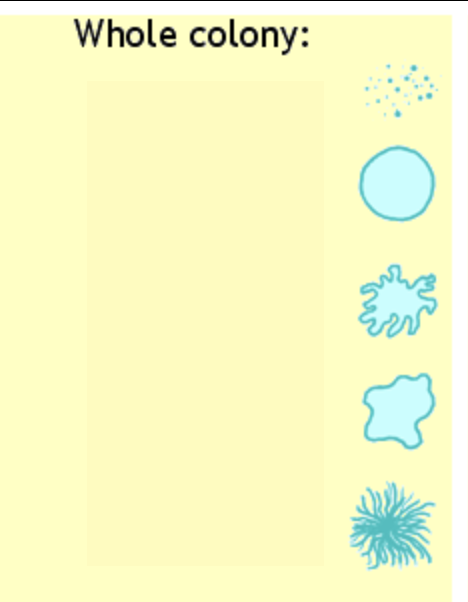
What are the names of these colony morphologies from top to bottom?
punctiform
circular
rhizoid
irregular
filamentous

What are the names of these edge morphologies from top to bottom?
entire
undulate
lobate
filamentous
curled
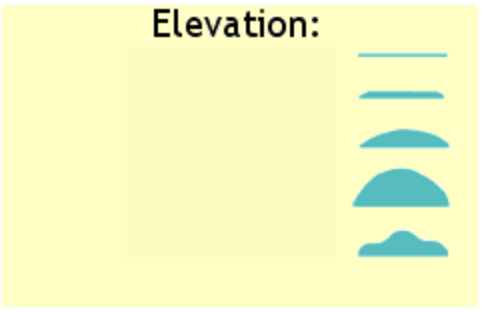
What are the names of these elevation morphologies from top to bottom?
flat
raised
convex
pulvinate
umbonate
What are the names of the surface morphologies?
smooth, glistening
rough
wrinkled
dry, powdery
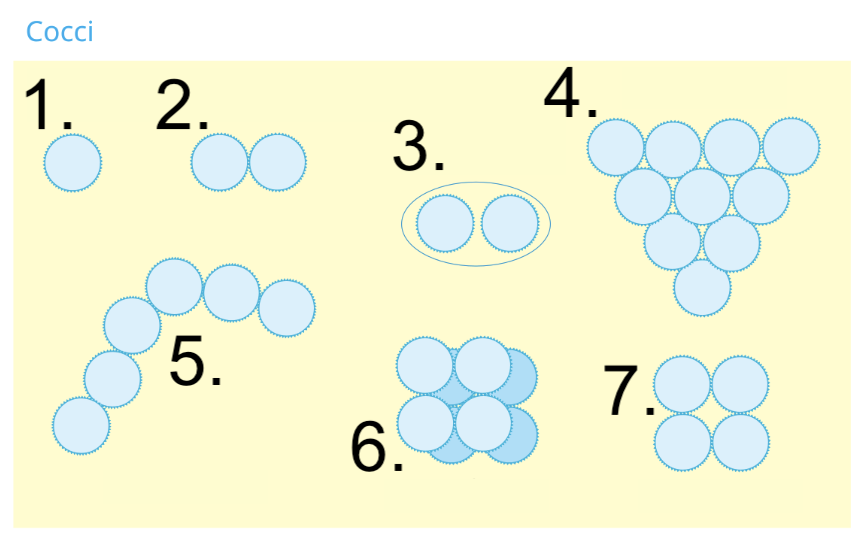
Name these shapes and arrangements
coccus
diplococci
diplococci encapsulated (pneumococcus
staphylocooci
streptococci
sacrina
tetrad
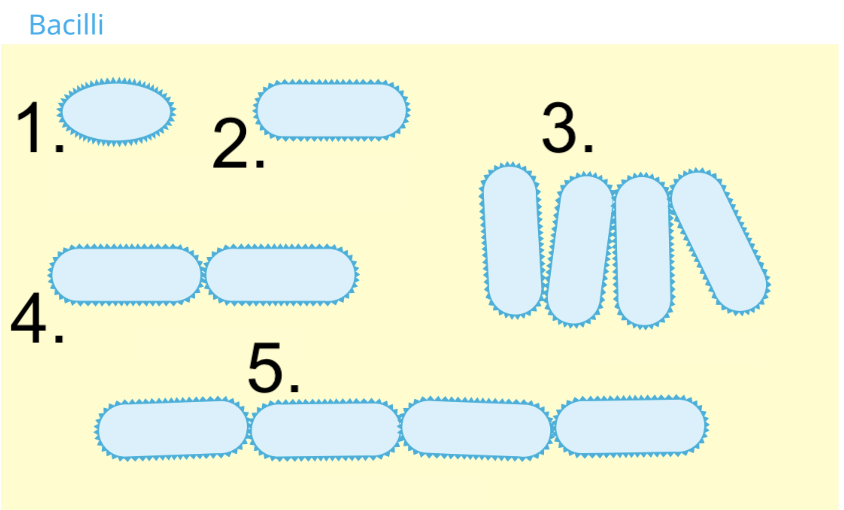
Name these shapes and arrangements
coccobacillus
bacillus
palisades
diplobacilli
streptobacilli
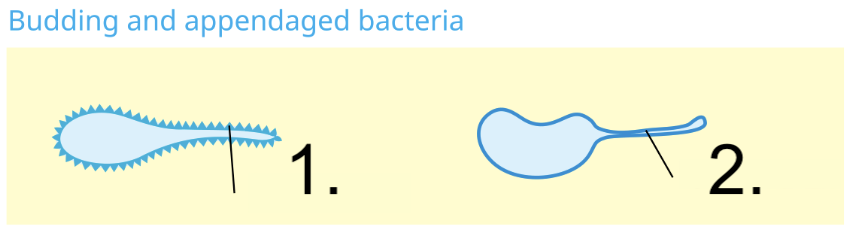
Name these types of budding and appendages
hypha
stalk
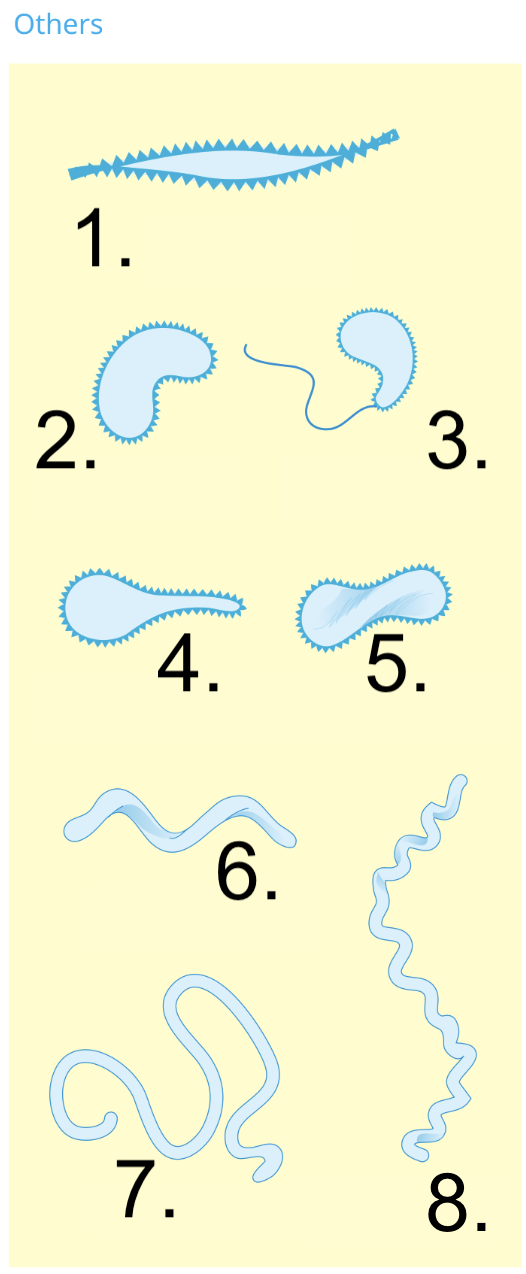
Name these shapes and arrangements
enlarged rod
vibrio
comma form
club rod
helical form
corkscrew form
filamentous
spirochete
Describe the effectiveness of Tetracycline
broad-spectrum antibiotic
affecting both gram-negative and gram-positive bacteria
works at moderate to high concentrations
Describe the effectiveness of Penicillin
only effective against penicillin
targets cell wall synthesis
works at low concentrations
Describe the effectiveness of Erythomycin
only effective against gram-negative
lipid-soluable therefore it has difficulty passing through lipopolyssacharide outer membrane of gram-negative bacteria
Modes of nutrition for prosists
Photoautotrophic
Heterotrophic
Mixotrophic
Modes of locomotion for protists
Flagella
Cillia
Amoeboid
Gliding (mucus secretion)
What is conjugation?
It is the decoupling of sex from reproduction where haploid nuclei and genetic material are exchanged
What organisms where born out of primary endosymbiotic events?
mitochondrion
chloroplast
red alga
green alga
What defines a primary endosymbiotic event?
Engulfing a proteobacterium or cyanobacterium (gram-negative bacteria)
What defines a secondary endosymbiotic event?
Engulfing a primary cyanobacteria (one that already had an endosymbiotic event)
What organisms evolved from the secondary endosymbiont red alga?
dinoflagellates
apicomplexans
What organisms evolved from the secondary endosymbiont green alga?
Euglenids and Chlorarachniophytes
Which organisms are a part of the excavata supergroup?
Diplomonads
Parabasalids
Euglenozoans
Within the excavata supergroup, which ones have not retained their plastids?
Diplomonads and Parabasalids
What are the unique features of the excavates supergroup?
Specialized feeding grooves for phagotrophic nutrition
contain a single, paired, or multiple flagella
What are the main characteristics of Diplomonads?
anaerobic heterotrophs
two or four equal-sized nuclei and multiple flagella
What are the main characteristics of Parabasalids?
anaerobic heterotrophs
endosymbionts of animals
moves around by means of its flagella and undulating membrane
What organisms are apart of the Euglenozoan clade?
Kinetoplastids and Euglenids
What are the key characteristics of Kinetoplastids
single large mitochondrion
Whiplash flagella at the posterior end
undulating membrane
What are the key characteristics of Euglenids?
one or two long flagella that emerge from a pocket (the excavated groove) at the anterior end of cell
eye spot
slug-like motility
mixotrophic
What does the SAR Supergroup stand for?
Stramenopiles, Alveolates, and Rhizarians.
What are the observed organisms within the Stramenopiles subgroup?
diatoms
brown algae
oomycetes
What are the observed organisms within the Alveolates subgroup?
Dinoflagellates
Apicomplexans
Cilliates
What are the observed organisms within the Rhizarians subgroup?
Forams
Cerocozoans
Radiolarians
What are the main characteristics of diatoms?
unique two-part, glass-like wall (frustules) made of silicon dioxide
mostly non-motile (some species secrete mucilage for movement)
lost distinguishing flagella
What are the main characteristics of brown algae?
photoautotrophs
multicellular
marine
contain flagella on sperm and zoospore
alternation of generations
What are the main characteristics of Oomycetes?
filamentous protists
cell wall made of cellulose
specialized hyphal cells and egg cells
What are the main characteristics of dinoflagellates?
2 flagella: 1 transverse and 1 longitudinal
cell membrane reinforces with cellulose
autotrophic plankton
What are the main characteristics of apicomplexans?
parasites
apical complex (for drilling into cell tissue)
What are the main characteristics of cilliates?
heterophic
use cilia all over cell for locomotion
contractile vacuoles with star-like patterns
What are the key features of the rhizarian clade?
Long thin pseudopods and mineral shells
What are the main characteristics of forams?
Tests: porous shells made of calcium carbonate
pseudopodia for feeding and locomotion
coilling
What are the main characteristics of cerozoans?
heterotrophic parasites
descendant of the secondary endosymbiont event involving a green algae
What are the four genomes present in Chlorarachniophytes?
Nuclear
Mitochondrial
Green algal
Cyanobacterium
What are the main characteristics of radiolarians?
Pseudopodia that radiate from the centre of the body for nutrition
What organisms are a part of the archaeplastida supergroup?
red algae
green algae
land plants
What are the main characteristics of red algae?
Uses phycoerythrin (red pigment) for photosynthesis
What clades are considered apart of the green algae subgroup?
Charophytes and chlorophytes
What are the main characteristics of charophytes?
cellulose-synthesizing protein rings embedded in plasma membrane
phragmoplast

