ARTH 121 - History of Graphic Design - Ringling College of Art and Design
 Call Kai
 Learn
Learn Practice Test
 Spaced Repetition
 Match
Match Flashcards
 Knowt Play
1/45

Earn XP
Description and Tags
Exam 2
Name | Mastery | Learn | Test | Matching | Spaced | Call with Kai |
|---|
No analytics yet
Send a link to your students to track their progress
46 Terms
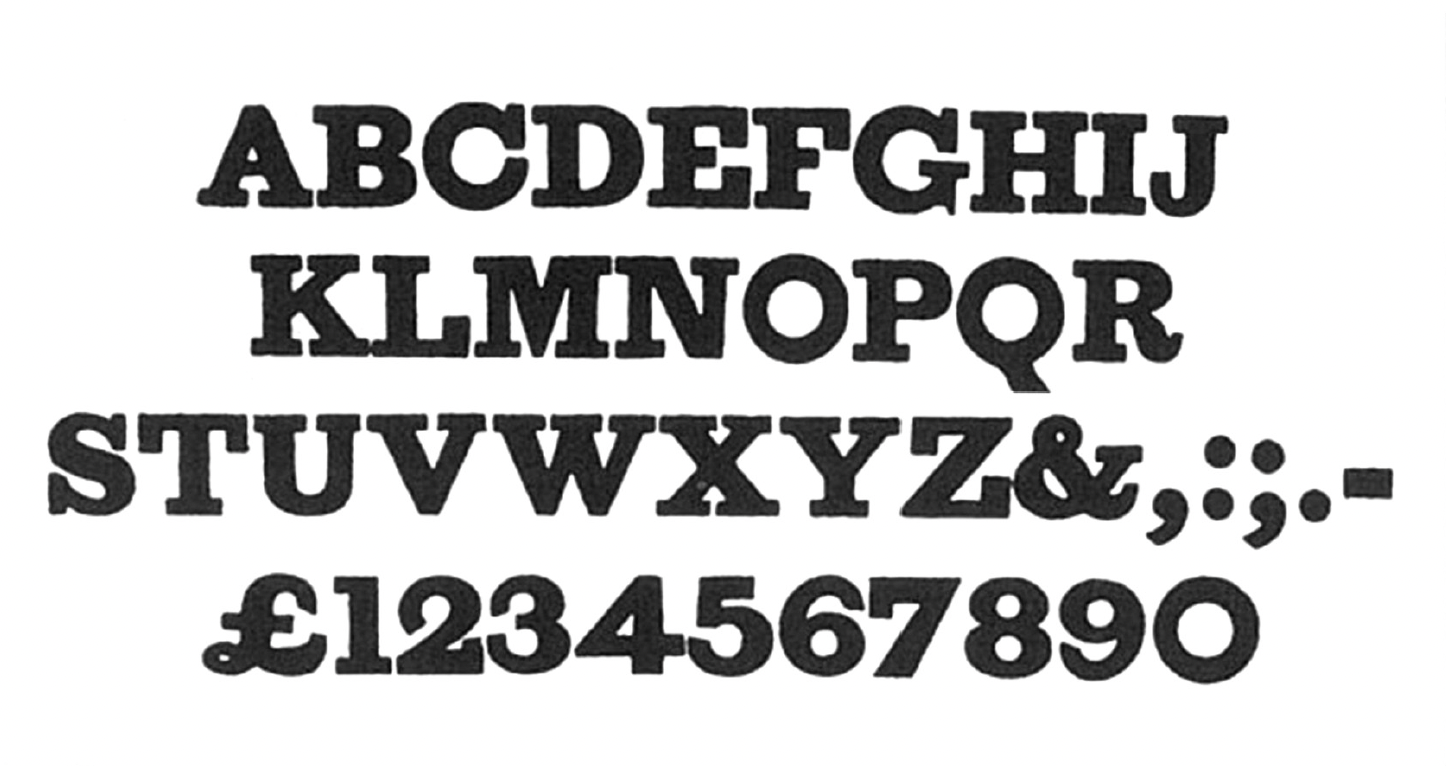
Vincent Figgins, “Antique Typeface, Two Lines Pica,” 1815
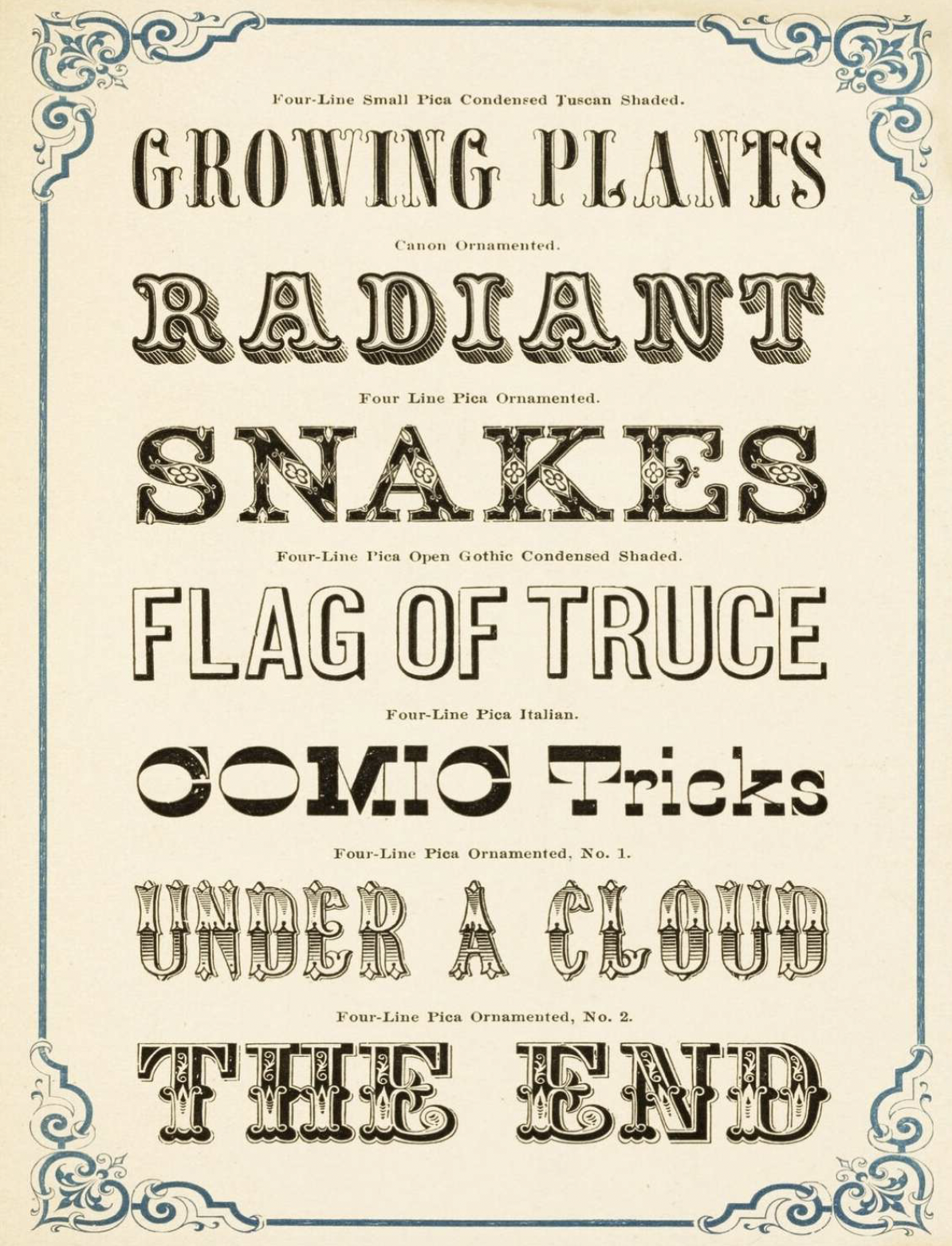
Rand and Avery Foundry, “Ornamental Typefaces,” 1867
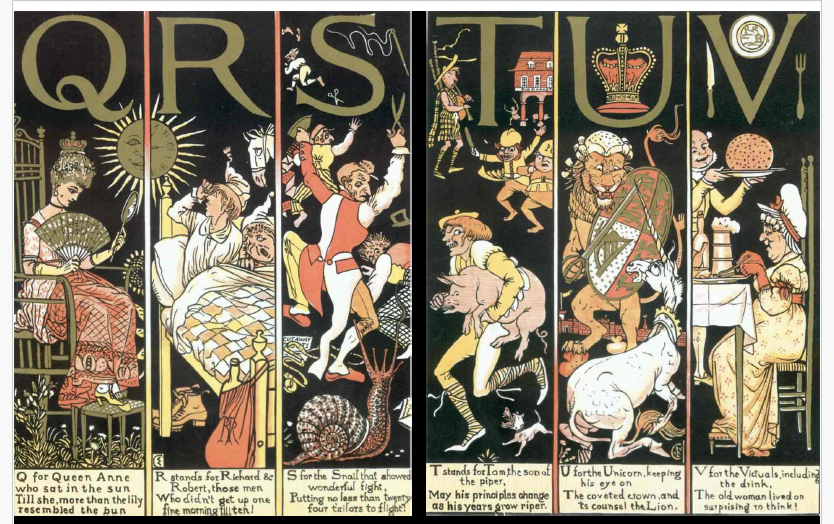
Walter Crane, “Pages from Absurd ABC,” 1874
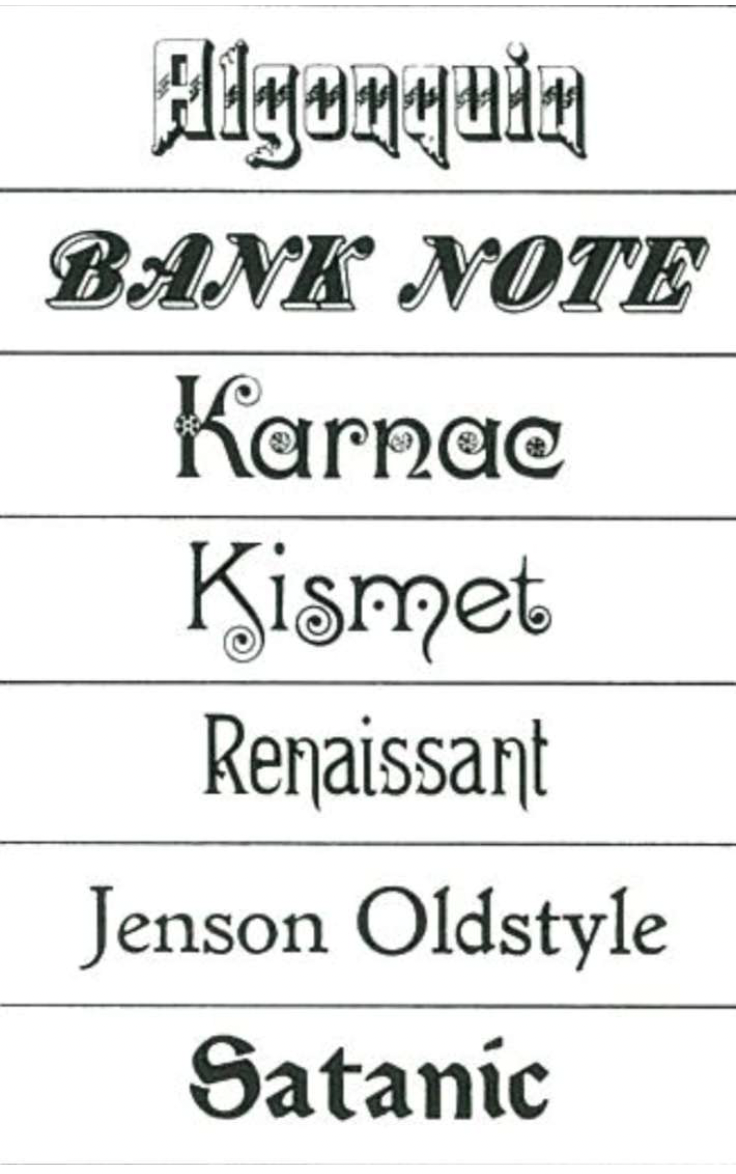
John F. Cummings, “Complex Typeface Designs,” 1870s-1890s
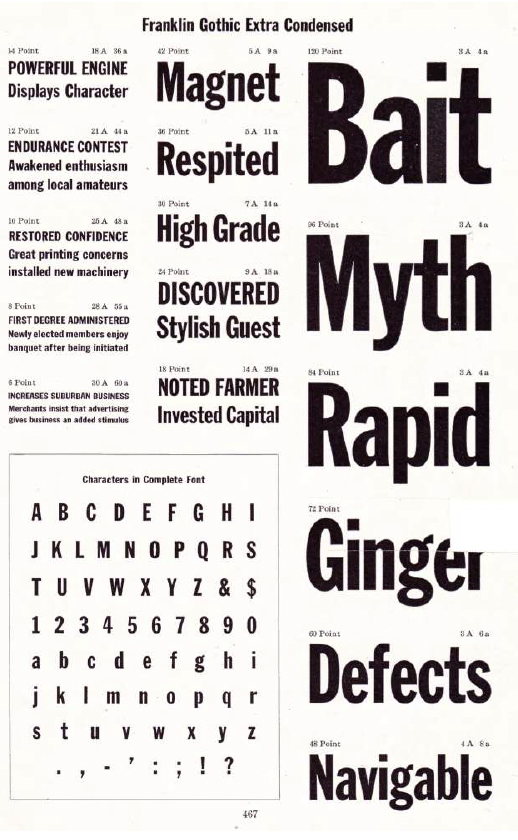
William Morris, “Troy Typeface,” 1890
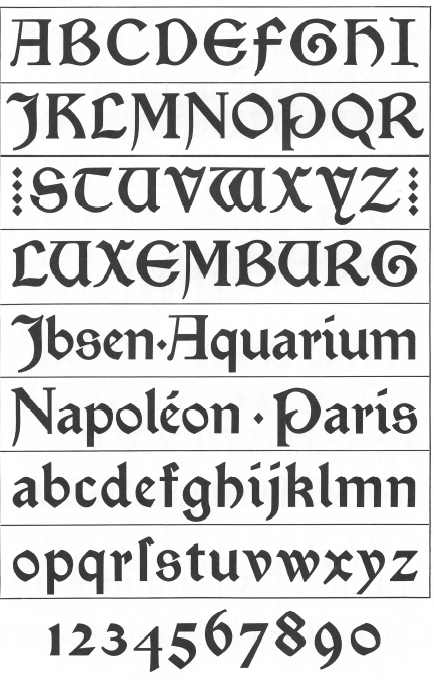
Selwyn Image, “Page from The Century Guild Hobby Horse,” publication series, 1884-1891
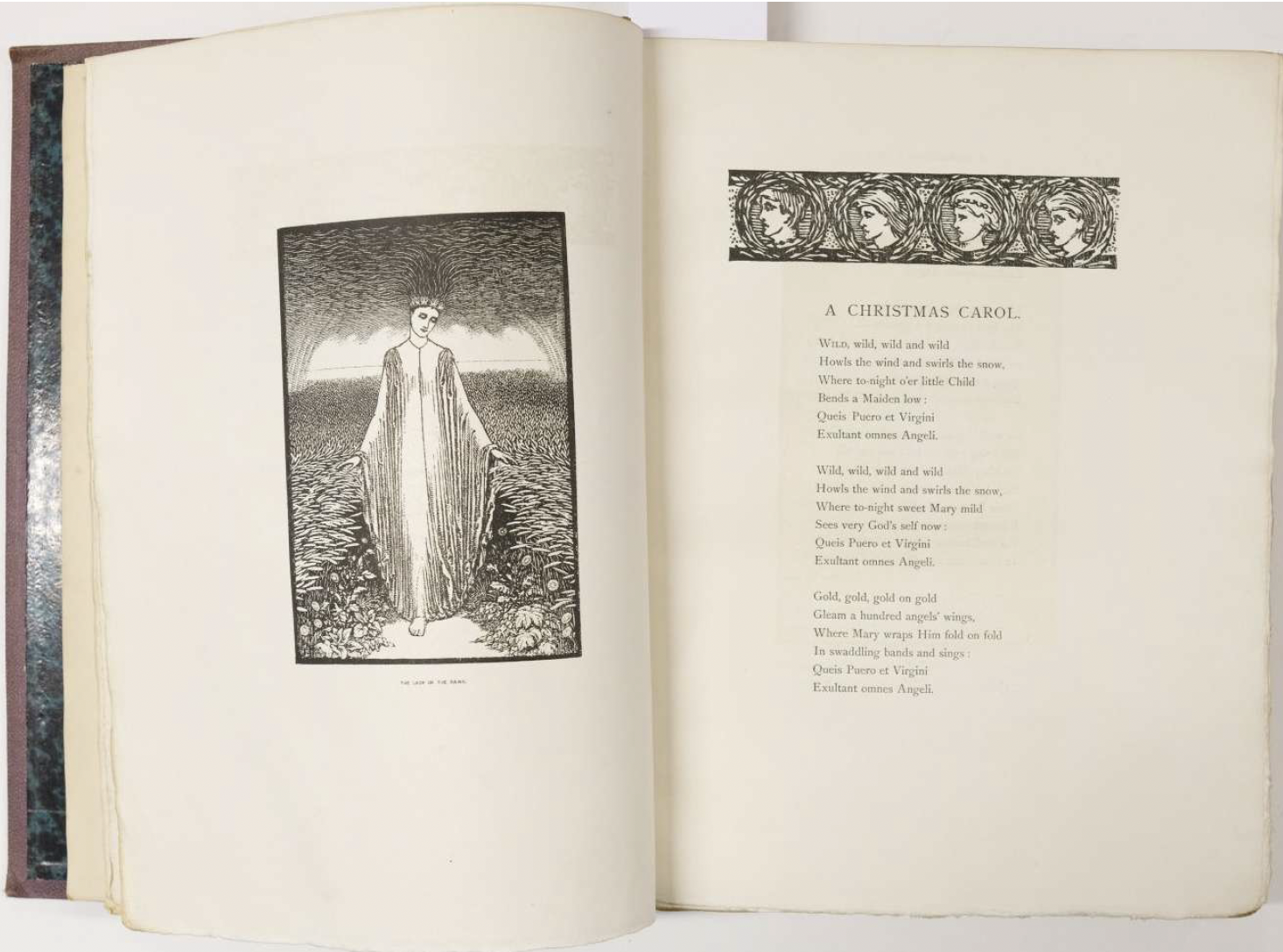
Rudolph Koch, “Pages from Eine deutsche Schrift (A German Script),” 1906
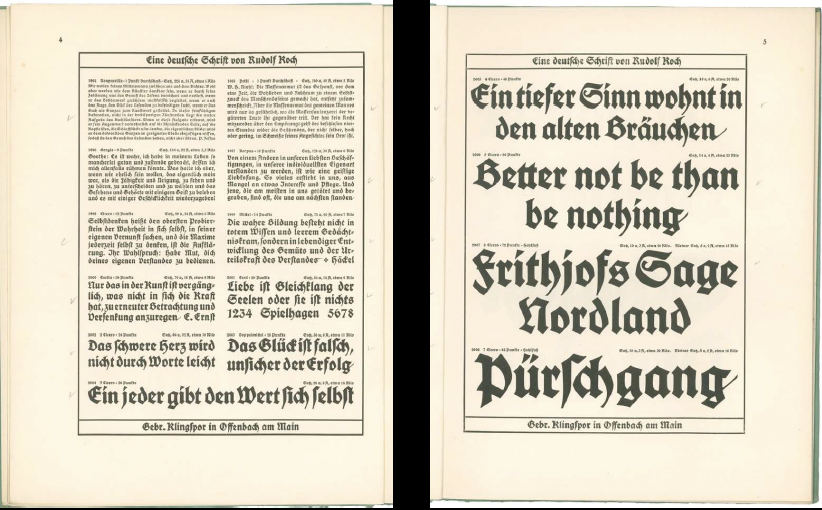
Morris Fuller Benton, “Franklin Gothic Typeface,” 1905
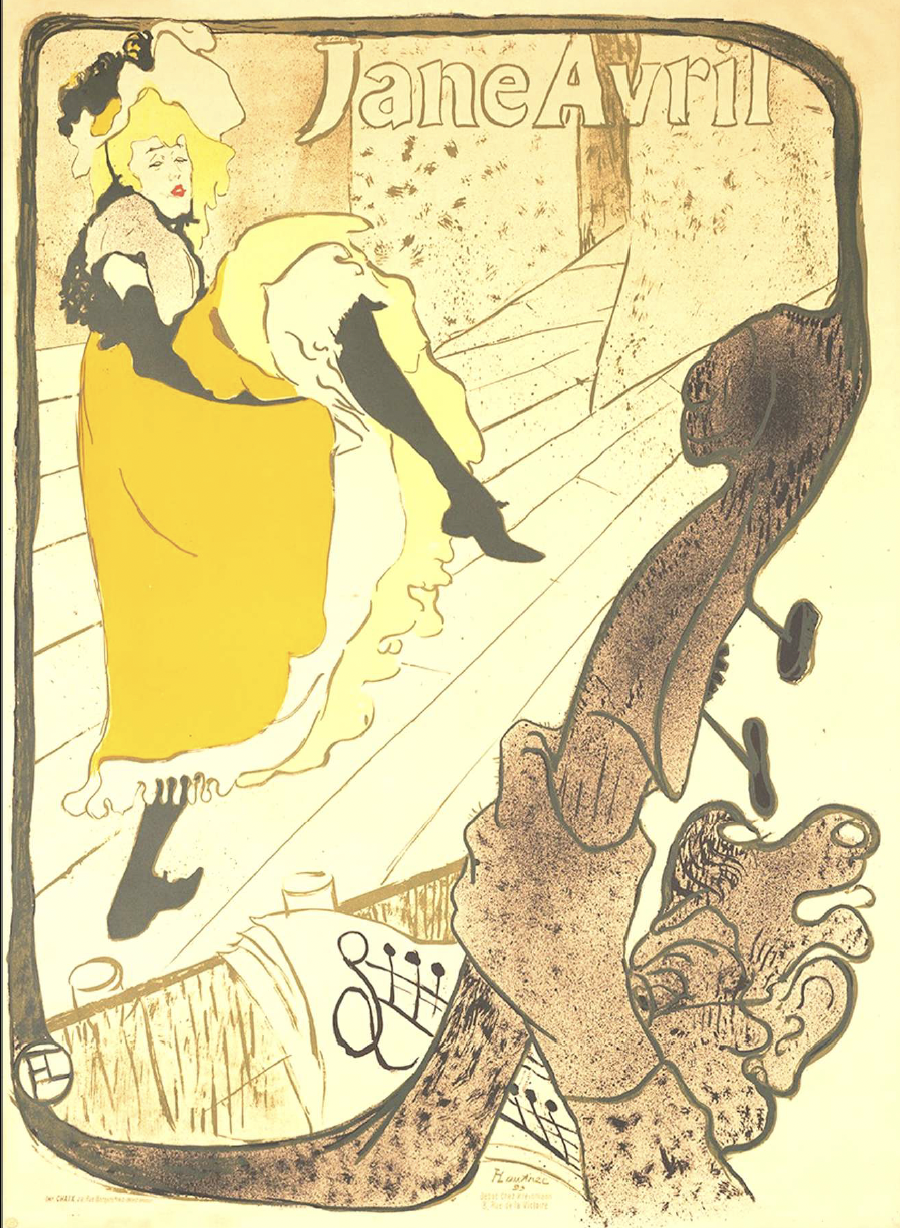
Henri Toulouse-Lautrec, “Jane Avril,” poster, 1893
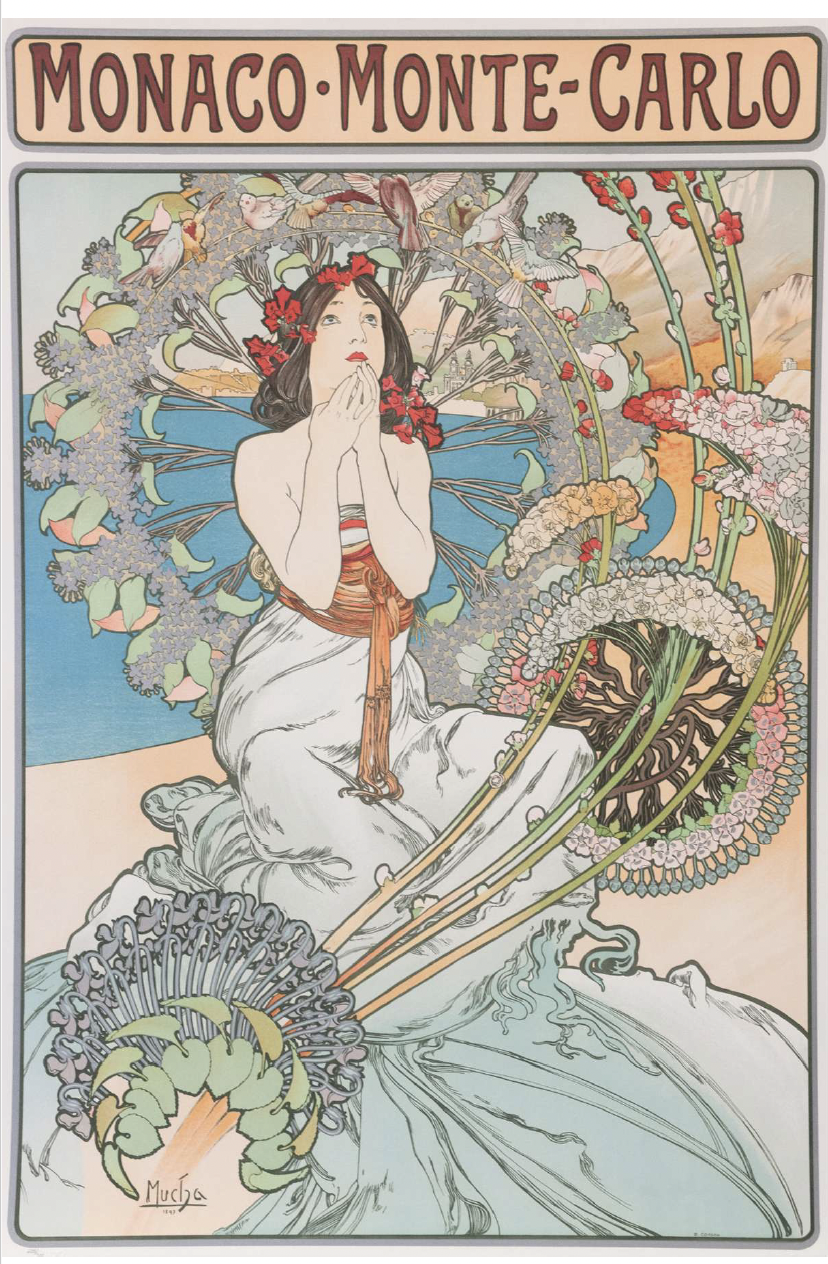
Alphonse Mucha, “Monaco – Monte Carlo,” travel poster, 1897
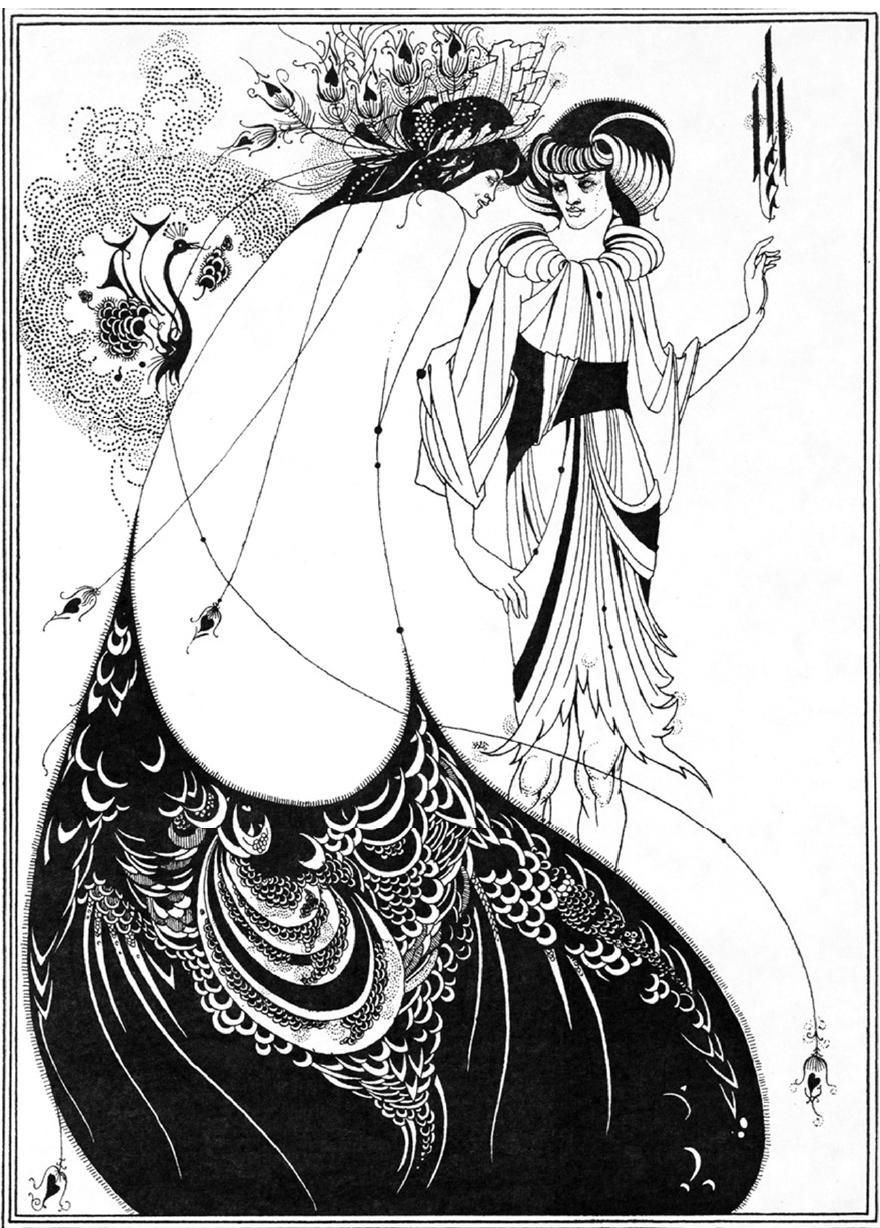
Aubrey Beardsley, “The Peacock Skirt from Salome by Oscar Wilde,” 1894
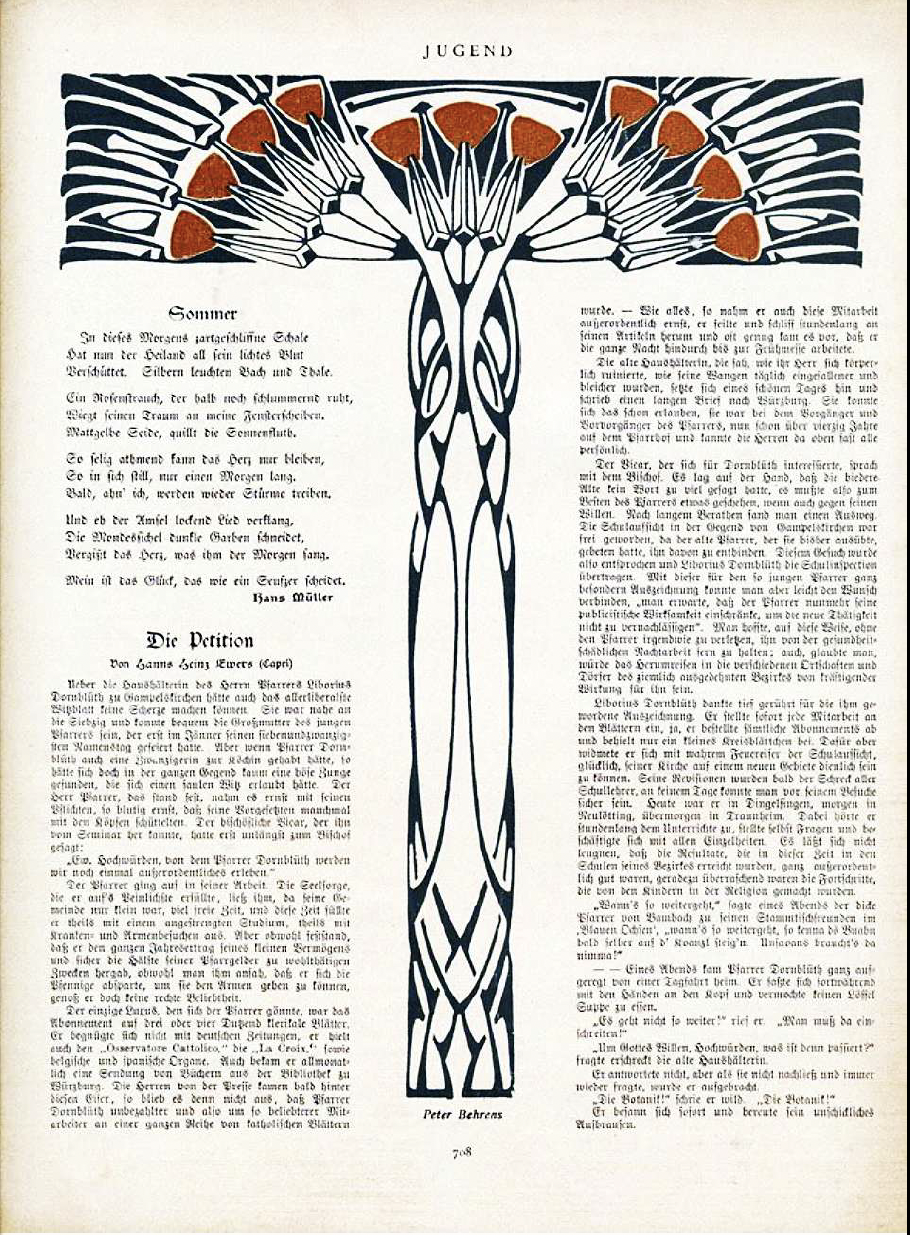
Peter Behrens, “Page Layout for Jugend,” 190
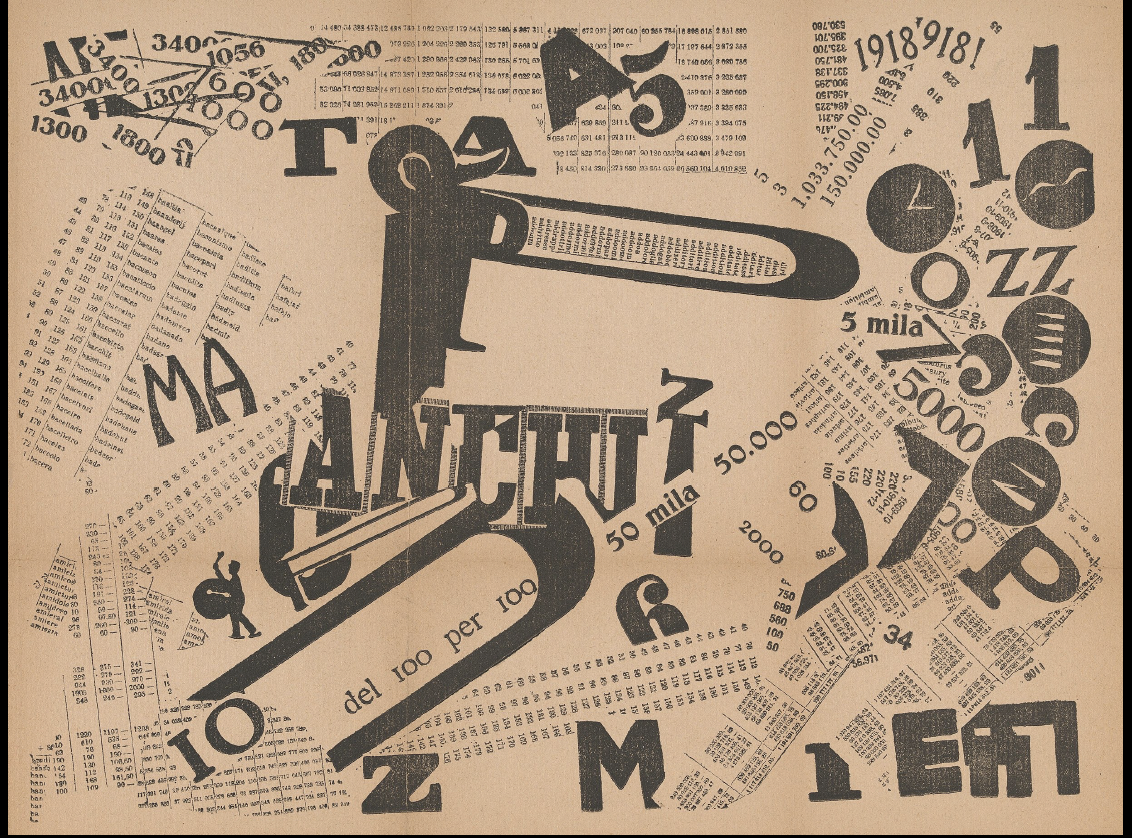
F. T. Marinetti, “A Tumultuous Assembly,” 1919
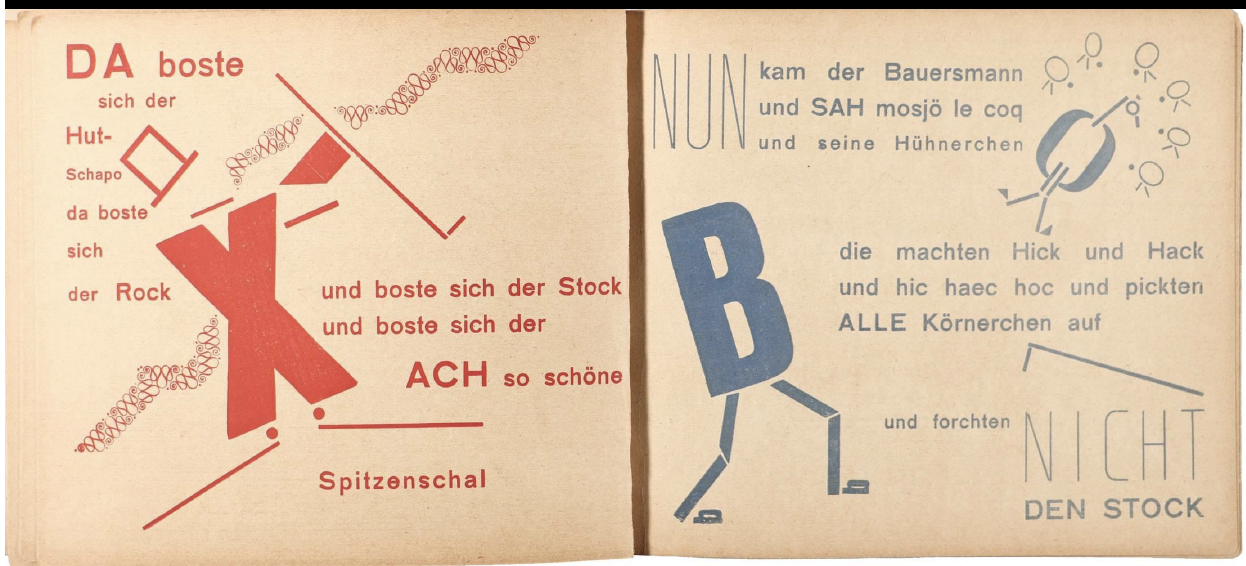
Kurt Schwitters, Theo van Doesburg and Kate Steinitz, “The Scarecrow: Fairy Tales,” 1922
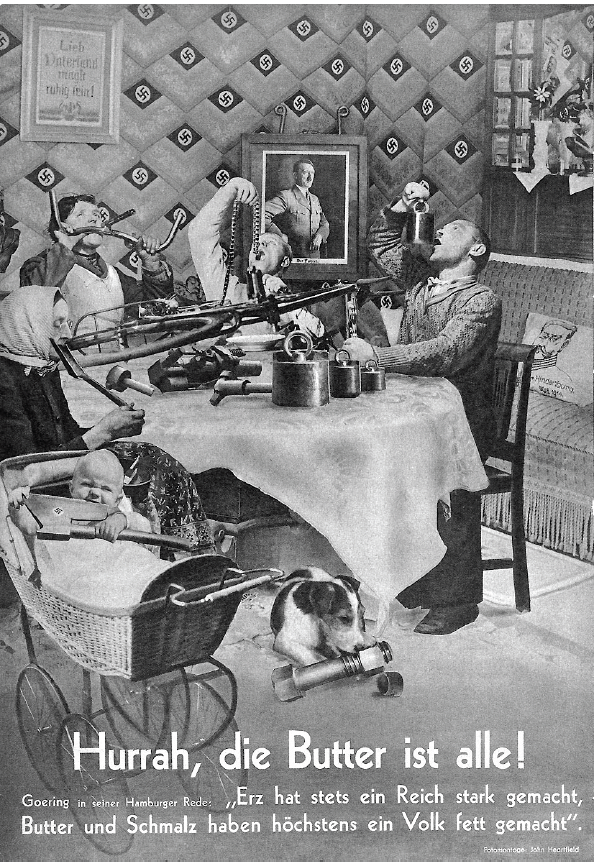
John Heartfield (Helmut Herzfelde), “Hurray, the Butter is Finished! Collage,” 1935
Man Ray, “Black and White,” 1926

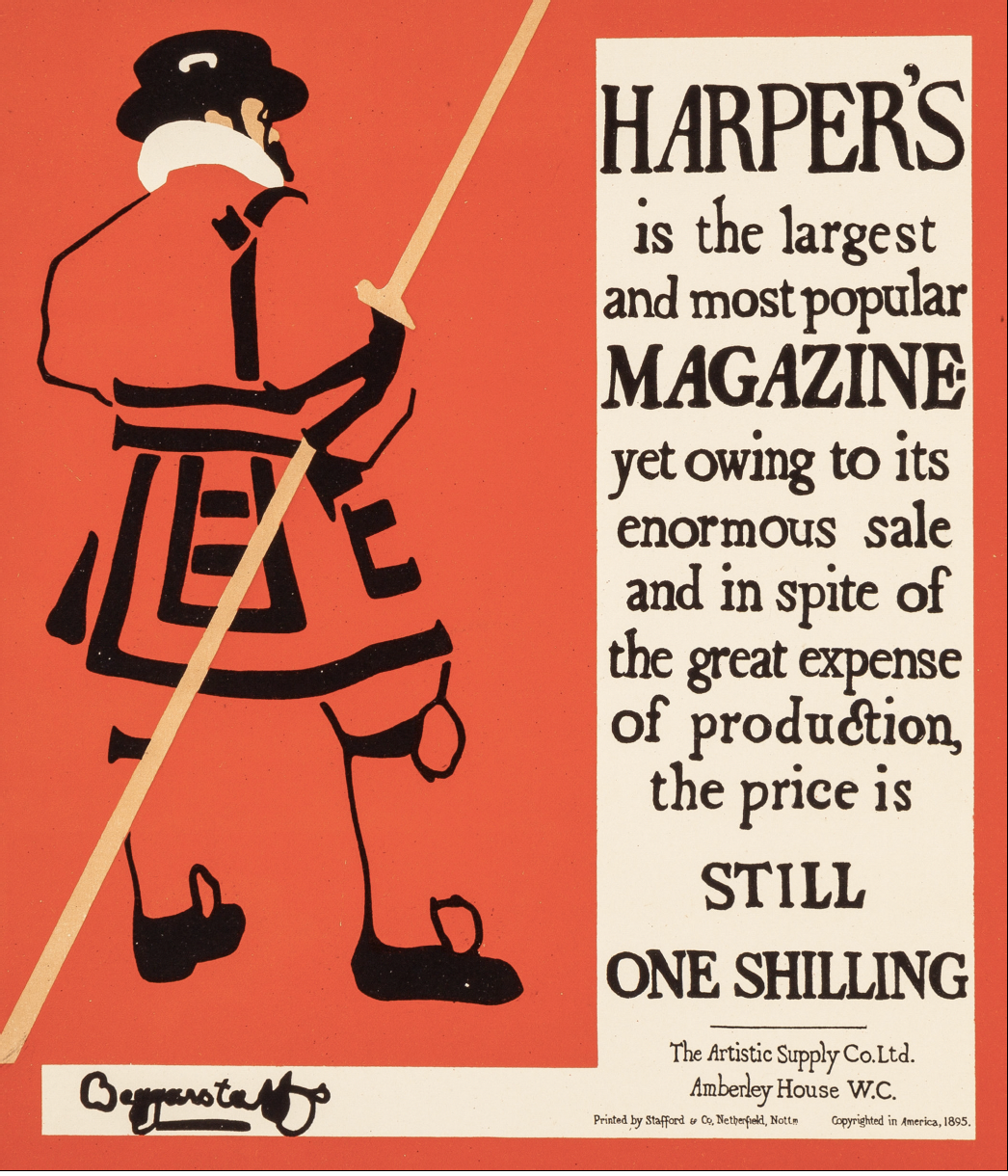
The Beggarstaffs (James Pryde and William Nicholson), “Poster for Harper’s Magazine,” 1895
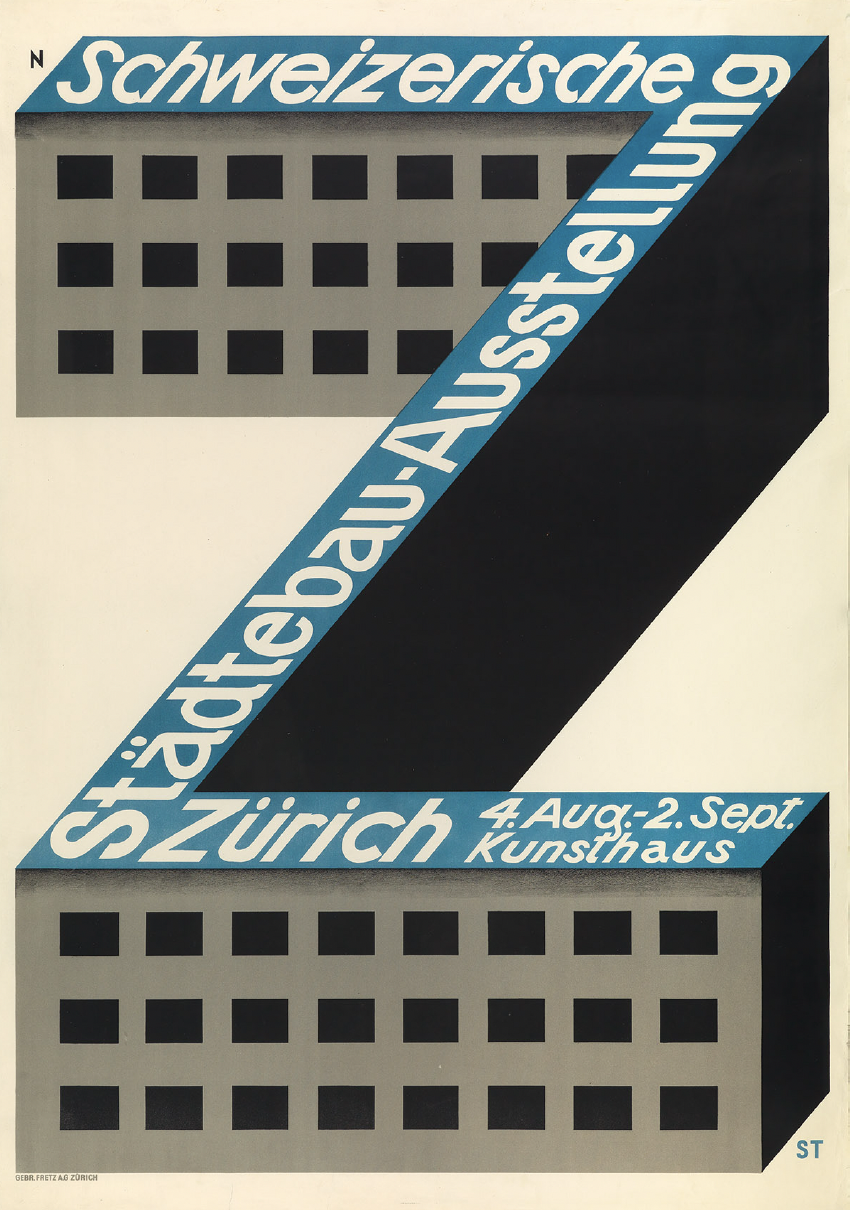
Niklaus Stoecklin, “Poster for the Swiss City Planning Exhibition,” 1925
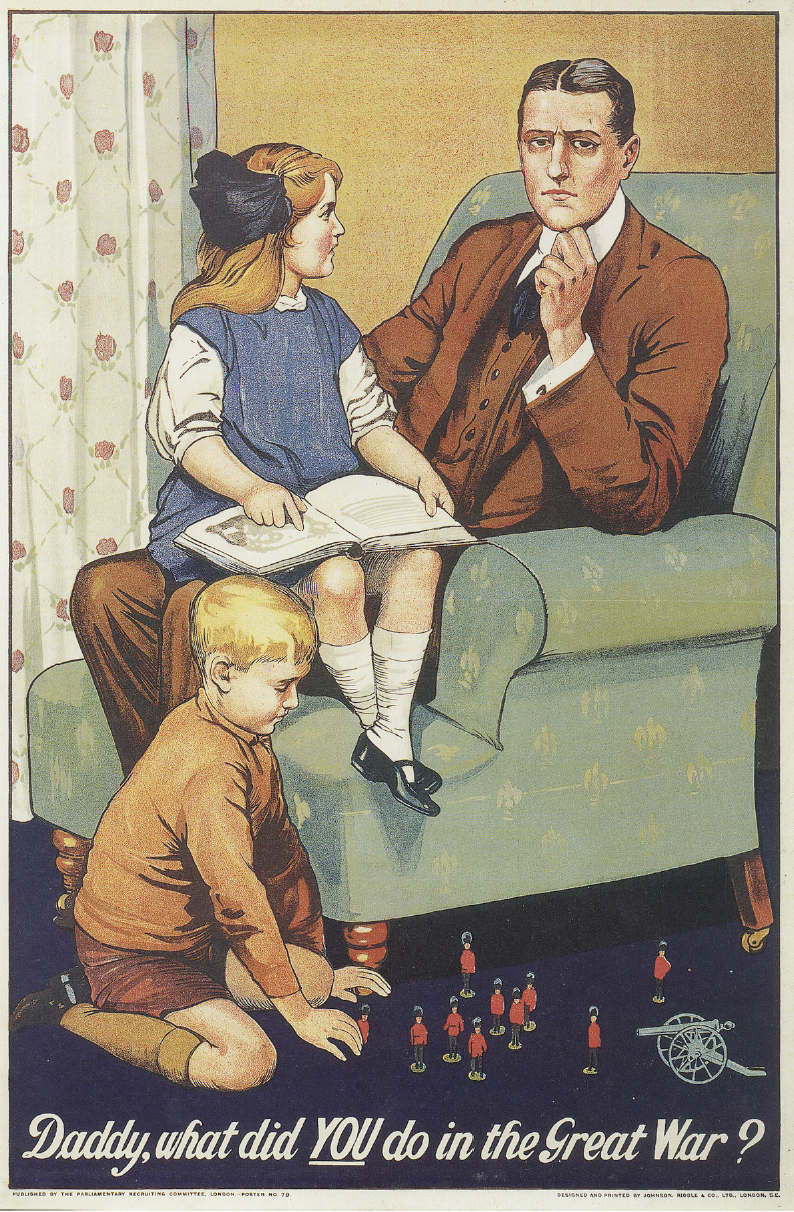
Saville Lumley, “Daddy, What Did YOU Do in the Great War?,” 1914
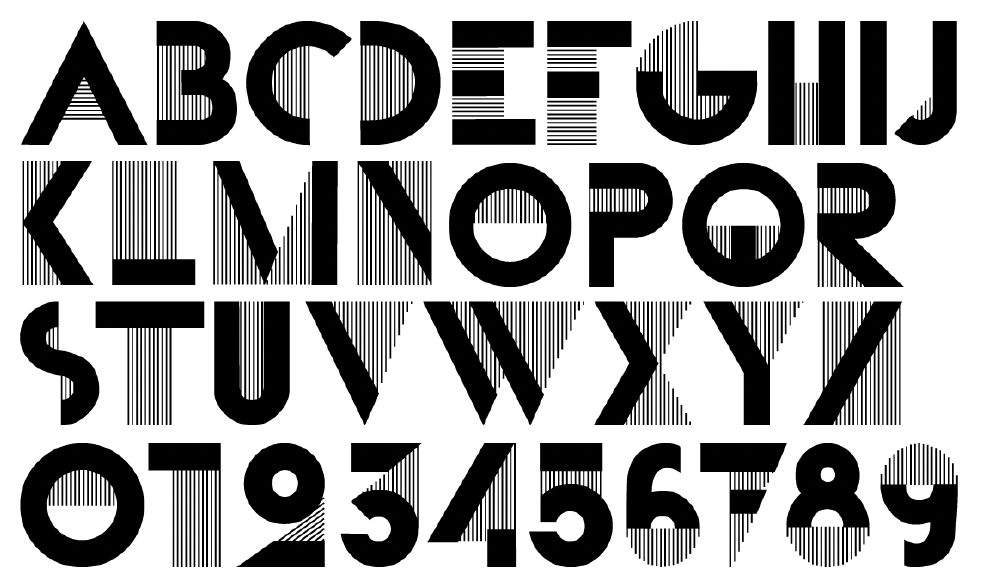
A. M. Cassandre, “Bifur Typeface,” 1929
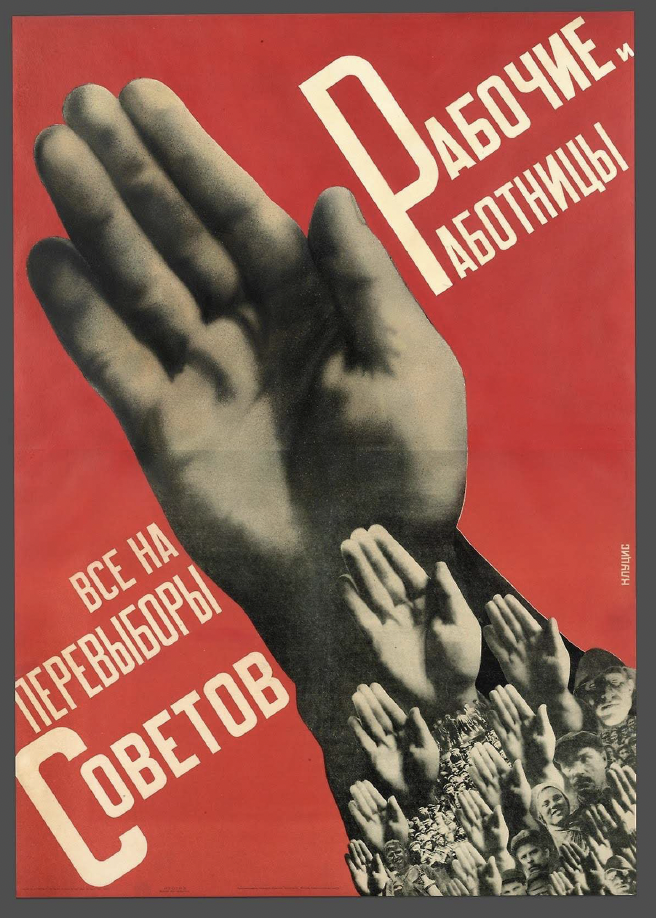
Gustav Klutsis, “Workers, Everyone Must Vote in the Election of Soviets!” 1930
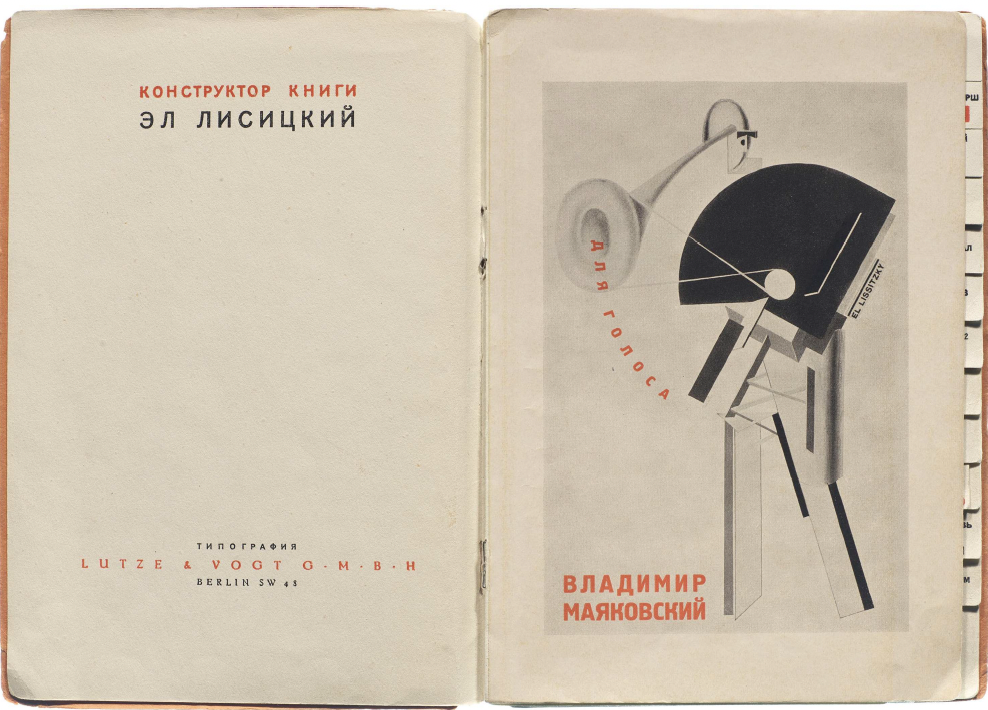
El Lissitzky, “Pages from For the Voice by Vladimir Mayakovski,” 1923
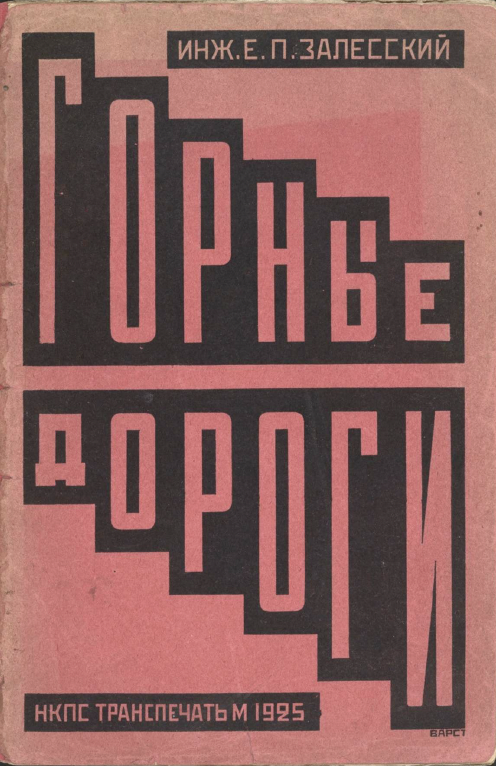
Varvara Stepanova, “Book Cover Design for Mountain Roads,” 1925
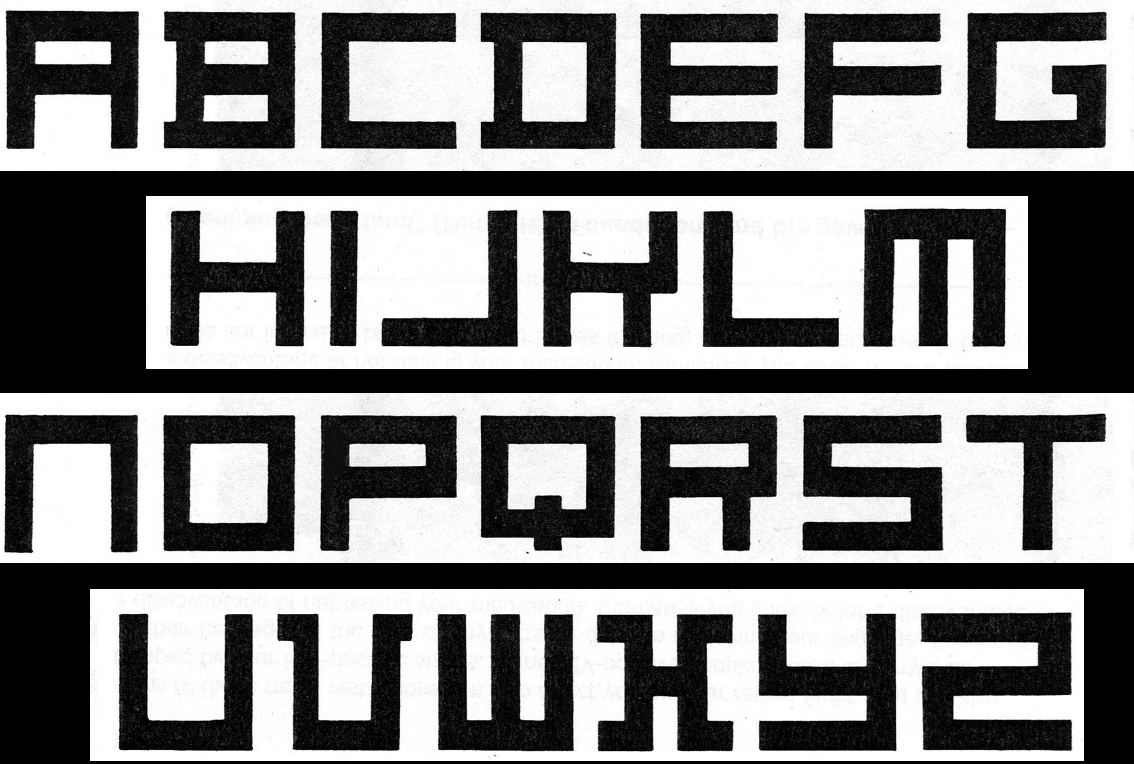
Theo van Doesburg, “De Styl Alphabet,” 1917
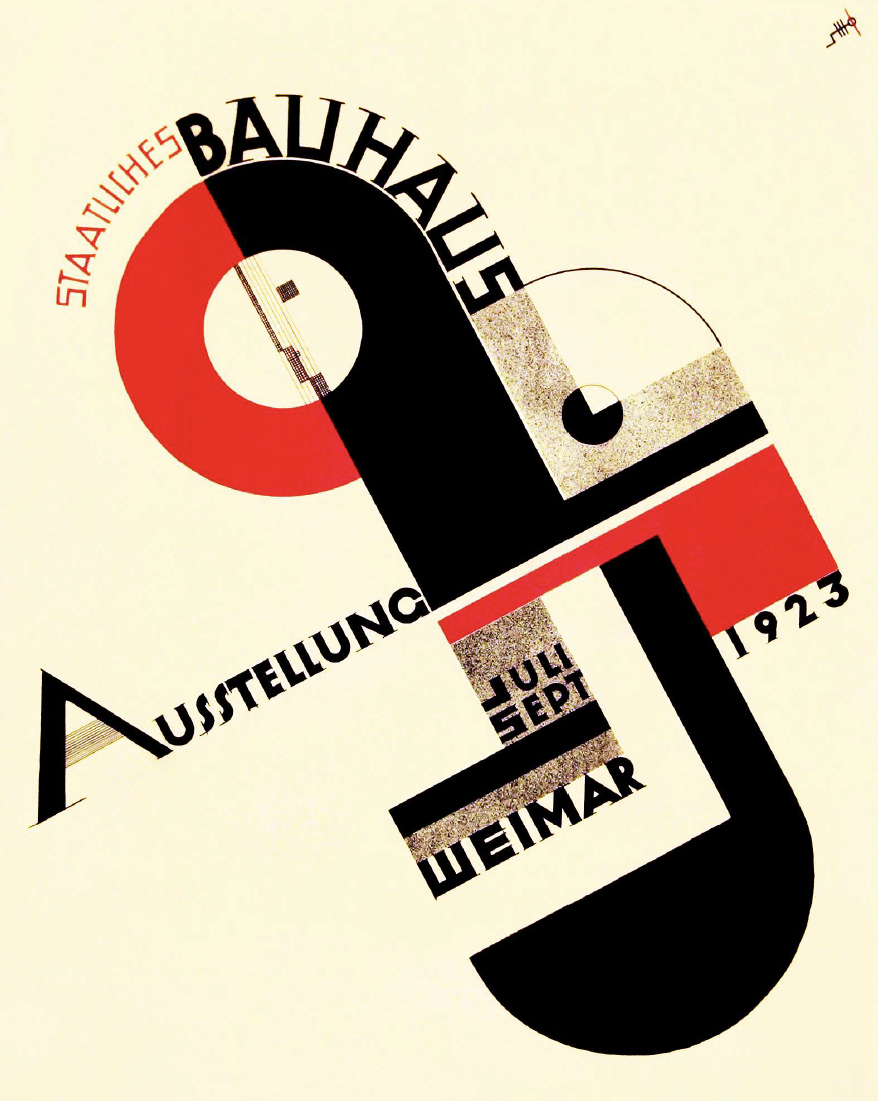
Joost Schmidt, “Bauhaus Exhibition Poster,” 1923
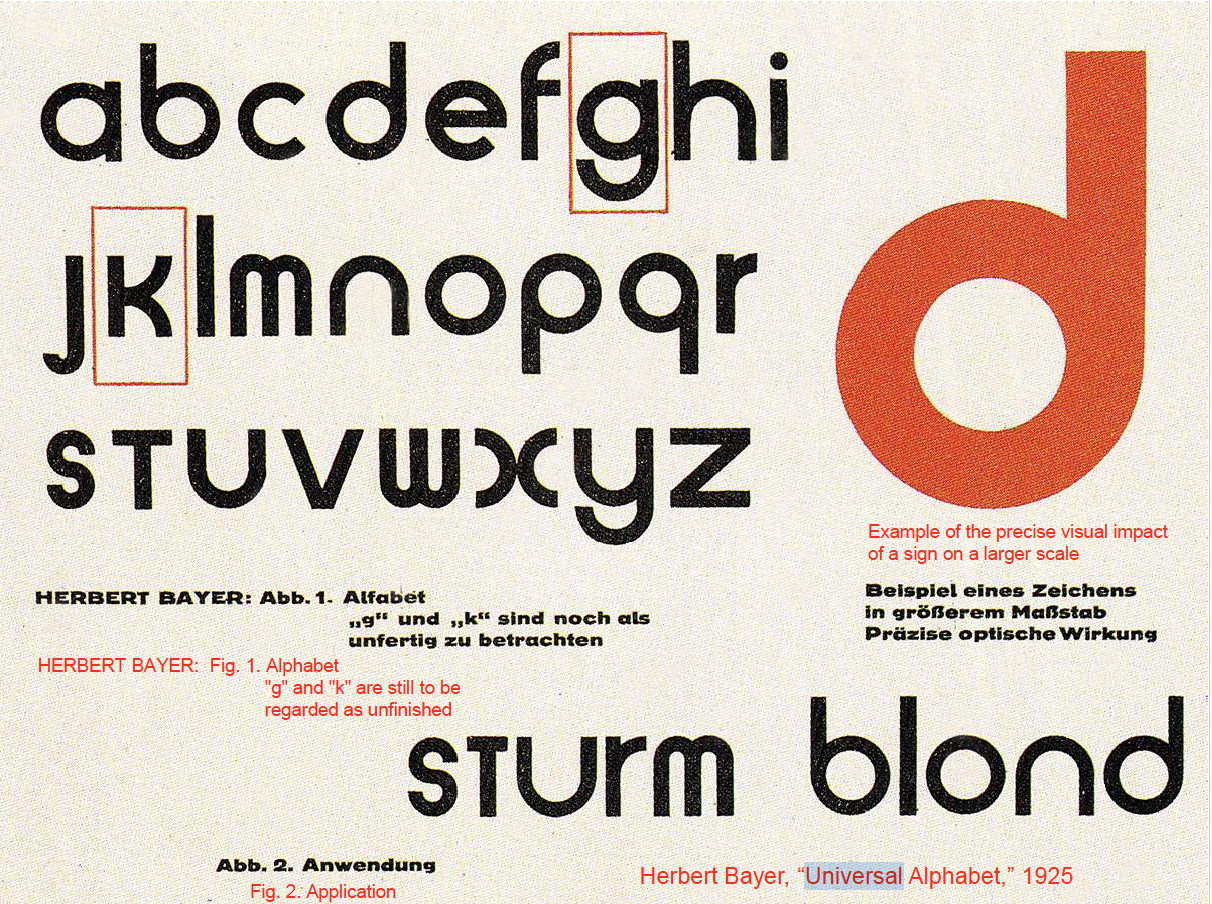
Herbert Bayer, “Universal Alphabet,” 1925
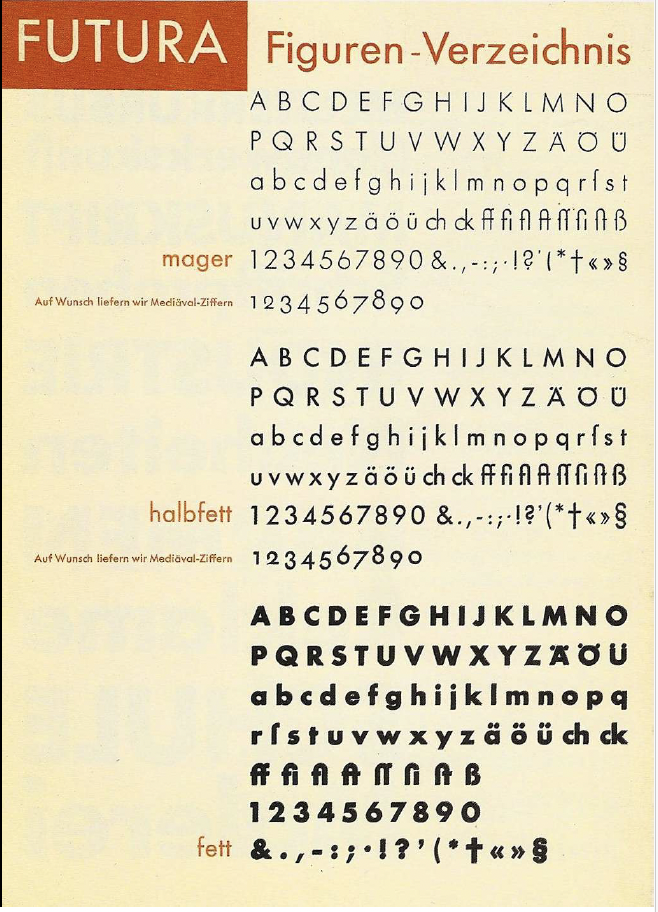
Paul Renner, “Futura Typeface for the Bauer Type Foundry,” 1927
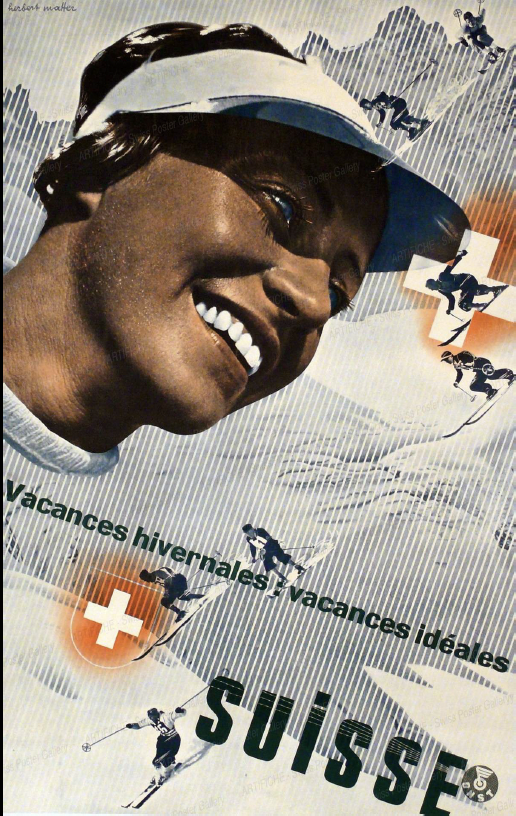
Herbert Matter, “Travel Poster for the Swiss Tourism Agency,” 1934
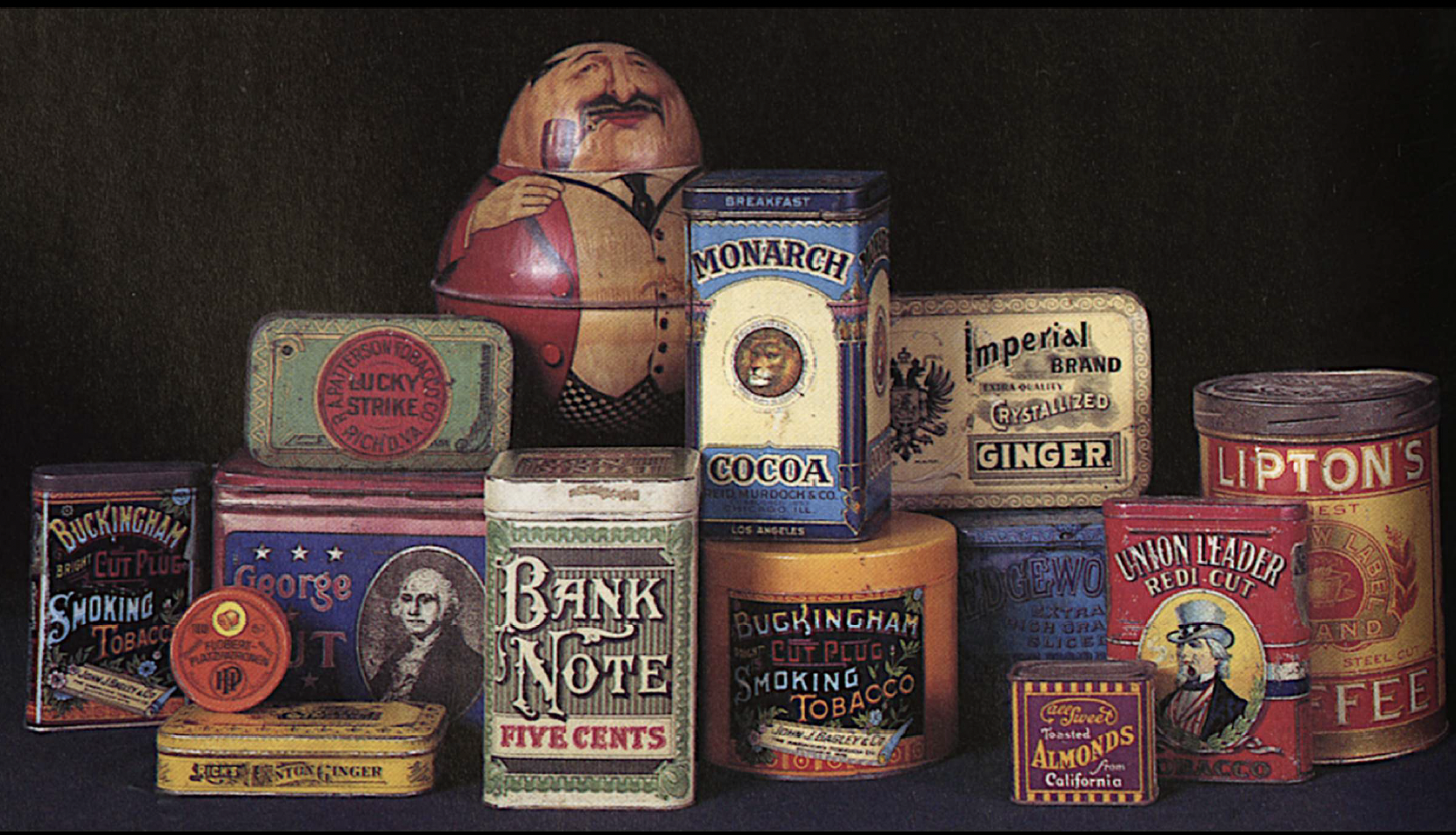
Explain the typical visuals characteristics of 19th century (Victorian) package designs chromolithographed on tin for food and tobacco products.
Explain the Arts & Crafts Movement’s attitude towards industrialization and how this affected graphic design.
a reaction against the social, moral and artistic confusion of the Industrial Revolution
combine the economics of mass production and the “joy of making and creating”
rejecting industrial, mass-produced aesthetics in favor of high-quality, handcrafted techniques
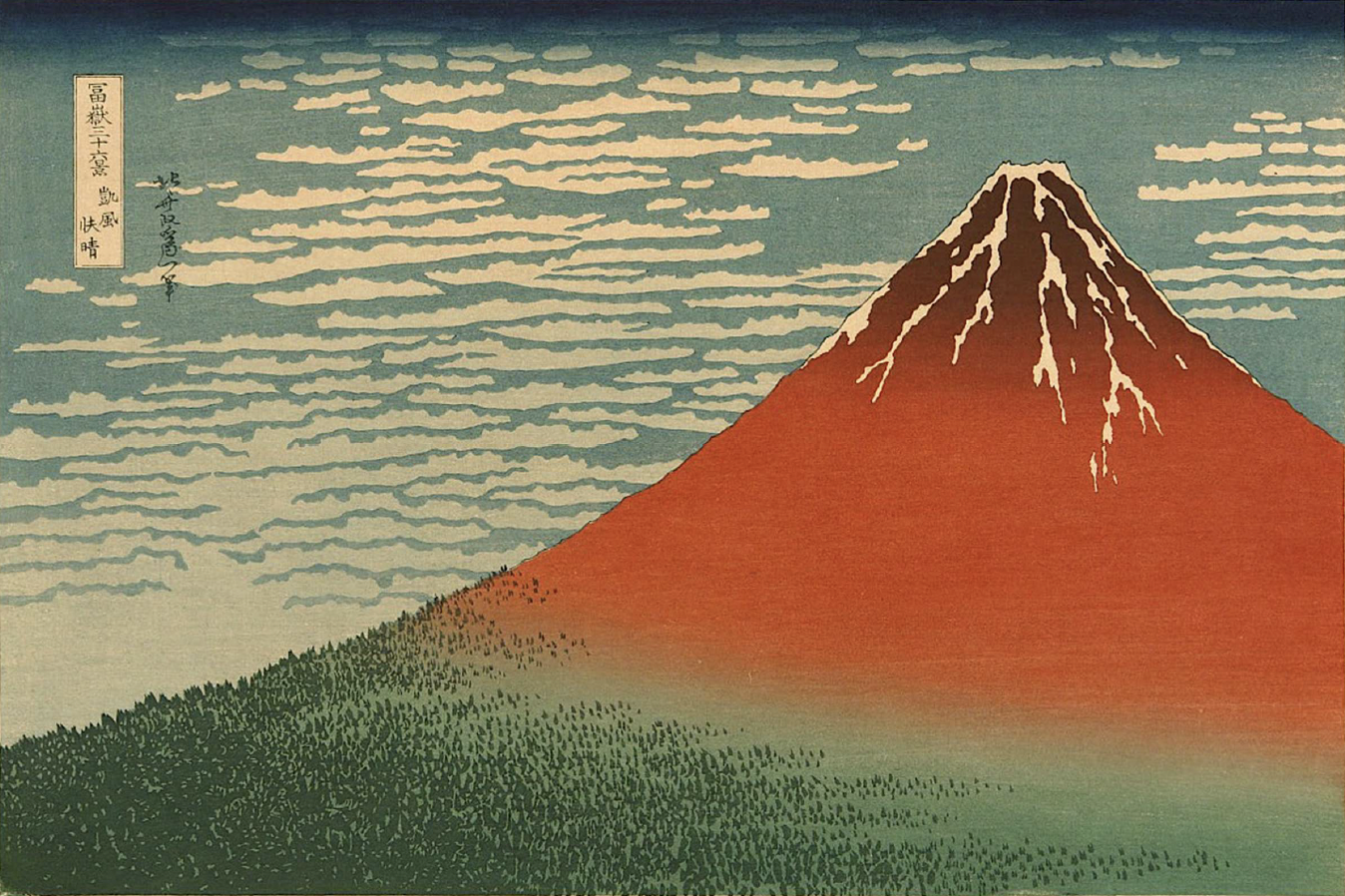
What specific characteristics of Japanese ukiyo-e prints can be seen in Art Nouveau graphic designs?
bold, sinuous outlines, flat areas of unshaded color, and asymmetrical, daring compositions.
Explain the Art Nouveau Movement’s attitude towards industrialization and how this affected graphic design.
a reaction to 19th century historicism and nostalgia and an attempt at embracing, rather than rejecting, industrialization.
highly intricate, organic, and hand-drawn aesthetics—reproduced through modern printing—designed to bring beauty back to everyday objects
Using the avant garde art movements of the early 20th century (Cubism, Futurism, Dada, or Surrealism) explain each one’s influence of Modern Art on early 20th century graphic design.
Cubism introduced geometric fragmentation, Futurism dynamic, chaotic typography, Dada chance-based photomontage, and Surrealism dreamlike juxtaposition
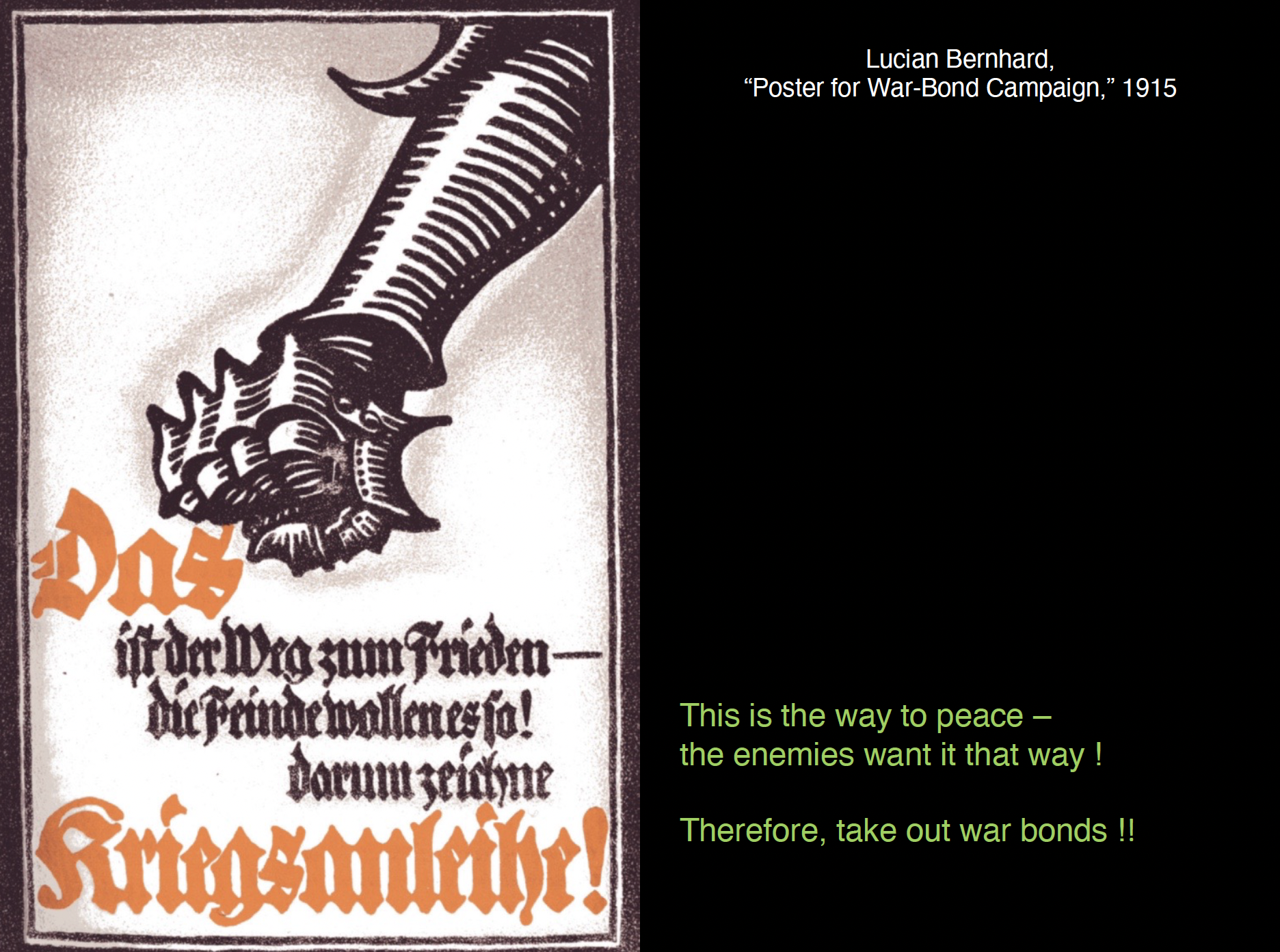
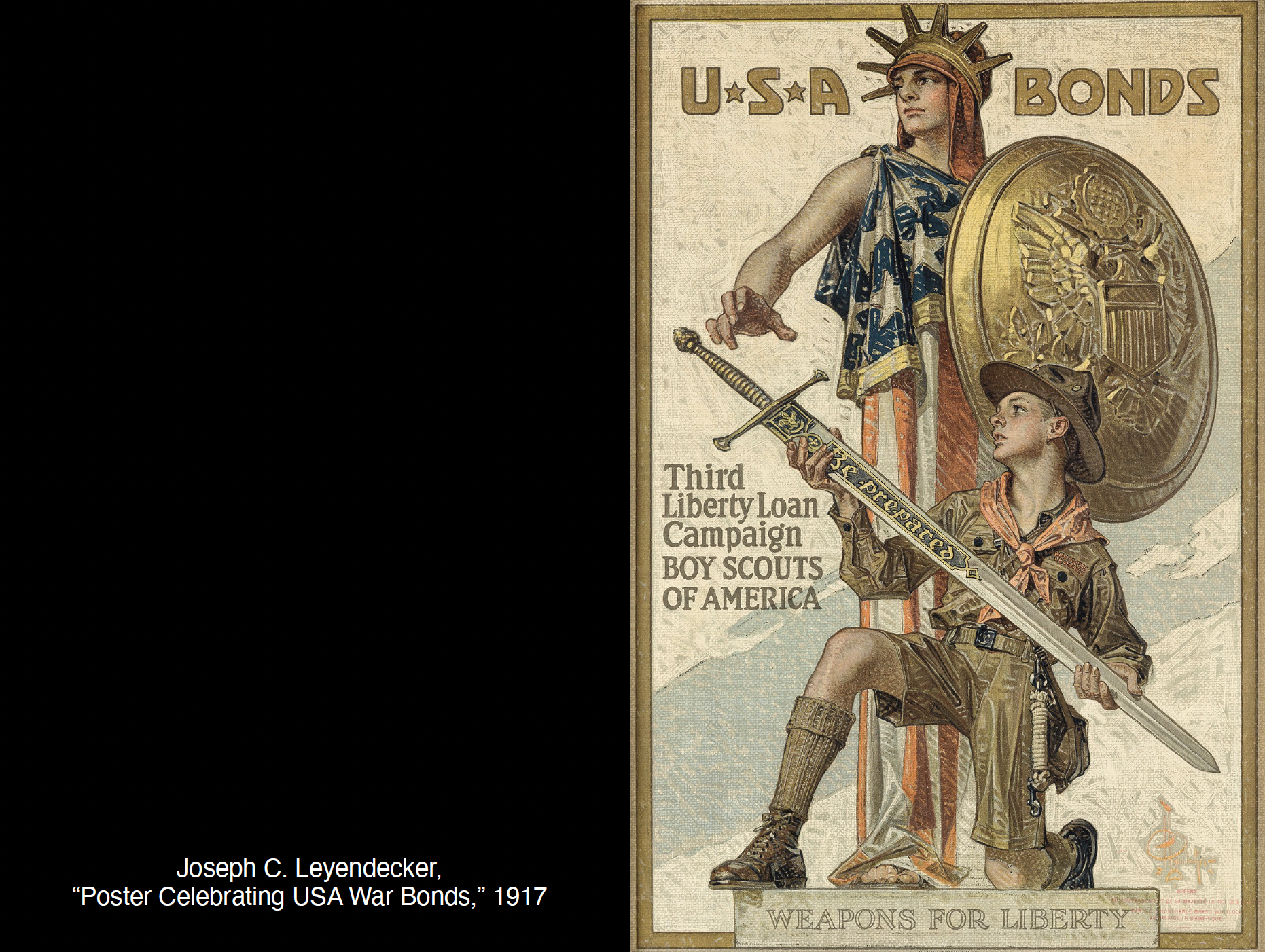
Compare or contrast the posters made by the Central Powers (Germany, etc.) and the posters made by the Allied Powers (England, etc.) during World War 1 (1914-18).
Compare or contrast the posters made by the Central Powers (Germany, etc.) and the posters made by the Allied Powers (England, etc.) during World War 1 (1914-18).
What was the Russian Constructivists’ attitudes towards art and towards design?
renounced art for art’s sake to devote themselves to industrial design, visual communication and the applied arts serving their new society.
Explain how The Bauhaus (1919-32) influenced:
A- Art & Design education
integrating art, craft, and technology, eliminating hierarchies between fine and applied arts
Explain how The Bauhaus (1919-32) influenced:
B- Graphic Design
applying principles of minimalism, functionality, and industrial production to visual communication
Fat Face
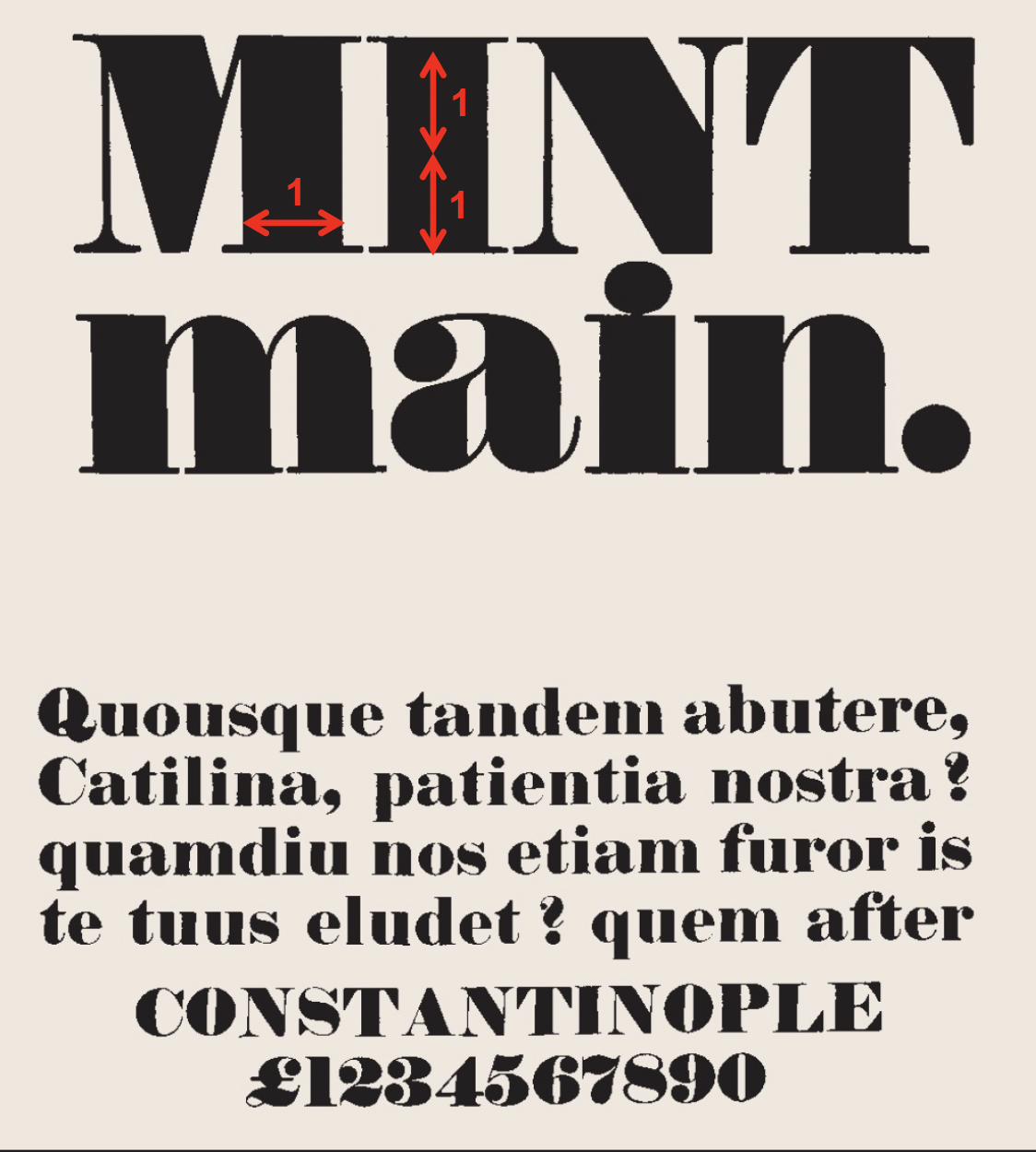
Slab Serif
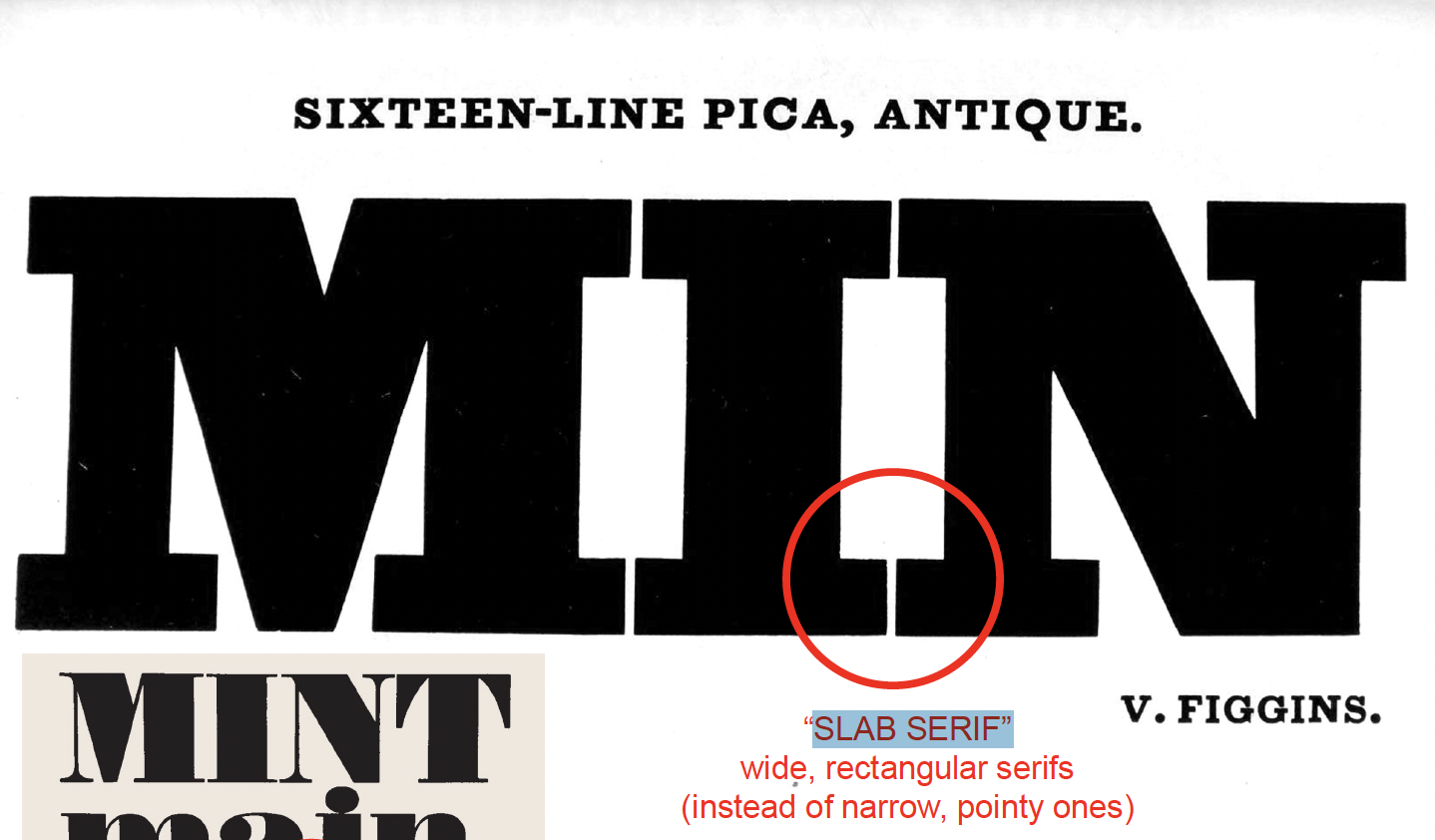
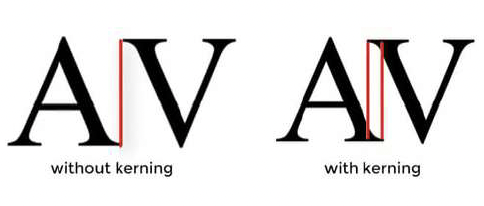
Kerning
Heliogravure / Heliography
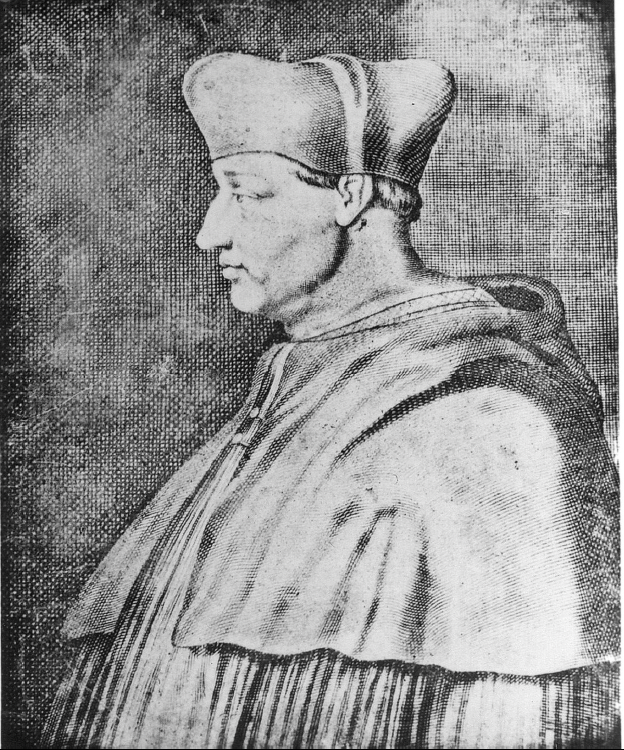
Halftone (method of printing)

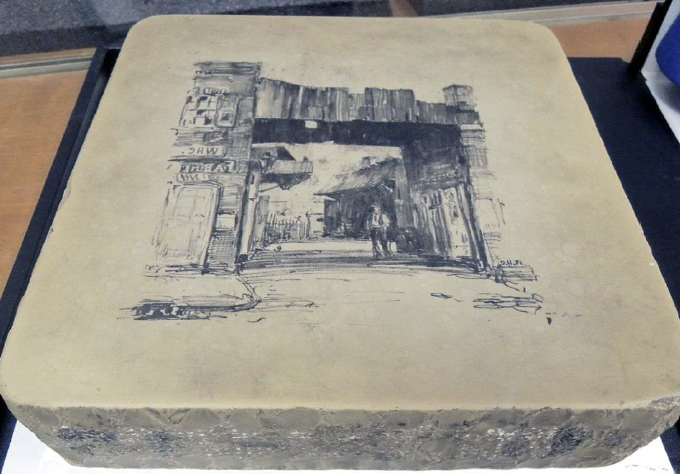
Lithography
ukiyo-e
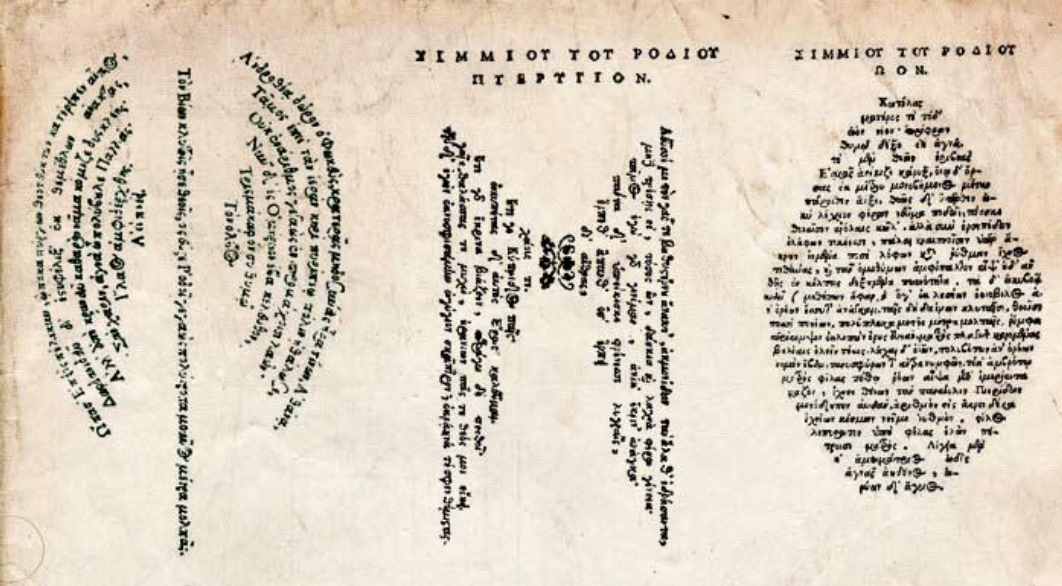
Pattern Poetry
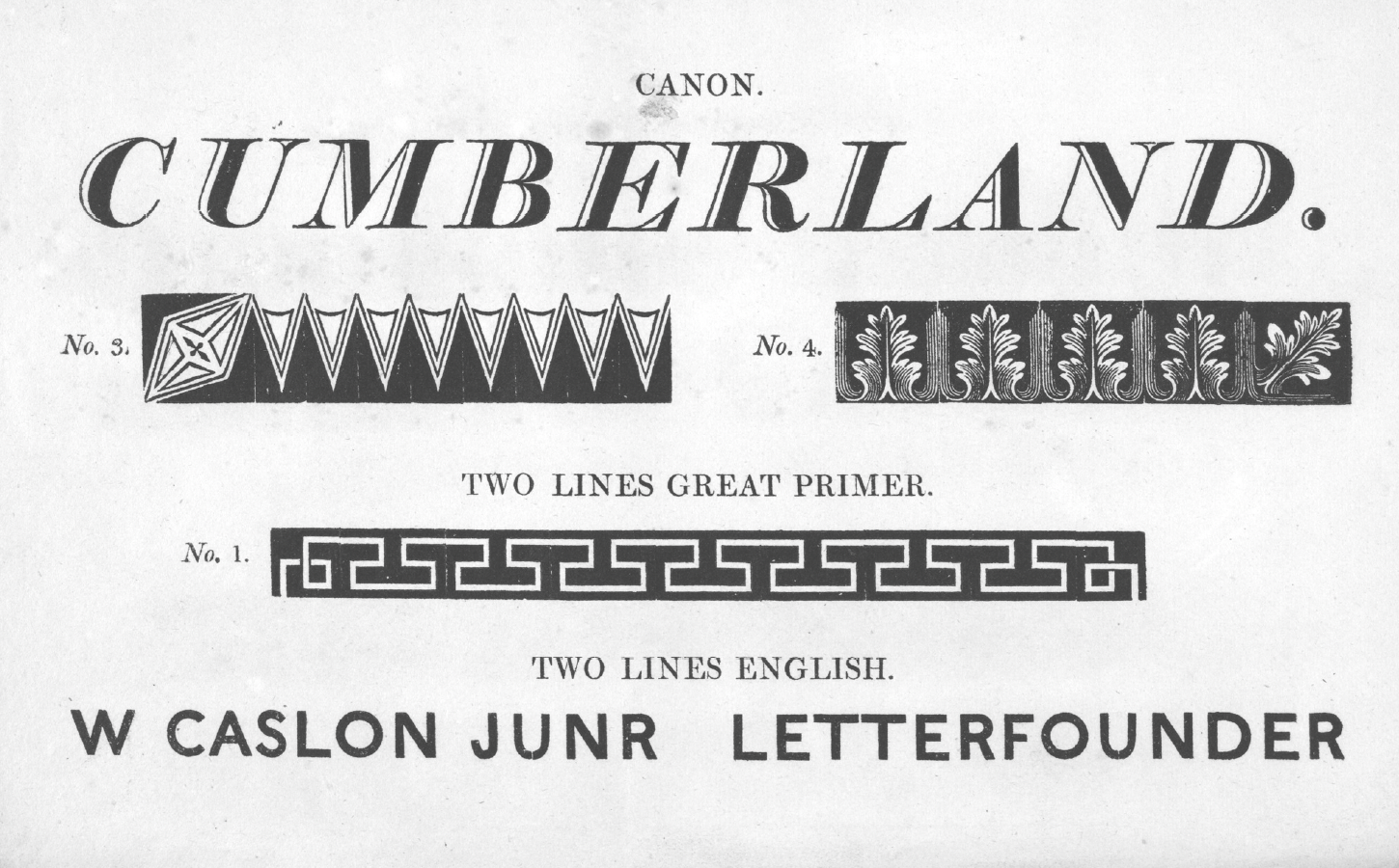
What was the name of the first sans serif font published, year and significance
William Caslon IV, “English Egyptian Typeface, Two-Line,” 1816
Explore top notes

