MSU Architecture Final
 Studied by 0 people
 Call with Kai
 Learn
Learn Practice Test
 Spaced Repetition
 Match
Match Flashcards
 Knowt Play
1/208

There's no tags or description
Looks like no tags are added yet.
Name | Mastery | Learn | Test | Matching | Spaced | Call with Kai |
|---|
No study sessions yet.
209 Terms
Architecture rises to…
The needs of its users
Architecture is…
art
Solids and Voids
The relationship between solids and voids creates architectural space
Symmetry
Designing one side of a space to mirror the opposite
Asymmetry
Architectural elements that are unevenly spaced in size, shape, or positon
Visual Scale
The size of a building that appears to have relative to other elements of known or unknown size
Proportion
A quantified relationship among the parts of an element, as well as the relationship of that element to the whole
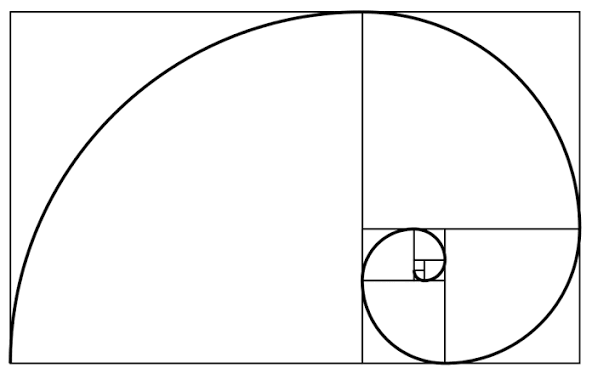
Golden Section
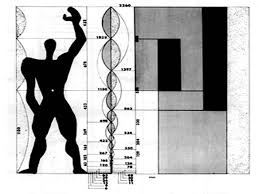
Le Corbusier’s Modulor
Massing
Composing three-dimensional shapes or volumes into a building design
Color
In relation to the architect and context
Acoustics
The branch of physics that deals with the production, control, transmission, reception, and effects of sound
Context
The built of natural environment that surrounds new buildings
Style
A particular or distinctive form of an artistic expression characteristic of a person, people, or period
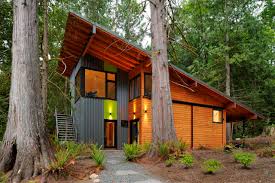
Shed Roof
Slopes to one side
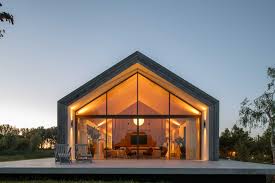
Gable Roof
Slopes to two sides
Hipped Roof
Sloping ends in sides that meet at a ridge
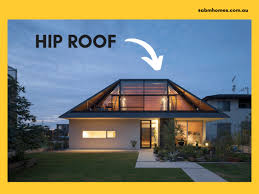
Pavillion Roof
Shaped like a pyramid, used to cover a square structure (used on almost every strip mall that has a clock tower)

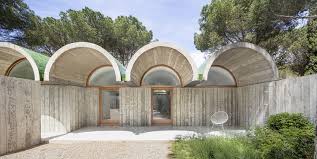
Barrel Vault Roof
Semicircular roof (used first by Romans who built this from brick or stone)
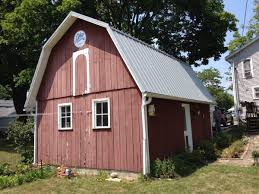
Gambrel Roof
roof combines two different pitches below the ridge (widely used in American architecture in the 1700s as it creates more space on the top floor)
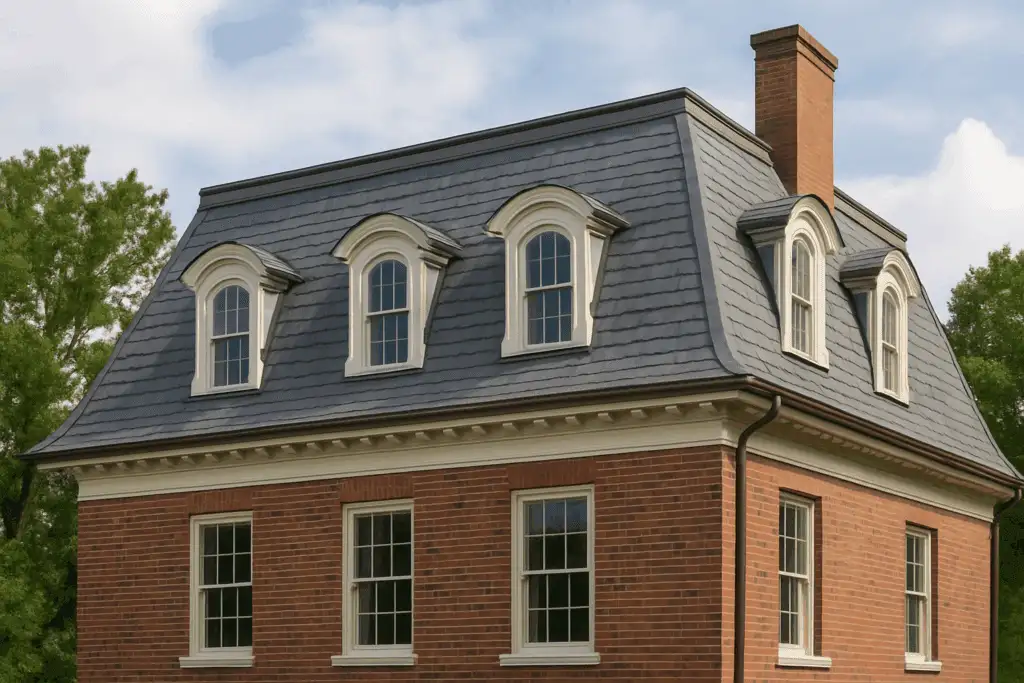
Mansard Roof
combines two different pitches below the ridge, more square than gambrel (named after French architect Francios Mansart, widely used in Paris architecture in the 17th century)
Flat Roof
made popular by European architects of the 20th century, widely used today, makes it possible to put a roof over a building that has a large floorplan (flat roofs are rarely actually flat – have a very low slope)
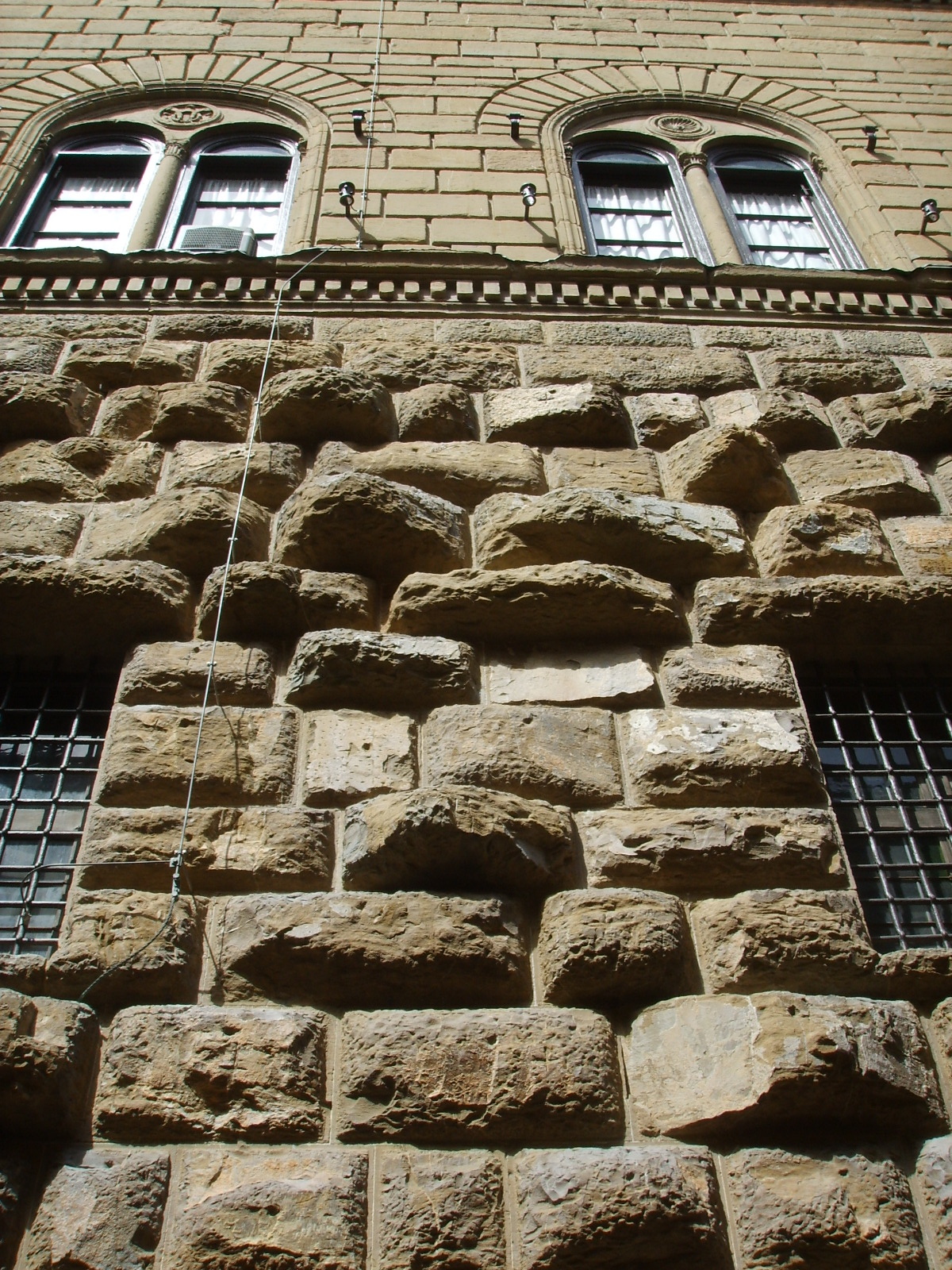
Rusticated Wall
made of stone that are typically rough and raised off of the all surface
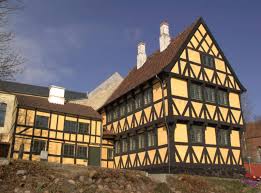
Half-Timbered Wall
having timber framework with the spaces filled with masonry or plaster (nogging-infill material)
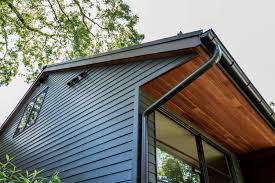
Clapboard Siding Wall
wood siding laid horizontally (commonly in the colonies in 17th and 18th centuries and still widely found today)
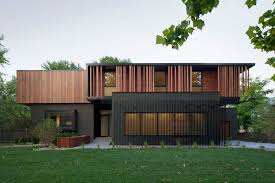
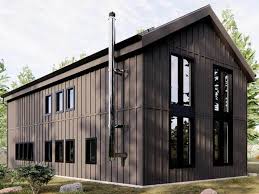
Board and Batten Siding
wood siding laid vertically consisting of wide boards and narrow battens (often associated with the Victorian and craftsman styles
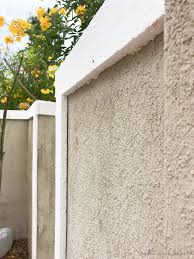
Stucco Wall
a coarse plaster composed of cement, sand, and lime, mixed with water used to cover exterior walls. Very old technique, easy to achieve many different textured finishes. Real stucco does crack and finding craftsman that repair it are not common
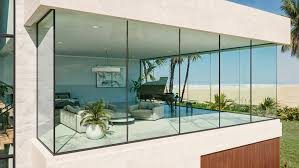
Glass
made possible by manufacturing improvements in the late 19th and early 20th century. Except in the most technically sophisticated building, glass is not used in a structural way. Curtain wall – a nonstructural frame and glass cladding system
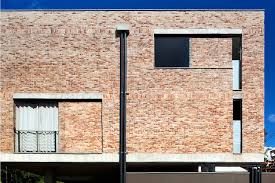
Masonry Wall
brick, stone, concrete block (veneer)
Concrete Wall
poured in place, pre-cast, popular in gothic structures
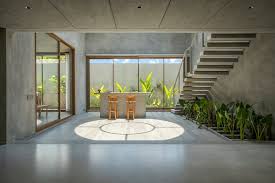
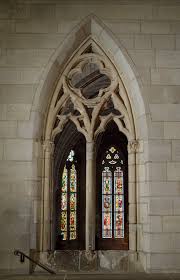
Lancet Window
decorative stone woetrefoil-cloverleaf shape with three foils
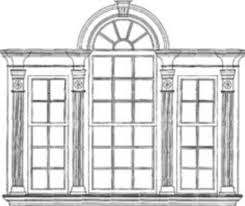
Palladian Window
a round headed window flanked by two smaller windows (named after Andrea Palladio)
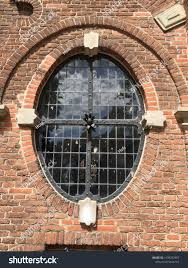
Oxeye Window
comparatively small round/oval windows
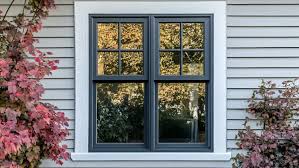
Double Hung Window
a window having two vertically hung sashes, each in separate tracks
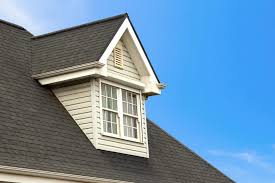
Dormer Window
vertical window in a projection built out on a sloping roof
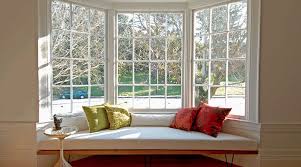
Bay Window
a window projecting from the surface of the wall to allow light in from three sides
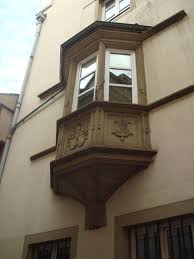
Oriel Window
bay window supported by brackets
Bow Window
curved bay window
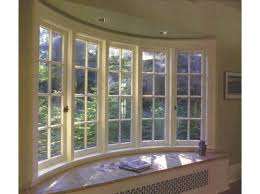
Ribbon Window
Horizontal band of windows
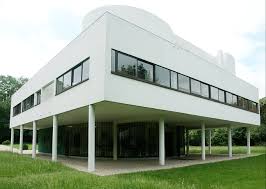
Casement Window
a window sash opening on hinges generally attached to the vertical side of the frame (think of a door)
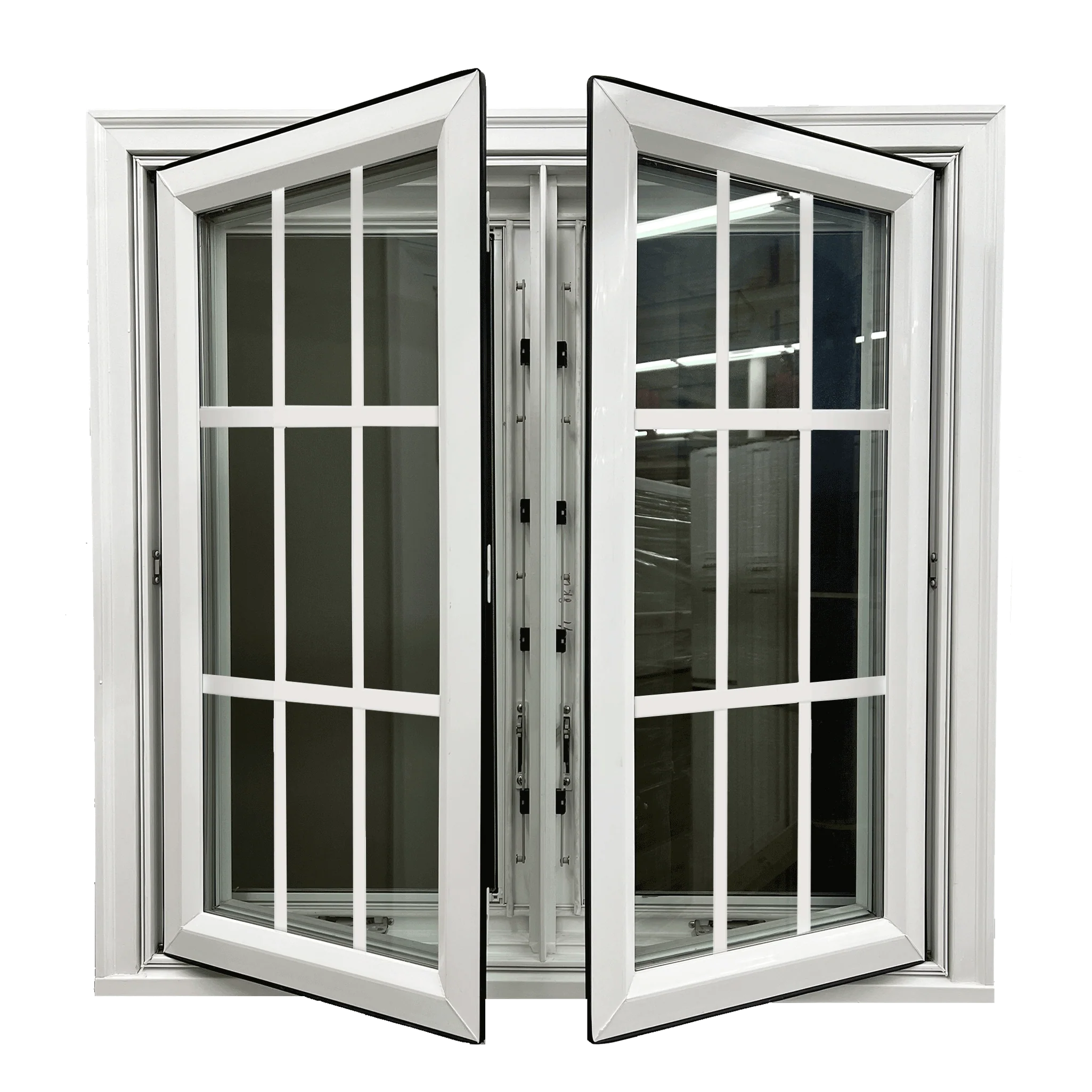
Transom Window
a window above the transom of a doorway (above the door)
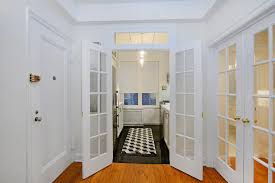
Clerestory Window
a portion of an interior rising above adjacent rooftops and having windows to admit daylight
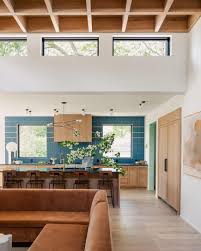
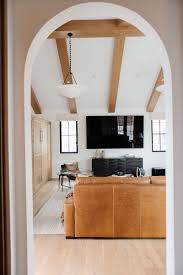
Arched Doorway
associated with Romanesque
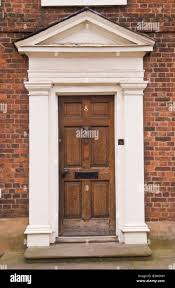
Pedimented Doorway
triangular shape
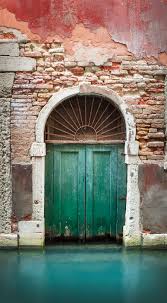
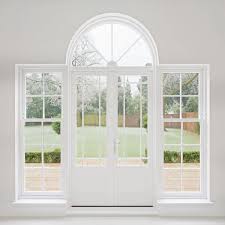
Venetian Doorway
a door opening with a semicircular window (fanlight) above and flanked by vertical windows (sidelights)
French Doorway
door having rectangular glass panes extending throughout its length, often hung in pairs
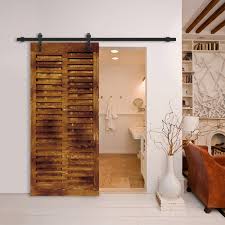
Sliding Doorway
door that operates or moves by sliding on a track
Building Type
an architectural form which has become accepted by society through repeated use, ex: skyscrapers, churches, cathedrals, data centers, bank, temple, castle, palace
3 Things Required For Architectural Project
Land (site, renovation vs new), Financing, Need
Building Program
a client’s list of practical requirements for a design project
Function
will the building be used for and who are the individuals using the building
Site
where will the building be put
Case Study
a study of existing architecture that is similar to the proposed new project
(site visits, photo log, scrap books)
Scale
what size are the people and/or things that are to be housed in the building
Scope, Quality, Budget
interact together to create the parameters of the building project. No one term can change without another one changing
Steps Required to Become a Licensed Architect
1. 5-year BARC, or 4+2 MARC, or 3+ year MARC
2. Minimum 3-year internship (minimum weeks of exposure to various aspects of practice)
3. Pass 6-part ARE 5.0 Exam
What does an architect provide to earn the fee?
Schematic design- 15% of fee
Design development- 25% of fee
Construction documents- 35% of fee
Construction phase- 20% of fee
Bidding and contract negotiation- 5% of fee
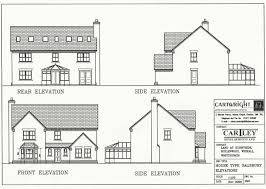
Orthographic Drawings
ortho + graphic = straight writing. Depict and require measurement in two dimensions: plan, section, and elevation.
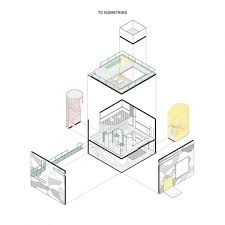
Axonometric Drawings
axon + metron = axis measure. Depict and require measurement in three dimensions. Para line: parallel lines in the object and parallel to the drawing
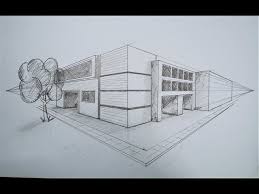
Perspective Drawings
depicts and require measurement in three dimensions
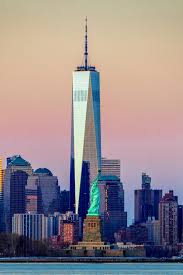
Freedom Tower
Daniel Libeskind
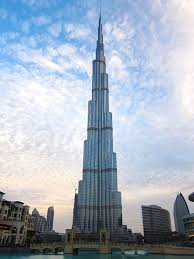
Tallest Building in the World
Burj Kalifa
Post and Lintel Structures
a fundamental architectural method using vertical posts (columns) to support horizontal lintels (beams), creating openings and frameworks
Vertical Force on Architecture
Gravity
Dead Load
forces from all immovable objects
Live Load
forces from all movable objects
Static Load
applied slowly
Horizontal Forces on Architecture
wind, ground pressure, earthquake
Dynamic Load
applied load
Compression
capacity to resist being pushed together, ex: concrete, steel
Tension
capacity to resist pulling apart
Bending Stress
both tension and compression
Frame
· trabeated,
o wood, steel
o tall buildings, light walls, thin walls
o take veneers of brick, stone stucco, etc.
o Sears Tower, designed by SOM
o Curtain Wall- structural system behind glass
Masonry
o Brick, concrete, stone
o heavy thick walls
o costly today
o good insulation
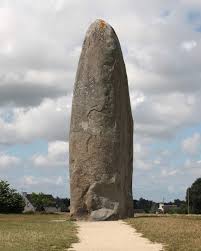
Menhirs
single stone standing upright
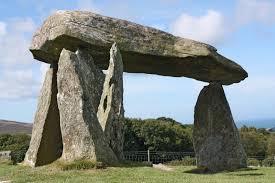
Dolmen
Several stones supporting a horizontal stone slab
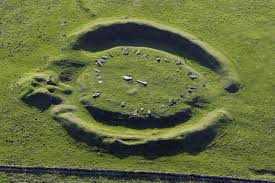
Henges
circular ditches around which some megalithic monuments are arranged
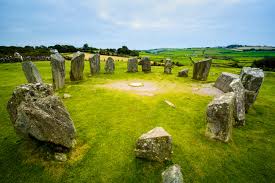
Cromlech
circle of stones
Stone Megaliths
Big rocks
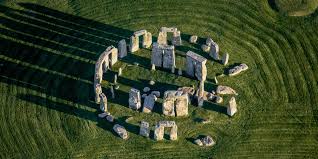
Stonehenge
most famous neolithic monument oldest surviving structure around England
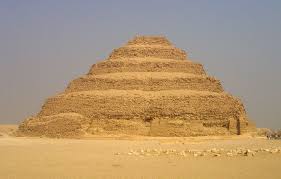
Step Pyramid
stacking stones up, built over long periods of time
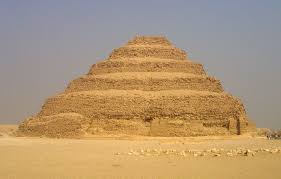
Saqqara
Doser Step Pyramids
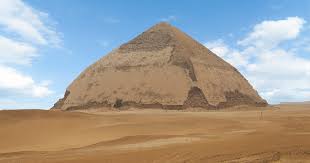
Bent Pyramid
Chiseling through rough stones
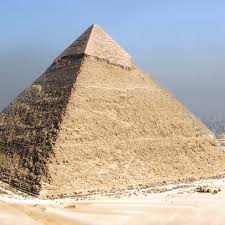
Straight Sided Pyramid
traces of gold, wanted it to be reflecting
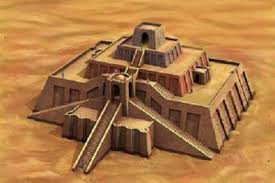
Ziggurats
stepped structures, oldest pyramids, built by Sumerians (Iraq) mud bricks
Pyramids
· Tombs for kings
· Covered in reflective limestone – quarried/east bank
· Gold veneer found at top
· Thought king would walk on sunrays to eternity – if king lives forever, people do too
· Sealed tomb, not public place
· Represent the rays of the sun (Ra- sun god)
7 Wonders of the Ancient World
· Great Pyramid of Giza
· Hanging Gardens of Babylon
· The Temple of Artemis at Ephesus (burned down)
· The Statue of Zeus (burned down)
· Mausoleum of Halicarnassus (damaged by earthquake – later pillaged for sculpture)
· The Lighthouse of Alexandira (destroyed by earthquake)
· The Colossus of Rhodes (destroyed by earthquake)
First Recorded Architect
Imhotep
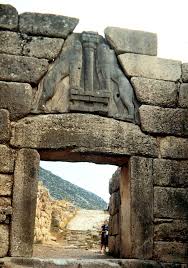
The Lions Gate, Mycenae
· Precursor to Greek architecture
· 14-ton stone with 2 lions
· Columns same as Knossos
· Link to Egyptian and Hittite culture
· Sense of structure was an inheritance from Neolithic period (remember Stonehenge)
· Lion element borrowed from Egypt – but now more organic
· Post and Lintel
· Greeks will refine post and lintel, triangular relief
· Walls beyond narrow to allow defenders increased opportunities to repeal attackers
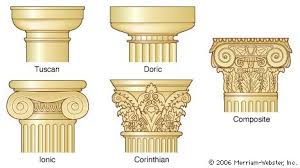
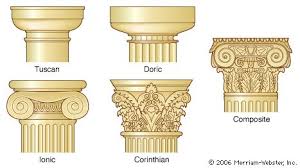
Doric Order
· Simplest, oldest, most massive
· Characterized as male
· Columns placed close together, often no bases
· Plain capitals
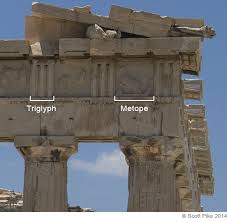
· Entablatures have metopes and triglyphs
Metope
Any of the panels, either decorated or plain, between the triglyph
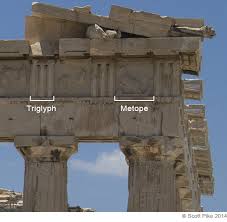
Triglyph
one of the vertical blocks separating the metopes
Ionic
· Developed in Ionian Islands
· Characterized as delicate order – female, contrasting with “male” Doric feature
· Used for smaller buildings and interiors
· Easily recognizable by Volutes on capital (based on nautilus shells or animal horns)
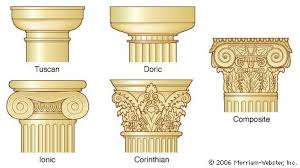
Corinthian
· Variation of Ionic order
· Same as ionic except a new type or capital
· Capital is more ornate-acanthus leaves
· Often found in interiors
· Has a wider base compared to ionic
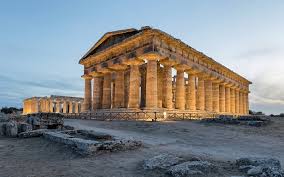
Temple of Hera
Doric
Temple of Artemis
Ionic, bigger than gothic cathedrals
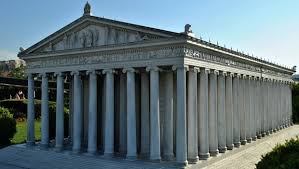
Temple of Apollo
ionic
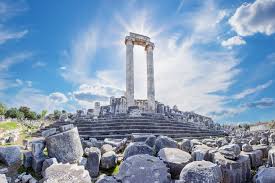
Temple of Athena Nike
Perfection of Ionic
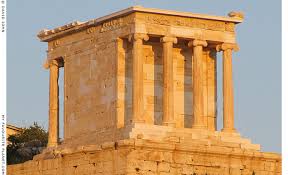
Temple of Apollo Epikourios
Corinthian
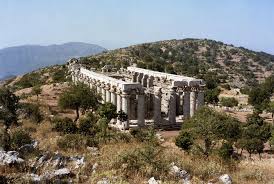
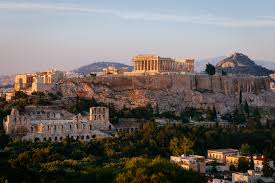
Acropolis
· Highest point in Athens
· Irregular arrangement – arranged to take advantage of views, topography – not symmetrical
 Note
Note  Flashcards (35)