Modern Fantasy: Children’s Lit Final Exam
 Studied by 26 people
 Call Kai
 Learn
Learn Practice Test
 Spaced Repetition
 Match
Match Flashcards
1/17

There's no tags or description
Looks like no tags are added yet.
Name | Mastery | Learn | Test | Matching | Spaced | Call with Kai |
|---|
No analytics yet
Send a link to your students to track their progress
18 Terms
MoDeRN FaNTaSY
Stories in which events, settings, or characters are outside the realm of possibility.
They contain elements that cannot happen in the real world, even though the story may feel believable.
Cycle Format
A format in which one book is linked to another through shared characters, settings, or both.
Examples include series that follow the same world or recurring cast.

Fractured Folktales
Stories that deliberately twist or reinterpret traditional folktales—often told from a new perspective, with altered plots, settings, or characters.
Modern Folktales (characteristics)
Written by a known author, not from oral culture
Fast-moving plot
Strong conflict
Little character description
Vague setting
Magical elements
Feels like a folktale but is “modern
Hans Christian Andersen is the classic example
Often includes fractured folktales
Animal Fantasy
Fantasy in which animals behave like humans, while still keeping many real animal traits.
The author “interprets” the inner world of the animal.
Peculiar Characters & Strange Situations
Features ridiculous, exaggerated, or highly unusual situations and characters.
Examples: Alice’s Adventures in Wonderland, James and the Giant Peach, Tuck Everlasting

Supernatural Tales & Mystery Fantasy
Fantasy featuring elements such as:
• Ghosts
• Witchcraft
• Mysteries with supernatural components

Historical Fantasy
Stories with a time-warp or time-travel element.
The protagonist travels to a past era, showing a contrast between time periods.
Example: The Devil’s Arithmetic (Jane Yolen)
Quest Stories
Adventure stories centered on a search or pursuit of a meaningful goal.
Often part of high fantasy (serious tone, deep world-building).
Examples: The Lion, the Witch, and the Wardrobe, The Hobbit
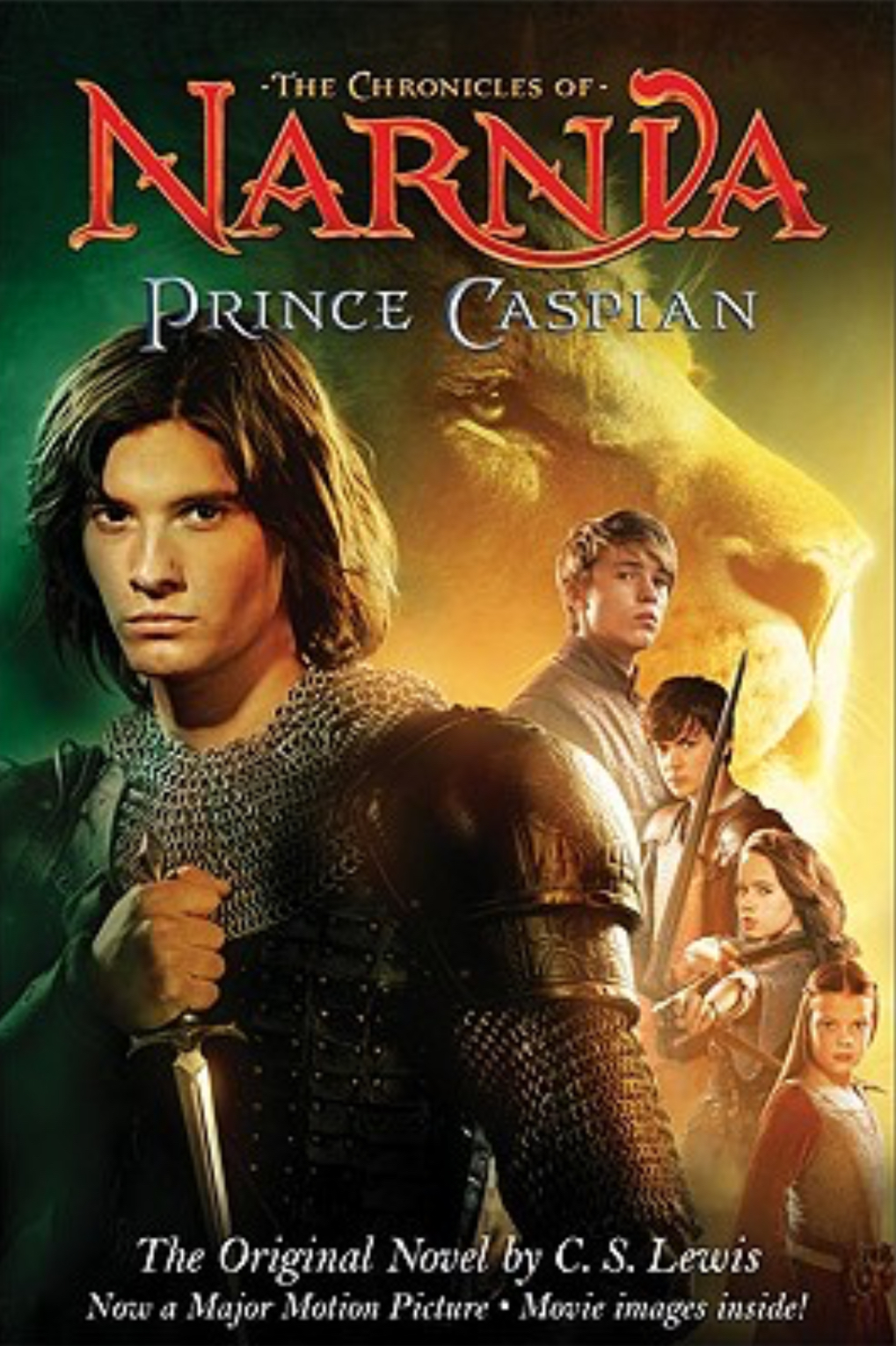
Science Fiction
Fantasy that could happen based on real scientific principles or futuristic scientific discoveries.
Examples: The Giver, The White Mountains, The House of the Scorpion
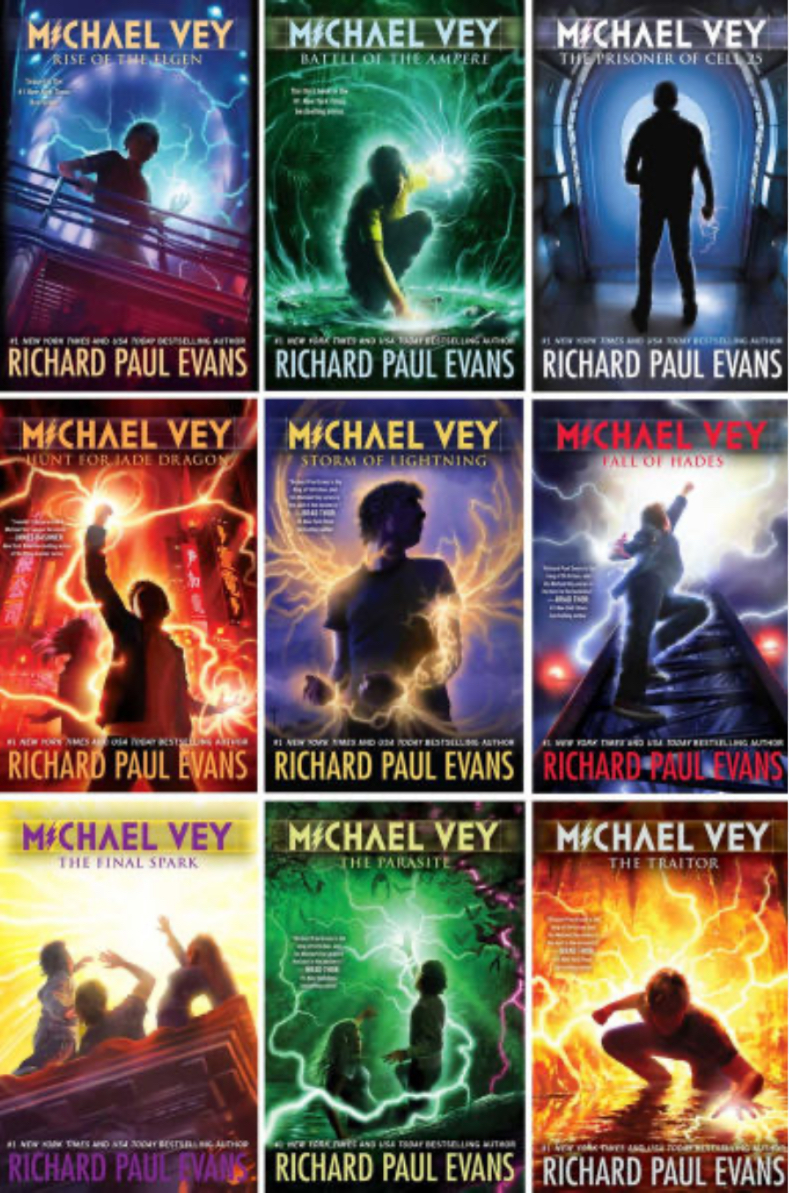
Science Fantasy
Stories where science offers an explanation (not always believable) for adventures into the unknown.
Blends science fiction and pure fantasy.
Controversies, Challenges, and Censorship
Modern fantasy is often challenged for:
Magical or supernatural content
Witchcraft
Dark themes
Violence
Alleged moral or religious concerns
These issues impact what is allowed in schools and libraries.
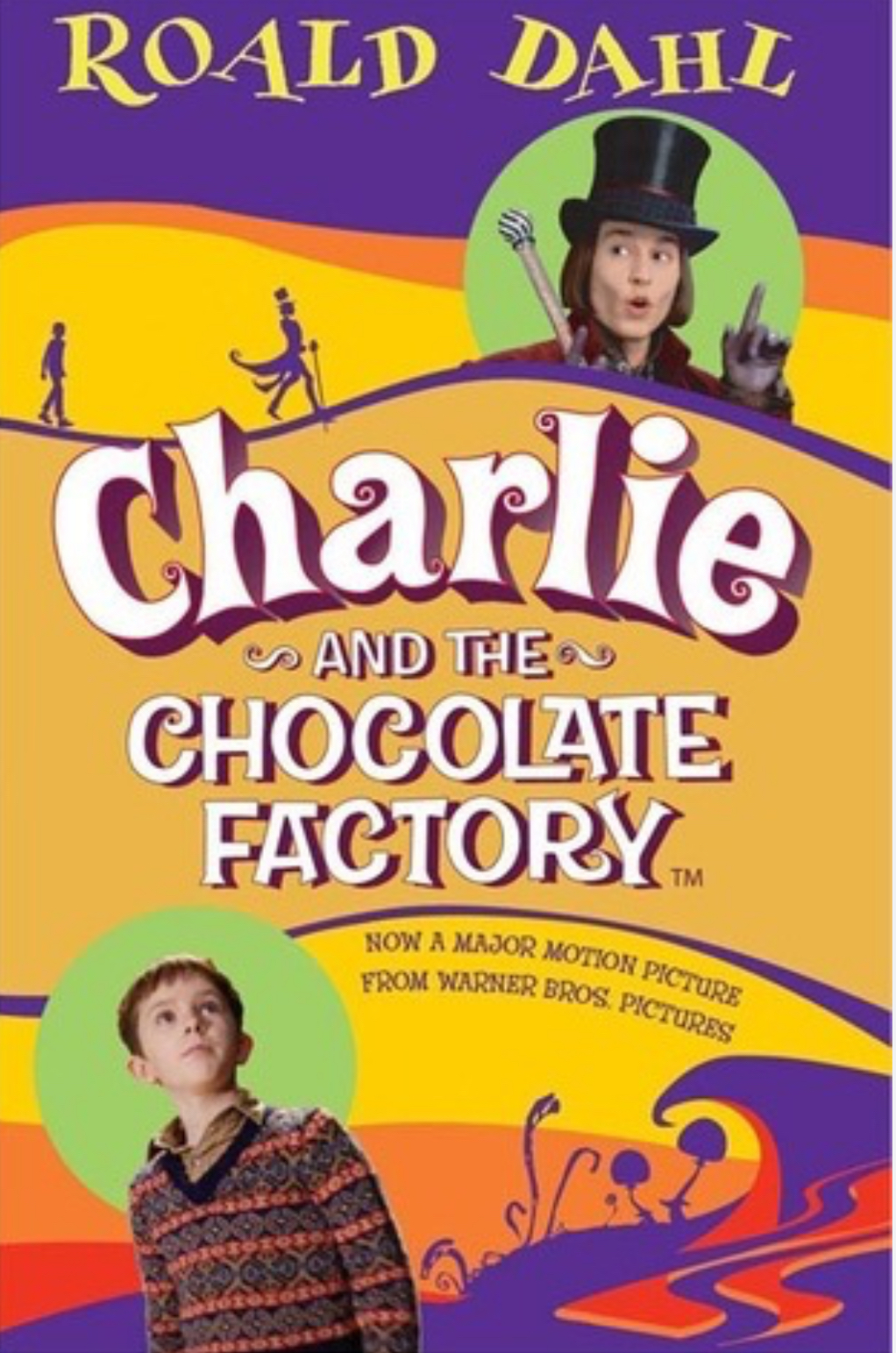
Roald Dahl (Key Modern Fantasy Author)
Style: Dark humor, peculiar characters, whimsical but often unsettling fantasy.
Top Works:
1. James and the Giant Peach
2. Charlie and the Chocolate Factory
3. The BFG
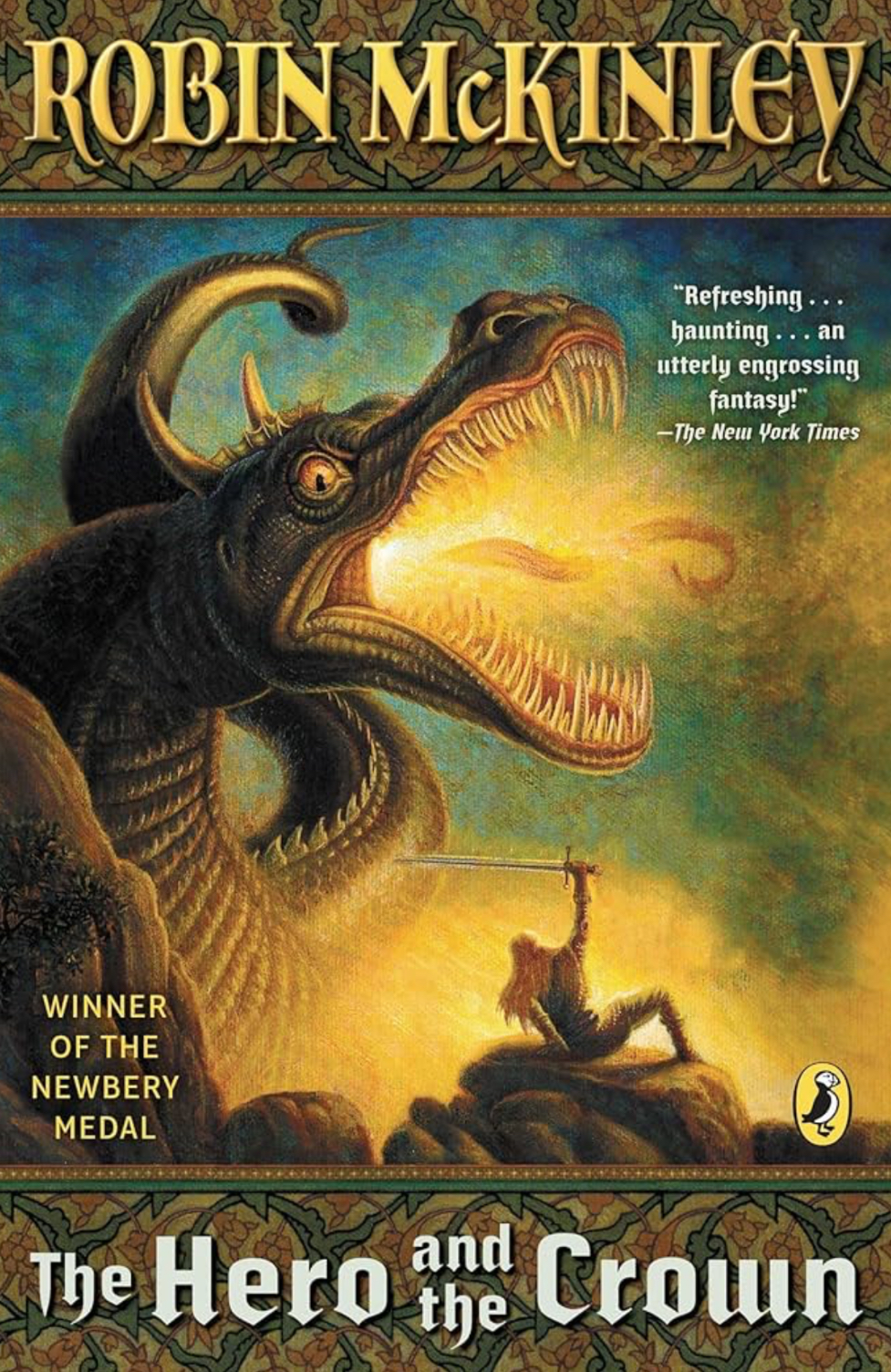
Robin McKinley (Key Modern Fantasy Author)
Style: High fantasy; strong heroines; richly built worlds; often retellings.
Top Works:
1. The Blue Sword
2. The Hero and the Crown
3. Beauty (a Beauty & the Beast retelling)
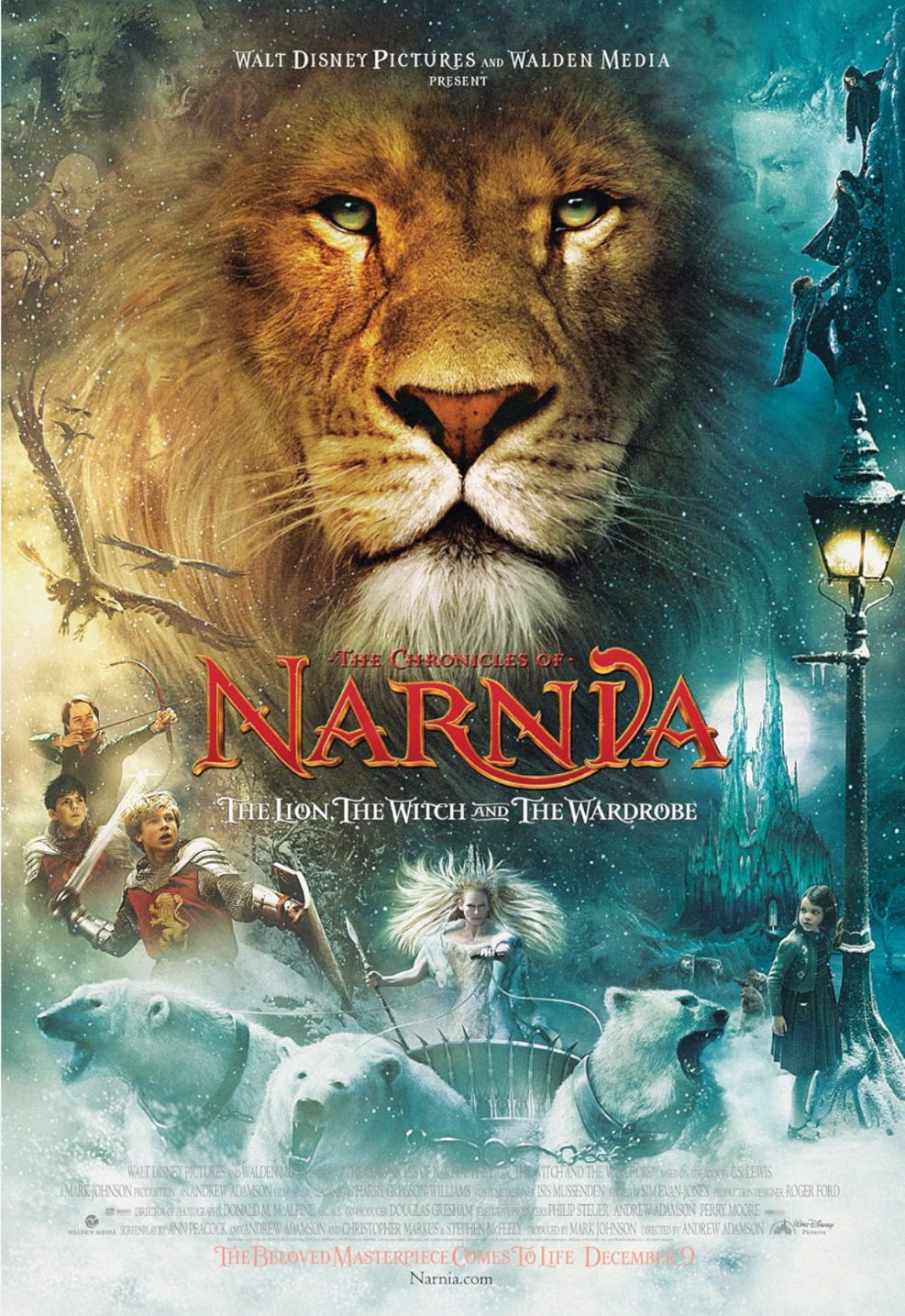
C.S. Lewis (Key Modern Fantasy Author)
Style: Christian-themed allegorical fantasy; portal worlds; classic high fantasy.
Top Works:
1. The Lion, the Witch, and the Wardrobe
2. Prince Caspian
3. The Voyage of the Dawn Treader
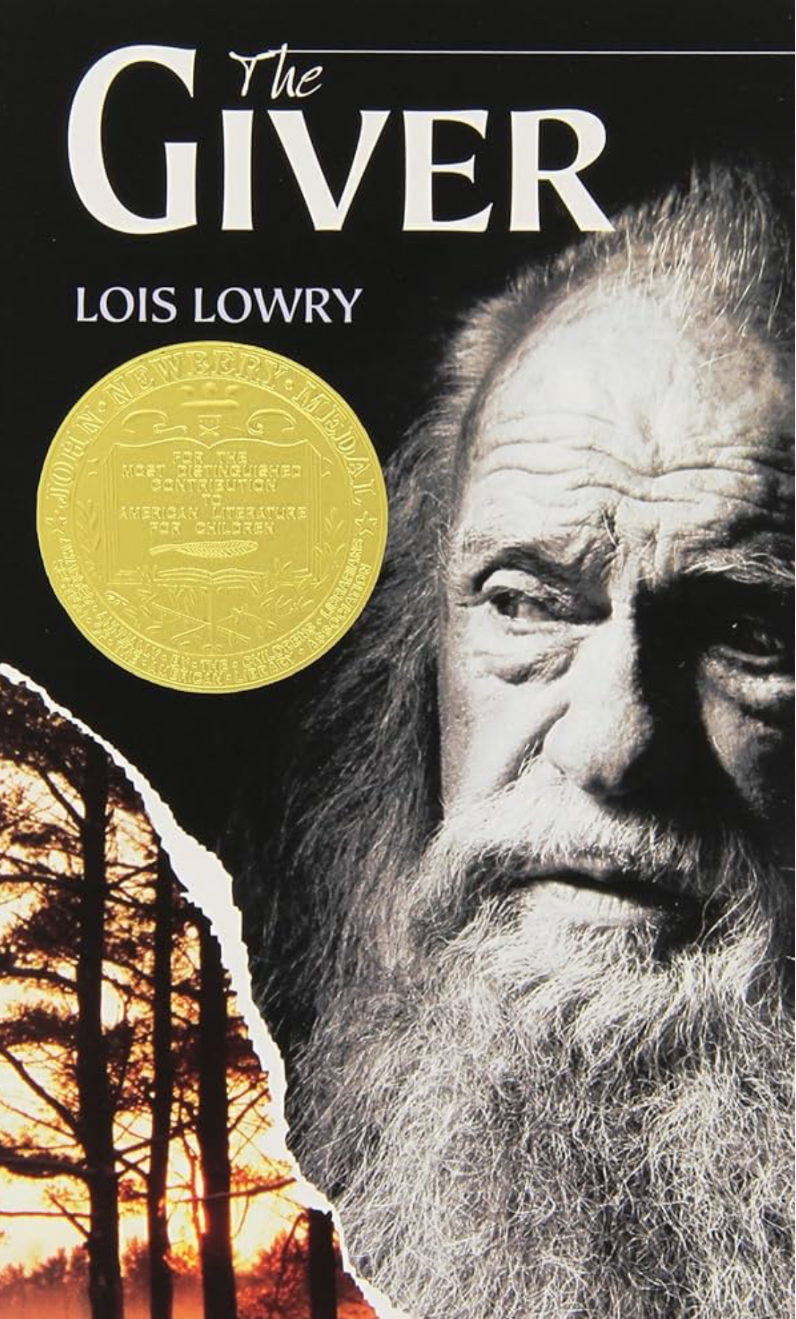
Lois Lowry (Key Modern Fantasy Author)
Style: Utopian/dystopian science fiction; explores ethics, memory, society.
Top Works:
1. The Giver
2. Gathering Blue
3. Messenger
(These form The Giver Quartet)
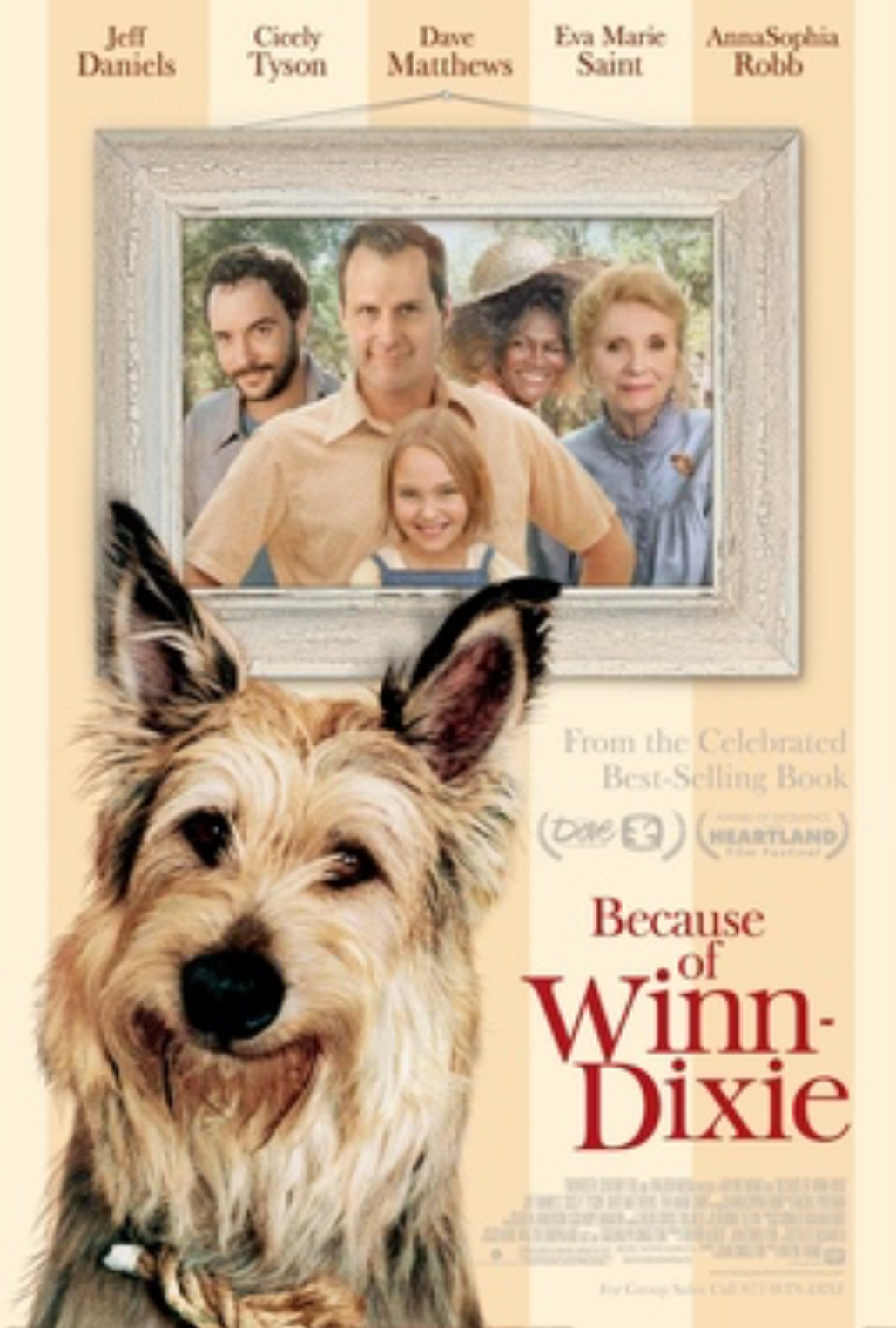
Kate DiCamillo (Key Modern Fantasy Author)
Style: Emotional storytelling; magical realism; animal and philosophical tales.
Top Works:
1. The Tale of Despereaux
2. Because of Winn-Dixie
3. The Miraculous Journey of Edward Tulane
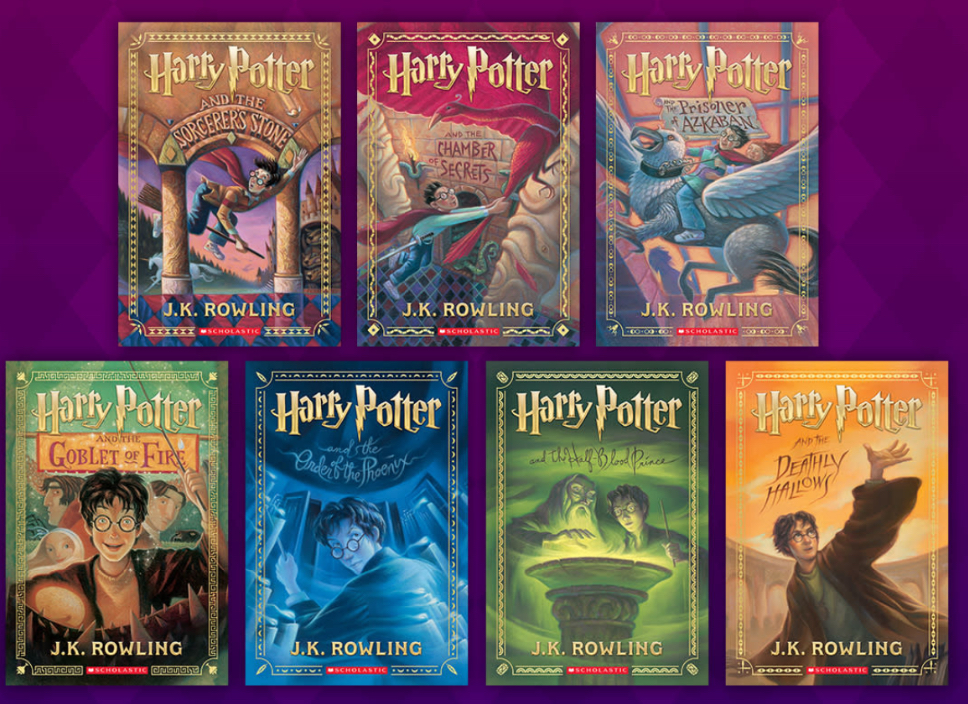
J.K. Rowling (Key Modern Fantasy Author)
Style: Large-scale magical worlds, boarding school fantasy, coming-of-age themes.
Top Works:
1. Harry Potter and the Sorcerer’s Stone
2. Harry Potter and the Prisoner of Azkaban
3. Harry Potter and the Deathly Hallows
 Note
Note  Flashcards (58)